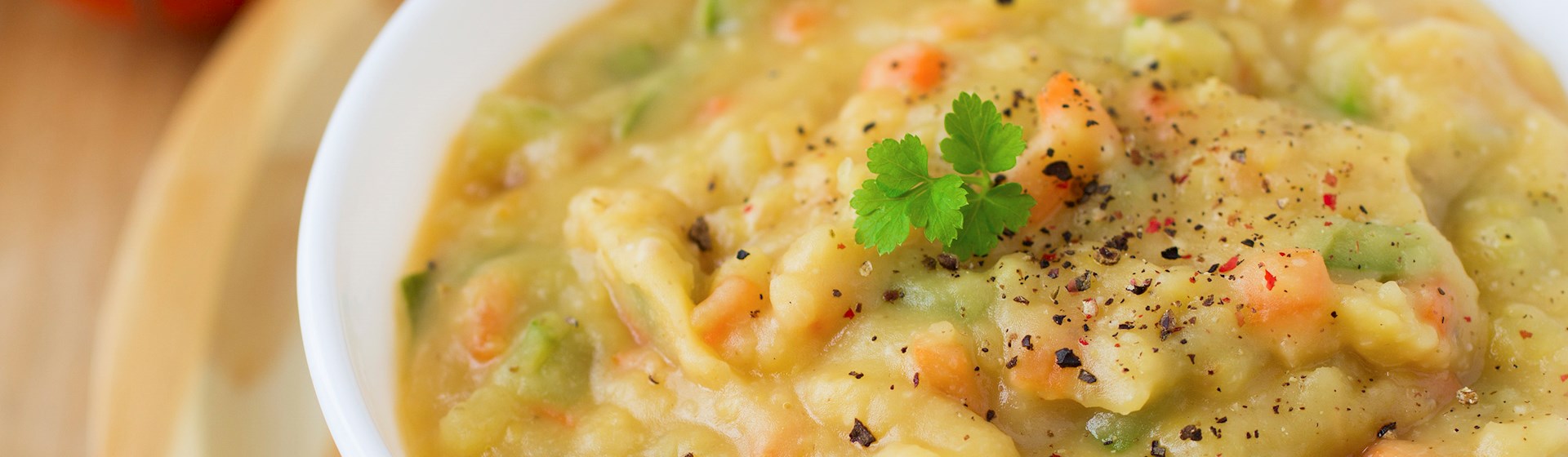
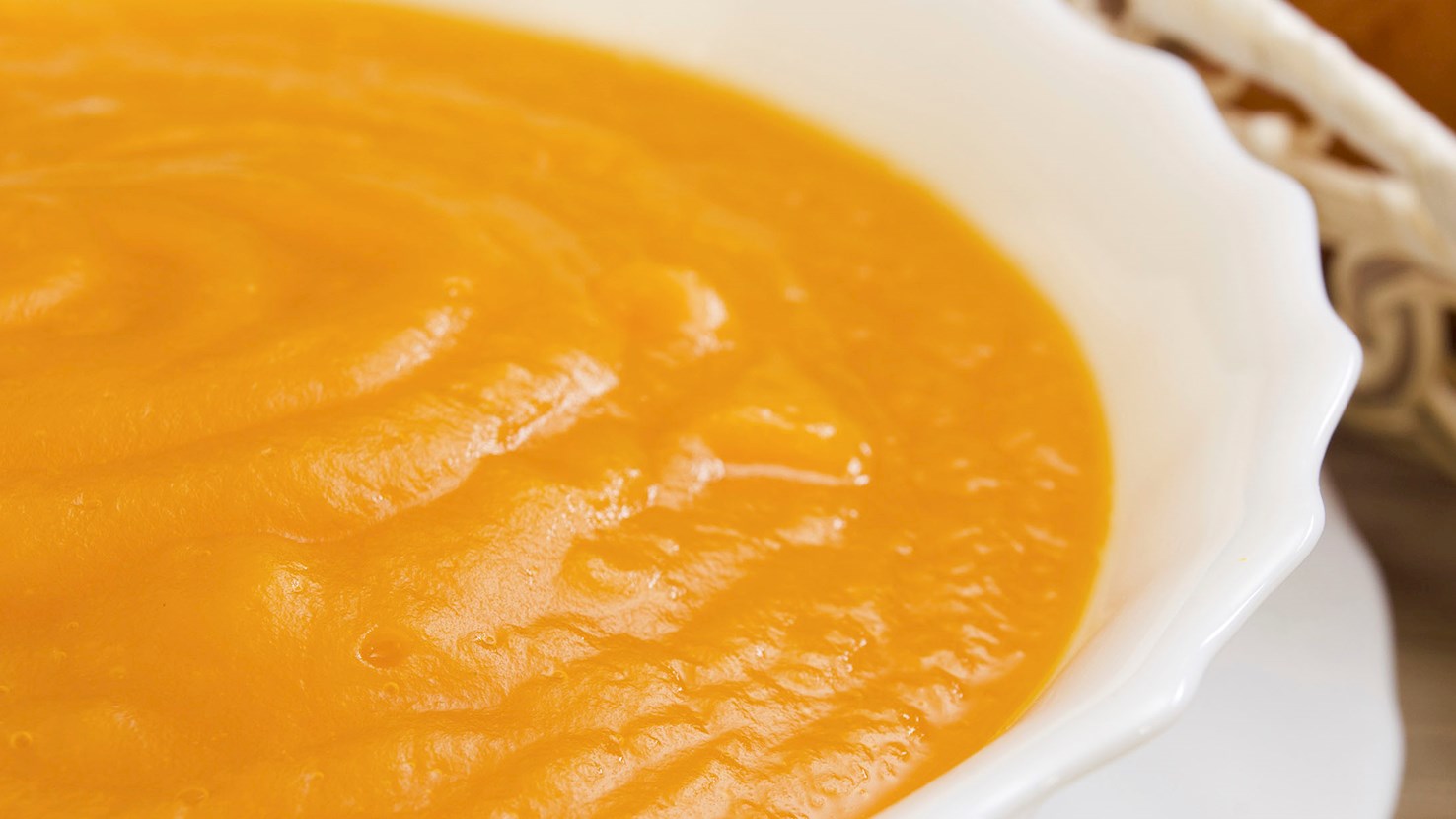
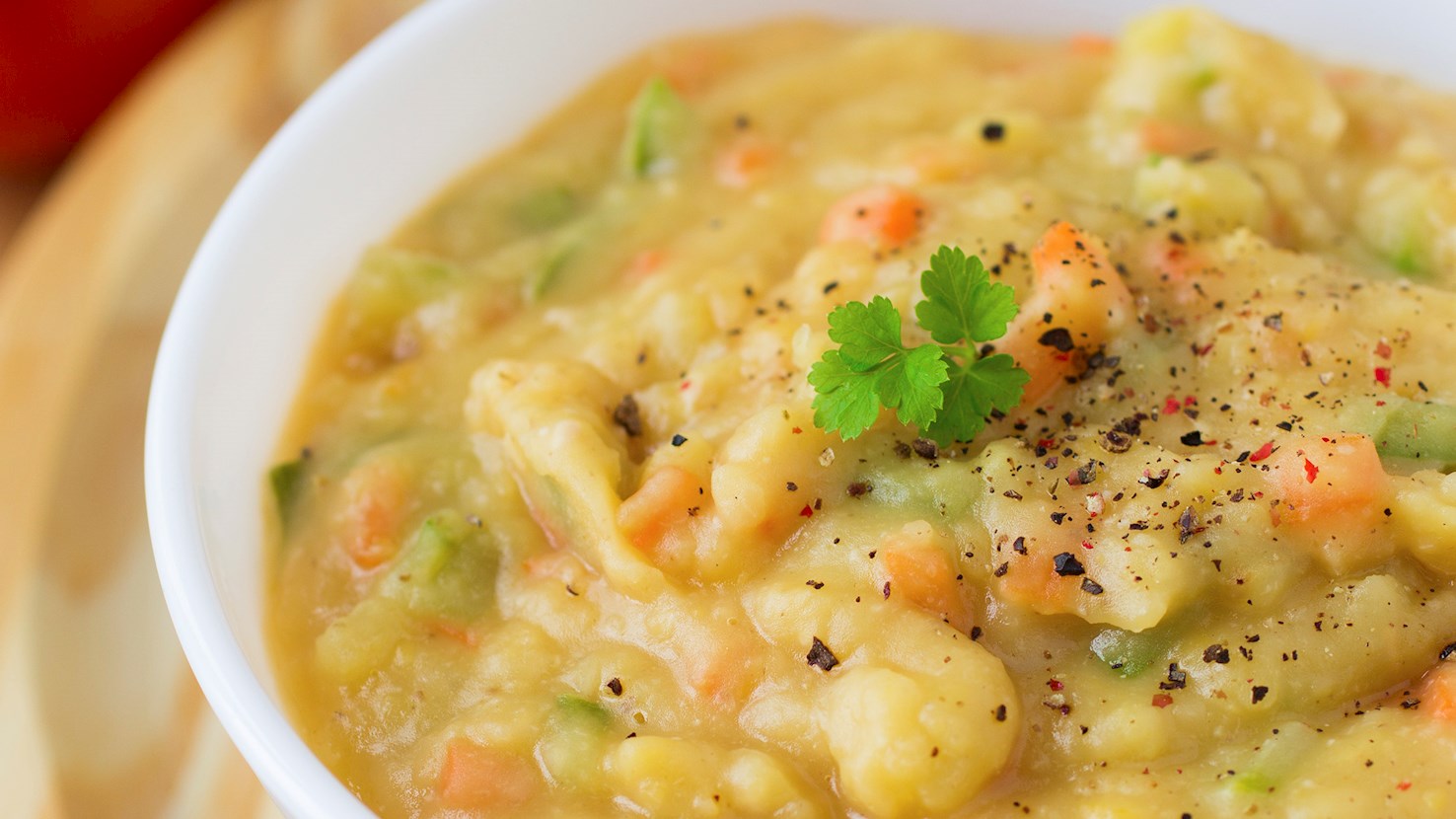
Imagine a dish which can be served as a hearty breakfast, makes a great side dish to grilled steaks and roasts, and is also a delicious dessert. This, in short, is the Paraguayan kivevé — a humble, but also a versatile combination of pumpkin, cornmeal, and fresh cheese, whose consistency is similar to porridge or purée. The preparation starts with peeling, deseeding, and dicing a pumpkin, which is then cooked in water until tender, and smashed into a smoother or a coarser purée. A finely chopped onion is sautéed in a separate pan and mixed with the pumpkin purée, the liquid the pumpkin has been cooked in or milk, sugar, and salt. Next, the cornmeal is added while constantly stirring to retain a smooth texture, and the mixture is cooked over low heat for 10 minutes. The final touch is to add fresh cheese and some butter or margarine, which give kivevé a rich, milky taste. As a breakfast or a side dish, kivevé is usually served hot, while cool kivevé is mostly considered a dessert.
When it comes to Russian cuisine, kasha is rightfully considered a staple food, holding the second place on the most beloved dish list right after shchi — cabbage soup. This fact is proved by an old Russian saying: “Shchi da kasha – pishcha nasha”, meaning “Shchi and kasha are our kind of food”. Kasha is actually a nutritious porridge made with cereals or pseudocereals, which can be served for breakfast, dinner, as a side dish usually paired with soup or an individual meal. The beauty of kasha is in its versatility — it can be sweet or savory, and as simple or complex as desired. Typically, the preparation of kasha starts with rinsing and soaking the cereals (buckwheat, millet, rice, wheat or oat), cooking them in water, milk or even broth and seasoning with either salt or sugar. Usually, the ratio between cereals and liquid is 1:2, and the cooking time depends on the type of cereals used. Other than cereals, roughly ground flours such as semolina and cornmeal can also be used. The density of kasha can be adjusted to taste — crumbly porridge is most commonly served as a garnish, while liquid porridge called razmazanya is a usual breakfast option, especially when it is made with milk. Kasha is often topped with butter, and other additions include fresh or dried fruit and vegetables, nuts, eggs, ham, bacon, eggs, cheese, spices, honey and even chocolate. The trick for a perfect kasha lies in cooking it slowly, without stirring (with the exception on flour-based varieties), preferably in a cast-iron skillet. Some recipes suggest placing the boiled kasha in a hot oven so it develops a crust, and the dish is regularly served hot.
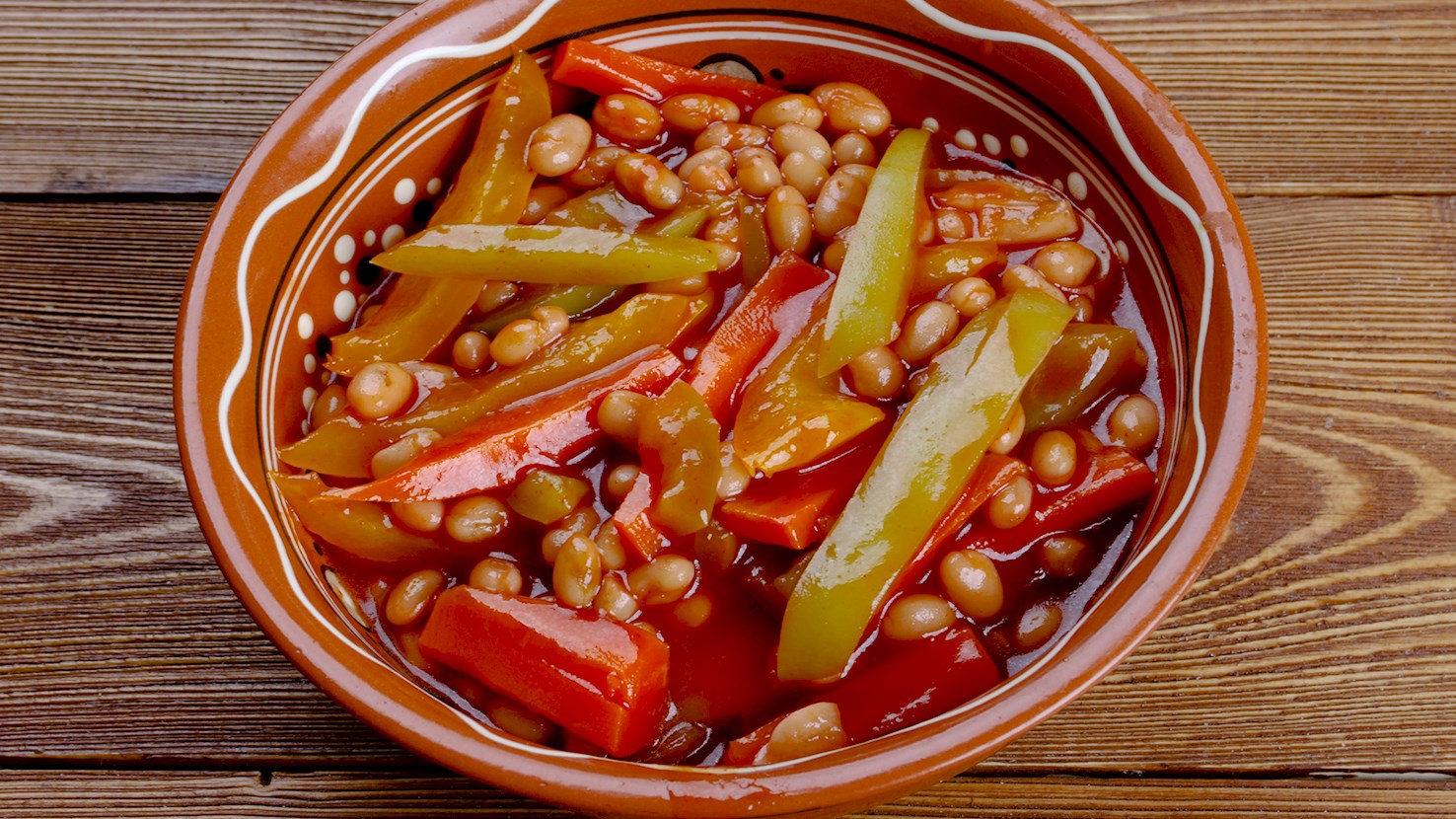
Spicy, colorful, versatile and easy to prepare, chakalaka is a vegetarian South African dish which can fit into many categories — it can be a salsa, a relish, a condiment, or a main dish, depending on what it is paired with. Most commonly, chakalaka is prepared by sautéing finely chopped root vegetables such as onions, garlic, and carrots with spices like curry powder or leaf masala, after which the bell peppers, fresh tomatoes or tomato sauce, baked beans and seasonings are added. Other additions may include ginger, chilis, cauliflowers, shredded cabbage or anything else you may have at hand. This dish is as tasty hot as it is cold, because, like many other relishes, it develops its full flavor through time. Very often, chakalaka is garnished with some chopped fresh coriander, which gives a note of freshness to the dish. Chakalaka is most commonly served at South African barbecues called braais paired with grilled meat and sausages. Otherwise, it can be paired with bread, maize porridge mieliepap, roughly chopped corn kernel porridge pap, curries and various stews. As for its texture, it can vary from salad-like to soup-like, depending on the amount of tomato sauce used. Ready in under half an hour and tasty for days if refrigerated and jarred, chakalaka is a perfect choice for long, hot summer days.
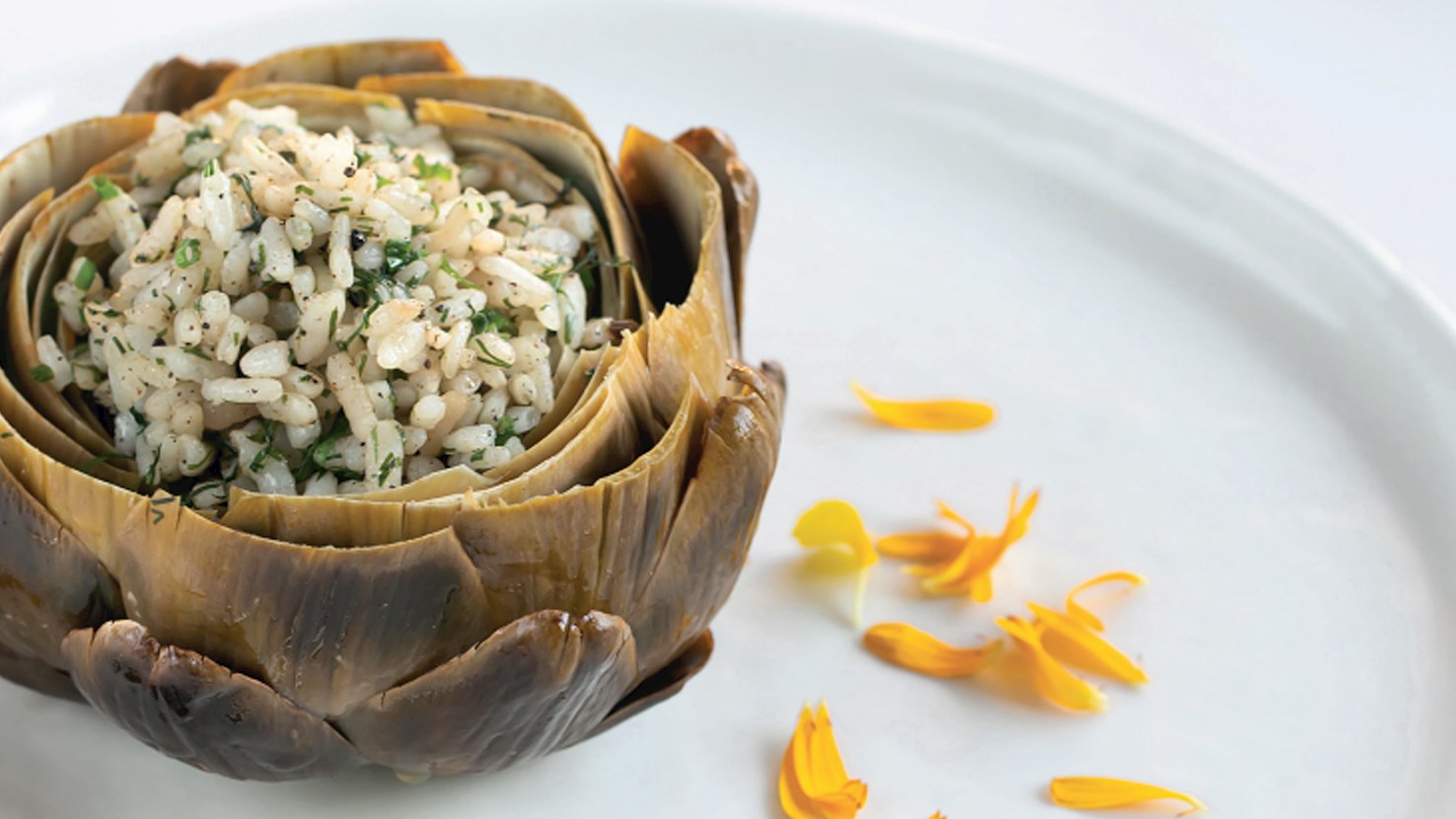
Adapted from the gastronomy book Turkish Cuisine With Timeless Recipes, this recipe shows how to prepare enginar dolmasi the traditional way. In this variant, the artichokes are stuffed with a meatless filling, just a mixture of rice, herbs, and seasonings.
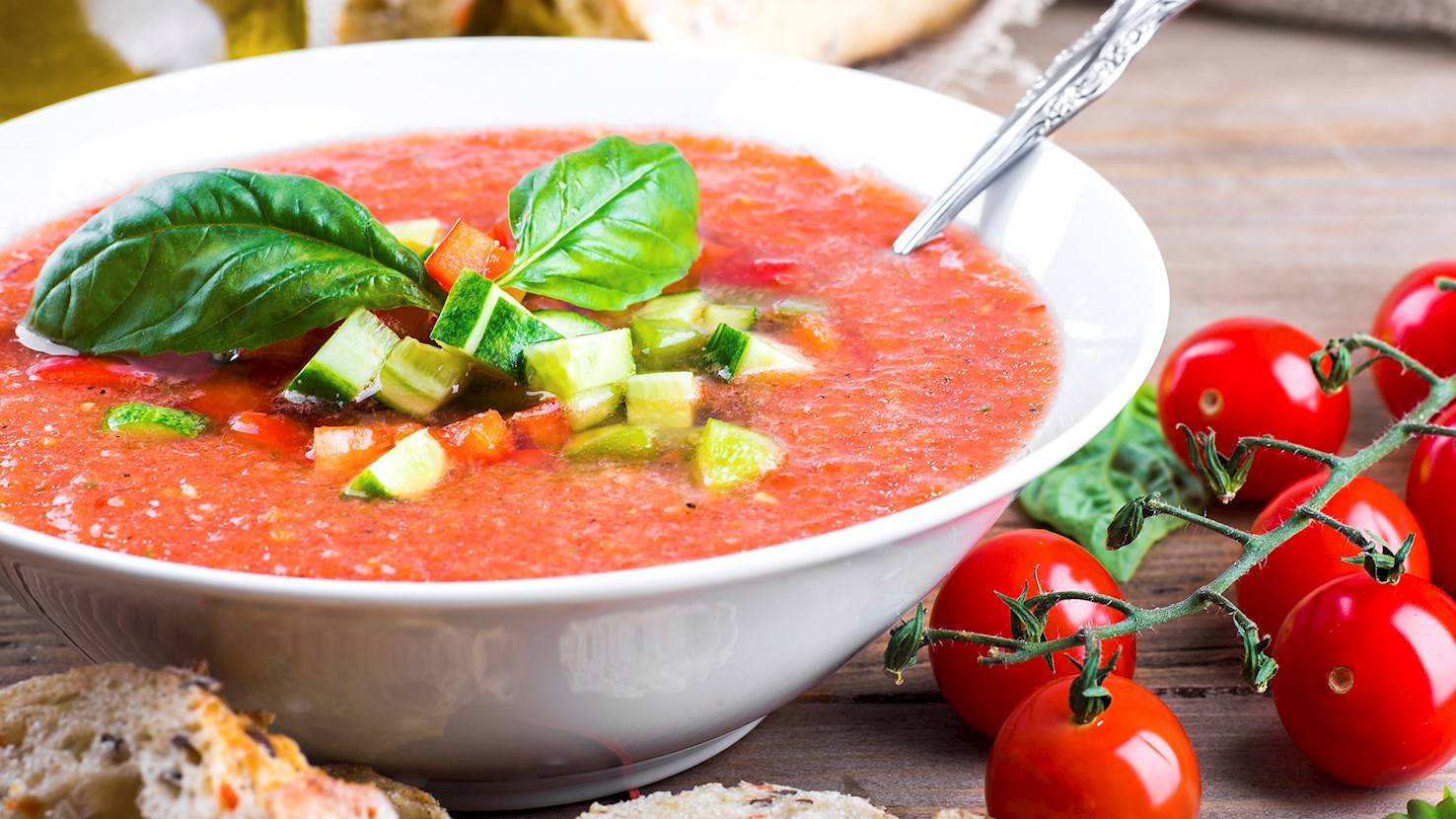
This iced vegetable soup was originally hand-made by being ground in a mortar and pestle or pounded in a dornillo, a large wooden bowl. Today, thanks to the advent of blenders and food processors, gazpacho is no longer anywhere near as labor-intensive a dish to make. The vegetables and combination of herbs used may vary according to both the chef’s taste and the seasonal vegetables available. Gazpacho can be made with whatever happens to be ripe at the time — but the key word here is ripe. Also, even though the recipe for a classic gazpacho is quite flexible, the one ingredient that should never be omitted is bread, preferably stale or at least a day old.
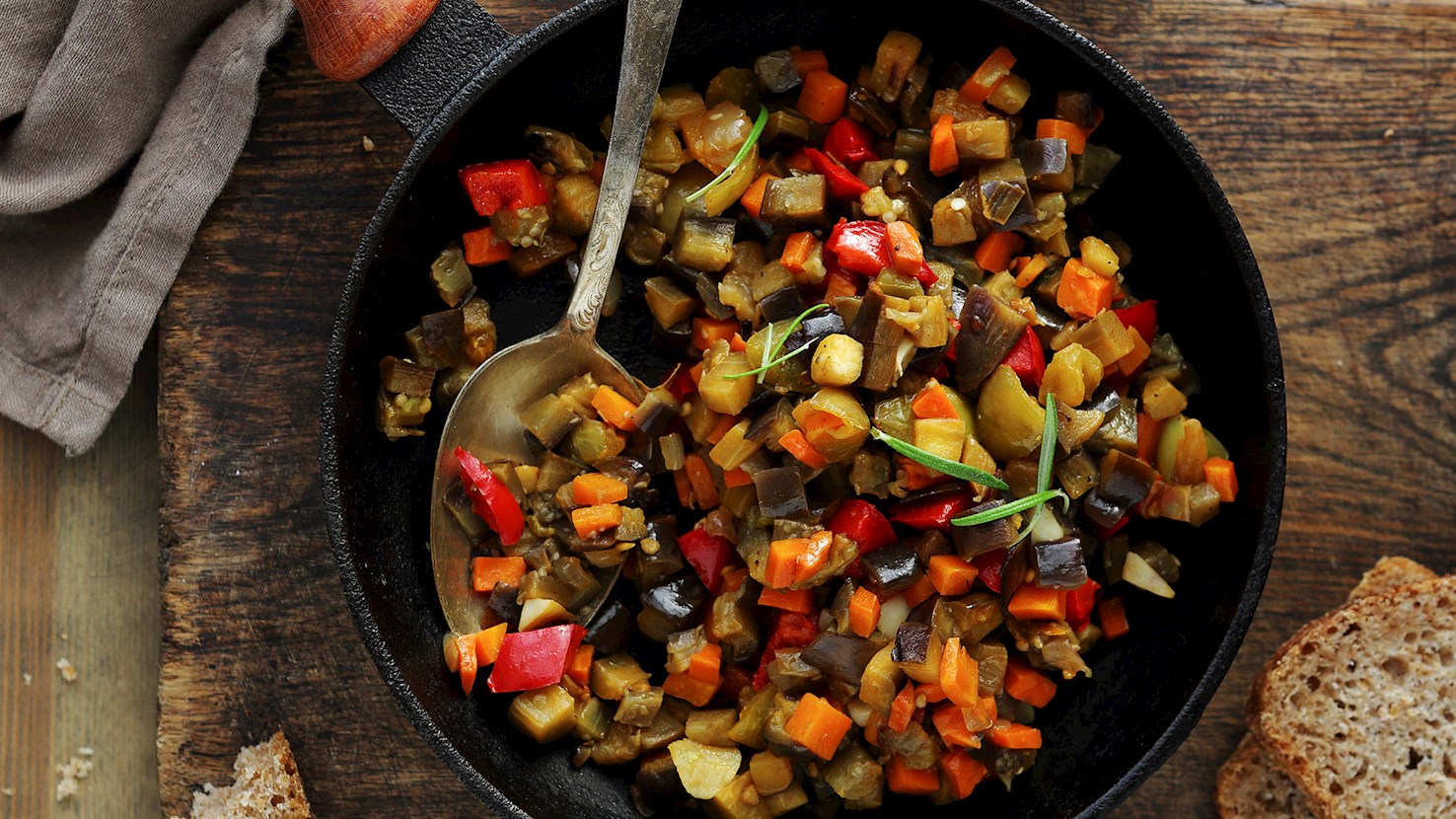
One of the most famous French dishes in the world, ratatouille, is a humble vegetable stew hailing from the French region of Provence. The word touiller means "to toss" in French, and to make this dish, you must do just that — eggplants, zucchini, peppers, tomatoes, and other vegetables are tossed together and cooked into a vibrant dish. It can be enjoyed in a myriad of different ways, whether hot as a side dish or cold as a topping for sandwiches or buckwheat crêpes. Since the vegetables used in this recipe are all exceptionally flavorful, ratatouille is usually seasoned only with sea salt, olive oil, and cracked pepper. Of course, you can make it to taste by changing the ratio of vegetables or reducing the amount of onions and garlic in the recipe, so feel free to use any ratatouille recipe as more of a guideline than a rigid set of rules.
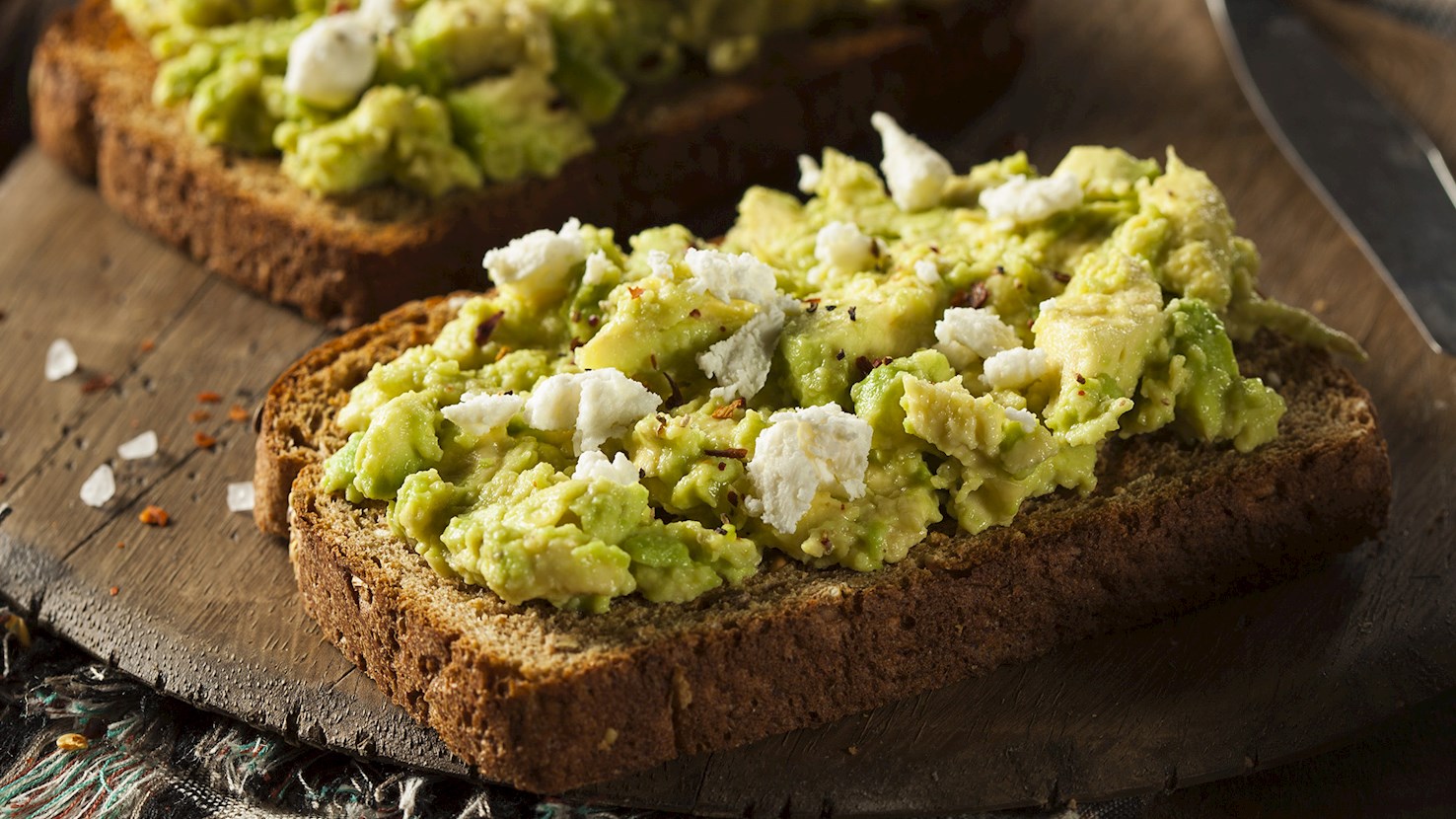
Slices of toasted bread, topped with slices of avocado, which can be left whole, or crushed by a fork into the toast, sprinkled with salt, ground pepper, and lemon juice — that, in short, is the most basic version of avocado toast, the It breakfast dish of the 2010s. Avocado toast variations are endless — poached eggs, bacon, vegetables, or different herbs and seasonings can be added — almost anything goes.
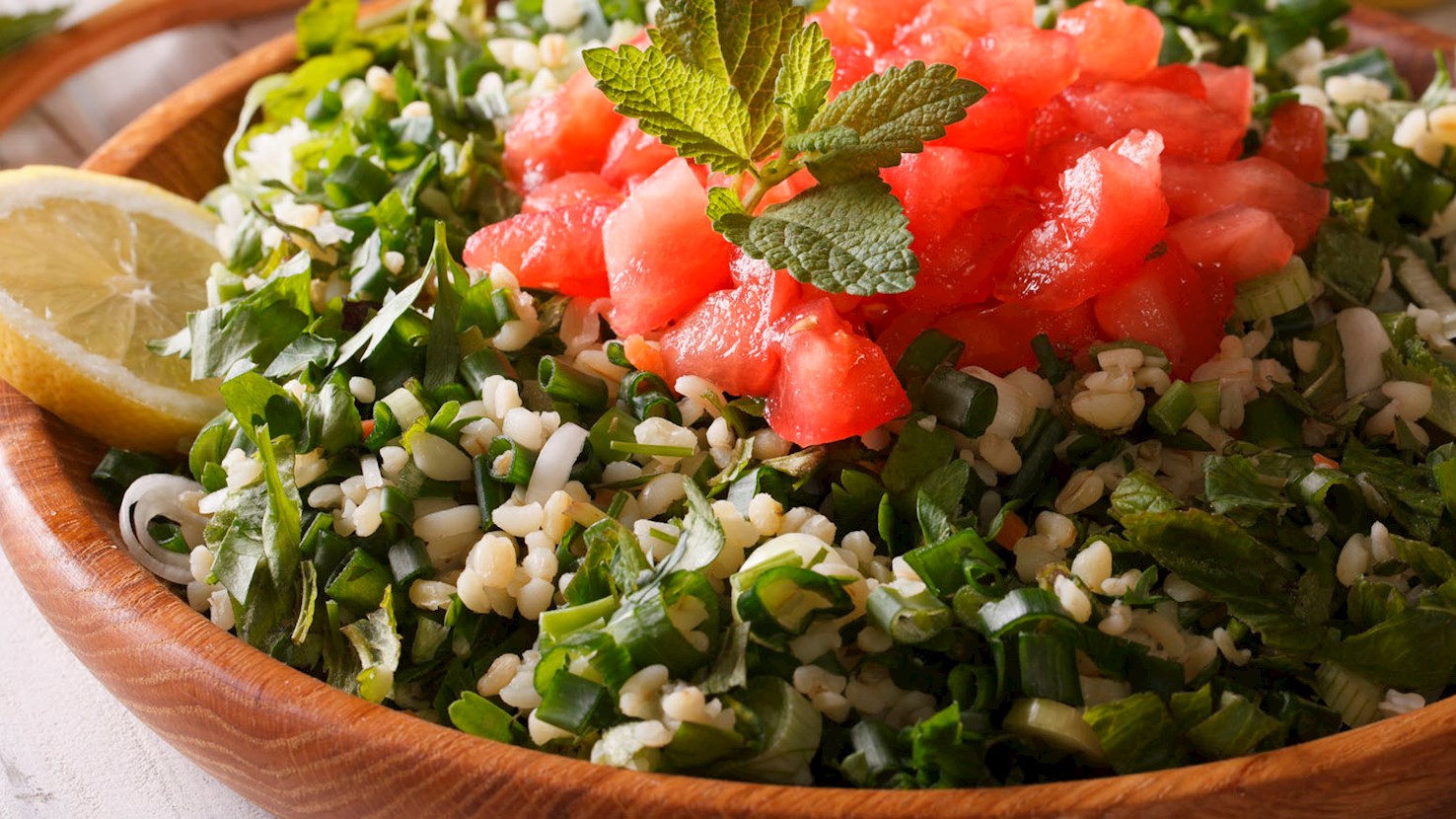
Tabbouleh is a cornerstone of Levantine cuisine, most closely associated with Lebanon, where it is understood not as a grain salad but as a dish built around fresh herbs. At its core, tabbouleh is defined by an abundance of parsley, supported—never dominated—by a small amount of fine bulgur, ripe tomatoes, mint, spring onion or onion, lemon juice, olive oil, and spices. Its identity lies as much in technique as in ingredients, and careful preparation is essential to achieving the salad’s characteristic lightness, clarity, and balance. Traditional preparation begins with the bulgur, which is rinsed thoroughly and drained rather than soaked, keeping it light and discreet. Tomatoes are diced very finely and often left to drain so their juices enrich the salad without making it watery. The most critical step is handling the herbs: flat-leaf parsley and mint are washed, dried completely, and finely sliced with a sharp knife. Chopping or bruising the leaves dulls their flavor and releases excess moisture, so clean, thin cuts are essential to preserving texture and aroma. Assembly is deliberate—ingredients are combined gently, and seasoning is added toward the end to maintain control over moisture and balance. In its traditional form, tabbouleh uses very specific ingredients: large quantities of parsley, a modest amount of mint, finely chopped tomatoes, spring onions or onions, a small handful of fine bulgur, lemon juice, warm spices like cinnamon and Lebanese seven-spice, and high-quality olive oil. Seasoning is deliberate and layered. Alongside salt and black pepper, ground cinnamon and Lebanese seven-spice are integral, not optional. The salad should taste bright, fresh, and herbaceous, with acidity leading and richness kept in check. Properly made, it is crisp and lively, never heavy, soggy, or grain-forward. Variations exist across regions and households, though departures from the classic formula are often points of debate. Some versions adjust the herb ratios, others include all-spice or sumac, or forego seven-spice, and in certain contexts, pomegranate molasses or sour grape juice appears instead of lemon juice. Outside the Levant, tabbouleh is frequently adapted into a couscous-based or bulgur-heavy salad, which, while popular, differs significantly from the traditional Lebanese conception. In authentic versions, grains are a background element, included for texture rather than bulk. Tabbouleh is typically served as part of a mezze spread and is meant to be eaten fresh, often immediately after preparation. It is commonly accompanied by crisp lettuce leaves—such as romaine or gem—which are used to scoop the salad rather than cutlery.
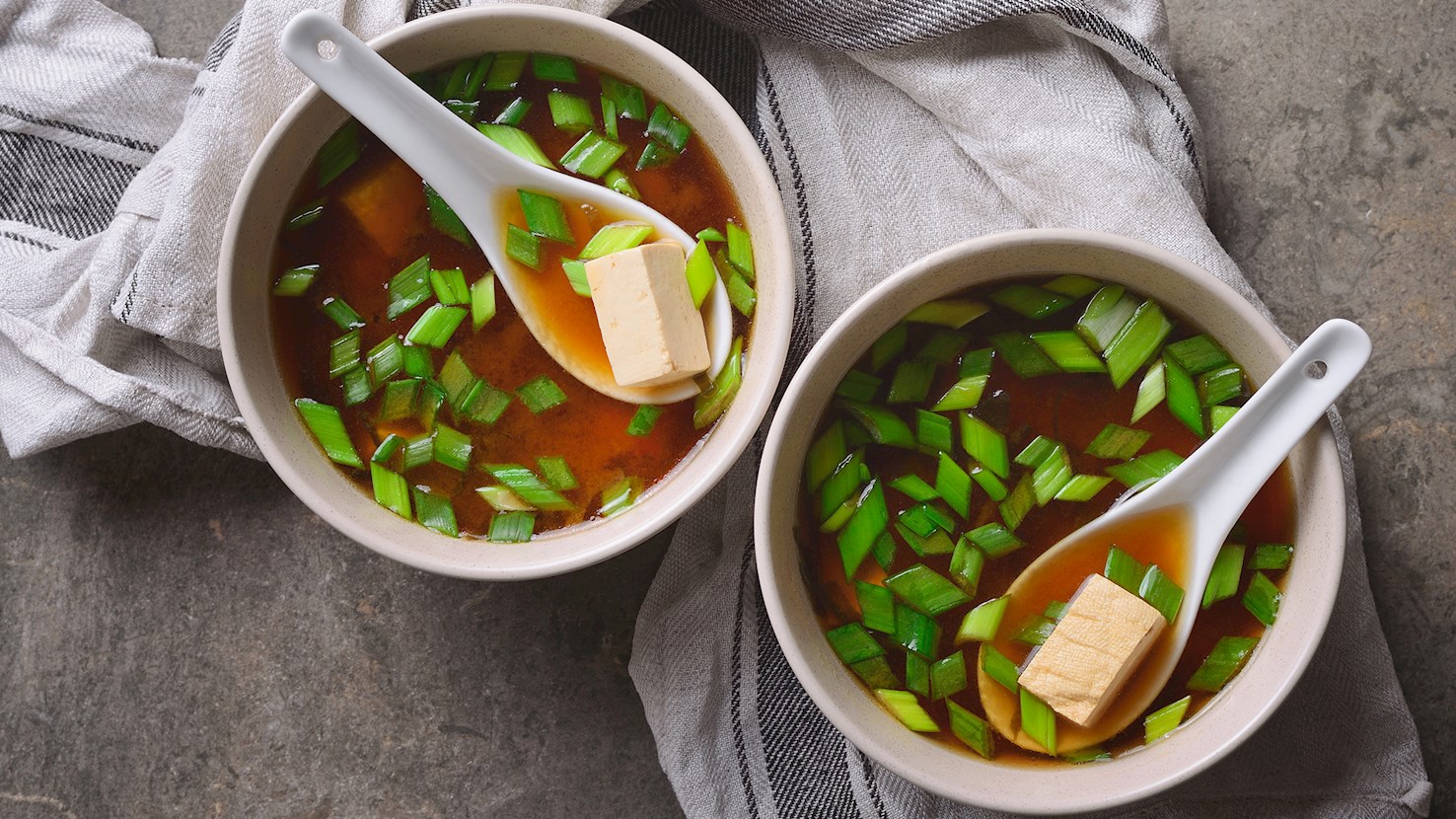
Served either as a breakfast or an appetizer, miso soup or misoshiru reflects the elegance of Japanese cuisine in its purest form. The preparation starts with dashi, a simple broth made from dried or dried and smoked fish (sardines, kelp, and skipjack tuna) or mushrooms (shiitake). Next, some miso paste — red, white, mixed, or other variations — is dissolved in some dashi. The mixture is then added to the rest of the dashi and brought to a simmering point. The next step is to include solid ingredients such as tofu, vegetables, algae, meat, fish or clams, which are put into the simmering soup until they are cooked or warmed. The miso soup is always served hot, usually with a bowl of rice: the Japanese drink the soup first and then eat the solid ingredients with chopsticks.
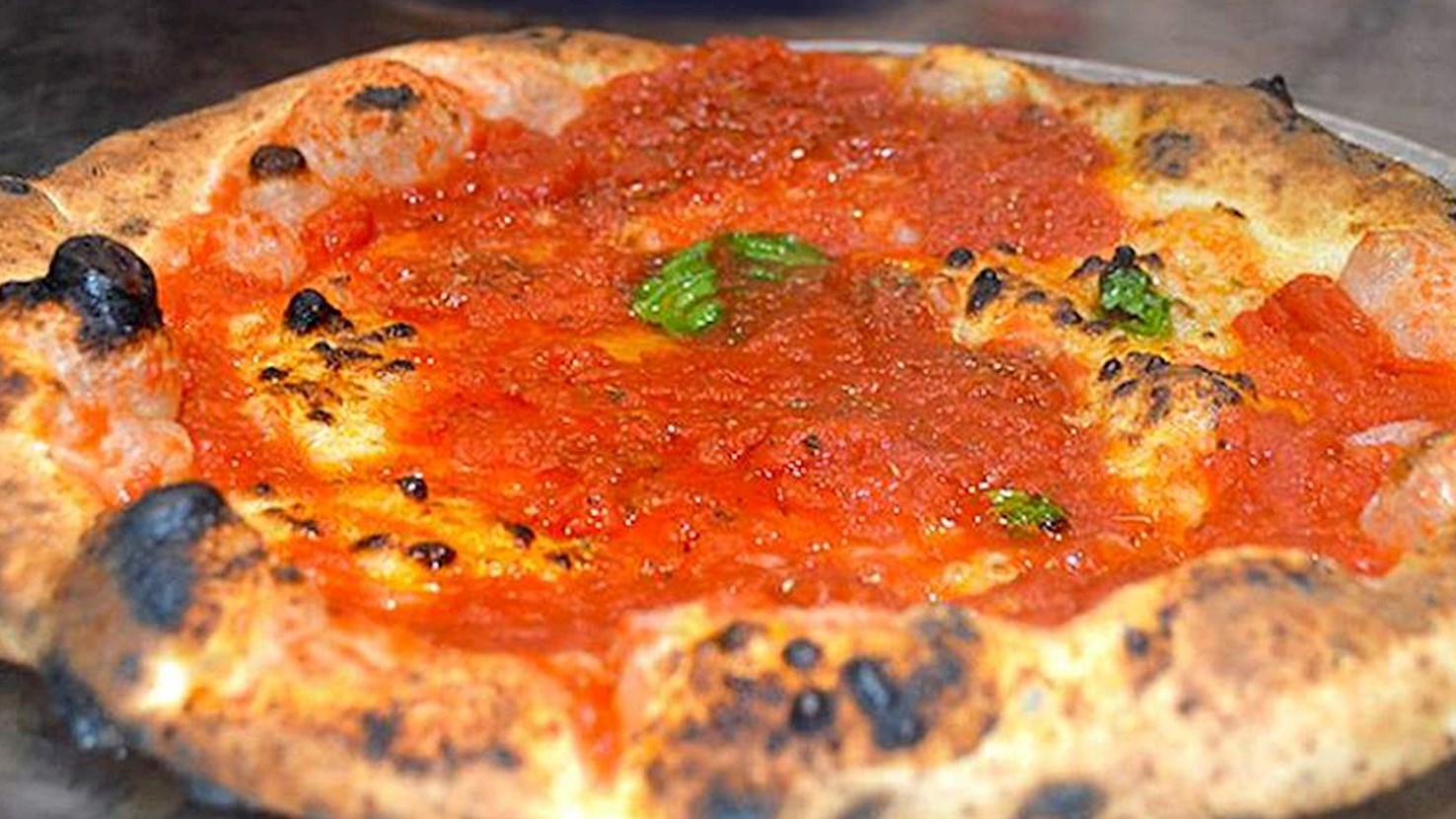
Traditionally, the dough is made with flour, yeast, water, and salt, whereas the topping consists of peeled, milled, and salted tomatoes, oregano, garlic, and olive oil. Besides the listed ingredients, often basil is included as well, although it is not part of the authentic recipe. The characteristic of a true Neapolitan pizza, marinara included, is cornicone, a raised outer rim that is 1-2cm (1/2-inch) wide. Also, size-wise, the pizza should not exceed 35cm (13.5 inches) in diameter. The assembled pizza is baked in a wood-fired oven for 60 to 90 seconds, the end result being a bendable pizza with a thickened sauce in the center and no blackened spots.
TasteAtlas food rankings are based on the ratings of the TasteAtlas audience, with a series of mechanisms that recognize real users and that ignore bot,
nationalist or local patriotic ratings, and give additional value to the ratings of users that the system recognizes as knowledgeable.
For the “10 Worst Rated Vegetarian Dish Recipes” list until June 17, 2026, 37,927 ratings were recorded, of which 21,352 were recognized by the system as legitimate.
TasteAtlas Rankings should not be seen as the final global conclusion about food. Their purpose is to promote excellent local foods,
instill pride in traditional dishes, and arouse curiosity about dishes you haven’t tried.