

19 Worst Rated Southeastern European Wine Varieties

Last updated on May 21, 2026
01

gamza

2.8 ·

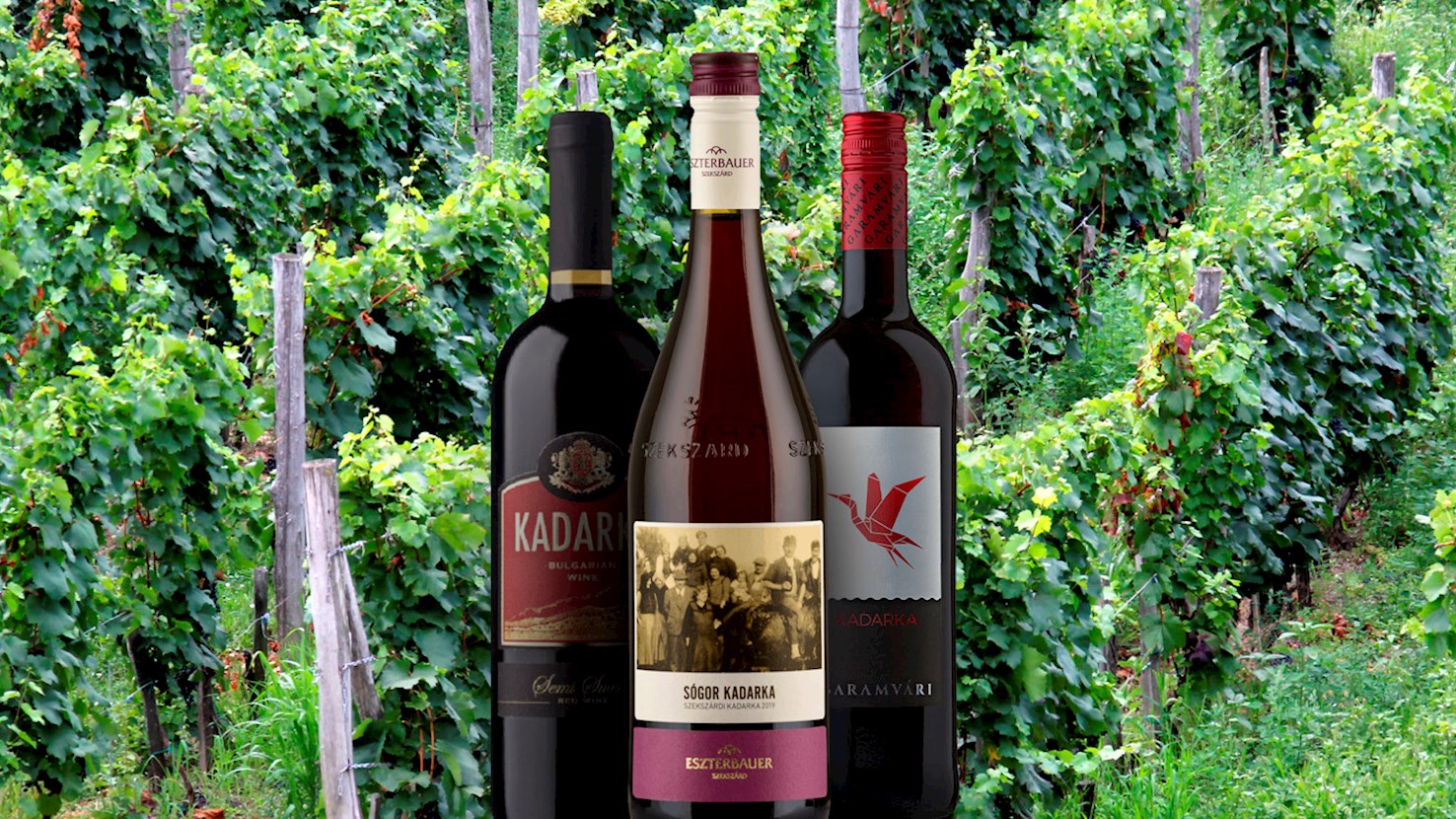
Kadarka is a red grape with an uncertain origin. It is most likely a native Balkan variety that spread during Ottoman rule. Due to its finicky nature, it has slightly declined in popularity, but it is still an important red variety, especially in Hungary. Kadarka is a late-ripening grape that mainly produces fruity and elegant red wines. It is versatile and terroir-driven, so the wines can often vary in character, but they usually have light to medium body, bright acidity, and low tannins. The aroma is typically fruity, often with hints of spice and sometimes with subtle floral notes. Kadarka is an ideal partner for spicy meat dishes. Apart from Hungary and Serbia, Kadarka is also cultivated in Romania and Bulgaria, where it is known as Gamza. In Hungary, it is mostly associated with Szekszárd and Villány, but it is also popular in Eger, where it is used in the Egri Bikavér red blend.

02

Trnjak

2.8 ·

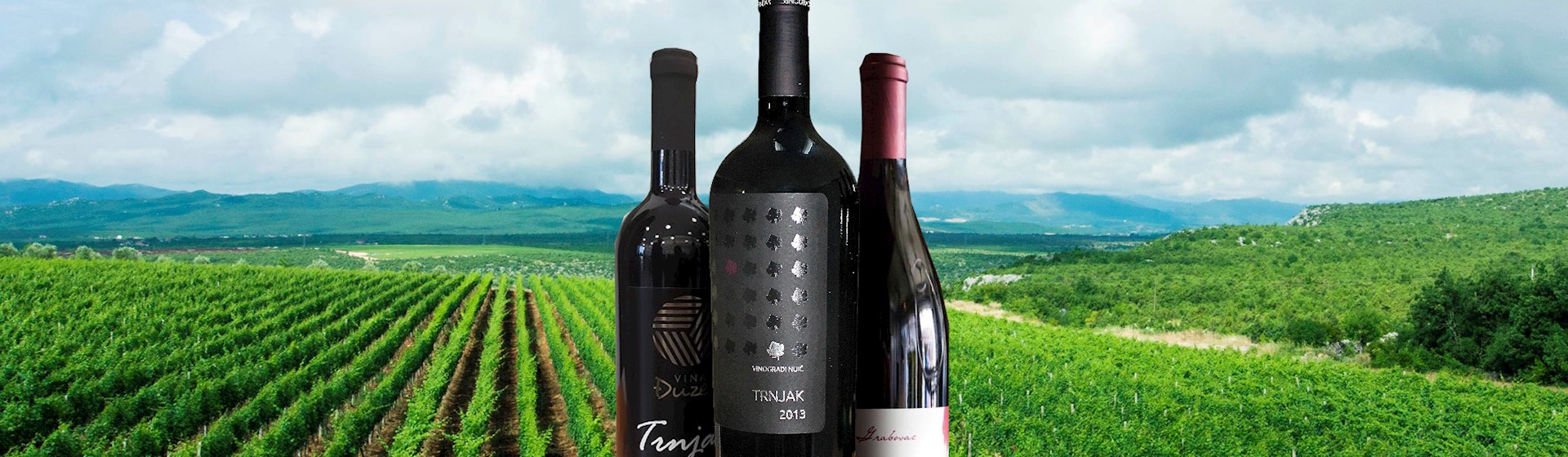
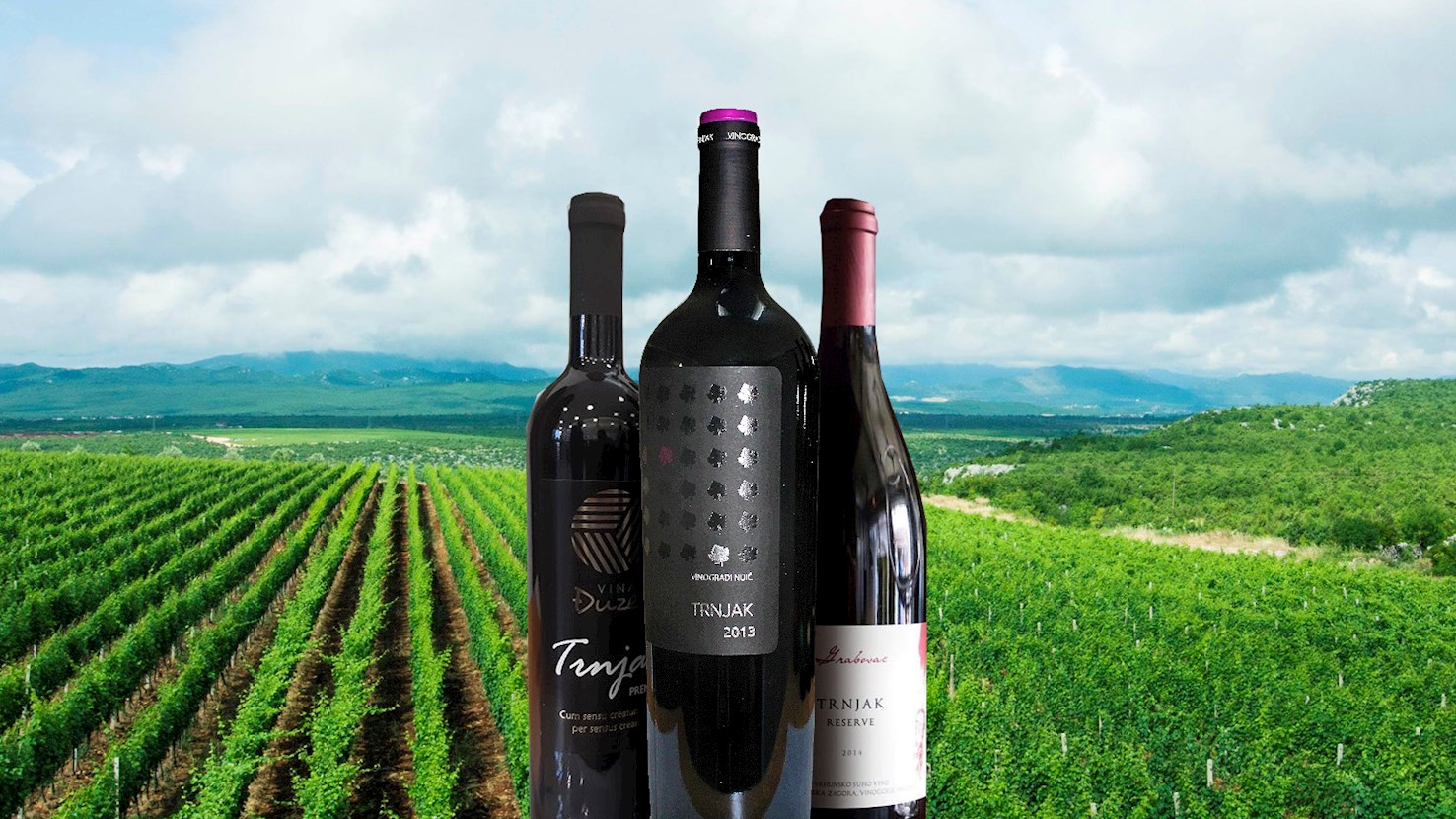
Trnjak is a rare grape variety that is cultivated in Herzegovina and Central Dalmatia (Zagora). In Herzegovina, Trnjak was mainly grown together with Blatina—a grape that only has functional female flowers and needs other grape varieties to pollute. Often both types would be used in blends, but recently, Trnjak has been used in the production of exceptional and well-balanced varietal wines. The best expressions of varietal Trnjak are aromatic, dense, and complex with typical notes of ripe red fruit and spices. Trnjak pairs well with charcuterie, cheese, lamb, veal, and hearty stews.

03

Crna Tamjanika

3 ·

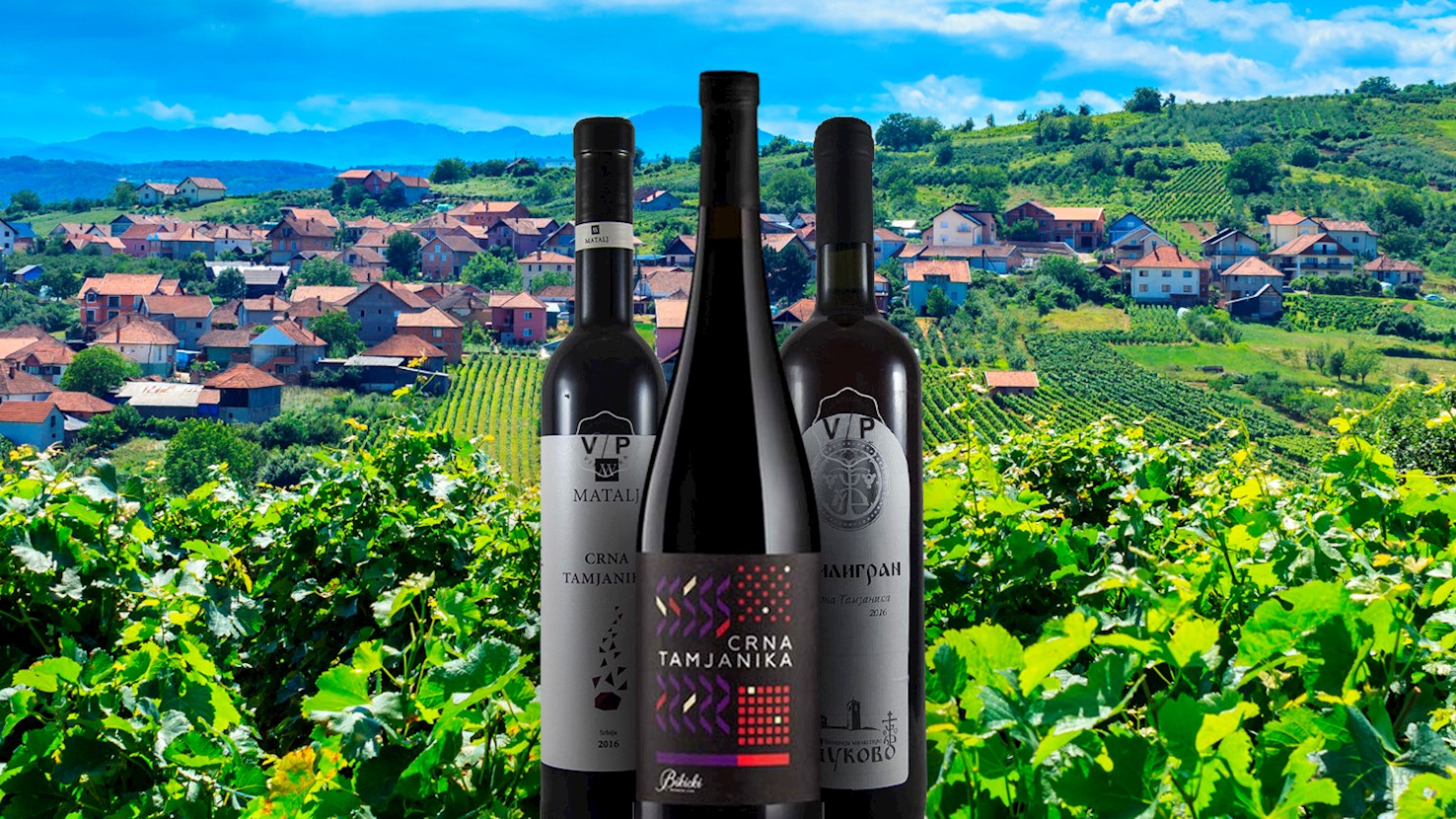
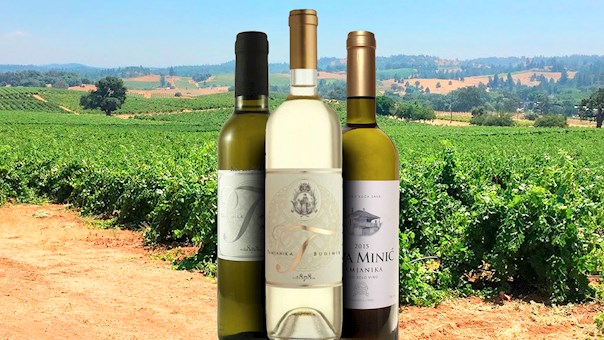
Crna Tamjanika is a red grape cultivated in Serbia that is mainly associated with Negotin and Fruška gora. The origin of the grape has not yet been identified, but it is either closely related or identical to Rosenmuskateller, an aromatic grape native to Austria that is also cultivated in Italy (Moscato Rosa) and Croatia (Muškat Ruža). Crna Tamjanika is a finicky, low-yielding grape with functional female flowers. Because of its characteristics, it was scarcely cultivated in Serbia after phylloxera. Several winemakers recently reintroduced it as a red variety that has excellent potential to produce dry and dessert wines. Crna Tamjanika is an aromatic grape. The resulting wines have distinctive rose-like aromas, often accompanied by red fruit and hints of spices. On the palate, the wines are fruity, and they manage to stay fresh and retain juicy acidity. Dessert wines are best paired with chocolate or fruit desserts, and dry styles can be a great pairing with grilled meat or grilled fish.

04

Savatiano

3.2 ·

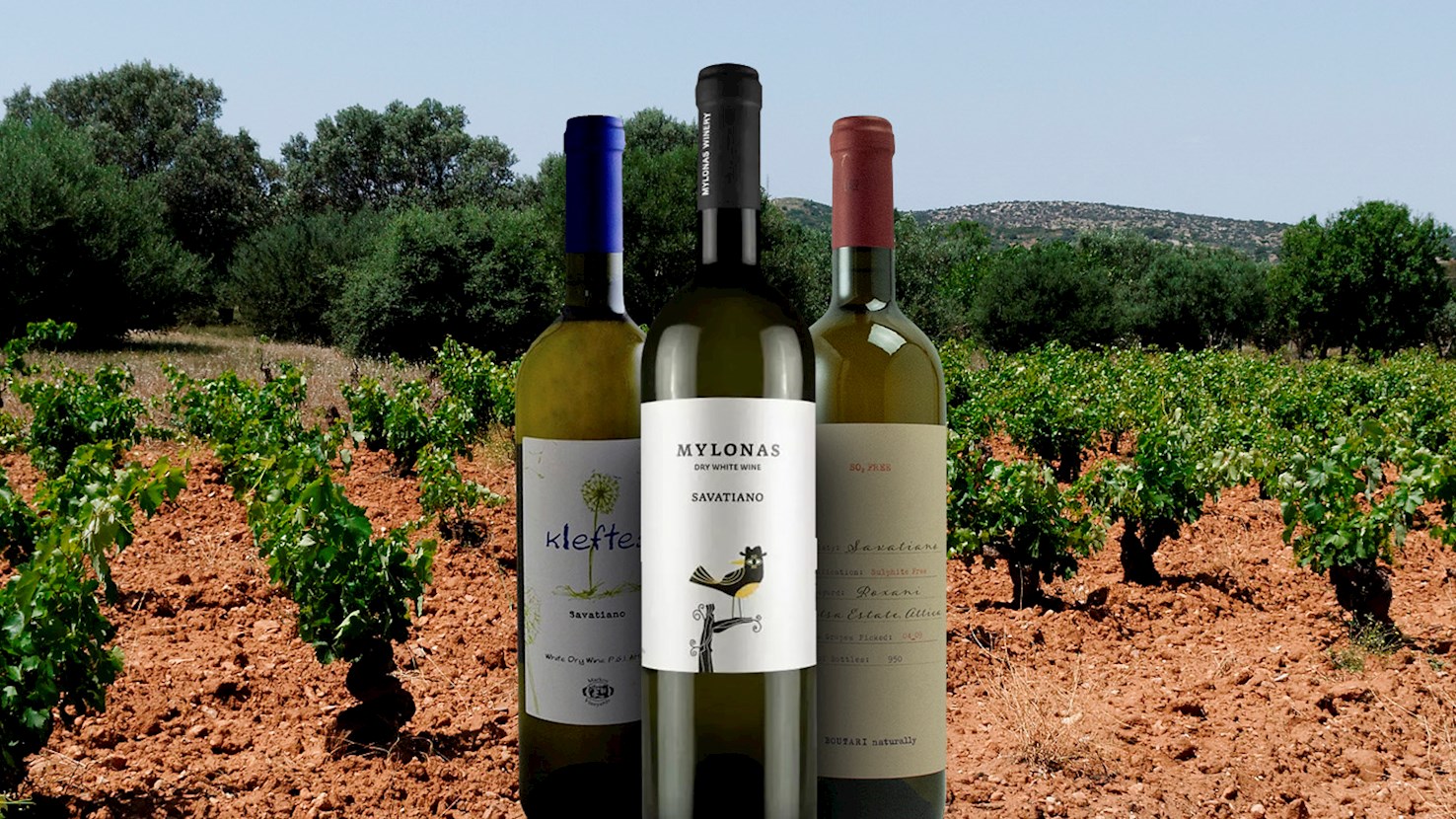
Savatiano is a white grape native to Greece, where it is used in varietal and blends. It was mostly used for unimpressive and bland table wines and the somewhat infamous Greek retsina—wine flavored with pine tree resin. Savatiano is still one of the most popular varieties, but producers now usually turn to quality rather than quantity. By choosing cooler sites and earlier harvesting, winemakers allow the grape to retain acidity. Along with this shift, varietal Savatiano has become more prominent on the market. Dry Savatiano wines have citrus, apple, and floral notes, along with medium-body and medium to low acidity. Mineral and herbaceous notes are also common. Some producers experiment with skin-contact wines and oak, showing that Savatiano can create wines of great character that are rich and creamy, with juicy yellow fruit nuances. Depending on their style, dry Savatiano wines can be paired with lighter and more complex dishes. They are best served with seafood, white meat, vegetable dishes, and Mediterranean specialties. This is a great wine to pair with classic Greek dishes. Savatiano probably originated in Attica, and its name stems from savvato, meaning Saturday.

05

Blatina

3.3 ·

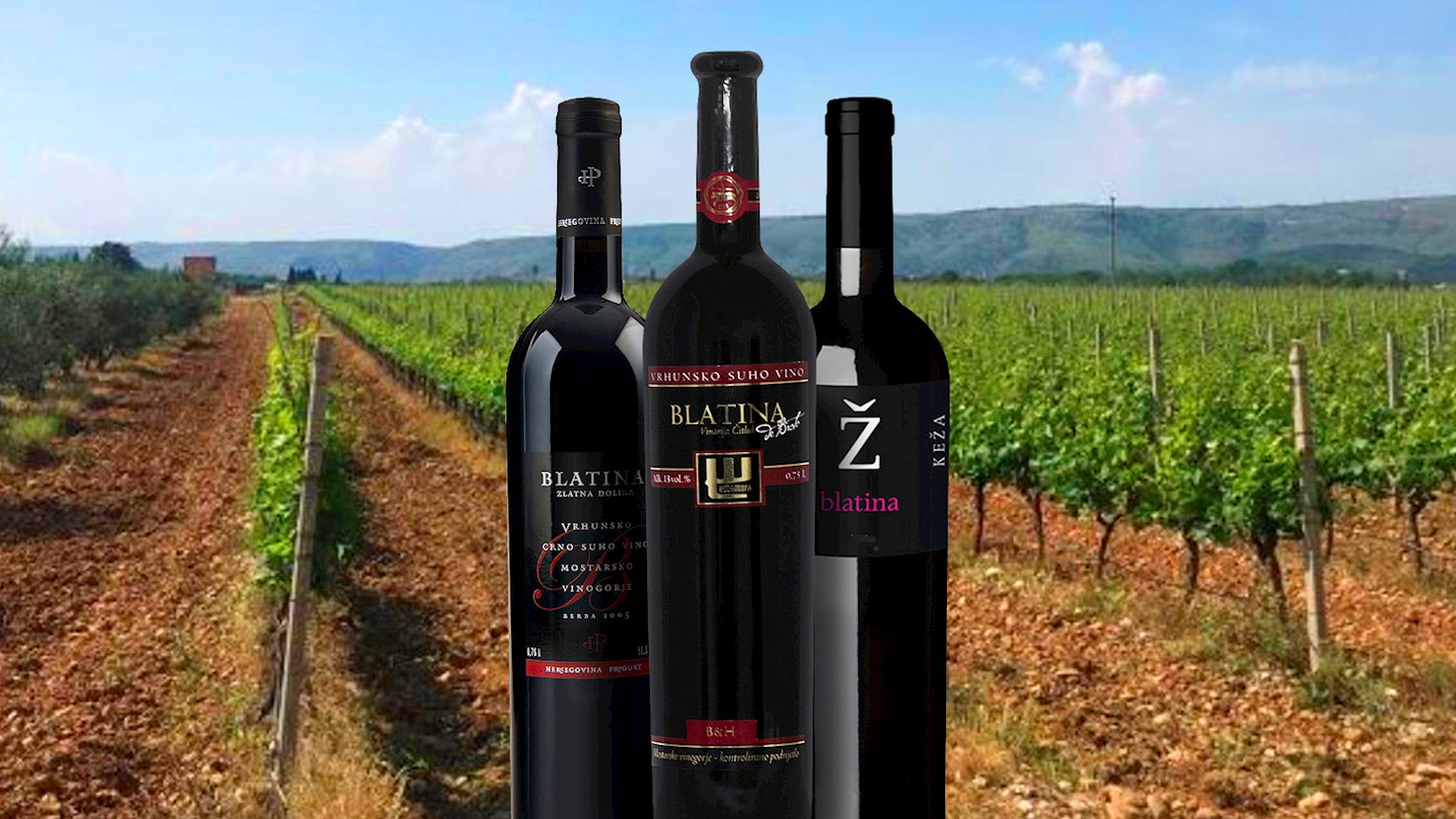
Blatina is a red grape variety that is exclusively cultivated in Herzegovina. The wines produced from Blatina are usually full-bodied, dense, and concentrated with earthy and fruity notes that are often accompanied by well-balanced minerality. Interestingly, the grape only has functional female flowers which means that it needs other grape varieties to pollute and is fairly difficult to grow. Because of this, it earned a peculiar nickname - praznobačva (empty barrel). Blatina pairs well with various meat dishes, charcuterie, and aged cheese.

06

Melnik

3.3 ·

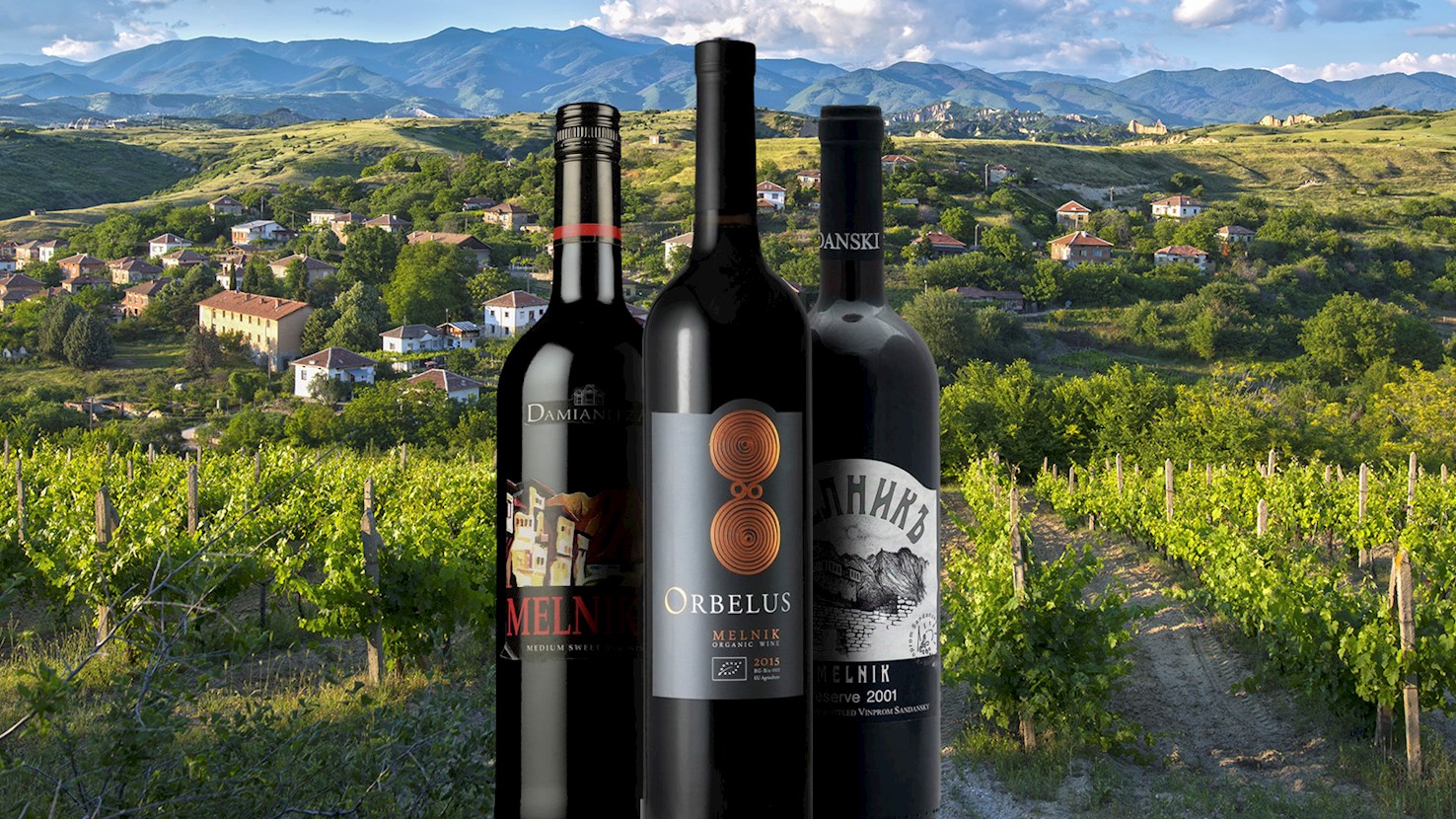
Shiroka Melnishka Loza is an ancient, late-ripening Bulgarian grape variety that is predominantly grown in southwestern parts of the country, in the regions of Melnik, Petrich, and Sandanski. The grape produces age-worthy varietal wines that are rich in tannins and typically display notes and aromas of cherries, strawberries, and stone fruit, while matured varieties develop into more complex nuances of tar, leather, and spices. The grape is also commonly used in blends, and it is typically known simply as Melnik – after a namesake town in Struma Valley.

07

Vranac

3.4 ·

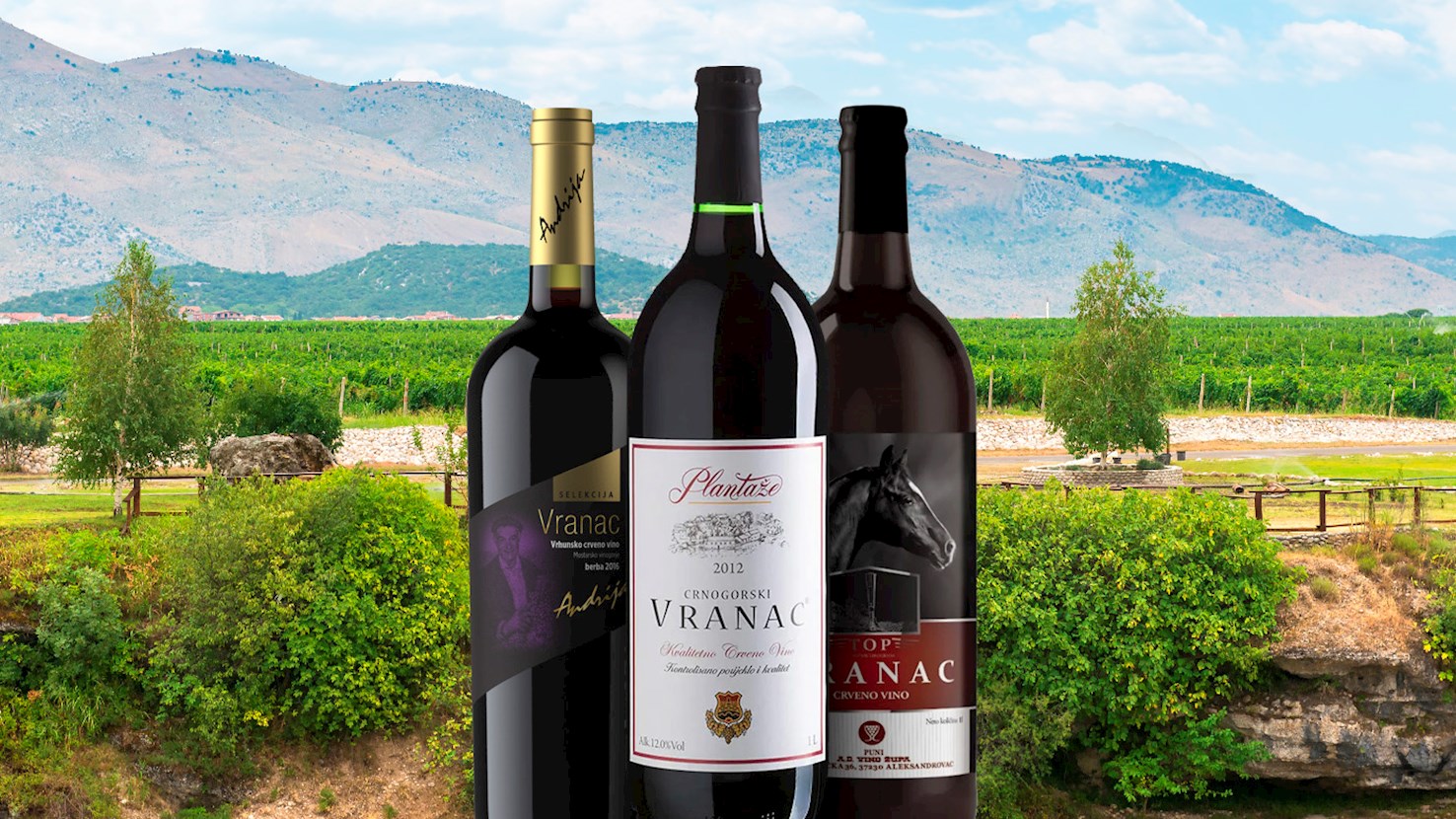
Vranac is a red grape variety most likely native to Montenegro. It is assumed that it originated around Lake Skadar, but it is also an important variety in several Balkan countries and regions, primarily in North Macedonia, Herzegovina, southern Croatia, and Serbia. The grape probably has ancient origins because it is related to several regional varieties, including Crljenak kaštelanski, also known as Tribidrag, Zinfandel, and Primitivo. Vranac produces intensely colored and full-bodied red wines typically high in alcohol with lively and bright acidity. On the nose and the palate, they display fruity notes reminiscent of cherries and blackberries. These wines have excellent aging potential and usually gain complexity and character. The tannins tend to soften, and the aroma attains the notes of ripe fruit, spices, and licorice. Vranac is best paired with red meat, game, lamb roast, and cured meat.

08

Vidiano

3.4 ·

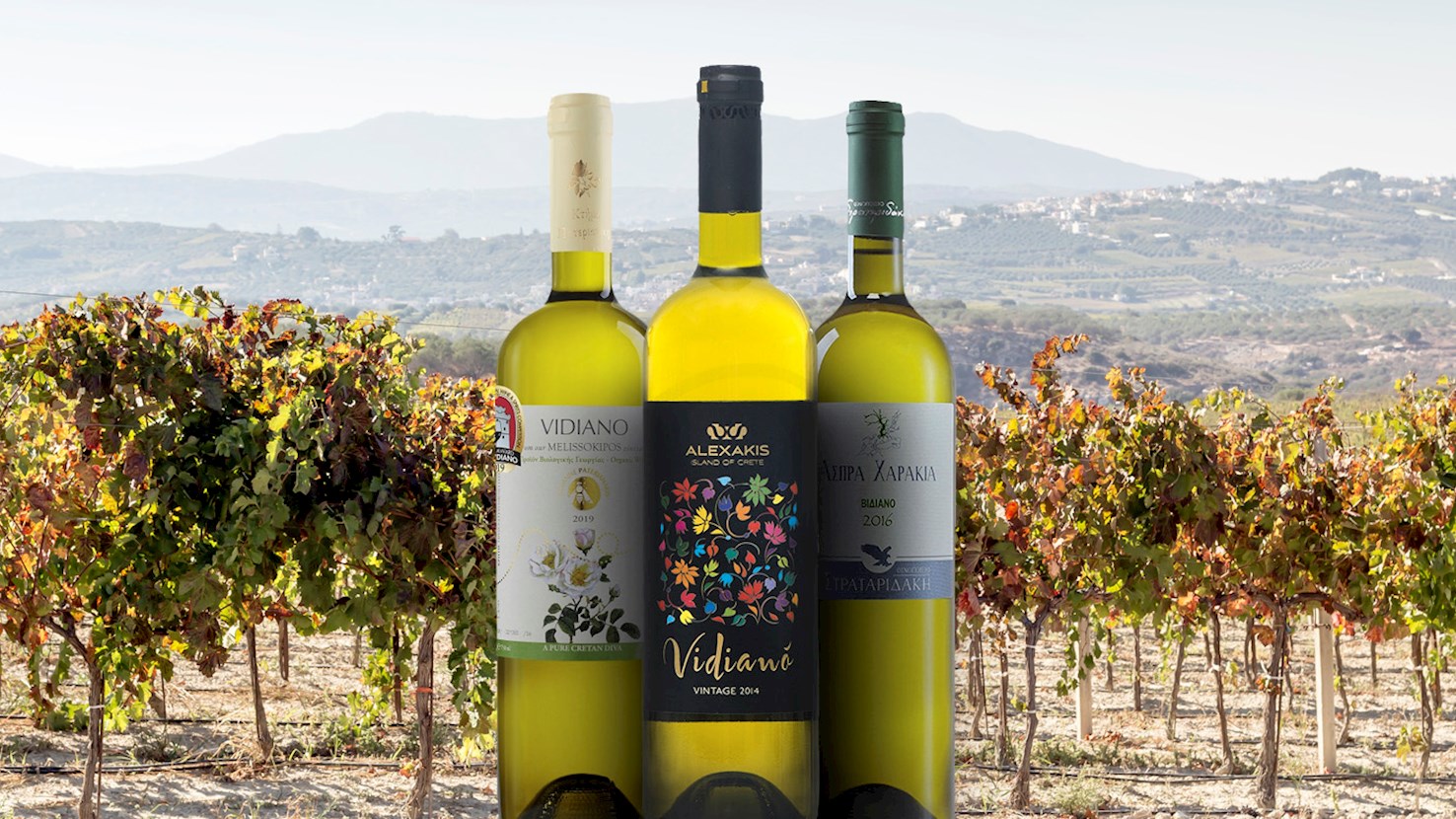
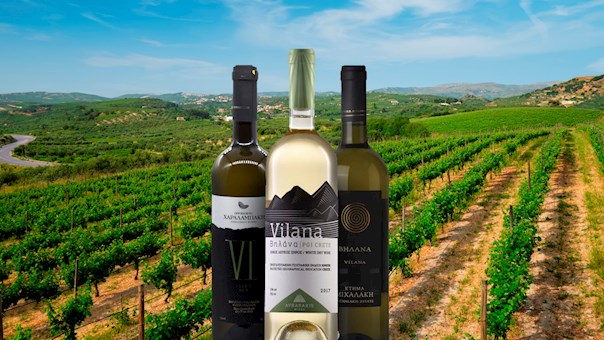
Vidiano is a native white grape from Crete that is mostly cultivated around Rethymnon. The grape is not widely known, but it has seen an upsurge in popularity in the last decade. It is usually used in varietal examples that are typically high in alcohol and acidity. The wines are usually straw-colored and tend to turn darker with age. They have a rich and creamy texture, while the aroma is reminiscent of melon, apricot, and quince, sometimes with subtle floral notes.They will often have hints of spice and minerality. Vidiano is an ancient grape that has been cultivated since the 13th century. Despite the long presence, the variety gradually disappeared from Cretan vineyards. When it was reintroduced, winemakers focused on quality, showing that the grape has excellent potential to produce excellent white wines. Vidiano wines are best paired with fish or vegetable dishes. It can be served with simple, grilled fish dishes, but it has enough character to work well with fattier fish or creamy sauces.

09

Kidonitsa

3.4 ·

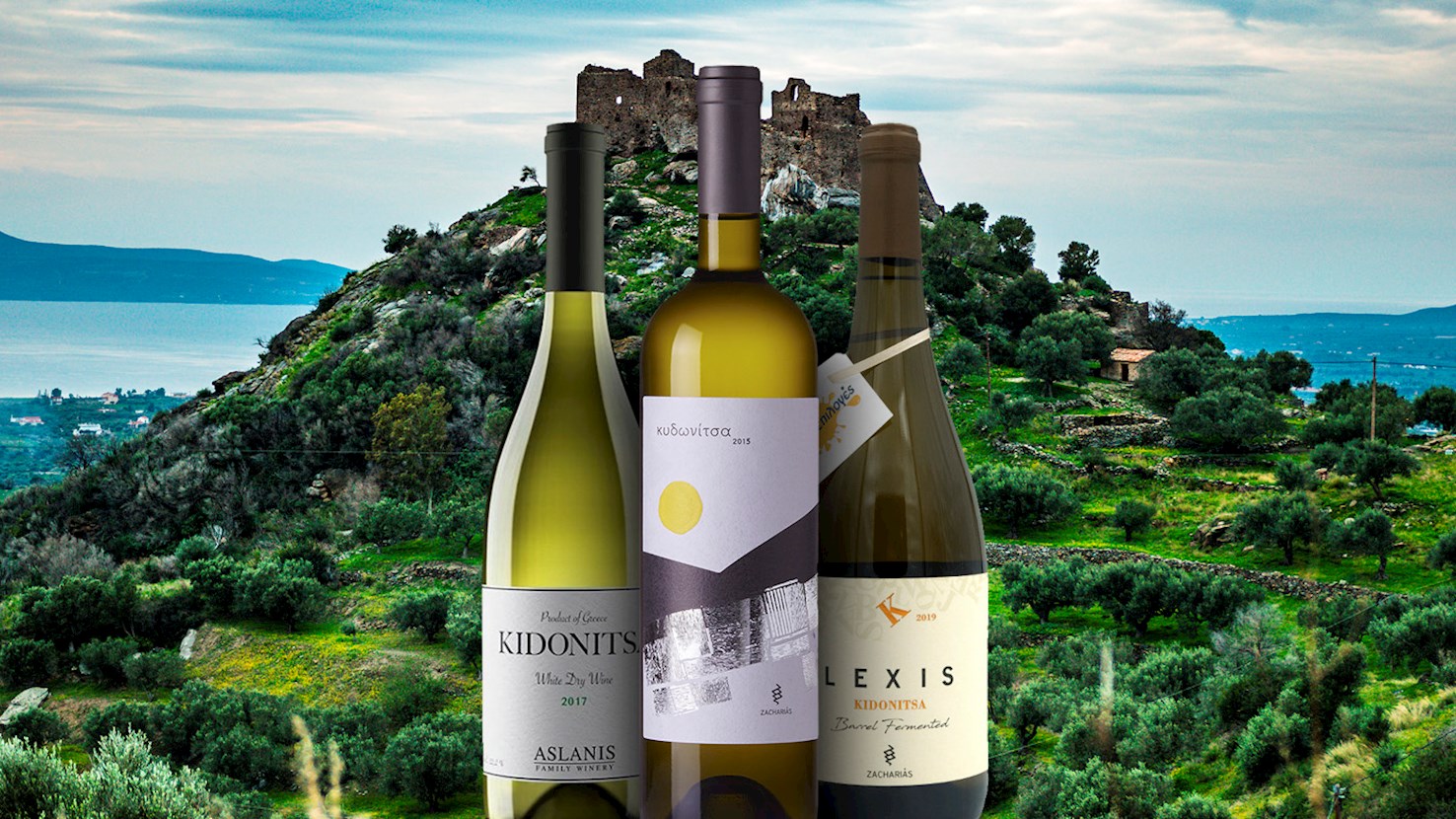
Kidonitsa is a rare and ancient Greek grape that was once nearly extinct. It was saved by several producers from the Peloponnese region who realized that the grape has an excellent potential to produce aromatic white wines with a unique character. The wines are still rare, and most of them come from Laconia. Dry white wines made from Kidonitsa usually have an approachable character. They are bright yellow and aromatic with crisp acidity and a round, medium body. Most examples have a quince-like note—unsurprisingly, the name of the grape derives from the Greek name for quince (kydoni)—along with some floral and citrus notes. These wines would pair well with seafood, salads, pasta, and light poultry dishes. They can also be a good match with cheese. Apart from dry wines, the grape is used in the production of the historically significant dessert style that is now included in the official appellation PDO Monemvassia-Malvasia.

10

Prokupac

3.6 ·

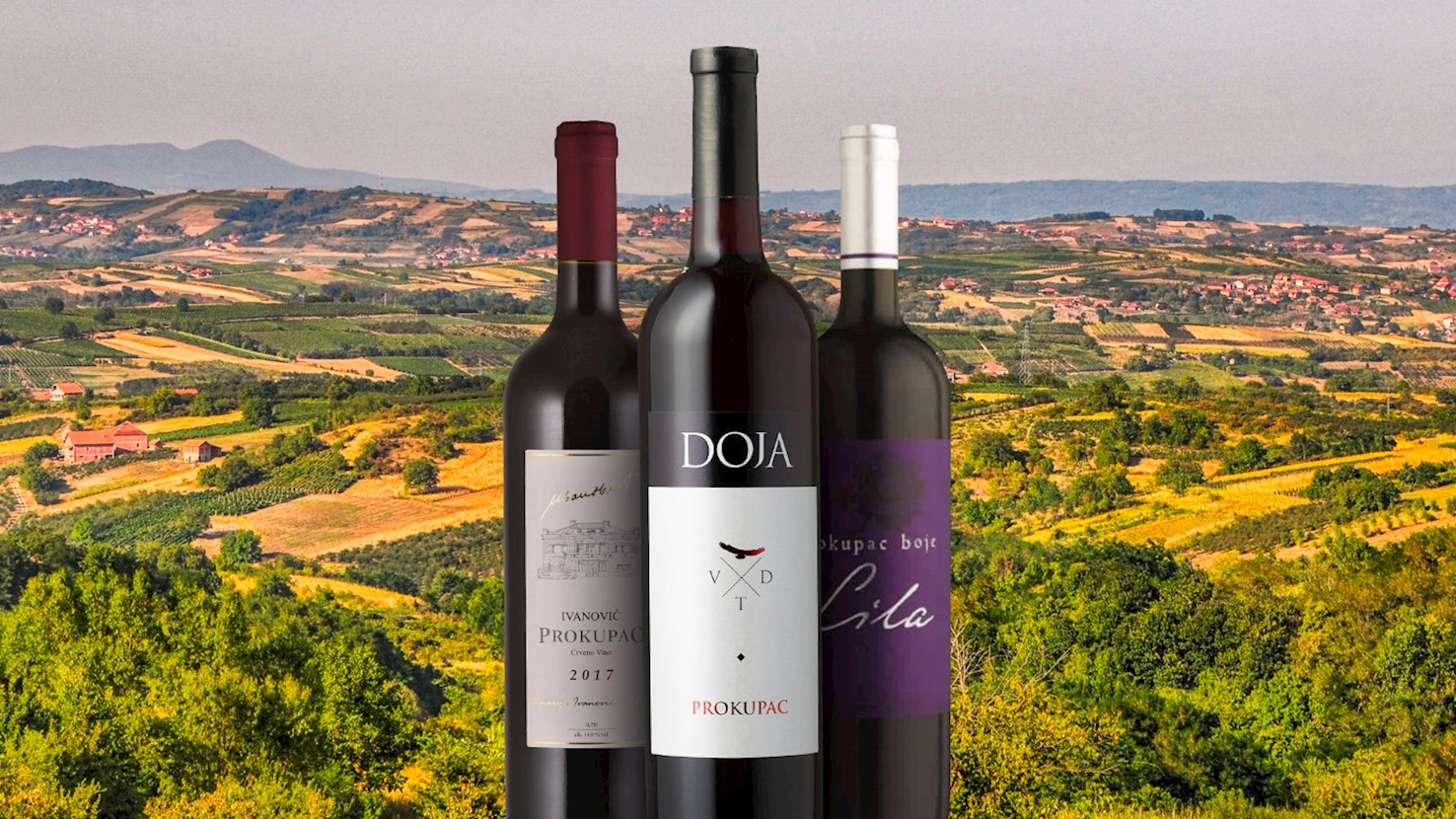
Prokupac is a native Serbian grape cultivated in several Serbian wine regions, while the best examples come from Župa. It was once a prominent variety in Serbian vineyards, mostly used for unimpressive mass-produced wines. In the last few decades, local winemakers proved that with the right approach, Prokupac creates well-structured wines with good aromatic complexity. Prokupac can vary in style, from fruity red wines to heavier oak-aged examples, but it mainly produces light-colored wines with medium body and medium alcohol. The wines have fruity aromas reminiscent of raspberries, strawberries, blackcurrants, and cherries. They will often have some spice-like nuances, and they generally improve with age. The grape is now increasingly used in the production of rosés. Prokupac is a great accompaniment to traditional Serbian dishes. Red wines are best paired with meat dishes, especially roasted red meat, lamb, or game. Rosés could go well with appetizers, grilled fish, pasta dishes, and risottos.

Read more
View all
View map
About this ranking

TasteAtlas food rankings are based on the ratings of the TasteAtlas audience, with a series of mechanisms that recognize real users and that ignore bot, nationalist or local patriotic ratings, and give additional value to the ratings of users that the system recognizes as knowledgeable. For the “19 Worst Rated Southeastern European Wine Varieties” list until May 21, 2026, 1,151 ratings were recorded, of which 469 were recognized by the system as legitimate. TasteAtlas Rankings should not be seen as the final global conclusion about food. Their purpose is to promote excellent local foods, instill pride in traditional dishes, and arouse curiosity about dishes you haven’t tried.

Similar lists