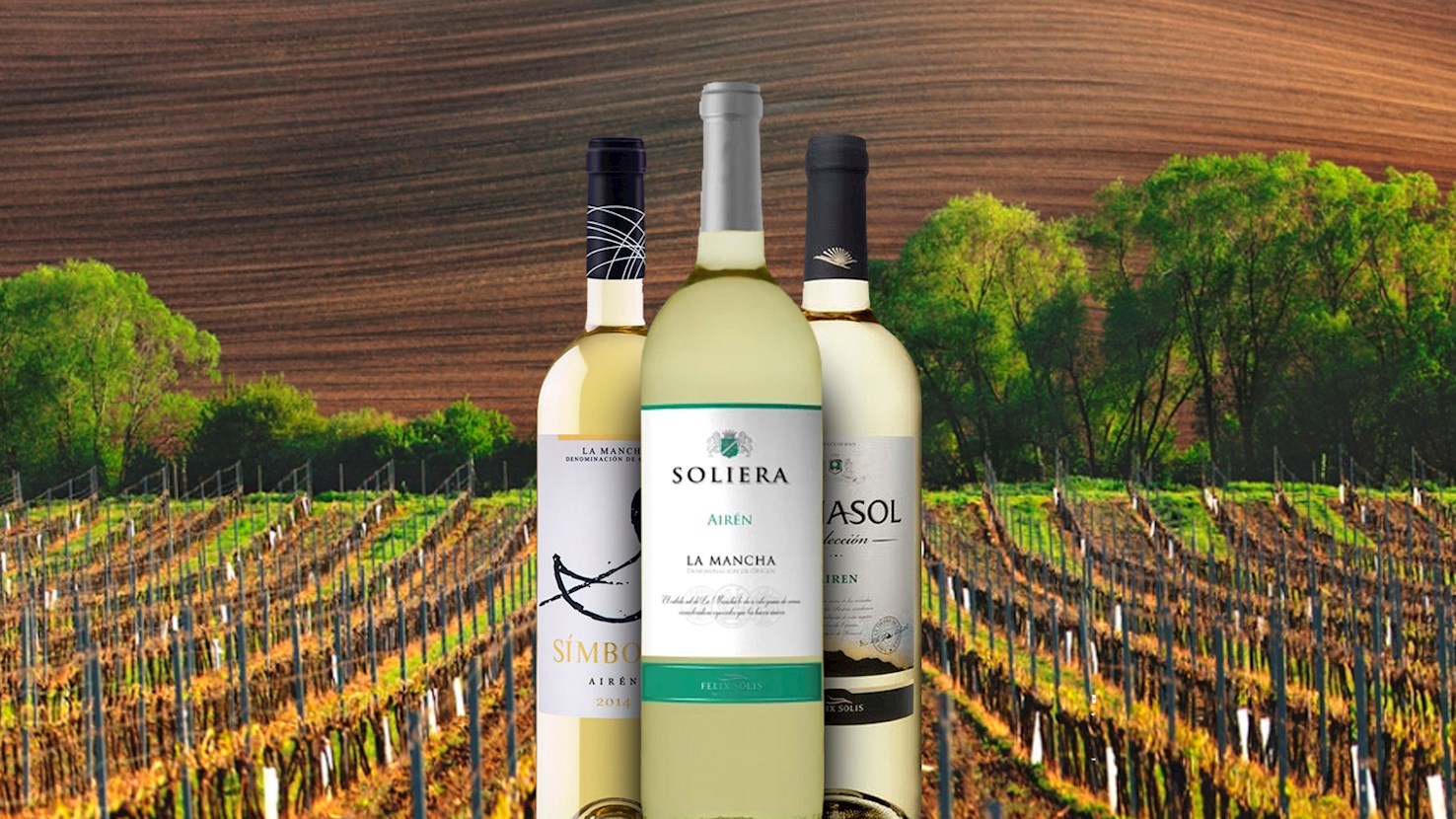
Airén is the most widely planted grape variety in Spain. This white-skinned grape is better known for its sturdiness, and though it was mainly used as a blending grape or in production of brandy and table wines, some winemakers have seen its potential in the production of crisp, good-quality varietals. Wines made from Airén grapes are light and typically low in acidity, with fruity aromas reminiscent of green apples, pineapple, and citrus fruit, while the best examples will usually also display rose nuances. These easy-drinking wines usually have moderate acidity and perfectly pair with white fish and seafood. The grape is mostly grown in La Mancha.
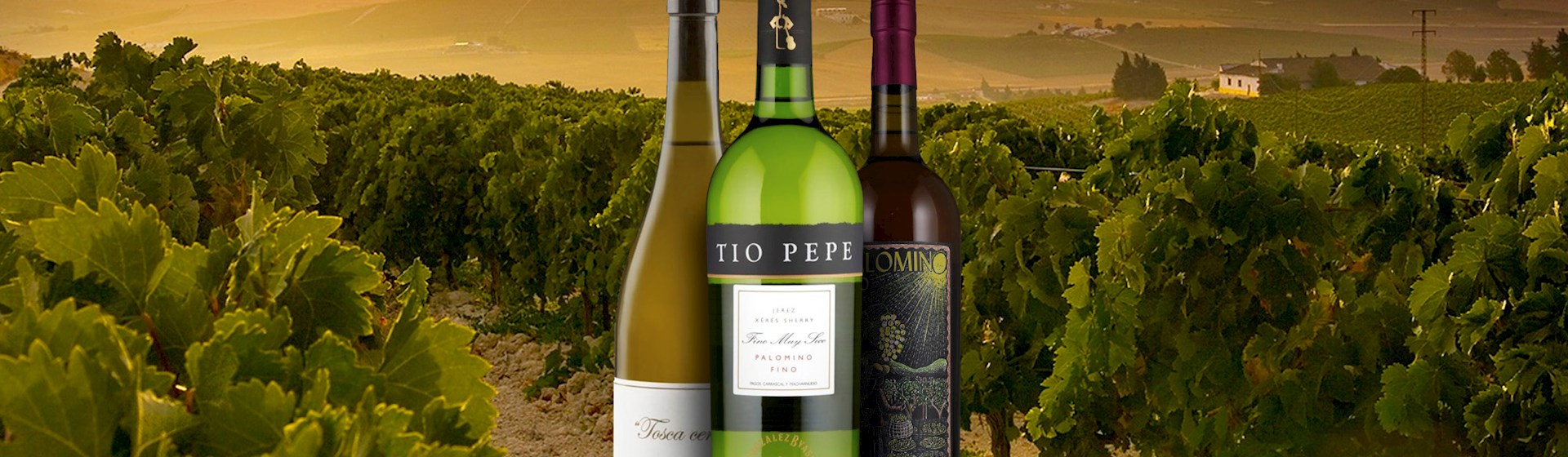
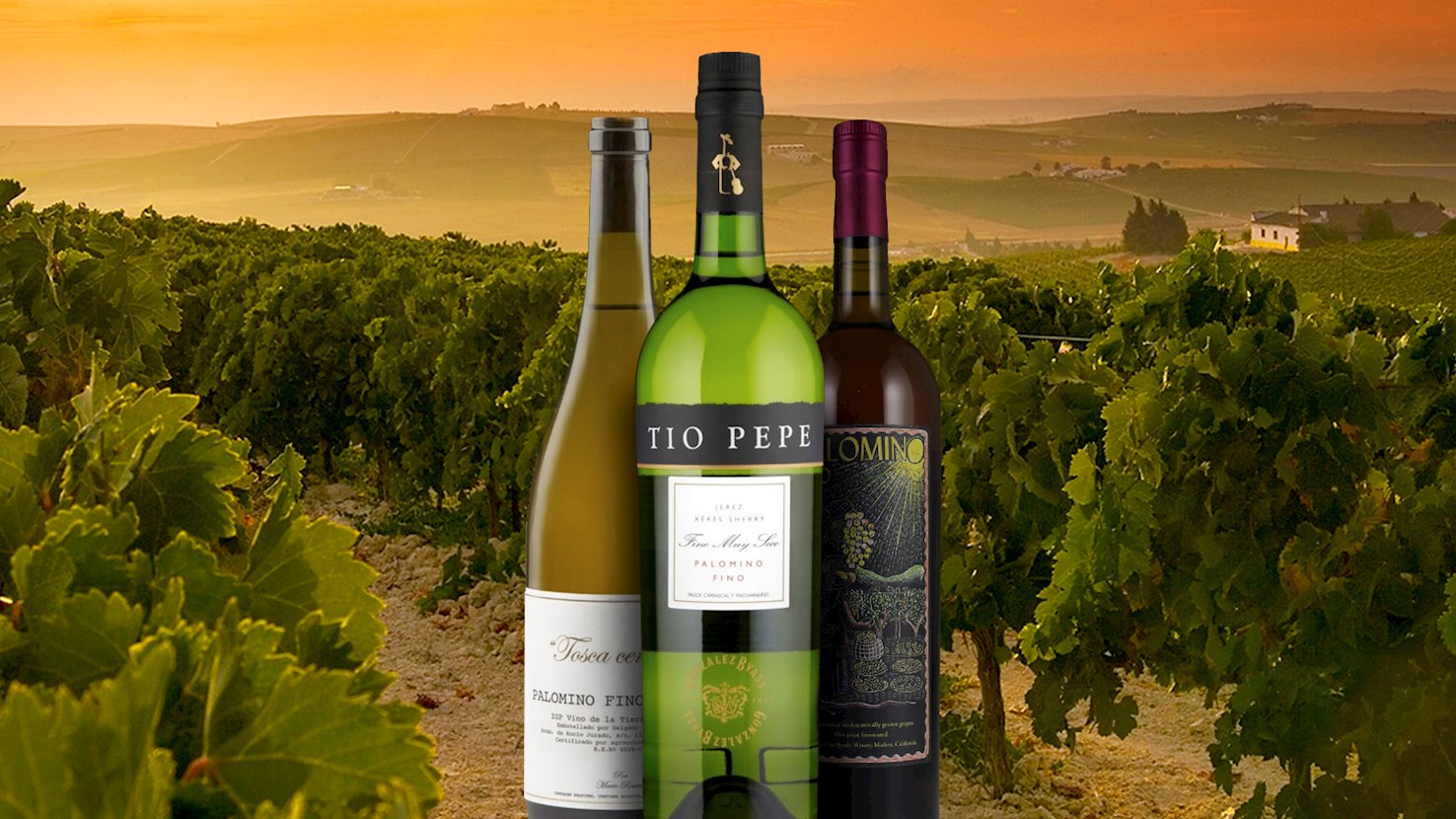
Palomino Fino is a Spanish grape variety that is mostly used in the production of sherry. Known as a high-yielding grape that produces mainly bland white wines that are low in acidity and sugar, the must from Palomino can oxidize quickly, which makes it ideal for the production of sherry—fortified and oxidized wines that hail from Jerez. The grape is used in the production of various sherry styles, and it accounts for approximately 90% of sherry production. The first must is mostly used in the production of dry white wines such as Fino and Manzanilla, while the second pressing is usually made into darker and richer Oloroso. Outside of Spain, Palomino Fino is also grown in France, South Africa, California, and Australia. Apart from Fino, Palomino has two more sub-varieties: Palomino de Jerez and Palomino Basto. Food pairing for Palomino wines mainly depends on the style of sherry. While Fino and Manzanilla pair well with lighter dishes, Oloroso is mostly a good match with heavier and heartier dishes.
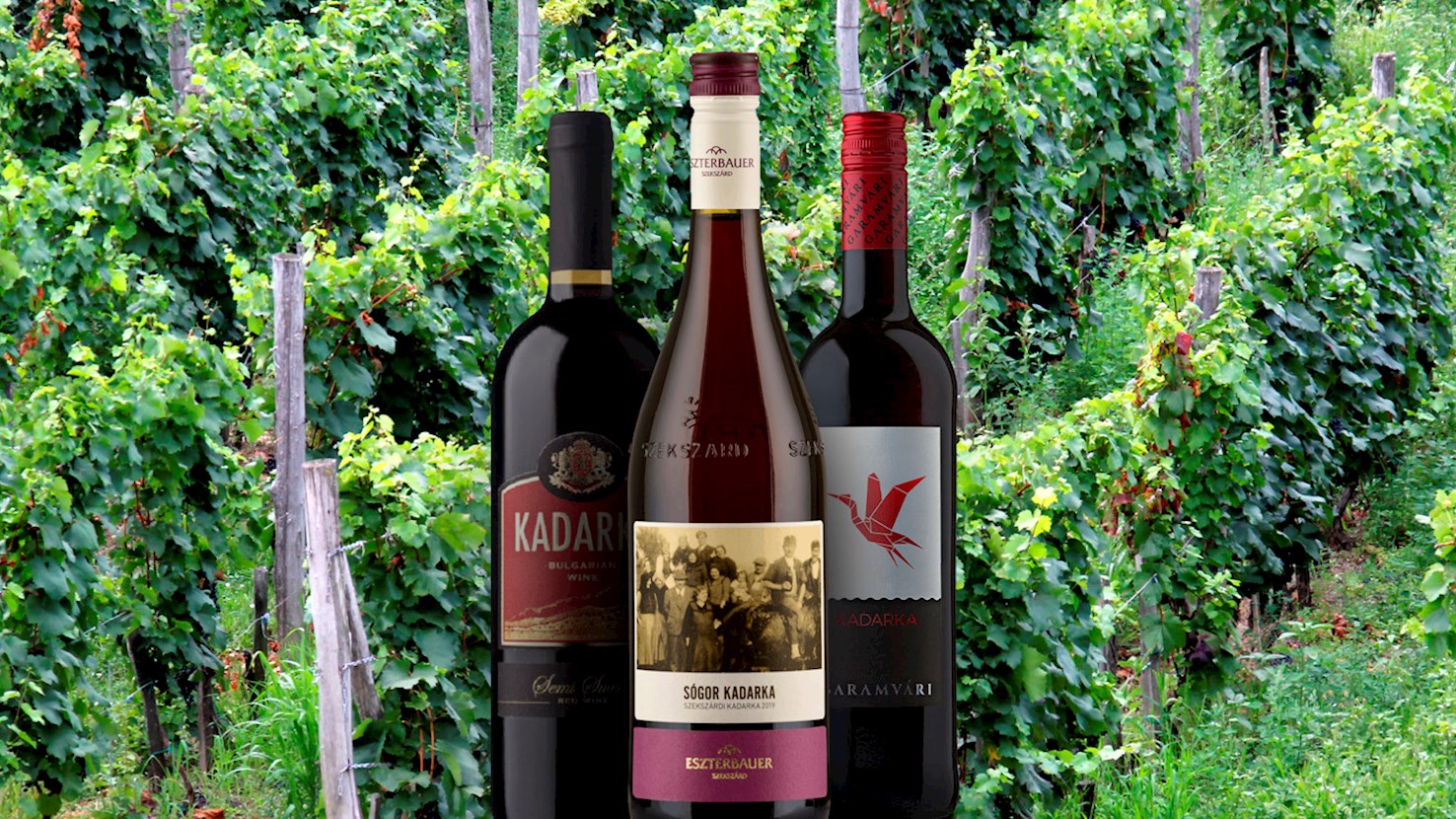
Kadarka is a red grape with an uncertain origin. It is most likely a native Balkan variety that spread during Ottoman rule. Due to its finicky nature, it has slightly declined in popularity, but it is still an important red variety, especially in Hungary. Kadarka is a late-ripening grape that mainly produces fruity and elegant red wines. It is versatile and terroir-driven, so the wines can often vary in character, but they usually have light to medium body, bright acidity, and low tannins. The aroma is typically fruity, often with hints of spice and sometimes with subtle floral notes. Kadarka is an ideal partner for spicy meat dishes. Apart from Hungary and Serbia, Kadarka is also cultivated in Romania and Bulgaria, where it is known as Gamza. In Hungary, it is mostly associated with Szekszárd and Villány, but it is also popular in Eger, where it is used in the Egri Bikavér red blend.
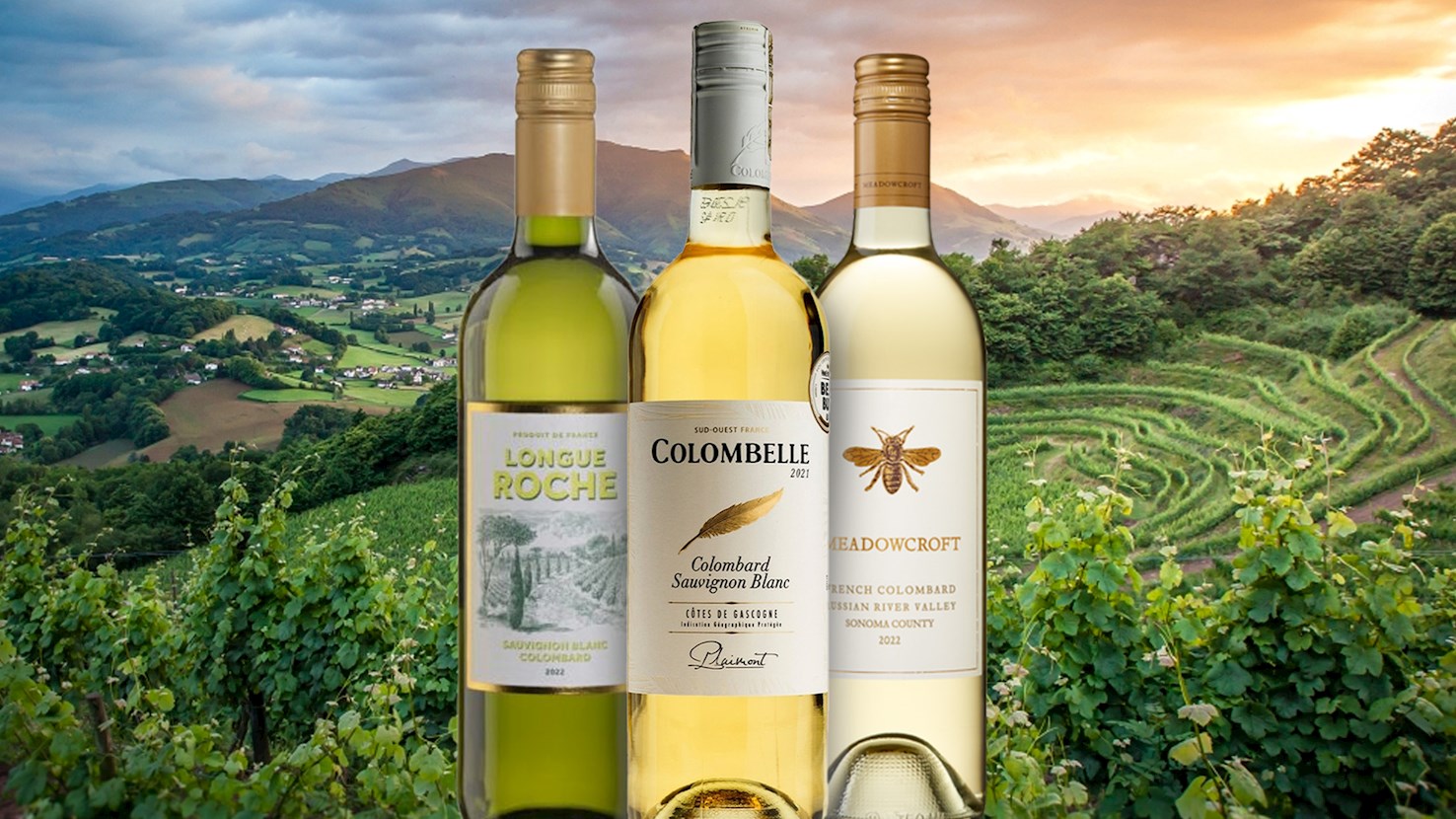
Colombard is a white grape variety that is primarily grown in France but is also cultivated in other wine regions around the world, including California and South Africa. Known for its high acidity and fresh, fruity flavors, Colombard is often used in the production of both still and sparkling wines, as well as in the distillation of brandy, particularly in the Cognac and Armagnac regions of France. Colombard grapes produce wines that are typically light to medium-bodied, with a bright, zesty character. The flavor profile of Colombard wines often includes notes of green apple, citrus fruits like lemon and lime, pear, and sometimes tropical fruits such as pineapple and guava. The high acidity of Colombard makes these wines crisp and refreshing, which is why they are often enjoyed as young wines. In addition to its use in table wines, Colombard is one of the traditional grape varieties used in the production of brandy. In this context, its high acidity and relatively neutral flavor profile make it an ideal base for distillation, contributing to the production of high-quality brandies with complex, aged characteristics.
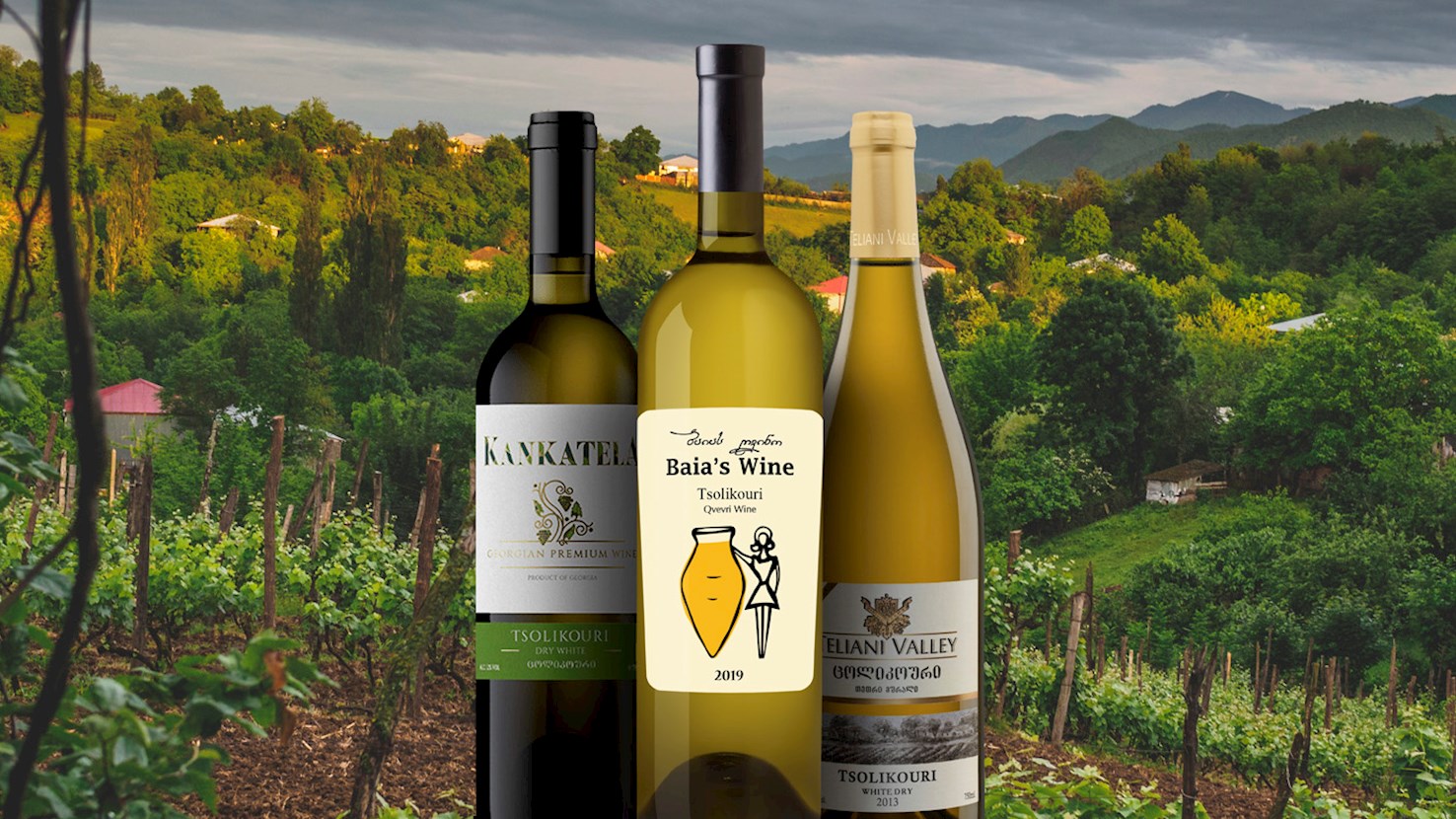
Tsolikouri is a native white grape widely planted in western Georgia. This versatile, late-ripening variety is used in the production of dry white wines and semi-sweet dessert styles from the Tvishi appellation. It also shows some potential to produce good sparkling wines. The grape is used in varietals and blends. It is often blended with Tetra and Tsitska. The wines produced from Tsolikouri will have a fruity and floral character, medium to full body, and bright acidity. It usually has aromas reminiscent of yellow fruit, such as pear and quince, along with some citrus nuances. The wines are mostly enjoyed young, but there are some rare examples of aged styles. The grape is sometimes used to produce skin-contact wines in traditional Georgian qvevri (churi) vessels. These wines will have darker color and aromas that are reminiscent of apricots and spices. Tsolikouri wines generally pair well with poultry, light main courses, appetizers, and cheese.
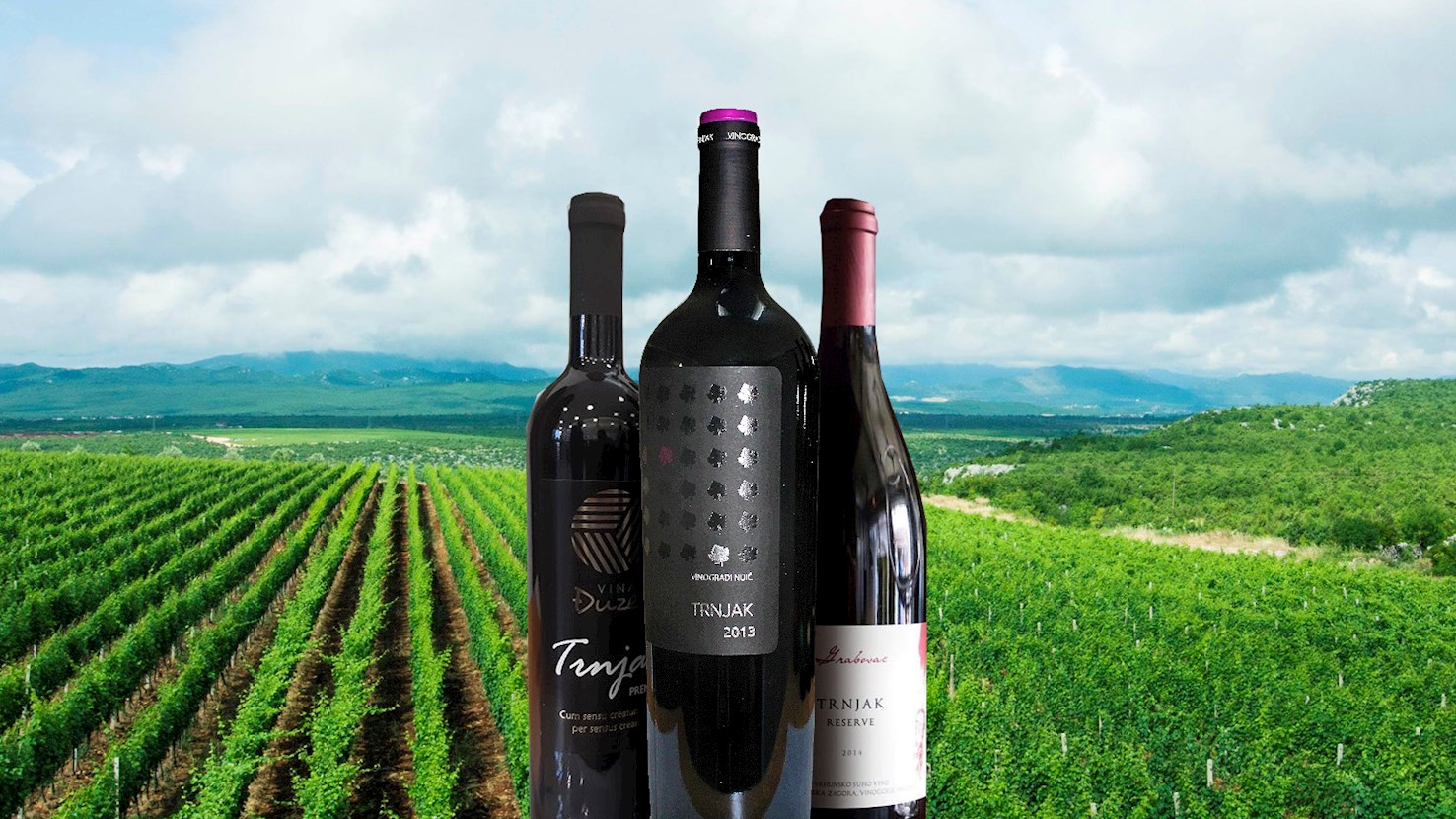
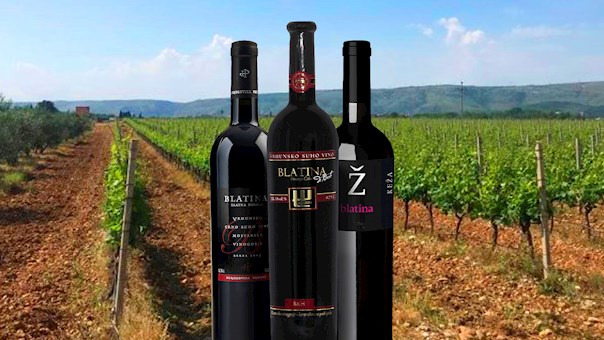
Trnjak is a rare grape variety that is cultivated in Herzegovina and Central Dalmatia (Zagora). In Herzegovina, Trnjak was mainly grown together with Blatina—a grape that only has functional female flowers and needs other grape varieties to pollute. Often both types would be used in blends, but recently, Trnjak has been used in the production of exceptional and well-balanced varietal wines. The best expressions of varietal Trnjak are aromatic, dense, and complex with typical notes of ripe red fruit and spices. Trnjak pairs well with charcuterie, cheese, lamb, veal, and hearty stews.
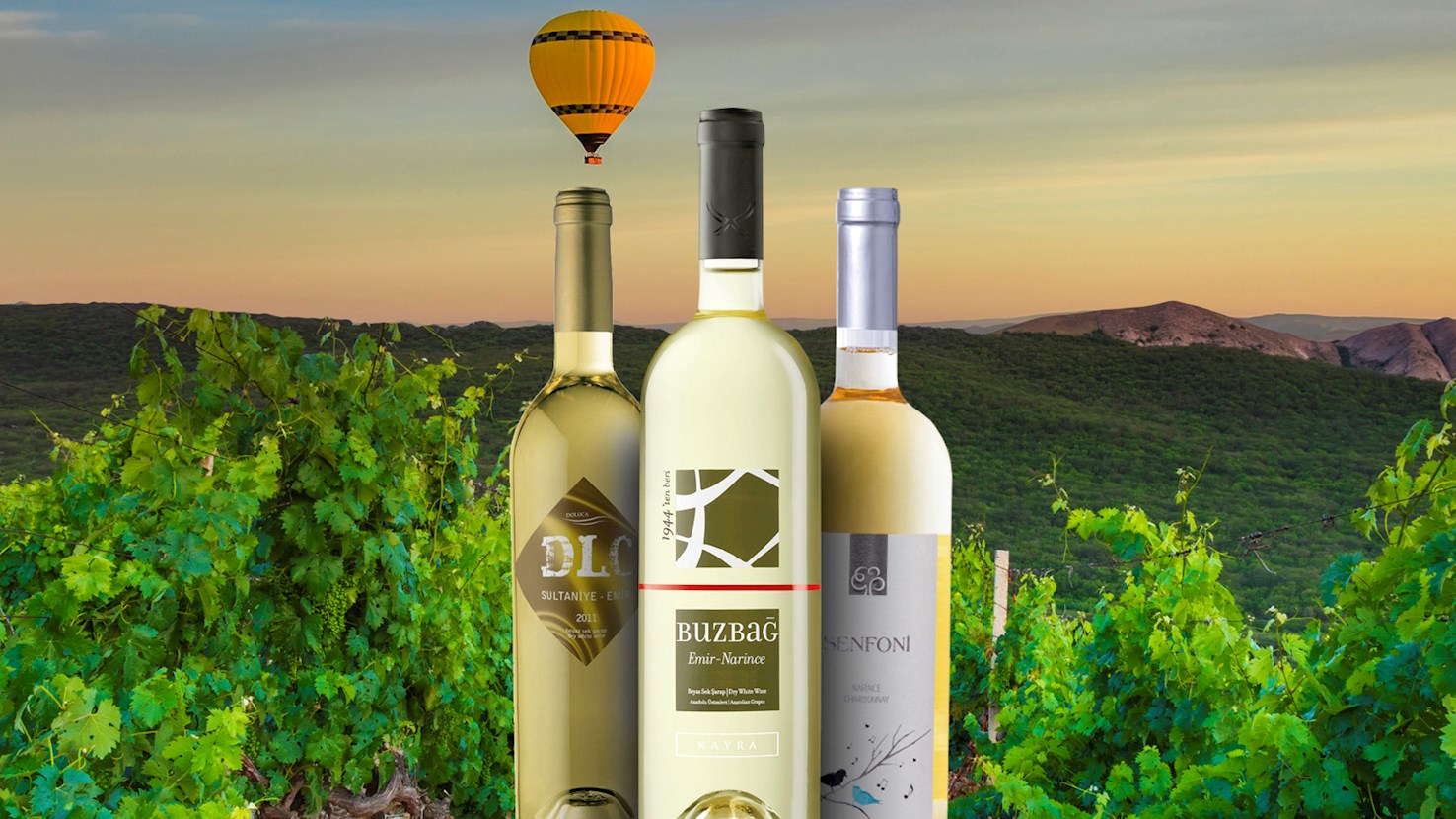
Emir is a white Turkish grape native to Cappadocia. It is used in varietals and blends, and it produces clean and crisp white wines. Emir is often lauded as a prime Turkish grape that can produce excellent quality wine. Apart from outstanding dry wines, it is also used in the production of sparkling wines. Wines made with Emir are typically well-balanced and lively, often with some mineral character. They are generally high in acidity, bright, and crisp. On the nose, they usually display a blend of apple, white fruit, citrus, and herbal nuances. Emir-based wines are mostly enjoyed young, and the grape is often blended with Narince, another important white variety from Turkey. These fresh wines are an excellent match with seafood, including fish and shellfish. They can also pair nicely with spicy Asian dishes.
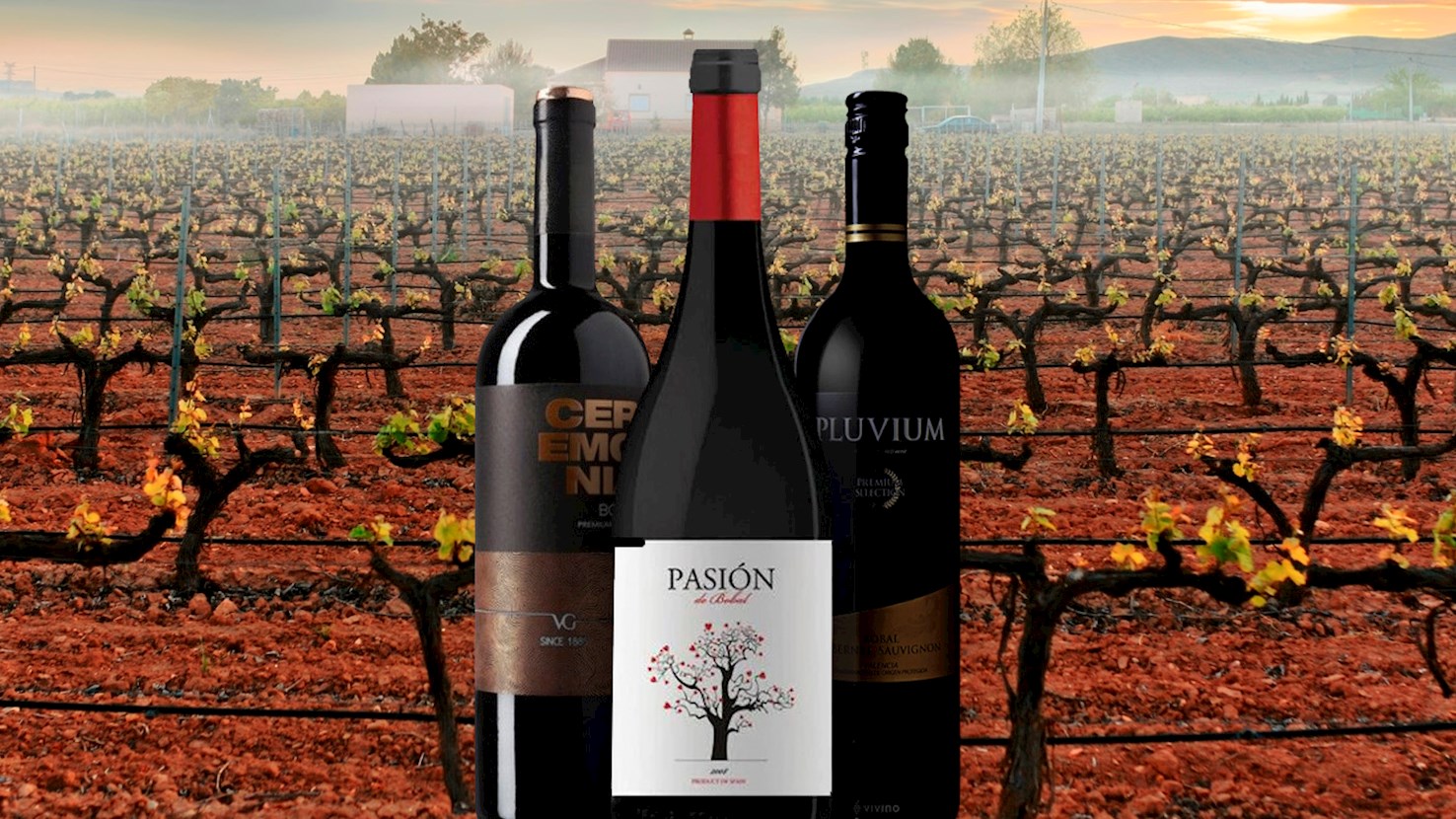
Bobal is a native red Spanish grape that is native to southeastern Spain. This dark-skinned grape is cultivated in several regions, but it flourishes in Utiel-Requena DO, located in the province of Valencia, where it is the undisputed king. It is estimated that it is the second most common red grape in the country, after Tempranillo. Bobal produces rounded red wines with medium to full body, rich tannins, and great acidity. The wines are deeply colored, dense, and fruity. They are rich but manage to stay fresh. Typical aromas include a complex combination of black cherry, blackberry, and pomegranate notes, sometimes with spice and leather-like nuances. Although Bobal is prominent and common, it was mostly underestimated and merely used to provide color and acidity to Cabernet Sauvignon and Monastrell. In the last decades, it has gained a reputation as a versatile, terroir-driven native variety. Apart from dry wines, the grape also produces lively and vibrant rosés.
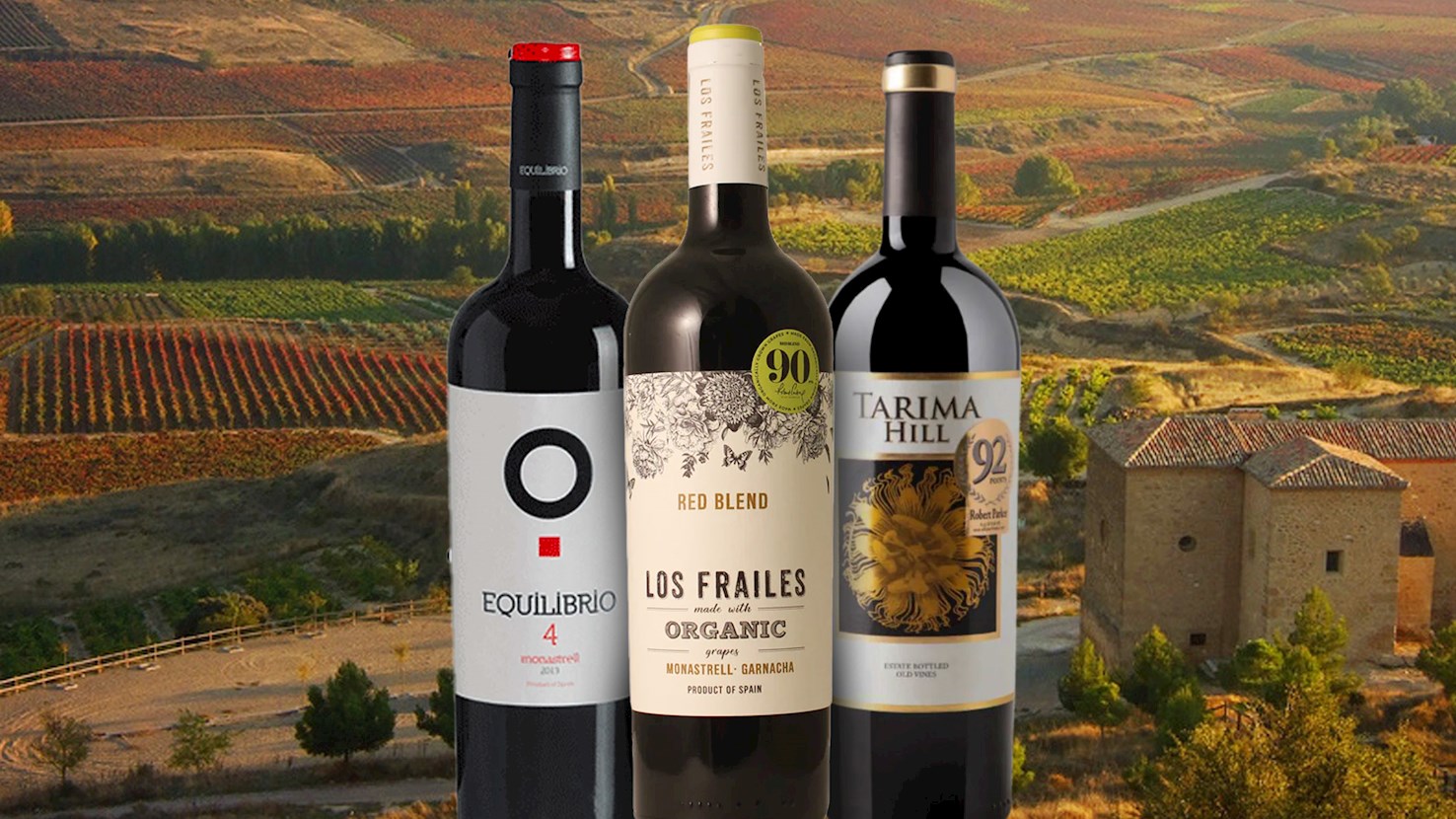
Monastrell, also known as Mourvèdre, is a red wine grape variety widely grown in several wine regions, particularly in Spain and France. Believed to have originated in Spain, it is most commonly known as Monastrell there, while in France it is called Mourvèdre, notably in the Provence and Rhône Valley regions. It is also referred to as Mataro in parts of Australia and California. In Spain, Monastrell is primarily cultivated in the southeastern regions, such as Jumilla, Yecla, and Alicante. In France, it is found in the southern Rhône Valley and Provence and is often used in blends for wines like Châteauneuf-du-Pape and Bandol. Additionally, it is grown in other parts of the world, including Australia and the United States (particularly California). Monastrell wines are typically dark in color with high tannin and alcohol levels, exhibiting rich, robust flavors with notes of blackberries, plums, black pepper, and earthy undertones. They can be meaty or gamey and sometimes show hints of herbs and spices. This grape variety is used to produce a variety of wine styles, including single-varietal wines and blends. It is often blended with Grenache (Garnacha) and Syrah in both Spain and France to create balanced and complex wines, and it is also used to make rosé wines, particularly in Provence. Monastrell wines pair well with hearty and robust dishes, such as grilled meats, stews, and game. The high tannin content makes it a good match for rich and fatty foods, including lamb and beef, and it also pairs well with spicy dishes and strong cheeses. Due to their structure and tannin levels, Monastrell wines often have good aging potential, especially those from top-quality vineyards and producers, developing more complex flavors and softer tannins with a few years of aging. Monastrell is a versatile and robust grape variety that produces rich and flavorful wines, reflecting the characteristics of the regions where it is grown.
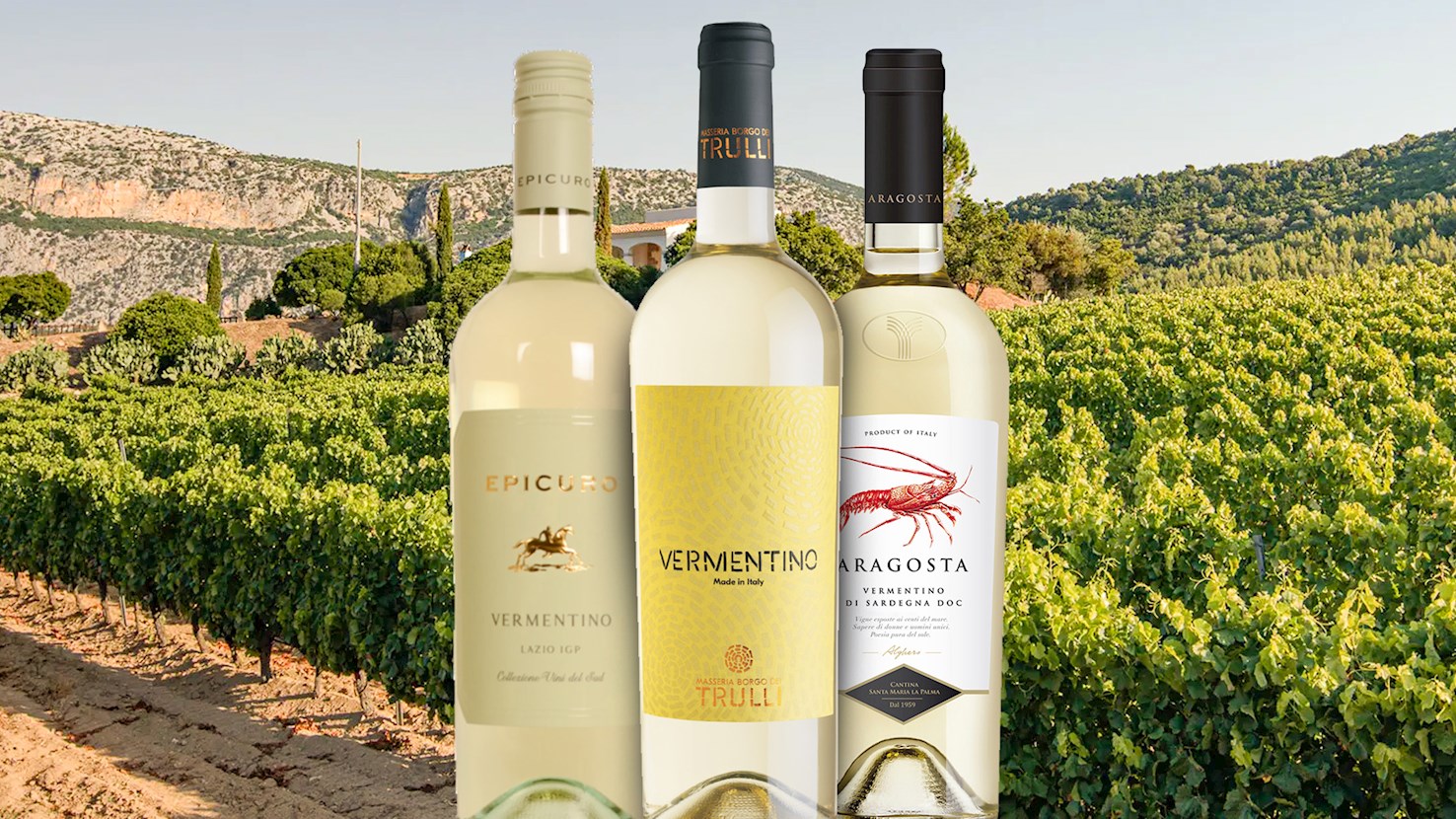
Vermentino is a white grape variety predominantly grown in several Mediterranean wine regions, especially in Northern Italy and Sardinia. It is particularly known for producing crisp, aromatic white wines. Vermentino wines are known for their vibrant acidity and crispness. They often exhibit aromatic notes of citrus (lemon, lime), green apple, pear, and stone fruits. Floral notes and hints of Mediterranean herbs are also common. The wines typically have a mineral character, sometimes with a saline quality reflecting the coastal vineyards where they are often grown. Vermentino is widely cultivated in Sardinia, Liguria, and Tuscany in Italy. In Sardinia, it is known as Vermentino di Sardegna and Vermentino di Gallura, the latter being a DOCG designation. In Liguria, it is referred to as Pigato, while in Tuscany, it is found in DOCs such as Bolgheri and Maremma Toscana. In France, it is known as Rolle and is used in both still and sparkling wines in Provence. Vermentino thrives in warm, maritime climates which help in developing its aromatic profile and maintaining good acidity levels. It is often grown in sandy, rocky, and granite soils, contributing to its minerality and complexity. The grape can be made in a variety of styles, from fresh and young wines meant to be consumed early to more complex and structured wines that can age for a few years. Some winemakers experiment with oak aging to add complexity, though this is less common. Vermentino's bright acidity and aromatic qualities make it versatile for food pairing. It pairs well with seafood dishes like grilled fish, shellfish, and seafood pasta, as well as salads, light appetizers, and Mediterranean cuisine. Its acidity can cut through richer dishes, making it a good match for creamy sauces and cheeses.
TasteAtlas food rankings are based on the ratings of the TasteAtlas audience, with a series of mechanisms that recognize real users and that ignore bot,
nationalist or local patriotic ratings, and give additional value to the ratings of users that the system recognizes as knowledgeable.
For the “100 Worst Rated Wine Varieties in the World” list until October 16, 2026, 5,882 ratings were recorded, of which 3,888 were recognized by the system as legitimate.
TasteAtlas Rankings should not be seen as the final global conclusion about food. Their purpose is to promote excellent local foods,
instill pride in traditional dishes, and arouse curiosity about dishes you haven’t tried.












What People Say