shutterstock

Top 72 Northern Indian Foods

Last updated on June 10, 2026

Best Northern Indian foods
01
Flatbread

Amritsari kulcha

4.4 ·

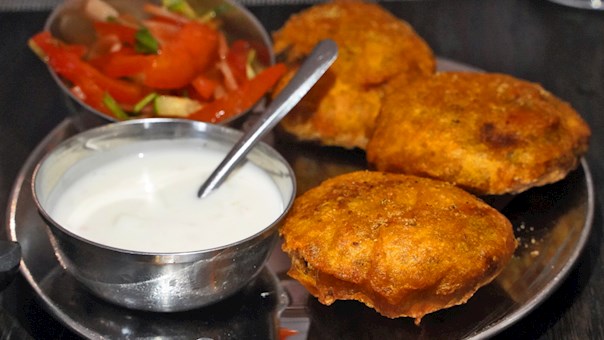
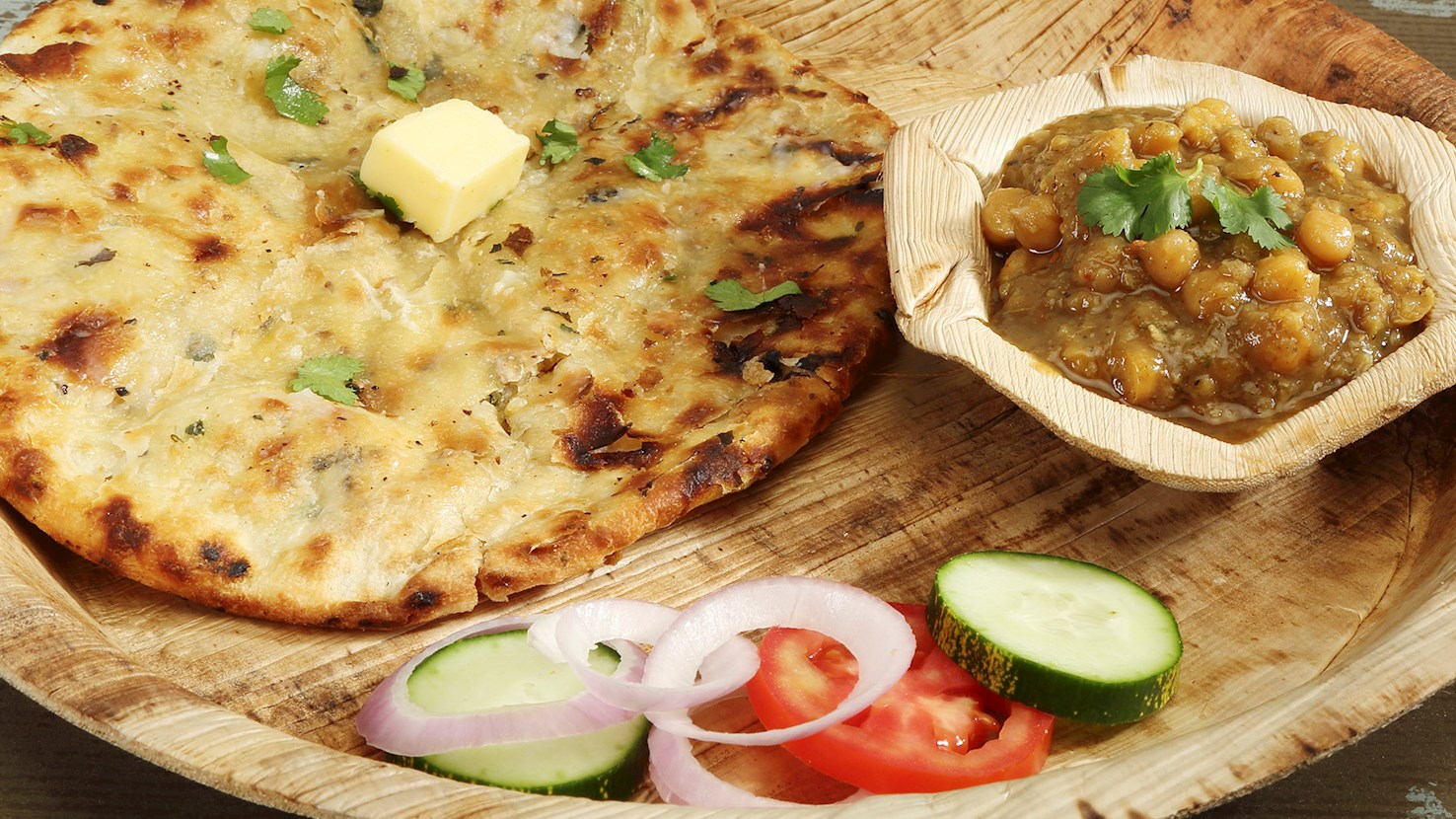
Coming from the North Indian city of Amritsari, Amritsari kulcha is a flatbread stuffed with potatoes, onions, cottage cheese, and spices. The flatbread is commonly garnished with coriander seeds, cilantro, and red chili powder. Thin, crispy, and smeared with ghee butter, it is a staple food in Amritsar, with almost every shop in the city sizzling with the sound of kulchas baked in large tandoor ovens. Not much is known about the history of this flavorful dish, and even the locals say that kulcha is just something they have always eaten, a variation on numerous flatbreads that the country is known for.

02
Stew

Murgh makhani (Butter chicken)

4.4 ·

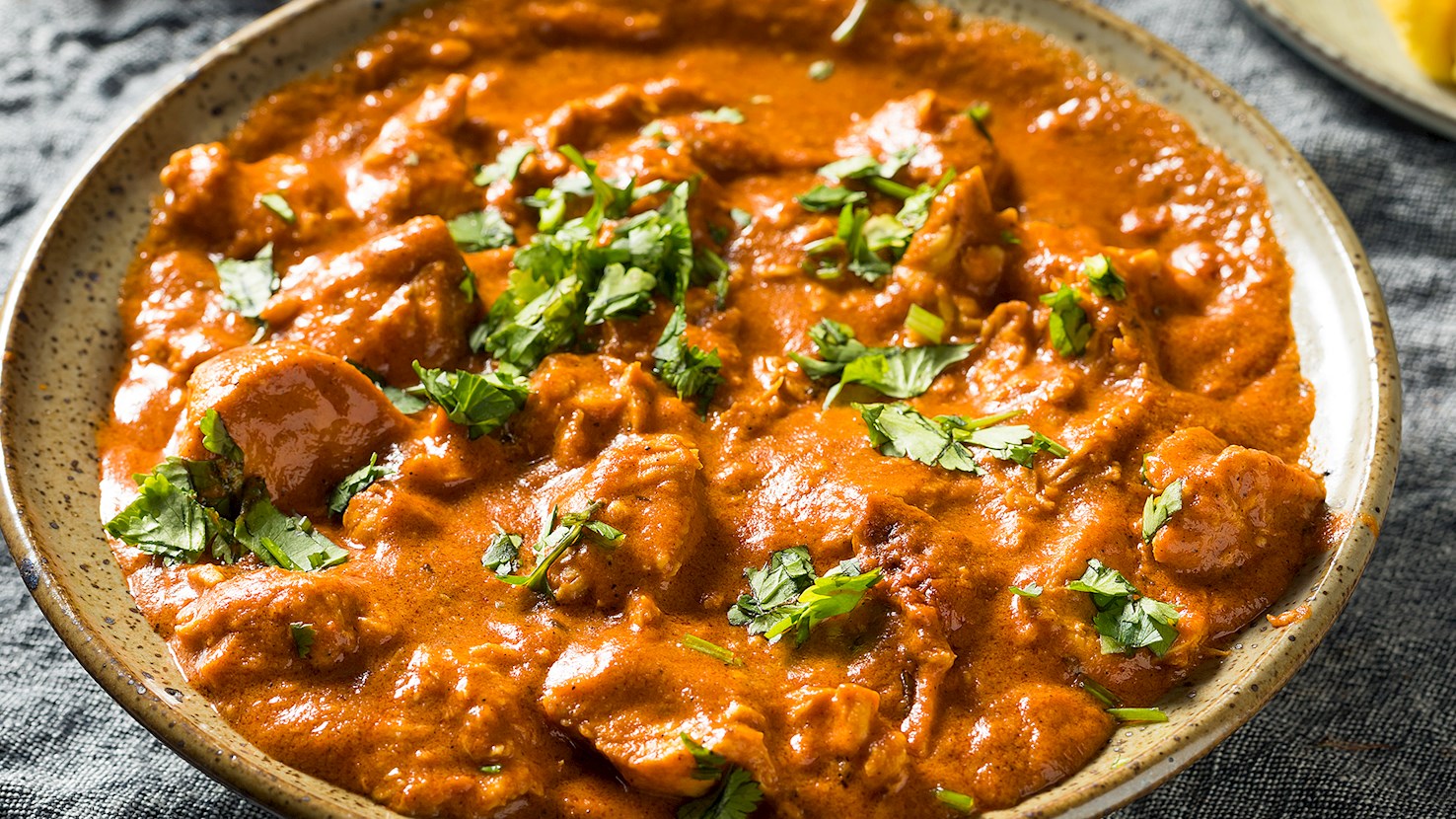
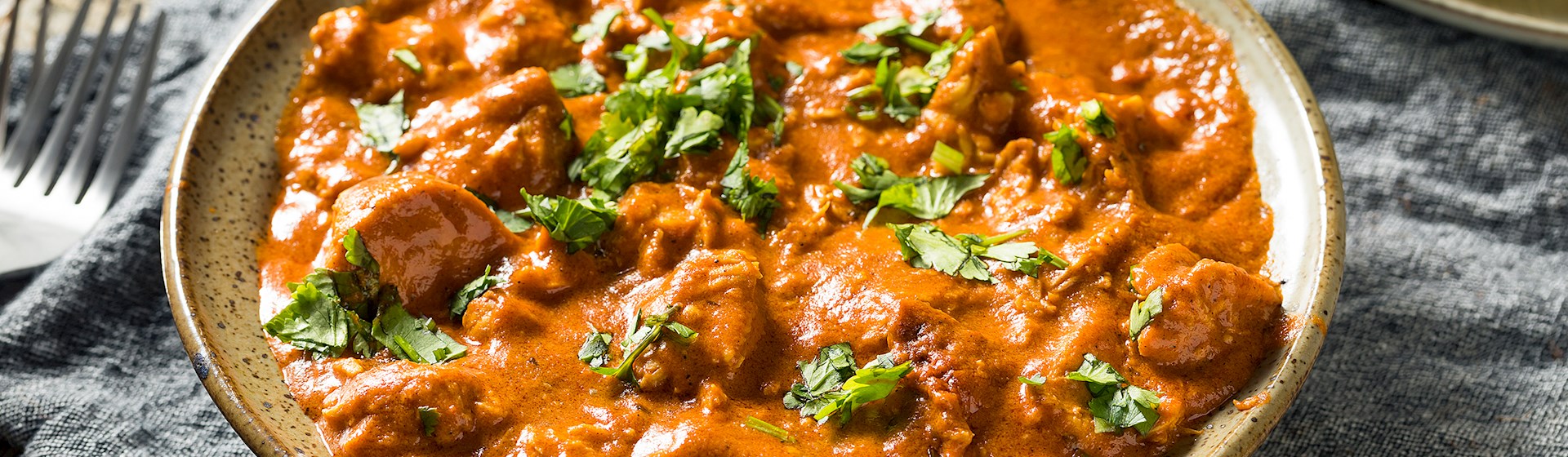
Probably the best known of all Indian dishes, murgh makhani, internationally referred to as butter chicken, is a staple dish at most Indian restaurants. The dish originated in Delhi during the 1950s, when a man named Kundan Lal Gujral opened his restaurant called Moti Mahal. The restaurant's cooks combined leftover marinade juices with tomatoes and butter, and then stewed the tandoor-cooked chicken in it, without even knowing that they have accidentally stumbled upon one of the most loved dishes ever and a future international delicacy. Moti Mahal became one of Delhi's attractions, and soon after, butter chicken spread throughout the world. With a combination of roasted meat, plenty of spices, a rich gravy made with cream, tomatoes, and butter, this dish is best accompanied by naan bread and garnished with even more butter, coriander, or green chilis.

03
Street Food

Chole bhature

4.3 ·

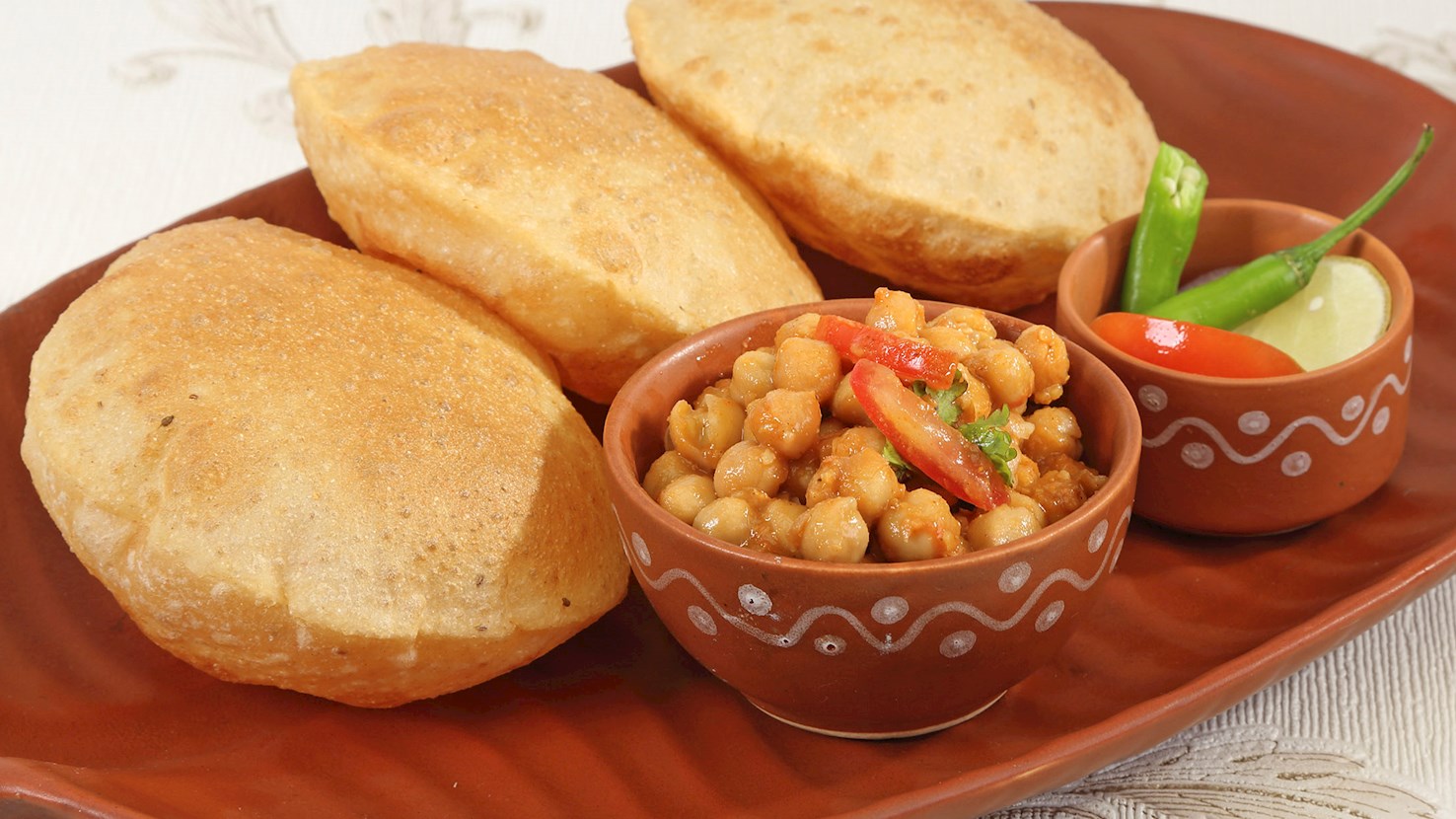
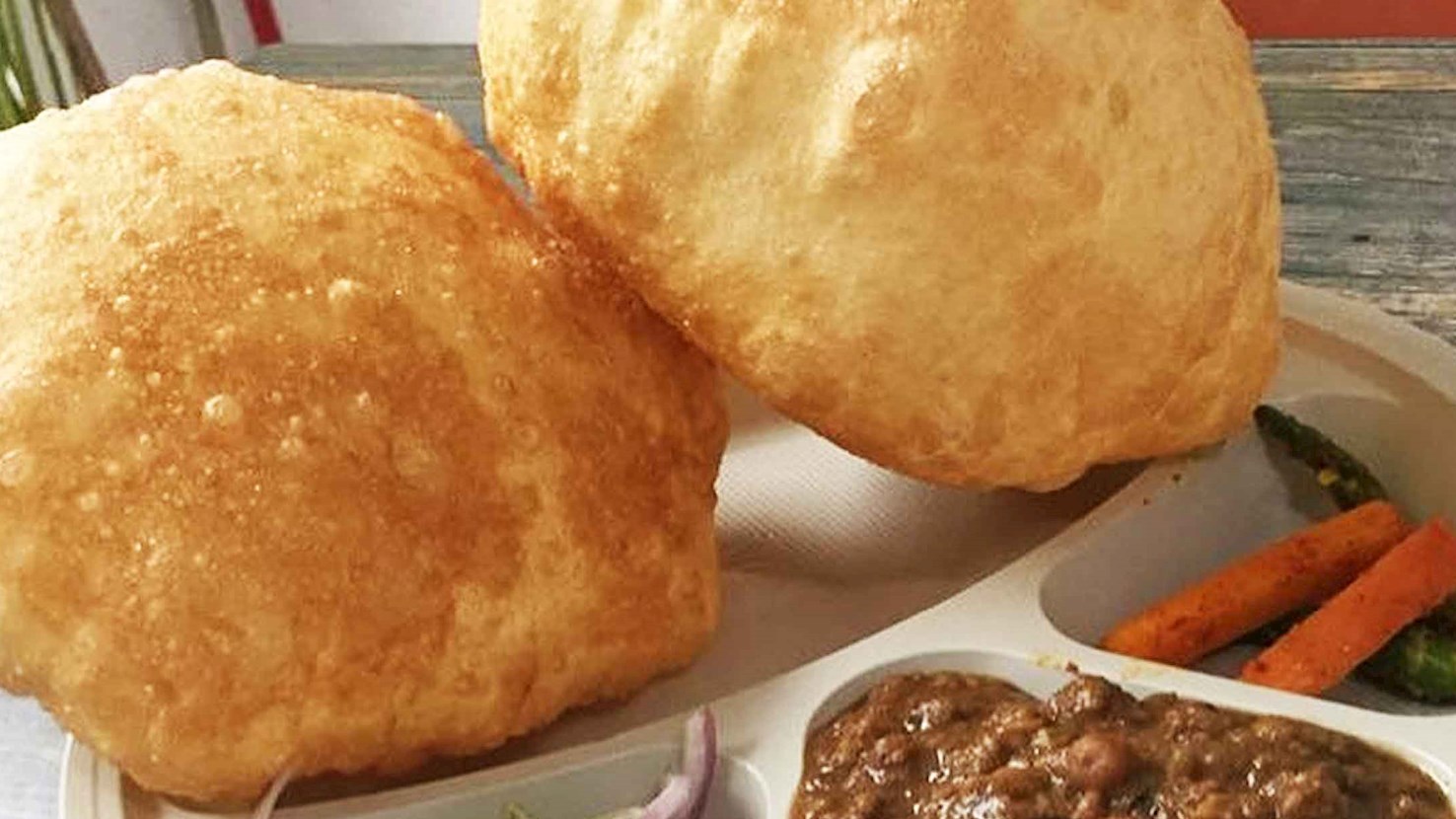
At its core, chole bhature is a combination of two dishes: chole - a spicy chickpea curry, and bhature - a type of fried bread made with maida flour. Popular throughout North India, the dish was invented in Delhi in the 1940s. It is commonly accompanied by onions, pickles, mint chutney, and chilled lassi. Chole bhature can be found at most street carts in North India, but it can also be easily prepared at home. Although it can be eaten any time of the day, chole bhature is especially popular in the morning, when bhature are filled with potatoes or cottage cheese, making it a heavy, nutritious breakfast.

04
Ice Cream

Kulfi

4.3 ·

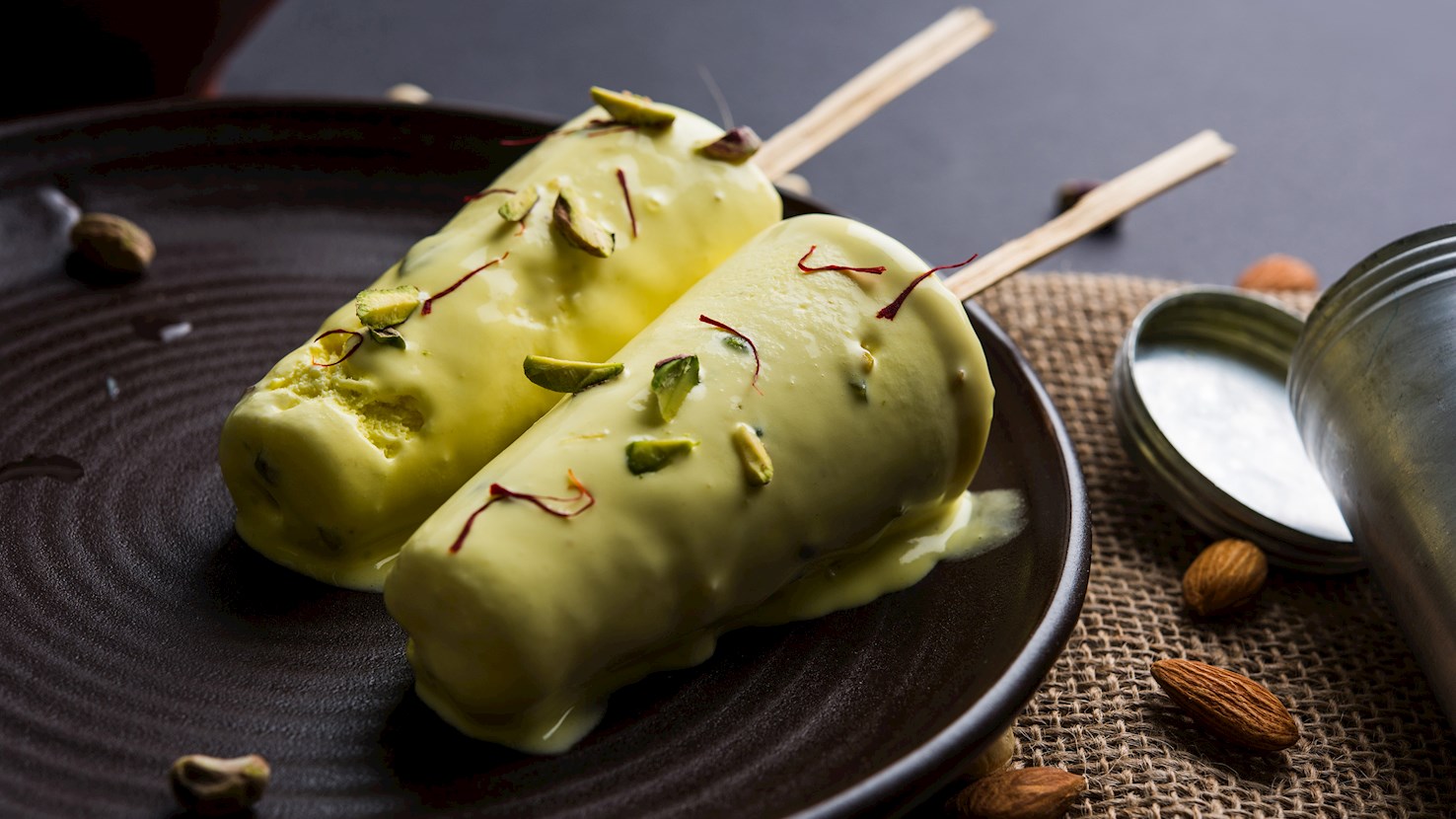
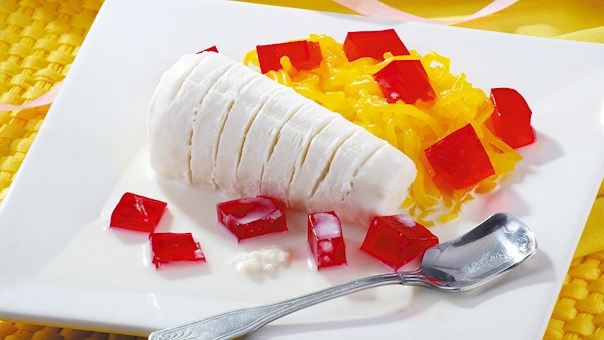
Kulfi is a traditional ice cream made with slowly simmered whole milk. Although the long-simmering process results in a loss of volume, it makes up for it with a delicious, nutty, caramelized flavor. The ice cream is characterized by its unusual, conical shape, a result of using traditional, special molds with tight-fitting lids. Kulfi is usually flavored with traditional Indian ingredients such as pistachio, rose water, and saffron, although some cooks prefer to flavor it with fruits such as berries. It is believed that kulfi was invented by the ancient inhabitants of the Himalayas during the Mughal Empire era. There are some main differences between kulfi and regular ice cream: kulfi has less air and is denser than regular ice cream, because the milk gets more concentrated through the cooking process. Today, kulfi can be made at home or found at street stalls, sold by vendors called kulfiwalas.

05
Stew

Dal tadka

4.2 ·

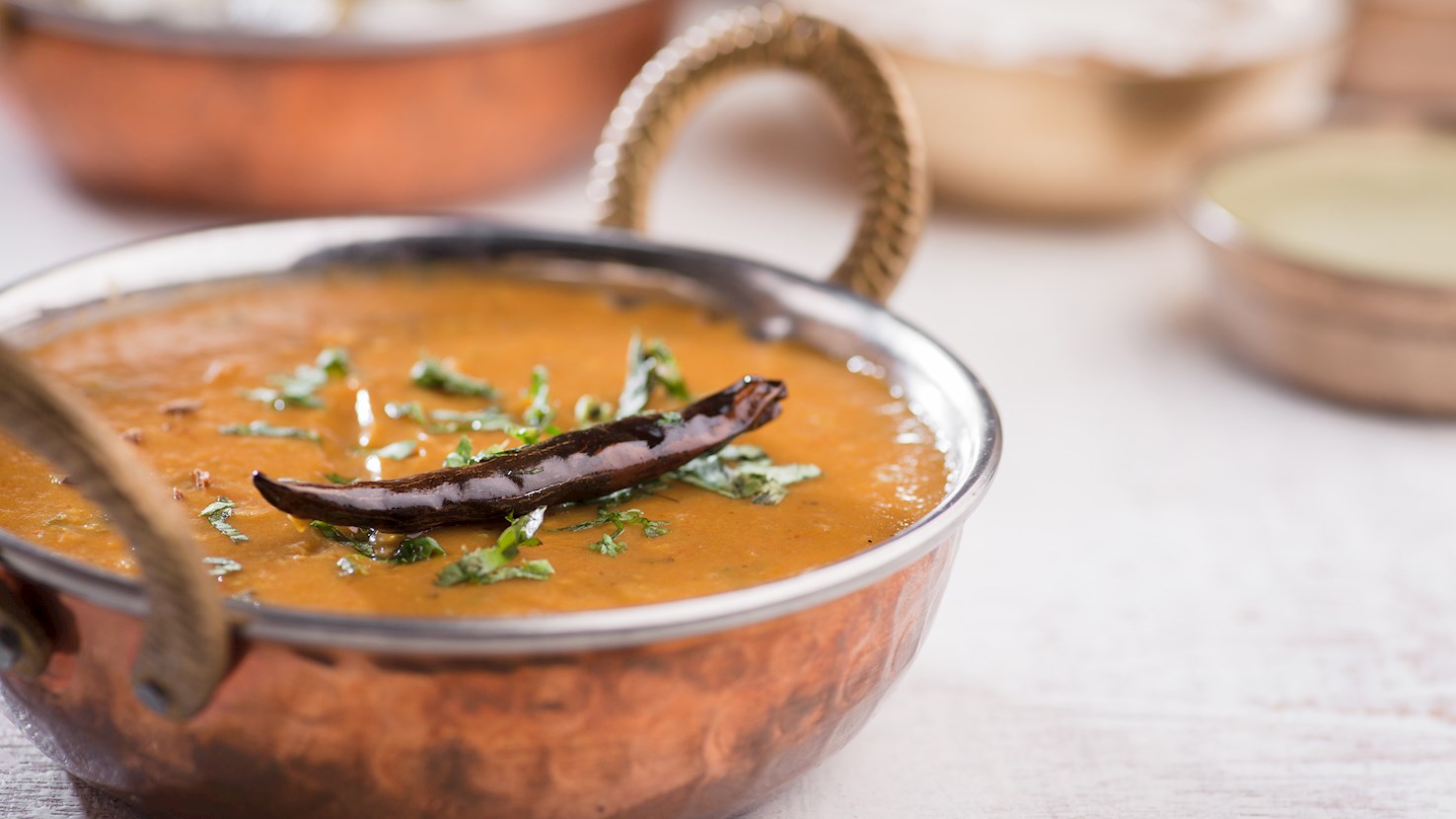
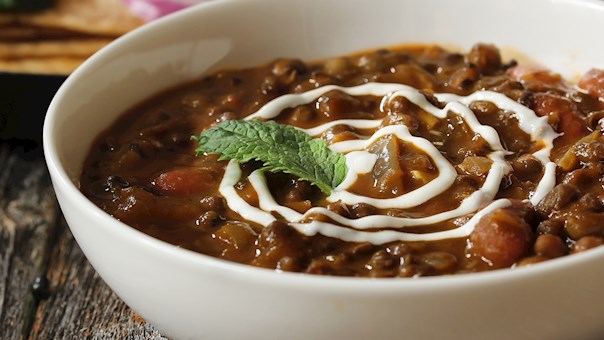
Dal tadka or tadkewali dal is a traditional legume-based dish originating from the northern parts of India. Although there are variations, the dish is usually prepared with toor dal (split yellow pigeon peas), garlic, ginger, onions, tomatoes, garam masala, chili peppers, ghee, cumin, coriander, turmeric, red chili powder, and fenugreek leaves. These ingredients are cooked and mixed with tadka (tempering), consisting of spices such as asafoetida, chili peppers, and garlic that are cooked in ghee. Once prepared, dal tadka is usually garnished with coriander leaves and served hot with jeera rice and roti on the side.

06
Rice Pudding

Phirni

4.2 ·

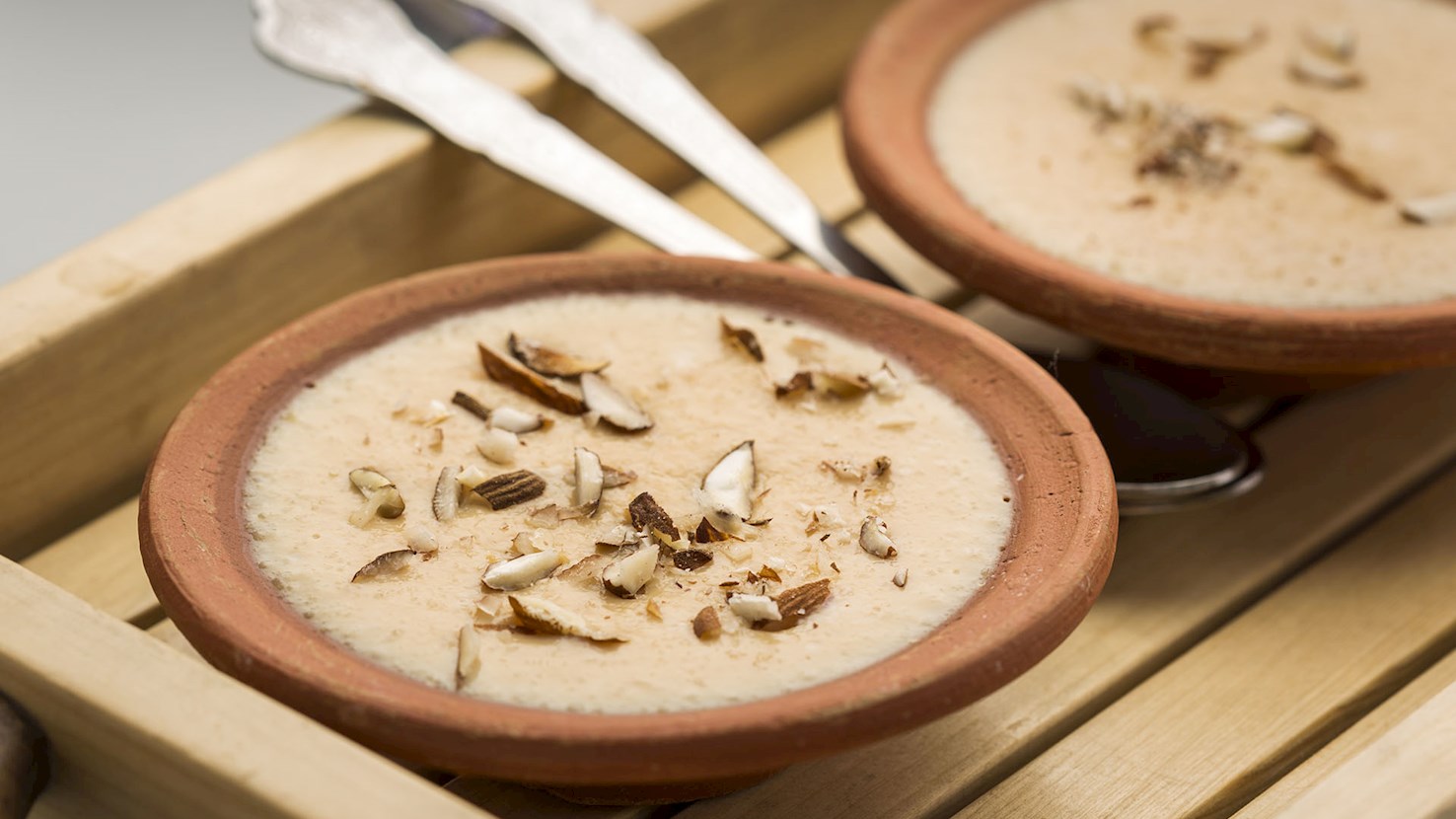
Phirni is a dessert made with ground rice that's cooked in milk and flavored with almonds, saffron, and cardamom. A favorite in North India, it is most often prepared for special occasions or festivals such as Diwali and Karwa Chauth. Traditionally served in small clay bowls known as shikoras, phirni is always eaten well-chilled and garnished with nuts, rose petals, and often with silver paper or chandi warq to make it even more luxurious.

07
Chicken Dish

Tandoori murgh (Tandoori chicken)

4.2 ·

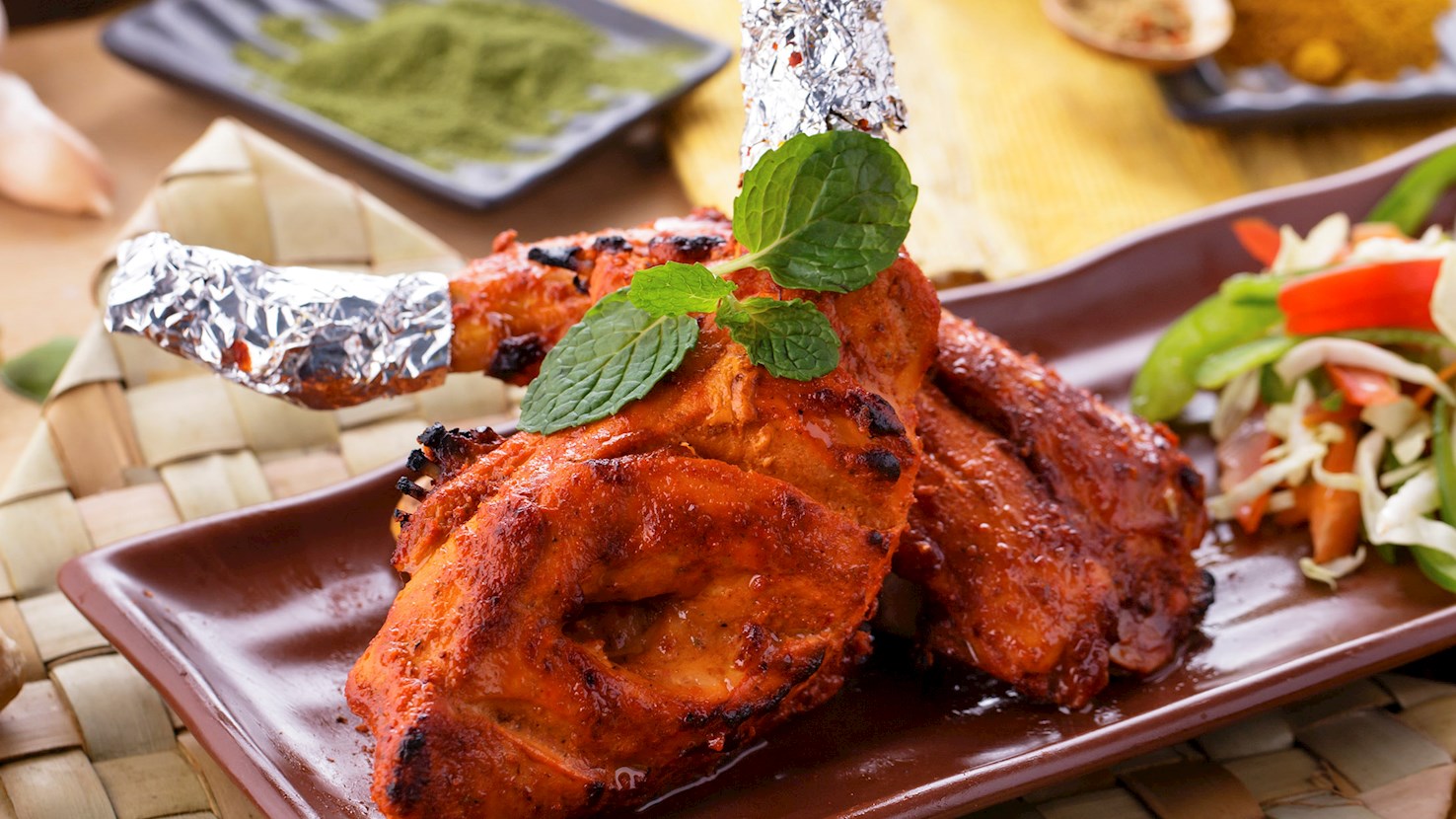
Tandoori chicken or tandoori murgh is one of the most popular dishes in Indian cuisine, its name derived from the Persian word tannur, meaning fire. The dish consists of chicken meat that is marinated in yogurt, seasoned with tandoori masala, nutmeg, and cumin, then placed on skewers. It is a unique dish because of the way it is prepared - traditionally, it is cooked at high temperatures in cylindrical clay ovens called tandoor, resulting in succulent meat with a smokey flavor. One popular theory suggests that it was invented by a man named Kundan Lal Gujral in his restaurant Moti Mahal (Palace of Pearls). He wanted to make a new dish, so he tried cooking the chicken in the tandoor, which was mostly used for baking the famous Indian bread called naan. The dish was an instant hit with the hungry customers, and the crispy, yet succulent chicken dish even caught the attention of Indian Prime Minister Jawaharial Nehru, who often ate at the restaurant and made it a regular dish at official banquets. The aforementioned theory belongs to the recent past, but historians claim that tandoor-cooked chicken actually dates back to the Mughal period, when the dish was merely a part of gigantic Indian feasts at the time. Tandoori chicken's fame led to many derivatives such as chicken tikka masala and butter chicken, both of them commonly found in restaurants across the country.

08
Stew

Nihari

4.1 ·

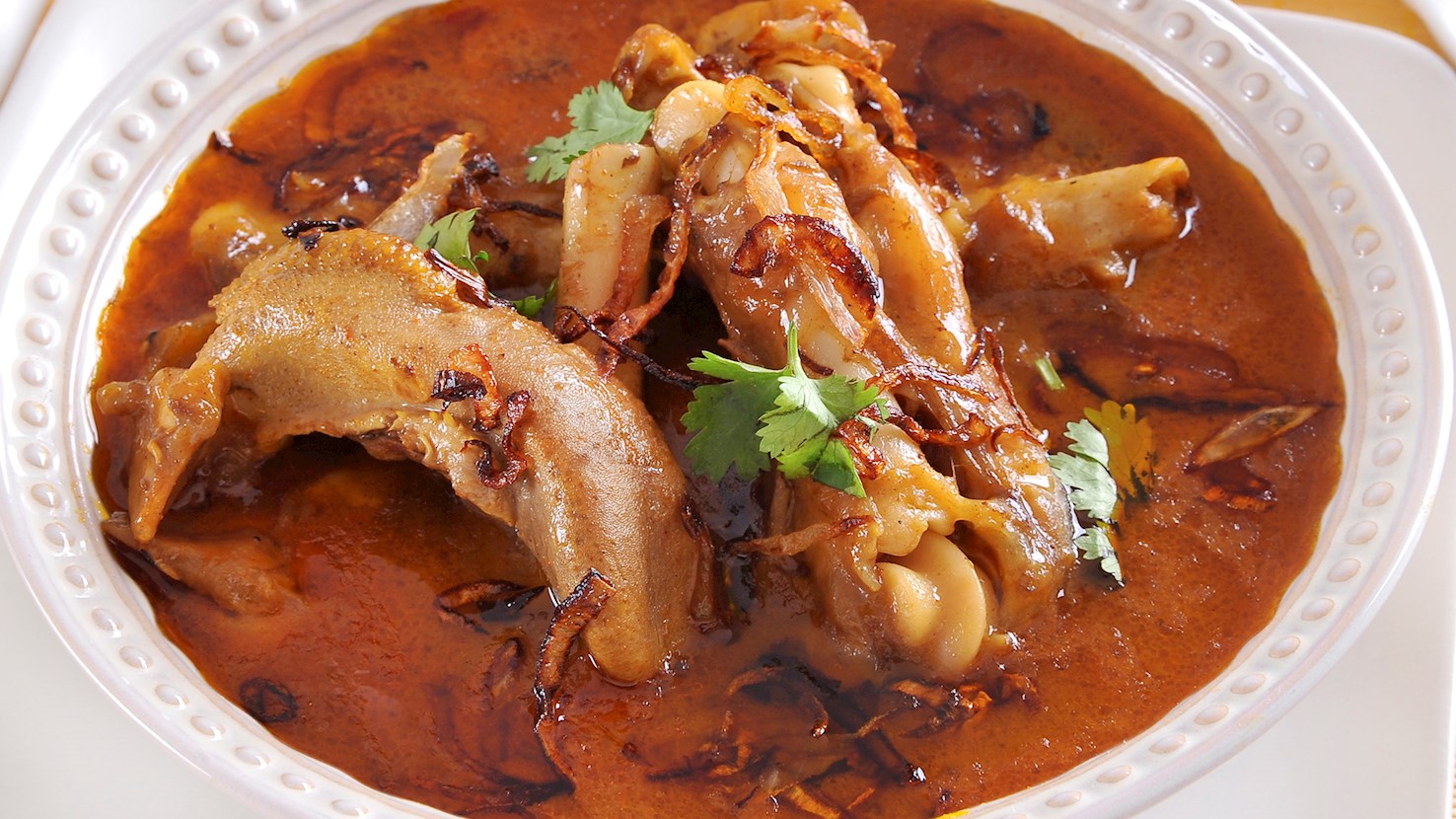
Nihari is a popular meat-based dish originating from Old Delhi. When Pakistan gained independence in 1947, numerous immigrants from Delhi settled in Karachi, where they established their own restaurants, so nihar is also associated with Pakistani cuisine. The dish consists of slowly cooked meat such as beef shanks, mutton, or chicken. The meat is cooked together with stock and numerous spices such as cumin, cloves, garam masala, and cardamom in big vessels which are sealed with dough. It takes anywhere from six to eight hours for nihari to be cooked properly, and it is traditionally consumed for breakfast, since the name of the dish is derived from the Arabic word nahar, meaning morning. Originally, nihari was consumed by the Nawabs in the Mughal Empire as a breakfast dish, before the usual morning prayers, although some people believe that the dish was invented in the royal kitchens of Awadh. It is usually served with tandoori rotis or khameeri rotis, and some like to garnish nihari with green chilis on top. Nihari's texture, spiciness, and tenderness of the meat make it a favorite among many Indian and Pakistani people.

09
Breakfast

Aloo paratha

4.1 ·

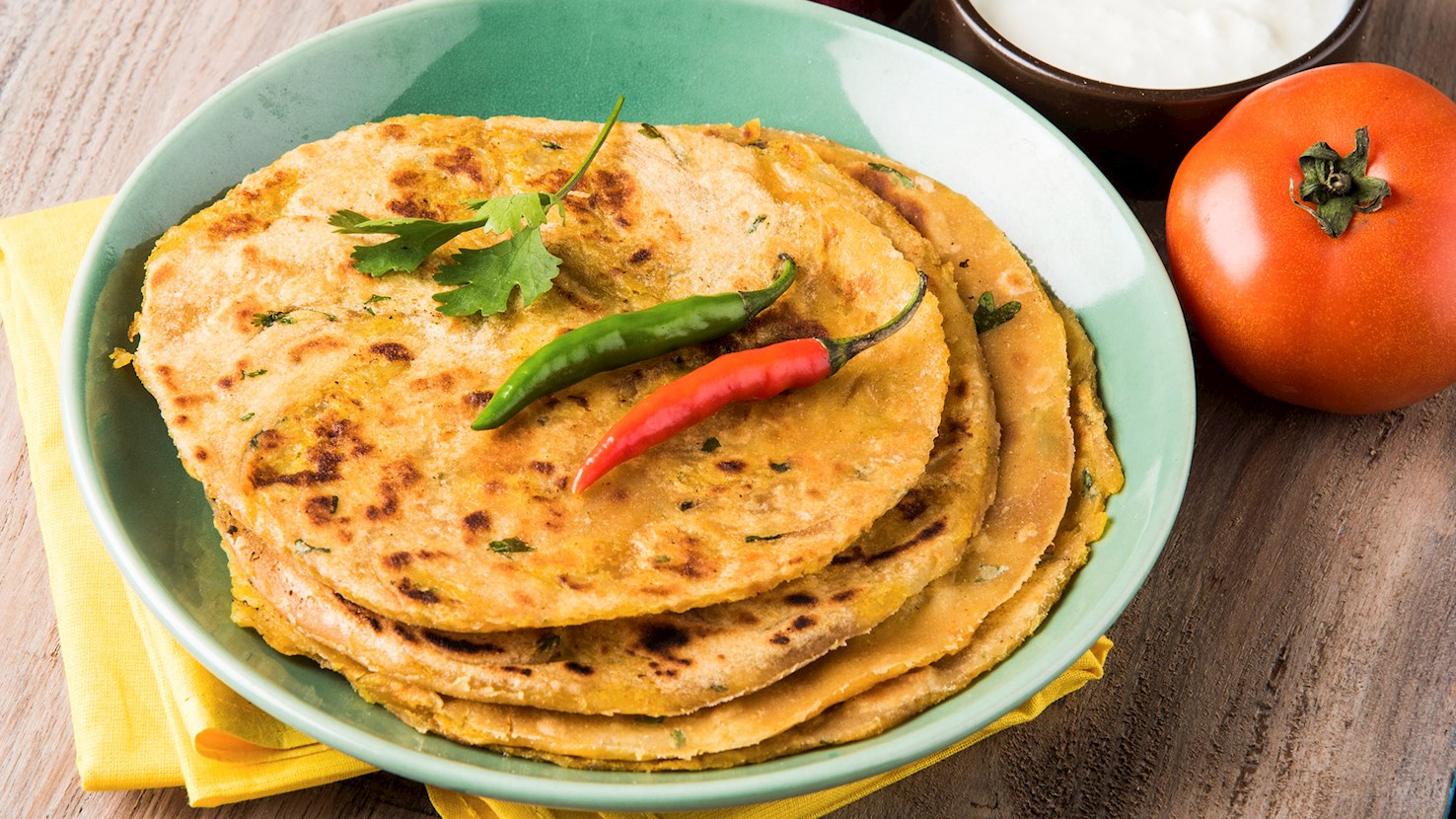
Aloo paratha is one of the most popular breakfast foods in northern India, a flatbread stuffed with a spicy potato mixture. Its name is derived from aloo, denoting a potato, parat, denoting layers, and atta, denoting flour. The flatbread is made from whole-wheat flour, salt, and ghee, forming flaky, soft, and crispy layers that are golden-brown in color. The filling consists of mashed potatoes, ginger, green chilies, coriander, dried pomegranate seeds, chili powder, and salt. The dish is often topped with Indian homemade butter called makhan and it is traditionally served with chutneys, pickles, onions, and yogurt or tea on the side. Due to its popularity, it spread from Punjab to various parts of the Indian subcontinent, but also to Malaysia, Mauritius, Singapore and the Caribbean.

10
Bread

Bhatura

4.1 ·

Bhatura is a deep-fried, leavened bread with North Indian origins and a light, fluffy texture. Its unique texture is achieved by letting the dough ferment for almost one hour. The dough consists of flour, oil, baking powder, and yogurt. After the bread is fried, it is usually sprinkled with Indian masalas or stuffed with paneer. If it's stuffed with chickpea curry, it becomes another popular dish, known as chole bhatura, found at almost every street corner in North India. Bhatura's versatility is seen in kulcha, which is made with the same dough, but it is baked or cooked on a pan instead of being deep-fried.

Best Northern Indian food products
01
Spirit

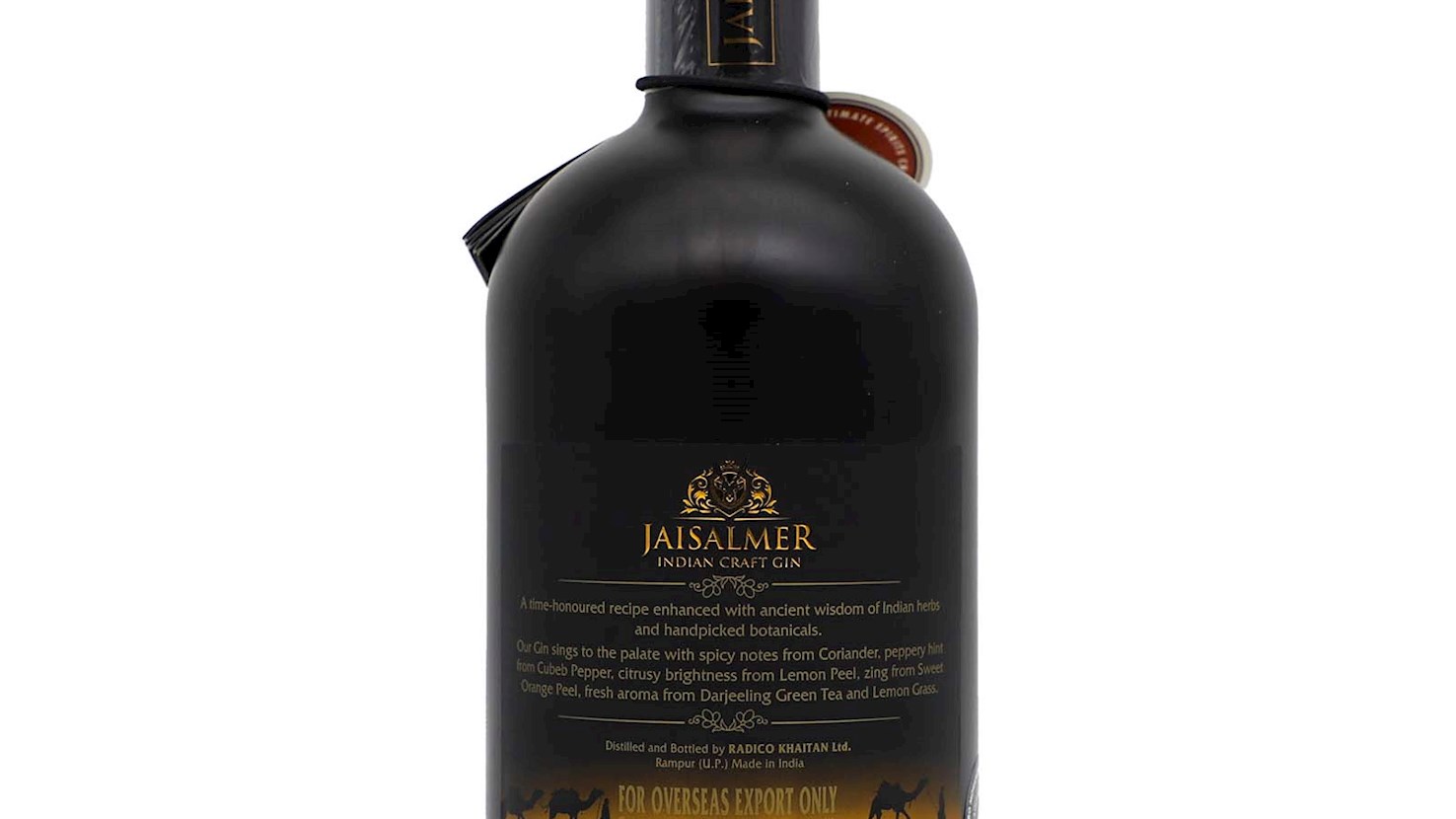
Jaisalmer

5 ·
Awards
USC- Ultimate Spirits Challenge - Top 100 (2020)
02
Spirit

Indri

4.8 ·
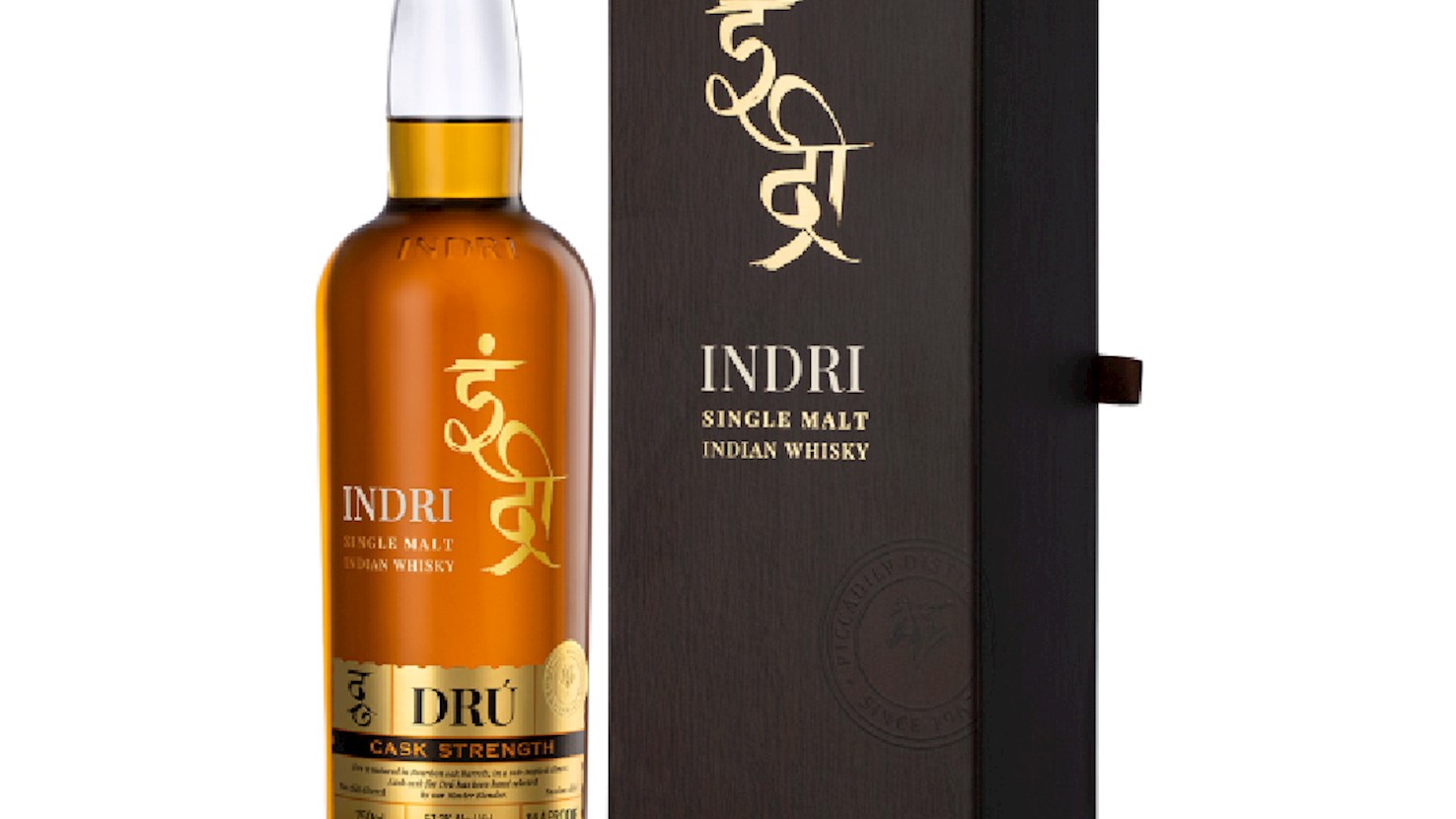
Indri is an Indian single malt whisky produced by Piccadily Distilleries, known for its premium quality and crafted in Indri, Haryana. The distillery uses local six-row barley sourced from Rajasthan and traditional copper pot stills for distillation. Their flagship product, Indri-Trini, is matured in three types of casks: ex-bourbon, ex-French wine, and ex-Pedro Ximénez sherry casks, creating a rich and complex flavor profile.
Awards
NYWSC - New York World Spirits Competition - Gold (2024, 2023)
The World Whiskey Masters - Gold (2023, 2022)
03
Tea / Infusion

No. 3 Clive Road

4.8 ·
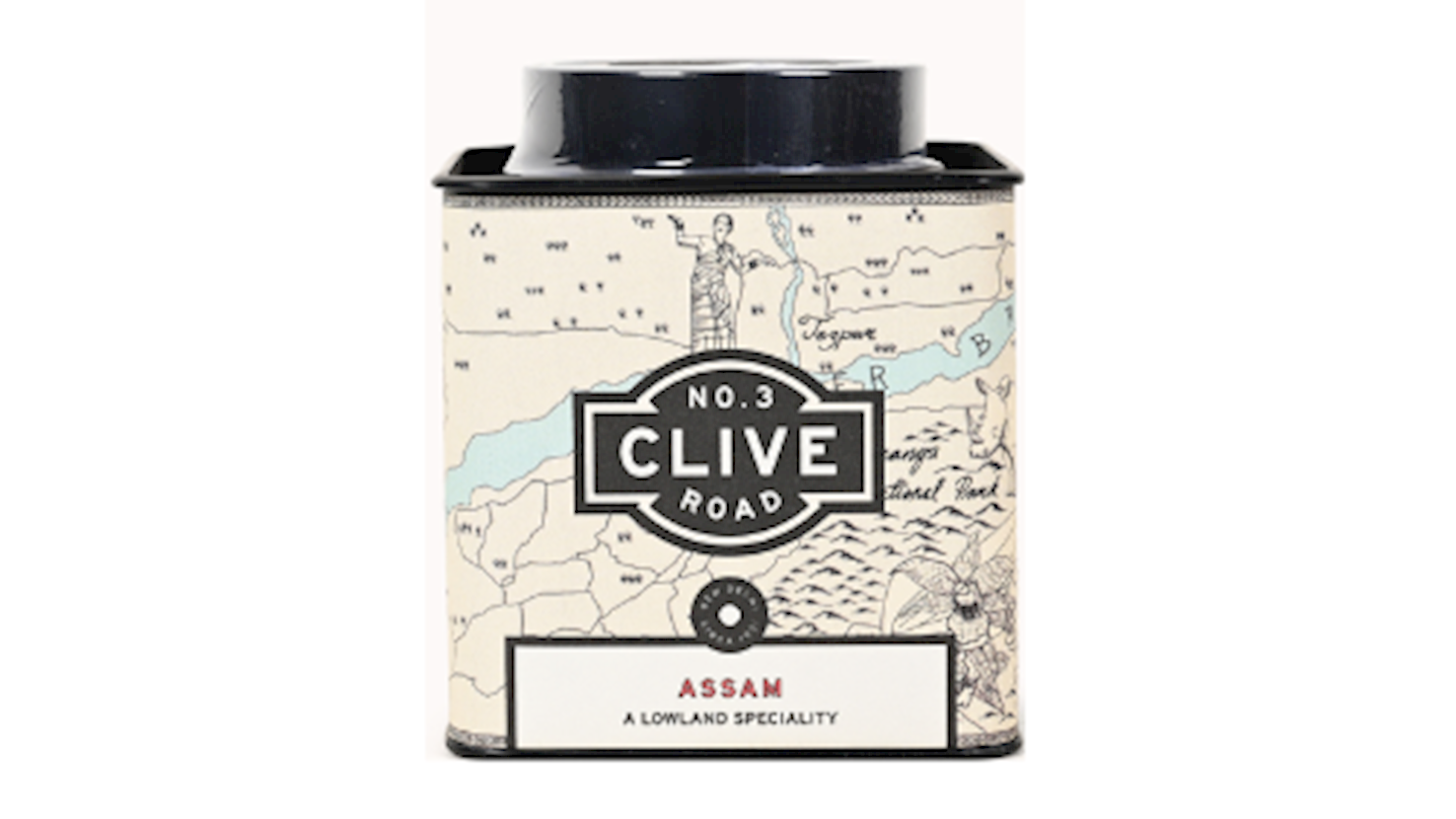
Three Clive Road is an Indian premium brand dedicated to handcrafted tea blends, combining the country’s rich tea tradition with a contemporary, design-driven approach. They focus on high-quality full-leaf teas enhanced with spices, dried fruits, herbs and floral elements, creating layered, aromatic blends aimed at consumers who appreciate expressive yet balanced flavors. The brand is known for its elegant packaging and carefully curated gift sets, positioning tea as part of a refined lifestyle rather than a simple daily beverage. Their range includes seasonal collections, limited-edition blends and themed assortments, with a strong emphasis on sustainability, ingredient quality and support for local producers. Three Clive Road thus represents a blend of heritage, craftsmanship and modern luxury within the world of specialty teas.
04
Coffee Beans

Bloom Coffee Roasters

4.8 ·
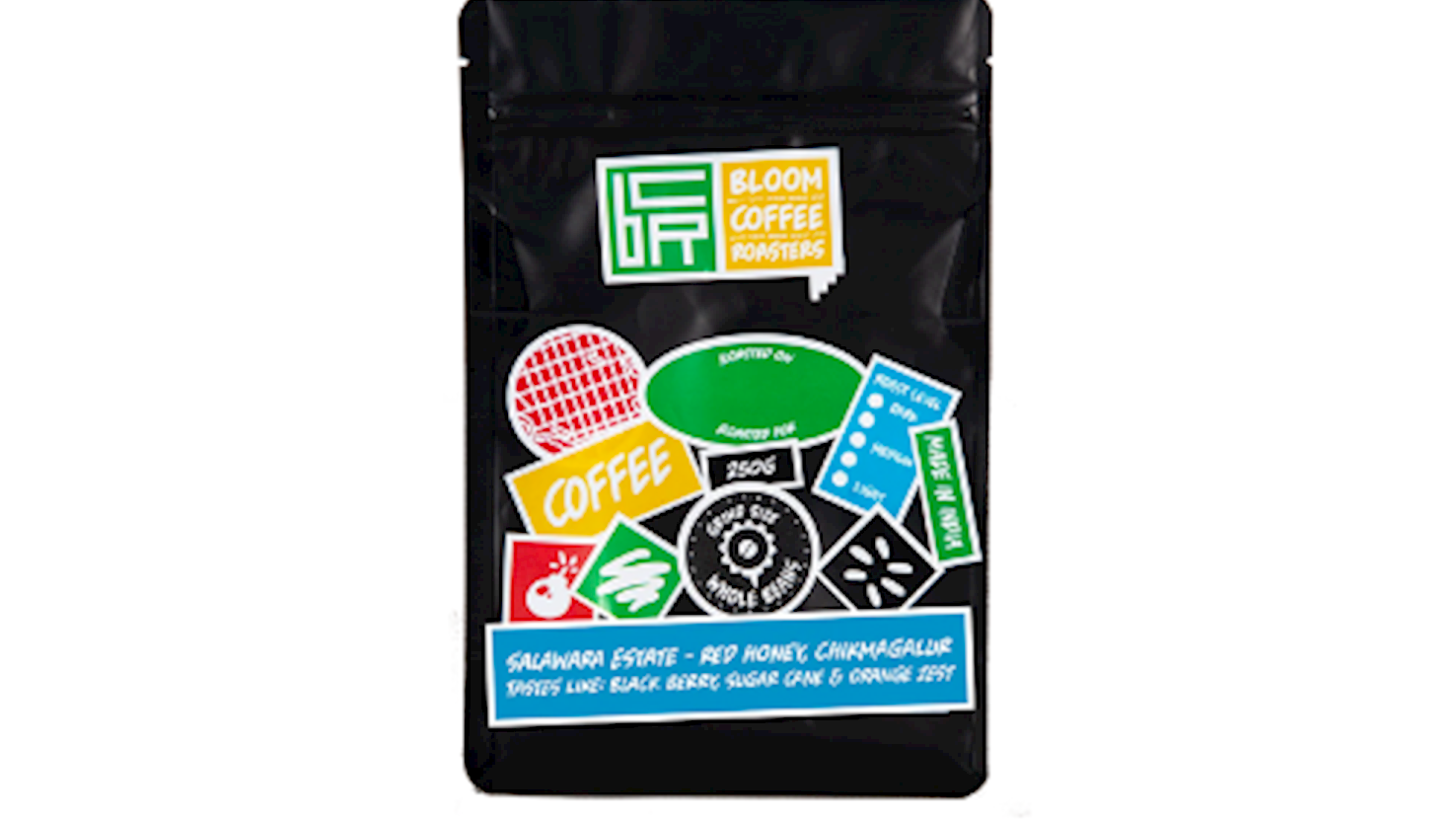
Bloom Coffee Roasters is an artisanal roastery based in India that approaches coffee as a craft rather than an industry, focusing on beans sourced from small farms in South India and on how terroir shapes flavor. Founded by three long-time coffee enthusiasts, the roastery works exclusively in small batches, with precise control of temperature and timing to preserve each bean’s identity and natural aroma. Their portfolio includes single-origin and blend coffees processed through washed, honey and natural methods, highlighting citrusy, chocolaty or fruity notes depending on the variety and processing style. Bloom also plays an active role in India’s growing café culture by partnering with numerous coffee shops, developing custom blends and training baristas, influencing espresso and filter quality nationwide. At the same time, through sampler sets and their Bloom Coffee Academy, they aim to make specialty coffee accessible to newcomers, insisting that a well-crafted cup should not be reserved only for experts, but for anyone seeking an authentic, clean and well-balanced coffee experience.
05
Bee Product

Organica

4.8 ·
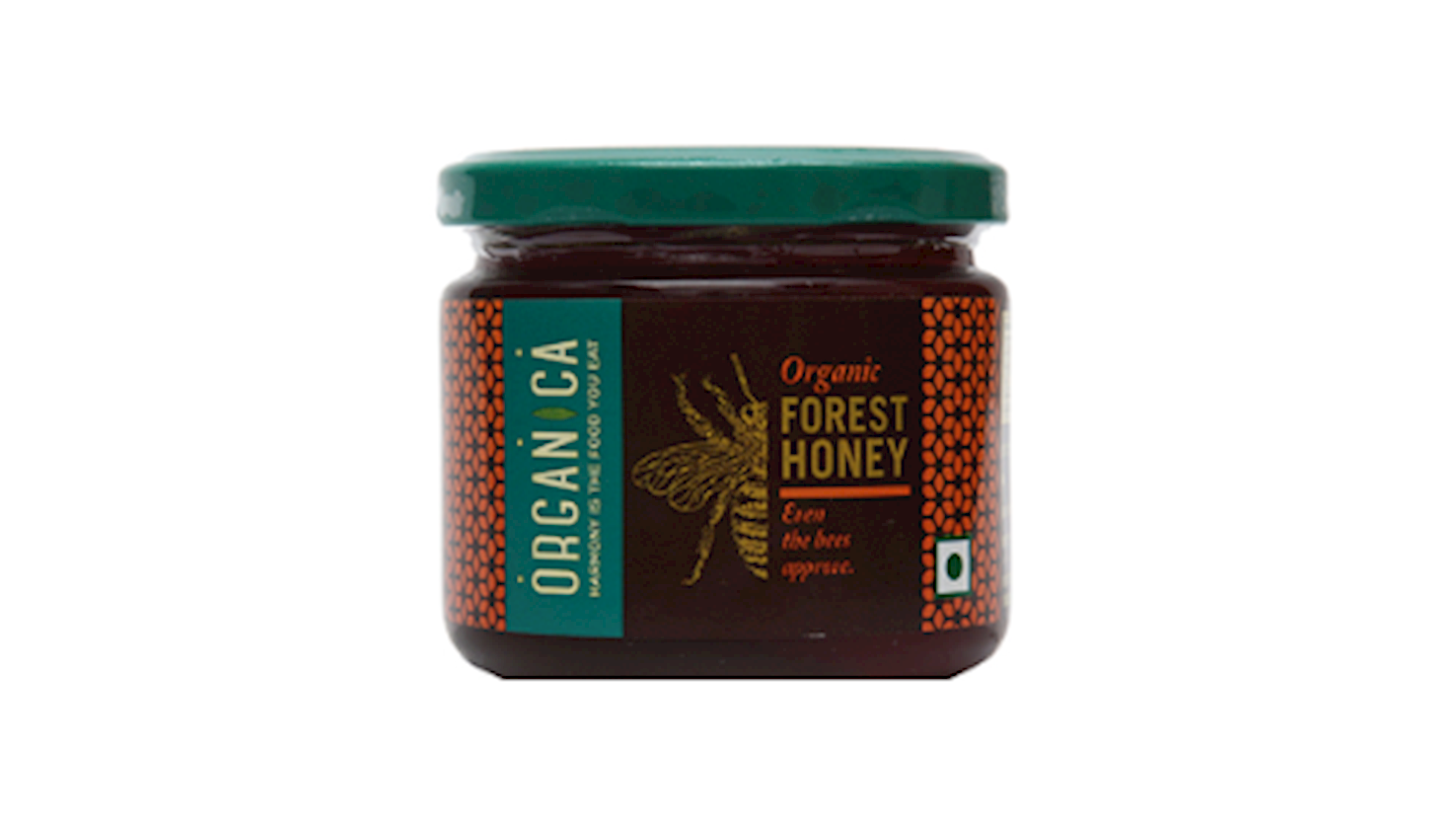
Organica is an Indian brand that develops and distributes a wide range of organic food products, with a focus on pure origin, minimal processing and close collaboration with small farmers. Their assortment includes teas, spices, honey, superfoods, nuts and various artisanal blends, all produced in accordance with certified organic standards. Ingredients are sourced directly from local growers, ensuring a transparent value chain, fair purchasing conditions and the preservation of the natural aromatic profile and nutritional integrity of each product. Organica emphasizes small-batch production and strict quality control so that every item faithfully reflects the terroir and regional characteristics of its origin. The brand is intended for consumers seeking reliable, healthy and authentic organic foods, as well as those who support sustainable agriculture and responsible food systems.
06
Butter

Himalayan Cheese

4.8 ·
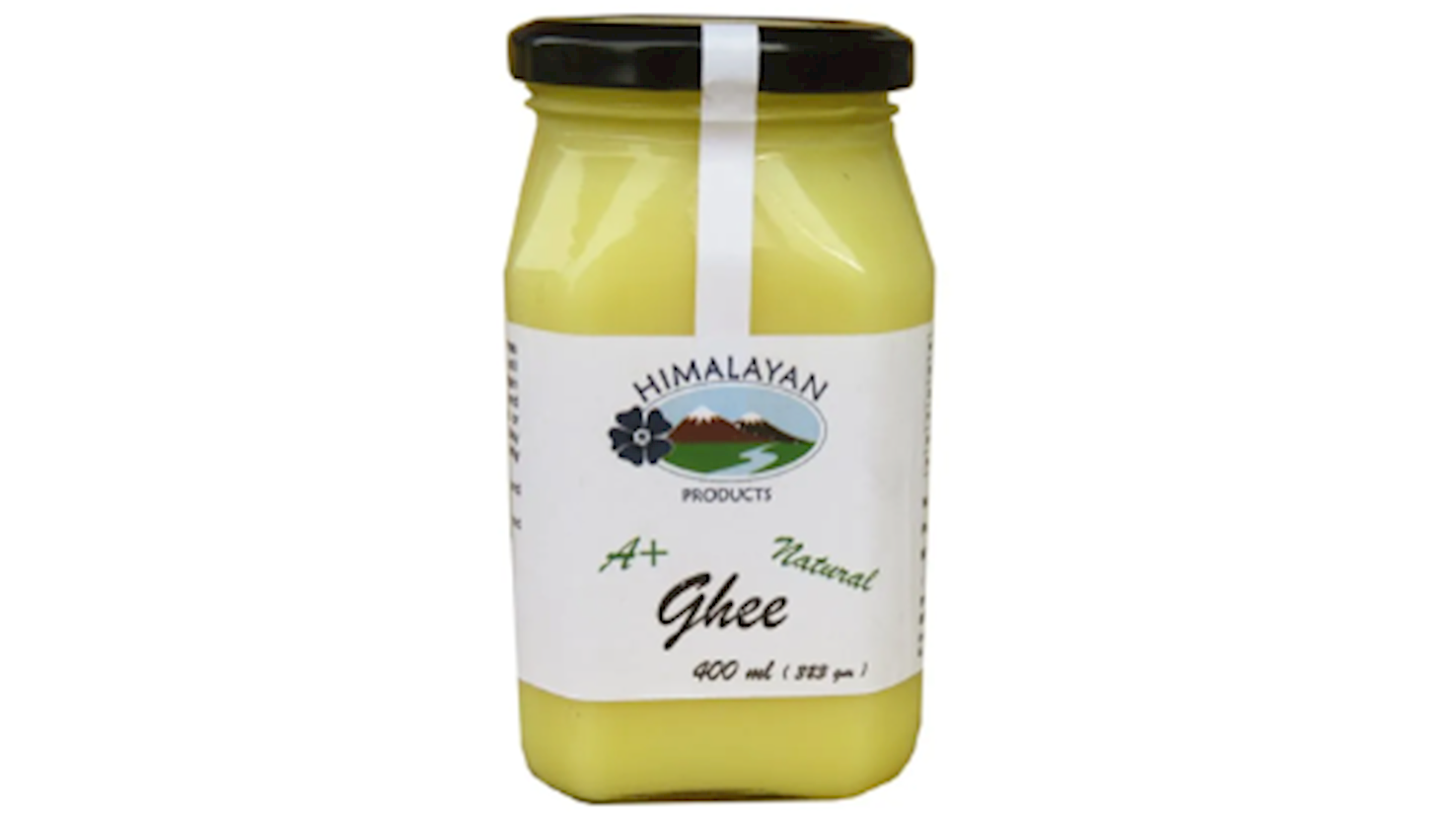
Himalayan Cheese is a small artisanal creamery based in Kashmir that produces handcrafted cheeses made from fresh, high-altitude farm milk and traditional aging techniques. Their range includes both young, mild cheeses and more mature versions of Gouda and Cheddar, known for their fuller, layered flavour profiles. Production relies on natural ingredients and manual processes, without industrial additives, allowing each cheese to preserve the purity of the milk and the distinctive terroir of the Himalayan region. The cold climate, clean mountain pastures and slow maturation contribute to the firm texture and aromatic complexity of their cheeses. By blending European cheesemaking traditions - particularly Dutch-style Gouda - with local Himalayan character, Himalayan Cheese offers authentic, natural products tailored to consumers seeking high-quality, small-batch, artisan cheeses.
07
Spirit

Camikara

4.8 ·
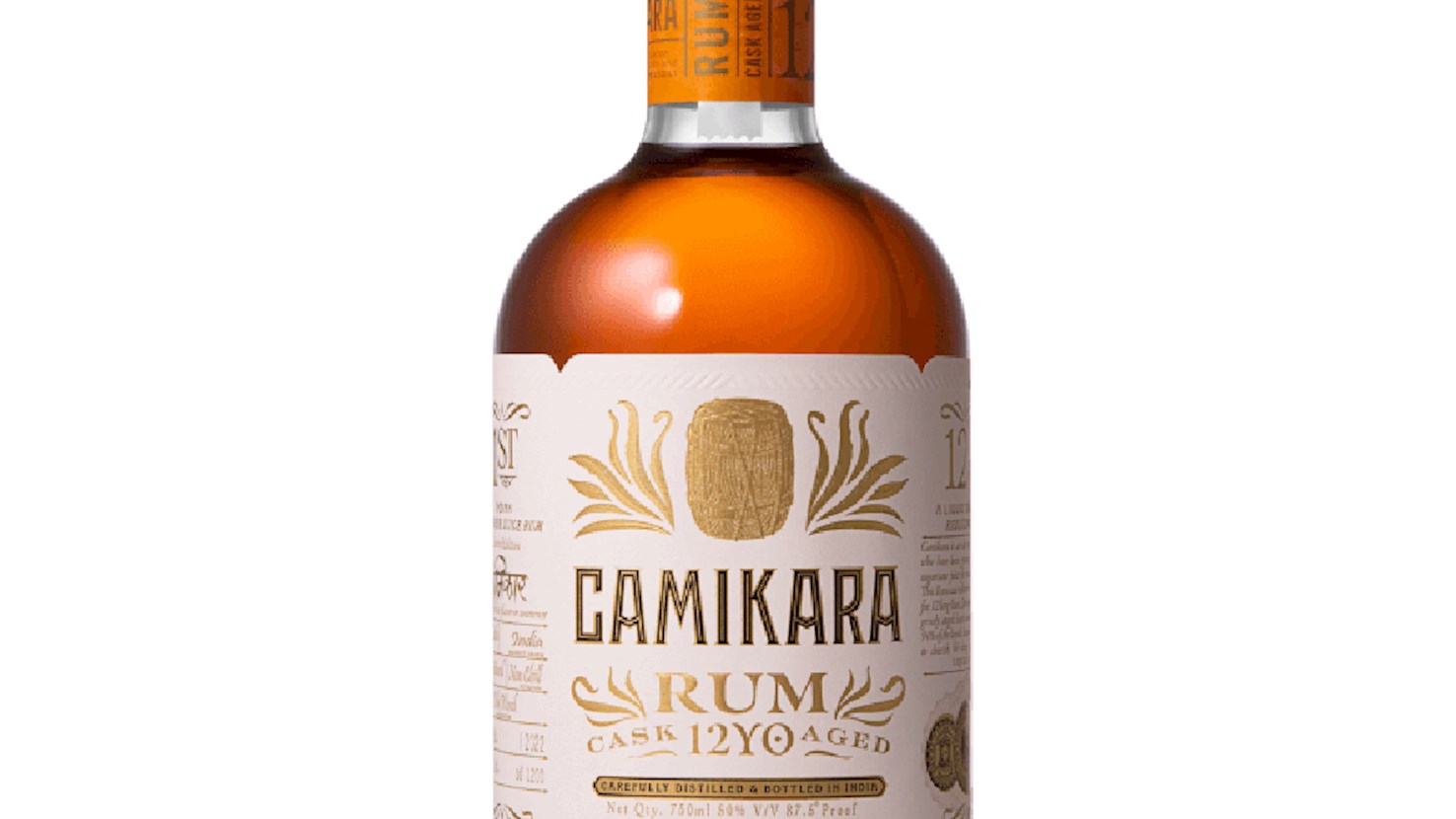
Camikara is a premium Indian rum produced by Piccadily Distilleries, crafted from pure sugarcane juice and aged in American oak barrels. The name "Camikara," meaning "liquid gold" in Sanskrit, reflects its rich heritage and quality. The flagship 12-year-old expression offers a complex flavor profile with notes of honey, ginger, toffee, raisins, prunes, and leather on the nose, followed by honey, vanilla, bitter chocolate, ripe bananas, orange peel, dark chocolate, and charred wood on the palate. The finish leaves a lasting impression of fruitcake, inviting another sip
Awards
IWSC- International wine & spirit competition - Spirit Gold (2023)
08
Spirit

Nao Spirits & Beverages

4.8 ·
Awards
IWSC- International wine & spirit competition - Spirit Gold (2021)
09
Rice

Daawat

4.7 ·
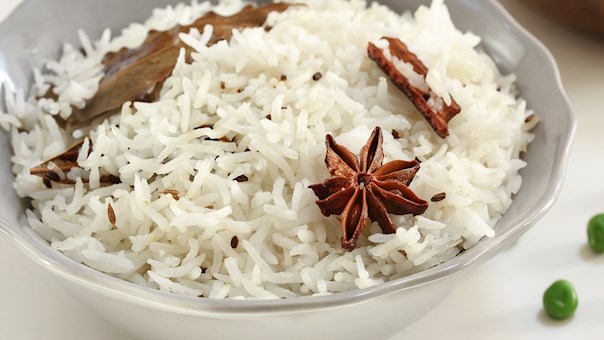
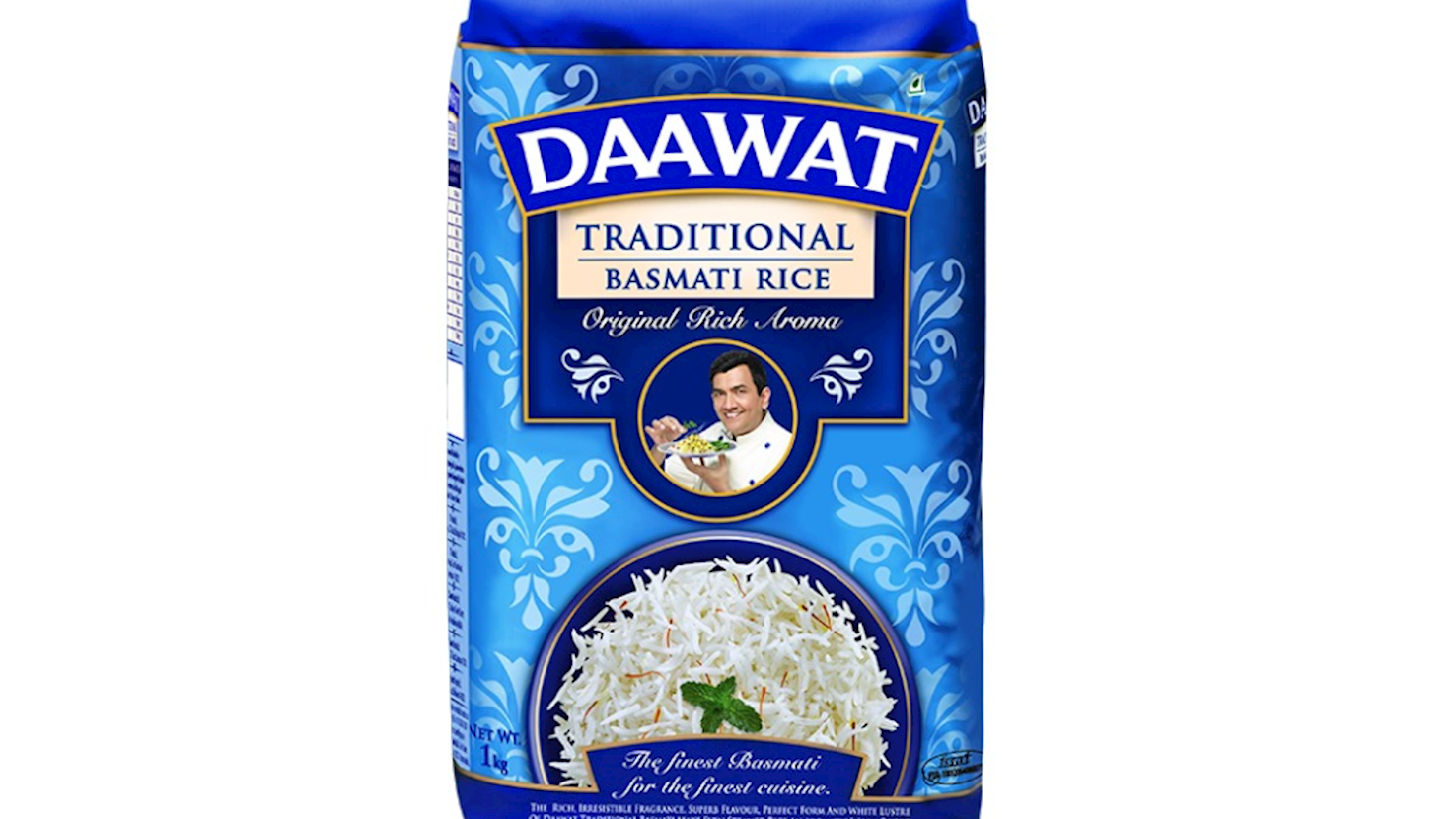
Daawat is one of the most recognized basmati rice brands in India, known for its superior quality, rich flavor, and long, aromatic grains. Owned by LT Foods, Daawat stands out for its careful grain selection, collaboration with over 80,000 farmers, and the use of modern production technologies. One of the key features of Daawat rice is its aging process, where the grains are aged for up to two years. This enhances the flavor, improves the texture, and gives the rice its distinctive aroma. The aging takes place in specialized silos, and advanced methods of cleaning, dehusking, and grading are applied to ensure top quality in every pack.
10
Rice

Lal Qilla Rice

4.7 ·
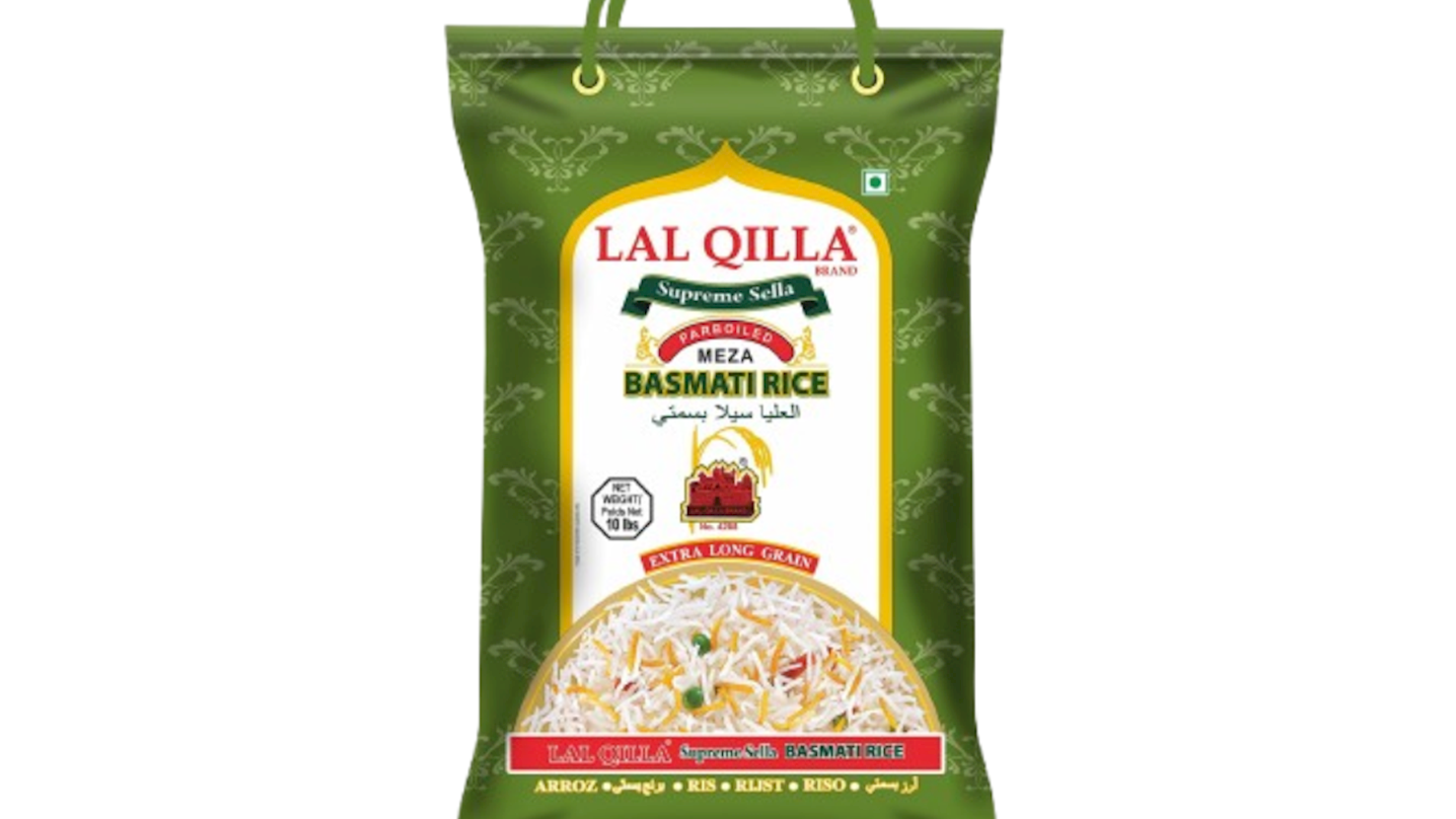
Lal Qilla is a renowned basmati rice brand that represents a fusion of rich Indian tradition and premium quality. Owned by the company Amar Singh Chawal Wala (ASCW), founded in 1901 in Amritsar, Lal Qilla is the result of over a century of dedication to producing the finest basmati rice. The rice is cultivated in the fertile foothills of the Himalayas, where the unique climate and soil contribute to its distinctive aroma, taste, and texture. Lal Qilla basmati rice is known for its exceptionally long, slender grains that elongate and remain fluffy after cooking, making it ideal for dishes like biryani and pilaf. Its characteristic fragrance and mild nutty flavor are the result of a meticulous two-year aging process. The company offers a broad range of products, including both traditional and more contemporary rice varieties. Thanks to high quality standards and international certifications, Lal Qilla has become a global leader in the basmati rice industry, with a presence in over 70 countries worldwide. Its philosophy is based on a blend of tradition, innovation, and commitment to excellence, making Lal Qilla a synonym for authentic Indian basmati rice.
Read more
View all
View map
About this ranking

TasteAtlas food rankings are based on the ratings of the TasteAtlas audience, with a series of mechanisms that recognize real users and that ignore bot, nationalist or local patriotic ratings, and give additional value to the ratings of users that the system recognizes as knowledgeable. For the “Top 72 Northern Indian Foods” list until June 10, 2026, 6,028 ratings were recorded, of which 4,633 were recognized by the system as legitimate. TasteAtlas Rankings should not be seen as the final global conclusion about food. Their purpose is to promote excellent local foods, instill pride in traditional dishes, and arouse curiosity about dishes you haven’t tried.

The initial list of top producers was compiled based on available reviews, awards, local recommendations, media and blog coverage, and consumer reviews. The list will be updated with ratings from TasteAtlas local ambassadors and TasteAtlas users.

Similar lists