Spanish cuisine has become one of the most celebrated presences on the UK dining scene, admired for its balance of rustic authenticity, regional diversity, and culinary depth. The foundation of this recognition lies not only in beloved dishes but also in the essential products that shape them: from the nutty complexity of Manchego cheese to the depth of a glass of Rioja wine. These products, rooted in Spain’s landscape and heritage, are what allow chefs to bring the soul of Spanish cooking across borders and into British markets and restaurants.
At the heart of this growing recognition is the network of certified Spanish restaurants and colmados (food and wine stores, like Los Orígenes and Ultracomida) in the UK that hold the prestigious “Restaurants from Spain” and "Colmados from Spain" certification, working in close collaboration with the brand Food & Wine from Spain. These establishments act as ambassadors of Spanish gastronomy, showcasing ingredients with the same care and respect they are given in their regions of origin. By highlighting products such as Iberian ham, extra virgin olive oil, and artisanal cheeses, they ensure that diners in the UK experience flavours that are both genuine and deeply connected to Spain’s culinary identity.
Complete list of the "Restaurants from Spain" in the United Kingdom.
Complete list of the "Colmados from Spain" in the United Kingdom
And when it comes to their offerings, we highlight 30 of the most important Spanish products in the UK, showing how these certified restaurants and colmados bring them to life and how they are celebrated across the country.
Jamón ibérico de bellota
TasteAtlas Rating: 4.8
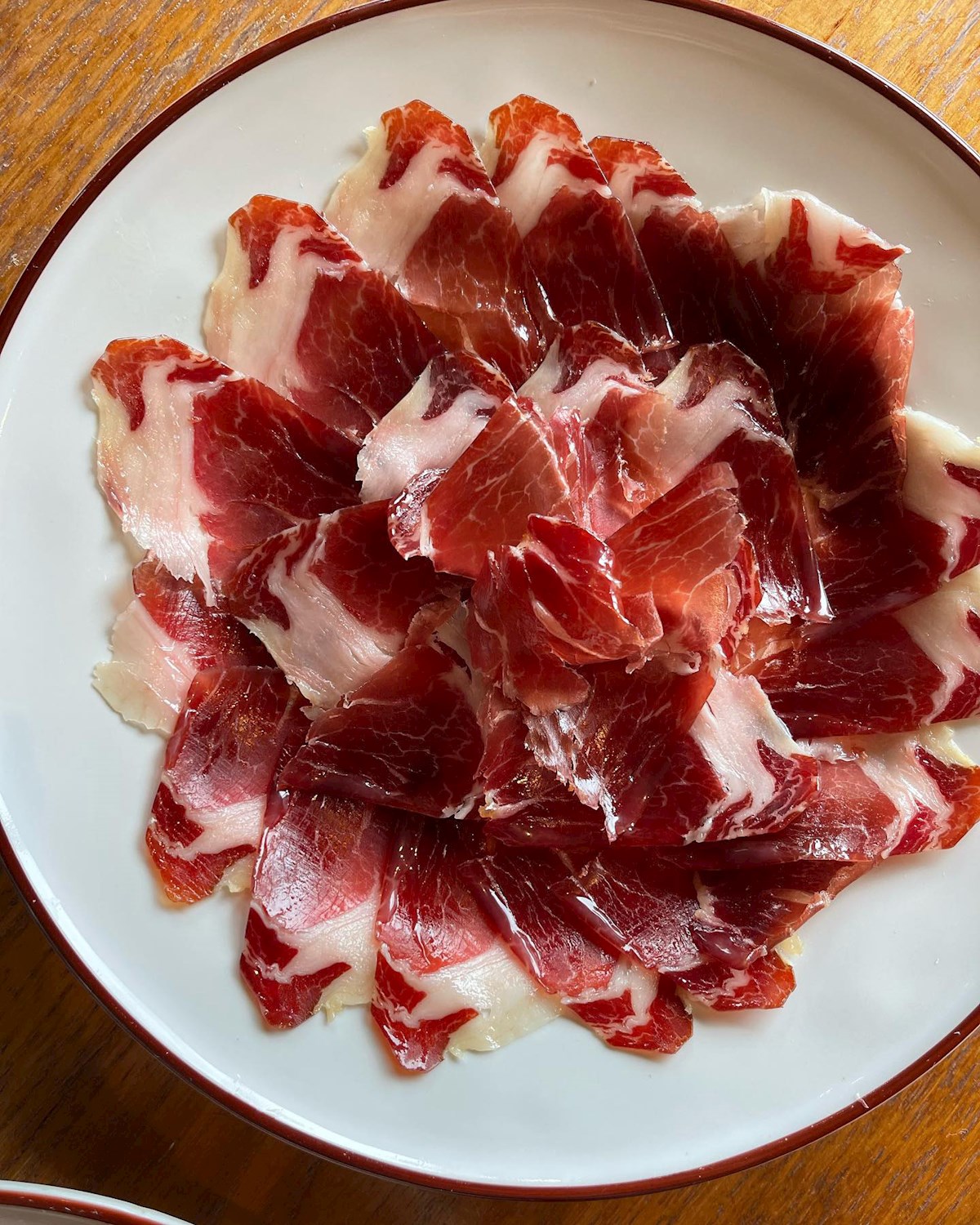 Credits: Barrafina
Jamón ibérico de bellota is widely regarded as the crown jewel of Spanish gastronomy, produced from free-range Iberian pigs that forage on acorns during the montanera season. The pigs’ diet and lifestyle result in meat with remarkable marbling, where the fat is rich, aromatic, and melts almost instantly on the tongue. Curing takes place over several years, with master artisans carefully monitoring temperature and humidity to bring out its complexity.
In Spanish restaurants and colmados in the UK, this ham is treated as a delicacy, often carved by hand into paper-thin slices and served with nothing more than good bread or a glass of fine Rioja. Its flavour is at once nutty, earthy, and delicately sweet, offering diners an experience that goes far beyond a simple charcuterie plate. For many, it serves as the benchmark against which all other cured meats are measured.
Where can you buy it:
Ultracomida
Los Orígenes
Learn more about Jamón ibérico de bellota
Jamón Serrano
TasteAtlas Rating: 4.6
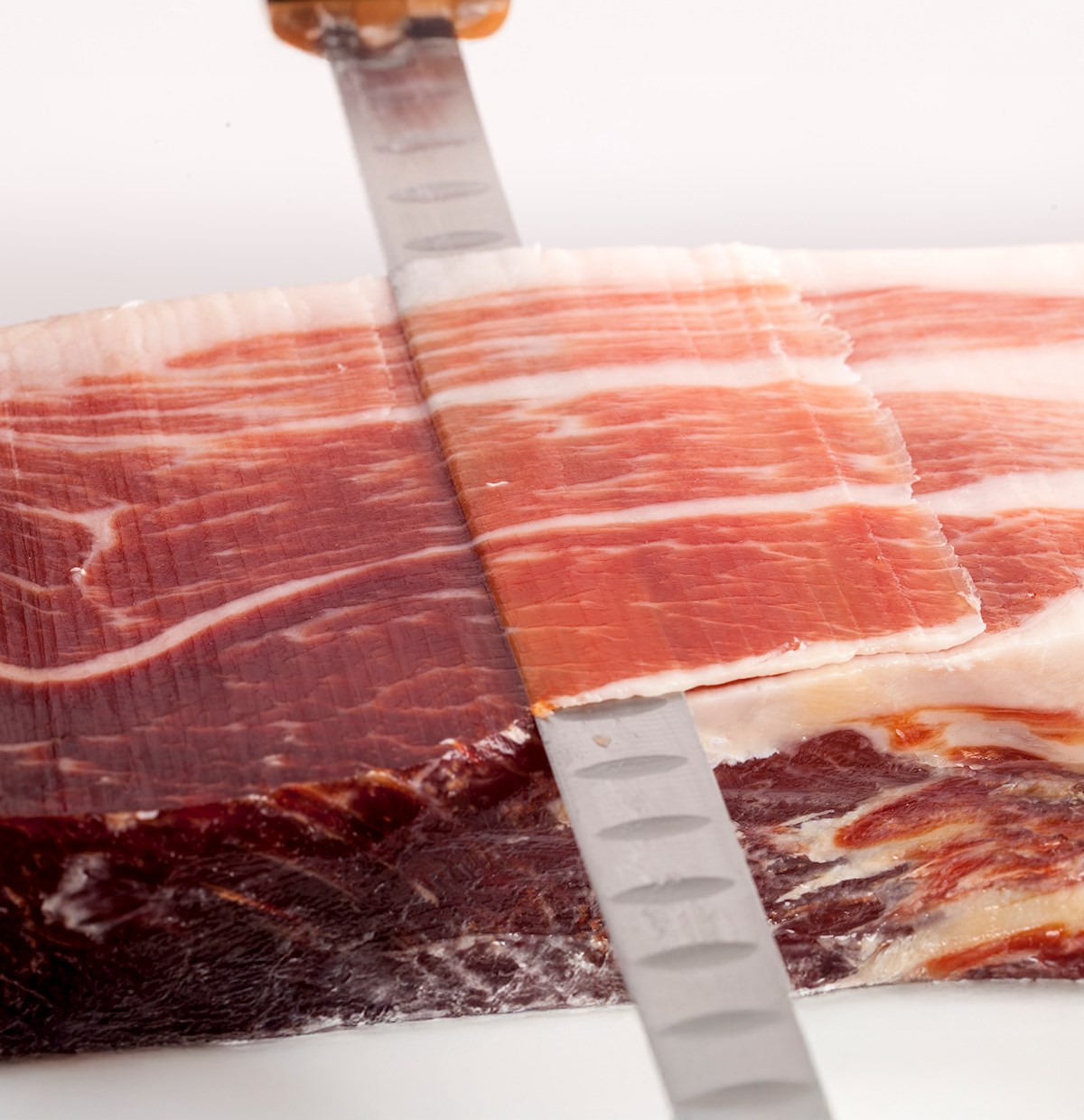 Credits: © ICEX
Jamón Serrano, though less exclusive than Jamón ibérico, is one of the most widely enjoyed cured meats in Spain and a familiar presence in Spanish restaurants abroad. Produced from white pig breeds and cured in mountain air, it takes its name from the word “sierra,” meaning mountain. The ageing process, which can last from 7 to 16 months, lends the ham a clean, savoury flavour that is leaner and less fatty than its Iberian counterpart.
In the UK, Jamón Serrano has become a gateway cured meat for diners discovering Spanish charcuterie, appearing in tapas platters, sandwiches, and paired with cheeses and olives. Its versatility makes it suitable for both casual dining and more refined presentations, offering chefs flexibility in how they present it. While it lacks the nutty richness of acorn-fed Iberian pigs, its straightforward, approachable flavour ensures it appeals to a broad audience.
Where can you buy it:
Ultracomida
Learn more about Jamón Serrano
Fuet
TasteAtlas Rating: 4.2
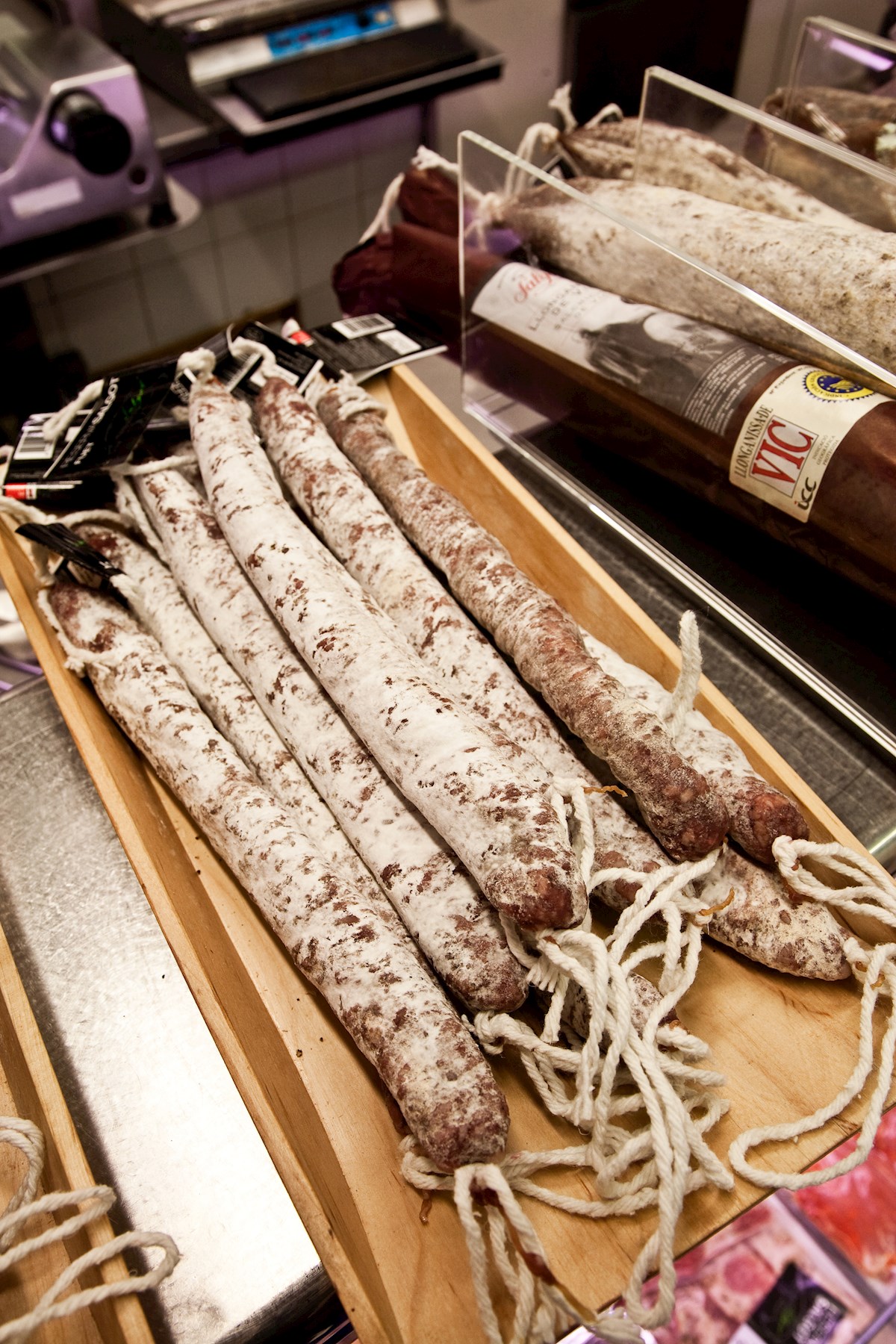 Credits: ©ICEX
Fuet is a Catalan cured sausage that has carved out a distinct niche among Spanish charcuterie, both in Spain and in the UK. Slim and elegantly shaped, fuet is made from finely minced pork seasoned with salt, pepper, and occasionally garlic, then encased and left to cure until firm yet tender. Unlike more heavily spiced sausages such as chorizo, fuet is characterised by its mildness, with a subtle sweetness and delicate aroma.
In UK Spanish restaurants and home settings, fuet often features as part of charcuterie platters, offering diners a gentle contrast to the bolder flavours of salchichón or chorizo. Its thin casing, often dusted with natural mould from the curing process, adds to its rustic appeal. While simple in appearance, fuet’s popularity lies in its balance, providing flavour without overwhelming the palate. Served alongside manchego cheese, olives, or even a glass of cava, it reflects the understated elegance of Catalan gastronomy.
Where can you buy it:
Ultracomida
Salchichón de Vic
TasteAtlas Rating: 3.9
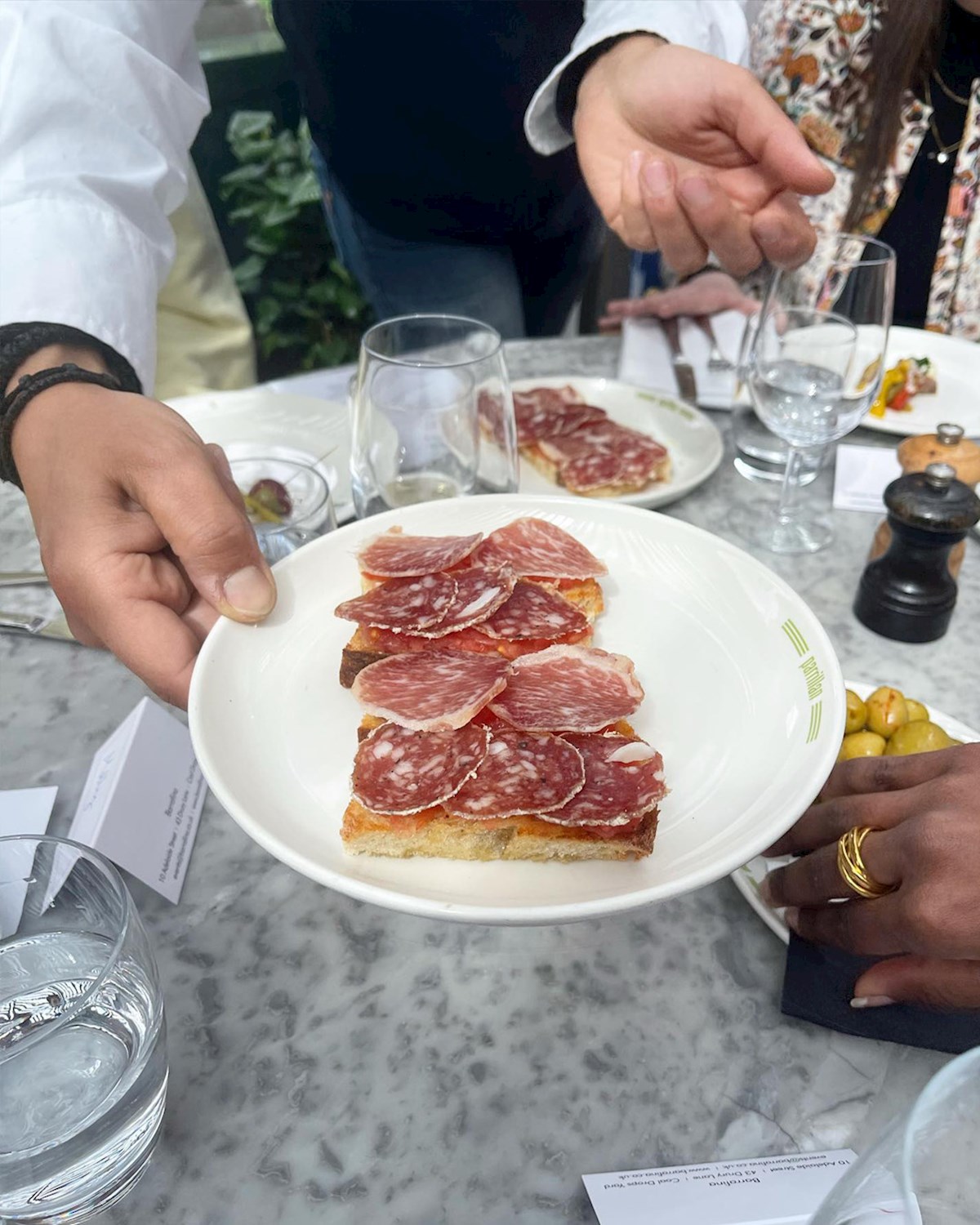 Credits: Parrillan
Salchichón is a cured sausage found across Spain, known for its distinctive seasoning of black pepper and nutmeg, which sets it apart from the paprika-forward flavours of chorizo. Made from coarsely ground pork and fat, it is cured slowly until firm, with a speckled appearance and a savoury, aromatic character. Salchichón from Catalonia and other regions has developed particular renown, with artisanal producers maintaining recipes passed down for generations.
In Spanish restaurants in the UK, salchichón is frequently presented in charcuterie boards, where it provides a rounded, peppery counterpoint to other meats and cheeses. Its smooth, balanced taste appeals to those who may find chorizo too assertive, offering a more delicate entry into Spain’s rich sausage culture. In the UK, its reputation has grown as customers increasingly explore Spanish cured meats beyond the familiar chorizo, and many buy it to savour at home. When paired with Spanish red wines or even a chilled glass of cider from Asturias, salchichón shows its adaptability across different dining contexts.
Learn more about Salchichón de Vic
Sobrasada de Mallorca
TasteAtlas Rating: 4.1
 Credits: © ICEX
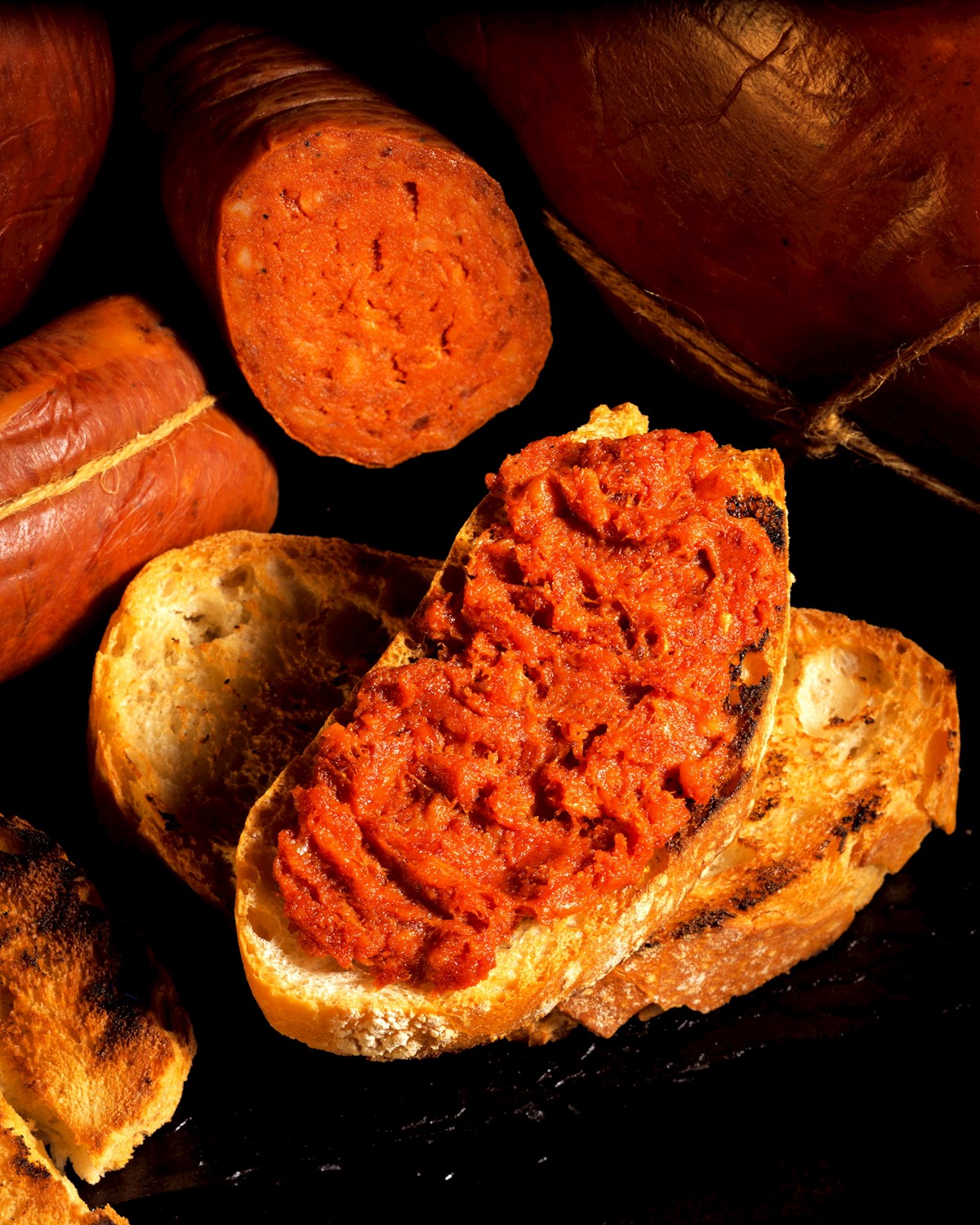
Sobrasada de Mallorca is a soft, spreadable sausage from the Balearic Islands, instantly recognisable for its deep red hue, which comes from the generous use of paprika. Unlike firmer cured sausages, sobrasada has a creamy texture that allows it to be spread on bread or used as a flavouring in cooked dishes. It is made from ground pork mixed with spices, stuffed into casings, and then cured slowly, which gives it both intensity and depth.
In the UK, sobrasada often intrigues diners unfamiliar with the idea of a spreadable sausage, becoming a standout ingredient when paired with honey, melted into eggs, or incorporated into stews. Its smoky, slightly spicy profile makes it versatile, whether eaten alone on toast or used to enrich other dishes.
Where can you buy it:
Los Orígenes
Ultracomida
Learn more about Sobrasada de Mallorca
Chorizo Riojano
TasteAtlas Rating: 4.1
 Credits: shutterstock
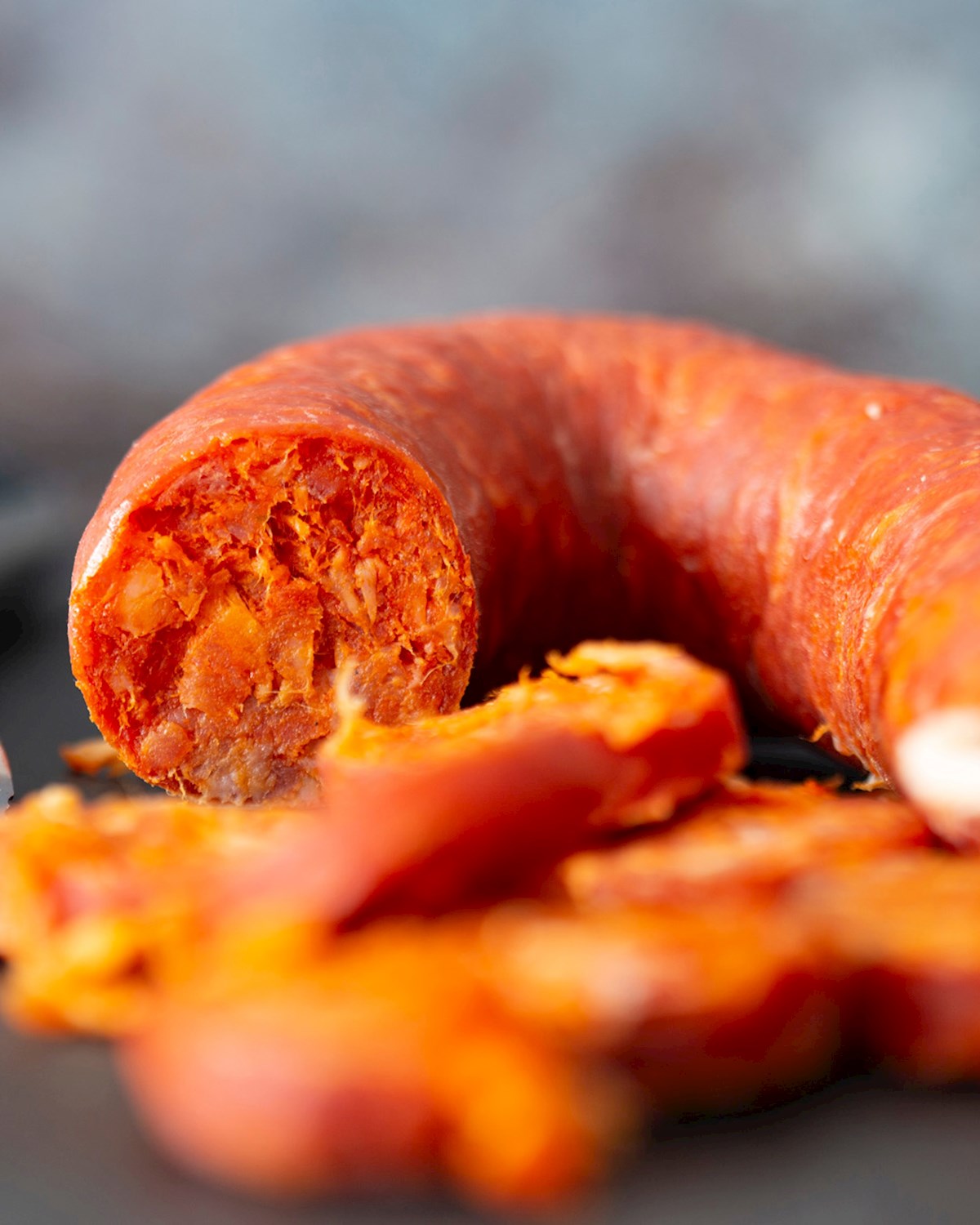
Chorizo Riojano is one of the most distinctive Spanish sausages, protected by a PGI status that ties it directly to the Rioja region. It is made with pork, garlic, and an abundance of smoked paprika, which gives it its characteristic colour and robust flavour. The curing process, carried out in the region’s dry and cool climate, results in a sausage that is firm, aromatic, and deeply savoury.
In Spanish restaurants in the UK, Chorizo Riojano is often presented as a tapas dish in its own right, sometimes sliced thin for charcuterie boards or sautéed lightly to release its oils, which flavour accompanying dishes such as eggs or potatoes. It is also available in some colmados, for those that want to enjoy it at home. Its strong identity makes it one of the most recognisable Spanish cured meats abroad, appealing to diners seeking a quintessentially Spanish taste. The smoky richness of this chorizo pairs naturally with Rioja wines, creating a direct connection between regional food and drink that resonates strongly in UK dining culture.
Where can you buy it:
Ultracomida
Learn more about Chorizo Riojano
Mejillón de Galicia
TasteAtlas Rating: 4.6
 Credits: Camino
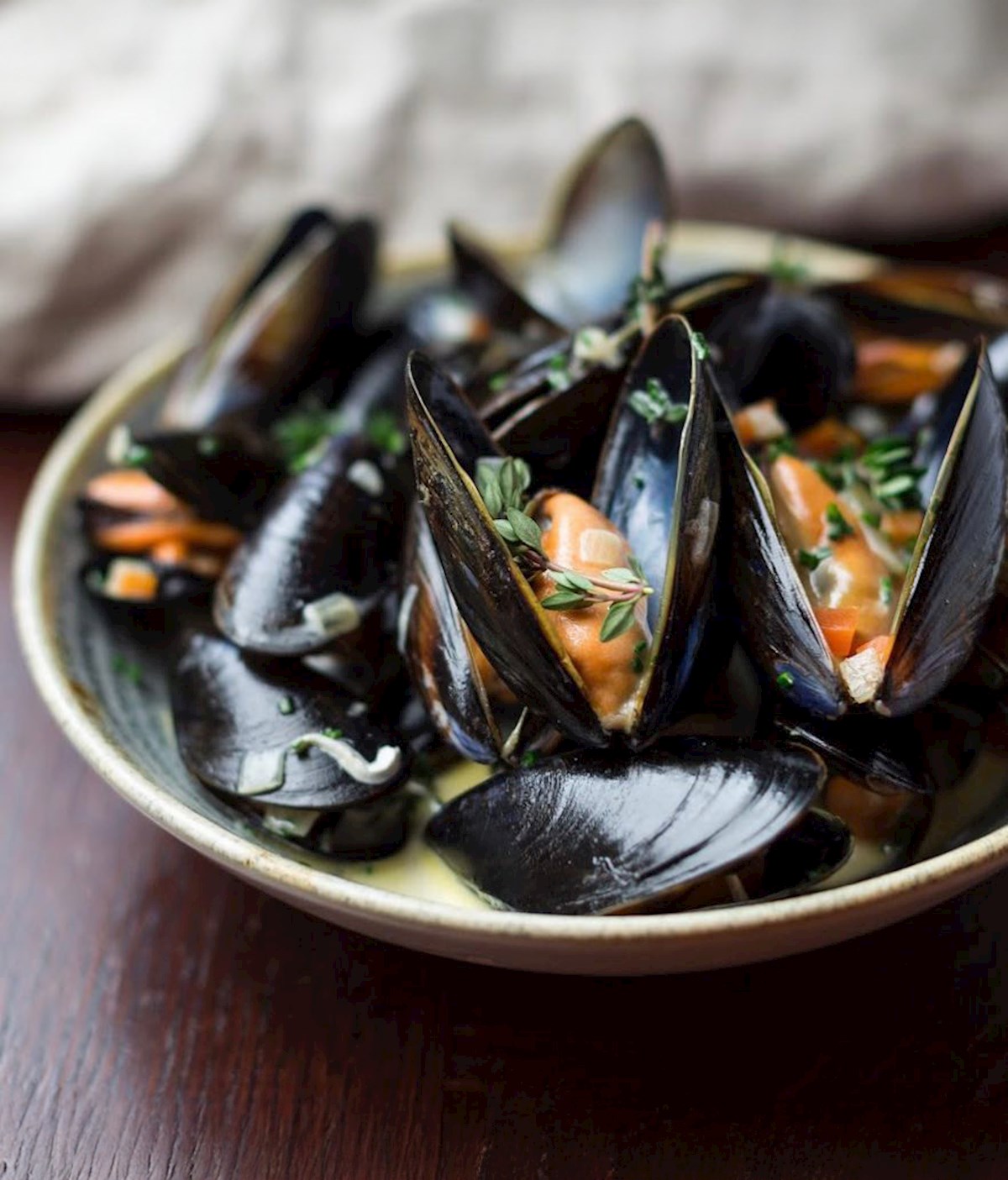
Mejillón de Galicia, or Galician mussels, are celebrated for their exceptional quality, thanks to the nutrient-rich waters of the Atlantic coast and the unique system of floating rafts, or bateas, used for cultivation. These mussels grow larger and meatier than many others, with a sweet, briny flavour that reflects the pristine waters where they are raised. Their protected designation of origin (PDO) ensures that only mussels from Galicia can carry this label, safeguarding both quality and reputation.
In Spanish restaurants in the UK, mejillones are often served steamed with simple seasonings, marinated as tapas, or incorporated into rice dishes like paella and arròs a banda. Their adaptability makes them one of the most versatile seafood ingredients on Spanish menus abroad. For many UK diners, encountering Galician mussels provides both a taste of Spain’s Atlantic coast and reassurance of sustainable, carefully monitored production. Their richness pairs beautifully with Albariño wines, another Galician speciality.
Where can you buy it:
Ultracomida
Learn more about Mejillón de Galicia
Anchoas de Cantabria
TasteAtlas Rating: 3.9
 Credits: Parrillan
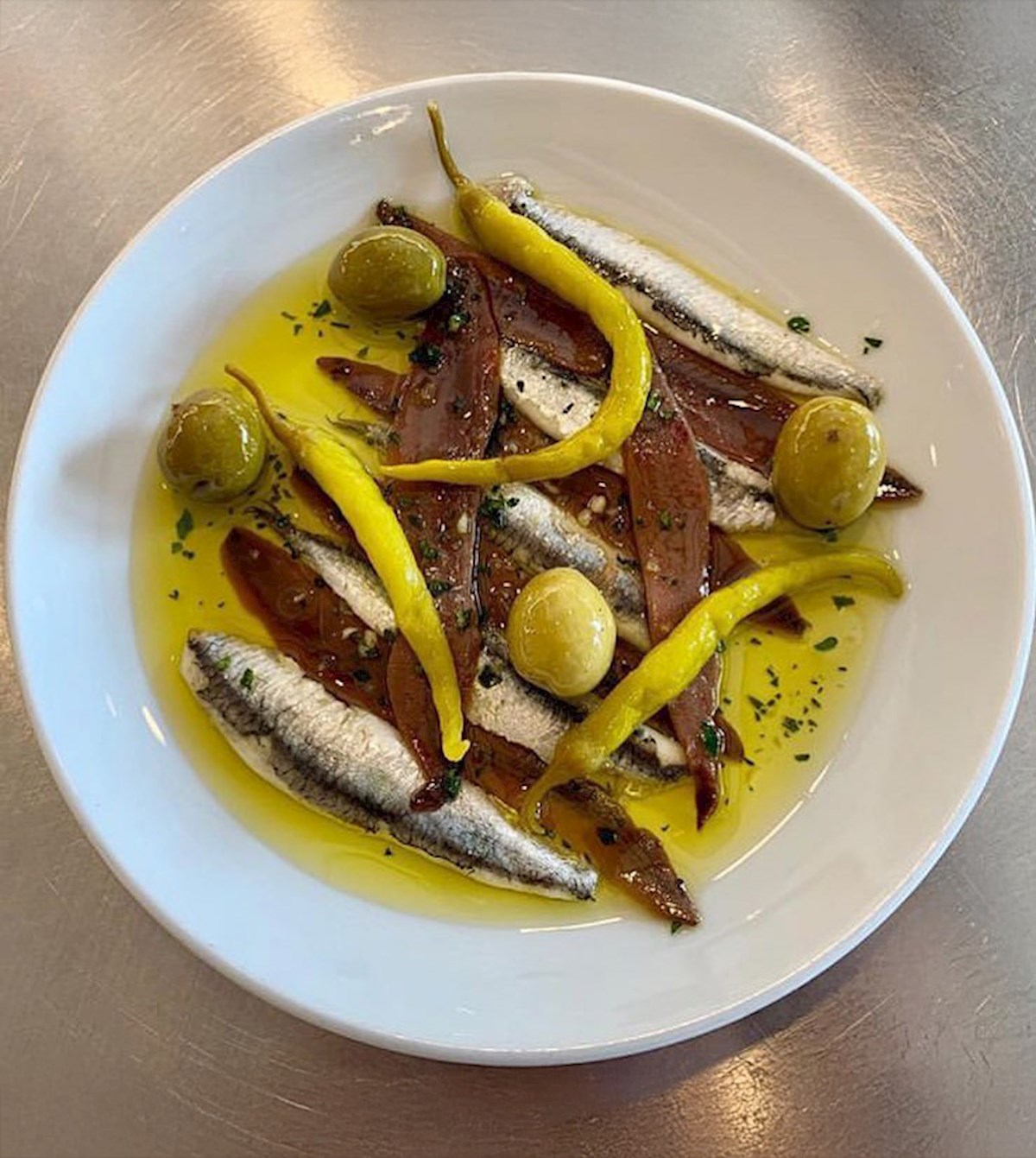
Anchoas de Cantabria, or Cantabrian anchovies, are widely regarded as some of the finest anchovies in the world, prized for their firm texture and clean, delicate flavour. Fished from the cold waters of the Cantabrian Sea, they are preserved in salt and then filleted by hand before being packed in olive oil. This painstaking process results in anchovies that are meaty, balanced, and free from the excessive saltiness often associated with lower-quality varieties.
In Spanish restaurants in the UK, Cantabrian anchovies are often presented simply on toast with butter or tomato, where their quality can shine without distraction. They are also featured in more elaborate tapas, salads, or as garnishes for meat and vegetable dishes, where their savoury intensity enhances the overall flavour. Their reputation has made them a luxury item abroad, often highlighted by name on menus to assure diners of their pedigree. When paired with crisp cava or a dry sherry, their briny richness is elevated, creating a perfect balance of flavours.
Where can you buy it:
Ultracomida
Learn more about Anchoas de Cantabria
Ternera Gallega
TasteAtlas Rating: 4.0
 Credits: shutterstock
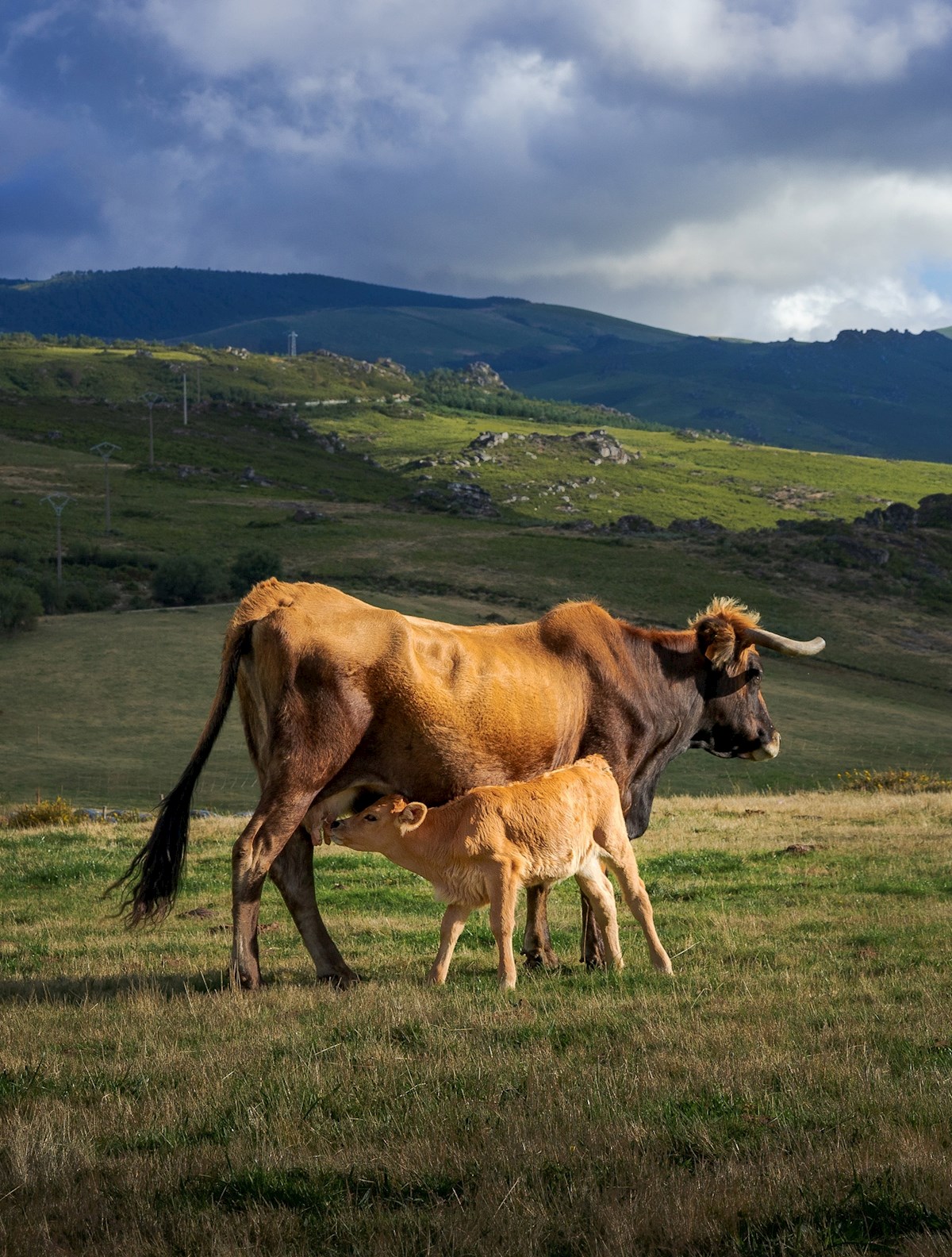
Ternera Gallega is a designation reserved for beef from Galicia in north-western Spain, where the cool, green pastures produce cattle with tender, flavourful meat. This PGI-certified beef comes primarily from young calves, raised on a diet of their mothers’ milk and local forage, which results in a fine texture and mild, clean flavour. In Spain, Ternera Gallega is celebrated for both its quality and its role in regional cooking, where beef stews and roasts form a cornerstone of Galician cuisine.
In Spanish restaurants in the UK, it appears in both rustic preparations and refined dishes, appealing to diners seeking authentic ingredients that also carry guarantees of traceability and animal welfare. Its delicate flavour profile allows chefs to present it in simple grilled cuts, carpaccios, or slow-cooked dishes that highlight its tenderness. The PGI status ensures consistency and has helped establish Ternera Gallega as one of Spain’s most respected meats abroad. Paired with a robust red wine from Ribera del Duero, the meat’s subtlety is perfectly complemented by the wine’s structure.
Learn more about Ternera Gallega
Cordero de Extremadura
TasteAtlas Rating: 4.5
 Credits: shutterstock
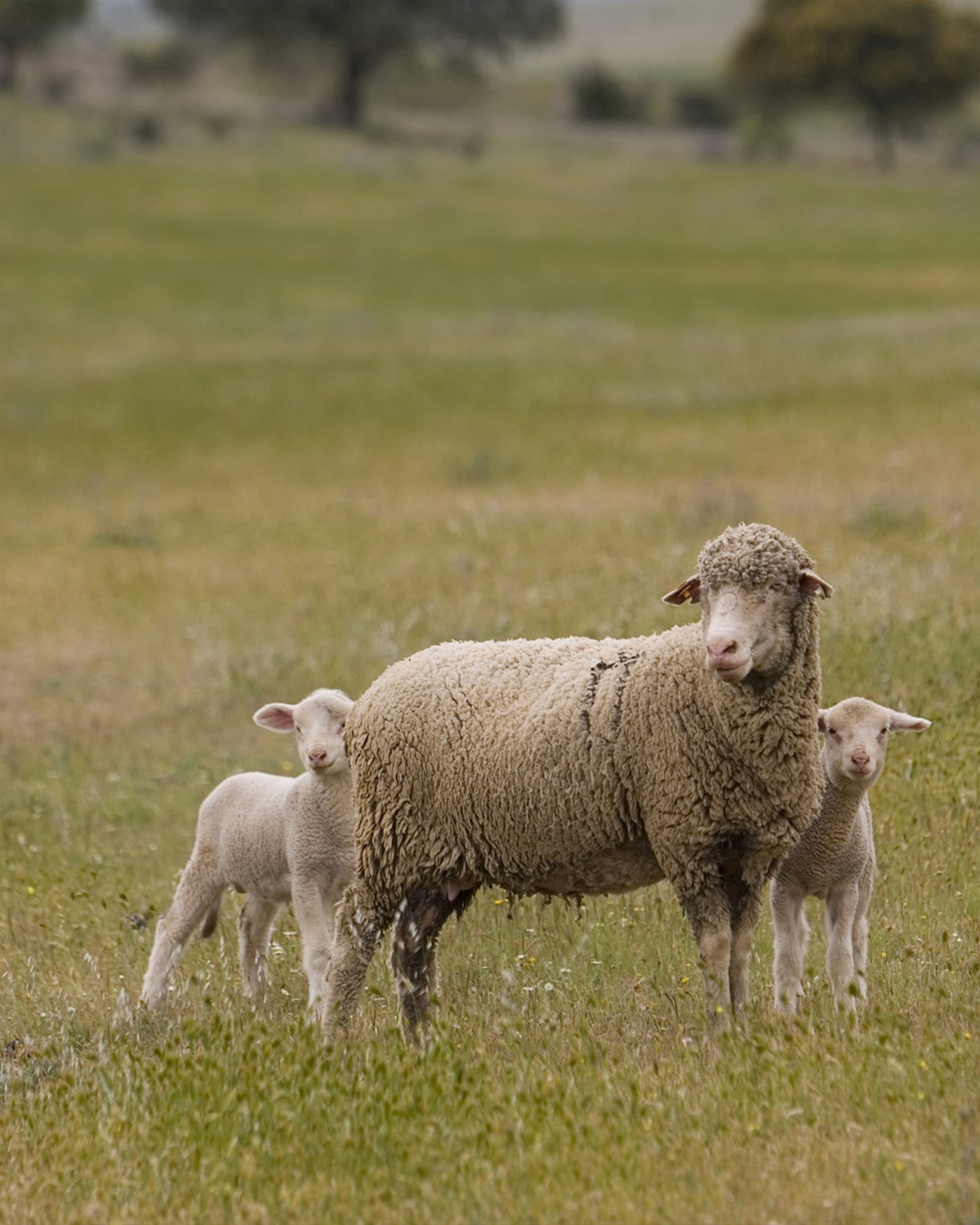
Cordero de Extremadura refers to lamb raised in the pastures of Extremadura, a region known for its vast dehesa landscapes dotted with oaks and natural grazing fields. The lamb is reared primarily on its mother’s milk and later on local grasses and cereals, which gives the meat a mild, tender quality and ensures its PGI certification. In Spain, this lamb is often roasted or grilled, allowing its delicate flavour to shine without excessive seasoning.
In Spanish restaurants in the UK, it frequently appears as chops, slow-cooked stews, or whole roasted cuts that showcase both the tenderness and depth of the meat. The gentle yet distinct taste appeals to diners who may be familiar with British lamb but are keen to experience a Spanish variant with its own regional character. Its versatility allows chefs to feature it in both rustic and refined presentations, connecting diners with the pastoral traditions of Extremadura. Pairing Cordero de Extremadura with a robust Rioja red enhances its natural sweetness while balancing the meat’s richness.
Learn more about Cordero de Extremadura
Queso Manchego
TasteAtlas Rating: 4.4
 Credits: © ICEX
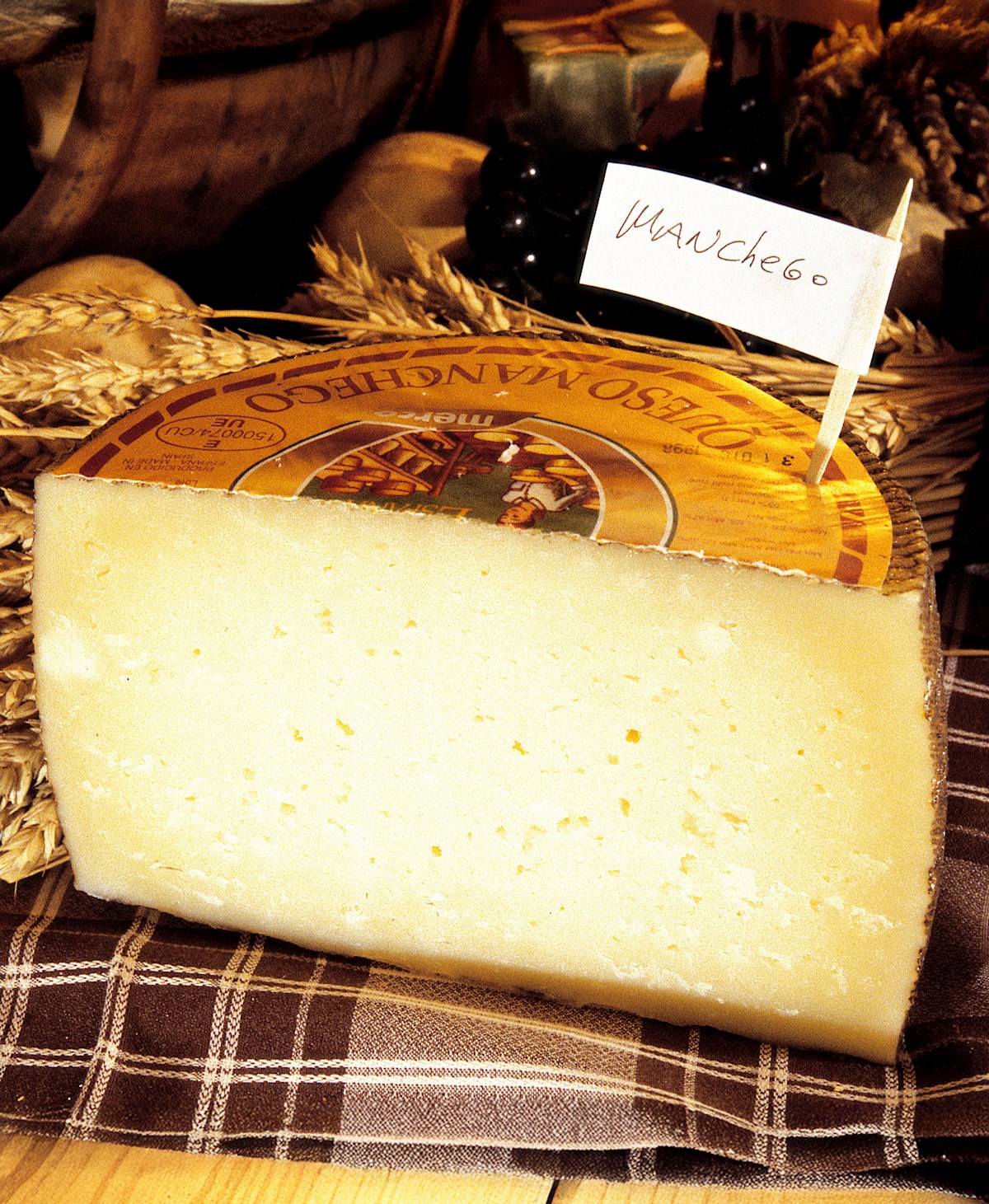
Queso Manchego is Spain’s most famous cheese, produced exclusively from the milk of Manchega sheep in the region of La Mancha. With its firm yet creamy texture, nutty flavour, and distinctive herringbone rind pattern, it has become synonymous with Spanish cheesemaking. Aged varieties develop more intensity, while younger versions remain milder and creamier, offering a spectrum of tastes suited to different occasions.
In Spanish restaurants in the UK, Manchego is almost always present, whether sliced simply with quince paste (membrillo), grated over dishes, or paired with charcuterie and wines. It is also one of the most popular cheeses to buy and take home. Its wide recognition among UK diners makes it an approachable entry point to Spanish cheese culture, while still offering depth for enthusiasts. Manchego’s PDO status guarantees authenticity, ensuring that what is served abroad reflects the true character of the cheese from La Mancha. It pairs beautifully with Rioja wines, sherry, or even cider, depending on the style and age, offering versatile options for both casual and formal dining experiences.
Where can you buy it:
Ultracomida
Los Orígenes
Learn more about Queso Manchego
Cabrales
TasteAtlas Rating: 4.2
 Credits: © ICEX
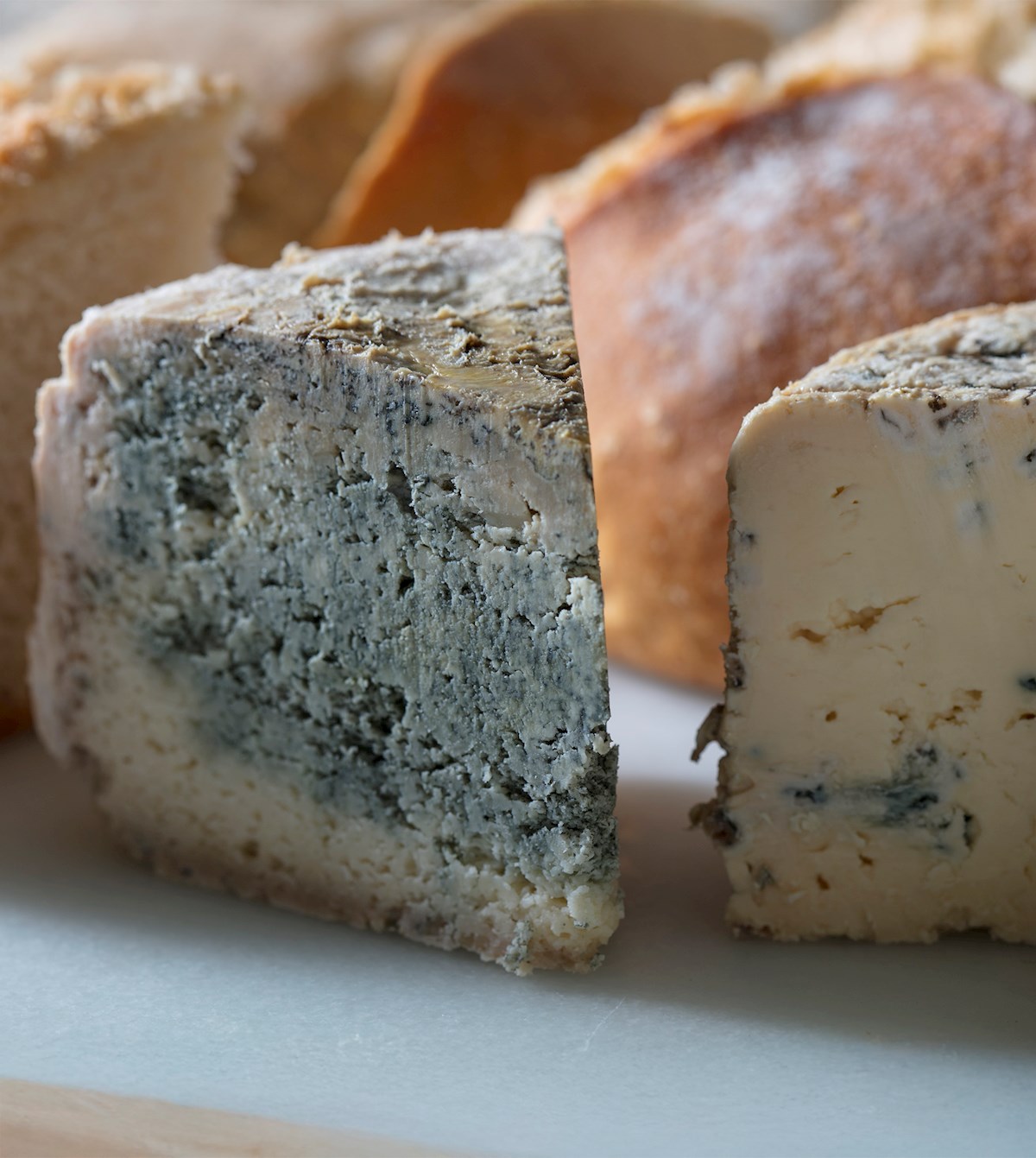
Cabrales is a blue cheese from Asturias, renowned for its powerful aroma and strong, tangy flavour. It is traditionally matured in limestone caves in the Picos de Europa mountains, where natural humidity and cool air encourage the growth of blue-green veins of mould throughout the cheese. Made from raw cow’s milk or a blend of cow, sheep, and goat’s milk, Cabrales is considered one of Spain’s most intense cheeses, and its PDO status protects its authenticity.
In Spanish restaurants in the UK, Cabrales is often used in smaller portions due to its potency, appearing in cheese boards, sauces for meat, or paired with honey and fruit to balance its sharpness. For adventurous diners, it provides an unforgettable encounter with the depth of Spain’s cheese-making heritage, but it can also be bought at the UK colmados. Its character makes it particularly well suited to pairing with full-bodied wines or sweet dessert wines, which temper its intensity while highlighting its complexity.
Where can you buy it:
Ultracomida
Los Orígenes
Torta del Casar
TasteAtlas Rating: 4.0
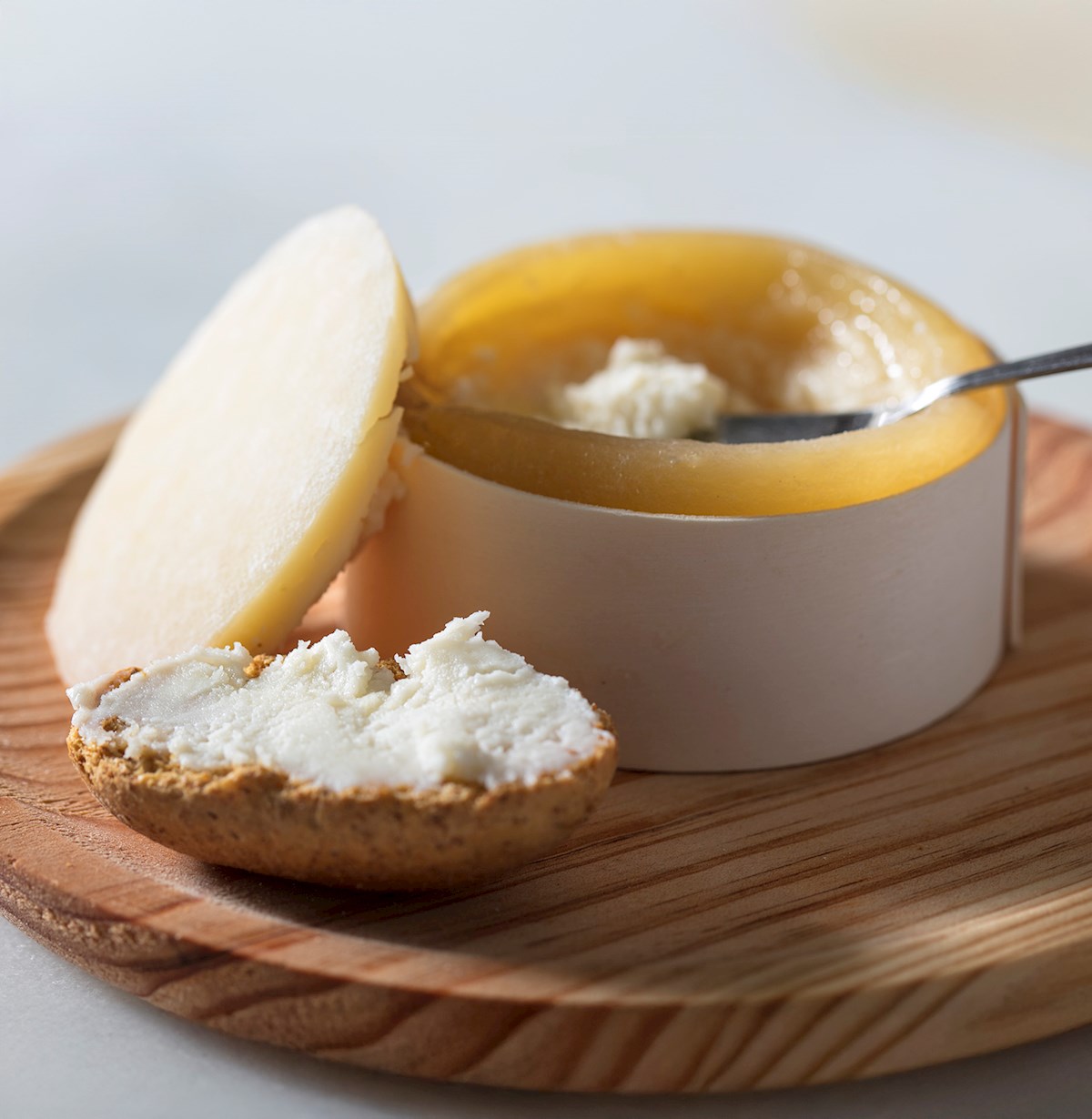 Credits: © ICEX
Torta del Casar is a soft, creamy sheep’s milk cheese from Cáceres, famous for its spoonable texture and rich, slightly tangy flavour. It is made with raw milk from Merino and Entrefino sheep, and curdled using cardoon thistle, which imparts a vegetal note. The cheese is aged until its rind firms up but the interior remains almost molten, making it one of Spain’s most unique and luxurious cheeses. In Spain, it is often served by slicing off the top rind and scooping out the creamy centre, usually accompanied by bread.
In Spanish restaurants in the UK, as well as house settings, Torta del Casar is often highlighted as a speciality item, giving diners the chance to try something less familiar than Manchego but equally distinctive. Its PDO status ensures that only cheeses made under strict conditions in the Cáceres province can carry the name. Paired with a dry sherry or robust red wine, the richness of Torta del Casar becomes even more pronounced, making it an indulgent highlight of Spanish dining abroad.
Where can you buy it:
Los Orígenes
Learn more about Torta del Casar
Queso Zamorano
TasteAtlas Rating: 4.2
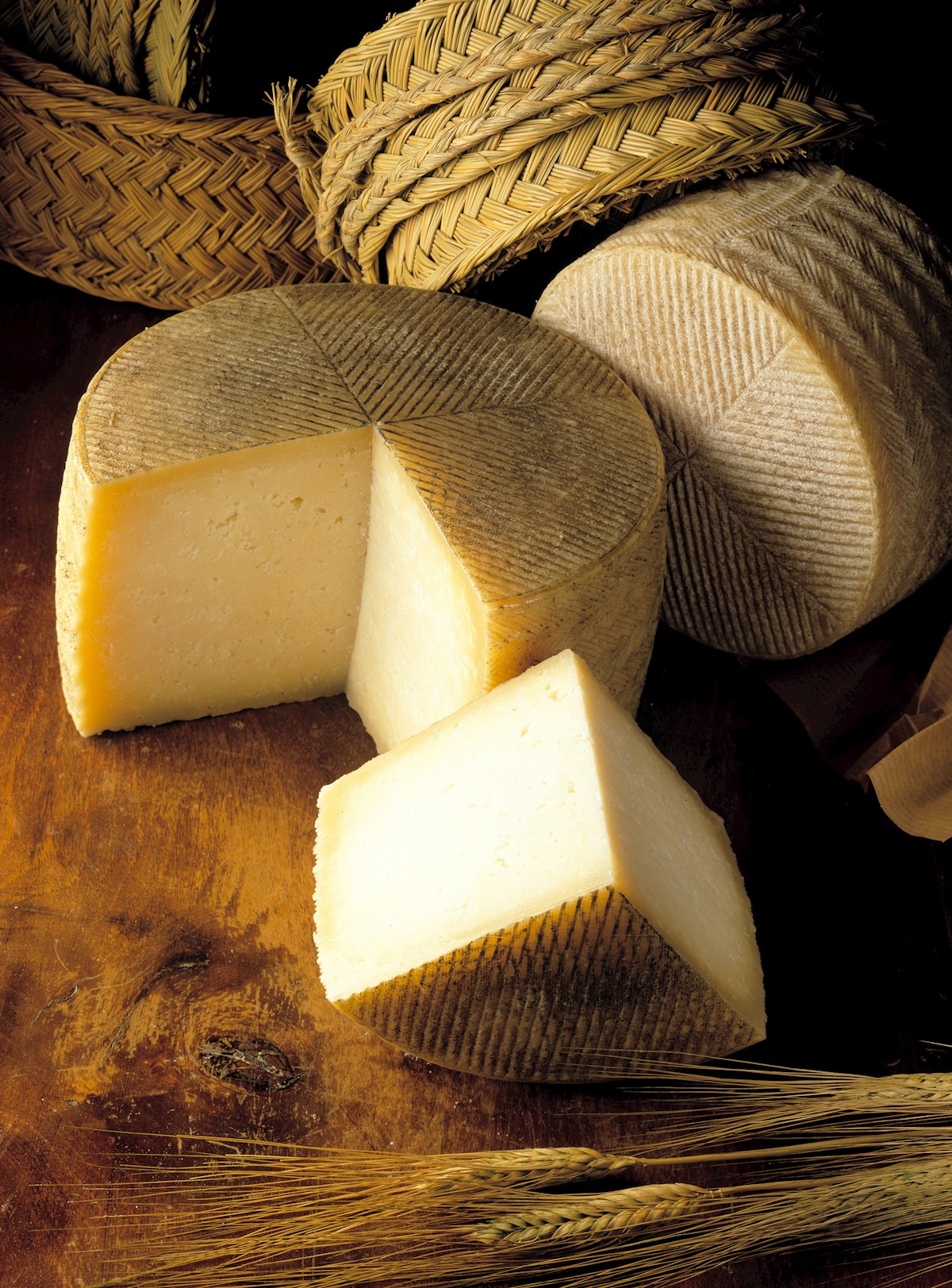 Credits: © ICEX
Queso Zamorano comes from Zamora, produced exclusively from the milk of Churra and Castellana sheep. It shares similarities with Manchego in texture and appearance, but its flavour tends to be stronger, earthier, and more buttery, with a firmer bite. The cheese is aged for a minimum of 100 days, and longer-aged varieties develop a more pronounced depth, making it a favourite among those who enjoy robust cheeses.
In Spain, it is highly prized locally, though less known internationally, which makes its presence in Spanish restaurants in the UK and in the UK homes an opportunity for discovery. Served on cheese boards, paired with meats, or even incorporated into recipes, it offers chefs abroad a way to showcase the diversity of Spain’s sheep’s milk cheeses. Its PDO status protects its regional authenticity and ensures consistency in flavour and quality. Paired with Ribera del Duero wines or a nutty amontillado sherry, Queso Zamorano reveals its full complexity, offering a pairing experience that appeals to serious cheese lovers.
Where can you buy it:
Ultracomida
Los Orígenes
Learn more about Queso Zamorano
Idiazabal
TasteAtlas Rating: 4.3
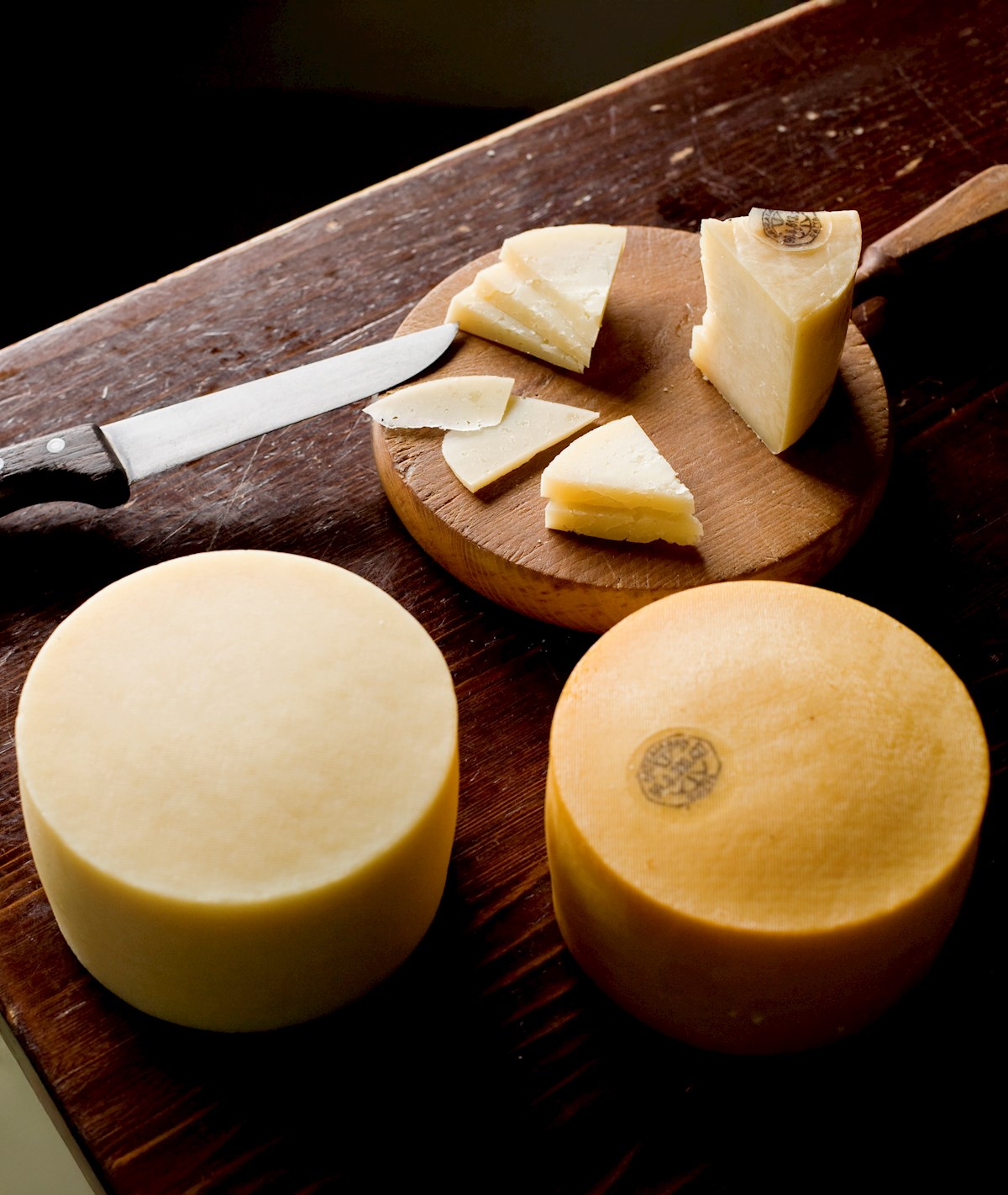 Credits: © ICEX
Idiazabal is a hard sheep’s milk cheese from the Basque Country and Navarre, made from the milk of Latxa or Carranzana sheep. Its most distinctive feature is its smoky character, as the cheese is often lightly smoked over beech, cherry, or oak wood, giving it a depth not found in many other Spanish cheeses. The flavour is nutty, slightly tangy, and savoury, with a firm yet creamy texture that makes it versatile both for slicing and grating.
In Spain, it is enjoyed on its own, with quince paste, or as a complement to charcuterie platters, but in Spanish restaurants in the UK it is often used to intrigue diners who are already familiar with Manchego but looking for something new. Its PDO status ensures that only cheeses made in its protected regions can bear the name, preserving its authenticity. Idiazabal pairs beautifully with Rioja whites or ciders from the Basque Country, which complement its smokiness.
Where can you buy it:
Ultracomida
Pimiento de Padrón
TasteAtlas Rating: 4.3
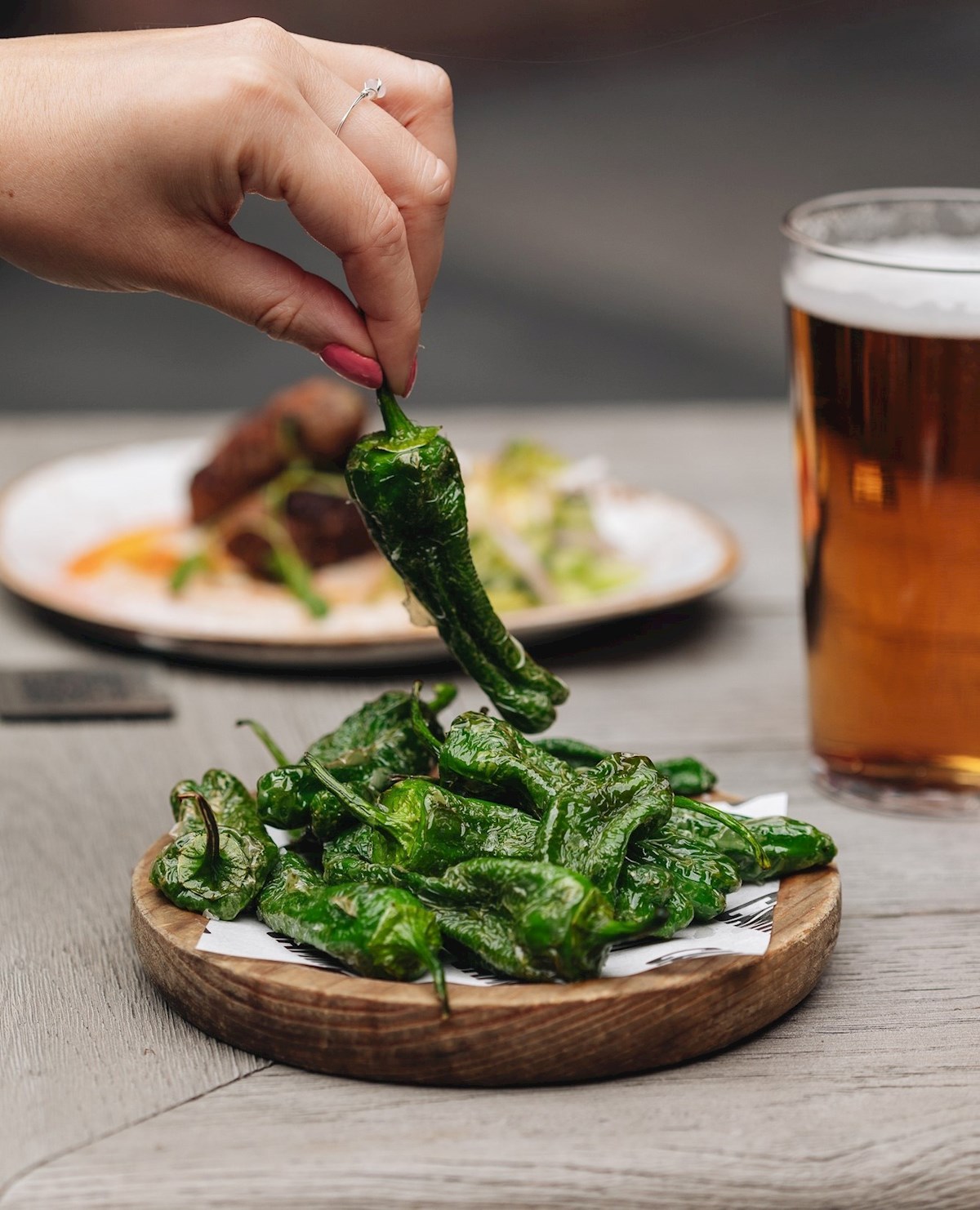 Credits: Camino
Pimiento de Padrón are small green peppers from Galicia, known for their mild flavour with the occasional surprise of heat, which has given rise to the saying “some are hot, some are not.” They are typically fried in olive oil and sprinkled with coarse sea salt, served as a simple but addictive tapa. In Spain, their season runs from May to October, when they are freshly harvested, though they now appear year-round thanks to greenhouse production.
In Spanish restaurants in the UK, Padrón peppers have become one of the most popular vegetarian tapas, appealing for their simplicity, vivid green colour, and element of surprise. Their PGI status guarantees their origin and quality, linking them directly to the small town of Padrón in Galicia. They are often paired with crisp Albariño wines, which complement their vegetal freshness and slight bitterness.
Learn more about Pementos de Padrón
Guindilla
TasteAtlas Rating: 3.7
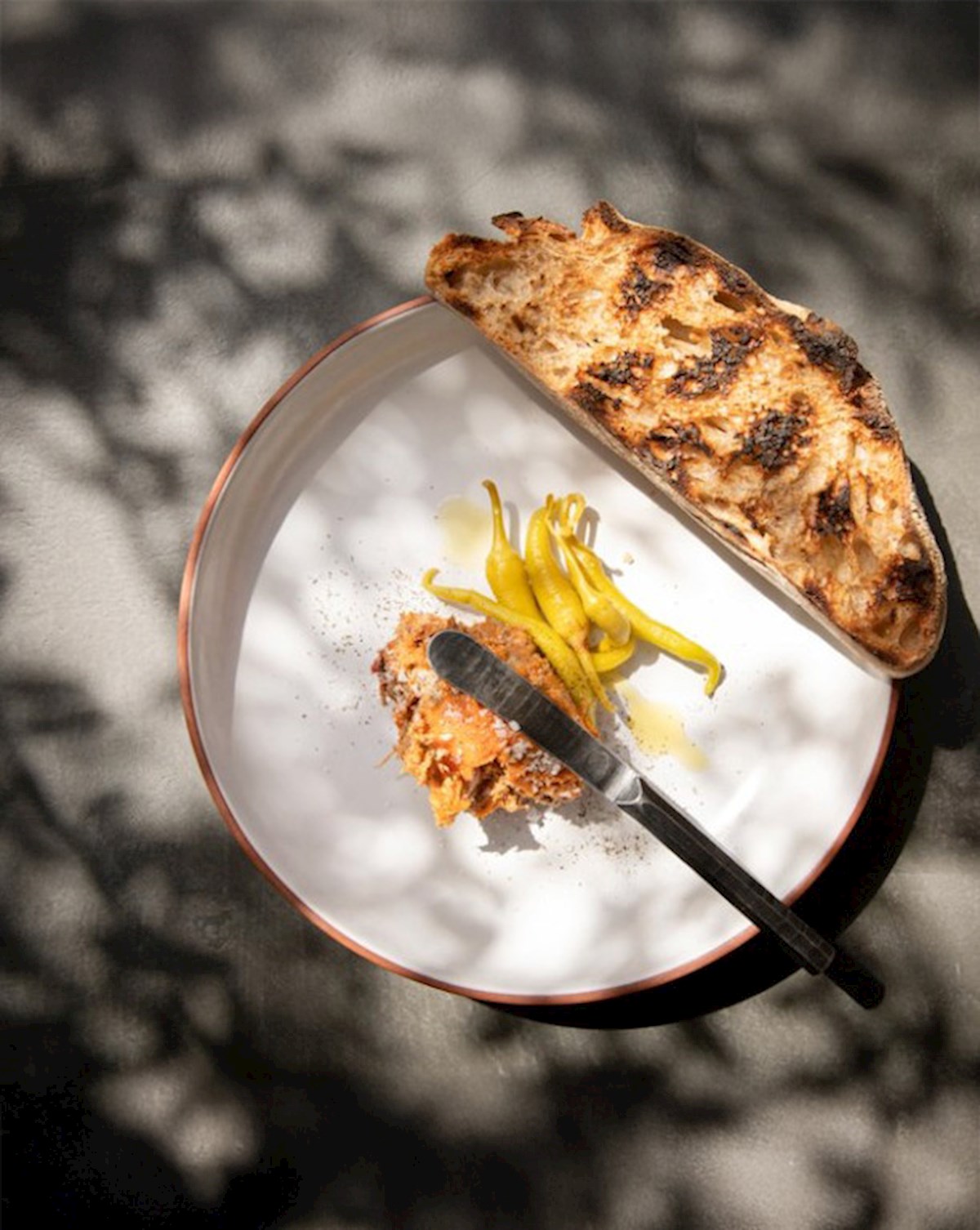 Credits: Parrillan
The guindilla pepper, particularly the slender, pickled variety from the Basque Country, is a staple of pintxos culture. Mild in heat but bright in flavour, these peppers are usually preserved in vinegar and served with anchovies and olives in the iconic pintxo called gilda. Their crunchy texture and tangy taste add freshness and acidity to balance richer dishes such as cured meats and cheeses. In Spain they are eaten frequently as bar snacks or tapas, often providing contrast within a spread of savoury foods.
In Spanish restaurants in the UK, guindilla peppers are increasingly used to introduce diners to the Basque style of snacking and to highlight how acidity can balance heavier flavours on the table. They are particularly effective in cutting through the richness of oily fish or fatty meats, which is why some buy it from colmados to savour at home. Their presence on UK menus also reflects the growing popularity of Basque cuisine abroad. Paired with a glass of txakoli, a lightly sparkling Basque white wine, guindillas reach their full expression as part of a balanced pintxos experience.
Where can you buy it:
Ultracomida
Arroz Bomba
TasteAtlas Rating: 4.3
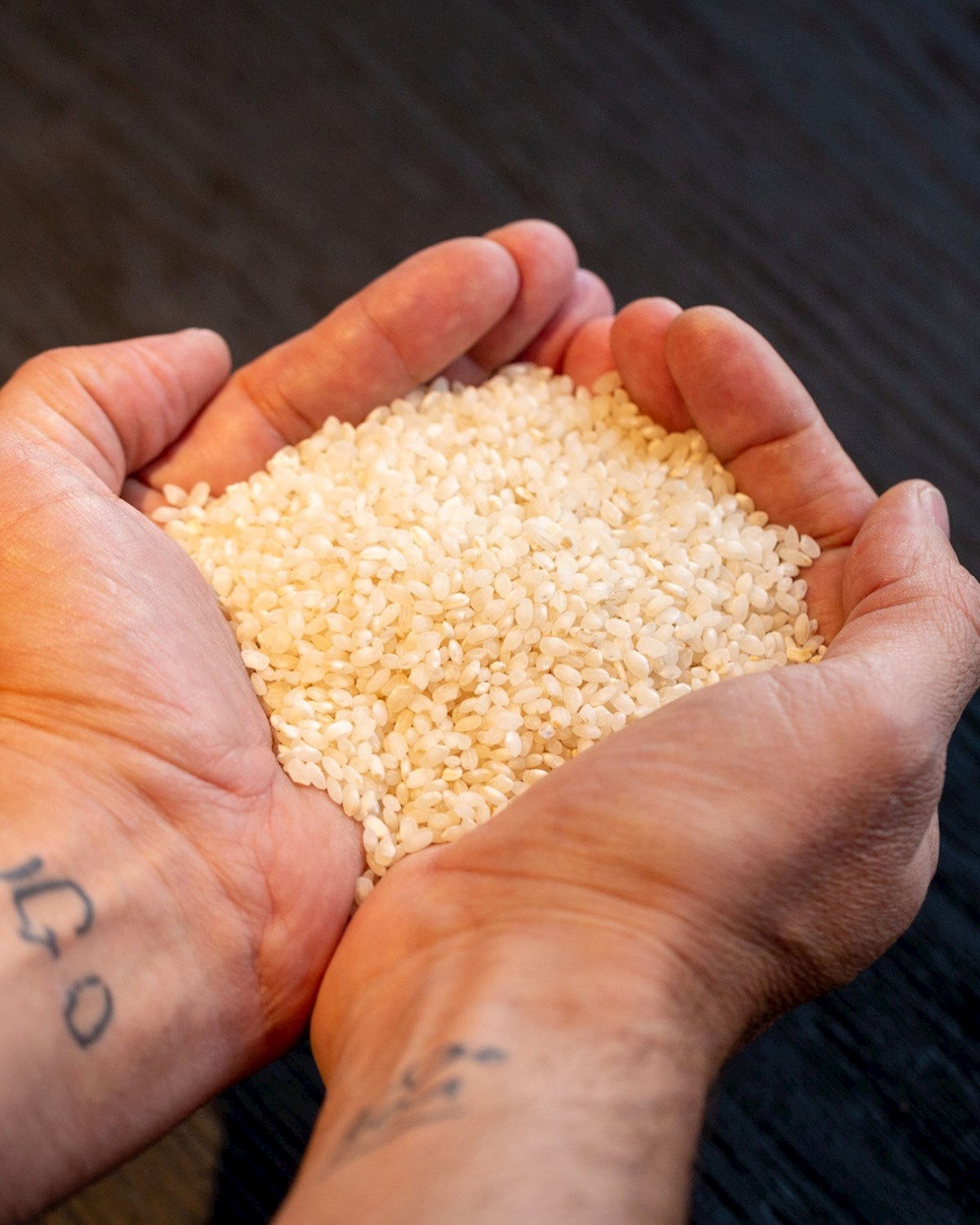 Credits: Arros QD
Arroz Bomba is a short-grain rice from eastern Spain, most closely associated with paella and other rice dishes from Valencia. Its unique quality is its ability to absorb large amounts of liquid, up to three times its volume, while maintaining a firm, non-sticky texture, making it ideal for slow-cooked dishes. This characteristic allows it to soak up the flavours of broth, saffron, seafood, and meats without breaking down.
In Spain it is considered the rice of choice for paella, arroz a banda, and other regional preparations, and in Spanish restaurants in the UK it is indispensable for chefs seeking to present authentic rice dishes. Its PDO status ensures that rice labelled “Bomba” comes from specific regions such as Calasparra or Valencia. Diners in the UK who order paella made with Arroz Bomba often notice the grains remain distinct yet deeply infused with flavour, setting it apart from generic rice varieties. The rice pairs naturally with seafood, shellfish, and saffron-based broths, and its role in Spain’s most famous dish ensures its presence abroad.
Trufa negra de Teruel
TasteAtlas Rating: 4.6
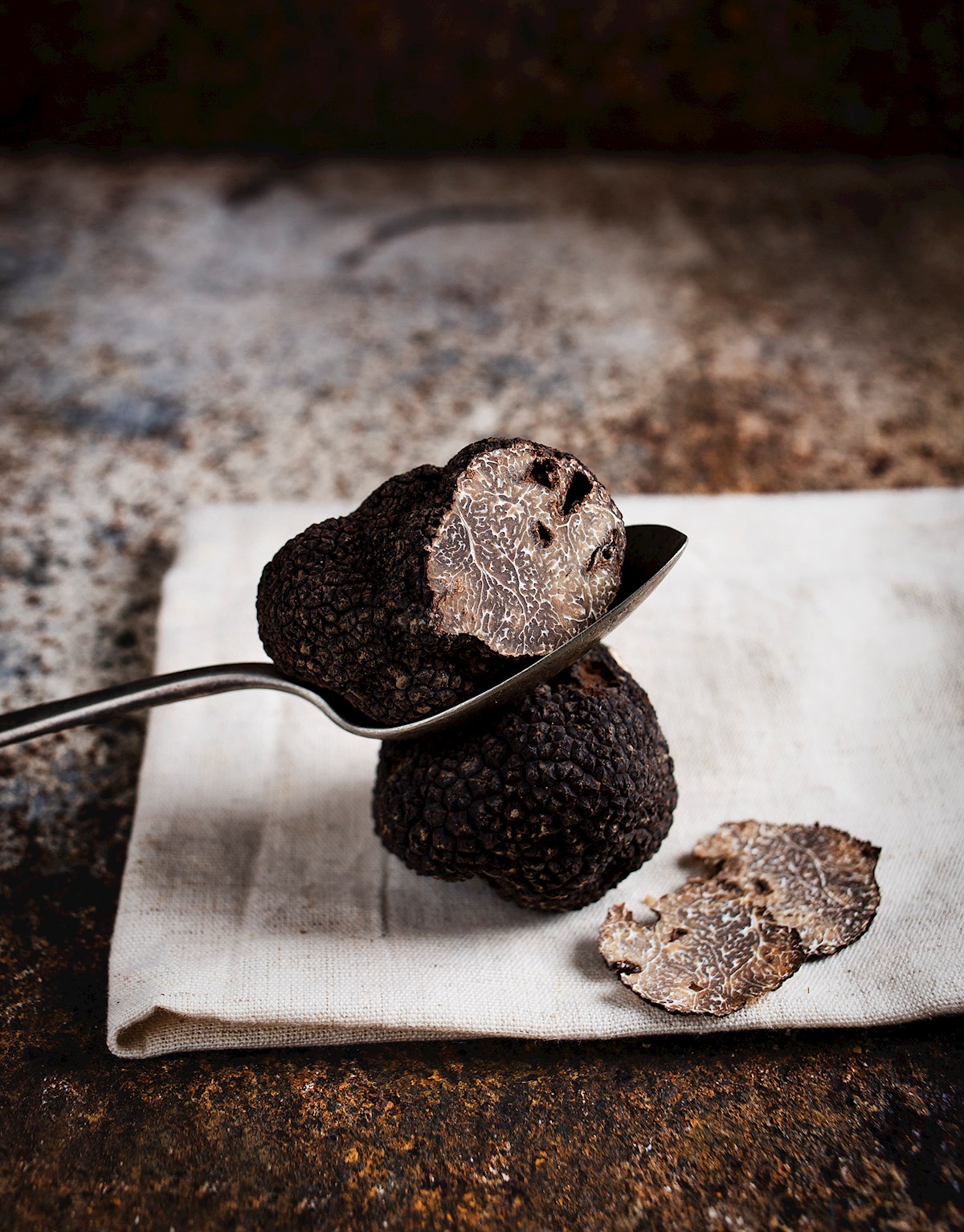 Credits: © ICEX
Trufa Negra de Teruel, or black winter truffle, is one of Spain’s most prized fungi, harvested from the high-altitude regions of Aragón. Its intense aroma and earthy, savoury flavour make it highly sought after, both in Spain and internationally. Unlike other ingredients, its value lies not in quantity but in the smallest shavings, which can transform a dish with their depth.
In Spain it is often used sparingly to enrich simple dishes such as eggs, rice, or potatoes, while in Spanish restaurants in the UK it is highlighted in seasonal menus as a luxury ingredient. Its rarity and high value make it a point of distinction for restaurants that feature it, appealing to diners seeking something special. Black truffles pair exceptionally well with Rioja reds or robust Ribera del Duero wines, which complement their earthy character.
Learn more about Trufa negra de Teruel
Aceite de la Rioja
TasteAtlas Rating: 4.2
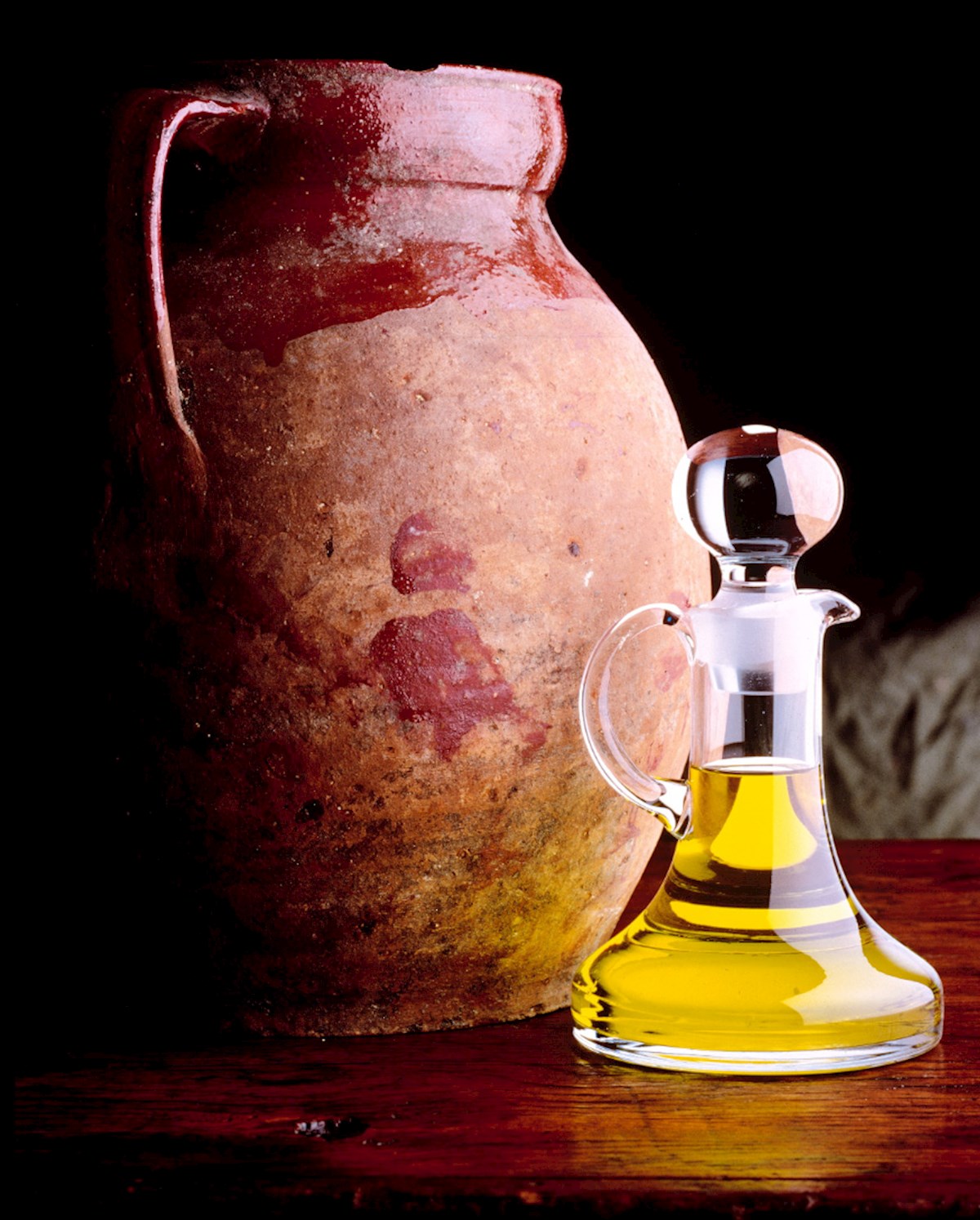 Credits: © ICEX
Aceite de la Rioja refers to extra virgin olive oil produced in the Rioja region, better known internationally for its wines. The oils here come primarily from the Arbequina, Redondilla, and Royal olive varieties, yielding oils that are fruity, aromatic, and often slightly peppery. The combination of Rioja’s continental climate and its varied soils gives these oils a distinctive flavour profile compared to those of southern Spain.
In Spain they are widely used both raw, drizzled over vegetables, and in cooking, but in Spanish restaurants in the UK they are often presented in their simplest form, served with bread or as a finishing touch to highlight their character. The PGI status ensures the authenticity and quality of the oils, linking them directly to the region. Their balance makes them versatile for pairing, complementing grilled fish, fresh salads, or even Manchego cheese.
Learn more about Aceite de la Rioja
Vinagre de Jerez
TasteAtlas Rating: 4.4
 Credits: © ICEX
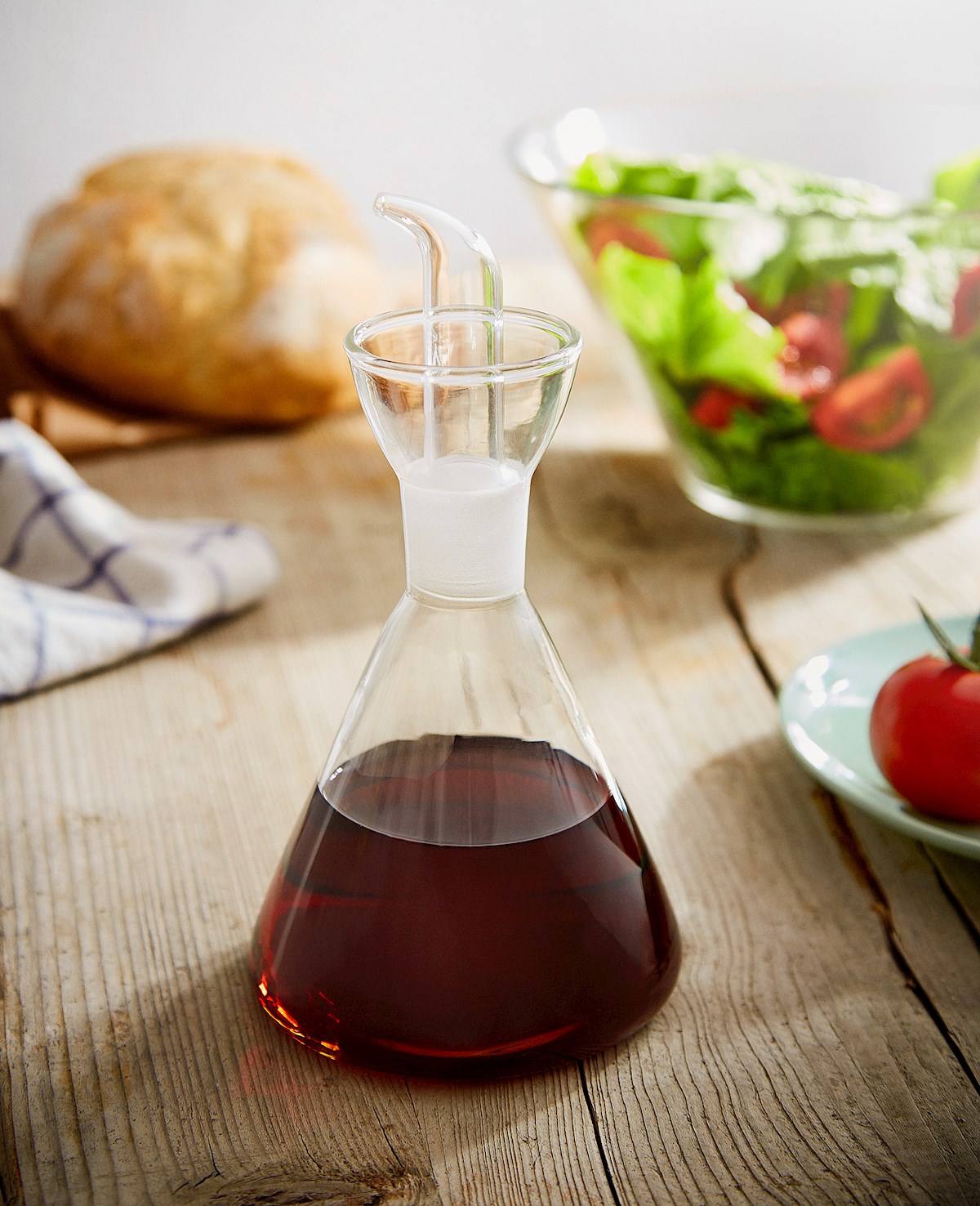
Vinagre de Jerez, or sherry vinegar, is a speciality of Andalusia, produced from sherry wines and aged in oak barrels following the solera system. Its deep amber colour, complex acidity, and layered flavours of dried fruit, nuts, and wood make it one of the most highly regarded vinegars in the world. In Spain it is indispensable in dressings, marinades, and sauces, lending brightness and depth to both meat and vegetable dishes.
In Spanish restaurants in the UK and in the UK homes, Vinagre de Jerez is often used to add a distinct Spanish note to salads, gazpacho, or reductions accompanying meats. Its PDO status guarantees that only vinegar made from sherry wines in the “Sherry Triangle” can carry the name. Because it is aged like fine wine, it has a complexity that elevates even simple dishes. It pairs naturally with olive oil for dipping, or with grilled vegetables, seafood, and cured ham, allowing its acidity to cut through richness.
Where can you buy it:
Ultracomida
Learn more about Vinagre de Jerez
Azafrán de la Mancha
TasteAtlas Rating: 4.7
 Credits: © ICEX
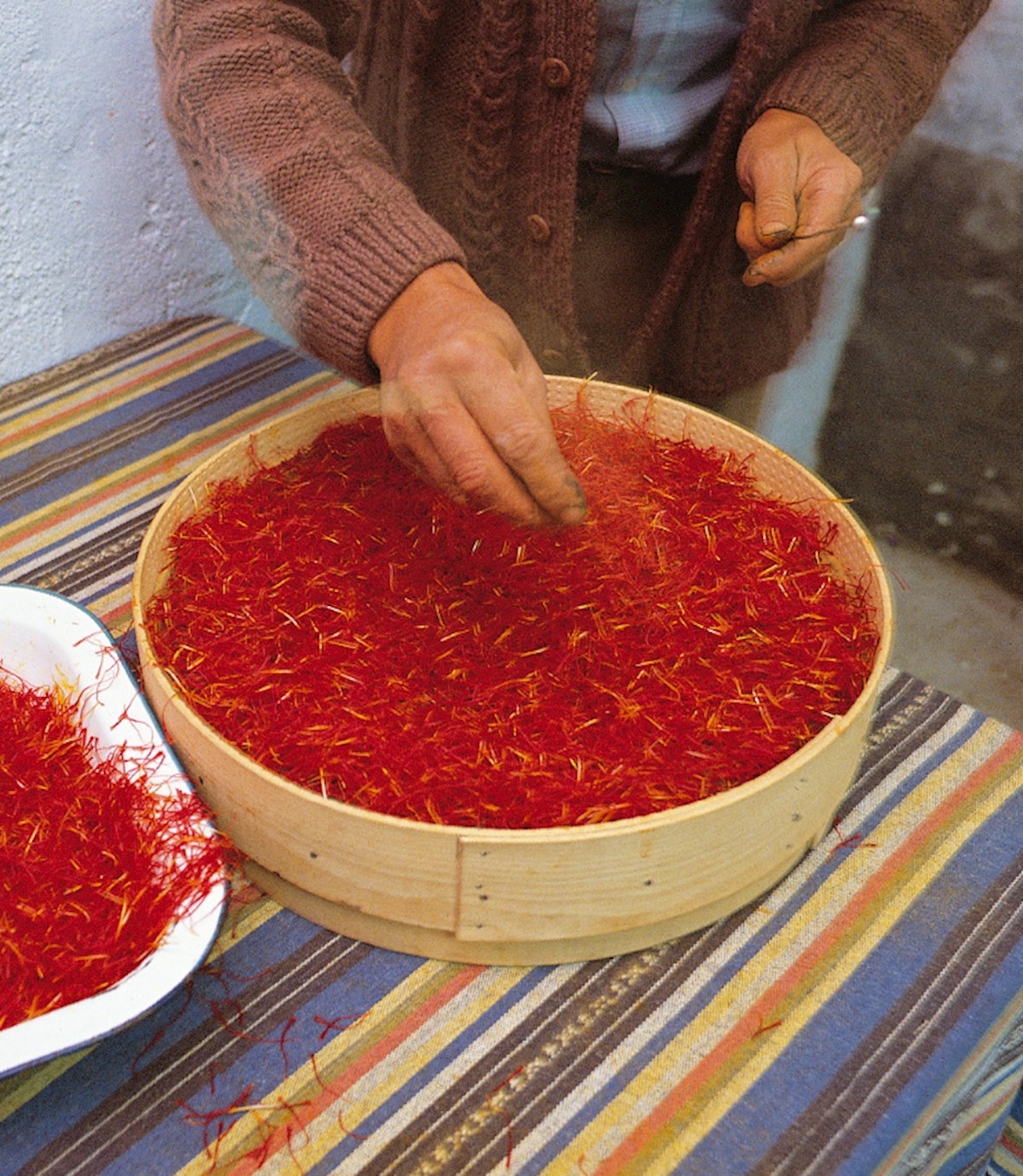
Azafrán de la Mancha, or La Mancha saffron, is considered among the finest saffrons in the world. Grown in the Castilla–La Mancha region, it is hand-harvested from crocus flowers, with each flower yielding only three delicate stigmas, which are carefully dried to preserve their colour, aroma, and flavour. Its intense red threads infuse dishes with a golden hue, floral fragrance, and subtle earthy taste, making it essential for Spanish rice dishes like paella, as well as stews and desserts. In Spain, saffron is prized not only for its flavour but also for its cultural and historical significance, as it has been cultivated in La Mancha for centuries.
In Spanish restaurants in the UK, Azafrán de la Mancha is a point of pride when preparing authentic paella or arroz a banda, distinguishing these dishes from imitations. Its PDO status guarantees its provenance and quality, protecting against substitutes. Saffron pairs naturally with seafood, shellfish, and rice, and its luxury status makes it one of the most recognisable Spanish ingredients abroad.
Where can you buy it:
Ultracomida
Learn more about Azafrán de la Mancha
Pimentón de la Vera
TasteAtlas Rating: 4.7
 Credits: shutterstock
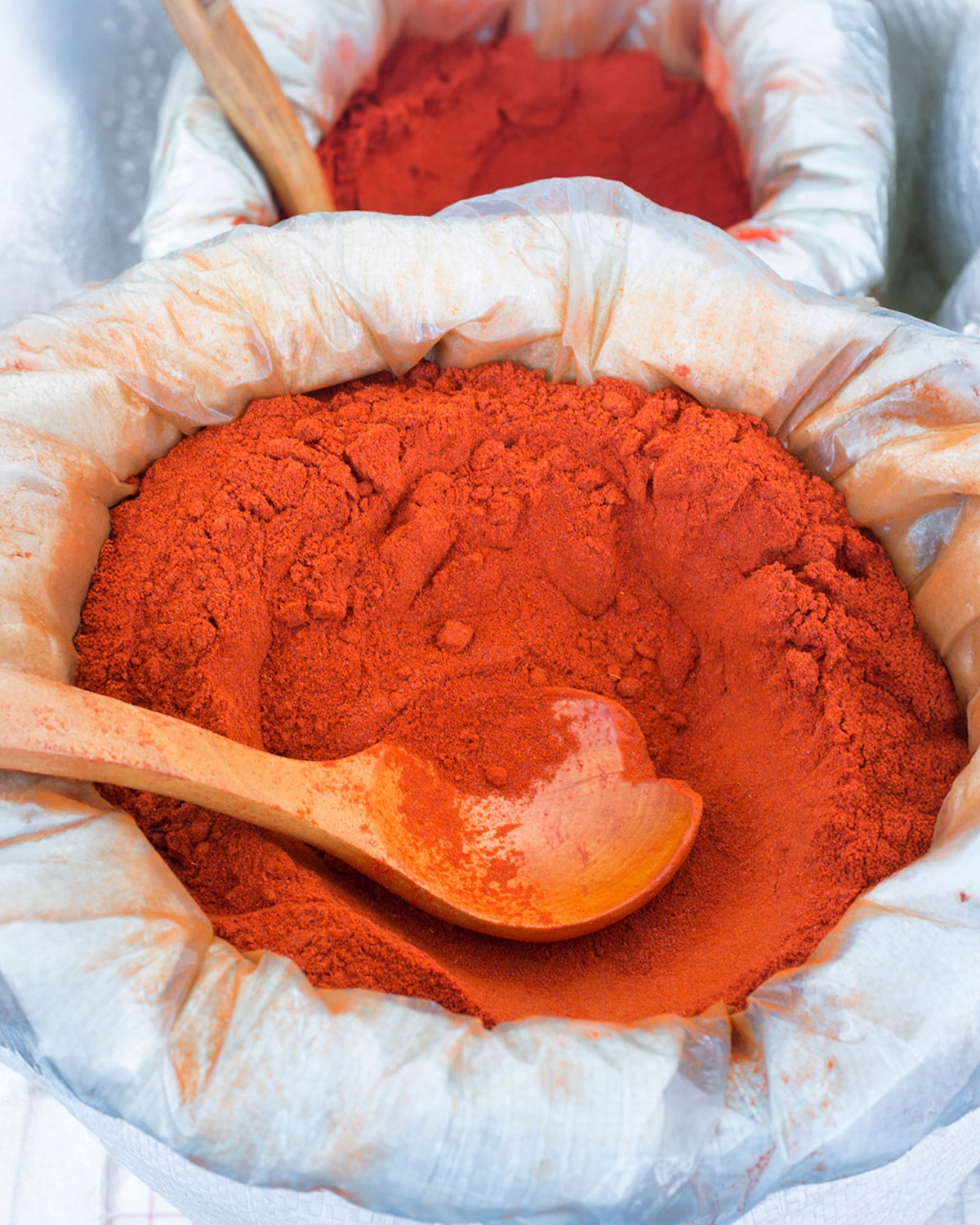
Pimentón de la Vera is smoked paprika from La Vera valley, produced by drying red peppers over oak wood fires before grinding them into a fine powder. The result is a spice with deep smoky flavour, vibrant colour, and varying levels of heat, available in sweet (dulce), bittersweet (agridulce), or hot (picante) varieties. It is a defining ingredient in many Spanish dishes, from chorizo to patatas bravas, and in stews, sauces, and marinades.
In Spain, its presence in charcuterie and home cooking is near universal, while in Spanish restaurants in the UK it is one of the spices that most strongly signals Spanish identity on the plate. Its PDO status ensures that only paprika produced in La Vera under strict conditions can bear the name. Diners may not always realise they are tasting Pimentón de la Vera, but its smoky depth underpins some of the most popular tapas dishes. It pairs well with pulses, meats, and even seafood, giving balance and richness.
Learn more about Pimentón de la Vera
Marconas
TasteAtlas Rating: 4.5
 Credits: © ICEX
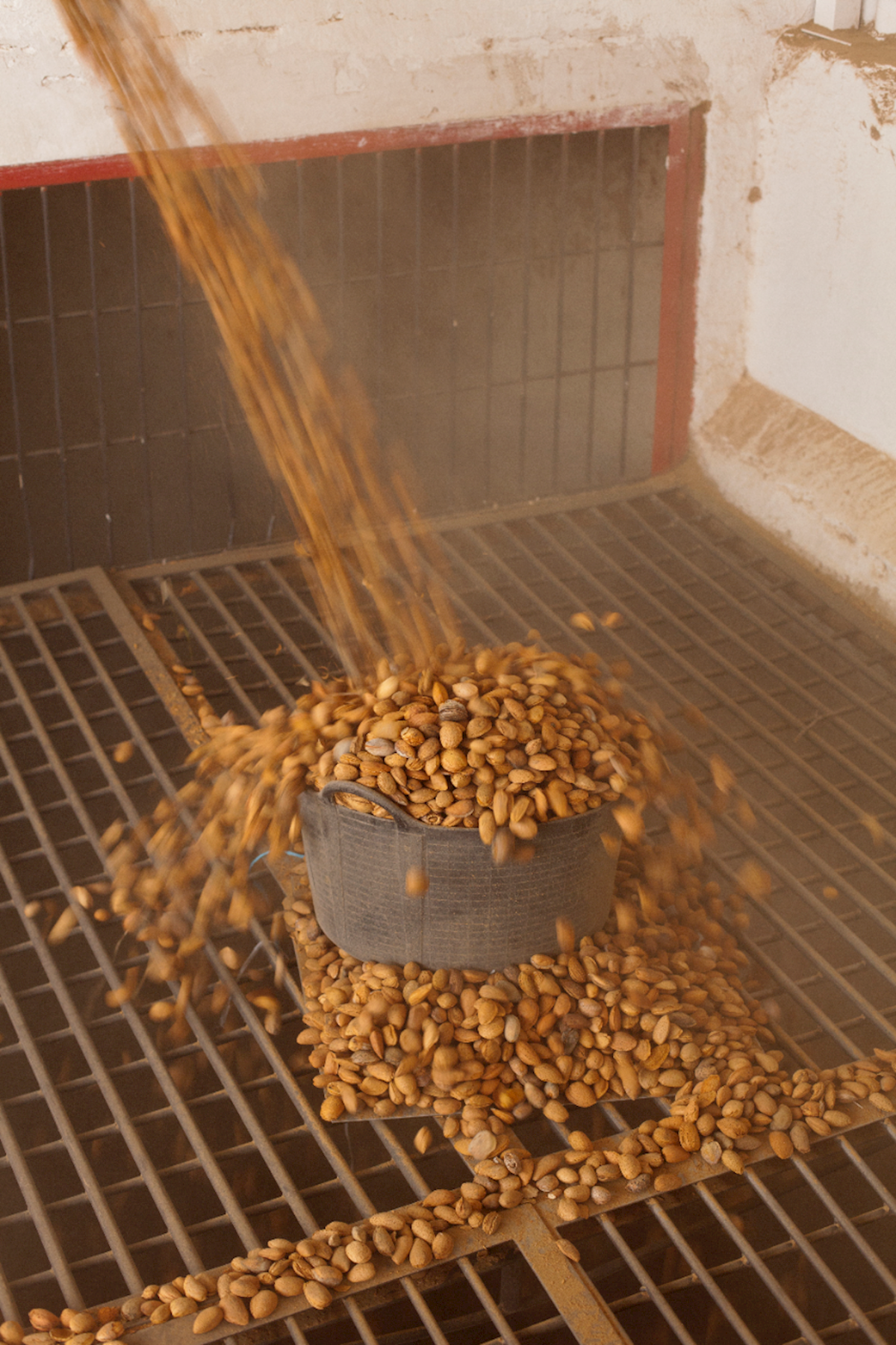
Marcona almonds, often called the “queen of almonds,” are a prized Spanish variety known for their rounder shape, buttery flavour, and delicate crunch compared to the more common California almond. Grown primarily along Spain’s Mediterranean coast, particularly in Valencia and Alicante, they have been an integral part of local agriculture for centuries.
In Spanish restaurants in the UK, Marconas often appear simply roasted and lightly salted as a tapas snack, though they are also used in desserts, cheeses, and savoury dishes such as salads or with roasted meats. Their mild sweetness and rich texture make them versatile, pairing beautifully with cured meats, cheeses like Manchego, or even as an accompaniment to sherry. Unlike standard almonds, they are usually blanched, which enhances their smoothness and highlights their buttery taste. Their increasing global popularity has made them a premium ingredient, sought after for both casual dining and fine gastronomy.
Rioja
TasteAtlas Rating: 4.4
 Credits: © ICEX
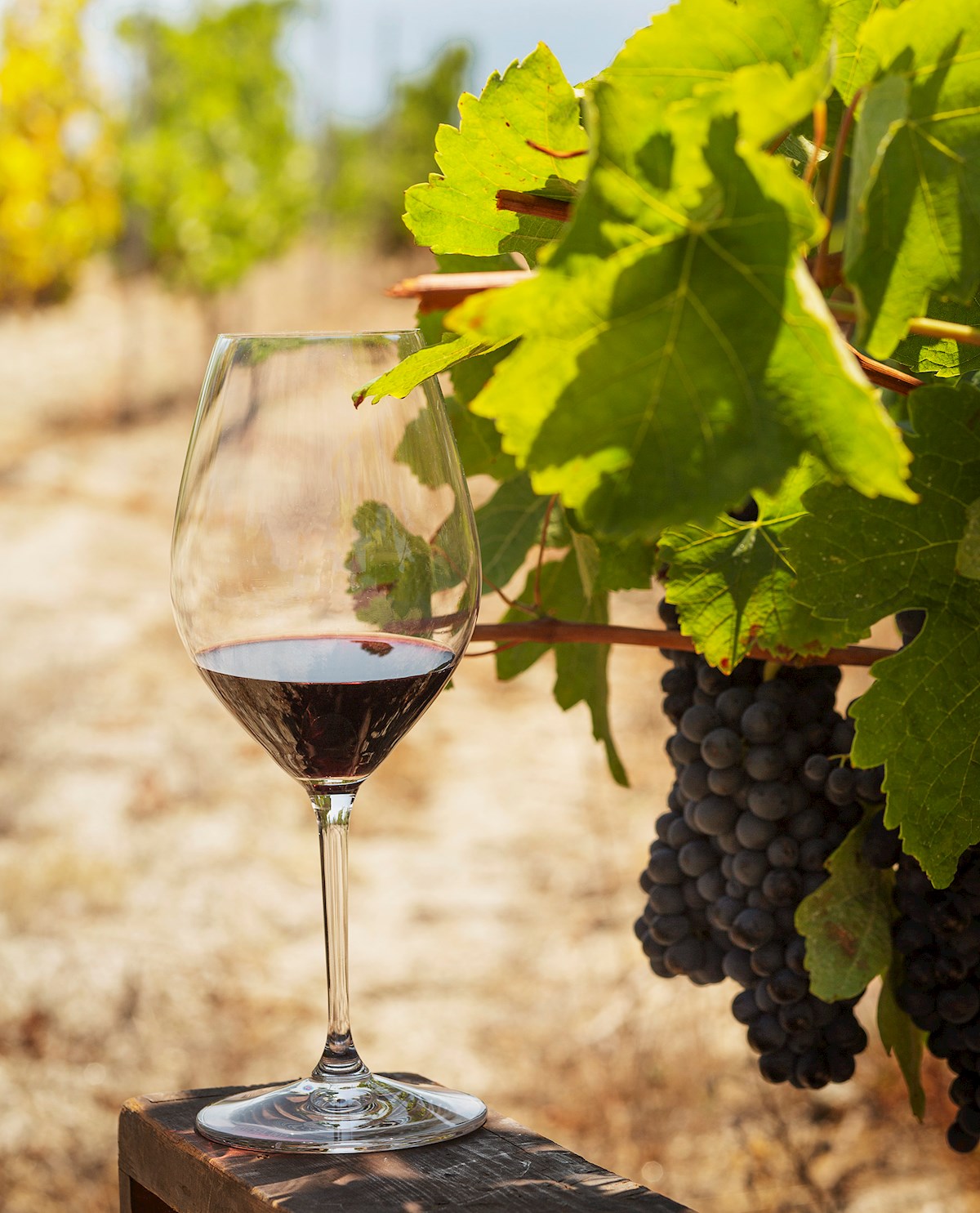
Rioja is perhaps Spain’s most celebrated wine region, producing reds, whites, and rosés with a global reputation for quality and ageing potential. The red wines, typically made from Tempranillo grapes, are classified by ageing periods into Crianza, Reserva, and Gran Reserva, offering a spectrum of flavours from bright and fruity to complex and oak-matured.
In Spanish restaurants in the UK, Rioja often forms the backbone of wine lists, pairing effortlessly with meat dishes such as lamb, beef, and cured ham. The region’s whites and rosés have also gained attention, appreciated for their freshness and versatility. Rioja represents the harmony of tradition and innovation, as long-established bodegas coexist with modern winemakers experimenting with style. Its DOCa status ensures strict regulations, safeguarding its prestige. For wine lovers, both in restaurants and at home, Rioja is often the entry point to understanding Spain’s rich wine culture.
Where can you buy it:
Ultracomida
Spanish Wines
Cava
TasteAtlas Rating: 4.1
 Credits: © ICEX
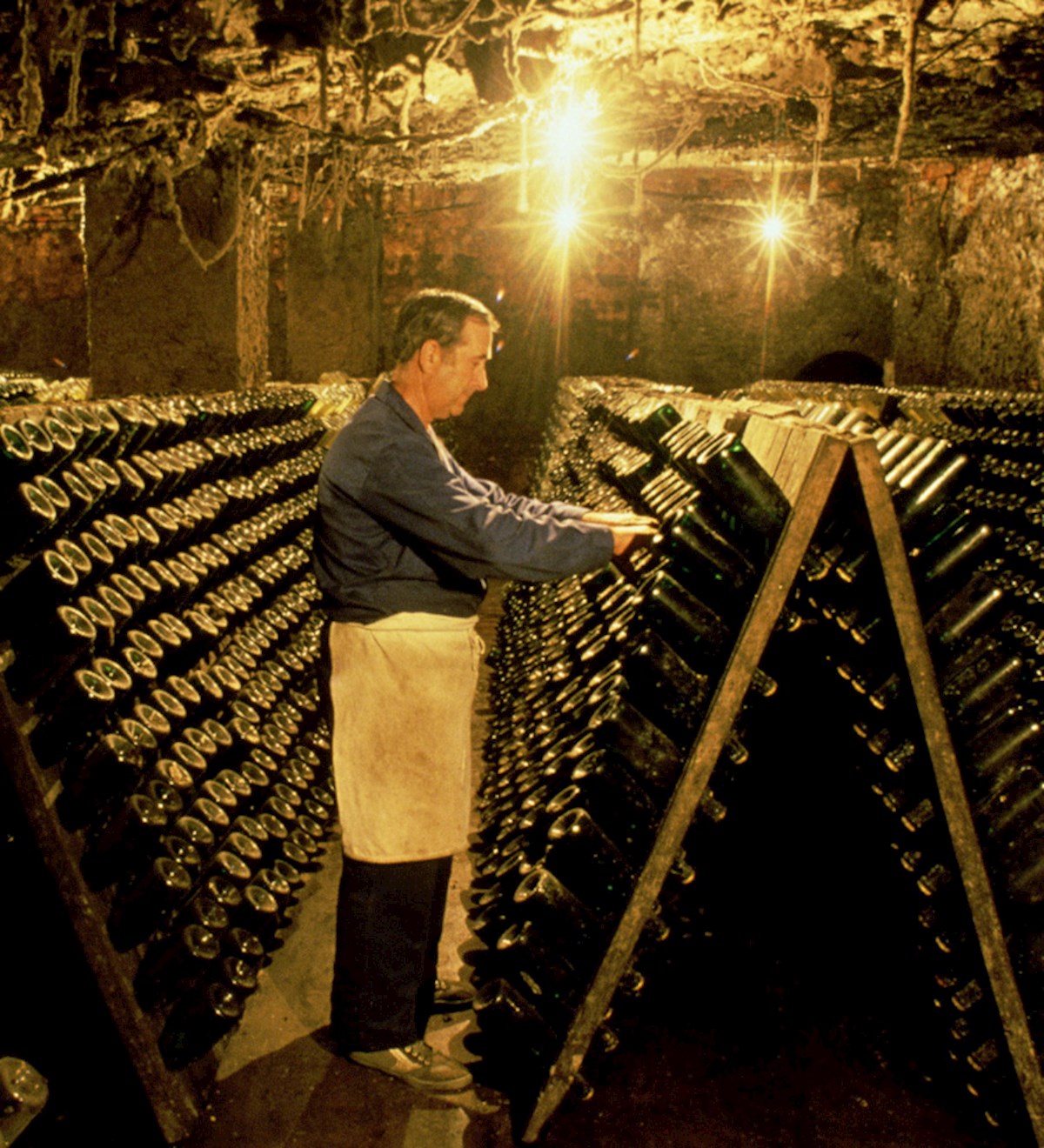
Cava is Spain’s answer to sparkling wine, made primarily in Catalonia using the traditional method of bottle fermentation also employed in Champagne. Produced from local grape varieties such as Macabeo, Xarel·lo, and Parellada, it offers a crisp, refreshing profile with fine bubbles and balanced acidity. Its affordability compared to Champagne makes it accessible, yet top-quality Cava rivals any sparkling wine in finesse.
In Spanish restaurants in the UK an in the UK homes, Cava is frequently poured as an aperitif, though it also pairs well with tapas, seafood, and lighter mains. Styles range from Brut Nature to sweeter expressions, catering to a wide range of palates. Many diners are surprised by its depth and quality, given its modest reputation outside Spain.
Where can you buy it:
Ultracomida
Spanish Wines
Sherry
TasteAtlas Rating: 3.9
 Credits: © ICEX
Sherry, or Jerez, is a fortified wine from Andalusia, crafted in a wide spectrum of styles from bone-dry Fino to sweet Pedro Ximénez. Its unique solera system of ageing creates complex layers of flavour, ranging from nutty and saline to rich and syrupy. In Spain, sherry is integral to tapas culture, with different types suited to different dishes, from seafood to desserts.
Spanish restaurants in the UK have embraced sherry pairings, introducing diners to its versatility beyond the stereotype of a sweet after-dinner drink. Fino and Manzanilla are often recommended with olives, almonds, and shellfish, while Oloroso pairs beautifully with game and red meats. Sherry’s PDO status guarantees its authenticity, anchoring it to the vineyards around Jerez de la Frontera. Its revival in international wine circles has sparked a new appreciation among chefs and sommeliers alike, and it has found its way in many homes as well.
Where can you buy it:
Ultracomida
Spanish Wines
Ribera del Duero
TasteAtlas Rating: 4.5
 Credits: © ICEX
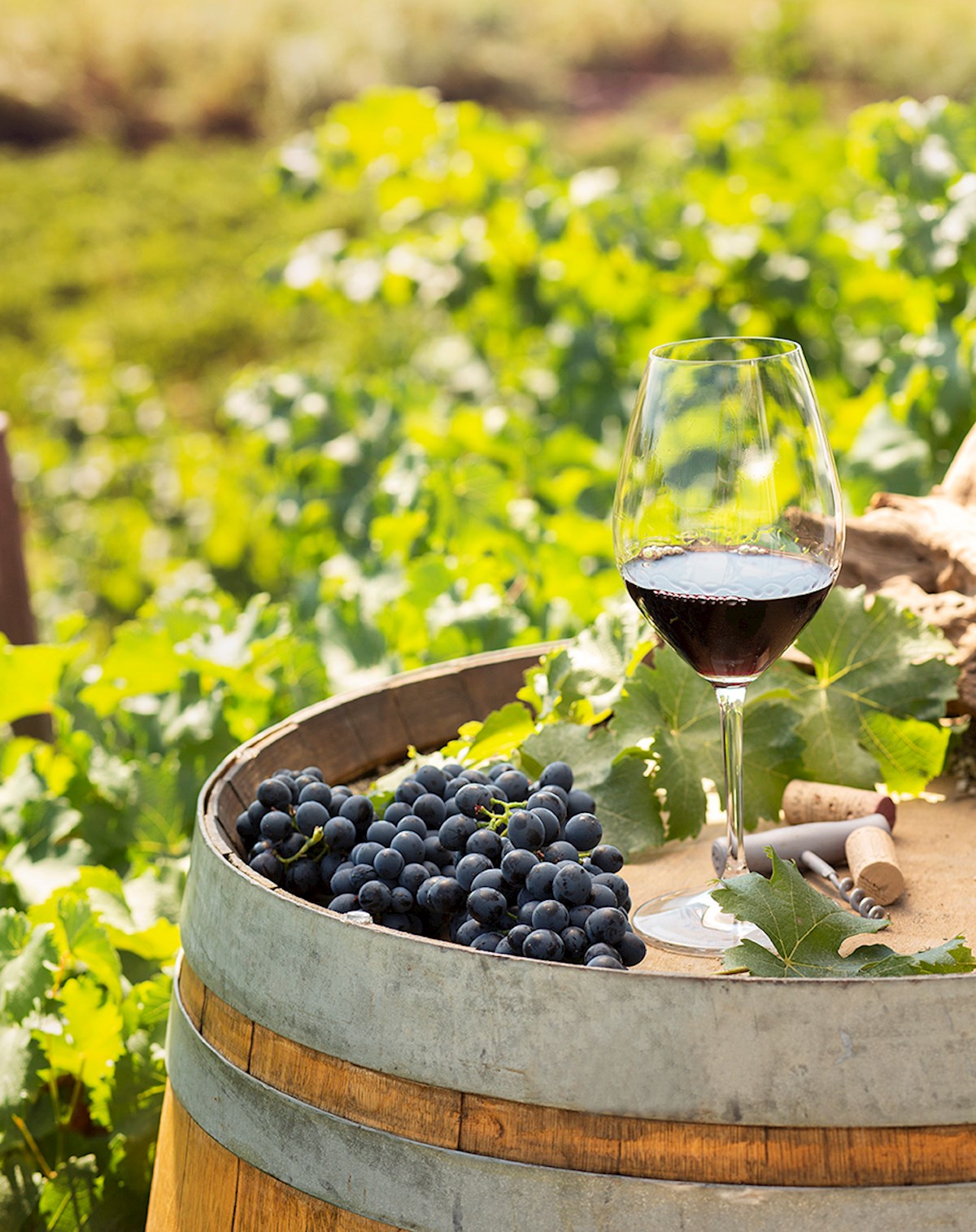
Ribera del Duero is a prestigious red wine region in northern Spain, known for producing bold, structured wines dominated by Tempranillo, locally called Tinto Fino. The wines are renowned for their depth, ageing potential, and balance between fruit intensity and oak influence. The region’s high-altitude vineyards and extreme climate contribute to the concentration and elegance of its wines.
In Spanish restaurants in the UK, Ribera del Duero wines often appear alongside Rioja, offering diners a chance to compare two of Spain’s most famous red wine regions. They pair particularly well with roasted meats, game, and hearty stews, showcasing their robust character. Ribera del Duero has risen rapidly in prominence, with several producers achieving global recognition. Its DO status reflects the strict quality standards that underpin its reputation.
Where can you buy it:
Ultracomida
Learn more about Ribera del Duero
Txakoli
TasteAtlas Rating: 4.2
 Credits: © ICEX
Txakoli is a lightly sparkling white wine from the Basque Country, made primarily from the Hondarrabi Zuri grape, and celebrated for its bright acidity and refreshing character. Poured from a height into glasses, it acquires a slight fizz and a lively presentation that is part of the Basque dining ritual. There are three main DO regions, Getariako Txakolina, Bizkaiko Txakolina, and Arabako Txakolina, each offering subtle variations in flavour and style.
In Spain, it is inseparable from the region’s seafood culture, pairing effortlessly with anchovies, oysters, and grilled fish, while in Spanish restaurants in the UK it has become a favourite for diners looking for something crisp and distinctive beyond the better-known wines of Rioja. Its alcohol content is typically lower than other Spanish wines, making it ideal for extended meals and tapas-style dining. With its sharp minerality and slight effervescence, Txakoli stands out as one of Spain’s most regionally expressive wines.
Where can you buy it:
Ultracomida
Sidra de Asturias
TasteAtlas Rating: 4.0
 Credits: © ICEX
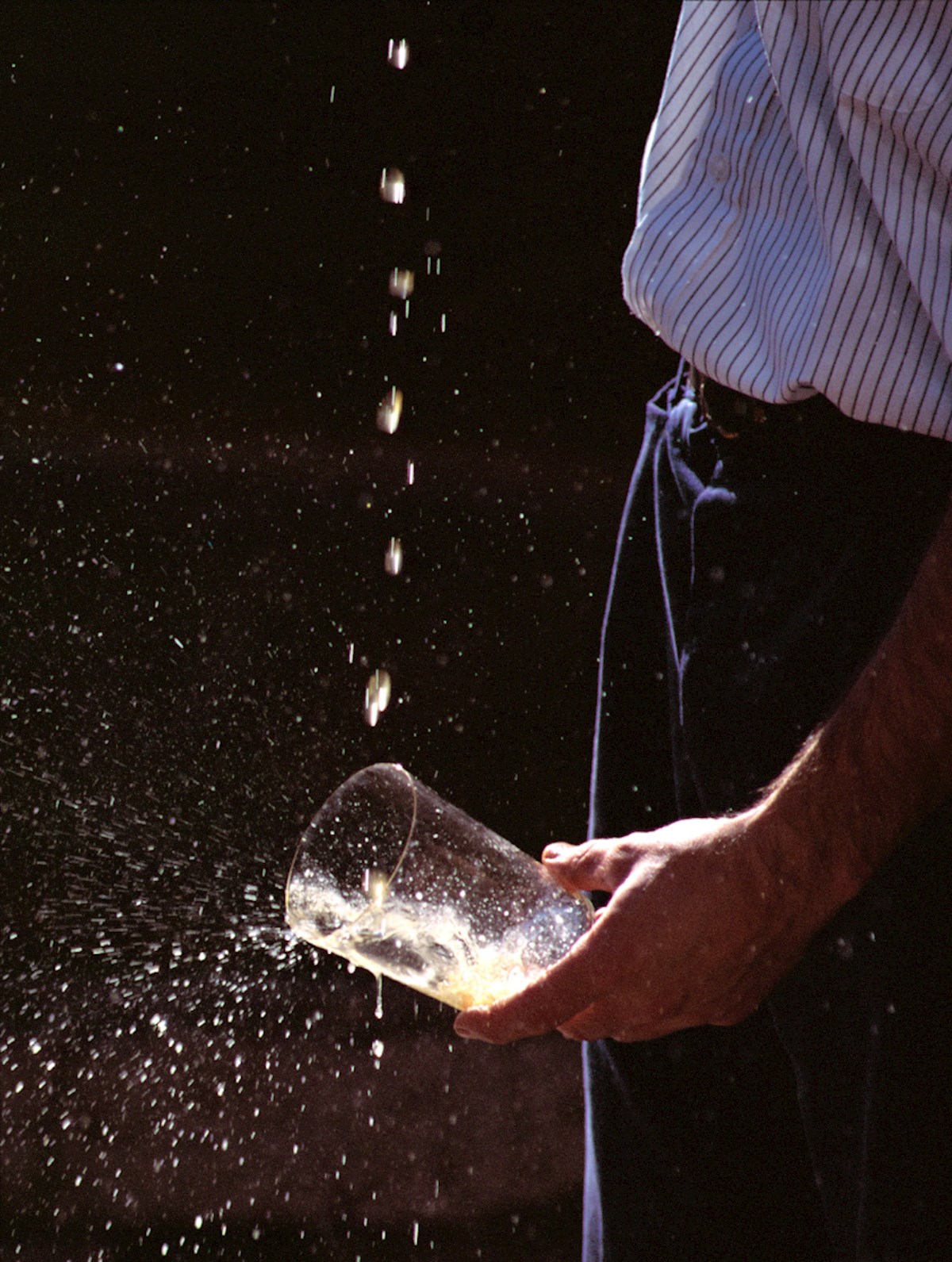
Sidra de Asturias is a cider from northern Spain, deeply rooted in Asturian culture and celebrated for its dry, tangy flavour. Made from local apple varieties, it is often poured from a height to aerate the drink and enhance its freshness, a practice known as escanciar. In Asturias, sidra is central to gatherings, festivals, and meals, particularly with hearty dishes like fabada or grilled fish.
Spanish restaurants in the UK increasingly feature Sidra de Asturias, and it can be bought in some colmados, introducing UK foodies to this rustic yet refreshing drink. Its PDO status ensures that only cider produced in Asturias from approved apples can carry the name. Sidra offers a distinctive alternative to wine or beer, appealing to those seeking something different.
Where can you buy it:
Ultracomida
Learn more about Sidra de Asturias