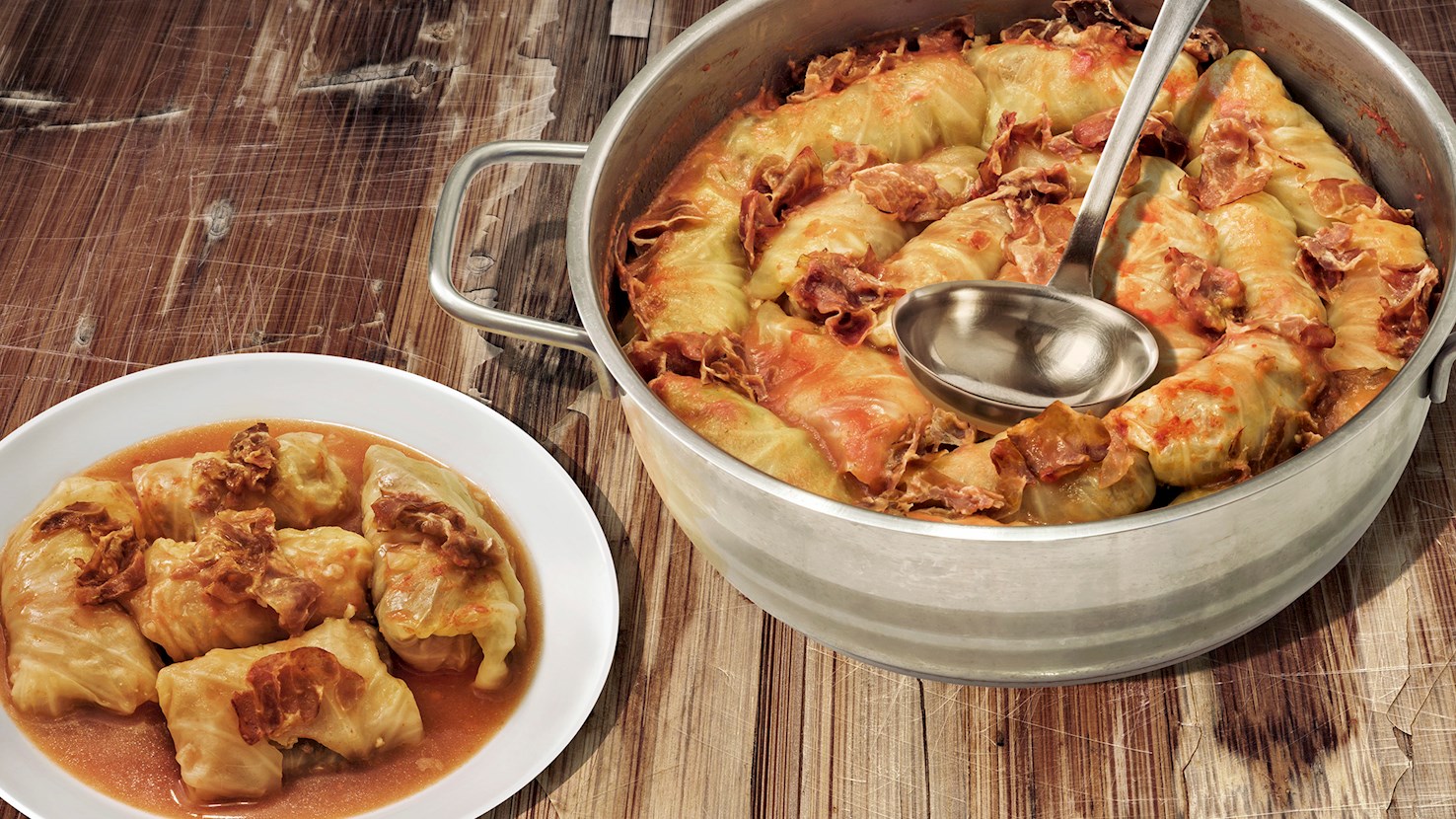

Romanian cuisine is as diverse as its landscape and its people. The varied geographic regions and traditions are reflected in how people eat, with some dishes becoming national staples served throughout the country. One of them is sarmale, stuffed sauerkraut leaves encasing a filling with minced pork, rice and dill, slow-cooked in tomato sauce or chicken stock.
The imposing Carpathian mountains determine a hearty cuisine, slow-cooked dishes prepared with meat, especially mutton and pork, pulses, and cornmeal. The herbs and spices are tarragon, paprika, and caraway seeds. In the softer landscapes of hills and plains and in the heat of summers, the dishes are made more quickly, using plenty of sun-kissed vegetables, dill, and lovage. Dairies, fresh or fermented, such as cheese, sour cream, and creme fraiche, flavor many Romanian dishes and add softness to cakes, dumplings, and fritters.
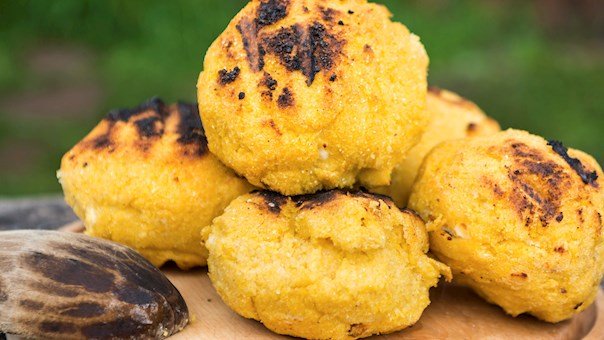
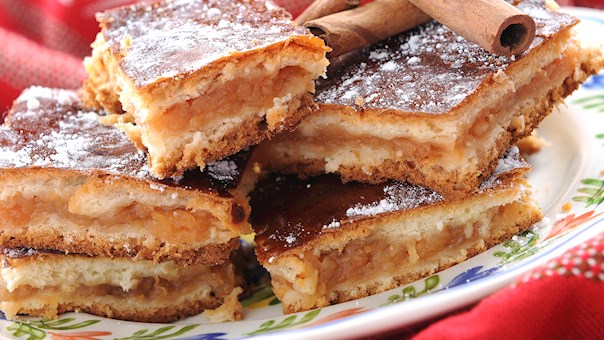
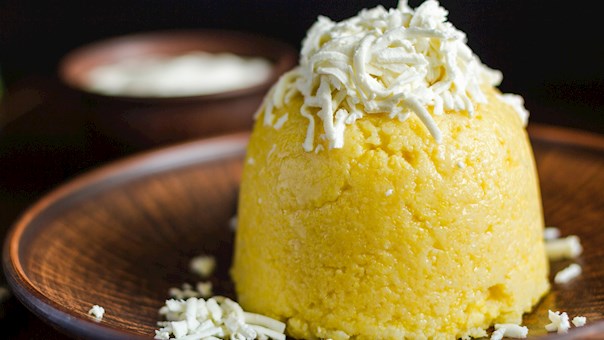
Along the lands of the Danube River in the south and in the Danube Delta, the cuisine turns to fish, served fried, baked or in soups. Ciorbă or zeamă is an iconic dish throughout Romania, a clear soup with an acidic element added at the end of cooking, such as vinegar, borș, unripe fruit or sour cream. As a main course, tocană is a generic name for stews where the ingredients are diced and cooked with tomato sauce. Mămăligă is the Romanian version of polenta that we often allow to cool and slice like bread. Cornmeal is a staple ingredient served in many dishes, from breakfast to dessert, not just as a side dish. Many other dishes feature noodles, pearl barley, rice, potatoes, leeks and cabbage. A popular dessert is plăcintă, a thin, two-layer pie with apple or curd cheese filling, sometimes with dried fruit and walnuts. Curd cheese is equally used in savory and sweet pies, cake batters, and doughnuts, such as the famous papanași. Filo pastry makes the most beautiful strudles and traditional pies, while homemade noodles are mixed with walnuts or poppy seeds, milk, and sugar and served for pudding.
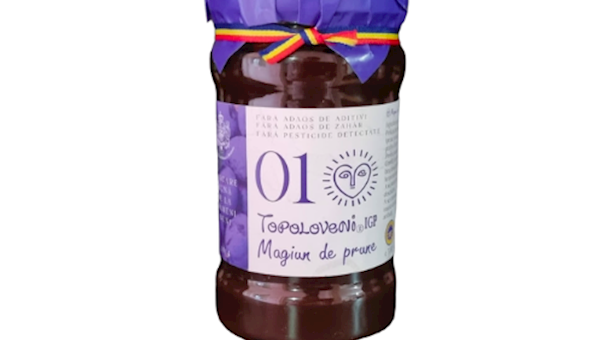
Throughout the country, the cuisine relies on preserving the seasons’ bounty, whether through fermenting and pickling vegetables or special jam-making called dulceață. The main influences of Romanian cuisine come from its ethnic groups, such as German, Hungarian, Turkish, Greek, Jewish, and Slavic. Romania is where you can taste the flavors of four empires: Habsburg, Ottoman, and Russian, and if we look at specific bread-making techniques, even the Roman Empire.
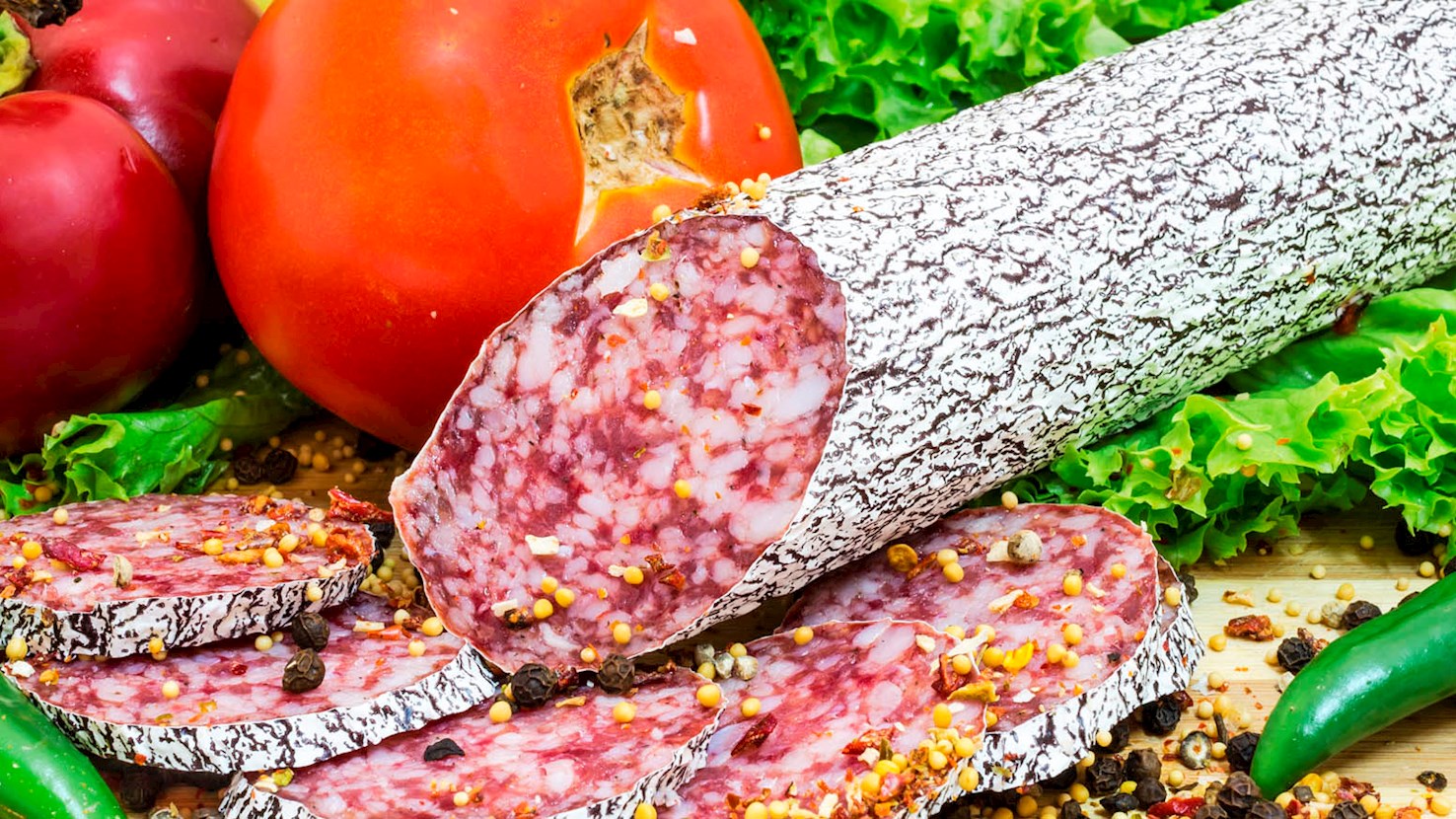
Babic is a traditional salami, a raw-dried sausage hailing from Buzău County. Although some versions contain mutton, this salami is typically made with a mixture of pork and beef that is seasoned with salt, sweet paprika, and hot paprika, then stuffed into thin beef casings, pressed, smoked, and dried during the cold winter months. With a spiciness that ranges from mild to intense, depending on the amount of hot paprika used in the preparation, this traditional salami is usually consumed as an appetizer, and it is typically washed down with Romanian plum brandy, red wine, or cold beer. Babic can also be used in various Romanian dishes such as vegetable soups, omelets, pilafs, or stews. The salami is believed to have Serbian origins, and it was supposedly introduced to Romania by Serbian settlers in the region, which is why this meat product is often dubbed Serbian babic or babic sârbesc.
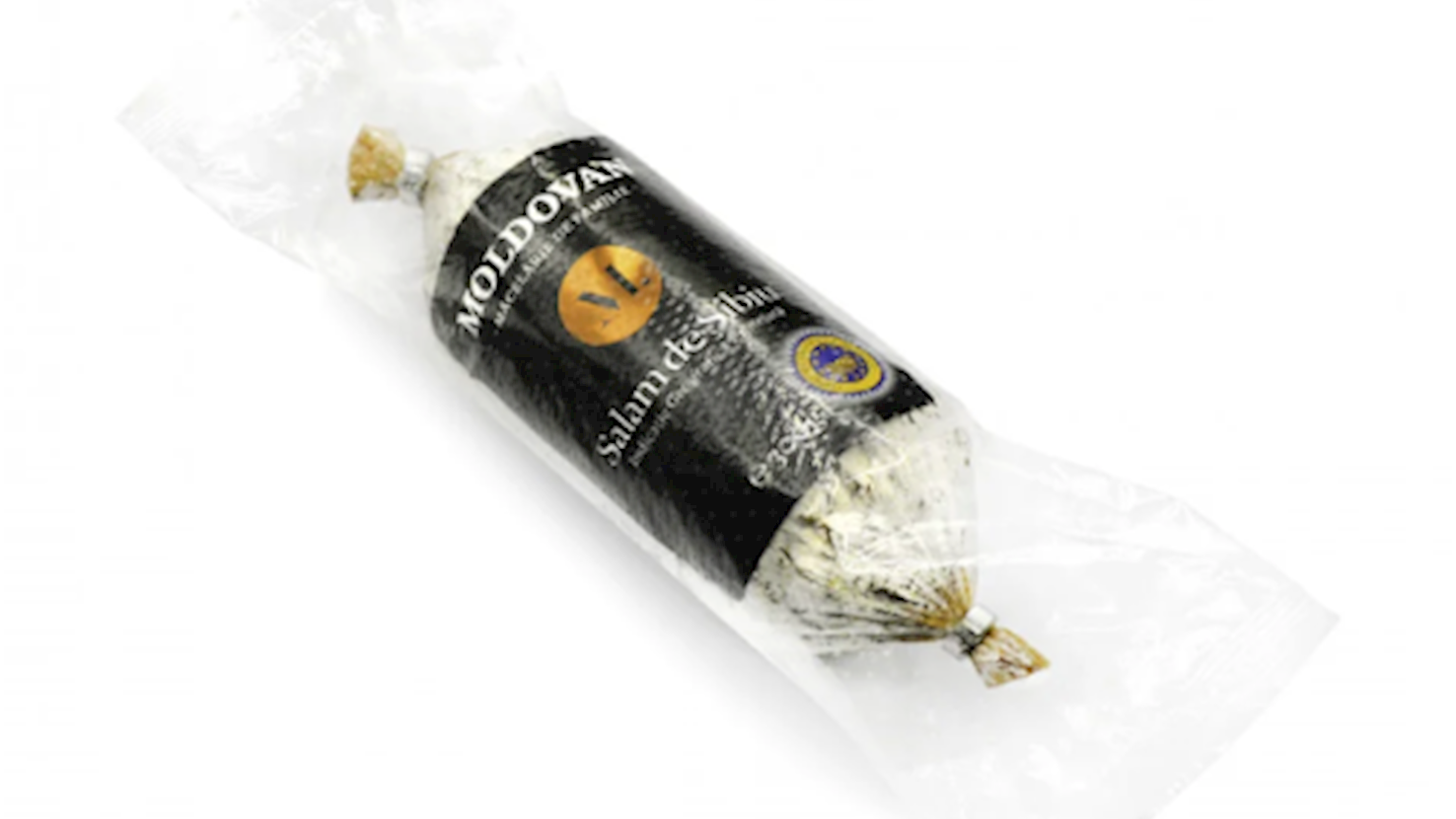
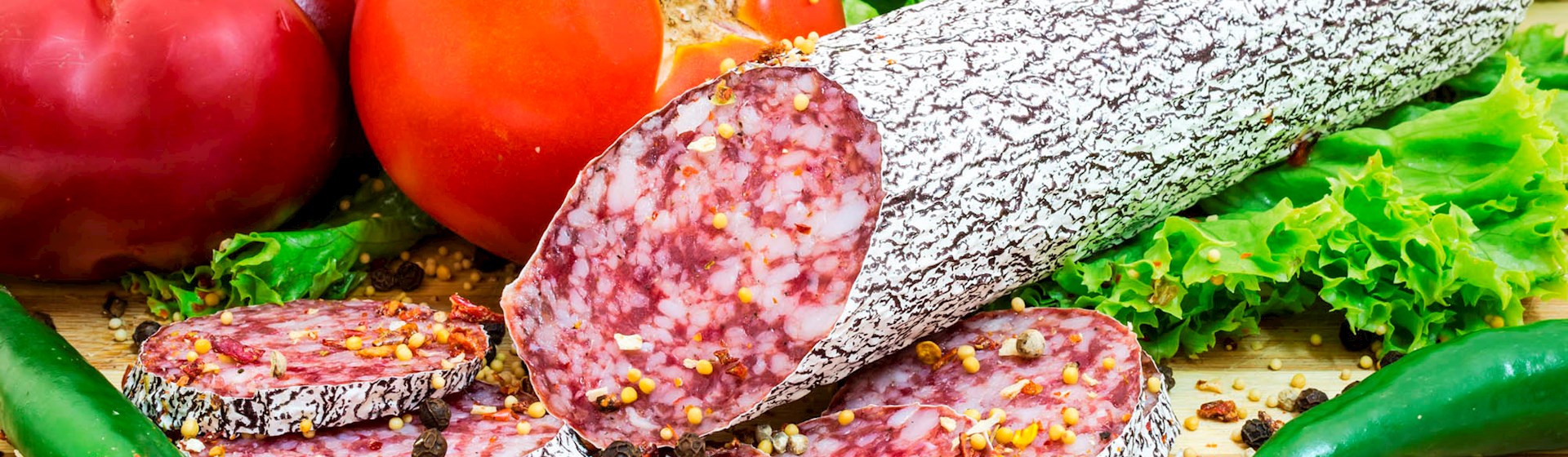
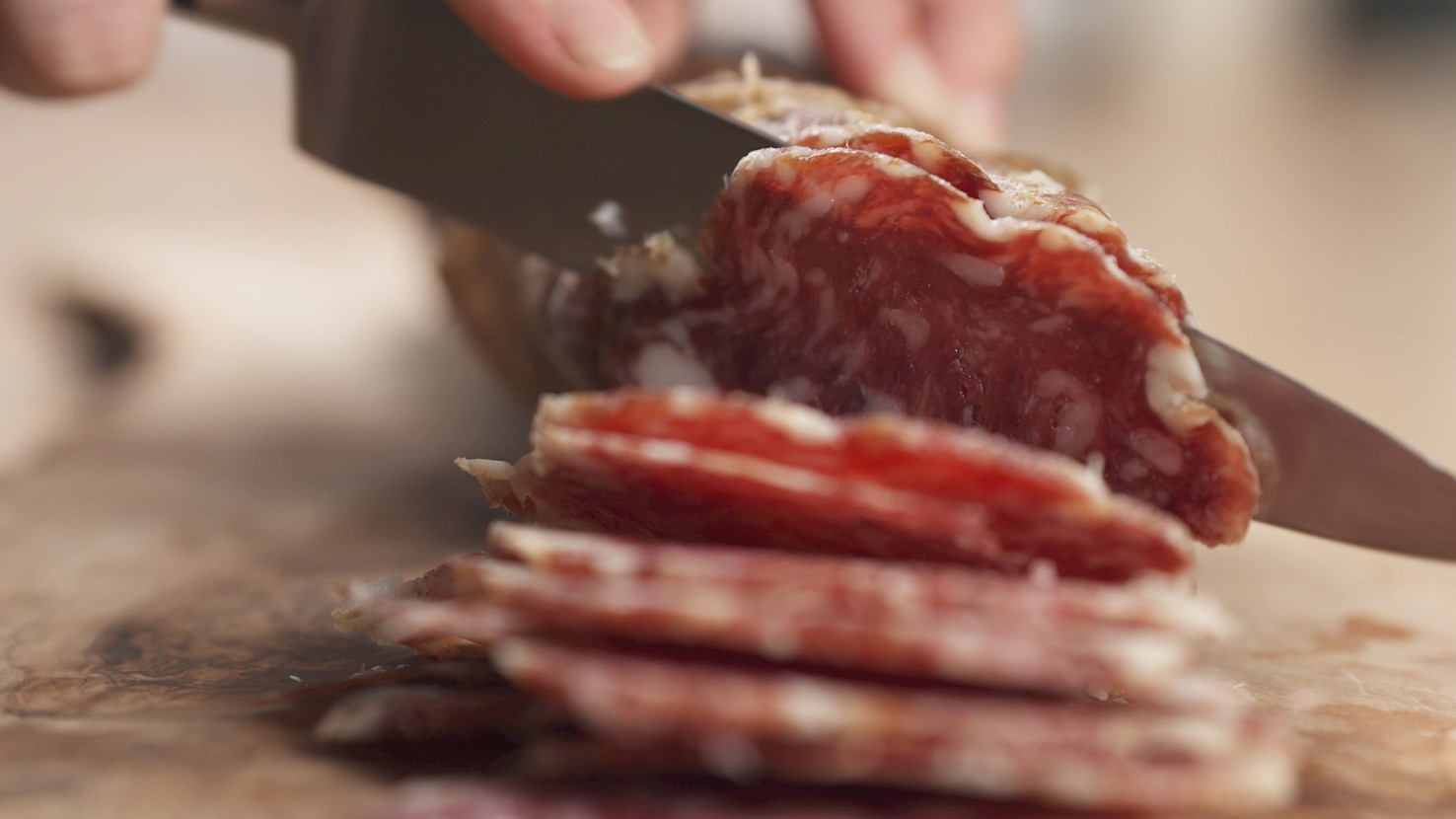
Salam de Sibiu is a dry-cured Romanian pork salami with Protected Geographical Indication (PGI) status, officially recognized by the European Union. It is produced following a strictly regulated specification, which defines both the ingredients and the production process. Contrary to assumptions suggested by its name, Salam de Sibiu is not exclusively associated with the city or county of Sibiu. The current PGI designation, granted in 2016, defines the authorized production area as including the Romanian administrative regions of Bacău, Brașov, Călărași, Covasna, Ilfov, Prahova, Sibiu, and the city of Bucharest. The recipe for Salam de Sibiu requires a precise selection of premium pork cuts, including fillet and haunch, combined with coarsely ground pork fat. The mixture is seasoned with a specific blend of salt, black pepper, garlic, and allspice, without the use of artificial additives or preservatives. After the meat mixture is prepared, it is stuffed into natural casings and placed in controlled conditions for fermentation and drying. According to the PGI specification, the product must undergo a minimum maturation period of 70 days, during which it develops its characteristic firm texture, compact sliceability, and balanced flavor. A natural layer of noble mold forms on the casing during this process, contributing to the product’s preservation and aroma. Visually, Salam de Sibiu is recognized by its white, mold-covered exterior and dense, finely marbled interior, with a reddish-pink color in cross-section. The flavor is defined by the quality of the raw materials and the extended drying period, which produces a mildly spicy, slightly sweet, and aromatic profile with no excessive saltiness. It is typically consumed sliced thinly, served on charcuterie boards, in sandwiches, or as part of festive meals.
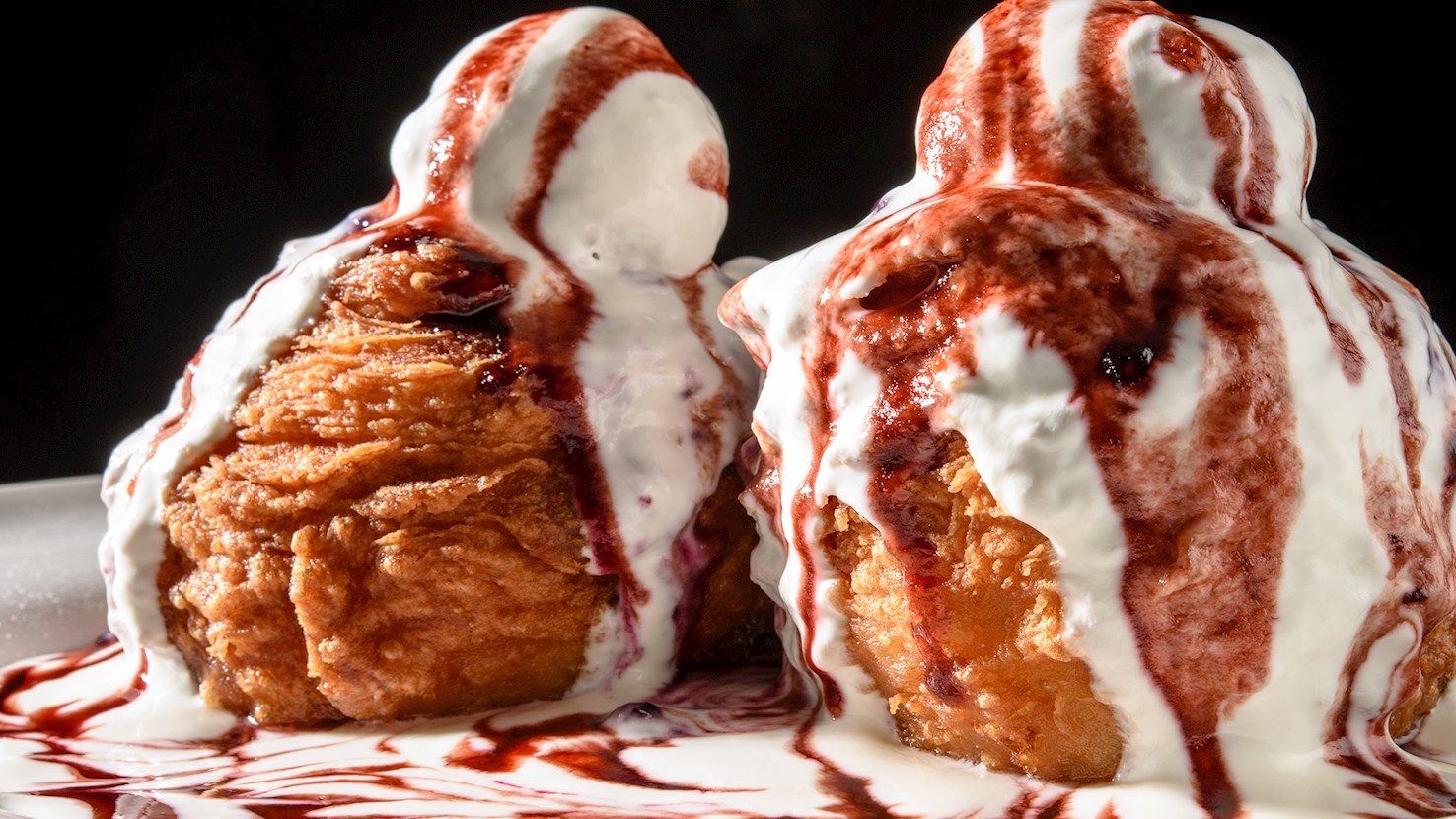
Papanași is a traditional donut-shaped pastry with a small sphere on top. It can be fried or boiled, and it's made by adding unsalted cheese such as brânză de vaci (cow's milk cheese) or urdă to a regular flour and egg dough. The fried papanași are usually donut-shaped and can be served with fruit jams, a dollop of sour cream, or powdered sugar. The boiled ones are smaller, nugget-shaped, and typically coated with a mix of breadcrumbs and sugar. This dessert can be found in most Romanian traditional restaurants or it can be prepared at home.
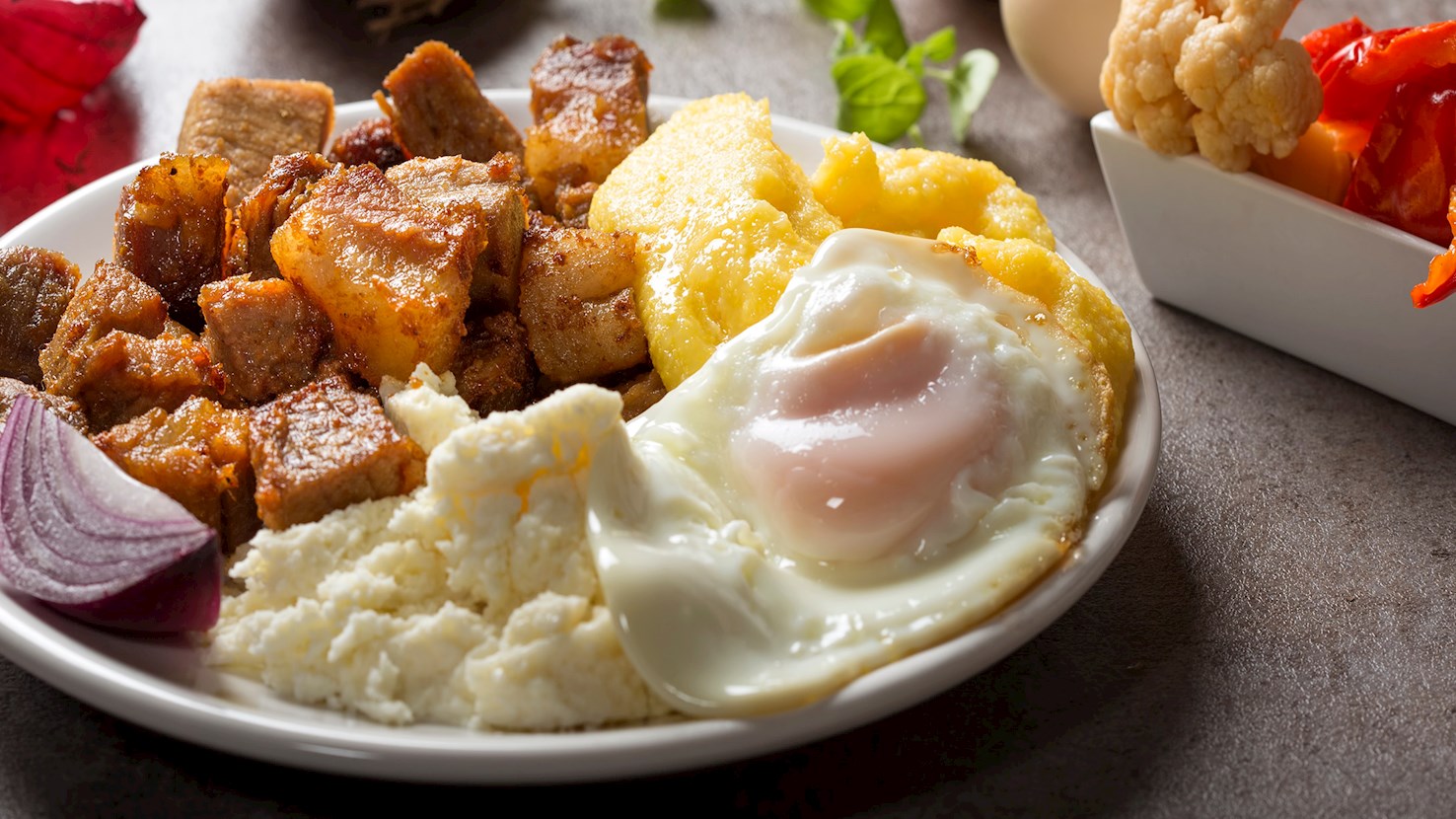
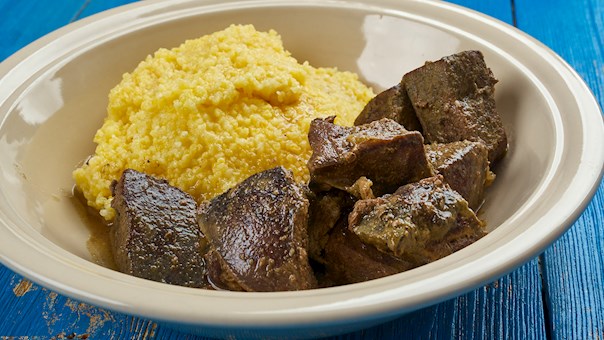
Tochitură Moldovenească is a traditional and Moldovan stew that has its origin in the historical region of Moldavia—an area which is now shared between Romania and the Republic of Moldova. The stew is made by simmering pork, sausages, and bacon together with onions, garlic, spices, white wine, and occasionally tomato sauce and pork offal. The dish is usually accompanied by creamy polenta, grated cheese, and fried eggs. Peppers and pickled vegetables are occasionally served on the side. There are numerous variations on the dish, so it is not uncommon to see tochitură cooked with sausages and mushroom sauce instead of meat chunks.
One of the staples of traditional Turkish cuisine, sarma consists of a filling that is snugly surrounded by leaves or leafy vegetables. There are numerous versions of this dish but the mixture typically combines ingredients such as minced meat, rice or bulgur, various herbs, seasonings, red pepper, paprika, ground sumac, or tomato sauce, while the typical wrapping usually includes vine, cabbage, or sauerkraut leaves, or a variety of leafy vegetables such as collard greens and swiss chard. Having its roots in the Ottoman Empire, sarma is also traditionally consumed in the Balkans, the countries of Central Europe, the South Caucasus, and the Middle East. Although it is commonly enjoyed as a filling lunch or dinner (typically during the winter season), sarma is often prepared on special occasions and holidays. The dish is usually accompanied by plain yogurt, mashed potatoes, and crusty bread on the side.
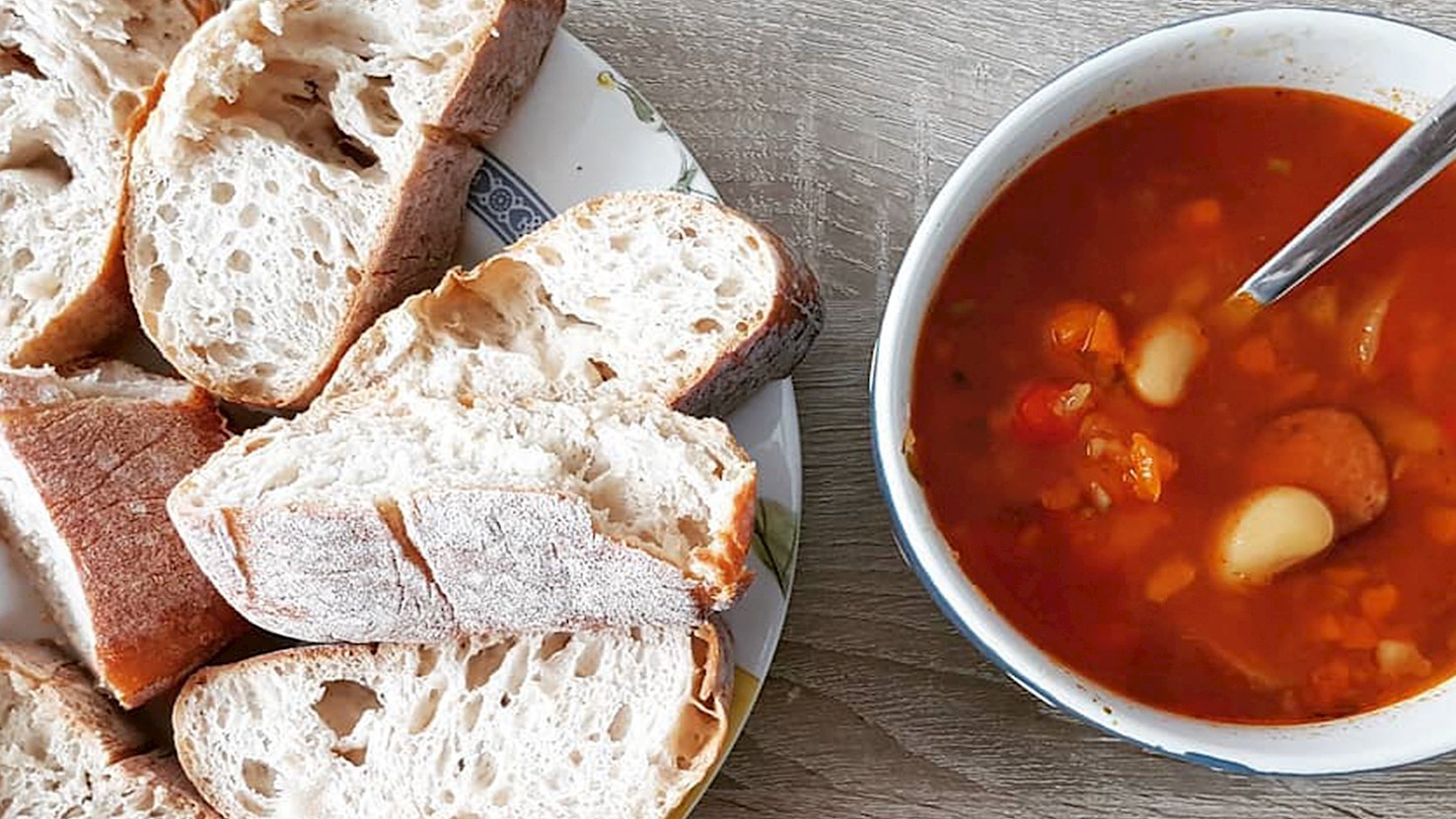
Rich and smoky, this white bean soup with smoked meat is a staple in most Romanian households. It consists of boiled dry white beans enriched with chunks of smoked meat such as pork knuckles or ribs, ham, or bacon, as well as root vegetables. Typical vegetables include celery root, onions, parsley roots, carrots, and bell peppers. The soup is traditionally seasoned with either celery leaves and parsley, lovage, or tarragon. Warm and filling, the soup is perfect for the winter season. It is typically consumed with a salad of red onions, pickled chilis, and slices of fresh bread or thick polenta.
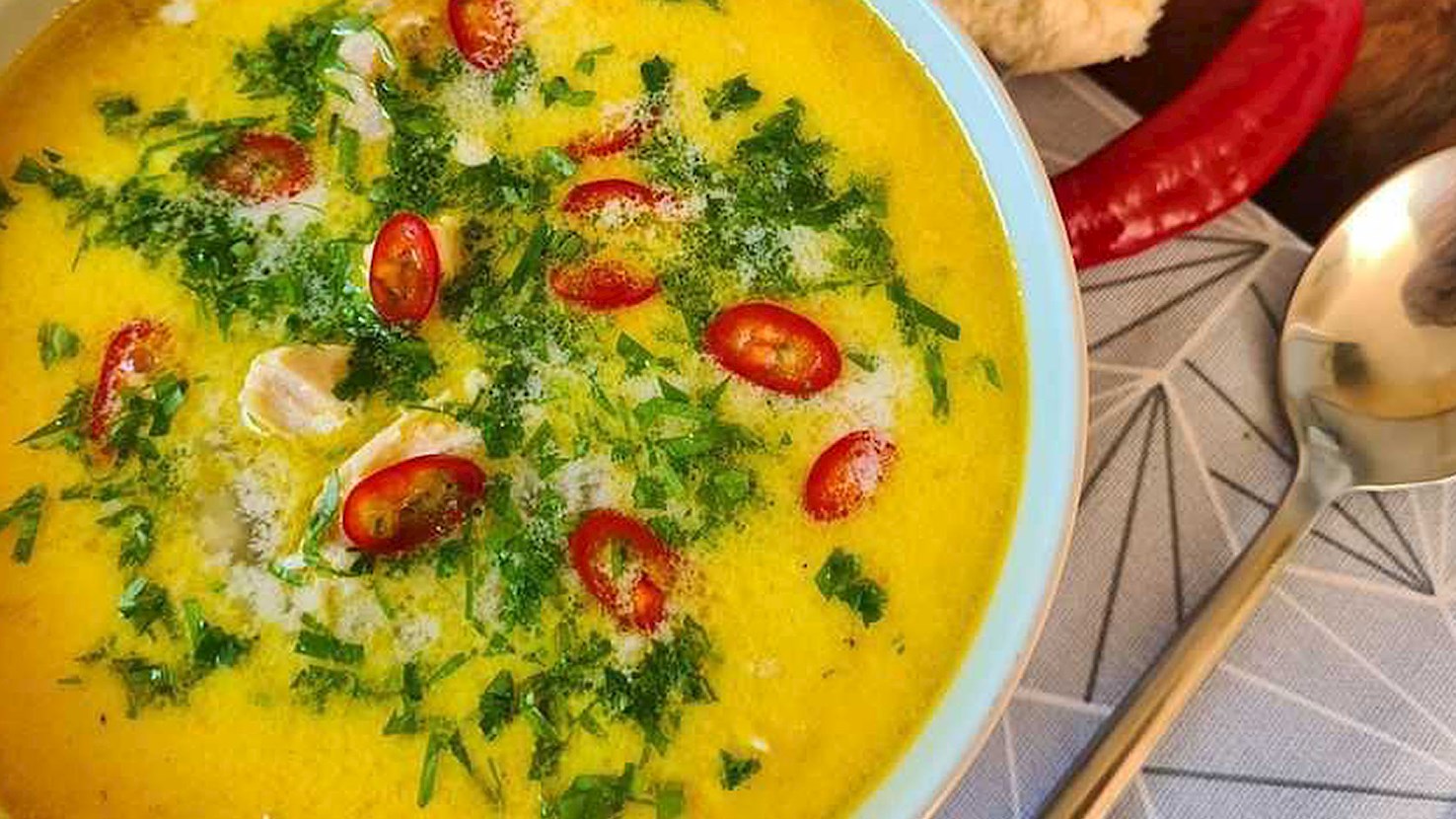
Ciorba Radauteana is a traditional soup. It's made with a combination of chicken, onions, sweet red pepper, celery, carrots, lemon juice, garlic, parsley, and sour cream. The ingredients are simmered over medium heat until the meat and the vegetables become tender. The soup is quite sour due to the addition of lemon juice. In Romania, ciorba Radauteana is especially prized for being a hangover cure and having healing properties - it's often used as a remedy for common cold symptoms.
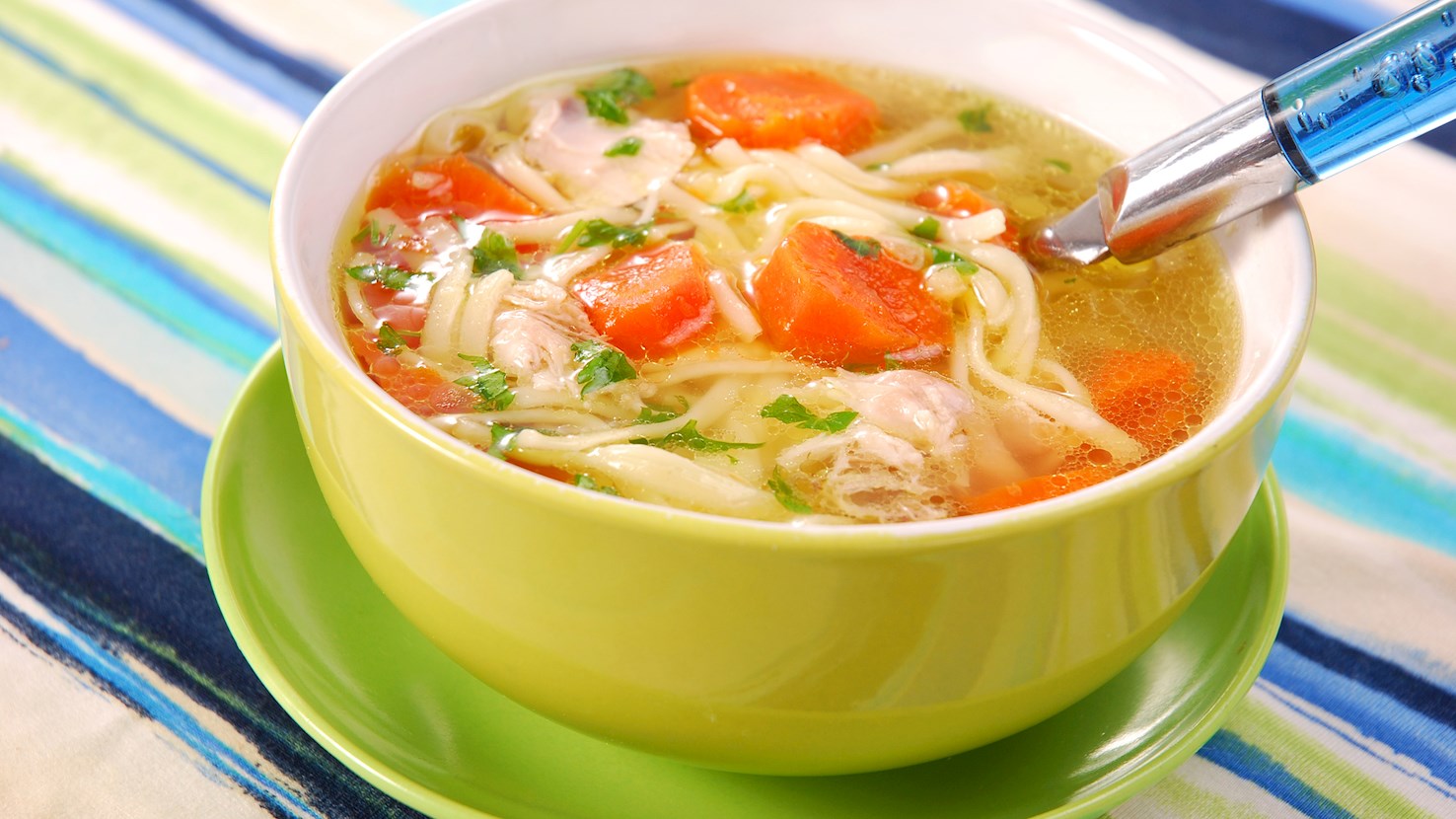
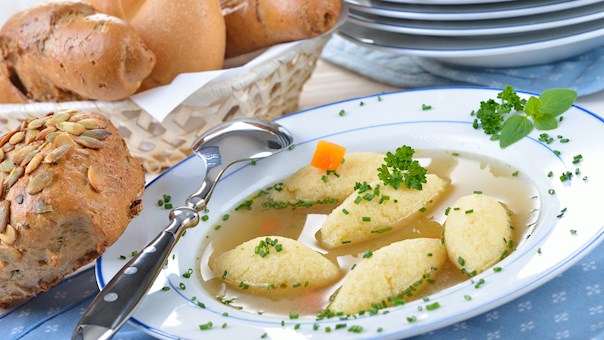
Supă de pui cu tăieței is a Romanian variation of the chicken soup with the addition of homemade noodles. A classic winter dish, this clear soup is usually made with chicken stock, noodles, and vegetables (typically carrots). The chicken meat used for making the stock can be reserved for other dishes or shredded and added to the soup for a more filling meal. In many Romanian households, this soup is traditionally eaten on Sundays, for lunch or dinner. Considered a comfort food, the soup is usually eaten hot, garnished with chopped parsley and ground black pepper.
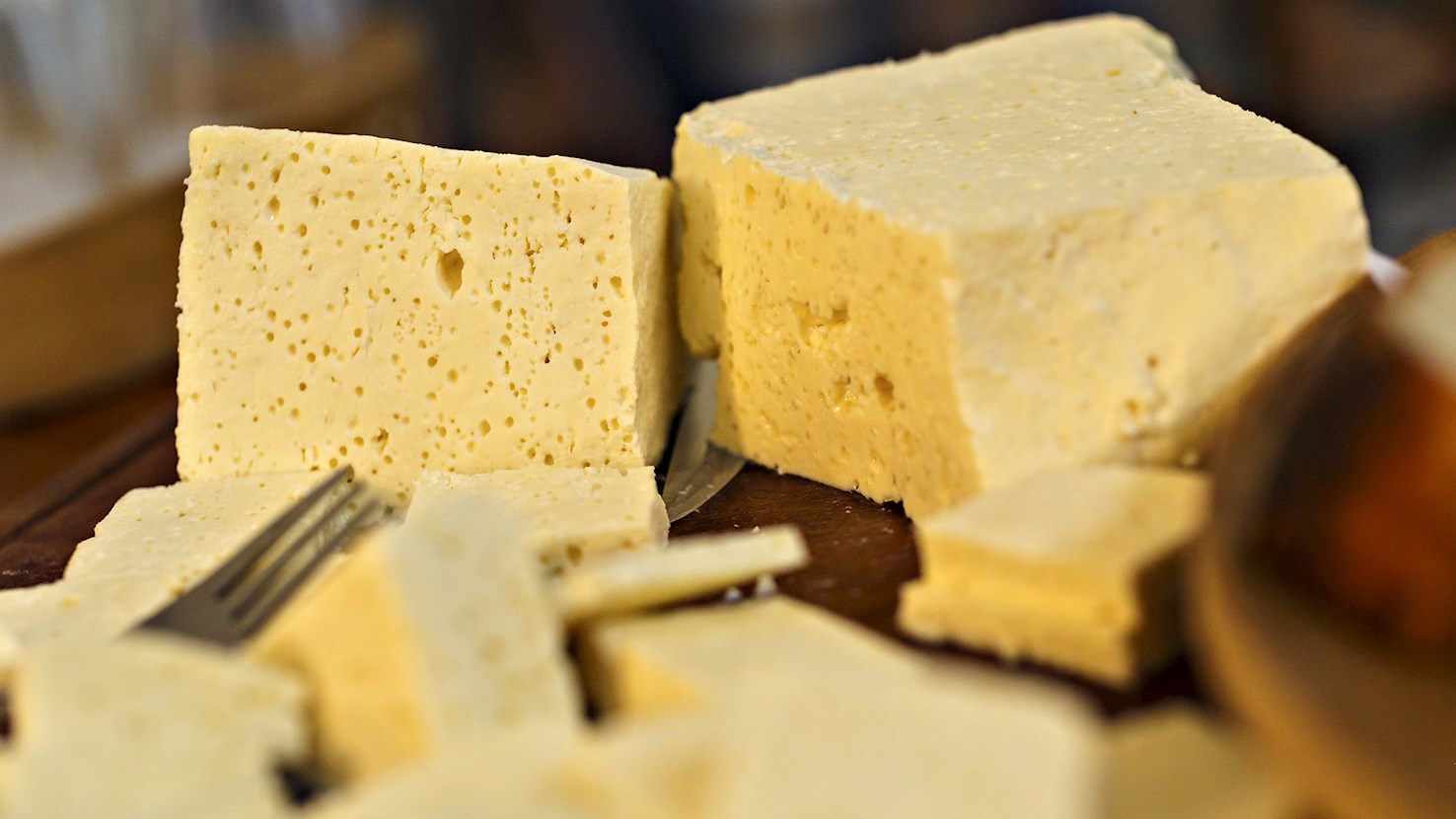
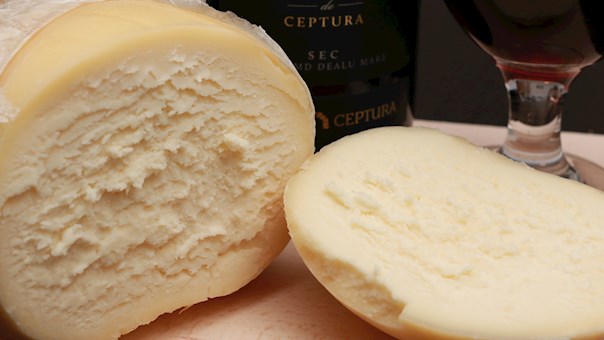
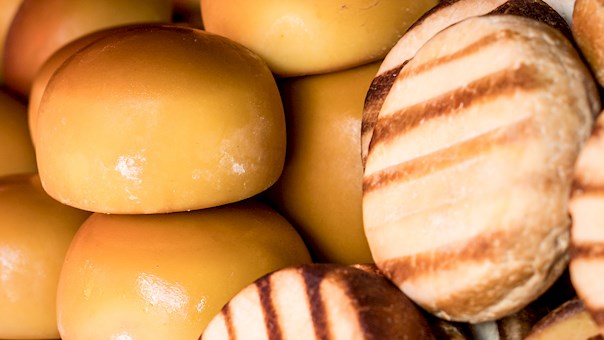
Telemea de Ibanesti is a traditional cheese made in the Gurghiu valley from cow's or sheep's milk. Its texture is quite wet and crumbly because the block-shaped cheese is placed in brine during the production. Telemea is white to yellowish-white in color and has a sweet, sour, creamy, and salty flavor that gets more intense as the cheese ages. The maturation process lasts for a minimum of 20 days. These tasty blocks of cheese are sold in vacuum-sealed bags or drums to preserve the shape and flavor. Due to the fact that it is similar to feta cheese, Telemea is used in salads, snacks, and omelets, and it’s typically paired with white wines.
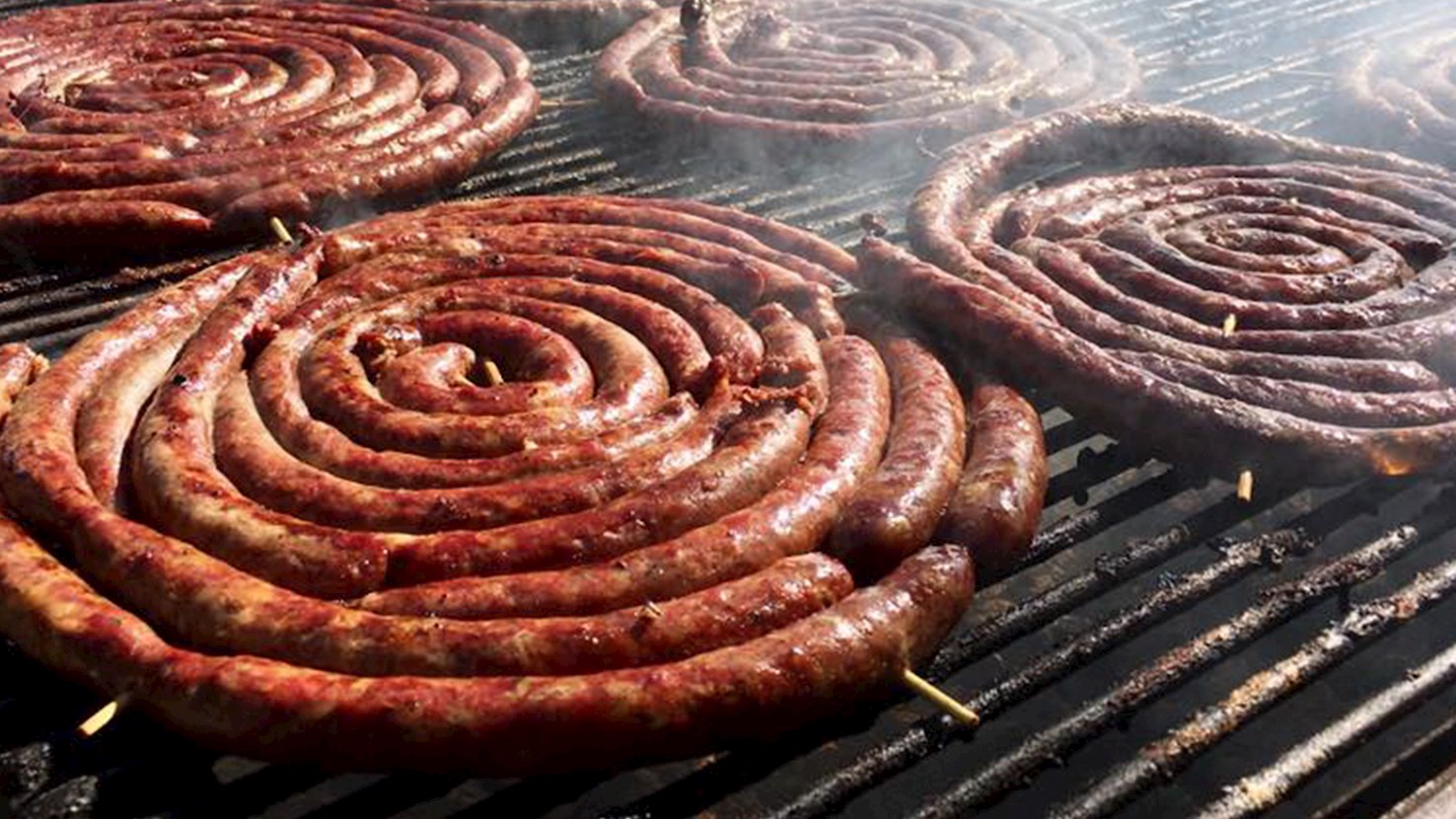
Cârnaţi de Pleşcoi are popular Romanian sausages made with mutton, chili peppers, and garlic. They are one of the first Romanian products that will be part of the EU’s list of certified traditional products. Cârnaţi de Pleşcoi are produced in the homes of Pleşcoi village and the Berca commune, using the traditional recipe. Most of the producers don’t have an official production license, so the sausages are available for purchase only in small quantities, directly from the producers. Some of the licensed producers founded the Plescoi Sausage Producer Association with a goal of promoting and distributing cârnaţi de Pleşcoi at the European level.
Carpathian Single Malt is the first Romanian single malt whisky, meticulously crafted by the Alexandrion Group at their state-of-the-art Alexandrion Saber 1789 Distillery, situated near the Carpathian Mountains. This exceptional whisky is produced using 100% malted barley sourced exclusively from Romania, combined with pure Sub-Carpathian water. The distillation process follows traditional Scottish methods, employing double distillation in custom-made copper pot stills. The spirit is initially matured in first-fill Kentucky bourbon barrels and then finished in a variety of wine and cognac casks, imparting a unique character to each expression.
Awards
SFWSC - San Francisco World Spirits Competition - Double Gold
(2024)
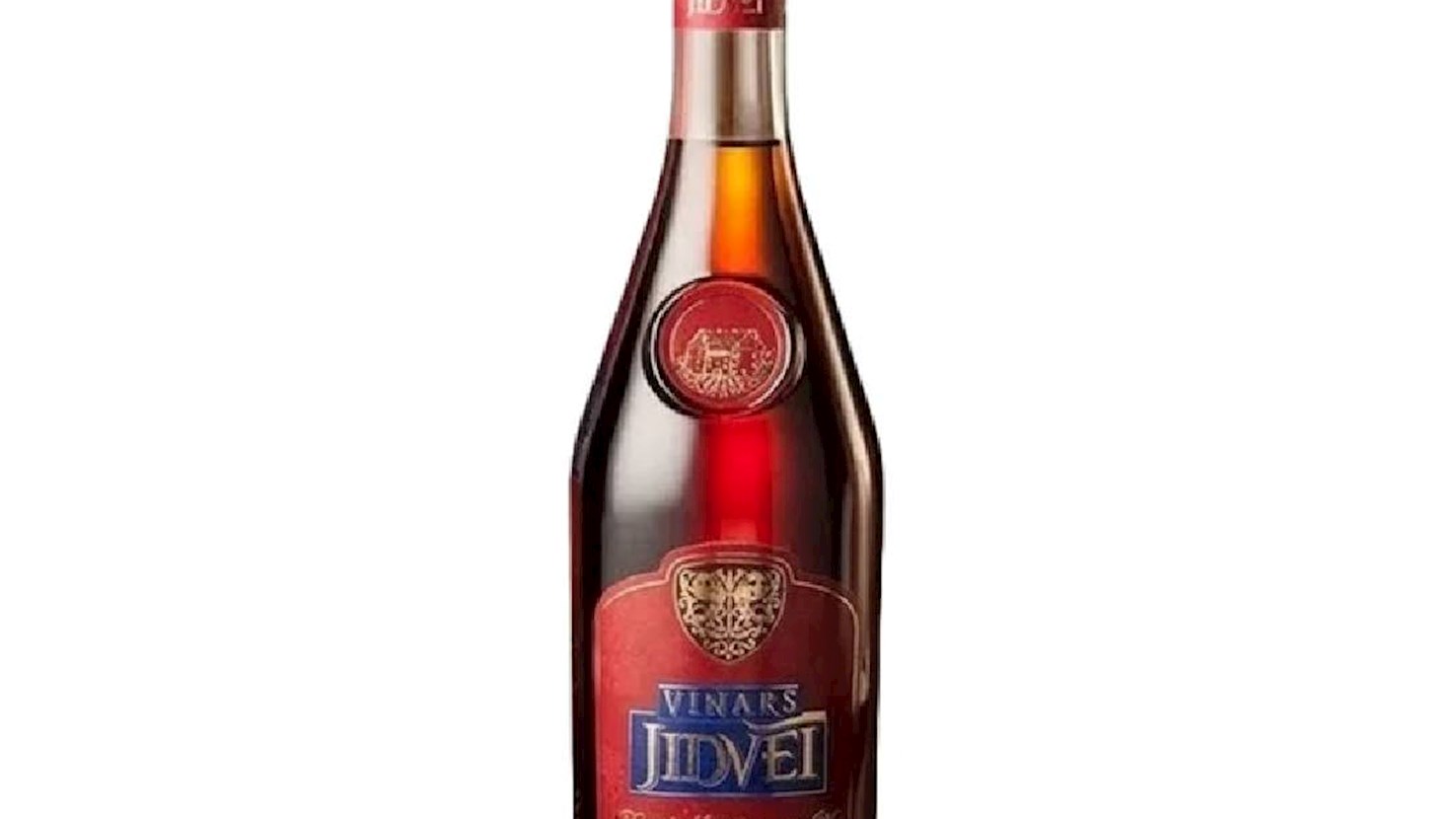
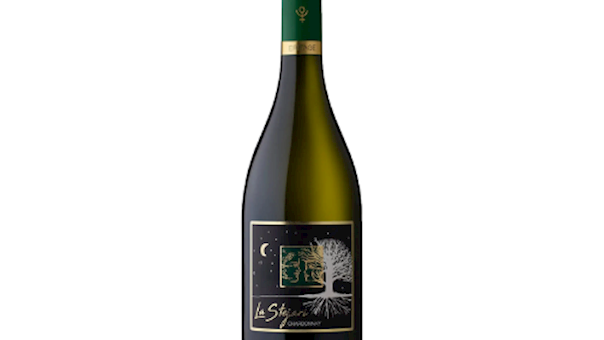
Jidvei is the largest wine producer in Romania, located in the Târnave region of Transylvania, an area renowned for its winemaking tradition. With vineyards spanning over 2,500 hectares, Jidvei produces a wide range of high-quality wines, including still, sparkling, and semi-sparkling wines, as well as vinars, a brandy distilled exclusively from wine. The company operates four state-of-the-art wineries in Jidvei, Tăuni, Blaj, and Bălcaciu, with a storage capacity exceeding 35 million liters.
Known for its commitment to quality, Jidvei uses modern technology while preserving traditional winemaking techniques. Its products have earned over 840 medals at prestigious international and national wine competitions. Jidvei is particularly known for its aromatic white grape varieties, such as Fetească Regală, Sauvignon Blanc, and Riesling, which thrive in the cool climate of the Târnave region.
Awards
IWSC- International wine & spirit competition - Spirit Gold
(2024)
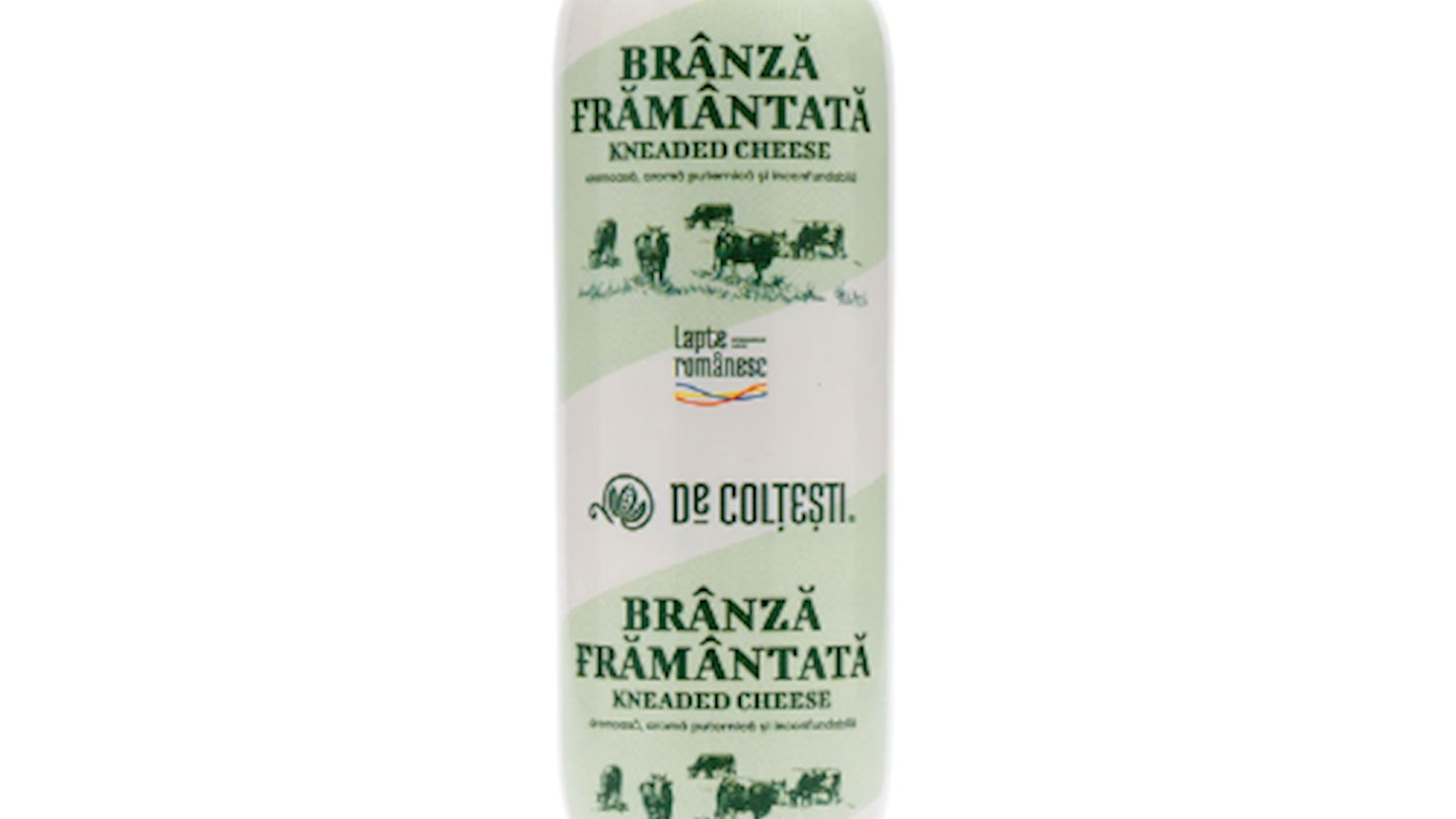
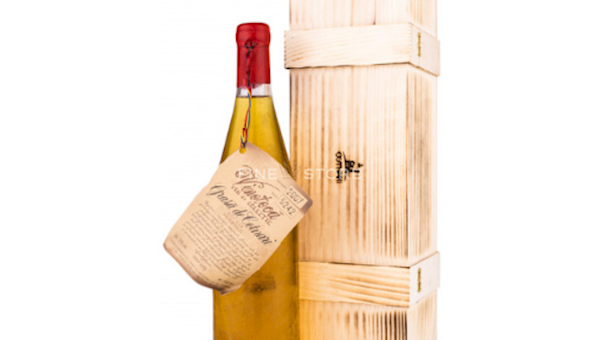
De Colțești is a Romanian cheese producer based in the village of Colțești, in the Rimetea area of Alba County, in the heart of Transylvania, founded in 1994. The company has developed as a modern dairy that combines local milk-making traditions with contemporary technological standards, relying on milk sourced from the mountainous Trascău region. It is best known for its mature and long-aged cheeses, particularly hard cheeses with a pronounced, full-bodied flavor, often marketed under the Torockoi brand. Its portfolio includes both traditional Romanian cheese styles and products inspired by broader European cheesemaking traditions, adapted to modern consumer preferences. The production philosophy emphasizes quality control, consistency of flavor, and carefully managed aging processes, while preserving a strong regional identity. De Colțești is regarded as one of the notable representatives of the modern Romanian cheese scene, successfully bridging Transylvanian tradition with industrial precision and market-oriented production.
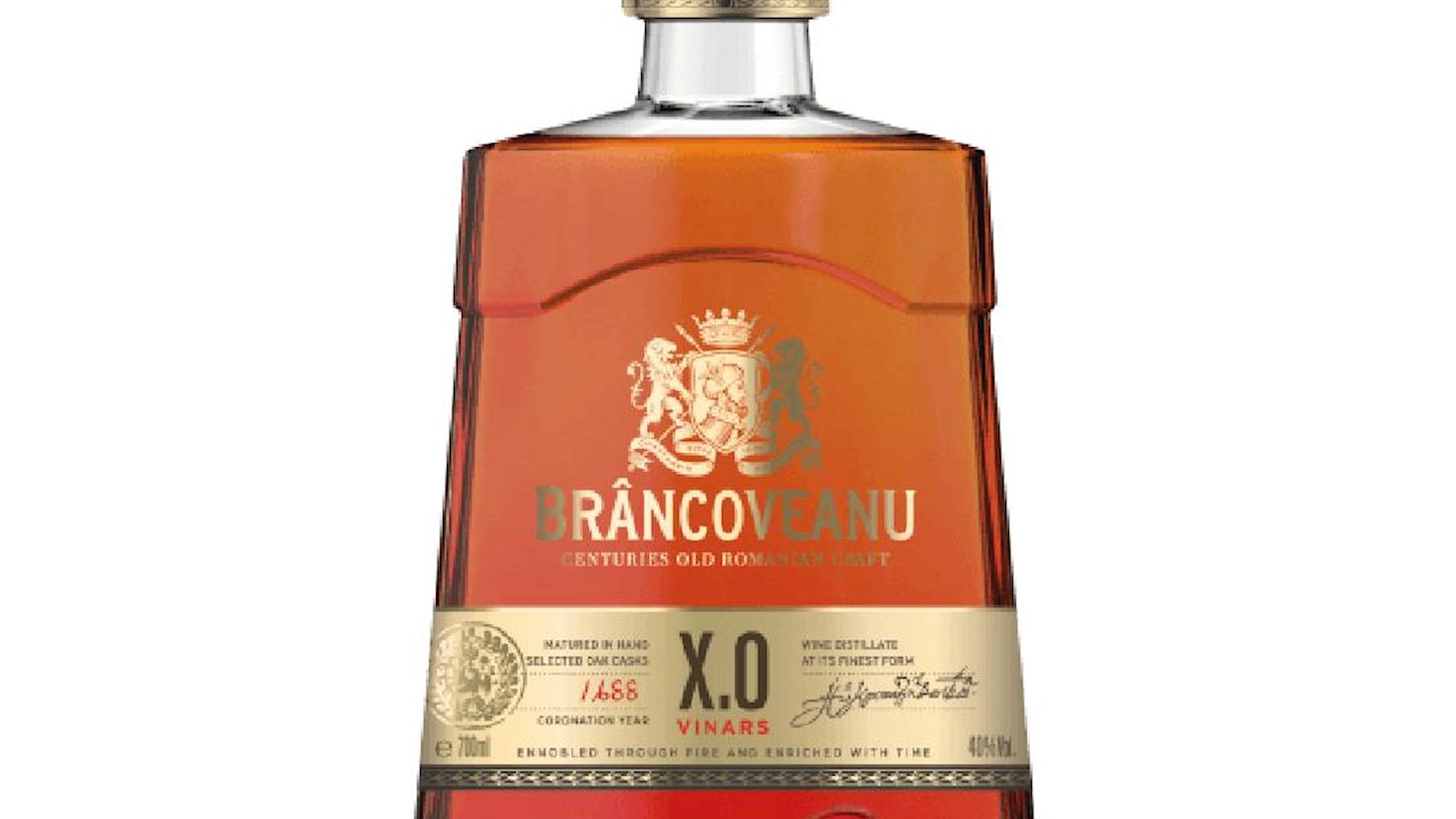
Alexandrion Group is a leading producer and distributor of spirits and wines in Romania, with a history spanning over 200 years. The company operates the Alexandrion Distillery and The Iconic Estate winery, producing a diverse portfolio of products, including brandy, vodka, and single malt whisky. Notable brands include Brâncoveanu vinars, Alexandrion Carpathian Single Malt, and Kreskova vodka. The company is also committed to social responsibility, supporting cultural and sports initiatives through the Alexandrion Foundation.
Awards
IWSC- International wine & spirit competition - Spirit Gold
(2024)
Brâncoveanu Vinars is a premium brandy produced by Alexandrion Group, the largest producer and distributor of alcoholic beverages in Romania. Named after Prince Constantin Brâncoveanu, this brandy pays tribute to his 25-year reign over Wallachia, symbolizing nobility and Romania's cultural heritage. The production of Brâncoveanu Vinars takes place at Alexandrion Saber Distilleries 1789, a state-of-the-art distillery located in Prahova County, one of the largest bottling facilities in Southeastern Europe. This brandy is crafted using traditional methods, employing wine distillates aged in oak barrels for various periods, resulting in a rich and complex flavor profile. Renowned for its quality and authenticity, Brâncoveanu Vinars has received accolades at international competitions. It is available in the domestic market through the official Alexandrion Group online store, as well as in specialized shops, HoReCa establishments, and premium retail chains.
Carmangeria Moldovan is a renowned Romanian butcher and producer of cured meat products. Founded in 1994, the company has grown into one of the leading regional producers and retail chains specializing in meat delicacies. Carmangeria Moldovan stands out for its commitment to the quality of its products, using only meat from local producers and traditional processing methods. The company also owns a livestock farm, which allows it to have control over the entire production process, from breeding to the final product. In addition to excelling in the production of cured meat products such as sausages, salamis, and hams, Carmangeria Moldovan places a strong emphasis on innovation, offering a variety of products such as fresh meat, dairy products, and ready-to-eat meals that fully reflect the authentic Romanian taste and tradition. The dedication to quality and excellence, combined with respect for tradition and natural production processes, makes Carmangeria Moldovan a household name in the Romanian meat industry.
TasteAtlas food rankings are based on the ratings of the TasteAtlas audience, with a series of mechanisms that recognize real users and that ignore bot,
nationalist or local patriotic ratings, and give additional value to the ratings of users that the system recognizes as knowledgeable.
For the “Top 91 Romanian Foods” list until June 06, 2026, 9,574 ratings were recorded, of which 5,091 were recognized by the system as legitimate.
TasteAtlas Rankings should not be seen as the final global conclusion about food. Their purpose is to promote excellent local foods,
instill pride in traditional dishes, and arouse curiosity about dishes you haven’t tried.
The initial list of top producers was compiled based on available reviews, awards, local recommendations, media and blog coverage, and consumer reviews.
The list will be updated with ratings from TasteAtlas local ambassadors and TasteAtlas users.