Top 100 Red Wines
in the World

Last updated on June 03, 2026

Best Red Wine Types in the World
01

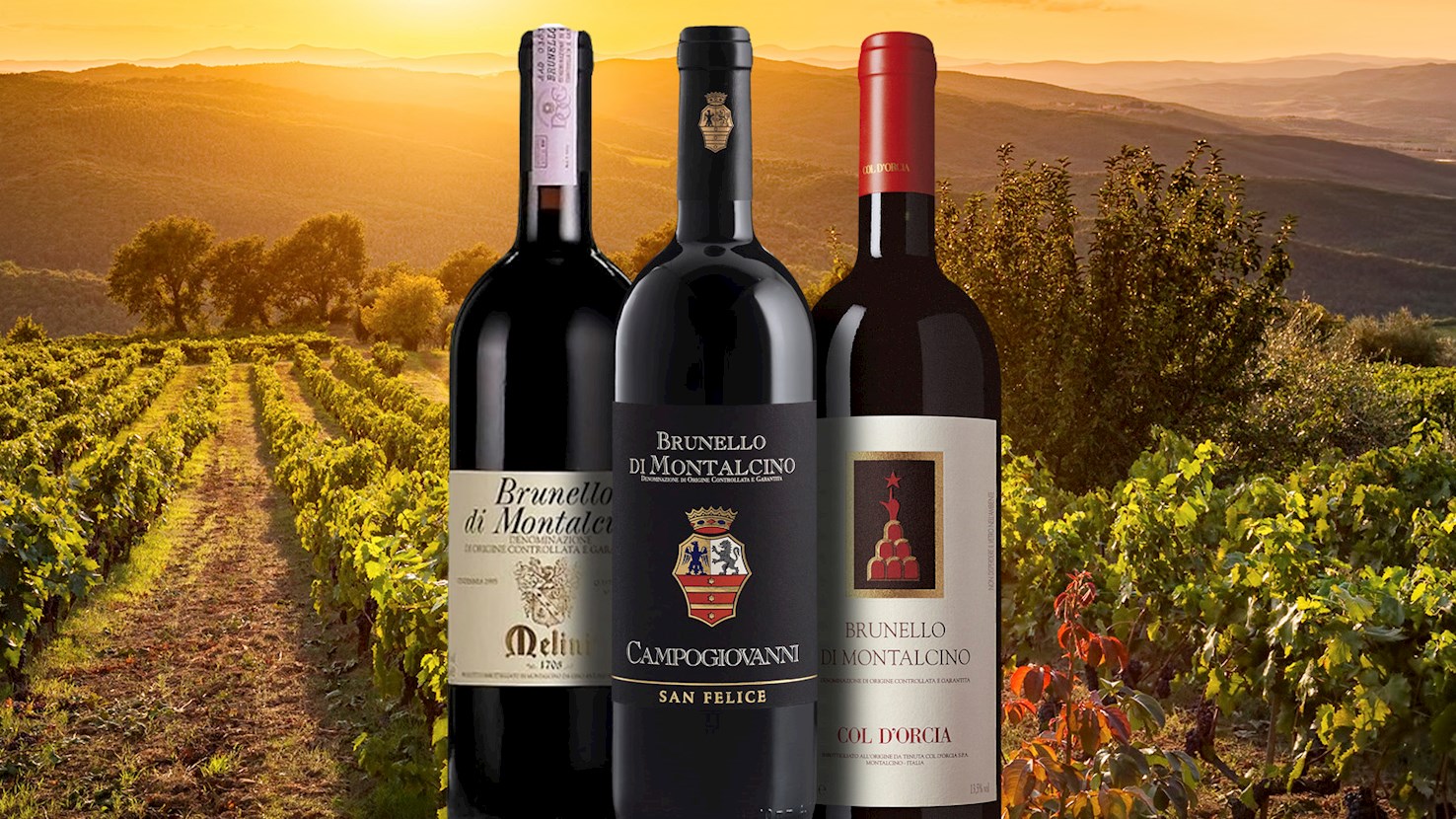
Brunello di Montalcino

4.5 ·

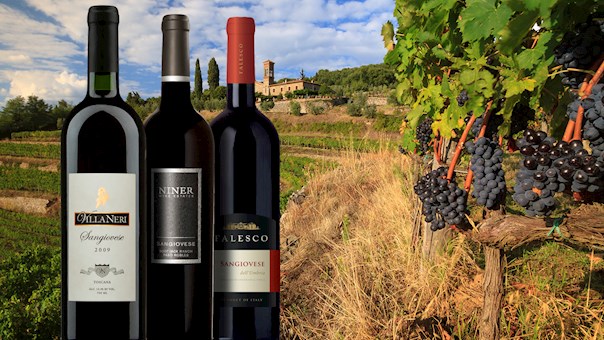
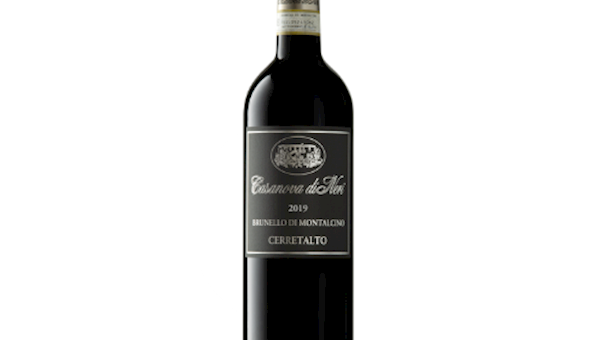
Brunello di Montalcino is a red Italian wine produced in the vineyards surrounding the town of Montalcino in the Tuscany wine region. Though it was initially considered to be made from a separate grape variety named Brunello, it was later discovered that the grape used in the production of the wine is in fact Sangiovese. Regarded as one of the most renowned Italian wines, Brunello di Montalcino was awarded the designation of origin (DOCG), and it is produced with 100% Sangiovese grapes. At first, it comes off as juicy and spicy, with notes of oregano and balsamic, and it may develop strong aromas of cherry and leather. The wine pairs well with red meat and rich, tomato-based dishes, and it usually sells at a lower price than the prestigious Barolo wines.

02

Barolo

4.4 ·

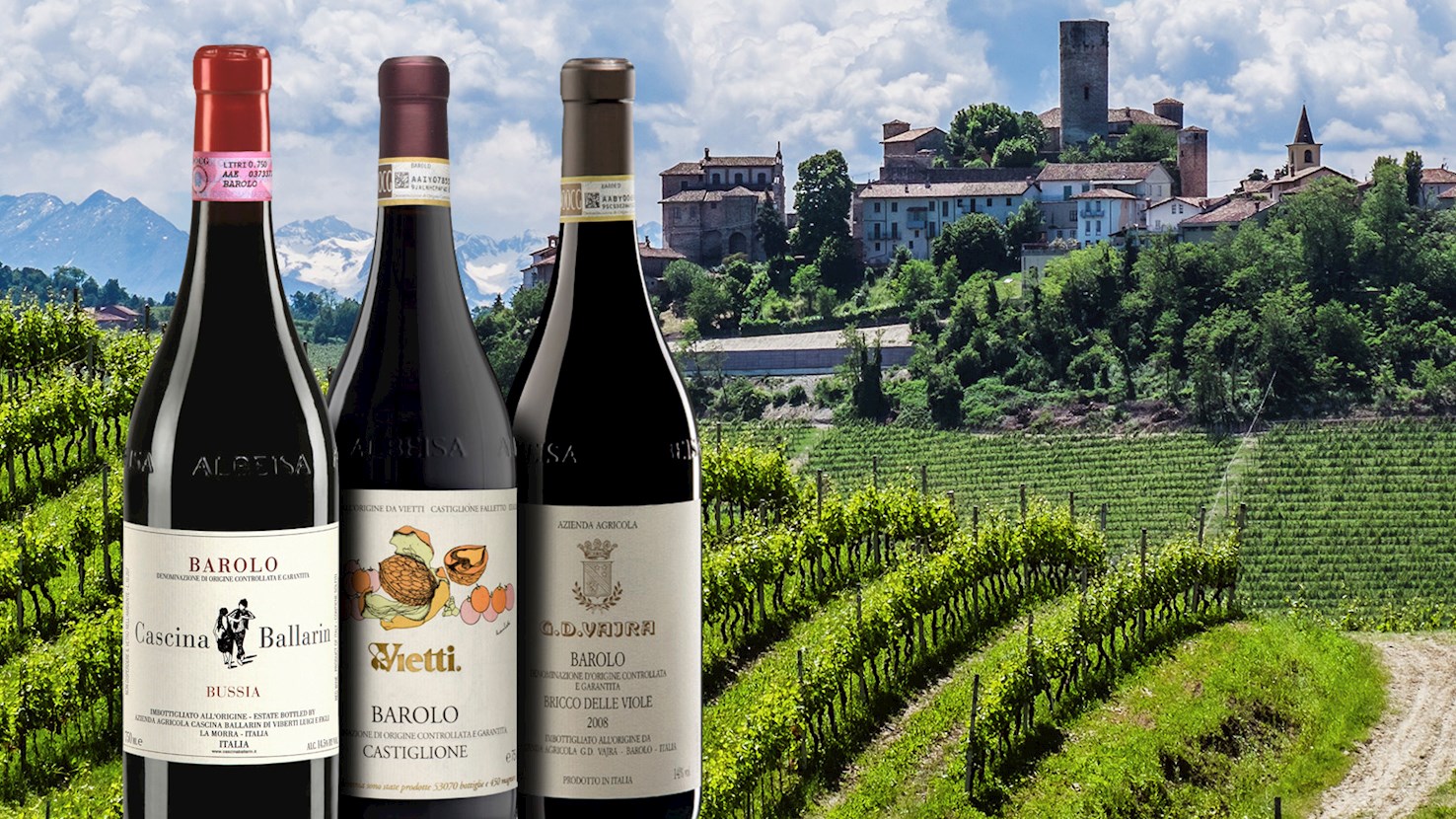
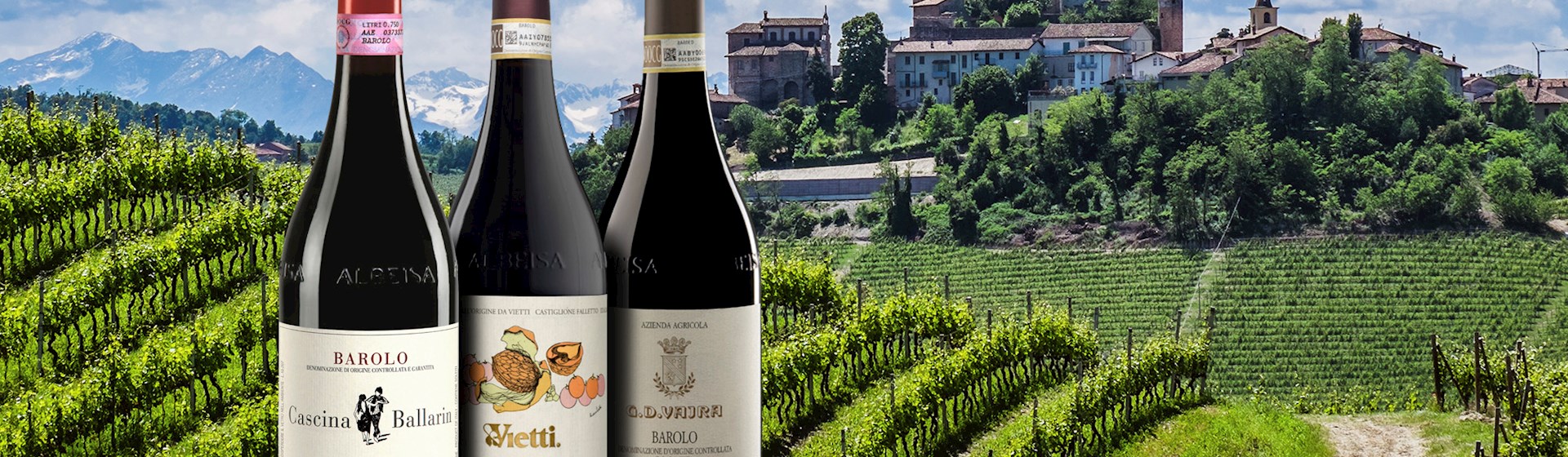
This full-bodied, red wine is made from Nebbiolo grapes in a small area in Piedmont with a unique soil and climate conditions. It has been produced since the 19th century, and soon after its invention, it became a favorite among the Italian and European nobility. According to Italian DOCG regulations, Barolo needs to matured for at least 36 months, while those aged for five years carry the prestigious Riserva label. It is a robust, but elegant wine, which is very high in tannins that soften with aging. Because of its distinctive notes of rose petals, dark fruit, tobacco, mocha, tar, and truffles, it pairs well with various dishes. Serve it with beef or game meat, aromatic tomato and truffle sauces, or aged and blue cheese varieties.

03

Saperavi

4.4 ·

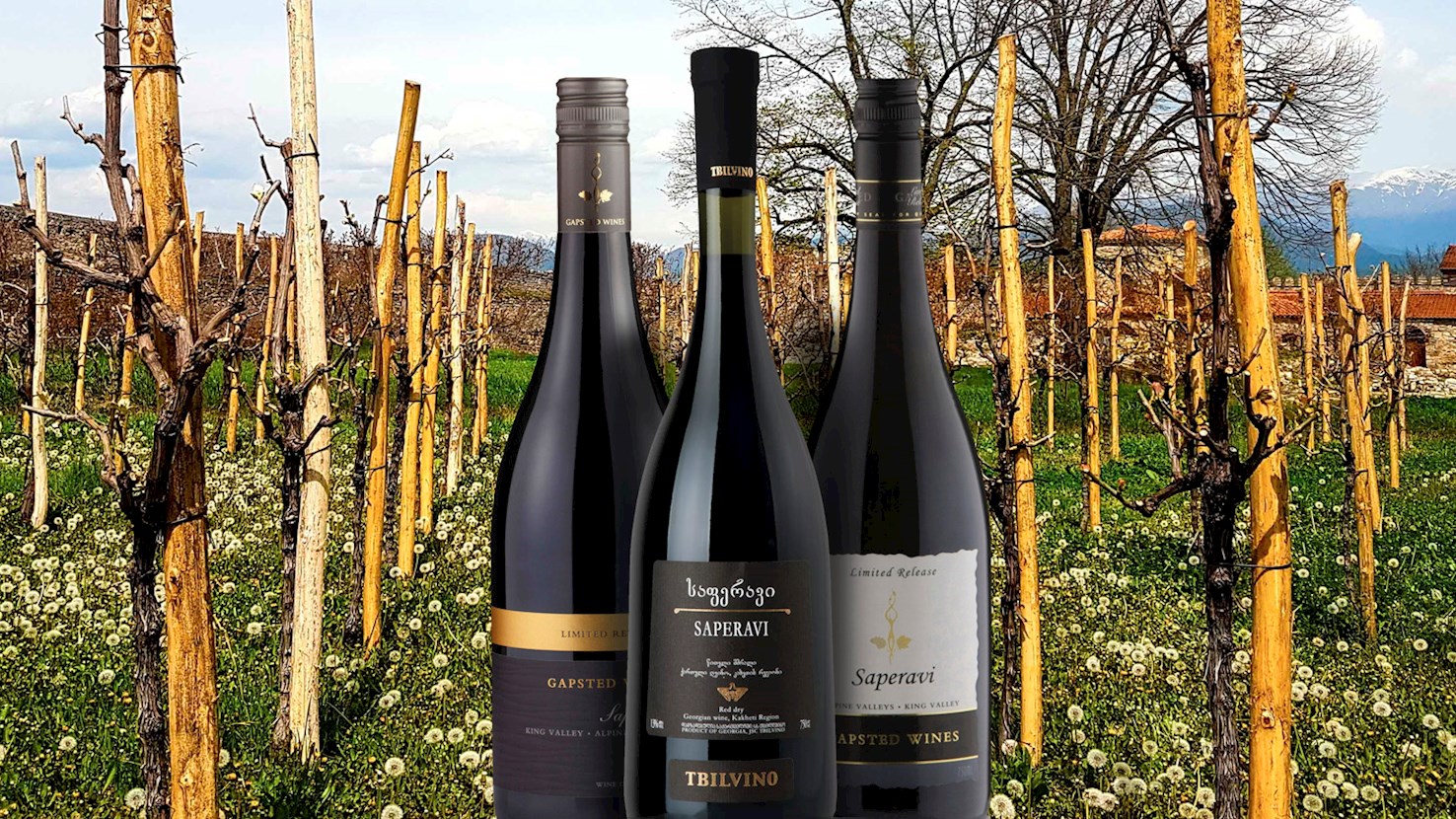
Saperavi is a resilient red Georgian grape that originated in the eastern region of Kakheti, and though it is still predominant in Georgia, small amounts are also grown in other Eastern European regions, Australia, and the United States. This teinturier grape that has dark skins and flesh produces full-bodied wines of a dark garnet color which are characterized by aromas of ripe red berries and pleasant acidity. Most wines produced from the Saperavi grapes are varietal and have a great tendency to age. Sapervai wines are incredibly versatile and can match a variety of dishes, including delicate fish dishes, stews, grilled meat, or game.

04

Nero d’Avola

4.4 ·

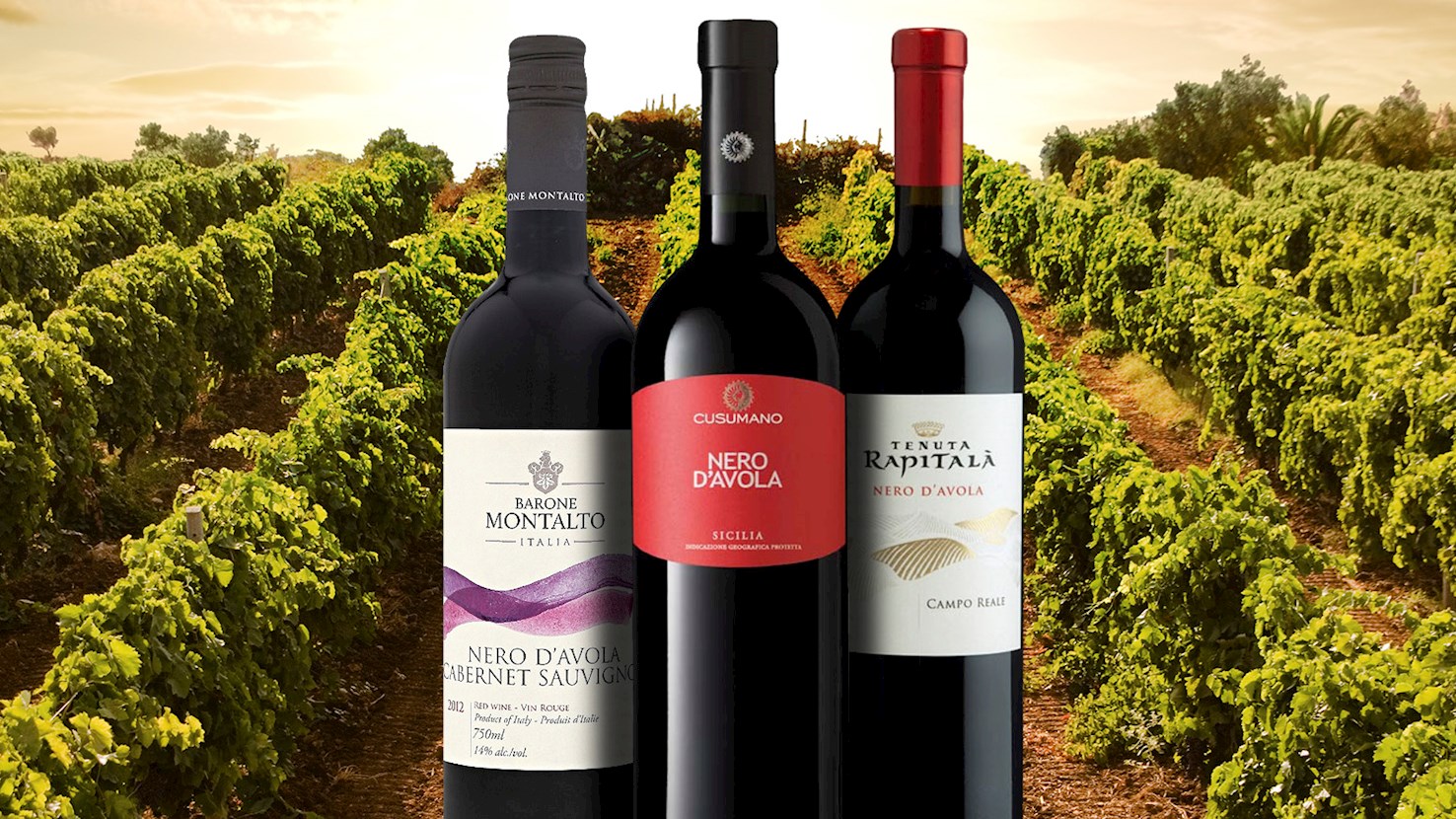
Nero d’Avola is an indigenous Sicilian red grape, whose name, meaning the black of Avola, refers to its distinctive dark color. For most of the 20th century, Nero d'Avola was used as a blending grape, but in the 1990s winemakers started making high-quality, bold varietal wines. Nero d’Avola wines are typically produced as dense and dark, with flavors reminiscent of black fruit and chocolate, or as young and fresh wines that are characterized by cherry and herbal notes. They are high in tannins and pair well with rich meat dishes, hearty stews, and barbecued meat.

Best producers
05

Amarone della Valpolicella

4.4 ·

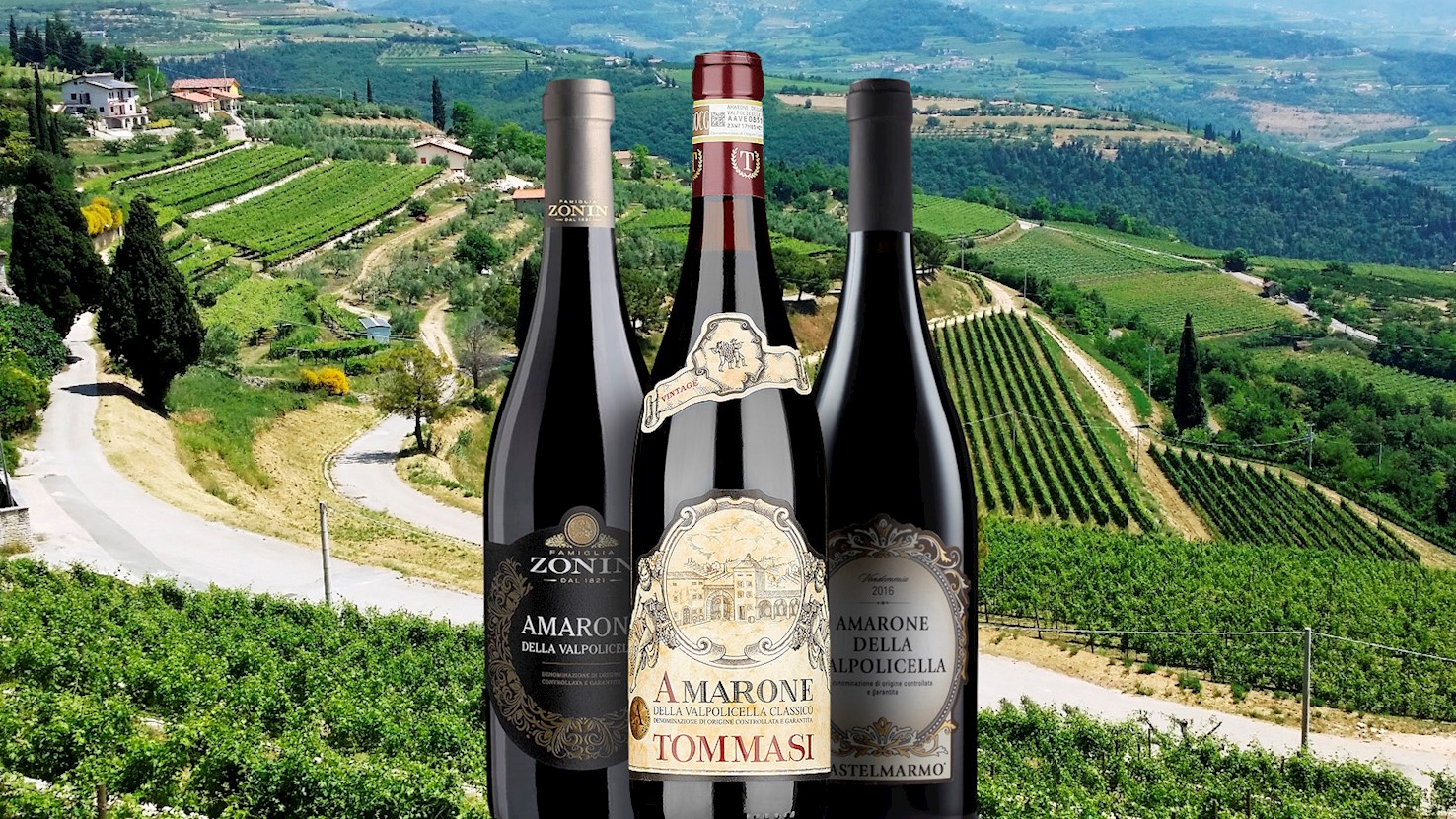
Amarone della Valpolicella (DOCG) is a rich, dry Italian red wine made from dried grapes of the varieties Corvina, Corvinone, Rondinella, and Molinara. It is considered to be the most prestigious wine of the Veneto region and one of the most important Italian big reds, which is usually highly priced. The wine ages exceptionally well and though the minimum required period for the prestigious Amarone Riserva is four years, great producers tend to age it much longer. Amarone is an incredibly flavorful, concentrated wine, with aromas of fruit jams, cinnamon, chocolate, and spices. It is recommended to pair it with grilled, braised or roasted meat, game, or well-aged cheese varieties.

06

Naousa

4.4 ·

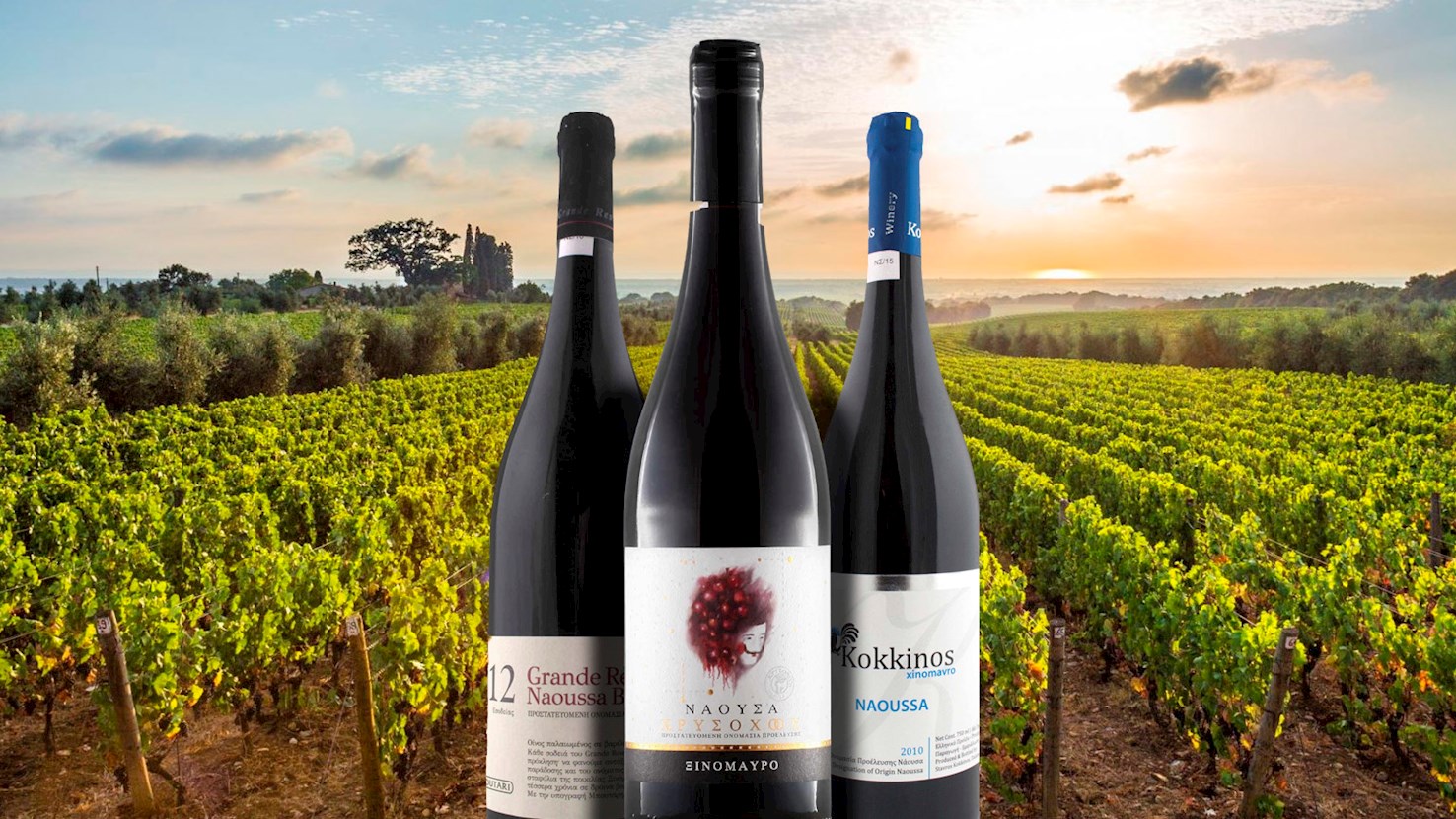
Naousa is a Greek appellation located in the region of Macedonia. The wines produced under the designation are made exclusively from Xynomavro—an indigenous Greek grape that is often compared to Pinot Noir and Nebbiolo. Naousa wines display the perfect balance of tannins, sugar, and acidity, while the typical aromas and flavors include a complex combination of savory notes that are often reminiscent of dark and red fruit, tomatoes, plums, earth, tobacco, herbs, and spices. Naousa ages exceptionally well and is rarely enjoyed young. Because of its complexity and finesse, it is often cited as one of the finest Greek wines. An ideal pairing for this tannic wine is game, lamb, tomato-based sauces, rich stews, sausages, mushrooms, and aged cheese.

07

Primitivo

4.3 ·

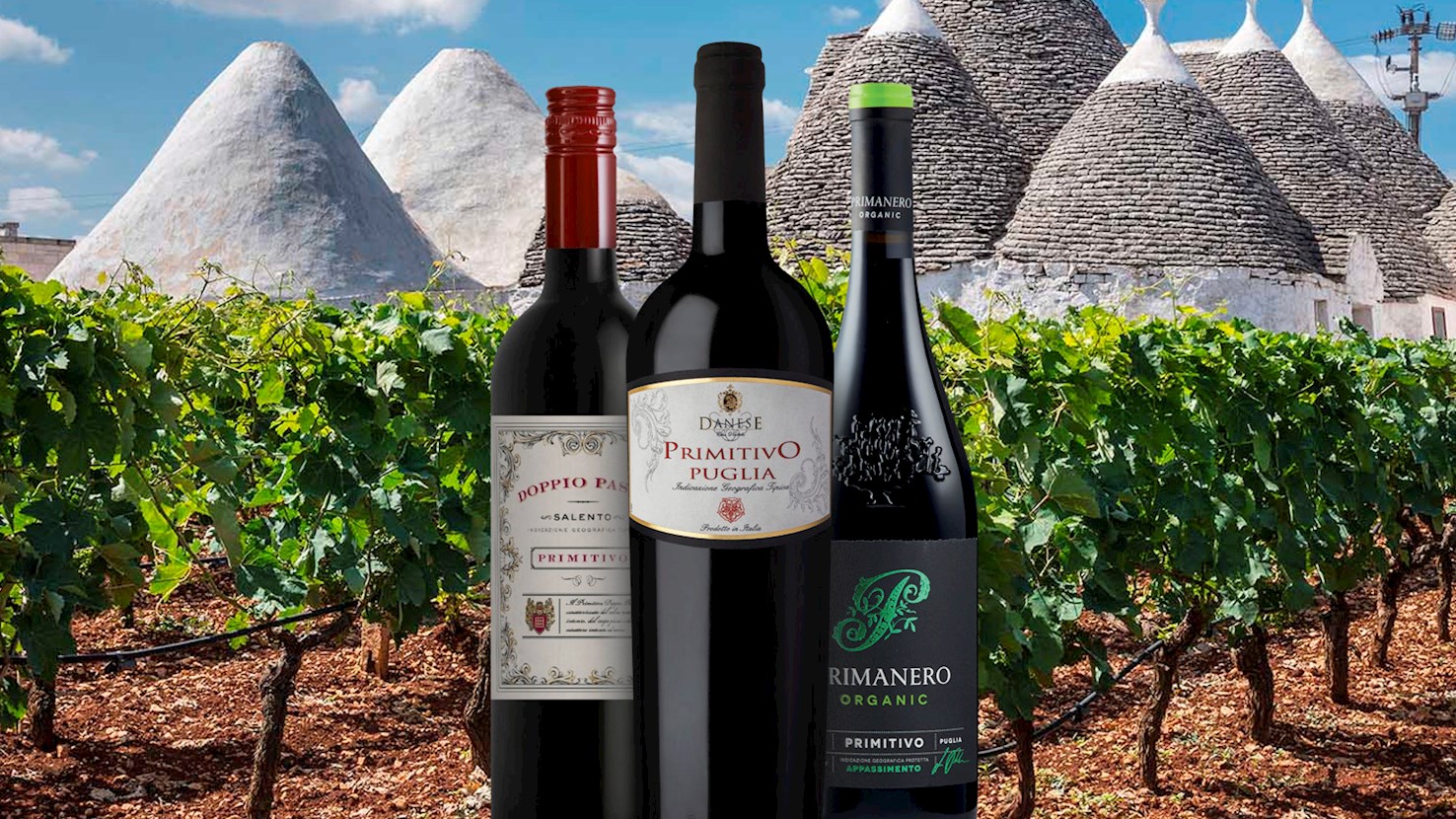
Primitivo is an Italian grape variety with quite interesting origins. Research conducted in 1994 proved that the grape is identical to Californian Zinfandel, while it was later discovered that both grapes originated from an old and obscure Croatian grape Crljenak Kaštelanski. Despite the same lineage, these grapes are influenced by their terroir, and they can slightly differ in character. In Italy, Primitivo is mostly cultivated in Apulia, where it is used in the appellation Primitivo di Manduria. Primitivo is a somewhat rustic wine, dark, intense, and rich in tannins that tend to mellow with age. Young styles usually display fruity aromas of cherries, plums, and blackberries, as well as floral notes of violets. Aged varieties tend to develop nuances of cocoa, tobacco, and spices. Primitivo is best paired with meat dishes and aged cheese. It can also work well with lamb, vegetable dishes, game, and legumes.

08

Montepulciano d'Abruzzo

4.3 ·

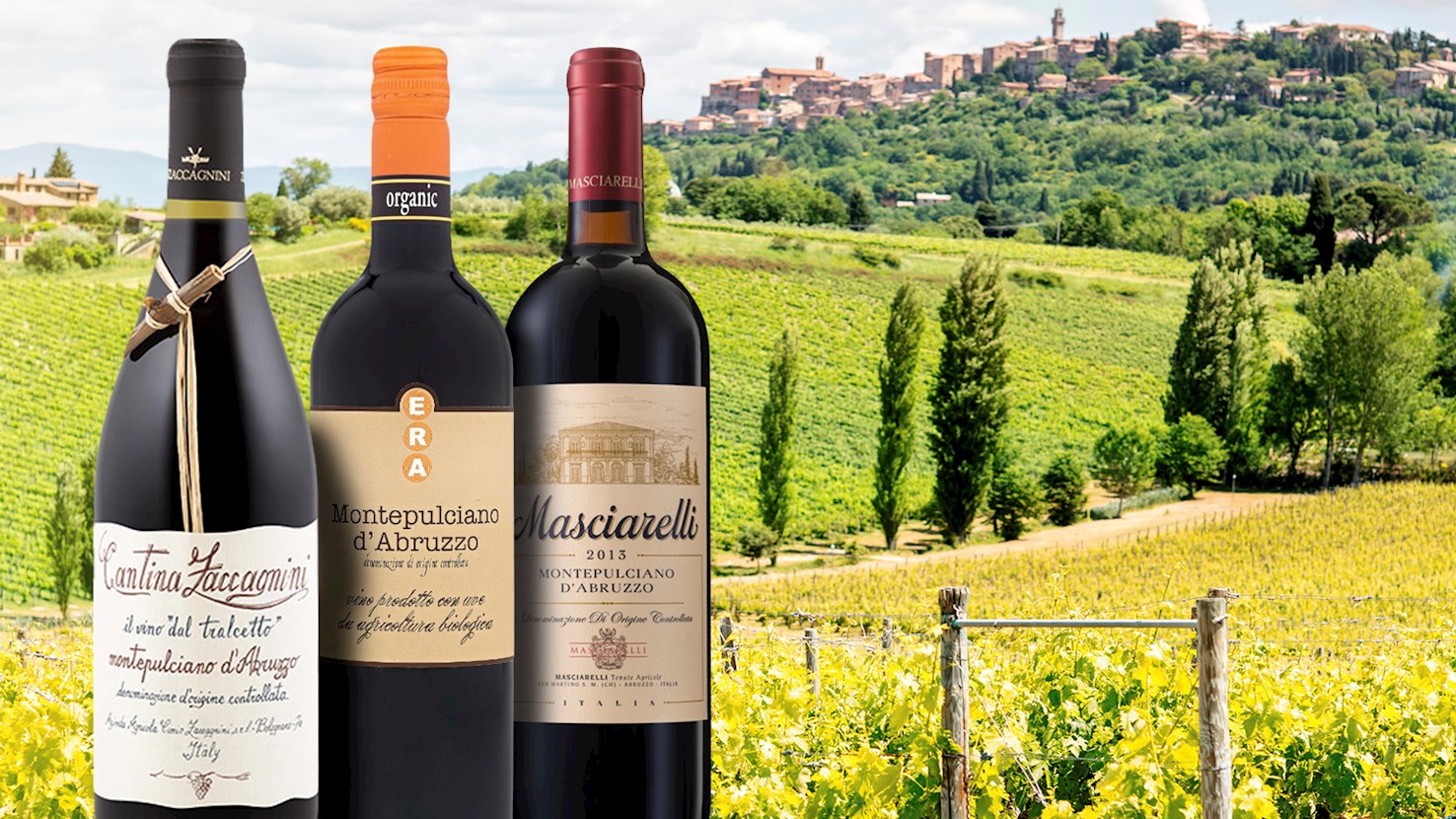
Montepulciano d'Abruzzo is a medium-bodied red Italian wine that is produced in all four provinces of Abruzzo. The wines must be made from at least 85% of Montepulciano grapes, while the only other permitted variety is Sangiovese. Though Montepulciano d'Abruzzo wines may vary in style, they are typically dark-red, with earthy notes of dark fruits and spices. They have some aging potential and are mostly at the low end of the price spectrum. This food-friendly wine pairs well with lamb, beef, and tomato-based pasta dishes. Montepulciano d'Abruzzo should not be mistaken with a Tuscan village of the same name, famous for its wine Vin Nobile di Montepulciano (made from Sangiovese grapes).

09

Malbec Argentina

4.3 ·

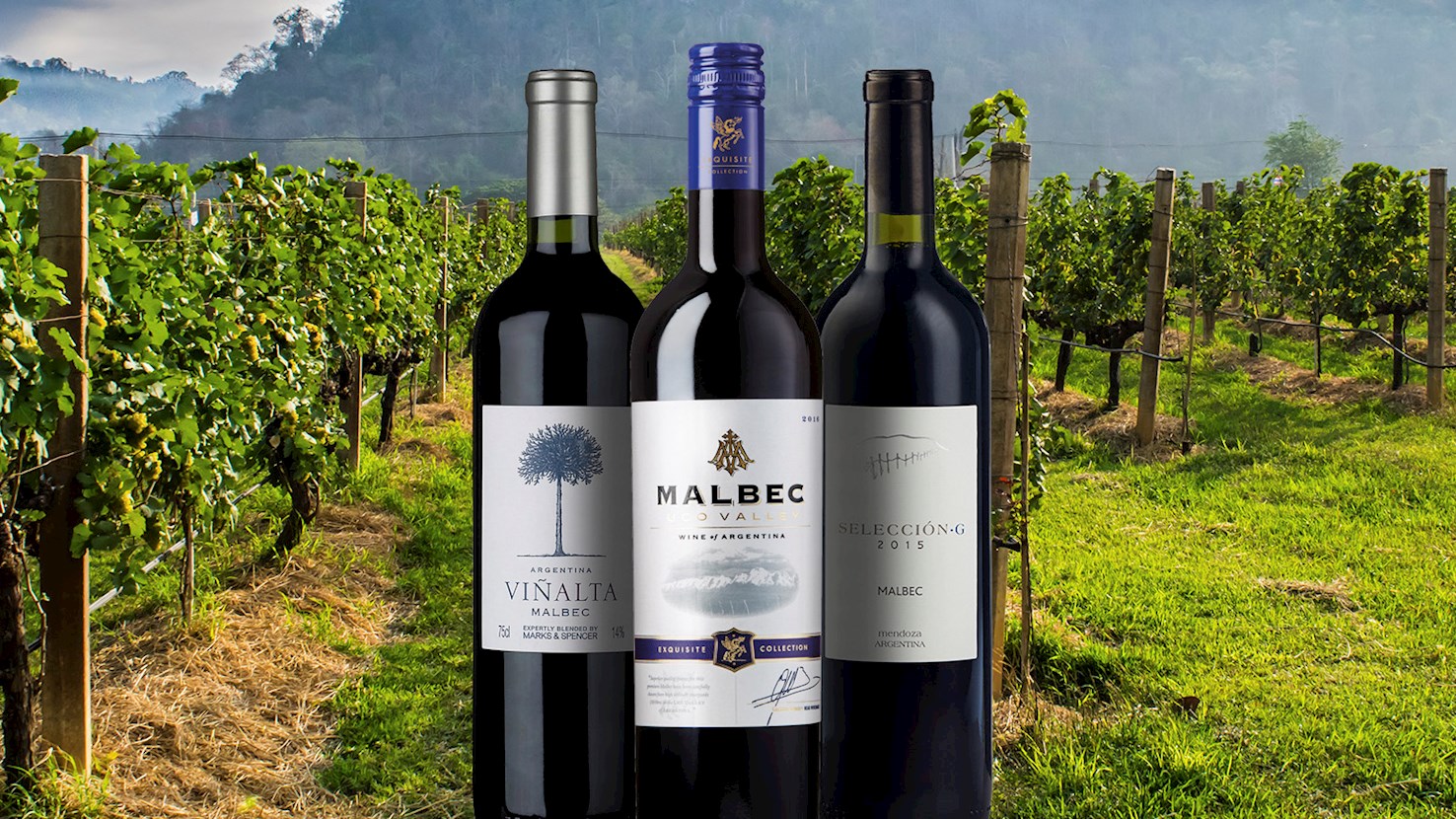
Malbec originally comes from southwest France, but recently it has become one of the most important grape varieties in Argentina, where it developed an entirely different flavor profile. Due to the unique geographic and climatic features, Argentinian Malbec usually displays fruity notes of cherries, strawberries, or plums that are complemented by soft and velvety tannins. When aged in oak, the wine usually develops chocolate, vanilla, tobacco, or cocoa nuances. Argentinian Malbec is best paired with grilled or roasted beef, especially leaner cuts such as skirt steak, but it can also work well with pork or poultry.

10

Ribera del Duero

4.3 ·

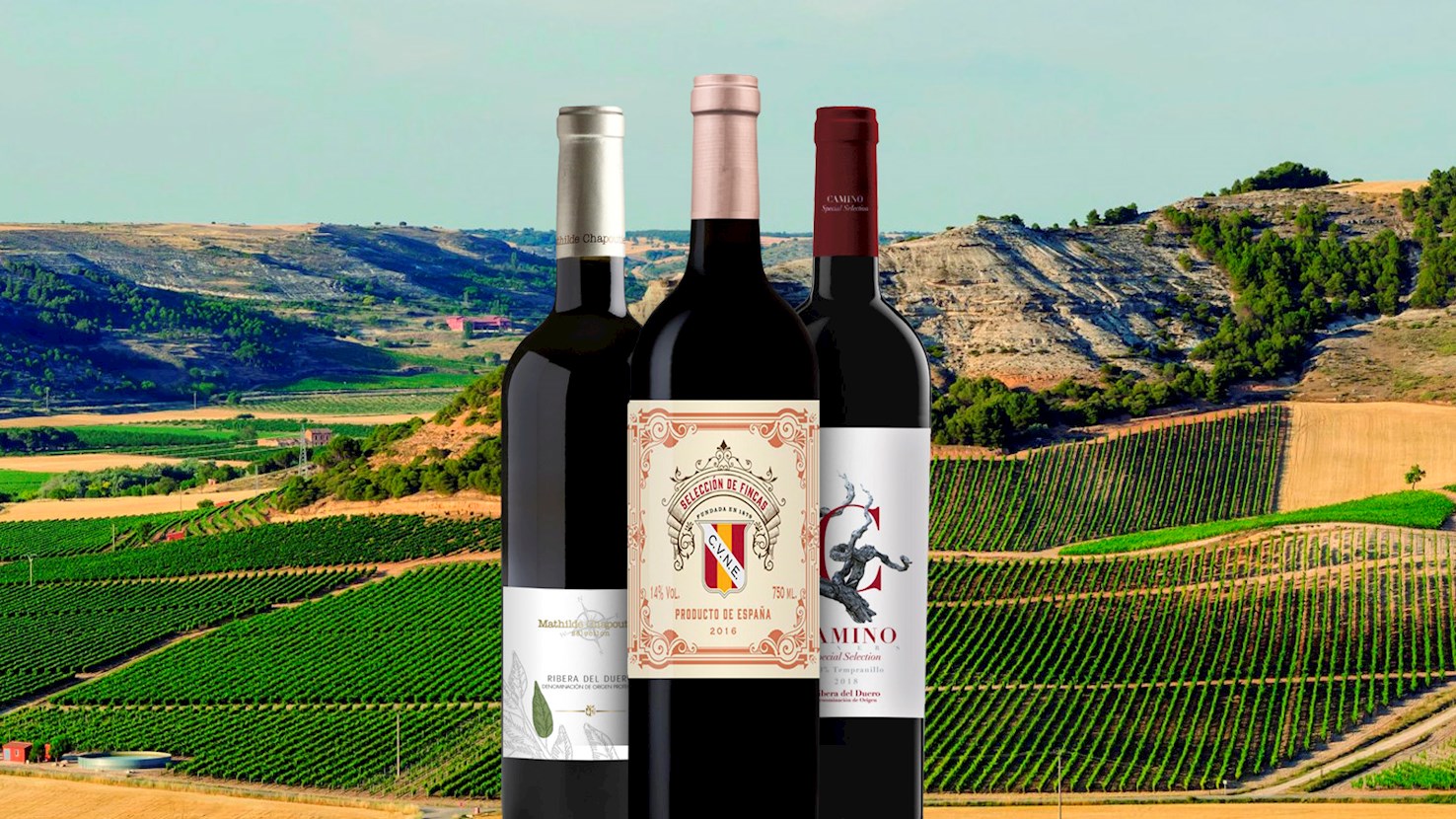
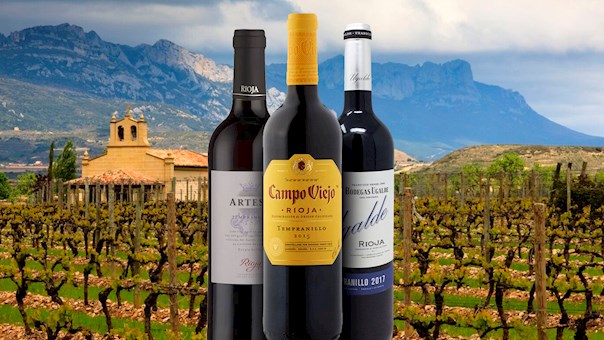
Ribera del Duero is a Spanish appellation located in several provinces of Castilla and Leon, in north-central Spain. The region is best known for big and bold varietals made with Tempranillo, also known as Tinto Fino or Tinta del Pais. The blends have to include 75% Tempranillo, while other permitted varieties include Garnacha, white Albillo, and international varieties Malbec, Merlot, and Cabernet Sauvignon. Ribera del Duero wines are built to age. With time, they develop complexity and become more balanced. Most of the wines are deeply colored, full-bodied, and well-structured with bright acidity and aromas of ripe fruit, vanilla, and spices. Aging requirements are similar to those in Rioja. Crianza is the youngest, aged for two years and 12 months in oak. Reserva labels are aged at least three years with at least 12 months in oak, and the Gran Reservas have to be aged for five years, including two years of oak aging. The D.O was established in 1982 when the region had merely nine wineries. Now, there are more than 300. Because of their fruit character and good acidity, Ribera del Duero are food-friendly wines that can agree with different types of food, from sausages, appetizers, and pasta dishes to roast meat (pork, beef, lamb), BBQ dishes, casseroles, game, and aged cheese.

Best Red Wines in the World
01

Château de Meursault

5 ·
With over 1000 years of history, Château de Meursault follows an approach of excellence in respect of nature, the environment and the climates. With the 2022 vintage, the entire vineyard of Château de Meursault is conducted in organic farming.
Awards
Decanter World Wine Awards - Best in Show (2023, 2021, 2019)
Decanter World Wine Awards - Platinum (2020, 2019)
02

Gaja

5 ·
Gaja is one of the most respected names in the world of wine, known for exceptional quality, refined elegance, and a harmonious blend of tradition and modern vision. The philosophy of this family-run winery is rooted in deep respect for nature and thoughtful care throughout every stage of production, from vineyard to bottle. The wines are celebrated for their precision, structure, and layered complexity. Whether crafted from native or international grape varieties, each expression reflects the distinct character of the land and the meticulous attention given to the vineyard. Single-vineyard labels hold a special place, capturing the unique identity of their origin. Gaja balances heritage with innovation. The winery remains committed to its values while continuously evolving. Each wine embodies expertise, passion, and a clear vision, leaving a lasting impression through its depth and authenticity. The name Gaja stands for consistency, character, and timeless style, earning its place among the most esteemed producers in the world of fine wine.
Awards
Falstaff - 100
Falstaff - 99
03

Sine Qua Non

5 ·
Sine Qua Non is one of the most iconic and influential boutique wineries in California, located in Ventura County and renowned for its extremely limited releases, unconventional style and the strong personal imprint of winemakers Manfred and Elaine Krankl. Founded in the early 1990s, the winery has become synonymous with intensely concentrated, artistically conceived wines based primarily on Rhône-style varieties such as Syrah, Grenache, Mourvèdre and Viognier. Production is extremely small, often only a few hundred to a few thousand bottles per wine, which is why nearly all sales take place through an exclusive waiting list. In the vineyard, meticulous vine management and low yields are essential, while in the cellar the team uses long macerations, slow maturation and a combination of new and seasoned oak barrels to achieve maximum varietal expression. Despite its powerful reputation and global demand, the winery remains committed to its individualistic approach - small lots, constant experimentation and a philosophy that each wine must be unique, irreproducible and stylistically free. Today, Sine Qua Non holds an almost mythical status in the wine world, representing a fusion of creativity, boldness and exceptional craftsmanship.
Awards
Falstaff - 100
Falstaff - 99
04

Maison Albert Bichot
5 ·
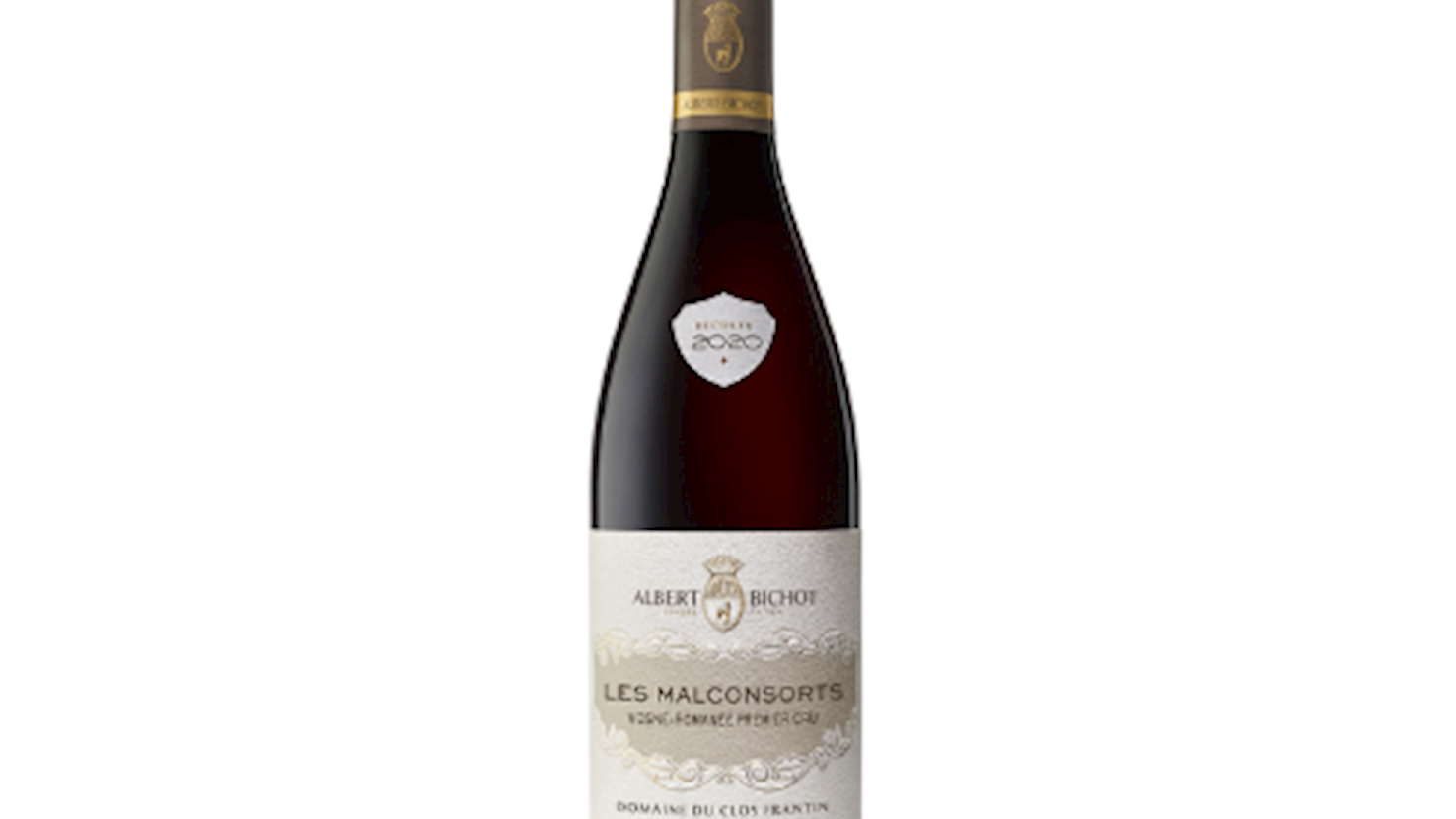
Maison Albert Bichot is a historic Burgundy wine house founded in 1831 and based in Beaune, at the heart of the region. Still family-owned, it has evolved from a traditional négociant into a major vineyard owner, managing over 100 hectares across six estates in key areas such as Chablis, Côte de Nuits, Côte de Beaune, and Beaujolais. The house combines estate-grown fruit with grapes sourced from long-term partner growers, all vinified under strict quality control to ensure consistency and authenticity. Its philosophy centers on expressing Burgundy’s “climats,” emphasizing the unique identity of each vineyard through minimal intervention and precise winemaking. The portfolio focuses mainly on Pinot Noir and Chardonnay, ranging from regional appellations to Premier Cru and Grand Cru wines. Sustainability is a core principle, with most estates farmed organically and a strong commitment to environmentally responsible practices. The wines are known for their balance, purity, and clear sense of origin. Over time, Maison Albert Bichot has built a strong international reputation, supported by numerous awards and consistent critical recognition.
Awards
Decanter World Wine Awards - Platinum (2024, 2023, 2022, 2021, 2020)
Decanter World Wine Awards - Best in Show (2021, 2020)
05

Schrader Cellars

5 ·
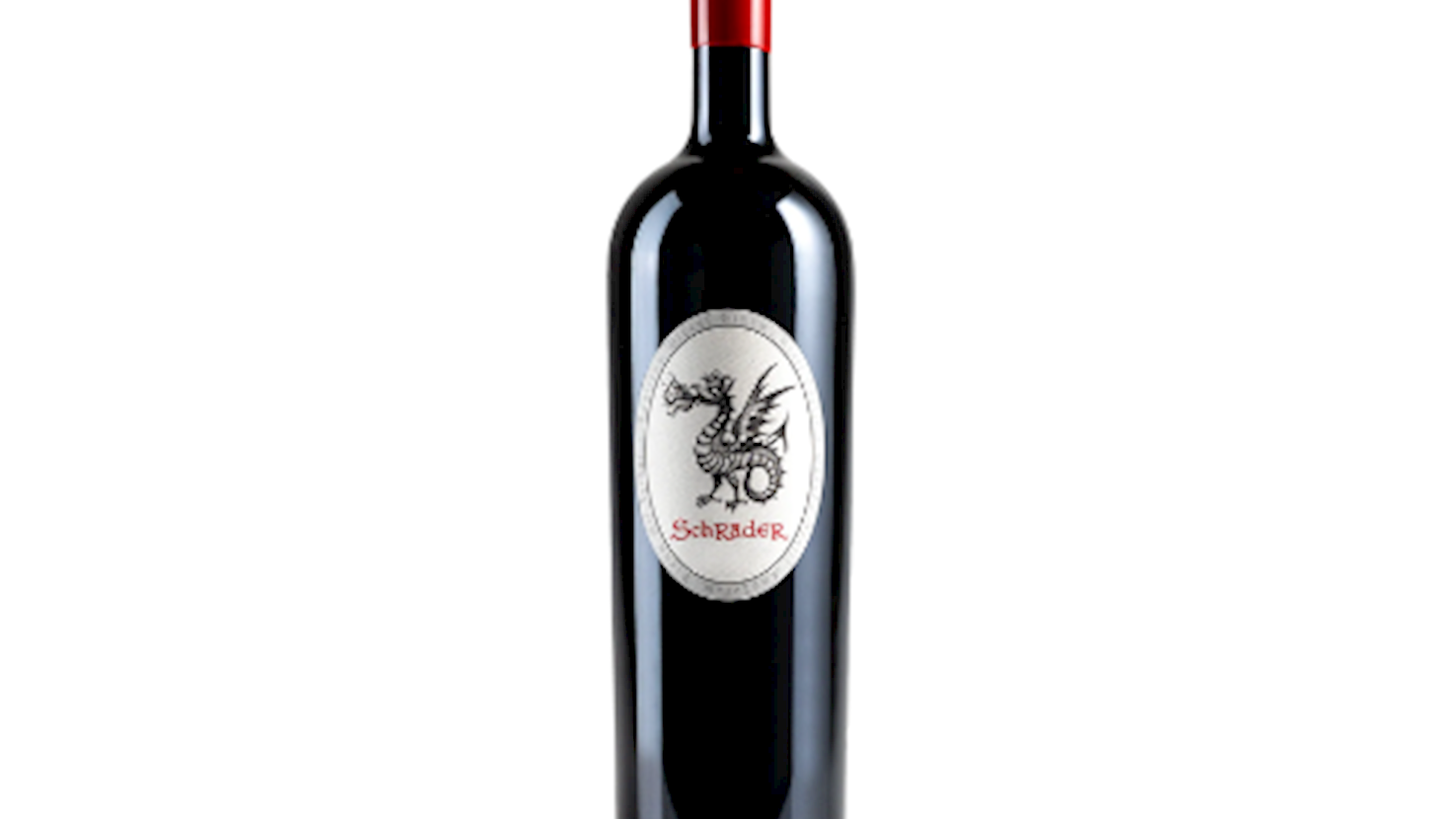
Schrader Cellars is a highly regarded Napa Valley winery founded in 1998 by Fred Schrader, with a clear focus on producing top-tier Cabernet Sauvignon from some of the region’s most sought-after vineyard sites. The estate is closely associated with the iconic Napa Valley, particularly the renowned Beckstoffer To Kalon Vineyard, which is considered one of the finest sources of Cabernet Sauvignon in California. A defining element of the winery’s success is its long-standing collaboration with winemaker Thomas Rivers Brown, whose approach emphasizes clonal selection and precise expression of individual vineyard blocks. Schrader Cellars produces limited quantities of single-vineyard and single-block wines, highlighting the nuances of terroir with remarkable clarity. The wines are known for their richness, structure, and depth, balanced by precision and aging potential. Minimal intervention in the cellar allows the fruit and vineyard character to remain at the forefront. Over time, the winery has achieved “cult” status, driven by both critical acclaim and limited availability. Many of its wines have received perfect scores from leading critics, reinforcing its reputation in the premium wine segment. Today, Schrader Cellars stands as a benchmark for modern Napa Valley Cabernet Sauvignon.
Awards
Falstaff - 100
Falstaff - 99
06

Quinta do Crasto

5 ·
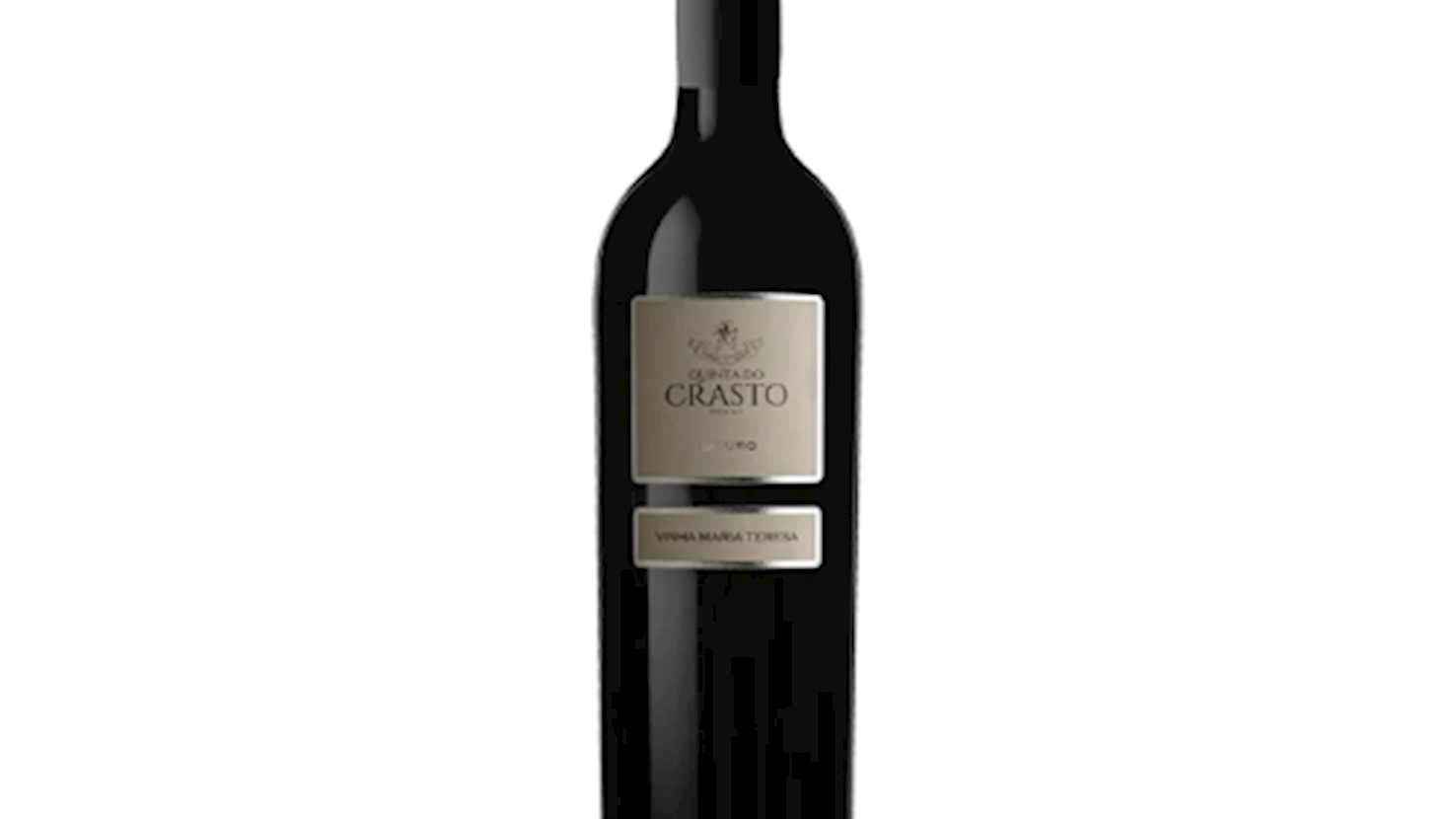
Quinta do Crasto is a historic winery located in Portugal’s Douro Valley, near the village of Gouvinhas in the municipality of Sabrosa. The estate has a long viticultural tradition dating back to at least 1615, and the name “Crasto” derives from the Latin word castrum, referring to a former Roman fort believed to have existed on the site. Its vineyards are planted on steep terraces overlooking the Douro River, on the region’s characteristic schist soils that contribute to the concentration and mineral character of the wines. Today the estate is managed by the Roquette family, who have modernized the winery while preserving the traditional identity of the vineyards and local grape varieties. The vineyards are largely planted with indigenous Douro varieties such as Touriga Nacional, Touriga Franca, Tinta Roriz and Tinta Barroca. Quinta do Crasto produces a range of wines including Douro red and white wines as well as Port wines, all reflecting the structure and character of the region. Wines from old vineyards, where several traditional grape varieties grow together, are particularly valued for their depth and aging potential. In addition to wine, the estate also produces extra virgin olive oil from its own olive groves. Quinta do Crasto is widely recognized as one of the notable premium producers in the Douro Valley. The estate also offers wine tourism experiences, allowing visitors to explore the vineyards and cellar while overlooking the Douro landscape.
Awards
Decanter World Wine Awards - Platinum (2024)
Vivino - 4.7
07

E. Guigal

5 ·
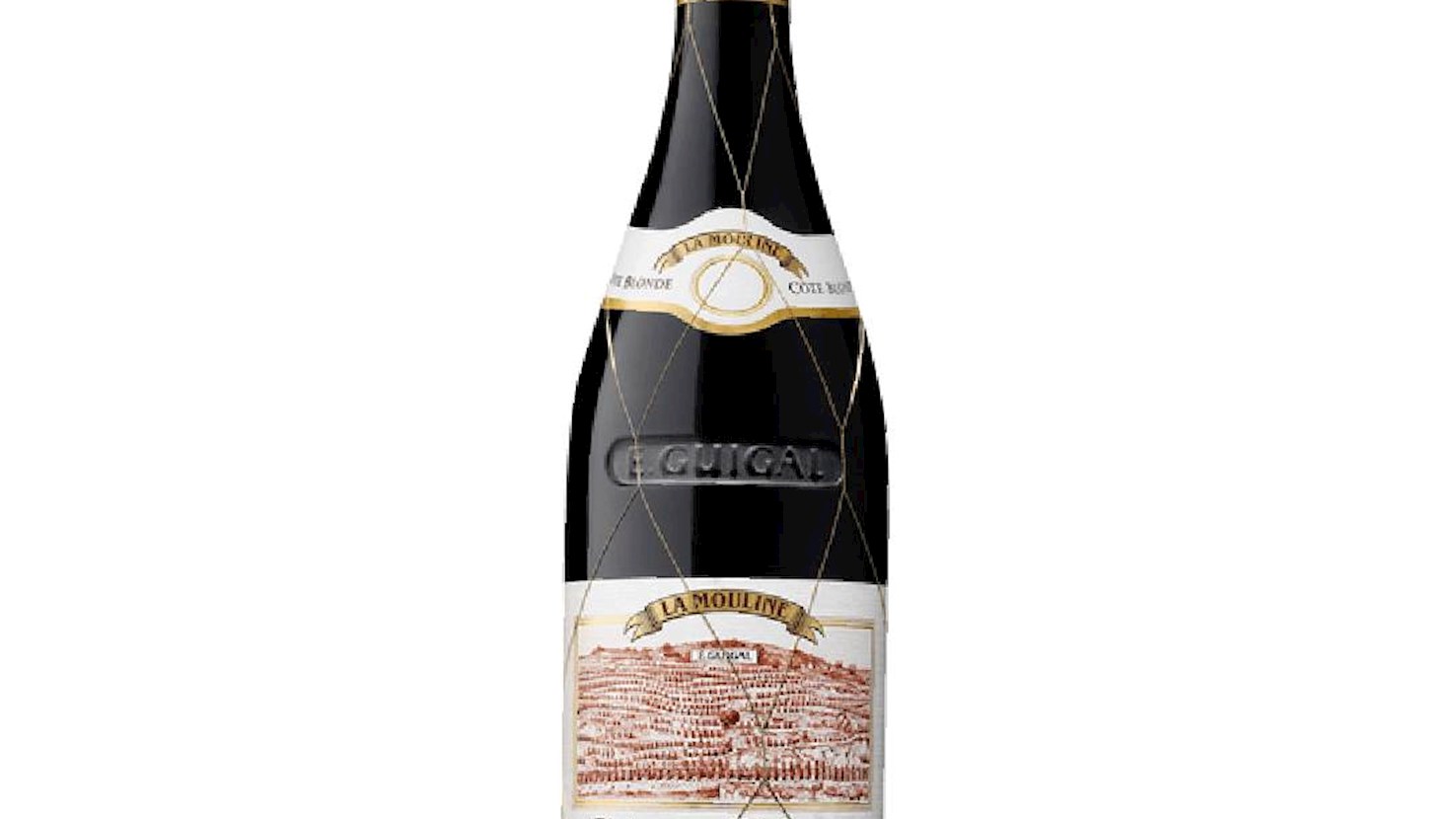
E. Guigal, established in 1946 by Étienne Guigal in Ampuis, France, is a renowned winery in the Rhône Valley. The estate is particularly celebrated for its Côte-Rôtie wines, notably the single-vineyard "La La's": La Mouline, La Landonne, and La Turque. Under the leadership of Marcel Guigal since 1961, and now his son Philippe, the family has expanded their holdings to include prestigious vineyards across the Rhône, including Hermitage, Saint-Joseph, and Crozes-Hermitage. Their commitment to quality and traditional winemaking techniques has solidified E. Guigal's reputation as a producer of some of the world's finest wines.
Awards
James Suckling - 99 points (2024)
Falstaff - 100
08

Bruno Giacosa

5 ·
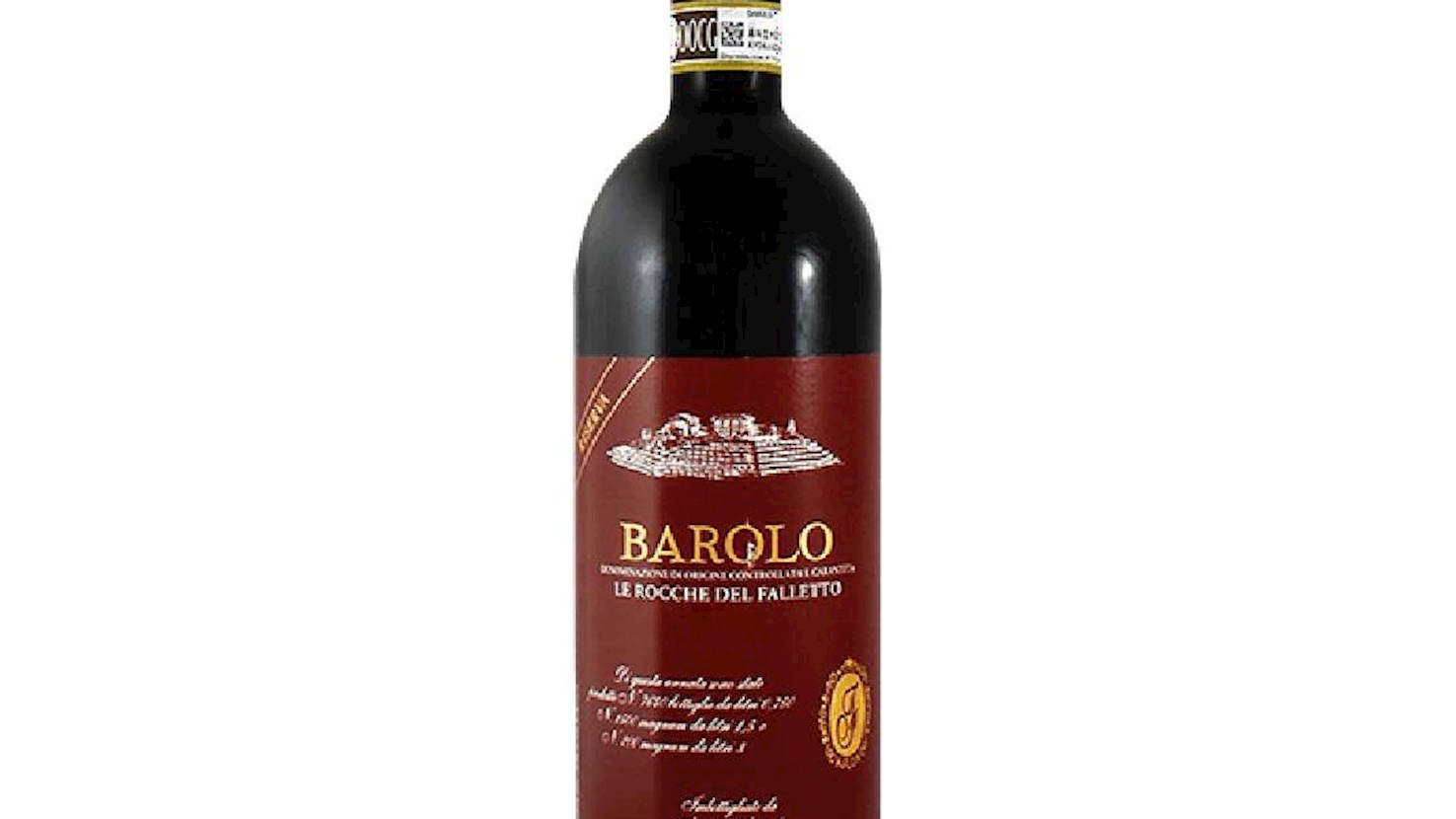
Bruno Giacosa is a legendary name in Italian winemaking and one of the most respected producers in Piedmont, renowned for exceptional Barolo and Barbaresco wines. Based in the town of Neive, in the heart of the Langhe, the estate has always been defined by an unwavering commitment to quality and tradition. Known as the “Genius of Neive”, Bruno Giacosa began his winemaking journey at the age of fifteen, learning the craft in his family’s cellar and selecting only the finest grapes from the most prestigious vineyards. His philosophy was simple yet uncompromising – to create wines that faithfully reflect their terroir, with no concessions on quality. In fact, he often refused to bottle a vintage if it did not meet his exacting standards. In 1982, the estate acquired its own vineyards, including the celebrated Falletto in Serralunga d’Alba, allowing complete control over every step from vineyard to bottle. Today, the winery is led by his daughter, Bruna Giacosa, who continues the family tradition with the same dedication to precision, elegance, and respect for nature. Bruno Giacosa wines are synonymous with the finest expressions of Nebbiolo – a perfect balance of power and refinement – and remain a true embodiment of the soul of Piedmont.
Awards
James Suckling - 99 points (2024)
Vivino - 4.6
09

Marchesi Antinori

5 ·
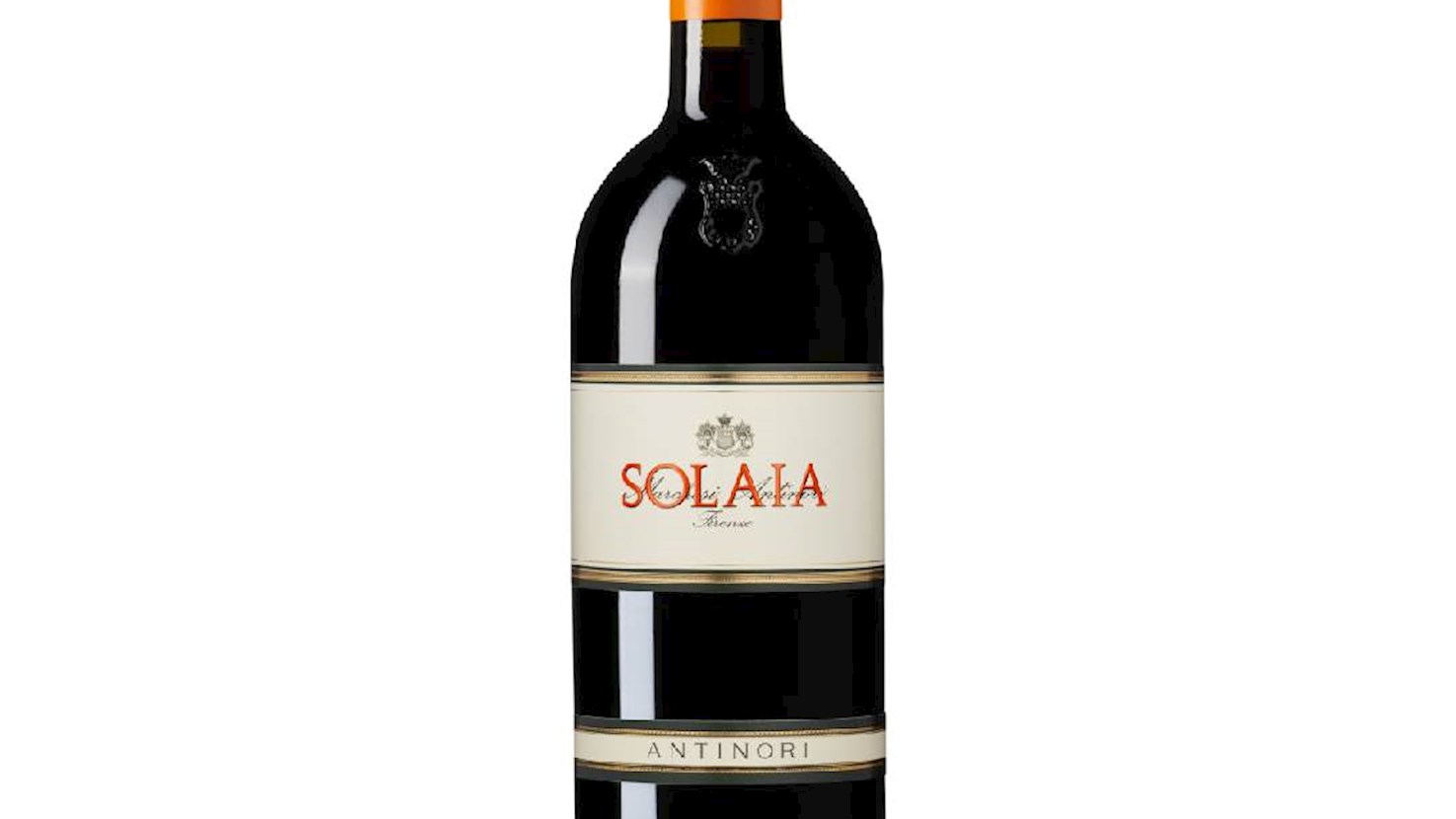
Marchesi Antinori is an Italian winery headquartered in Florence, Tuscany, with a winemaking tradition dating back to 1385. Over 26 generations, the Antinori family has directly managed the winery, blending innovation with respect for tradition and environmental preservation. In 1928, Marchese Niccolò Antinori created Villa Antinori, which became the family's signature wine, representing the unique identity of Chianti Classico and Tuscany. In 2012, the family inaugurated the Antinori nel Chianti Classico winery in Bargino, symbolizing their bond to their ancestral land. This winery was constructed entirely with locally sourced materials, respecting the surrounding environment and the Tuscan landscape. Today, the Antinori family continues to explore new territories and grape varieties, maintaining their commitment to quality and tradition, making them one of the most esteemed wineries in Italy and the world.
Awards
James Suckling - 98 points (2024)
Wine Spectator - 95 (2023)
10

Vega Sicilia

5 ·
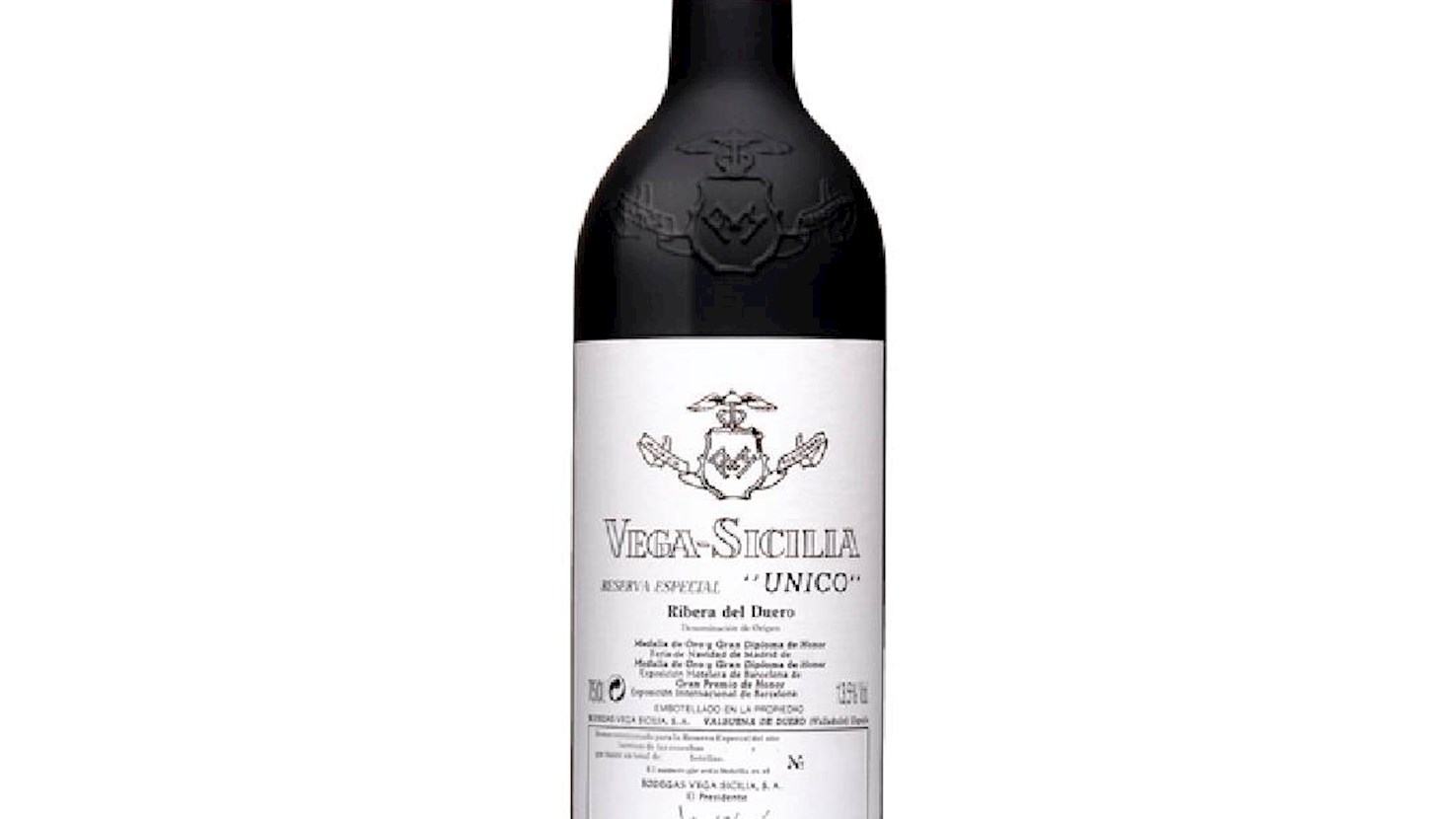
Vega Sicilia is far more than a name - it is a symbol of tradition, patience, and enduring value. Since its founding in 1864, the estate has embraced a philosophy where time is not an obstacle but a vital ingredient in creating wines that leave a lasting impression. Every harvest, every grape, and every moment in the cellar is approached with the care of an artist, guided by a quiet pursuit of excellence. Their wines are the result of slow, deliberate craftsmanship. Grapes are hand-harvested with great precision, and the wines are aged for years - sometimes over a decade - before they are deemed ready to be shared. That deep commitment to quality is felt in every sip, whether it’s the legendary Único, the graceful Valbuena, or the intricate and timeless Reserva Especial. Tempos Vega Sicilia is not just a winery, but a guardian of a winemaking philosophy defined by silence, time, and profound respect for the land. These are not wines made for fleeting moments - they are made for memories that endure.
Awards
Falstaff - 100
Falstaff - 99
About this ranking

TasteAtlas food rankings are based on the ratings of the TasteAtlas audience, with a series of mechanisms that recognize real users and that ignore bot, nationalist or local patriotic ratings, and give additional value to the ratings of users that the system recognizes as knowledgeable. For the “Top 100 Red Wines in the World” list until June 03, 2026, 5,362 ratings were recorded, of which 3,632 were recognized by the system as legitimate. TasteAtlas Rankings should not be seen as the final global conclusion about food. Their purpose is to promote excellent local foods, instill pride in traditional dishes, and arouse curiosity about dishes you haven’t tried.

The initial list of top producers was compiled based on available reviews, awards, local recommendations, media and blog coverage, and consumer reviews. The list will be updated with ratings from TasteAtlas local ambassadors and TasteAtlas users.

Similar lists