M.B.

Top 100 Offal Dishes
in the World

Last updated on April 15, 2026

Best Offal Dishes in the World
01

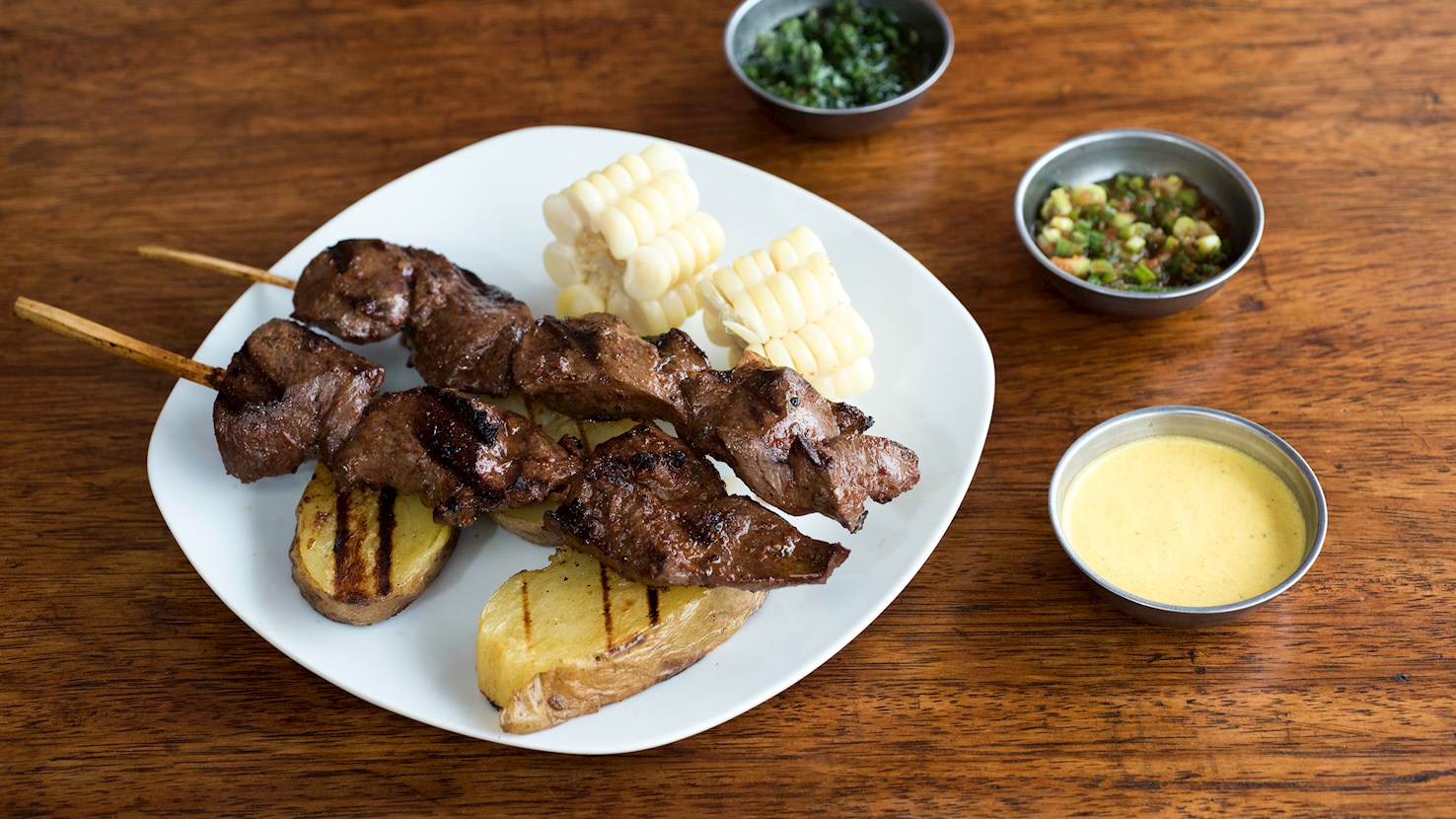
Anticuchos de corazon

4.5 ·

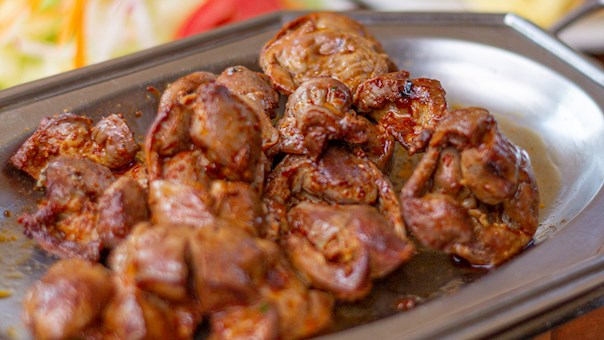
Anticucho de corazon is a traditional dish originating from Peru, consisting of beef heart skewers. The dish is made with a combination of beef heart, oil, red wine vinegar, garlic, oregano, cumin, salt, and aji panca hot pepper paste. The beef heart is cut into cubes and marinated in a combination of all other ingredients. The cubes are then skewered and grilled until fully cooked and slightly charred. These beef heart skewers are traditionally served with accompaniments such as thick slices of boiled potatoes, corn, and aji amarillo sauce on the side as a dip. It's recommended to enjoy anticucho de corazon with a bottle of ice-cold beer.

02

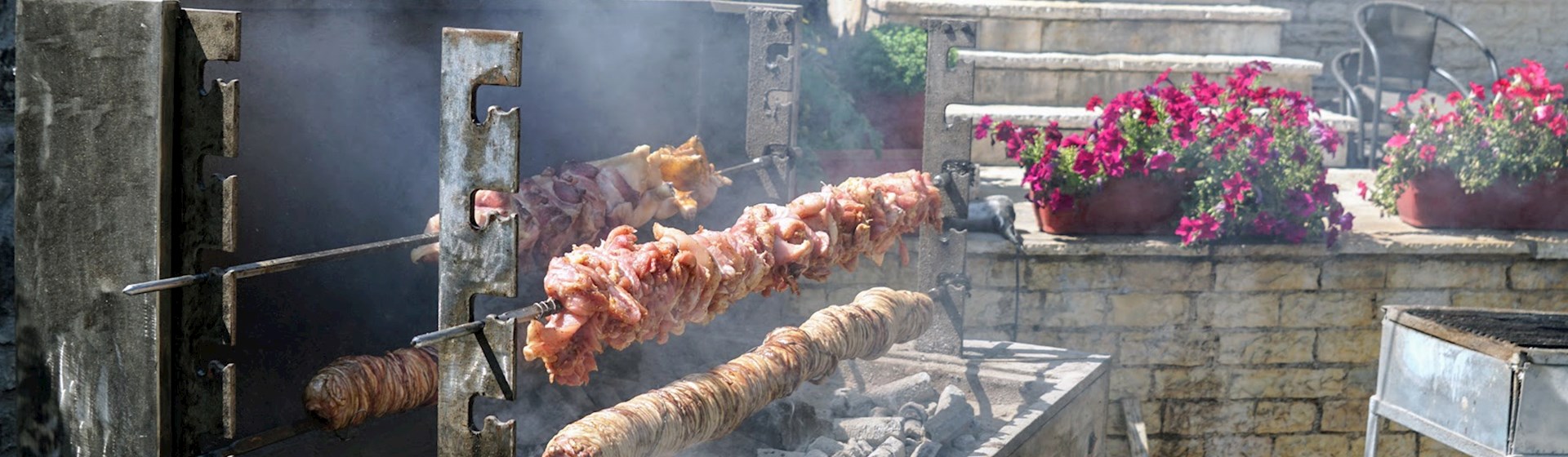
Kokoretsi

4.2 ·

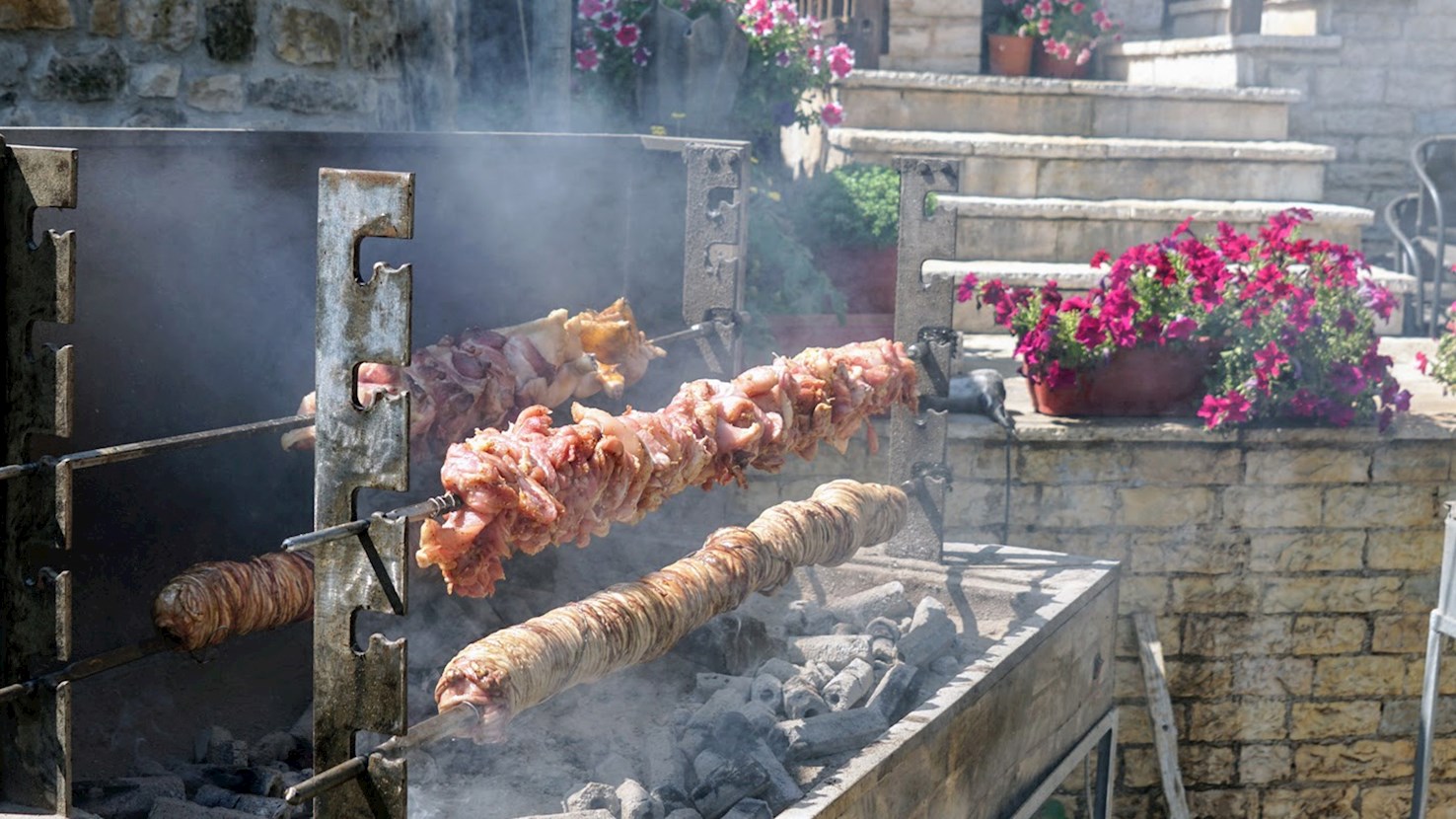
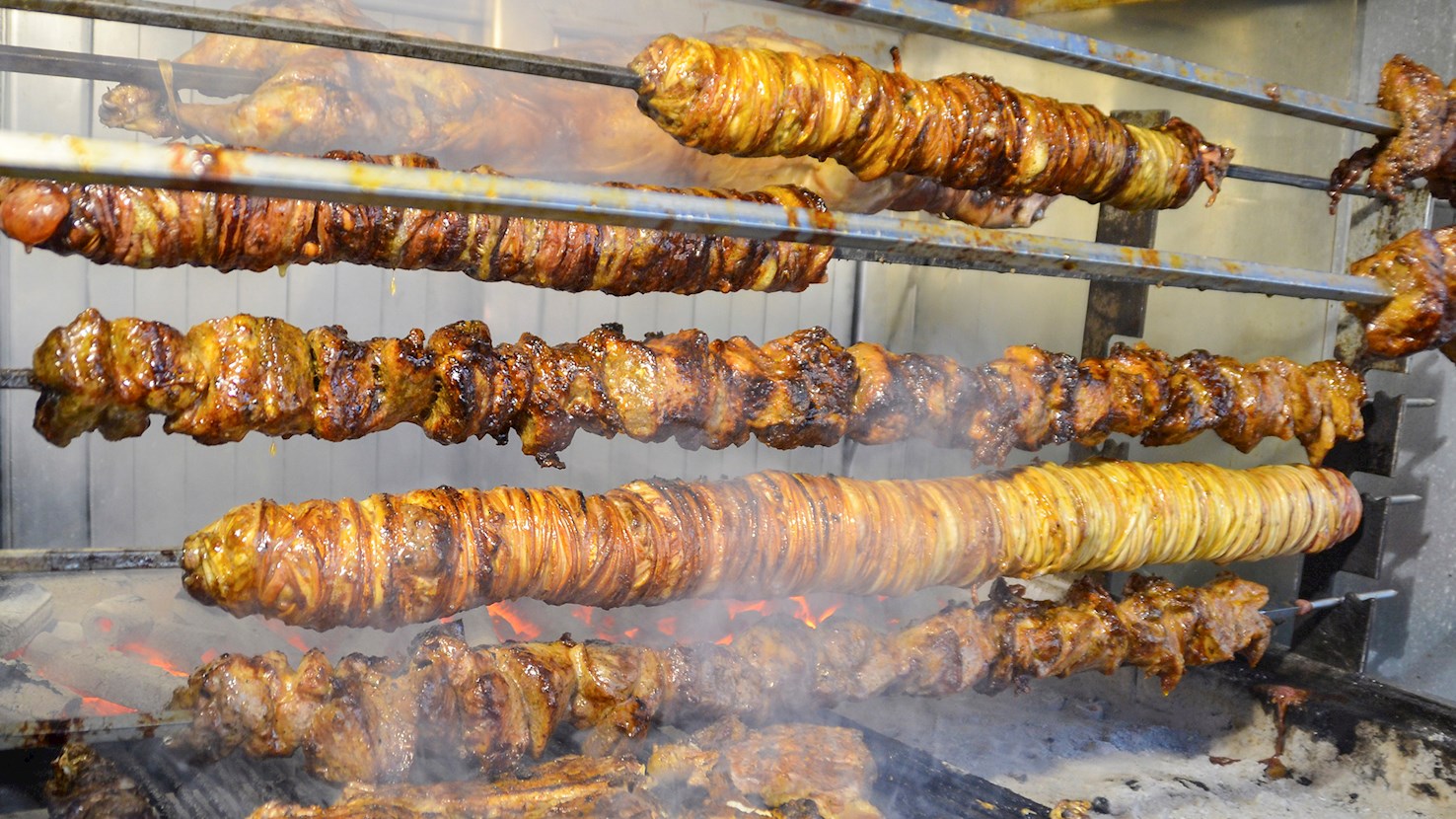
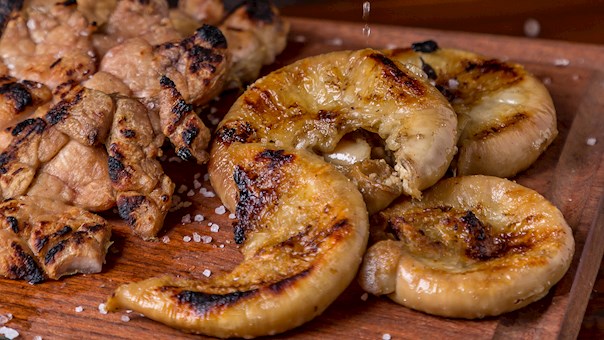
Kokoretsi is a traditional dish consisting of lamb or goat offal that is chopped into tiny pieces, seasoned with lemon juice, olive oil, salt, and pepper. The offal is then skewered, covered with caul fat to keep the pieces in place, and cooked over charcoal. It is traditionally consumed as an appetizer or meze on Easter Sunday in Greece. Although it is associated with Easter, it can usually be found throughout the year across the country. Kokoretsi is also popular throughout the Balkans, and the name of the dish comes from the Albanian word kukurec, meaning tripe. Being an internationally popular dish, kokoretsi is sometimes served as a sandwich on a flatbread, when it is topped with numerous spices and tomatoes, while others like to put it into a baguette with pickles and bell peppers.

03

Picante a la tacneña

4.2 ·

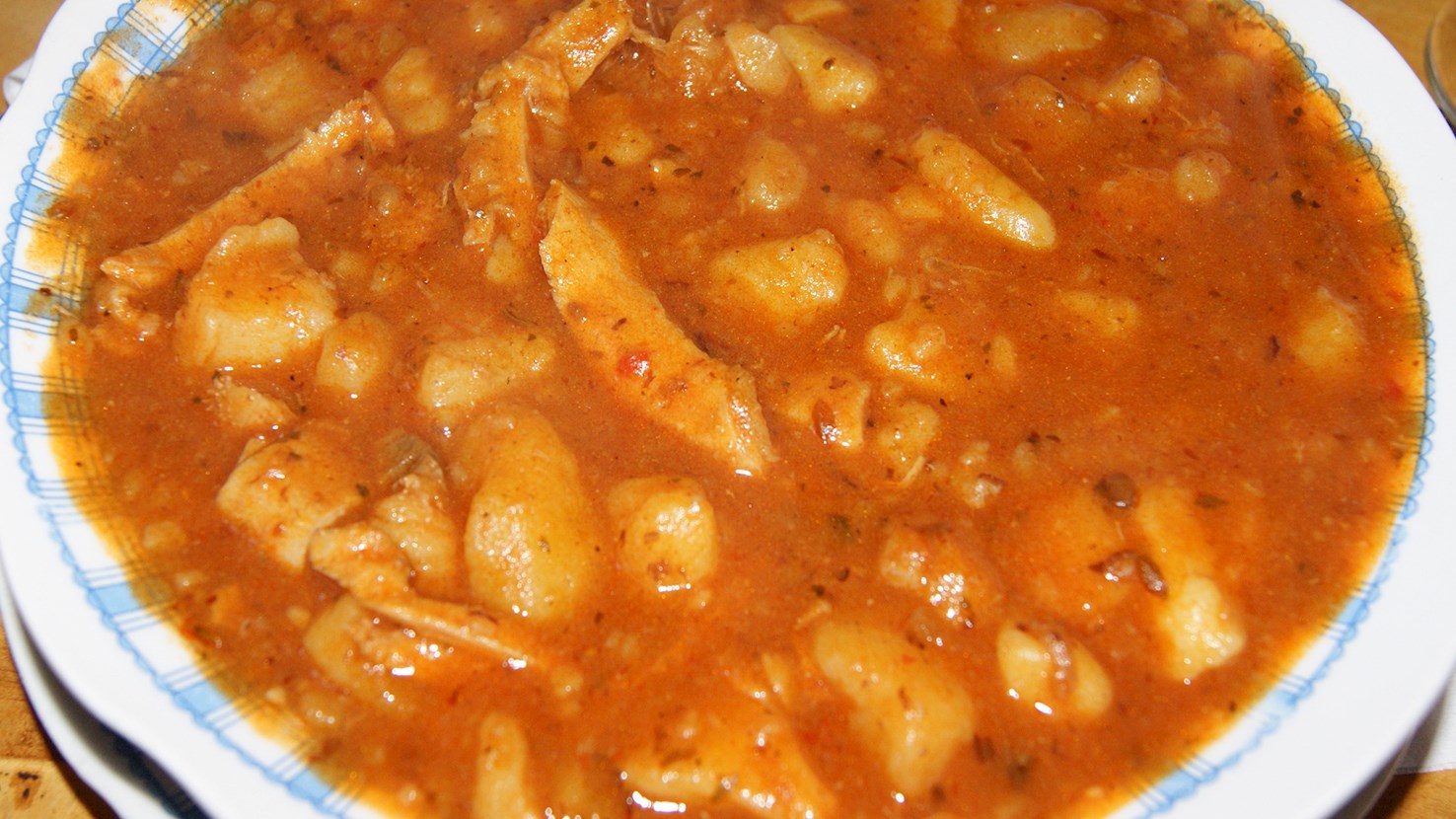
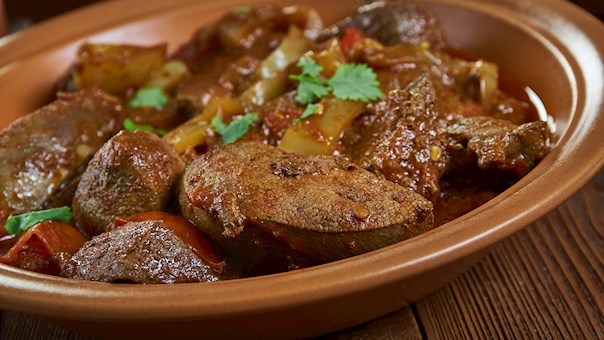
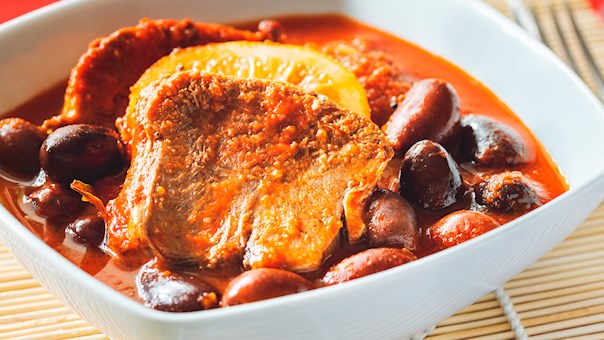
Picante a la tacneña is a traditional dish originating from Tacna. It is made with tripe, chili peppers, dried meat (lamb or llama), cow's foot, and local papa negra (also known as mariva) potatoes. The chili peppers are first cooked in water with garlic and cumin until the sauce develops a thick texture. It is then combined with meat, while the potatoes are added later. When the dish is fully cooked, it is usually served with marraqueta bread and a glass of dry red wine on the side.

04

Tacos de lengua

4.2 ·

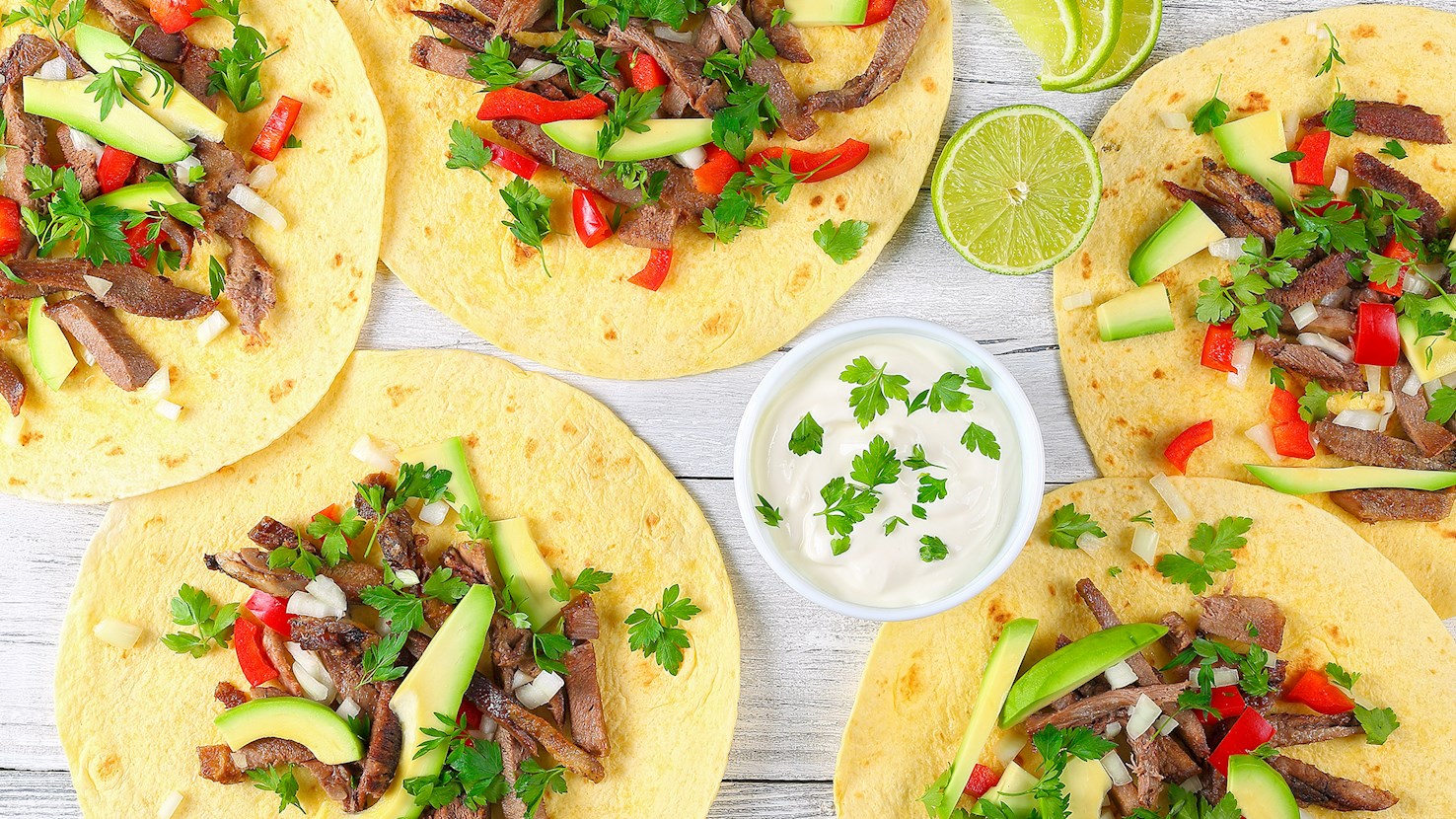
Tacos de lengua is a unique variety of a taco, filled with thin slices of cooked and grilled beef tongue and various other ingredients depending on personal preferences. Beef tongue is characterized by its tender texture, making it an ideal accompaniment for salsas, coriander, and tart lime juice.

05

Ciğer sarma

4.2 ·

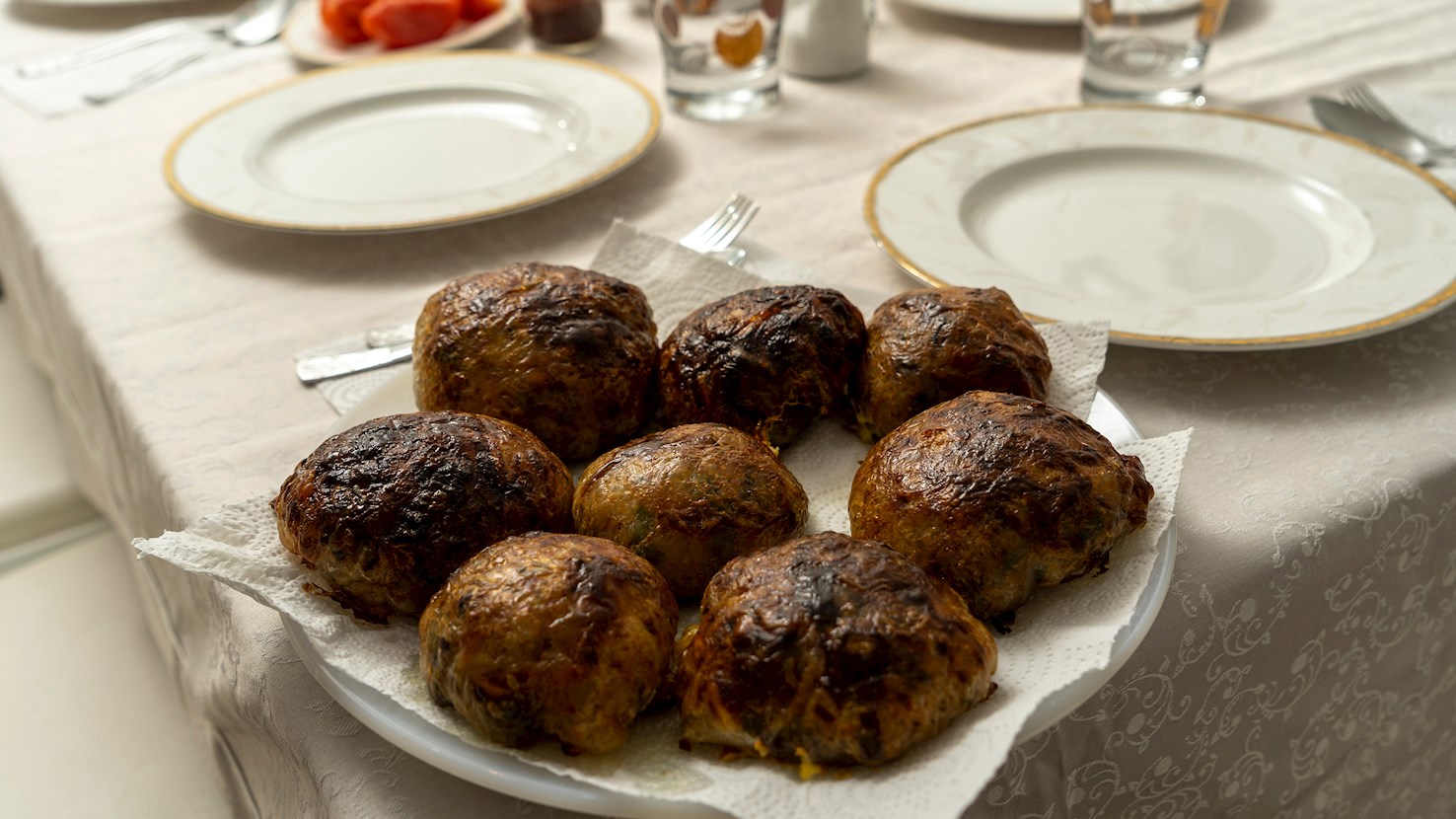
Ciğer sarma is a dish consisting of lamb liver and rice mixed with pine nuts, currants, onions, and spices wrapped in softened lamb caul fat. The dish is baked until golden brown, with the caul fat keeping the filling moist and enhancing the flavor. Traditionally served during special occasions, ciğer sarma reflects the culinary heritage of the region, combining aromatic ingredients and meticulous preparation. Its presentation, with the caul fat enclosing the spiced filling, makes it both visually appealing and deliciously satisfying. This dish is a hallmark of Edirne's rich gastronomic culture.

06

Kelle paça çorbası

4.1 ·

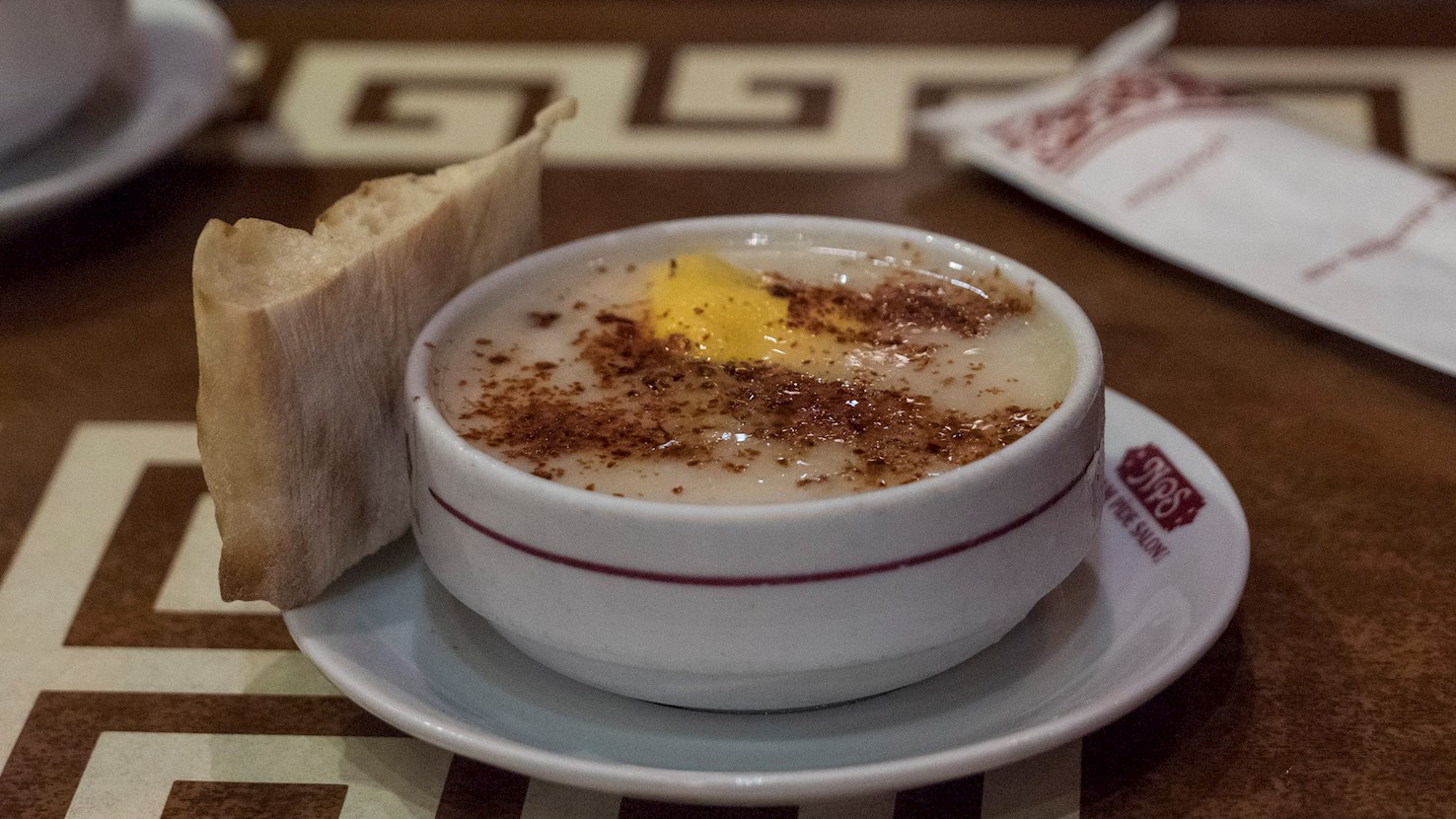
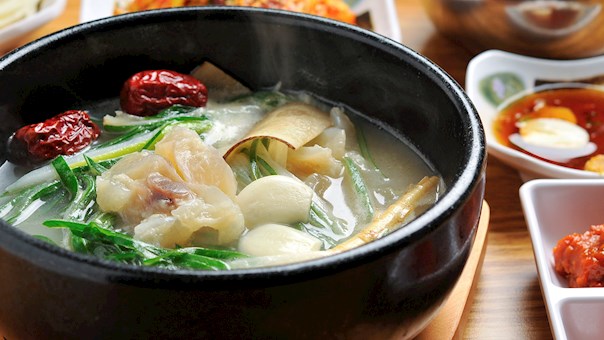
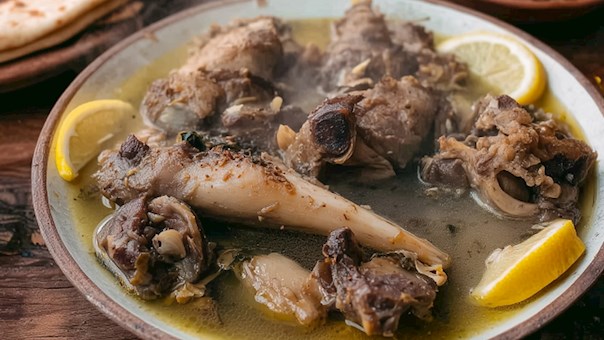
Kelle paça çorbası is a traditional soup made with offal as the key ingredient. Sheep's or goat's head are placed into a pot with water, onions, and salt, and the soup is then slowly cooked until the meat falls off the bones. Some people like to add a roux of butter and flour to the soup, followed by a beaten egg, garlic, and lemon juice. Lamb neck, tongue, and brain can also be included in the soup. It's recommended to serve the soup with greens and lots of crusty bread on the side.

07

Kokoreç

4.1 ·

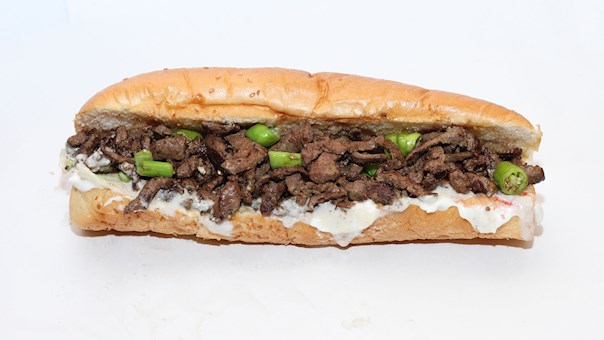
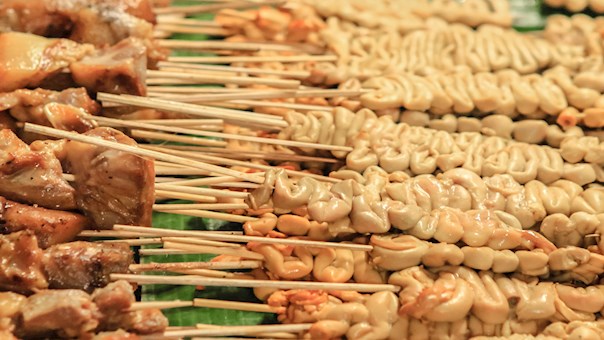
Kokoreç is a traditional dish that's also popular in other countries, especially in Greece, where it's known as kokoretsi. However, there are some differences between the Turkish and Greek versions. In Greek cuisine, people use lamb offal such as lungs, kidneys, hearts, and liver, and in Türkiye, they use small and large intestine and sweetbreads without any additional ingredients. For the Turkish version, kokoreç, the ingredients are rinsed and cleaned, then wrapped onto iron skewers to be grilled over charcoal. Once done, the dish is usually served with bread or tucked inside the bread with various spices such as oregano, cumin, and chili flakes. You can find this dish at street food vendors or in countless kokoreç restaurants.

08

Gyutan

4.1 ·

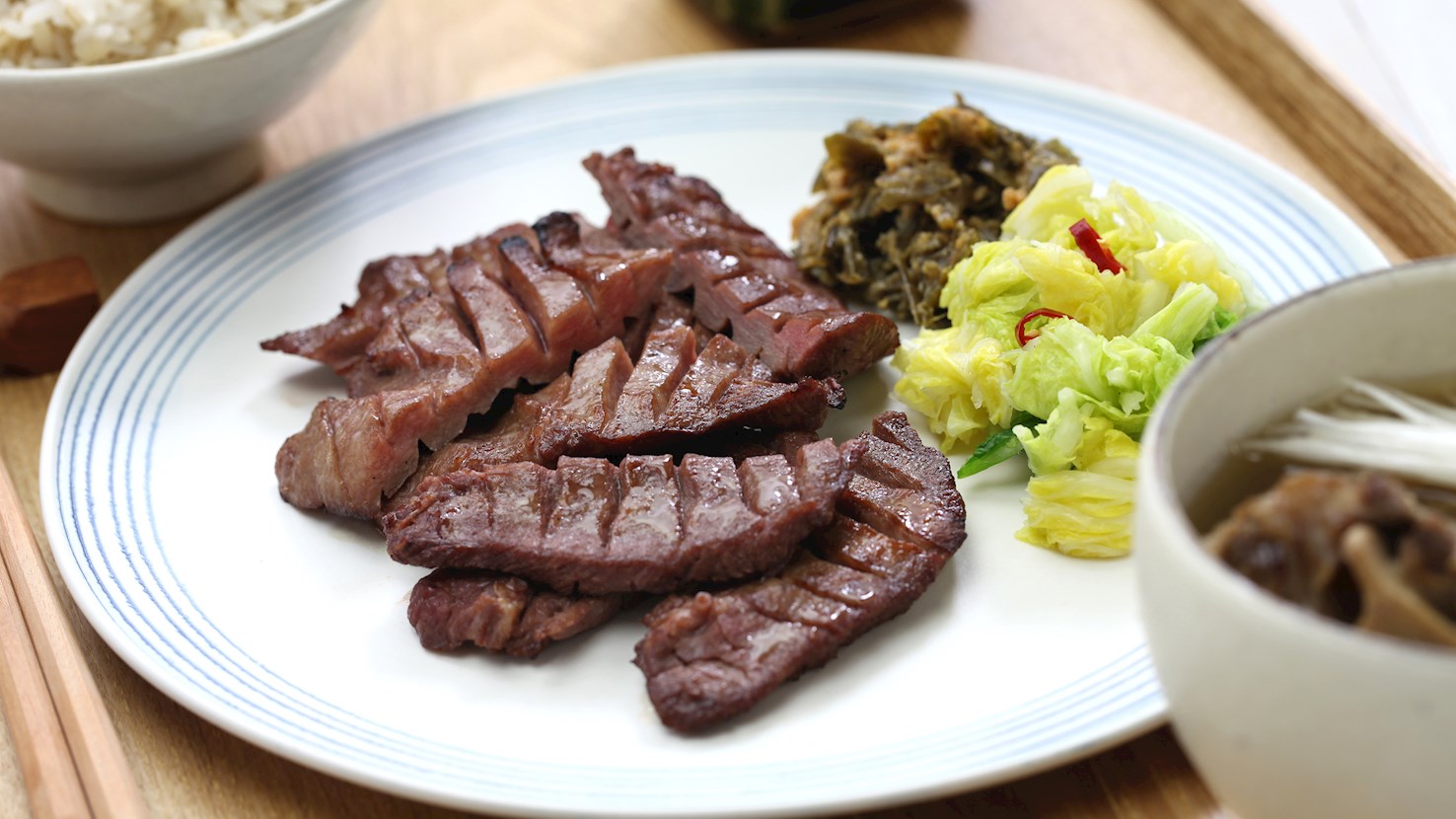
Gyutan is a Japanese dish originating from Sendai. It consists of pieces of thinly sliced beef tongue that's cooked on a charcoal grill. It's typically seasoned with salt or soy sauce-based tare sauce before grilling. The dish is usually accompanied by pickled vegetables, a combination of steamed rice and barley known as mugi gohan, or oxtail soup. Gyutan can also be served as a donburi over steamed rice, or as a curry, which is also accompanied by rice. It's believed that the dish was invented in 1948, when a local yakitori restaurant started to specialize in beef tongue dishes.

09

Morcilla de Burgos

4.1 ·

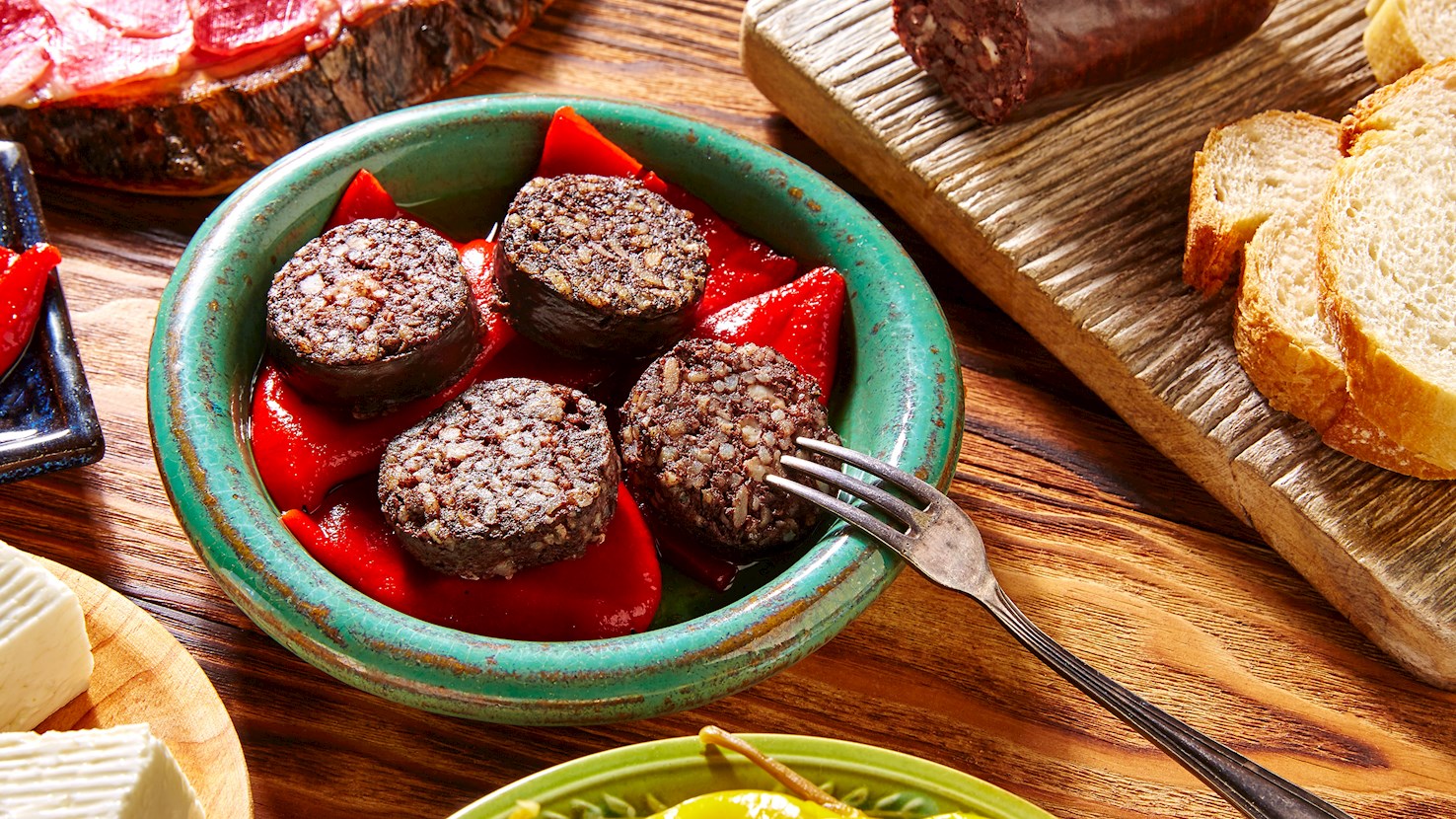
Morcilla de Burgos are blood sausages that are traditionally made in the province of Burgos. This is one of the many varieties of blood sausage, or black pudding, present all around the world. The recipe for this delicacy is fairly simple and uses only a few humble ingredients. An interesting fact about this recipe is that it doesn't actually involve any meat, since morcilla de Burgos is made by chopping and sautéing the onions with butter, then combining them with rice, lard, blood, and spices. The mixture is then used to fill the sausage casings before being cooked. This sausage owes its flavor mostly to the spices used in its preparation, mainly pepper and paprika. It can be eaten as it is, but it's mostly consumed after being fried or sautéed.

10

Ciorbă de burtă

4 ·

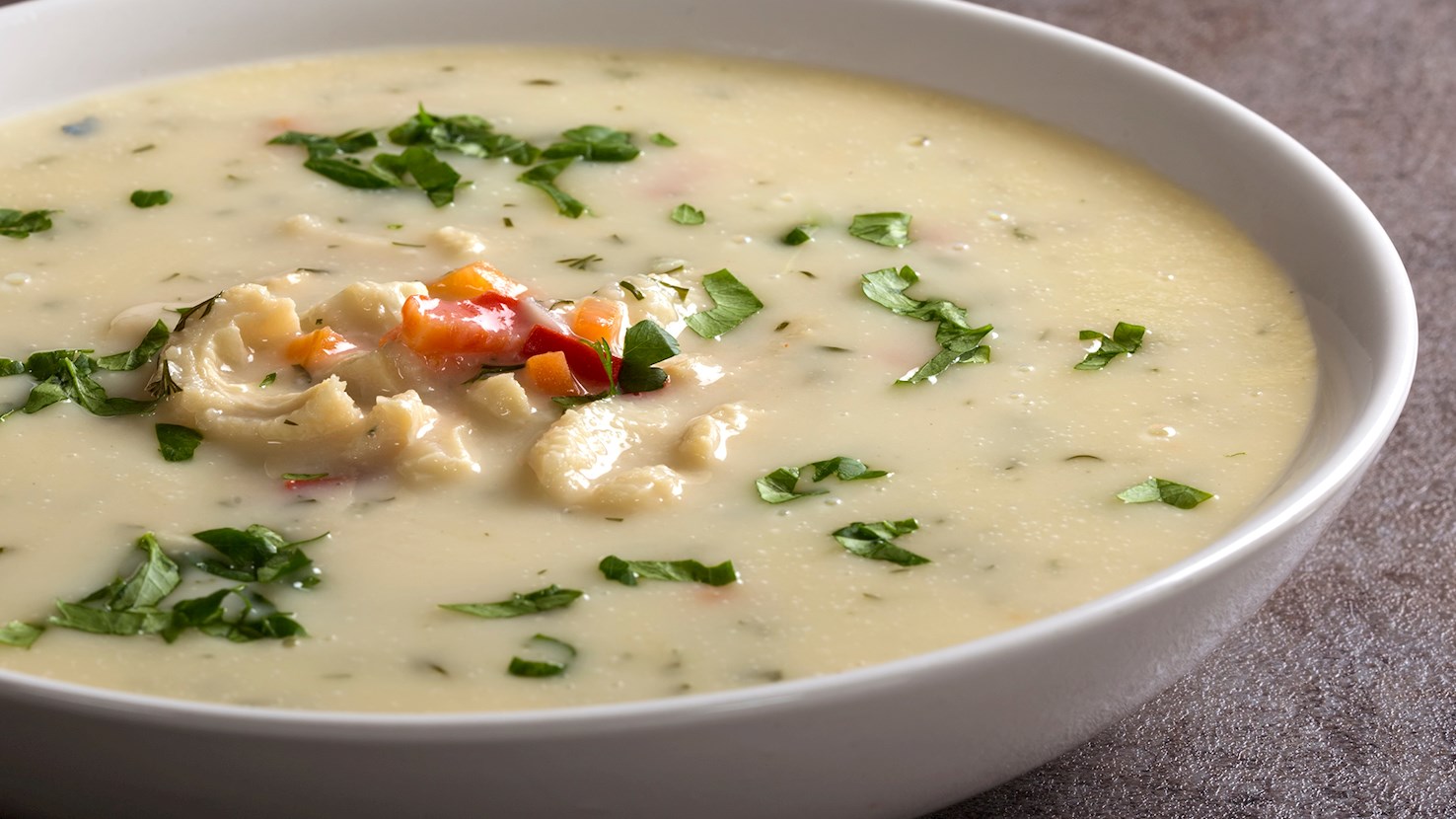
Ciorbă de burtă is a creamy, sour and garlicky, yellow-colored Romanian soup containing strips of beef tripe and slices of red pepper. Although considered a rare delicacy and an acquired taste due to its main ingredient being the lining of a cow’s stomach, ciorbă de burtă is a rather simple dish. It is basically tripe soup seasoned with vinegar, sour cream, and mujdei – a spicy garlic sauce made from crushed garlic cloves, salt, and oil. Various ingredients are used for the broth, including onions, carrots, celery, parsley and parsnip roots, lovage, bay leaves, and peppercorns. Ciorbă de burtă is traditionally served piping hot with spicy green peppers and a dollop or two of sour cream on the side. Just like many other hallmarks of Romanian cuisine, ciorbă de burtă has its origins in the Ottoman Empire.

11

Kuchmachi

3.9 ·
13

Drob po selski

3.9 ·
15

Kaleh pacheh

3.9 ·
16

Molleja

3.9 ·
17

Isaw

3.9 ·
20

Chinchulines

3.8 ·

Best Offal Dishes in the World

01

Maison Lembert

5 ·
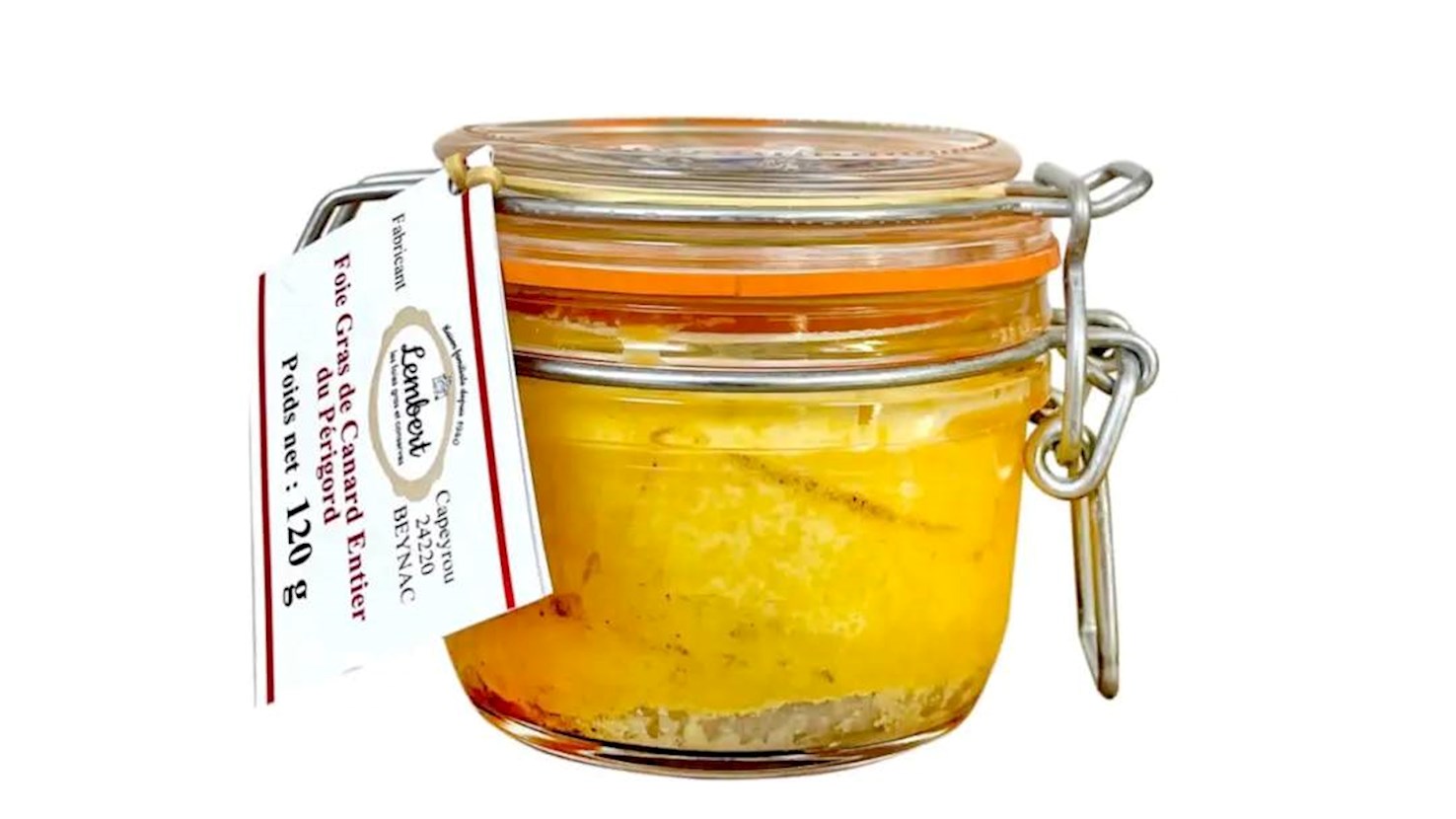
Maison Lembert is a family-owned producer with a long-standing tradition, renowned for its handcrafted foie gras and a range of premium duck specialties. For four generations, the family has upheld an artisanal approach, combining expertise, precision, and deep respect for traditional methods. Their selection includes carefully prepared products such as foie gras, duck confit, rillettes, pâtés, and a variety of gourmet preserves—all crafted to preserve authentic flavors and culinary heritage. Maison Lembert stands out for its meticulous ingredient selection, exceptional craftsmanship, and unwavering commitment to quality, making it a trusted name among connoisseurs of fine traditional delicacies.
Awards
Concours Général Agricole de Paris - Médaille d'Or (2025, 2020)
02

Au Bon Canard

4.6 ·
Au Bon Canard is a family-run farm specializing in the raising and processing of ducks using traditional French methods. Their mission is to produce high-quality foie gras and other duck delicacies in an artisanal manner, while ensuring humane and respectful treatment of the animals throughout their entire life cycle. The ducks are raised in small batches, without the use of antibiotics, hormones, or artificial feed additives, allowing for natural growth and well-being. They spend most of their time outdoors in a calm, controlled environment, which directly contributes to the superior quality of the meat. The entire process—from raising to processing—takes place on the farm, ensuring full oversight and consistency at every stage. In addition to foie gras, their offerings include duck breasts, legs, wings, fat, and offal, all crafted with a deep commitment to care, expertise, and artisanal precision.
03

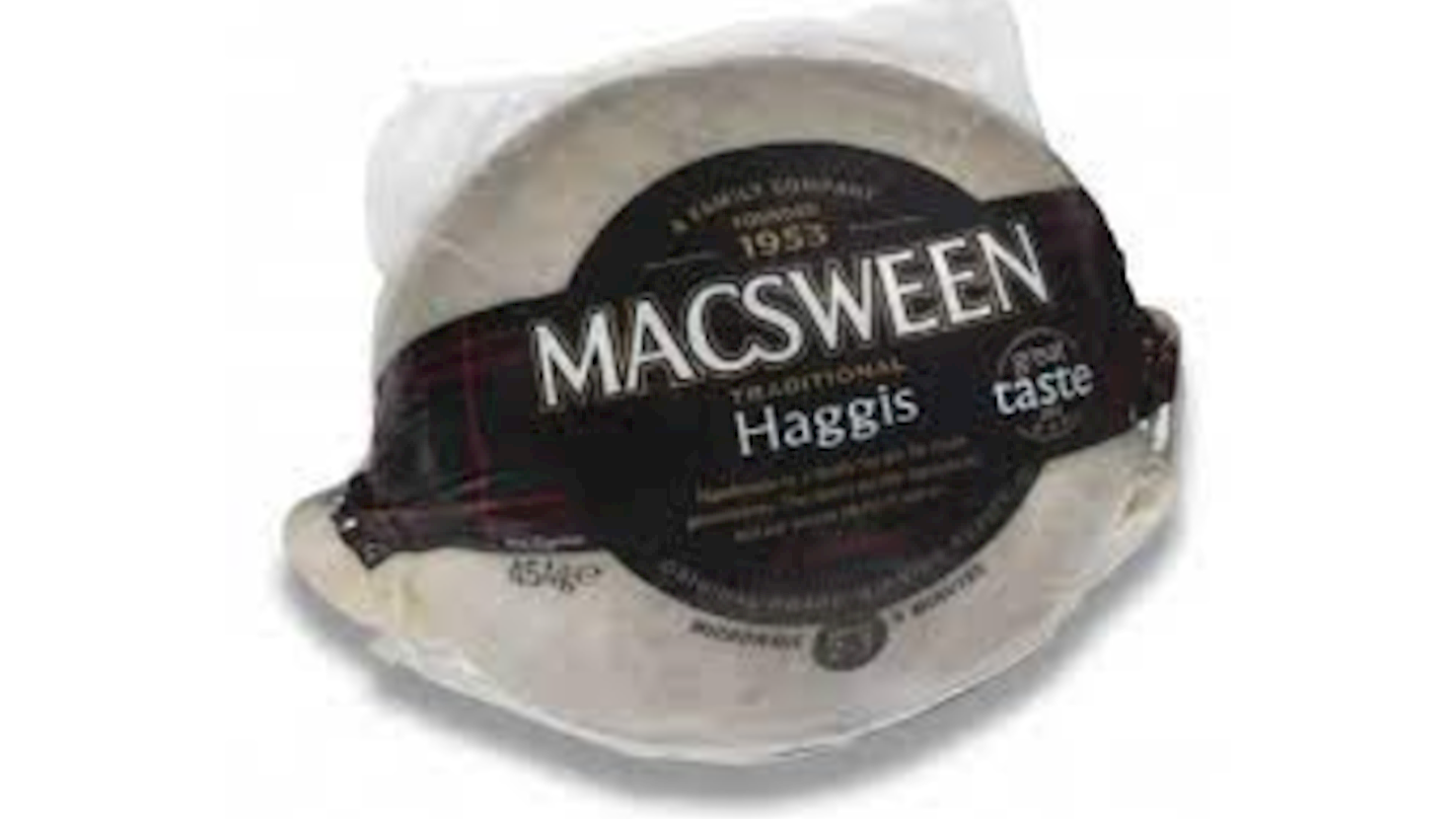
Macsween

4.5 ·
Macsween is a family-run business in its third generation, specializing in the production of the traditional Scottish dish – haggis. It was founded by Charlie and Jean Macsween in 1953 in Edinburgh, and today it is run by their sons, John and Kate. In 1984, Macsween developed the first vegetarian haggis, using a blend of vegetables, legumes, oats, seeds, and spices, making it popular among vegetarians, vegans, and meat-eaters alike. Macsween is also a pioneer in exporting haggis to international markets. Today, Macsween produces various haggis varieties, including game, venison, gluten-free, and triple haggis, as well as vegetarian haggis, offering a wide range of options for enthusiasts of this traditional dish.
Awards
Great Taste Awards - 3 stars (2013)
About this ranking

TasteAtlas food rankings are based on the ratings of the TasteAtlas audience, with a series of mechanisms that recognize real users and that ignore bot, nationalist or local patriotic ratings, and give additional value to the ratings of users that the system recognizes as knowledgeable. For the “Top 100 Offal Dishes in the World” list until April 15, 2026, 9,762 ratings were recorded, of which 5,324 were recognized by the system as legitimate. TasteAtlas Rankings should not be seen as the final global conclusion about food. Their purpose is to promote excellent local foods, instill pride in traditional dishes, and arouse curiosity about dishes you haven’t tried.

The initial list of top producers was compiled based on available reviews, awards, local recommendations, media and blog coverage, and consumer reviews. The list will be updated with ratings from TasteAtlas local ambassadors and TasteAtlas users.

Similar lists