shutterstock

Top 87 European Savory Pastries

Last updated on June 15, 2026

Best European Savory Pastries
01

Pazarske mantije

4.4 ·

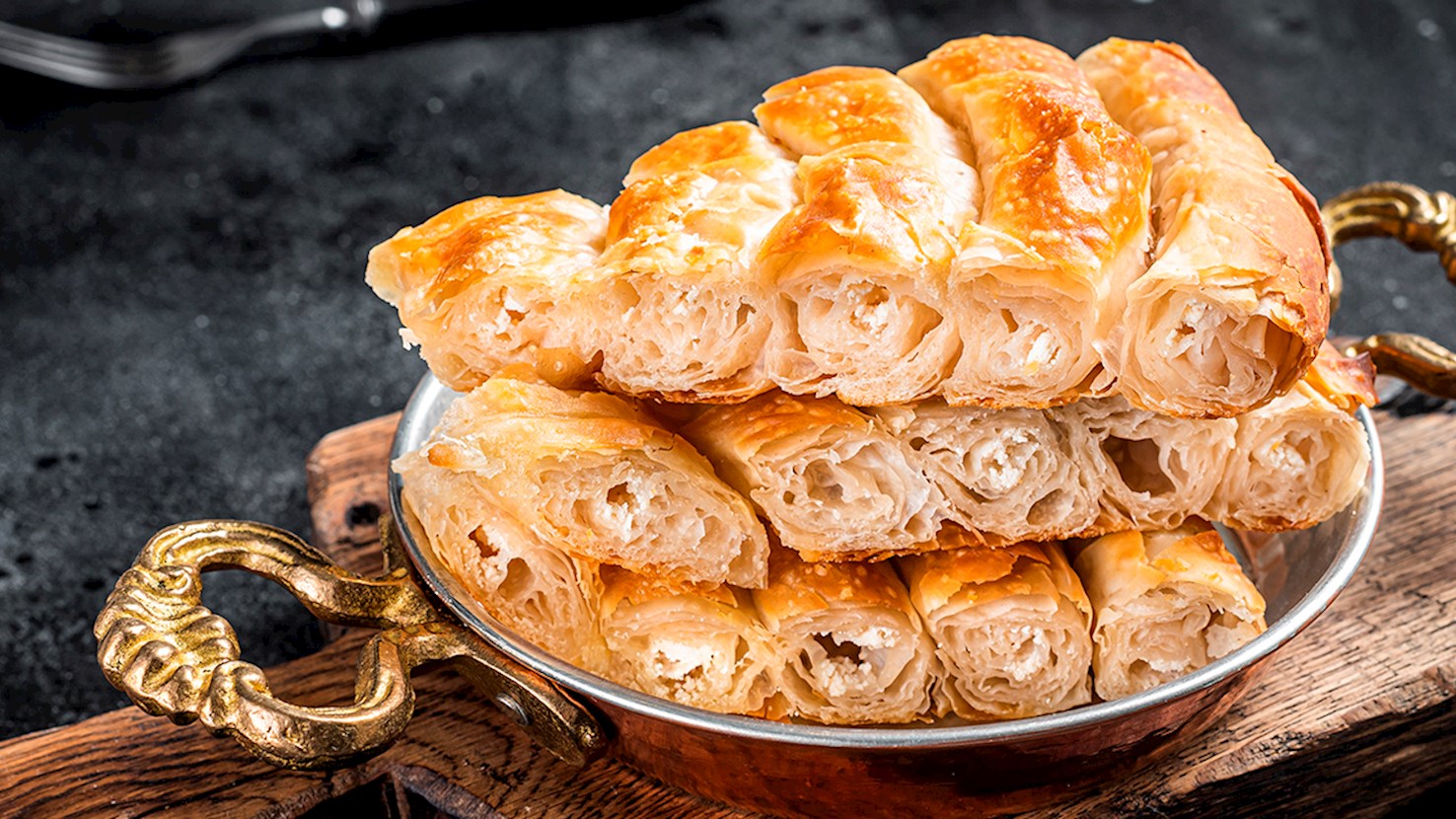
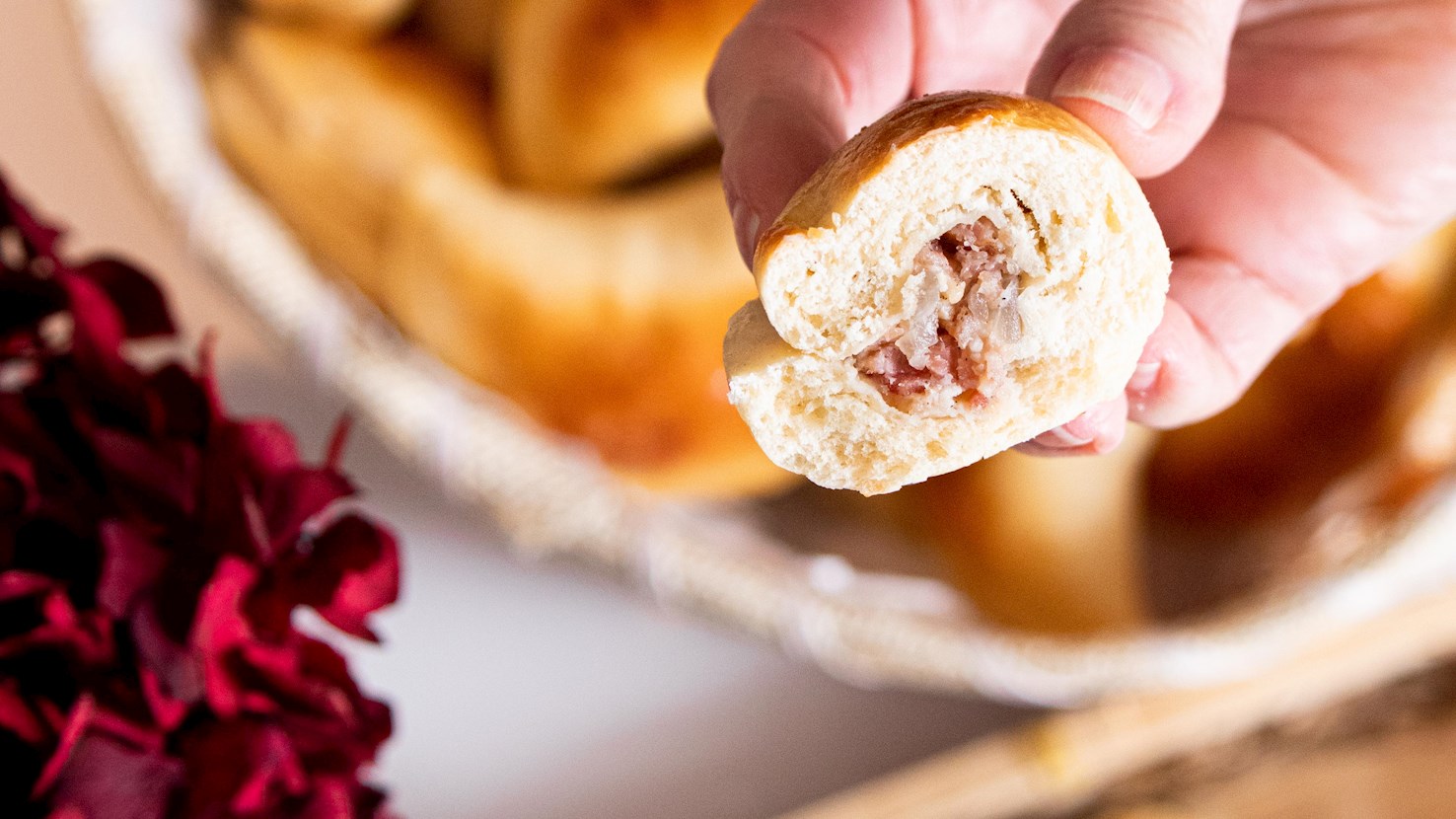
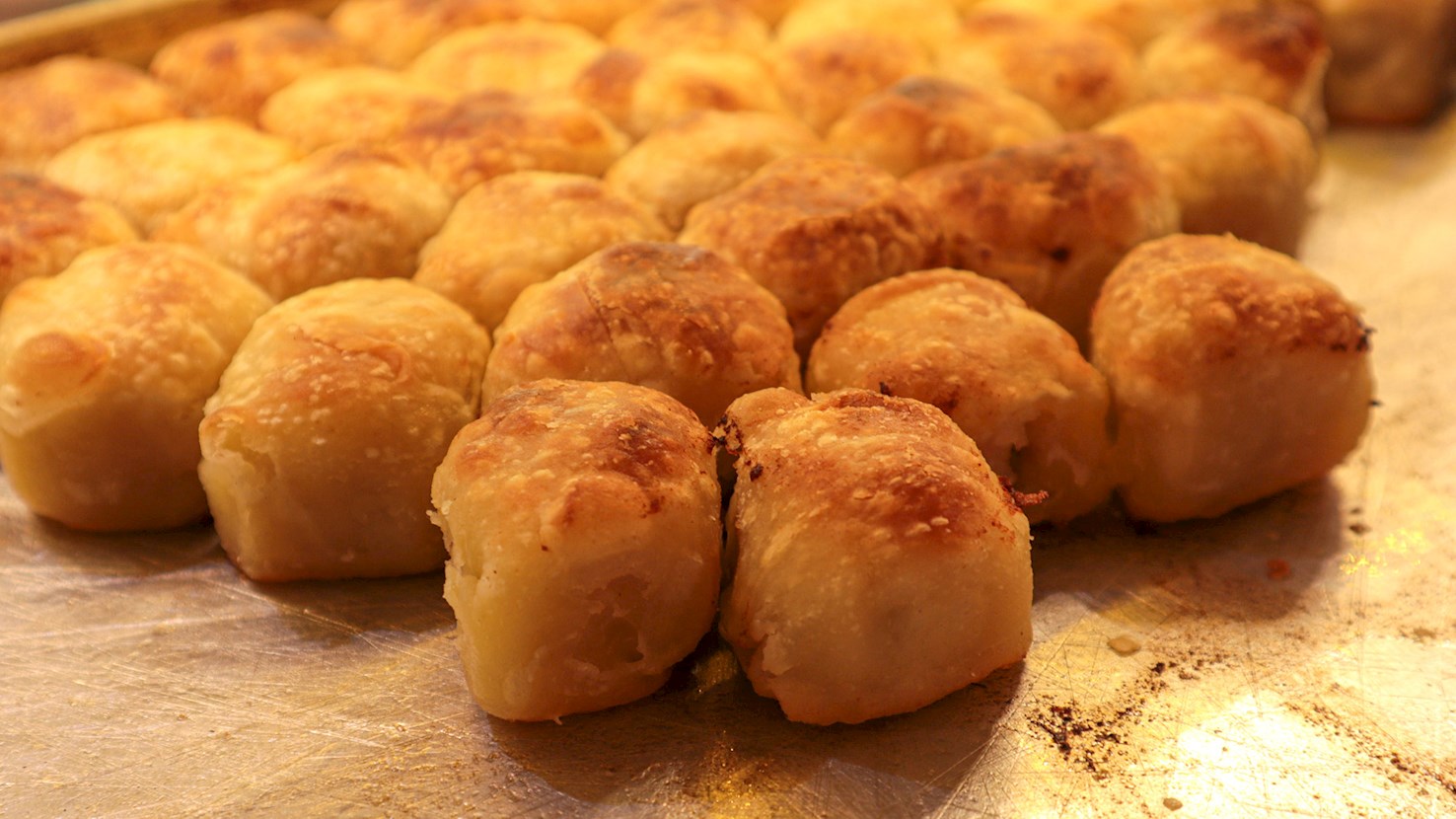
Pazarske mantije is a Serbian dish originating from Novi Pazar. This dish resembles the Bosnian burek in flavor, but the shape is quite different – it's shaped into small spheres that are arranged in a baking pan and baked together. The dough is first stretched, brushed with butter, then stuffed with ground beef, salt, pepper, onions, and a bit of oil. Once stuffed, the dough is shaped into small balls, arranged in a pan, then baked, traditionally in old furnaces which give them their unique flavor and aroma. Mantije are usually accompanied by yogurt that's poured over them and eaten while still hot.

02

Sirnica

4.4 ·

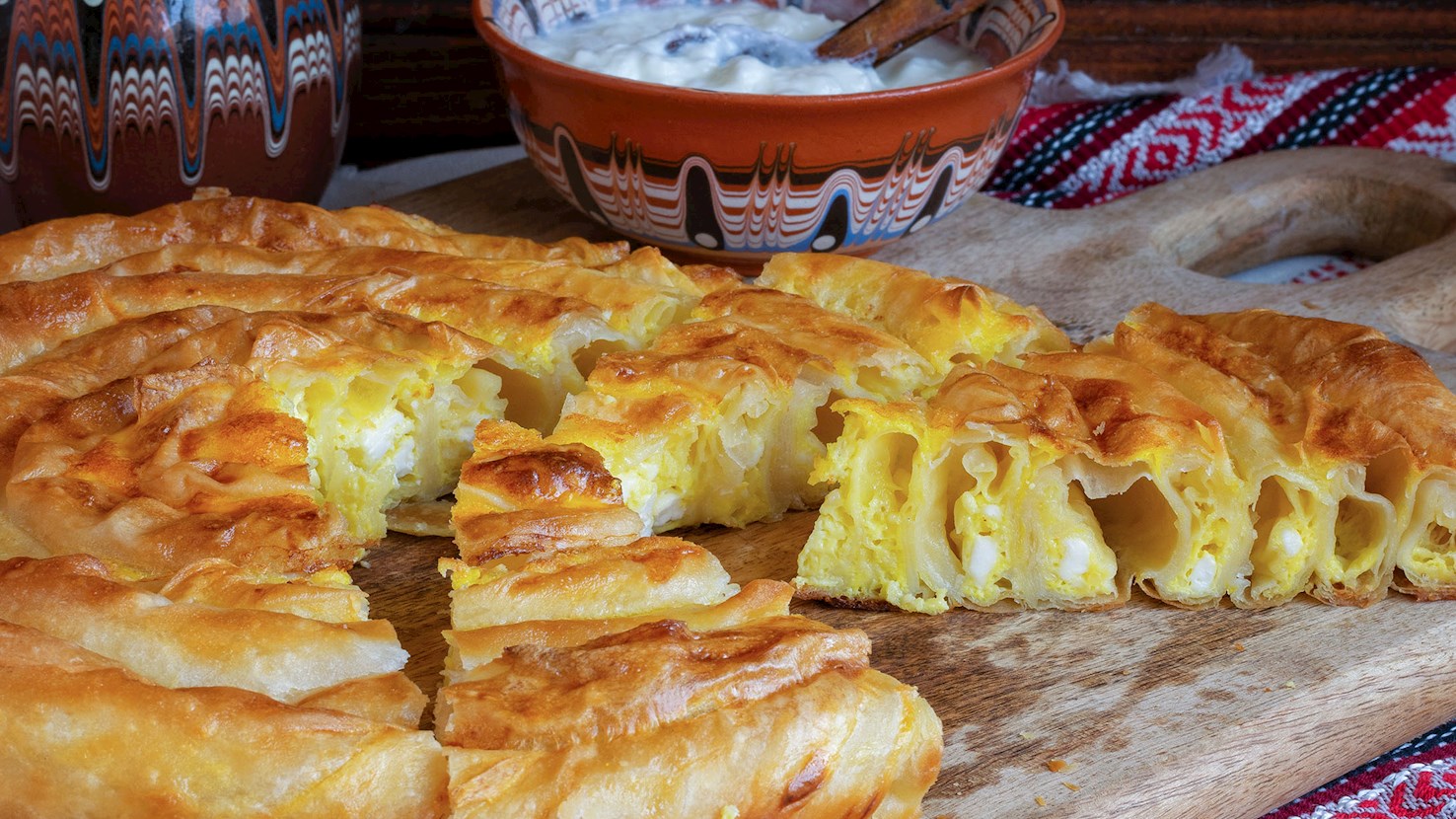
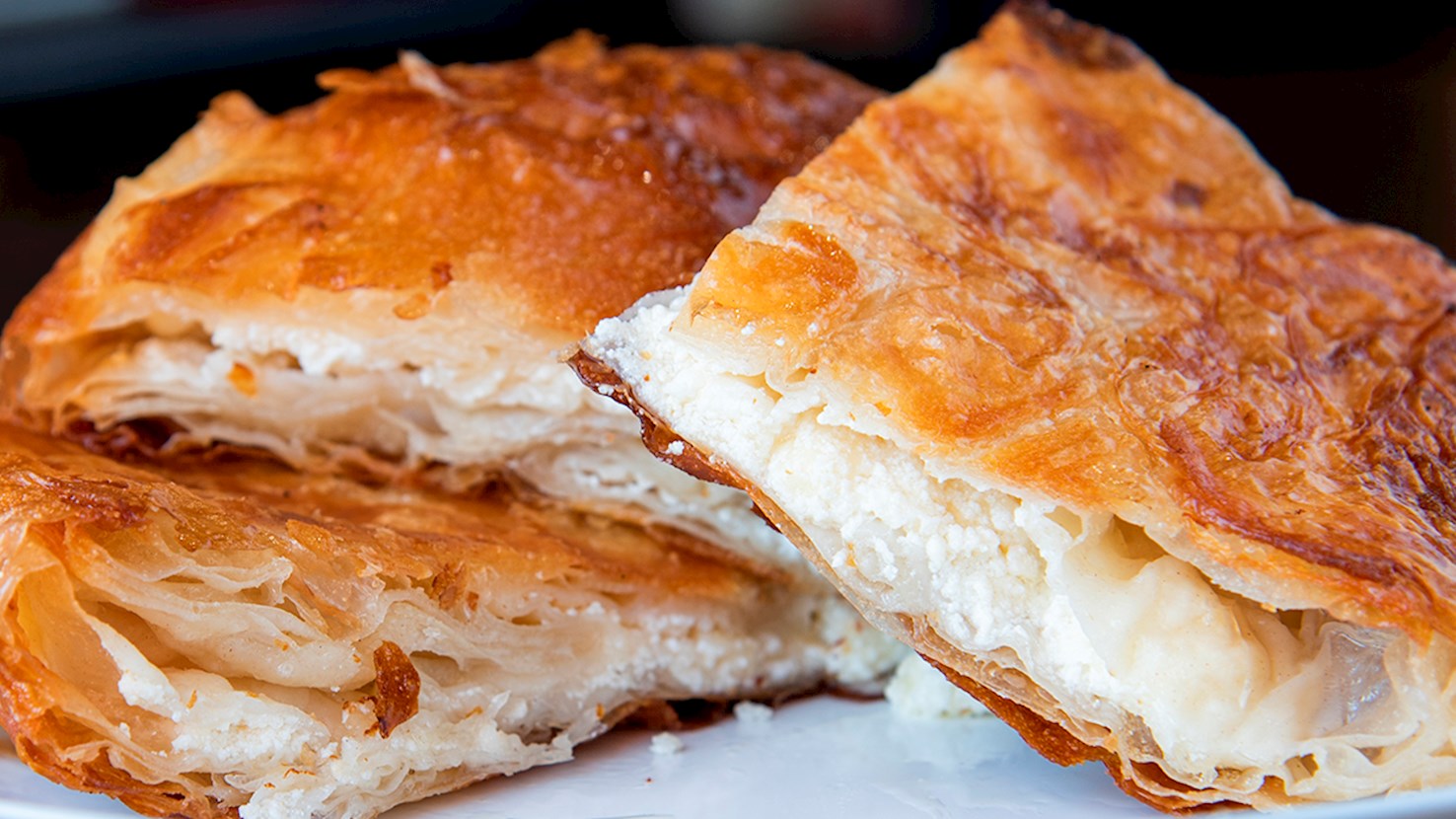
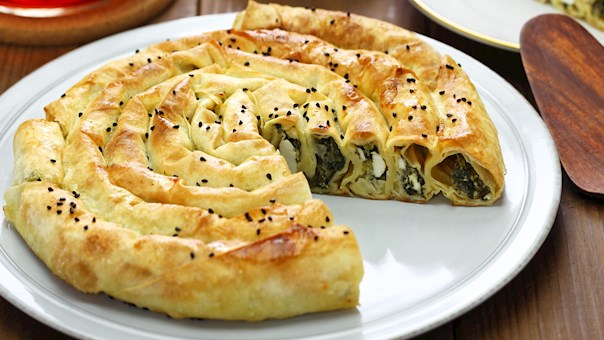
Sirnica is a savory Bosnian pie consisting of phyllo dough that is filled with a combination of fresh cow cheese, sour cream, and eggs. Thin sheets of dough, locally known as jufka, are spread with the cheese mixture and the whole pie is traditionally rolled into a spiral. Before serving, sirnica is occasionally sprinkled with water, oil, or milk. Although it can be enjoyed on its own, this savory pie is often accompanied by yogurt or sour cream.

03

Focaccia di Recco col formaggio

4.4 ·

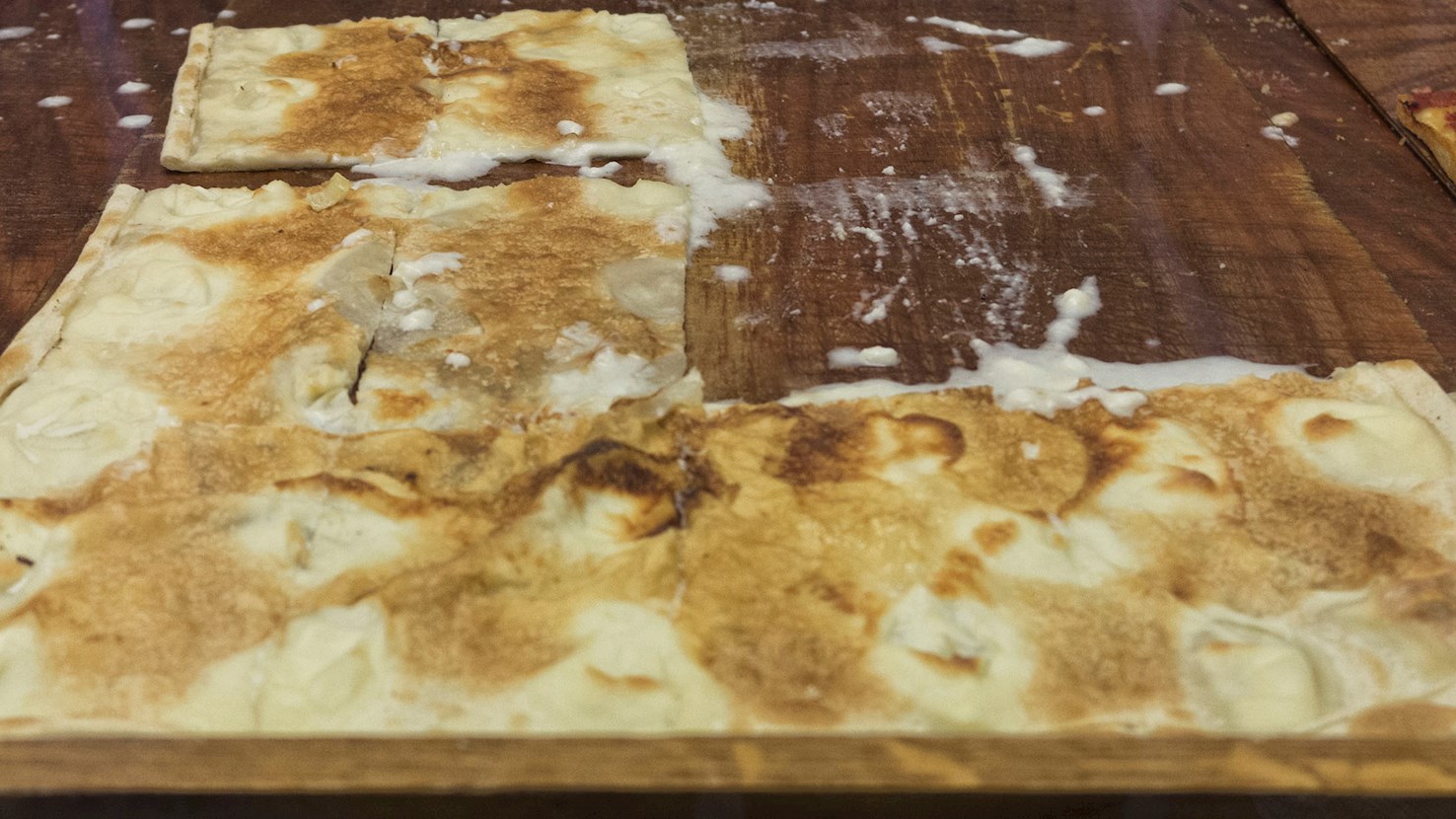
This delectable cheese-filled focaccia hails from the town of Recco, Liguria's gastronomic capital where it can be found in every bakery, pizzeria, and restaurant. It was reportedly invented in the 12th century when, according to legend, the citizens of Recco were preparing this dish for the Crusaders with the little they had: flour, water, olive oil, and some cheese. Unlike most other focaccia flatbreads, this one is made without yeast, and features a paper-thin, hand-pulled crust filled with the soft, mild-flavored cow’s milk cheese from Alpine pastures called stracchino or crescenza. By the end of the 1800s, focaccia di Recco had become traditionally associated with the celebration of All Saints' Day, but today it is prepared and enjoyed throughout the year. Moreover, ever since 1955, the town of Recco has been hosting the so-called Festa della Focaccia, an annual festival held every last week of May.

04

Banitsa sas sirene (Banitsa with cheese)

4.3 ·

The Bulgarian pie banitsa made with cheese is the main version of this traditional pie. It's made by layering sheets of buttered phyllo pastry with a combination of eggs, yogurt, and cheese such as sirene and feta. There's an optional ingredient in the preparation of banitsa and it's baking soda, which makes the yogurt rise and makes the pie fluffier and richer in flavor. Traditionally, banitsa with cheese was prepared and served on Christmas and New Year's Eve, but nowadays it can also be bought throughout the year at grocery stores, street vendors, kiosks, and pretty much everywhere. Apart from this basic variety, there are also other types of savory or sweet banitsa pies filled with various vegetables and fruits.

05

Burek

4.3 ·

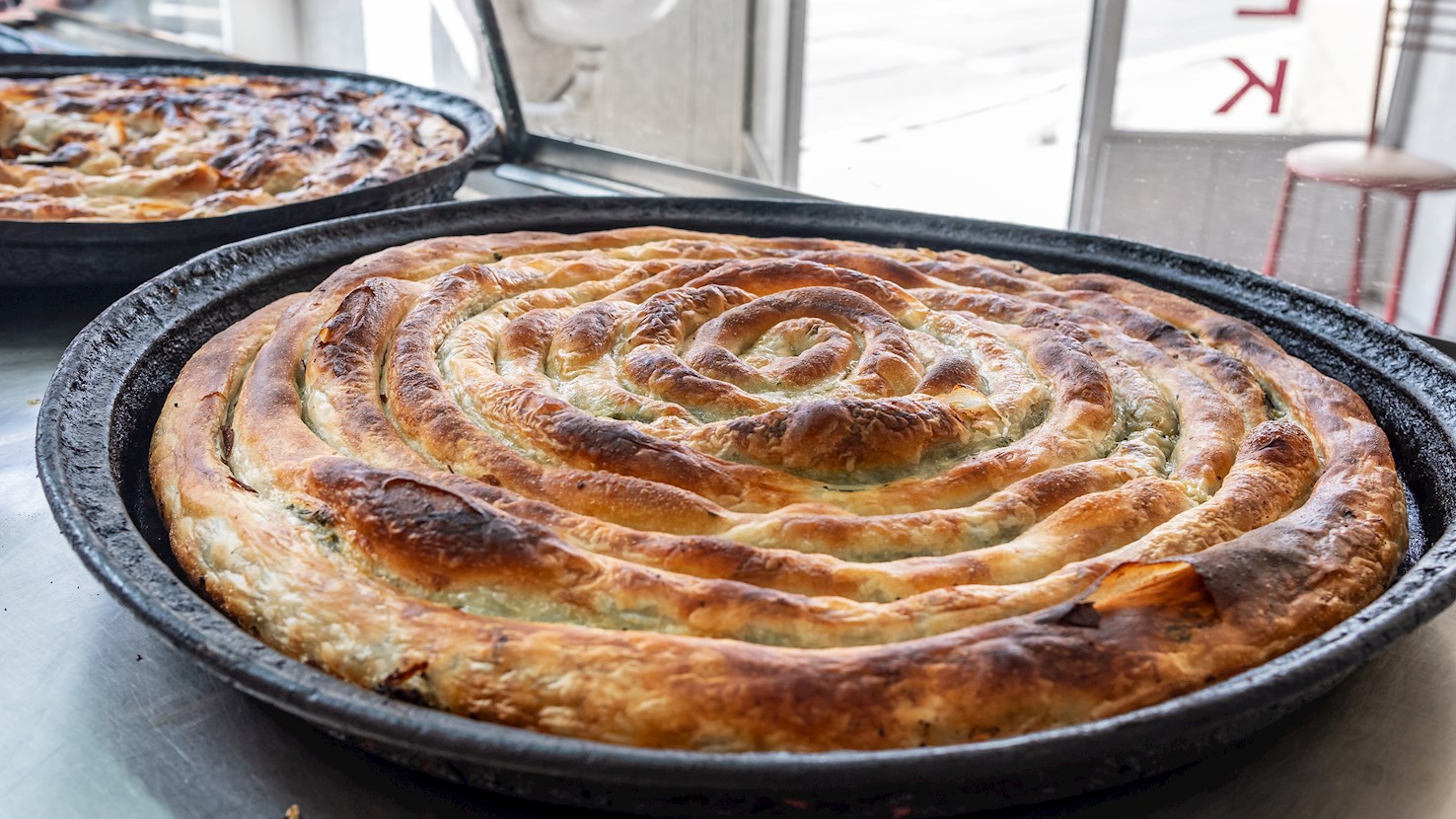
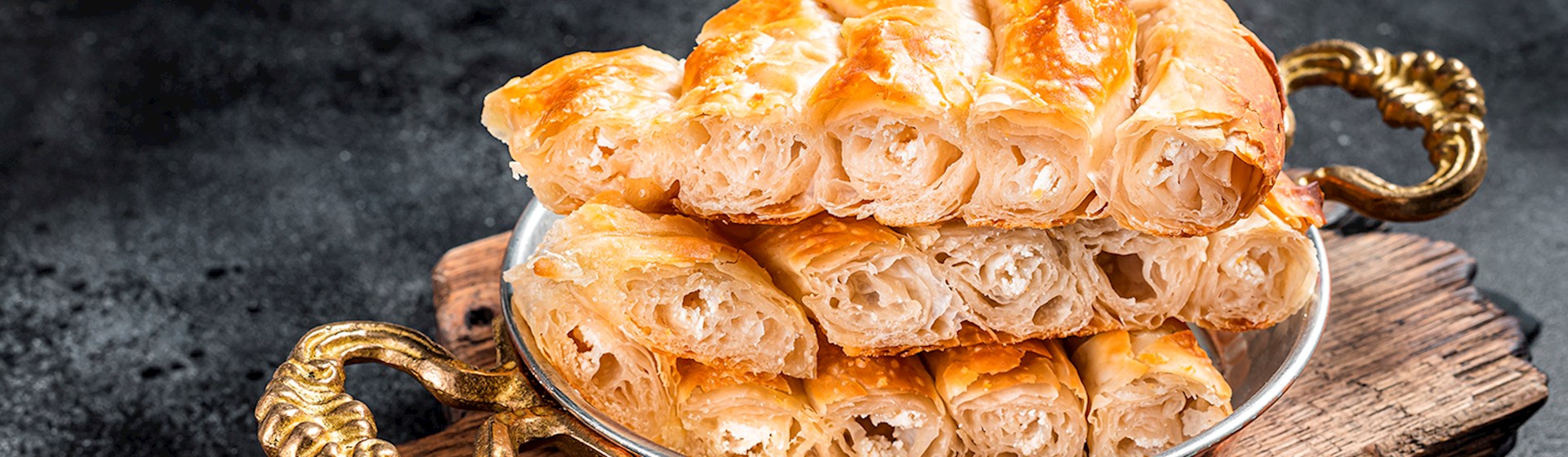
Burek consists of layers of phyllo dough stuffed with various savory fillings. Despite its Turkish origins, this dish has evolved into a proud gem of Bosnian national cuisine. Although most locals claim that only burek with ground beef can be called burek, the same dish also appears with other fillings, and these other varieties are known by different names: sirnica (cottage cheese), zeljanica (spinach), and krompiruša (potatoes). Burek is baked rolled into a snail-like shape and this type is typically found in bakeries, while traditional restaurants often make it in the form of a pie, which is sliced into quarters before serving. The dish is wildly popular all across the Balkans, though in Bosnia and Herzegovina, the cultural significance of this everyday staple is incomparable and best summed up in a number of local proverbs suggesting that if a woman can make a good burek, she's eligible for marriage.

06

Krompiruša

4.3 ·

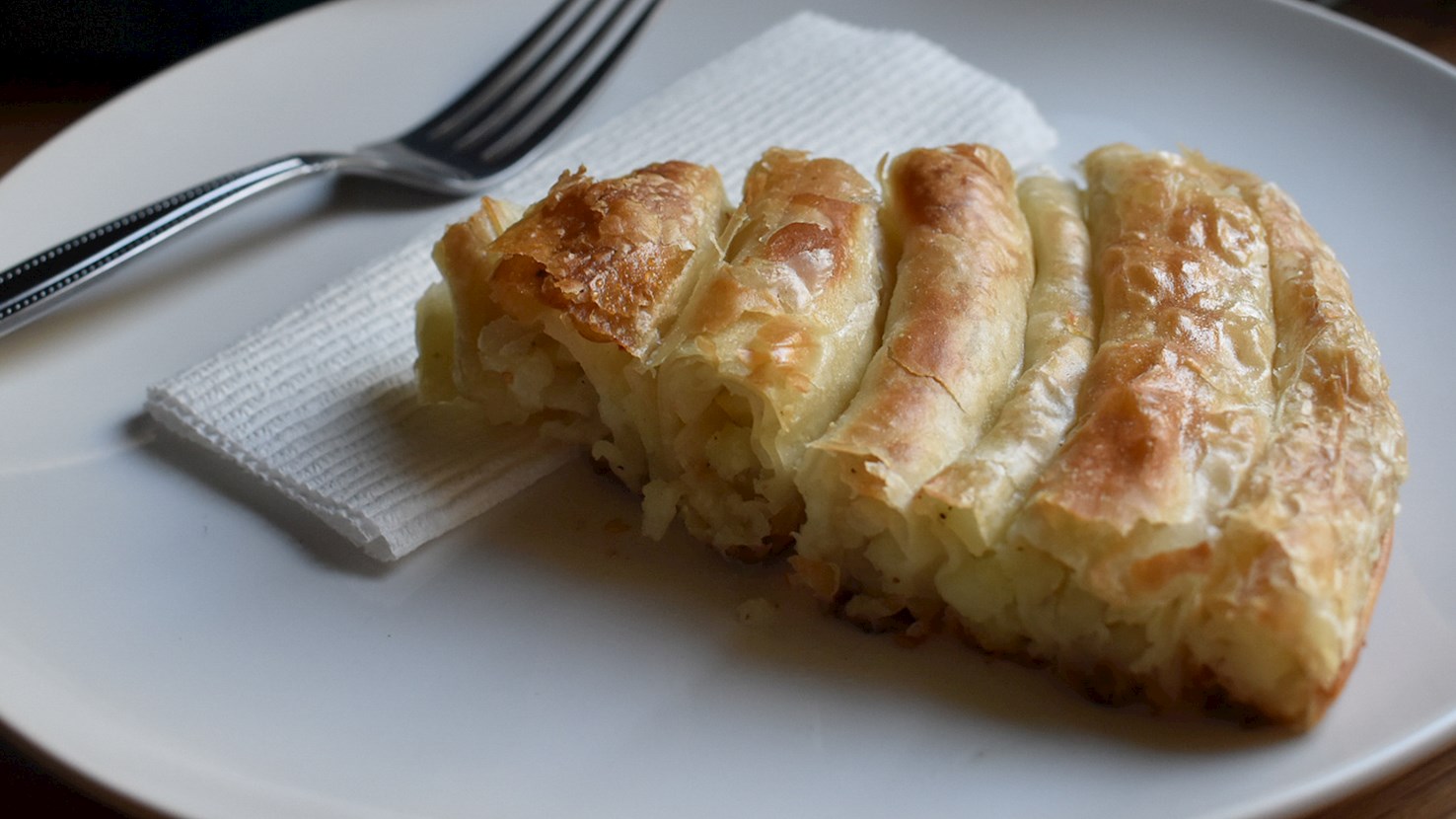
This variety of traditional Bosnian pastry (pita) employs potatoes as the star ingredient. The pastry is prepared with thin sheets of phyllo dough, known as jufke, and a filling that combines diced potatoes, seasonings, and (optionally) grated onions. The rolled dough is shaped into a coil, and the whole pastry is occasionally coated with sour cream or sprinkled with water, oil, or milk. Krumpiruša is traditionally shaped into a large, round pie-like pastry, and it is best served freshly prepared with yogurt, sour cream, or sour milk on the side.

07

Kibinai

4.3 ·

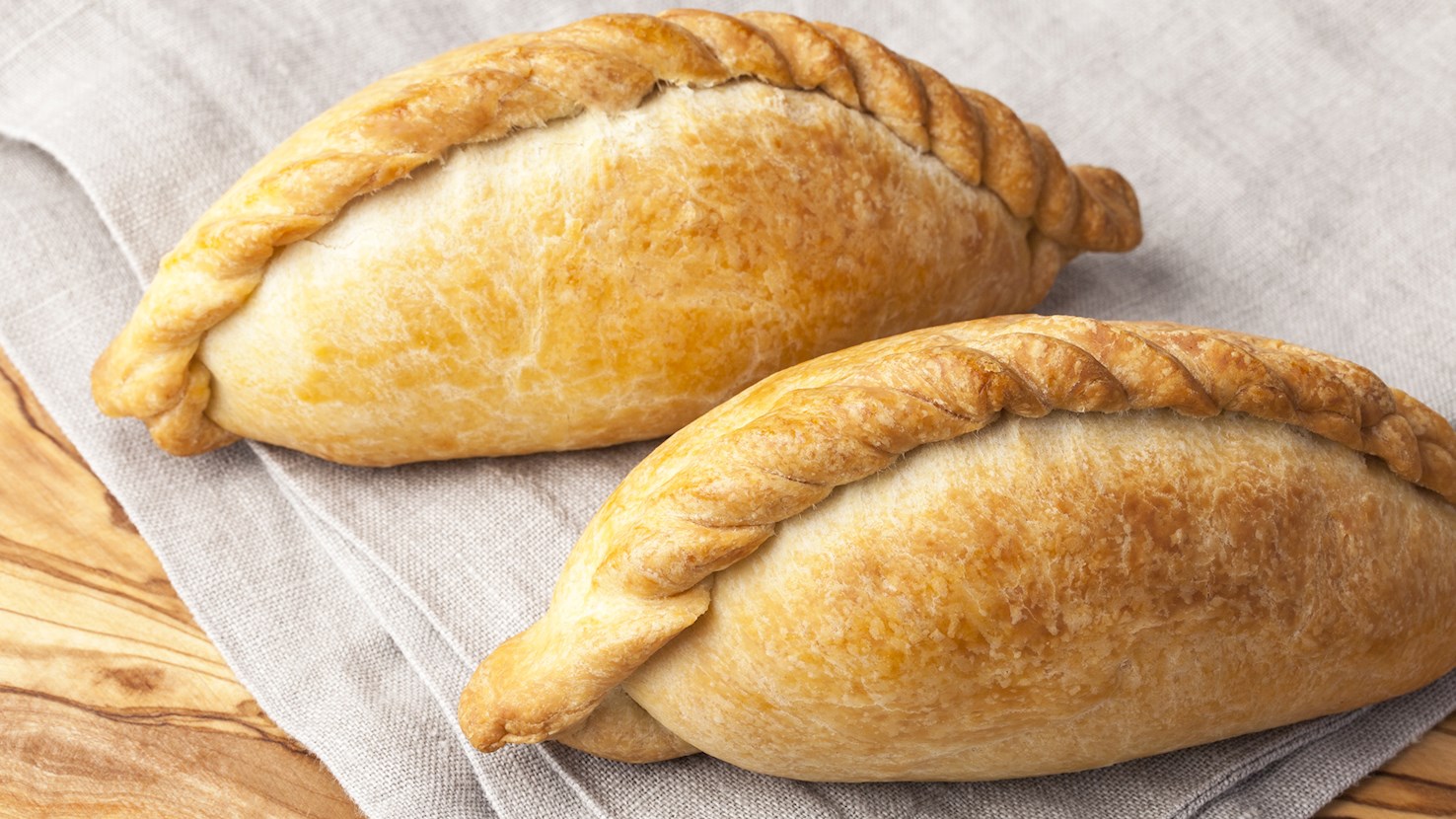
These traditional Lithuanian pastries are made with a dough that is enriched with butter, eggs, and either kefir or sour cream. The dough is hand-rolled, and it is traditionally filled with minced mutton that is flavored with onions and various herbs. It is then firmly pinch-sealed into crescent-shaped pockets. Kibinai are particularly popular with the Karaim ethnic minority in Lithuania, and they're primarily associated with the city of Trakai.

Best restaurants
08

Zelnik (Banitsa with cabbage)

4.3 ·

Zelnik is a traditional North Macedonian pie that can be filled with a variety of different ingredients such as cheese, spinach, eggs, meat, leeks, or cabbage. For the best result, zelnik should be brushed with butter and oil before baking, so that the pie develops a golden-brown color. Zelnik is best when served warm, and it is recommended to pair it with a glass of yogurt.

09

Burek sa sirom

4.2 ·

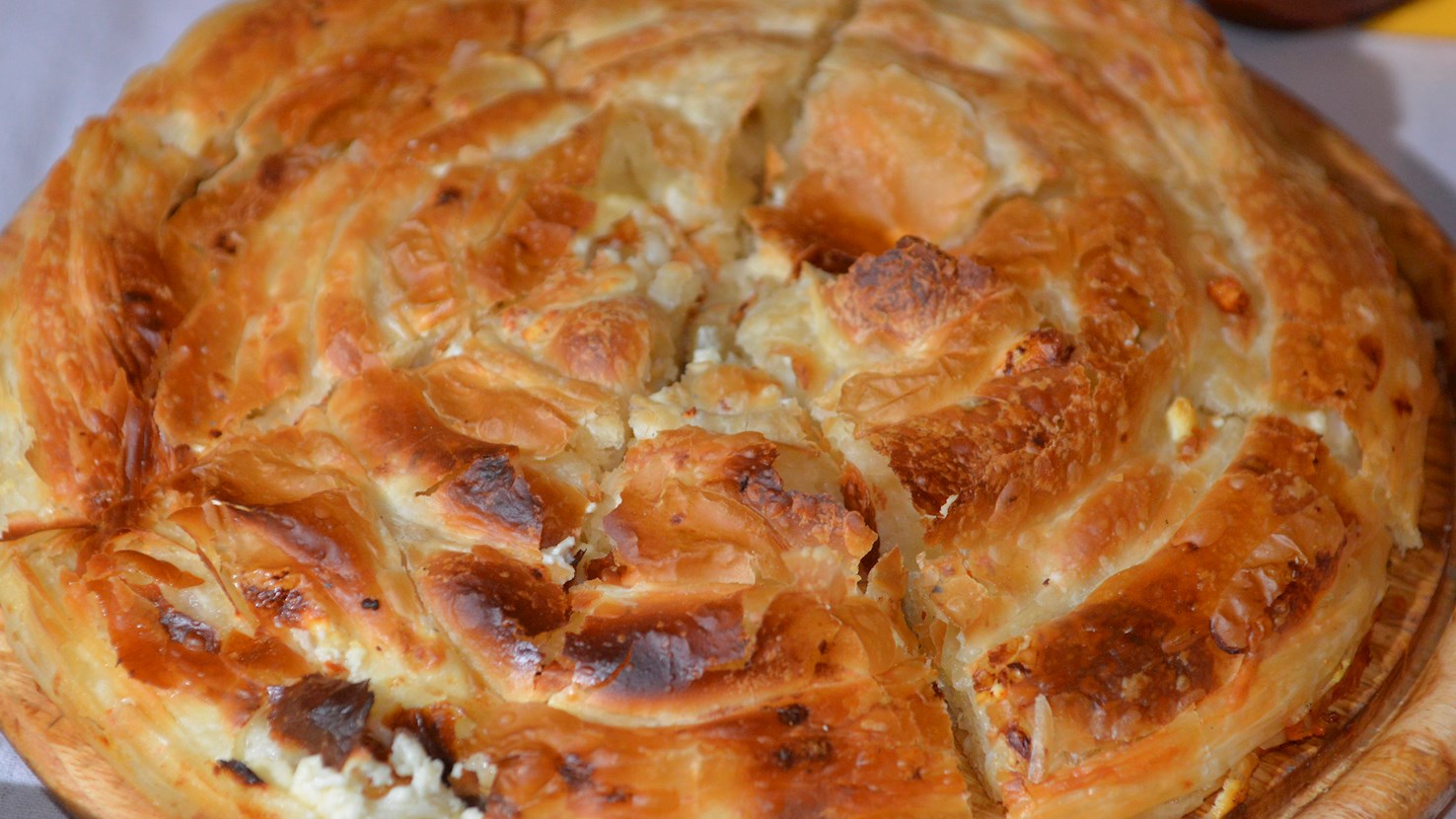
Burek sa sirom is a phyllo pastry that is round or coil-shaped and filled with a mixture of cheese and eggs. The dough is made with flour, salt, and water (and perhaps a bit of oil) and stretched into translucent sheets. The sheets of phyllo dough are stacked in a large tray, and each sheet is sprinkled with oil or oil and mineral water and spread with the cheese and egg filling. Still, you might have heard that burek can only be called burek if it's filled with meat. That is, if you live in Bosnia and Herzegovina, but not everyone does, nor is burek really Bosnian – in fact, it has Turkish origins. In Bosnia, burek (with meat) and other types of similar pies such as sirnica (cheese) and krumpiruša (potatoes) are usually rolled into a coil, while Croatians and Serbs have a more relaxed approach – burek can be round and cut into quarters, or rolled into a coil – both shapes are good, and both can be called burek sa sirom (when filled with cheese, of course). Initially, burek was brought over to Niš in the 15th century, and it was prepared as a round pie. After World War II, burek came to Croatia and Slovenia. The term burek sa sirom, denoting a round or coil-shaped pie filled with cheese has been so engrained into Croatian culture (for more than 50 years) that it can be considered a Croatian classic regardless of its name. The most important thing is that it's delicious, filling, and a great breakfast staple for many Serbs and Croatians, especially when paired with a refreshing cup of yogurt on the side.

10

Pīrādziņi

4.2 ·

These crescent-shaped pastries are one of the national Latvian dishes that appear in numerous varieties throughout the country. When prepared with yeast, they are traditionally larger in size and served as a snack. The smaller versions, usually made with a thin, buttery pastry, are intended to be eaten alongside various hearty soups. Nevertheless, all of the varieties are filled with flavorsome mixtures of onions, minced meat, bacon, cabbage, or creamy cottage cheese.

Best European Savory Pastries

01

Maya Artisan Bakery

4.2 ·
Awards
Great Taste Awards - 2 Stars (2024, 2023)
02

Hg Walter

4.2 ·
HG Walter is a family-run butcher and producer specializing in high-quality meats, including bacon. The company emphasizes sourcing from ethical farms that practice sustainable farming methods. Established in 1972, HG Walter has built a reputation for providing artisanal products to both retail and high-end restaurant clients.
Awards
Great Taste Awards - 3 Stars (2022)
Great Taste Awards - 2 Stars (2024)
03

Perrys of Eccleshall

4.2 ·
Awards
Great Taste Awards - 2 Stars (2024, 2023)
06

Tarte in a Box

4.2 ·
Awards
Great Taste Awards - 2 Stars (2024)
Read more
View all
View map
About this ranking

TasteAtlas food rankings are based on the ratings of the TasteAtlas audience, with a series of mechanisms that recognize real users and that ignore bot, nationalist or local patriotic ratings, and give additional value to the ratings of users that the system recognizes as knowledgeable. For the “Top 87 European Savory Pastries” list until June 15, 2026, 6,095 ratings were recorded, of which 3,822 were recognized by the system as legitimate. TasteAtlas Rankings should not be seen as the final global conclusion about food. Their purpose is to promote excellent local foods, instill pride in traditional dishes, and arouse curiosity about dishes you haven’t tried.

The initial list of top producers was compiled based on available reviews, awards, local recommendations, media and blog coverage, and consumer reviews. The list will be updated with ratings from TasteAtlas local ambassadors and TasteAtlas users.

Similar lists