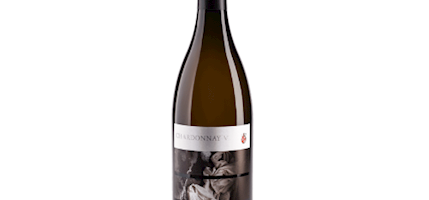
Hawke's Bay

Hawke's Bay is a viticultural region on the eastern coast of New Zealand's North Island, spanning the plains and hills surrounding Napier and Hastings. Registered as a Geographical Indication in 2018, it is the country's second-largest wine producer. The area is characterized by high sunshine hours and a maritime climate, with a landscape defined by four major rivers. These waterways have deposited a complex array of soils, including stony gravels, silt loams, and limestone-rich clays. Viticulture began here in 1851 at Mission Estate, followed by Te Mata and Church Road in the late 19th century. The region's modern profile was established in the 1980s with the development of the Gimblett Gravels. This sub-region consists of an arid riverbed exposed by an 1867 flood; its deep stones absorb solar heat, allowing heat-sensitive red varieties to reach full physiological ripeness in a cool-climate country. Preparation focuses on Merlot-dominant blends, Syrah, and Chardonnay. Winemakers typically use French oak barrels for aging red wines and fermenting Chardonnays to enhance texture. Recommended serving temperatures are 16°C to 18°C for reds and 10°C to 12°C for whites. A unique feature is the Gimblett Gravels designation, which is a soil-exclusive brand requiring 95% of the grapes to be grown on specific alluvial deposits rather than within political borders. Hawke's Bay wines are exported globally and are prominent in fine-dining. Syrah and red blends are paired with beef, venison, or peppered meats to balance their tannin structure. Chardonnays are served with roasted poultry, creamy pasta, or shellfish. These wines are also frequently consumed with local aged cheeses and charcuterie.
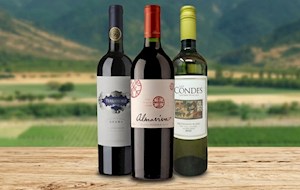
Valle Central

Valle Central is a Chilean wine appellation and the primary viticultural region of the country, spanning approximately 400 kilometers from the suburbs of Santiago south to the city of Parral. It is an elongated "super-region" situated between the Andes Mountains and the Coastal Range. The geography comprises four major sub-valleys: Maipo, Rapel (including Cachapoal and Colchagua), Curicó, and Maule. The climate is Mediterranean, characterized by semi-arid summers and a wide thermal range, where temperatures drop significantly at night due to cold air descending from the Andes. Soils are primarily alluvial and colluvial, composed of silt, clay, and gravel deposited by glacial erosion. Viticulture in this area was initiated in the 16th century by Spanish settlers who planted the first vines to produce wine for religious purposes. A transformative period occurred in the 1850s when landowners introduced French Vitis vinifera cuttings, specifically Cabernet Sauvignon, Merlot, and Sauvignon Blanc. Unlike European vineyards, this region was never affected by the phylloxera epidemic, resulting in the survival of ungrafted vines that are now among the oldest in the world. In 1994, the region achieved global significance with the rediscovery of Carmenere, a variety once thought extinct in Europe, which had been mislabeled in Chilean vineyards for over a century. Red varieties, which occupy over 70% of the land, undergo fermentation in stainless steel or concrete vats, with premium selections aging in French or American oak barrels for up to 24 months. White varieties are processed at low temperatures to preserve volatile aromatics. Service of the region's structured reds is recommended at 16°C to 18°C, while whites are served at 8°C to 12°C. A specific attribute of the production is the reliance on Andean snowmelt for irrigation, as the dry summers necessitate controlled water management. A unique feature of the Valle Central is its status as a phylloxera-free sanctuary, allowing for the cultivation of original European clones on their own rootstocks. Additionally, the southern Maule sector contains a high concentration of century-old vines of the País and Carignan varieties, which are often dry-farmed without artificial irrigation. In the Alto Maipo area, the high altitude and rocky soils produce Cabernet Sauvignon with a high concentration of tannins and natural acidity, frequently outperforming European counterparts in blind tastings. The wine is paired with grilled beef, lamb chops, and game meats. Carmenere is specifically served with spicy empanadas and corn-based dishes like pastel de choclo. Sauvignon Blanc and Chardonnay are paired with Pacific seafood and creamy pasta. For beverage pairings, the wine is served alongside chilled mineral water to balance the palate. In formal settings, older vintages are decanted to aerate the wine and separate sediment before consumption.

Marlborough
Situated at the northeastern tip of New Zealand’s South Island, Marlborough is a viticultural region centered within the Wairau and Awatere Valleys. As the nation’s largest producer, it accounts for approximately 70% of total wine output and was registered as a Geographical Indication in 2018. The landscape is defined by a maritime climate with high sunshine hours and significant diurnal temperature shifts. Its soil structure consists of free-draining alluvial river stones and gravels topped with silt and loess, which restricts vine growth and concentrates grape flavors. Large-scale viticulture was established in 1973 by Montana Wines, which repurposed land previously used for sheep farming and grain crops. The region’s global profile was established in the 1980s following the release of wines that showcased intense aromatic profiles and high acidity. This prompted a rapid expansion from the flat Wairau plains into the Southern Valleys and the cooler, wind-exposed Awatere Valley. The distinct soil variations across these sub-regions have led to a diversification of wine styles, moving from tropical fruit profiles in the north to more mineral and herbaceous characters in the south. Preparation is focused primarily on Sauvignon Blanc, alongside Pinot Noir and Chardonnay. Most white wines undergo fermentation in stainless steel at low temperatures to retain volatile aromatics, while Pinot Noir is typically aged in French oak to develop structure. Serving temperatures are 7°C to 10°C for Sauvignon Blanc and 14°C to 16°C for Pinot Noir. A unique attribute is the Appellation Marlborough Wine (AMW) certification, an industry-led standard that mandates 100% estate-grown fruit and specific yield limits to protect the region's integrity. Marlborough wines are a major global export and a staple in international dining. Sauvignon Blanc is paired with fresh seafood, particularly green-lipped mussels and oysters, as well as goat cheese and citrus-based salads. The regional Pinot Noir is served with lean meats like lamb or grilled salmon. These wines are also commonly consumed with light vegetable dishes and soft cheeses.

Kwarktaart

Kwarktaart is a Dutch no-bake chilled cake composed of a biscuit crumb base and a thick, aerated layer of sweetened quark. It has a smooth, gelatin-set structure and a flavor profile that is significantly more acidic and lighter than cream-cheese-based cakes. The item emerged as a common fixture in Dutch domestic kitchens during the mid-20th century, following the mass commercialization of packet gelatin and the widespread availability of home refrigeration. While its primary dairy component, kwark (a fresh, acid-set cheese), has been a staple of Northern European diets for centuries, the specific assembly of this dairy with whipped cream and a crumb crust is a modern Dutch development. Preparation begins with the creation of the base, using crushed dry biscuits, most commonly Bastogne (spiced caramelized cookies) or digestive biscuits, blended with melted unsalted butter. The filling is a mixture of full-fat or low-fat quark, sugar, and often a citrus element such as lemon juice or zest to enhance the natural tang of the cheese. Gelatin is bloomed in cold water, dissolved in a small amount of warm milk or fruit juice, and then tempered into the quark mixture. The final structural component is whipped heavy cream, which is folded into the quark to introduce air and prevent the cake from becoming rubbery as it sets.Once assembled, the cake must be refrigerated for at least four hours, though overnight setting is standard to ensure clean, vertical slices. Kwarktaart is served cold, frequently as a centerpiece for birthday celebrations (verjaardagen) or as an afternoon accompaniment to social visits. In the Netherlands, it is almost exclusively consumed during the warmer months due to its refreshing, chilled temperature. It is most frequently paired with strong black coffee or Earl Grey tea, as the tannins and heat provide a necessary balance to the cold, creamy fat and acidic profile of the cake. For a beverage pairing with more acidity, it is often served alongside chilled apple juice or a sparkling fruit pressé that mirrors the fruit topping of the cake.

Mbeva

Mbeva, also known as roasted field mice, is a traditional snack in some parts of Africa, particularly in Zambia, Malawi, and some other Southern African countries. This snack is considered a delicacy in certain regions and is often enjoyed as a street food. In rural regions of Southern Africa, roasted field mice, known as mbeva, are prepared by first catching the mice, cleaning them thoroughly, and then roasting them over an open fire until crispy. They are typically consumed whole and often enjoyed as a snack or part of a meal. While mbeva can be a nutritious source of protein and other nutrients, potential health concerns include the risk of zoonotic diseases, but ensuring thorough cooking and proper hygiene can mitigate these risks.
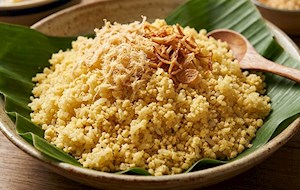
Xôi vò

Xôi vò is a traditional dish and a version of the popular xoi rice-based dishes. This version is unique because it doesn't have the typical stickiness that is characteristic for xoi. The dish is made with glutinous rice, mung beans, salt, sugar, and vegetable oil. The rice and dehusked (and squeezed) mung beans must be picked carefully because only one bad grain can ruin the flavor. Both are soaked separately, usually for up to 12 hours. Later on, the two are mixed so that the rice grains are coated with the mung beans; the dish is then steamed, and as a result the grains do not stick together. Xôi vò is served for breakfast, lunch, or dinner, and it's often eaten as an accompaniment to sweet dessert soups such as chè hoa cau.
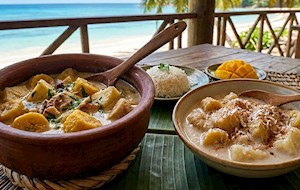
Ladob

Ladob is a Seychellois dish based on plantains, breadfruit, and cassava. It can be prepared in sweet or savory versions. The dessert version is prepared by boiling plantains or cassava in coconut milk, along with nutmeg, vanilla, and sugar as flavorings. When properly made, the dessert has a tender and creamy texture. The savory version uses salted fish boiled in coconut milk with plaintains, cassava, nutmeg, and salt. Ladob is very popular throughout the island, and it is served either hot or cold.
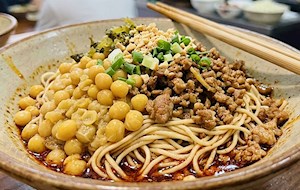
Gān liū wān zá miàn

Gān liū wān zá miàn is a dry-mixed noodle dish from Chongqing, that features both “wan” (peas, often in the form of mashed or stewed peas) and “za” (minced meat, usually pork or beef), creating a combination that is savory, earthy, and satisfying. It is part of the larger family of Chongqing noodles, which rely on the interplay of chili oil, Sichuan pepper, and wheat noodles, but it distinguishes itself with the pairing of legumes and meat as defining toppings. The dish developed from Chongqing’s street food scene, where noodle vendors served quick meals to workers and locals in need of something affordable yet filling. While xiaomian became the most famous version, with its straightforward chili oil and pepper base, cooks experimented with toppings that made the noodles more substantial. Stewed peas and minced meat were natural additions, both inexpensive and easy to prepare in bulk. Their combination with chili oil and soy-based seasonings produced a noodle bowl that was more complex in texture and flavor, and it gained popularity as an alternative to simpler versions. To prepare gān liū wān zá miàn, thin wheat noodles are boiled until chewy, then drained and tossed with a seasoning base at the bottom of the bowl. This base often includes chili oil, soy sauce, black vinegar, garlic, and ground Sichuan pepper. On top of the noodles, two key components are added: stewed or mashed peas that bring a slightly sweet and nutty taste, and minced pork or beef that has been stir-fried with soy sauce, ginger, and sometimes fermented bean paste. The toppings are layered rather than fully mixed before serving, allowing diners to combine them at the table. Crushed peanuts, scallions, or pickled mustard greens are sometimes sprinkled on top for added contrast. Today, gān liū wān zá miàn is enjoyed in Chongqing as a popular choice for lunch or dinner, especially for those who want a bowl that feels more layered than plain xiaomian. It is usually eaten in small noodle shops where customers can choose between different topping variations, but it remains closely tied to its city of origin rather than being widely available across China.
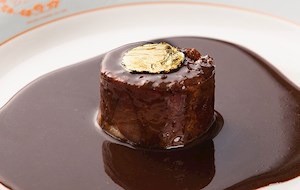
Lièvre à la royale

Lièvre à la royale is a distinguished game dish from France that features whole hare braised and served in a rich red-wine sauce. Its origins reach into the country’s haute cuisine heritage, where chefs and gastronomes refined preparations of prized wild game for banquets and elite tables. One of the versions known as the “façon Aristide Couteaux,” published in 1898, presents the hare cooked étouffée-style with garlic and shallots, then shredded into a sauce of red wine and its own blood. Another version, attributed to Henri Babinski in 1928, treats the hare as a galantine: the carcass is deboned, stuffed with foie gras and truffles, rolled, poached or braised, then served in slices topped with a red-wine sauce enriched with blood and the hare’s offal. In the more commonly executed recipe the hare is cleaned with its offal reserved; the meat is larded, marinated or poached in red wine with bacon, garlic, carrots, shallots and herbs. The hare is then gently cooked, removed while tender, and the offal and blood are incorporated into the cooking liquid along with cognac or armagnac, reduced into a deep, glossy glaze. The meat is either returned to the sauce whole or served in slices if treated as a galantine. The reduction is carefully seasoned, emulsified with butter and the dish is served hot and saucy. Variations include using other game such as venison or roe deer instead of hare, substituting chocolate, foie gras or truffle accents for added depth, or replacing part of the red wine with fortified wine. One striking feature of Lièvre à la royale is its integration of the hare’s blood and offal into the sauce, which amplifies flavour and creates a uniquely rich texture and colour that sets this dish apart from simpler game stews. This dish is served in winter, typically during the game season and at formal dinners, accompanied by sautéed mushrooms, button onions or root vegetables, and it pairs excellently with full-bodied red wines like Châteauneuf‑du‑Pape, Côte‑Rôtie or a mature Pomerol. Its intense, deep flavour also responds well to a fortified wine or aged port if served after the meal.
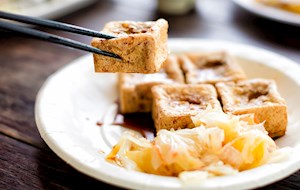
Shàoxīng chòu dòufu
Shàoxīng chòu dòufu is a regional style of fermented tofu from Shaoxing in Zhejiang province, recognized for its distinctive method of preparation and strong connection to local food culture. Unlike fried versions from other regions, the Shaoxing style is often stewed or braised in sauce, giving it a softer texture and deeper flavor profile that reflects the city’s long history of fermentation practices. The roots of this dish lie in Shaoxing’s reputation as a center of fermentation, famous for products such as Shaoxing wine, fermented vegetables, and preserved soy goods. In this environment, tofu fermentation developed with unique characteristics, producing a variety of stinky tofu that not only carried the pungent aroma common to the dish but also absorbed flavors from cooking broths enriched with soy sauce, wine, and aromatics. Over time, the Shaoxing version distinguished itself from fried variations in Hunan and Jiangsu by being associated with simmered preparations served hot, often in small bowls rather than skewers or paper trays. The preparation begins with tofu that has been fermented in a brine of vegetables, herbs, and fermented bean products, a process that develops its signature aroma. Once ready, the tofu is cut into cubes and simmered in a sauce made with Shaoxing wine, soy sauce, chili paste, garlic, and sometimes fermented bean curd. The slow cooking allows the tofu to soak up the sauce, balancing pungency with savory depth. The resulting dish is soft and rich, with layers of flavor that highlight both the fermentation and the cooking liquid. It is often garnished with fresh herbs or chili to sharpen the taste. Today, Shàoxīng chòu dòufu is eaten mainly in the markets and restaurants of Shaoxing, where it is served in bowls of richly flavored broth. Locals enjoy it as part of a meal or as a standalone snack, while visitors seek it out as one of the city’s culinary specialties.
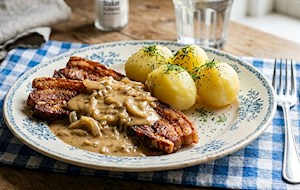
Stekt fläsk med löksås

Stekt fläsk med löksås is a classic Swedish dish consisting of fried pork belly served with a creamy onion sauce. It originates from rural cooking, where pork was a staple source of protein and onions were among the most common vegetables stored through the long winters. This combination grew into a practical yet flavorful meal that became popular not only in homes but also later in school canteens and local eateries across the country. The dish is prepared by slicing pork belly into thick pieces and frying them until golden and crisp, allowing the fat to render and form the base for the sauce. The onion sauce is made in the same pan by cooking sliced onions slowly until softened, then combining them with flour, milk, and seasonings to create a velvety sauce that is rich yet comforting. The fried pork is served alongside boiled potatoes, which balance the richness of the meat and sauce. Pickled cucumbers or lingonberry jam are often added to the plate, cutting through the heaviness with their tang and sweetness. Today, it is eaten at home as a weekday dinner or in lunch restaurants serving husmanskost, the hearty Swedish home-style cooking. The dish pairs well with cold milk, which is common in Swedish dining culture, or with a light beer that complements the saltiness of the pork.
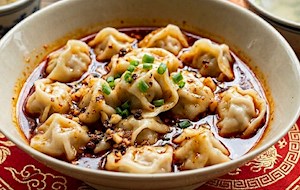
Zhōng shuǐjiǎo
Zhōng shuǐjiǎo is a Sichuan dish consisting of boiled dumplings served in a spicy, aromatic sauce made from chili oil, soy sauce, garlic, and vinegar. The name literally means “Zhong’s boiled dumplings,” referring to their origin in Chengdu, where a family named Zhong created this now widely known version. Unlike dumplings found in northern Chinese cuisine, which are often eaten plain or in broth, zhōng shuǐjiǎo are defined by their rich, oily red sauce that highlights the balance of heat, sweetness, and sourness characteristic of Sichuan cooking. The dish traces its origin to the mid-twentieth century in Chengdu, when a couple surnamed Zhong operated a small street stall selling handmade dumplings. Their recipe gained fame for its distinct seasoning, the sauce was neither overwhelmingly spicy nor bland but carefully layered, allowing the flavor of the meat filling to remain clear. As the story spread through the city, the dumplings came to be known simply as Zhong’s shuǐjiǎo, distinguishing them from other regional dumpling styles. Over time, they became a staple of Sichuan snack culture, served in teahouses, food stalls, and restaurants throughout the province. To prepare zhōng shuǐjiǎo, the dough is rolled thin and filled with a finely minced mixture of pork, a small amount of ginger, scallion, soy sauce, and sometimes sesame oil for aroma. The dumplings are shaped simply, folded and sealed to create soft edges that absorb sauce well. They are boiled in water until they rise to the surface, indicating doneness. The sauce, arguably the defining element, is made by combining chili oil with soy sauce, black vinegar, minced garlic, sugar, and ground Sichuan peppercorns. The sugar gives it a slightly sweet undertone, which distinguishes it from other spicy Sichuan sauces. Once the dumplings are drained, they are placed in a bowl and generously coated with the warm sauce, allowing it to seep into the folds of the wrapper. The balance between the tender dumpling skin, savory filling, and fiery yet sweet sauce creates a layered experience that is both simple and refined. In Chengdu, zhōng shuǐjiǎo are commonly eaten as a light meal or afternoon snack, often alongside a bowl of clear soup or a cup of jasmine tea. They are served in small portions, encouraging slow eating and sharing. Beyond Sichuan, they appear in restaurants across China and abroad, where they are recognized as a distinct variety of Sichuan dumplings. Pairings usually include cool drinks like soy milk, herbal tea, or even light beer, which balance the spiciness of the sauce.
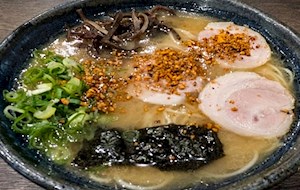
Tamana Ramen

Tamana ramen is a rich, historic pork-bone noodle soup from Tamana City, Kumamoto Prefecture. It is widely recognized as the direct ancestor of the famous Kumamoto ramen style. The dish's history began in 1952, when a popular Kurume ramen shop, Sankyu, opened near the local railway station. Its rich flavor inspired several aspiring chefs who later founded some of Kumamoto's most legendary ramen chains. Historically, Tamana ramen became highly popular among local seaweed farmers who needed a hot, hearty meal to warm their freezing bodies and regain stamina after working in the cold coastal waters. The dish is defined by a dense, savory tonkotsu broth paired with medium-thin, straight wheat noodles. Local noodle makers intentionally craft these noodles with a slightly uneven surface so they catch the thick soup perfectly, and the portions are typically larger than those found in neighboring cities. The absolute signature of Tamana ramen is its roasted or fried garlic topping. Unlike other styles where the garlic is mixed in during cooking, the toasted garlic in Tamana is added tableside. Waitstaff will specifically ask customers whether they want garlic, then sprinkle it directly over the hot broth right before eating, allowing each person to enjoy the intense, smoky flavor at its freshest.
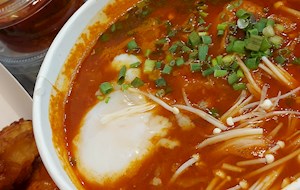
Kimchi ramen
Kimchi ramen is a type of ramen that has fermented Korean cabbage as its key ingredient, creating a profile in which the sharp lactic acidity and capsaicin of the kimchi serve as primary structural elements rather than mere garnishes. It is a modern culinary fusion that emerged in the late 20th century as a "stamina" dish, reflecting the deep integration of Korean food culture within the Japanese landscape. The essential components for this ramen variety include alkaline wheat noodles, aged napa cabbage kimchi, pork or chicken bone stock, red miso or soy sauce tare, pork belly slices, garlic, ginger, toasted sesame oil, gochugaru, bean sprouts, and green onions. The miso-kimchi variation is particularly prominent because the earthy density of fermented soybean paste acts as a functional buffer for the aggressive tartness of the cabbage, while the tonkotsu-kimchi style utilizes the kimchi’s acidity to cut through heavy pork lipids, cleansing the palate between bites. A critical technical distinction of professional kimchi ramen is the "blooming" of the cabbage, where the kimchi is flash-fried in a wok with pork belly, garlic, and sesame oil before the soup is added. This high-heat searing caramelizes the vegetables' sugars and releases the chili oils, resulting in a cohesive, deep-red broth with a charred "wok-hei" aroma that raw kimchi cannot match. The noodles are almost always medium-thick and curly to ensure a high surface area for the spice-flecked soup to cling to, while the assembly is finished with fresh bean sprouts and green onions to provide a cooling, structural crunch. This "stamina" meal is a staple of Japanese neighborhood diners and yakiniku restaurants, prized for its ability to stimulate the appetite through a complex balance of fermentation-derived funk, savory meat umami, and a lingering, clean heat.
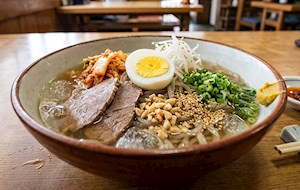
Beppu reimen
Beppu reimen is a chilled noodle dish from the coastal city of Beppu in Oita Prefecture, defined by a firm buckwheat-based noodle and a soup that blends beef stock with Japanese seafood dashi. This specific variety appeared in 1950, credited to a Japanese repatriate who had lived in the northern Korean Peninsula and opened the restaurant Arirang upon returning to Kyushu. While similar cold noodle dishes in Japan moved toward a purely beef-centered profile, the version in Beppu was modified to align with local preferences for lighter, umami-rich flavors found in traditional Japanese cooking. This led to a distinct divergence from the Morioka style, with Beppu reimen eventually split into two categories: the "Yakiniku-style," served as a palate cleanser in barbecue houses, and the "Specialty-store style," which functions as a standalone meal in dedicated shops. The noodles are made from a mixture of wheat flour, buckwheat flour, and potato starch, which are combined into a dough and forced through a mechanical extruder directly into a boiling cauldron. This method yields a thick, rounded noodle with a dark hue and significant resistance to the bite, resulting in a much denser texture than standard ramen. The soup preparation involves a dual-layered process where a clarified beef bone broth is combined with a cold extraction of dried anchovies (iriko) and kelp (konbu). This technical combination ensures the liquid remains refreshing at low temperatures without the heavy mouthfeel of congealed animal fats. A unique functional component of the dish is the use of aggressively fermented cabbage kimchi, which is aged longer than typical table kimchi to ensure its lactic acid is sufficiently sharp, sharpening the savory dashi when mixed into the bowl. Beppu reimen is served in a deep ceramic bowl, with the cold broth submerged under a mound of noodles and topped with slices of lean, braised beef, a halved hard-boiled egg, and the signature sour cabbage. A specific characteristic of the Beppu presentation is the addition of thick-cut, crunchy cucumber slices briefly cured in salt. Unlike other regional cold noodles that utilize fruit to offset spice, Beppu reimen relies on the interplay between the earthy buckwheat and the briny, acidic notes of the seafood-beef broth. The dish is primarily consumed in Beppu, often as a light lunch for residents or as a restorative meal for visitors to the local hot spring districts. It is eaten by dipping the thick noodles into the broth and is frequently paired with chilled water or local Oita shochu, which complements the fermented depth of the kimchi.
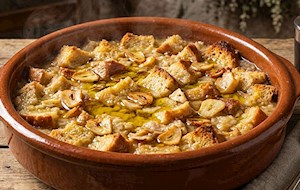
Sopa de gato

First things first: despite its name, sopa de gato (lit. cat soup) is not made with cats. It's a thick Spanish soup originating from the city of Cádiz. The soup is made with just a few basic ingredients – garlic, oil, salt, and stale bread. Cloves of garlic are fried in plenty of oil, then combined with water and salt. The concoction is poured over stale bread, and it is then shortly baked in the oven until the bread develops a golden hue. Cat soup is traditionally prepared and consumed in winter, and it is always served hot. Originally, it was invented out of necessity because Cádiz was looted and raided by pirates in the 16th century.
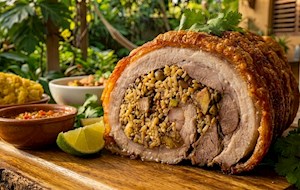
Cuerito relleno

Cuerito relleno is a dish from Puerto Rico, consisting of a large cut of raw pig skin, formed into a pouch and tightly packed with a seasoned filling of rice, pigeon peas, and chopped meats. The culinary practice of stuffing pork skins emerged from rural butchery methods across the Spanish-speaking Caribbean, where cooks sought practical ways to maximize the utility of a slaughtered animal by using the durable, fatty skin as a functional roasting casing to flavor inexpensive grains and legumes. To prepare the item, a cook lays out a rectangular slab of pork skin, frequently with a thin layer of belly fat attached, and spoons a dense mixture of seasoned rice, such as arroz con gandules, along with ground pork or smoked meats directly into the center. The skin is then folded over the filling, securely tied with butcher's twine or sewn shut to prevent the contents from escaping, and roasted in a high-temperature oven until the exterior hardens into a crispy texture and the internal grains absorb the rendered pork fat. The thick skin functions as a sealed steaming chamber during the cooking process, simultaneously cooking the internal rice mixture with trapped moisture while the outside reaches a high enough temperature to fry in its own fat. It is eaten at large gatherings, holiday events, and specialized local eateries throughout Puerto Rico and various expatriate communities in Florida, where diners consume it by slicing the cooked pouch into thick cross-sections, using a heavy knife to chop through the hardened skin, and serving the pieces on a flat plate alongside the spilled filling. Typical food pairings meant to be eaten with the heavy meat include acidic sides like a sharp cabbage slaw or pickled red onions, which help balance the dense, rendered fat, while standard beverage choices feature ice-cold light lagers, carbonated malt beverages, or rum mixed with fresh citrus juices to provide a sharp, palate-cleansing contrast.
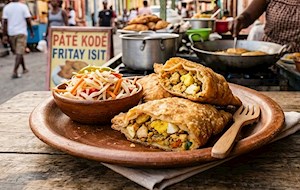
Pate kodé

Pate kodé is a fried hand pie from Haiti, known as a common street food item filled with spiced meat or vegetables and sold throughout cities and towns, especially in Port-au-Prince and Cap-Haïtien. It developed as a practical, portable food influenced by French pastry techniques adapted to local ingredients and cooking environments, appearing in Haitian markets and roadside stands by the early to mid-20th century when small vendors relied on inexpensive dough, ground meat, preserved spices, and hot oil to produce snacks that could be prepared and sold quickly. The dough is usually made from flour, salt, water, and fat, rolled into a firm sheet and cut into rounds that can withstand frying without breaking. The filling is often ground beef or salted cod mixed with garlic, onion, peppers, parsley, and epis, the seasoned Haitian base that shapes much of the local flavor profile. Each round of dough is filled, folded, sealed, and fried until the exterior becomes crisp and slightly blistered, producing a contrast between the crunchy shell and the soft, seasoned interior. One notable feature is that the pastry is sturdier and denser than many similar fried pies, a quality that allows vendors to stack and transport them without losing structure. Pate kodé is typically eaten hot from roadside stands, bakeries, or home kitchens, often during breakfast or as a midday snack, and it is commonly served with pikliz, the fermented hot cabbage relish that adds acidity and heat. Drinks such as cola, fruit juices like grenadia or cherry juice, and local malta beverages are frequent pairings that balance the rich and savory character of the pastry.
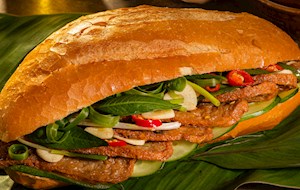
Bánh mì chả cá
Bánh mì chả cá is a traditional type of bánh mì sandwich made with fish patties as the main ingredient. In order to prepare it, a bánh mì roll or a Vietnamese baguette is split lengthwise, then filled with fried fish cakes and classic bánh mì fare such as scallions, coriander, soy sauce, sliced chili peppers, or pickled daikon and carrots. The fish cakes can be pre-made or prepared from scratch, and they usually consist of pounded fish fillets, fish sauce, garlic, sesame oil, salt, and white pepper. The paste is formed into patties, which are then fried until golden. This sandwich can be bought at street stands throughout the country.
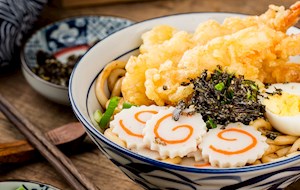
Tempura ramen
Tempura ramen is a unique regional specialty from the Shakotan Peninsula, centered in the town of Iwanai. Unlike the global perception of tempura as a high-end sushi bar accompaniment, this dish was born in local "shokudo" (casual diners) and soba shops as a hearty, working-class meal. It consists of a light, clear soup base topped with freshly fried shrimp tempura, creating a functional balance where the oily richness of the batter seasons the lean, saline broth. The dish is traced back to around 1940 at a soba shop called Fukuian in Iwanai. According to local history, a regular customer asked the chef to place the "kakiage" (mixed vegetable and seafood fritter) usually reserved for soba directly into a bowl of ramen. The resulting flavor was so well-received that it spread across the peninsula. By the 1950s, kakiage ramen—made with seafood caught in nearby waters—was a standard menu item in the region's general diners. It wasn't until around 1980 that the presentation shifted from kakiage to whole shrimp tempura. This change was driven by the visual appeal of shrimp and the increased availability of frozen imports, which enabled shops to offer a more luxurious-looking meal at a stable price point. The technical construction of tempura ramen focuses on a chicken bone and katsuobushi (bonito) stock, typically seasoned as either "shio" (salt) or "shoyu" (soy sauce). This transparency is essential because, as the tempura rests in the bowl, its oil slowly leeches into the soup, adding a nutty depth and a heavier mouthfeel without making the broth muddy. The noodles used are usually medium-thin with a slight wave, designed to catch the oil-flecked liquid. While some modern shops offer a miso version, the traditional Shakotan style remains minimalist, often garnished only with green onions and menma (bamboo shoots) to ensure the focus remains on the interplay between the crispy batter and the hot soup. Today, the dish is a celebrated piece of Hokkaido’s "B-grade gourmet" culture, found primarily in the towns of Iwanai, Kyowa, Tomari, Furubira, and Shakotan. It is rarely found in specialized ramen-only shops; instead, it survives in long-standing neighborhood diners and soba restaurants. Because the tempura softens as it sits, diners often eat the shrimp quickly to experience the crunch, or let it soak to turn the batter into a savory, soup-infused sponge. It is a true coastal soul food, often paired with cold water or a light Japanese lager to refresh the palate after the rich, fried topping.
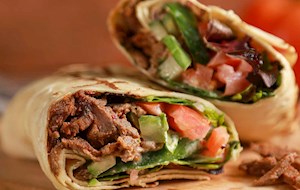
Shawarma

Marinated and spit-roasted, shawarma is a delicious Middle Eastern meat treat whose origins can be traced back to the Ottoman Empire era, while its name stems from the Arabic pronunciation of the Turkish word çevirme (lit. to turn; turning), and refers to the rotating skewer on which the meat is cooked. Shawarmas are made with either lamb, turkey, chicken, beef, or a mix of different meats which are slow-cooked for hours and basted in their own juices and fat, gaining an incomparable succulence, but the real secret to a perfect shawarma is in the marinade. Depending on the variety, the meat must be marinated for at least a day, preferably two, especially when using beef. These marinades are either yogurt or vinegar-based and typically include spices and flavorings such as cinnamon, cloves, cardamom, nutmeg, black pepper, allspice, dried lime, spicy paprika, garlic, ginger, lemon, bay leaf, and sometimes even orange slices. Shawarma is traditionally served either on its own or enjoyed tucked inside a warm flatbread such as pita or lavash. However, what really sets it apart from the Turkish döner kebab, Greek gyros, or other similar foods is the extent of garnishes and condiments offered with it. For example, Israeli shawarmas are typically topped with tahini and come with generous servings of hummus and pickled mango slices, while in other countries, shawarma is often complemented with garlic mayo or a zesty toumaia garlic sauce, both fresh and pickled vegetables, salads like tabbouleh or fattoush, and amba sauce–a tangy chili and mango pickle dip. Once a common staple of the Middle Eastern working man, shawarma has today become the ultimate Arabic street food, found not only in Arabia and Levant but in virtually any nook and corner of the globe.
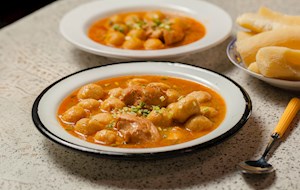
Vori-vori

Vori-vori is a soup from Paraguay made with small balls of cornmeal and cheese cooked in a broth that often includes chicken, vegetables, and herbs, and it is recognized as a staple dish across the country’s rural and urban regions. Its development is linked to the long-standing use of corn and poultry in Guaraní and later mixed culinary practices documented in household cooking records and regional accounts from the eighteenth and nineteenth centuries, where corn-based doughs were shaped into dense dumplings to stretch ingredients during periods of limited supply. Preparation involves mixing finely ground cornmeal with grated cheese and a small amount of fat or broth to form a firm dough, shaping it into small spheres, and poaching them gently in a simmering broth until they swell and soften; the soup is seasoned with onions, garlic, parsley, and occasionally peppers, and served as soon as the dumplings reach a uniform texture. A notable feature is the density of the dumplings, which absorb broth while retaining their structure, giving the dish a thickened consistency without flour or other thickeners. Vori-vori is eaten throughout Paraguay in home kitchens, rural gatherings, and small restaurants, often as a main meal during cooler weather, and it pairs well with simple accompaniments such as mandioca, fresh salads, mild cheeses, herbal teas, and lightly flavored nonalcoholic beverages, with some households serving it alongside light beers or local wines depending on the occasion.
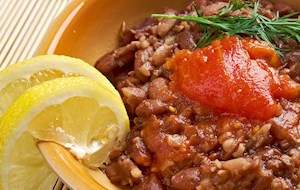
Ful medames

Ful medames is an ancient, pre-Ottoman and pre-Islamic national dish of Egypt, a traditional breakfast food consisting of slowly simmered fava beans seasoned with a squeeze of lemon juice, olive oil, garlic, and selected spices. Some remnants of the dish were found in the 12th Dynasty Pharaonic tombs in Egypt, and any food that has been found in an ancient tomb must have been a wildly popular culinary treat. Because it is a breakfast food that is also good for breaking the fasting, the dish is extremely popular during Ramadan. Although it's an Egyptian dish, it is also prepared throughout North Africa and the Middle East. Ful medames is a staple of the Egyptian diet, so much that the price of beans is regulated by the government in order to ensure that they are affordable to the poorest citizens. The creamy, earthy stew is usually spiced with the addition of chilis and cayenne pepper. It is recommended to prepare it a day in advance because the beans need to be soaked and cooked overnight. When eaten, the hearty stew is traditionally served out of big metal jugs, and once on the plate, it is often mopped up with pieces of fresh pita bread and topped with pickled beets, parsley, onions, tomatoes, and cumin. Filling, savory, nutritious, and easy to prepare, ful medames is a literal blast from the past.
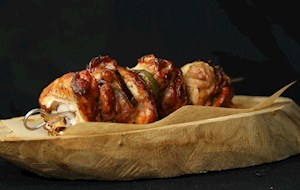
Kontosouvli

Kontosouvli is a traditional dish consisting of large pieces of pork marinated in a mixture of herbs and spices, then skewered and slowly cooked on a rotisserie, much like a gyro or souvlaki. The marinade often contains ingredients such as garlic, oregano, thyme, rosemary, paprika, olive oil, lemon juice, and red wine. After marinating, the meat is threaded onto a large skewer and roasted over an open flame, which results in a rich and flavorful outer crust with a juicy, tender interior. The cooked meat is typically served in thick slices, often accompanied by pita bread, tzatziki sauce, and horiatiki salad, among other possible accompaniments. It was traditionally prepared for Easter, but today it can be found on the menus of Greek tavernas throughout the year.
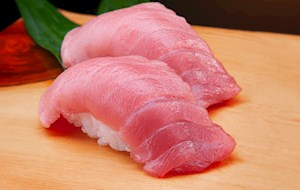
Otoro nigiri sushi
Otoro nigiri sushi is a traditional type of nigiri sushi. It consists of hand-pressed sushi rice that's topped with slices of fatty cuts of tuna. Different cuts of tuna are classified as otoro (fatty), chutoro (medium-fatty), and akami (red meat). The dish has a rich flavor and a melt-in-the-mouth texture that makes it quite expensive. Traditionally, this type of sushi is eaten by hand in a single bite. It's usually accompanied by soy sauce, wasabi, or pickled ginger (gari) on the side.
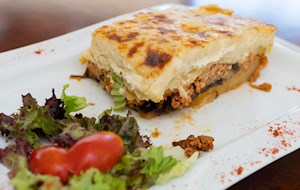
Moussaka
Moussaka is one of the best known Greek dishes – a baked casserole consisting of ground lamb meat and layers of sliced eggplant, covered with a thick layer of bechamel sauce that gets golden and crusty as it bakes. The lamb is sometimes replaced with beef, while the eggplants might be replaced with zucchini or potatoes. It is likely that moussaka has Middle-Eastern origins, and it was introduced when the Arabs brought the eggplant to Greece. Its Greek name mousakás is derived from the Turkish musakka, which came from the Arabic word musaqqa'ah, meaning chilled. Moussaka is not an everyday dish–it is baked as a special treat for guests and family on festive days. An exotic version of lasagna, without the pasta, moussaka is exceptionally healthy due to the abundance of vegetables used in the dish. It is commonly cut into squares and served warm, not hot, as the dish needs some resting time in order to firm up.

Mezzo e Mezzo

Mezzo e Mezzo is an Italian aperitif made with equal parts Nardini Rabarbaro, a bitter liqueur flavored with Chinese rhubarb, and Nardini Rosso, a bitter liqueur infused with herbs and spices. The drink is finished with a dash of soda. It is traditionally served neat and garnished with a lemon twist. Mezzo e Mezzo was invented in 1970 at the Grapperia Nardini, a bar located in Bassano del Grappa and ooperated by the Nardini distillery. As it became popular, the company even decided to bottle a preblended version and named it Mezzoemezzo. The first bottled version was released in 1917.

Cream Pie

Luscious cream pies are one of the most famous American desserts. Uncomplicated and refreshing, they are usually made with a crunchy bottom crust and a rich, creamy filling, all topped with generous amounts of whipped cream. It is not clear when and where the first cream pie was created, but in the 19th century, they started to appear in the most notable cookbooks at the time. Originally, the crust was made with a basic flour and lard or butter mix, creating a flaky foundation for the decadent filling. Nowadays, the bottom is also commonly made with crushed or crumbled cookies and graham crackers. Primarily, the filling for cream pies was only vanilla-based; it was a custard or a pudding-like cream, thick and lush, created with egg yolks and vanilla. Although a subtle vanilla custard is still the predominant flavor, numerous other varieties, primarily chocolate, have been introduced to become new American favorites. Mocha, butterscotch, caramel, and peanut butter are only a few of the most famous varieties. However, the coconut cream pie and banana cream pie are probably the most important kinds which have become hallmark desserts in the United States. Cream pies are usually associated with traditional American diners where they are prepared and served on a daily basis as the universal American dessert.

Paska

The traditional Ukrainian paska is a sweet and fragrant Easter bread. This popular delicacy abounds in eggs and butter, and typically has a tall cylindrical shape with a rounded top. It is often enriched with citrus juice or zest, vanilla, rum, ginger, and occasionally saffron. Some varieties of paska also might include raisins, candied fruit, or maraschino cherries. In the past, the surface of the bread was commonly decorated with festive ornaments, usually roses or crosses, but modern versions are often brightened with pristine egg-white glaze, colorful sprinkles, or poppy seeds. Outside Ukraine, this type of bread is also commonly consumed in Georgia, Bulgaria, Romania, Serbia, and Slovakia. Paska is usually taken to church on Easter morning, where it is blessed, and later shared at home among family members.

Alfajores

Argentinian alfajores are sandwich cookies consisting of two round, crumbly sweet cookies with a dulce de leche or milk jam stuffing between them. The combination is then coated with a layer of chocolate or sprinkled with confectioners' sugar. The name alfajor stems from the Arabic word al-hasú, which means stuffed or filled. Although the cookies can be found throughout Latin America, they are originally from Andalusia, Spain. When the Spaniards came to America, they brought their foods and traditions along the way, and with time, almost every country in Latin America has adapted the Spanish alfajor to make it their own. In Argentina, you can find alfajores with different flavors of dulce de leche, like chocolate, vanilla or various fruits. They are also packaged in different shapes and sizes, and are usually enjoyed with tea or coffee.
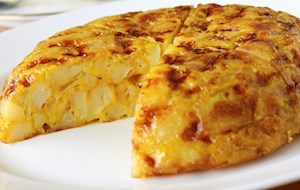
Tortilla de patata
Tortilla de patata, often called Spanish omelette, is a dish from Spain made with little more than potatoes, eggs, olive oil and salt, sometimes enriched with onions depending on preference. It is one of the country’s most recognisable recipes, found in homes, markets and restaurants across every region. What began as a humble preparation using the most accessible ingredients has become a national emblem of Spanish cooking. The origins of tortilla de patata can be traced back to the 19th century, when the widespread cultivation of potatoes in Europe after their introduction from the Americas made them a cheap and nourishing staple. One of the most cited references comes from Villanueva de la Serena in Extremadura, where a local story credits the invention of the dish to a housewife who, during wartime scarcity, made a simple meal for General Tomás de Zumalacárregui using just eggs, potatoes, and a little onion. Zumalacárregui is then said to have popularised it among his troops during the First Carlist War (1830s), because it was filling, cheap, and easy to prepare. Over time, the dish spread beyond its rural beginnings and established itself in urban kitchens, taverns and eventually restaurants. Its reputation grew not through extravagance but through its comforting simplicity and consistency. The preparation is straightforward yet requires care. Potatoes are sliced or diced and gently cooked in olive oil until tender but not browned. They are then mixed with beaten eggs and cooked slowly in a pan until set, with the centre either firm or slightly runny depending on regional and personal tastes. The decision to include onions, a matter of constant debate in Spain, adds sweetness and depth but is by no means universal. Tortilla can be served warm or cold, cut into wedges or cubes, making it as suitable for a full meal as it is for tapas. It can be eaten at any time of day, whether as breakfast, a light lunch, dinner or a late-night snack. Its portability has also made it popular as a dish taken on picnics or eaten at festivals. Variations exist, such as tortillas filled with vegetables, ham or cheese, but the potato and egg base remains constant. Today, tortilla de patata is eaten everywhere in Spain, from cafés and bars to fine dining establishments that may reinterpret it in creative ways.
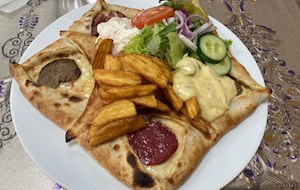
Pizza Vulkanen
Invented by chef Halmat Givra of Nya Gul & Blå restaurant in Piteå, volcano pizza is a visually impressive dish with extra everything – there are pockets of cheese and ham, salami, bacon, and beef tenderloin in a wide ring. Erupting from the center are french fries and a salad with Béarnaise sauce. This recent Swedish invention is ideal for large parties – with a great number of flavors, there is something for everyone involved.
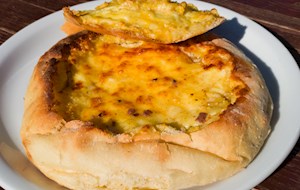
Komplet lepinja

This delicacy consists of a traditional flatbread (lepinja) that is cut in half, coated in thick cream (kajmak), and topped with an egg. The combination is shortly baked and should be doused with a mixture of warm meat drippings, which is locally known as pretop. Komplet can be loosely translated as with everything in it, and is traditionally associated with Užice and Zlatibor. It is believed to have originated sometime before WWII, and the name was officially registered by Dragan Lazić, a current owner of the bakery Kod Šuljage in Užice. Although it is nutritious and highly caloric, the dish is commonly enjoyed for breakfast and is best paired with a glass of yogurt or sour milk on the side. For the most authentic experience, it is recommended to eat it with your hands.
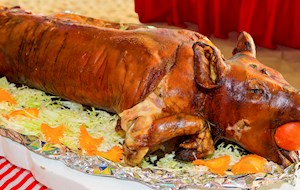
Lechon

Lechon, derived from a Spanish word for roasted suckling pig is one of the most popular dishes in the Philippines. The slowly-roasted suckling pig is usually stuffed with lemongrass, tamarind, garlic, onions, and chives, and is then roasted on a large bamboo spit over an open fire. It is traditionally served whole on a platter, at celebrations and festive events such as weddings and Christmas. Once the meat is properly roasted and falls off the bone, people tend to eat every part of the pig, and the crispy, reddish-brown, crackling skin is especially beloved. Lechon is often served with a thick and rich liver sauce that is cooked with sugar, fresh herbs, and vinegar. If anything is left after the feast, the leftovers are often made into lechon slaw, slowly cooked with vinegar, garlic, and liver sauce for that extra bit of flavor. Apart from the Philippines, the dish is especially popular in countries such as Cuba, Puerto Rico, the Dominican Republic, and Spain. Some famous chefs even named lechon the best pig in the world, so it is definitely worth a try.
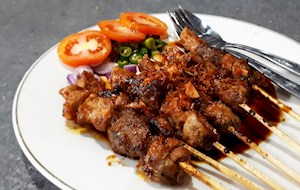
Sate kambing

Sate kambing is a traditional dish and a type of satay prepared with goat or mutton as the main ingredient. The meat is cut into chunks or cubes and it's marinated in a combination of ingredients such as kecap manis (sweet soy sauce), galangal, ground shallots, pineapple juice, and (often) chili peppers. After it's been marinated, the meat is placed on skewers that are larger and thicker than the ones used for chicken satay as the texture and thickness of mutton or goat is tougher than chicken. The skewers for sate kambing are usually made from bamboo. The meat is grilled, then served with kecap manis sauce, peanut sauce, or chili sauce, consisting of shallots, bird eye chili peppers, and kecap manis. Some like to eat sate kambing with steamed rice or rice cakes on the side. This type of sate is especially popular in Java.
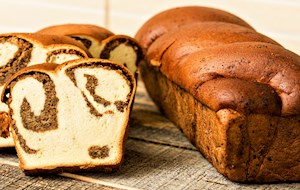
Cozonac

Cozonac is a traditional type of sweet bread that is usually consumed during festive events such as Christmas and Easter. Although it visually looks like a loaf of bread, it is considered a cake, and is usually made with flour, sugar, milk, cocoa, eggs, nuts, and sometimes raisins. In Bulgaria, the dish is commonly known as kozunak and it's only prepared for Easter. Even though it smells heavenly when it is taken out of the oven, the cake is traditionally served only when it's fully cooled. Cozonac is typically accompanied by a cup of warm coffee, tea, or milk.
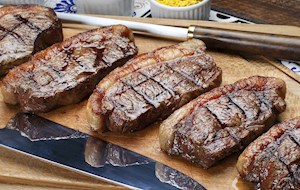
Picanha

Picanha is a fresh cut of beef that's especially popular and highly prized in Brazil. In the US, it's called sirloin cap, and in the UK, it's known as the rump cap. Picanha is situated on the back side of the animal, above the butt, where it sits on a fat cap. It's mostly used for churrasco – the meat is first grilled, then sliced off of a skewer. This cut holds very little fat in the meat, so it must be cooked perfectly in order not to make it tough. In Brazil, every churrasco has picanha, and all of the best churrascarias feature picanha on their menus. The name picanha is derived from the word picana, referring to the ranchers' pole used for herding cattle in Portugal and Spain. The technique was brought over to Brazil where the word picanha was used to refer to the part of the cow that was poked by ranchers with the pole.
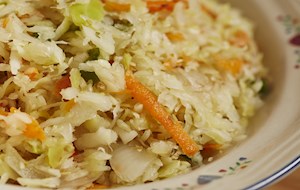
Curtido

Curtido is a flavorful relish from El Salvador, consisting of fermented cabbage. It is sometimes affectionately called El Salvadorean sauerkraut due to the similarities between the two dishes. Curtido is often used as an accompaniment to the famous pupusas sandwiches, as well as being a welcome addition to savory pancakes and quesadillas. Apart from cabbage, curtido can also contain carrots, garlic, or red pepper flakes, giving it a more complex range of flavors.

Merguez

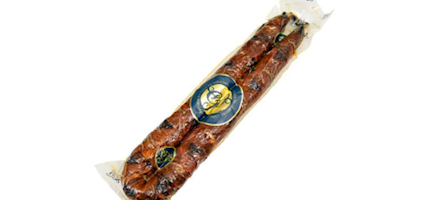
Merguez is a spicy, flavorful sausage that originates from North Africa, particularly Algeria, Tunisia, and Morocco. It is traditionally made from ground lamb or beef, or a combination of both. Merguez is known for its distinctive red color, which comes from the addition of spices such as paprika, chili pepper, and harissa (a hot chili paste). Other common seasonings include cumin, garlic, coriander, fennel, and sumac. The sausages are typically stuffed into lamb casings and can be grilled, pan-fried, or used in a variety of dishes, including stews, tagines, and couscous. Merguez is popular in North African cuisine and has also become widely enjoyed in France and other parts of Europe. The spicy and aromatic profile of merguez makes it a unique and cherished ingredient in many traditional dishes.
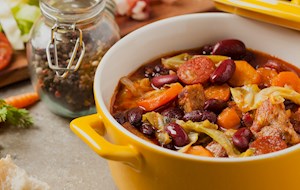
Sopa da pedra

Although it translates as stone soup, this hearty Portuguese dish is actually a combination of beans and sausages such as chouriço and morcela (blood sausage), as well as pork belly, pig’s ear, and potatoes, while different regional varieties may also include pasta, carrots, and cabbage. There's a legend saying that a monk in need wanted to prepare soup by using merely stones and water. When he asked for additional ingredients to supposedly flavor the soup, the family who'd hosted him was more than willing to provide some pork cuts, beans, sausages, and vegetables, and the monk ended with a rich and nutritious dish without any stones inside. Similar stories exist in various European countries, but the moral of each always revolves around sharing and compassion. It is believed that sopa da pedra originated in Almeirim, which has been dubbed the capital of stone soup.