McLaren Vale

McLaren Vale encompasses the diverse range of wines produced in the coastal McLaren Vale Geographical Indication (GI), a region on South Australia’s Fleurieu Peninsula approximately 35 kilometers south of Adelaide. The area is bounded by the Gulf St Vincent to the west and the Mount Lofty Ranges to the east, creating a Mediterranean climate with cooling sea breezes that mitigate summer heat. The establishment of this wine-producing area followed the 1836 British colonization of South Australia, with the first vines planted in 1838 by John Reynell and Thomas Hardy, who recognized the area's potential for viticulture due to its reliable rainfall and proximity to the coast. The geological profile of McLaren Vale is exceptionally complex, containing over 40 distinct soil types ranging from 15,000-year-old alluvial sands to 600-million-year-old limestone and weathered rock. Preparation of McLaren Vale wine centers heavily on Shiraz, which represents roughly half of the region's total crush, followed by Cabernet Sauvignon, Grenache, and Chardonnay. The winemaking process for red varieties typically involves open-top fermentation and maturation in a mix of French and American oak, resulting in wines with high fruit concentration and ripe tannins. A unique technical attribute of the region is the Sustainable Winegrowing Australia certification program, as McLaren Vale has the highest concentration of organic and biodynamic certified vineyards in the country. Additionally, the region utilizes the "Scarce Earth" project, which identifies specific single-site Shiraz wines that must meet strict criteria regarding vine age and minimal oak intervention to highlight the influence of the diverse soil types. The wines are served according to their structural needs: full-bodied Shiraz and Grenache are typically served at 16°C to 18°C, often decanted to allow the aromatic compounds to aerate, while white wines like Fiano or Chenin Blanc are served chilled. McLaren Vale wines are consumed globally and are integral to the contemporary Australian dining experience. They are frequently paired with regional protein-heavy dishes such as grilled beef, roasted lamb, or game meats. The region's Grenache, known for its red fruit and spice profile, is paired with charcuterie and Mediterranean-style vegetable dishes, while the coastal-influenced white wines are served alongside local seafood such as King George whiting or squid.
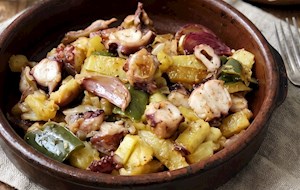
Frita de pulpo

Frita de pulpo is a warm sautéed octopus, potato, and vegetable dish originating from the islands of Formentera and Ibiza in the Balearic archipelago. Local fishing families created the dish to transform tough octopus into a filling meal by combining boiled seafood with fried root crops and vegetables. Preparation involves boiling fresh or frozen octopus whole in a stockpot until tender, slicing the tentacles into bite-sized disks, frying unpeeled or peeled cubed potatoes in olive oil until golden, sautéing sliced red bell peppers, green bell peppers, whole unpeeled garlic cloves, and onions, and combining all elements in a shallow pan with paprika, bay leaves, sea salt, and a splash of white wine to marry the flavors. What distinguishes frita de pulpo structurally is the double-cooking technique applied to the octopus, which undergoes soft simmering in water before entering high-heat olive oil alongside fried potatoes and sweet bell peppers, altering its surface texture from elastic to crisp while transferring released octopus juices into the porous fried potato skins. Frita de pulpo differs from other Spanish octopus preparations (such as Galician pulpo a feira) through the inclusion of whole sweet bell peppers and garlic cloves cooked directly in the same skillet as the seafood, creating a unified skillet pan-fry rather than a plated slice-and-drizzle arrangement. Frita de pulpo is eaten in tapas bars, seafood restaurants, and domestic kitchens across Ibiza and Formentera, served hot directly from earthenware cazuelas or plates as a lunch main course or shared appetizer, paired with cold draft beer, crisp Balearic white wines like Vi de la Terra Eivissa, chilled rosé, dry sherry, or sparkling water.
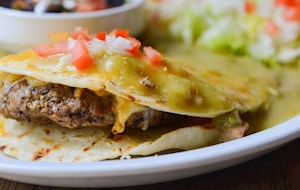
Mexican hamburger

The Mexican hamburger is a beef-and-bean smothered burrito-style item that contains a hamburger patty inside a flour tortilla along with refried beans, cheese, and green chile, then folded and often covered with more green chile sauce. It is served in numerous Mexican-American restaurants across the Denver metro area and is considered a local creation rather than a dish brought directly from Mexico. The item developed within Denver’s Mexican-American community as cooks combined elements of an Anglo-American hamburger with the burritos and green-chile dishes already common in Colorado. Accounts link its emergence to small, family-run restaurants during the mid-twentieth century, with several long-standing establishments in west Denver claiming early versions that combined inexpensive beef, beans, and the region’s distinct style of green chile into a filling, low-cost plate. Preparation begins with cooking a hamburger patty on a griddle until browned, while refried beans are heated and seasoned. A flour tortilla is warmed and layered with beans, cheese, and the cooked patty, then folded into a burrito. The filled tortilla is placed on a plate and topped with Denver-style green chile, a sauce typically made from roasted green chiles, pork or pork broth, tomatoes, onions, and mild spices. Some restaurants griddle the burrito lightly before smothering it, while others serve it immediately after folding. The combination of a formed hamburger patty and a burrito structure distinguishes it from both a standard hamburger and a standard smothered burrito, and its reliance on Colorado green chile gives it a profile closely linked to the region’s cuisine. The Mexican hamburger is eaten throughout Denver and surrounding cities, particularly in diners, food trucks, and long-standing Mexican-American cafés where green-chile dishes form a major part of the menu. It is commonly served with rice, extra beans, or fries. Beverage pairings often include Mexican soft drinks, iced tea, Mexican lagers, or light beers that balance the richness of the chile and the beef. It also pairs well with agua fresca or simple cold water when the green chile is especially spicy.
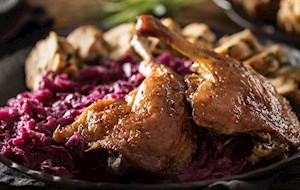
Entenbraten

Entenbraten is a German and Austrian roast duck dish made by slowly roasting a whole duck until the meat becomes tender and the skin develops a crisp, golden-brown surface. It is especially associated with Bavaria, other parts of southern Germany, and Austria, although roast duck is prepared throughout the German-speaking world. The duck is usually seasoned with salt, pepper, and herbs such as marjoram or mugwort, known in German as Beifuß, and may be stuffed with apples, onions, or a combination of both. It is commonly served with a rich gravy made from the roasting juices, accompanied by red cabbage and potato or bread dumplings. The name simply means roast duck, and it describes a method of preparation rather than one strictly standardized regional recipe. Duck has been raised and eaten in German-speaking Central Europe for centuries, with roasted waterfowl appearing in both rural and wealthier households. Early German cookbooks contain recipes for roasted ducks prepared with spices, herbs, fruit, and different kinds of stuffing, reflecting the longstanding practice of pairing rich poultry with ingredients that provide acidity or sweetness. A southern German recipe recorded in 1608, for example, describes roasted wild duck with almonds and juniper, while nineteenth-century German cookbooks include domestic roast ducks stuffed with apples, potatoes, or liver mixtures. These preparations demonstrate that roast duck was established well before the modern versions associated with Sunday lunches and festive meals. The dish became particularly connected with family gatherings and special occasions because a whole duck provides several portions of meat and requires relatively lengthy preparation. In Germany, roast duck is frequently served during the colder months, especially around Christmas, while in Bavaria and Austria it also appears on restaurant menus and at substantial Sunday meals. Unlike goose, which has a particularly strong association with St. Martin's Day and Christmas, duck is prepared for a somewhat wider range of occasions. Preparation usually begins with a whole, cleaned duck, commonly weighing between two and three kilograms, which is dried thoroughly and seasoned inside and out with salt and pepper. Marjoram and mugwort are among the characteristic herbs used in German recipes. Mugwort has a slightly bitter, aromatic flavor that works particularly well with fatty poultry, while marjoram provides a milder herbal character. The cavity may be filled with quartered apples and onions, sometimes combined with oranges, herbs, or dried fruit. Apples are particularly common because their acidity and mild sweetness complement the richness of the duck, while onions contribute flavor to the roasting juices. Some recipes use bread-based stuffing, occasionally enriched with liver, eggs, or herbs, although many simpler preparations leave the cavity loosely filled with fruit and vegetables. The duck is placed in a roasting pan, often over chopped root vegetables or onions, with a little water or stock to prevent the pan juices from burning. It is then roasted at moderate heat, commonly around 160–180°C (320–355°F), allowing the meat to cook gradually while the substantial layer of fat beneath the skin renders into the pan. This rendering process is particularly important because domestic ducks contain considerably more subcutaneous fat than many other types of poultry. As the fat melts, the skin becomes thinner and can eventually develop the crisp surface expected of a well-prepared Entenbraten. During roasting, excess fat is periodically removed from the pan, and the duck may be turned or basted with its cooking juices. Some cooks begin roasting the bird breast-side down before turning it over, allowing the breast to remain moist while the back and legs cook. Toward the end, the oven temperature may be increased to approximately 200–220°C (390–425°F) to encourage browning and crispness, although the exact temperature and cooking time depend on the size of the duck and the oven. The duck must be fully cooked, particularly around the legs and any stuffing, while avoiding unnecessarily prolonged roasting that can dry out the breast meat. Once cooked, it is left to rest briefly before carving. The roasting juices are used to prepare the sauce, usually by removing most of the rendered fat, deglazing the pan with stock, water, wine, or occasionally beer, and reducing the liquid to concentrate its flavor. Onions, root vegetables, and browned residues from the roasting pan contribute depth, while some versions include red wine, orange juice, or a small amount of fruit preserve. The sauce may be strained and lightly thickened, but it should retain the recognizable flavor of roasted duck rather than becoming dominated by other ingredients. A defining feature of Entenbraten is the contrast between the crisp, rendered skin and the darker, relatively rich meat beneath it. Unlike chicken, duck has a stronger flavor and a higher fat content, which makes acidic and slightly sweet accompaniments particularly suitable. Red cabbage, called Rotkohl or Blaukraut depending on the region, is one of the most common side dishes. It is frequently prepared with apples, vinegar, onions, and spices such as cloves or bay leaf, creating a sweet-sour flavor that balances the roasted meat. Kartoffelknödel, or potato dumplings, are another characteristic accompaniment, especially in Bavaria, while Semmelknödel, bread dumplings, and Bohemian-style dumplings are also served in some regions. The dumplings absorb the roasting gravy, making them an important part of the complete meal rather than a separate side dish. Other accompaniments include roast potatoes, Brussels sprouts, glazed chestnuts, and occasionally fruit-based sauces made with oranges, apples, or plums. Entenbraten is most commonly served hot as a main course, with the duck carved into portions and accompanied by generous amounts of gravy and side dishes. In Bavaria and Austria, it is found in country inns, regional restaurants, and family kitchens, while throughout Germany it remains a familiar option for festive meals and Christmas gatherings. It may also be served as a half duck, or halbe Ente, particularly in restaurants where individual portions are prepared from larger birds. The richness of the meat makes it suitable for pairing with wines that have sufficient acidity and moderate tannins. German Spätburgunder, or Pinot Noir, is a particularly good match, as its red-fruit character and relatively fresh acidity complement the duck without overwhelming it. Austrian Zweigelt and lighter Blaufränkisch wines also work well, especially when red cabbage and dark roasting gravy are served alongside the meat. Fuller white wines, including dry Riesling or mature Grüner Veltliner, can provide a contrasting pairing, while Bavarian Märzen, Dunkel, and other malt-forward beers are common alternatives. Entenbraten is usually eaten as the centerpiece of a substantial meal, with the crisp skin, roasted meat, gravy, dumplings, and sweet-sour cabbage forming the characteristic combination found across much of German and Austrian cooking.

Yarra Valley
Yarra Valley wine is a classification of viticultural products grown and fermented within the Yarra Valley Geographical Indication (GI), a cool-climate region encompassing the Yarra River catchment area in the state of Victoria. This region is defined by its diverse topography, ranging from the flat valley floor at 50 meters elevation to steep slopes reaching 400 meters, which creates distinct microclimates suitable for various grape varieties. Commercial viticulture began in 1838 when the Ryrie brothers planted the first vines at Yering Station, followed by significant expansions in the 1860s by Swiss settlers who recognized the area's potential for European-style production. Although the industry faced a complete shutdown in the early 20th century due to economic shifts and a preference for fortified wines, it was successfully replanted and revitalized in the late 1960s and 1970s. The region's geology consists primarily of two soil types: the older, gray-brown sandy loams of the valley floor and the younger, fertile red volcanic soils of the Upper Yarra. Preparation of Yarra Valley wine centers on the cool-climate expressions of Pinot Noir and Chardonnay, which together represent over 60% of the total production. Chardonnay is typically fermented using wild yeasts and matured in French oak to emphasize citrus and flinty mineral characteristics, while Pinot Noir is processed with varying percentages of whole-bunch fermentation to introduce structural tannins and savory, stalky notes. A unique aspect of the region's production is its pioneering role in Australian sparkling wine, particularly through the establishment of Domaine Chandon in 1986, which utilizes the region’s high-acid grapes for Méthode Traditionnelle production. The wines are served at temperatures calibrated to their style: 10°C to 12°C for white wines and 14°C to 16°C for reds. Yarra Valley wines are consumed as premium accompaniments to modern Australian cuisine in both domestic and international markets. Chardonnay is paired with roasted poultry or local freshwater fish such as trout, while Pinot Noir is served with duck, forest mushrooms, or dishes featuring beetroot. The region's sparkling wines are frequently paired with oysters or salty appetizers to balance their crisp acidity.
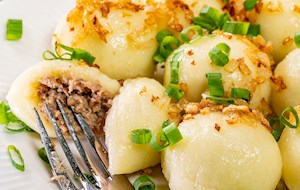
Hascheeknödel

Hascheeknödel are Austrian stuffed dumplings, especially associated with Upper Austria, made by enclosing a savory mixture of finely chopped or minced cooked meat and sausage inside a soft dough, most commonly potato dough, and then gently cooking the dumplings in salted water. The word Haschee refers to a chopped or minced meat preparation, and in this dish it forms the filling rather than the outer dumpling itself. Hascheeknödel belong to the large family of filled dumplings that are particularly prominent in Upper Austrian cooking, where substantial dough-based dishes developed around ingredients that were inexpensive, filling, and easy to reuse. The filling has long provided a practical way of using cooked pork, smoked meat, sausage, roast leftovers, and other meat trimmings rather than letting them go to waste, which explains why recipes differ considerably between households and regions. Some versions rely mainly on cooked pork and smoked meat, while others include sausage, mixed minced meat, or several kinds of leftovers combined together. Onion is almost always important, and garlic, parsley, marjoram, caraway, black pepper, and salt are among the most common seasonings. The outer dough is usually prepared from cooked floury potatoes combined with flour, egg or egg yolk, semolina, salt, and sometimes butter and nutmeg, although flour-based doughs are also used in some recipes. The meat mixture is generally chopped or passed through a meat grinder rather than processed into a completely smooth paste, preserving a slightly coarse texture. Onion and sometimes garlic are sautéed, cooled, and mixed with the meat and seasonings, and a little stock, roasting juice, or fat can be added when the filling is too dry. The mixture is shaped into small balls, which may be chilled briefly to make them easier to handle. Pieces of dough are then flattened, wrapped completely around the filling, sealed carefully, and rolled into round dumplings. The Hascheeknödel are cooked in lightly simmering salted water rather than vigorously boiled, usually for roughly 10 to 20 minutes depending on their size and the type of dough, until the exterior is cooked through and the filling is hot. A well-made Hascheeknödel has a soft but stable outer layer and a moist, strongly savory center, with the flavors of pork, smoked meat, onion, garlic, and herbs carrying most of the dish. Unlike unfilled dumplings that are often served as accompaniments, Hascheeknödel are substantial enough to function as the main part of a meal. Their character depends heavily on the filling, which means there is no single fixed formula: one household may use sausage scraps, another leftover roast pork and smoked meat, and another freshly minced pork seasoned with marjoram and caraway. This flexibility is a defining feature of the dish rather than a departure from it. Hascheeknödel are most often served hot with sauerkraut, warm or cold cabbage salad, roasting juices, or a light meat gravy, combinations that balance the richness of the filling with acidity or moisture. They are particularly closely identified with Upper Austria and are eaten in homes, inns, and restaurants serving regional Austrian cooking, usually as a main course. Sauerkraut is probably the most characteristic accompaniment, while cabbage salad offers a fresher alternative and gravy makes the dish more substantial. Beer is a natural beverage pairing, especially a crisp Austrian lager or Märzen, while dry white wines with good acidity, such as Grüner Veltliner, can also work well with the pork, smoked meat, and cabbage commonly served alongside the dumplings.
Hirschkalbsbraten
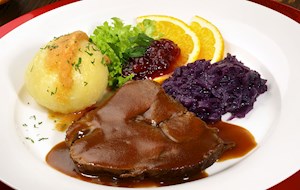
Hirschkalbsbraten is an Austrian roast made from young deer, usually using tender cuts such as the shoulder, leg, or loin and cooking them slowly with wine, stock, root vegetables, and game-friendly seasonings such as juniper and bay leaf. The term literally means roast from a Hirschkalb, or young deer, and the dish belongs to the broader Central European repertoire of venison roasts served during the cooler months and around the hunting season. In Austria, venison has long been closely tied to forested regions, hunting estates, rural inns, and seasonal cooking, and young deer is especially valued because the meat is finer-grained and milder than that of older animals. Rather than being defined by one fixed national formula, Hirschkalbsbraten is best understood as a roast style built around tender young venison, careful browning, and a concentrated pan sauce. Austrian preparations often begin by trimming the meat, seasoning it with salt and pepper, and searing it thoroughly in a roasting pan before adding vegetables such as celery, parsley root, shallots, carrots, or onions. Tomato paste may be roasted with the vegetables to deepen the sauce, after which the pan is deglazed with red wine, port, or both, and filled out with veal or game stock. Bay leaf, juniper, allspice, and sometimes spices such as star anise or cardamom may be added depending on the recipe. Shoulder cuts are commonly braised at relatively low oven temperatures for several hours until very tender, while loin or saddle can be roasted more briefly and kept pink in the center; Austrian recipes for Hirschkalb can target an internal temperature of about 55°C for tender cuts intended to remain rosy. Once the meat is cooked, it is removed to rest while the braising or roasting liquid is strained and reduced into a smooth, concentrated sauce. Some versions enrich the sauce with cream, butter, mushrooms, berry preserves, cassis, or other fruit components, but these are additions rather than requirements. Red wine is especially common because its acidity and tannin work well with venison, while juniper remains one of the most characteristic seasonings for the meat. The quality of Hirschkalbsbraten depends heavily on controlling the cooking method: shoulder benefits from slow braising, while leaner cuts can become dry if they are cooked far beyond medium. The finished roast is usually sliced and served with its sauce rather than presented dry, and the accompaniments are typically substantial enough to absorb the juices. Red cabbage is one of the most common partners, often flavored with apple, red wine, vinegar, or berries, while Serviettenknödel, bread dumplings, potato dumplings, Spätzle, or potatoes are also typical choices. A well-known Austrian preparation pairs braised Hirschkalbsbraten with red cabbage and Serviettenknödel, combining tender venison, sweet-sour cabbage, and soft bread dumplings in the same plate. Lingonberries or cranberries are also frequently served with venison because their acidity and slight bitterness balance the richness of the sauce without masking the meat. Hirschkalbsbraten is most often eaten in Austrian restaurants, country inns, hunting lodges, and homes during the autumn and winter game season, usually as a main course. Full-bodied Austrian reds such as Blaufränkisch or Zweigelt are natural pairings, as are mature Pinot Noir and other medium-bodied red wines with enough acidity to handle both venison and the sauce; darker beers can also work, particularly when the roast is served with dumplings, red cabbage, or mushroom-based accompaniments.
Yam som-o

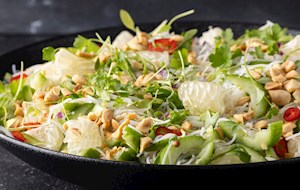
Yam som-o is a Thai pomelo salad made with separated pomelo segments tossed with a sweet, sour, salty, and mildly spicy dressing, and it is especially associated with central Thailand, although versions are found across the country. Unlike many Thai salads built around shredded vegetables or minced meat, yam som-o uses large pieces of fresh citrus as the main ingredient, which gives the dish a juicy, lightly bitter character alongside the dressing. Pomelo has long been cultivated in Thailand, and the salad developed within the broader Thai yam style of mixing fresh ingredients with fish sauce, lime, sugar, and chile, while also making use of ingredients such as toasted coconut, peanuts, dried shrimp, shallots, and herbs that are common in central Thai cooking. Preparation starts with peeling the thick rind and membrane from the pomelo and breaking the flesh into loose chunks without crushing it. The dressing is usually made from fish sauce, lime juice, palm sugar, and fresh or dried chile, and some versions add roasted chile paste or coconut milk for extra richness. The fruit is then combined gently with sliced shallots, toasted coconut, roasted peanuts, dried shrimp, and sometimes fresh herbs such as cilantro or mint, with the ingredients folded together rather than vigorously mixed so the pomelo keeps its structure. The balance is important because pomelo can range from very sweet to distinctly tart or bitter, so the amount of sugar, lime, and fish sauce is adjusted to the fruit itself rather than treated as completely fixed. Some versions are relatively light and sharp, while others are richer and more savory, particularly when coconut milk and dried seafood are used. Yam som-o is commonly served as a salad, appetizer, or part of a shared Thai meal, and it works especially well alongside grilled chicken, grilled pork, seafood, or rice because its fresh acidity cuts through richer foods. It is also eaten on its own as a light meal or snack and pairs naturally with jasmine rice, sticky rice, unsweetened tea, light beer, or citrusy non-alcoholic drinks.
Rozz meʿammar

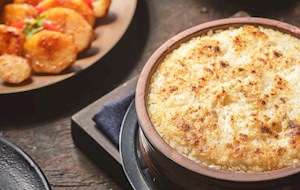
Rozz me'ammar is a rich baked rice dish made with short-grain rice, milk, eshta or cream, and butter or ghee. It is traditionally cooked in a round earthenware pot called a bram, which gives the rice a soft, creamy interior and a deeply browned crust. The dish is particularly associated with the Egyptian countryside, especially the Nile Delta and other parts of Lower Egypt, where dairy farming has long supplied the full-fat milk, butter, ghee, and thick country cream used to make it. It is often described as roz me'ammar fallahi, or country-style baked rice, and is closely associated with family meals, celebrations, and large gatherings. Egyptian short-grain rice is normally used because it absorbs the milk well while remaining tender and slightly creamy. The rice is washed thoroughly and may be soaked briefly before cooking, then drained and placed directly into a generously buttered or greased clay pot. The traditional seasoning is simple: salt and usually a little black pepper. The richness comes primarily from the dairy rather than from spices. Full-fat milk, preferably fresh cow's or buffalo's milk, is heated and poured over the rice. Sometimes, a little water or meat stock is mixed with the milk, but the milk remains the defining liquid. Generous spoonfuls of eshta, the thick cream that forms on the surface of rich milk, are added to the rice or spread over the top. Butter or samna baladi, Egyptian clarified butter, provides additional richness. Once in the pot, the ingredients are not stirred heavily. The bram is placed in a hot oven and left to bake slowly. As the rice cooks, it absorbs the milk and dairy fat, swelling until tender while remaining moist underneath. At the same time, the cream and milk on the surface concentrate and brown, creating the characteristic golden-to-dark-brown crust. A properly made rozz me'ammar should not resemble ordinary steamed rice. The grains are very tender and held together by the rich dairy mixture, while the browned top provides a slightly firmer, caramelized layer. Cutting through the crust reveals soft, steaming rice underneath. The earthenware bram is an important part of the traditional preparation. Its thick walls heat gradually and retain heat well, helping the rice cook evenly while allowing the surface to brown strongly in the oven. The dish is normally brought to the table in the same pot in which it was baked. Rozz me'ammar is commonly served as part of a substantial Egyptian meal alongside roasted or fried poultry, particularly duck or chicken, as well as meat and vegetable dishes. Because the rice itself is already rich with milk, cream, and ghee, it works especially well with seasoned roasted meats.

Moonwalk

Moonwalk is an English cocktail made with a combination of grapefruit juice, orange liqueur, rose water, and sparkling wine. In order to prepare it, grapefruit juice, orange liqueur, and rose water should be vigorously shaken with ice, and strained into a champagne flute. The combination is then topped with sparkling wine. This cocktail was invented in 1969 by the legendary bartender Joe Gilmore, who made it to commemorate the first moon landing. Upon returning to Earth, Moonwalk was the first thing that was sipped by Neil Armstrong and Buzz Aldrin.
Poinsettia

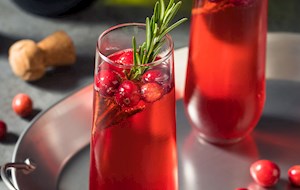
Poinsettia is an elegant French cocktail made with a combination of champagne, orange liqueur, and cranberry juice. In order to prepare it, orange liqueur and cranberry juice should first be poured into a chilled champagne flute, stirred, then topped with champagne. Light on alcohol, festive, and easy to drink, Poinsettia is an ideal cocktail for holiday parties. If you want a harder version, feel free to add a bit of vodka or gin to the combination.

Seascape
The Seascape strawberry is a highly productive, day-neutral fruit cultivar developed in California, widely celebrated for its exceptionally long harvest season and a brilliantly balanced, quintessential berry flavor. Released to the public in 1990 by the prestigious agricultural breeding program at the University of California, this resilient plant was created by crossing the Selva and Douglas varieties. The resulting hybrid completely revolutionized both commercial farming and backyard horticulture. Unlike traditional crops that yield a single, overwhelming flush of fruit in early summer, the Seascape is famously everbearing. Provided the temperatures remain moderate, it continuously blossoms and produces ripe berries from the gentle warmth of late spring straight through to the crisp, fading days of autumn. Aesthetically, these berries are a feast for the eyes, routinely growing to a formidable size and exhibiting a beautifully symmetrical, conical shape. The exterior skin boasts a radiant, glossy vermilion finish, and unlike many modern supermarket hybrids that hide a pale, pithy center, the Seascape’s vivid ruby coloring extends deeply into the very core of the flesh. When you take a bite, the texture is remarkably satisfying; it possesses a dense, meaty consistency that feels substantial and juicy, yet it remains firm enough to withstand the rigors of harvesting and transport without bruising or weeping. When evaluated for taste, this California native stands head and shoulders above many of its everbearing contemporaries. It masterfully threads the needle between profound, syrupy sweetness and a gentle, mouth-watering tartness. The plant absorbs the summer sun for such a prolonged period that the fruits develop a deeply concentrated, complex sugar profile, accompanied by an intoxicating floral aroma. It is a highly reliable, straightforward flavor that instantly evokes memories of classic, old-fashioned summer picnics, entirely free from the watery blandness that plagues so many commercially shipped alternatives. Thanks to its magnificent structural integrity and consistent availability spanning several months, the Seascape is a darling of both bustling farmers' markets and high-end patisseries. Eaten completely raw, it requires no embellishment, serving as a spectacular, healthy treat straight from the punnet. In the kitchen, its dense flesh makes it an ideal candidate for visually striking fruit tarts and elegant charcuterie boards, where it maintains its sharp, clean edges when sliced. Furthermore, because its rich color permeates the entire berry, it breaks down beautifully over a low simmer to create intensely hued, flavorful coulis, syrups, and small-batch preserves that capture the enduring warmth of the California sun.

Guk-ganjang

Guk-ganjang is a salty, light-colored liquid soy sauce from Korea that is produced exclusively from soybeans and salt brine. The development of this condiment is rooted in the early agrarian societies of the Korean peninsula, where the fermentation of soybean blocks provided a stable source of amino acids and salt. Archaeological evidence from the Goguryeo era suggests that the production of soybean-based liquids was well-established as a means of preserving protein and flavoring seasonal harvests. The preparation begins with meju, which are blocks of boiled soybeans that have been fermented and dried to harbor specific microflora, primarily Bacillus subtilis and various wild molds. These blocks are submerged in large earthenware crocks filled with a high-salinity brine. The fermentation process occurs over several months, typically beginning in late winter and continuing into the spring. Once the liquid has absorbed the nutrients and flavor compounds from the soybeans, it is separated from the solids, boiled to stabilize the microbial activity, and then aged. Unlike most mass-produced soy sauces, guk-ganjang does not contain wheat, which results in a thinner consistency and a higher salt-to-sweetness ratio. It is served as a fundamental seasoning in clear broths and soups, such as miyeok-guk or mu-guk, where its pale color ensures the clarity of the liquid is maintained while providing a deep, savory foundation. It is also used to season namul, which are lightly blanched vegetables, to enhance their natural flavors without masking their appearance. A specific property of this sauce is its ability to provide a clean umami profile that lacks the heavy caramel notes found in sauces containing roasted wheat or added sugar. Guk-ganjang is eaten as a staple in Korean domestic and professional kitchens, often appearing in everyday meals centered around rice and stew. It pairs effectively with delicate seafood dishes and steamed greens. For beverage pairings, it is frequently served alongside roasted grain teas like boricha or light rice-based drinks such as cheongju, which complement the clean, salty profile of the seasoning.
Mundo Novo

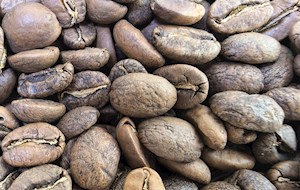
Mundo Novo is a natural hybrid cultivar of the Coffea arabica species, widely produced in the high-altitude regions of Brazil. It is physically defined by its tall stature, high vegetative vigor, and a production yield approximately 30% greater than that of the Bourbon variety. The genetic lineage of this item emerged as a spontaneous cross between Red Bourbon and Sumatra (a Typica sub-variety) in the municipality of Mineiros do Tietê, São Paulo, Brazil, during the 1940s. Following the discovery of these vigorous plants, seeds were cultivated in the city of Novo Mundo, now known as Urupês. Between 1943 and 1952, researchers at the Instituto Agronômico de Campinas (IAC) conducted several cycles of selection to stabilize the plant's characteristics and improve its resistance to environmental stressors. This selection process resulted in a stable variety that was released to Brazilian farmers in 1952, eventually becoming a foundational component of the nation's coffee industry. Preparation of Mundo Novo coffee typically utilizes the natural or pulped natural processing methods, which align with the climatic conditions of the Cerrado and Sul de Minas regions. In the natural process, the cherries are dried whole on patios, allowing the bean to absorb sugars from the fruit mucilage, which enhances the body and reduces the perceived acidity of the final brew. The flavor profile is characterized by low acidity and dominant notes of milk chocolate, toasted nuts, and dark caramel. Serving standards for this variety frequently involve espresso-based preparations, as the density of the bean and its balanced sugar-to-acid ratio provide a stable foundation for milk-based drinks. When brewed as a filtered beverage, it is prepared at a medium grind with water temperatures between 92°C and 94°C to extract the heavier oils and sweet compounds. A unique botanical attribute of Mundo Novo is its exceptionally deep and robust root system, which allows the plant to access moisture and nutrients in sandy soils where other Arabica varieties struggle to survive. The coffee is consumed as a primary daily beverage in both commercial and specialty sectors, often serving as the base for house blends in cafes worldwide. It is paired with almond biscotti, butter croissants, or hazelnut-based pastries, as the coffee’s inherent nutty profile complements the fats in these baked goods. In savory contexts, it is served with toasted bread with salted butter or mild cheddar cheese, which balance the subtle cocoa notes of the brew. For dessert pairings, Mundo Novo is served with caramel flan or dark chocolate tarts, utilizing the beverage's low acidity to enhance the richness of the sugar and cocoa components without creating a sharp flavor contrast.
Valle de Colchagua

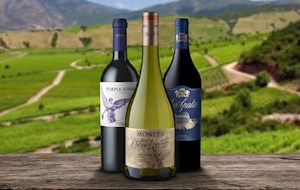
Valle de Colchagua is a Chilean wine-producing region located in the southern portion of the O’Higgins Region. As a sub-region of the Rapel Valley, it is defined by the Tinguiririca River and bordered by the Andes Mountains and the Coastal Range. The climate is Mediterranean, featuring warm summers and 600mm of annual rainfall. Soil types vary from alluvial clay and silt on the valley floor to granitic and volcanic rocks on the mountain slopes. Viticulture began here in the 16th century, though modern expansion occurred in the 1850s with the arrival of Bordeaux varieties. A pivotal event in 1994 was the identification of Carmenere vines, which had been previously misclassified as Merlot. This led to the region's specialization in late-ripening reds, particularly in the Apalta and Marchigüe zones. Today, the valley spans 23,000 hectares and is a primary center for premium Chilean red wine. Preparation involves hand-harvesting starting in March. Wineries often use gravity-flow systems to move fruit gently, preserving its integrity. Fermentation takes place in stainless steel, concrete, or oak, with high-end reds aging in French oak for 12 to 24 months. White wines from coastal sectors are fermented at lower temperatures to retain acidity. Service occurs at 10°C to 12°C for whites and 16°C to 18°C for reds, with decanting recommended for structured blends. A physical trait of the terroir is the horseshoe-shaped geography of Apalta, which traps heat while sheltering vines from high winds. This is moderated by thermal oscillation, with nightly temperatures dropping significantly due to Pacific breezes. The region remains phylloxera-free, preserving ungrafted vines that are often over a century old. Some estates, such as Montes, utilize Gregorian chants in aging rooms to maintain constant vibrations. The wine is paired with grilled ribeye, roasted lamb, and beef stews. Carmenere is served with corn-based dishes like pastel de choclo and savory empanadas. Coastal whites are paired with Pacific seafood and grilled fish. Sparkling mineral water is served alongside to refresh the palate during the consumption of concentrated red varieties.
Benachin

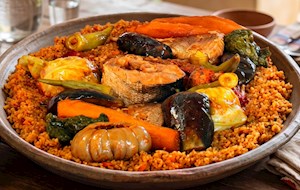
Built around the idea of an entire meal cooked in a single pot, benachin combines rice with fish, chicken, or beef, a tomato-and-pepper broth, and large pieces of vegetables such as cabbage, cassava, carrots, and eggplant, making it one of the defining dishes of Gambian cuisine. The name comes from Wolof and is commonly explained as meaning “one pot,” a description that captures the defining idea of the dish rather than simply referring to its ingredients. Benachin belongs to the closely connected rice culture of The Gambia and Senegal, where Wolof communities developed elaborate one-pot combinations of rice, fish or meat, vegetables, and seasoned cooking liquid; it is closely related to Senegalese ceebu jën and ceebu yapp and to the wider family of dishes that later became known across much of West Africa as jollof rice. Because these foods developed within the shared cultural space of Senegambia, assigning benachin to a single inventor or precise date is difficult, and it is more accurately understood as a Gambian expression of this older regional rice-cooking tradition. In The Gambia, benachin has become one of the country’s most characteristic rice preparations, and even official Gambian food-composition material defines it as a rice dish cooked with a rich oil-based sauce. Preparation usually starts by browning fish, chicken, or meat in oil, after which onions, fresh tomatoes, tomato paste, hot peppers, and seasonings are cooked in the same pot. Water is added to create the cooking broth, followed by substantial vegetables such as cabbage, carrots, cassava, eggplant, bitter tomato, pumpkin, okra, or other produce available to the household. The vegetables and protein may be removed temporarily once tender, allowing the rice to cook directly in the strongly flavored broth until it absorbs most of the liquid, after which the meat, fish, and vegetables are arranged with the finished rice. This staged method keeps large vegetables intact while still allowing their flavor to season the rice, and it helps distinguish benachin from many modern jollof preparations in which the focus falls more heavily on rice cooked in a reduced tomato-and-pepper sauce. Fish remains especially characteristic, but chicken and beef versions are also firmly established, so benachin is better defined by its one-pot structure than by one compulsory protein. The finished rice is savory, tomato-rich, and deeply flavored by the cooking juices of the protein and vegetables, while the level of chile and the exact vegetable selection vary considerably from household to household. Benachin is eaten throughout The Gambia as both an everyday meal and food for communal gatherings, normally served hot on a large platter with the pieces of fish or meat and cooked vegetables arranged around or over the rice. Rice is the principal staple of Gambian meals, and benachin is repeatedly listed alongside domoda and yassa among the country’s best-known foods. It needs few additional dishes because the rice, vegetables, and protein already form a complete meal, although fresh onion, lime, or a chile condiment can provide extra acidity and heat. Bissap, baobab drinks, ginger drinks, water, or other cold beverages pair naturally with the substantial rice dish, particularly when the benachin is prepared with plenty of hot pepper.
Jimbii

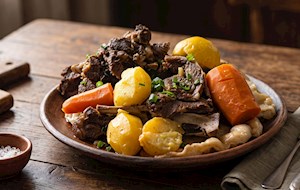
Jimbii is a Mongolian meat-and-dough dish associated especially with the Gobi regions of the country, where it is prepared as a filling communal meal of bone-in mutton or beef, root vegetables, and hand-rolled wheat dough. It developed within the practical food culture of pastoral households, where meat, flour, animal fat, potatoes, carrots, and onions could be combined in one pot to feed several people without relying on elaborate seasoning or complicated equipment. The dish is often compared with other substantial Mongolian meat preparations, but jimbii is distinguished by the use of dough that cooks directly with or above the meat and vegetables, absorbing steam and cooking juices while remaining separate enough to be served in pieces. The meat is usually cut into large bone-in portions and browned first in its own fat or a little added oil, then simmered with onion, garlic, potatoes, carrots, salt, and black pepper until tender. A firm dough made from flour, water, and salt is rolled thin and placed over the contents of the pot, or rolled and cut into strips or pieces before being steamed during the final stage of cooking. As it cooks, the dough softens and takes on the flavor of the meat and broth, while the vegetables become tender without turning the dish into a soup. Some versions use a broad sheet of dough that is cut after cooking, while others prepare smaller strips or rolled pieces from the beginning. The result is a substantial one-pot meal in which the meat remains the central element, supported by soft vegetables and chewy, savory dough rather than by a sauce. Jimbii is most closely associated with the Gobi and is commonly prepared for family meals, guests, and larger gatherings, where it can be served from a large platter or directly from the cooking pot. It is eaten hot, with the meat, vegetables, and dough shared together, and it pairs naturally with Mongolian milk tea, black tea, simple pickled vegetables, or fresh onions.
Torta matera

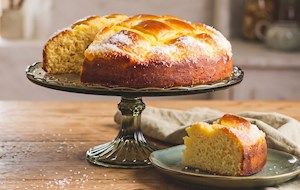
Torta matera is an Argentine snack cake made specifically for the country’s afternoon mate ritual, a simple homemade bake that sits somewhere between a sponge cake and a casual coffee cake. Its name comes from mate, since the cake is closely associated with merienda, the late-afternoon meal when mate is commonly shared with something sweet. Rather than having one fixed formula, torta matera developed as a practical home-style cake built from inexpensive pantry ingredients, and Argentine versions vary considerably from family to family: some are plain and citrus-scented, others have a crisp sugar crust, and one of the most recognizable versions is topped with lines or a lattice of pastry cream baked directly onto the batter. The batter is usually based on flour, eggs, sugar, neutral oil, milk or another liquid, and baking powder, with lemon or orange zest and vanilla often used for flavor. Oil is especially common in home recipes because it keeps the crumb soft and makes the cake quick to mix without creaming butter. In the pastry-cream version, a thick vanilla or lemon-scented custard is piped over the uncooked batter before baking, forming pale lines across the golden surface while adding extra moisture to each slice. Other versions may be finished with moistened sugar for a crunchy top, dulce de leche, quince paste, nuts, coconut, or simply powdered sugar. Torta matera is generally baked as one round, ring-shaped, or rectangular cake and cut into generous slices once cooled or just slightly warm. What defines it more than any single topping is its purpose: it is uncomplicated, easy to portion, and made to accompany a long round of mate rather than serve as an elaborate dessert. It is eaten throughout Argentina at home, at family gatherings, during weekend afternoons, and anywhere mate is shared, and it pairs most naturally with unsweetened or lightly sweetened yerba mate, although coffee, black tea, or milk are also common companions.
Arrosto di maiale con latte

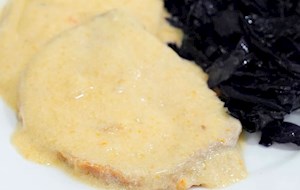
Arrosto di maiale con latte is a traditional dish originating from Florence. It consists of pork cooked in milk, and the list of ingredients includes pork loin, rosemary, salt, pepper, butter, garlic, milk, and mushrooms. The meat is rubbed with salt, pepper, and rosemary, and it's then cooked in butter over high heat until golden brown on the exterior. Garlic and milk are added to the pot, the heat is reduced to low, and the dish is simmered for a few hours until the gravy becomes thick and creamy. The pork is sliced and served on a heated platter, then topped with a combination of gravy and butter-sautéed mushrooms. Arrosto di maiale con latte is always served hot.
Gioia del Colle
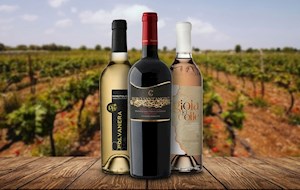
Gioia del Colle is a wine produced in the area surrounding the town of Gioia del Colle on the Murge plateau in the Apulia region of southern Italy and regulated under the Gioia del Colle DOC, covering red, white, and rosé wines from inland vineyards set at higher elevations than most other Apulian zones. Viticulture in this area developed within a limestone-rich landscape marked by cooler nights and wider temperature variation than the coastal plains, conditions that supported grape growing oriented toward structure and acidity rather than sheer ripeness, and over time this inland character led to formal recognition distinct from broader regional wine identities. Wine production under the Gioia del Colle DOC centers primarily on red wines based on Primitivo, alongside smaller quantities of white wines from grapes such as Trebbiano and Malvasia, with vinification practices that typically involve controlled fermentation, moderate extraction, and limited oak use to preserve balance and clarity rather than overt weight. A defining aspect of Gioia del Colle wines is the expression of Primitivo in a less heavy, more restrained form compared to examples from warmer, lower-lying parts of Apulia, a result of altitude and soil rather than stylistic intervention. These wines are consumed mainly with meals in local homes and restaurants, served at moderate temperatures, and they pair well with grilled meats, lamb, legumes, aged breads, and hard cheeses, while lighter styles accompany vegetable dishes and simple pasta preparations, reinforcing their role as table wines integrated into everyday dining rather than wines reserved for isolated tasting.
Pinagong

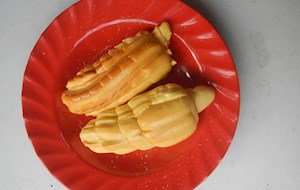
Pinagong is a traditional bread roll originating from Sariaya (Quezon province) in the Philippines. This dense bread roll is usually made with a combination of flour, salt, yeast, sugar, and milk. Eggs and butter are sometimes also added to the dough mixture. It is believed that pinagong is a version of pan de monja, but it's distinctive for its shape and a complex scoring pattern on top before baking. The name of the bread roll is derived from the word pagong, meaning turtle, because once baked, it looks similar to a turtle. The roll is also soft in the inside and slightly crunchy on the outside.
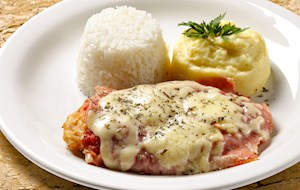
Bife a Parmegiana
Bife à Parmegiana is a beloved Brazilian dish that draws its roots from Italian cuisine, specifically the Italian classic parmigiana dishes, like chicken parmigiana or veal parmigiana. In this version, the main protein is a tender beef cutlet, typically made from high-quality cuts such as sirloin, filet mignon, or even ribeye. The preparation begins by pounding the beef cutlet to tenderize it, then seasoning it with salt and pepper. The cutlet is coated in flour, dipped in beaten eggs, and finally covered with breadcrumbs before being fried until golden brown and crispy on the outside. Once fried, the beef is topped with a generous amount of tomato sauce (often a rich, homemade marinara sauce) and mozzarella cheese or sometimes Parmesan cheese. The dish is then baked in the oven until the cheese melts and becomes bubbly and golden, creating a flavorful blend of crispy breading, tender beef, savory tomato sauce, and gooey cheese. Bife à Parmegiana is traditionally served with a variety of sides, commonly white rice, French fries, or mashed potatoes, and sometimes accompanied by salad. The dish is hearty, rich, and comforting, making it a favorite in Brazilian homes and restaurants alike.
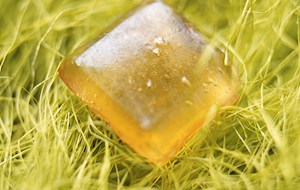
Bergamote de Nancy
Since 1857, this shiny, small, hard candy is made from cooked sugar and bergamot essential oil in the French region of Lorraine. First, sugar is heated over the flame, and then the bergamot essence is added. When the mixture cools, it gets cut by hand into tiny pieces. Bergamot oil is extracted by pressing the rind of bergamot orange, which is a hybrid between lemon and wild orange and is a symbol of the city of Nancy. The square shaped Bergamote de Nancy is translucent amber and has a refined, sweet, slightly bitter, inimitable taste. No artificial colors or additives are allowed in the final product. In the culinary world, they can be used crushed, as a sprinkling powder for soufflés.
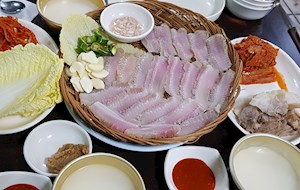
Hongeo
Hailing from the province of Jeolla, hongeo or hongeo-hoe is a South Korean specialty that consists of skate that gets fermented in its urine. This cartilaginous fish is known to eliminate urine through its skin, thus allowing for natural fermentation to take place in the flesh and helping to preserve it. The process lends the fish its signature aromas that bring to mind the strong and pungent odors of ammonia and dirty public toilets. As this unpleasant odor follows diners long after they’ve had their share of hongeo, restaurants which specialize in this delicacy often offer their customers services such as keeping their jackets in sealed bags and spraying them with deodorant upon leaving. Odor aside, the fish is appreciated for its chewy texture, distinctive flavor, and the unusual, stinging sensation it leaves in the mouth due to high levels of ammonia. Hongeo is typically paired with slices of steamed pork belly and kimchi, a combination that is called samhap, and it is commonly washed down with alcoholic beverages such as soju (a distilled Korean spirit) or makgeolli (rice wine). This pungent-smelling dish is mainly associated with the city of Mokpo, where it has played a significant role in the region’s economy and culture.
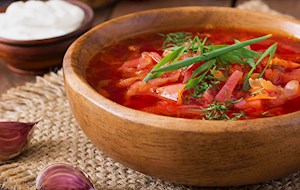
Borsch

The iconic borsch is probably the most famous Ukrainian dish, also considered the country's national dish. It is a comforting soup made with beetroot, meat or bone stock, and sautéed vegetables. There are many variations - the broth can be made with beef, pork, chicken, or as a vegetarian version. The soup often includes fermented beetroot juice (kvas), and it is common to add meat, while typical vegetables include root vegetables and cabbage. The essential ingredient in every borsch is beetroot. It gives the dish its distinctive red color and a characteristic earthy flavor. The exact origin of this classic is difficult to trace – although it is predominately associated with Ukraine, as the country boasts the largest number of borsch varieties. Regardless of its origins, it is one of the favorite dishes across Central and Eastern Europe. For example, in Poland, there are several varieties, but the most popular version is barczsz with dumplings, which is served as a traditional Christmas Eve dish. Due to migration, the tradition of preparing borsch has long ago surpassed European borders, and is commonly found in Ukrainian restaurants across the world. In Ukraine, the dish is often served with savory yeasted buns called pampushki.
Baba neagră

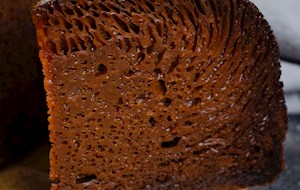
Baba neagră, translated literally as "black grandmother," is a dense, deeply caramelized cake featuring a sponge-like, aerated internal structure, originating from the northern regions of the Republic of Moldova, particularly the wheat-growing territories surrounding the cities of Bălți and Soroca. The development of this dish relates specifically to the evolution of rural domestic baking techniques in the historical region of Bessarabia during the nineteenth century, where households without access to expensive sugarcane distillates or cocoa powders utilized specific alkaline chemical interactions between common baking soda and fermented dairy products to darken wheat batters, cooking them slowly in heavy cast-iron cauldrons inside earthen wood-burning stoves to maximize heat retention and moisture control. Preparation requires whisking ten eggs with sugar before gradually incorporating two cups of wheat flour, one cup of whole milk, a half-cup of sunflower oil, a half-cup of full-fat kefir or sour cream, and exactly one tablespoon of sodium bicarbonate dissolved in a small volume of vinegar. The liquid batter is transferred into a thoroughly greased cast-iron pot, covered tightly with aluminum foil or a matching heavy lid, and subjected to a dual-stage oven baking profile consisting of a ninety-minute thermal reduction at 200 degrees Celsius followed by an additional ninety-minute slow bake at 150 degrees Celsius, which induces an extensive, uniform Maillard reaction and Maillard-adjacent sugar caramelization without drying out the core. Baba neagră is served sliced into square or rectangular bars at room temperature or slightly chilled, ensuring the internal moisture pockets stabilize and do not collapse under the weight of a knife. It is eaten throughout Moldova and neighboring eastern Romanian counties at major family gatherings, weddings, funeral wakes, and seasonal celebrations, standardly presented alongside its pale counterpart, baba albă (white grandmother), to provide a contrasting texture and visual pairing on communal dessert platters. For food and beverage pairings, the pronounced caramelization notes, slight alkaline undertone, and spongy density of baba neagră require sharp fruit acidity or roasted bitter compounds to clean the tongue, meaning it is eaten alongside preserved sour cherries, red currant compotes, or fresh vanilla-infused cream, and paired with hot black coffee, strong black tea, or sweet Moldovan dessert wines such as Pastoral or late-harvest Kagor.

Champagne
Popularly known as the gold standard of sparkling wine, true Champagne only comes from the actual Champagne region in France. It is produced using the so-called méthode Champenoise; the process in which secondary fermentation is done in the bottle with the addition of yeast and rock sugar, and it is made with the basic, traditional blend of Chardonnay, Pinot Noir, and Pinot Meunier, all of which are indigenous to the Champagne region. However, there are four other permitted grape varieties in the Champagne AOP - Pinot Gris, Pinot Blanc, Petit Meslier and Arbane - but these are rarely mentioned as they're almost never used for sparkling wine production outside of France. Varietal Champagne made with solely Chardonnay grapes is designated as Blanc de Blancs, while the one produced by the fermentation of Pinot Meunier and Pinot Noir is called Blanc de Noirs. When young, a classic Blanc de Blancs is restrained and elegant, but with aging, it develops a mouth-coating brioche richness that overlays its intense, supple fruitiness. It is also lighter in body, and thus perfect for lighter meals, such as soups and seafood. On the other hand, Blanc de Noirs is considered to be richer in taste and typically showcases a bit more body and a vibrant red fruit character, which makes it a worthy match for foie gras in all its forms, but it can also be paired with hearty meat-based dishes. Based on their terroir-driven complexity, other styles of Champagne range from lean and crisp with lots of lemons and green apples to rich and full with aromas of toffee, brioche, and even baked apples, while rosé Champagne displays more red fruit and berry aromas. Established as an iconic drink of exquisite refinement during the French Belle Époque in the late 19th century, Champagne remains the preferred choice for celebrations of all kinds, standing alone and unmatched among a plethora of sparkling wines produced worldwide.
Olivier Salad

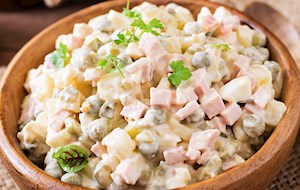
Olivier salad is a salad with variable ingredients, but it is typically made with chopped vegetables, meat, and mayonnaise. The key ingredients include diced potatoes, vegetables, eggs, chicken, or ham. This salad is one of the most important appetizers at the New Year's salad buffets in Russia, as well as in some of the other countries of the former USSR. The original was invented in the 1860s by Lucien Olivier, a chef in the popular Moscow restaurant called L'Hermitage. Olivier guarded the recipe until he died, but it is believed that the recipe was stolen by an employee who watched the chef at work, so the salad is still made today. Another theory says that the recipe for the new Olivier salad was developed by one of the restaurant's customers who wanted to keep the salad alive after the chef passed away. Olivier salad as we know it today is nothing like the original version, because it was called game bird mayonnaise, made with gourmet ingredients such as black caviar, capers, hen, and crayfish tails. Over time, the salad evolved and most of the gourmet ingredients have been replaced with more common ones such as peas, chicken, ham, and pickles. Today, the variations are endless, but most Russian chefs agree on one thing: adding carrots to the Olivier is a heresy. Interestingly, Olivier salad is also sometimes called Russian salad, while the meatless version is called French salad or francuska salata, probably due to the French name of its creator. The Spanish version is known as ensaladilla rusa. It is so popular in Spain that it's an important part of the Spanish gastronomy as well as being a staple in schools and summer camps all over the country. Ensaladilla rusa is also one of Spain's most popular tapas – in some cases, it's even served free of charge if you order a beer. There's also the Piedmontese insalata russa, typically consumed as an appetizer, and with many variations, so the salad might also include ingredients such as pickled cauliflower, anchovies, and tuna. Interestingly, in the Italian municipality of Carrù, tuna is an obligatory element of the salad.
Sabich

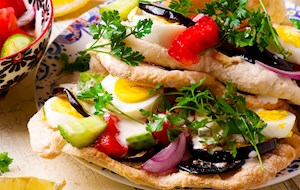
Sabich is an Israeli street food dish consisting of pita bread filled with fried eggplant, hard-boiled eggs, hummus, tahini, Israeli salad, and pickles, often topped with amba, a tangy mango pickle sauce. It is a vegetarian sandwich with Iraqi Jewish origins that has become a well-known part of Israel’s urban food culture, particularly popular as a breakfast or lunch option. The combination of ingredients represents a fusion of Middle Eastern and Iraqi Jewish flavors adapted into the context of Israeli fast food. The dish originated among Iraqi Jews who immigrated to Israel in the mid-20th century. Many of them brought with them their Sabbath morning meal, which included fried eggplant, hard-boiled eggs, and salads served cold due to religious restrictions on cooking during the day of rest. In Israel, these elements were eventually assembled together inside pita bread for convenience, creating a portable meal. The sandwich format emerged in the 1960s in Ramat Gan, where vendors began selling sabich from small stands, and it quickly became associated with the city’s Iraqi Jewish community before spreading throughout the country. To prepare sabich, thin slices of eggplant are salted, dried, and deep-fried or pan-fried until golden and soft. Hard-boiled eggs are peeled and sometimes seasoned with salt or a sprinkle of cumin. Pita bread is slightly warmed or toasted, then spread with hummus and tahini. The fried eggplant and eggs are layered inside, followed by diced tomato and cucumber salad, pickled vegetables, and a drizzle of amba sauce. Some versions include parsley, chopped onion, or boiled potatoes, depending on regional or personal preference. The amba, a key element, adds a sharp and slightly spicy note that balances the richness of the eggplant and sesame sauce. Sabich is usually served as a handheld sandwich, but it can also be presented as a plate with the same components arranged side by side. The flavors are complex but balanced, creamy from the tahini, acidic from the pickles and amba, and earthy from the eggplant and eggs. The sandwich is typically vegetarian, though some modern versions include additions like feta cheese or hot sauce. It is eaten throughout the day, especially as a filling breakfast or quick street lunch. In Israel, sabich is commonly sold alongside falafel and shawarma in similar establishments, though it appeals especially to those looking for a meatless meal. It pairs well with cold drinks such as lemonade, ayran, or mint-infused soda water. Its mix of textures, temperature contrast, and depth of flavor have made sabich one of the defining examples of Israeli street food rooted in diaspora home cooking.

Coulant au chocolat
Coulant au chocolat is a French chocolate dessert designed around a fully molten center enclosed by a thin layer of baked cake, and it became one of the most recognizable restaurant desserts in France during the late 20th century. It is closely associated with chef Michel Bras, who developed his version in the early 1980s and called it coulant au chocolat, building the dessert around a frozen chocolate ganache core surrounded by chocolate batter so that the outside could bake while the center remained liquid. That method distinguishes the original concept from simpler underbaked chocolate cakes, even though many later recipes achieve a similar result simply by controlling baking time. The dessert spread quickly through French restaurants and then internationally, where it became widely known as molten chocolate cake or chocolate lava cake, although those names can cover several different techniques. Preparation usually starts with dark chocolate and butter, combined with eggs, sugar, and a small amount of flour, but in the more exacting version a separate ganache center is prepared first, chilled or frozen, and placed inside the batter before baking. The portions are cooked in small individual molds at relatively high heat for only a short time, allowing the outer layer to set while the center stays hot and fluid. When cut open, the liquid chocolate should flow from the middle immediately, which is the defining feature of the dessert and the main difference from fondant au chocolat, whose center is dense and soft but not necessarily liquid. Timing is critical: too little baking leaves the exterior unstable, while too much turns the center into an ordinary moist cake. Coulant au chocolat is usually served straight from the oven, often with a restrained accompaniment such as vanilla ice cream, crème anglaise, lightly whipped cream, raspberries, or a tart fruit coulis, all of which offset the richness without competing with the chocolate. In France it is most commonly found in restaurants, bistros, hotel dining rooms, and contemporary pastry shops rather than as an everyday bakery item, and it is generally served as an individual plated dessert. Espresso, black coffee, Banyuls, Maury, port-style fortified wines, cognac, or Armagnac pair particularly well with it, while fresh berries provide one of the clearest food contrasts to its warm, intensely chocolate center.
Plov

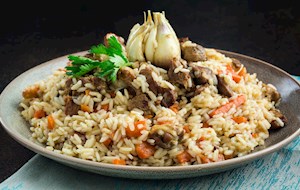
Plov is the national dish of Uzbekistan and the Uzbek word for the famous rice dish called pilaf or pullao. It is of great importance to the nation's history, tradition, and culture. Over fifty versions of the recipe exist, some of them even 10 centuries old, but to make the best-known version, the first step is to make zirvak, a base consisting of seasoned carrots, onions, and meat sautéed in fat. Once the base is done, rice is added in a layer over the previously sautéed ingredients, topped with water, and everything is simmered until the rice is fully cooked. A vast array of ingredients can be added to plov such as meat, vegetables, and fruit.
Schie con polenta
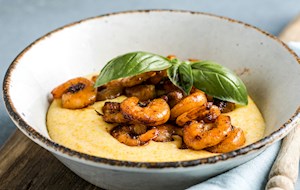
Schie con polenta is a Venetian lagoon specialty from Venice and the surrounding Veneto, especially associated with the fishing communities of the Venetian Lagoon and nearby Chioggia, where tiny gray shrimp known locally as schie have long been caught in shallow brackish waters. The dish combines those shrimp with soft polenta and is one of the clearest examples of the lagoon’s older everyday cooking, where small catches were paired with inexpensive staples rather than turned into elaborate seafood preparations. Schie were once considered modest food because of their size and abundance, but reduced availability and the difficulty of sourcing them fresh have made them much more sought after today. Their flavor is stronger than their appearance suggests: the shrimp are very small, but they have a concentrated marine taste and a slightly sweet finish that works especially well with the neutral, corn-based softness of polenta. Preparation varies according to household and restaurant, but the shrimp are generally cleaned and cooked very briefly in a pan with olive oil or butter, garlic, and parsley, sometimes with a small amount of white wine, then seasoned simply with salt and pepper. Because schie are delicate, overcooking can make them tough, so the best versions rely on short cooking and fresh shrimp rather than heavy sauces. Some recipes leave the shrimp almost dry, while others retain a little of the pan liquid so that it runs into the polenta and seasons it. The polenta is normally served soft and creamy rather than cooled and grilled, made by slowly cooking cornmeal in salted water until smooth and spoonable. It may be spread across the plate with the shrimp spooned over it, or served as a shallow bed so that the juices from the schie are absorbed gradually. The dish is defined less by complexity than by the quality of the two main elements: fresh lagoon shrimp and well-cooked polenta. Unlike larger shrimp dishes, schie con polenta is not usually about presentation or large portions of shellfish; it is about using a small local species in a way that makes its flavor carry through the entire plate. In Venice and Chioggia, it is commonly served in trattorias and seafood restaurants, often as an antipasto or a light main course, and it may appear seasonally depending on the catch. It is also prepared at home when fresh schie are available. Dry, crisp white wines from northeastern Italy are the most natural accompaniments, especially Soave, Pinot Grigio, Friulano, or other lightly aromatic wines with enough acidity to keep the dish fresh. It also fits well into a larger lagoon meal with grilled fish, cuttlefish, simple vegetable dishes, or lightly dressed salads.
Krémes

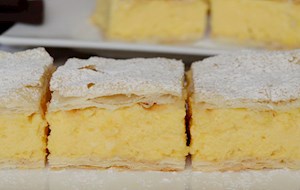
The Hungarian version of the famous cremeschnitte goes under the name krémes, meaning creamy. It combines two layers of puff pastry held together with a generous amount of smooth pastry cream. Though the recipe has been slightly modernized, the classic krémes pastry cream should be light and airy, while the top is usually dusted with powdered sugar. Traditionally served cut into large, rectangular slices, the dessert is a Hungarian classic and a staple at numerous pastry shops throughout the country.
Magenbrot

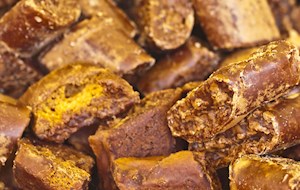
Magenbrot is a small, dark, spice-heavy sweet from Switzerland and southern Germany, particularly associated with fairs, autumn festivals, Christmas markets, and other seasonal gatherings where it is commonly sold in paper bags as a snack. Despite the name, which literally means “stomach bread,” it is not bread in the usual sense but a soft, dense gingerbread-like confection cut into small pieces and covered in a cocoa-based sugar glaze. The name reflects an older belief that strongly spiced baked goods could support digestion, especially when they contained ingredients such as cinnamon, cloves, anise, nutmeg, and other aromatic spices, though today Magenbrot is eaten entirely for its flavor and texture rather than for any medicinal purpose. It belongs to the broad Central European family of spiced honey cakes and gingerbread-type sweets that became especially important in regions where preserved spices, honey, and later refined sugar were used to make durable baked goods for markets and feast days. Over time, Magenbrot developed its own recognizable form, particularly in Swiss fairground culture, where it became less of a household cake and more of a market confection: compact, strongly scented with spice, easy to transport, and coated so the pieces stay moist inside. The dough is usually made from wheat flour, sugar or honey, cocoa, milk or water, and a mixture of spices, most often cinnamon and cloves, with anise, nutmeg, coriander, or citrus zest appearing in some versions. Baking soda or another raising agent keeps the interior from becoming too heavy, although Magenbrot should remain denser and chewier than ordinary cake. The dough is generally baked in a slab or in thick strips rather than shaped piece by piece, then cut after baking into small diamonds, cubes, or irregular chunks. The glaze is what gives the finished sweet much of its identity: sugar is dissolved with water and cocoa, sometimes with a little chocolate or butter, and the baked pieces are tossed or stirred in the warm coating until every surface is covered. Once cooled, the glaze sets into a thin, slightly firm shell while the interior remains soft, moist, and distinctly spiced. Fresh Magenbrot can have a fairly pronounced cocoa and clove character, but after resting for a day the moisture from the glaze moves into the crumb and the spices become more integrated, which is why it is often considered better after a short storage period rather than immediately after baking. The appearance is usually deliberately plain, with dark brown, slightly glossy pieces that are uneven in shape, and unlike decorated Lebkuchen there is generally no icing pattern, wafer base, or elaborate decoration. In Switzerland it is especially common in German-speaking areas and is strongly linked to Chilbi fairs, autumn markets, funfairs, and Christmas markets, while in southern Germany it appears in similar seasonal settings alongside roasted nuts, gingerbread, candied fruit, and other fairground sweets. It is normally eaten by hand at room temperature and is rarely served as a formal dessert, although it can be placed on a plate with other biscuits and small cakes during the colder months. Coffee and black tea are the most straightforward pairings, while hot chocolate works well with its cocoa-heavy versions, and mulled wine or spiced apple drinks suit the cinnamon-and-clove profile particularly well.
Machanka

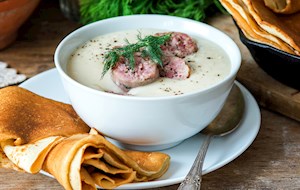
Machanka is a Belarusian and Ukrainian stew made with a combination of pork, sour cream, flour, and beef stock. The meat can include bacon, sausages, or ham, all cut into very small pieces. This soup-like stew is typically enriched with onions, mushrooms, and dill. Quite commonly, machanka is served with draniki pancakes, consisting of potatoes, flour, lard, and salt, and some claim that the proper way to consume machanka is to roll up the potato pancakes and dip them into the stew.
Hascheeknödel
Hascheeknödel are Austrian stuffed dumplings, especially associated with Upper Austria, made by enclosing a savory mixture of finely chopped or minced cooked meat and sausage inside a soft dough, most commonly potato dough, and then gently cooking the dumplings in salted water. The word Haschee refers to a chopped or minced meat preparation, and in this dish it forms the filling rather than the outer dumpling itself. Hascheeknödel belong to the large family of filled dumplings that are particularly prominent in Upper Austrian cooking, where substantial dough-based dishes developed around ingredients that were inexpensive, filling, and easy to reuse. The filling has long provided a practical way of using cooked pork, smoked meat, sausage, roast leftovers, and other meat trimmings rather than letting them go to waste, which explains why recipes differ considerably between households and regions. Some versions rely mainly on cooked pork and smoked meat, while others include sausage, mixed minced meat, or several kinds of leftovers combined together. Onion is almost always important, and garlic, parsley, marjoram, caraway, black pepper, and salt are among the most common seasonings. The outer dough is usually prepared from cooked floury potatoes combined with flour, egg or egg yolk, semolina, salt, and sometimes butter and nutmeg, although flour-based doughs are also used in some recipes. The meat mixture is generally chopped or passed through a meat grinder rather than processed into a completely smooth paste, preserving a slightly coarse texture. Onion and sometimes garlic are sautéed, cooled, and mixed with the meat and seasonings, and a little stock, roasting juice, or fat can be added when the filling is too dry. The mixture is shaped into small balls, which may be chilled briefly to make them easier to handle. Pieces of dough are then flattened, wrapped completely around the filling, sealed carefully, and rolled into round dumplings. The Hascheeknödel are cooked in lightly simmering salted water rather than vigorously boiled, usually for roughly 10 to 20 minutes depending on their size and the type of dough, until the exterior is cooked through and the filling is hot. A well-made Hascheeknödel has a soft but stable outer layer and a moist, strongly savory center, with the flavors of pork, smoked meat, onion, garlic, and herbs carrying most of the dish. Unlike unfilled dumplings that are often served as accompaniments, Hascheeknödel are substantial enough to function as the main part of a meal. Their character depends heavily on the filling, which means there is no single fixed formula: one household may use sausage scraps, another leftover roast pork and smoked meat, and another freshly minced pork seasoned with marjoram and caraway. This flexibility is a defining feature of the dish rather than a departure from it. Hascheeknödel are most often served hot with sauerkraut, warm or cold cabbage salad, roasting juices, or a light meat gravy, combinations that balance the richness of the filling with acidity or moisture. They are particularly closely identified with Upper Austria and are eaten in homes, inns, and restaurants serving regional Austrian cooking, usually as a main course. Sauerkraut is probably the most characteristic accompaniment, while cabbage salad offers a fresher alternative and gravy makes the dish more substantial. Beer is a natural beverage pairing, especially a crisp Austrian lager or Märzen, while dry white wines with good acidity, such as Grüner Veltliner, can also work well with the pork, smoked meat, and cabbage commonly served alongside the dumplings.
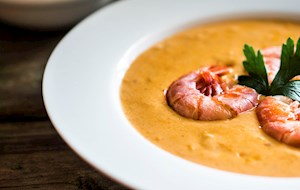
Bisque
This thick, creamy, and rich puréed soup traditionally includes ingredients such as cream, seafood, cognac or wine, and a combination of spices. The origin of its name is still debated – some claim that the word refers to a soup that is cooked twice (bis cuits), since the traditional way of making the soup involves first roasting the shellfish and then simmering them again in the flavorful broth. Another theory suggests it is related to the Bay of Biscay, whose cuisine typically uses spicy ingredients similar to those used in bisque. Bisque was first mentioned as a shellfish soup in the 17th century, leading food historians to suggest that it was originally a fisherman’s dish that was designed to get the most flavor out of whatever ingredients were available. Today, the most popular version of the dish is lobster bisque, which is made using a long cooking process designed to make the dish as flavorful as possible.
Arrosto di maiale con latte
Arrosto di maiale con latte is a traditional dish originating from Florence. It consists of pork cooked in milk, and the list of ingredients includes pork loin, rosemary, salt, pepper, butter, garlic, milk, and mushrooms. The meat is rubbed with salt, pepper, and rosemary, and it's then cooked in butter over high heat until golden brown on the exterior. Garlic and milk are added to the pot, the heat is reduced to low, and the dish is simmered for a few hours until the gravy becomes thick and creamy. The pork is sliced and served on a heated platter, then topped with a combination of gravy and butter-sautéed mushrooms. Arrosto di maiale con latte is always served hot.
Hirschkalbsbraten
Hirschkalbsbraten is an Austrian roast made from young deer, usually using tender cuts such as the shoulder, leg, or loin and cooking them slowly with wine, stock, root vegetables, and game-friendly seasonings such as juniper and bay leaf. The term literally means roast from a Hirschkalb, or young deer, and the dish belongs to the broader Central European repertoire of venison roasts served during the cooler months and around the hunting season. In Austria, venison has long been closely tied to forested regions, hunting estates, rural inns, and seasonal cooking, and young deer is especially valued because the meat is finer-grained and milder than that of older animals. Rather than being defined by one fixed national formula, Hirschkalbsbraten is best understood as a roast style built around tender young venison, careful browning, and a concentrated pan sauce. Austrian preparations often begin by trimming the meat, seasoning it with salt and pepper, and searing it thoroughly in a roasting pan before adding vegetables such as celery, parsley root, shallots, carrots, or onions. Tomato paste may be roasted with the vegetables to deepen the sauce, after which the pan is deglazed with red wine, port, or both, and filled out with veal or game stock. Bay leaf, juniper, allspice, and sometimes spices such as star anise or cardamom may be added depending on the recipe. Shoulder cuts are commonly braised at relatively low oven temperatures for several hours until very tender, while loin or saddle can be roasted more briefly and kept pink in the center; Austrian recipes for Hirschkalb can target an internal temperature of about 55°C for tender cuts intended to remain rosy. Once the meat is cooked, it is removed to rest while the braising or roasting liquid is strained and reduced into a smooth, concentrated sauce. Some versions enrich the sauce with cream, butter, mushrooms, berry preserves, cassis, or other fruit components, but these are additions rather than requirements. Red wine is especially common because its acidity and tannin work well with venison, while juniper remains one of the most characteristic seasonings for the meat. The quality of Hirschkalbsbraten depends heavily on controlling the cooking method: shoulder benefits from slow braising, while leaner cuts can become dry if they are cooked far beyond medium. The finished roast is usually sliced and served with its sauce rather than presented dry, and the accompaniments are typically substantial enough to absorb the juices. Red cabbage is one of the most common partners, often flavored with apple, red wine, vinegar, or berries, while Serviettenknödel, bread dumplings, potato dumplings, Spätzle, or potatoes are also typical choices. A well-known Austrian preparation pairs braised Hirschkalbsbraten with red cabbage and Serviettenknödel, combining tender venison, sweet-sour cabbage, and soft bread dumplings in the same plate. Lingonberries or cranberries are also frequently served with venison because their acidity and slight bitterness balance the richness of the sauce without masking the meat. Hirschkalbsbraten is most often eaten in Austrian restaurants, country inns, hunting lodges, and homes during the autumn and winter game season, usually as a main course. Full-bodied Austrian reds such as Blaufränkisch or Zweigelt are natural pairings, as are mature Pinot Noir and other medium-bodied red wines with enough acidity to handle both venison and the sauce; darker beers can also work, particularly when the roast is served with dumplings, red cabbage, or mushroom-based accompaniments.
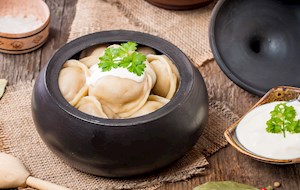
Pelmeni
Pelmeni is one of Russia's national dishes, a small dumpling with a delicately thin dough, filled with anything from ground meat or fish to mushrooms. The fillings can be mild or very spicy, depending on the amount of seasonings such as various fresh herbs, black pepper, and onions. Pelmeni dumplings are served in almost every Russian restaurant, as well as in numerous Russian homes where each family has their own recipe for the dish.

Del Maguey
Tobalá

IWSC- International wine & spirit competition Gold 2025

La Última y Nos Vamos
Mexicano
Concours Mondial de Bruxelles Grande Médaille d'or 2020

Mezcal Carreño
Tobalá Joven Artesanal
SFWSC - San Francisco World Spirits Competition Double Gold 2020