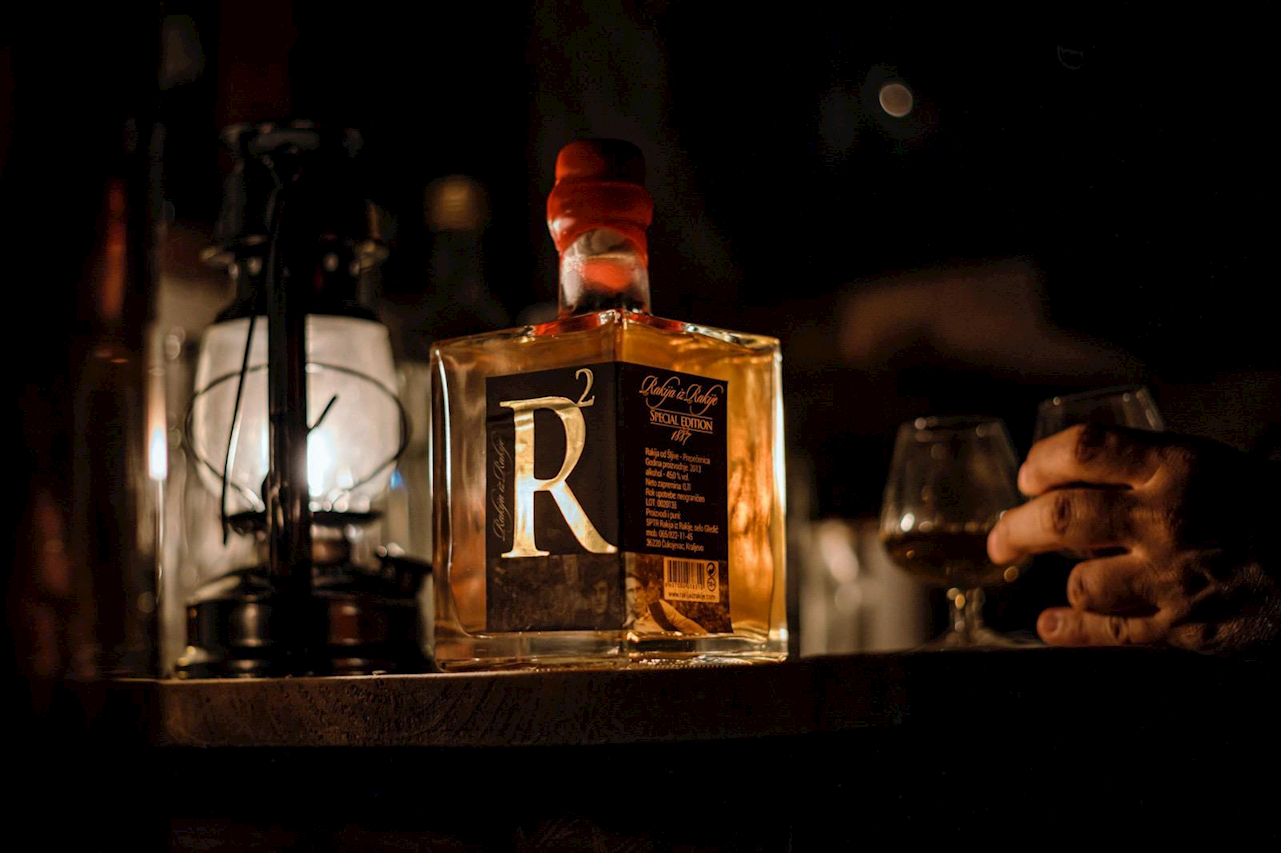
Rakija, the fiery fruit and herb spirit of the Balkans, is a delicious blend of tradition and craftsmanship from Croatia, Serbia, Bosnia, and beyond. Whether it’s Istria’s mistletoe-kissed biska, Šumadija’s bold plum šljivovica, or Dalmatia’s herbal travarica, each sip tells a story of regional pride. Born from Arab distillation, refined by Austro-Hungarian expertise, and perfected by Balkan artisans, rakija is now captivating palates worldwide.
Served at cellar temperature (12-16°C/54-61°F), it’s perfect as an aperitif to kick off a meal, a digestif to linger over dessert, or a toast to celebrate life’s big moments: weddings, gatherings, or cozy evenings.
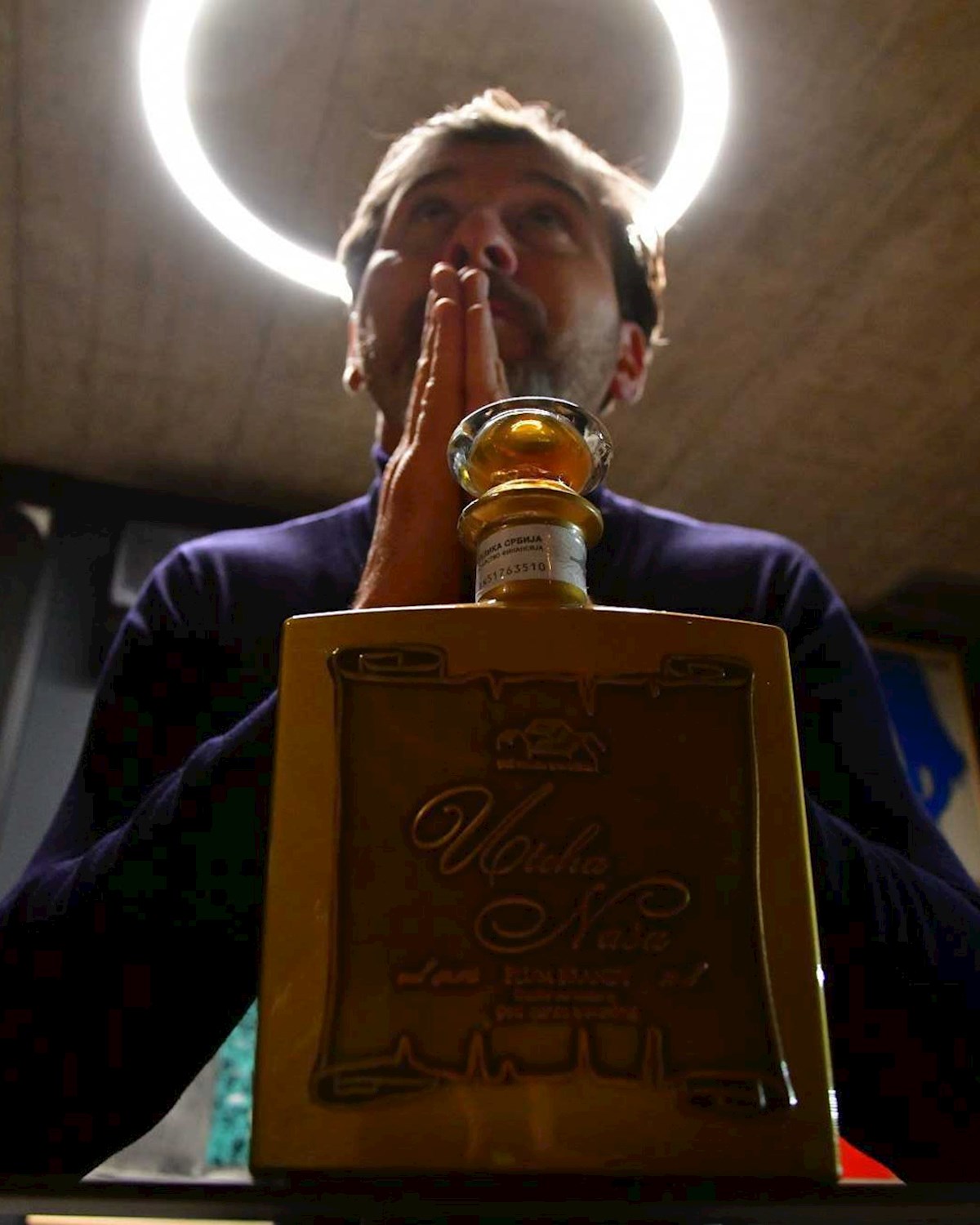
"The older I get, the more I appreciate a good aged plum brandy compared to, for example, whiskey. It seems like a matter of subjective judgment, but when you delve a little deeper into the subject, you discover additional confirmations. Fruit brandies, especially if properly distilled and aged, retain the original fruit aromatic compounds, whereas in whiskey, the aroma mainly comes from the fermentation process and the influence of the barrel (vanilla, wood, smoke, caramel). Fruit (e.g., plums) naturally contains sugars, acids, esters, and specific aromas that transfer directly into the distillate. Unlike grains, the base of whiskey, which have a much simpler aromatic profile before fermentation. Plum brandy can contain over 300 identified volatile compounds, while in whiskey that number usually ranges between 80 and 150. In the end, it’s all a matter of taste, but I know what I’ll be buying next time in a specialty store.” - says Marin Levaj, restaurateur and organizer of ZGrappe, who advises colleagues in the industry that they should offer tourists regional brandies instead of the now overly prostituted foreign gins, rums, and whiskeys.
Here are the top 15 rakijas, ranked by Marin Levaj, organizer of the ZGrappa festival (November 7-8, 2025, Zagreb), ready to ignite your senses. Cheers!
The World’s 15 Best Rakijas according to Marin Levaj
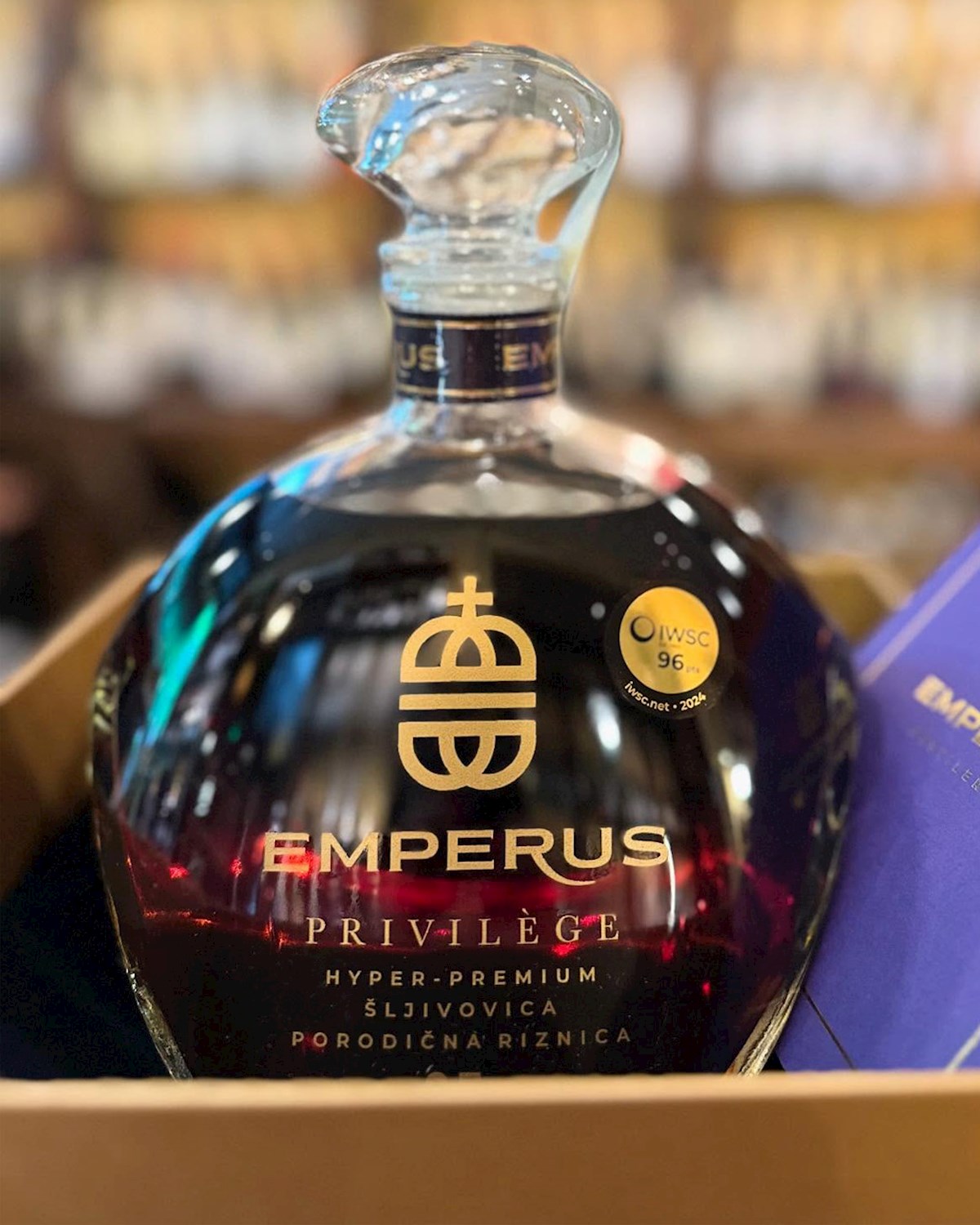
1. Privilige – Emperus Distillery
Location: Đurđevo, Serbia
ABV: 43%
Rating: 4.9
 Credits: Emperus Distillery
The most awarded Serbian plum rakija of all time consists of distillates of Požega and Ranka produced between 1994 and 1997. Despite its age, its taste is incredibly smooth and rounded, perfectly balanced. It is an expensive product, but for true enthusiasts, it’s a must-have on the shelf. For those with a more modest budget, Emperus Distillery also offers plum rakijas aged 18, 15, or 12 years, which are certainly excellent value.
Learn more about Emperus Distillery
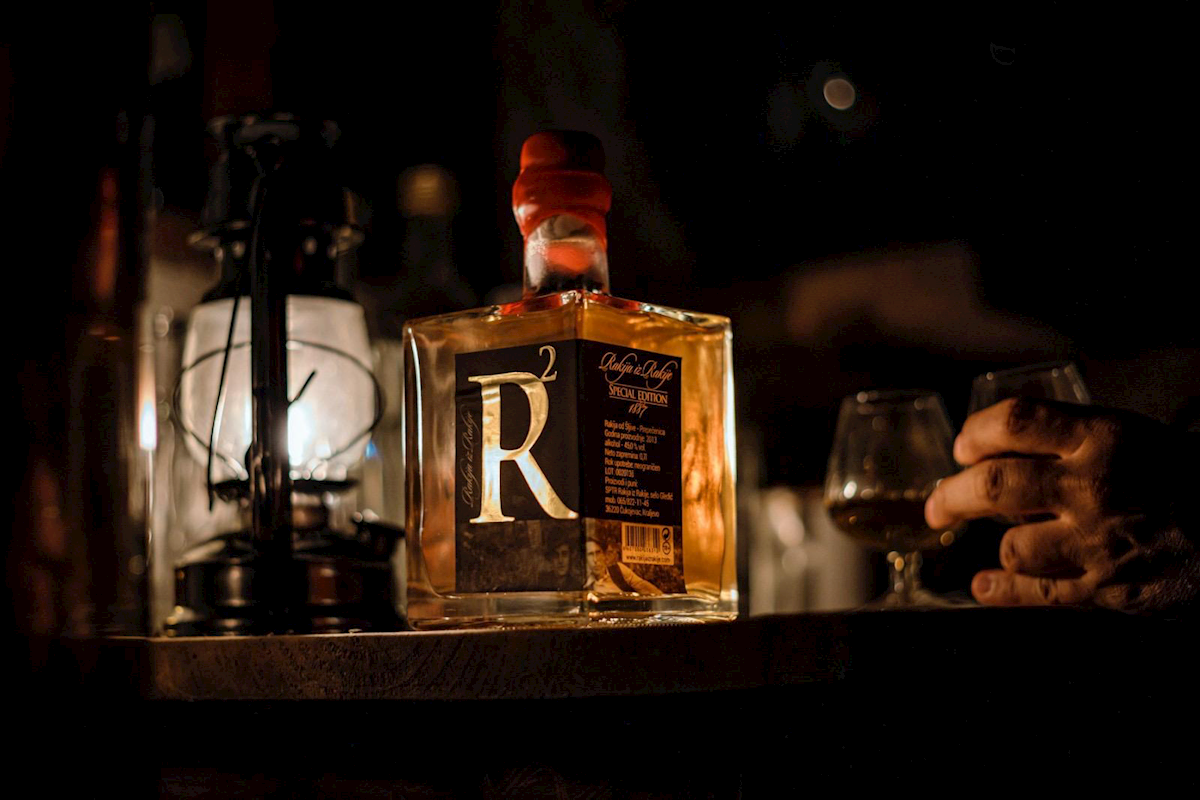
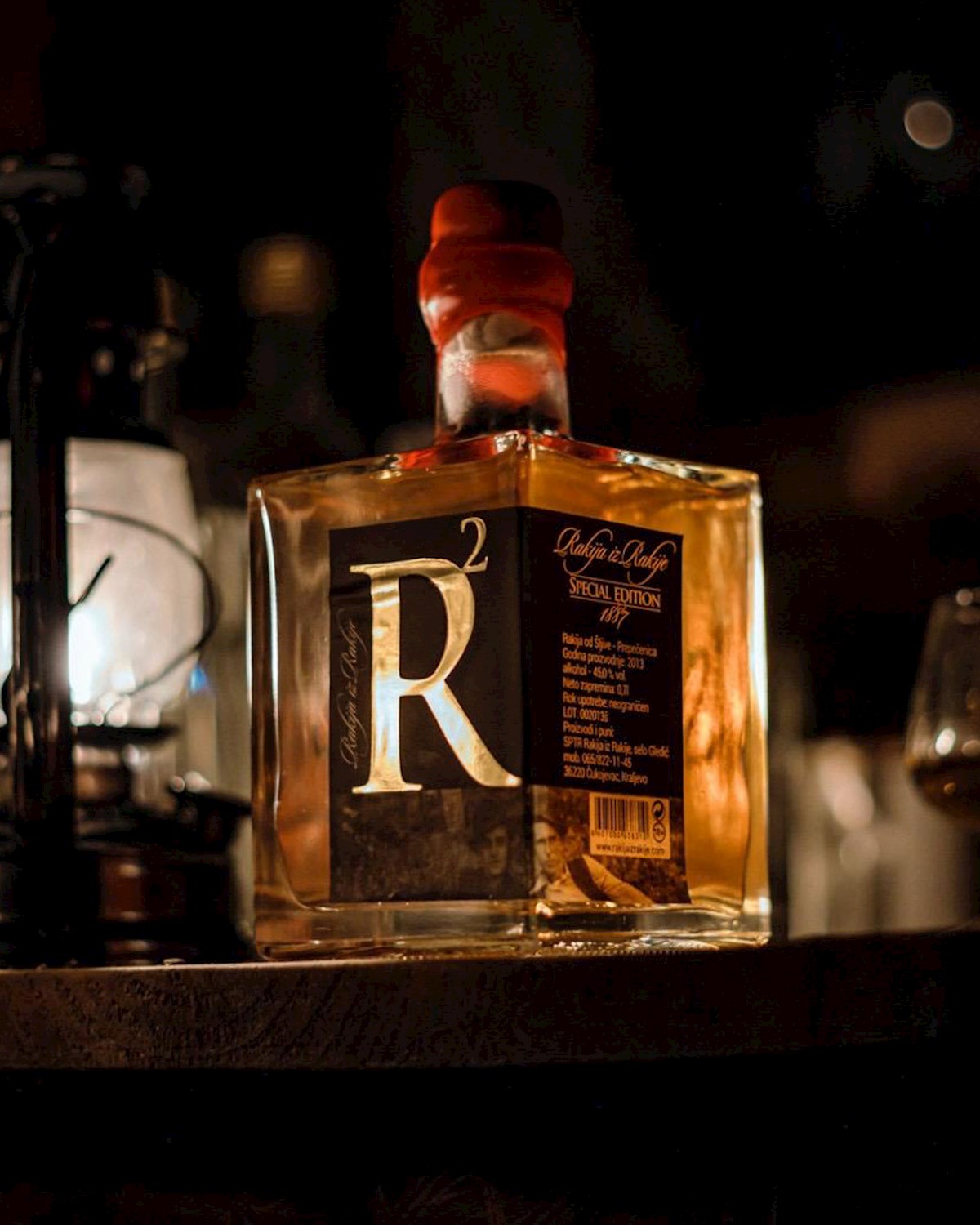
2. Rakija 10 - Rakija iz Rakije
Location: Gledić, Serbia
ABV: 45%
Rating: 4.8
 Credits: Rakija iz Rakije Distillery
The product of the charismatic Dejan “Rakija” Veljović comes from the hamlet of Rakija located on Gledić Mountain in Šumadija. Aged for 10 years in oak barrels, it contains exclusively the native Crvena Ranka variety. Unlike some others that spend so much time in barrels, this rakija hasn’t been overtaken by the wood (jokingly called “plank rakijas”), remaining exceptionally fresh and ranking among the most unique on the market. Only 300 bottles were made, and to buy it, you must join Dejan’s club.
Learn more about Rakija iz Rakije
3. Travarica – Someone’s Grandma (not every grandma succeeds)
Location: Dalmatia, Croatia
ABV: 40%
Rating: 4.8
 Credits: shutterstock
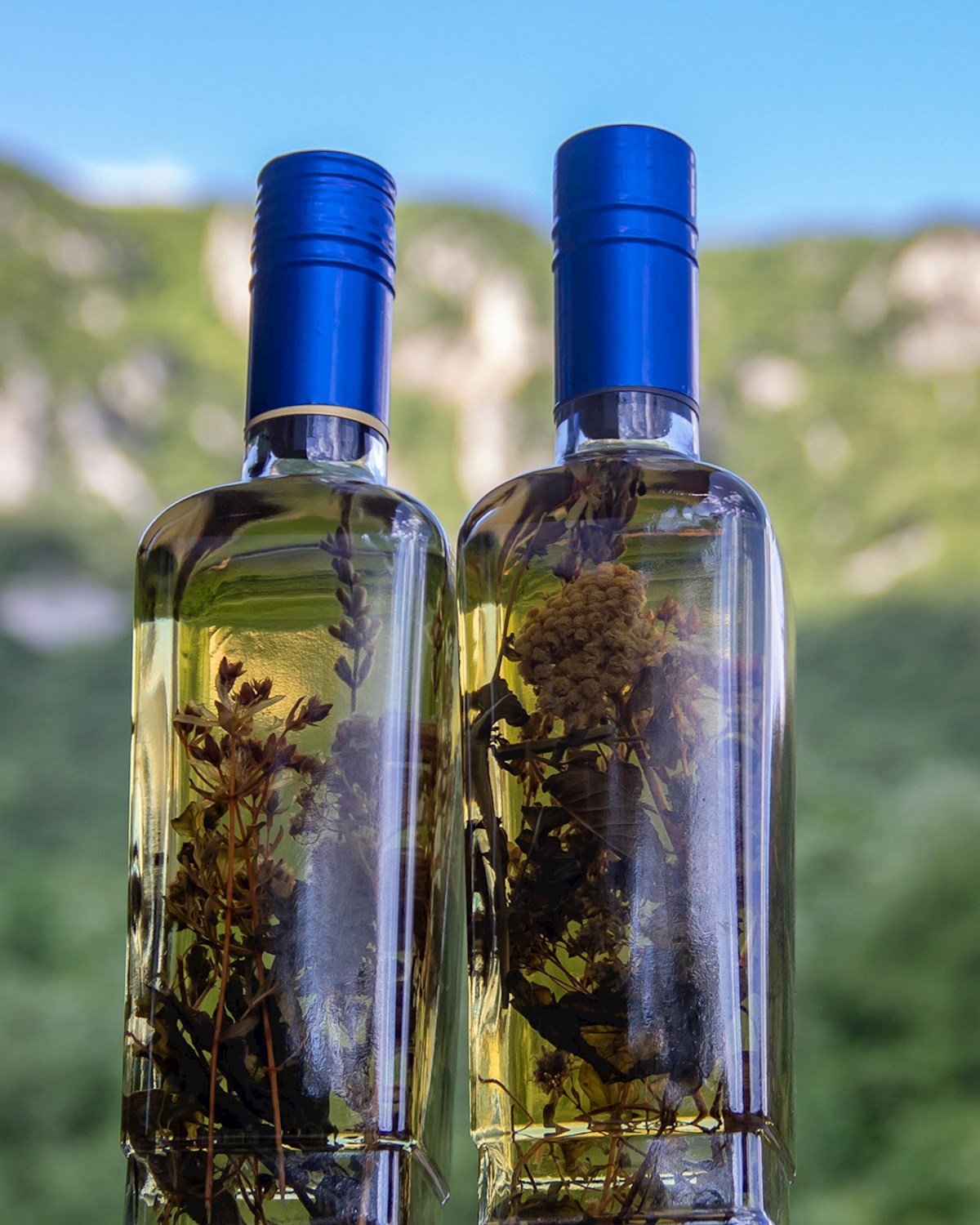
Completely subjective, without any criteria, everyone has once drunk a grandma’s rakija that “sees through a person” - and that was the best ever! The roots of travarica reach far into the past, to a time when people lived with nature, listened to it, and used it. In Dalmatia, especially on the islands and in the rugged hinterlands, people make lozovača (grape rakija) which they then enhance with medicinal herbs.
Grandmas from the islands, from villages around Mosor and Biokovo, knew exactly when to harvest each plant: early in the morning, in dry weather, often on saints’ days, when the “herbs are strongest.” The herbs were macerated in rakija - each had her secret blend, guarded like a relic. Some of the herbs that make this rakija special include: Thyme (Thymus serpyllum), St. John’s Wort (Hypericum perforatum), Rue (Ruta graveolens), Wormwood (Artemisia absinthium), Sage (Salvia officinalis), Bay Leaf, Rosemary, Mint, Lemon Balm...
4. Desetka – Podrum Pevac
Location: Cvetojevac, Serbia
ABV: 40%
Rating: 4.7
 Credits: Pevac Cellar
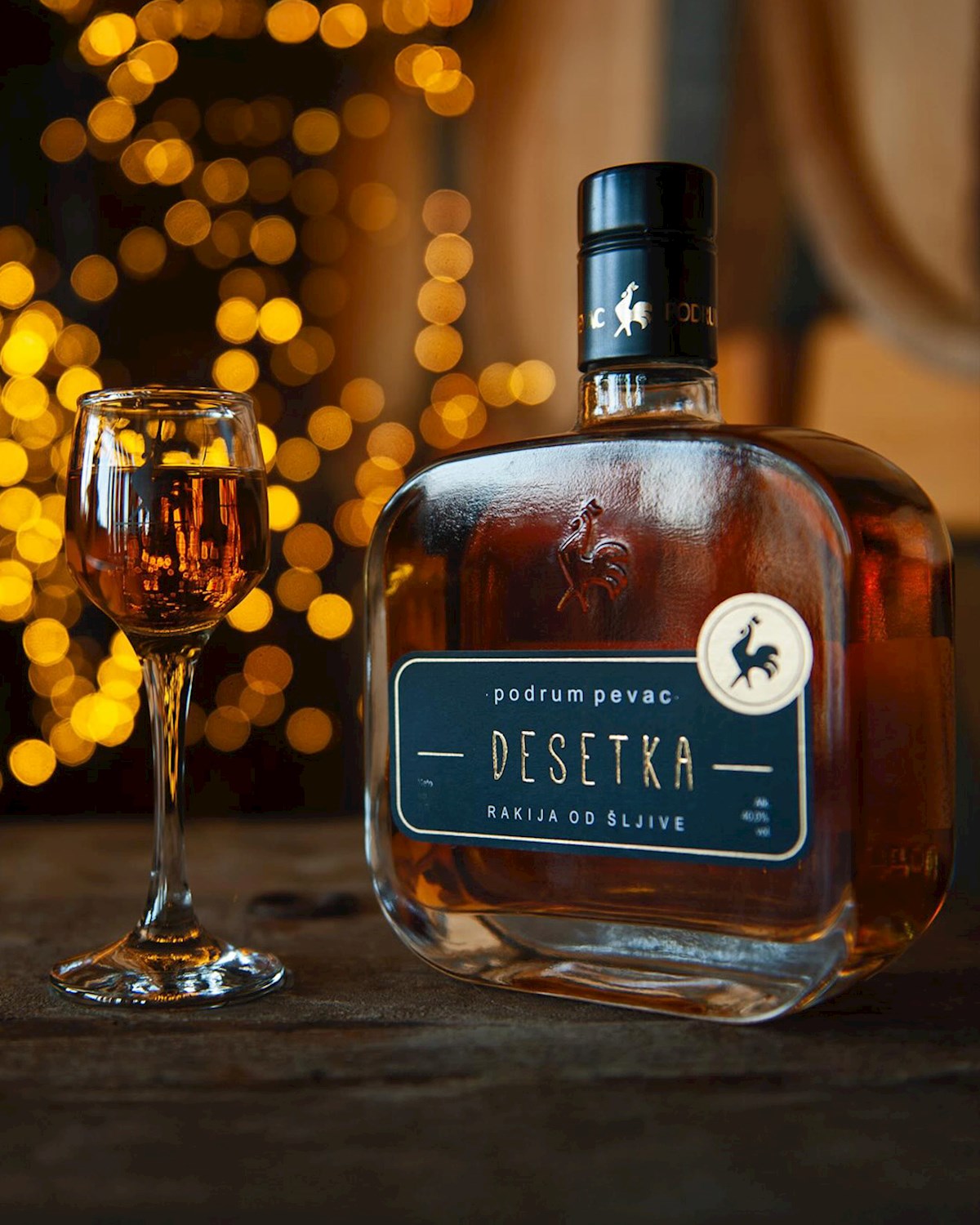
This plum rakija won a gold medal at the 2023 Belgrade Rakija Fest and the jury’s irony: “It’s hard to give a perfect 10 to ‘Desetka’ when it already carries its score.” The distillery owner, Aleksandar Stanković, jokes that this rakija comes out of the barrel “when a child finishes primary school.” Due to that long time in the barrel, the plum yields flavors of caramel, chocolate, vanilla, and dry tobacco. Ideal for deep conversations after a good dinner.
5. Višnja Barrique – Pruna
Location: Vuković, Serbia
ABV: 40%
Rating: 4.7
 Credits: Pruna Distillery
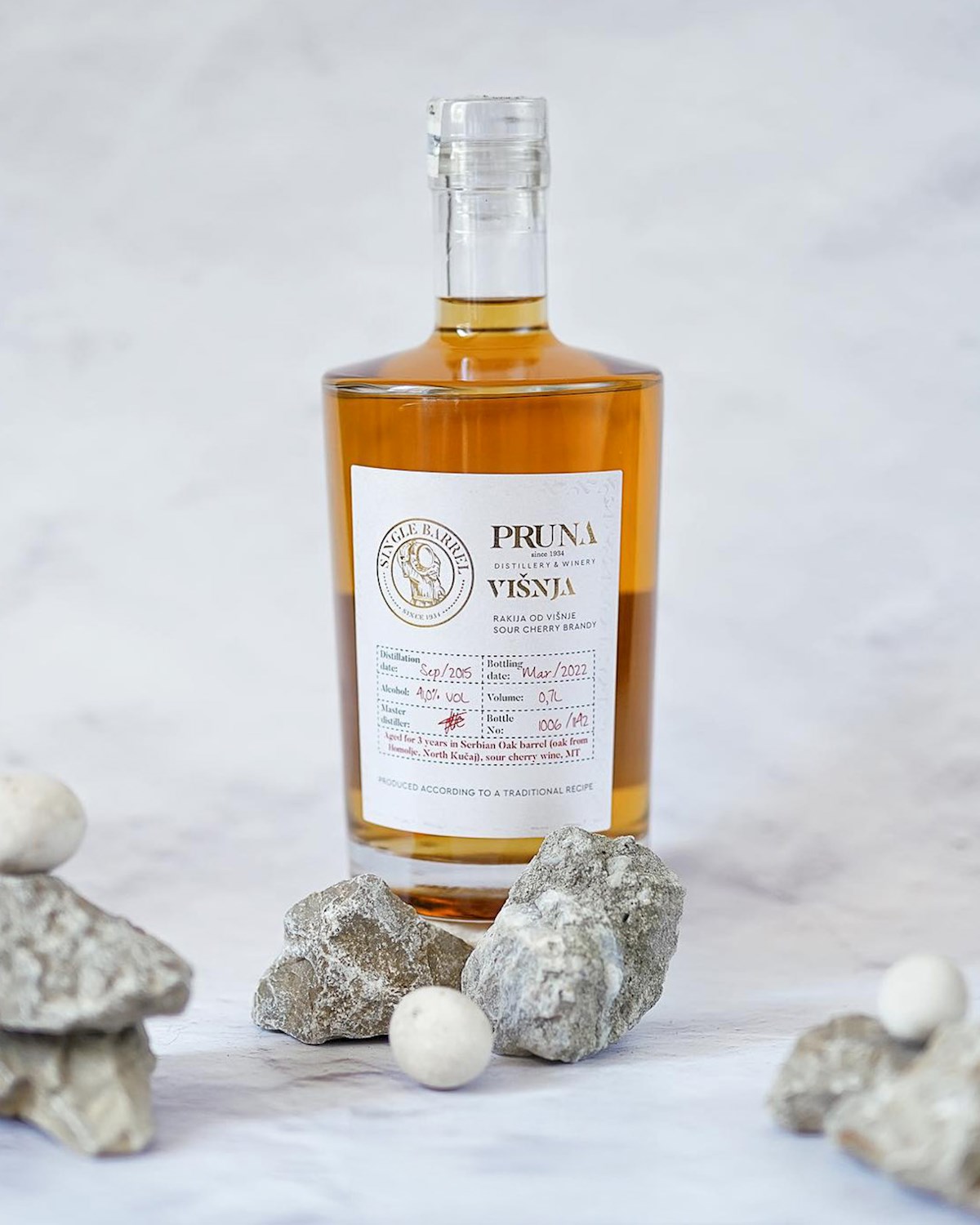
As soon as they hear the word cherry, “true” rakija connoisseurs just wave it off. Because they don’t drink liqueurs and don’t like sweet! But this Oblačinska cherry rakija is anything but sweet, and it’s certainly not a liqueur. When given to “connoisseurs” for a blind tasting, they guess it’s cognac or some similar product. It was aged for 6 years in a Mexican barrel that previously held tequila, so you can also sense agave notes in it. Overall, it’s one of the most complex rakijas that you need to keep returning to, discovering its endless aromas of cherry, vanilla, flowers, honey...
6. Dunja Premium – Podrum Stari Hrast
Location: Žirovnica, Serbia
ABV: 40%
Rating: 4.6
 Credits: Stari Hrast Distillery
Produced in the Serbian village of Žirovnica, this rakija uses ripe quinces from their own orchards beneath a centuries-old oak on a hilltop in the heart of Šumadija. The taste is dominated by notes of vanilla, hay, and ripe quince, but if we had to use one word for it, we’d say it’s the taste of the village. Aged for two years in Serbian oak, it’s among the most difficult rakijas to make. Excellent as an aperitif.
Learn more about Podrum Stari Hrast
7. Jabuka – Akov Rakija
Location: Kraljevo, Serbia
ABV: 40%
Rating: 4.6
 Credits: Akov Distillery
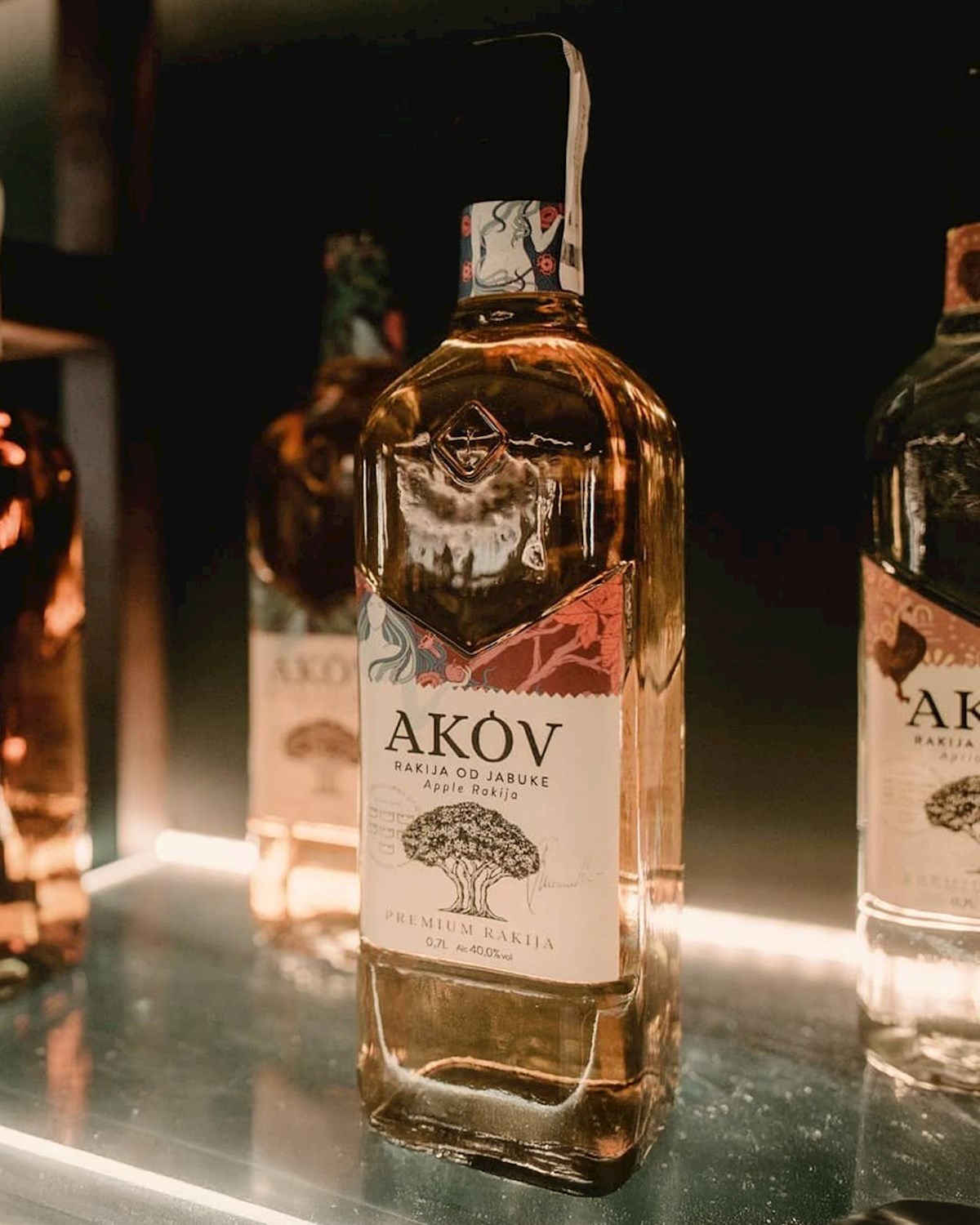
When people hear about apple rakija, they want to taste the flavor of the Granny Smith variety, a bit of acidity, a bit of sweetness, in any case, a lot of pleasure. And then they get disappointed because such rakijas usually don’t have much aroma, which is why they’re best for producing liqueurs. Distiller Žarko Mikić tackled this “problem” by applying the “Calvados” distillation method, modeled after a much older distillate that has been made for centuries in Normandy.
He blended distillates of Idared, Granny Smith, Red, and Golden Delicious varieties and left them to age for 51 months in lightly toasted oak barrels. It is characterized by complex flavors of honey, a bit of smoke, caramel... If Cognac and Armagnac are two brothers who went different ways, one to Paris, the other stayed in the countryside, Calvados is their eccentric cousin from the north who writes poetry and bakes apple pie.
8. Marelica – Šimić Distillery
Location: Požega, Croatia
ABV: 38%
Rating: 4.6
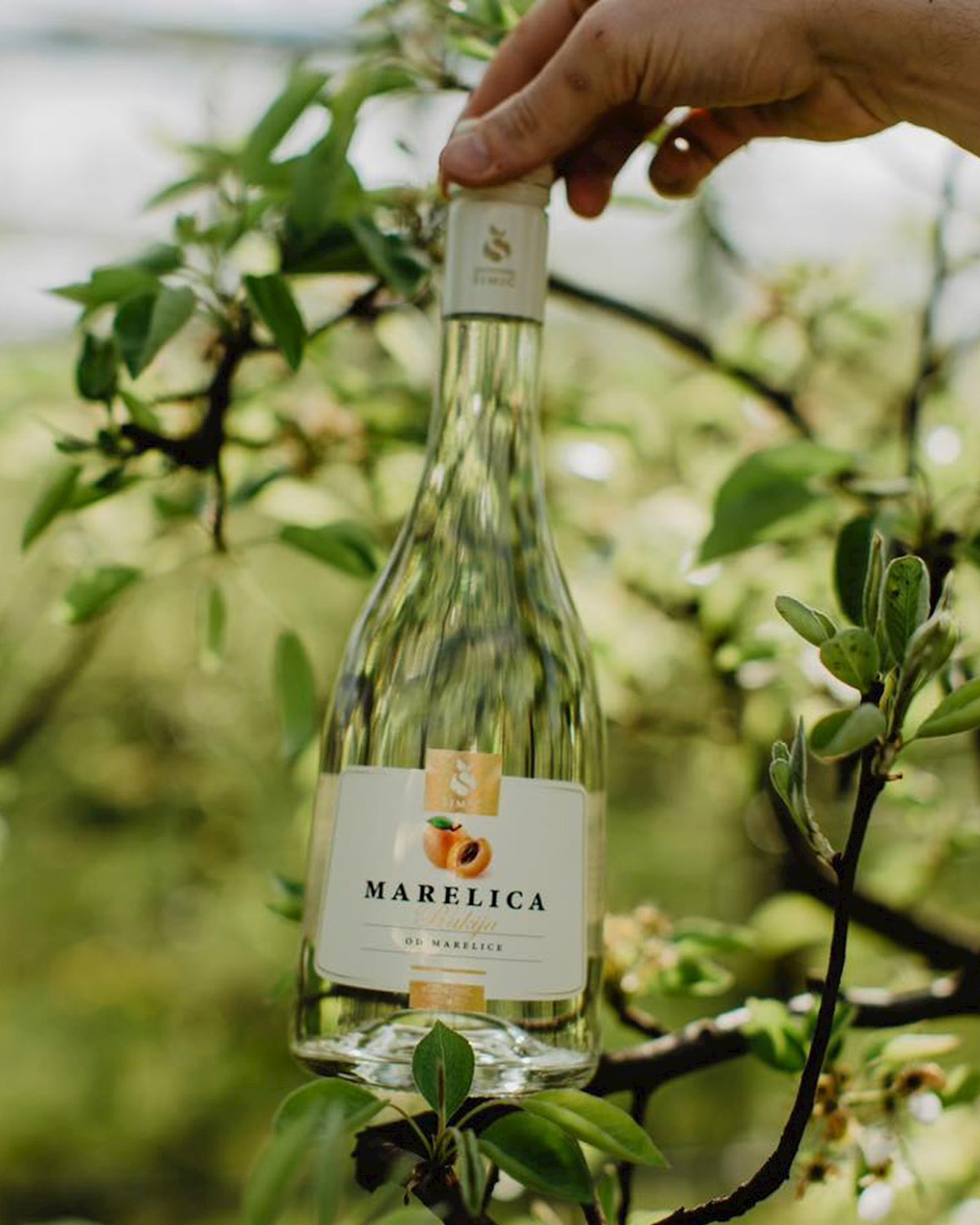 Credits: Šimić Distillery
Although it’s a common belief that distilleries from Serbia are the highest quality in the region, sometimes Croats win the top scores. A great example is Šimić’s apricot rakija, which at the prestigious 2024 International Wine and Spirit Competition (IWSC) in London won a gold medal and the “Outstanding” designation with an impressive 98 points. This exceptional gem of Slavonian distillation has the aroma of ripe apricot, with notes of pepper and a long, spicy finish.
Learn more about Šimić Distillery
9. Viljamovka with Pear in the Bottle – Vertigo Distillery
Location: Sesvete, Croatia
ABV: 40%
Rating: 4.6
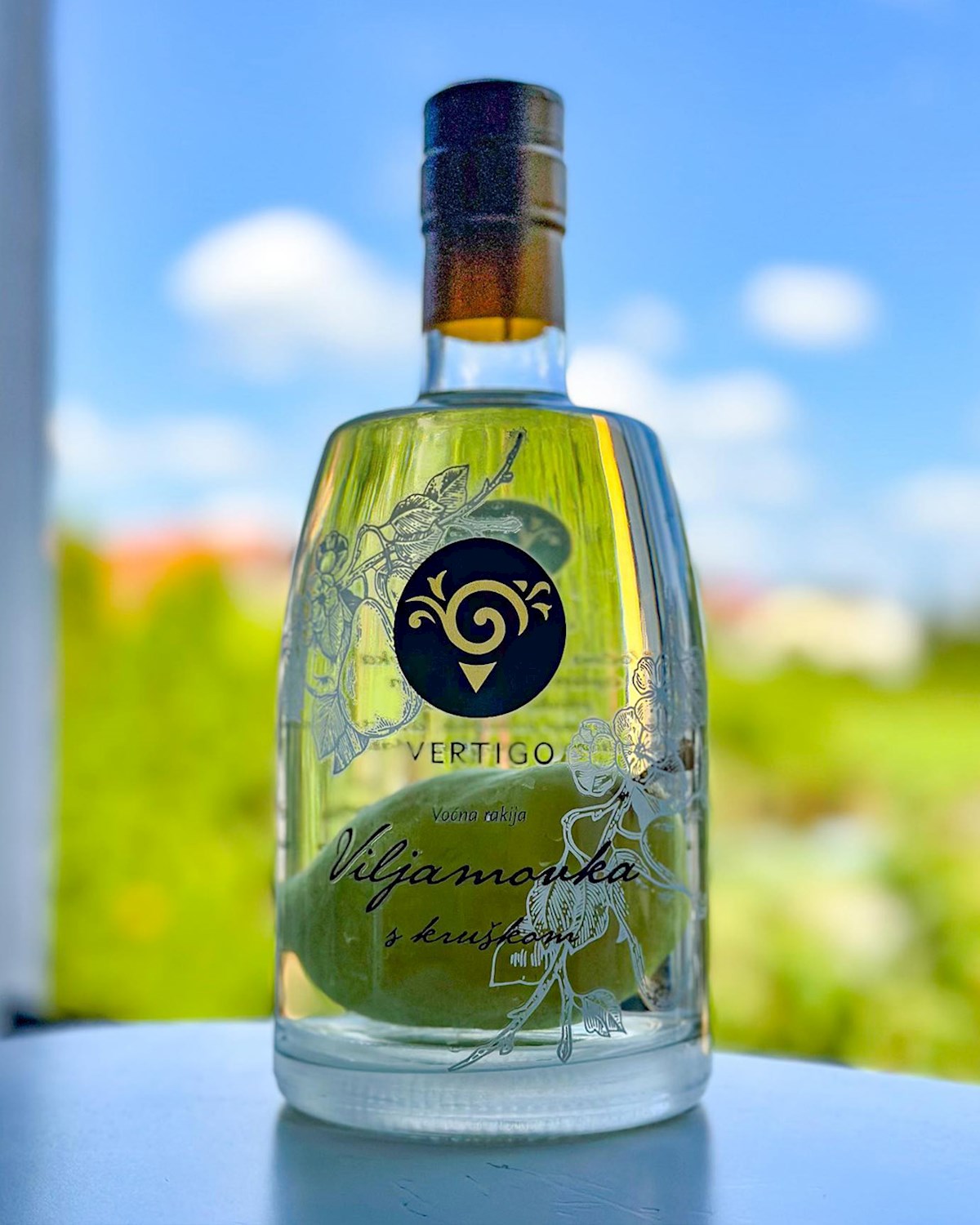 Credits: Vertigo Distillery
The Williams pear variety (full name Williams Bon Chrétien) was discovered in the late 18th century in England, reaching our region only in the mid-20th century. To this day, it remains the most popular and suitable variety for making rakija, especially due to its highly aromatic and sweet notes. In the game of who will make the better one, it seems that the ultimate victory goes to Gordana and Dražen Stipić, owners of Vertigo Distillery. The only flaw of this delight in a beautifully designed bottle is the insufficient quantity to satisfy the increasingly greedy market.
Learn more about Vertigo Distillery
10. Jelički Dukat – PP Pridvorica
Location: Čačak, Serbia
ABV: 45%
Rating: 4.5
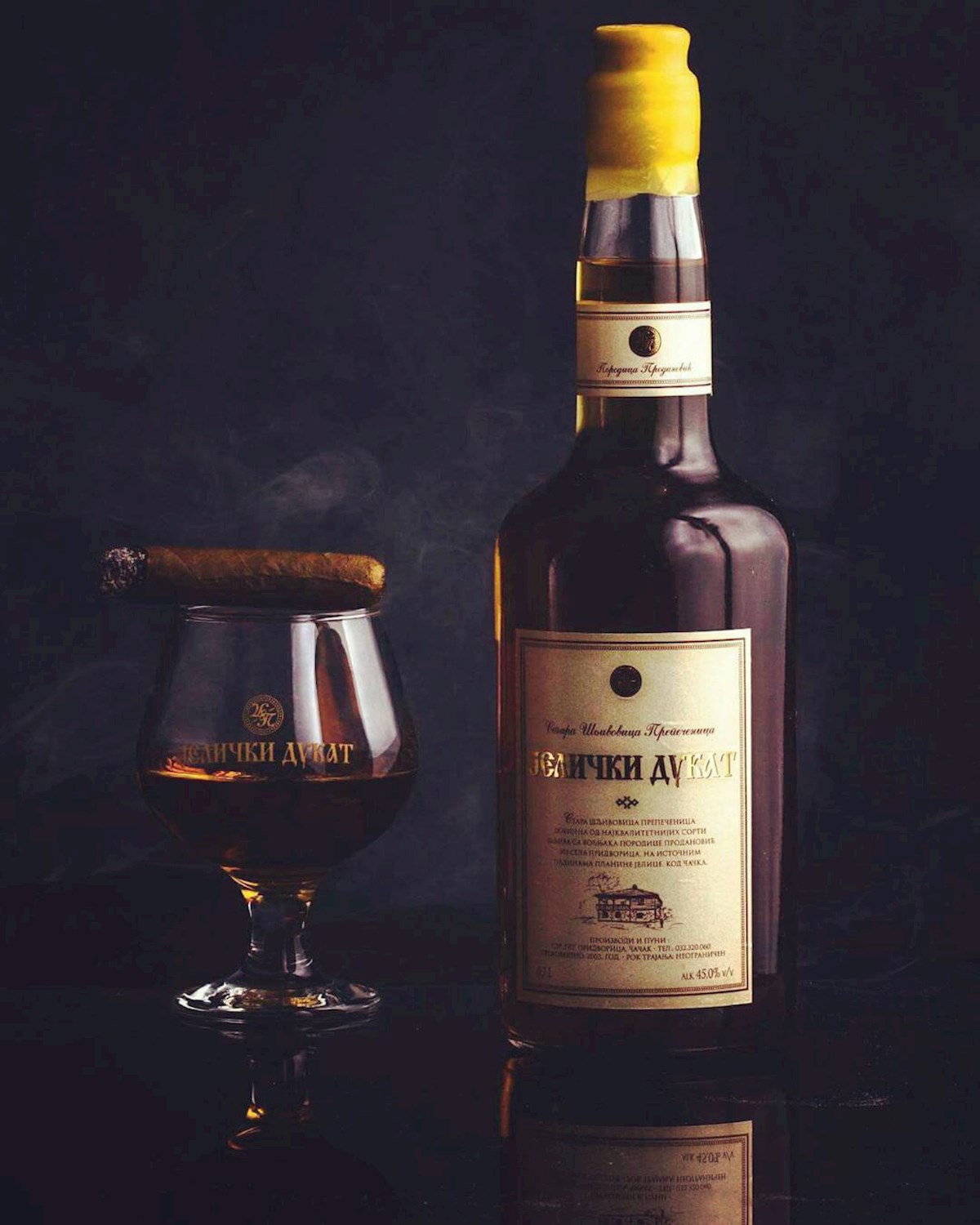 Credits: Prodanović Distillery
This velvety-tasting plum rakija is aged by the Prodanović family in oak barrels for 12 years. The barrels are stored in naturally cooled cellars beneath Jelica Mountain near Čačak, where the temperature almost year-round does not exceed 12°C. This microclimate enables an extremely slow and refined aging process, resulting in full, layered aromas.
Learn more about PP Pridvorica
11. Kuš Sage Rakija - Kotal
Location: Cerovlje, Croatia
ABV: 40%
Rating: 4.5
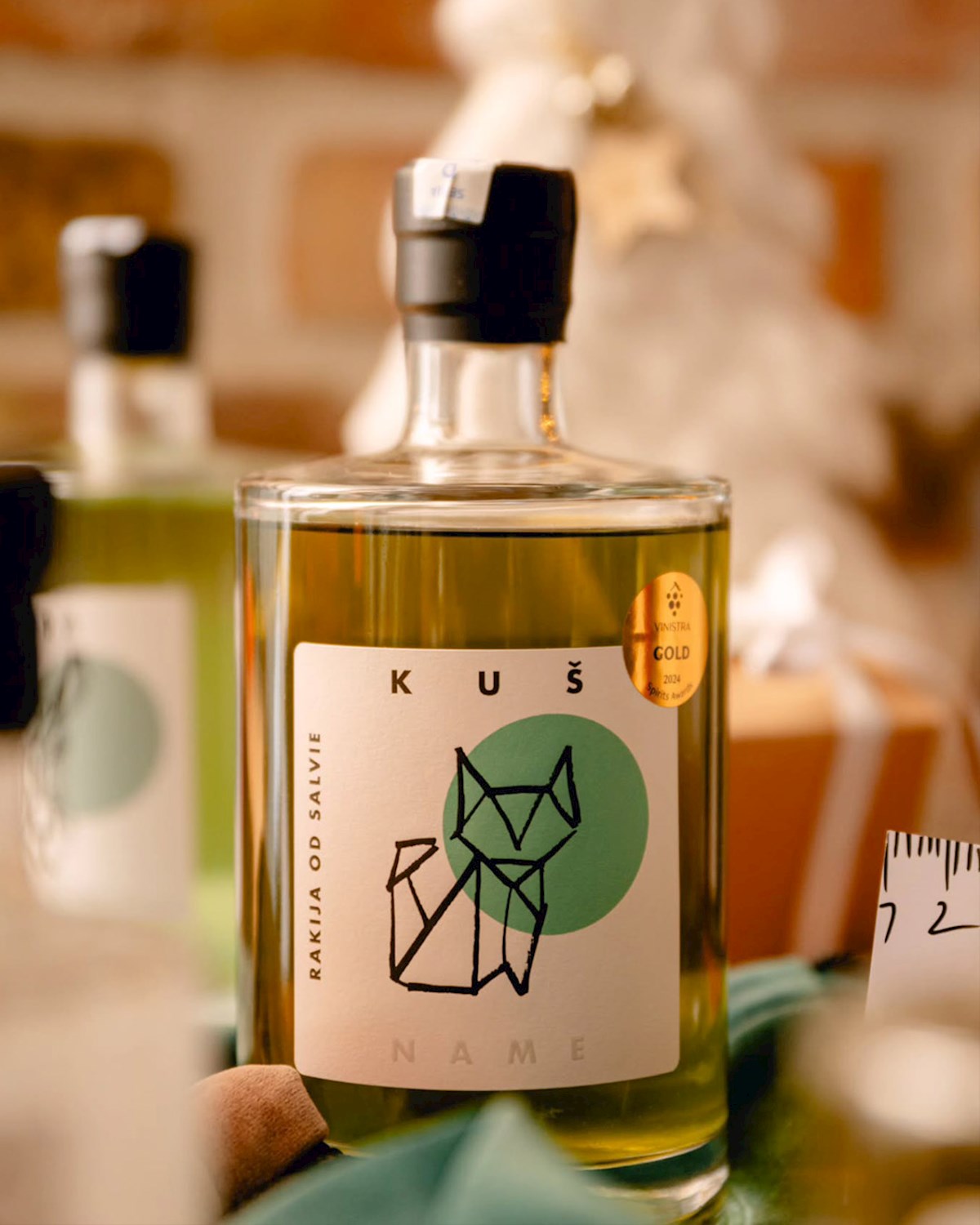 Credits: Kotal Distillery
There are people who simply don’t like rakija because it’s strong, but this one is ideal for convincing them otherwise. How is it possible that something with 40% alcohol is so refined? The credit goes to the Lušetić family, known to gourmets and connoisseurs also for Konoba 2. Peron in Istrian Cerovlje, who make their products according to their grandparents’ instructions. This rakija offers everything: strength, acidity, sweetness, and bitterness, and allegedly even health benefits. All these flavors mix in the mouth in almost perfect balance.
12. Loza Barrique – Wise Grus
Location: Daruvar, Croatia
ABV: 40%
Rating: 4.5
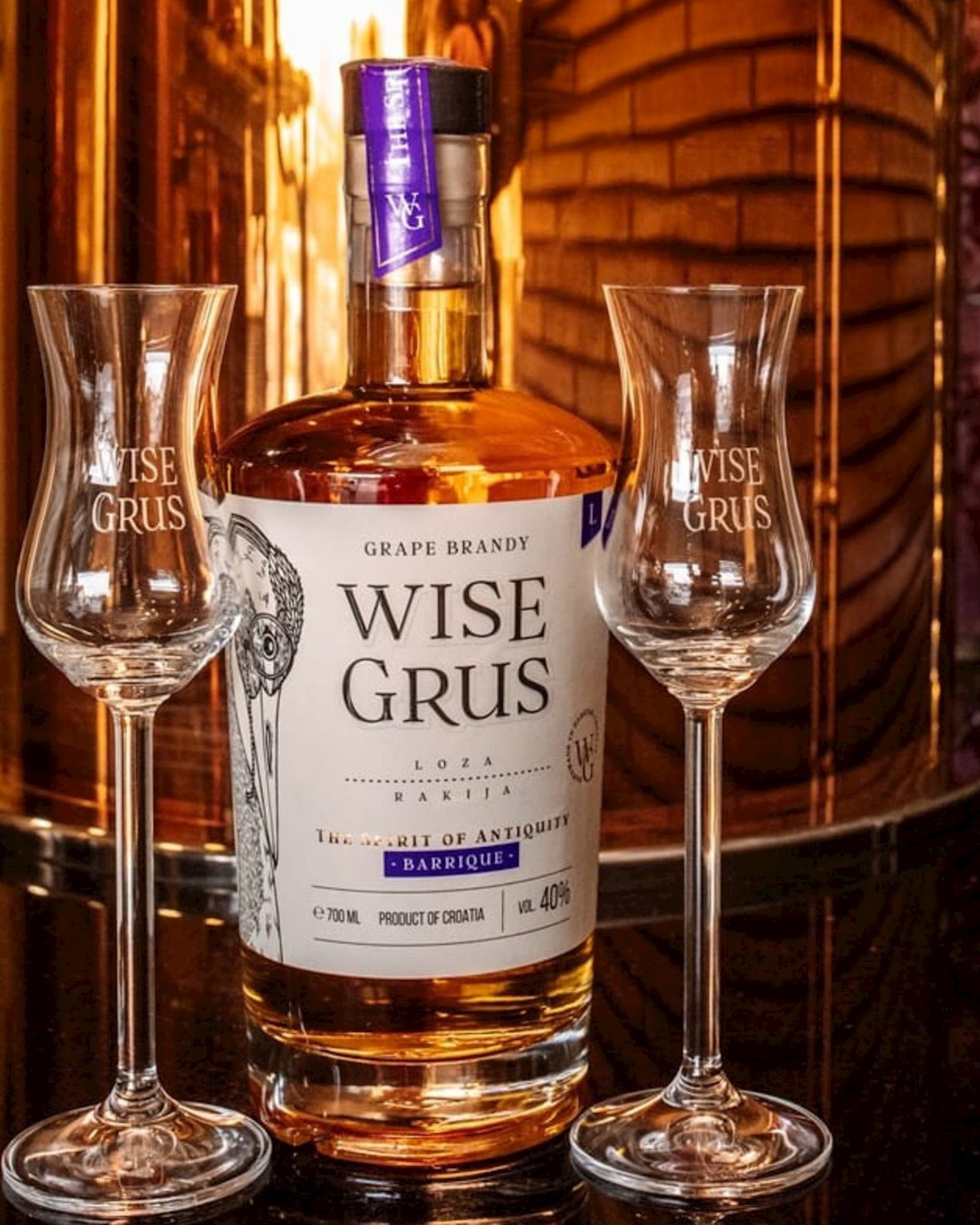 Credits: WISE GRUS Distillery
This young distillery (not even 5 years old) leads the new generation of Croatian continental distillers and regularly wins medals at prestigious global competitions. Their loza (grape rakija) combines two wine varieties, Chardonnay and Graševina, and through aging in Slavonian oak barrels, this rakija gains a golden-amber color. In the end, you feel fresh grapes, herbs, and vanilla in the mouth.
13. Erba Luiga – Rossi Distillery
Location: Bajkini, Croatia
ABV: 40%
Rating 4.4
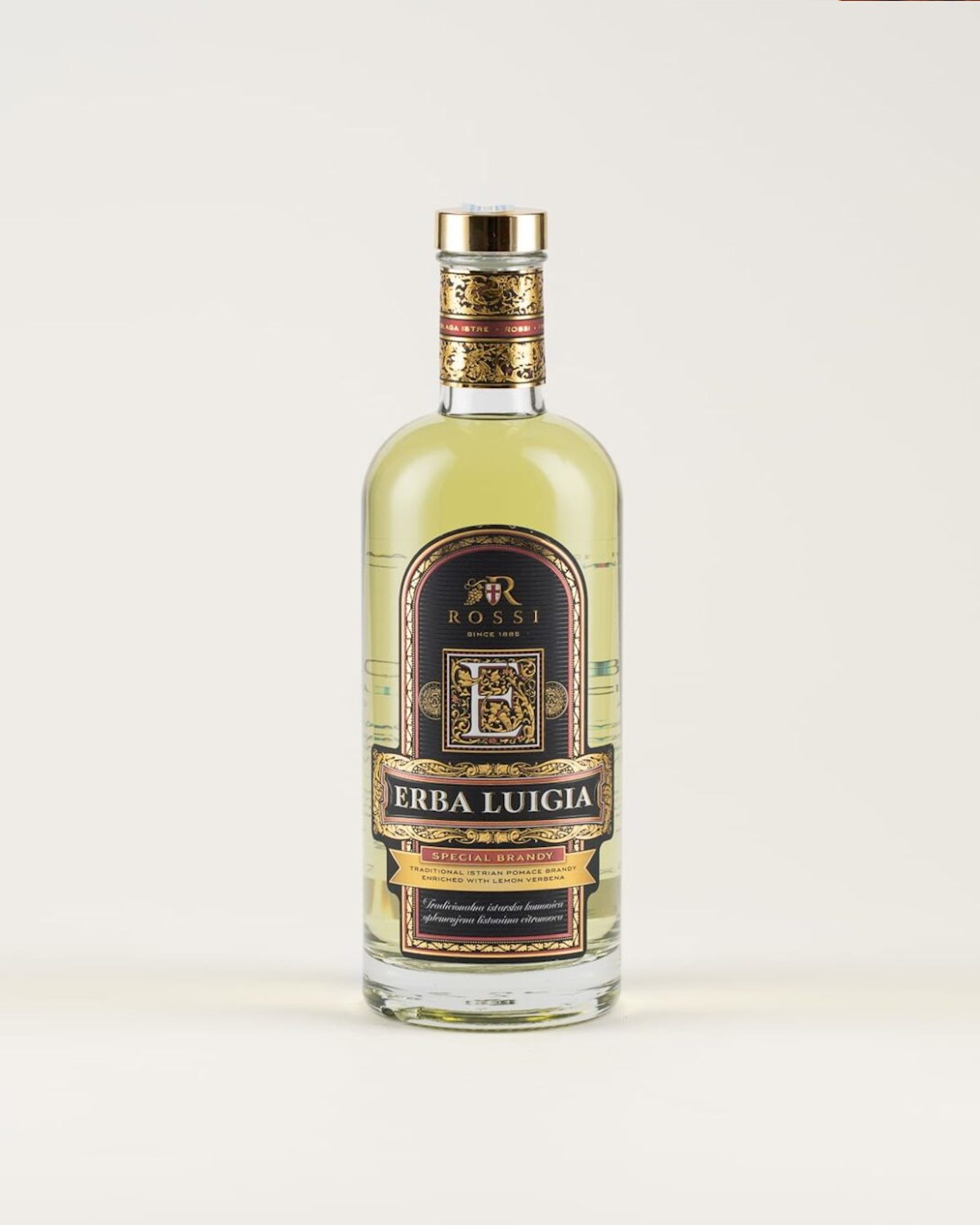 Credits: Rossi Distillery
Lemon verbena, also known as erba luigia in the local dialect, has been used in Istria for centuries for its refreshing and medicinal properties. Housewives used to place it among linens to make clothes smell fresh, and the Rossi family from Vižinada uses it to macerate quadruple-distilled rakija from Istrian Malvasia pomace. Light greenish in color, the taste is dominated by lime, lemon, and other citrus fruits with a long finish.
Learn more about Rossi Distillery
14. Kaluđerka – Akov Rakija
Location: Kraljevo, Serbia
ABV: 40%
Rating: 4.4
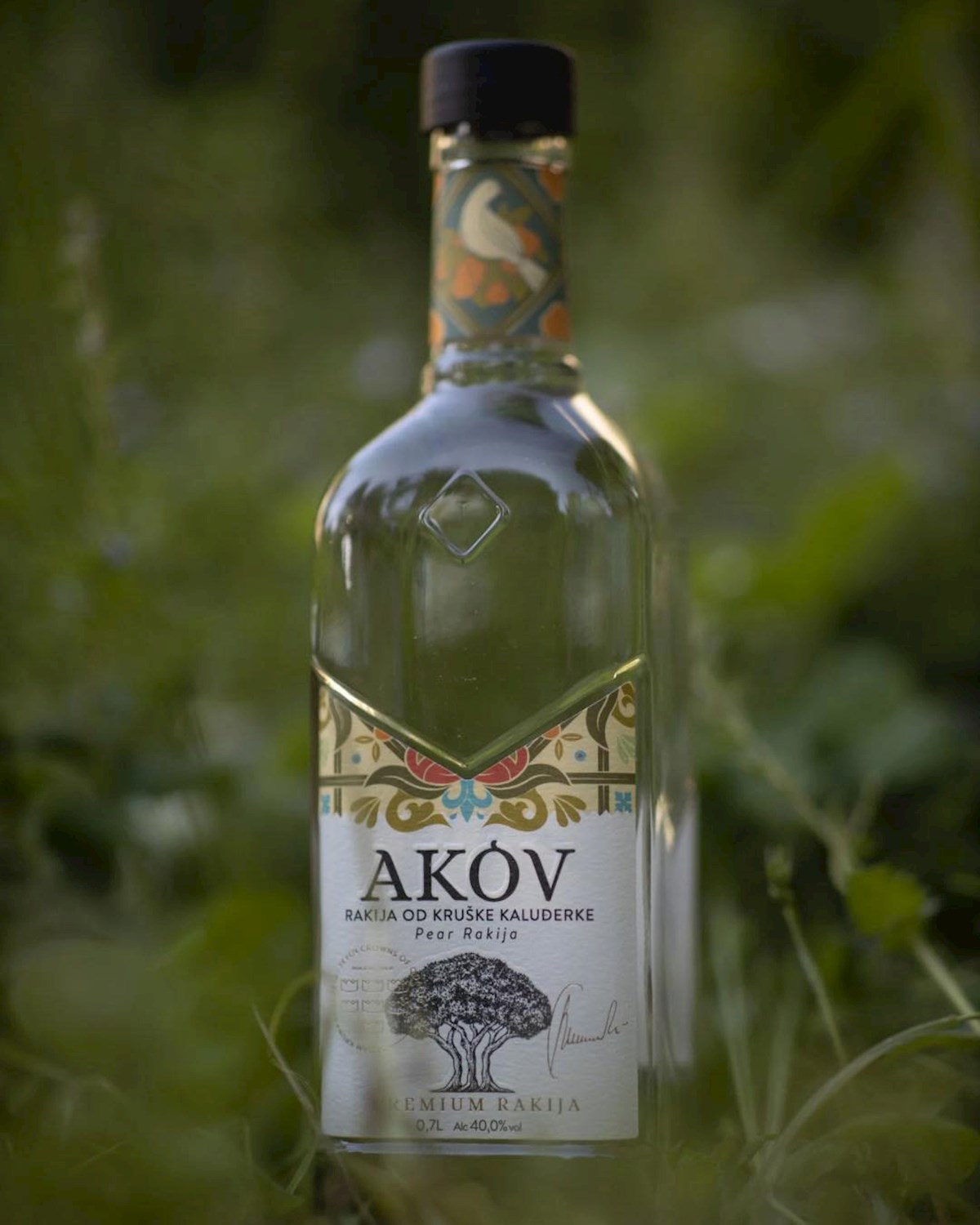 Credits: Akov Distillery
Completely different from the favored Williams rakija, the Kaluđerka (Nun) pear variety gave Akov Distillery from Šumadija a product of incredible balance. Not too strong in aroma, Kaluđerka is, as its name suggests: humble, mystical, pure - it doesn’t stand out. Everything about it is almost perfect. For people tired of always drinking the same one, other wonderful pear varieties like wild pear, tepka, jeribasma... are welcome. It would also be interesting to try a blend.
15. Biska – Aura Distillery
Location: Motovun, Croatia
ABV: 37.5%
Rating: 4.1
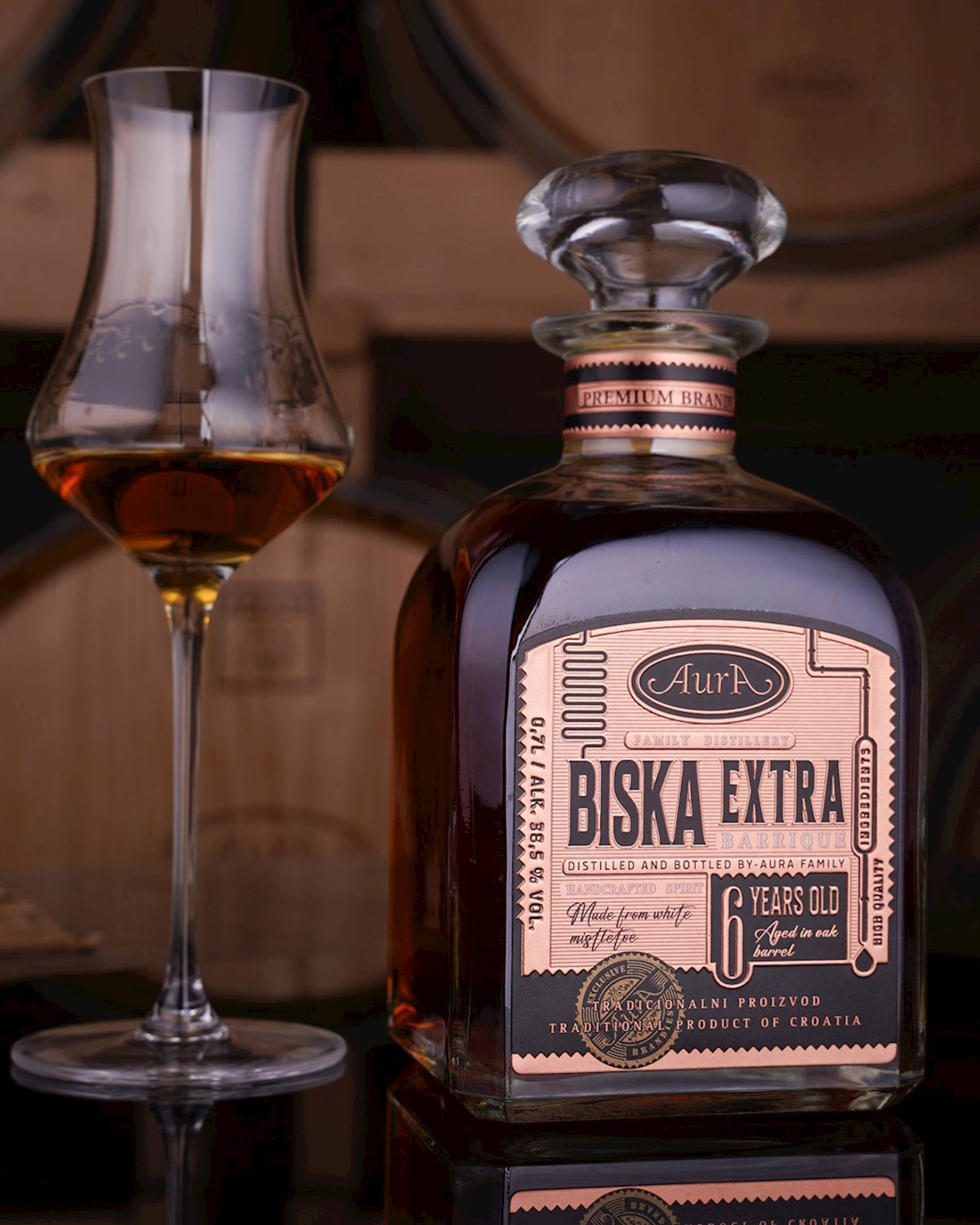 Credits: Aura Distillery
Istria is an incredible region for distillates, and their distilleries rightfully pride themselves on excellent grappas, herbal travaricas, for example with rue, or pelinkovac and biska. The most successful distillery of all is certainly that of the Sirotić family (Aura), and other Balkan rakija makers often come to them for education and inspiration.
Biska is produced from yellow mistletoe leaves from oak trees in Istria, macerated for six months in a base of komovica rakija. Gently caramel-brown in color, clear and viscous, with a pronounced aroma dominated by notes of chestnut honey and cinnamon. On the palate, it is elegant, gentle, and rounded. Ideal as a digestif, served chilled.
Learn more about Aura Distillery