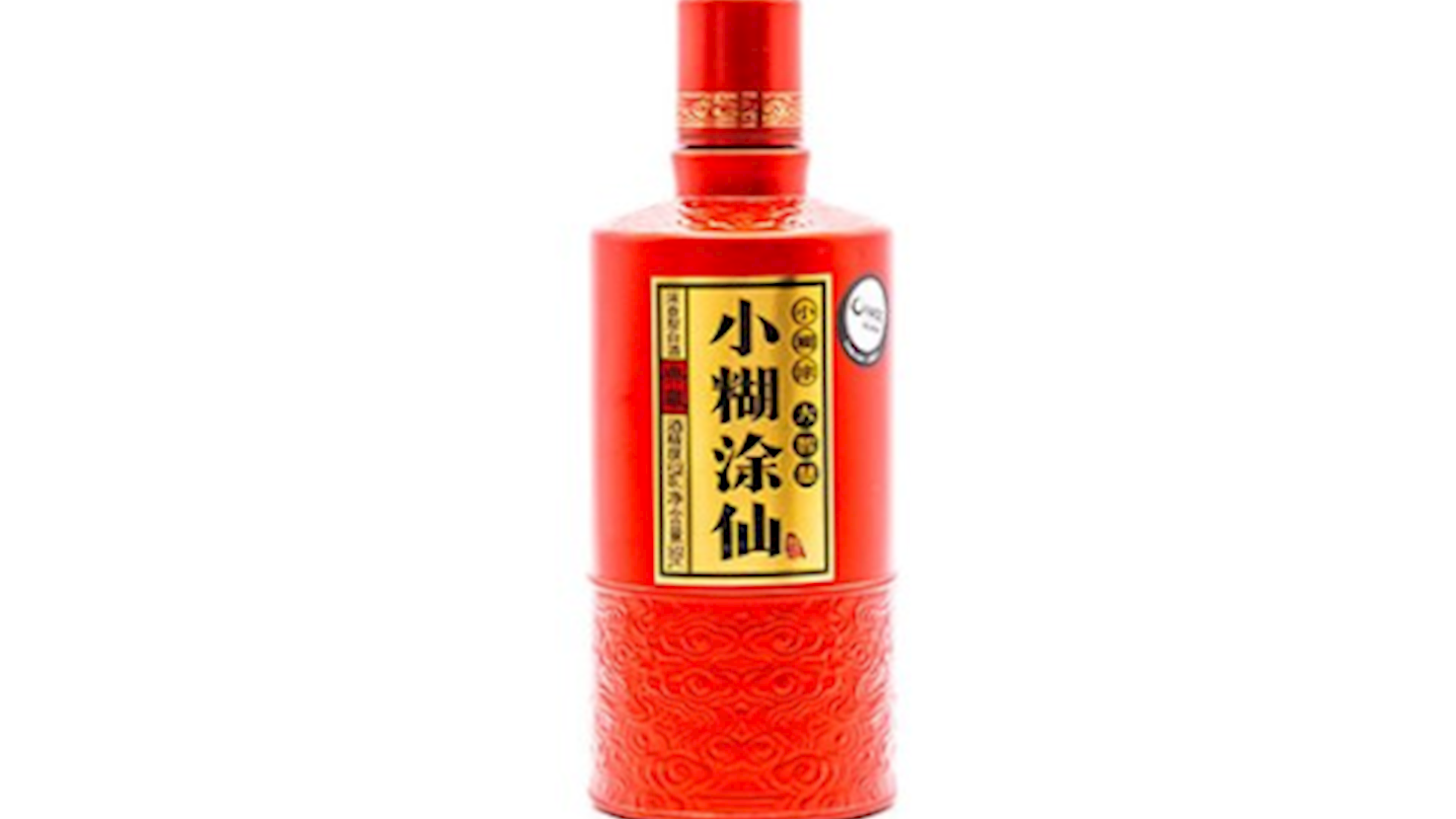
Xiaohutuxian Group is a modern Chinese distillery based in Chengdu, Sichuan Province, specializing in the production of high-quality baijiu spirits that seamlessly blend tradition and innovation. The company has built a reputation as one of the leading producers in the premium segment of the Chinese market, combining authentic fermentation and distillation methods with a modern approach to design, marketing, and brand identity.
A particular focus is placed on preserving the microbial culture and grain base traditionally used in Chinese baijiu production, ensuring consistency in quality and richness of flavor. Their spirits are distinguished by complex aromatic profiles that unite floral, fruity, nutty, and umami tones, creating a unique tasting experience.
The company’s vision is to connect the past and future of Chinese distillation - honoring tradition while introducing technological innovation and contemporary aesthetics. Today, Xiaohutuxian Group stands as a symbol of the new wave of Chinese producers redefining the global identity of baijiu, combining artisanal precision, cultural authenticity, and distinctive design into a single, harmonious whole.
Awards
SFWSC - San Francisco World Spirits Competition - Double Gold
(2024, 2023)
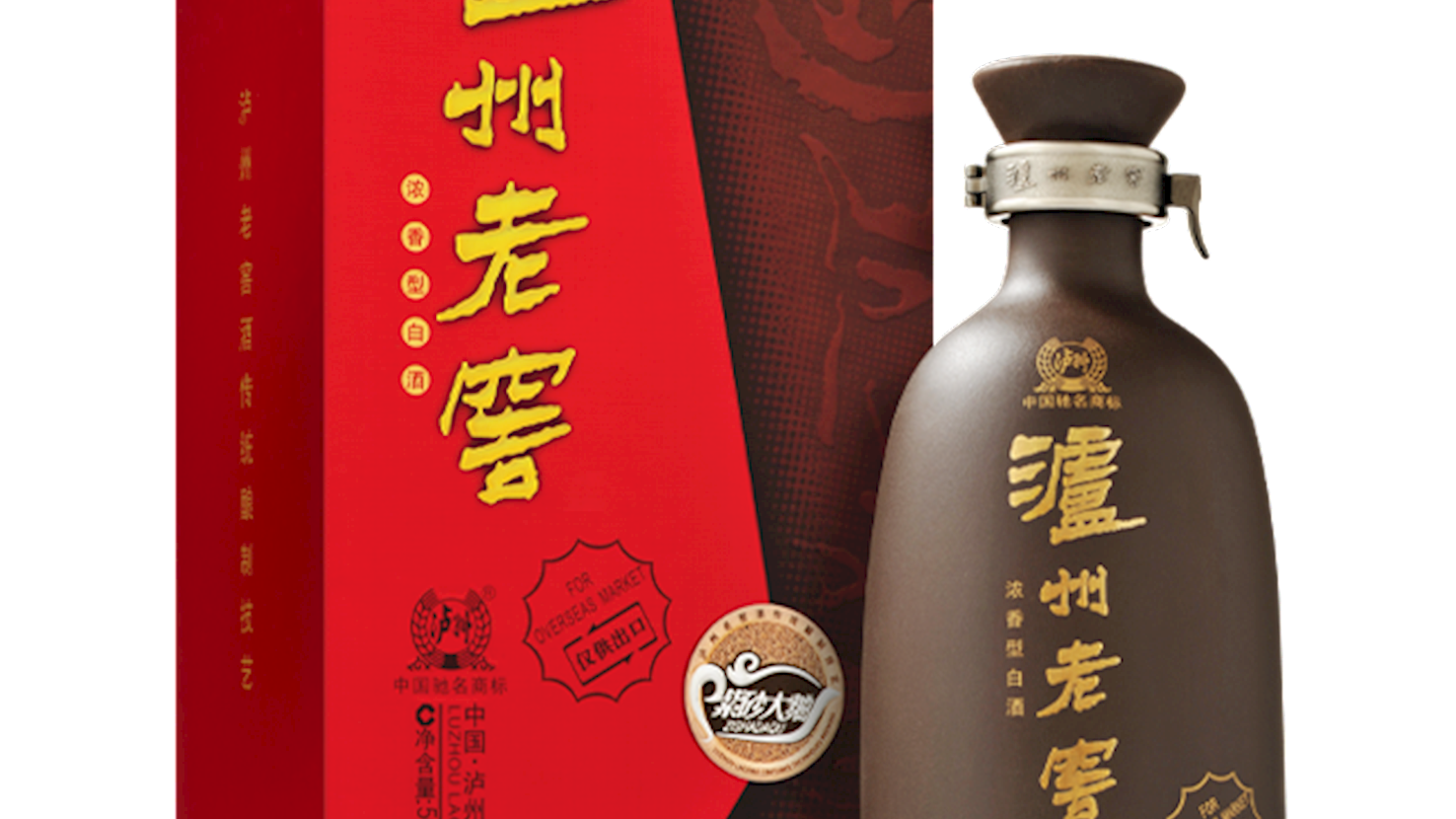
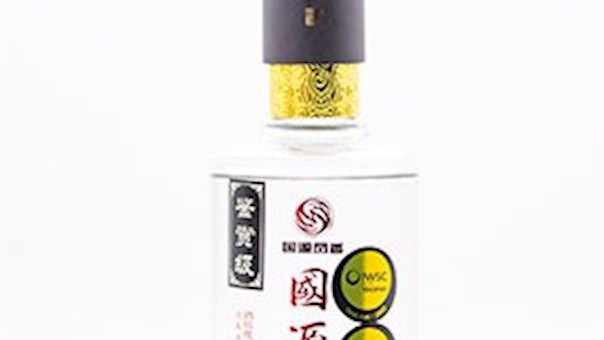
Luzhou Laojiao is a baijiu brand originating from Luzhou in Sichuan Province, a region regarded as one of the historical centers of Chinese baijiu and the homeland of the iconic “strong-aroma” style. The brand relies on traditional fermentation in clay pits, where the unique local microflora and aged pit mud (niqu) create an aromatic profile that is deeply tied to the Luzhou terroir.
Luzhou Laojiao focuses on producing more accessible, everyday expressions of baijiu, aimed at consumers who want an authentic Sichuan-style spirit without the premium pricing of high-end labels. Its production follows core principles of the Luzhou school: sorghum as the primary grain, multi-stage fermentation, and repeated distillation to achieve a soft, balanced, and aromatic spirit.
Widely present in local retail and dining settings, the brand is associated with affordability, consistent quality, and the characteristic richness of Sichuan baijiu. In this way, Luzhou Laojiao plays a role in preserving regional identity while offering a genuine, approachable interpretation of one of China’s oldest distillation traditions.
Awards
SFWSC - San Francisco World Spirits Competition - Double Gold
(2024, 2023)
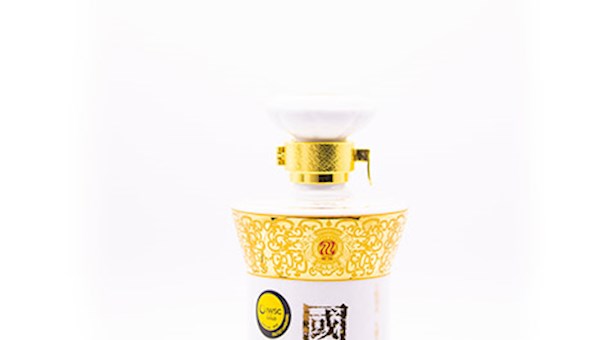
IWSC- International wine & spirit competition - Spirit Gold
(2024)
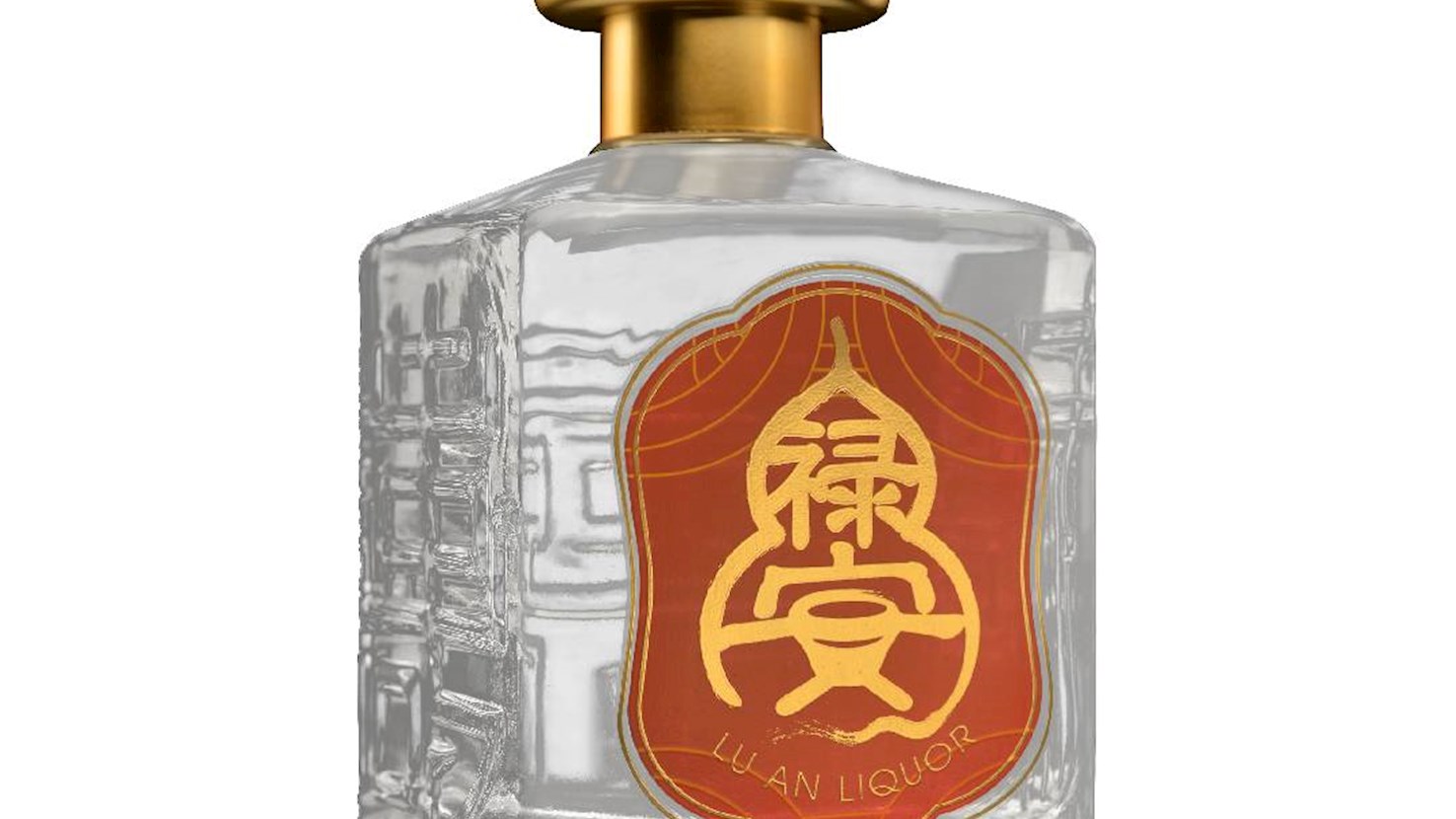
LU AN is a producer of traditional Chinese liquor that builds its identity on the combination of cultural heritage, symbolism, and classical distillation methods. The brand draws on China’s long history of strong spirits production, where fermentation and distillation are seen as crafts passed down through generations.
LU AN uses carefully selected grains and natural water as the foundation of its products, with controlled aging processes that contribute to depth of flavor and aromatic complexity. Its visual identity, marked by a distinctive emblem and traditional motifs, reflects a strong connection to Chinese culture and symbols of longevity, prosperity, and stability.
The brand does not position itself as a mass-market producer, but rather as one aimed at consumers who value authenticity and cultural context in what they drink. LU AN presents its spirits in a contemporary premium framework while remaining rooted in classical values.
The focus is not on aggressive marketing, but on reputation built through consistency and quality. In the market, LU AN is recognized for offering more than just a beverage - it offers a story of origin, tradition, and meaning.
In this way, the brand connects gastronomy with cultural heritage, presenting its liquors as part of a broader narrative of Chinese distilling tradition adapted for today’s audience.
Awards
SFWSC - San Francisco World Spirits Competition - Double Gold
(2025, 2024)
SFWSC - San Francisco World Spirits Competition - Best of Class
(2025)
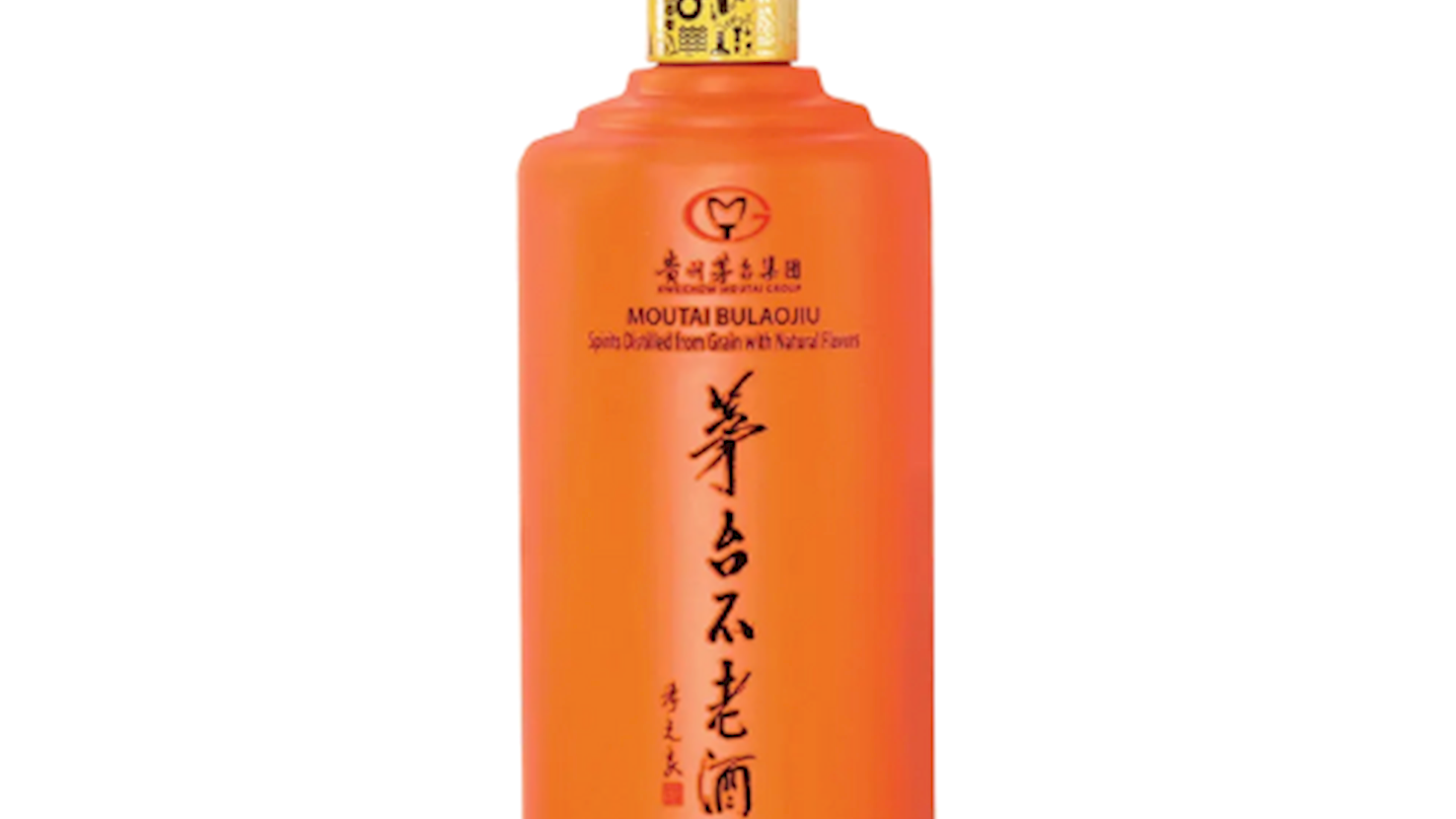
Kweichow Moutai is China’s leading producer of the traditional spirit baijiu, headquartered in Guizhou Province and renowned for its distinctive “jiang-flavour” profile and complex fermentation and distillation process. Its most famous product, Moutai Baijiu, is characterized by a high alcohol content (around 53%), rich aromas combining nutty, earthy, and fermented notes, and a long finish that sets it apart in the world of spirits.
The company is a national symbol of China and is frequently featured in official ceremonies and diplomatic gifts, further affirming its prestige. In the domestic market, it enjoys enormous demand and the status of a luxury product, while internationally it is positioned through duty-free channels, exclusive restaurants, and specialized retailers.
Its strength lies in cultural value and premium perception, but challenges include regulatory barriers, limited accessibility outside China, and a distinctive taste that requires consumer education. Nevertheless, Kweichow Moutai remains a synonym for tradition, luxury, and a unique tasting experience.
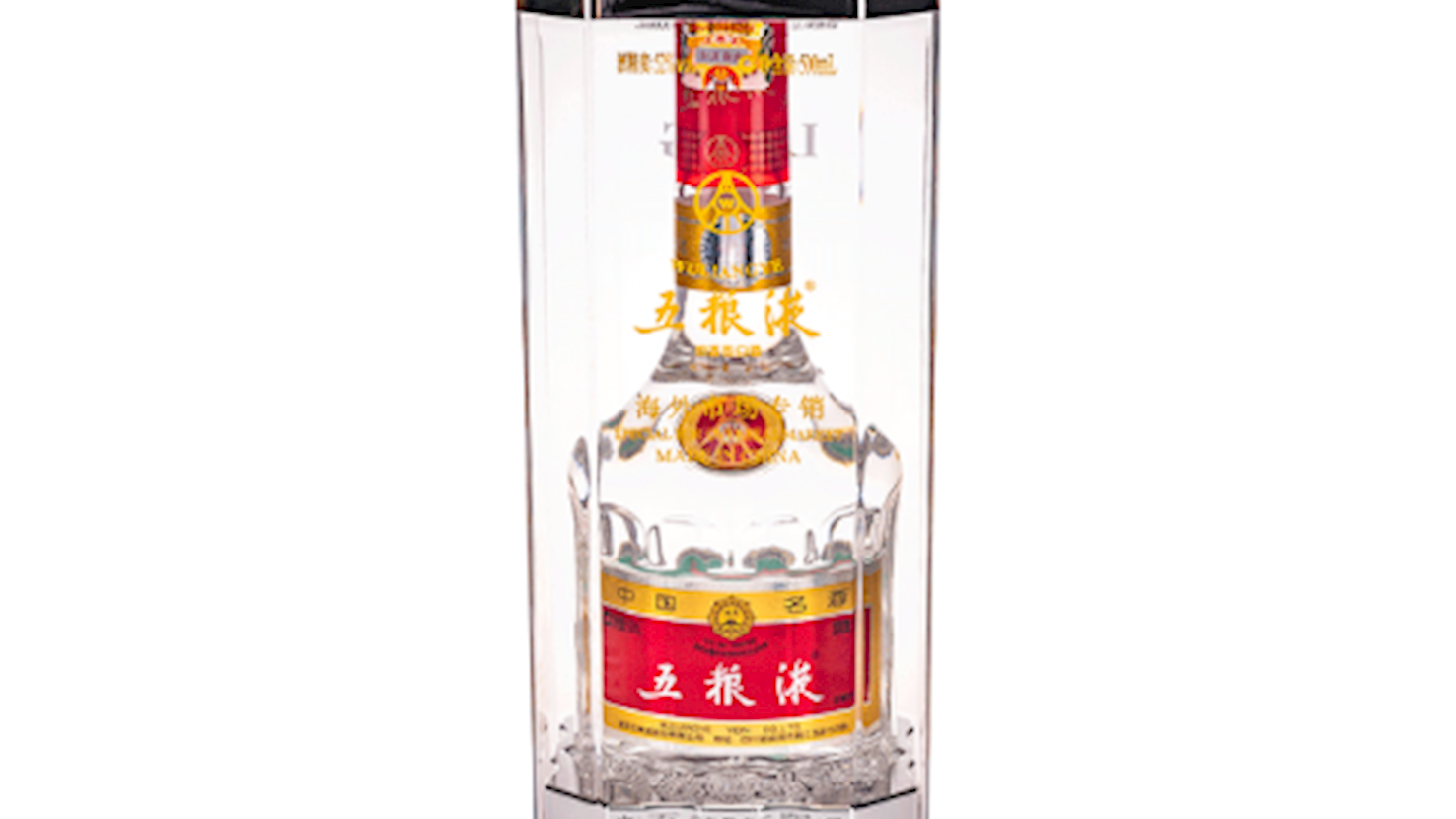
Wuliangye is one of China’s most iconic and prestigious baijiu brands, originating from Yibin in Sichuan Province, a region whose unique microclimate and underground clay fermentation pits create ideal conditions for producing the traditional “strong-aroma” style. It is crafted from a distinctive blend of five grains - sorghum, regular rice, glutinous rice, wheat, and corn - which together contribute to its rich, multilayered aromatic profile.
Fermentation takes place in ancient earthen pits, followed by distillation and aging that develop notes of exotic fruit, gentle esters, herbal nuances, and a subtle underlying sweetness. Recognized as a national symbol of Chinese distillation heritage, Wuliangye is frequently served at state events and prestigious banquets, while also maintaining strong international recognition through global exports.
Its complex, unmistakable flavor and longstanding craftsmanship make it one of the most influential representatives of the baijiu tradition and a benchmark for anyone seeking to understand the depth and diversity of this category.
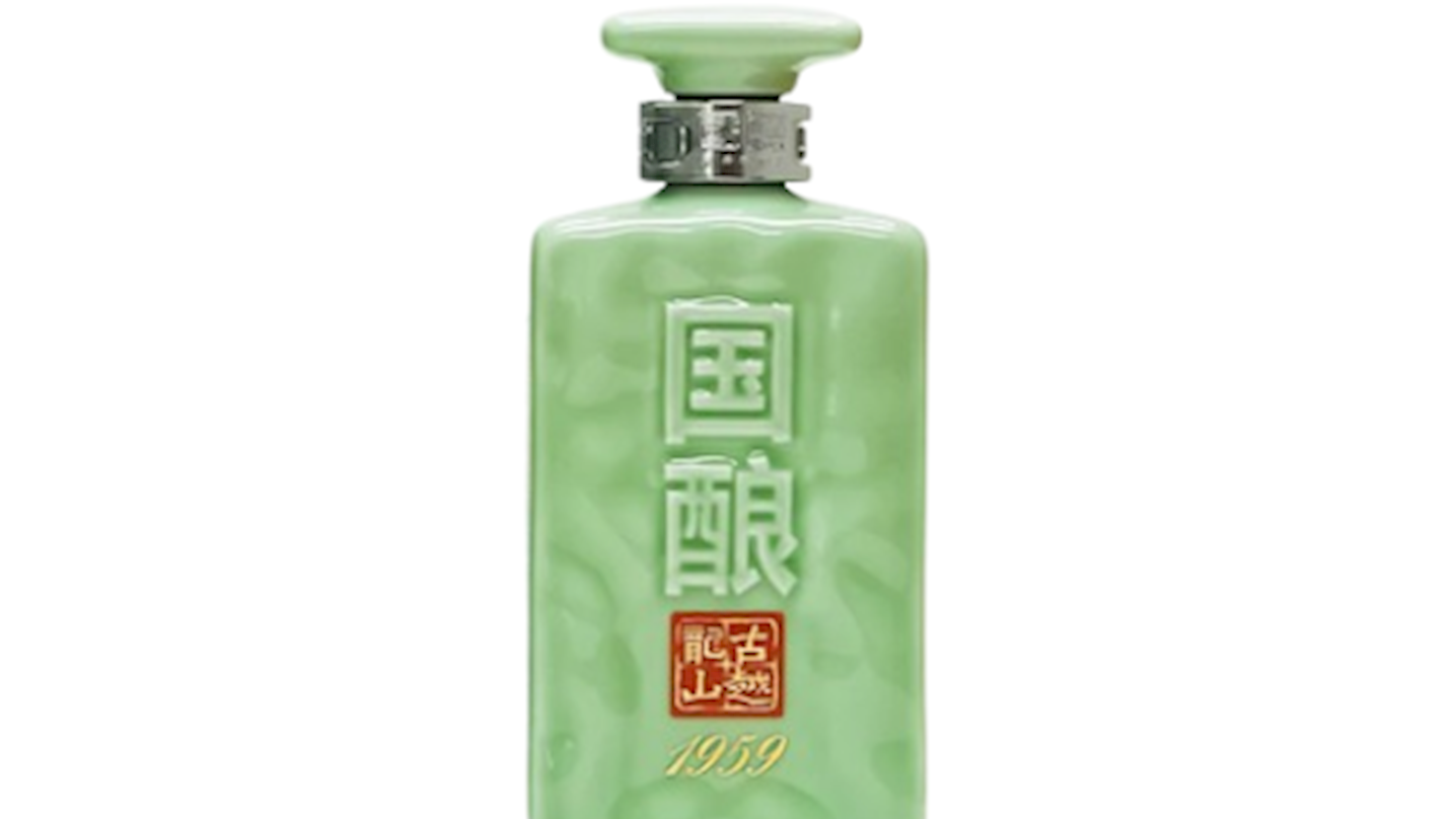
Gu Yue Long Shan is one of China’s most renowned producers of yellow rice wine, with a heritage deeply rooted in the Shaoxing region of Zhejiang Province, historically known as the heartland of this wine style. The company preserves traditional craftsmanship by using glutinous rice, yellow wheat qu (fermentation starter), and pure local water, followed by natural fermentation and aging in clay vessels that develop the wine’s layered, nutty, caramelized, and gently oxidative character.
Their portfolio includes wines of varying ages - from standard expressions to 10-, 15-, and even 20-year-old releases - where longer maturation brings greater aromatic complexity and depth of color. Regarded as a benchmark brand in the category, Gu Yue Long Shan is frequently chosen for state banquets and official ceremonies, underscoring its prestige and status as a “national wine”.
By combining time-honored methods with modern quality control, the brand has gained recognition beyond China and represents an essential reference point for understanding the authentic cultural and enological tradition of Shaoxing yellow wine.
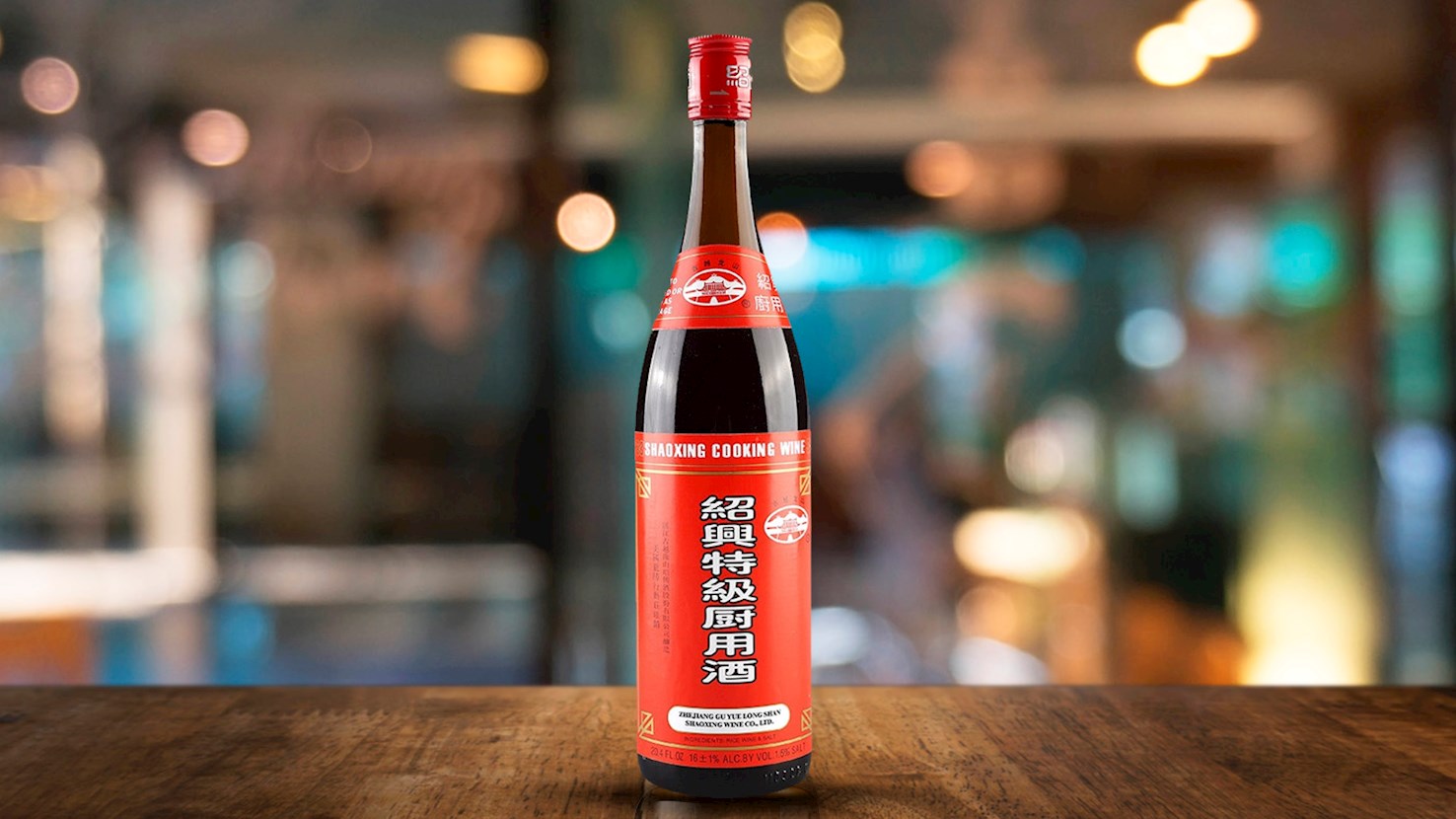
Shaoxing is a type of Chinese rice wine produced in the eponymous city in the Zhejiang province. It is made from brown glutinous rice, and it is typically aged for decades. Although the name is mainly associated with cooking, authentic Shaoxing is also commonly enjoyed as a drink. It is a clear, amber-colored wine with a mild and mellow flavor, nutty aroma, and a warming finish. The alcohol content is typically around 18% ABV. Shaoxing is usually used as a flavoring in fillings, marinades, and stir-fries, but it also works well in sauces or braised dishes. Authentic Shaoxing is generally of very good quality, but the original version should not be confused with inferior quality varieties often labeled as Shaoxing cooking wine. These versions don’t share any similarities with the original. They often contain salt and can be artificially flavored.
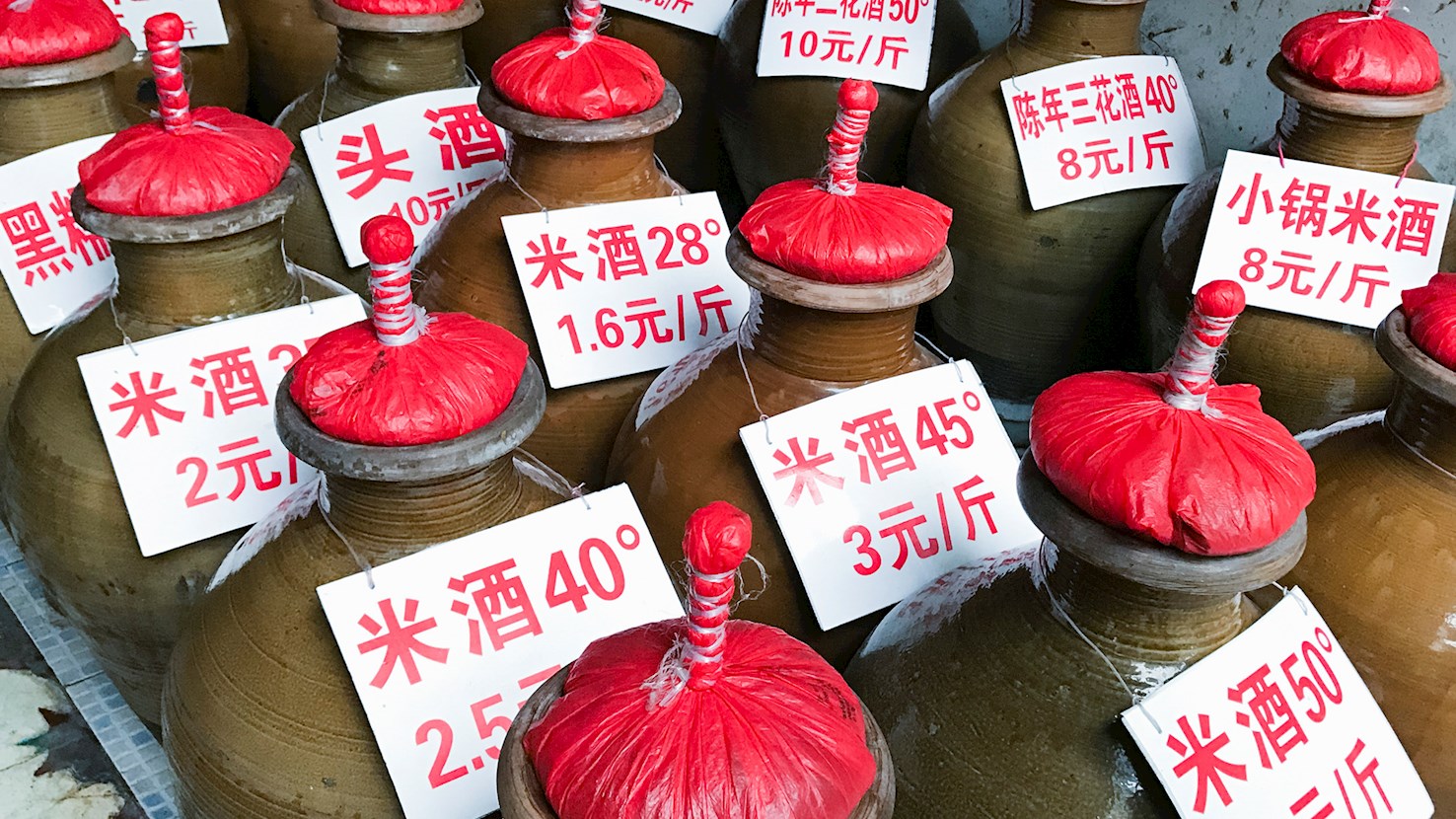
Mǐjiǔ is a sweet, low-alcohol rice wine originating in China, made by fermenting glutinous rice with a starter culture that breaks down starches into sugars and alcohol. It has been part of Chinese culinary and social life for centuries, linked to seasonal rituals, family celebrations, and everyday meals. Ancient records show its presence as early as the Shang and Zhou dynasties, when it was produced in small quantities for ceremonial use and domestic enjoyment. Over time, production methods spread across regions, each adapting the technique to local rice varieties, climate conditions, and taste preferences, resulting in subtle differences in flavor and aroma. The process of making mǐjiǔ begins with soaking and steaming glutinous rice until soft and sticky. Once cooled, it is inoculated with a fermentation starter known as qū, which contains enzymes and microorganisms that convert the rice starch into sugar and alcohol. The mixture ferments in clay or ceramic vessels for several days to weeks, depending on the desired sweetness and strength. The resulting liquid is filtered, producing a clear to slightly cloudy beverage that is typically between 8% and 20% alcohol by volume. It is often mildly sweet, smooth, and aromatic, with a taste that reflects the specific rice and fermentation conditions. Mǐjiǔ is consumed in various ways. It can be served warm or at room temperature as a table drink, used in cooking to enhance sauces and marinades, or incorporated into desserts such as sweet soups and rice-based sweets. In some regions, it is also enjoyed fresh and unfiltered, which yields a thicker, sweeter beverage known as jiǔniàng. Because of its mild profile, it pairs well with delicate dishes such as steamed fish, poached chicken, and vegetable stir-fries, and it is often present during festive meals and family gatherings. Its versatility and balance of sweetness and gentle alcohol have allowed it to remain an enduring element of Chinese food culture, both as a drink and a cooking ingredient.
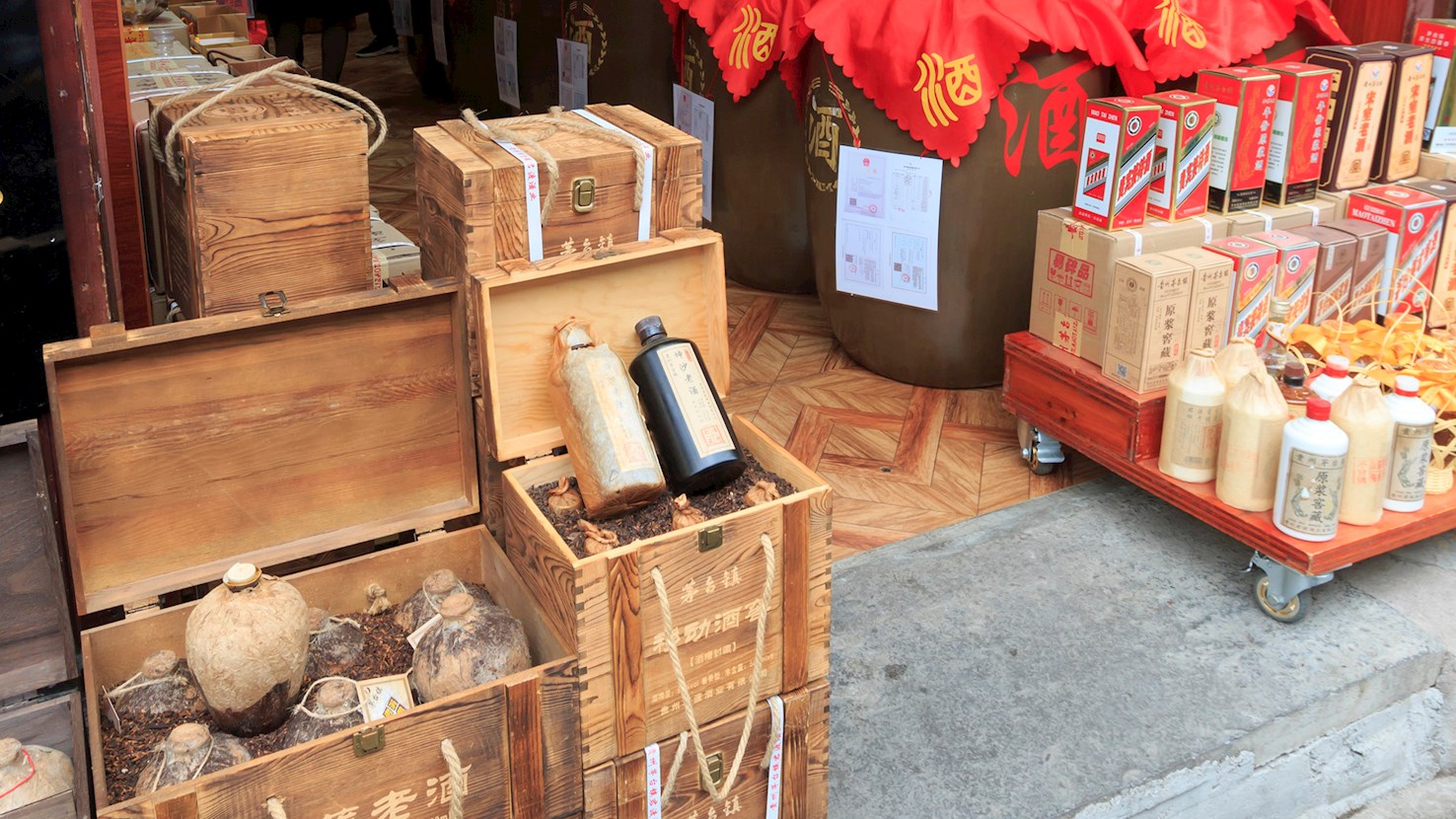
Báijiǔ is a strong distilled spirit from China, widely regarded as the country’s national liquor and a central feature of its culinary and social culture. Clear and potent, often ranging from 35% to over 60% alcohol by volume, it is made from fermented grains such as sorghum, wheat, barley, corn, or rice and is known for its intensely aromatic character and complex flavor. Its origins stretch back over a thousand years, developing alongside the evolution of Chinese fermentation and distillation techniques. Alcoholic beverages have long held ceremonial and social importance in China, and as distillation technology spread during the Yuan and Ming dynasties, spirits like báijiǔ gradually replaced earlier fermented wines in many contexts. By the Qing dynasty, it had become a staple at banquets, ancestral rites, and official gatherings, and it remains deeply embedded in Chinese customs of hospitality and celebration today. The production of báijiǔ follows a meticulous multi-stage process. Grains are first steamed and mixed with a fermentation starter known as qū, a unique microbial culture that drives fermentation and shapes the spirit’s distinct flavor profile. The mixture is then placed in earthen pits or ceramic jars to ferment for weeks or months, depending on the style. After fermentation, the mash is distilled and the resulting spirit is often aged to mellow its intensity and deepen its aroma. Different regions use varying methods and microbial strains, resulting in a wide spectrum of aromas and taste profiles, which are often classified into categories such as strong aroma, light aroma, sauce aroma, and rice aroma. These differences reflect local preferences, climates, and production traditions, and they contribute to the diversity within báijiǔ. The drink’s bold and layered flavor is notable for its complexity, often combining sweet, floral, savory, and umami-like notes in a single sip. It is rarely consumed casually; instead, it plays a central role in formal meals, banquets, and festive occasions, where it is served in small glasses and consumed in repeated toasts. Pairing báijiǔ with food is an integral part of its experience. Its robust character makes it particularly suited to rich and flavorful dishes, such as spicy Sichuan cuisine, roasted meats, or braised pork, and it is also commonly served alongside cold appetizers and preserved snacks that accentuate its depth.
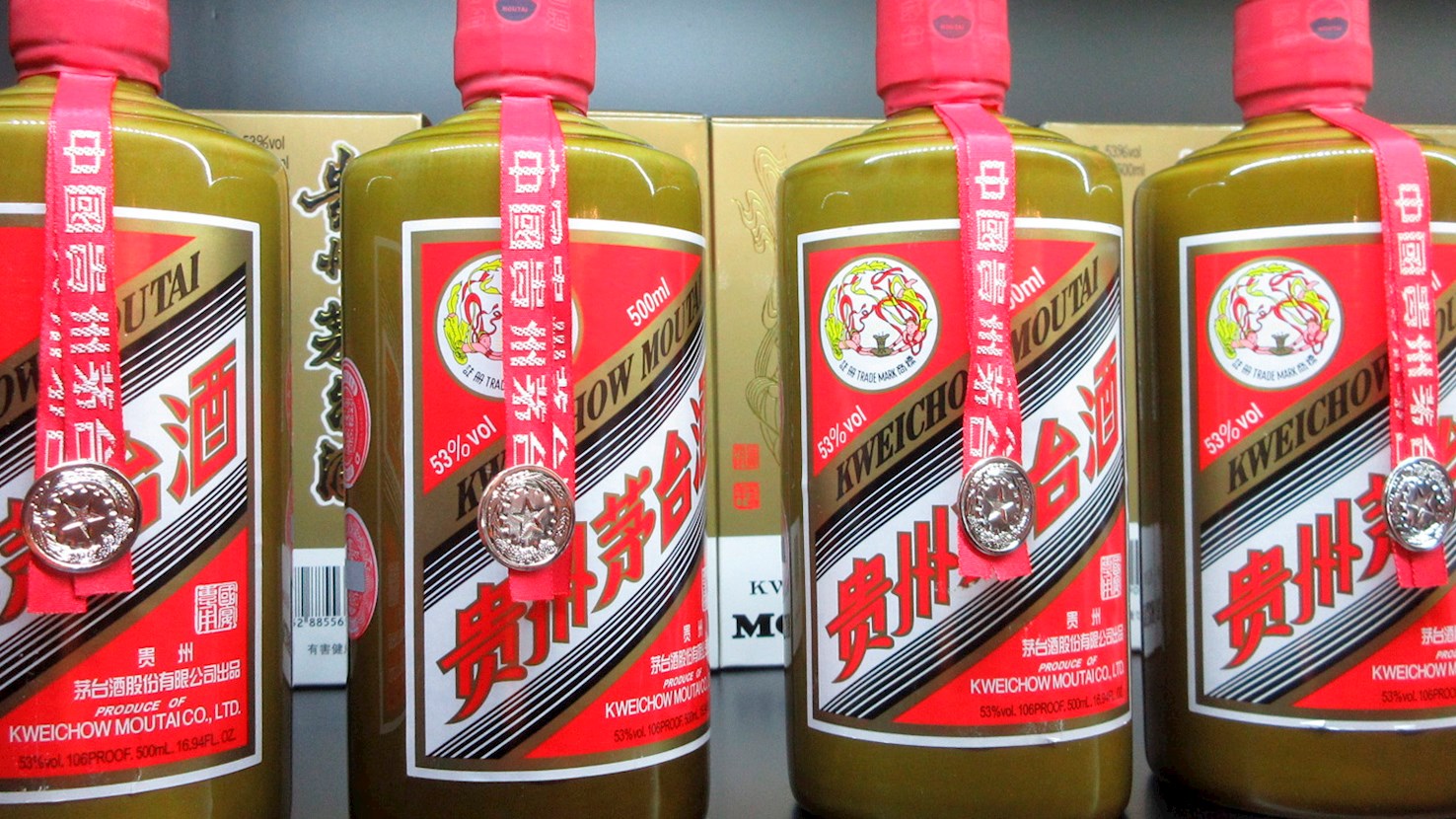
Maotai is the most popular variety of baijiu—Chinese grain alcohol. It is produced from sorghum that is fermented with a yeast starter (qu). The mixture is distilled seven times throughout the year and is then placed in earthenware vessels where it is aged before it is blended. Maotai is praised for its crisp, complex flavor and purity. It is also culturally significant, often enjoyed on special occasions and given as a present. Traditionally, it is served at room temperature in special tulip-shaped glasses. The drink gained international fame after it was awarded at the San Francisco Panama-Pacific Exposition in 1915.
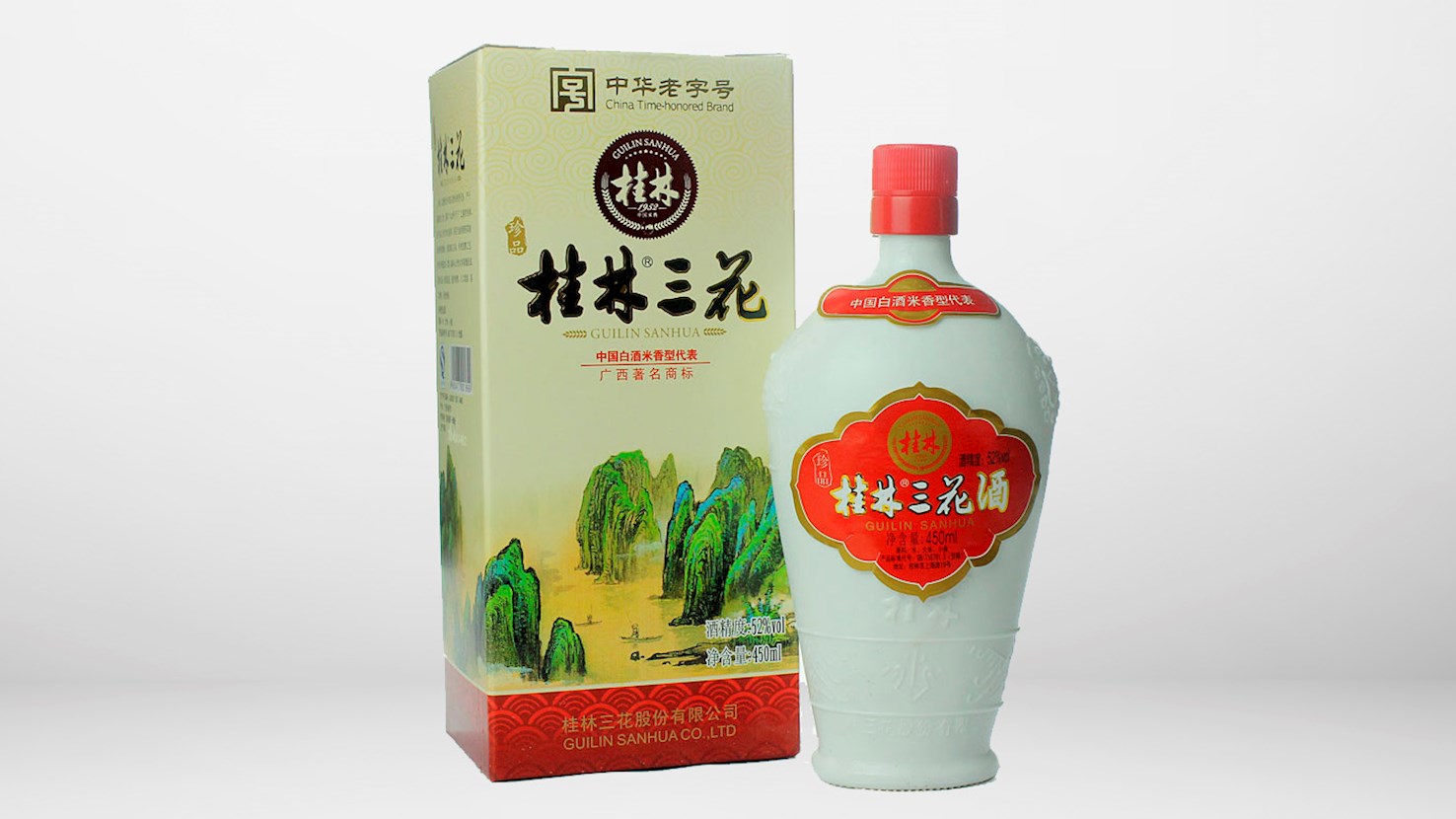
Sanhuajiu is a high-end variety of rice baijiu that hails from Guilin. It is made with steamed rice, a starter, and water sourced from the Li River. The starter consists of medicinal herbs, which give the drink subtle herbal notes. The combination is distilled and results in a clear and colorless spirit, with mellow herbaceous aromas and a sweet aftertaste. This prized spirit probably originated during the Song Dynasty, and its high quality is a result of pristine river water, high-quality rice, and a suitable climate. The liquor is sometimes aged in clay pots that are stored in cool Guilin caves, allowing the drink to soften and develop characteristic aromas. The name sanhua literally translates to three flowers. The term supposedly stems from the tradition of brewing the base three times. Sanhuajiu is usually served neat and can be a good food accompaniment.
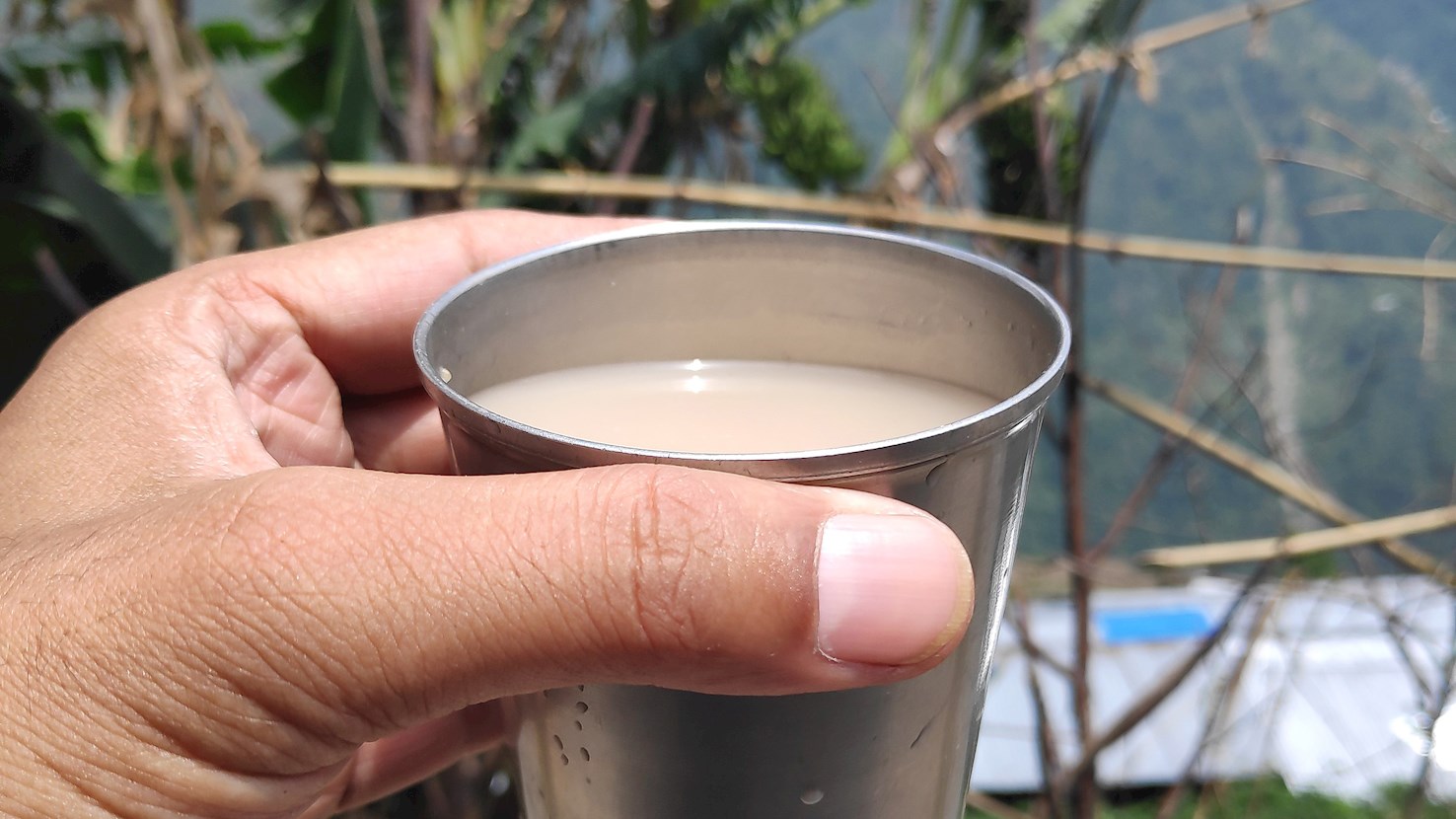
Chhaang is a fermented beverage that is mainly enjoyed in Nepal and Tibet. It is usually made from barley (nechang or jauchhang), millet, or rice (drechhang). When cooked, the base grain is chilled and mixed with yeast (phab). The combination is usually fermented for several days, and the fermented juice is then mixed with water. This low alcoholic drink is milky white and cloudy with a slightly gritty texture. Depending on the length of fermentation, it can be lightly fizzy. The flavor is often described as a combination of sweet and tart flavors. Rice chhaang will usually be creamier and whiter than the barley-based version. Often dubbed as Himalayan beer, chhaang is an integral part of local customs and everyday life. It is a staple on many festivities and celebrations. Many also serve it as a welcome drink. It can be served chilled, but during colder months, it is often heated and enjoyed warm. Local legends say that this local specialty is Yeti’s favorite beverage.
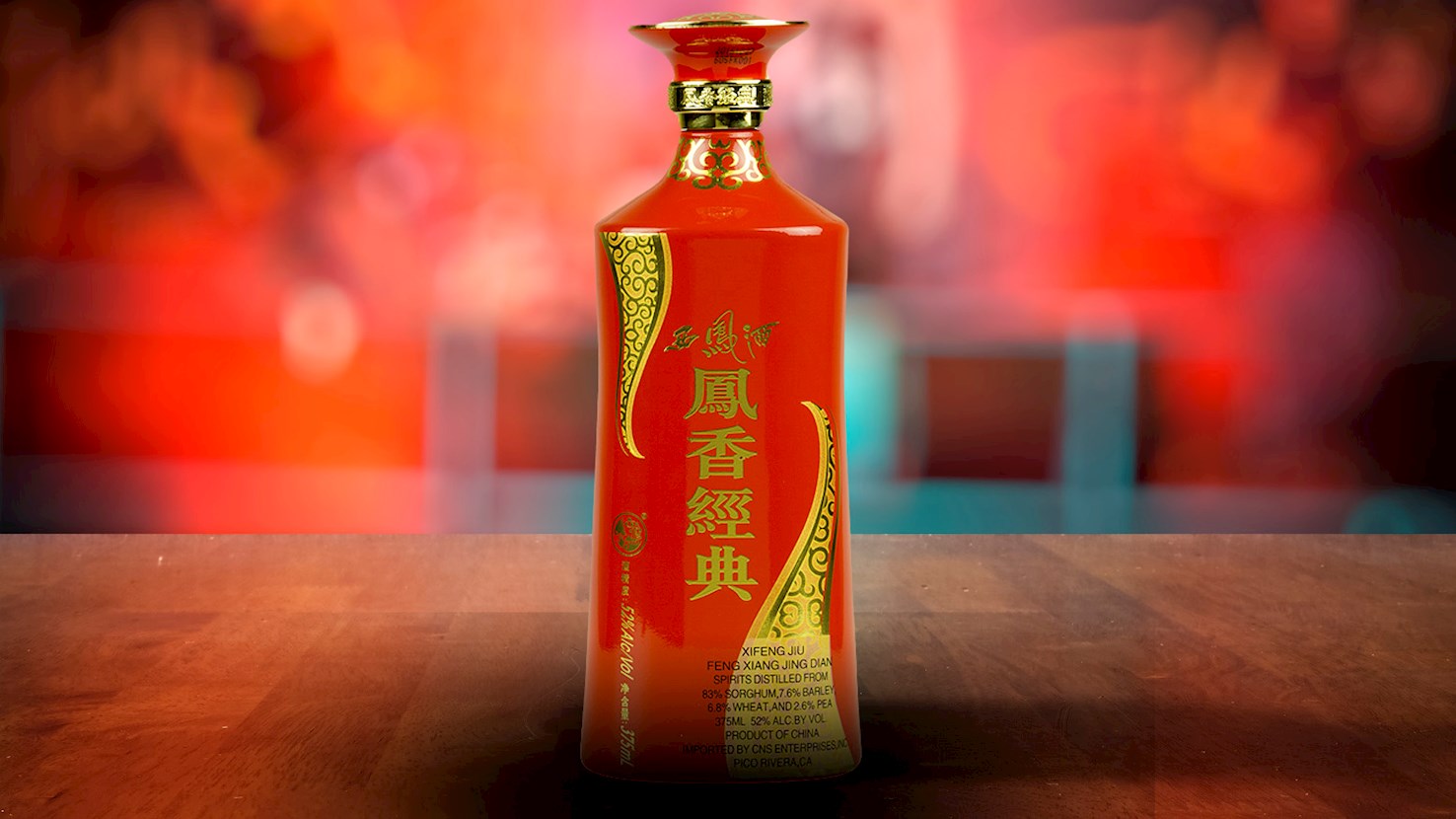
Xifengjiui is an ancient Chinese spirit that is produced from fermented sorghums, wheat, barley, and peas, with the addition of natural underground water from Shaanxi province. This baijiu variety has its flavor category—Feng Xiang—a style that combines aspects of strong and light-aroma baijiu. The drink originated in Fengxiang, and its name Xifengjiu, which translates as western phoenix spirit, stems from the ancient legend that claims that Fengxiang was the place where phoenixes flew from. Xifengjiui is a crisp and strong drink with complex, harmonious aromas and a lingering finish. It is usually enjoyed neat from shot glasses.
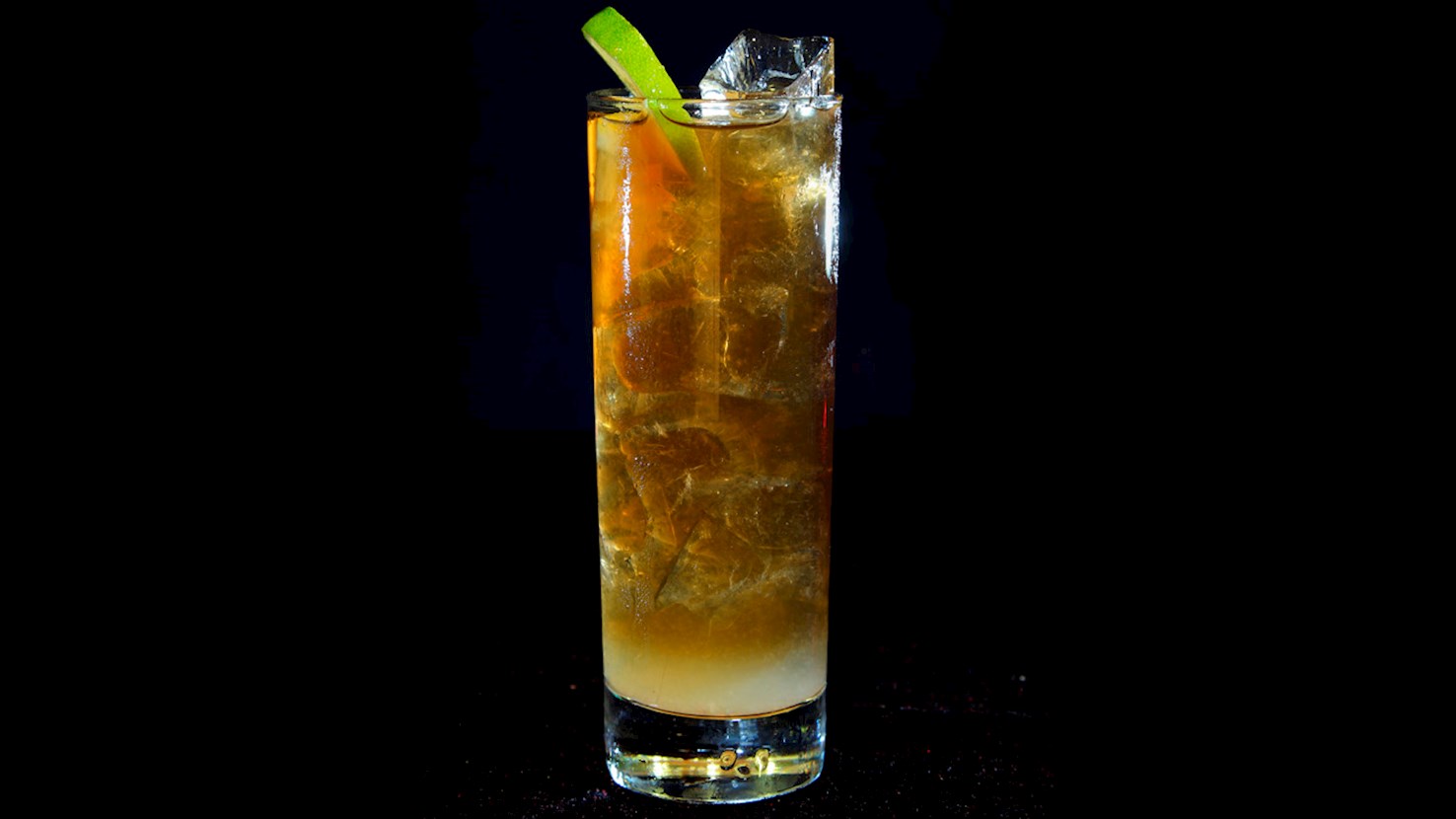
Gunner is a cocktail that is popular in Hong Kong and parts of India which were formerly under British rule. It is made with a combination of equal parts ginger ale and ginger beer or lemonade, often with the addition of Angostura bitters or lime juice cordial. Due to its low alcoholic content, it is considered a non-alcoholic cocktail or a mocktail. The drink is especially popular in Hong Kong bars and golf clubs that are frequented by expats.
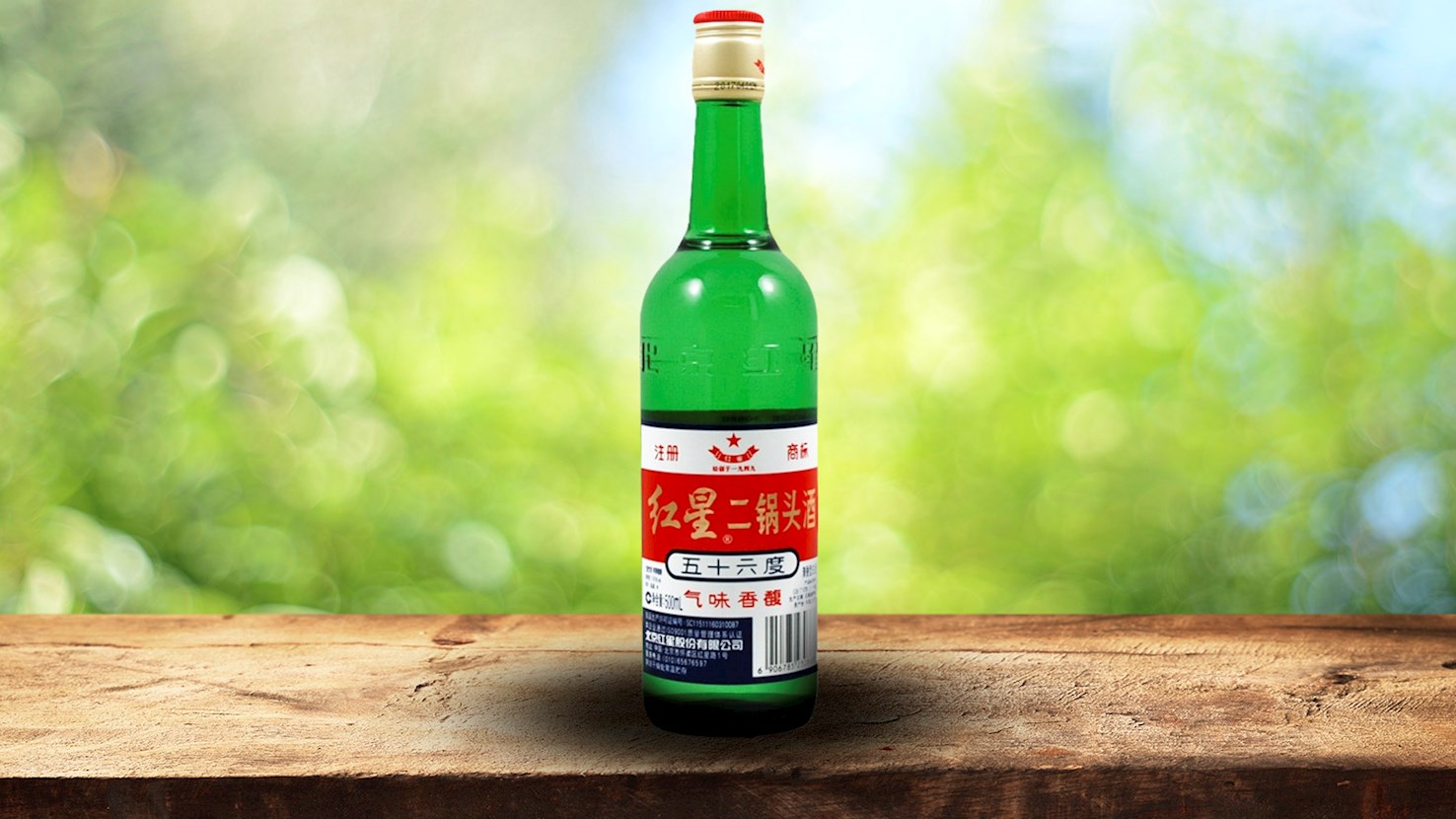
Erguotou is a variety of baijiu that is distilled from fermented sorghum. The name of this potent, clear spirit roughly translates as head of the second pot—referring to the manufacturing process of double distillation. Its history dates back to the 17th century, and the drink is strongly associated with Beijing and northeastern China. Primarily enjoyed as a social drink, erguotou is quite strong, with typical 60% ABV, and it is usually reasonably priced. It can be enjoyed straight, while high-quality brands are best appreciated when slowly sipped. The most popular brand of erguotou is Red Star.
Fújiàn lǎojiǔ is a type of aged rice wine produced in Fujian Province. It belongs to the broader category of huangjiu, or yellow wine, a fermented beverage made from rice, water, and wheat-based fermentation starter. The name lǎojiǔ means “old wine,” indicating that it has been aged for several years before consumption. It is characterized by its amber color, mild sweetness, and balanced acidity, with an alcohol content typically between 14 and 18 percent. Fujian’s version differs slightly from the better-known Shaoxing wine of Zhejiang, offering a lighter body and a distinct regional flavor shaped by local rice varieties, water sources, and fermentation techniques. The production of lǎojiǔ in Fujian developed alongside the region’s long-established rice cultivation and fermentation practices. During the Ming and Qing dynasties, Fujian’s port cities such as Fuzhou and Quanzhou became centers for rice wine production, supplying both domestic and export markets. Local brewers adapted the methods used in eastern China, refining them to match the coastal climate, which favored slow fermentation and mild aging. Unlike stronger spirits distilled from grain, Fujian lǎojiǔ retained the soft texture of fermented rice, valued for its drinkability and suitability for cooking. Over time, it became a household staple and a celebratory beverage, often stored for years to mature before serving during weddings, festivals, and family gatherings. Preparation begins with polished glutinous rice, which is steamed and cooled before being mixed with water and qu—a fermentation starter containing yeast and mold. The mixture ferments in large clay or earthenware vessels for several weeks, during which starch converts into sugars and alcohol. The resulting liquid is then pressed, filtered, and aged in sealed jars for a minimum of one year, though higher-quality lǎojiǔ may mature for three years or more. During aging, the color deepens from pale gold to amber or reddish-brown, and the flavor becomes smoother, with subtle notes of caramel, dried fruit, and soy. Some brewers add a small amount of salt if the wine is intended for cooking, but drinking-grade lǎojiǔ is left unsalted. A defining feature of Fújiàn lǎojiǔ is its relatively gentle sweetness and clean finish compared to other huangjiu styles. The fermentation process, aided by the region’s warm, humid air and mineral-rich water, produces a wine that is aromatic but not overpowering. The aging period allows amino acids and sugars to interact, giving the wine its umami depth and slightly nutty aroma. Because it is not distilled, the alcohol content remains moderate, making it suitable for slow sipping or use in food preparation. Some older vintages develop a thin layer of harmless white film on top, known as hua niang, which indicates active aging and is considered a sign of quality rather than spoilage. Fújiàn lǎojiǔ is consumed both as a beverage and as a cooking ingredient. It is served warm or at room temperature, often poured into small porcelain cups during meals or social occasions. In cooking, it is used to season seafood, poultry, and braised dishes, where it enhances aroma and removes any unwanted fishiness. The wine pairs well with Fujian-style cuisine, particularly steamed fish, red-cooked pork, and oyster omelets, as its mild sweetness complements the region’s lightly seasoned dishes. As a drink, it can accompany small plates such as marinated tofu, peanuts, or cured meats. When aged beyond a decade, it may be enjoyed on its own after meals, much like dessert wine, appreciated for its smooth texture and mellow flavor.
TasteAtlas food rankings are based on the ratings of the TasteAtlas audience, with a series of mechanisms that recognize real users and that ignore bot,
nationalist or local patriotic ratings, and give additional value to the ratings of users that the system recognizes as knowledgeable.
TasteAtlas Rankings should not be seen as the final global conclusion about food. Their purpose is to promote excellent local foods,
instill pride in traditional dishes, and arouse curiosity about dishes you haven’t tried.
The initial list of top producers was compiled based on available reviews, awards, local recommendations, media and blog coverage, and consumer reviews.
The list will be updated with ratings from TasteAtlas local ambassadors and TasteAtlas users.







What People Say