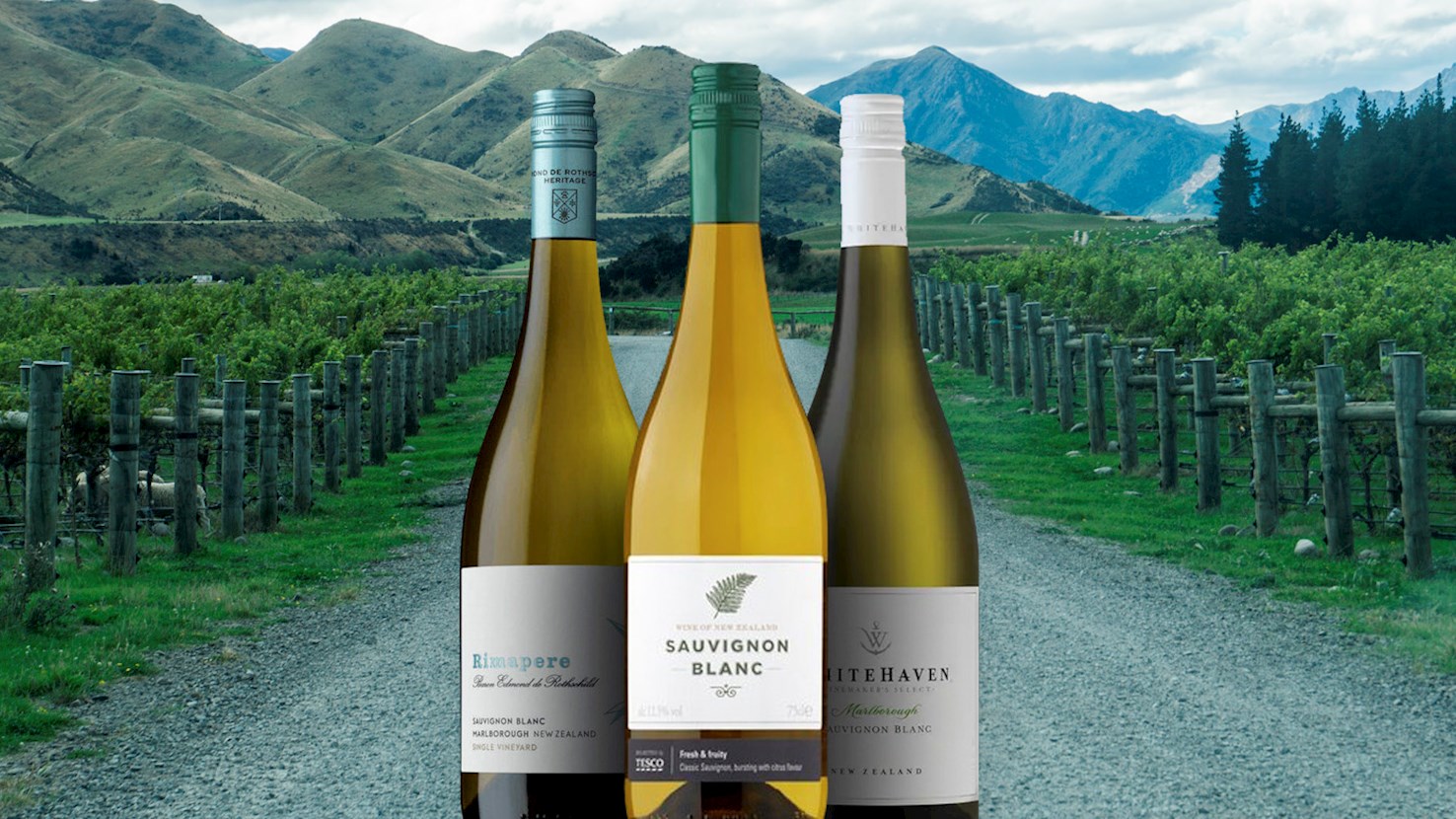
Although Sauvignon Blanc is a native French grape—best known for its expressions in Sauternes, Loire Valley, and Bordeaux—it also found its home in New Zealand, where it became the most prominent and the most distinctive variety. Commercial production of Sauvignon Blanc in New Zealand started in the mid-1970s, and since then, the country has created a signature style that was later copied in several Old and New World wine regions. The distinctive benchmark style was formed in Marlborough. The wines are intensely aromatic, fresh, and vibrant, with juicy acidity and typical herbal and fruity flavors reminiscent of tropical fruit, gooseberry, grapefruit, freshly cut grass, and bell pepper (capsicum). Though the Marlborough style is still the most prominent, as the grape grew in popularity, so did the plantings across the country, along with the introduction of other vinification methods, creating a variety of styles that now come from New Zealand that display the versatile character of the grape. The wines from warmer northern regions will be fruitier, with a ripe character, while southern regions typically produce crisp wines with high acidity and tropical fruit and capsicum notes. Sauvignon from New Zealand pairs well with white fish, shellfish, and lighter meat dishes. It can match citrus flavors, herbs, tomato-based sauces, Asian fare, and salads. Well-chilled Sauvignon Blanc can make an excellent aperitif.
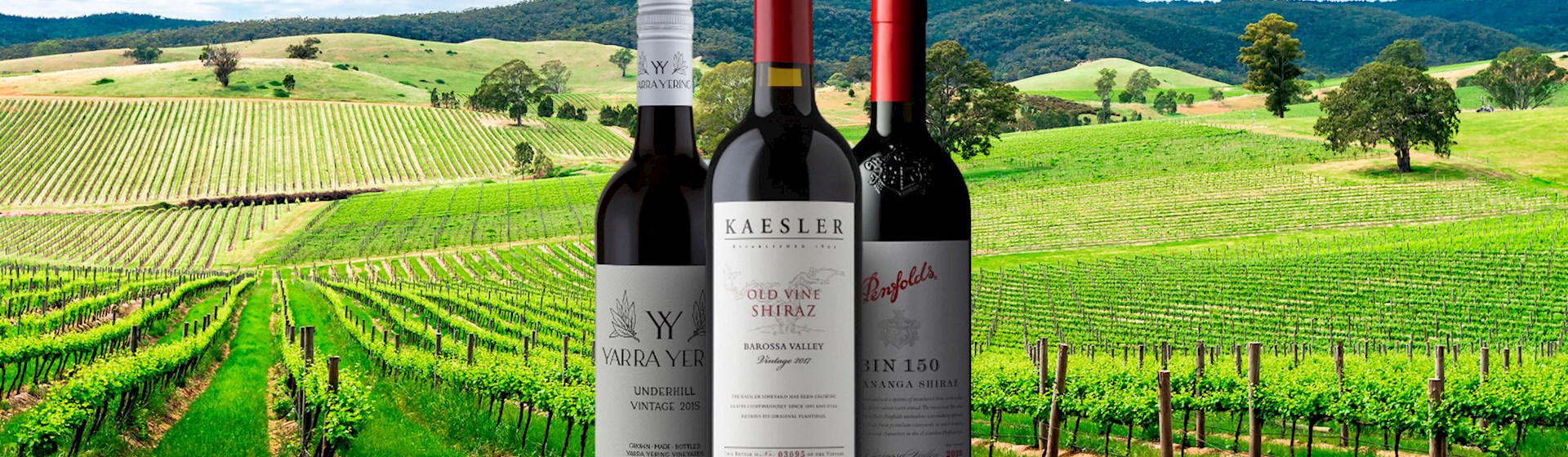
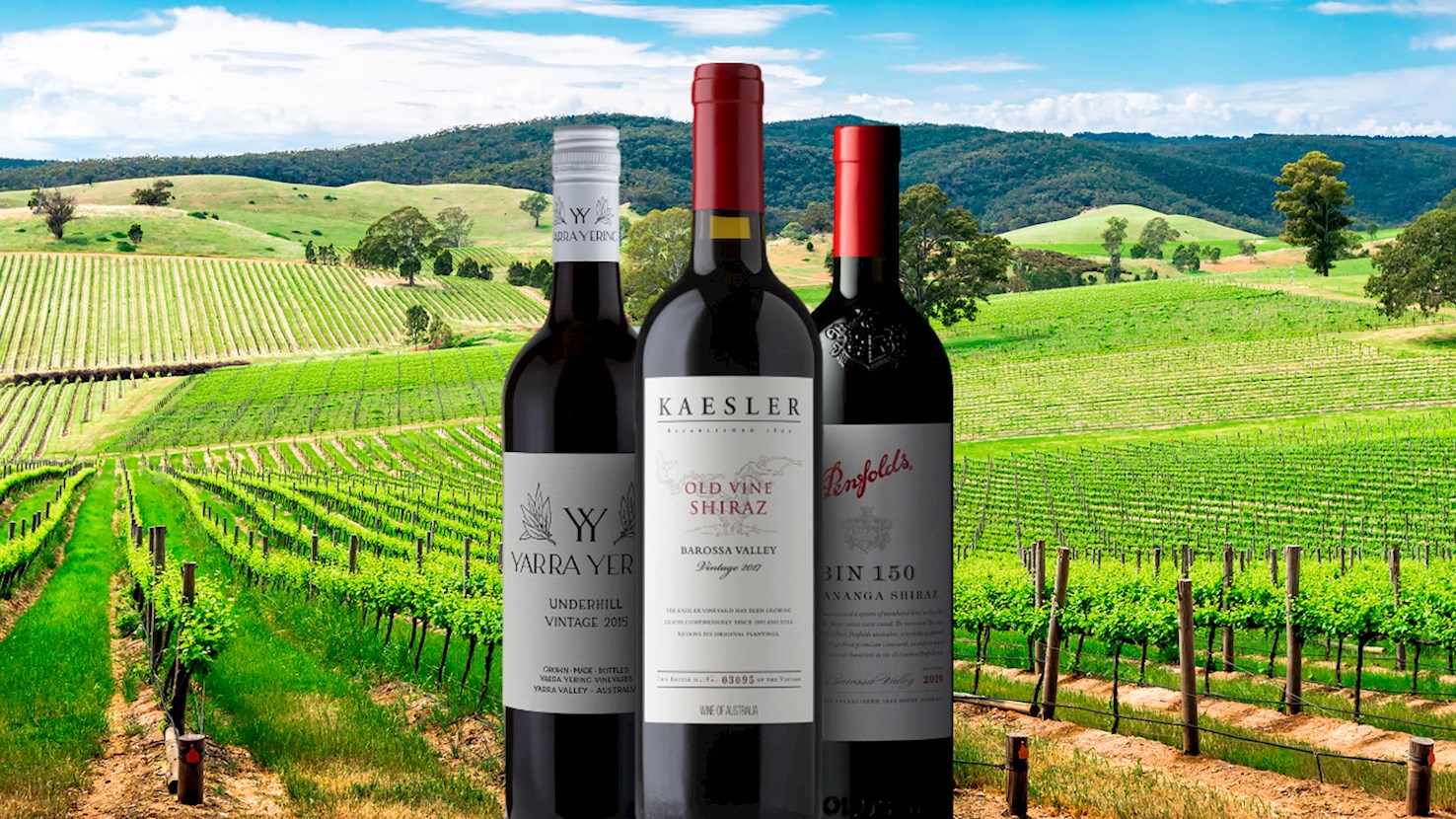
Shiraz is the most prized Australian grape variety. The grape is identical to French Syrah, and although it is not native to the region, this old French grape found its spiritual home in Australia. It is cultivated in all Australian wine regions, and it remains the most prolific and popular grape in the country. The wines can vary in character depending on the region, but they are typically dark, full-bodied, and fruit-forward. The wines from Barossa Valley are often cited as classic representatives. They are rich and concentrated, with firm and well-integrated tannins and fruity aroma and flavor, usually reminiscent of ripe dark berries and plums. They will usually have hints of spice and some earthy notes. Warmer Australian climate affects the alcohol, and Australian Shiraz will typically have a higher ABV, around 15%. Due to their ripe and fruity character, these wines are best paired with grilled, roasted, or braised meat. Along with opulent and potent Shiraz produced in warmer regions, some areas with cooler climates produce savory Shiraz that resembles Old World representatives. Shiraz was introduced to Australia by James Busby, often dubbed as the father of Australian wine. In 1832, he brought it from France and soon realized that the grape showed excellent results in Australia. Others winemakers followed suit, making Shiraz the most planted grape on the continent. Initially, Shiraz was used for table wines and as a base for fortified styles. The classic style of Australian Shiraz was introduced in the 1950s, primarily by Penfolds Grange. Most Shiraz wines in Australia are oak-aged.
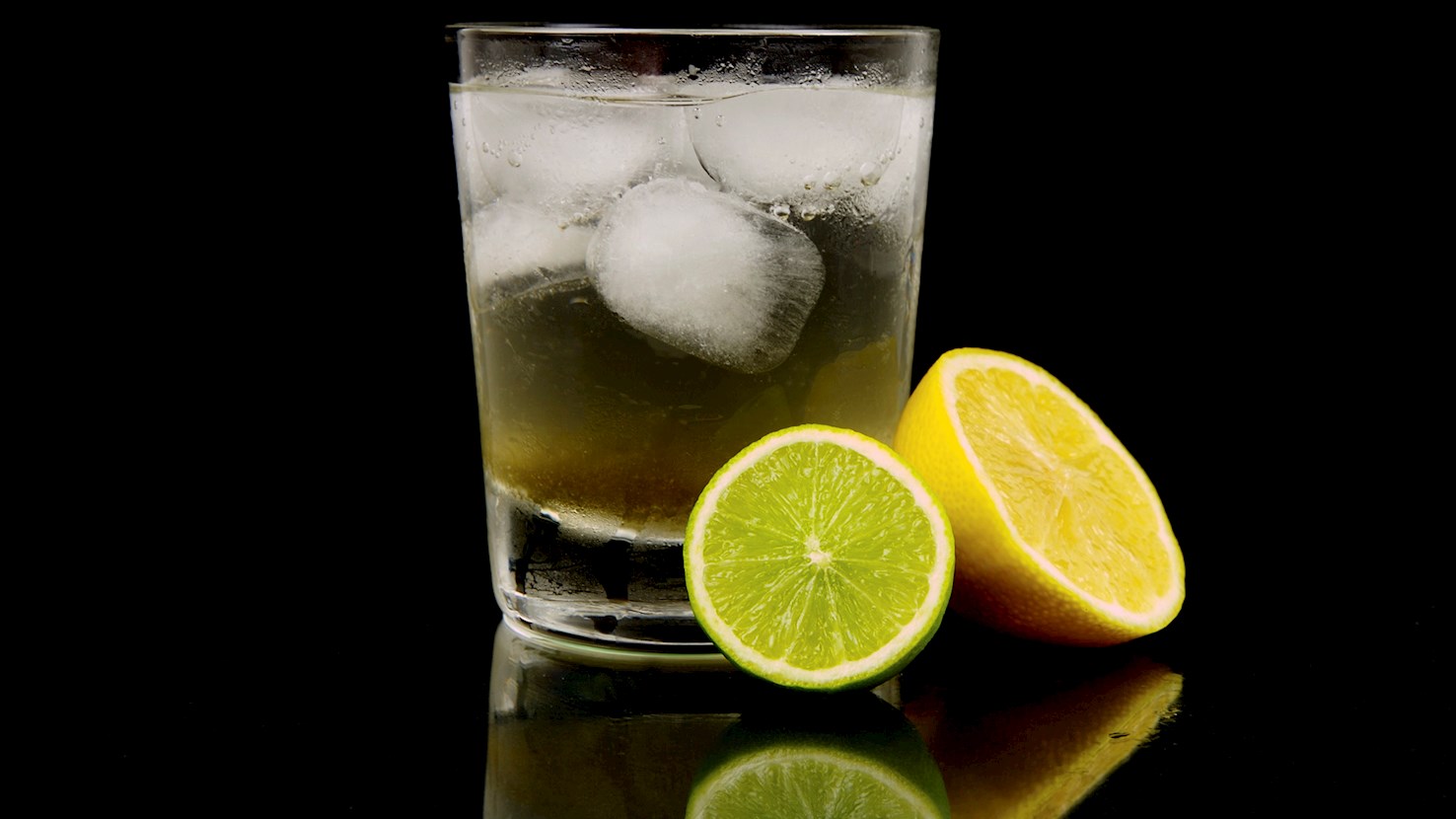
Lemon, lime, and bitters is a cocktail made with a combination of lemonade, lime juice cordial, and Angostura bitters. In order to prepare this soft, soothing cocktail, all ingredients should be combined in a jug, then poured into ice-filled glasses garnished with lemon or lime slices. Another way of preparing the cocktail is to rim the glasses with Angostura on the inside until the glasses are fully coated with the aromatic bitters. Due to the extremely low alcoholic content, LLB is often considered a mocktail or a non-alcoholic cocktail. It is especially popular at Australian and New Zealander golf courses.
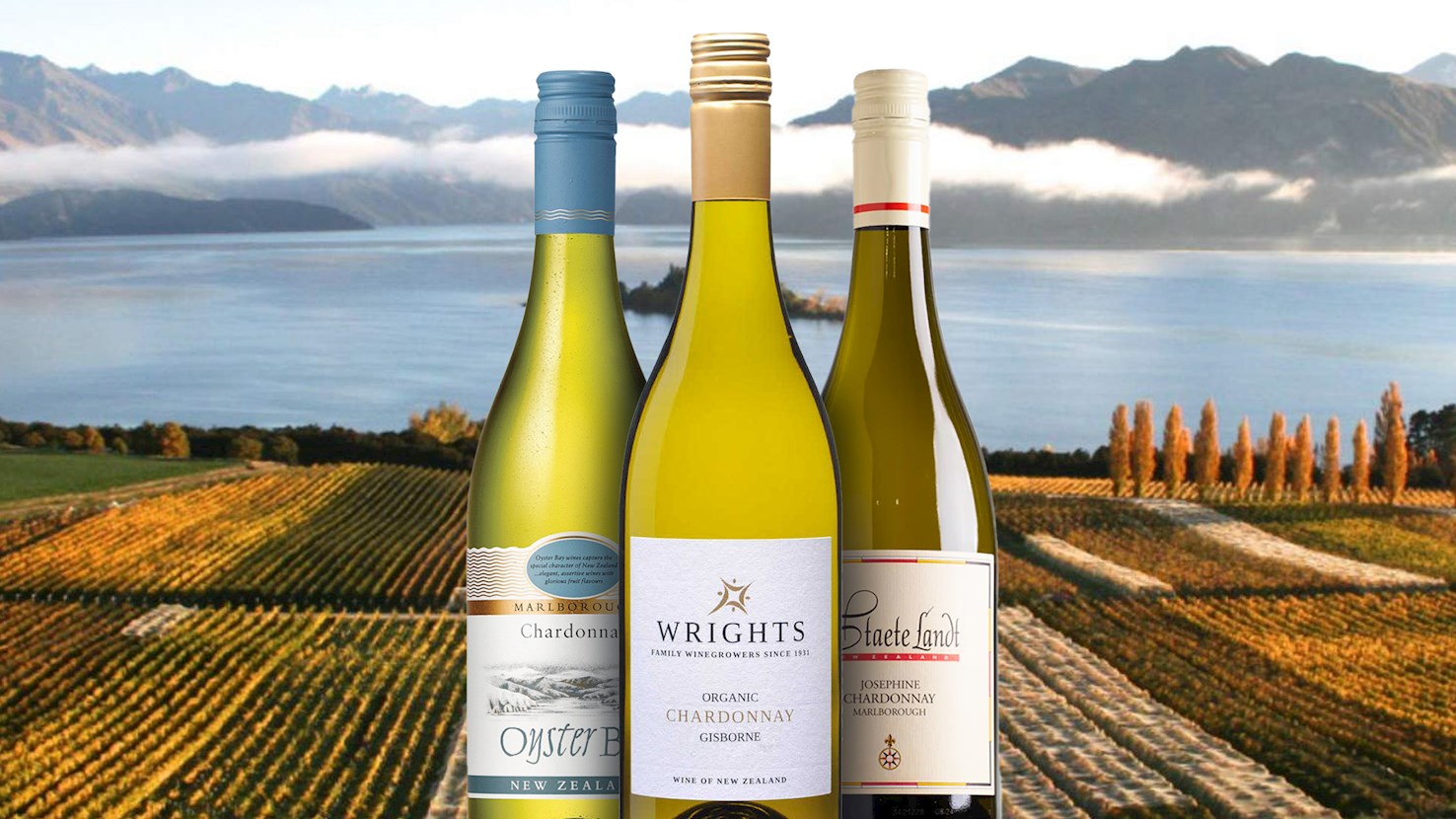
New Zealand Chardonnay is a white wine made from the Chardonnay grape, cultivated in regions across both the North and South Islands, with Hawke’s Bay, Gisborne, Marlborough, and Central Otago being especially recognized for their production. The grape, originally from Burgundy in France, adapts well to New Zealand’s diverse climates, thriving in coastal areas with abundant sunshine and cool nights that help preserve acidity. The resulting wines cover a broad spectrum of styles, from lean and mineral-driven to rich and textured, making Chardonnay one of the most expressive and widely planted varieties in the country. The development of Chardonnay in New Zealand began in earnest in the late 20th century, as the country’s wine industry expanded beyond Sauvignon Blanc, which had quickly become its global signature. Winemakers saw in Chardonnay a grape that could showcase New Zealand’s terroir in a different way, offering both versatility and international recognition. Early plantings revealed that the grape performed especially well in regions with moderate warmth and maritime influence, where it could ripen fully while retaining freshness. Over the years, as viticulture and cellar practices advanced, Chardonnay earned a reputation alongside Sauvignon Blanc and Pinot Noir as one of the pillars of New Zealand’s wine identity. Winemaking approaches to Chardonnay vary widely across the country. Grapes are harvested by hand or machine depending on the region and winery, then fermented either in stainless steel for a crisp, fruit-focused style or in oak barrels for a more layered, textured wine. Malolactic fermentation is often used to soften acidity and add a creamy mouthfeel, while lees stirring enhances body and flavor complexity. Some producers emphasize purity and vibrancy, highlighting citrus, stone fruit, and mineral notes, while others craft fuller-bodied versions with flavors of peach, toasted nuts, and subtle spice from oak aging. The range of techniques and climates has allowed New Zealand to develop a diversity of Chardonnays that appeal to many different tastes. One notable characteristic of New Zealand Chardonnay is its balance of fruit ripeness and natural acidity. Thanks to the country’s cool nights and long growing season, the wines retain a freshness that makes them food-friendly while still delivering generous fruit flavors. Regions like Hawke’s Bay produce structured, fuller wines often compared to white Burgundies, while Marlborough is known for bright, citrus-driven examples with clarity and energy. Central Otago, better known for Pinot Noir, also produces smaller quantities of Chardonnay that reflect its alpine climate, showing elegance and precision. This regional diversity has helped elevate the profile of New Zealand Chardonnay on the international market. Today, New Zealand Chardonnay is enjoyed both domestically and abroad, found in restaurants, wine bars, and private cellars. Its versatility makes it a natural pairing for seafood, poultry, creamy pasta, and cheeses, while lighter versions are well suited to salads and vegetable dishes. The variety of expressions ensures that it appeals to casual wine drinkers and collectors alike, offering options that range from approachable and refreshing to complex and age-worthy.
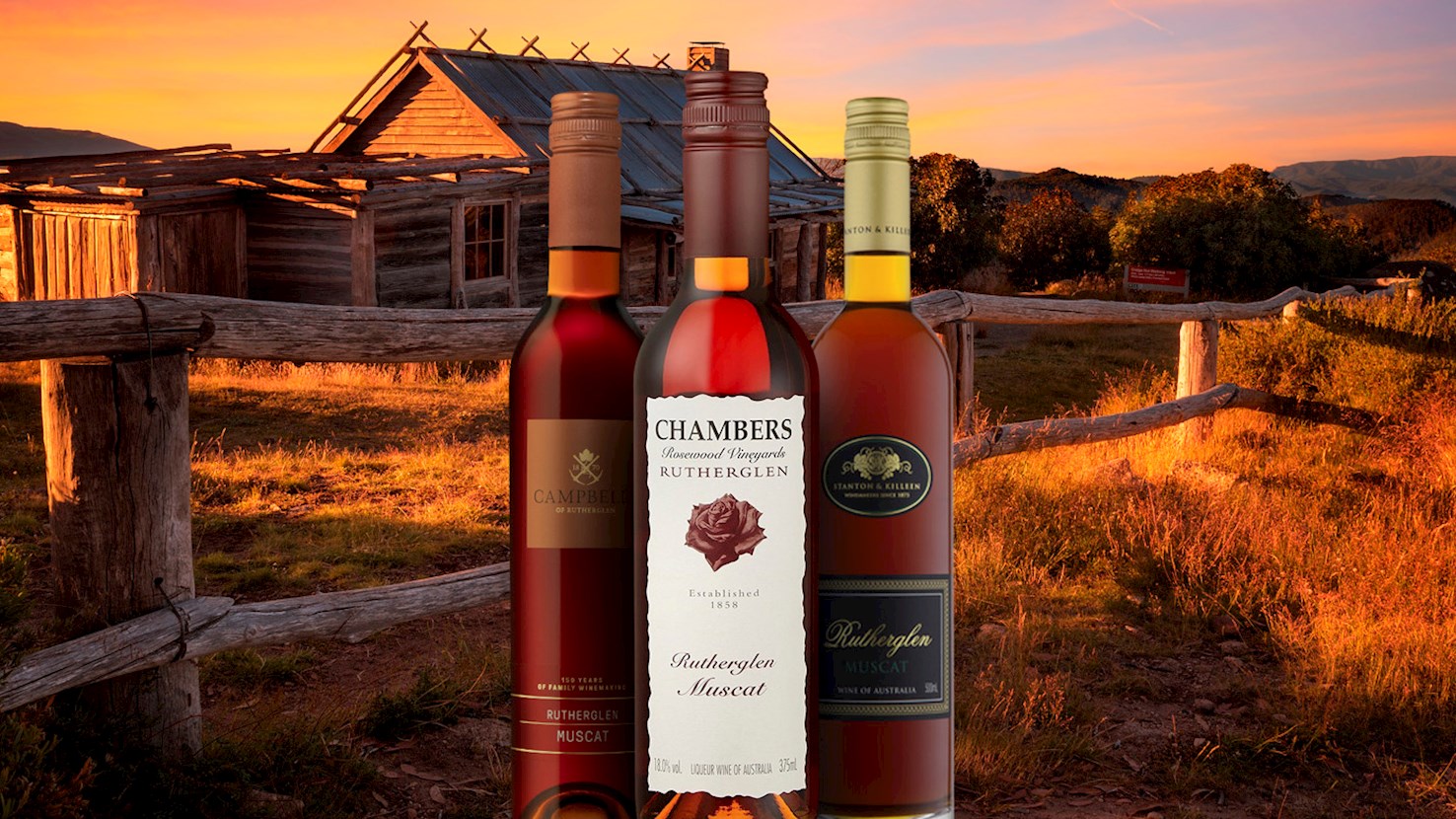
Rutherglen Muscat is a fortified dessert wine hailing from the Rutherglen wine region in North East Victoria. The wines are made from Muscat à Petits Grains Rouge—one of the red small-berried varieties belonging to the Muscat family that is usually called Brown Muscat or Rutherglen Brown Muscat. These rich and luscious wines are a result of a unique climate and regional wine practices. The grapes are left longer on the wine because of stable, dry, and sunny weather, allowing sugar to become more concentrated. The wines are fortified to retain sugar and are then aged in wood using a solera system. The main classification includes three styles (Rutherglen, Classic, Grand, and Rare), which mainly depend on age. These wines can vary from lighter entry styles to more complex examples. They are usually rich and luscious, with raisin, caramel, and nutty aroma. Rutherglen Muscat wines are best served chilled. They can be paired with desserts and blue cheese.
New Zealand Pinot Noir is a red wine made from the Pinot Noir grape, cultivated in renowned wine regions across both islands of the country, most notably Central Otago, Martinborough in Wairarapa, Marlborough’s Southern Valleys, and emerging areas like Waitaki Valley and North Canterbury. The country’s cool maritime climate, long sunshine hours, and varied soils, from glacial schist in Central Otago to limestone and alluvial deposits in Waipara, create a framework where this sensitive grape can flourish. Pinot Noir arrived in New Zealand in the 19th century, with early plantings in Central Otago as early as 1865 and in Wairarapa by the Beetham family in the 1880s. After decades of modest growth, hampered by phylloxera and prohibition movements, the varietal surged in the late 20th century. The modern era of New Zealand Pinot Noir gained momentum in the 1970s and 1980s, as winemakers began importing quality Pinot clones like the Abel clone and exploiting the potential of cool-climate sites. In winemaking, New Zealand Pinot Noir typically emphasizes bright fruit and balance. Grapes are harvested to preserve acidity and avoid overripe flavors, and fermentation is often done in stainless steel or neutral oak to maintain purity. Wines can express red and dark cherry, plum, floral and savory notes, supported by fine tannins and concentrated yet elegant structure. A defining trait of New Zealand Pinot Noir is its stylistic diversity. Central Otago wines tend toward rich, robust fruit with firm structure, while Marlborough and Martinborough produce more delicate, nuanced expressions. Waitaki Valley Pinot offers restraint and finesse, reflecting its limestone soils and cooler climate. New Zealand Pinot Noir pairs beautifully with a wide array of fare, from salmon and poultry to game and pork. It is enjoyed both domestically, through tasting rooms, cellar doors, and local wine events, and internationally, where its elegance and regional character draw increasing attention.
Tubâ is a traditional fermented drink made from palm sap, enjoyed in the Philippines, Guam, Mexico, and other parts of Southeast Asia. In these regions, tubâ is typically crafted by tapping the flower bud of the coconut palm or, in some areas, the nipa palm, to collect the sap, which is then left to ferment. This process produces an initial sweet, mildly tangy flavor, which becomes stronger and more acidic as fermentation continues, resulting in higher alcohol content. In the Philippines and Guam, fresh tubâ is often enjoyed as a lightly fermented, mildly alcoholic beverage. In the Visayas and Mindanao regions of the Philippines, it is a popular drink at social gatherings and cultural festivals. For a stronger version, the sap is fermented longer and mixed with the bark of the mangrove tree (tungog), resulting in red tubâ, a deeper-colored, more robust drink. In Mexico, particularly along the Gulf Coast in regions like Veracruz, tubâ is made from coconut sap, though it is not typically colored with mangrove bark as in the Philippines. Mexican tubâ, usually sold as a fresh, lightly fermented drink, is a refreshing beverage often flavored with fruits like pineapple, apples, or other regional fruits to enhance its sweet, tangy taste. This Mexican variation of tubâ has deep roots in indigenous culture and remains a popular street drink, particularly in coastal and tropical areas.
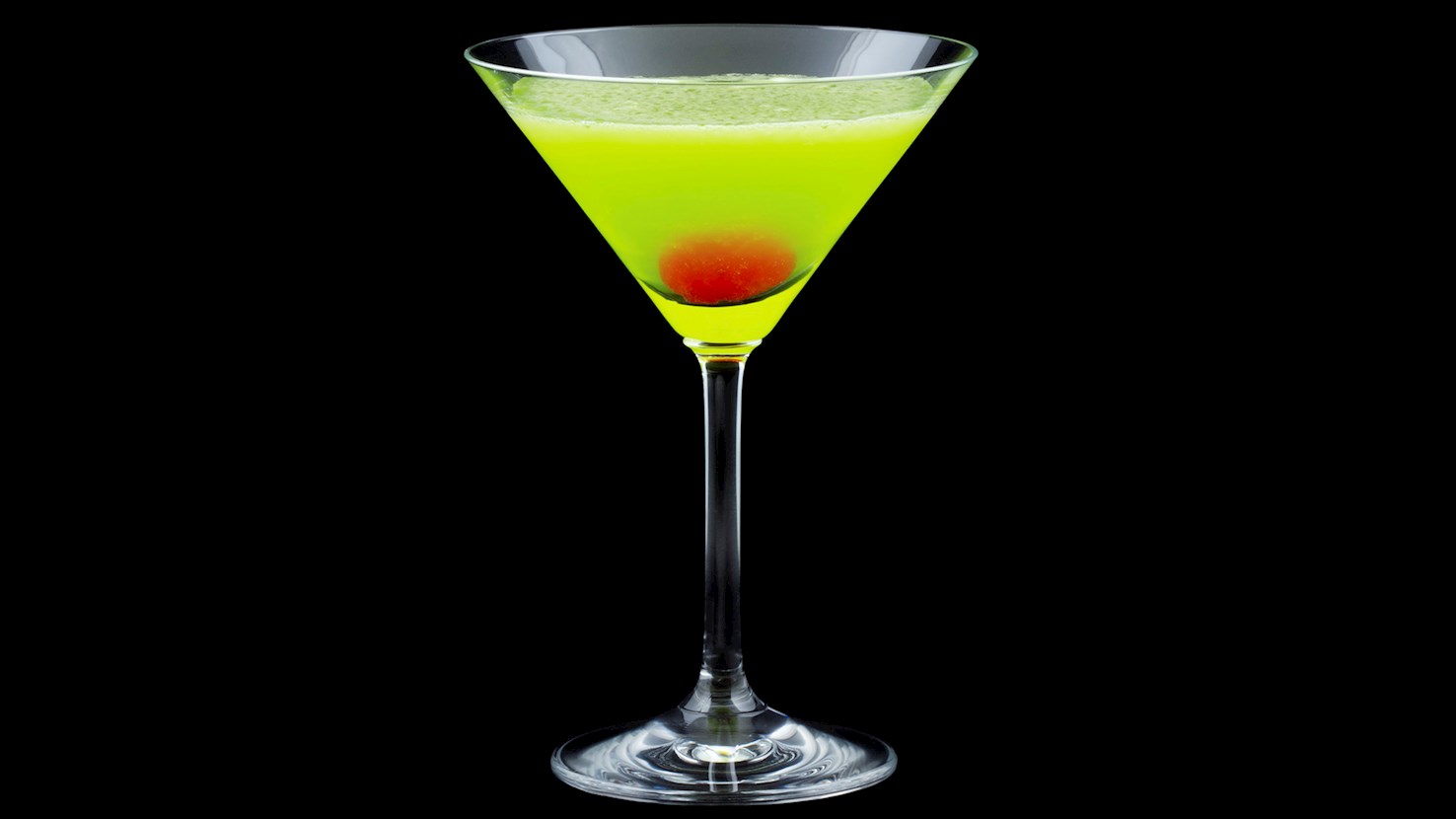
Japanese Slipper is a cocktail made with a combination of equal parts Midori liqueur, Cointreau, and lemon juice. In order to prepare it, all ingredients should be shaken with ice, then strained into a cocktail glass with a single maraschino cherry on the bottom. The cocktail is often garnished with a honeydew melon slice. This fruity drink was invented in 1984 by Jean-Paul Bourguignon, at the Mietta’s Restaurant in Melbourne.
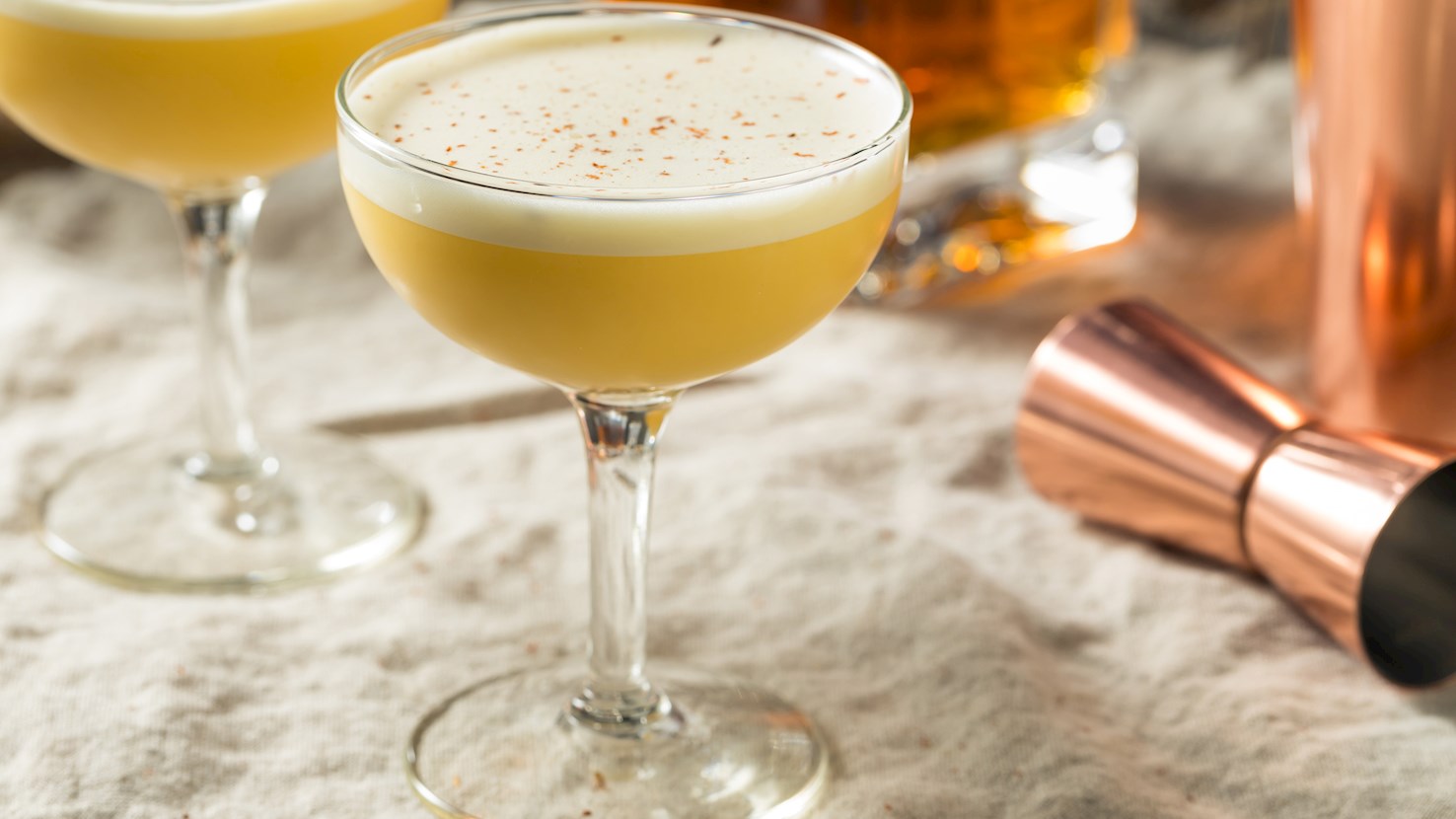
Death Flip is one of the so-called modern classics. This cocktail combines blanco tequila, yellow Chartreuse, Jägermeister, simple syrup, and a whole egg. The ingredients are shaken with ice and strained into a glass. Death Flip is usually served in a coupe glass. The top is traditionally garnished with freshly grated nutmeg. The cocktail was created by Chris Hysted-Adams, a bartender at Black Pearl in Melbourne, Australia. It was first introduced in 2010. The name is a reference to flip cocktails—a 19th-century cocktail category that includes eggs, while the death part could be a reference to its potency. Adams claims that the name is associated with a challenging skateboarding trick.
The Heathcote Geographical Indication (GI) in Central Victoria, located between the Goulburn Valley and Bendigo, provides the specific viticultural environment for the production of high-quality wine. The region is defined by a temperate climate and its position along the Mt Camel Range, which provides varying elevations and a specific orientation for vineyard placement. Viticultural development began in the mid-19th century following the Victorian gold rush, though the modern industry accelerated in the 1970s with significant plantings by producers like Alberici and later the establishment of the Jasper Hill and Wild Duck Creek estates. The geological profile is dominated by a strip of Cambrian-era greenstone, which has weathered into deep, red calcium-rich clay soils that are approximately 500 million years old. Preparation of Heathcote wine is primarily focused on Shiraz, with winemaking techniques calibrated to manage the high sugar ripeness and phenolic density characteristic of the area. Shiraz grapes are often fermented in open-top fermenters and matured in a combination of French and American oak to balance the natural power of the fruit with structural tannins. A technical attribute unique to the Cambrian soil is its ability to retain moisture deep within the clay profile while the surface remains dry, allowing vines to maintain hydration during the warm summer months without excessive irrigation. The wines are served at temperatures that allow the high alcohol and dense fruit profiles to remain balanced, with red varieties typically served at 16°C to 18°C and the smaller volume of white varieties, such as Viognier or Marsanne, served at 10°C to 12°C. Heathcote wines are consumed as premium varietal selections and are frequently sought after for their significant aging potential and deep color extraction. They are frequently paired with high-protein and savory dishes, such as Shiraz served with slow-roasted lamb shoulder, wagyu beef, or game meats like venison and kangaroo.
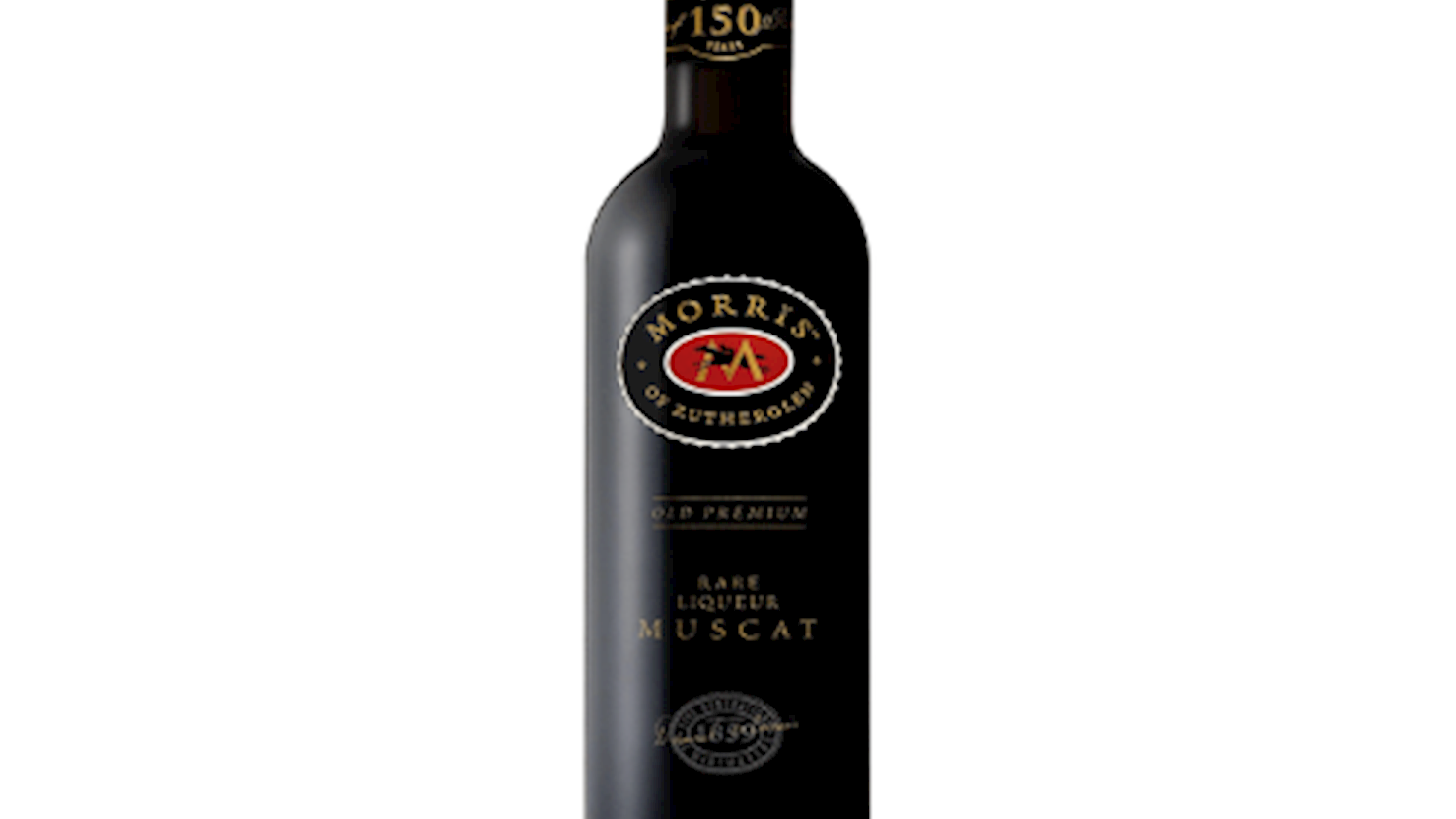
Morris of Rutherglen is one of Australia’s longest-established wine producers, with a history dating back to 1859 when George Francis Morris founded the winery in the Rutherglen region of Victoria. The area’s warm climate and fertile soils proved ideal for producing deeply concentrated wines, particularly fortified styles such as Muscat and Topaque, which became the house signature.
Over generations, the winery remained in family hands, preserving traditional production methods while adapting to challenges such as phylloxera and changing market demands. A defining element of its identity is the extensive use of aged oak barrels, where wines mature slowly and develop complex layers of dried fruit, caramel, spice, and roasted nut aromas.
Morris of Rutherglen is especially recognized for its classification system of fortified wines, ranging from youthful expressions to rare, long-aged releases that reflect decades of maturation. In recent years, the brand has expanded into Australian single malt whisky, utilizing seasoned wine casks to enhance depth and character.
Now part of Casella Family Brands, the winery continues to balance heritage and innovation while maintaining a strong connection to the Rutherglen terroir. With over 160 years of continuous production, it remains a benchmark for fortified wine styles in Australia and a key reference point for the region’s winemaking tradition.
Starward Whisky, founded in 2007 by David Vitale, is an Australian distillery located in Melbourne. The distillery is renowned for its innovative approach to whisky production, utilizing locally sourced ingredients and maturing its spirits in Australian red wine barrels.
This unique maturation process imparts distinctive flavors to their whiskies, reflecting the rich wine heritage of the region.
Awards
SFWSC - San Francisco World Spirits Competition - Double Gold
(2024, 2023)
NYWSC - New York World Spirits Competition - Double Gold
(2023)
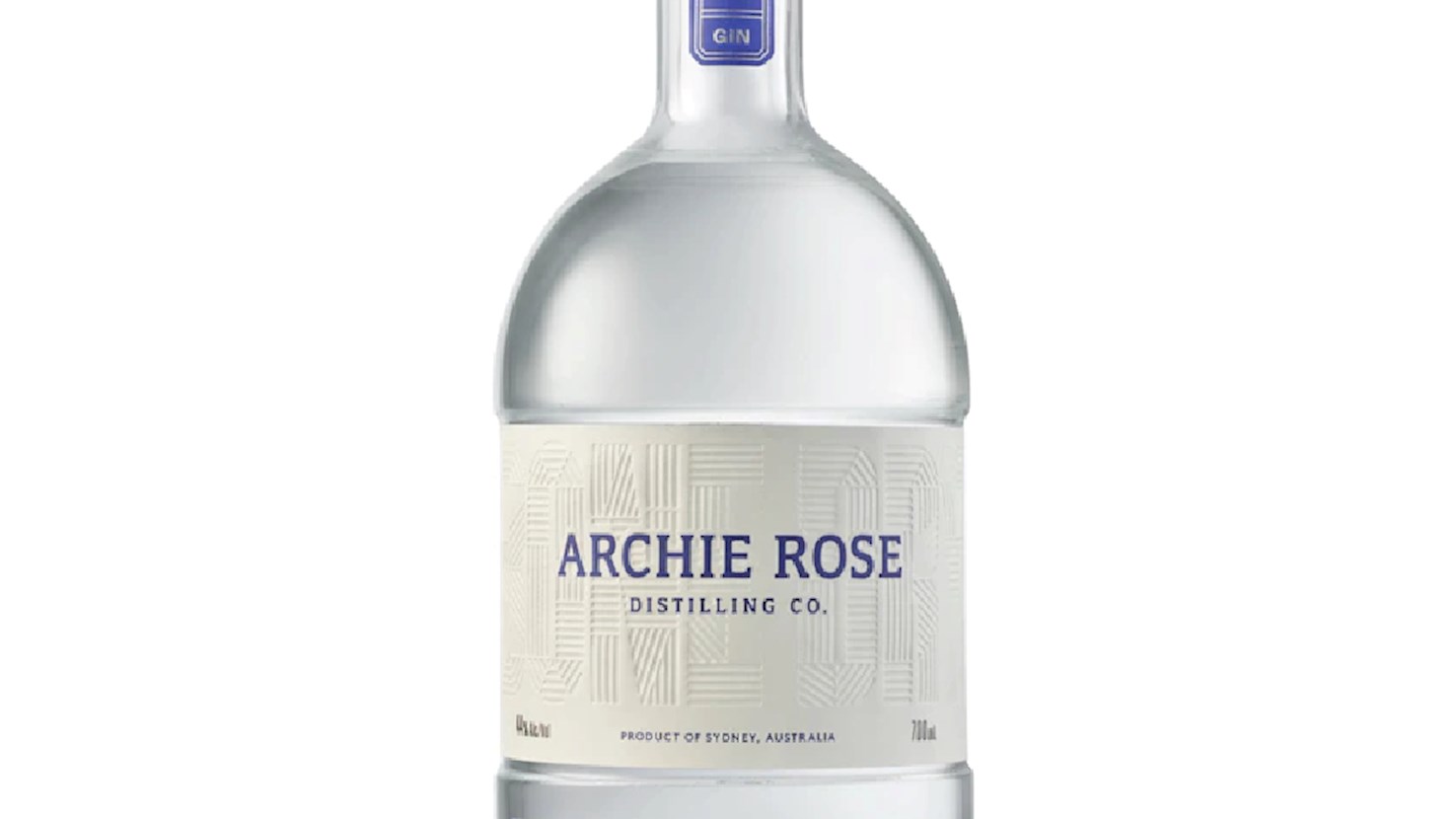
Archie Rose Distilling Co. is an independent Australian distillery founded in 2014 in Rosebery, Sydney. Renowned for its innovative production of gin, whisky, vodka, and rum, it uses native Australian botanicals and pioneering distillation methods.
Signature products like the Signature Dry Gin and Rye Malt Whisky have earned numerous international awards, celebrated for their unique flavors and exceptional quality. The distillery also offers custom spirits and educational experiences, allowing customers to create their own blends and learn about the art of distillation.
Awards
SFWSC - San Francisco World Spirits Competition - Double Gold
(2024, 2023)
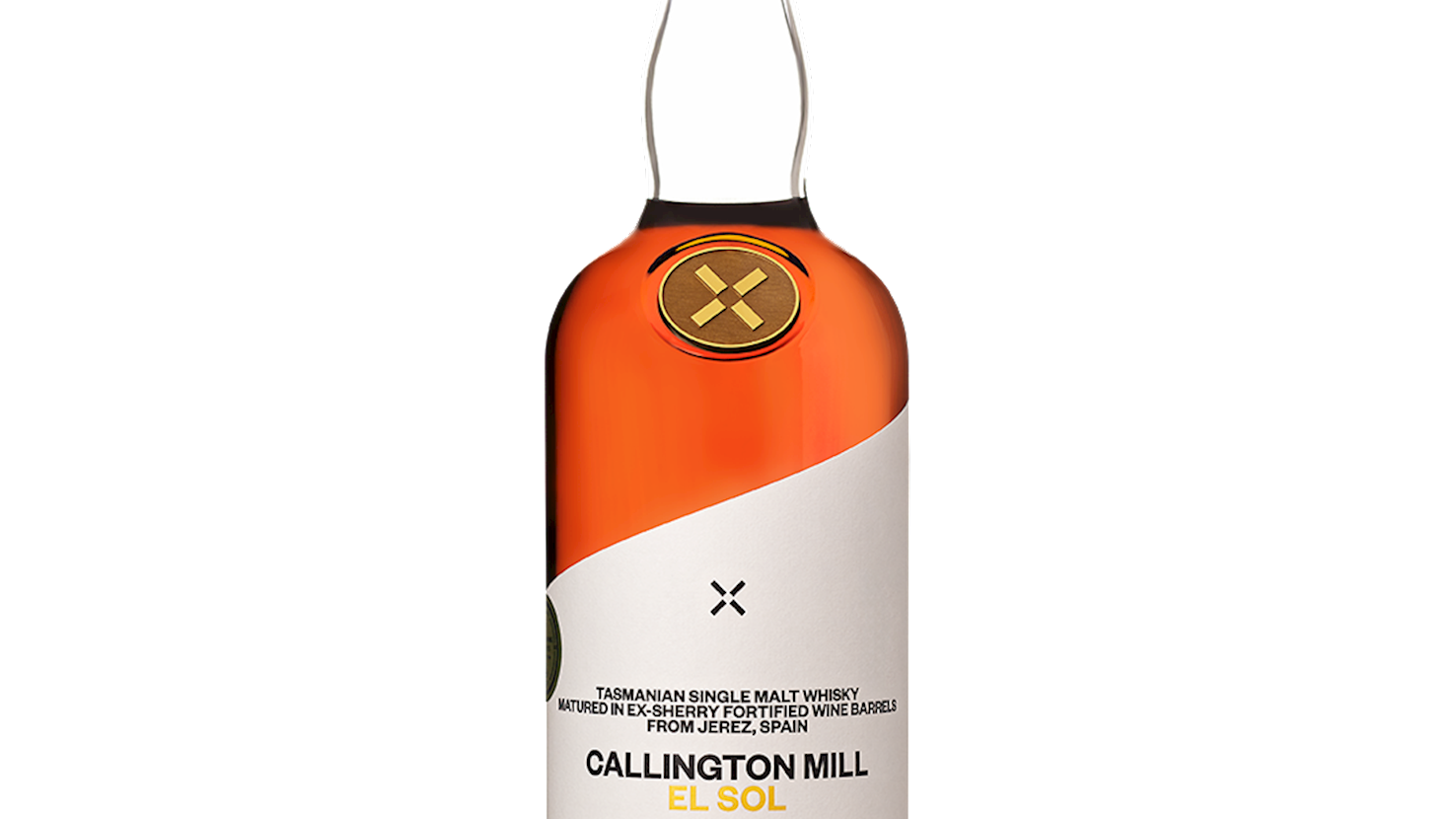
Callington Mill Distillery, located in Oatlands, Tasmania, combines heritage and innovation within a restored 1837 flour mill. Founded by John Ibrahim, the distillery showcases Tasmanian single malt whiskies crafted using locally sourced ingredients and modern techniques.
The facility offers self-guided tours, tastings, and a restaurant featuring Tasmanian cuisine, providing an immersive experience that celebrates both the history and future of Tasmanian whisky production.
Awards
SFWSC - San Francisco World Spirits Competition - Double Gold
(2024, 2023)
NYWSC - New York World Spirits Competition - Double Gold
(2023)
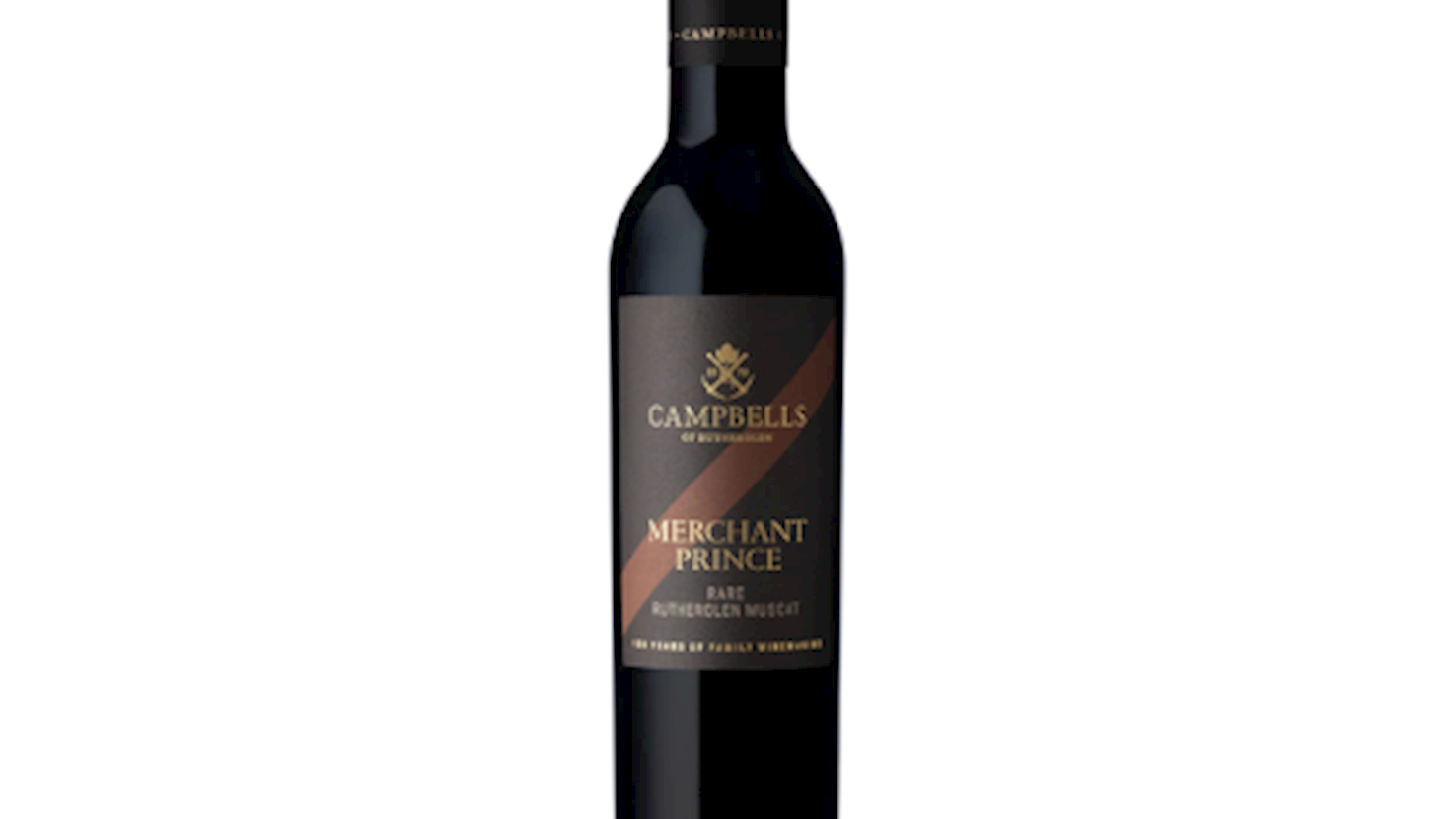
Campbells Wines is a historic, family-owned winery based in Rutherglen, Victoria, with a winemaking heritage dating back to 1870. Founded by John Campbell, it has remained in the same family for five generations, combining long-standing tradition with modern winemaking practices.
The winery is particularly renowned for its fortified wines - especially Muscat and Topaque - which are considered benchmarks of the Rutherglen style, alongside robust reds such as Shiraz and Durif. Its philosophy is rooted in expressing regional character through careful vineyard management and traditional cellar techniques, including the use of large, old oak casks for extended aging.
Campbells is also a member of Australia’s First Families of Wine, reflecting its significance within the country’s wine heritage. The portfolio spans both classic, age-worthy wines and more contemporary styles, maintaining a strong focus on quality, balance, and authenticity.
Awards
Decanter World Wine Awards - Platinum
(2021, 2020)
Billy Stitch is an artisan distillery located in Baldivis, Perth, Western Australia, dedicated to crafting premium gins with a focus on quality and flavor. The distillery emphasizes the use of the finest botanicals and meticulous distillation processes to achieve smooth and complex flavor profiles.
In addition to their commitment to producing exceptional spirits, Billy Stitch allocates 5% of their profits towards educational initiatives and the creation of local businesses in Promar village, Cambodia, reflecting their dedication to social responsibility.
Awards
SFWSC - San Francisco World Spirits Competition - Double Gold
(2024, 2023)
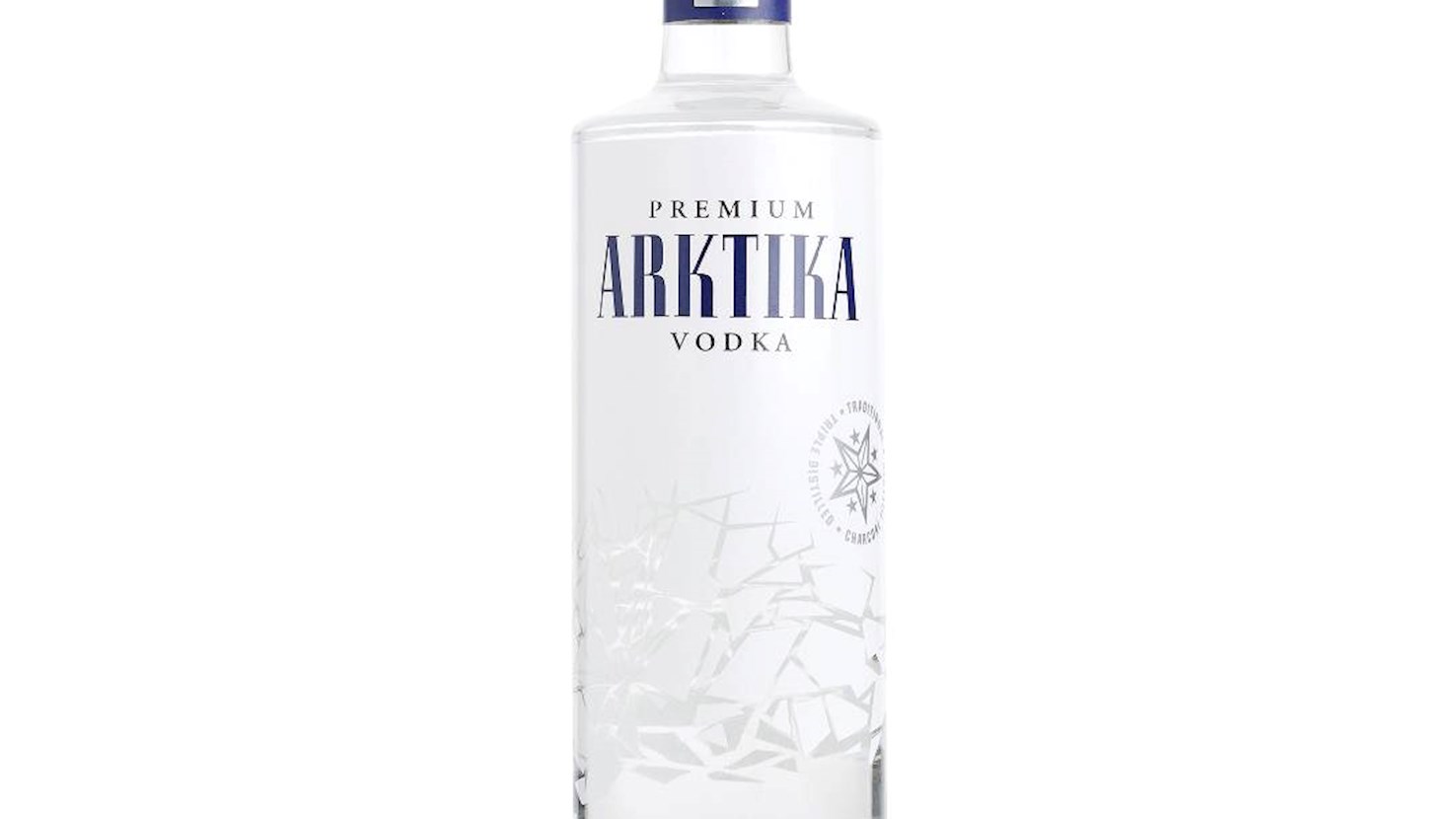
Arktika Vodka is an Australian brand inspired by the Arctic, known for its cold-filtered and triple-distilled production process. It is made in Victoria, using carefully selected Australian wheat, resulting in a clean, balanced, and smooth flavor profile.
Arktika offers several variants, including Original, Vanilla, Salted Caramel, Raspberry, and Lemon-Lime, perfect for mixing in cocktails. Arktika Vodka is part of the Edgemill Group
Awards
European Spirits Challenge - Gold
(2024, 2023)
SFWSC - San Francisco World Spirits Competition - Gold
(2024)
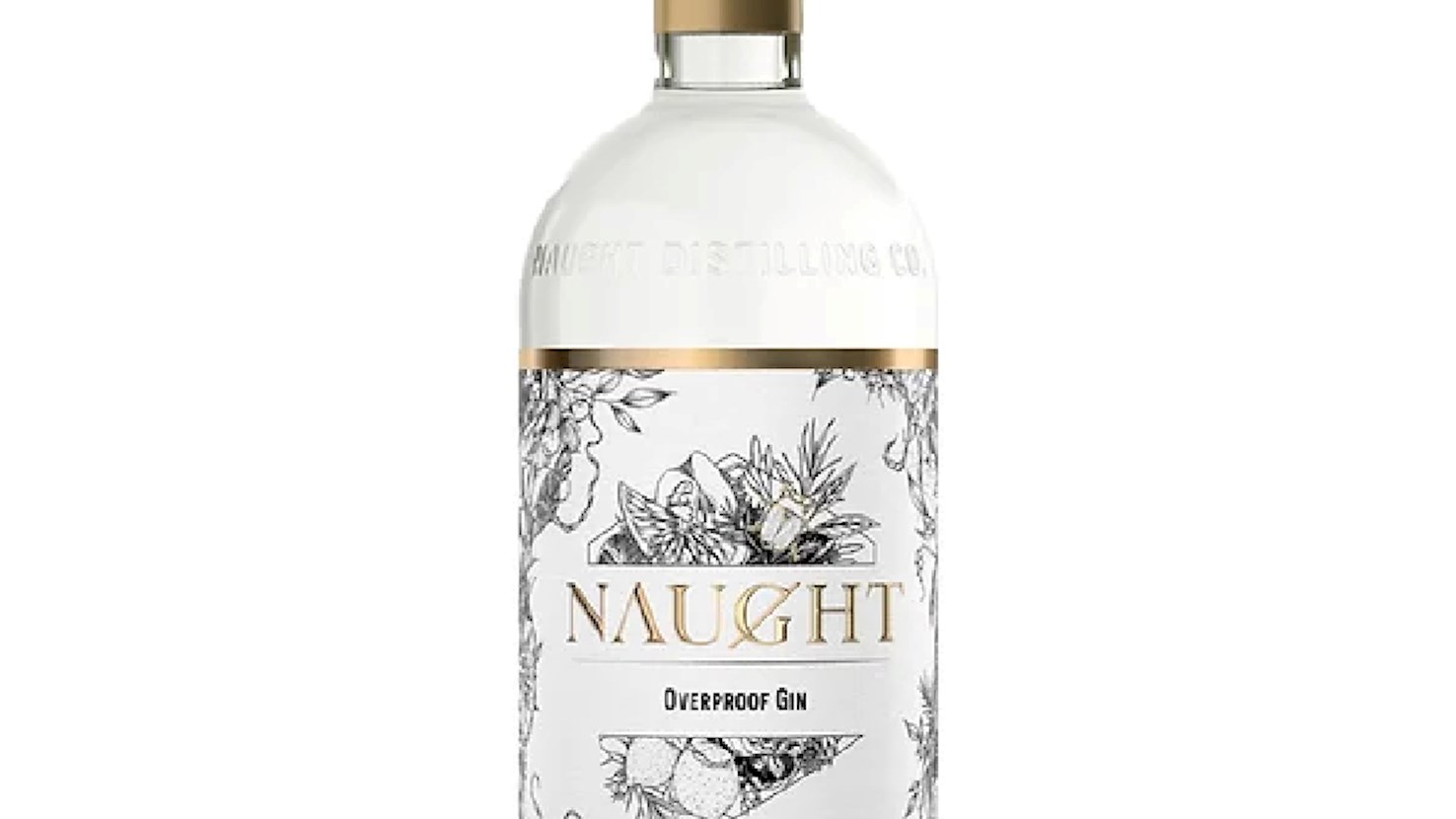
Naught Gin is a premium gin producer located in Eltham, Victoria, known for its meticulously crafted, small-batch gins. With a commitment to quality and a passion for unique, sophisticated flavors, Naught Gin combines traditional distilling methods with innovative botanical blends.
Their gins are celebrated for their smooth, complex profiles, which capture the essence of Australian craftsmanship and creativity.
Awards
SFWSC - San Francisco World Spirits Competition - Double Gold
(2023)
IWSC- International wine & spirit competition - Spirit Gold
(2024)
TasteAtlas food rankings are based on the ratings of the TasteAtlas audience, with a series of mechanisms that recognize real users and that ignore bot,
nationalist or local patriotic ratings, and give additional value to the ratings of users that the system recognizes as knowledgeable.
TasteAtlas Rankings should not be seen as the final global conclusion about food. Their purpose is to promote excellent local foods,
instill pride in traditional dishes, and arouse curiosity about dishes you haven’t tried.
The initial list of top producers was compiled based on available reviews, awards, local recommendations, media and blog coverage, and consumer reviews.
The list will be updated with ratings from TasteAtlas local ambassadors and TasteAtlas users.









What People Say