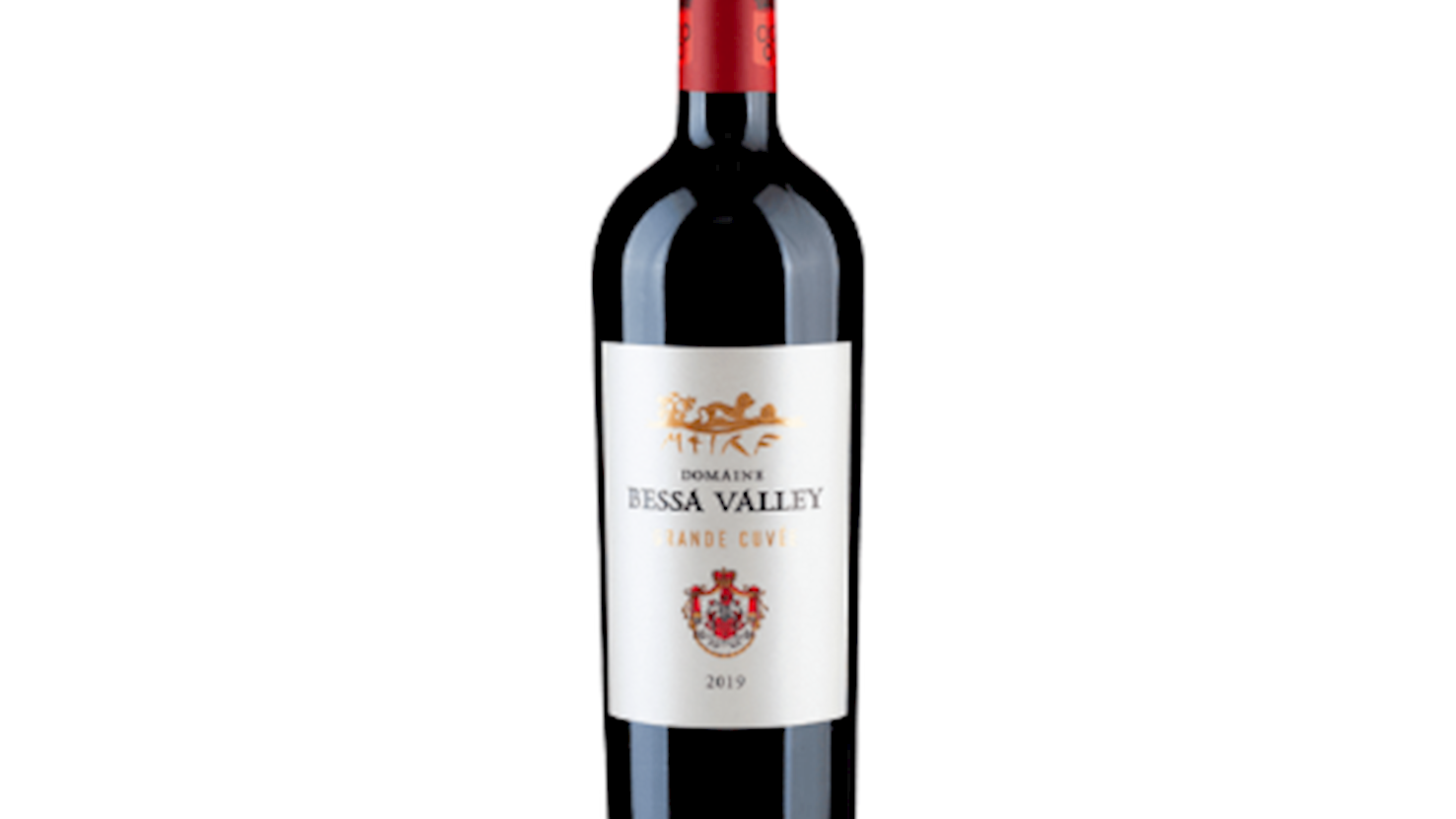
Bessa Valley is a modern winery in Bulgaria, located in a valley between the Rhodope Mountains and the Maritsa River, where ideal conditions for growing red varieties converge. The estate covers about 250 hectares, with more than half planted with vineyards on clay-limestone soils that give the wines structure and mineral character.
The winery was established with the support of Stephan von Neipperg, owner of several renowned Bordeaux châteaux, which explains the recognizable Bordeaux influence in the winemaking philosophy. The focus is on Merlot, Syrah, Petit Verdot, and Cabernet Sauvignon, used in blends known for their powerful body and elegantly crafted tannins.
Harvesting is done by hand, and the grape selection is rigorous, ensuring that only the highest-quality fruit reaches the cellar. Fermentation and aging take place in oak barrels, with temperature control ensured by a cellar built into the hillside for natural cooling.
The style of the wines is full, structured, and complex, yet modern and approachable, making them attractive to international markets. The wines have strong character while maintaining an excellent price-to-quality ratio, making them a great choice for the gourmet segment and for those who appreciate red wines with a clear expression of terroir.
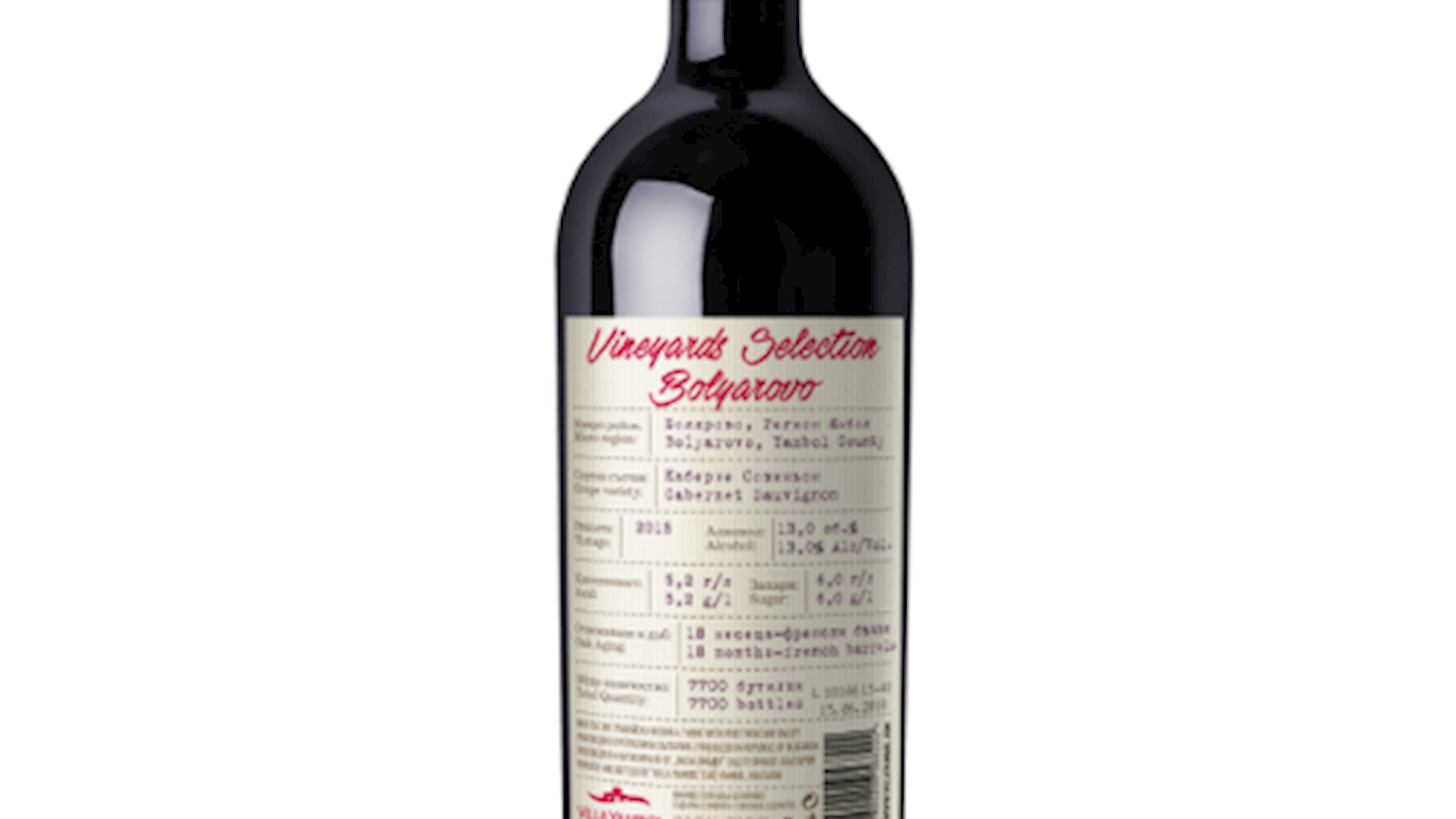
Villa Yambol is a Bulgarian winery renowned for producing high-quality wines that reflect the rich viticultural traditions of the Yambol region in southeastern Bulgaria. Located in a region with a winemaking history dating back to Thracian times, Villa Yambol benefits from its favorable climate, fertile soils, and long-standing expertise in viticulture.
Awards
Concours Mondial de Bruxelles - Grande Médaille d'or
(2023, 2022, 2020)
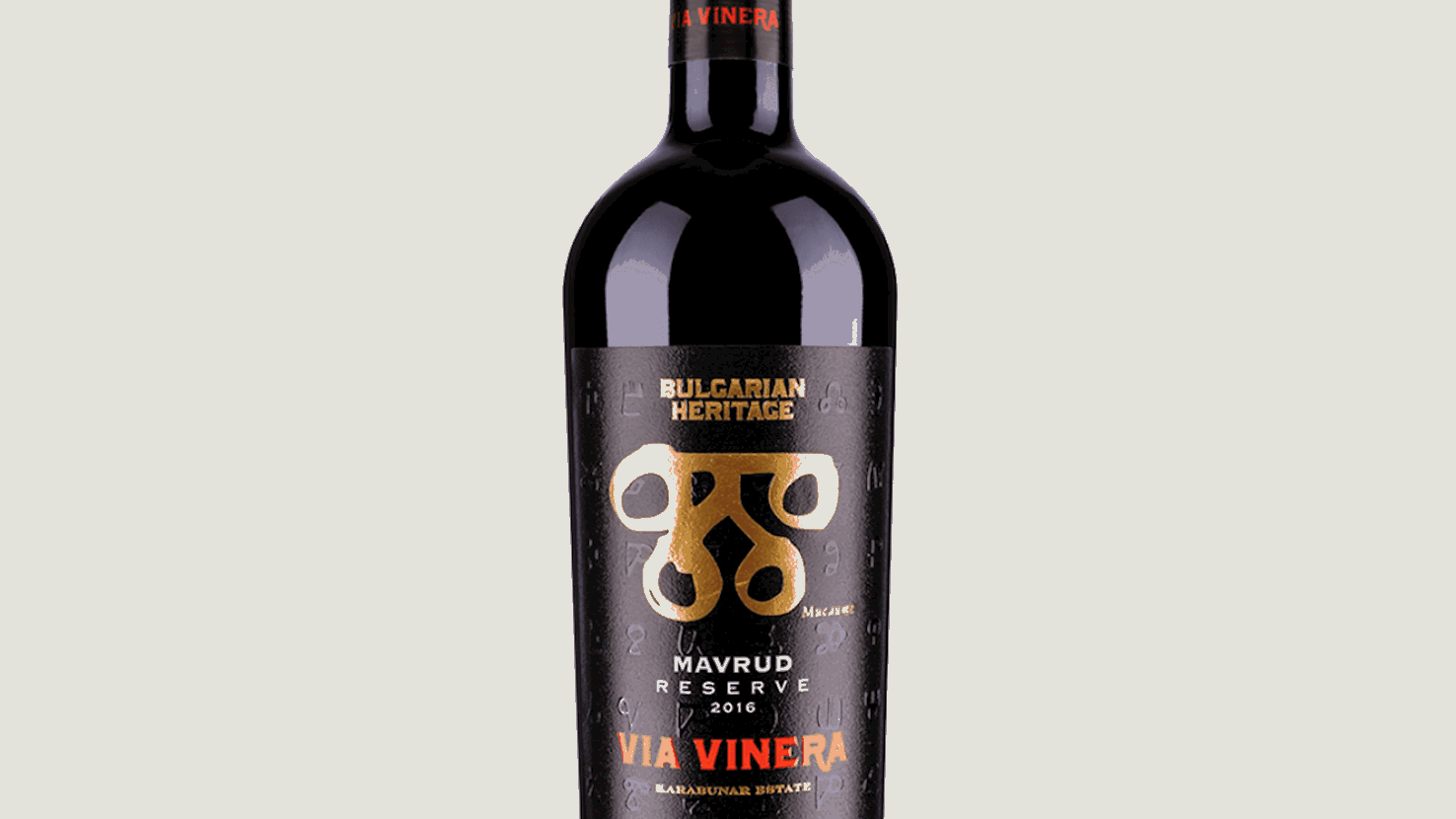
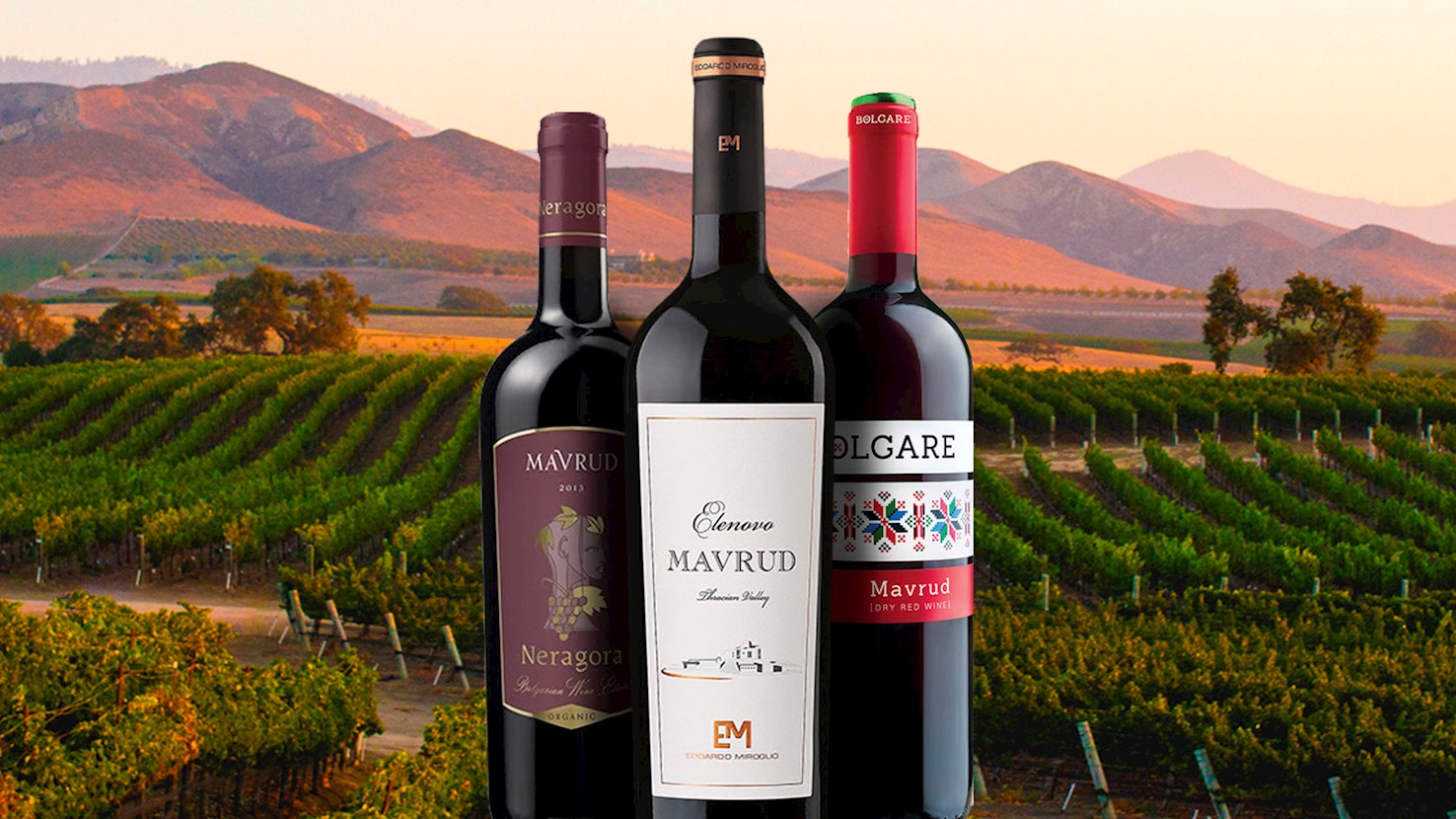
Mavrud is a highly valued, native Bulgarian grape variety that is predominantly grown in the province of Plovdiv. This late-ripening, dark-skinned grape particularly thrives in warmer climates, and it is used in the production of single varietal wines and blends. Varietal Mavrud is typically a medium-bodied wine, with firm tannins, good acidity, and deep ruby red color. It usually comes off as rich and fruity, with typical aromas of prunes, ripe mulberries, or blackberries, and usually has a spicy, herbaceous finish. The wine pairs well with rich meat dishes, such as roasted lamb, stuffed cabbage rolls (sarmi), rustic kapama stew, and grilled meat.
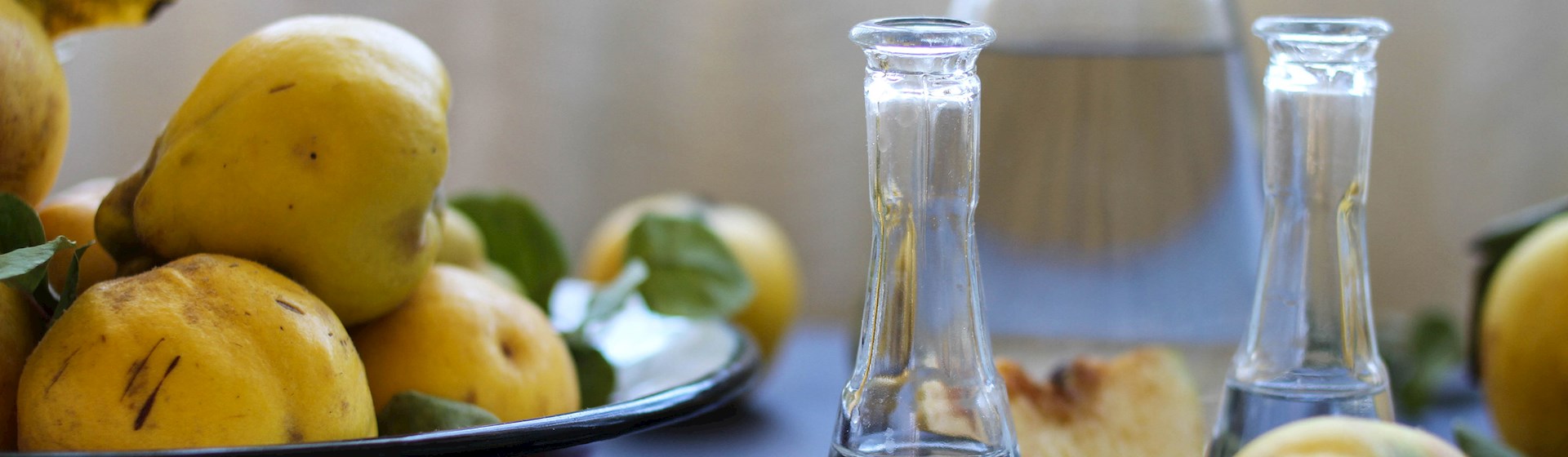
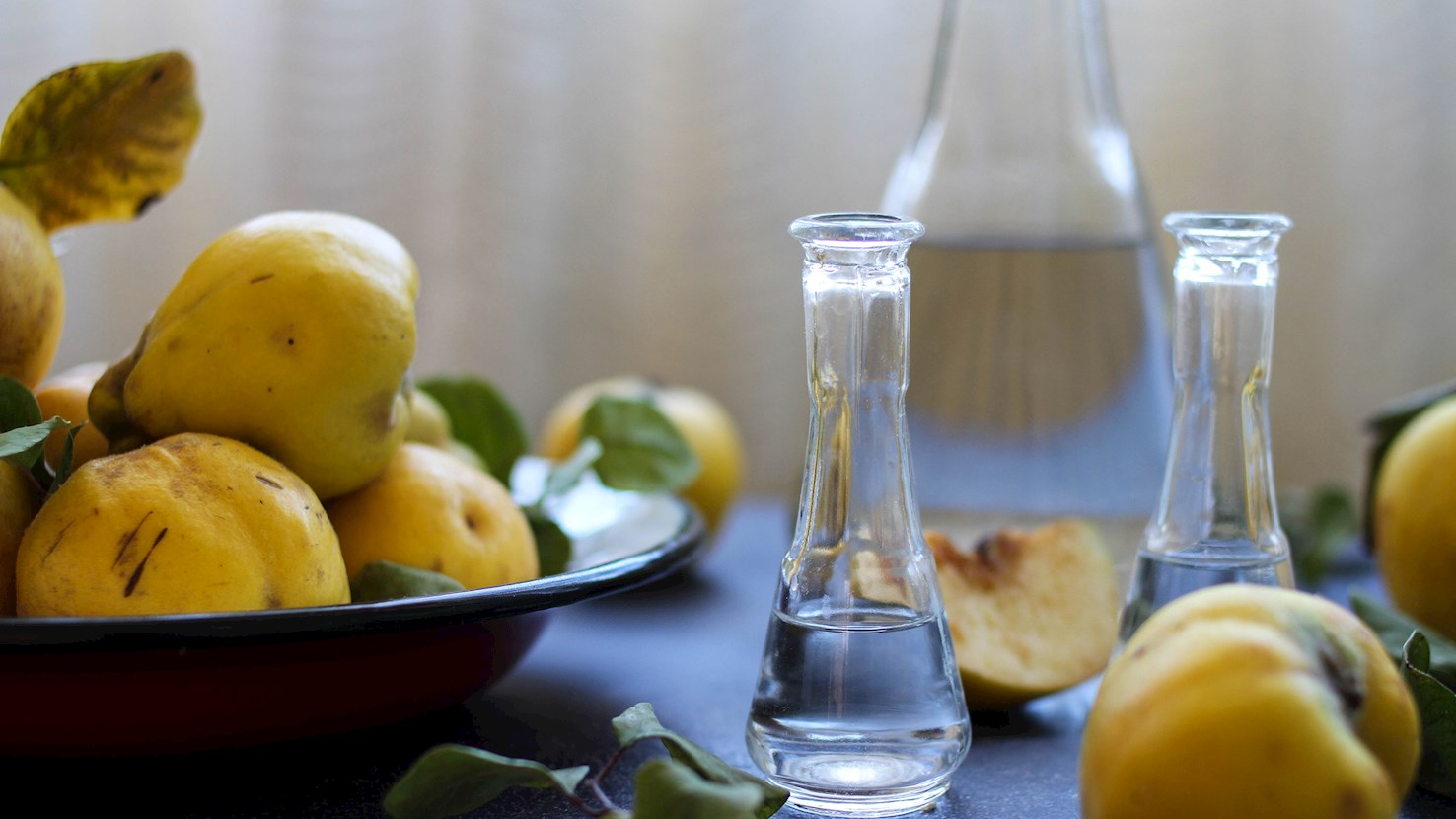
Dunjevača (rakija od dunje) is a clear and colorless spirit distilled from ripe fermented quinces. This fruit brandy—known as rakija—is one of the most popular spirits in the Balkans and is usually of excellent quality. Dunjevača is a potent spirit (40% ABV) that has a pleasant quince aroma. Most examples are colorless, but some producers opt for oak-aging, which typically imparts golden color and woody notes. Dunjevača is served neat, preferably well chilled. It is mainly enjoyed as an aperitif.
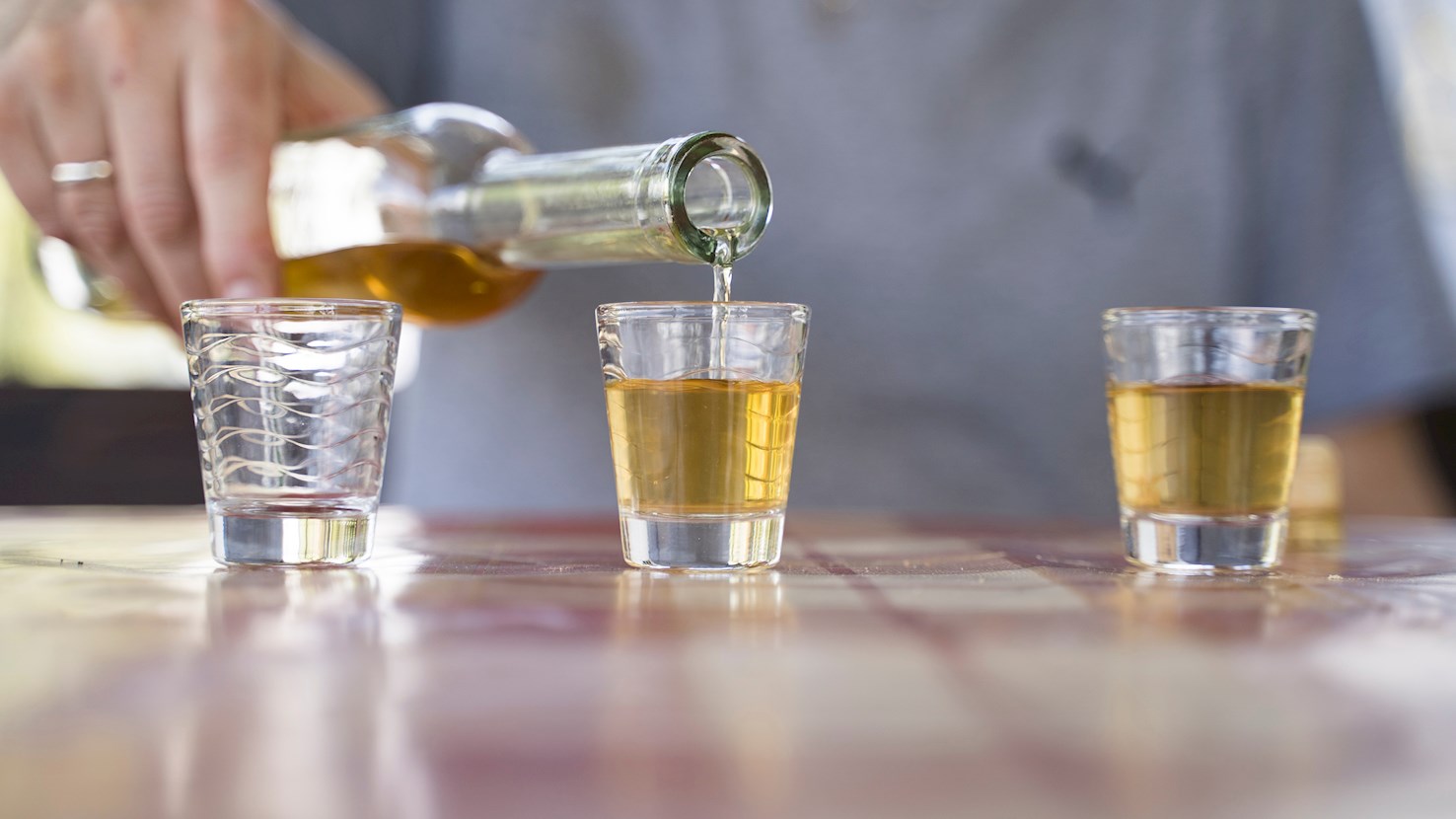
Rakija is a universal term used for various fruit brandies produced in several Balkan countries (Southeast Europe). This strong spirit is distilled from different fruit and is sometimes additionally flavored or used as a liqueur base. The most common versions are made from plums (šljivovica), Williams pear (viljamovka), quinces (dunjevača), apricots (kajsijevača), apples (jabukovača), grapes (lozovača/komovica), and many more. Rakija has present in the region for centuries. It is mainly associated with Croatia, Serbia, Bosnia, Montenegro, and North Macedonia. Although fruit brandies are produced in other European countries and regions, in the Balkans, rakija is a household name and has a large following among all generations. This potent spirit typically falls between 40% to 60% ABV. It is usually served neat, preferably well chilled, in a shot glass. Rakija is primarily a social beverage meant to be consumed with friends or as a welcome drink. Locals also like to believe that rakija is a terrific health remedy, and they use it boosts their immune system or ease any minor medical problems. Rakija can be in the form of a pure distilled spirit, but sometimes it is flavored with herbs and fruits. Many producers often use rakija as a liqueur base, but although these liqueurs are often labeled as rakija—such as orahovac made with walnuts or honey-flavored medica—they are technically liqueurs and not fruit brandies. Although rakija holds a reputation as a crude and harsh drink, many producers try to break away from its traditional image and create exceptional labels, which they promote as savoring and sipping drinks.
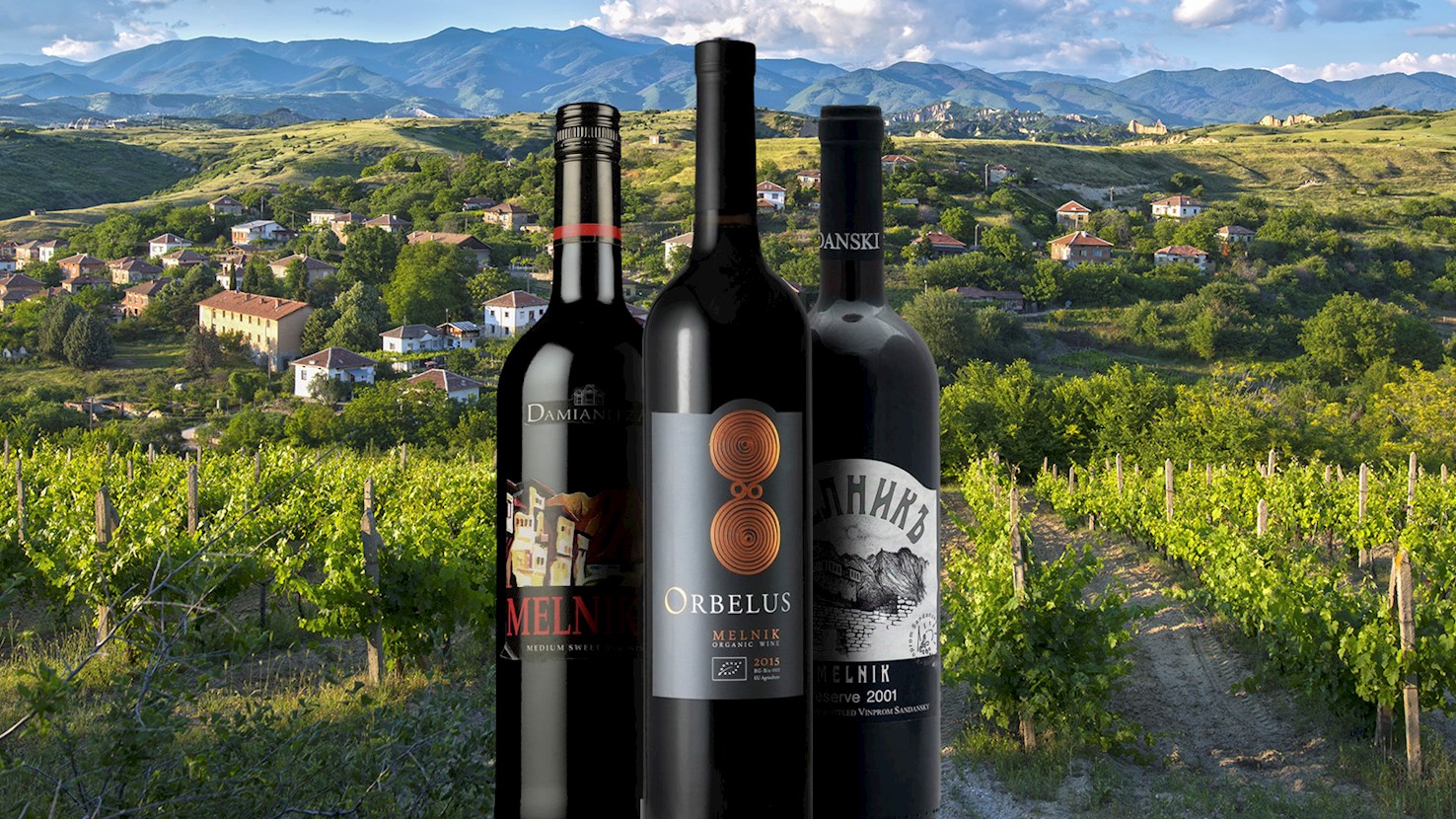
Shiroka Melnishka Loza is an ancient, late-ripening Bulgarian grape variety that is predominantly grown in southwestern parts of the country, in the regions of Melnik, Petrich, and Sandanski. The grape produces age-worthy varietal wines that are rich in tannins and typically display notes and aromas of cherries, strawberries, and stone fruit, while matured varieties develop into more complex nuances of tar, leather, and spices. The grape is also commonly used in blends, and it is typically known simply as Melnik – after a namesake town in Struma Valley.
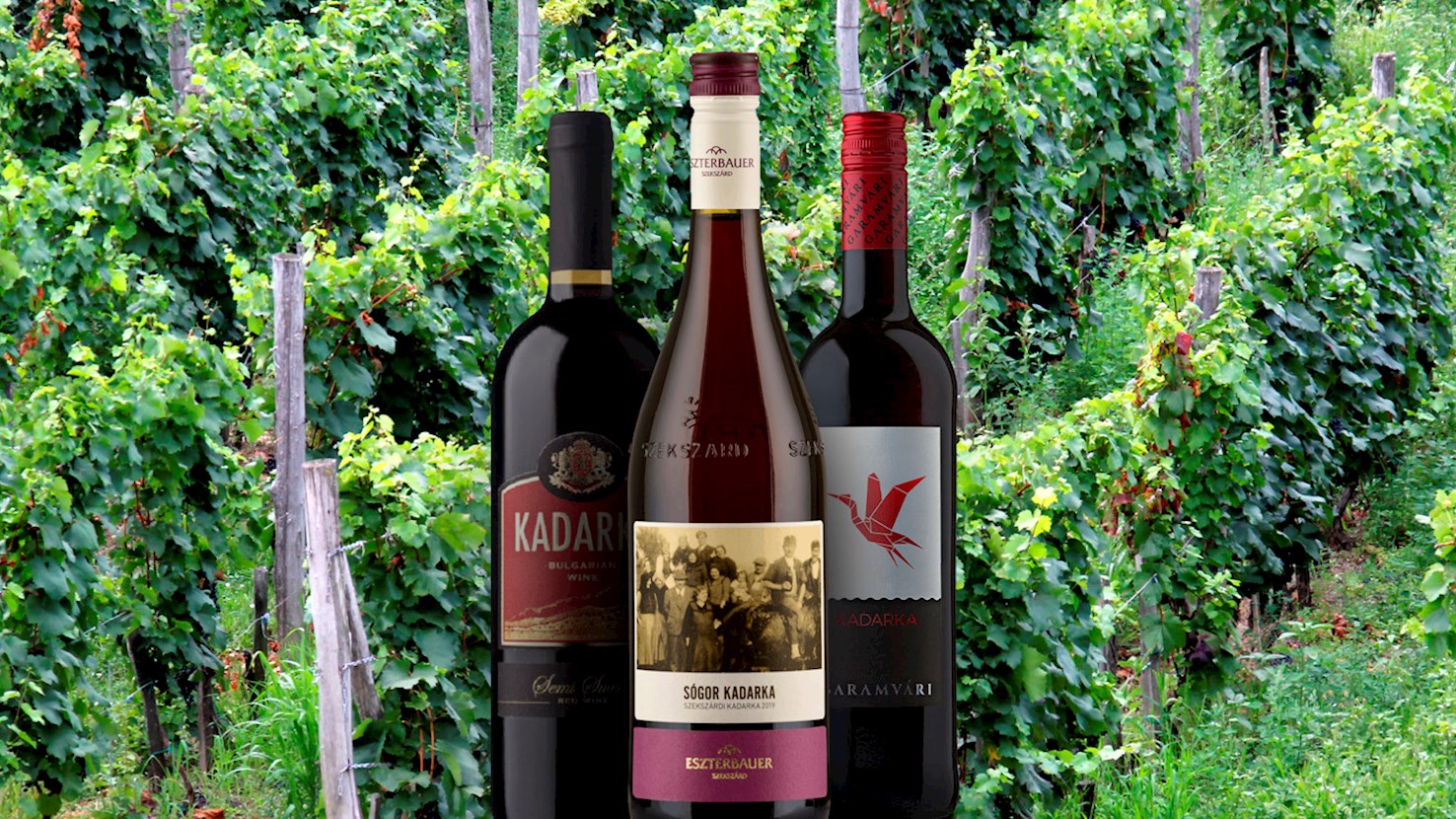
Kadarka is a red grape with an uncertain origin. It is most likely a native Balkan variety that spread during Ottoman rule. Due to its finicky nature, it has slightly declined in popularity, but it is still an important red variety, especially in Hungary. Kadarka is a late-ripening grape that mainly produces fruity and elegant red wines. It is versatile and terroir-driven, so the wines can often vary in character, but they usually have light to medium body, bright acidity, and low tannins. The aroma is typically fruity, often with hints of spice and sometimes with subtle floral notes. Kadarka is an ideal partner for spicy meat dishes. Apart from Hungary and Serbia, Kadarka is also cultivated in Romania and Bulgaria, where it is known as Gamza. In Hungary, it is mostly associated with Szekszárd and Villány, but it is also popular in Eger, where it is used in the Egri Bikavér red blend.
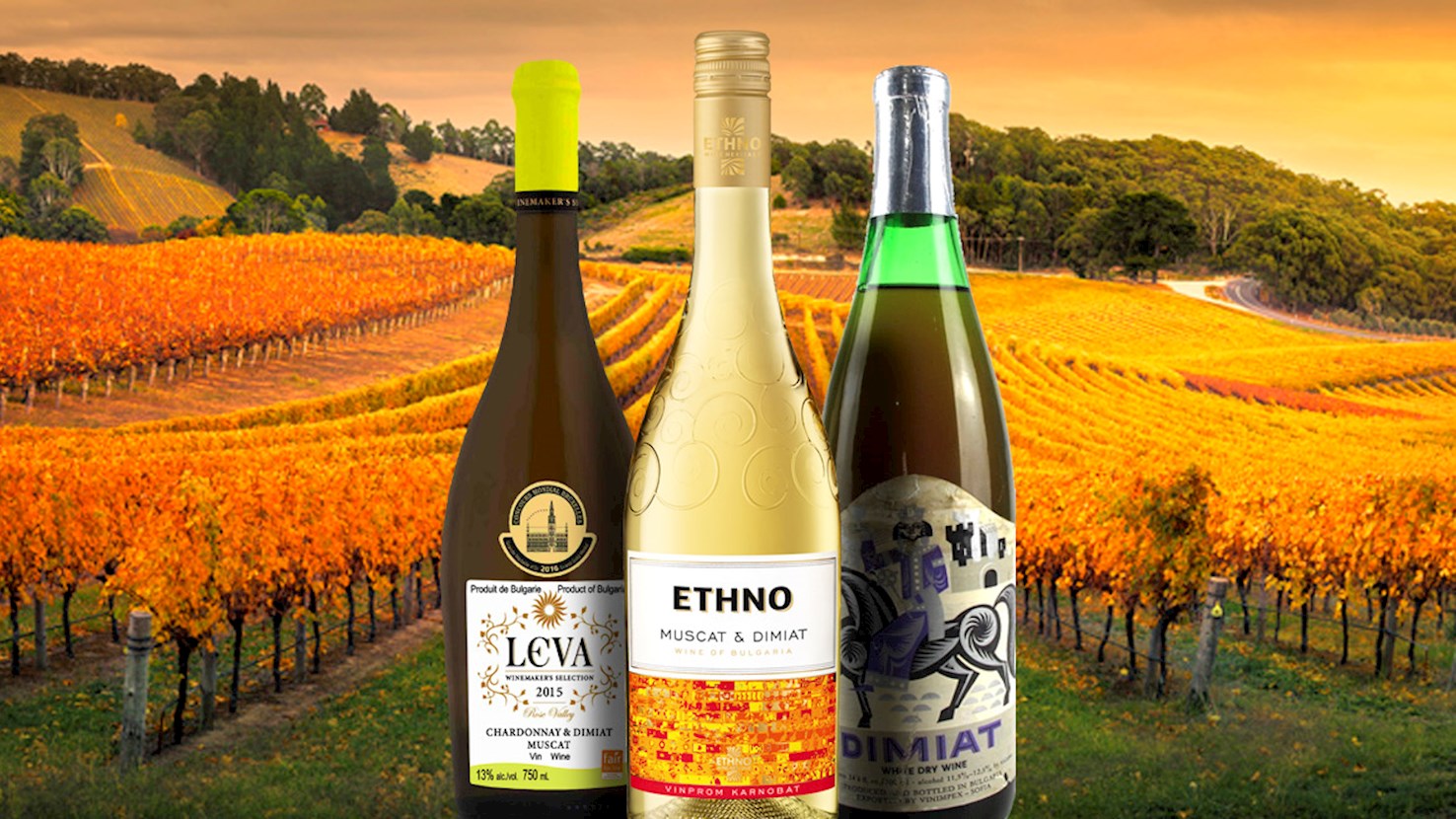
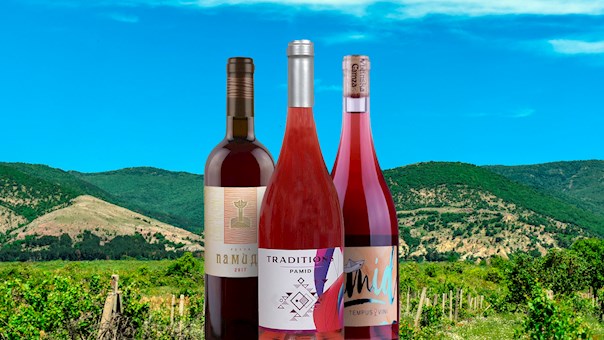
Believed to be native to Bulgaria, this plump white grape is predominantly cultivated in the eastern parts of the country. Varietal Dimiat wines are typically aromatic, light, and fresh and usually display fruity aromas of apricots and quince. Although Dimiat is mainly enjoyed young, some styles can benefit from aging, during which they develop subtle vanilla nuances. The wine pairs well with appetizers, while sweet varieties may be a good match to desserts. Apart from wines, the grape is also used in the production of Bulgarian brandy.
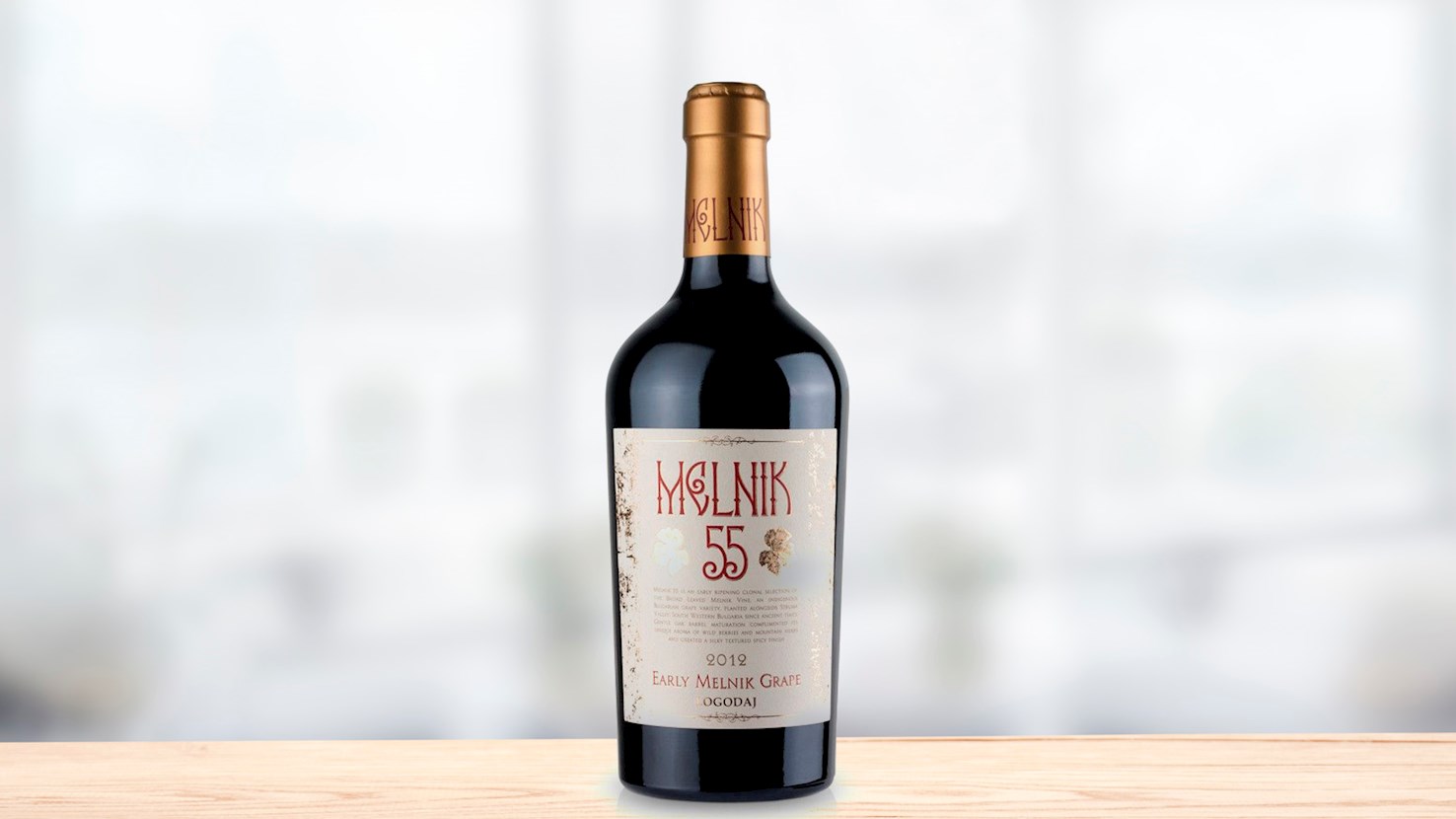
Melnik 55 or Ranna Melnishka Loza is a Bulgarian grape variety created as a cross between Melnik (Shiroka Melnishka Loza) and a mixture of pollen from Valdiguié, Durif, and Jurançon. It was later proven that the other parent was Valdiguié. Although it was created in the 1960s, the grape was only recently recognized by Bulgarian winemakers, and it has yet to show its full potential. Melnik 55 is used in varietals and blends, and it typically produces ruby red wines with medium to full body and excellent aging potential. Typical aromas are reminiscent of red and black fruit, spices, and tobacco. These wines would go well with red meat and charcuterie.
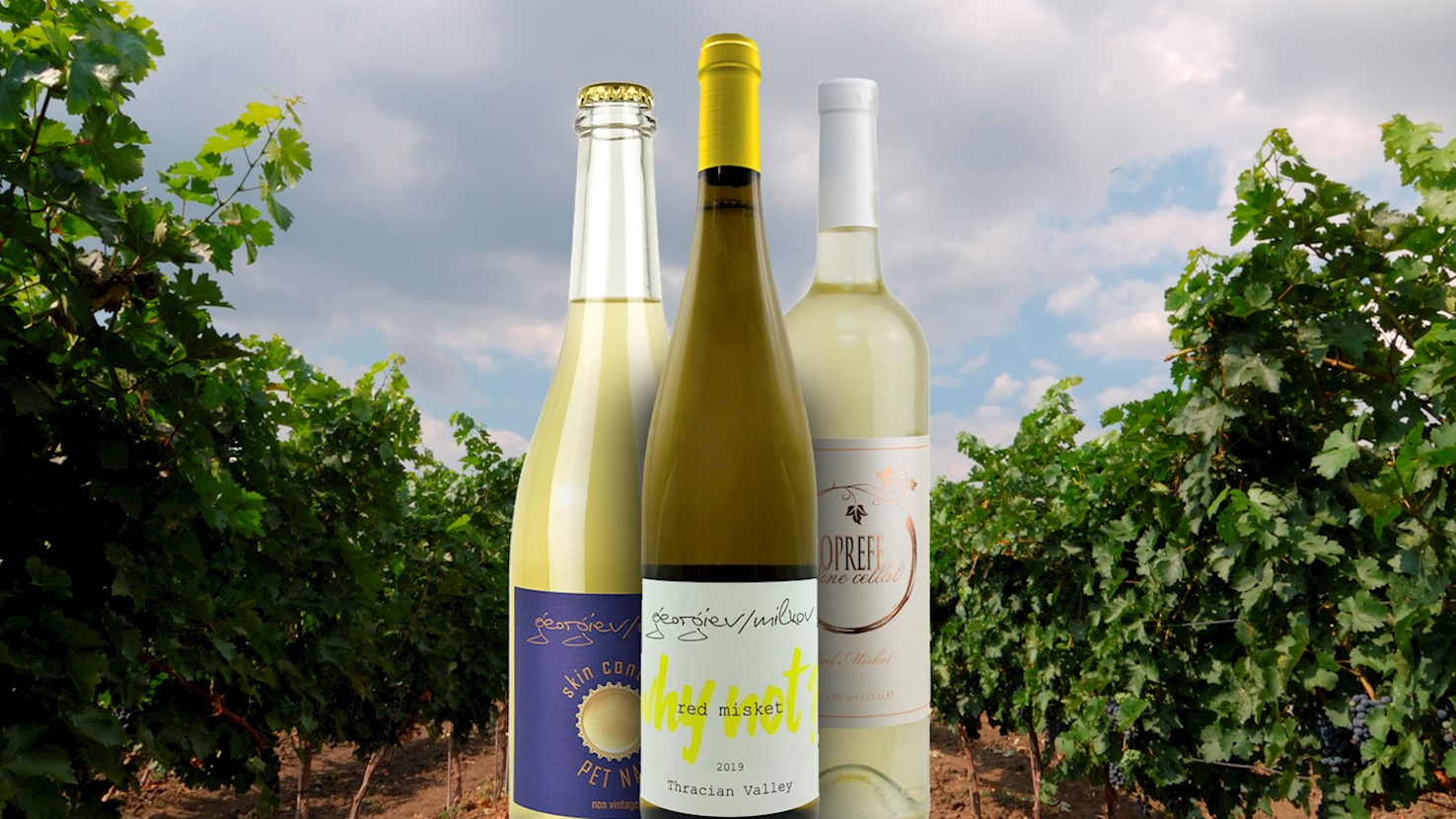
Misket Cherven is a native Bulgarian grape used in the production of fragrant white wines—the word red merely refers to the pink hue of the grape. This late-ripening variety is cultivated in several Bulgarian regions, and along with winemaking, it is also enjoyed as a table grape. The grape is used in varietals and blends. The wines are pleasant, fresh, and light with a pale yellow color and subtle green hues. The aromas are floral, fruity, and herbaceous, usually reminiscent of citrus fruit. On the palate, they are light to medium-bodied, with a lingering finish. Because of its low acidity, Misket is often blended with more acidic varieties. These wines can make excellent aperitifs, but they also work well with light dishes such as salads and seafood-based appetizers or main courses.
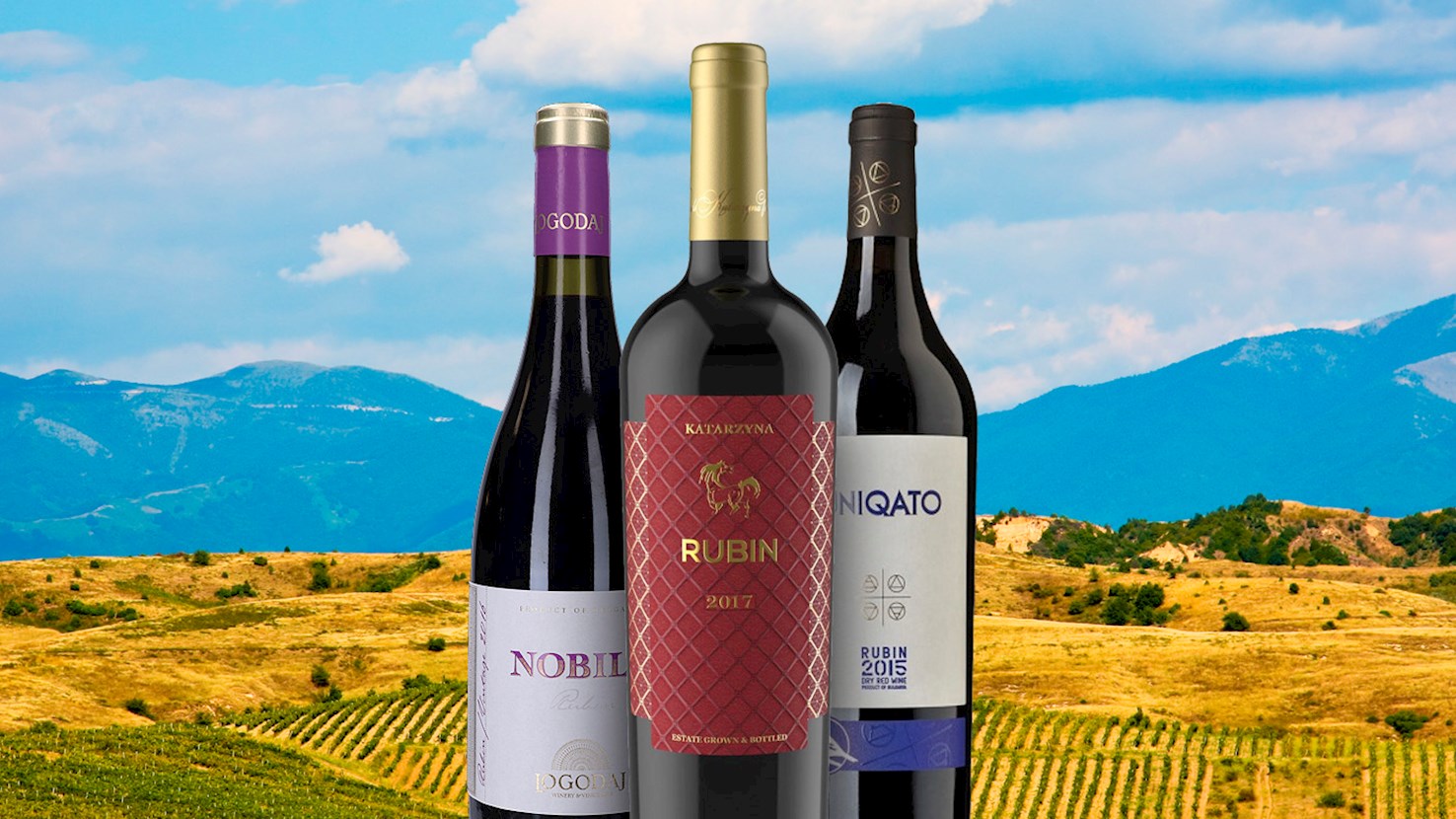
Rubin is a Bulgarian grape created in the 1940s at the Institute of Viticulture and Enology in Pleven. The grape is a cross between French Syrah and Italian Nebbiolo. It is a very resilient grape that ripens relatively early. Although it is mainly used in blends, varietal examples are becoming more common. The wines produced from Rubin are deep red, with flavors dominated by red and black berries. The wines will often have earthy, floral (violet), and jammy character. They usually have good aging potential, and during maturation, they attain woody and vanilla-like aromas while the tannins become softer. Rubin is mainly cultivated in the south, and it is also found in several other European countries. Rubin-based wines would pair well with rich, intensely-flavored dishes, such as stews, red meat, or charcuterie.
Mastika is a clear, aromatic spirit produced in Bulgaria, North Macedonia, and parts of Serbia, flavored with mastic resin, anise, or a combination of the two. It is widely consumed in bars, restaurants, and homes throughout the Balkans and is bottled by both large commercial distilleries and smaller local producers. The alcohol content usually ranges between 40 and 50 percent, and the drink is known for its sweet aroma, mild herbal character, and the distinct resinous note imparted by mastic. Although mastika shares certain characteristics with Mediterranean anise spirits such as ouzo and rakı, it has its own established profile within Balkan drinking culture, shaped by local taste preferences and regional distilling practices. Mastika emerged within the broader distillation traditions of the Balkans, where grape-based spirits such as rakia have long been produced. Distillers began flavoring clear spirits with mastic resin brought from the eastern Mediterranean or with anise grown in the region. Bulgaria adopted mastika on a large scale, incorporating it into commercial production during the twentieth century, while North Macedonia developed its own variations. The use of mastic resin distinguished it from other flavored spirits in the region, and the drink gained popularity as a flavored alternative to grape brandy. In some areas, producers used anise either to enhance the flavor or to replace the resin when supplies were limited, resulting in a range of styles that vary from strongly resinous to predominantly anise-based. Mastika is made by infusing a distilled base spirit—typically derived from grapes or grain—with mastic resin or aniseed. The flavoring may be added directly to the alcohol or combined before a second distillation that clarifies the spirit and concentrates its aroma. Some producers add sugar to achieve a smoother, slightly sweet finish. When mixed with water or ice, mastika often becomes cloudy due to the separation of essential oils, a characteristic shared with other anise-flavored spirits. Its flavor is both sweet and herbal, with a soft resin note that defines the drink in its resin-forward versions. Mastika is consumed across the Balkans as an aperitif or a social drink, commonly served chilled or over ice. It can be mixed with water to reduce its intensity or consumed neat in small glasses. It is paired with salads, grilled meats, cheeses, olives, and other small appetizers found in Balkan cuisine. In warm months, it is frequently enjoyed outdoors and in casual social settings, while in restaurants it accompanies shared dishes and light starters. Outside the region, mastika appears in Balkan specialty restaurants and among communities maintaining regional drinking customs, where it is valued for its distinctive combination of sweetness, resin, and herbal notes.
TasteAtlas food rankings are based on the ratings of the TasteAtlas audience, with a series of mechanisms that recognize real users and that ignore bot,
nationalist or local patriotic ratings, and give additional value to the ratings of users that the system recognizes as knowledgeable.
TasteAtlas Rankings should not be seen as the final global conclusion about food. Their purpose is to promote excellent local foods,
instill pride in traditional dishes, and arouse curiosity about dishes you haven’t tried.
The initial list of top producers was compiled based on available reviews, awards, local recommendations, media and blog coverage, and consumer reviews.
The list will be updated with ratings from TasteAtlas local ambassadors and TasteAtlas users.






What People Say