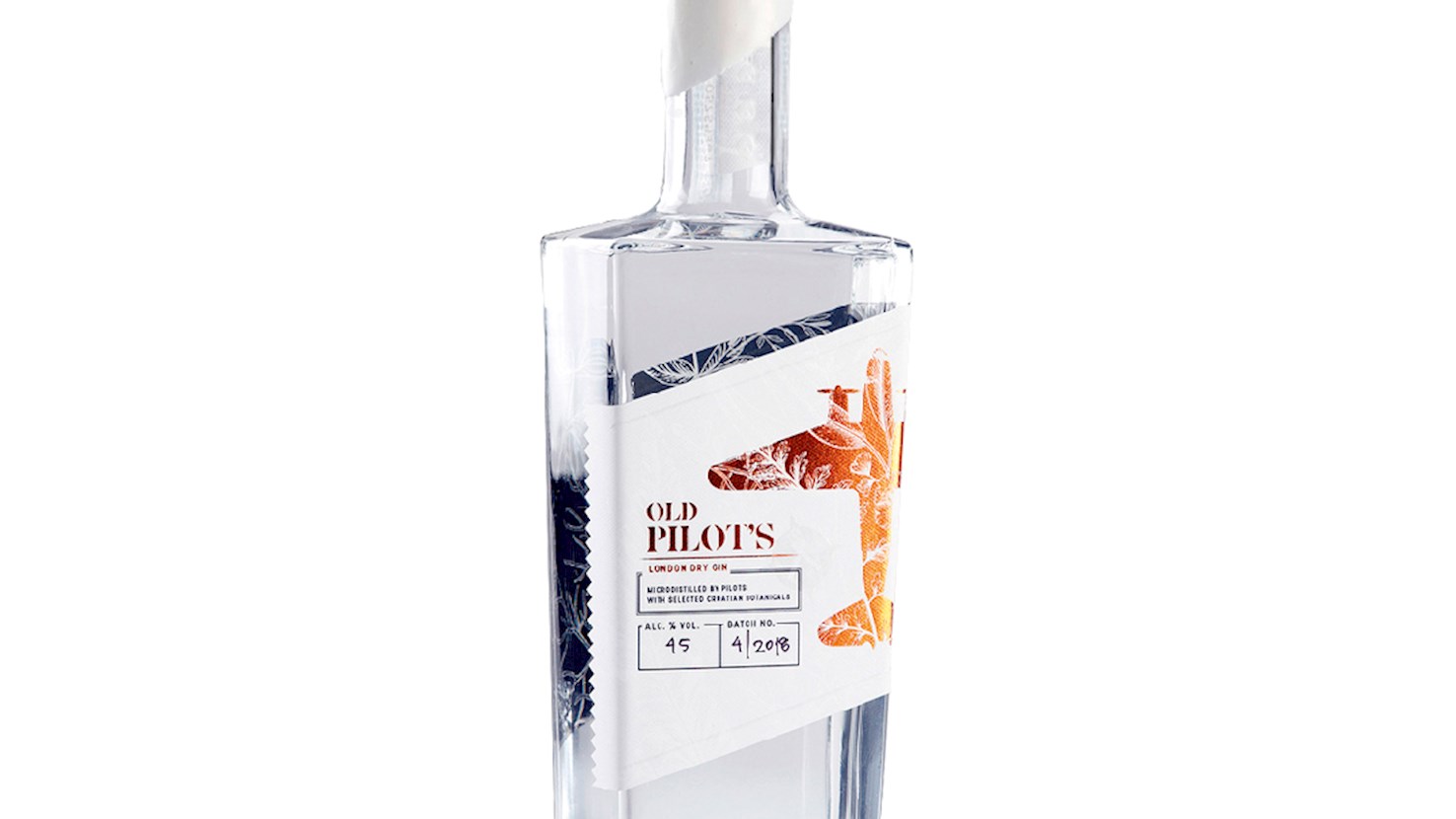
The Spirit in the Bottle is a Croatian distillery dedicated to producing premium quality spirits. Their flagship product, Old Pilot's Gin, is crafted using handpicked, homegrown strawberries at peak ripeness, free from artificial flavors or coloring, and aged in Croatian and American oak barrels. The distillery emphasizes a blend of heritage and innovation, aiming to capture the essence of tradition in each bottle. Additionally, they support noble causes by donating €5 from every bottle sold to the Indigo Animal Protection Association.
Awards
World Gin Awards - Country Winner
(2022)
IWSC- International wine & spirit competition - Spirit Gold
(2019)
Wise Grus is a distinguished distillery located in Daruvar, Croatia, a town historically associated with cranes, symbolizing magic, longevity, and mystery. The name "Wise Grus" reflects this heritage, with "Grus" being the Latin term for crane. The distillery is committed to producing high-quality fruit brandies, emphasizing traditional methods and local ingredients. The production process begins with the careful selection and preparation of fruits, ensuring optimal quality and ripeness. This is followed by controlled fermentation at lower temperatures to enhance fruit aromas, and a sophisticated distillation process utilizing advanced equipment like deflegmators and reinforcing columns. The brandies are then aged to allow essential chemical processes such as oxidation and esterification, resulting in a smoother and more harmonious spirit.
Awards
SFWSC - San Francisco World Spirits Competition - Double Gold
(2023)
ZGrappa festival - The World’s 15 Best Rakijas - Marin Levaj
(2025)
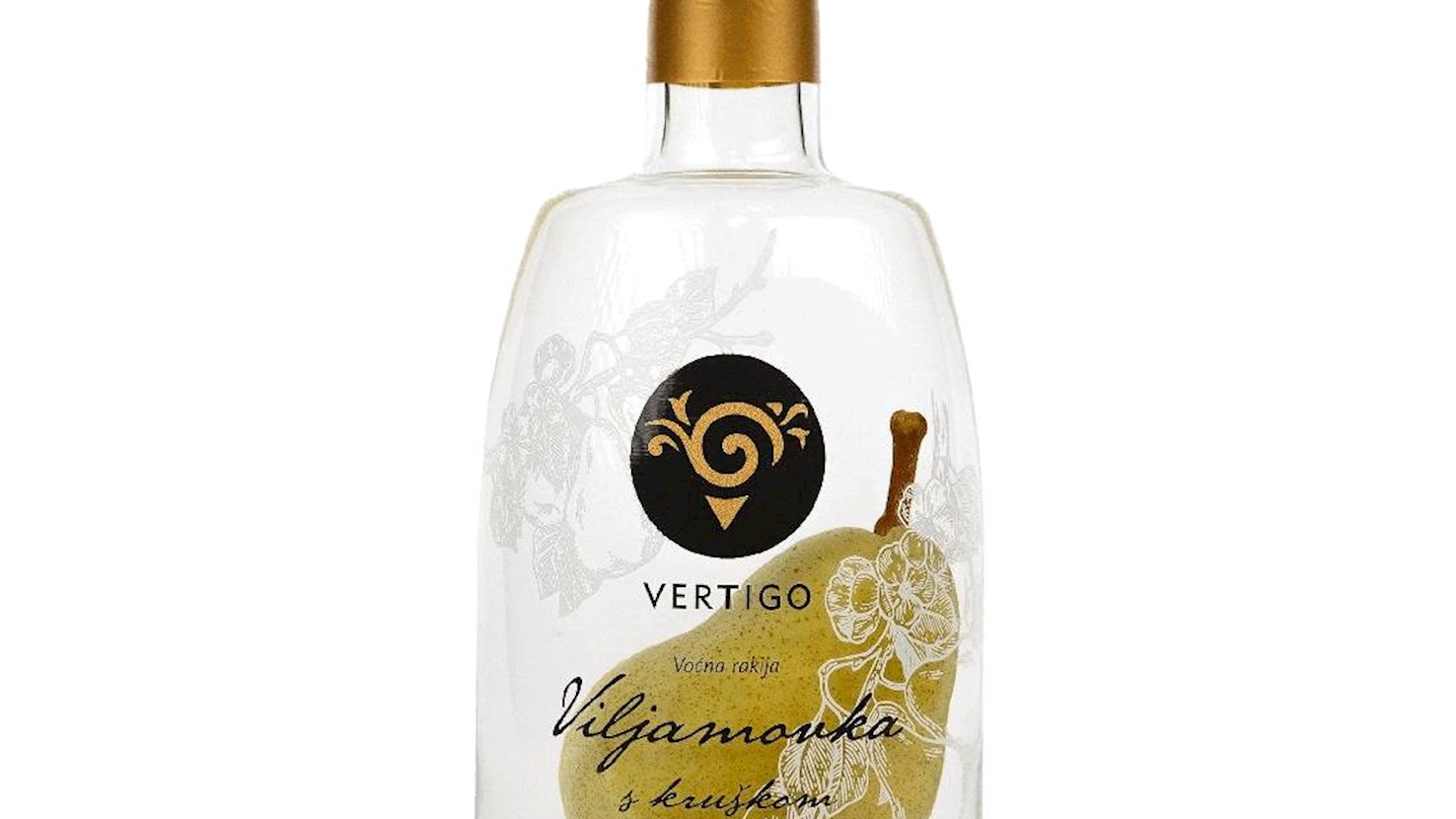
Vertigo is a family-owned distillery dedicated to crafting premium fruit brandies with character, purity, and authenticity. At the heart of their philosophy is a simple principle: no additives, no shortcuts—just fully ripe, hand-selected fruit and traditional craftsmanship. Each brandy is produced in small batches, double-distilled in copper stills, and nurtured with care until it reaches perfection.
Every bottle reflects a blend of expertise, precision, and deep passion for the craft. Vertigo brandies are known for their vibrant fruit aromas, crystal clarity, and smooth, elegant finish. Each bottle contains the essence of up to ten kilograms of fruit—pure concentration of nature and skill.
Production is entirely manual, with attention paid to every detail, ensuring consistency and authenticity. Vertigo doesn’t just make brandy—they create a sensory experience. Their dedication to excellence has been recognized at international competitions, but their greatest reward remains the satisfaction of those who truly appreciate a refined spirit.
Awards
IWSC- International wine & spirit competition - Spirit Gold
(2023)
ZGrappa festival - The World’s 15 Best Rakijas - Marin Levaj
(2025)
Jagunić is a family-owned Croatian winery located in the Plešivica wine region near Jastrebarsko, an area known for its rolling vineyards and favorable conditions for quality wine production. The Jagunić family has been involved in viticulture since the 1920s, and today the winery is managed by the fourth generation of the family. Their vineyards are situated on sun-exposed slopes such as Veliki Dol and Pečnjak, where the combination of continental climate, elevation and soil composition supports the development of balanced and aromatic grapes. The winery cultivates varieties including Chardonnay, Pinot Gris, Riesling, Traminer and Portugizac, reflecting both international and regional grape traditions. Jagunić is also recognized for producing sparkling wines using the traditional method of secondary fermentation in the bottle, a style increasingly associated with the Plešivica region. Grapes are harvested from vineyard plots located close to the winery to ensure quick processing and preservation of freshness and quality. In the cellar, winemaking combines modern techniques with the use of older wooden barrels that contribute subtle complexity while maintaining the character of the fruit. Today Jagunić is part of a group of small family wineries that have helped establish Plešivica as one of Croatia’s notable cool-climate wine regions.
Tomac Winery is a family-owned Croatian winery located in the Plešivica wine region near Jastrebarsko, about 30 kilometers southwest of Zagreb. The Tomac family has been involved in viticulture for more than a century, while bottling wines under their own label began in the late 1980s. The estate cultivates vineyards on the slopes of Plešivica, an area known for its mineral-rich soils and cool continental climate that favors the production of fresh and elegant wines. The winery works with varieties such as Riesling, Chardonnay, Sauvignon Blanc, Pinot Noir and Pinot Gris, alongside local grapes typical for the region. Tomac is particularly recognized for its sparkling wines produced using the traditional method, which have contributed to the reputation of Plešivica as one of Croatia’s leading sparkling wine regions. The winery has also gained attention for fermenting and aging certain wines in traditional clay amphorae (qvevri), inspired by ancient Georgian winemaking techniques. This approach reflects a philosophy of minimal intervention and an emphasis on expressing the natural character of the grapes and the local terroir. Today the winery is run by a new generation of the Tomac family, who continue to combine long-standing family tradition with modern, sustainable vineyard practices.
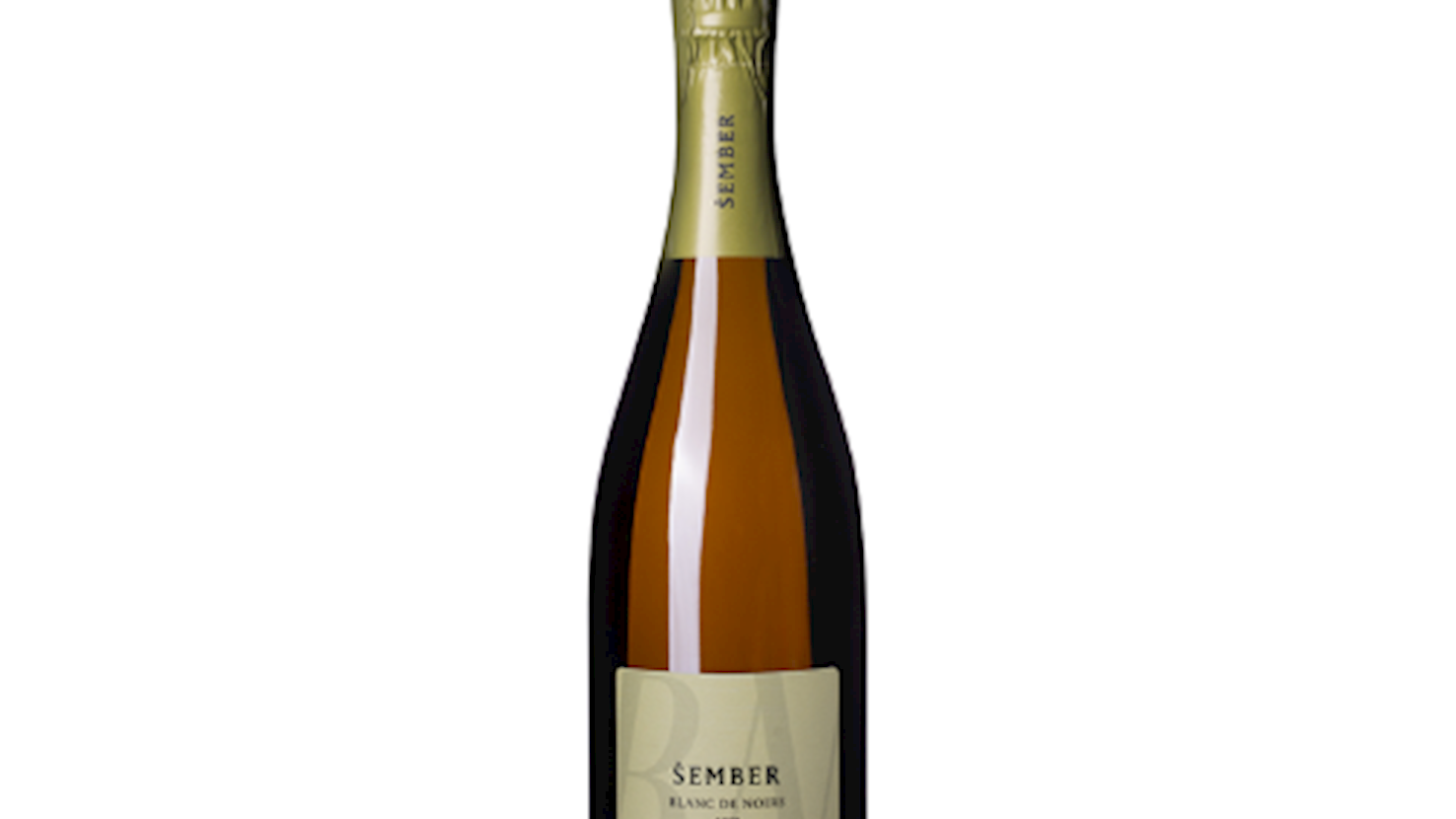
Šember is a family-owned Croatian winery located in the Plešivica wine region near Jastrebarsko, an area known for its cool continental climate and mineral-rich soils. The Šember family has been involved in viticulture for several generations, while the modern winery and bottled production began in 1991. The estate cultivates vineyards on several sites around Plešivica, including positions with southern and southwestern exposure that provide favorable conditions for grape ripening. The winery works with varieties such as Riesling, Chardonnay and Pinot Noir, focusing on wines that reflect the freshness and structure typical of the region. Šember is particularly recognized for its sparkling wines produced using the traditional method of secondary fermentation in the bottle, a style that has helped establish Plešivica as an important sparkling wine region in Croatia. In addition to classic vinification, the winery also experiments with fermentation and aging in clay amphorae, emphasizing a low-intervention approach that highlights the natural expression of the grapes and terroir. Today the winery is led by Zdenko Šember together with members of the family, combining long-standing tradition with modern and sustainable winemaking practices.
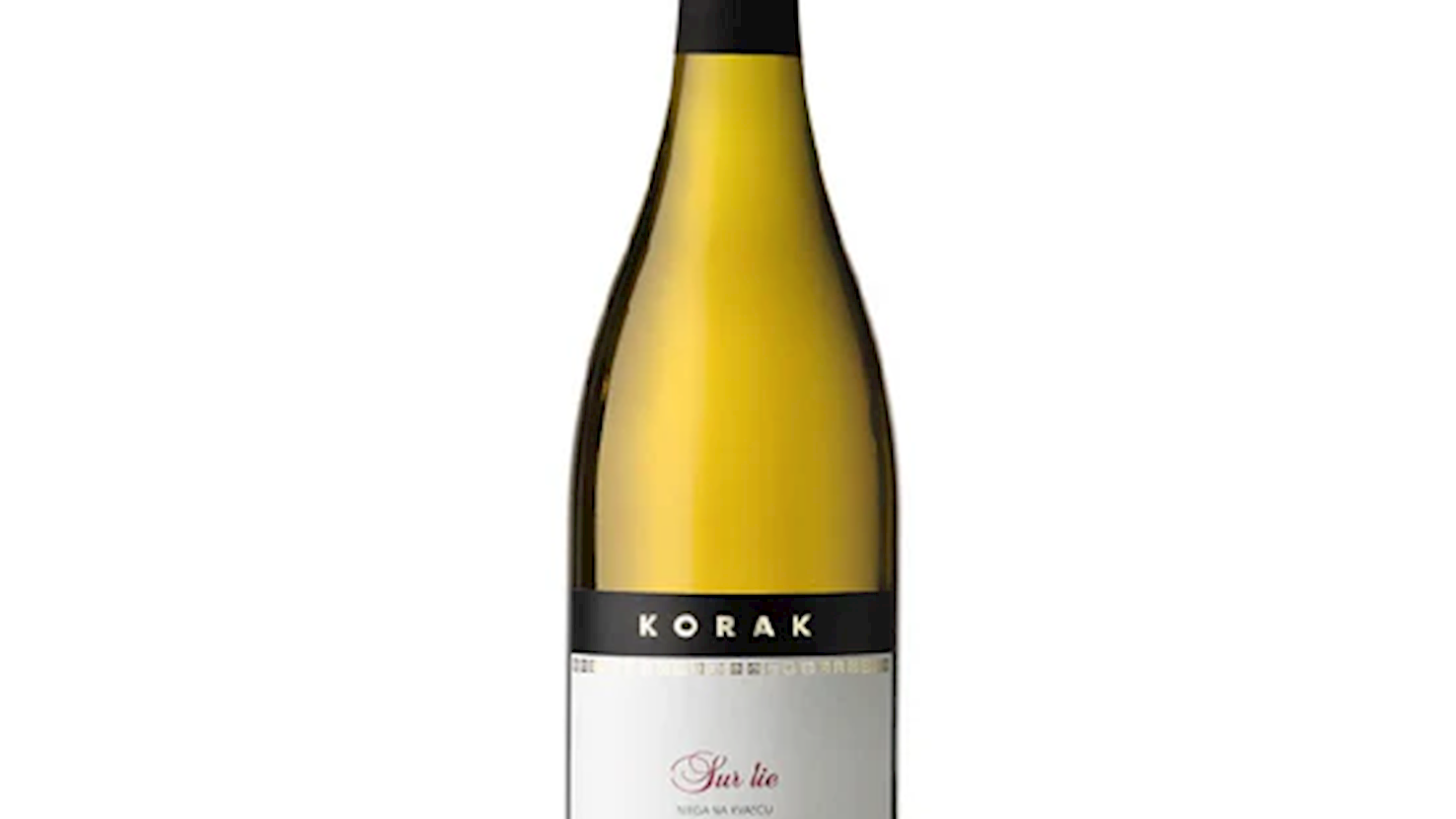
Korak Winery, located in Jastrebarsko within Croatia's Plešivica wine region, is a family-owned estate renowned for its premium wines and exceptional dining experience. The winery cultivates approximately five hectares of vineyards on the southern, southeastern, and southwestern slopes of Plešivica's winegrowing hills, focusing on high-quality, limited-production wines. Korak Winery produces a variety of wines, including Rhine Riesling, Sauvignon, Chardonnay Sur Lie, Pinot Noir, and Syrah. Their vineyards are situated at elevations between 350 and 400 meters above sea level, benefiting from favorable conditions that contribute to the unique character of their wines. In addition to winemaking, the Korak family operates a fine-dining restaurant on the estate, led by chef Bernard Korak. The restaurant has earned significant recognition, including a Michelin Star and a Michelin Green Star for its sustainable approach. These accolades highlight the Korak family's commitment to quality and sustainability in both their winemaking and culinary endeavors.
Podrum Franjo is a small family winery located in the Plešivica wine region near Jastrebarsko in Croatia, an area known for its rolling vineyards and favorable conditions for producing elegant, cool-climate wines. The winery grew out of a long family tradition of viticulture, where vineyard work and winemaking knowledge have been passed down through generations. The vineyards are planted on sun-exposed slopes of Plešivica, where elevation, mineral soils and a continental climate allow grapes to ripen slowly while developing fresh acidity and aromatic complexity. The winery works with varieties typical for the region, including Chardonnay, Riesling and Pinot Noir, which are well suited to the cooler growing conditions. Particular attention is given to the production of sparkling wines made using the traditional method of secondary fermentation in the bottle, a style for which Plešivica has become increasingly recognized. In the cellar, modern winemaking techniques are combined with a careful and restrained approach aimed at preserving the natural character of the grapes. The wines often show freshness, vibrant acidity and subtle mineral notes that reflect the local terroir. Production remains relatively small and focused on quality rather than volume. Through this approach, Podrum Franjo represents part of a new generation of smaller producers contributing to the growing reputation of the Plešivica wine region.
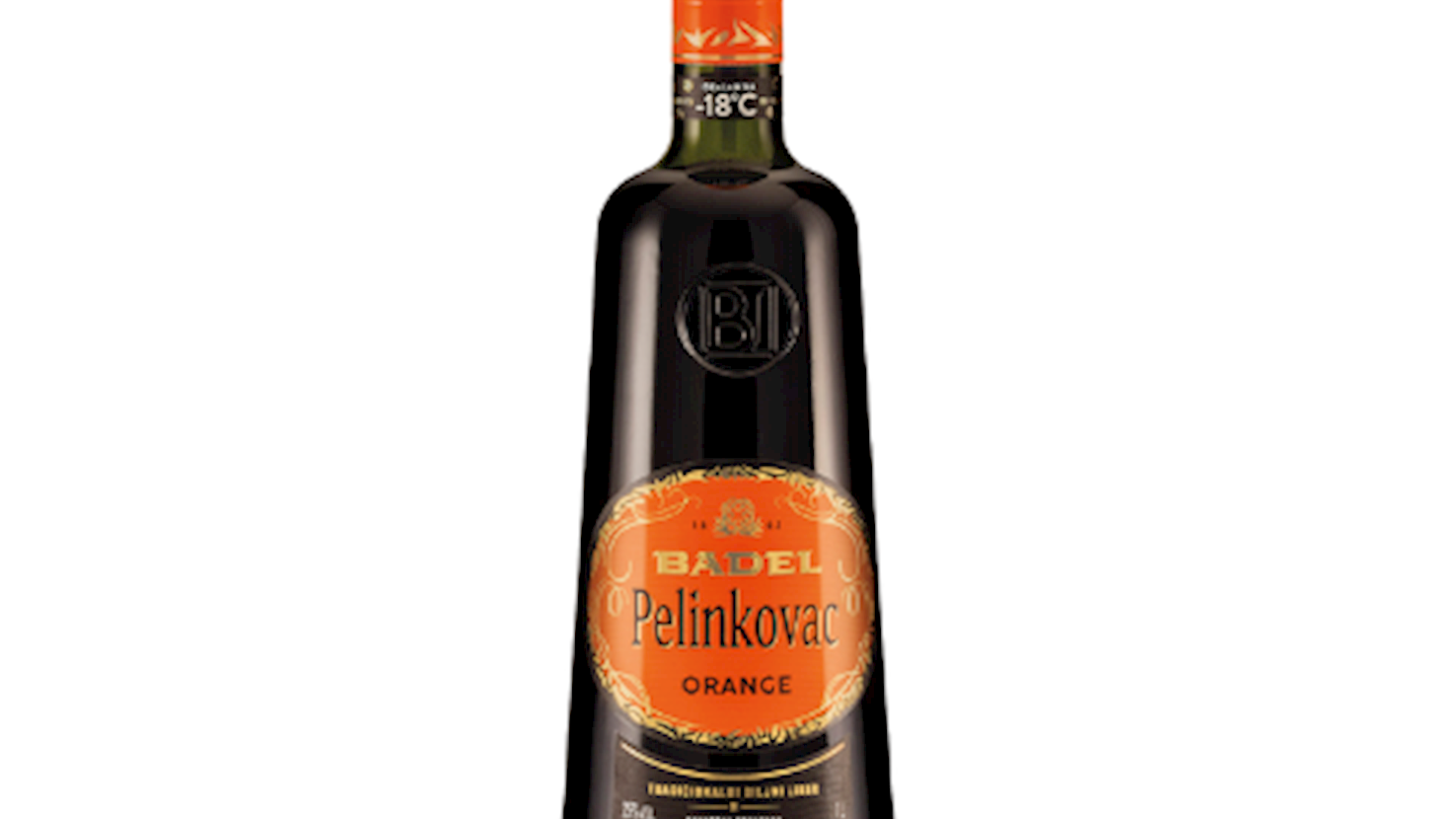
Badel 1862 is one of the oldest and largest Croatian companies specializing in the production of wines and spirits, headquartered in Zagreb, with a continuous tradition dating back to 1862. The company was formed through the development and consolidation of several historic Zagreb distilleries and wine cellars, establishing the industrial foundations of modern beverage production in Croatia. Over more than a century and a half, Badel has built a strong identity grounded in industrial expertise, standardized production processes, and the preservation of classic recipes. Its portfolio covers a broad range of products, including fruit brandies, liqueurs, bitter aperitifs, vodka, gin, cognac-style spirits, wines, and non-alcoholic beverages. Iconic brands such as Badel Pelinkovac, Stara Šljivovica, and Viljamovka hold a prominent position, enjoying strong regional recognition and long-standing market presence. In addition to its own production, the company plays an important role as a distributor of international brands, further strengthening its market position across the region. Operations are organized through a network of affiliated companies in Croatia and neighboring countries, supported by significant export activities. In a contemporary context, Badel 1862 is undergoing a process of modernization and restructuring, with a clear focus on improving quality, refining its portfolio, and enhancing corporate governance. Today, the company represents a balance between industrial heritage, regional identity, and adaptation to modern trends in beverage production.
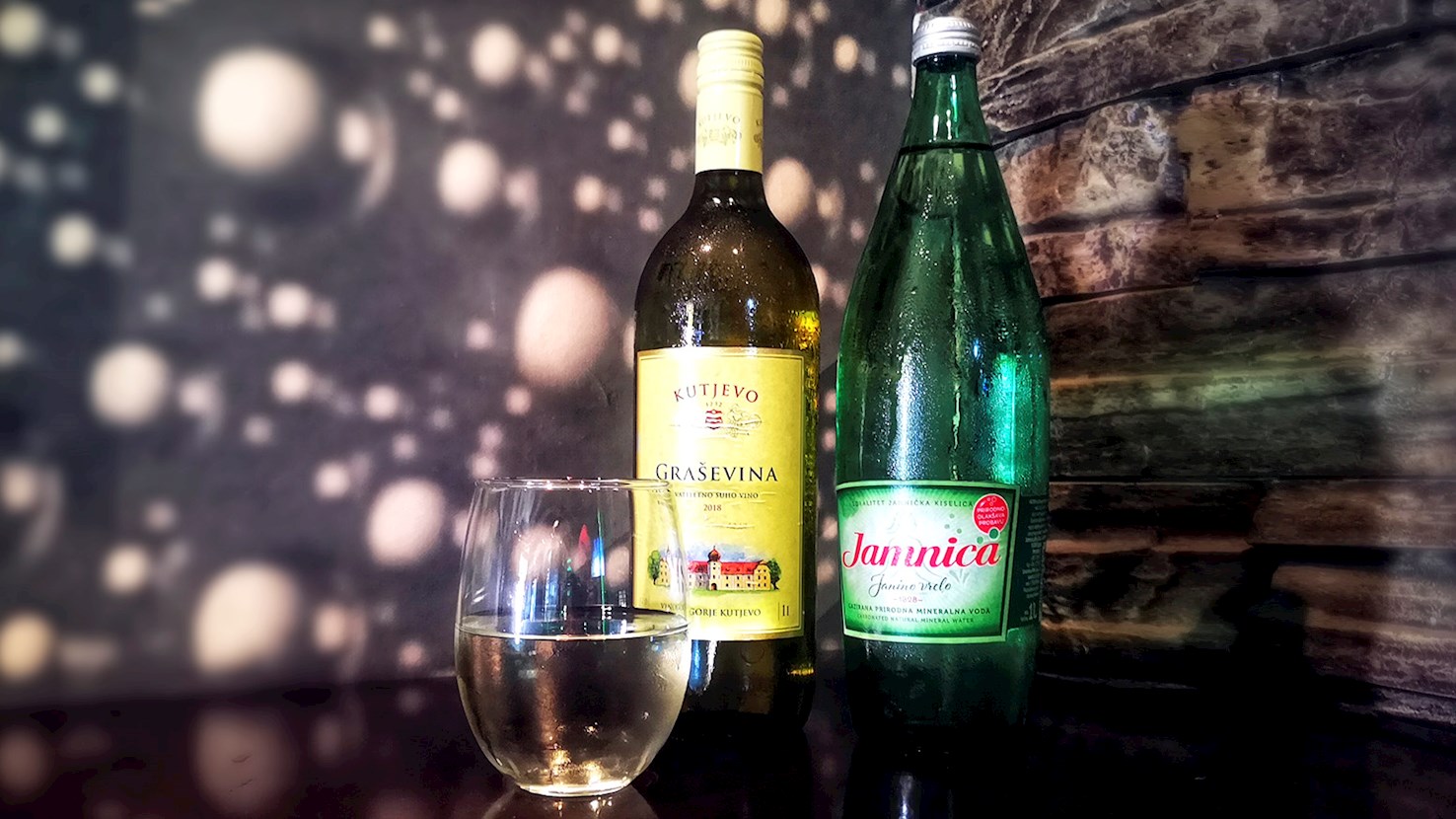
Gemišt is a Croatian cocktail made with a combination of white wine and sparkling mineral water. In order to prepare it, it is enough to simply mix the two well-chilled ingredients together in a glass. It is recommended to use dry white wines with higher acids such as Rajnski Rizling, Graševina, Škrlet, Moslavac, and Kraljevina. The name gemišt is derived from the German word gemischt, which means mixed. It is especially popular in central Croatia during summer, and it has been found out that continental Croatians enjoyed gemišt as early as the 19th century. There is also a similar drink that is traditionally prepared in the Croatian south, where red wine is mixed with still water, creating bevanda in the process.
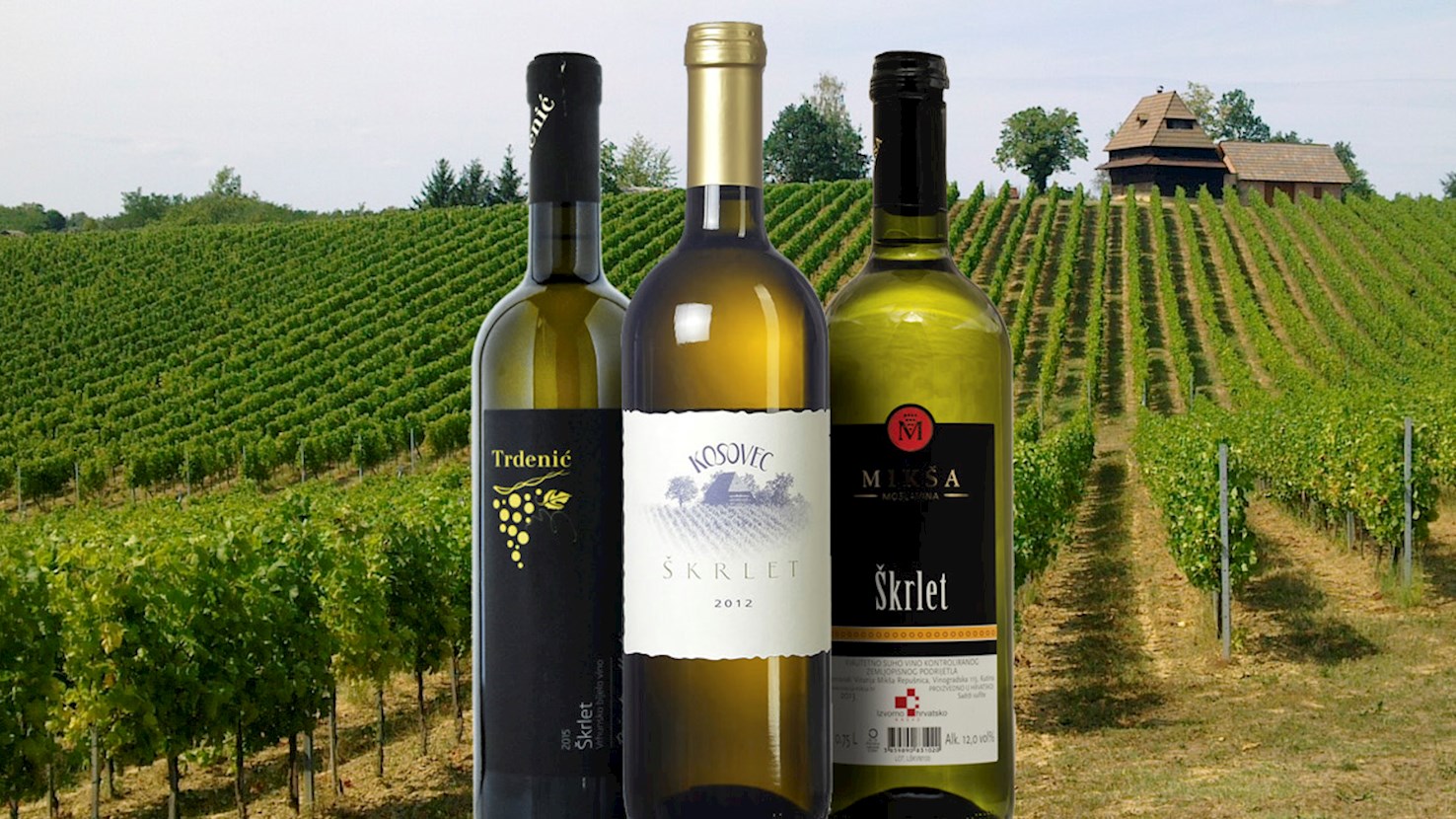
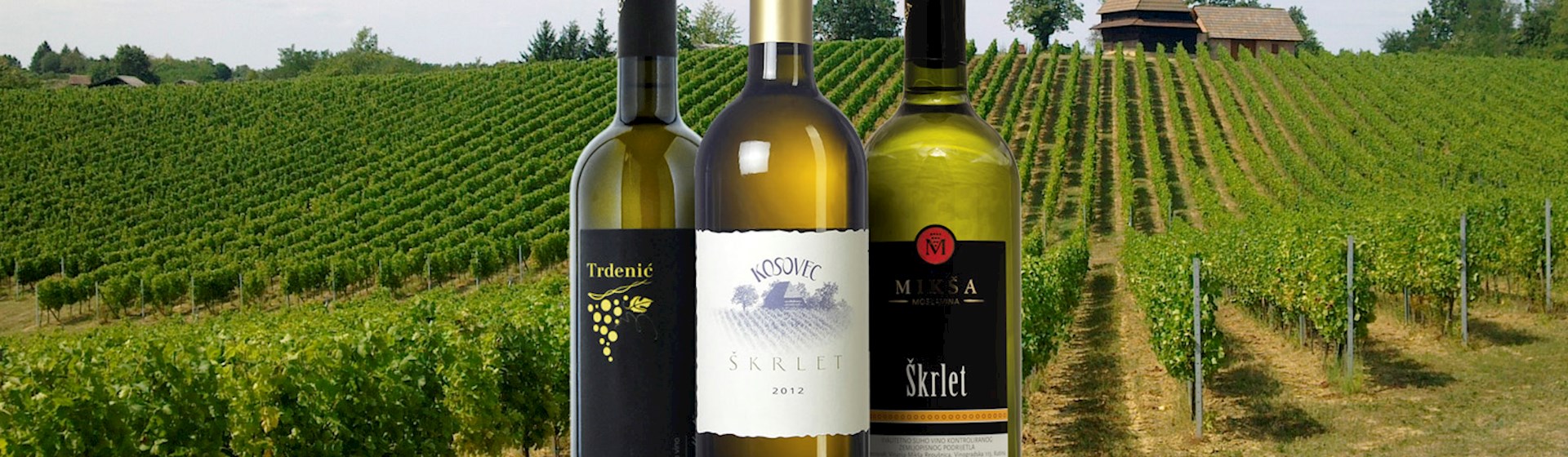
Škrlet is regarded as an indigenous Croatian white grape. Although its origin is still unknown, this late-ripening grape was first mentioned in writing in 1856. It is primarily grown in Pokuplje and Moslavina and gives best results on southern slopes that receive enough sunshine throughout the year. Škrlet is commonly made into fresh and crisp young wine, characterized by its light yellow color with typical green hues. It usually displays floral and fruity notes of green apples, pears, and yellow plums, which complement its bright acidity. The wine pairs well with light dishes such as freshwater fish, pasta, or poultry-based main courses. Interestingly, the name of the grape stems from the German word scharlach (scarlet fever), due to the typical red dots that occasionally appear on the vine.
Gvirc is a traditional drink from the northwestern part of Croatia, especially popular in Samobor and the surrounding area. The name derives from the German word "gewürz," meaning spice, due to the fact that gvirc is, in fact, spiced mead. The key ingredients are quality water and chestnut honey. A bit of hops is added, serving as a preservative and imparting a distinct flavor. After fermenting for several months in barrels, the mixture is filtered and colored with caramelized sugar to achieve its signature yellow hue, and various spices are infused into gvirc for added aroma. It was produced by beekeepers and traditionally sold at pilgrimages and fairs. Gvirc is still available at events showcasing traditional crafts and is increasingly enjoyed as a dessert drink. Typically, it contains around 15% alcohol and is best served chilled with ice, though a non-alcoholic version also exists.
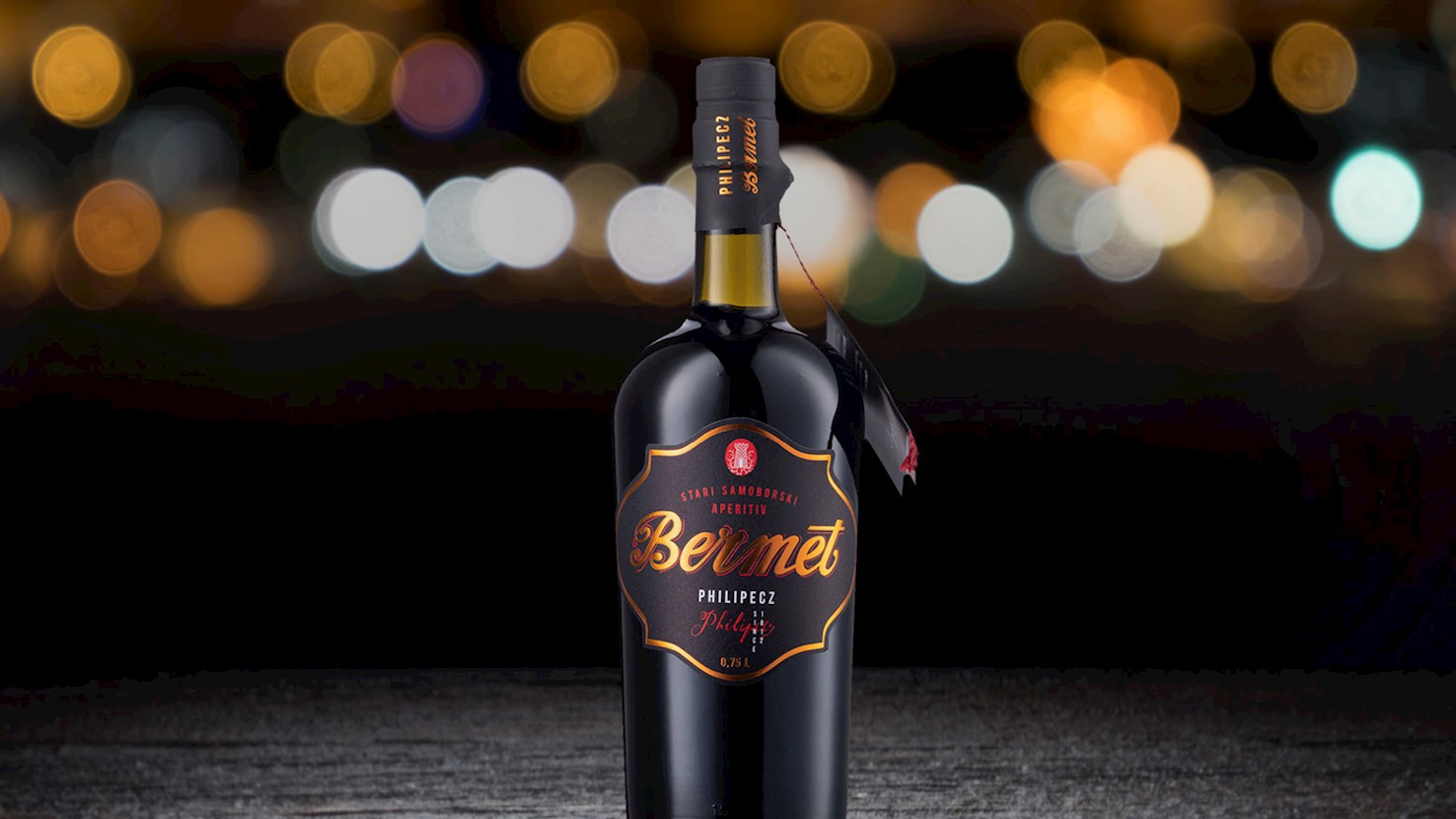
Bermet is a type of aromatized wine that hails from Samobor. The base is made with crushed grapes, while the additional components vary, but the most common choices include figs, carob, oranges, lemons, and wormwood (Artemisia absinthium). The ingredients are left to ferment and are then topped with red wine, sugar, vanilla, cloves, and nutmeg. The drink is then filtered and barrel-aged for a minimum of three months. Bermet results in a dense, ruby red drink with an intensive herbal aroma and a bitter-sweet flavor dominated by fruity, herbal, and spicy notes. The oldest written recipe for bermet in Samobor dates from the mid-18th century. It was initially prepared as a health remedy, but it was also a fashionable drink often enjoyed by the nobility and the bourgeoise. Bermet should always be well chilled, and it can be served neat or on the rocks.
Plešivica is a continental wine-growing district located approximately 30 kilometers southwest of Zagreb, situated on the southern slopes of the Žumberak mountain range. It is part of the Croatian Uplands (Bregovita Hrvatska) wine region and is characterized by its dramatic topography, where vineyards are planted in steep, semicircular geological formations known as amphitheaters. These vineyards reach altitudes of up to 450 meters, benefiting from a microclimate with 1,900 annual sunshine hours and significant protection from northern winds. The geological foundation of the area consists primarily of calcareous and limestone-rich soils, which share chemical similarities with the Champagne region of France. Cultivation in this area has been documented since 1370, though archaeological evidence suggests viticultural activity by Illyrian and Thracian tribes prior to Roman influence. Preparation of Plešivica wine is focused on high-acidity styles, with a primary concentration on sparkling wine produced via the méthode champenoise (bottle fermentation). The base wines for these sparkling iterations typically consist of Chardonnay, Pinot Noir, and local varieties like Šipelj and Žuti Plavac. Another significant production method utilized in the district is the use of Georgian clay amphorae (Qvevri) for the fermentation of amber or orange wines. In this process, white grapes such as Riesling or Traminac undergo extended skin maceration underground, resulting in wines with high tannin structures and complex oxidative profiles. For serving, sparkling wines from the region are chilled to 6°C or 8°C, while the macerated amber wines are served at 12°C to 14°C in wider glasses to permit the release of secondary aromatic compounds. The wine is consumed as a central element of the regional culinary scene, often served in dedicated tasting rooms or rural estates known as izletišta. It is paired with heavy continental dishes such as copanjak (a savory thin cake with greens and cheese) and patka s mlincima (roast duck with dried flatbread pasta), where the wine's characteristic high acidity cuts through the fat of the poultry. Sparkling wines are served as aperitifs alongside fresh cow's cheese and cream, while the robust orange wines are paired with game meats or aged hard cheeses.
TasteAtlas food rankings are based on the ratings of the TasteAtlas audience, with a series of mechanisms that recognize real users and that ignore bot,
nationalist or local patriotic ratings, and give additional value to the ratings of users that the system recognizes as knowledgeable.
For the “Top 10 Central Croatian Alcoholic Beverages” list until June 15, 2026, 63 ratings were recorded, of which 37 were recognized by the system as legitimate.
TasteAtlas Rankings should not be seen as the final global conclusion about food. Their purpose is to promote excellent local foods,
instill pride in traditional dishes, and arouse curiosity about dishes you haven’t tried.
The initial list of top producers was compiled based on available reviews, awards, local recommendations, media and blog coverage, and consumer reviews.
The list will be updated with ratings from TasteAtlas local ambassadors and TasteAtlas users.