Top 90 Chilean Alcoholic Beverages

Last updated on June 24, 2026

Best Chilean Alcoholic Beverage Types
01

Cola de Mono

4.3 ·

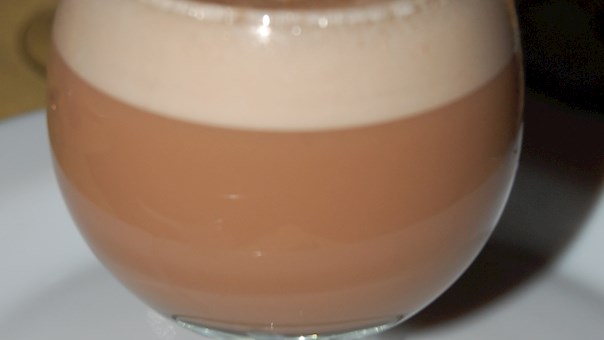
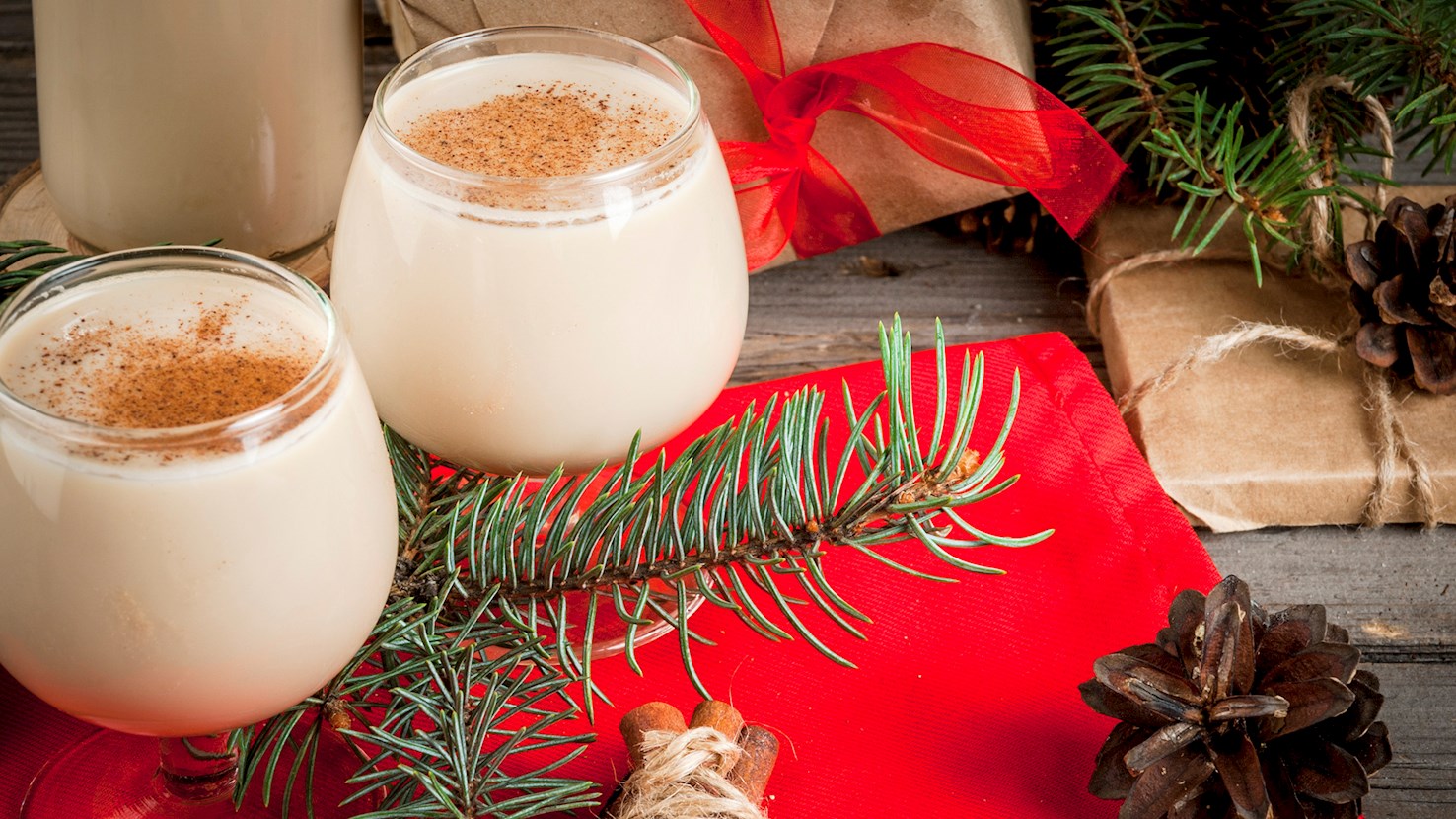
It is not Christmas in Chile without a glass of Cola de Mono (lit. Monkey’s Tail). There are numerous versions of this beverage, but it typically consists of milk, sugar, coffee, cloves, cinnamon, and aguardiente – distilled spirits containing between 29% and 60% alcohol by volume. Brandy or rum are among the most common types of alcohol used in Cola de Mono. All ingredients are first boiled, cooled, then combined with aguardiente. The drink can be served hot or cold, and it is traditionally paired with a slice of pan de pascua, a traditional Christmas bread.

02

Carménère (Chile)

4.2 ·

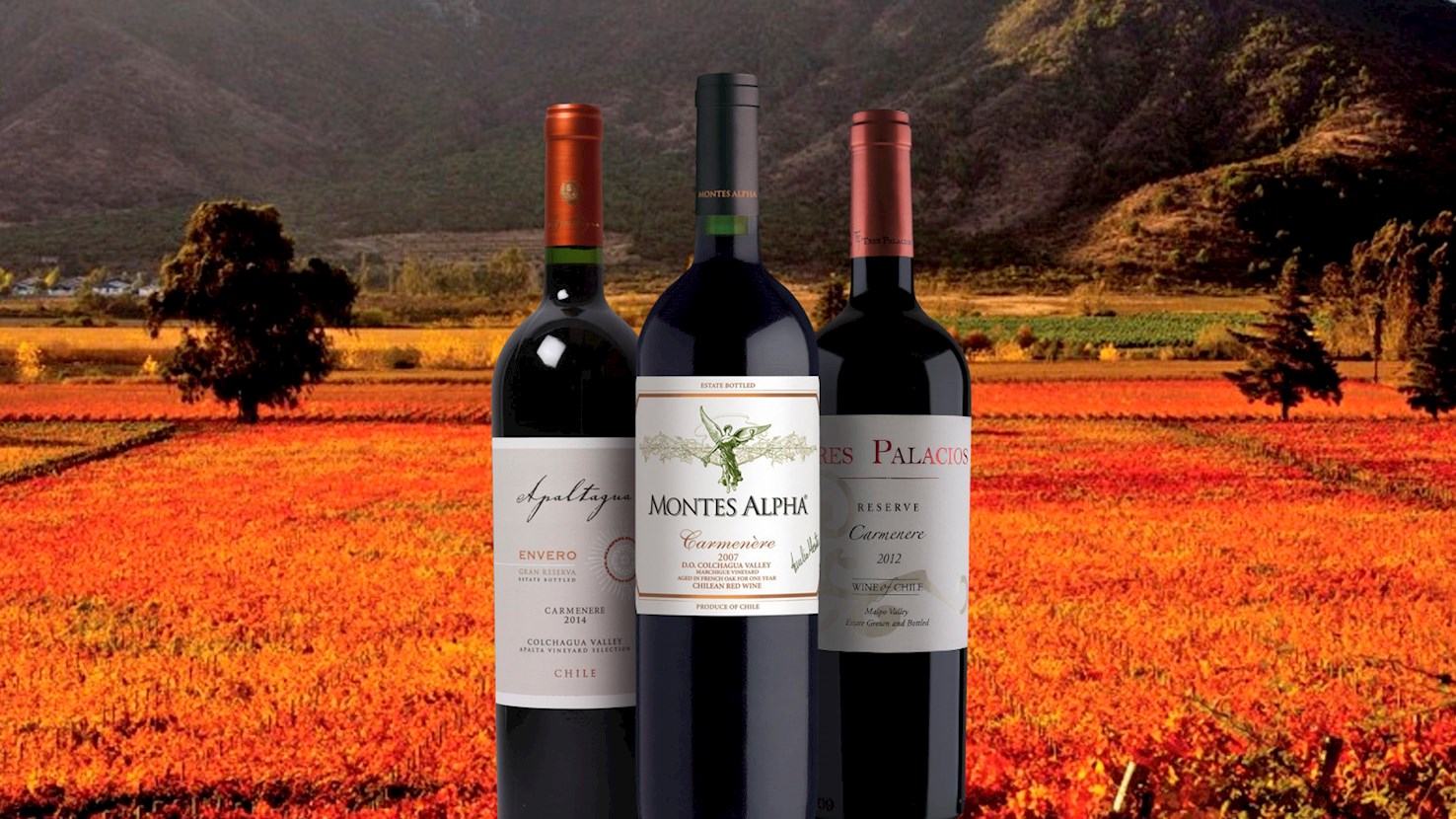
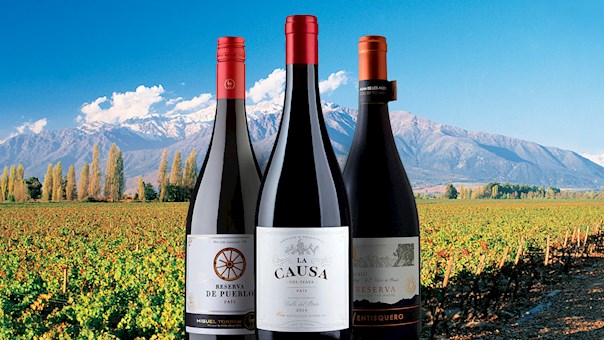
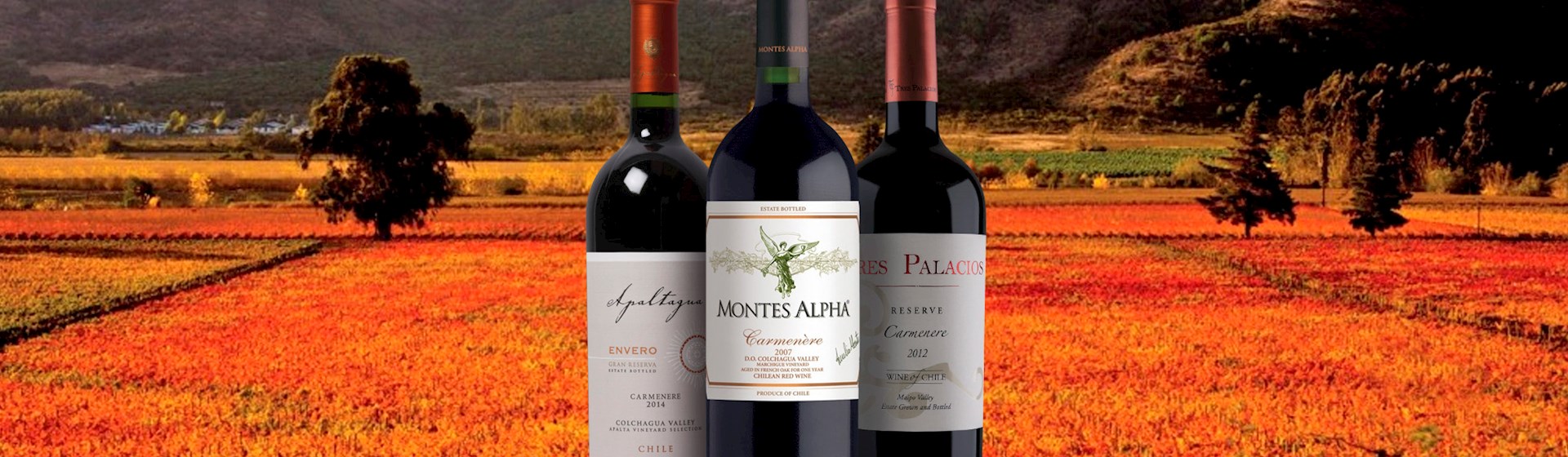
Although Carménère originated in Bordeaux, it has virtually disappeared from its native region, and though small amounts of Carménère are planted in Italy, Argentina, and California, the grape found its true home in Chile where the majority of it is planted today. Long considered extinct and mistaken for Merlot, this dark-skinned grape is used in blends, but it performs best as a single varietal wine. The best expressions of Chilean Carménère will display aromas and flavors of juicy red fruit that may be accompanied by herbal, spicy, and black fruit nuances. This medium-bodied wine is incredibly food-friendly, and it pairs exceptionally well with grilled or roasted meat such as lamb, game, or veal. It can also be an excellent match to spicy dishes and grilled vegetables.

03

Melón con Vino

4.2 ·

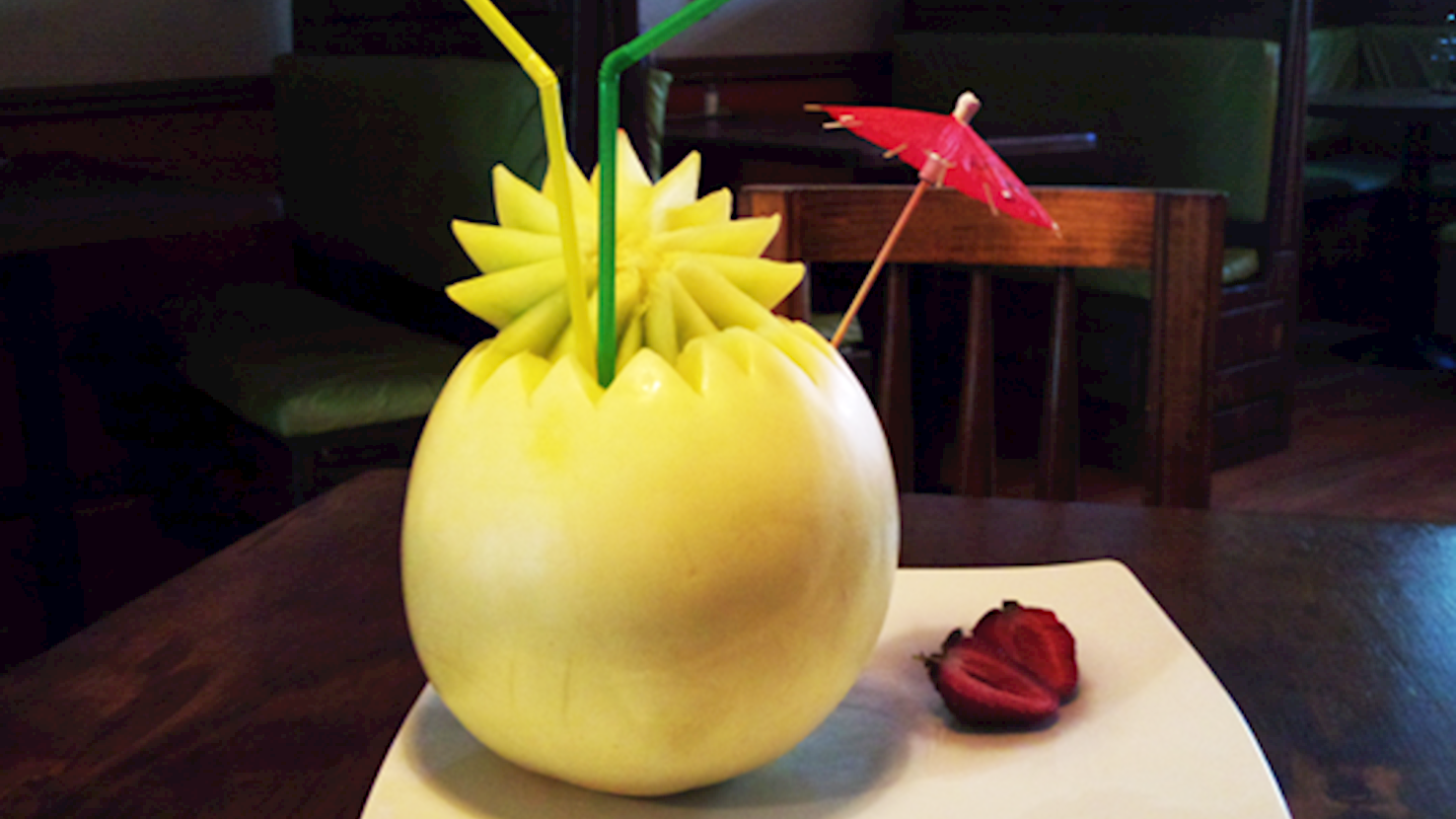
Melón con Vino is a Chilean drink consisting of a hollowed-out honeydew melon that is filled with chilled white wine and powdered sugar. This sticky and sweet concoction is especially popular during summer, and it is typically shared among friends at barbecues, celebrations, and picnics. Melón con Vino is such a staple of Chilean culture and gastronomy that it even has its own day – January 15th, when the drink is celebrated annually, and people are encouraged to spend time with their loved ones while drinking this light and refreshing alcoholic beverage.

04

Piscola

3.9 ·

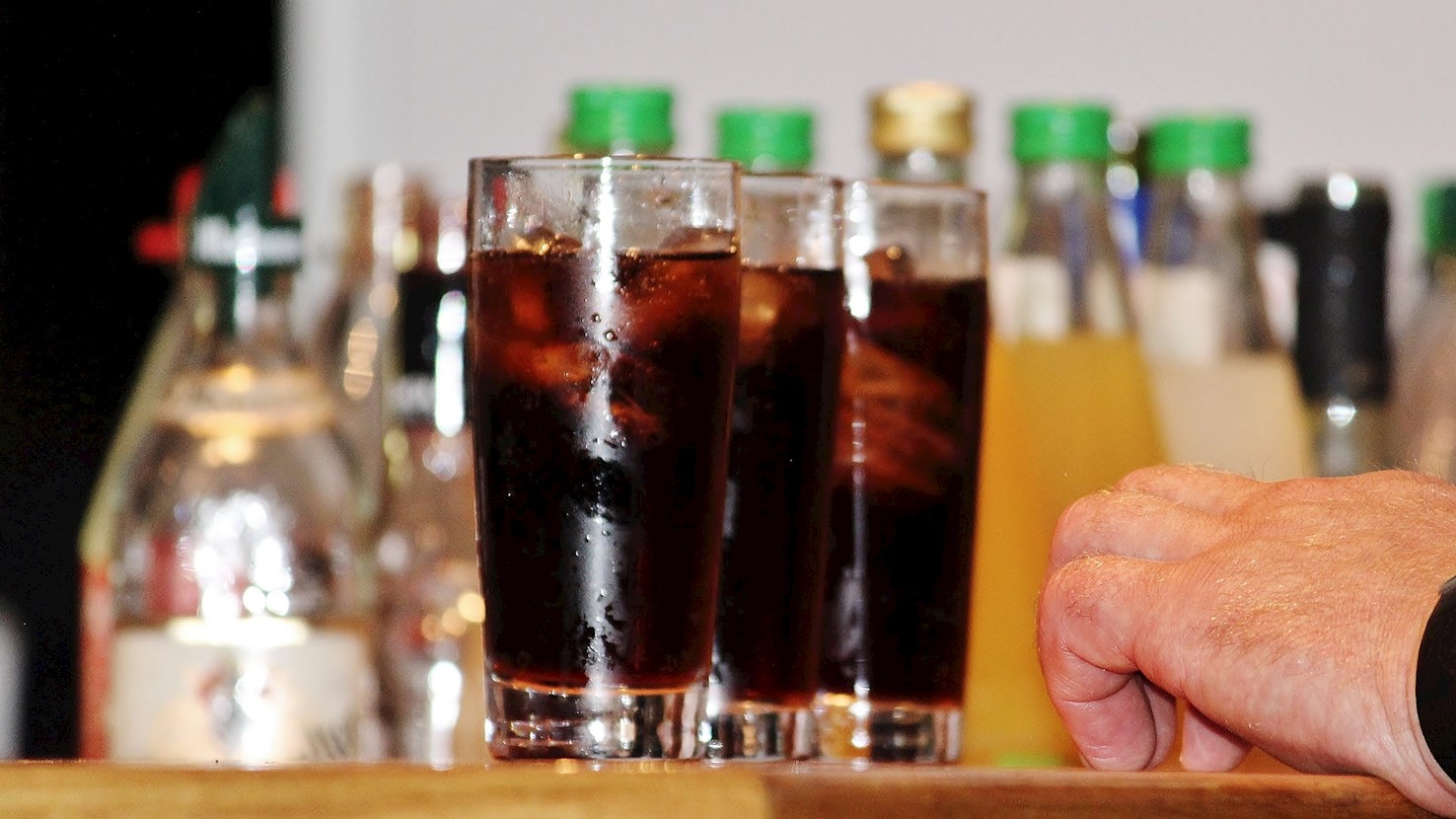
Piscola is a popular Chilean cocktail made with a combination of Pisco brandy and a soft drink. The soft drinks that are typically used in Piscola include cola, tonic, Sprite, or ginger ale. To prepare the cocktail, a highball glass is first filled with ice, followed by Pisco and a soft drink of choice. The ratio of ingredients may vary from 1:1 to 1:3. Piscola is often garnished with lemon or lime slices. Besides being a staple at barbecues, the drink is so popular in Chile that there is even an annual celebration in February, called Day of the Piscola.

05

Terremoto

3.7 ·

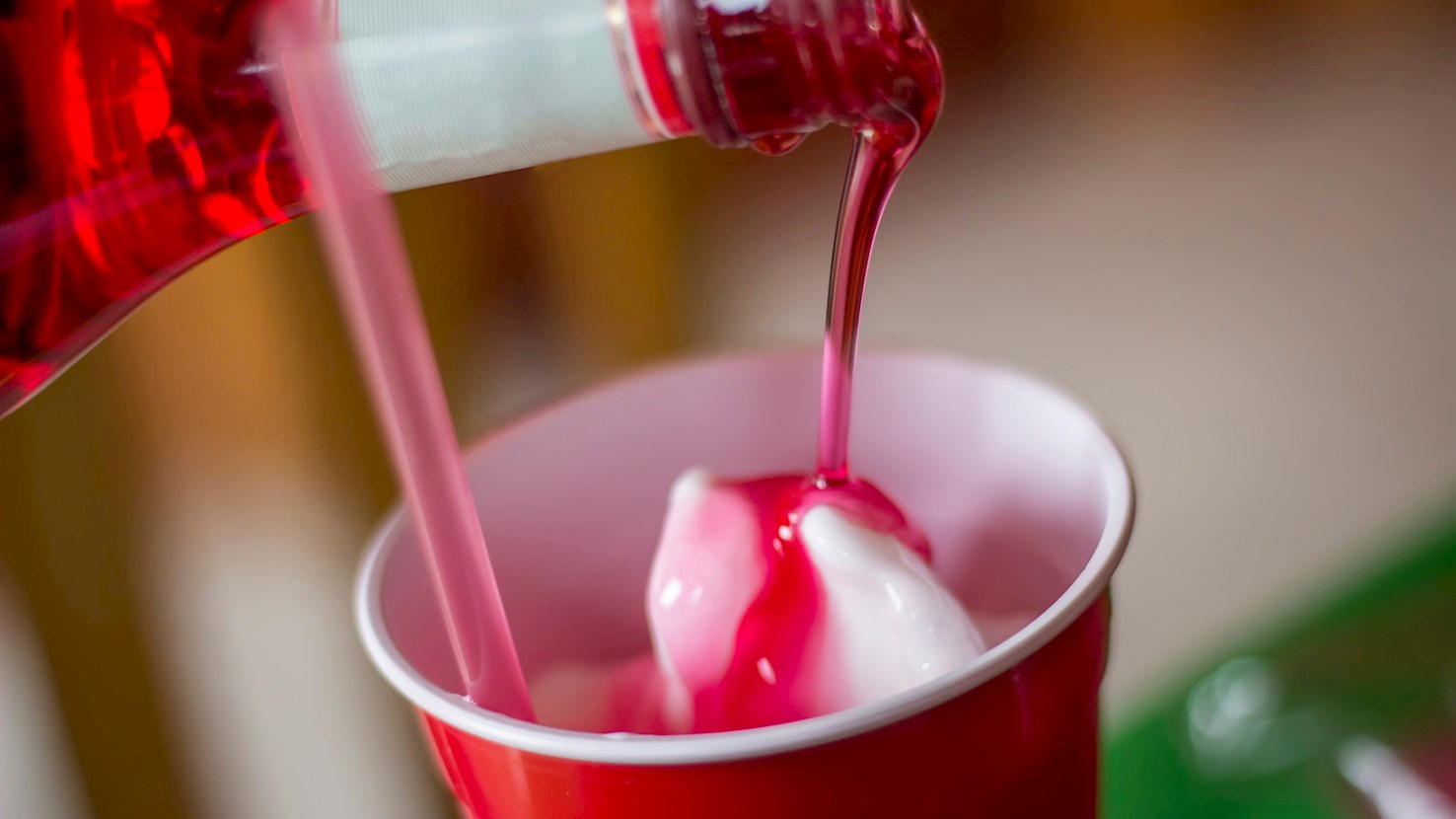
Terremoto is a Chilean cocktail made with a combination of local red wine (Pipeño), pineapple ice-cream, grenadine syrup, and (optionally) Fernet-Branc or Pisco. The drink is served in a 1-liter glass. The ice cream is added first, followed by a shot of grenadine, Pipeño, and a splash of Fernet-Branc or Pisco on top. Terremoto is traditionally served with a long straw that is used for lightly stirring the cocktail. It is believed that Terremoto was invented in 1985 in El Hoyo bar in Santiago. This cocktail is especially popular during the fiestas patrias in Chile. Drink it too quickly, and it will leave you shaking, hence the cocktail's name which translates to earthquake.

06

Pisco (Chile)

3.7 ·

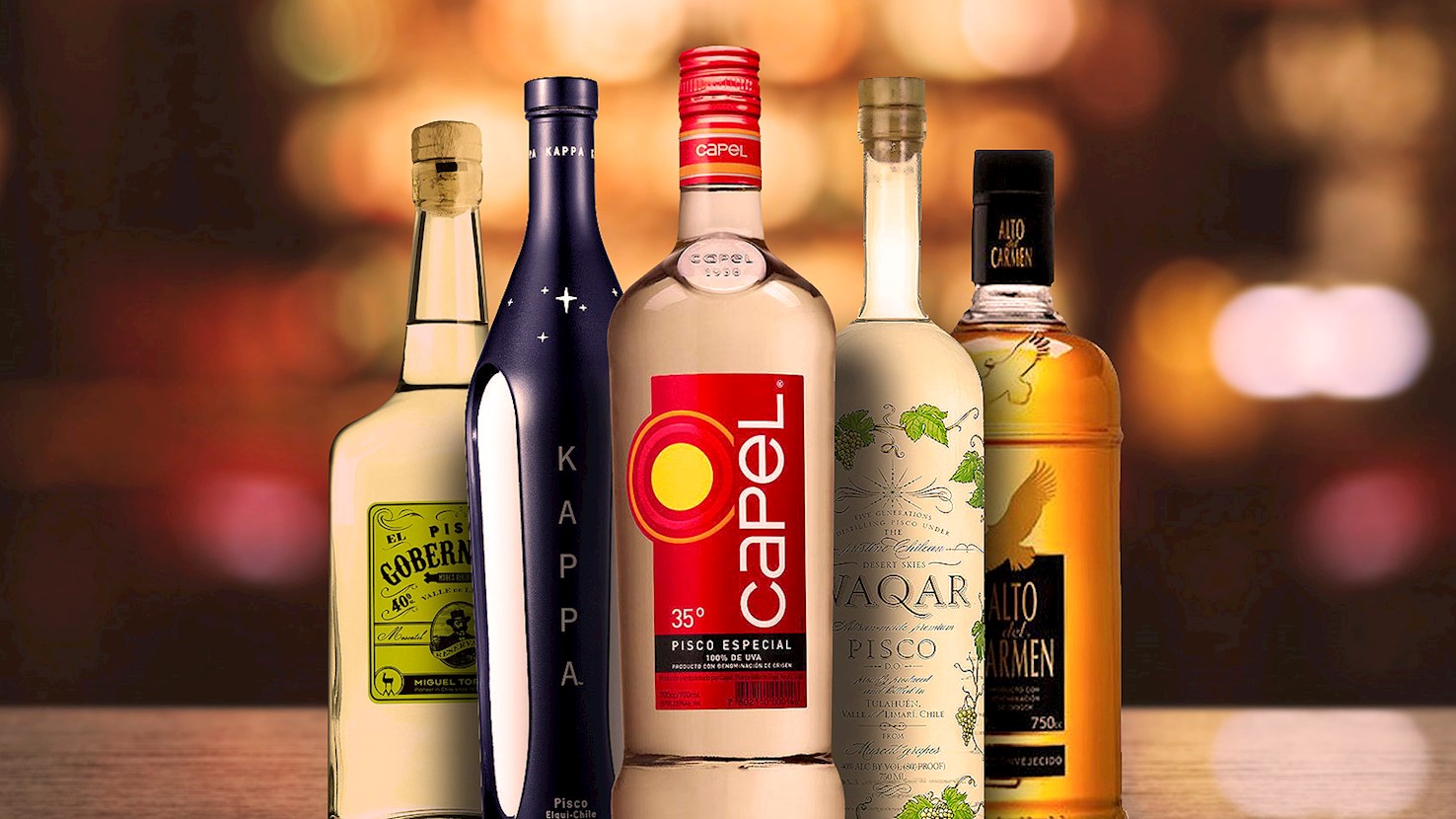
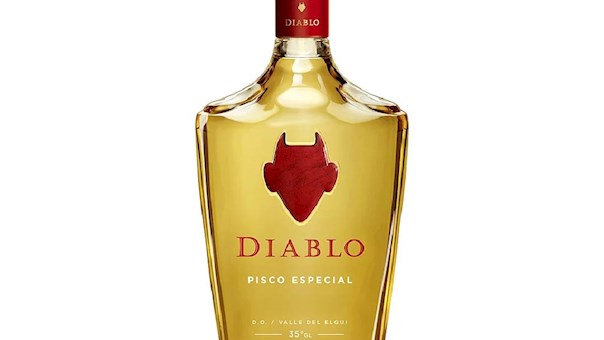
Pisco is a drink that is distilled from fermented grape must and juices. It is considered a national drink in both Peru and Chile, but the style and the character of pisco can differ based on the location where it was created. Chilean pisco is predominantly made from Muscat, and it can be distilled more than once, while oak-aging is also permitted. Depending on the production method and the choice of grapes, its color and flavor profile can significantly vary. Pisco can be enjoyed neat, preferably as a digestif, but it is usually used in cocktails and mixed drinks, such as the classic Pisco Sour, Pisco Punch, or Piscola.

07

Serena Libre

3.7 ·

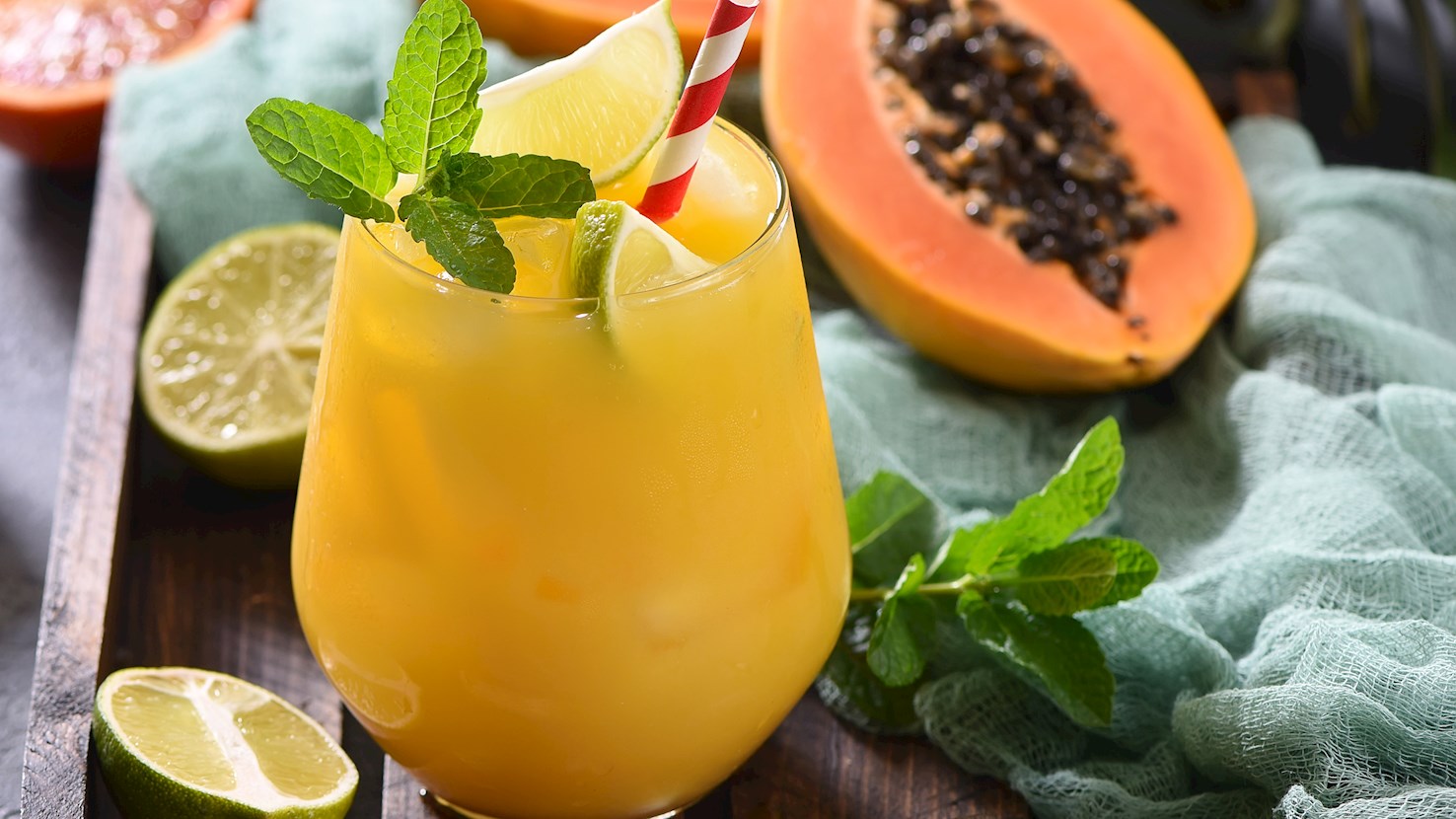
Serena Libre is a Chilean cocktail made with a combination of pisco, papaya juice, and powdered sugar. In order to prepare it, all ingredients should be shaken with ice, then strained into a well-chilled cocktail glass. The cocktail was invented in the 1990s in La Serena, hence the name.

08

Navegado

3.7 ·

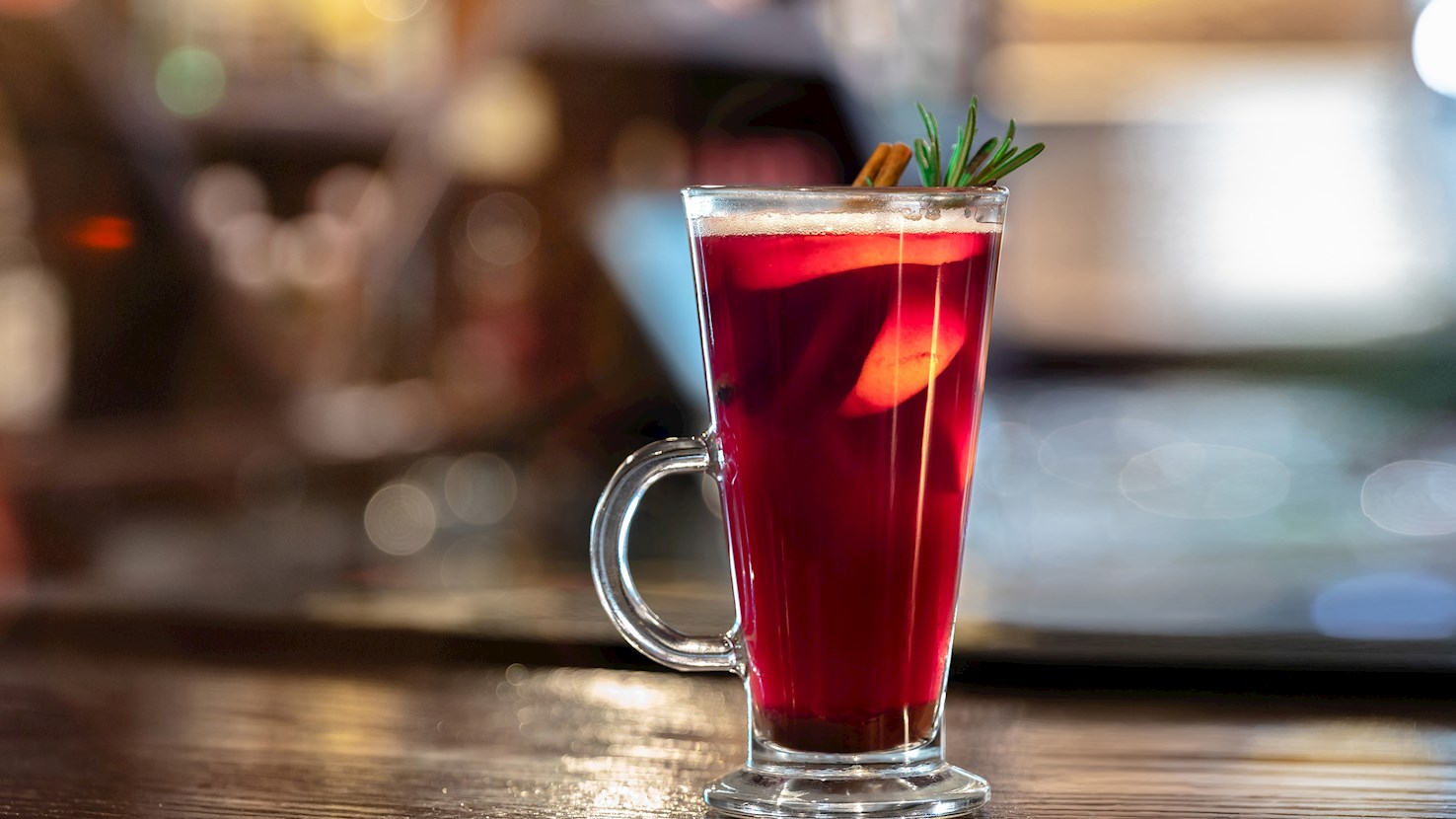
Navegado is a Chilean mixed drink that is especially popular in winter. Although there are numerous recipes for Navegado, it is typically made with a combination of red wine, sugar, orange juice, and warming spices such as cinnamon and cloves. The ingredients are simmered together, and the beverage is then served hot in teacups or mugs garnished with orange slices. It is said that Navegado tastes the best when made at home with local wines from the area. The name of this mixed drink can be translated as sailed wine, referring to the floating slices of orange which look like ships sailing on the sea.

09

Ponche a la Romana

3.6 ·

Chileans traditionally usher in the New Year with a glass of this decadent and sweet mixed drink known as Ponche a la Romana. It is prepared with a combination of sparkling wine and pineapple-flavored ice cream. In order to prepare it, a wide, stemmed glass is filled halfway with sparkling wine, then topped with a ball of pineapple ice cream. The top of the ice cream is typically garnished with pieces of candied pineapple before the drink is served. If desired, Ponche a la Romana can also be served with a few dashes of bitters.

10

Borgoña

3.5 ·

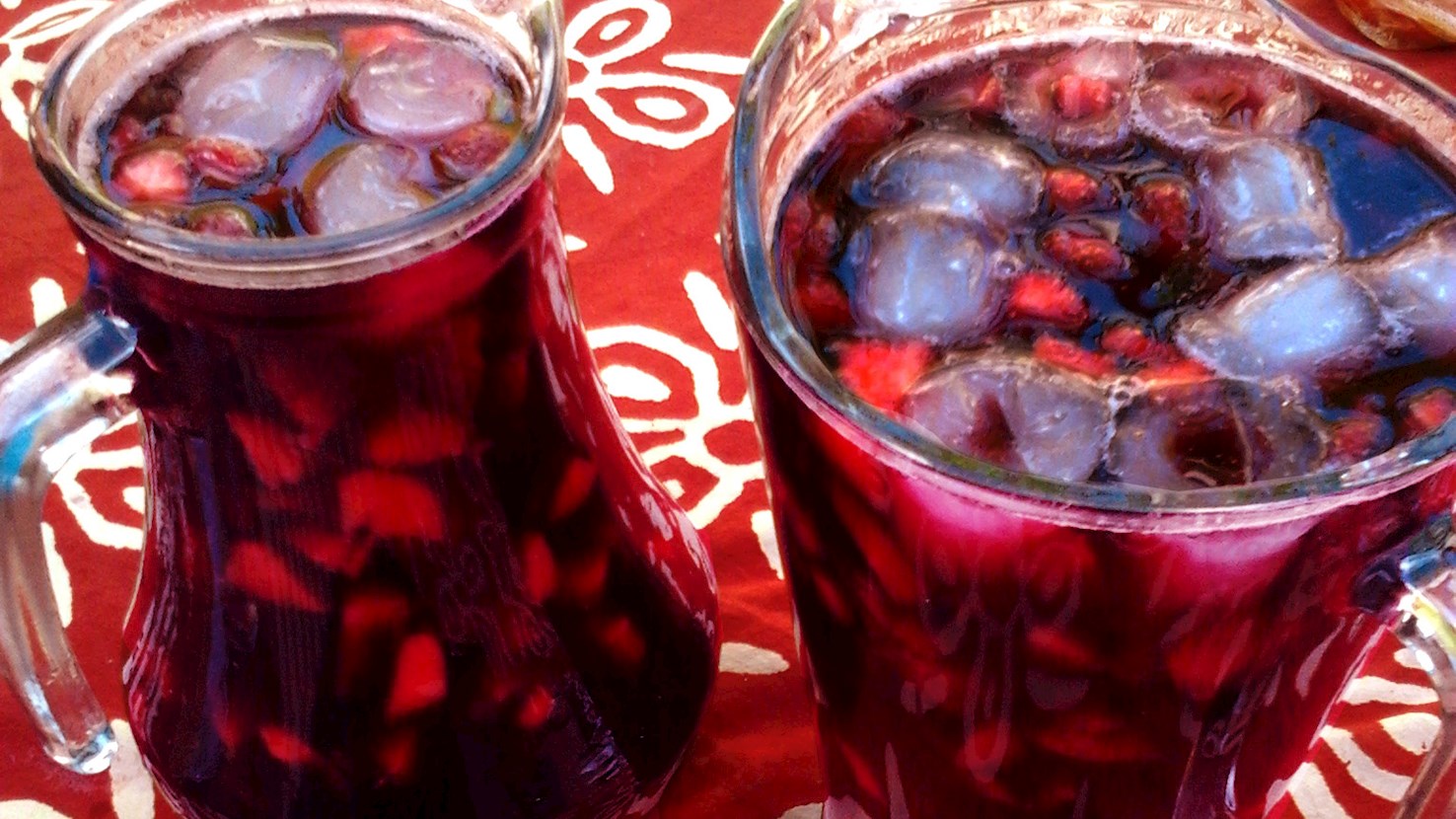
Borgoña is a simple Chilean cocktail that combines red wine and fresh strawberries. The drink is assembled by chopping strawberries, mixing them with sugar, and then adding the combination to red wine. This cocktail is a staple on Fiestas Patrias—September festivities that mark the beginning of the Chilean independence process. The name Borgoña translates as Burgundy, and the name is a reference to the abandoned practice of naming most French wines as Burgundy or Bordeaux. This cocktail is traditionally made in a pitcher, and it should always be served over ice.

Best Chilean Alcoholic Beverages
01

Viña Don Melchor

5 ·
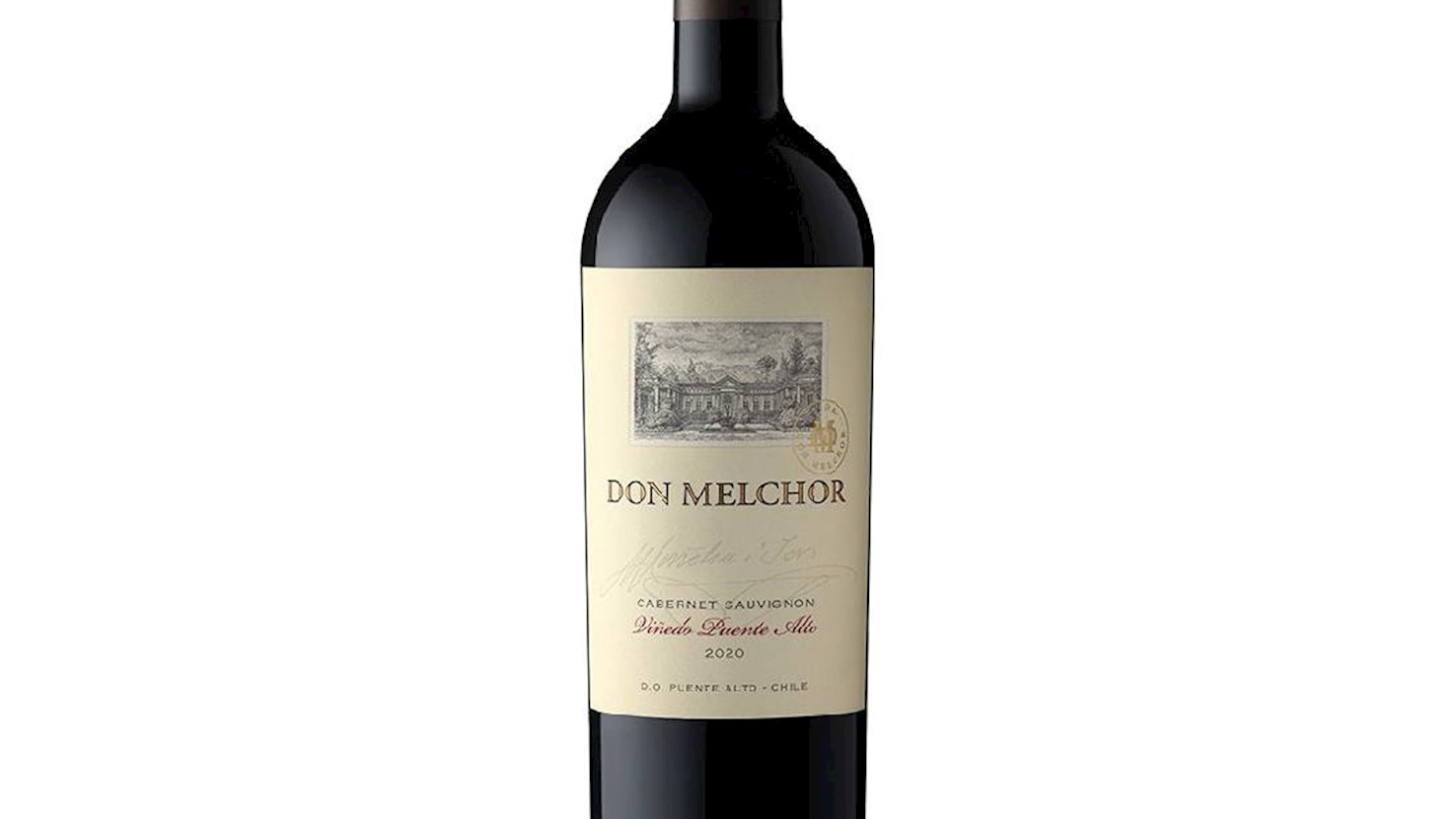
Viña Don Melchor is a specialized Chilean winery dedicated to the production of one of Latin America’s most prestigious Cabernet Sauvignon wines, located in the Puente Alto subregion of the Maipo Valley. Originally established as a premium project of Concha y Toro, it now operates as a distinct winery focused exclusively on the development and refinement of Don Melchor. The vineyards are situated at the foothills of the Andes on alluvial soils composed of gravel, sand, and clay, providing excellent drainage and contributing to the wine’s structure and concentration. A climate defined by warm days and cool nights allows for slow ripening and the preservation of natural acidity. Winemaking is based on detailed vineyard parceling, with each micro-parcel vinified separately to achieve complexity and precision in the final blend. The focus is on Cabernet Sauvignon, complemented by small proportions of other Bordeaux varieties depending on the vintage. The wines are characterized by depth, structure, and balance, with aromas of dark fruit, spice, and subtle oak influence from aging in French barrels. Viña Don Melchor is widely regarded as a benchmark producer in Chile’s premium wine segment, consistently receiving high international ratings and demonstrating the full potential of the Puente Alto terroir.
Awards
James Suckling - 99 points (2024)
Vivino - 4.6
02

Clos Apalta

5 ·
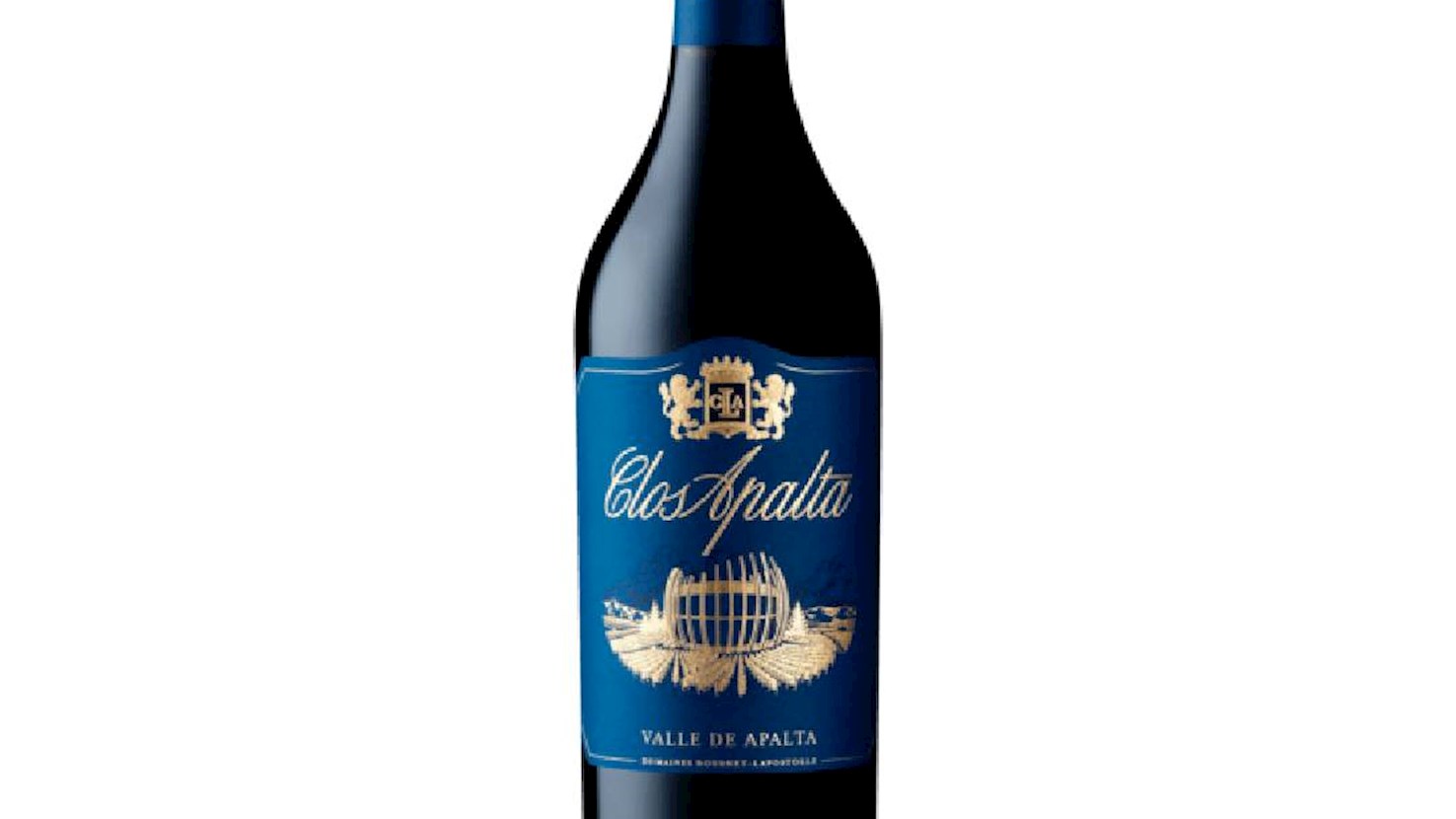
Clos Apalta is a prestigious Chilean winery that seamlessly blends French winemaking heritage with the unique terroir of the Apalta Valley. Surrounded by century-old vineyards planted between 1915 and 1920, the estate cultivates vines of French origin that thrive thanks to a distinctive microclimate and a rare southeast-facing slope, which lends the grapes remarkable freshness and aromatic depth. The diverse soils – ranging from rich granite layers to clay-granitic subsoils – contribute to the wine’s complexity and elegance. Under the stewardship of the Marnier Lapostolle family and guided by renowned oenologists, Clos Apalta crafts wines of powerful character, perfect balance, and exceptional ageing potential.
Awards
Vivino - 4.6
Vivino - 4.3
03

VCT

5 ·
Awards
ISC-International Spirits Challenge - Double Gold (2023)
04

VIK

5 ·
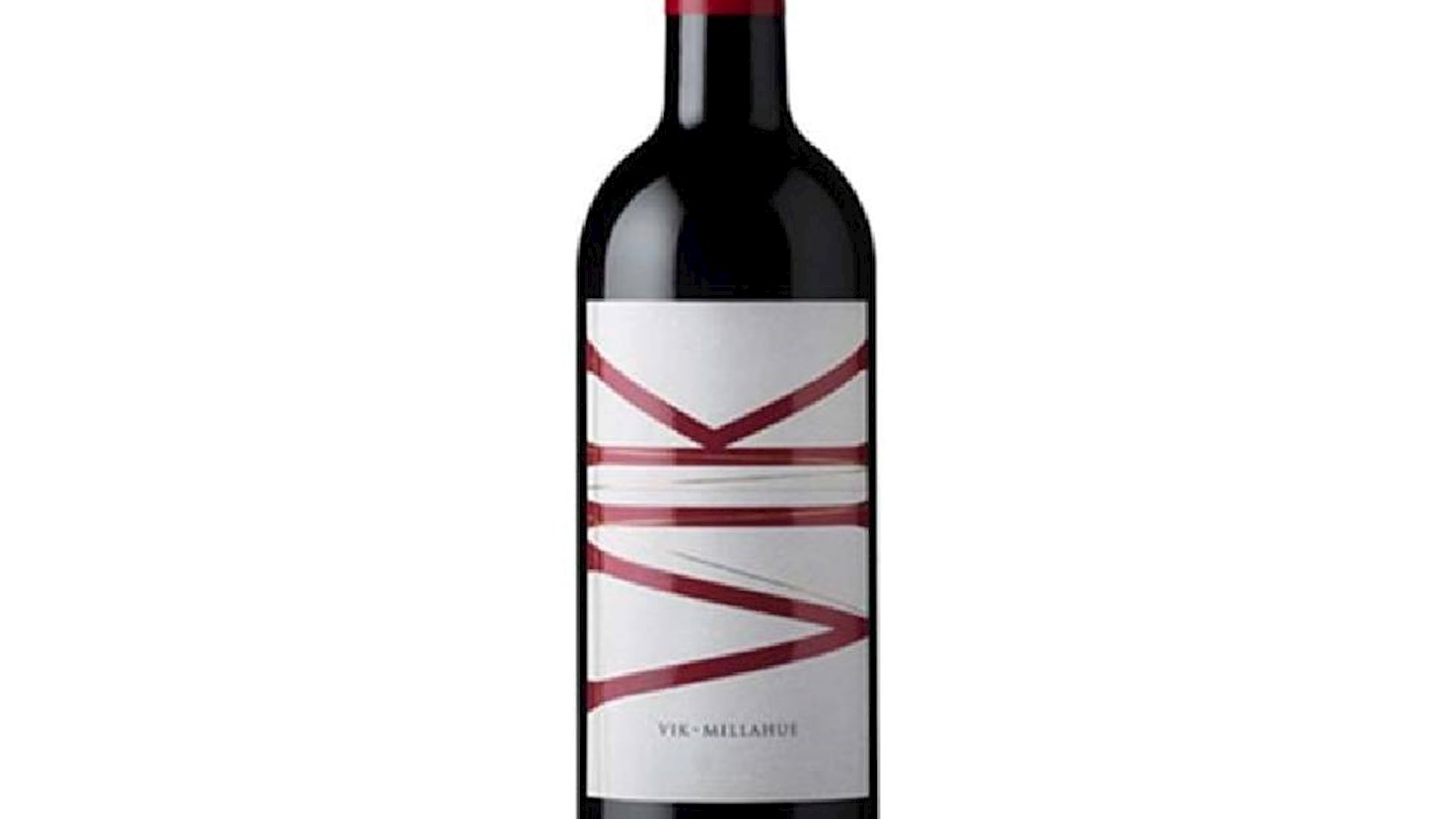
VIK is an ultra-premium Chilean winery located in the Millahue Valley within the Cachapoal Valley, a region whose name means “Place of Gold” in the Mapuche language and reflects its exceptional natural potential. The project was founded with a holistic philosophy that integrates terroir research, precision viticulture, and advanced winemaking in order to produce wines of balance, elegance, and long-term aging potential. VIK works primarily with international varieties such as Cabernet Sauvignon, Cabernet Franc, Carmenère, Merlot, and Syrah, crafting both single-estate and blended wines that clearly express the valley’s diverse microclimates. The portfolio includes flagship labels such as VIK, La Piu Belle, and Milla Cala, all recognized for their structure, complexity, and refinement. Sustainability is central to the estate’s approach, with careful land management and minimal intervention in both vineyard and cellar. Beyond wine production, VIK is also conceived as a complete wine destination, combining contemporary architecture, gastronomy, and immersive visitor experiences. The winery has gained strong international recognition and is consistently ranked among the world’s leading wine estates for both quality and innovation.
Awards
James Suckling - 100 points (2024)
Decanter World Wine Awards - Platinum (2020)
05

Almaviva

5 ·
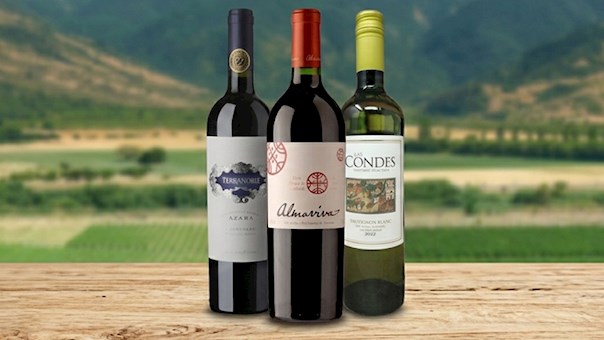
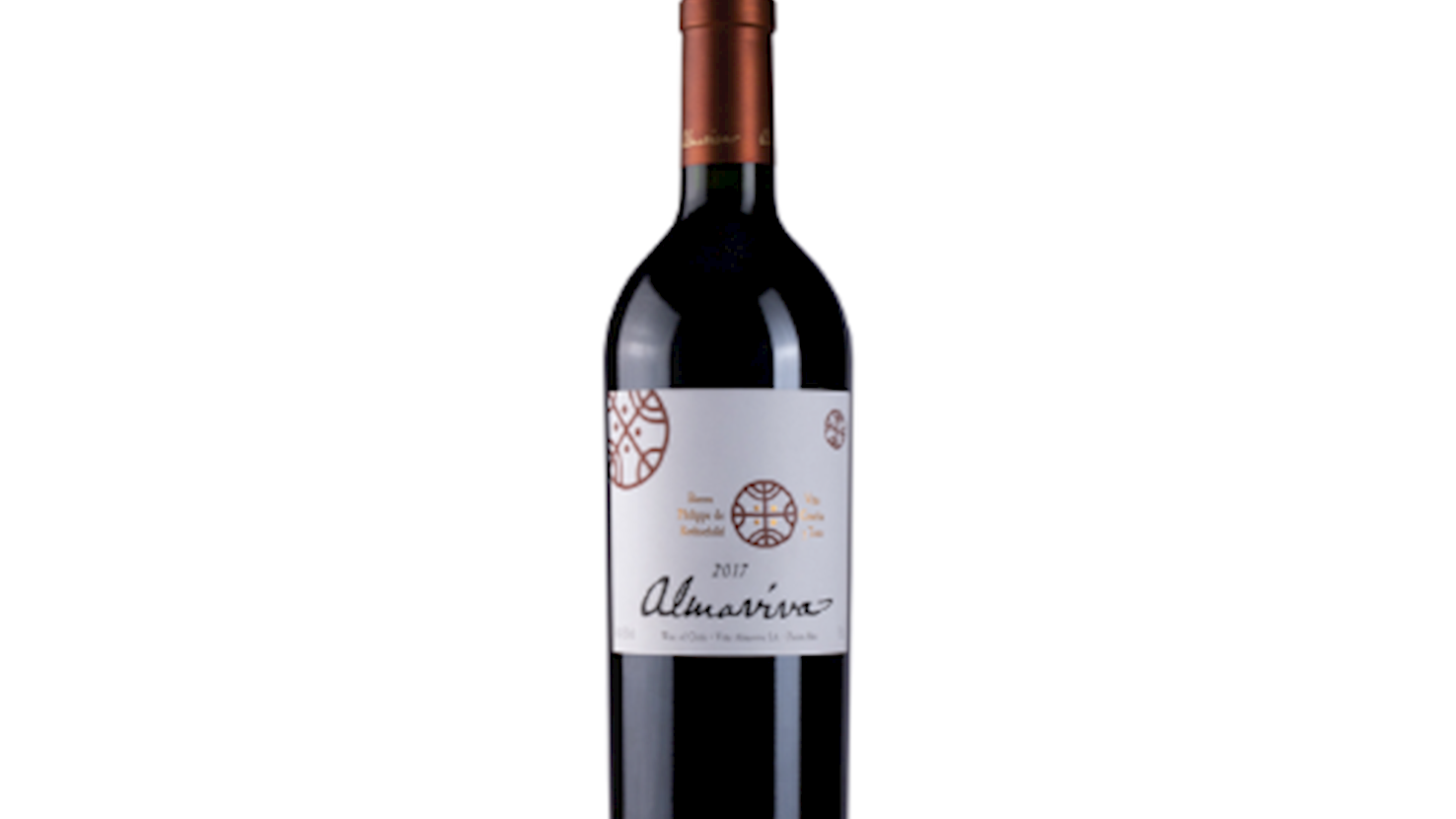
Almaviva is a prestigious Chilean winery and flagship wine established in 1997 as a joint venture between Baron Philippe de Rothschild of Bordeaux and the Chilean producer Viña Concha y Toro. The estate is located in the Maipo Valley, specifically in the Puente Alto sub-region, one of Chile’s most highly regarded areas for premium red wines, characterized by alluvial, stony soils at the foothills of the Andes. Almaviva was conceived as a château-style project, combining French winemaking expertise with the distinct expression of Chilean terroir. The vineyards are planted with classic Bordeaux varieties, led by Cabernet Sauvignon and complemented by Carménère, Cabernet Franc, Petit Verdot, and Merlot. Almaviva is produced as a carefully structured blend, with an emphasis on balance, depth, and aging potential. Winemaking is precise and restrained, followed by maturation for approximately 18 to 20 months in new French oak barrels. Aromatically, the wine shows ripe dark fruit, herbal and spicy notes, and well-integrated oak influence. On the palate, it is layered and refined, with firm yet polished tannins and a long, persistent finish. The name Almaviva is drawn from the literary character Count Almaviva, while the label features symbols inspired by Mapuche culture, reflecting respect for local heritage. Since its first vintage, Almaviva has been recognized as one of the most ambitious and influential fine-wine projects of the New World. It is consistently ranked among Chile’s top wines by international critics. Today, Almaviva stands as a benchmark for premium Chilean Bordeaux-style blends with proven longevity.
Awards
James Suckling - 99 points (2024)
Decanter World Wine Awards - Platinum (2018)
06

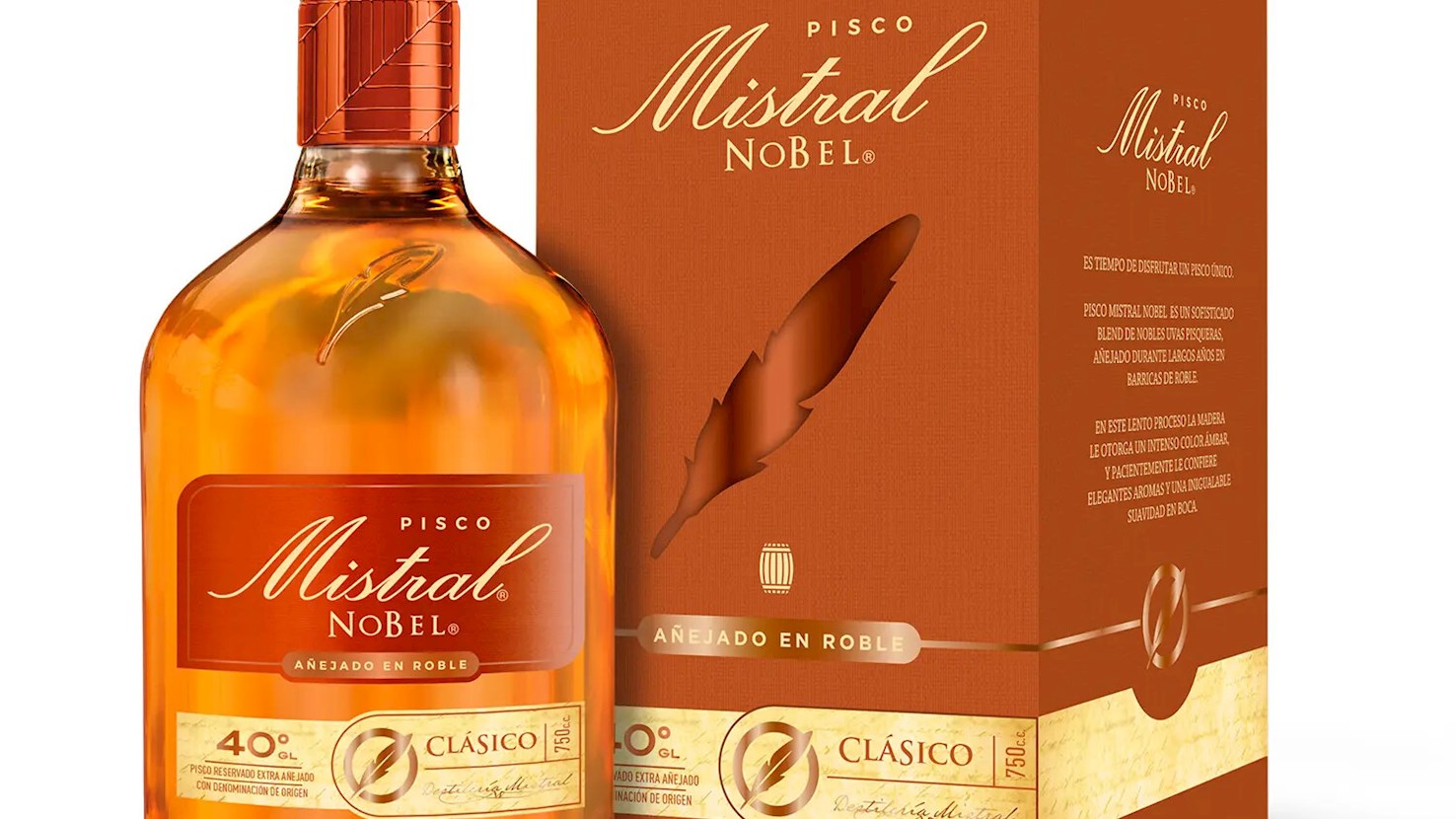
Pisco Mistral

5 ·
Awards
SFWSC - San Francisco World Spirits Competition - Double Gold (2024)
07

Bou Barroeta

5 ·
Awards
IWSC- International wine & spirit competition - Spirit Gold Outstanding (2024)
08

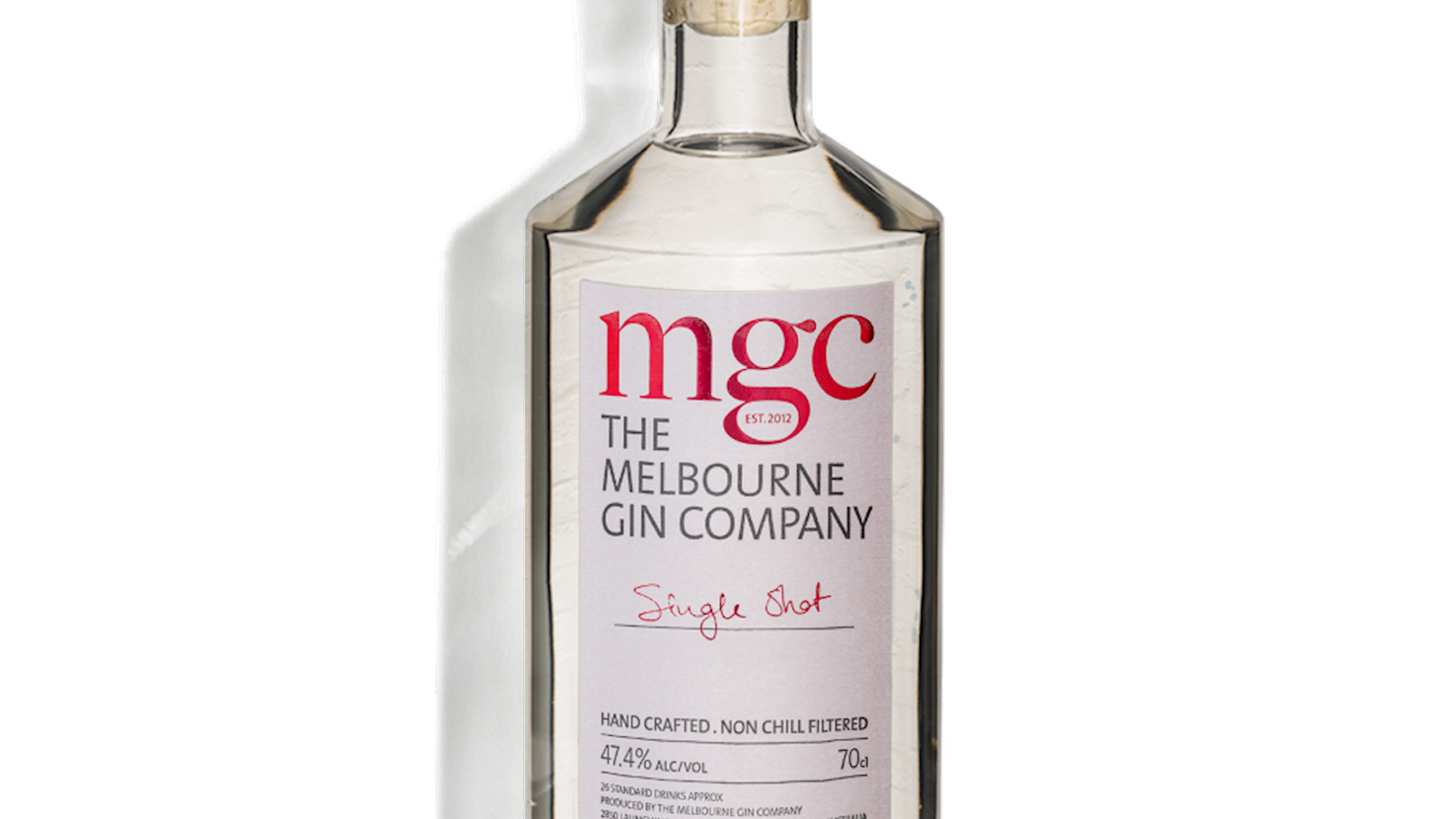
The Melbourne Gin Company

5 ·
Awards
The Gin Masters - Master (2022)
09

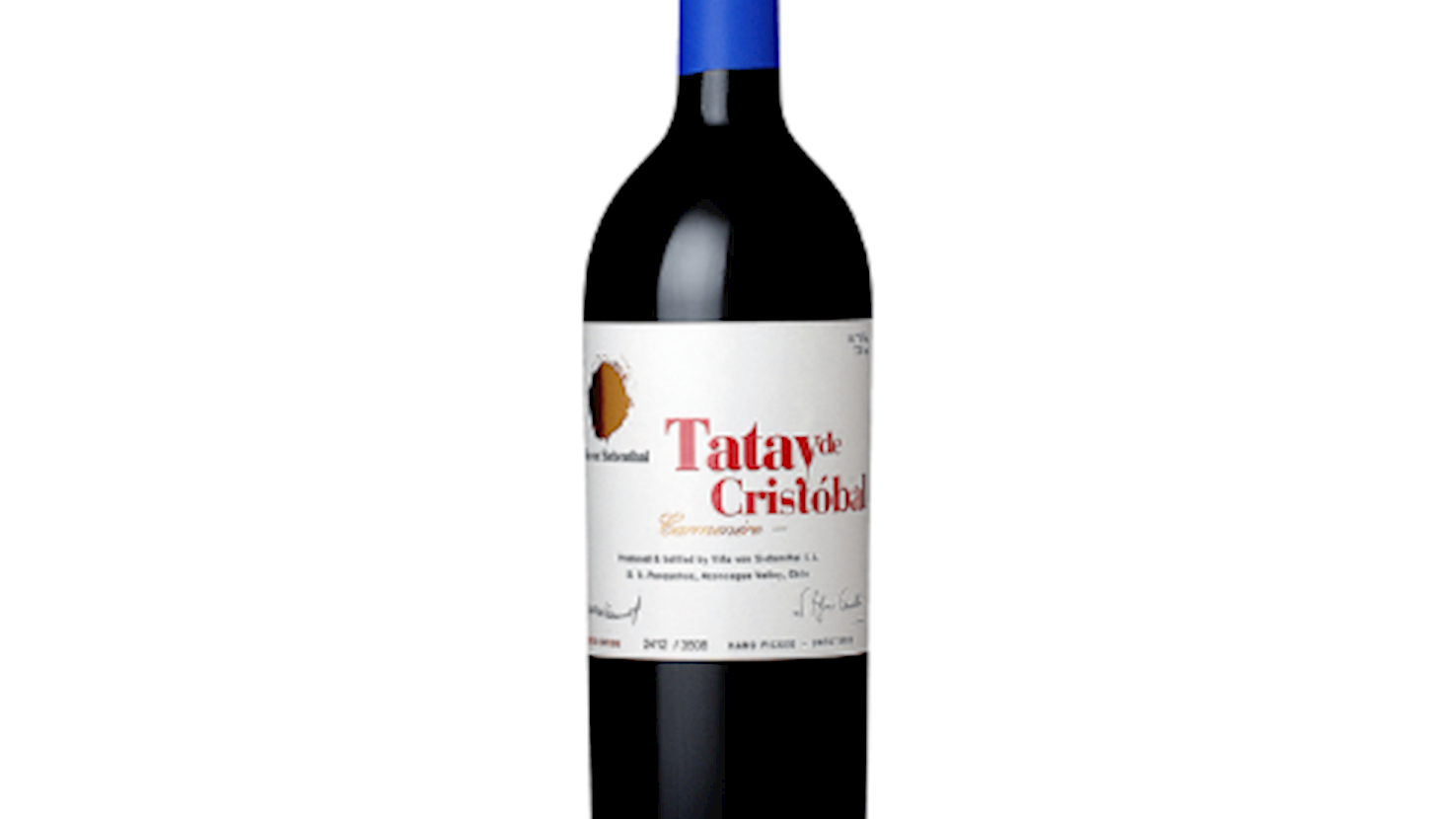
Viña von Siebenthal

5 ·
Viña Von Siebenthal is a boutique Chilean winery located in the Aconcagua Valley, founded in 1998 by Swiss vigneron Mauro von Siebenthal, who brought a strong Bordeaux-inspired philosophy to this distinctive terroir. The estate is based in Panquehue, a historic subzone of Aconcagua, where a warm Mediterranean climate, cool Andean influences, and well-drained soils favor wines of structure, depth, and natural balance. Von Siebenthal focuses on small-scale, estate-grown production, working primarily with classic varieties such as Cabernet Sauvignon, Merlot, Cabernet Franc, Carménère, Petit Verdot, and Syrah, with a clear emphasis on red blends and age-worthy styles. The winemaking approach prioritizes precision, extended aging, and careful parcel selection, resulting in wines that highlight elegance, concentration, and longevity rather than overt ripeness. Its portfolio is intentionally limited, with flagship wines that have gained international recognition for their complexity and consistency. Overall, Viña Von Siebenthal represents a refined, artisanal expression of Aconcagua terroir shaped by European sensibility and meticulous craftsmanship.
Awards
Vivino - 4.6
Vivino - 4.4
10

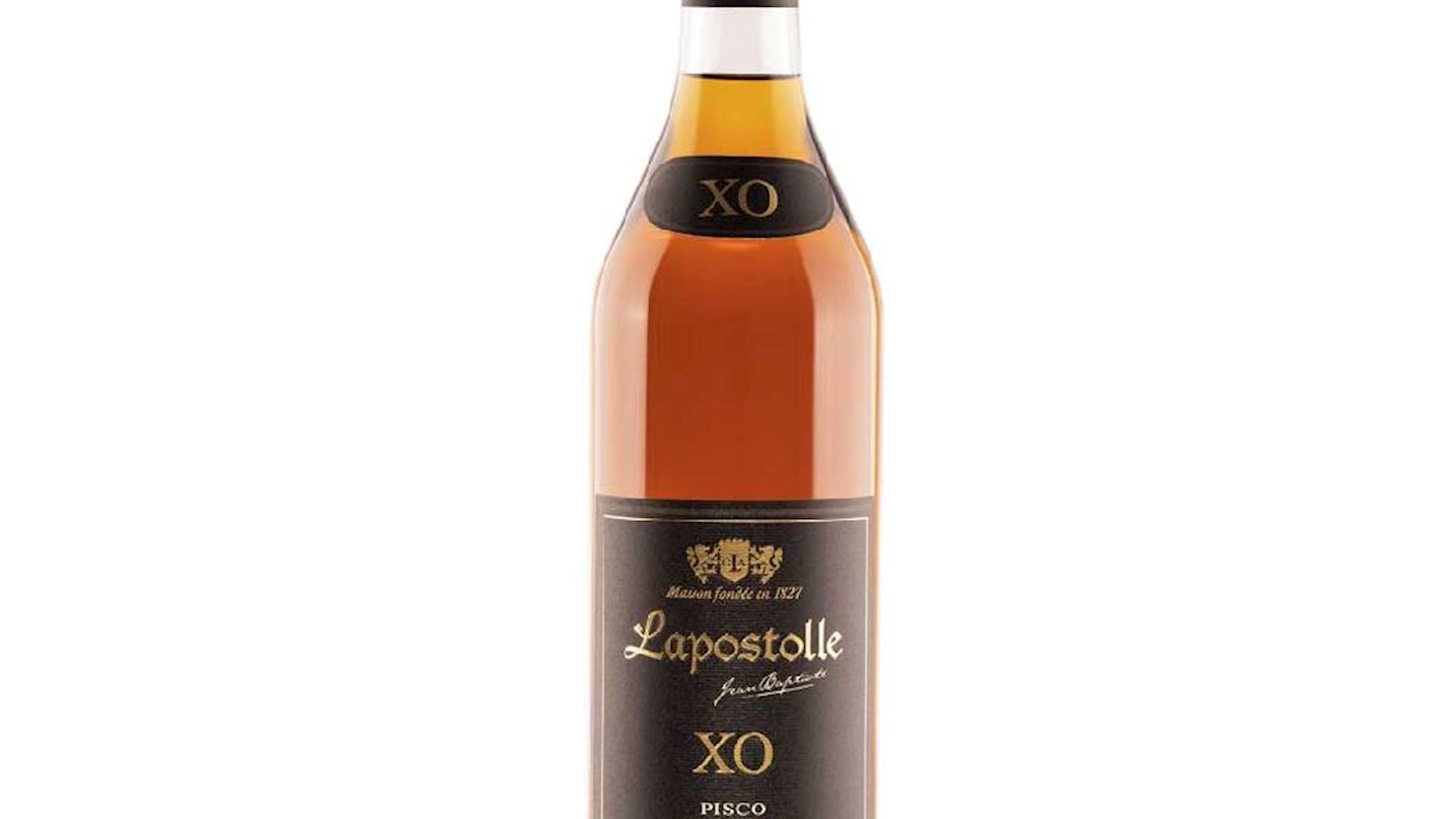
Lapostolle

5 ·
Viña Lapostolle is a distinguished Chilean winery founded in 1994 by Alexandra Marnier-Lapostolle and her husband, Cyril de Bournet. Born from a passion for fine wine and the legacy of the family behind Grand Marnier, the estate blends French winemaking tradition with the richness of Chilean terroir. Nestled in the Colchagua Valley, at the heart of the prestigious Apalta vineyards, Lapostolle cultivates rare, century-old pre-phylloxera vines whose grapes bring exceptional depth, complexity, and elegance to its wines. Guided by top winemakers and a deep respect for nature, the winery produces internationally acclaimed wines - including the iconic Clos Apalta, a multiple award-winner that has secured Lapostolle’s place among the world’s finest wine producers.
Awards
James Suckling - 100 points (2024)
Vivino - 4.4
Read more
View all
View map
About this ranking

TasteAtlas food rankings are based on the ratings of the TasteAtlas audience, with a series of mechanisms that recognize real users and that ignore bot, nationalist or local patriotic ratings, and give additional value to the ratings of users that the system recognizes as knowledgeable. For the “Top 90 Chilean Alcoholic Beverages” list until June 24, 2026, 935 ratings were recorded, of which 440 were recognized by the system as legitimate. TasteAtlas Rankings should not be seen as the final global conclusion about food. Their purpose is to promote excellent local foods, instill pride in traditional dishes, and arouse curiosity about dishes you haven’t tried.

The initial list of top producers was compiled based on available reviews, awards, local recommendations, media and blog coverage, and consumer reviews. The list will be updated with ratings from TasteAtlas local ambassadors and TasteAtlas users.

Similar lists