Top 20 Friulian Alcoholic Beverages

Last updated on June 03, 2026

Best Friulian Alcoholic Beverage Types
01

Prosecco

4 ·
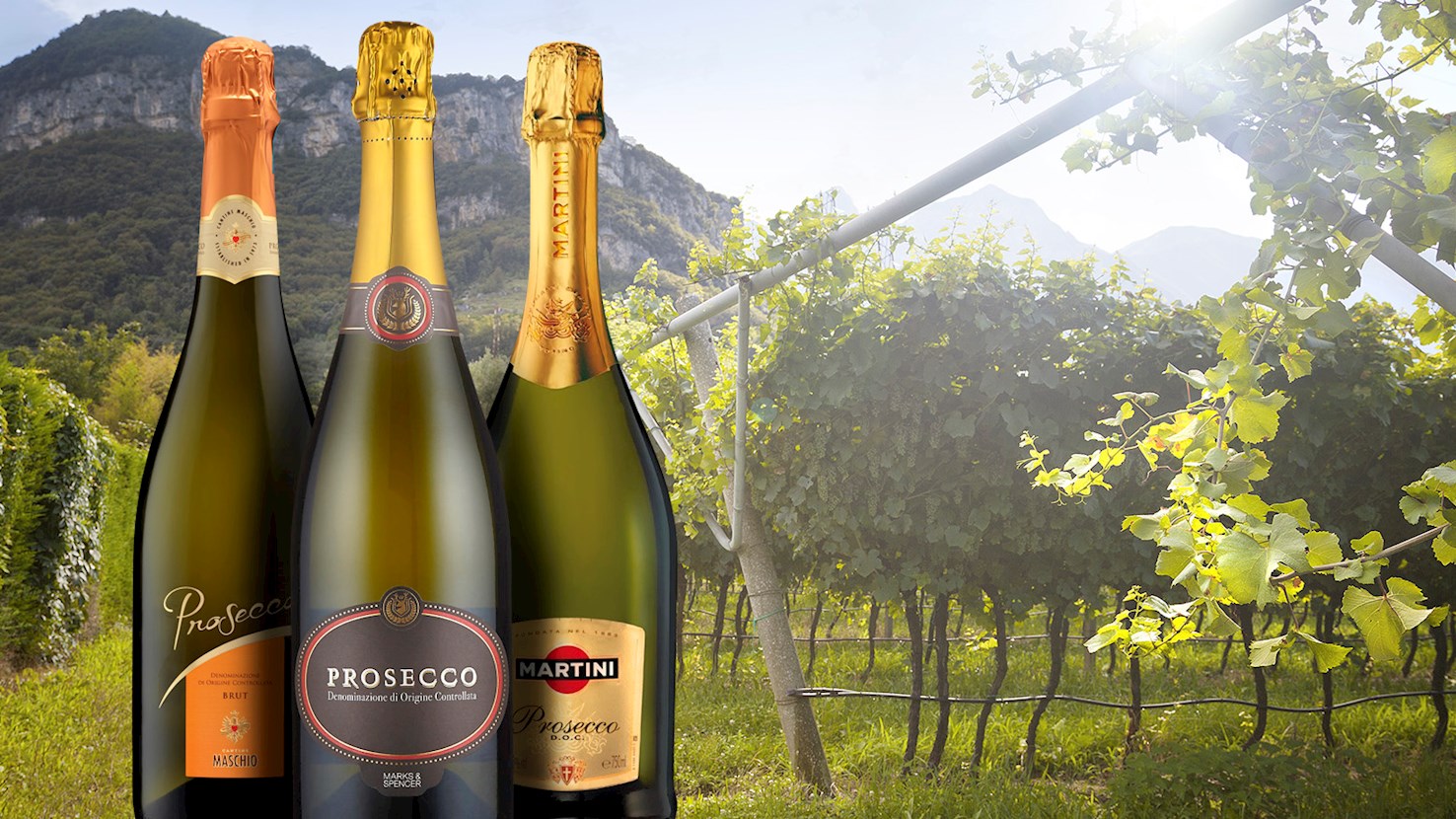
One of the most exported Italian white wines, Prosecco is a sparkling wine that comes in three levels of perlage: the bubbliest spumante (sparkling), followed by frizzante (semi-sparkling), and tranquillo (still). Prosecco is made exclusively in the regions of Veneto and Friuli-Venezia Giulia. Glera is the predominant grape variety used in the production of Prosecco, though Perera, Bianchetta, and Verdiso are often used as well. Unlike its more expensive bubbly counterparts, the secondary fermentation of Prosecco takes place under pressure, in huge stainless steel tanks, making the wine production less expensive. This process is officially known as the Charmat-Martinotti method. During this stage, a mixture of yeast and sugar is added to the base wine inside sealed, pressure-resistant tanks called autoclaves. As the yeast consumes the sugar, it releases carbon dioxide that gets trapped in the wine, creating Prosecco's signature bubbles before the wine is filtered and bottled under pressure. Considering that Prosecco does not ferment in the bottle and grows stale with time, it should be enjoyed as young as possible, preferably within several years of its vintage. This Italian favorite tends to exhibit more fruity and flowery aromas and much lighter bubbles. Prosecco is quite versatile, but it leans towards the sweeter end of the wine spectrum, which makes it great as an aperitif and an ideal match for fruit-based desserts, as well as for light charcuterie and cheese appetizers. It is also commonly added to many sparkling cocktails made with fruit juice and other ingredients, most noted of which is a Bellini, a mixture of prosecco, peach purée, and nectar.
02

Friulano

3.7 ·

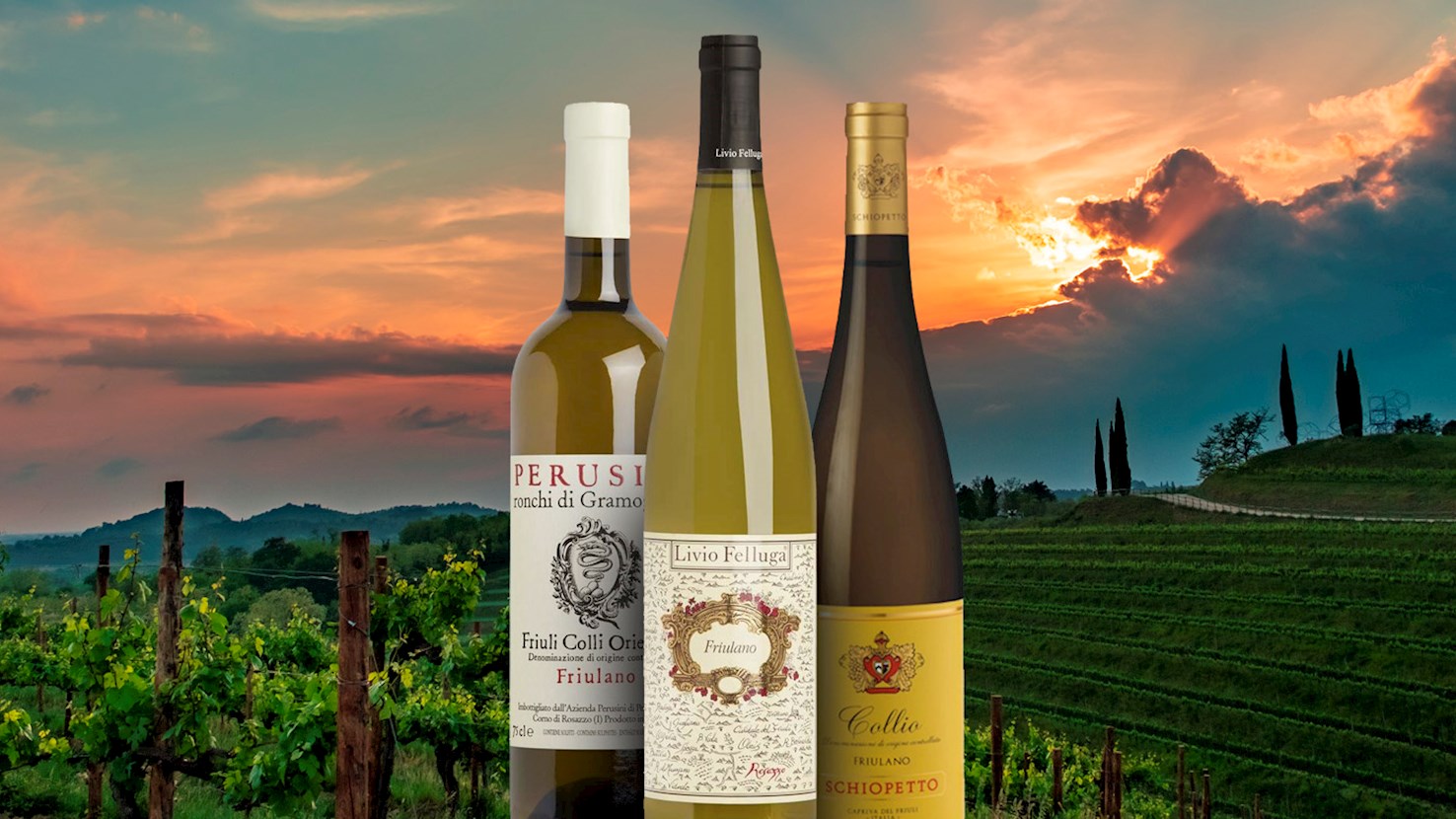
Friulano is an Italian name for Sauvignonasse variety that originated in southwest France, where it was never widely cultivated. The grape is rarely seen outside Italy and is considered as one of the signature grapes in Friuli-Venezia Giulia. Small amounts are found in Chile (Sauvignon Vert) and Slovenia (Zeleni Sauvignon). Friulano wines can be quite versatile and range from light-bodied to more complex examples. The wines usually have apple, pear, peach, and almond aromas. Young versions will typically have a mineral-like character. The variety is rarely oak-aged, but it is sometimes used for skin-contact wines. The grape was initially named Friulian Tocai, but Hungary lobbied against Tocai as it was too similar to their legendary Tokaji/Tokay wines. Eventually, the Italians had to choose Friulano as an acceptable option. Some suggest that the decision has lead to a decrease in popularity. In Italy, Friulano is used in several appellations, including Colli Orientali, Collio, Grave del Friuli, and Isonzo. Because of their light character, Friulano-based wines are often enjoyed as an aperitif. They can pair well with local specialties, vegetables, even demanding varieties like asparagus, and they also go well with cold cuts and cheese.

03

Ribolla Gialla

3.5 ·

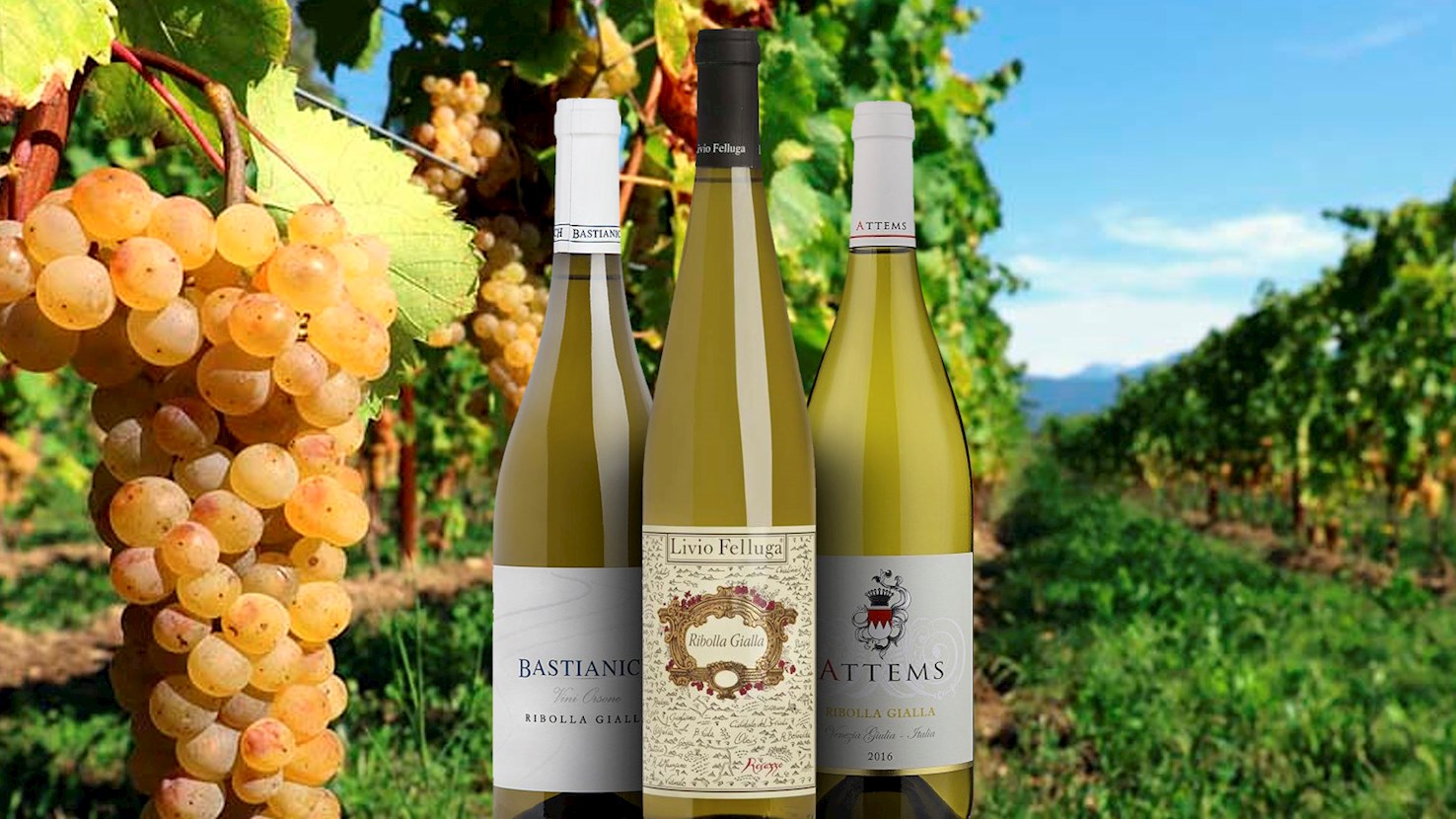
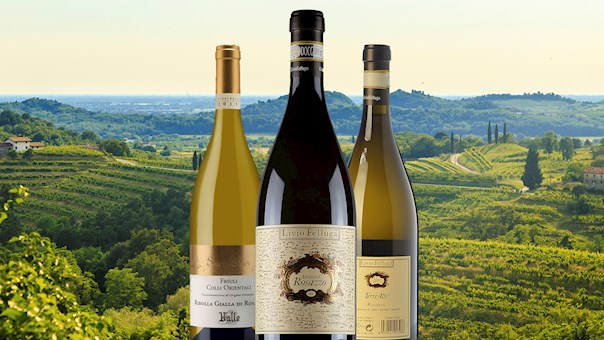
Ribolla Gialla is a white-skinned Italian grape that is also prominent and commonly planted in neighboring Slovenia, where it is known as Rebula. Ribolla has a long and rich history, with a first written reference dating to the 13th century. It is mostly planted in Friuli-Venezia Giulia and Slovenian Goriška Brda (Gorizia). The grape is predominantly used to produce bright and fresh young dry wines with citrusy and floral notes, good acidity, and often a subtly mineral character. The modern approach also shows that Ribolla can produce amazing skin-contact styles, resulting in wines that have excellent balance, denser texture, and stronger aromas. Dry white wines made with Ribolla make excellent aperitifs, and they pair well with fish, crustaceans, and shellfish. Macerated styles can match poultry or even game meat.

04

Grappa

3.2 ·

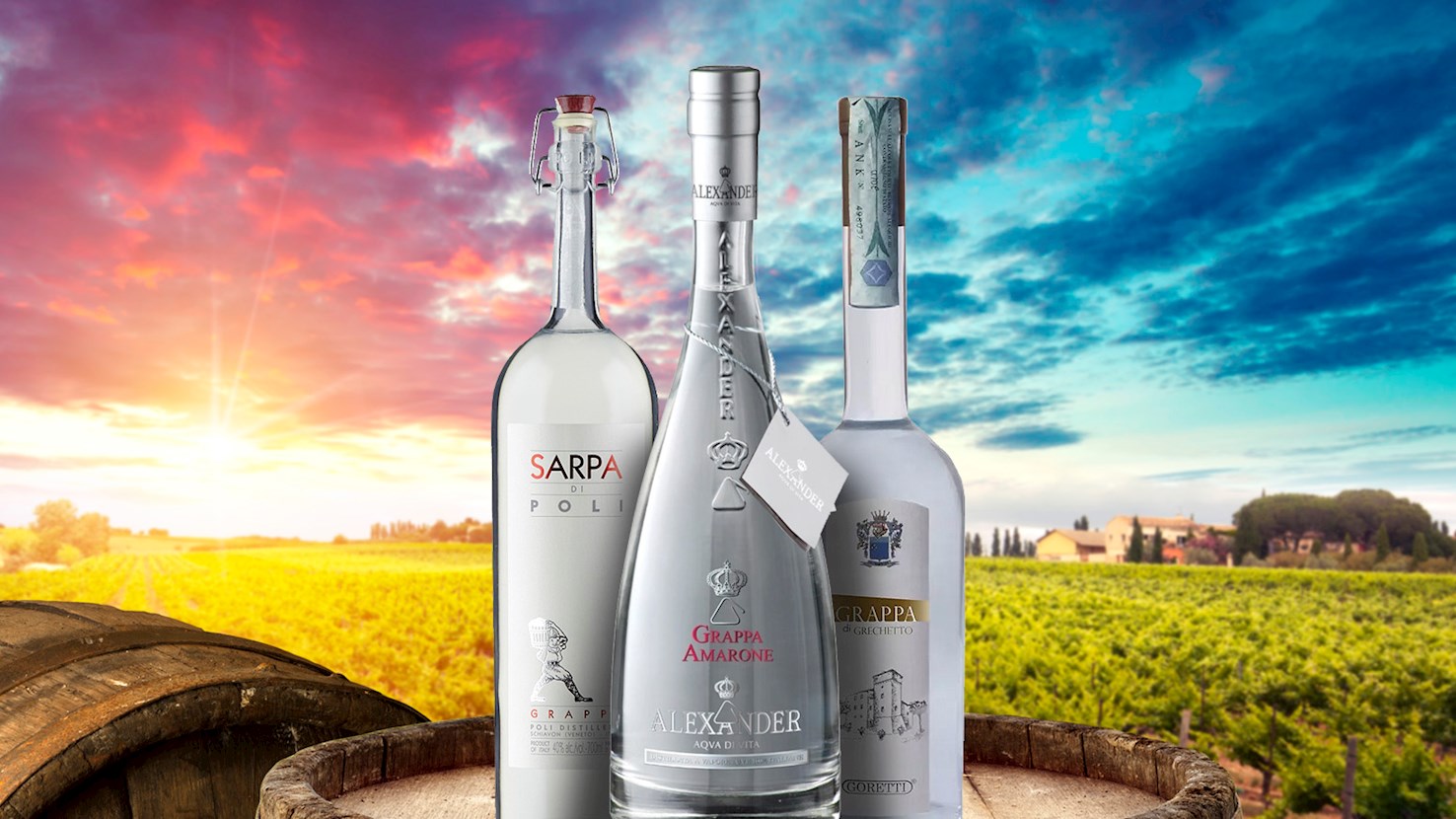
Italian grappa is distilled from fermented pomace—solid components of grapes that are left after the juice has been pressed. The taste profile of grappa varies, and each variety is distinguished for their unique character that depends on the choice of raw materials, distillation, as well as nature and the length of maturation. The basic distinction is made between grappa bianca, which is aged in stainless steel, and golden varieties that are traditionally aged in large barrels. Through history, grappa was mainly associated with northern parts of Italy, but today it is produced throughout the country. In Italy, grappa is typically enjoyed as a digestif and is usually served straight, in shot glasses.

05

Amaro Nonino

3.1 ·

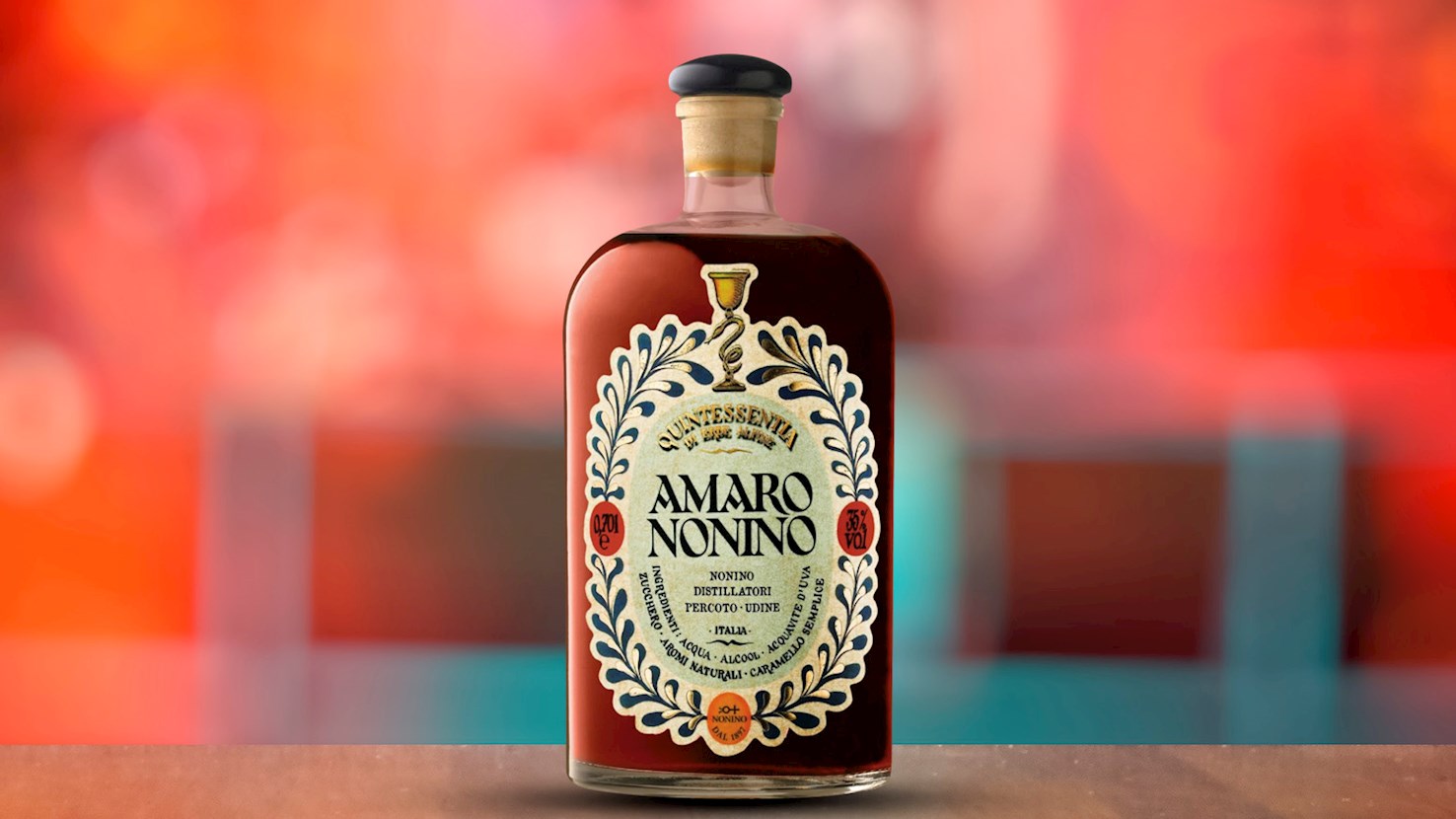
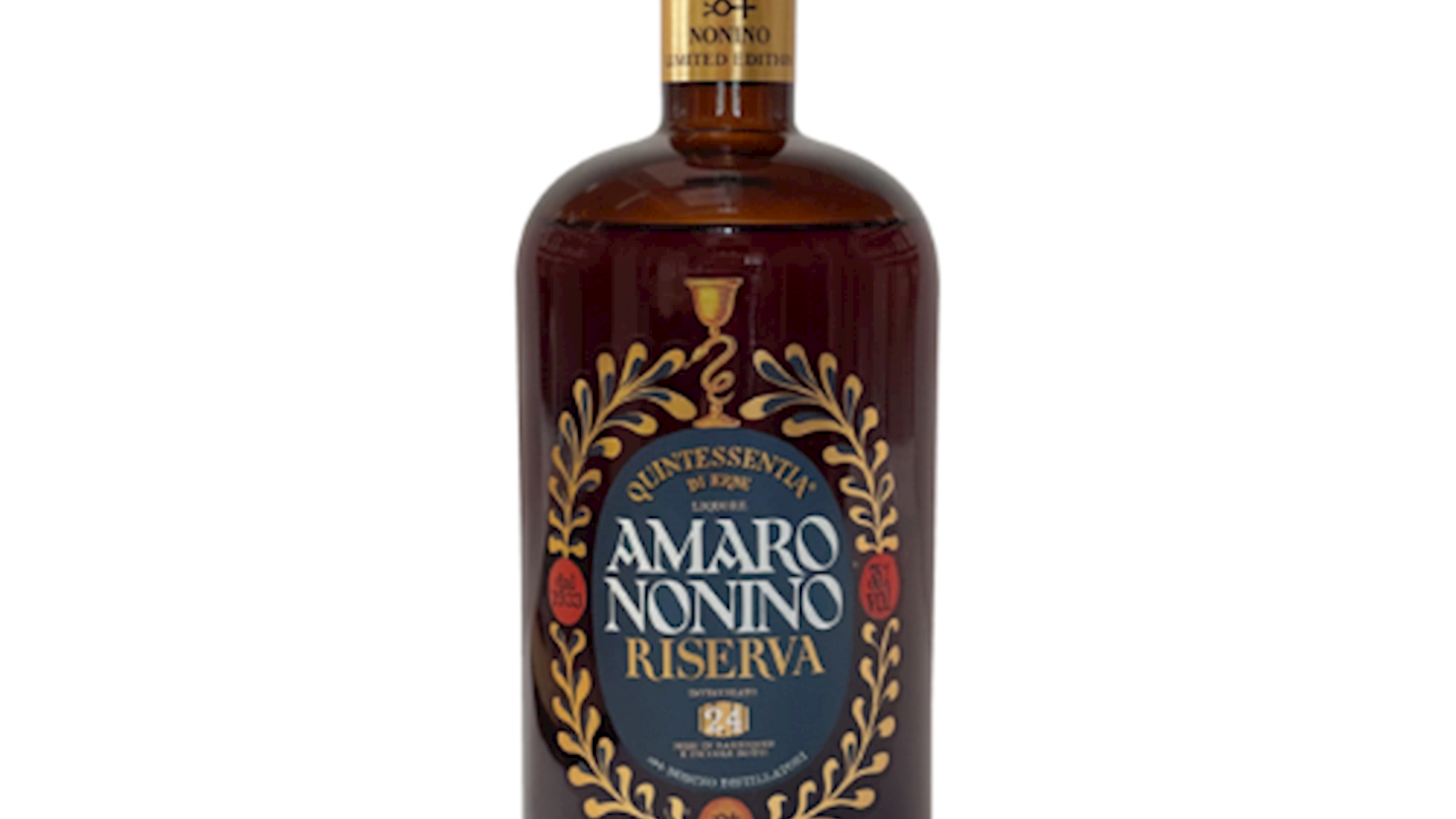
Amaro Nonino is a type of amaro made with aged grappa and a macerate that includes various botanicals. The combination is aged for a minimum of five years in Nevers, Limousin, and ex-sherry oak. The resulting drink has a warm amber color. The aroma is dominated by orange zest and complimented by apricots, toffee, subtle baking spices, and some herbal hints. The flavor is bittersweet, with jammy and spicy notes and a long, mellow finish. Although it is a rather novel Italian amaro—it was introduced in 1992—this herbal liqueur is produced by the Nonino family, who have been in the drink business since the late 19th century and have been perfecting their amaro recipe since the 1930s. The amaro is produced in Percoto, Italy. Nonino is best served as a digestif. It can be enjoyed neat or on the rocks, preferably with an orange slice.

Best producers
06

Schioppettino

n/a ·

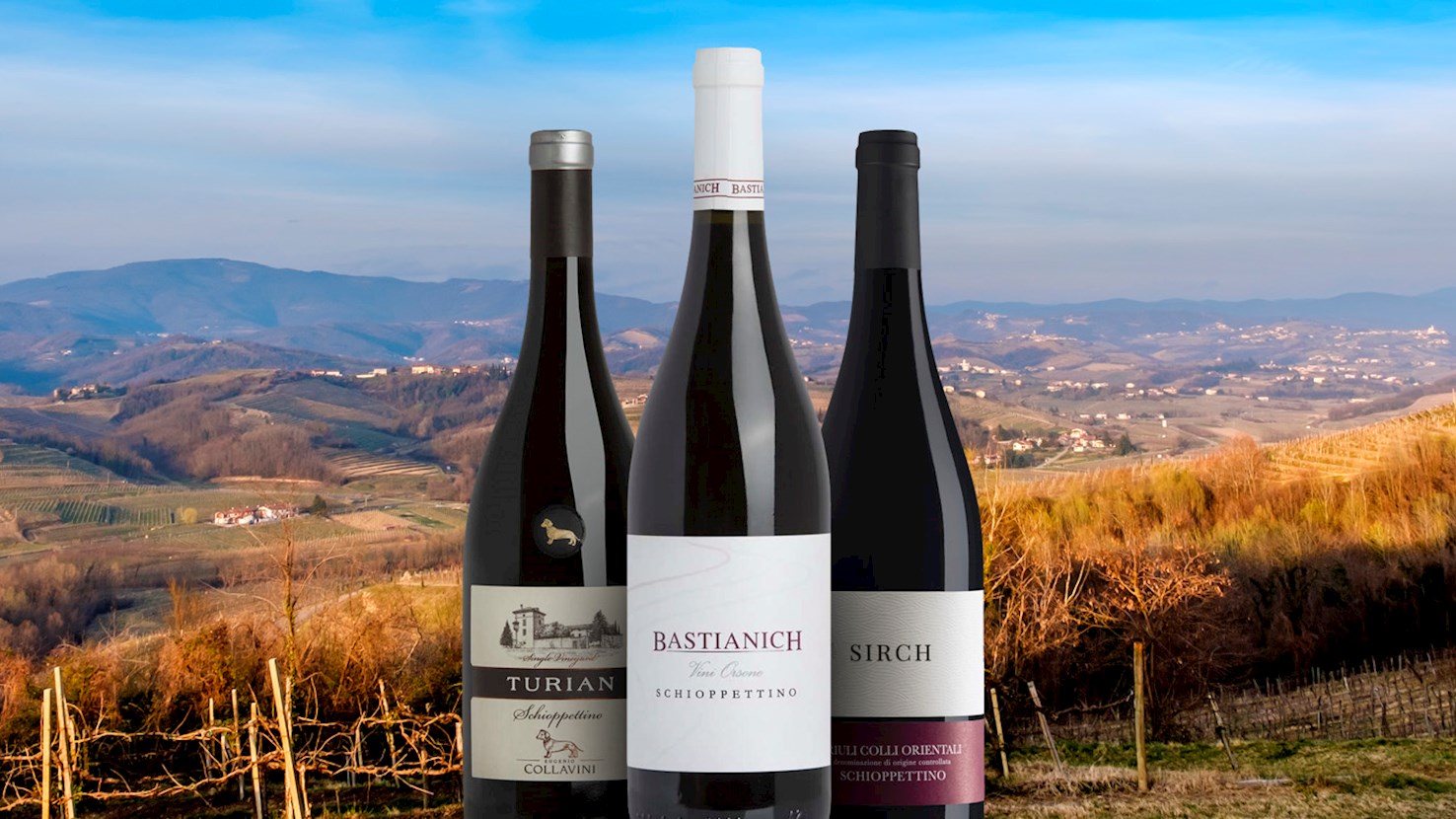
Schioppettino is a red Italian grape that is almost synonymous with the Friuli-Venezia Giulia region in northeast Italy. Also known as Ribolla Nera, it is an ancient grape believed to have originated near the Slovenian border. Schioppettino was almost wiped out after phylloxera, and by the late 1960s, it was considered extinct. It was reintroduced in 1970 by Paolo and Dina Rapuzzi from the Ronchi di Cialla winery and Bernardo Bruno, the former mayor of Prepotto. They made new cuttings from a few Schioppettino plantings that were left, and in two years, they managed to completely resurrect the variety from extinction. Today, it is mainly found in Friuli Colli Orientali appellation and the Schioppettino di Prepotto subzone. The grape is used in varietals and blends. It creates intensely colored red wines with a medium body and a spicy, peppery-like note on the palate. The aroma is reminiscent of red and black berries, often with hints of violet and herbal and balsamic notes. The wines are smooth and well-balanced with tannins and acidity. They can range from fresh and approachable styles that are best enjoyed young to more complex, age-worthy examples. Because of their versatile character, these wines pair well with various dishes, including red and white meat, mushroom-based dishes, and local specialties. They could also work well with spicy Asian cuisine. The grape is locally known as Ribolla Nera because it was once thought to be a dark-skinned relative to Ribolla Gialla. The current name stems from scoppiettio, roughly translated as to crackle. It is believed that it originated as a reference to the crackling sounds the grapes make when eaten or possibly because the wines would sometimes get fizzy.

07

Pignolo

n/a ·

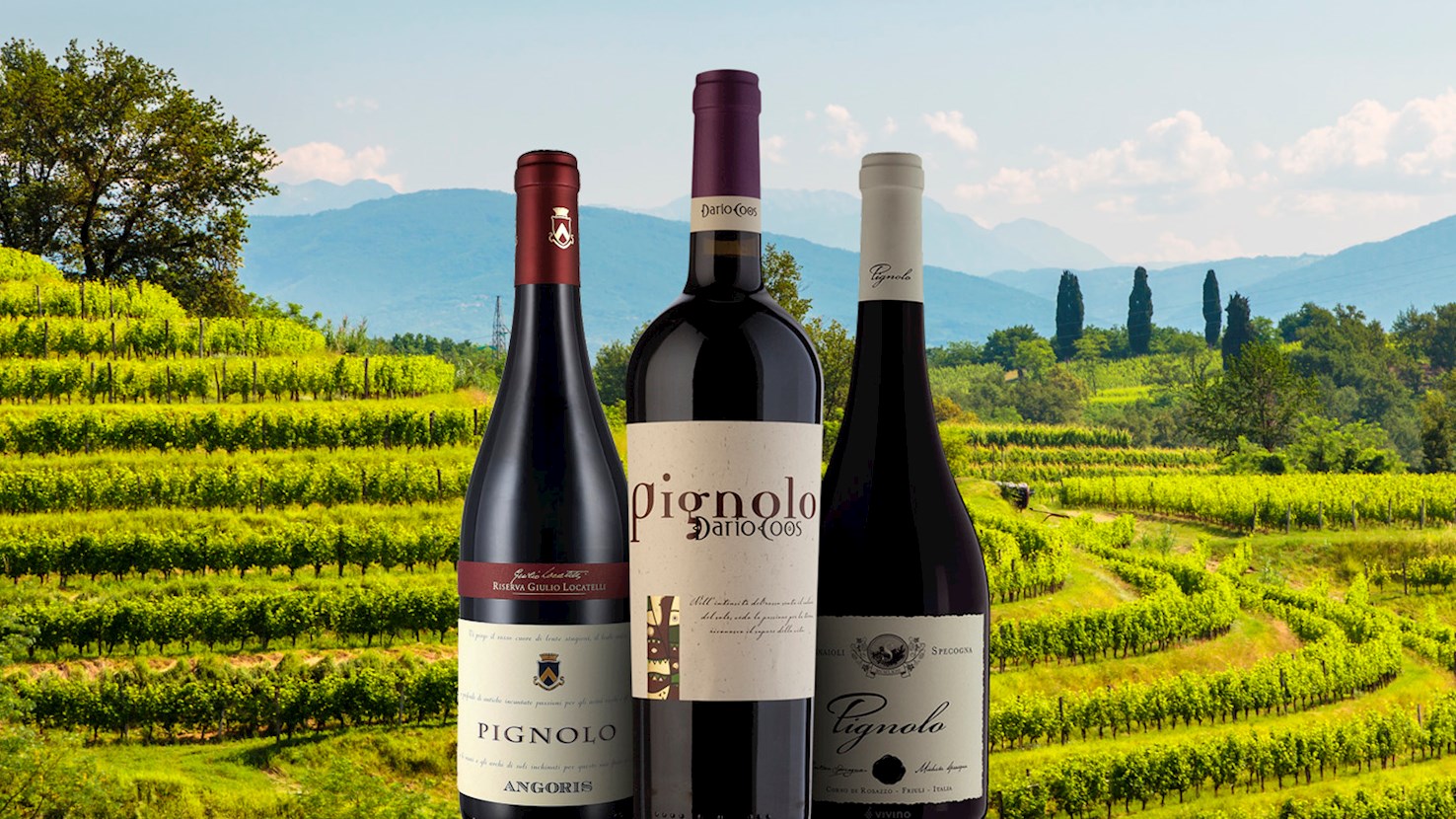
Pignolo is a local Friulian grape that produces tannic red wines. It is believed that the grape originated around the Abbey of Rosazzo, a monastery located in the Colli Orientali of Friuli. After phylloxera hit the region, Pignolo was considered extinct, but it was revitalized in the 1970s when few vines were discovered in the abbey. The grape is mainly associated with Friuli-Venezia Giulia, where it is used in regional appellations, including varietals and blends. Pignolo can produce age-worthy wines of exceptional quality, but it is still rarely used because of its low yield and finicky nature. The wines are elegant, intensely colored, and have excellent balance of acidity and well-integrated, ripe tennis. The flavor and aromas are fruity, reminiscent of red berries, blackberries, and plums. They are frequently oak-aged, while the aromas often evolve into spicy, licorice-like notes. These wines pair with meat, including pork, red meat, and game. They could also work well with aged cheese.

08

Verduzzo

n/a ·

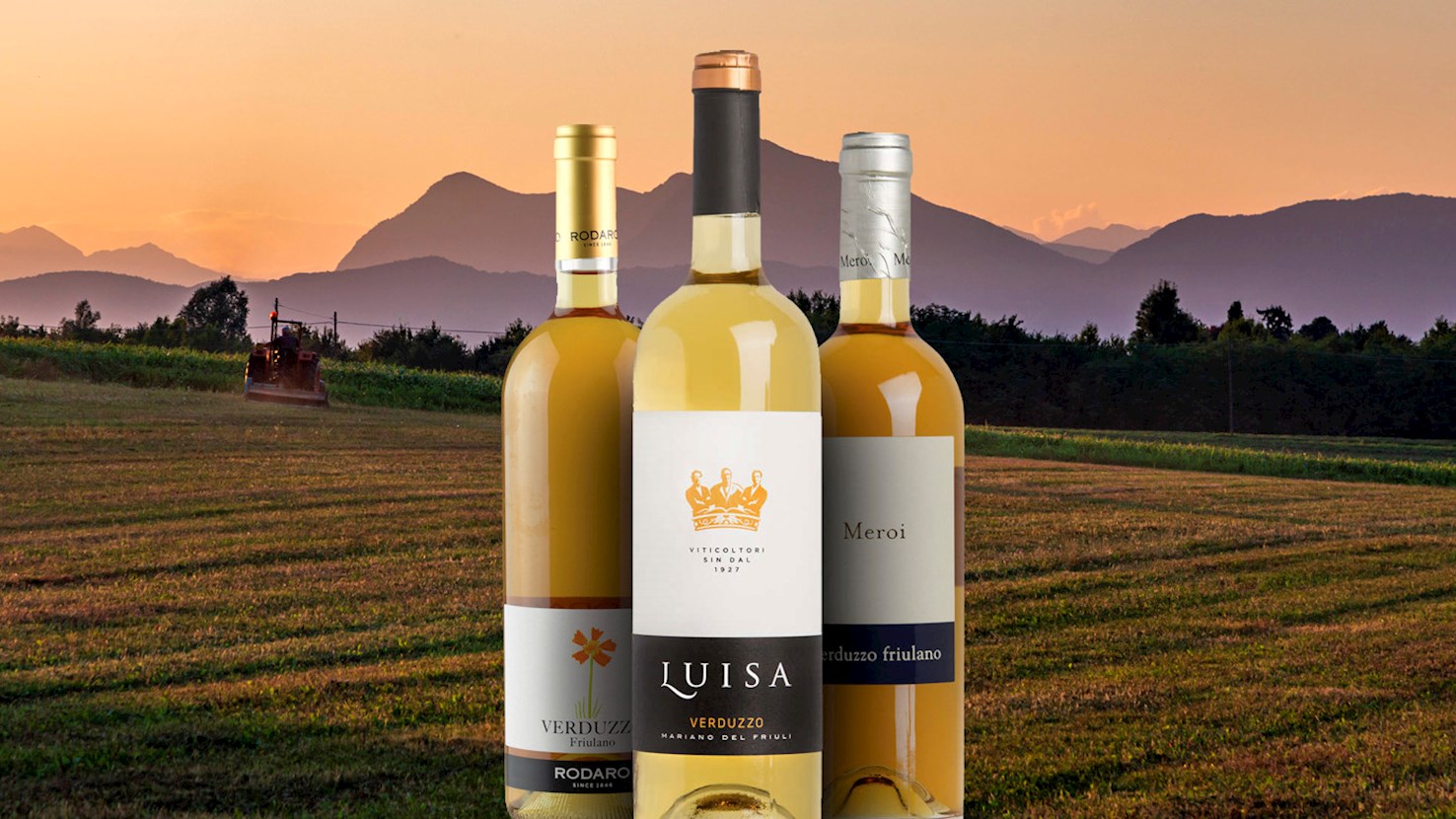
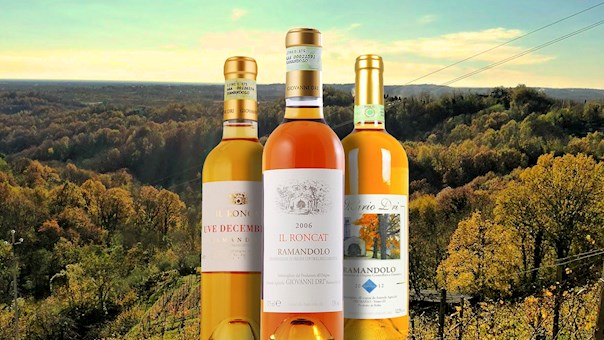
Verduzzo is a white Italian grape that is mainly cultivated in Friuli-Venezia Giulia. The name is used for two (unrelated) grapes, but it is mostly associated with Verduzzo Friulano, which can produce versatile wines of excellent quality. The other, less common variety is Verduzzo Trevigiano, which is planted around Treviso. Verduzzo Friulano is a versatile grape that can produce a variety of wine styles. It is predominantly vinified into dry and sweet white wines that are often aromatic, complex, and have aging potential. Dry wines range from light, refreshing and citrusy styles to full-bodied wines with honey-like notes. Sweet late-harvest wines have herbal and honeyed nuances, while passito (semi-dried grapes) tend to attain notes of dried and candied fruit. Sweet styles usually retain freshness and avoid being cloying or overly sweet. The best expression for sweet Verduzo is in Ramandolo DOCG. Dry wines are a good match with appetizers and fish dishes, and sweet styles make a good match with traditional pastries.

09

Grappa del Friuli

n/a ·

Grappa del Friuli, also known as Grappa Friulana, is a grape marc spirit produced exclusively in the Friuli-Venezia Giulia region. It is reserved for spirits obtained from raw materials derived from grapes grown and vinified within the region. The spirit must be distilled and bottled in facilities located throughout the entire territory. Grappa del Friuli is produced by directly distilling fermented or semi-fermented grape marc using water vapor or by adding water to the still. Natural liquid wine lees may be incorporated into the process at a maximum of 25 kg per 100 kg of grape marc. The alcohol contributed by these lees cannot exceed 35% of the total alcohol in the finished product. Wine lees can be added to the grape marc before distillation, processed in parallel, or handled separately, as long as all operations occur in the same distillery. Distillation is carried out in either continuous or discontinuous systems at an alcohol concentration of less than 86% by volume, with redistillation permitted within this limit. The production process also allows the addition of aromatic plants or parts of fruit, reflecting traditional methods. Sugars may be added up to 20 grams per litre, expressed as invert sugar, while caramel is permitted only for grappa aged for at least 12 months. Grappa del Friuli may be aged in barrels, vats, or other unpainted or uncoated wooden containers. Products aged for no less than 12 months may be labeled as “Vecchia” or “Invecchiata,” while those aged for at least 18 months can be designated as “Riserva” or “Stravecchia.” The designation may be further specified by referencing a specific grape variety, up to two grape varieties, or a DOC, DOCG, or IGT wine, without using the official acronyms. To be released for consumption, the spirit must have a minimum alcoholic strength of 40% by volume. Historical evidence of grape marc spirit production in Friuli dates back to the 6th century AD in the Cividale area, where Burgundian settlers introduced fermentation techniques. Documents from 1451 mention a metal alembic used for spirit production in Cividale del Friuli, and from the 16th century, numerous records indicate a thriving trade in these spirits. In 1744, Empress Maria Theresa of Austria allowed free family distillation, and by 1909, Udine’s Chamber of Commerce reported many distilleries, leading to the widespread adoption of the name “Grappa” between the 19th and 20th centuries.

10

Ribolla Gialla Venezia Giulia IGT Frizzante

n/a ·

Ribolla Gialla Venezia Giulia IGT Frizzante is a sparkling white wine produced in the Venezia Giulia region of northeastern Italy, using the Ribolla Gialla grape variety. Known for its light, crisp, and refreshing character, it typically has flavors of citrus, white peach, reinette apple, and floral notes. The wine is made in a frizzante (semi-sparkling) style, offering a gentle effervescence that makes it ideal as an aperitif or paired with light dishes such as seafood, salads, or soft cheeses. The IGT designation indicates its origin within the Venezia Giulia area.

Best Friulian Alcoholic Beverages
01

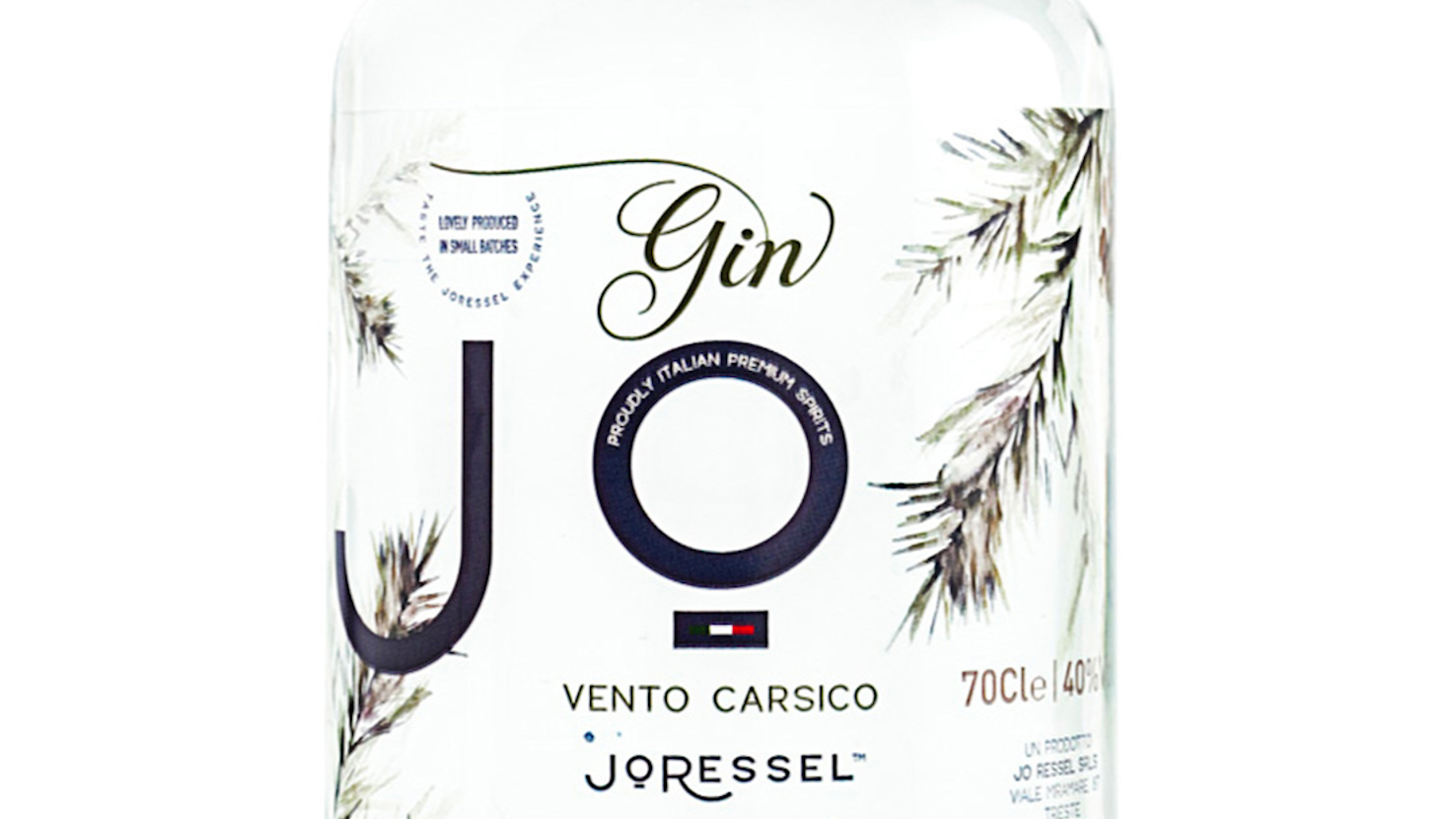
Jo Ressel

5 ·
Awards
IWSC- International wine & spirit competition - Spirit Gold Outstanding (2021)
02

Grappa Nonino

5 ·
Grappa Nonino is a historic and innovative symbol of Italian distillation tradition, founded in 1897 in the Friuli-Venezia Giulia region by Orazio Nonino. From the very beginning, the Nonino family has embraced a handcrafted approach, distilling exclusively in small copper steam stills, which allows for complete quality control and an authentic character in every product. Every stage of production, from the selection of raw materials to distillation and aging, takes place within the family’s own facilities, with unwavering dedication to quality and tradition. The brand is recognized for its fusion of heritage, innovation, and sophisticated design, appealing to both classic grappa enthusiasts and a new generation of consumers. Today, the distillery is run by the three daughters of Benito and Giannola - Cristina, Antonella, and Elisabetta - who continue the family mission with the same passion. Their philosophy is rooted in respect for nature, the use of fresh, locally sourced ingredients, and adherence to an artisanal process that borders on ritual. Aging in different types of barrels adds further complexity and elegance to each release. Grappa Nonino has become synonymous with Italian luxury in a glass, with every sip telling the story of tradition, family passion, and craftsmanship.
Awards
USC- Ultimate Spirits Challenge - Chairman's Trophy (2022, 2021)
USC- Ultimate Spirits Challenge - Top 100 (2022, 2021)
03

Gravner

5 ·
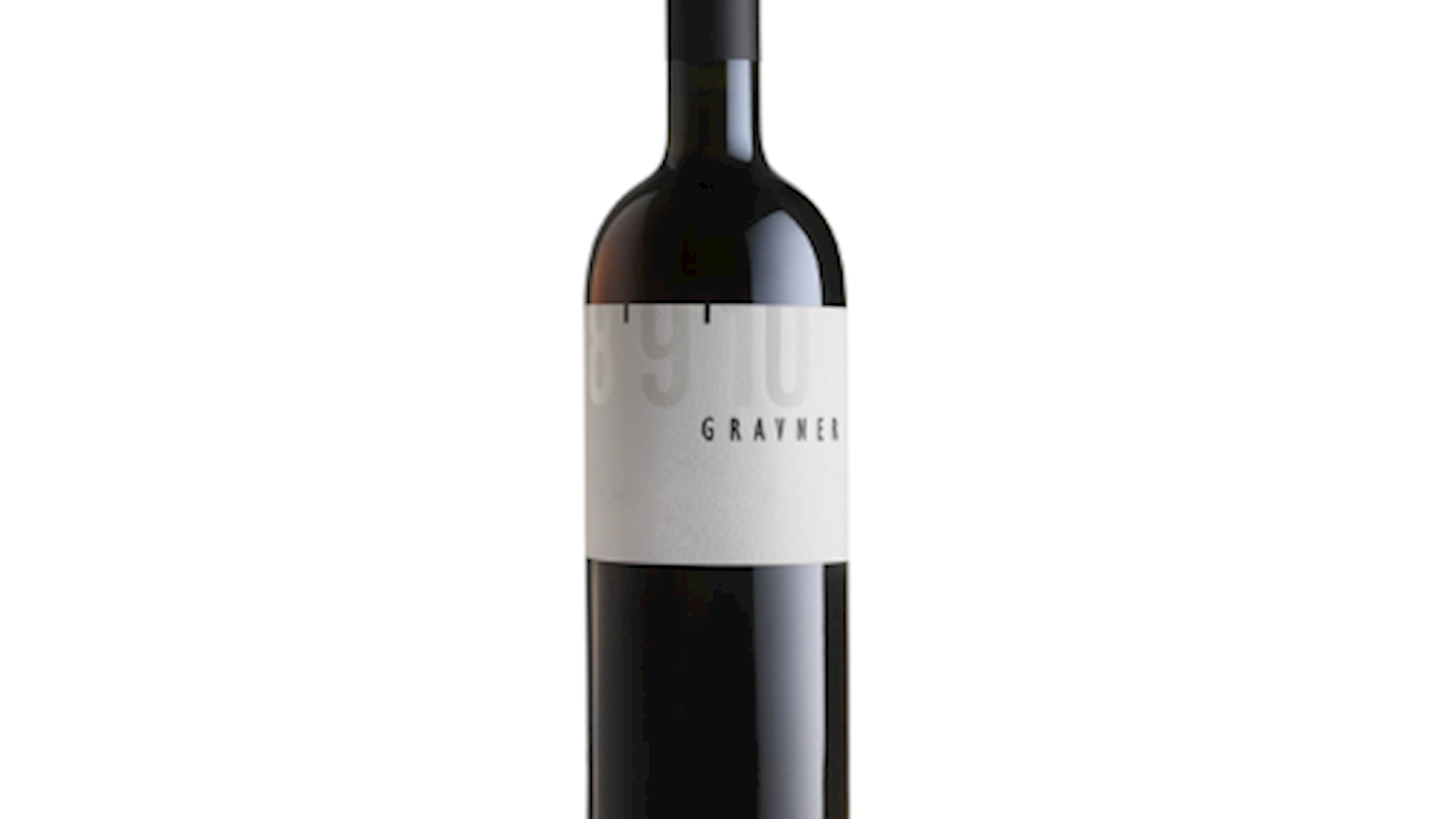
Gravner is a family-owned winery from the village of Oslavia, on the border between Italy and Slovenia, in the Friuli-Venezia Giulia region, recognized for its radical winemaking philosophy and pioneering role in the world of orange wines. Joško Gravner took over the winery in 1973, but it was in the mid-1990s that he made a decisive shift away from modern technology and returned to natural, traditional methods. His turning point came after a trip to Georgia, where he discovered qvevri - large clay amphorae buried in the ground and used for fermentation and aging. Upon returning home, Gravner completely changed his approach: white wines ferment and macerate on the skins for several months in qvevri, without temperature control, essentially using the technique of red winemaking. Afterward, the wine spends years aging in large Slavonian oak casks before being released. The varieties he focuses on are primarily Ribolla Gialla and Pignolo, while he has almost entirely eliminated international grapes to concentrate on terroir and the authentic expression of the Collio hills. Gravner’s wines are intense, layered and complex, often showing aromas of dried fruit, stone fruit, nuts and a subtle oxidative character. Due to the extended skin contact, the white wines develop tannic structure, depth and excellent aging potential. The winery’s philosophy is that wine should reflect the soil, the vintage and the hands of the winemaker - not technology. Today, Gravner is considered one of the most influential producers of orange wine in the world, frequently cited as a benchmark for authenticity and boldness in winemaking.
Awards
Vivino - 4.6
Vivino - 4.5
04

Muzic

4.9 ·
Awards
Decanter World Wine Awards - Platinum (2024, 2022)
Decanter World Wine Awards - Best in Show (2021)
05

DOMENIS1898

4.8 ·
Awards
IWSC- International wine & spirit competition - Spirit Gold (2021)
06

Peds

4.8 ·
Awards
IWSC- International wine & spirit competition - Spirit Gold (2021)
07

Schiopetto

4.7 ·
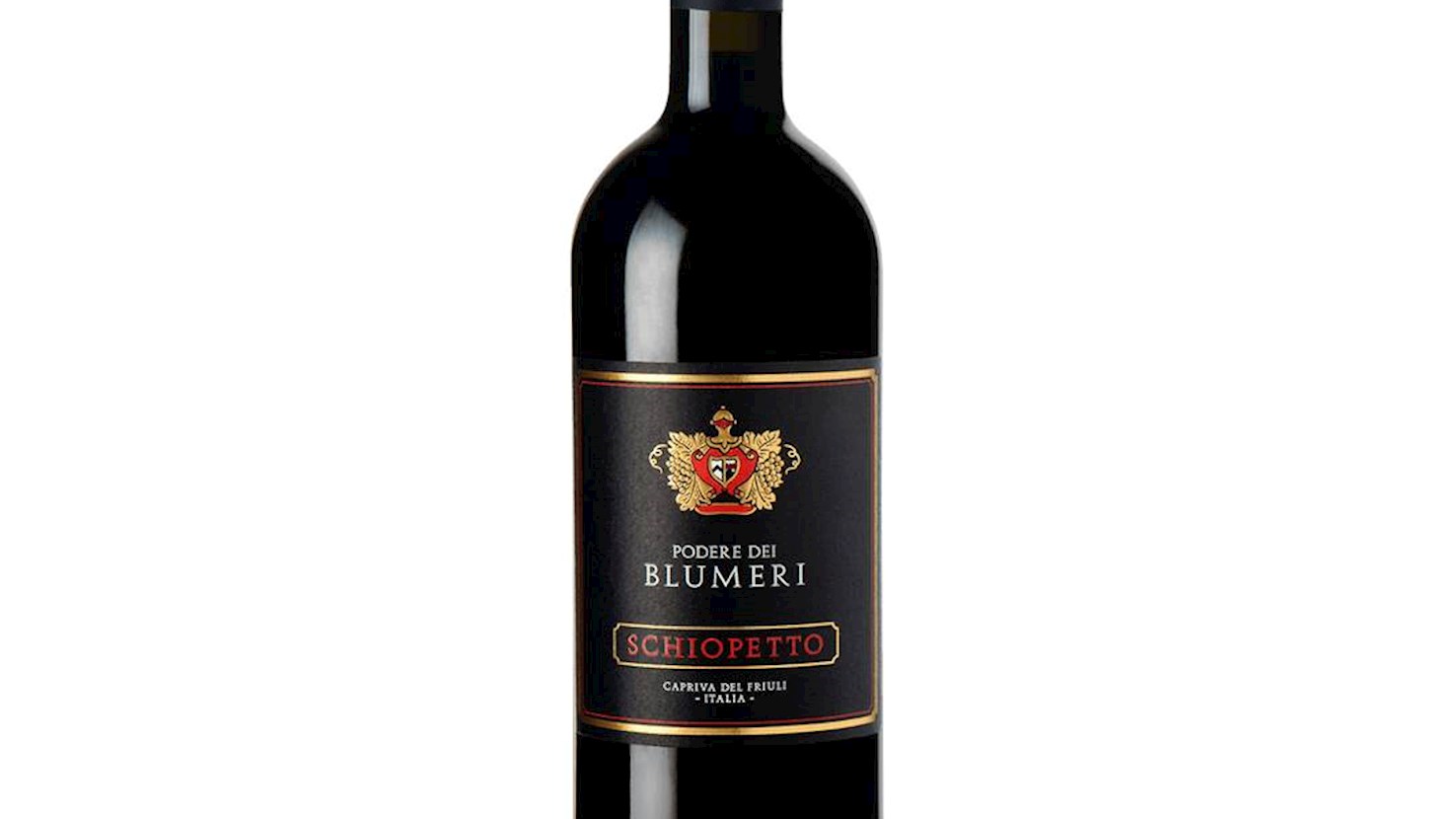
Schiopetto is a renowned winery located in Capriva del Friuli, in the Friuli-Venezia Giulia region of Italy. It was founded by Mario Schiopetto, a pioneer of modern white wine in Friuli, who crafted his first "Tocai" in 1965, marking the beginning of a new era in white wine production in Italy. The winery is centered around the Palazza Arcivescovile estate, which Mario leased in 1970 and later purchased in 1989. He transformed the neglected vineyards into meticulously maintained plots, leveraging the potential of the local soil known as "Ponca," rich in clay and limestone. Schiopetto is celebrated for its elegant and refined white wines that precisely reflect the characteristics of the grape varieties and terroir. The winery employs stainless steel and modern technology to control temperature and oxygen at every stage of production, allowing for wines that capture the region's unique identity.
Awards
James Suckling - 97 points (2024)
08

Stella Bella

4.7 ·
Awards
Decanter World Wine Awards - Best in Show (2024)
Decanter World Wine Awards - Platinum (2022, 2021, 2019, 2018, 2016)
09

Meroi

4.6 ·
Awards
Decanter World Wine Awards - Platinum (2022)
10

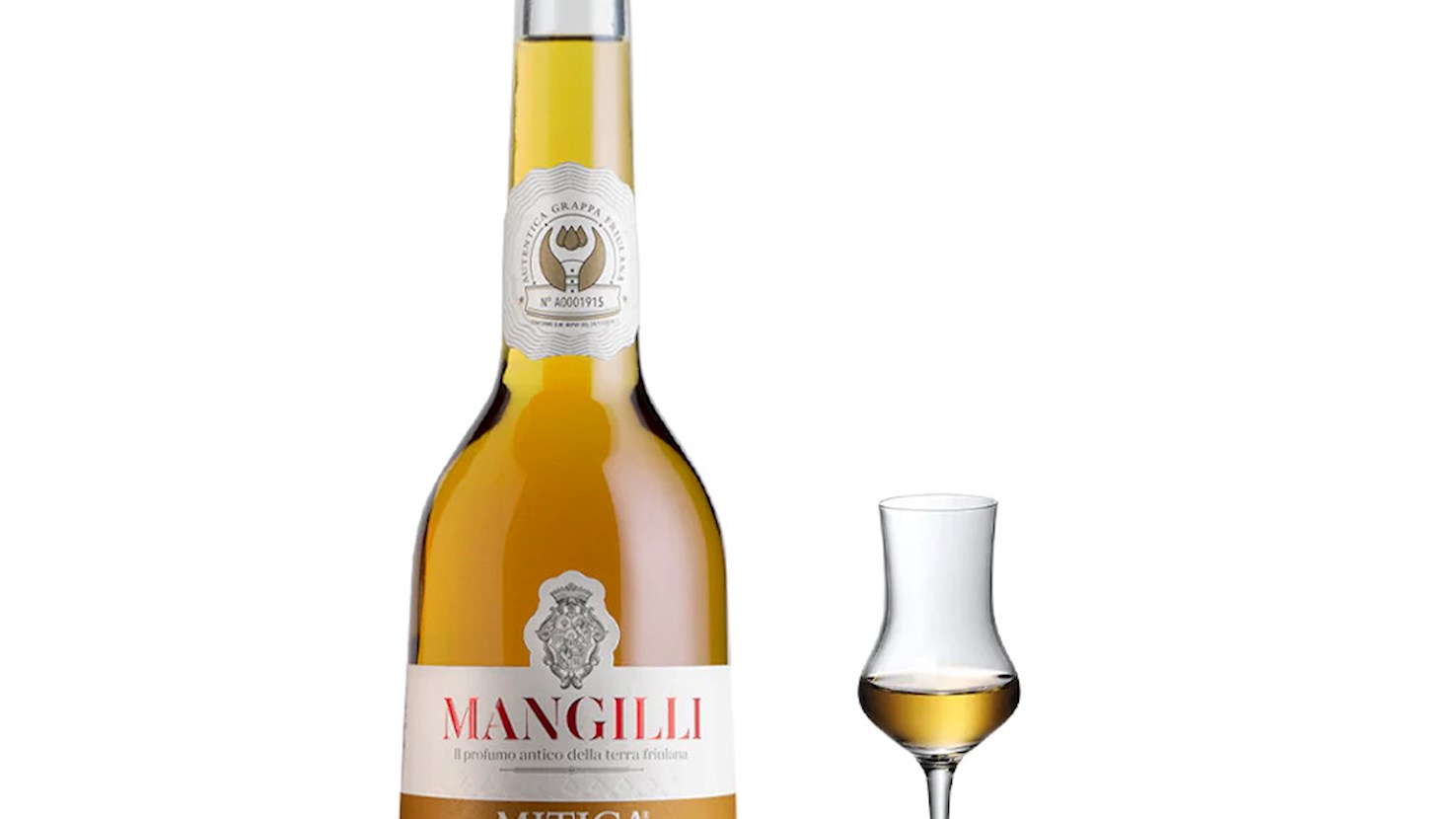
Distilleria Mangilli

4.5 ·
Awards
World Grappa Awards - Best Aged Grappa (2020)
World Grappa Awards - World's Best Grappa (2020)
Read more
View all
View map
About this ranking

TasteAtlas food rankings are based on the ratings of the TasteAtlas audience, with a series of mechanisms that recognize real users and that ignore bot, nationalist or local patriotic ratings, and give additional value to the ratings of users that the system recognizes as knowledgeable. For the “Top 20 Friulian Alcoholic Beverages” list until June 03, 2026, 481 ratings were recorded, of which 394 were recognized by the system as legitimate. TasteAtlas Rankings should not be seen as the final global conclusion about food. Their purpose is to promote excellent local foods, instill pride in traditional dishes, and arouse curiosity about dishes you haven’t tried.

The initial list of top producers was compiled based on available reviews, awards, local recommendations, media and blog coverage, and consumer reviews. The list will be updated with ratings from TasteAtlas local ambassadors and TasteAtlas users.

Similar lists