

M.B.

Top 60 Lombard Alcoholic Beverages

Last updated on June 03, 2026

Best Lombard Alcoholic Beverage Types

01

Disaronno

4.1 ·

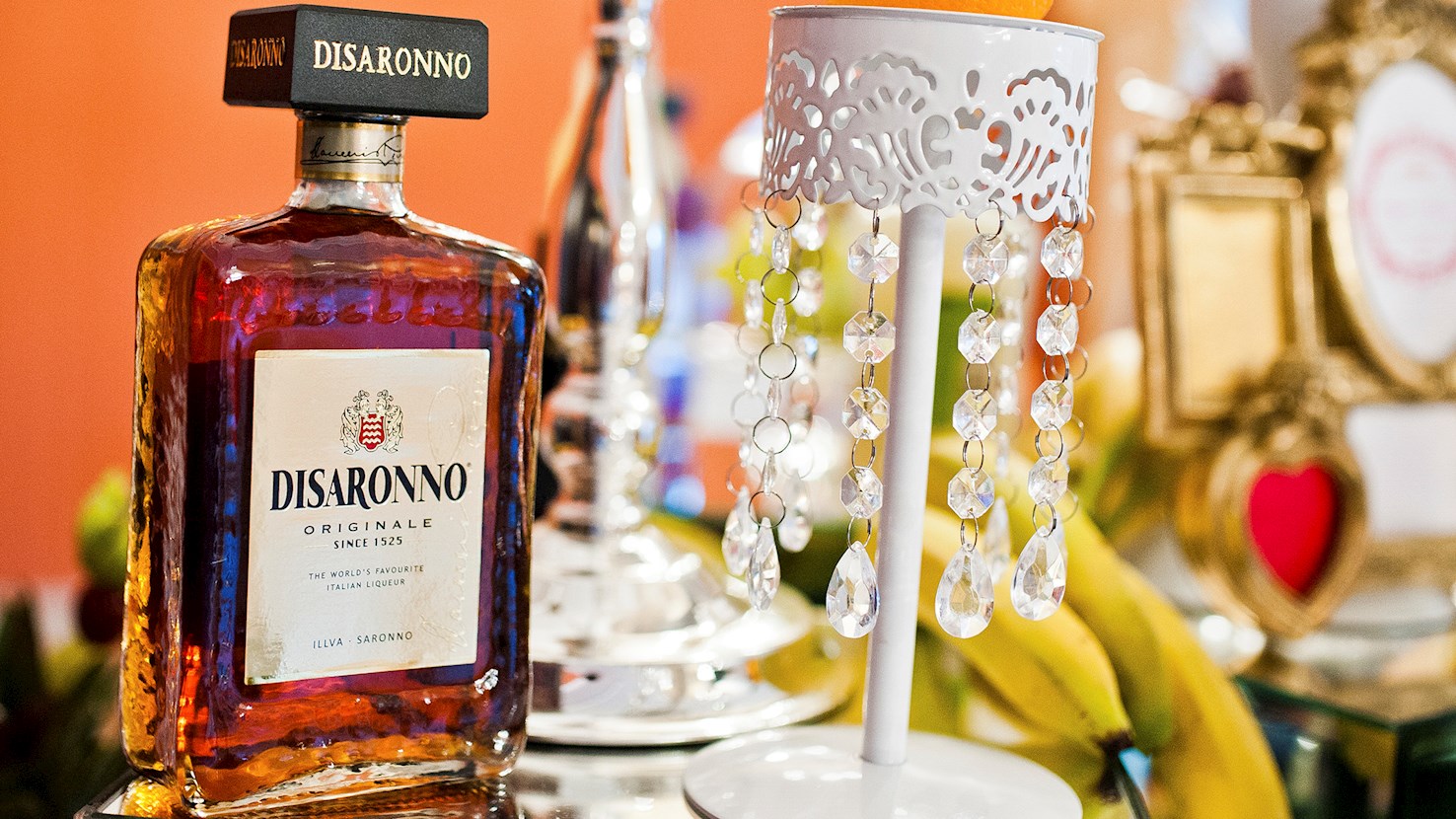
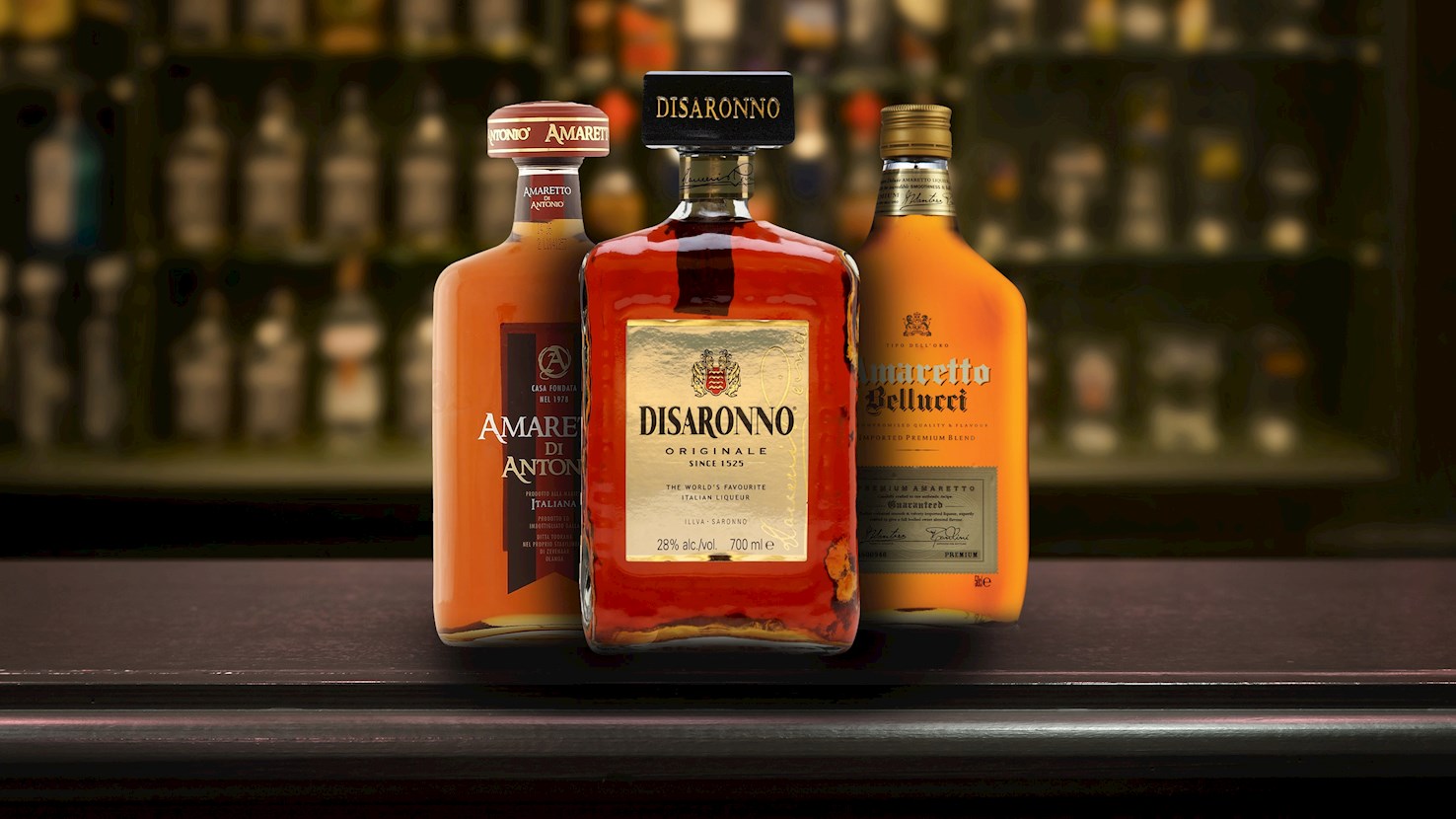
Hailing from Saronno, this renowned amaretto brand is produced with a base spirit, apricot kernel oil, burnt sugar, and 17 different herbs, fruits, and spices. The brand claimed the invention of the original amaretto in the 16th century, and throughout history, its production has remained in the hands of Reina family. Disaronno is distinguished for its use of apricot kernel oil, which provides it with a distinctive combination of almond and apricot flavors. Because of its sweetness and smooth texture, it can be enjoyed neat or on the rocks, but it can also work well in a variety of cocktails and long drinks.

02

Bombardino

4 ·

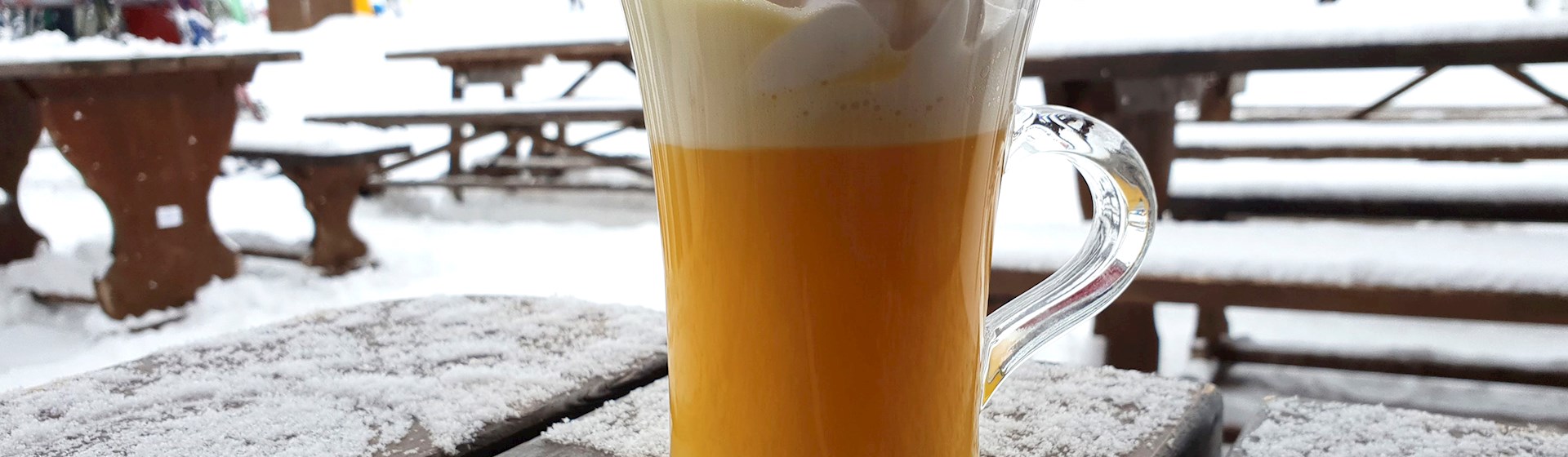
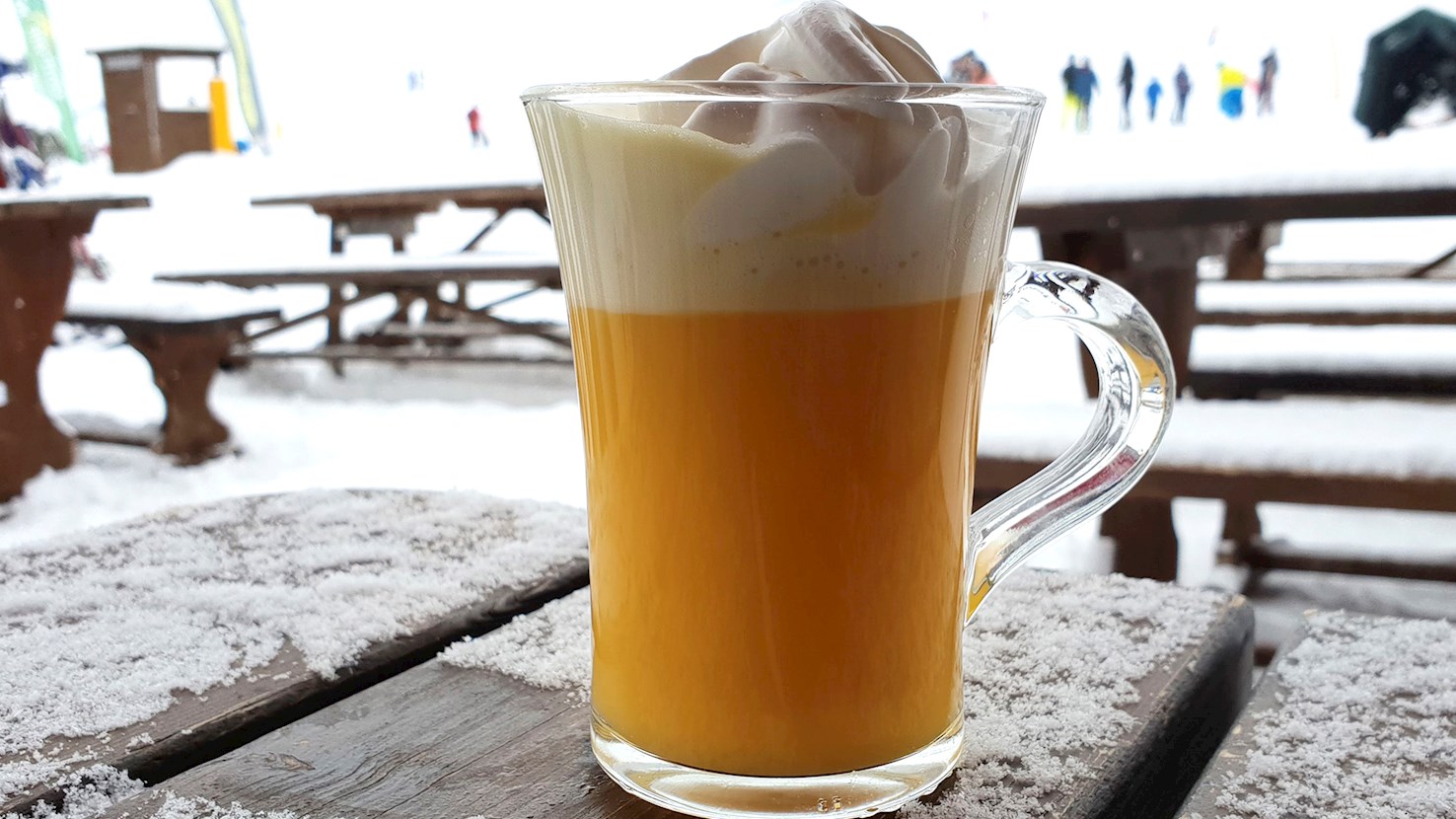
Bombardino is the ultimate Italian winter cocktail made with a combination of brandy, VOV egg liqueur, whipped cream, and cinnamon. In order to prepare it, brandy and warm egg liqueur should be poured into a glass mug, and the combination is then generously topped with whipped cream and a sprinkling of cinnamon. It is believed that the drink is named Bombardino after the fact that one of the first people to try it exclaimed that "it’s like a bomb" after noting its high alcohol content and hot temperature. Although the cocktail originated in Livigno, nowadays it is a staple of numerous Italian ski resorts.

03

Amaretto

3.9 ·

This classic liqueur is made with different combinations of neutral spirits, caramel, sweet or bitter almonds, various herbs, spices, and occasionally apricot kernel oil. Though its name stems from the Italian amaro, meaning bitter, amaretto is characterized by its sweet almond flavor and hints of bitter notes. It can be served neat, over ice, with lemon juice or coffee. Amaretto is often used in the preparation of various desserts, while the most popular amaretto-based cocktails include Godfather, Amaretto sour, Almond kiss, and Nutcracker Martini. The history of amaretto is closely associated with Saronno, and it is believed that the first version appeared in the 16th century. Apart from Italy, notable amaretto producers can be found in the Netherlands and the United States.

04

Franciacorta

3.8 ·

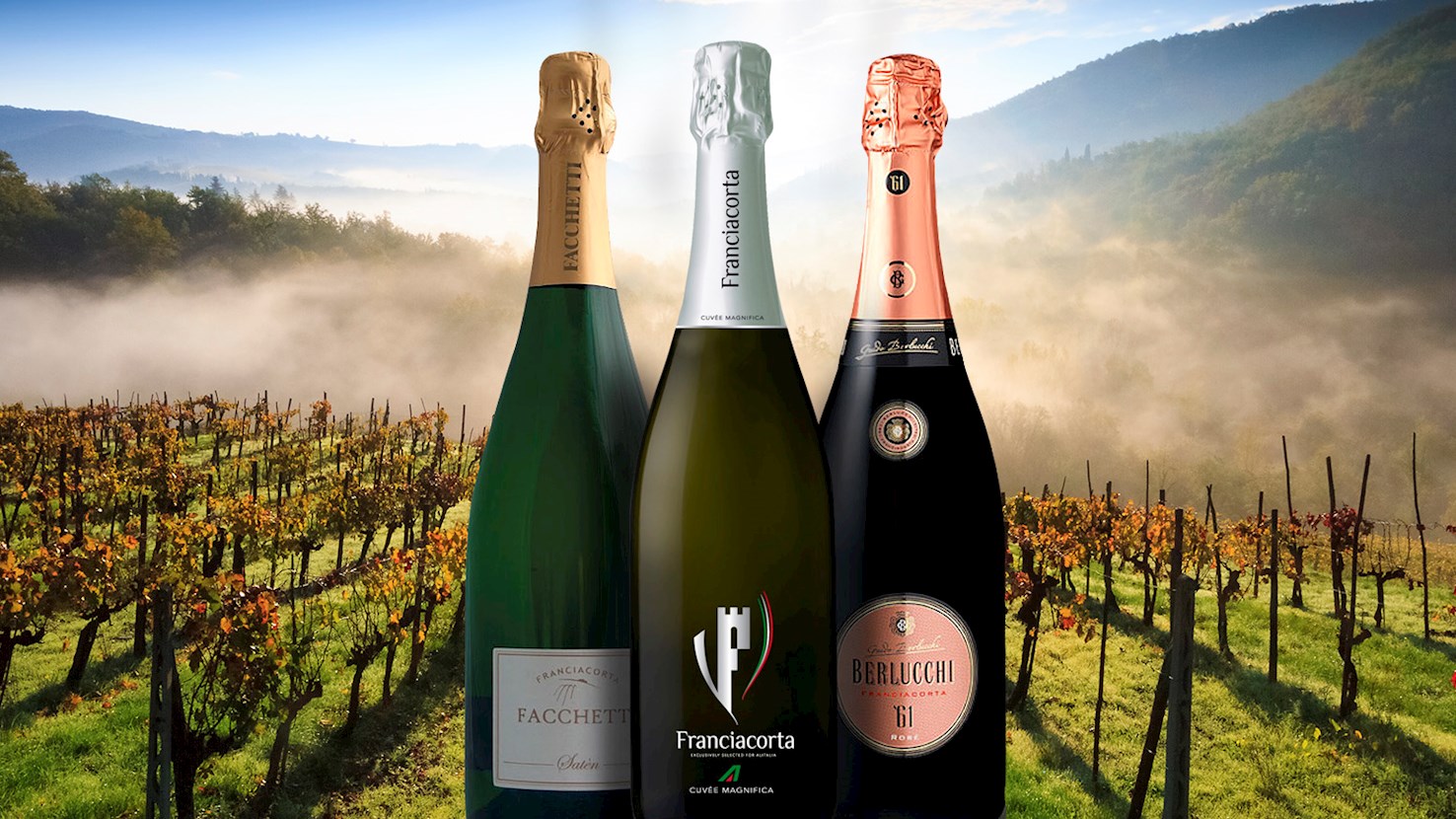
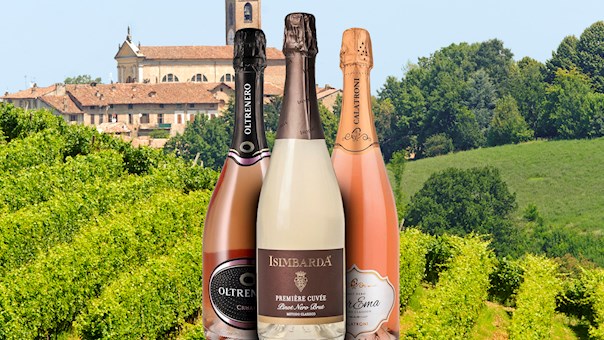
Widely regarded as the finest Italian sparkling wine, Franciacorta is made using metodo classico—just like Champagne and Cava. It is produced with a typical blend of Chardonnay, Pinot Bianco, and Pinot Nero, and comes in non-vintage, millesimato or vintage, and riserva form. Apart from the standard white version, there are also Franciacorta Satèn—made exclusively with Chardonnay and Pinot Bianco grapes—and Franciacorta Rosé made with a base of at least 25% Pinot Nero. Depending on its style, this delicate wine with subtle notes of white fruits, flowers and peaches provides excellent pairing for a wide range of dishes, from delicious Lombard desserts like bossolà and sbrisolona to pasta and seafood dishes, as well as cheese and charcuterie.

05

Negroni sbagliato

3.7 ·

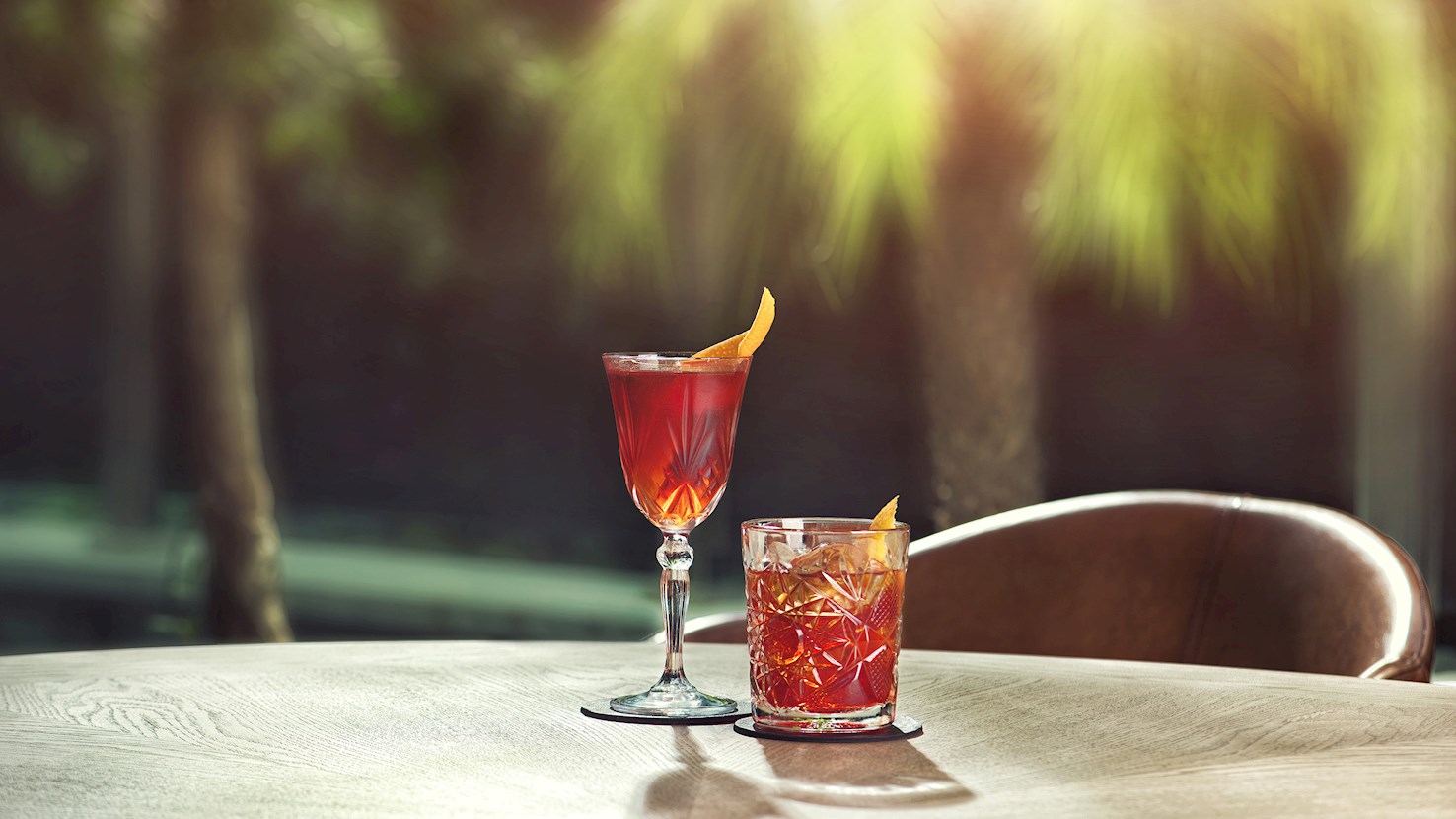
Sbagliato is a variation on the classic Negroni cocktail originating from Milan. It's made with a combination of sweet vermouth, Campari, and prosecco or any dry sparkling wine. The ingredients are poured into an ice-filled glass, then gently stirred, and the drink is often garnished with an orange peel. The name sbagliato means mistake, and the cocktail created in the 1980s by Mirko Stocchetti at Bar Basso. He wanted to make a Negroni, but mistakenly used a bottle of spumante instead of gin, and Negroni sbagliato was created.

06

Amaro Bràulio

3.6 ·

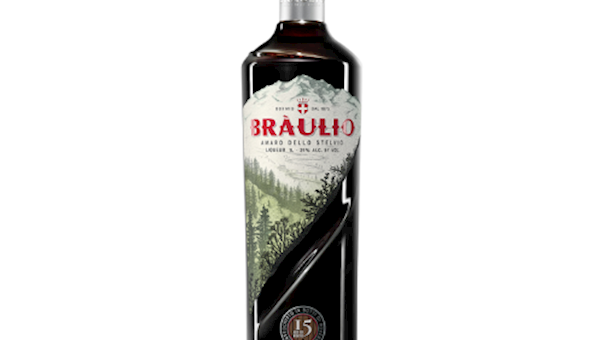
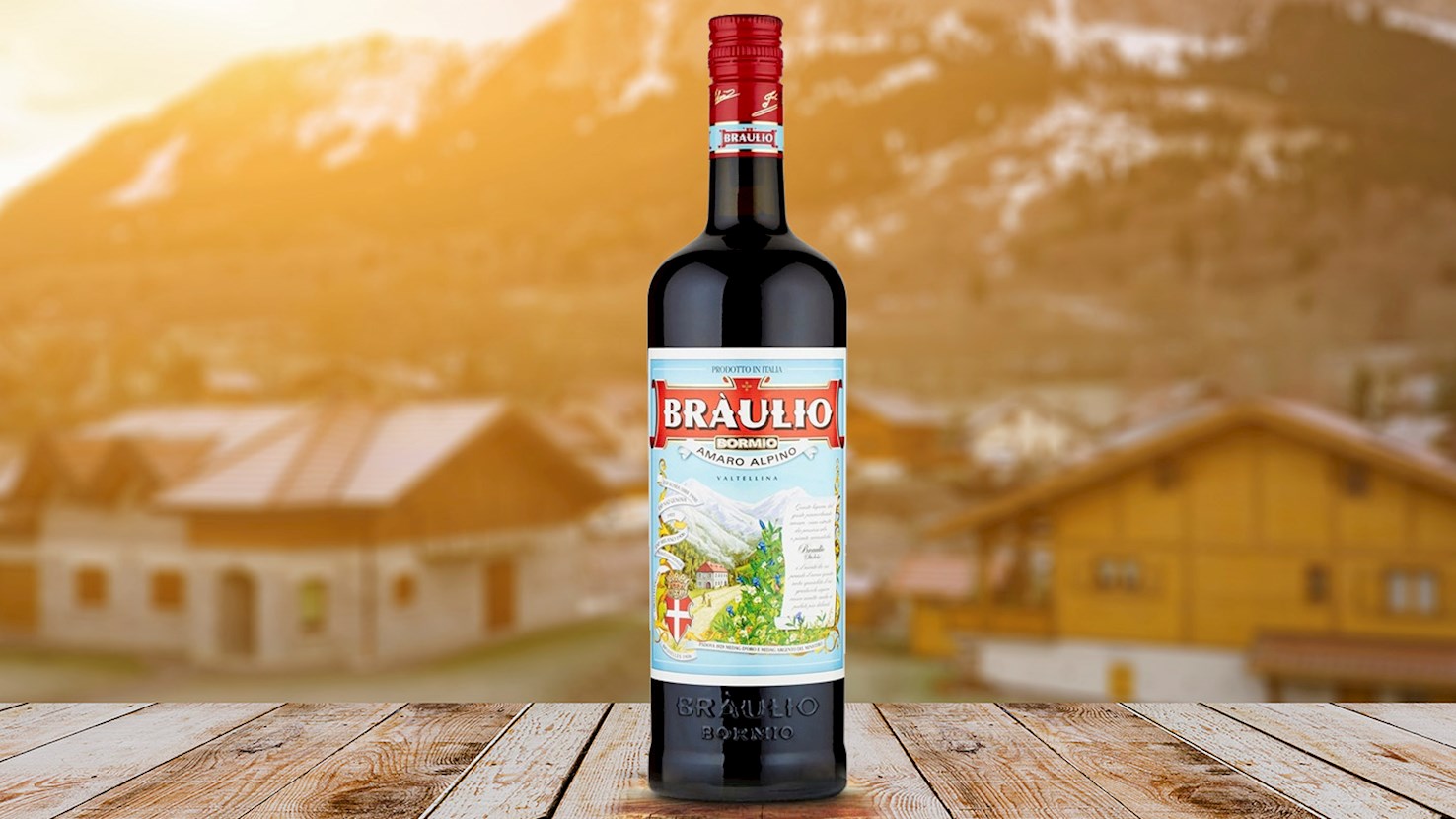
Bràulio is an Italian amaro that was created in 1875 by Francesco Peloni, a chemist from Bormio who was an expert in medicinal herbs from the alpine Valtellina region. Although the recipe and the exact ingredients are kept secret, it is known that the drink is made with the infusion of various herbs, roots, plants from Valtellina such as gentian root, wormwood, juniper berries, and achillea. The botanicals are dried and ground before they are added to the alcohol infusion. Springwater and sugar are added, and the filtered blend is left to mature for two years in Slavonian oak. The process results in a balanced, amber-colored amaro that is subtly bitter, herbaceous, and earthy, with hints of sweetness and spiciness. The drink is usually enjoyed as an aperitif or a digestif, but it also works well in mixed drinks. Classic Bràulio amaro has an alcohol content of 21%, but it also comes in a limited Riserva version—which is aged for five years and has an alcohol content of 25%.

Best producers
07

Lambrusco

3.6 ·

Lambrusco is a sparkling red wine hailing from the Emilia-Romagna and Lombardy region of Italy, particularly from areas around Modena, Reggio Emilia and Mantua. This wine is made from several varieties of the Lambrusco grape, each contributing different characteristics to the final product. Lambrusco wines are typically light and frothy, with a range of sweetness levels from dry (secco) to sweet (dolce). They exhibit a vibrant ruby-red color and often have a delightful effervescence due to their natural sparkle. The aromatic profile of Lambrusco includes notes of red berries, cherries, and sometimes floral hints like violets. On the palate, these wines are known for their refreshing acidity, light tannins, and fruity flavors, which can include strawberries, raspberries, and blackberries. The sweetness can vary, but even the sweeter versions maintain a balance with their acidity, making them enjoyable and easy to drink. Lambrusco is best enjoyed chilled and is a popular choice for pairing with a variety of foods. It goes particularly well with the rich and savory dishes of Emilia-Romagna, such as cured meats, cheeses, pasta with hearty sauces, and even pizza.

08

Campari Soda

3.5 ·

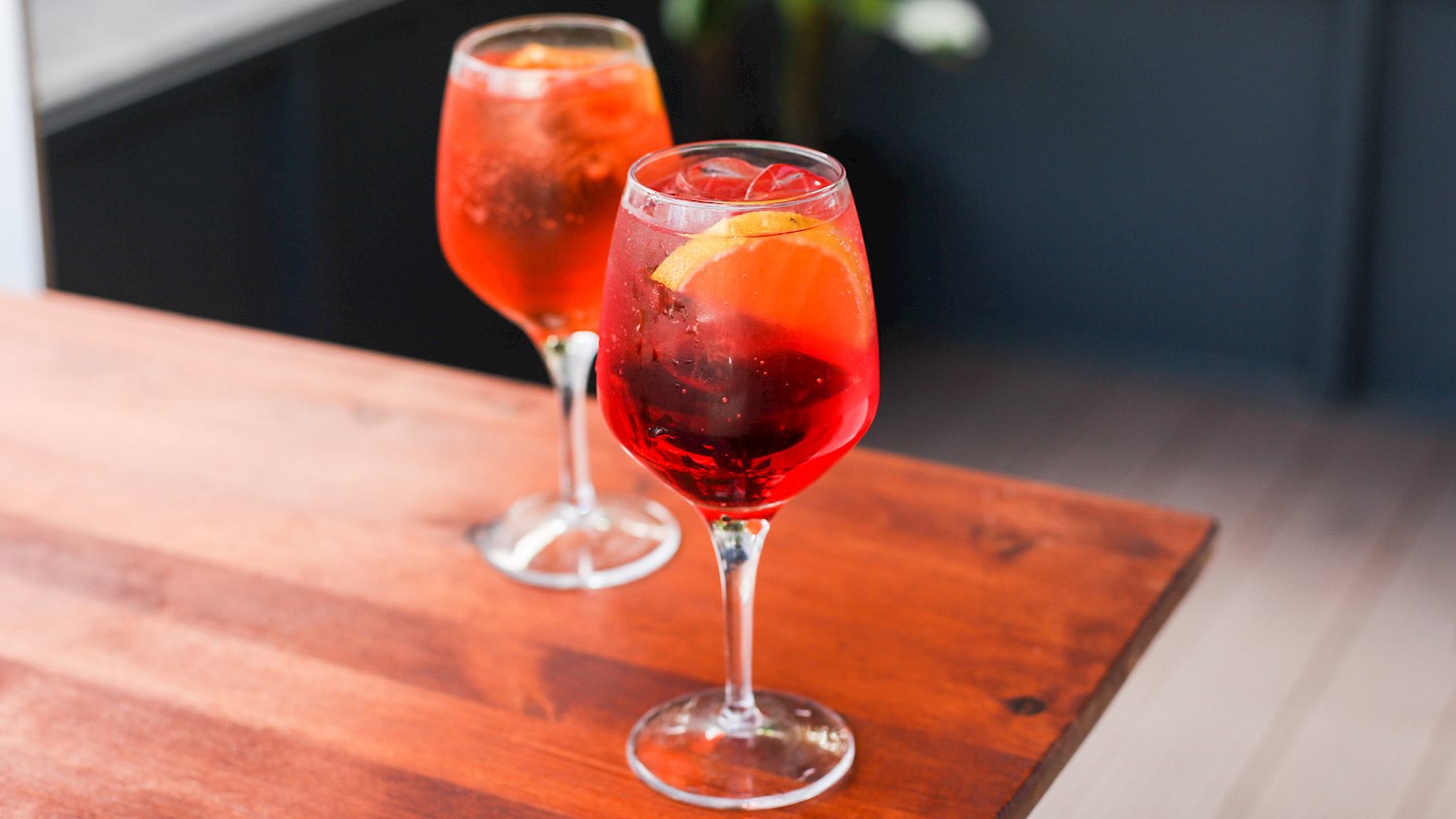
Campari Soda or Campari Seltz, as it is known in Italy, is a simple and refreshing combination of Campari and soda water that is mostly enjoyed as an aperitif. The ratio is usually 1 part Campari to 3 parts soda. To prepare it, Campari is added first and is then topped with soda—the drink should have a frothy top. This traditional spritz is usually served in a stemmed or an old-fashioned glass, and it can be garnished with an orange slice. The drink was invented in 1915 by Davide Campari at his Camparino bar in Milan. The combination became a signature drink at the bar, and it soon caught on elsewhere.

09

Ramazzotti

3.3 ·

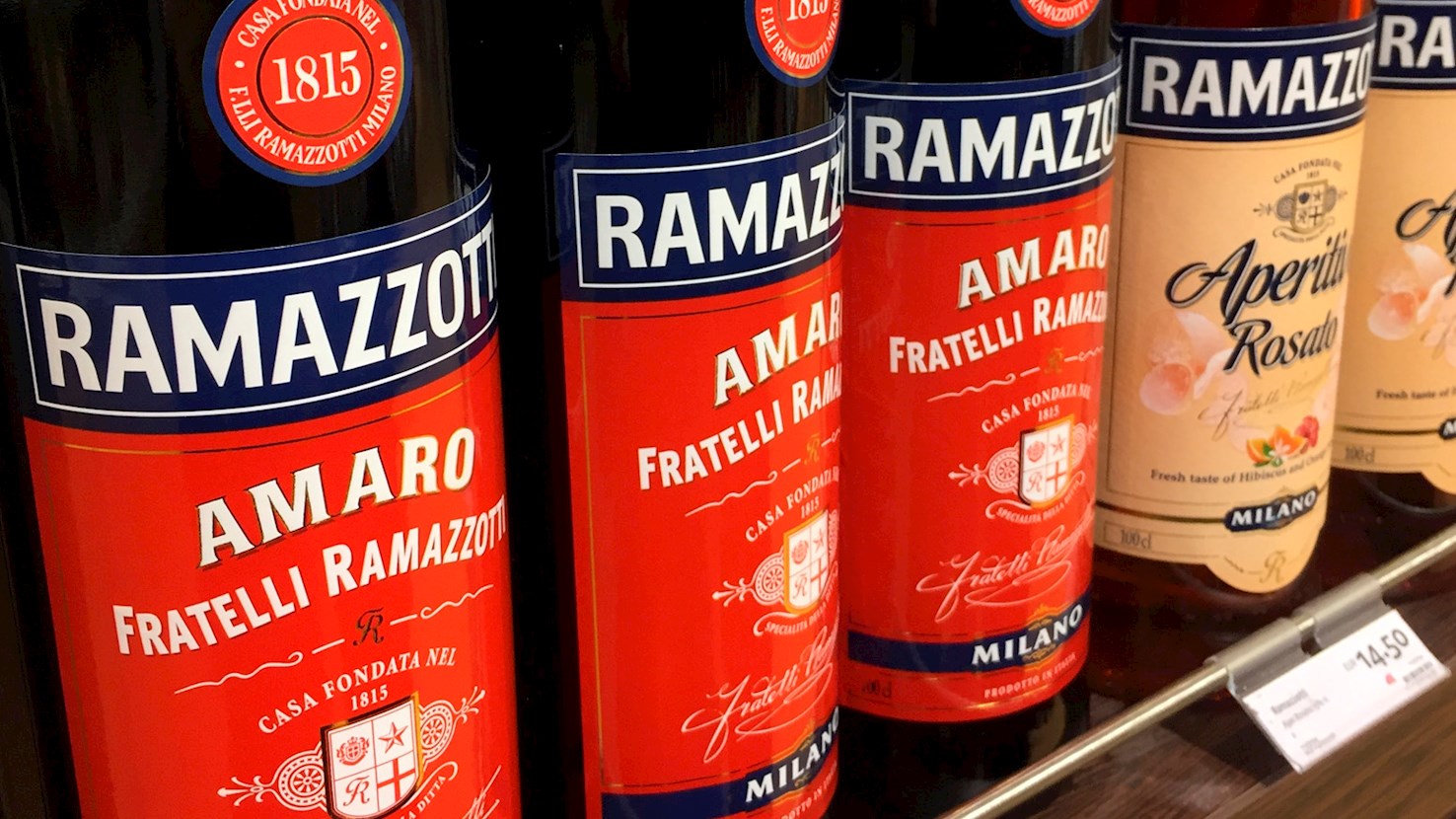
This Italian amaro was first produced in 1815, and it is still made according to the original secret recipe that employs 33 different herbs and roots. The recipe was developed by Ausano Ramazzotti, who offered the drink at his café, located in the vicinity of Milanese La Scala. Ramazzotti is an intense, medium bitter digestif that is best enjoyed neat or on the rocks, preferably with the addition of lemon twist. Apart from the original version it also comes as Ramazzotti Menta, Black, and Limone.

10

Grappa

3.2 ·

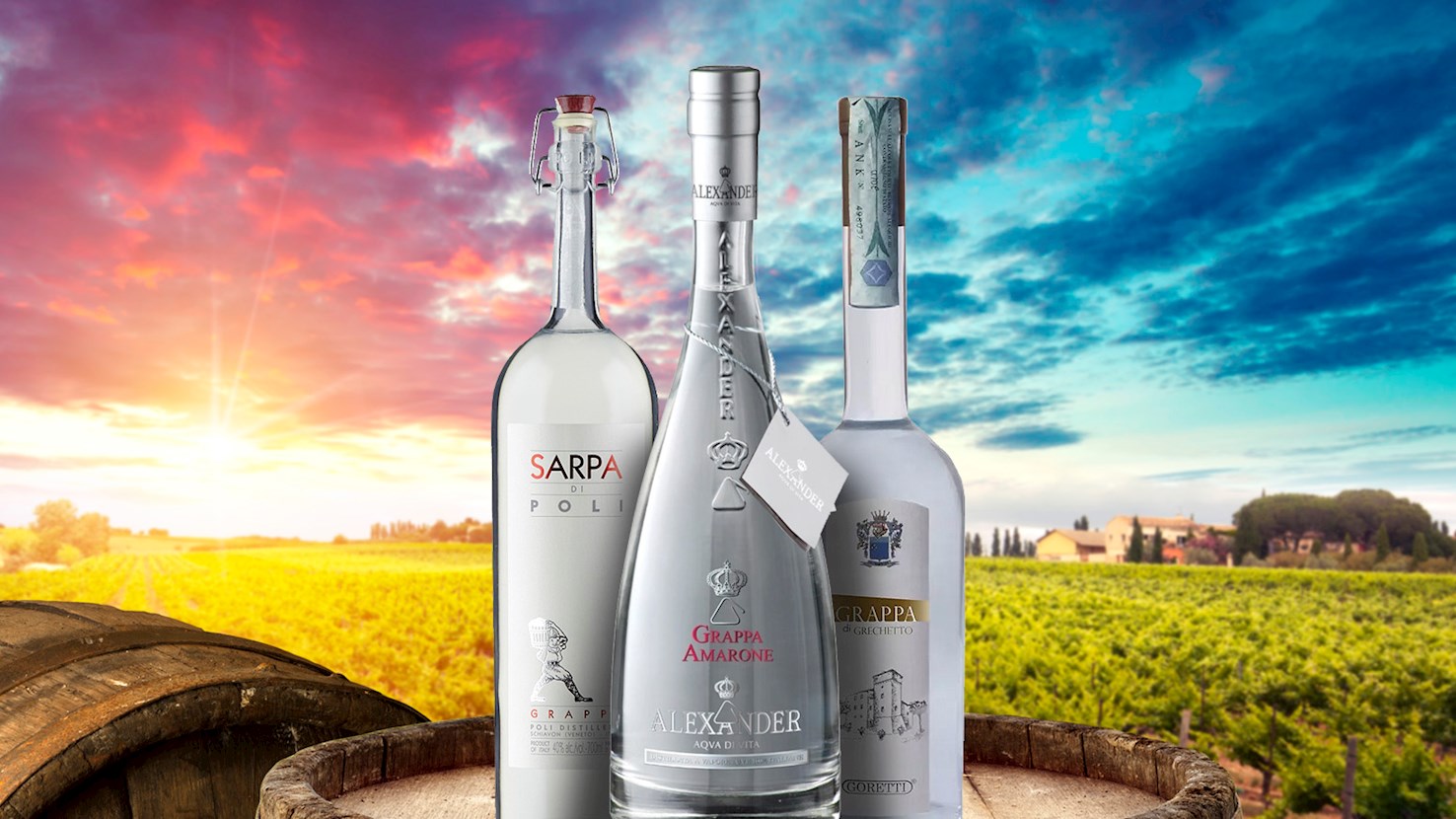
Italian grappa is distilled from fermented pomace—solid components of grapes that are left after the juice has been pressed. The taste profile of grappa varies, and each variety is distinguished for their unique character that depends on the choice of raw materials, distillation, as well as nature and the length of maturation. The basic distinction is made between grappa bianca, which is aged in stainless steel, and golden varieties that are traditionally aged in large barrels. Through history, grappa was mainly associated with northern parts of Italy, but today it is produced throughout the country. In Italy, grappa is typically enjoyed as a digestif and is usually served straight, in shot glasses.

Best Lombard Alcoholic Beverages
01

Campari Group

5 ·
Awards
SFWSC - San Francisco World Spirits Competition - Double Gold (2024, 2023)
The Scotch Whisky Masters - Gold (2024, 2022)
02

Carpano

5 ·
Awards
SFWSC - San Francisco World Spirits Competition - Double Gold (2024)
03

Azienda Agricola Cipriana

4.9 ·
Awards
Decanter World Wine Awards - Platinum (2020)
04

Magri Sereno

4.9 ·
Awards
IWSC- International wine & spirit competition - Gold (2023)
05

Cherubino

4.9 ·
Awards
IWSC- International wine & spirit competition - Gold (2023)
06

Monte Rossa

4.9 ·
Awards
Decanter World Wine Awards - Platinum (2024, 2019)
07

Cabochon

4.9 ·
Awards
Decanter World Wine Awards - Platinum (2021)
08

Cescon Italo Storia e Vini

4.9 ·
Awards
IWSC- International wine & spirit competition - Gold (2021)
09

La Montina

4.9 ·
Awards
IWSC- International wine & spirit competition - Gold (2019)
10

Ca' dei Frati

4.9 ·
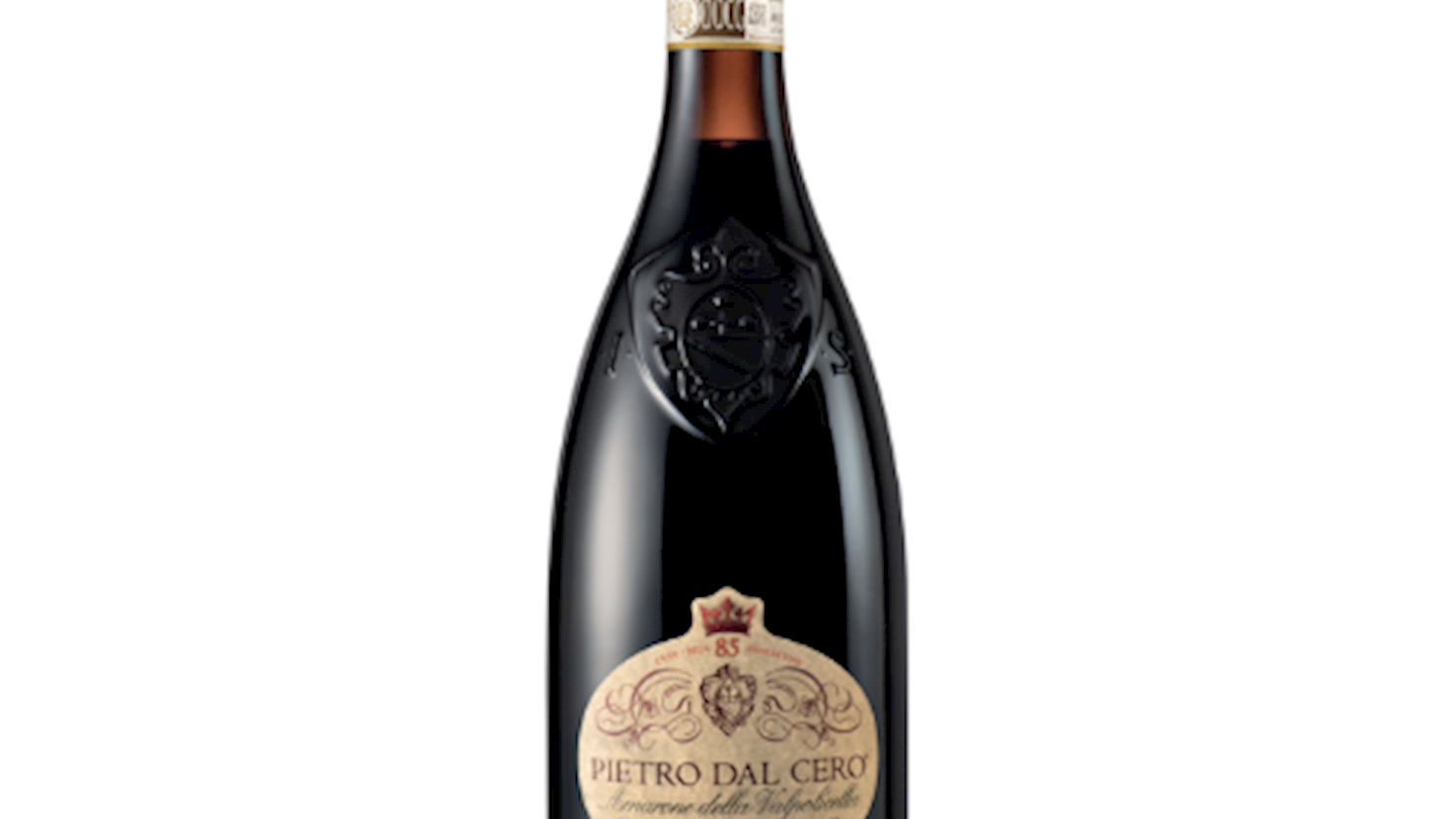
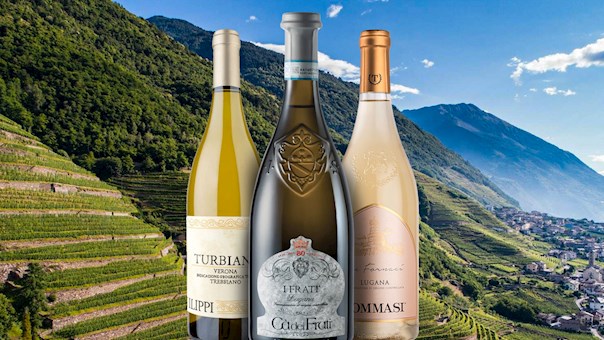
Ca’ dei Frati is a historic family winery located on the southern shores of Lake Garda, in the heart of the Lugana DOC. Its origins date back to the 18th century, with the modern estate shaped by the Dal Cero family, who recognized early on the exceptional potential of this terroir for producing age-worthy white wines. The vineyards are planted mainly on clay-rich soils of glacial origin, which play a key role in defining the structure, salinity, and longevity of the wines. Ca’ dei Frati is best known for its interpretations of Turbiana, the local expression of Trebbiano, vinified with precision to highlight freshness, mineral tension, and aromatic clarity. The flagship Lugana wines combine floral and stone-fruit aromas with vibrant acidity and a distinctive savory character that evolves beautifully with time. Vinification emphasizes parcel-by-parcel work, careful temperature control, and extended lees contact to build complexity without sacrificing balance. Beyond Lugana, the estate also produces rosé, sparkling, and red wines, reflecting a broad yet coherent vision. Ca’ dei Frati has played a central role in establishing Lugana as one of Italy’s most respected white wine appellations, combining historical depth with a confident, modern style.
Awards
Vivino - 4.5
Vivino - 4.2
Read more
View all
View map
About this ranking

TasteAtlas food rankings are based on the ratings of the TasteAtlas audience, with a series of mechanisms that recognize real users and that ignore bot, nationalist or local patriotic ratings, and give additional value to the ratings of users that the system recognizes as knowledgeable. For the “Top 60 Lombard Alcoholic Beverages” list until June 03, 2026, 756 ratings were recorded, of which 599 were recognized by the system as legitimate. TasteAtlas Rankings should not be seen as the final global conclusion about food. Their purpose is to promote excellent local foods, instill pride in traditional dishes, and arouse curiosity about dishes you haven’t tried.

The initial list of top producers was compiled based on available reviews, awards, local recommendations, media and blog coverage, and consumer reviews. The list will be updated with ratings from TasteAtlas local ambassadors and TasteAtlas users.

Similar lists