Top 10 Local Alcoholic Beverages
in Munich

Last updated on June 03, 2026

Best Munich Alcoholic Beverages
01

Spaten-Franziskaner-Bräu

4.8 ·
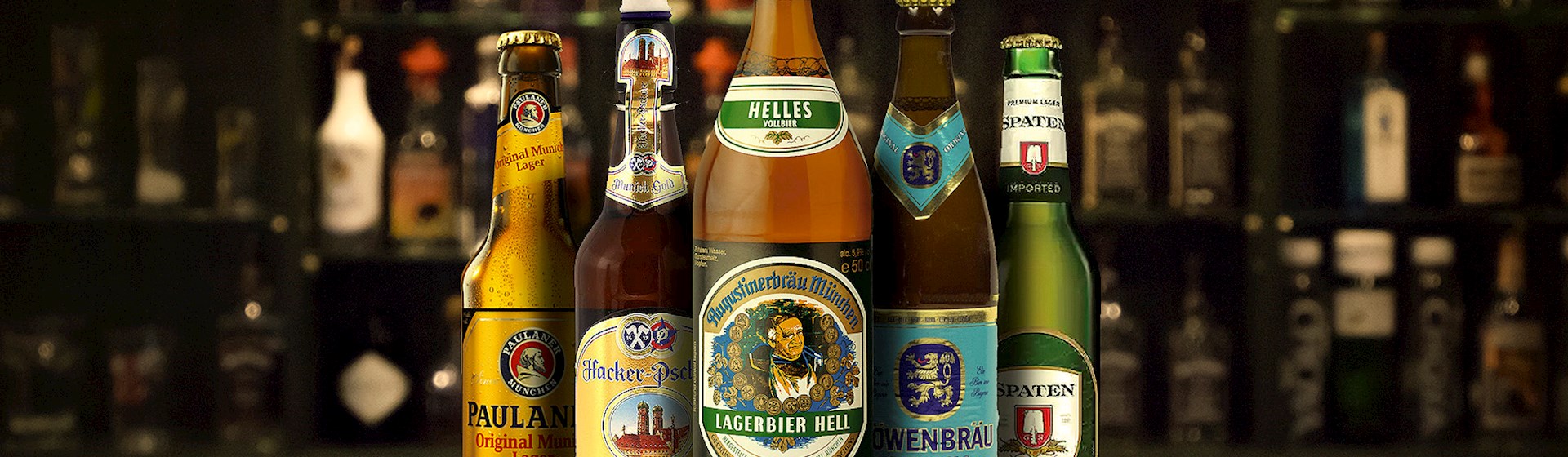
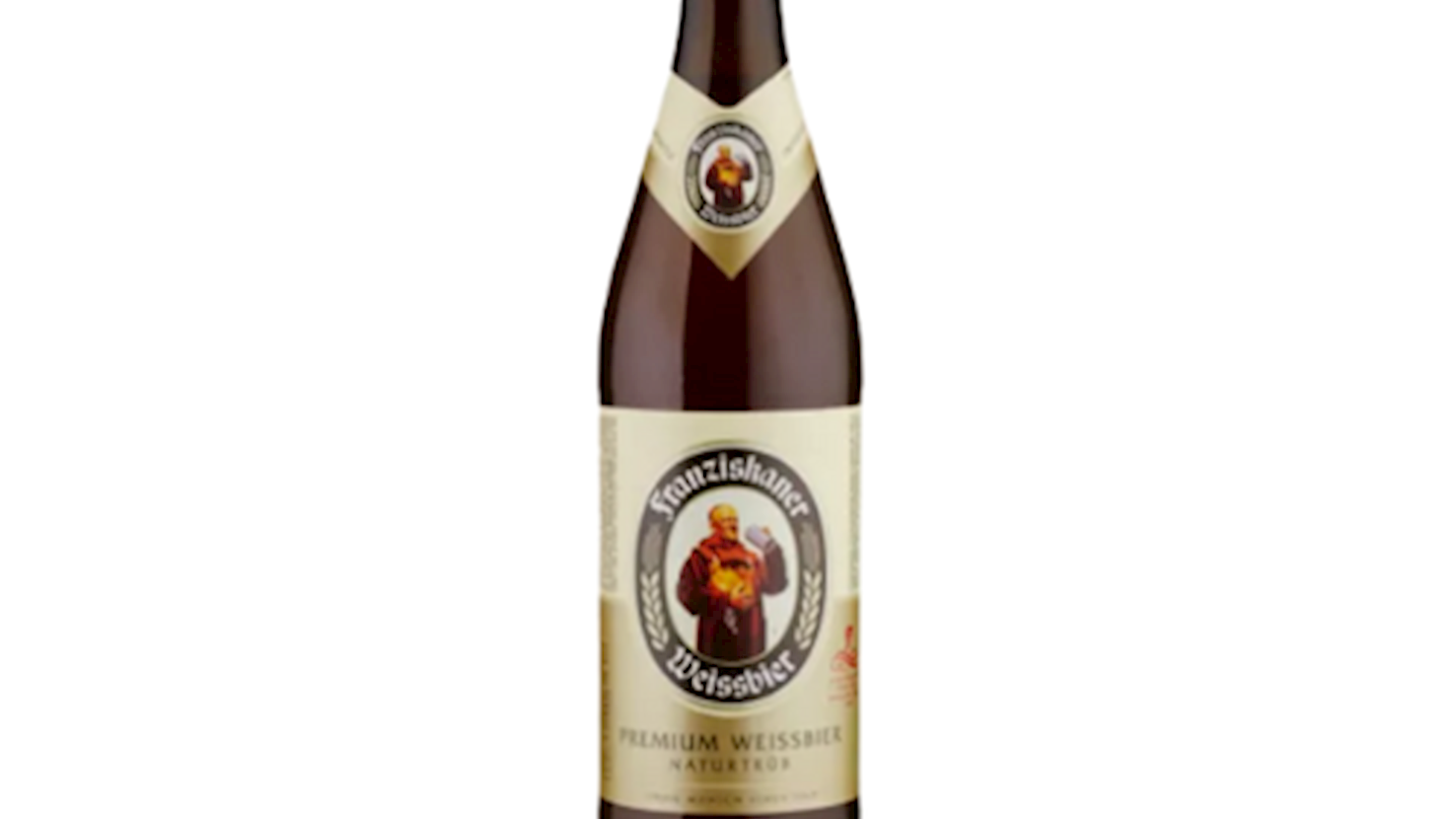
Spaten-Franziskaner-Bräu is one of Munich’s oldest breweries, with a tradition dating back to 1397, and today stands as a symbol of Bavarian brewing heritage and technical precision. Over the centuries, the brewery has been a pioneer in introducing new production methods, including the early use of steam power and later the development of cooling systems that enabled the rise of modern lager styles. Spaten-Franziskaner-Bräu is particularly credited with popularizing Münchener Helles, a beer known for its clean, mild, and balanced flavor that has become one of Munich’s signature beer profiles. In production, the brewery strictly follows the 1516 Reinheitsgebot, using only deep-well water, malt, Hallertau hops, and its own yeast culture. Spaten-Franziskaner-Bräu maintains a clear aromatic line across its lagers - gentle grain notes, subtle floral hop character, and exceptional drinkability. For lovers of traditional German lagers, Spaten-Franziskaner-Bräu offers steady, recognizable, and historically grounded quality. Its labels are considered classic examples of the style and often serve as a reference point for understanding Bavarian lager heritage. For these reasons, Spaten-Franziskaner-Bräu continues to be one of the key benchmarks when discussing longevity, consistency, and authenticity in German brewing.
Awards
World Beer Cup - Gold (2016)
Untappd - 3.6
02

Bavarian Finest

4.7 ·
Awards
The Gin Masters - Master (2022)
03

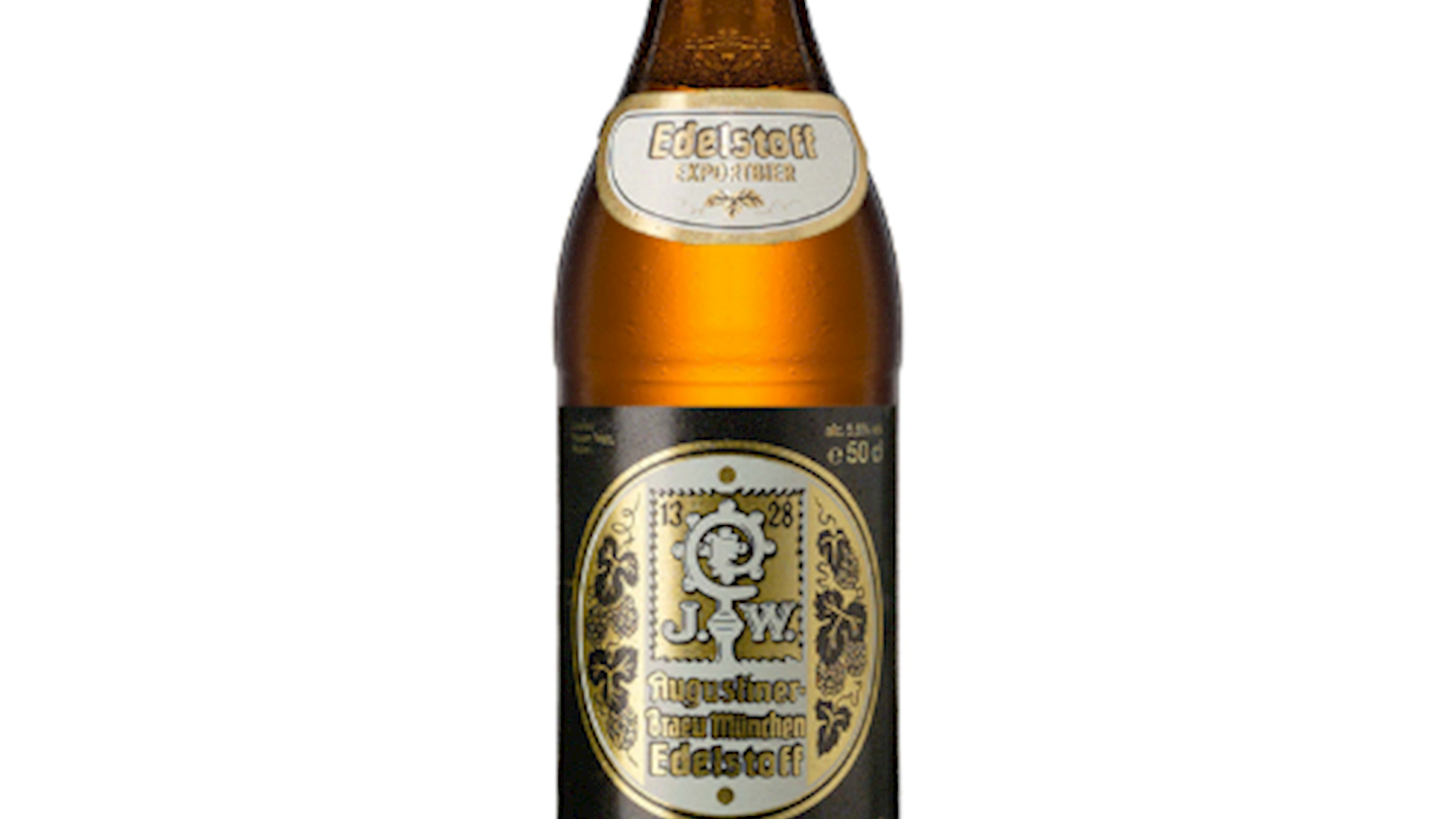
Augustiner-Bräu

4.5 ·
Augustiner-Bräu is the oldest independent brewery in Munich, founded in 1328 within an Augustinian monastery just outside the city’s medieval walls. Following the secularization of 1803, the brewery passed into private hands and was acquired in 1829 by Anton Wagner, marking the beginning of a family-led brewing tradition that continues to this day. Augustiner stands as a symbol of traditional Bavarian brewing, blending centuries-old methods with modern quality standards. The brewery is renowned for still serving beer from wooden barrels, maintaining classic “Euro-style” glass bottles, and investing little to no resources in advertising - cultivating an authentic image and a loyal following. In addition to its main brewery in central Munich, Augustiner also operates the renowned Augustiner-Keller, one of Bavaria’s most iconic beer gardens, and it is the only Oktoberfest tent that still pours beer directly from wooden casks. Augustiner remains firmly committed to its principles: regional distribution, strict adherence to the German Beer Purity Law - Reinheitsgebot, the use of high-quality water drawn from deep Munich wells, and a simple yet flawless beer recipe. Despite modern trends, Augustiner refuses to compromise on tradition, making it a beloved brand among true connoisseurs of German beer.
Awards
Untappd - 3.6
Beer Advocate - 93 Outstanding
04

MUNiG DISTILLERS

4.5 ·
Awards
World Gin Awards - Country Winner (2022)
05

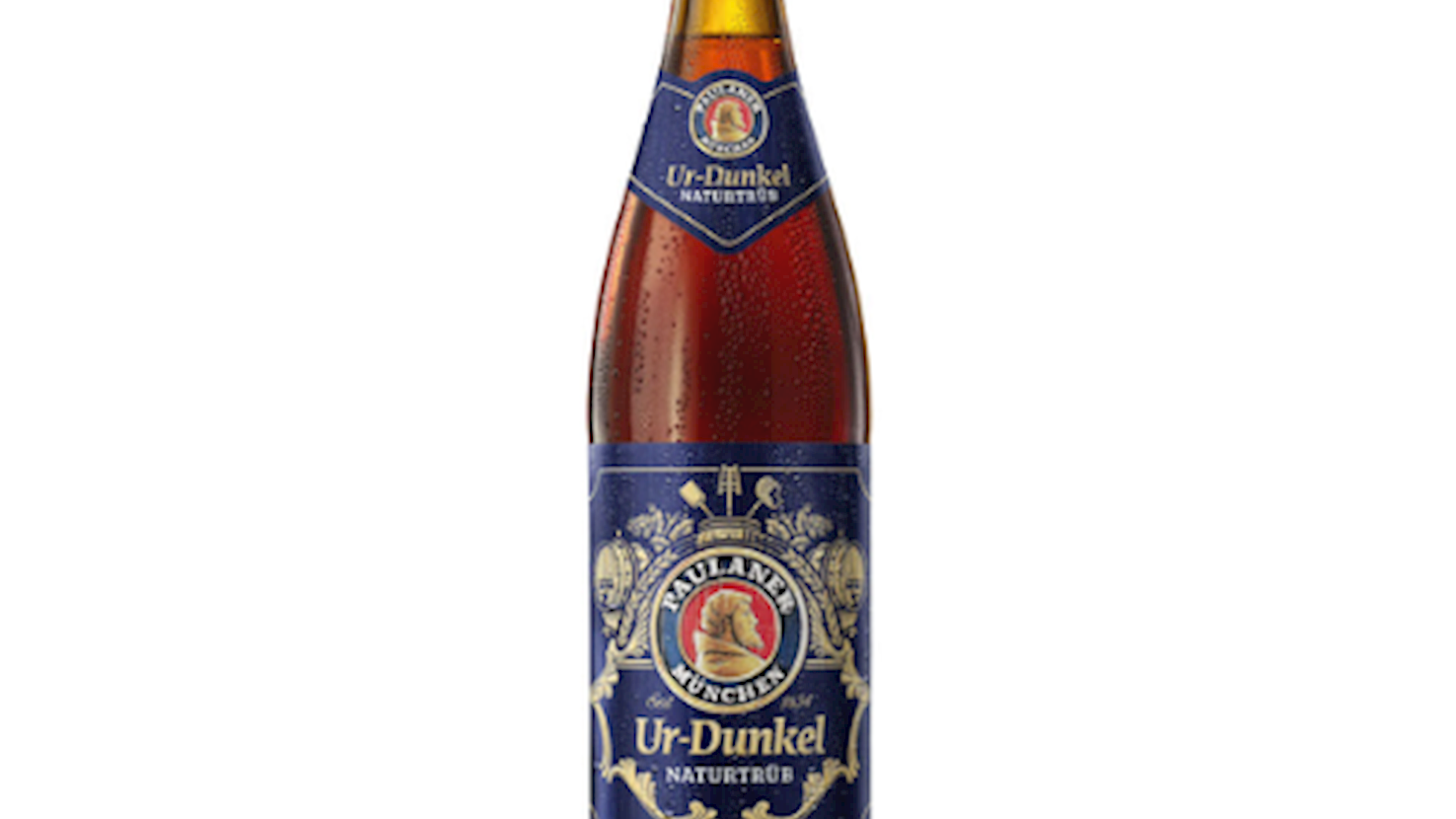
Paulaner Brauerei

4.4 ·
Paulaner Brauerei is one of the most renowned German breweries, based in Munich and boasting a tradition nearly four centuries long. It was founded by monks of the Order of Saint Francis of Paola, from whom the brewery takes its name. Their first beer, the famous “Salvator”, was a strong, dark doppelbock-style beer traditionally consumed during fasting periods. Over the centuries, Paulaner has grown into a symbol of Bavarian beer culture and is one of the six Munich breweries granted exclusive rights to serve beer at Oktoberfest. The brewery combines modern technology with classic recipes, using only high-quality ingredients in accordance with the German Beer Purity Law - Reinheitsgebot. With an annual production exceeding 2 million hectoliters and exports to more than 80 countries, Paulaner ranks among the largest exporters of German beer worldwide. Its central brewery in Munich remains a gathering place for celebrations and beer culture, while events such as the Starkbierfest and the traditional “Derblecken” tasting further underscore Paulaner’s deep-rooted presence in the life of the Bavarian capital.
Awards
European Beer Star - Gold (2020)
Untappd - 3.6
06

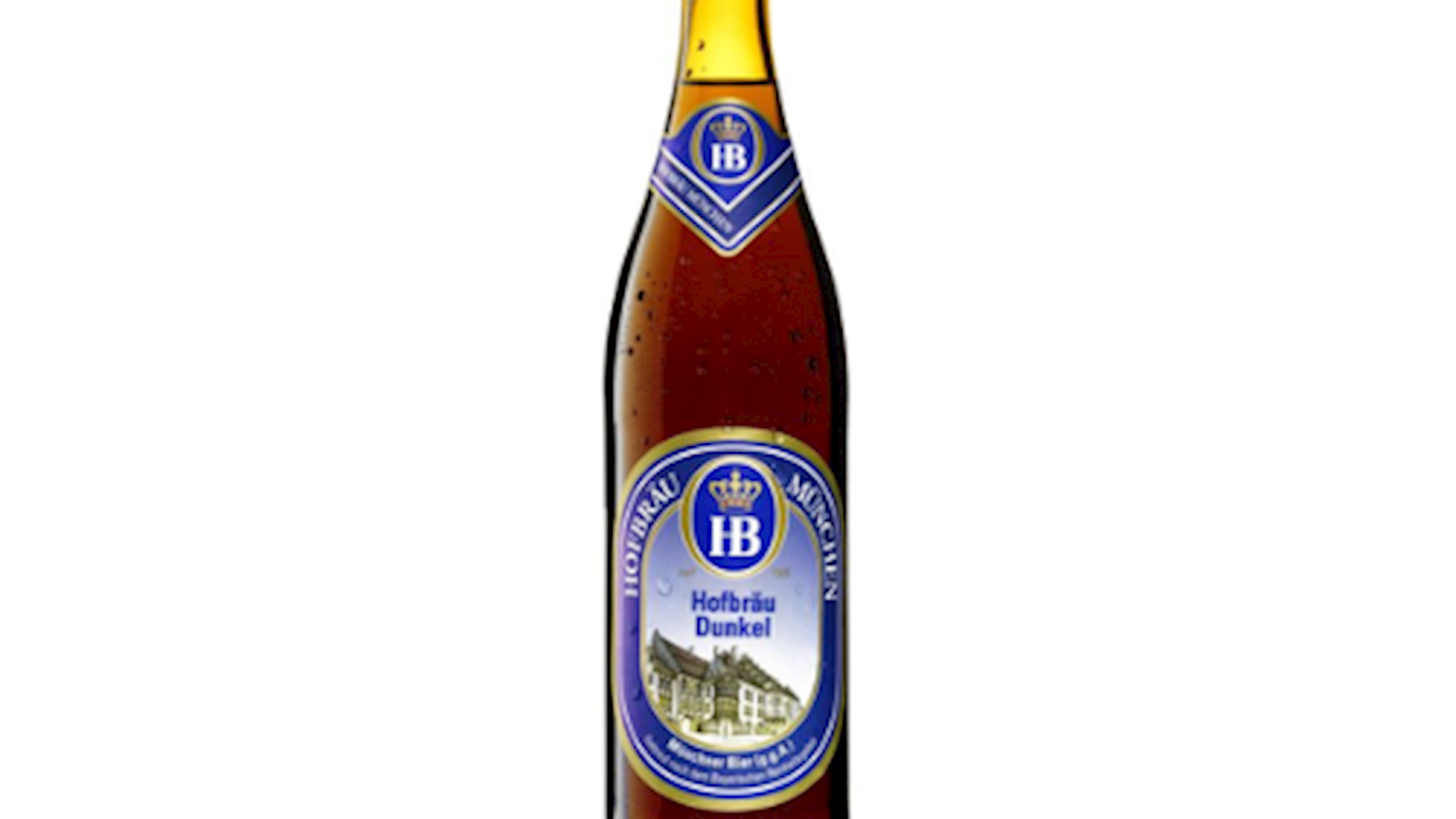
Hofbräu München

4.4 ·
Hofbräu München is one of the most renowned Bavarian breweries, founded in 1589 as the court brewery of Duke Wilhelm V, tasked with supplying high-quality beer to the Bavarian royal household. Over the centuries, it has evolved into a symbol of Munich and one of the most recognizable names in German brewing tradition. Today it operates as the state brewery of Bavaria, combining classical recipes with modern technology in its production facility in Riem. Hofbräu is credited with developing several historically important styles, including the dark lager Hofbräu Dunkel, the pioneering Maibock as one of the earliest strong Bavarian bock beers, as well as the well-known Helles and traditional Weißbier. Their beers remain firmly rooted in Munich’s brewing heritage, with a clear emphasis on purity of flavor, high-quality malt, and controlled fermentation. The brand has a strong global presence - Hofbräu München exports to many countries and operates a network of Hofbräuhaus beer halls worldwide. Their portfolio is defined by consistency, a clean flavor profile, and stylistic authenticity, making them a reference point for classic Munich beer styles. For enthusiasts of German brewing tradition, Hofbräu München represents a blend of history, quality, and cultural heritage that goes far beyond an ordinary beer.
Awards
Untappd - 3.7
Untappd - 3.5
07

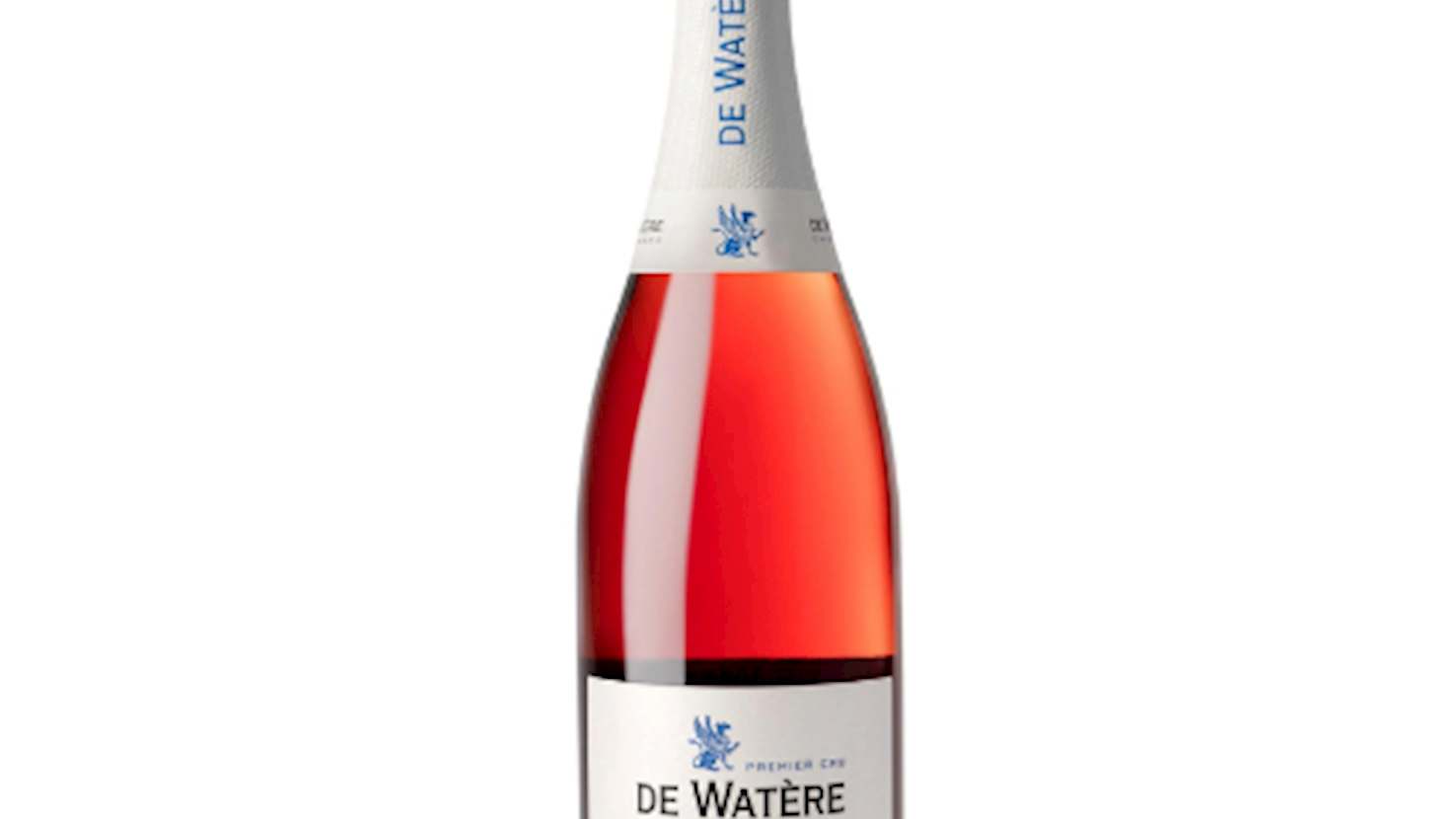
De Watère

4.4 ·
De Watère was founded in 2011 by Martin A. Konorza to discover the true soul of champagne and to create a completely new way of enjoying champagne. TEN21 serves as the entry to the world of De Watère, consciously providing an elevated experience of traditional Champagne crafting.
Awards
Asia Wine Trophy - Grand Gold (2022, 2020)
Berlin Wine Trophy - Grand Gold (2022, 2021, 2020)
08

Hacker-Pschorr Brewery

4.3 ·
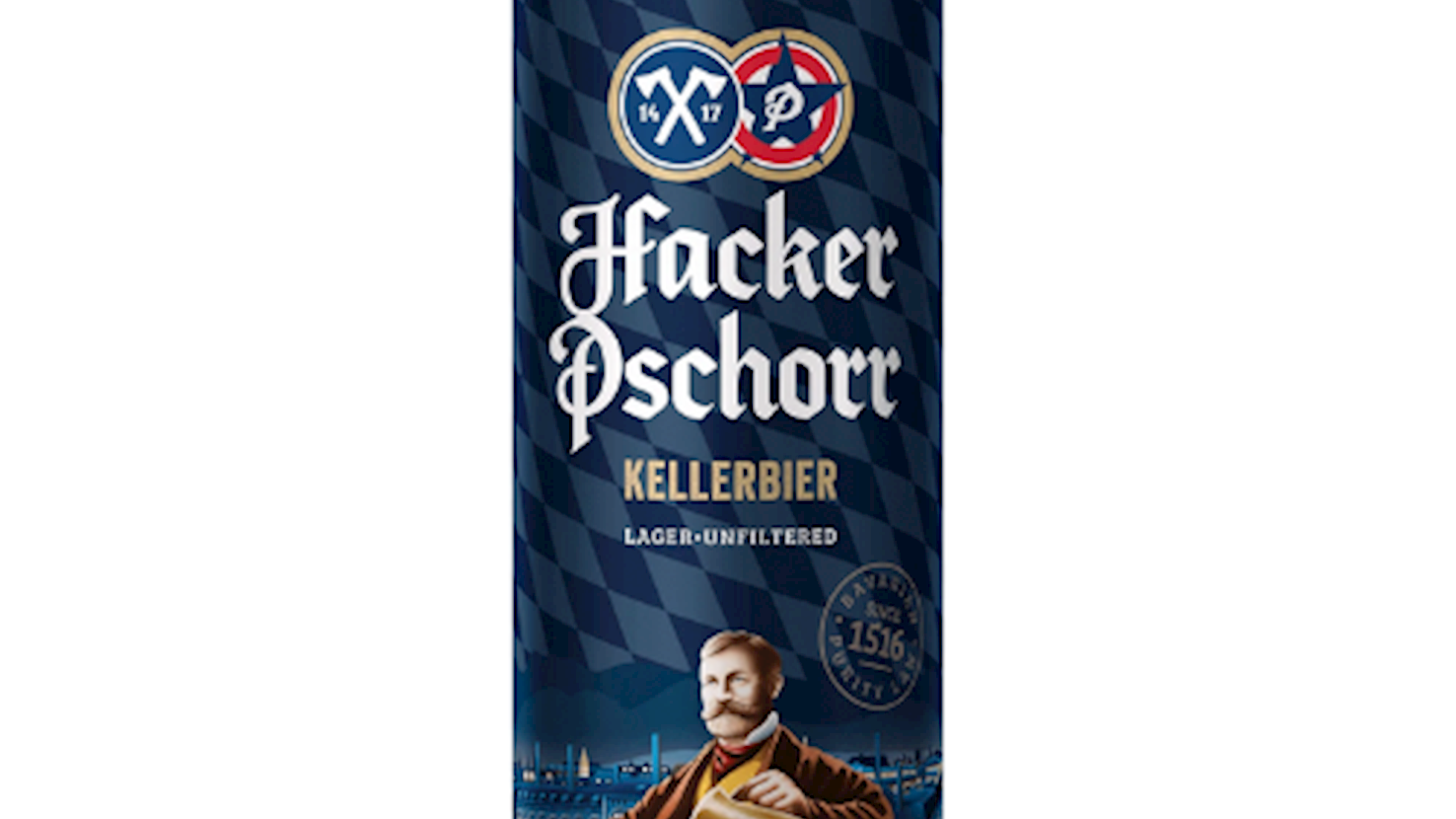
Hacker‑Pschorr is a Bavarian brewery from Munich, with origins dating back to 1417 - nearly a century before the introduction of the famous Reinheitsgebot, the German Beer Purity Law. The brewery evolved through family ties and entrepreneurial vision, taking on its modern form in the early 19th century when Joseph Pschorr married Maria Theresia Hacker, took over the Hacker brewery, and later established his own brand, which was eventually unified by their sons. Throughout its history, Hacker‑Pschorr stood out as an innovator - most notably in 1813, when it built the largest beer cellar in Germany at the time, with a capacity of 35,000 hectoliters, enabling year-round beer availability. Today, Hacker‑Pschorr is a symbol of traditional Munich brewing, with a strong emphasis on preserving authentic methods and style. Although it has not brewed in its own facilities since 1998, the brand remains faithful to Bavarian heritage and is one of the six official breweries represented at Oktoberfest. Its portfolio features iconic styles such as Münchner Hell, Kellerbier, and Hefe Weisse, blending history, quality, and regional identity.
Awards
Untappd - 3.6
Beer Advocate - 91 Outstanding
09

Artmonster Brewery

4.3 ·
Awards
World Beer Awards - Gold (2023)
10

Giesinger Biermanufaktur

4.3 ·
Awards
European Beer Star - Gold (2022)

Best Munich Alcoholic Beverage Types

01

Münchner Bier

4.2 ·

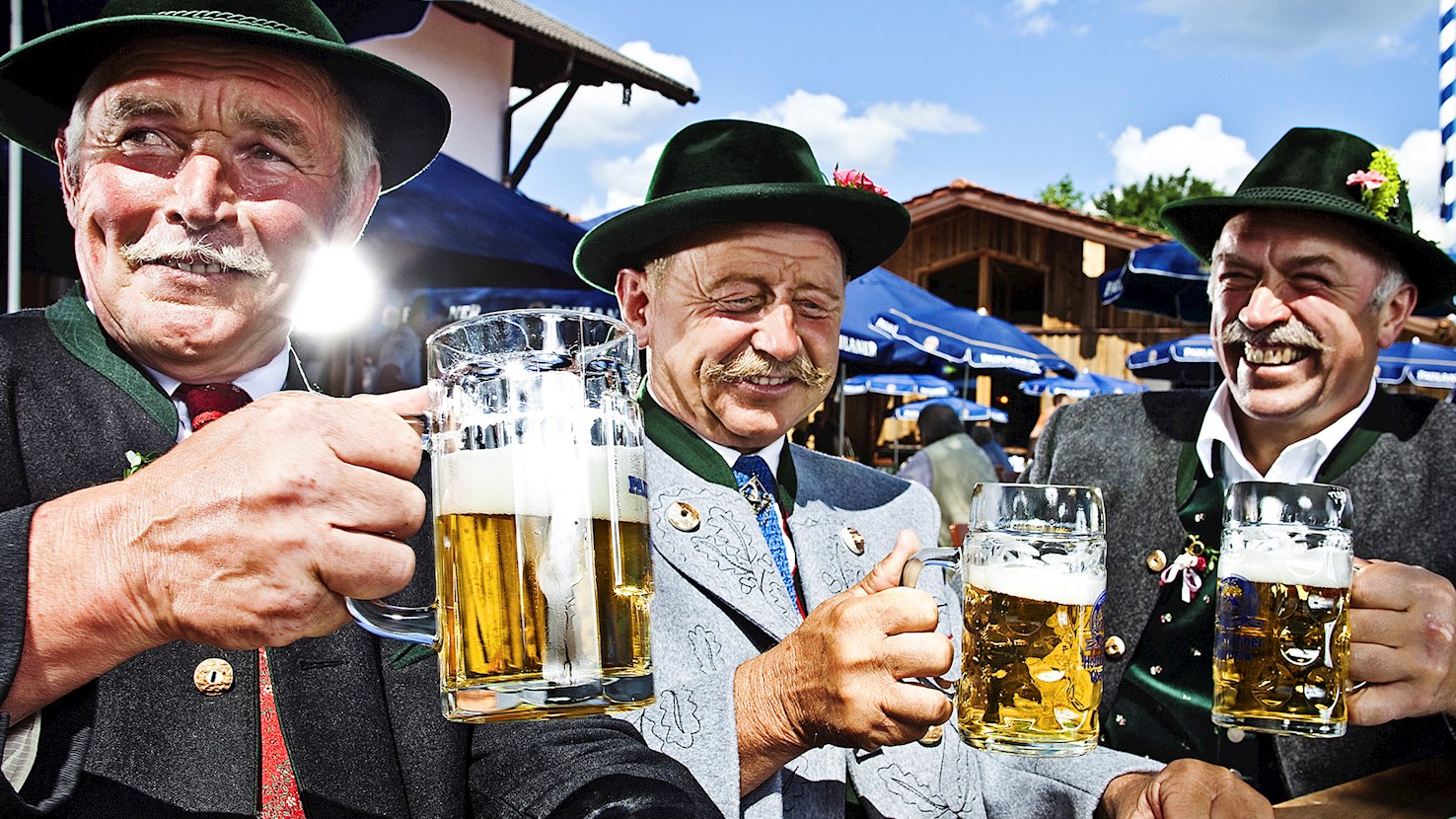
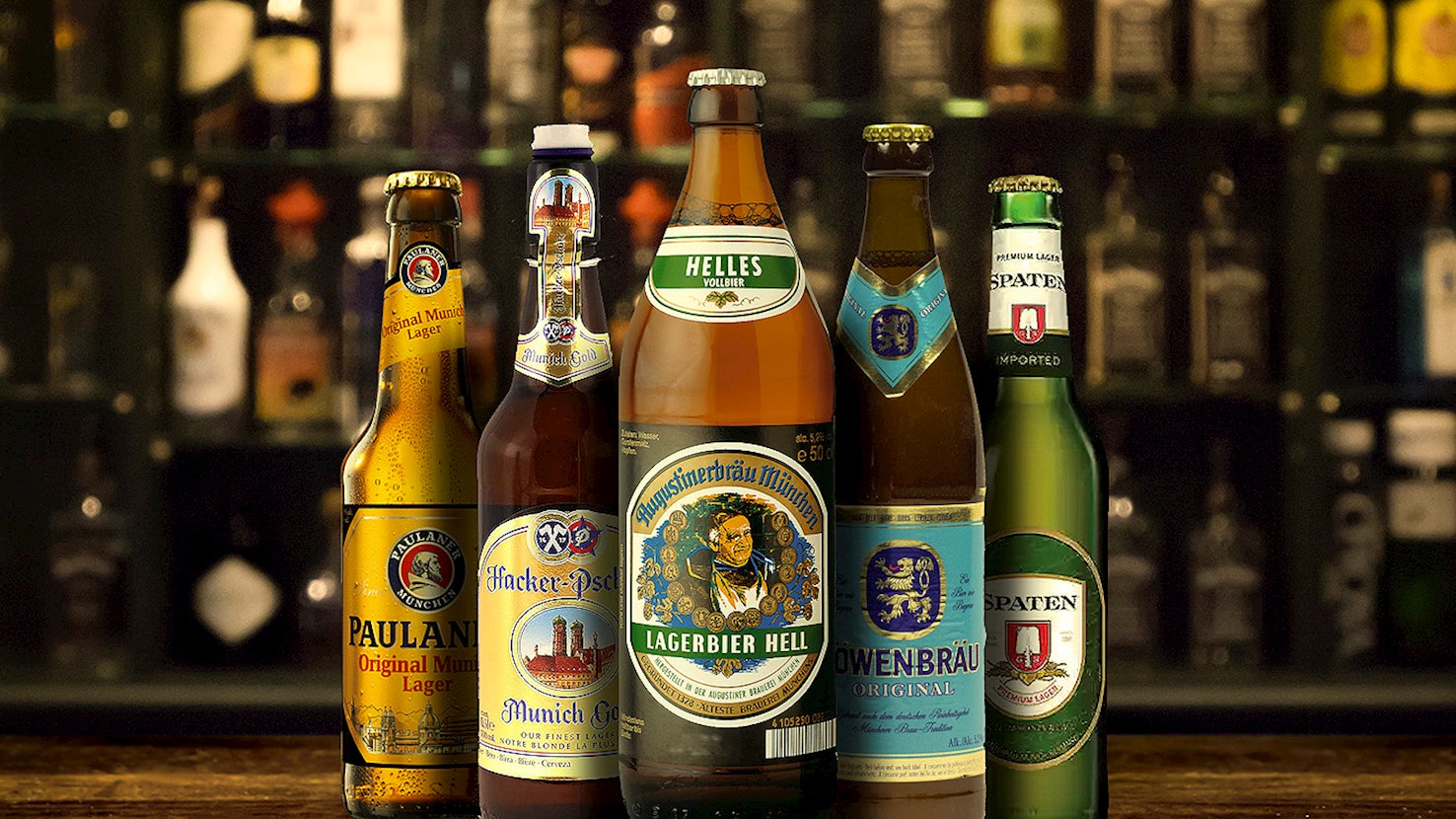
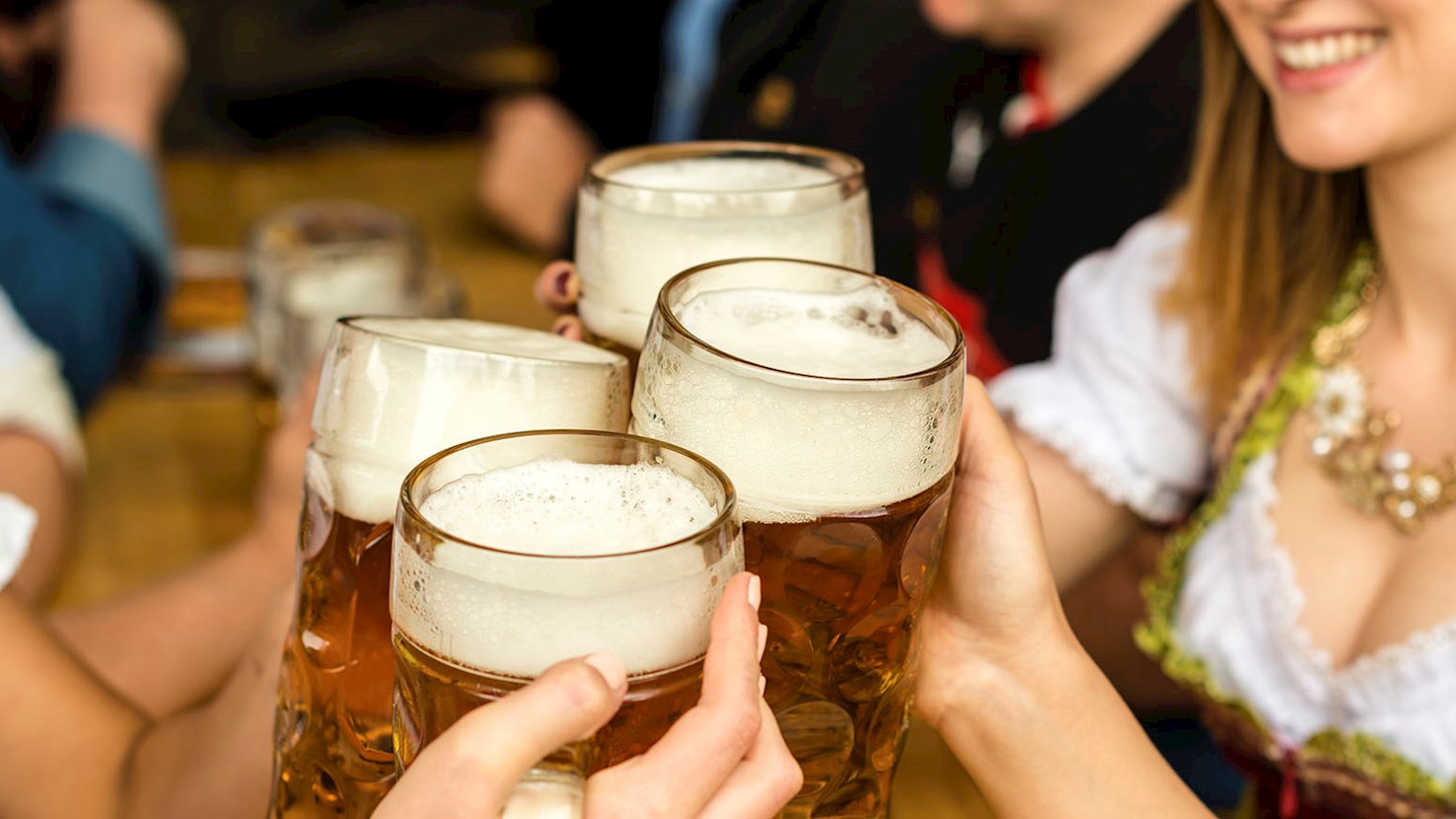
In the 19th century, artisanal breweries were increasingly being replaced by larger industrial breweries, and today there are seven famous large breweries in Munich: Augustiner, Hofbräu, Paulaner, Hacker-Pschorr, Löwenbräu, Spaten, and Franziskaner. Together, these seven breweries produce around 6 million hectoliters of beer per year. Even today, these breweries use no additives, as dictated by the Munich Beer Purity Law of 1487. This not only has to do with tradition, but with long-established high ethical values. Munich beer may only be produced by the breweries of Munich. The brewing oath stipulates that Munich beer is brewed according to an ancient recipe, with pure, natural ingredients like pure water from their own wells, and the best malt and hops. The most popular beer festival in the world, Oktoberfest, celebrates these very beers, and it draws around 7 million international visitors every year.

02

Helles

4 ·

Helles is a German-style lager that first appeared in Munich in 1894. It was a Bavarian answer to light Czech pilsner. Although Bavaria heavily relied on strong and dark lagers, the popularity of crisp and golden pilsner beers influenced Bavarian brewers to start producing a similar style. Traditional Helles is typically more malt-forward and has a firmer body than pilsner and other lager styles, but still remains soft and medium-bodied. It is clean, easy-drinking, refined, fresh, and dry, with light hop bitterness and subtle malt sweetness. Helles-style beers are typically quite refreshing and usually range from 4.8 to 5.2% ABV, but those above 5% are often classified as Bavarian Export. Helles lagers would pair well with light dishes, including salads and seafood, but they can also match spicy and flavor-packed dishes, as well as traditional German fare and mild cheese varieties.

03

Oktoberfestbier

4 ·

Oktoberfestbier is a protected designation used by six Munich breweries that serve their beer at Oktoberfest—the biggest beer festival in the world. The breweries include Augustiner, Hacker-Pschorr, Hofbräu, Löwenbräu, Paulaner, and Spaten. The beer that is served at the festival and which is labeled as Oktoberfestbier is usually synonymous with Märzen beer style, a smooth and malty lager with a light hop character. Their alcohol content typically varies from 5.5 to 6.2% ABV. Oktoberfest beer has to be produced in Munich, and it must be brewed according to the Bavarian Beer Purity Law, which was first introduced in 1487.

04

Doppelbock

3.9 ·

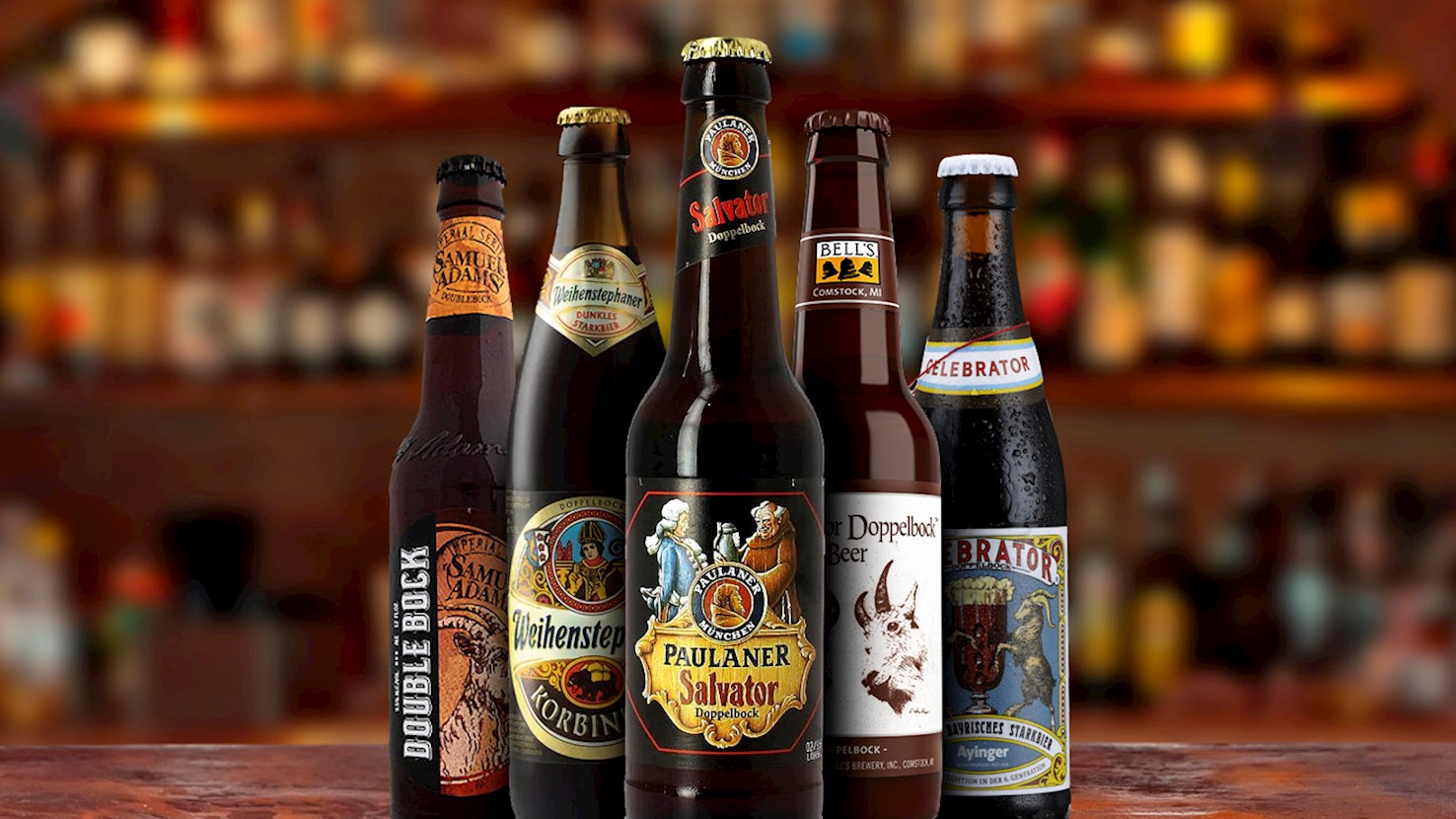
Doppelbock is a German beer style that was first brewed in Munich by Paulaner monks. As the name might suggest—doppel translates as double—this style developed as a slightly stronger version of traditional German bock style. Doppelbock beers are usually medium-bodied with a color that ranges from golden to dark brown. They are rich and smooth with a distinctive malt sweetness that is balanced with subtle hop bitterness. Typical aromas include bread and toasty notes that can be accompanied by subtle hints of caramel. These beers usually have a slightly higher alcohol content that ranges from 7 to 8% ABV, but the finish should not be harsh or overpowering. It is recommended to pair them with pork, game, aged cheese, or chocolate desserts.

05

Weizenbock

3.8 ·

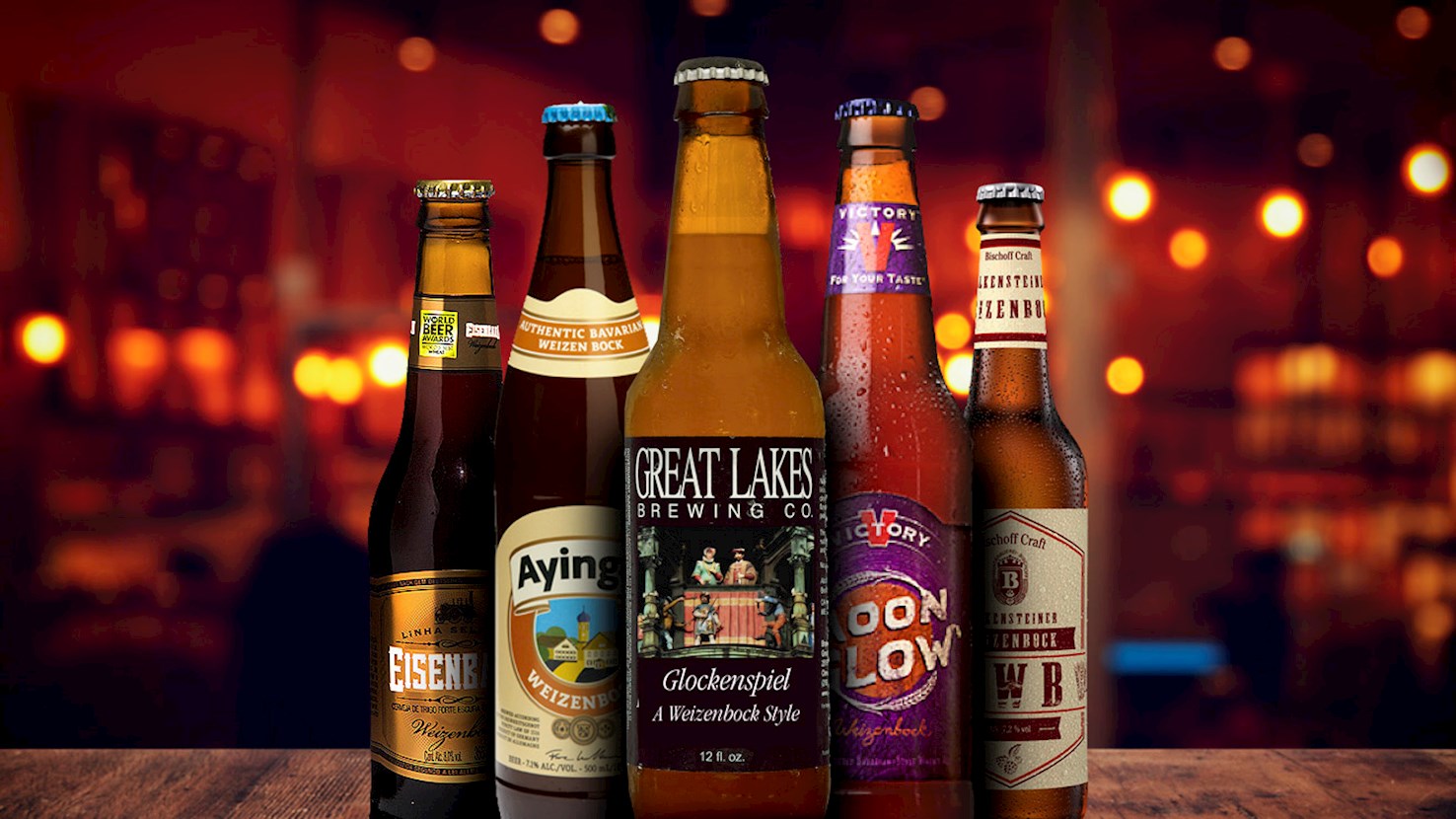
Weizenbock is a German beer style that was introduced in 1907 by the Schneider Weisse Brauhaus brewery located in Munich. Weizenbock was supposed to be a middle-ground between the rich and malty doppelbock and wheat beer (weissbier) that was popular at the time. The style comes in a pale and slightly darker version. Although both styles have a distinctive malt backbone, darker versions may have a richer malt profile and heavier toasty expressions with possible hints of caramel flavors and aromas of raisins and plums. Lighter varieties will usually have light toastiness and sweeter malt character. The style will also often display nuances of cloves and banana-like esters. Darker weizenbock beers are a better match with red meat, game, lamb, and stews, while lighter versions will better work will poultry, pork, and sausages. Both styles pair well with aged cheese and a variety of desserts.

06

Swimming Pool

3.2 ·

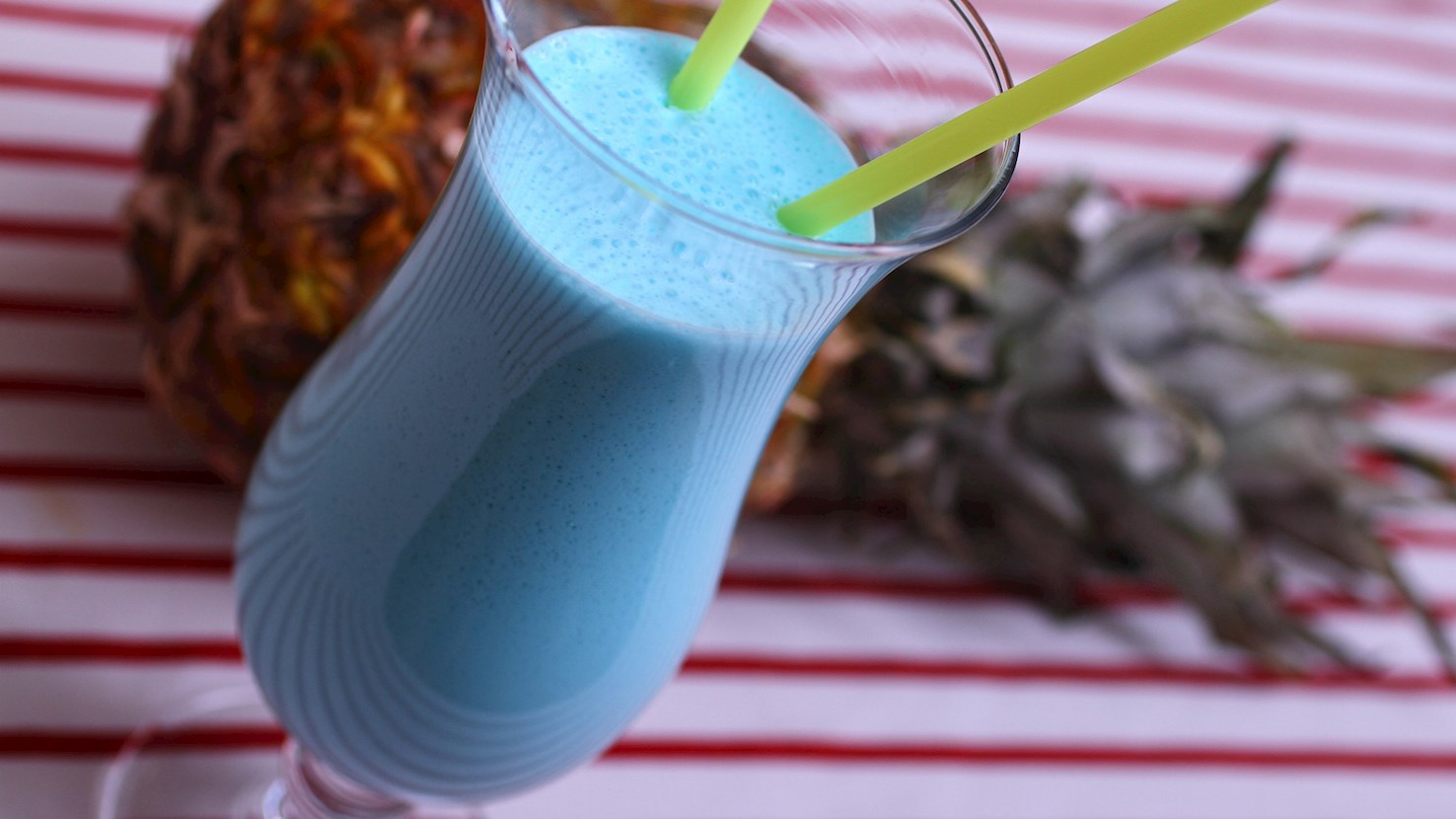
Swimming Pool is a German cocktail that is similar to Piña Colada. The cocktail combines equal parts vodka and white rum, pineapple juice, heavy cream, coconut cream, and blue Curaçao. To prepare the cocktail, all the ingredients except blue Curaçao are shaken with ice, and the mix is then poured into a glass filled with fresh crushed ice. Some versions are also blended with ice. A splash of blue Curaçao is added last, and it should only partially color the drink. Lastly, it is garnished with a pineapple wedge. Swimming Pool was created by a German bartender Charles Schumann. He probably invented it at the American Bar in Munich, and it most likely originated in the 1970s. The name of the drink is a reference to its blue color attained from blue Curaçao.

07

Münchener Kümmel

n/a ·

Münchener Kümmel is a clear, caraway-flavored liqueur that originates from Munich. It belongs to a category of herbal spirits that are commonly consumed throughout German-speaking regions, especially in the context of digestifs or post-meal drinks. The defining ingredient is caraway seed, which imparts a sharp, aromatic profile that sets it apart from sweeter or more anise-forward liqueurs. While the precise recipes may vary by producer, the base formula typically involves distilling neutral alcohol with caraway and occasionally blending it with other subtle botanicals such as fennel or coriander, followed by sweetening and dilution to a drinkable strength. Münchener Kümmel has roots in the distilling history of the city and was once produced by several Munich-based operations, though its presence has fluctuated over time due to shifts in consumer preferences and industry consolidation. Unlike mass-market spirits, this liqueur is more closely tied to regional drinking customs and is generally encountered in local taverns, specialty shops, or through small-batch distilleries that continue to maintain the recipe. Its taste is clean, dry, and herbaceous, with a slightly oily mouthfeel and a long-lasting caraway finish, making it a drink favored by those who appreciate assertive, spice-driven flavors without added complexity for its own sake. The alcohol by volume (ABV) of Münchener Kümmel typically ranges between 35% and 40%, depending on the producer, placing it on par with many other clear liqueurs in strength. Often served neat and chilled, it remains a niche but respected component of southern German drinking culture. Its authenticity and geographic specificity are recognized by the European Union through the designation of Protected Geographical Indication (PGI).

About this ranking

TasteAtlas food rankings are based on the ratings of the TasteAtlas audience, with a series of mechanisms that recognize real users and that ignore bot, nationalist or local patriotic ratings, and give additional value to the ratings of users that the system recognizes as knowledgeable. For the “Top 10 Local Alcoholic Beverages in Munich” list until June 03, 2026, 449 ratings were recorded, of which 404 were recognized by the system as legitimate. TasteAtlas Rankings should not be seen as the final global conclusion about food. Their purpose is to promote excellent local foods, instill pride in traditional dishes, and arouse curiosity about dishes you haven’t tried.

The initial list of top producers was compiled based on available reviews, awards, local recommendations, media and blog coverage, and consumer reviews. The list will be updated with ratings from TasteAtlas local ambassadors and TasteAtlas users.

Similar lists