Top 5 Thai Alcoholic Beverages

Last updated on October 28, 2026

Best Thai Alcoholic Beverages
01

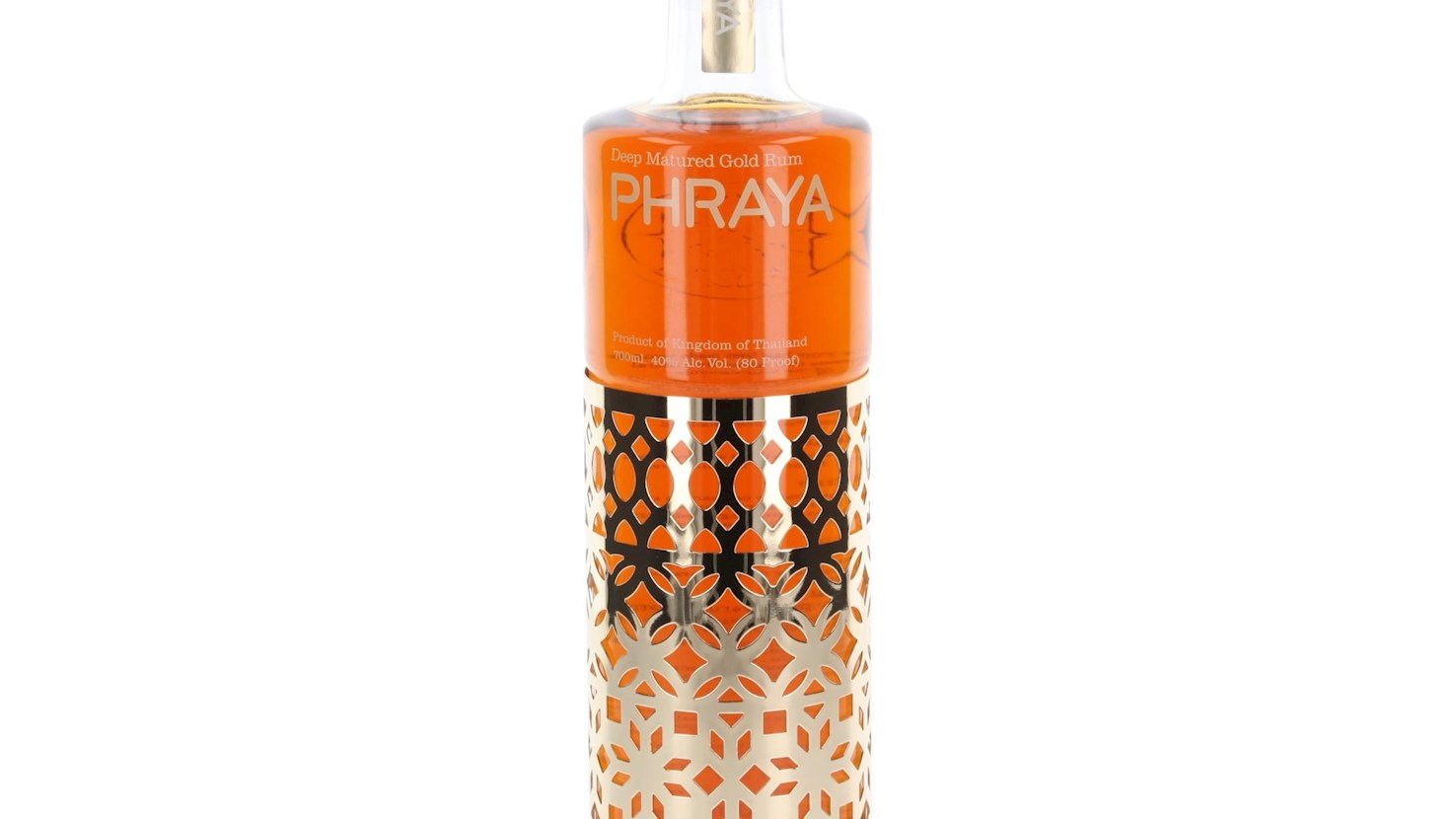
Sangsom Distillery

4.8 ·
Awards
SFWSC - San Francisco World Spirits Competition - Double Gold (2024)
IWSC- International wine & spirit competition - Spirit Gold (2024)
02

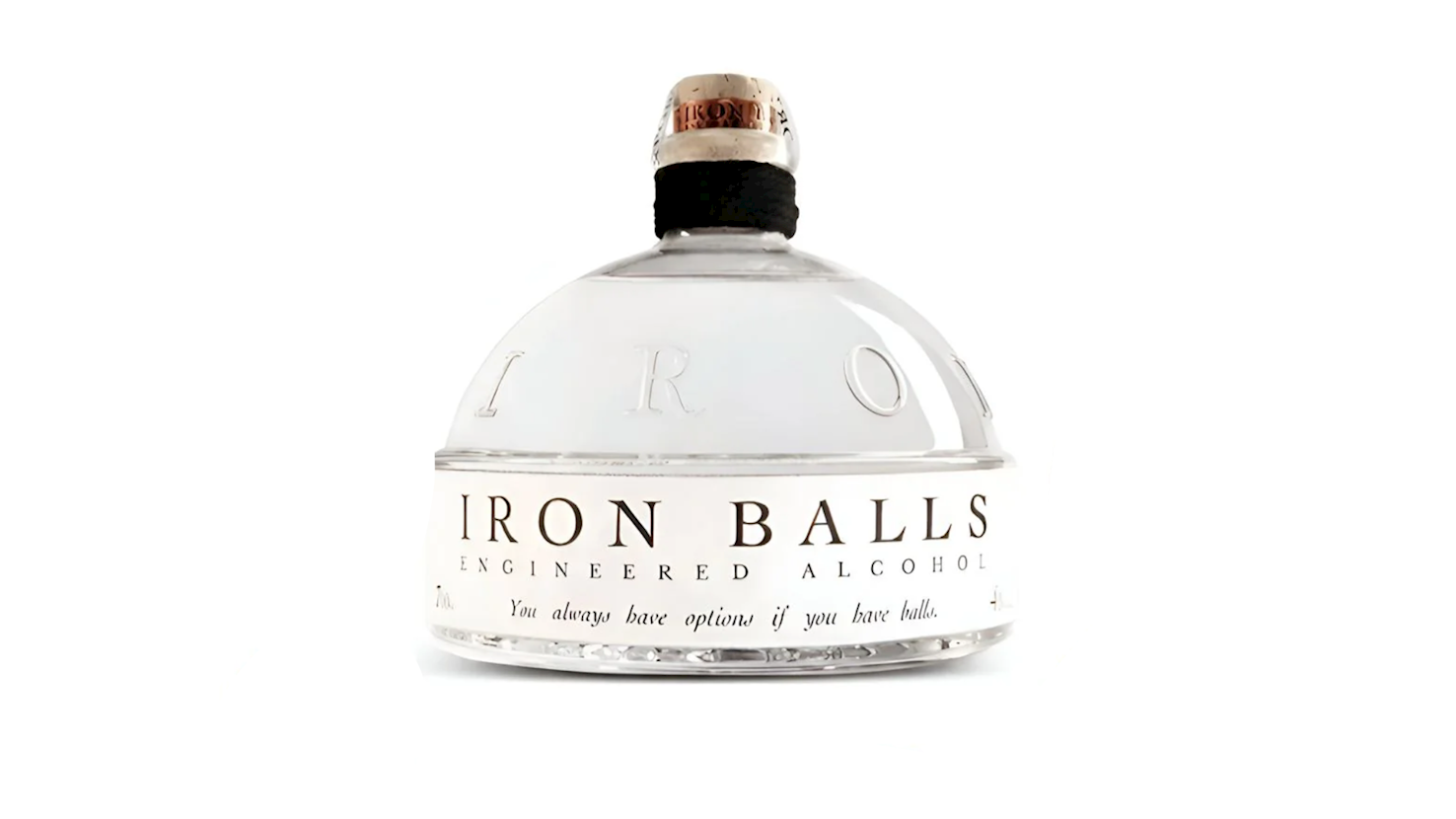
Iron Balls

4.8 ·


Iron Balls is a Bangkok-based craft distillery founded by Australian designer and entrepreneur Ashley Sutton, who set out to create a spirit that reflects the tropical character of Thailand through local ingredients and artisanal production methods. Launched after more than three years of research and development, Iron Balls quickly became one of the most recognizable names in Thailand’s emerging craft spirits scene.

The distillery is best known for its unconventional gin, which is produced from a base spirit distilled from fresh coconuts and pineapples rather than neutral grain alcohol. This distinctive approach gives the spirit a naturally fruity and rounded profile that sets it apart from traditional London Dry gins.

A carefully selected blend of botanicals, including juniper, lemongrass, ginger, coriander, citrus peels, and other spices, contributes additional complexity and aromatic depth. Production takes place in small batches at the company’s micro-distillery in the heart of Bangkok, where fermentation and distillation are carried out in-house to maintain full control over quality.

The resulting spirit displays vibrant tropical fruit notes balanced by citrus freshness and gentle spice. Iron Balls has earned international recognition for its innovative style and commitment to craftsmanship, helping establish Thailand as a noteworthy producer of premium craft spirits.

Today, the brand remains closely associated with creativity, exploration, and Southeast Asian distilling traditions.

Awards
Europe Wine & Spirits Trophy - Grand Gold (2020)
The Gin Masters - Gold (2025, 2021)
03

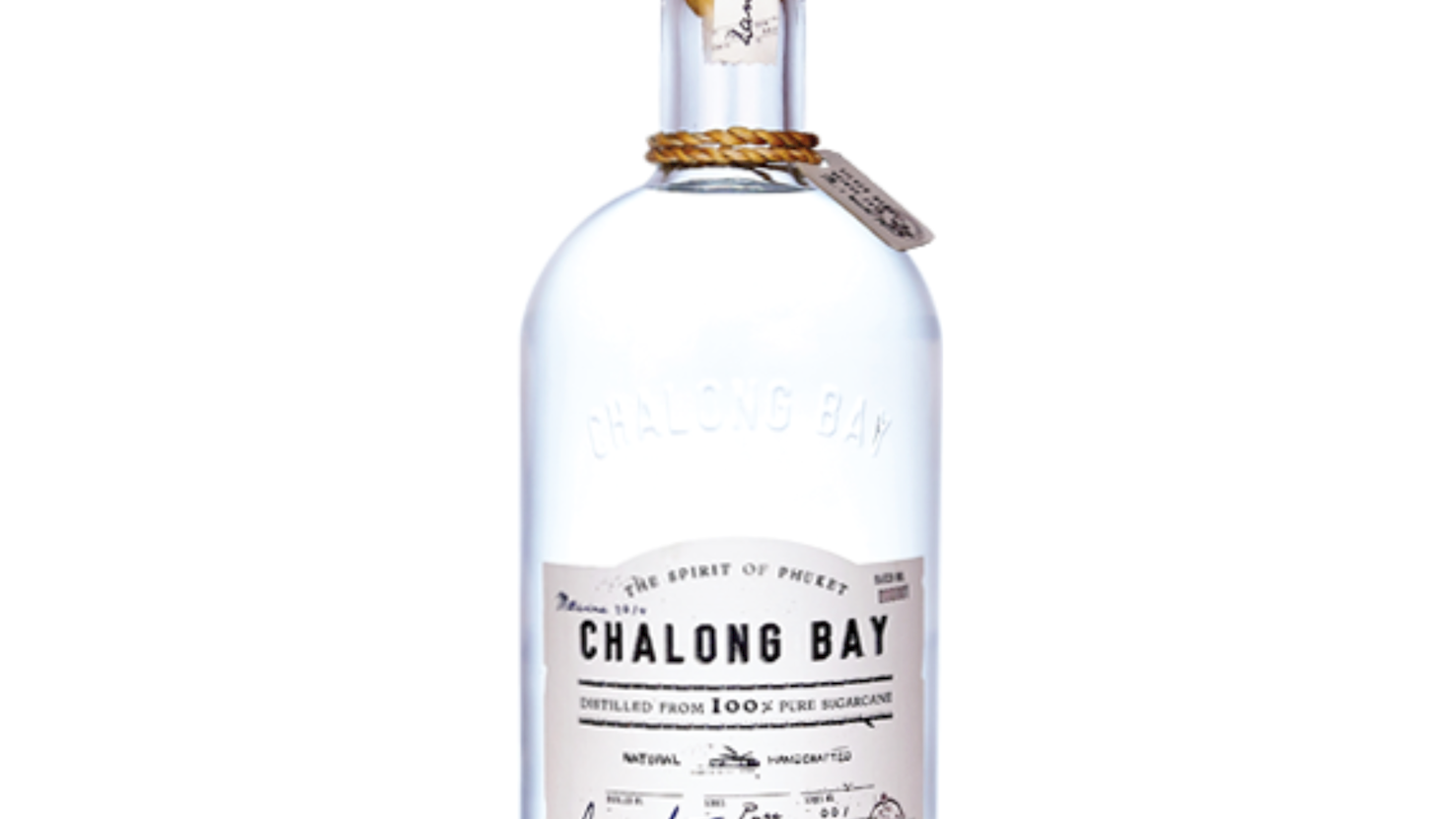
Chalong Bay Rum

4.7 ·

Chalong Bay Rum is a Thai rum distillery based in Phuket, founded in 2012 by Marina Lucchini and Thibault Spithakis. The company was established with the vision of combining the French tradition of agricole rum production with Thailand’s long history of sugarcane cultivation.

Chalong Bay produces its rum exclusively from freshly pressed sugarcane juice rather than molasses, which is more commonly used in rum production. The sugarcane is sourced from local farmers and grown without chemical fertilizers, while harvesting is carried out using traditional manual methods.

Distillation takes place in a French-made copper still, contributing to the distinctive style and aromatic complexity of the spirits. The distillery is regarded as one of the pioneers of craft rum production in Southeast Asia and has gained international recognition for its quality and sustainable production practices.

Its rums are known for their clean and fresh character, featuring pronounced fruity and floral notes that reflect the origin of the raw material. In addition to its signature white rum, the company also produces a range of flavored expressions infused with local Thai herbs and spices.

Awards
Bartender Spirits Awards - Gold (2026)
SFWSC - San Francisco World Spirits Competition - Gold (2018)
04

Bangyikhan Distillery

4.6 ·

Bangyikhan Distillery is one of Thailand’s oldest and most historically significant distilleries, with origins dating back to the late 18th century during the early years of Bangkok as the nation’s capital. Initially established as a government-operated distillery, it played a central role in the development of Thailand’s domestic spirits industry and later became the birthplace of several iconic Thai spirits, most notably Mekhong, first introduced in 1941. Today, the distillery operates under Thai Beverage Public Company Limited (ThaiBev), Southeast Asia’s largest beverage producer, and continues to manufacture a range of traditional Thai spirits. Over more than two centuries of operation, Bangyikhan Distillery has combined long-standing distillation expertise with modern production technologies while preserving the heritage of Thai spirit making. The facility also houses the House of Mekhong, an educational visitor center that showcases the history, production methods and cultural significance of Thailand’s best-known spirit. Through its long history, continuous operation and contribution to the country's beverage industry, Bangyikhan Distillery remains one of the most influential and recognizable distilleries in Thailand.

Awards
IWSC- International wine & spirit competition - Spirit Gold (2024)
IWSC- International wine & spirit competition - Silver (2021)
05

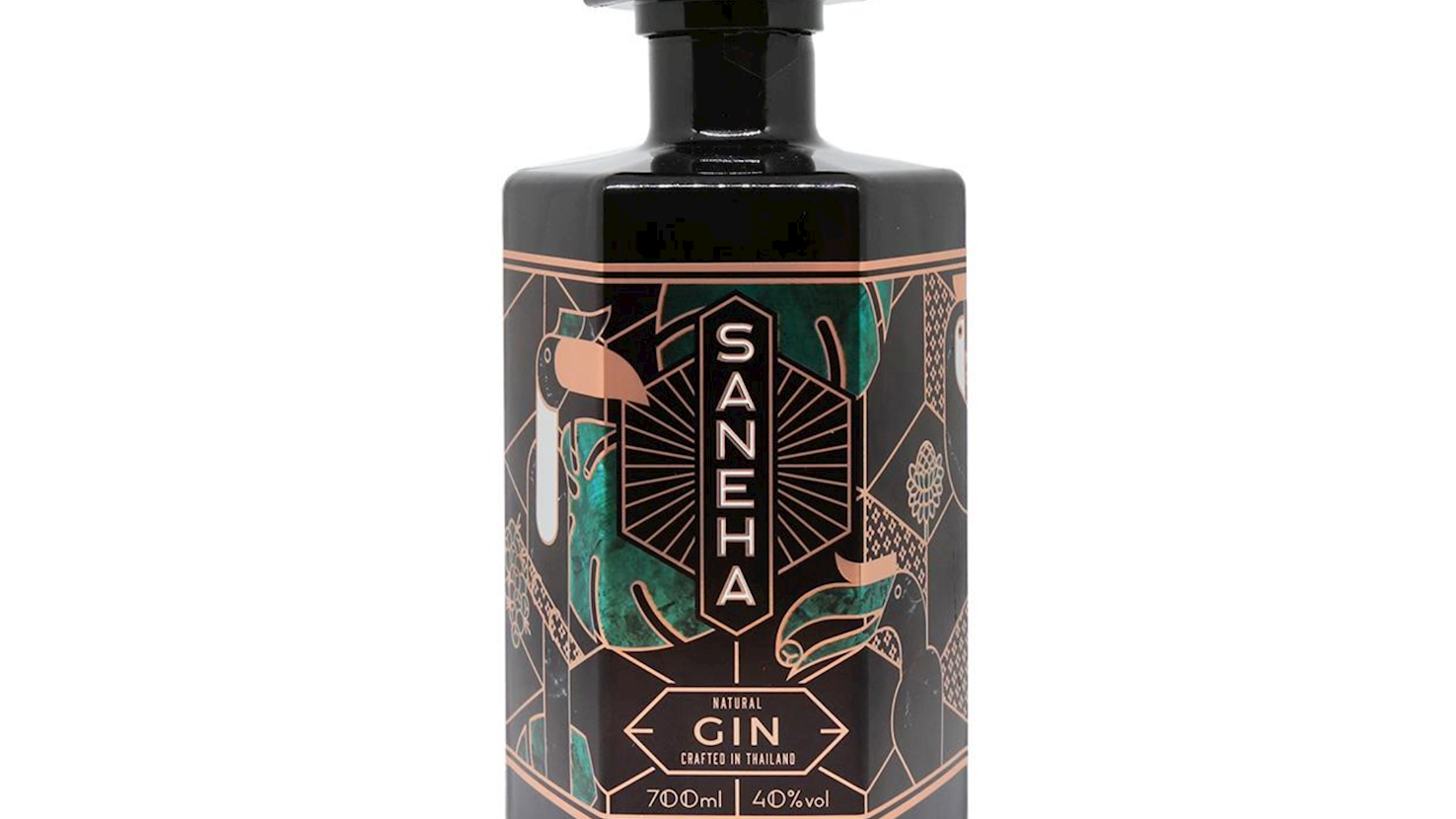
Saneha Gin

4.5 ·

Saneha Gin is a premium Thai craft gin created to showcase the richness of Thailand’s flavors, ingredients, and cultural heritage through a distinctive distilled spirit. The brand was developed at The Distillery Phuket, best known for producing Chalong Bay Rum, and was founded by Marina Lucchini and Thibault Spithakis.

The name “Saneha” is a Thai word that conveys passion, charm, and attraction, values that form the foundation of the brand’s identity. Saneha combines indigenous Thai botanicals with traditional French distillation techniques, creating a unique gin that blends local character with European craftsmanship.

Its botanical selection includes makwean pepper, pineapple, ginger flower, sugarcane, coriander, cloves, and juniper, with most ingredients sourced from local growers. The brand is committed to using 100% natural ingredients and contains no added sugar, artificial flavors, or preservatives.

Sustainability plays an important role in its philosophy, with a strong focus on supporting small-scale farmers who follow environmentally responsible cultivation practices. From raw ingredients to bottling, the entire production process is carried out in-house to ensure complete quality control and consistency.

Awards
Bartender Spirits Awards - Gold (2026, 2023)
The Gin Masters - Silver (2021)

Best Thai Alcoholic Beverage Types

01

Sato

n/a ·

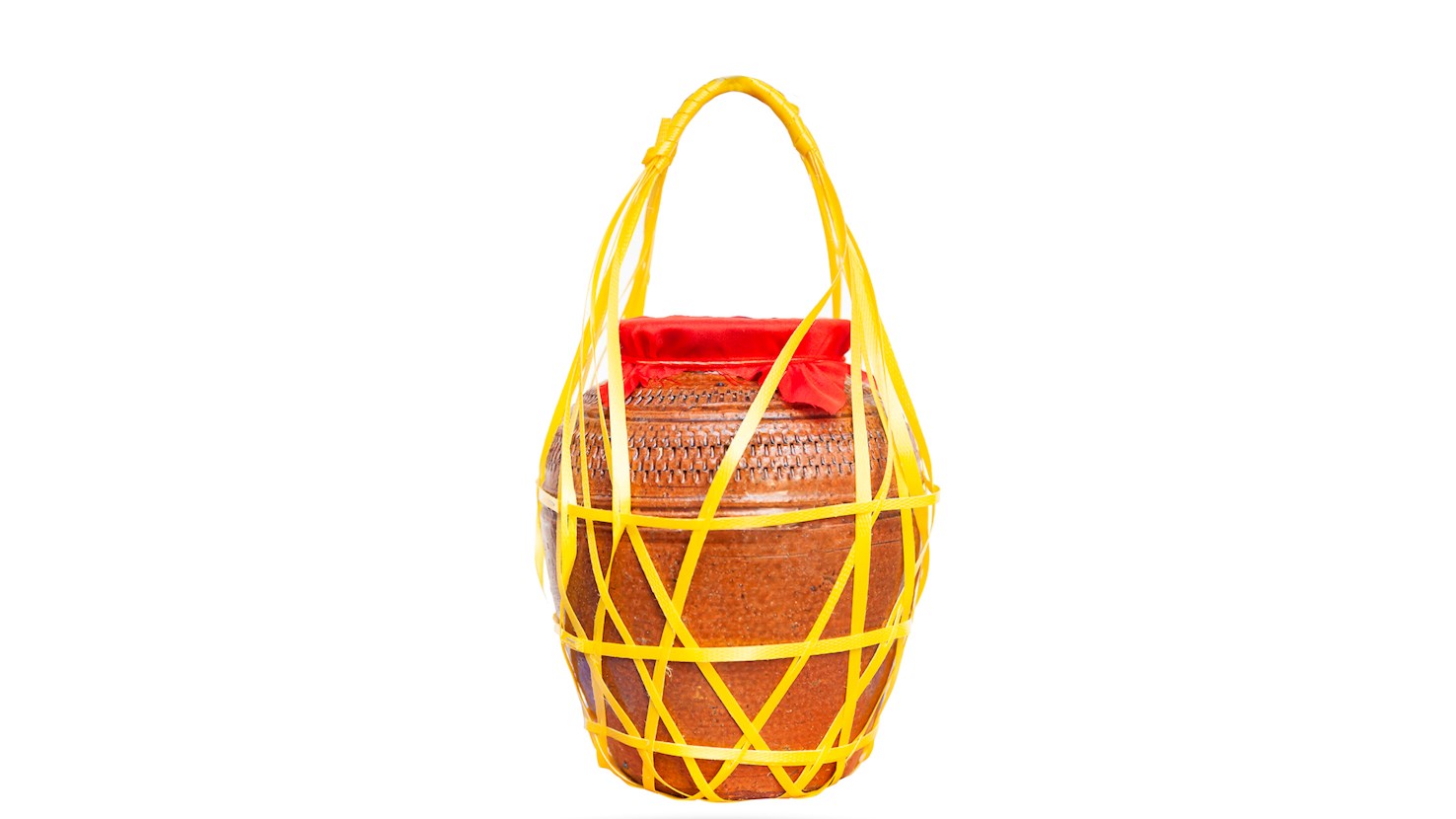
Sato is a type of Thai rice wine made from sticky (glutinous) rice. The drink originates from Northeast Thailand (Isan), and it was initially enjoyed as a ceremonial beverage that was traditionally enjoyed on special occasions. It is made with steamed rice and a starter locally known as lukpaeng, consisting of rice starch, yeast, and a mix of herbs and spices. The ingredients are fermented for several weeks before the drink is filtered and is then ready for consumption. This rice wine typically has a short shelf life, and though the best examples are traditionally home-brewed, some commercial varieties are also available. Sato is an easy-drinking beverage, with an alcohol content that typically falls below 15% ABV. Traditionally, it is served at room temperature in a large communal bowl, allowing people to take individual amounts with a glass or small drinking bowls. It can also be served chilled or over ice.

02

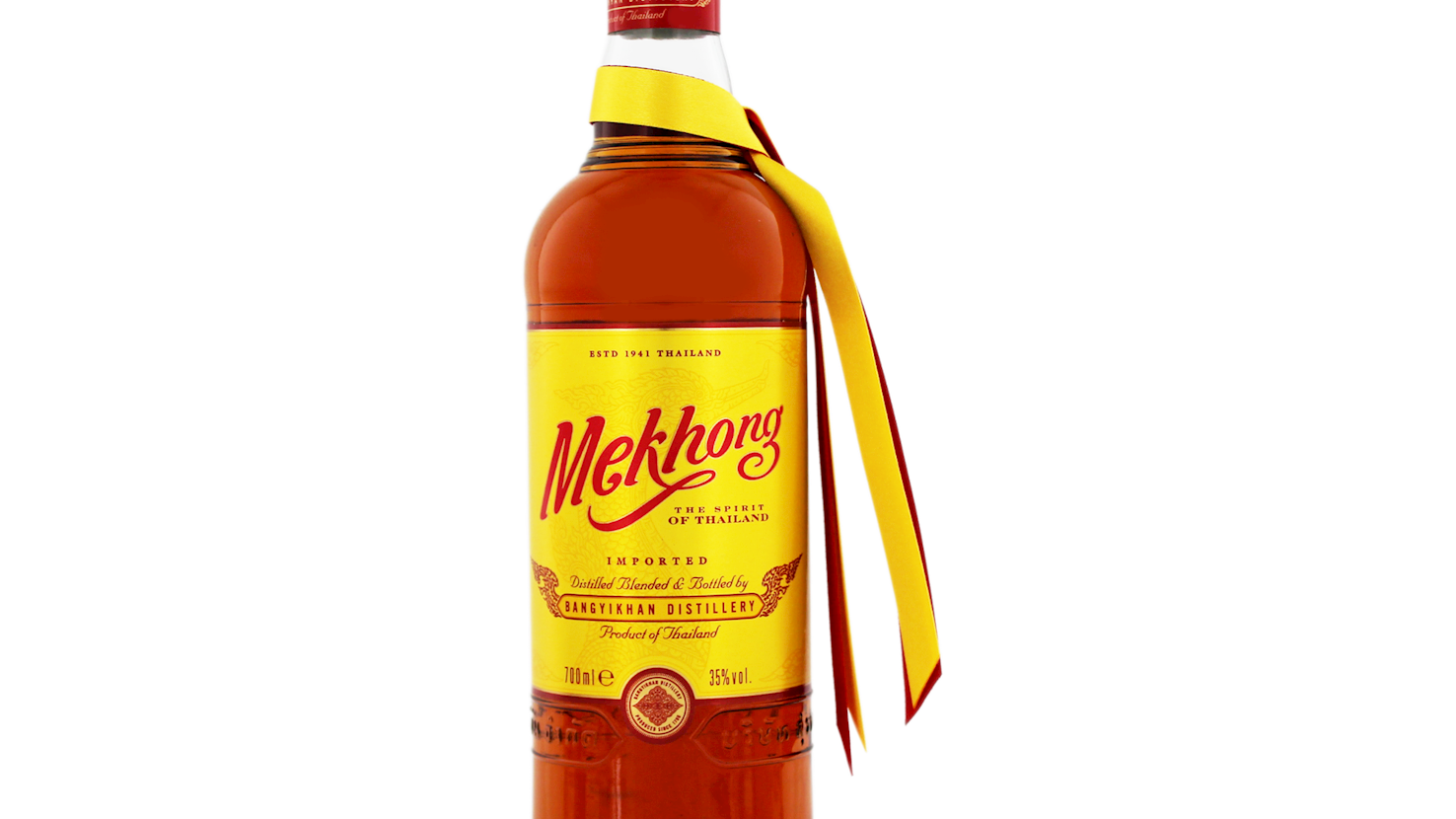
Mekhong

n/a ·

Mekhong was the first domestically produced Thai spirit that was introduced in 1941. Named after the Mekong River, it is distilled from molasses and rice, as well as a secret combination of herbs and spices. Before it is blended and bottled at 35% ABV, it is enriched with caramel to achieve its distinctive golden color. Mekhong comes off as herbal and aromatic, with sweet and spicy aromas. It can be enjoyed on its own, usually served over ice, but it works best when incorporated into cocktails and long drinks, out of which the most notable is Sabai Sabai that also includes lemon juice and soda.

03

Lao khao

n/a ·

Although it translates as white spirit, lao khao is a clear and colorless Thai spirit that is distilled from fermented rice. It is not known when lao khao exactly originated, but it is assumed that it has been produced and enjoyed for centuries, though the market and the legal production was only regulated in the 1950s. This spirit is still mainly associated with rural areas. Because of its accessibility and low price, it is one of the most popular drinks in the country, and it is especially favored by the working class. Lao khao is a strong spirit with a sharp flavor, though the alcohol content typically reaches around 30% ABV. It is often paired with food, especially sour or spicy dishes, and salty snacks.

About this Ranking

TasteAtlas food rankings are based on the ratings of the TasteAtlas audience, with a series of mechanisms that recognize real users and that ignore bot, nationalist or local patriotic ratings, and give additional value to the ratings of users that the system recognizes as knowledgeable.

TasteAtlas Rankings should not be seen as the final global conclusion about food. Their purpose is to promote excellent local foods, instill pride in traditional dishes, and arouse curiosity about dishes you haven’t tried.

The initial list of top producers was compiled based on available reviews, awards, local recommendations, media and blog coverage, and consumer reviews. The list will be updated with ratings from TasteAtlas local ambassadors and TasteAtlas users.

What People Say

Similar Lists