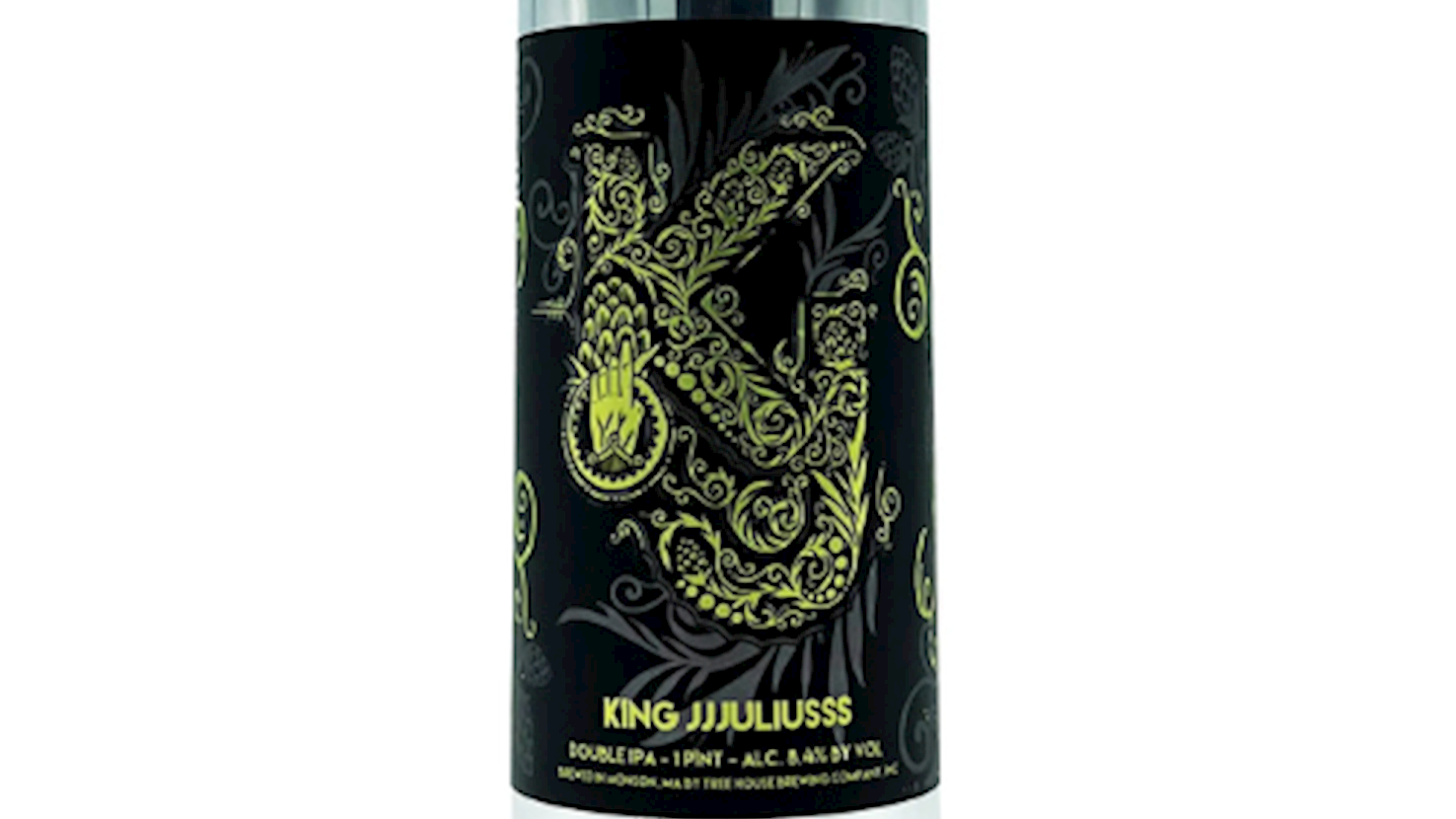
Tree House Brewing Company is one of the most highly regarded American craft breweries, known for its top-quality unfiltered IPAs and strong local presence. It was founded in 2011 in the state of Massachusetts by four friends as a small homebrewing project in Brimfield. They are best known for their hazy and juicy IPA beers, especially Julius, which stands out with tropical aromas of mango, peach, and passionfruit, paired with gentle bitterness and a smooth, full-bodied taste. Their beers are not distributed - they are sold exclusively on-site at brewery locations, giving them an exclusive status and creating buzz and long lines with each new release. Tree House combines innovation and high quality with a local, community-driven approach and a commitment to sustainable growth. Each location offers a warm, family-friendly atmosphere, often with pizza, music, and outdoor gathering spaces.
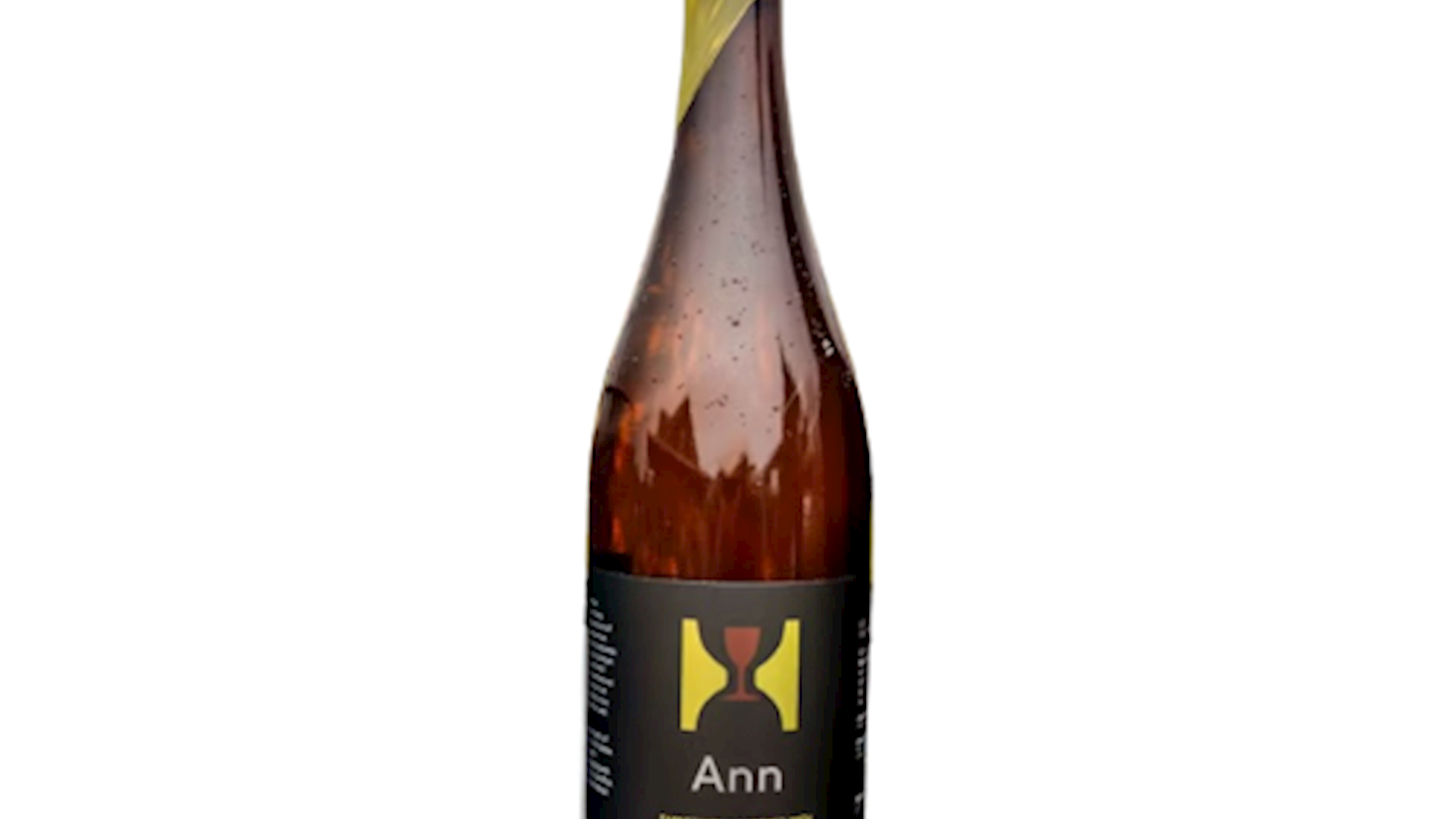
Hill Farmstead Brewery is a premier craft brewery located in Greensboro Bend, Vermont, founded around 2010 by Shaun Hill on his family’s ancestral farm, which has been in the Hill family for over two centuries. The brewery focuses on subtle complexity and elegance, producing small batches of exceptionally high-quality beers - including IPAs, saisons, porters, and others. Sales take place exclusively on-site, often drawing long lines of visitors who travel from distant states to purchase beer directly from the source. The brewery features a beautifully designed taproom and a retail shop lined with growlers and bottles, while the setting of the family farm adds an authentic, serene backdrop to the full brewery experience.
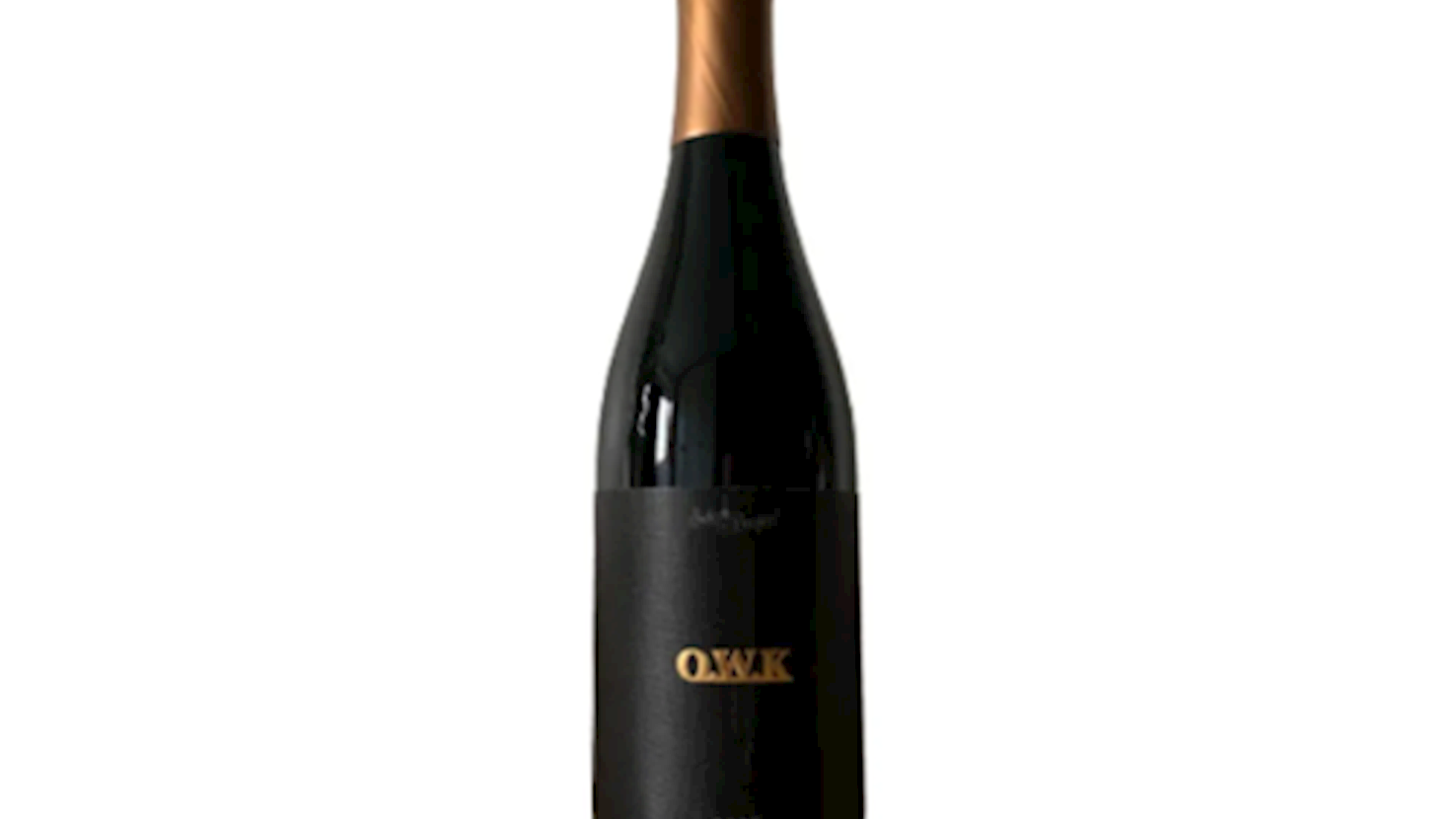
Side Project Brewing is an American craft brewery based in Saint Louis (Maplewood, Missouri), run by Cory and Karen King. The brewery is renowned for its premium, complex beers fermented in oak barrels, using wild yeasts and spontaneous processes that give each release a rustic and unpredictable character. Their philosophy relies heavily on local ingredients - such as fruit and native microorganisms - to create unique saison and wild ale styles with a strong sense of terroir. In addition, Side Project experiments with aging in bourbon and other spirit barrels, crafting intensely powerful stouts and barleywines that combine strength and depth with exceptional balance and elegance. Their work is defined by technical precision, innovation, and dedication to artisanal principles, making them one of the most respected and influential breweries in the world of spontaneous and barrel-aged beers.
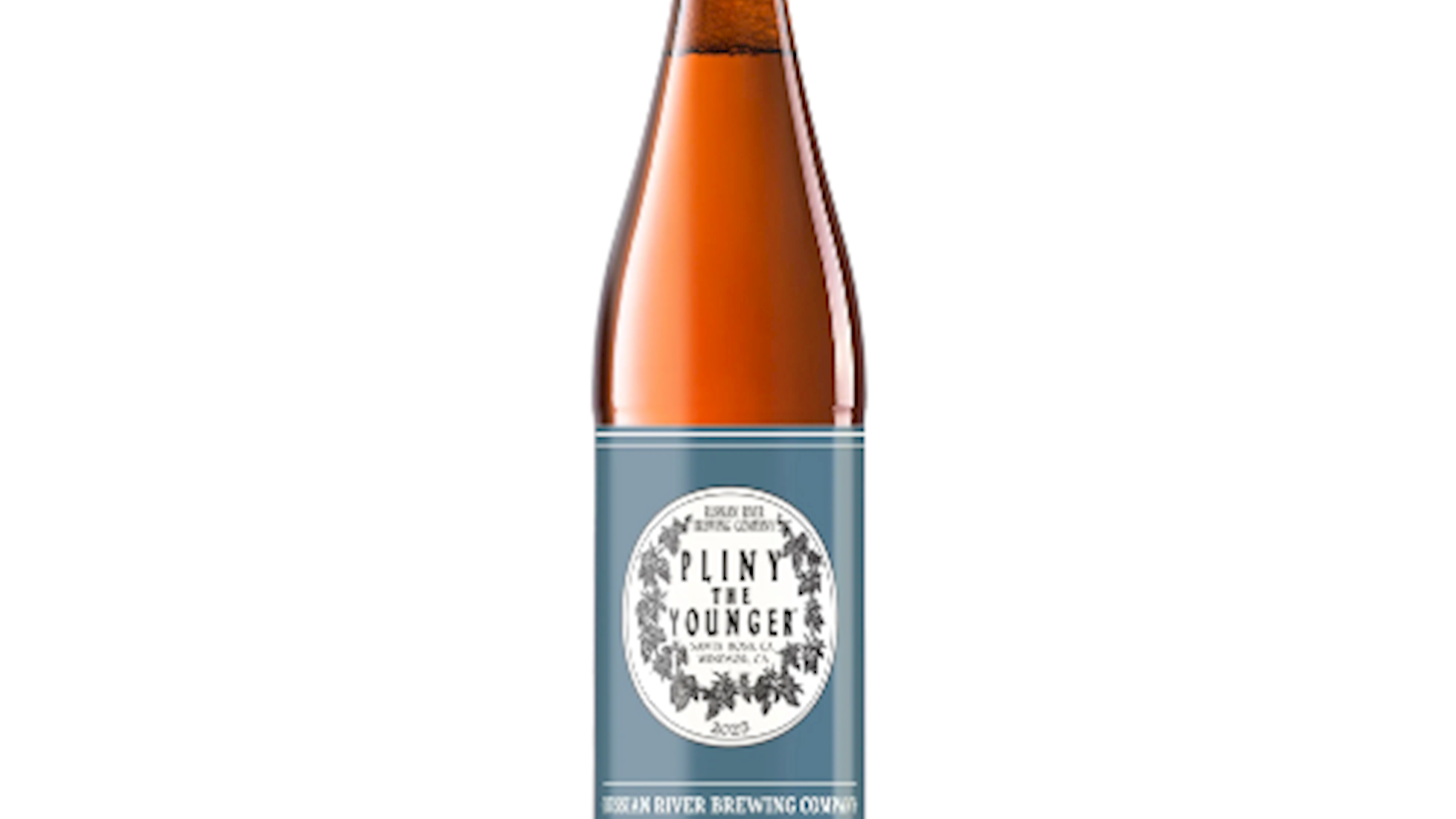
Russian River Brewing was founded in 1997, when Vinnie Cilurzo was hired as the head brewer. As early as 1999, Vinnie created one of the first commercially available Double IPAs - the renowned Pliny the Elder, which remains the brewery’s most famous and acclaimed beer to this day. Their reputation is built primarily on outstanding IPA styles, with Pliny the Elder - Double IPA, and Pliny the Younger - Triple IPA standing out. The latter is brewed only once a year, during a two-week release in February or March, and is available exclusively at their locations -an event that attracts beer enthusiasts from around the world. With the opening of their modern brewery in Windsor, they significantly expanded production capacity while also enhancing the visitor experience. Today, Russian River Brewing is considered one of the most influential and innovative American craft breweries, with its success rooted in a strong commitment to quality, continuous innovation, and deep connection with the community.
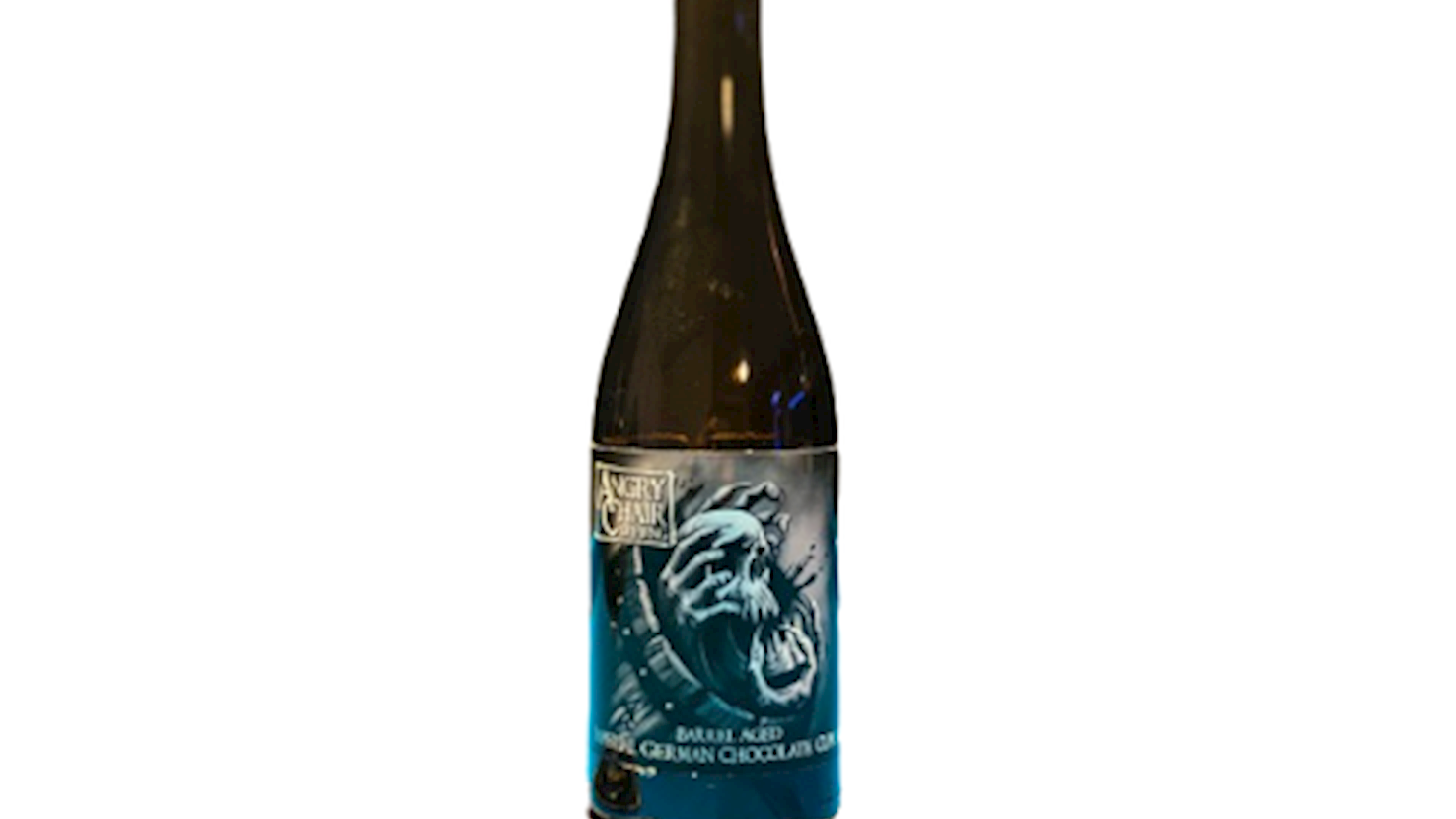
Angry Chair Brewing is a craft brewery located in the Seminole Heights neighborhood of Tampa, Florida, recognized for its unique blend of technical precision and an experimental approach to brewing. While best known for their rich, layered, and often decadent stouts, their lineup also includes IPAs, light and refreshing lagers, classic pilsners, porters, and thoughtfully crafted sour styles. Their focus is on creating beers with distinct character and balanced flavor profiles, which has earned them a loyal following and recognition within the craft beer community. The taproom offers a relaxed, welcoming atmosphere where locals and visitors come together, while the constantly rotating draft list ensures that each visit brings a new experience.
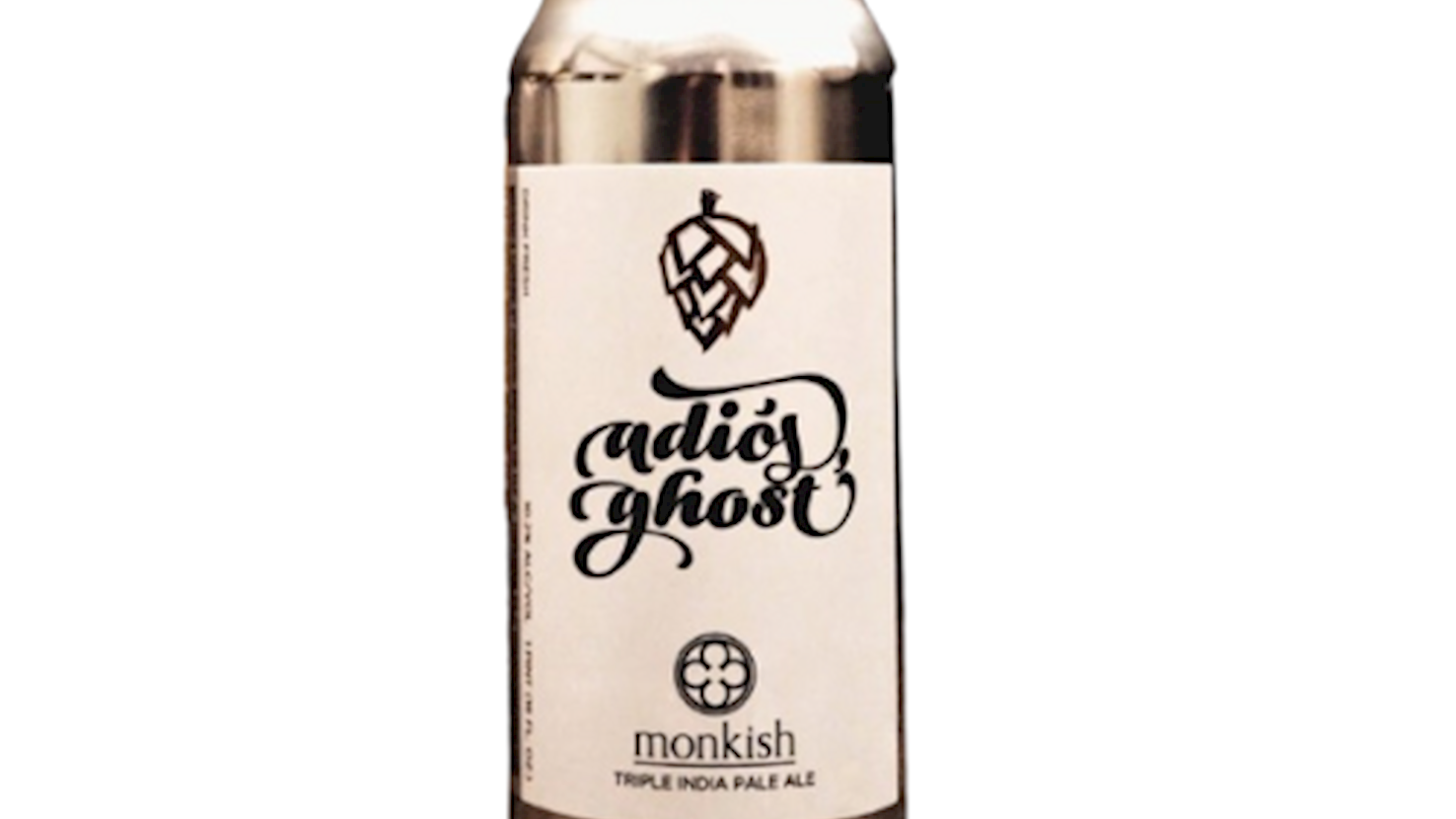
Monkish Brewing Co. is an independent brewery based in Torrance, California, with an additional taproom in Anaheim, known for its exceptional hazy IPAs and sour ales. Founded in 2012, the brewery began with Belgian-style ales but quickly gained a reputation as one of the most innovative producers of New England IPAs on the West Coast. Their shift toward modern, hop-forward styles is marked by a meticulous focus on aroma and dry-hopping techniques, using varietals such as Citra, Nelson, Galaxy, and Mosaic. Monkish also continues to explore fermentation-driven expressions - developing complex wild and mixed-fermentation ales in parallel with their IPA lineup, relying on both spontaneous and controlled processes in oak foeders. Each recipe carries the signature of head brewer Henry Nguyen, who blends technical precision with a creative approach inspired by philosophy and aesthetics.
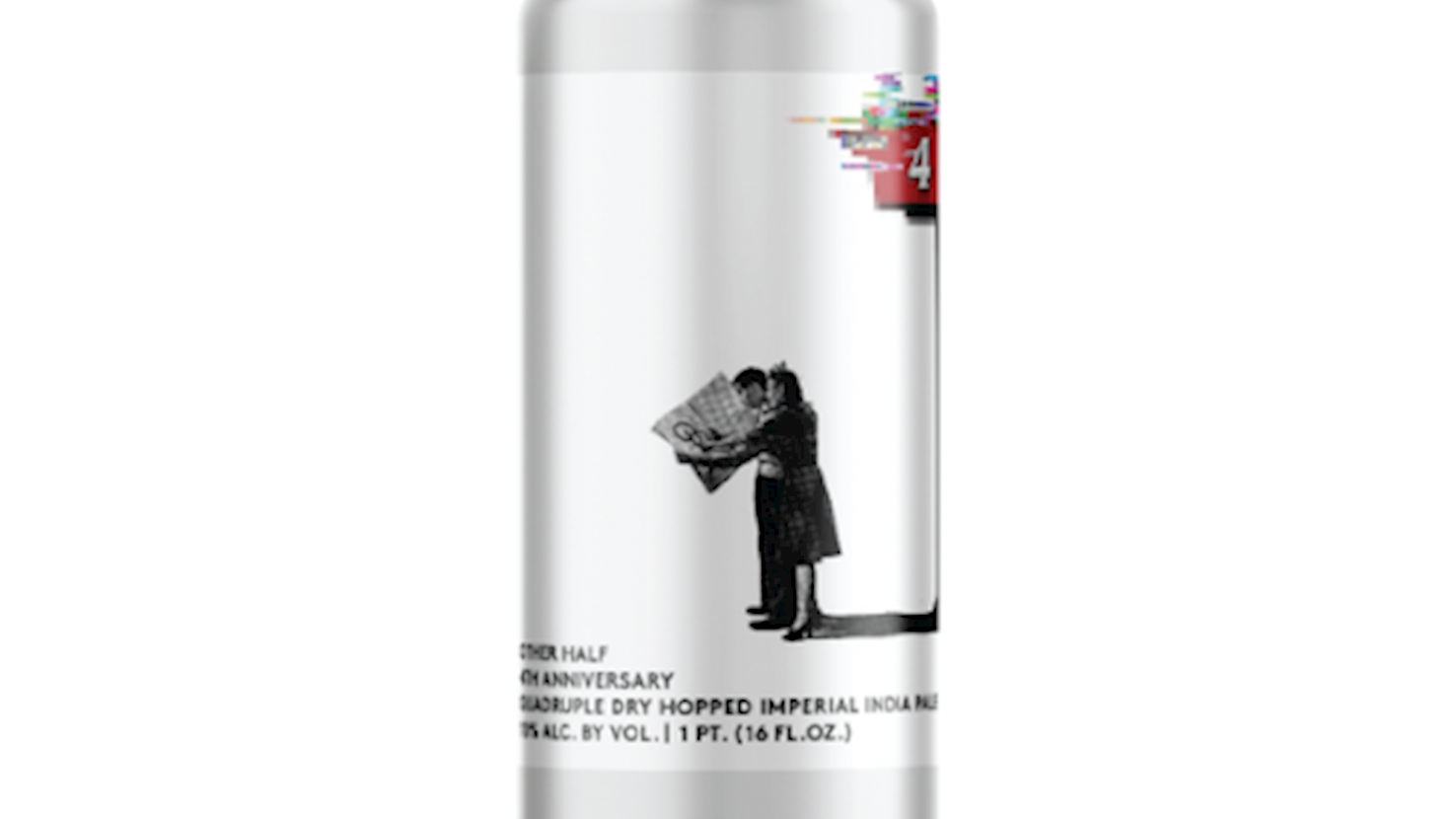
Other Half Brewing is a highly influential craft brewery founded in 2014 in Brooklyn by Sam Richardson, Matt Monahan, and Andrew Burman. From the very beginning, they established themselves as masters of hop-forward styles, with a focus on juicy, fruity, and dank IPAs inspired by the West Coast. Their dedication to using top-tier hops, employing techniques like double dry hopping, and pioneering innovations such as HDHC (high-density hop charge) have helped redefine the modern IPA and become hallmarks of the brewery.
Other Half has built a strong reputation through collaborations with breweries around the world, while their culinary approach to recipe development adds depth and complexity to their beers. By combining a passion for aromatic hops, technical innovation, and close engagement with the beer community, Other Half has earned cult status among craft beer enthusiasts. Today, they operate in several major U.S. cities and are considered one of the leading forces on the American craft beer scene, particularly known for their outstanding and boundary-pushing IPA releases.
Fidens Brewing, based in Albany, New York, was founded in late 2019 as the result of a shared passion for hoppy beer styles between three friends - Steve, Tim, and Raquel. The brewery’s name comes from the Latin word fidens, meaning courage and confidence, which perfectly reflects their authentic and independent approach to brewing. The brewery is almost entirely focused on styles such as New England India Pale Ale, Double India Pale Ale, and Triple India Pale Ale, with a strong emphasis on double dry hopping and expressive aromatics - frequently using hop varieties like Citra, Galaxy, and Simcoe. Thanks to their consistency, quality, and recognizable style, Fidens has quickly become one of the fastest-growing and most respected microbreweries in the Northeastern U.S. Their taproom in Albany has become a must-visit destination for hazy IPA enthusiasts and a true showcase of modern American craft brewing.
Toppling Goliath Brewing is an independent craft brewery founded in 2009 in the town of Decorah, Iowa, by Clark and Barbara Lewey. What began as a homebrewing hobby quickly gained recognition within the local community and later across the broader USA market, thanks to the brewery’s high-quality IPAs and barrel-aged stouts. Today, Toppling Goliath operates a modern production facility, employs several hundred people, and distributes its beers in over 30 U.S. states.
Among their most renowned offerings are award-winning beers such as Pseudo Sue, King Sue, and Kentucky Brunch Brand Stout, which have earned a strong reputation in the craft beer world. The brewery has received numerous accolades at both national and international competitions, underscoring its commitment to quality. What further distinguishes Toppling Goliath is its ability to balance consistency with innovation - ranging from experimentation with beer styles to the introduction of new products. The brewery stands as a leading example of a modern craft operation that values craftsmanship, creativity, and reliability in equal measure.
Anchorage Brewing Company, located in Anchorage, Alaska, was founded in 2010 by brewer Gabe Fletcher, known for his experimental approach and technical precision in brewing. After more than a decade at Midnight Sun Brewing, Fletcher launched his own project built on the idea of combining the art of spontaneous fermentation with scientific process control. The brewery quickly became a synonym for innovation in American craft brewing, especially through the use of wild yeasts such as Brettanomyces and mixed fermentation cultures. Their beers often undergo long maturation in oak barrels, which contributes to exceptional complexity and depth of flavor. Anchorage Brewing does not produce standard commercial lines but focuses exclusively on limited and experimental releases, often numbered and hand-labeled. The brewery’s visual identity features artistic labels inspired by animals and nature, reflecting a philosophy of connection between humans, wilderness, and fermentation. The beers typically have high alcohol content, ranging from 10 % to 17 %, yet maintain remarkable balance and elegance. Aromas blend notes of vanilla, bourbon barrels, roasted coffee, tropical fruit, and subtle acidity, depending on the style. Anchorage Brewing is also recognized for perfectly merging traditional methods with modern fermentation science. Due to its small-batch production and limited distribution, every bottle becomes a collectible piece. Today, Anchorage Brewing stands as a symbol of modern American craft brewing - where experimentation, passion, and perfectionism converge in every detail.
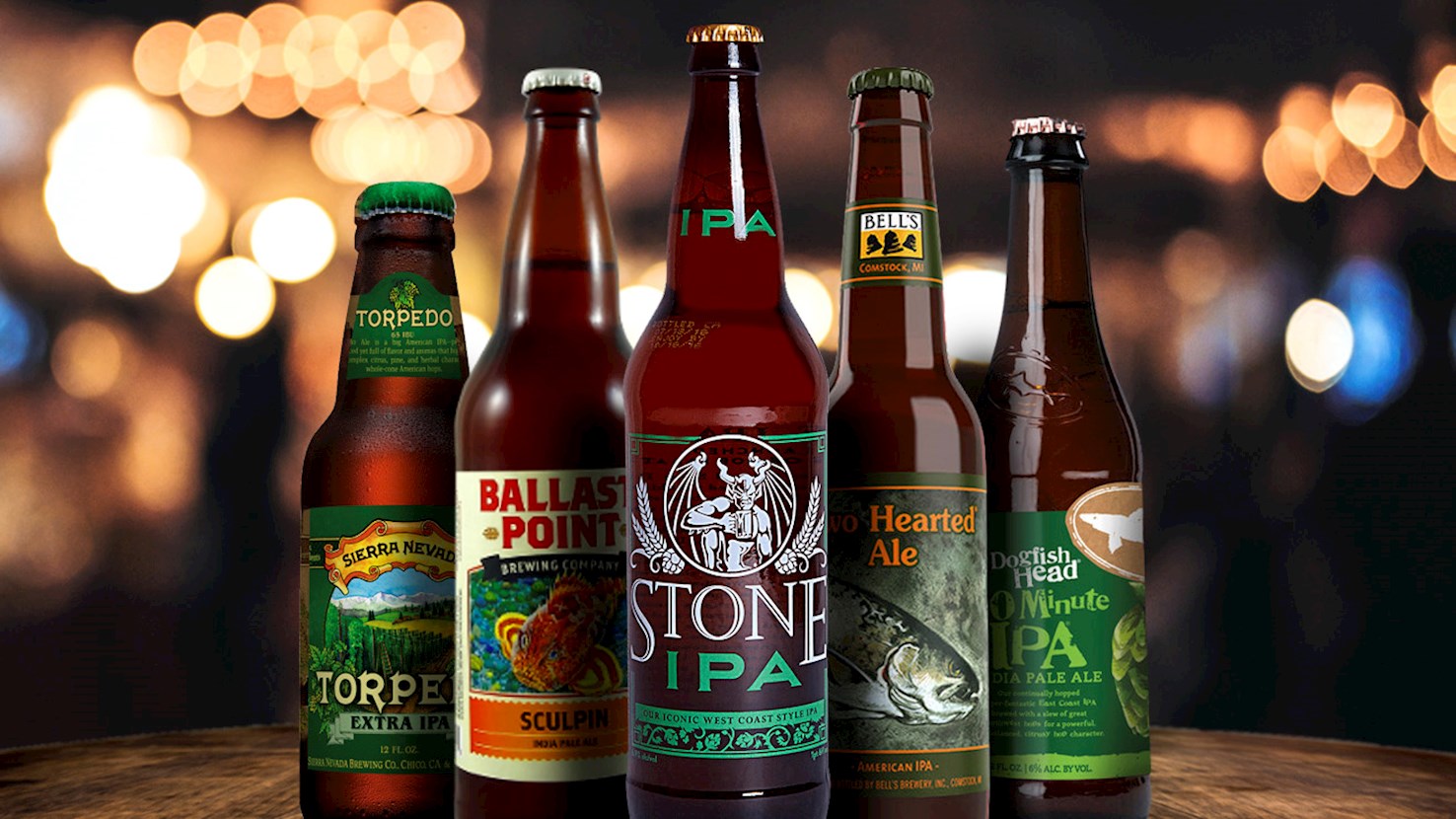
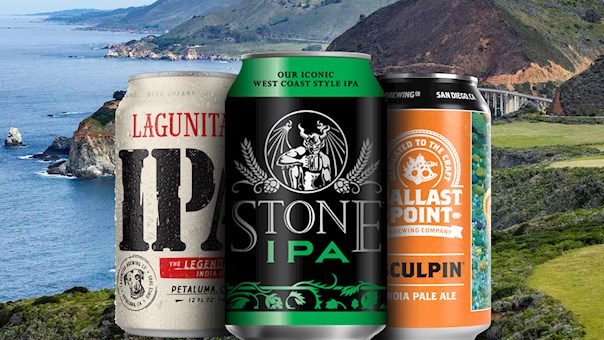
American India Pale Ale originated from the standard British version—but the use of American hops and different brewing practices gave birth to a new style with distinctive characteristics. The beers that fall into this versatile category are usually medium-bodied, bitter, and less full than their English counterparts, but they will typically have more intense fruity, citrusy, and floral character, as well as a powerful hop profile. They are moderately strong, typically between 5.5 and 7.5% ABV, and may range from pale gold to copper. Malt flavors are generally low to medium, but subtle nuances of caramel and toast can be present. Among the general American IPA style, there are also regional differences. West Coast brews will likely have more pronounced citrus flavors, while East Coast varieties will have stronger malt character, though less than English versions. Regardless of the subtle difference, American India pale ales are an excellent match to grilled meat, hamburgers, Mexican cuisine, and citrus desserts.
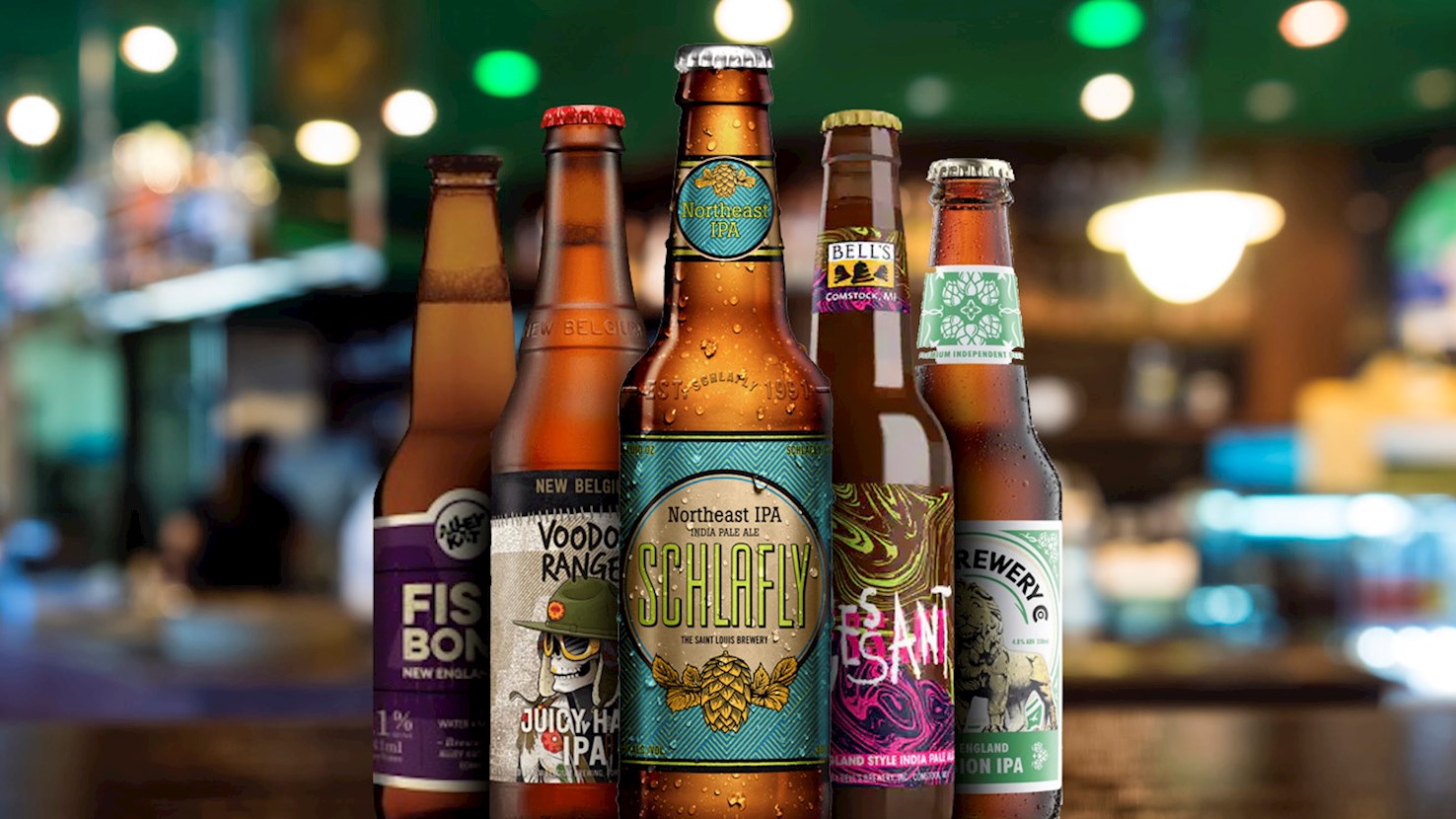
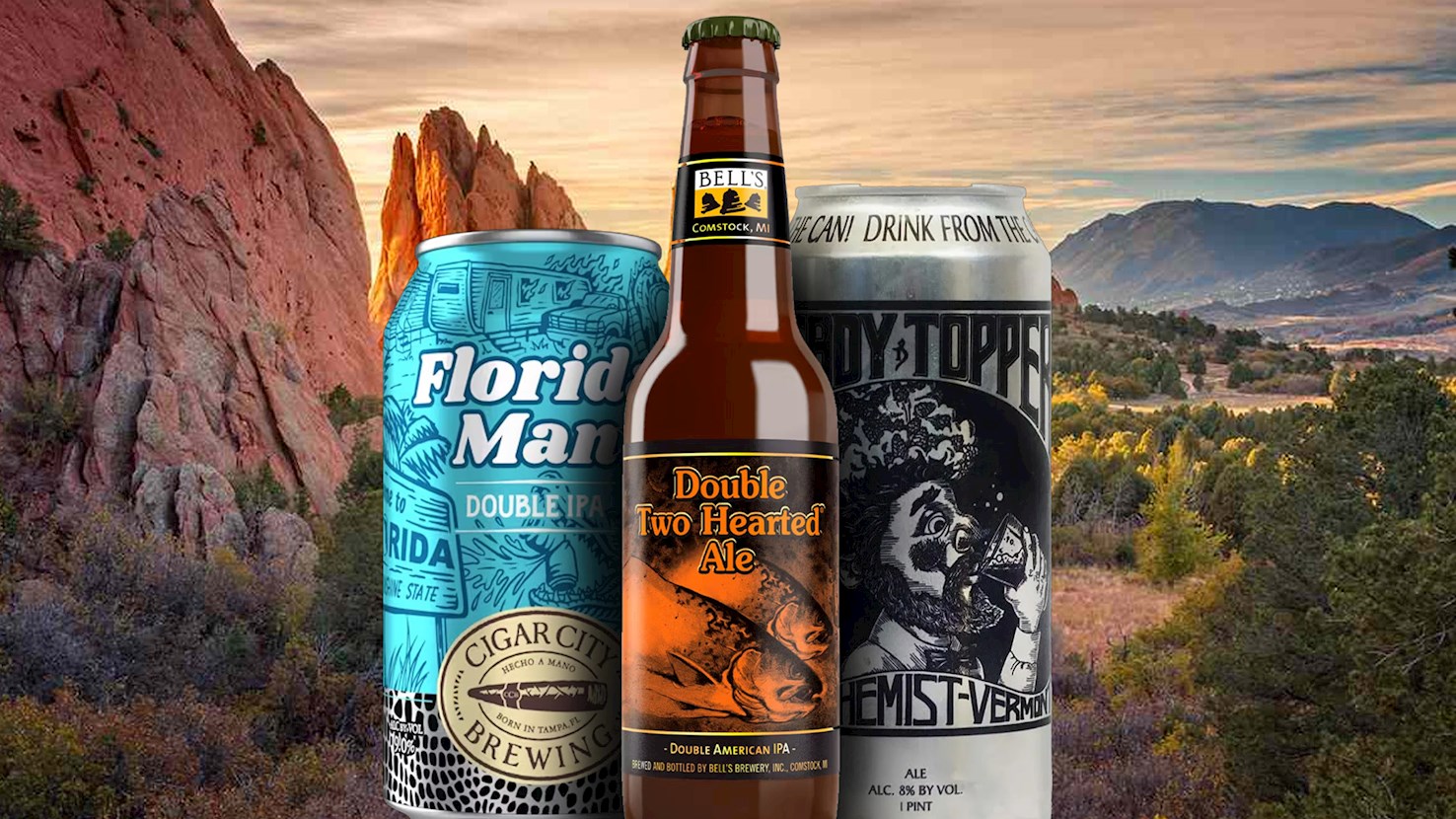
The hazy New England IPA is a modern beer style that originated in 2011. The examples of the style will usually have less hop bitterness than standard American IPA and a character dominated by intense and juicy tropical hop aromas and flavors, typically reminiscent of tropical fruit, stone fruit, and citrus. They are always hazy, with a full body and a creamier mouthfeel. Heady Topper, brewed by The Alchemist in 2011, is considered a prototype. The beer influenced the emergence of an entirely new style and was used as inspiration for many varieties that came afterward. New England IPA has been growing in popularity ever since and is still a somewhat novel, evolving beer style.
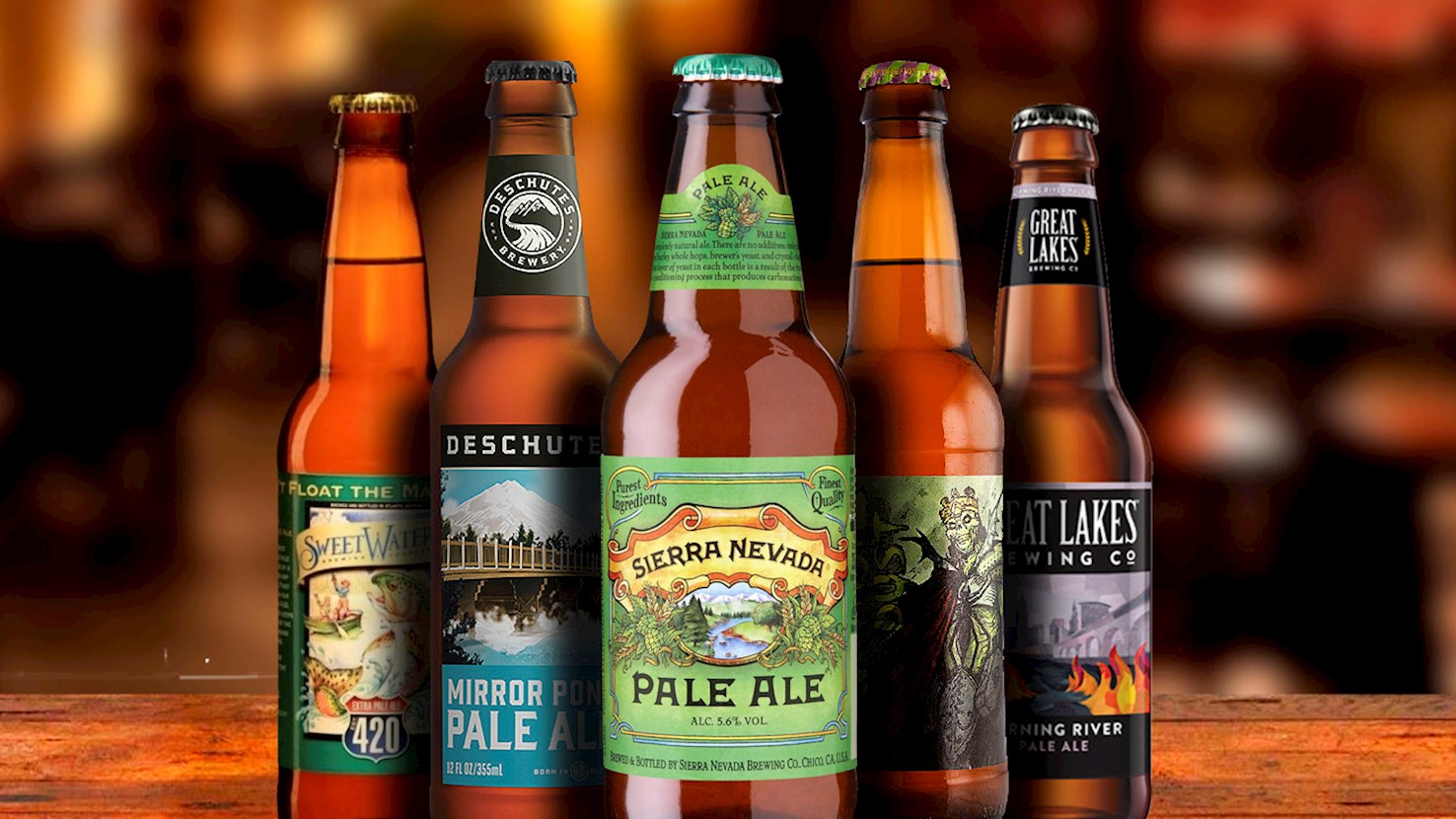
American pale ale was developed in the 1980s as an American counterpart to British pale ales and bitters. These beers are typically clean and crisp, and they will have more hop character than their British equivalents as well as higher alcohol content, usually around 4.4–6.0% ABV. The use of American hops, primarily Cascade, will give these beers distinctive citrus and piney aromas. Their color may range from dark gold to amber and copper. They are usually medium-bodied and have a subtle bitter finish. Sierra Nevada Brewery produced the prototype of American pale ale, and their version was a model on which other breweries mainly relied in production of American pale ale style. These beers are an excellent match to hard cheese varieties, hamburgers, poultry, roasted or grilled meat, and meat pies.
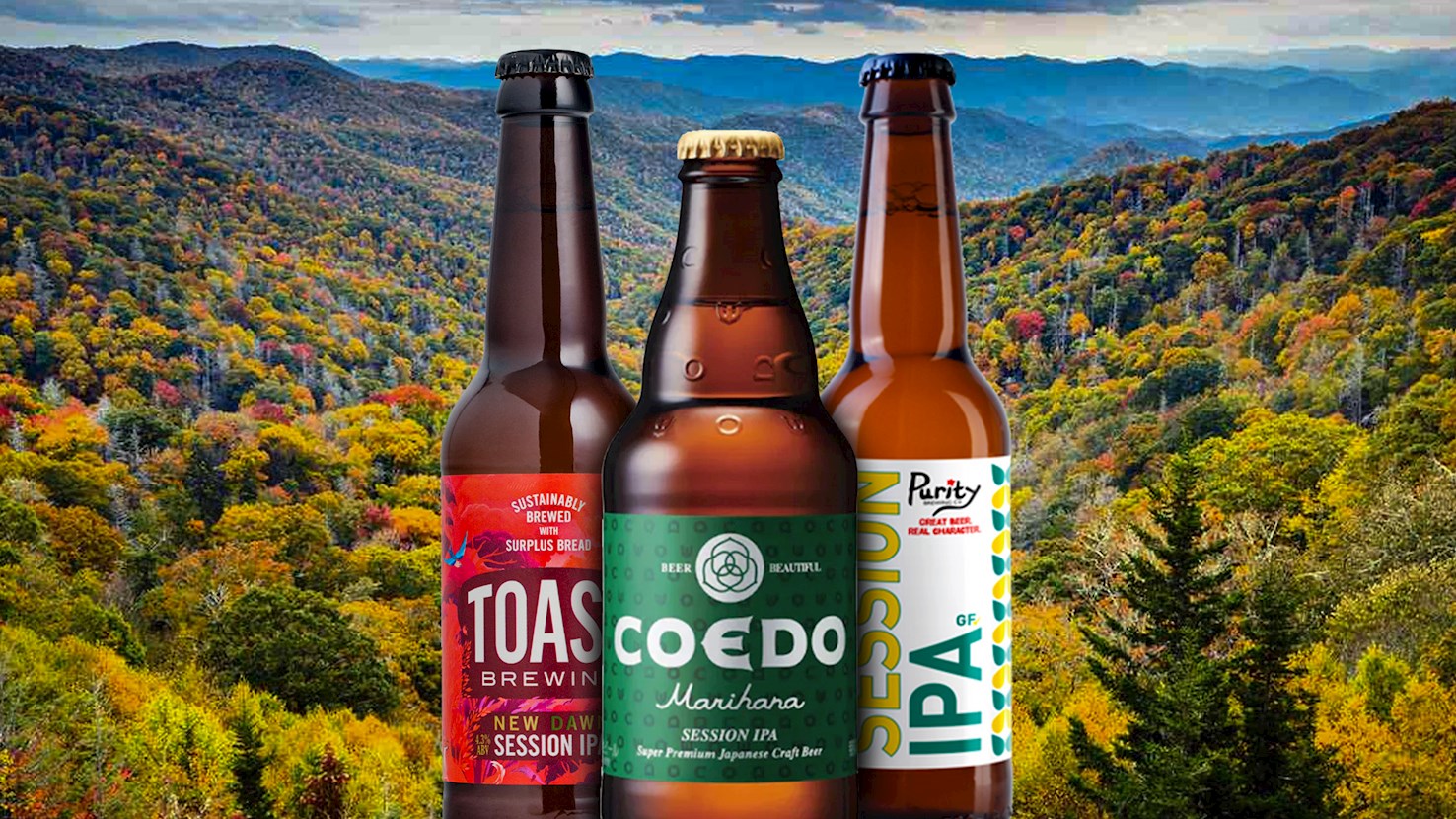
A Session IPA (India Pale Ale) is a style of beer that merges the hoppy characteristics of a traditional IPA with a lower alcohol content, making it more suitable for extended drinking sessions. Typically, Session IPAs have an alcohol by volume (ABV) ranging between 3% and 5%, significantly lower than the standard IPA, which often has an ABV of 6% to 7.5% or higher. Despite the reduced alcohol content, Session IPAs retain the bold hop flavors characteristic of IPAs, featuring aromatic profiles with notes of citrus, pine, floral, or tropical fruit. The malt backbone is lighter and less sweet, allowing the hops to shine while providing a crisp, refreshing finish. This combination of strong hop flavors and a lighter body results in a beer that is flavorful yet easy to drink, making it ideal for social settings or long afternoons. Session IPAs have gained popularity, especially among craft beer enthusiasts who enjoy the vibrant hop-forward flavors of IPAs but prefer a beer that is less intense and more drinkable. Many breweries now offer Session IPAs as part of their regular lineup, catering to those who seek a flavorful beer without the high alcohol content.
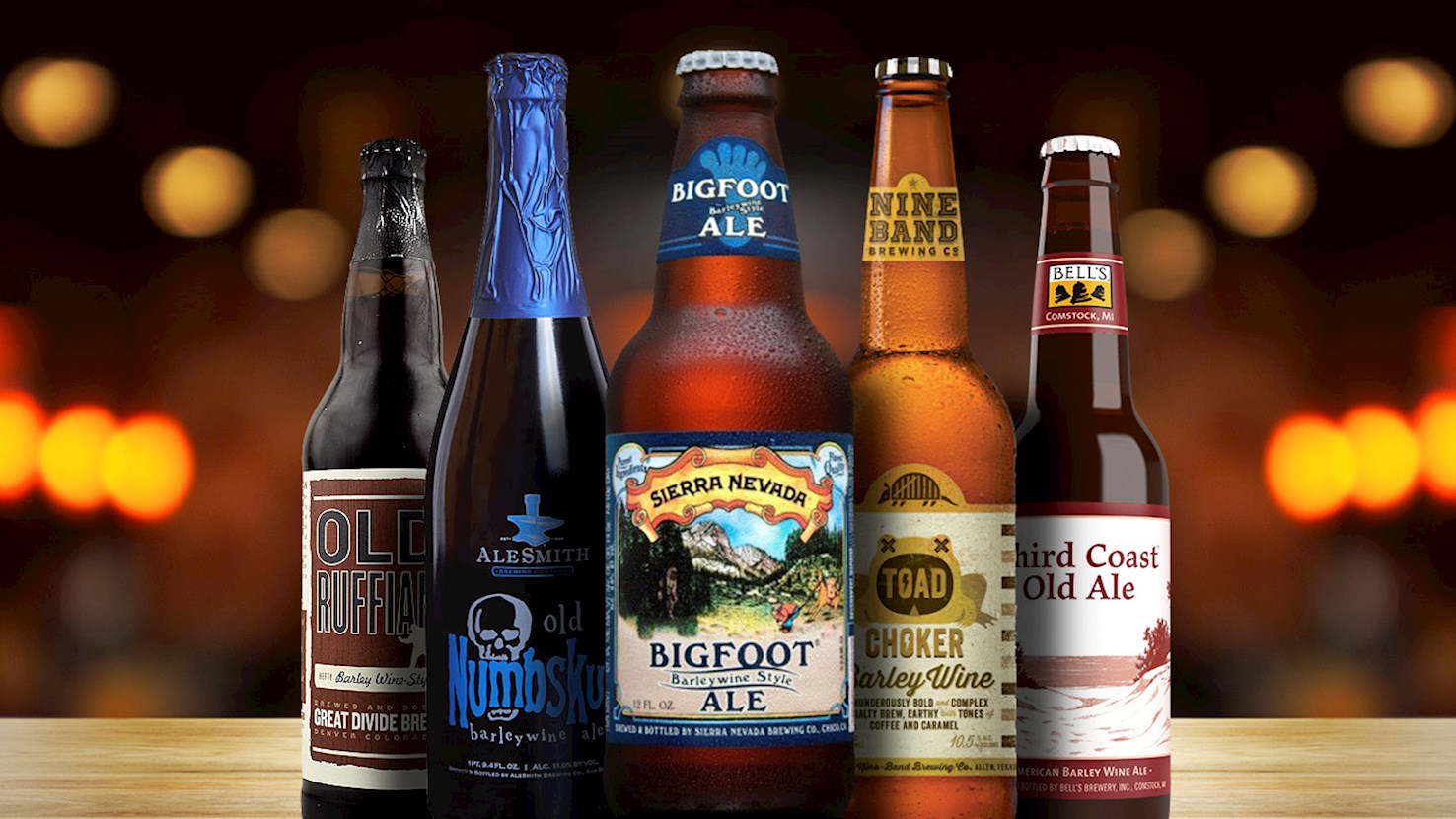
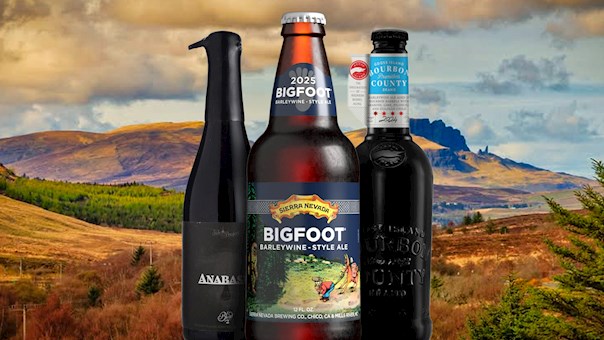
American barley wine originated from the original British style of barley wines—bold brews with strong malty flavors. The first examples of American-style barley wines appeared in 1975 with the first version that was released by Anchor Brewing Co., which was then followed by Sierra Nevada Brewing’s Bigfoot. The American version is also characterized by intense malt character, but unlike the British counterparts, American versions will usually have more assertive hop flavors. The beers that fall into this style are typically rich, full-bodied, light amber to medium copper, and luscious. They usually have a long finish and evident bitterness, while the aromas often include citrus, pine, or resin, as well as typical bread and caramel notes. They are usually aged and high in alcohol, but alcohol strength should never be too harsh or dominant. These beers are mainly associated with winter and holiday season. They are best served in a snifter glass, and though they can be enjoyed on their own, these beers can also work well with hearty dishes, rich desserts, and blue cheese varieties.
Double India Pale Ale, often abbreviated as Double IPA or Imperial IPA, is a style of beer that originated in the United States as an intensified variation of the classic India Pale Ale. Known for its bold hop character and higher alcohol content, Double IPA emerged from the American craft brewing movement in the late 20th century, which sought to push the boundaries of flavor and strength beyond traditional British IPA offerings. This beer style is characterized by a significantly increased use of hops during brewing, resulting in a pronounced bitterness balanced by substantial malt backbone and a rich, often complex aroma and taste profile. The development of Double IPA is linked to the experimentation and innovation within the craft beer scene, particularly in the Pacific Northwest, where breweries began increasing hop quantities to appeal to enthusiasts seeking more intense flavors. This style quickly gained popularity due to its assertive bitterness, citrusy and piney hop aromas, and robust malt presence that provides balance and drinkability despite the elevated alcohol levels, which commonly range from 7.5% to over 10% ABV. The history of Double IPA reflects a broader trend in craft brewing toward bold, distinctive beers that challenge conventional norms. Preparation of Double IPA involves a careful balance of malt and hops, often utilizing multiple hop additions throughout the brewing process to layer bitterness, flavor, and aroma. Brewers select hop varieties that contribute citrus, floral, pine, resinous, or tropical fruit notes, with the malt bill designed to support these intense hop characteristics without overpowering them. The fermentation process employs yeast strains that enhance hop expression and maintain clarity and freshness. Serving Double IPA typically involves pouring it into tulip or pint glasses, which help concentrate the beer's complex aromas and showcase its often deep golden to amber hues. The beer is best served slightly chilled to allow the full spectrum of flavors to emerge. Double IPA is enjoyed globally among craft beer drinkers, often featured in taprooms, beer festivals, and specialty bars that celebrate hop-forward styles. Its bold profile pairs well with a variety of foods, from spicy dishes and grilled meats to rich cheeses, enhancing and complementing flavors through contrast and harmony.
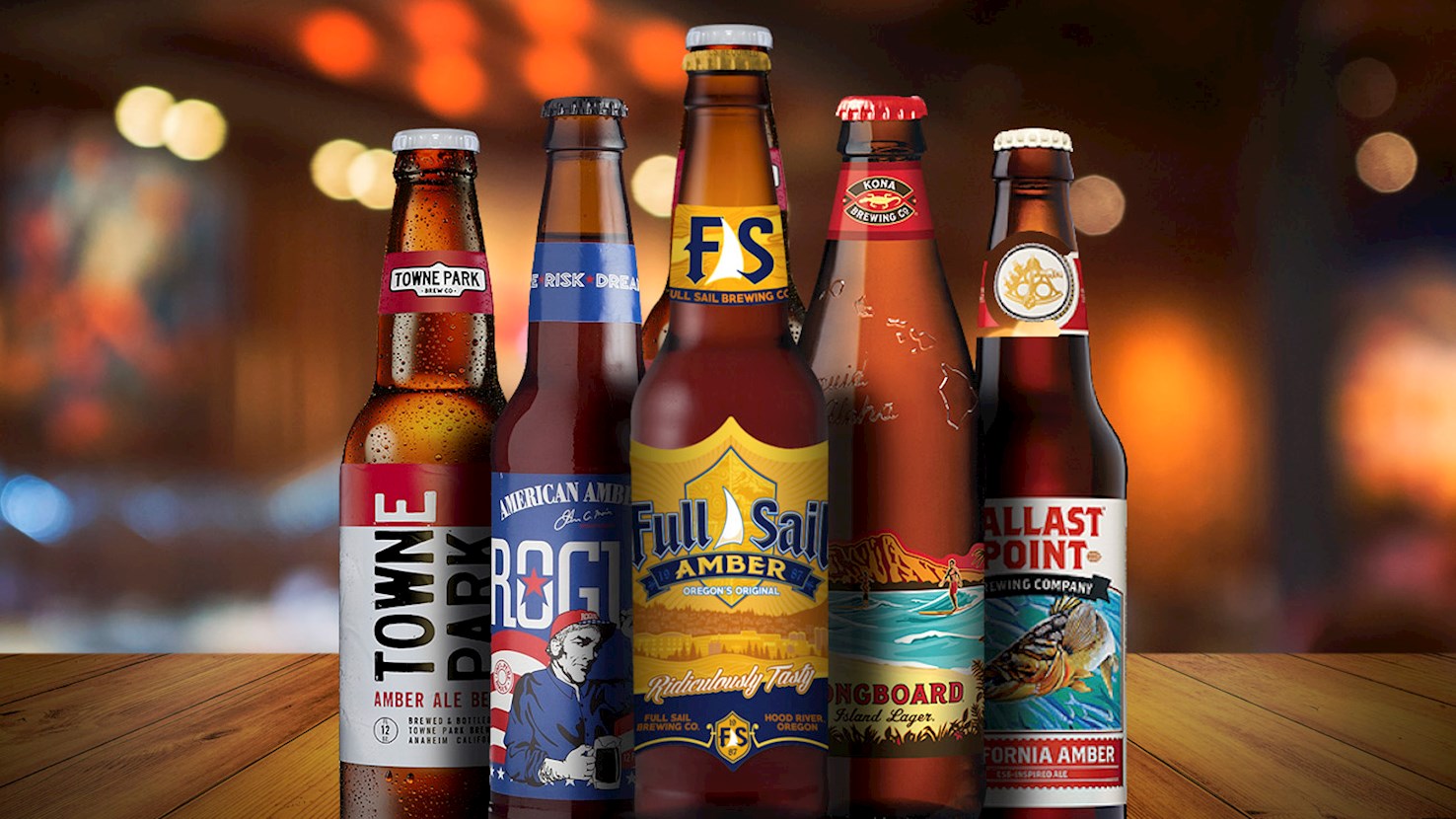
American amber ale originates from California and the Pacific Northwest, where it appeared in the 1980s. The style was modeled on pale ales and strong bitters, but it eventually grew as a separate and distinctive category. Amber ales are brewed with crystal malts, which provide toasty and toffee flavors. The color of these medium-bodied beers may range from amber to copper or deep red. They are characterized by moderate to strong malt sweetness, while the use of American hops occasionally provides for citrusy and piney aromas. Although they often resemble American pale ales, amber ale should typically have more body and more pronounced caramel flavors. These beers are an excellent match with classic American cuisine, barbecued dishes, hamburgers, spicy dishes, chicken, beef, and seafood.
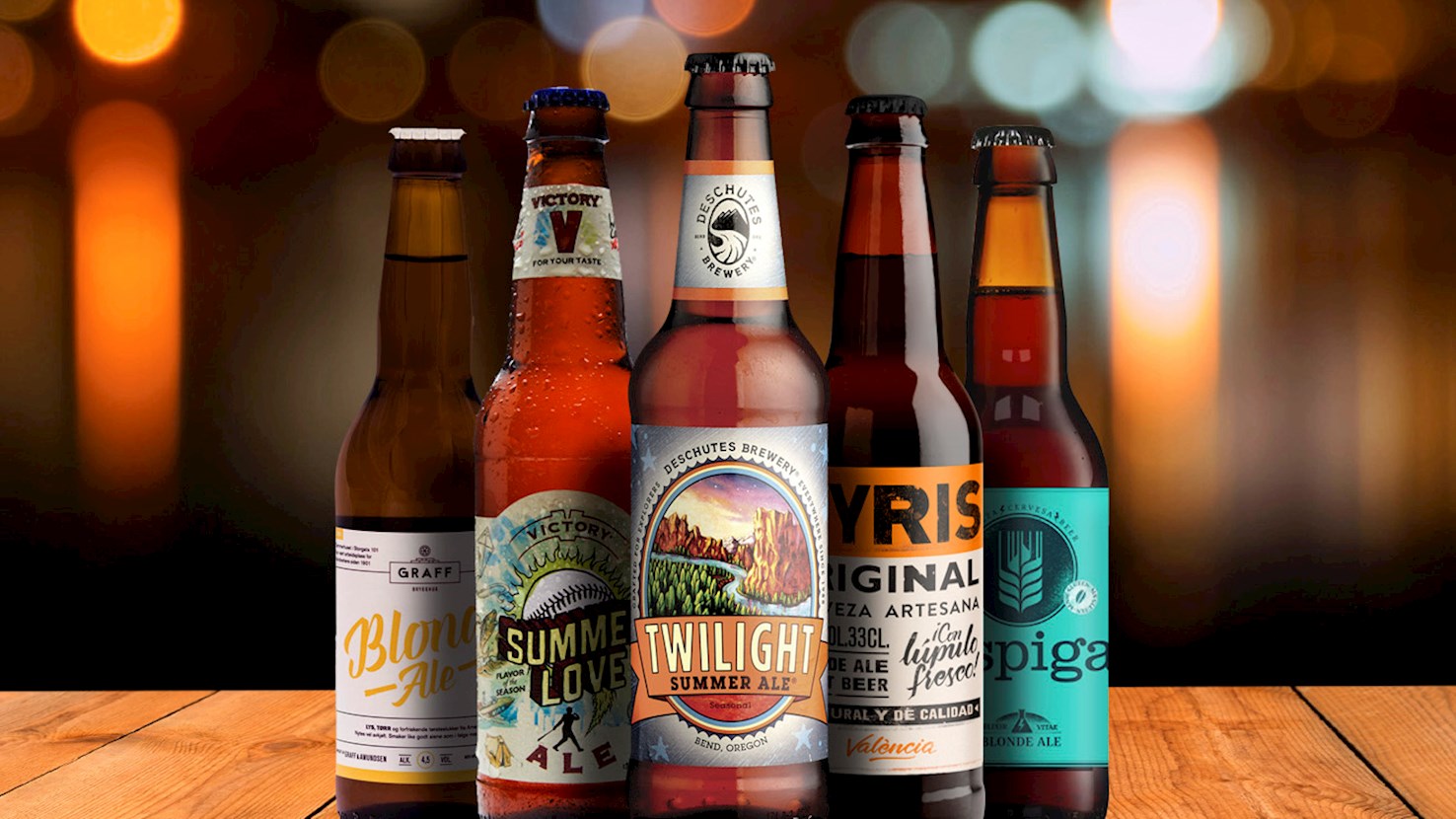
Blonde ale is a beer style that has vague boundaries, but which falls somewhere between cream ales and Kölsch style. This rather new style probably originated as a lighter version of pale ale. Its origin is often associated with American microbreweries, but modern blonde ales are commonly produced in other countries as well, namely Belgium and France. They are sometimes referred to as golden ales, though some make a distinction between the two. These beers range from pale yellow to golden, and they are characterized by malt sweetness, toasty and bready aromas, medium body, and low to moderate hop character. Despite numerous regional variations and vague boundaries among the style, blonde ales tend to be approachable, easy-drinking, and they usually have a dry finish. These crisp and light beers would be an excellent match to light dishes such as roasted poultry, white fish, pasta dishes, shrimps, salads, as well as with aged and nutty cheese varieties.
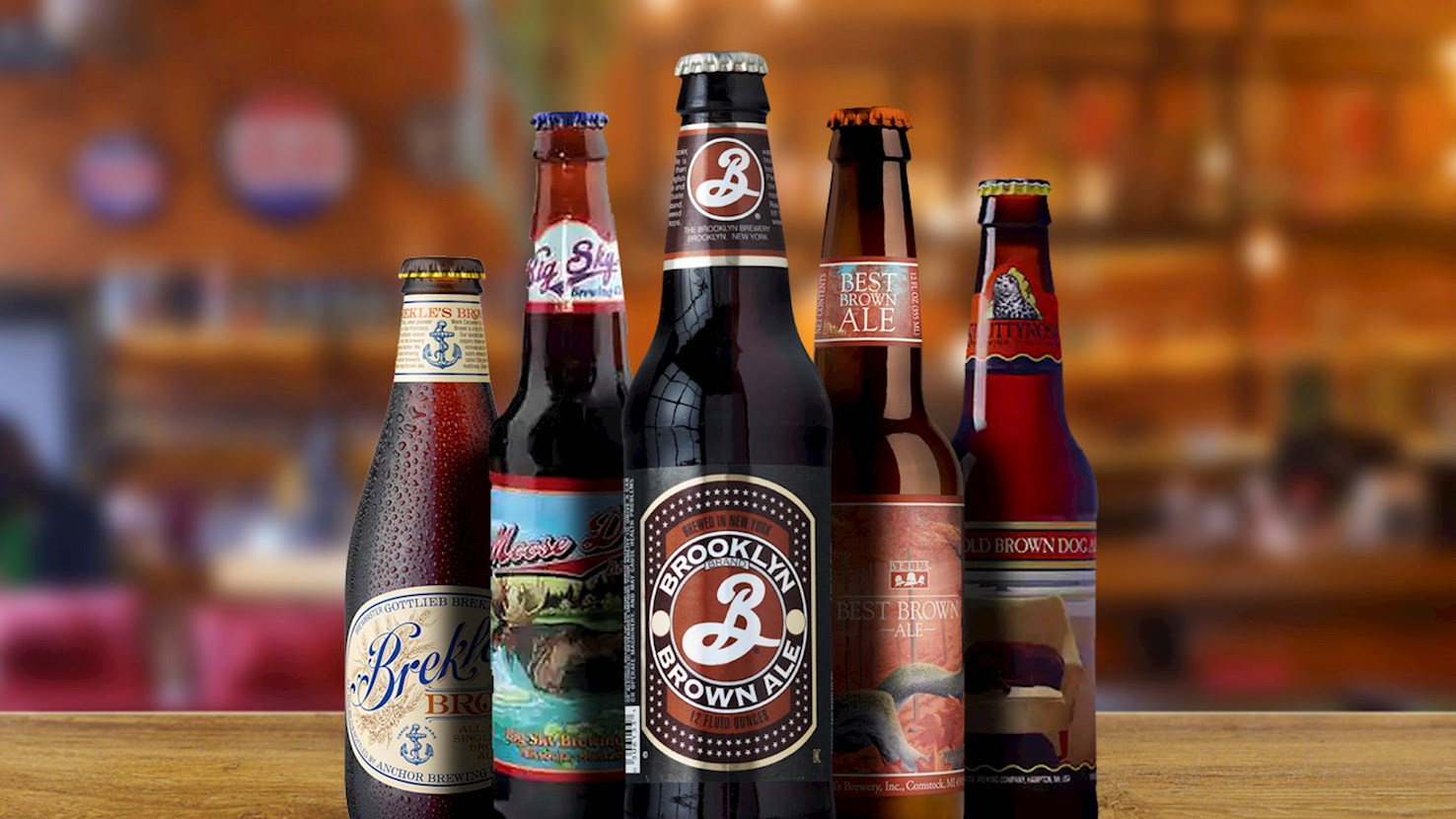
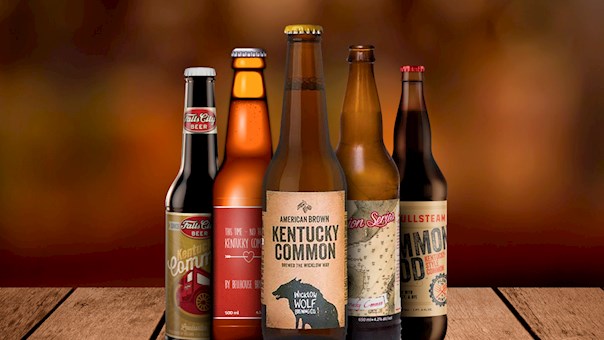
Although it has origins in traditional English brown ale, the American version has developed into a separate style with its distinctive characteristics. The first versions of the style appeared in Texas in the 1980s which coincided with the appearance of the craft beer revolution. These beers are typically stronger and darker than their English counterparts. They are often robust with a malty character and flavors of caramel, chocolate, or coffee. Most varieties will have more notable hop aromas than classic English brown ales, but they should still remain below mid-level. American brown ales are a perfect match to grilled or roasted meat, aged or blue cheese, and sausages.
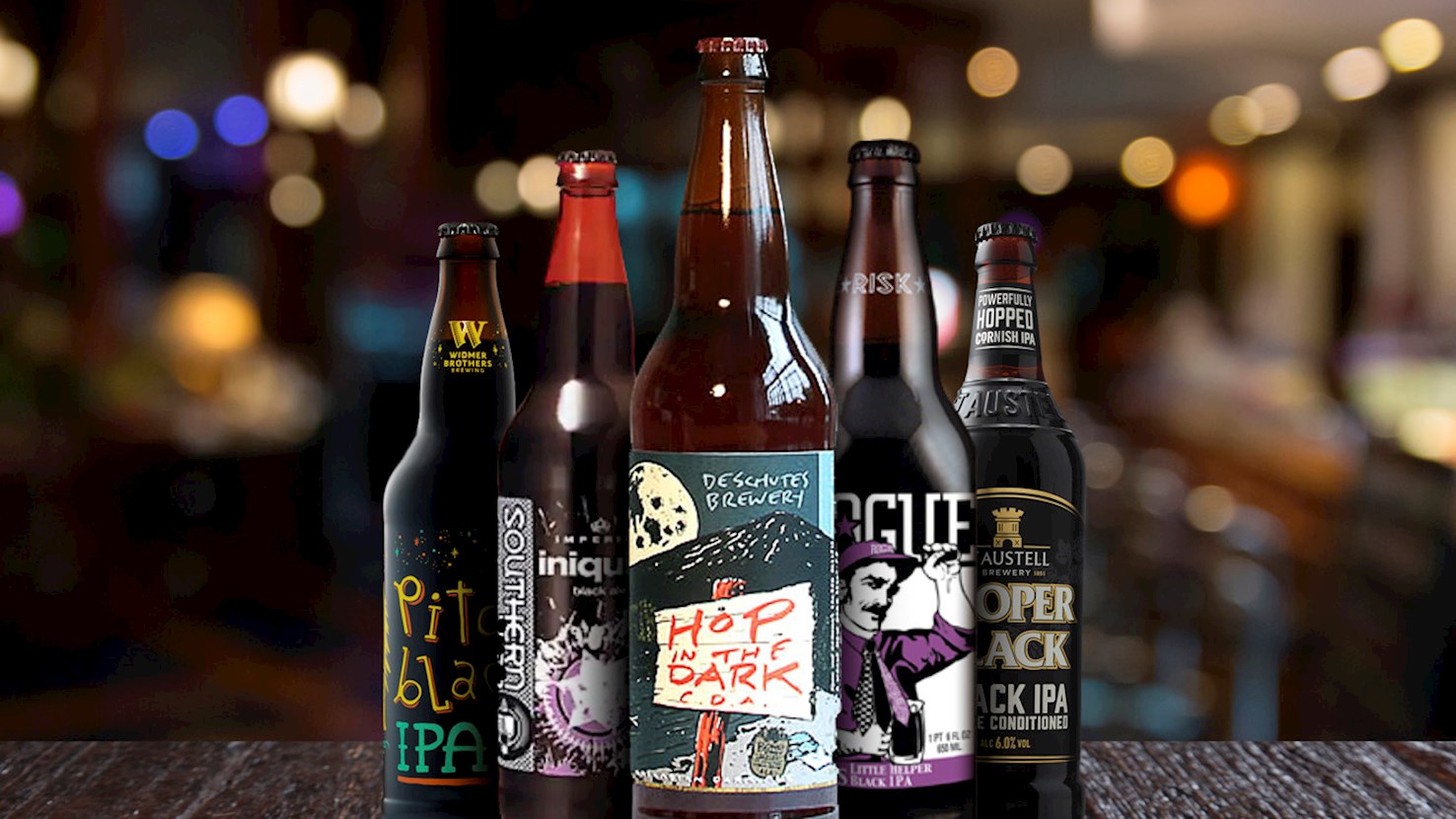
Black IPA or American Black Ale is a versatile craft beer style that combines fruity hop character and moderate dark malts. The examples are typically medium-bodied and may be clear or hazy, while their color varies from dark brown to black. They are packed with hop aromas and flavors that range from fruity, citrusy, piney, and floral. Their hop character is well-balanced with moderate amounts of dark caramel malt aroma and flavors reminiscent of chocolate and coffee. Alcohol content typically falls between 6 to 9% ABV. Black IPA pairs well with burgers, braised meat, stews, BBQ, steaks, and fried dishes. It could also be a good match with chocolate-based desserts and aged or blue cheese. This style is a variation of American IPA, and it is a somewhat new beer style that probably originated in the early 1990s. It is largely believed that the first version was created by Greg Noonan of the Vermont Pub and Brewery, though some argue that the first examples were brewed in the Northwest. Regardless of its origin, Black IPA remains one of the most exciting craft beer styles.
TasteAtlas food rankings are based on the ratings of the TasteAtlas audience, with a series of mechanisms that recognize real users and that ignore bot,
nationalist or local patriotic ratings, and give additional value to the ratings of users that the system recognizes as knowledgeable.
For the “Top 100 American Ales” list until June 06, 2026, 623 ratings were recorded, of which 591 were recognized by the system as legitimate.
TasteAtlas Rankings should not be seen as the final global conclusion about food. Their purpose is to promote excellent local foods,
instill pride in traditional dishes, and arouse curiosity about dishes you haven’t tried.
The initial list of top producers was compiled based on available reviews, awards, local recommendations, media and blog coverage, and consumer reviews.
The list will be updated with ratings from TasteAtlas local ambassadors and TasteAtlas users.