Top 39 Czech Beverages

Last updated on July 15, 2026

Best Czech Beverages
01

Stock Plzen‐Božkov

5.0 ·

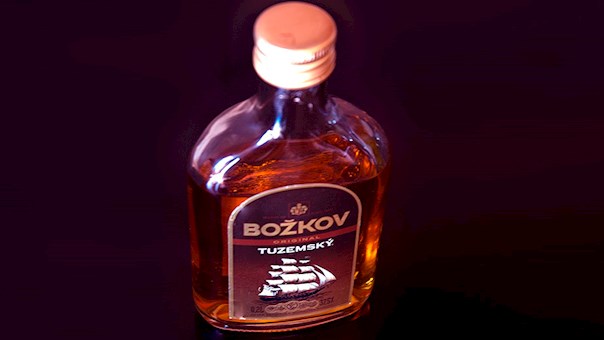
Božkov is a renowned Czech spirits brand established in 1948, known for its high-quality products and rich tradition. Its flagship product, Božkov Original, is a classic "tuzemák" and the best-selling spirit in the Czech Republic.

The brand offers a wide range of rums, vodkas, and liqueurs, crafted using premium ingredients such as molasses alcohol, soft Pilsen water, sugar syrup, special caramel, and vanilla aroma. These elements give Božkov products their characteristic golden color and natural flavor.

Božkov has earned a reputation as one of the most trusted brands, with a significant presence in the Czech market.

Awards
European Spirits Challenge - Gold (2023)
The Rum & Cachaça Masters - Gold (2022)
02

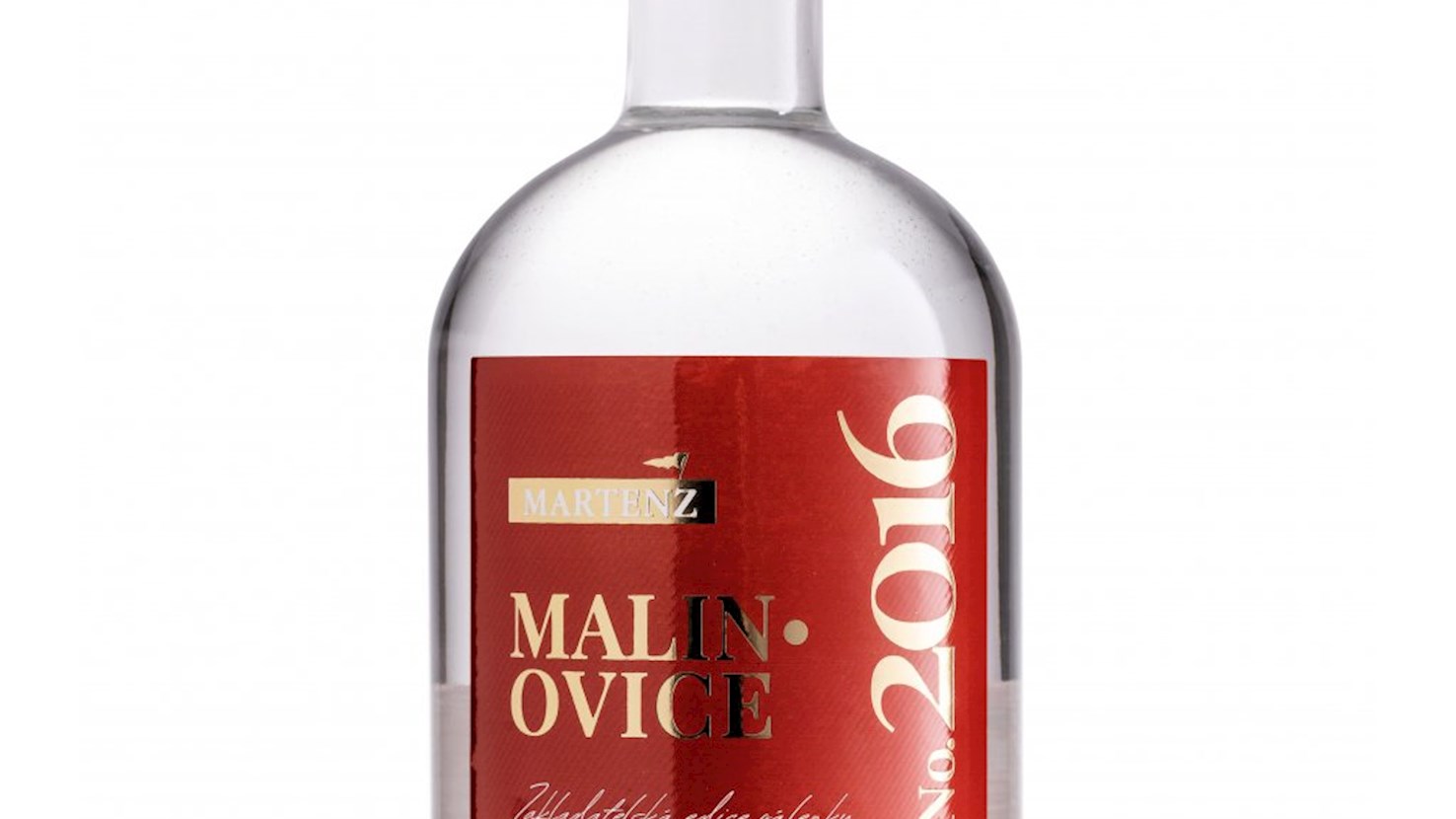
Martenz

5.0 ·
Awards
IWSC- International wine & spirit competition - Spirit Gold Outstanding (2024)
03

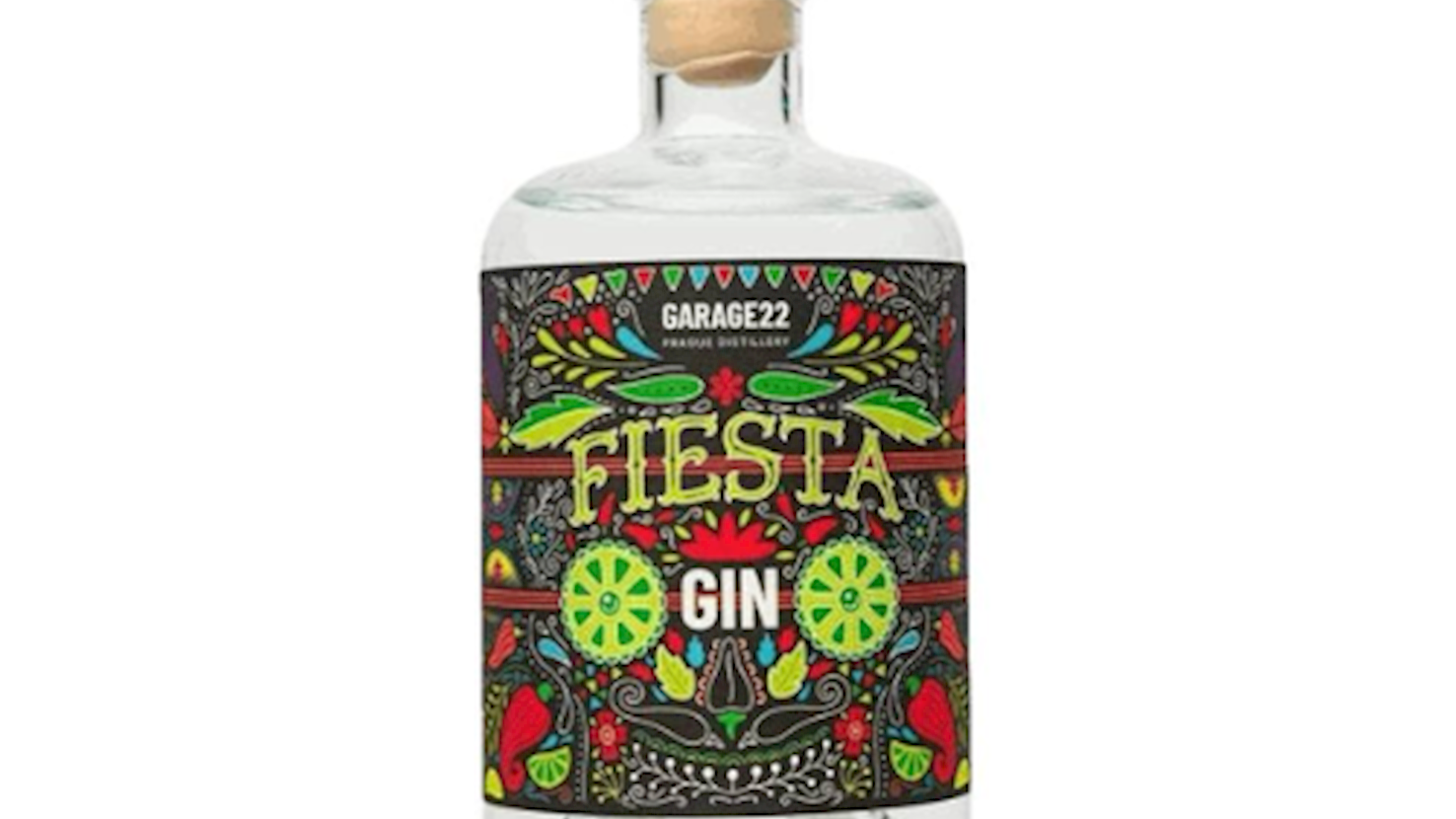
Garage 22 Prague Distillery

5.0 ·

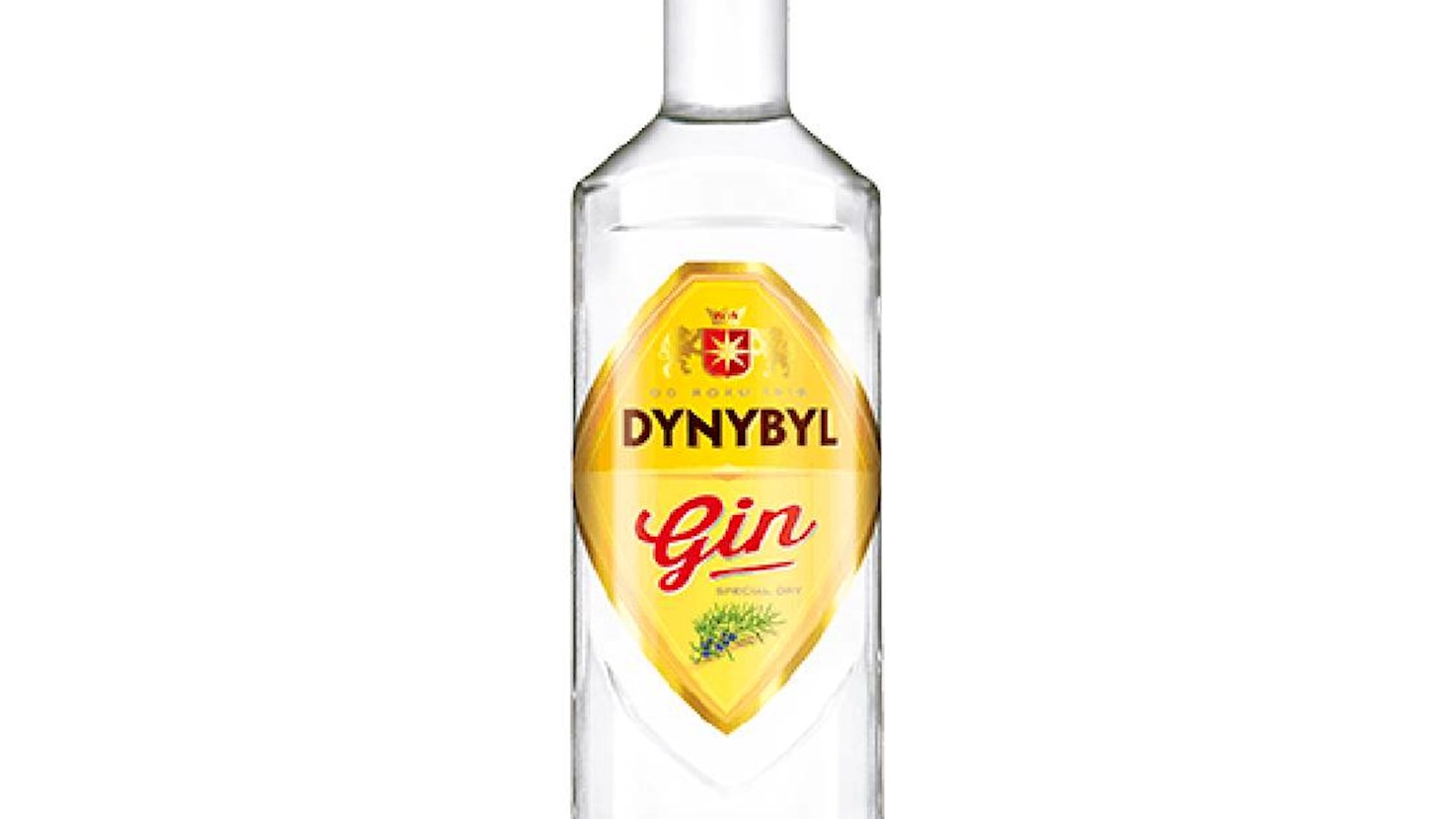
Garage22 Prague Distillery is a contemporary craft distillery based in Prague, recognized as the city’s first urban craft distillery, with a strong focus on small-batch production, hands-on craftsmanship, and experimental distillation. Founded by two friends, Martin and Ondra, the project began in 2018 from a shared ambition to create spirits they genuinely wanted to drink, with the distillery officially licensed in 2020.

Located in Prague’s industrial Holešovice district, the entire production process takes place in-house, from recipe development to bottling. Its portfolio is centered primarily around gin, while also including other spirits, liqueurs, and limited editions featuring unconventional ingredients such as habanero, kiwi, and various botanicals.

The brand emphasizes the use of local ingredients whenever possible, alongside a more sustainable production philosophy that includes repurposing distillation by-products. Their flagship Gin22 offers a modern interpretation of the London Dry style with a distinctive aromatic profile, while limited releases reflect the brand’s creative and seasonal approach.

Beyond production, the distillery also operates as an experiential destination, offering guided tours and tastings that strengthen its presence within Prague’s craft beverage scene. Although it does not have the long heritage of traditional Czech producers, Garage22 has established itself as a notable representative of Prague’s new generation of premium distillers.

Awards
IWSC- International wine & spirit competition - Spirit Gold Outstanding (2024)
World Gin Awards - Country Winner (2022)
04

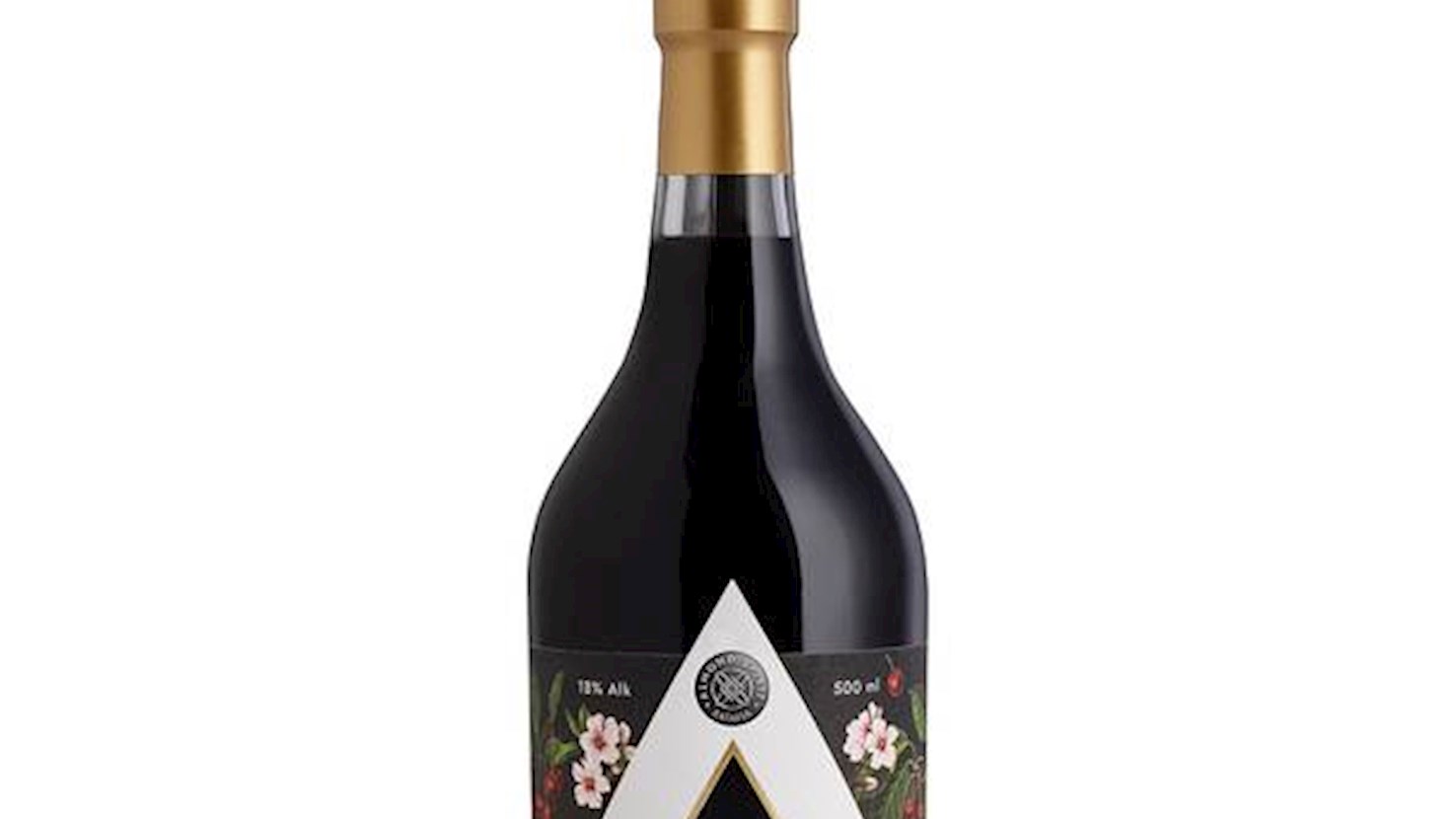
Ratafia Almond Spirit

5.0 ·
Awards
SFWSC - San Francisco World Spirits Competition - Double Gold (2024, 2023)
05

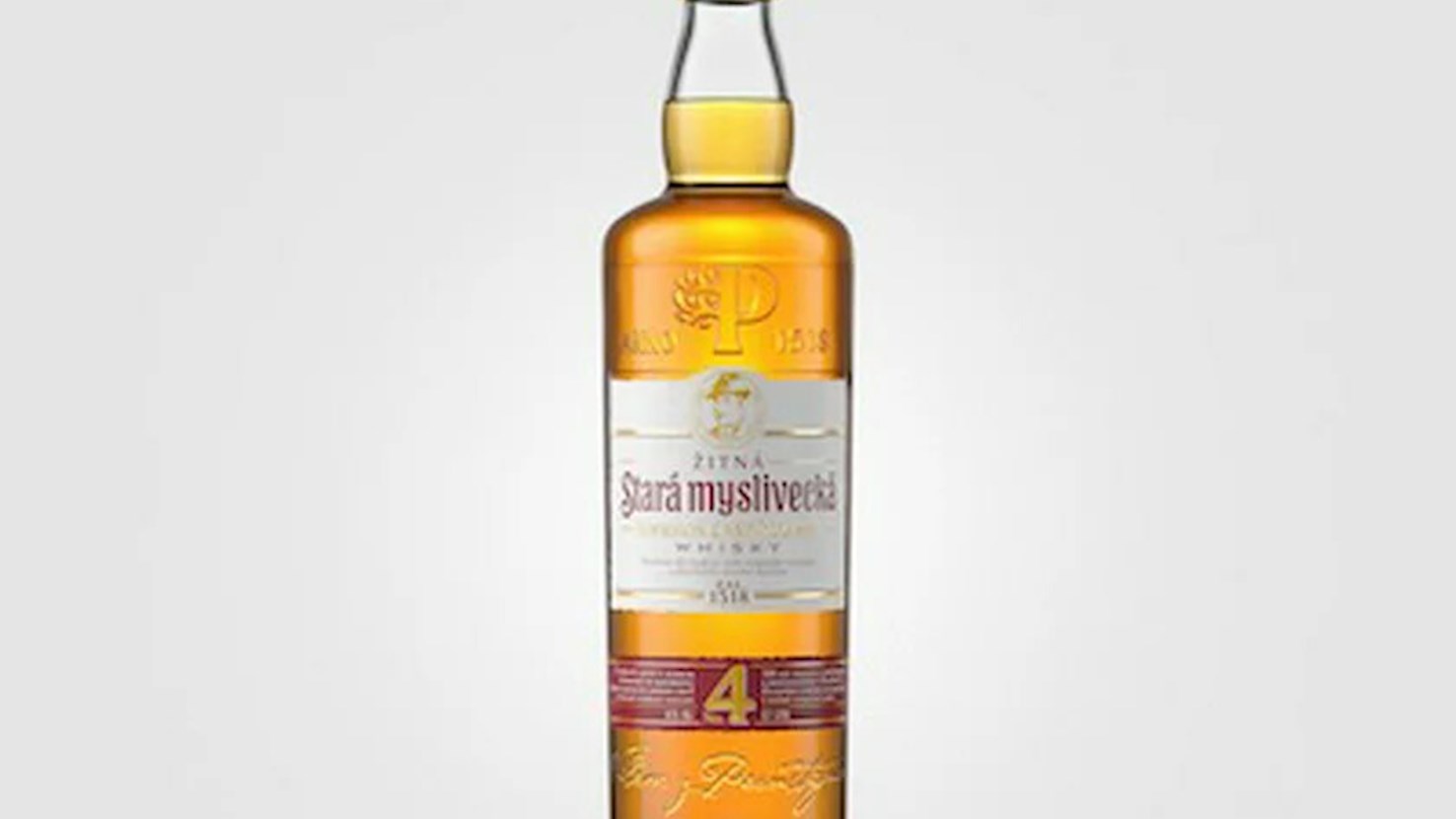
Palírna U Zeleného Stromu

4.8 ·
Awards
The DB & SB Autumn Blind Tasting - Gold (2023)
The World Whiskey Masters - Gold (2023, 2022)
06

Pivovar Matuška

4.8 ·

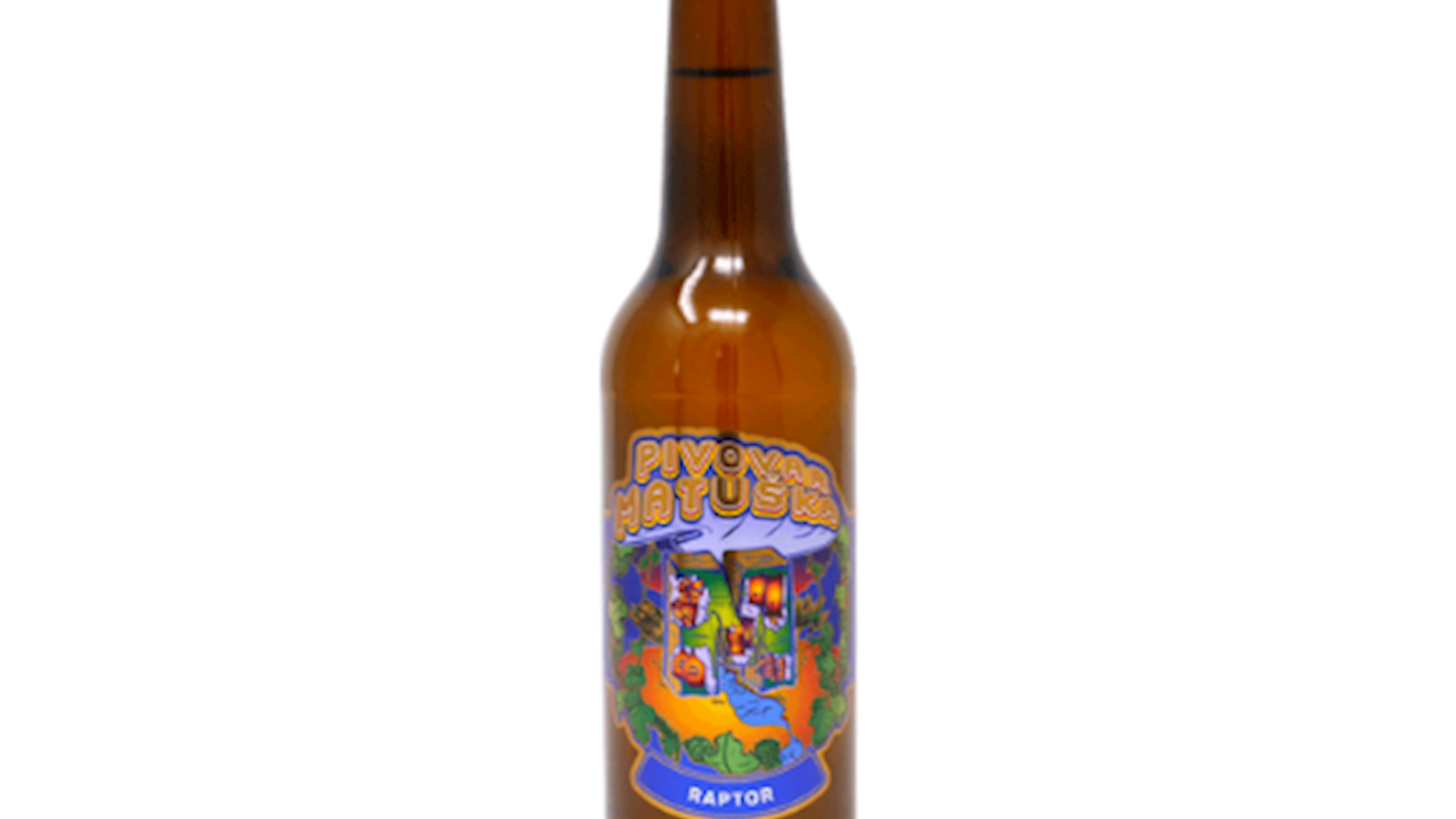
Pivovar Matuška is a family-run craft brewery from the village of Broumy in Central Bohemia, founded in 2009 and now regarded as one of the pioneers of the modern Czech craft beer scene. Founder Martin Matuška built his brewing experience beginning in 1981, and this long technical background is reflected in the precision and consistency of their beers.

From the very beginning, the brewery has embraced a production approach without filtration or pasteurization, preserving the natural aroma, fullness, and complexity of its ingredients. Despite its small, family-oriented character, Matuška releases more than thirty different labels each year, ranging from traditional lager styles to modern ale beers with pronounced hop expression.

The brewery’s philosophy is grounded in authenticity, clarity of style, and an uncompromising dedication to quality. Each of their beers carries a recognizable signature, balancing Czech brewing tradition with contemporary craft sensibilities.

Today, Pivovar Matuška stands as a strong example of how heritage and innovation can coexist, shaping one of the most respected profiles in the Czech craft beer landscape.

Awards
European Beer Star - Gold (2023)
Untappd - 3.7
07

Bernard

4.8 ·

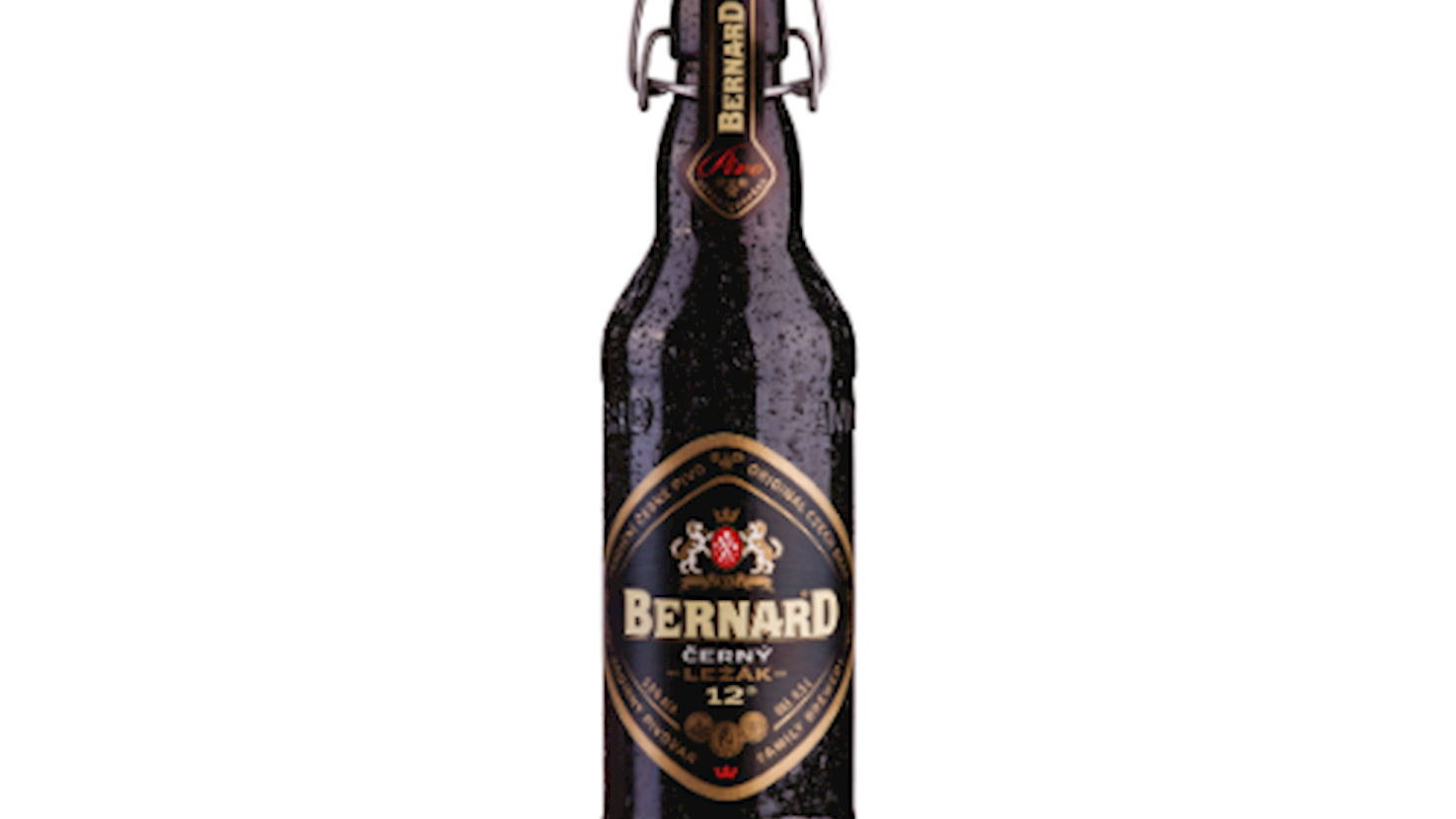
Bernard from Humpolec is one of the most recognizable independent Czech breweries, with a local brewing tradition that dates back to the 16th century. The modern chapter of the brewery began in 1991, when Stanislav Bernard and his partners took over a failing state-owned facility and transformed it into a family brand built on quality and authenticity.

The brewery uses its own water source, traditional cellar lagering, and its own malt house in Rajhrad, allowing full control over raw materials. Its production style follows classic Czech brewing principles, with certain lines left unpasteurized to preserve a fuller aromatic profile.

Visitors can explore a modern visitor center, taste the beers, and learn about the brewing process. Despite its growth, the brewery maintains that volume is not its priority - preserving standards and identity is.

This approach has allowed Bernard to become one of the leading private breweries in the Czech Republic, valued both domestically and internationally.

Awards
Barcelona Beer Challenge - Gold (2024, 2021)
Frankfurt International Trophy - Grand Gold (2021)
08

Pivovar Sibeeria

4.7 ·

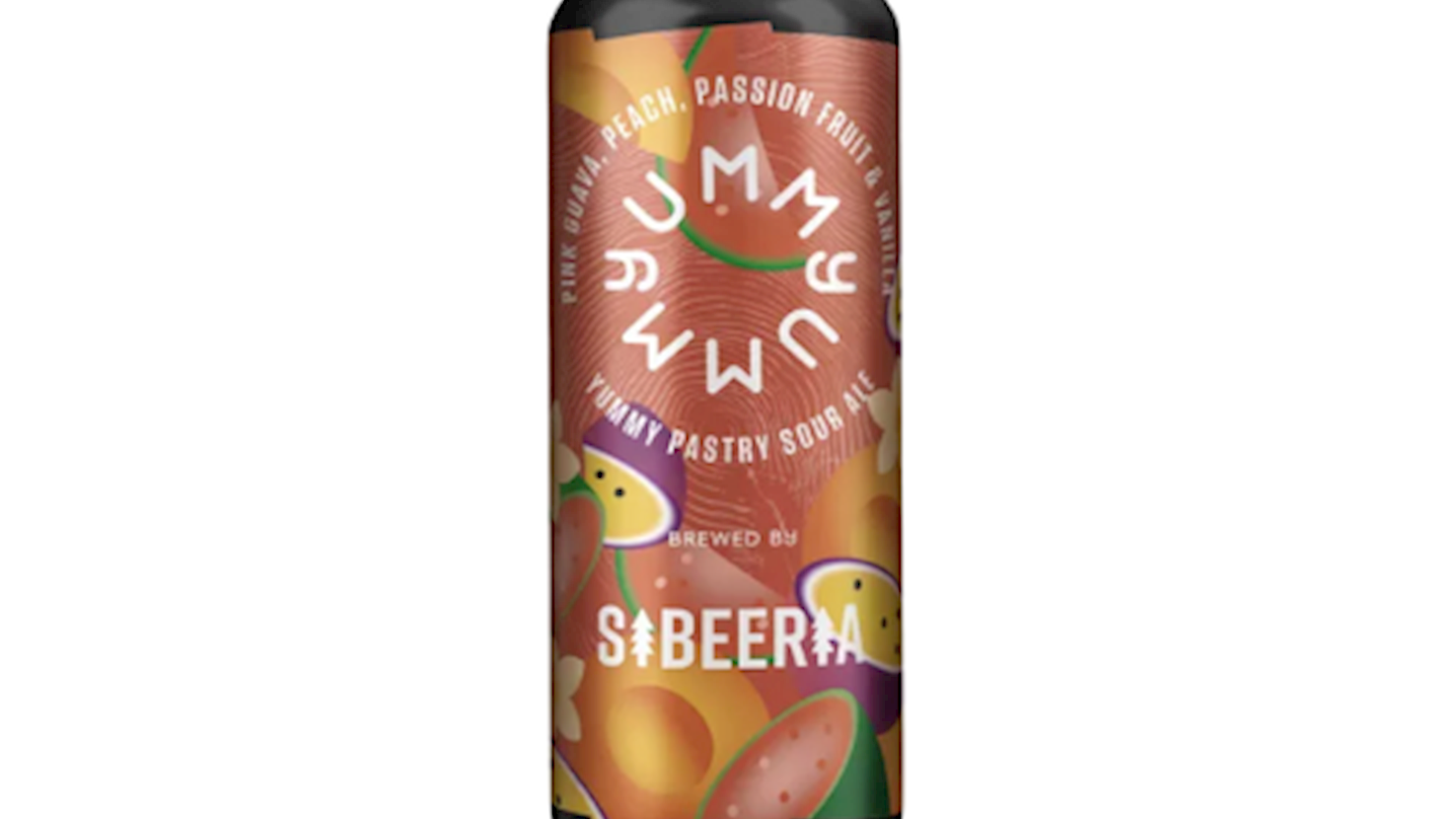
Pivovar Sibeeria is an independent Prague brewery founded with the idea of connecting Czech lager tradition with modern craft brewing approaches. They do not limit themselves to a single style; instead, they give equal attention to clean, technically precise lagers and bold, hop-forward IPA variants.

Their lagers are brewed using triple decoction, a traditional and time-consuming method that enhances depth and malt character. The IPA series focuses on clear, fruity, and herbal hop aromas without aggressive bitterness, making them approachable even for those who are just discovering IPA styles.

Their sour ales are developed with additions of tropical fruit, keeping balance as a priority - the goal is not sharp acidity but drinkability and harmony of flavors. Part of their production is dedicated to strong, barrel-aged beers: bourbon or wine barrels are used to create limited releases such as imperial stouts and quadrupels designed for slow sipping and tasting.

The taproom within the brewery serves as a space for releasing small experimental batches that never reach wider distribution. Sibeeria represents a craft brewery that grows organically, driven by experimentation and curiosity, without compromising on quality - every beer must be honest, well-crafted, and true to the style they aim to express.

Awards
Untappd - 4.1
09

Sonberk

4.7 ·
Awards
Decanter World Wine Awards - Platinum (2020, 2017)
Decanter World Wine Awards - Best in Show (2017)
10

Zamecké Vinarstvi Bzenec

4.6 ·
Awards
Decanter World Wine Awards - Platinum (2016)

Best Czech Beverage Types
01

České pivo

4.3 ·

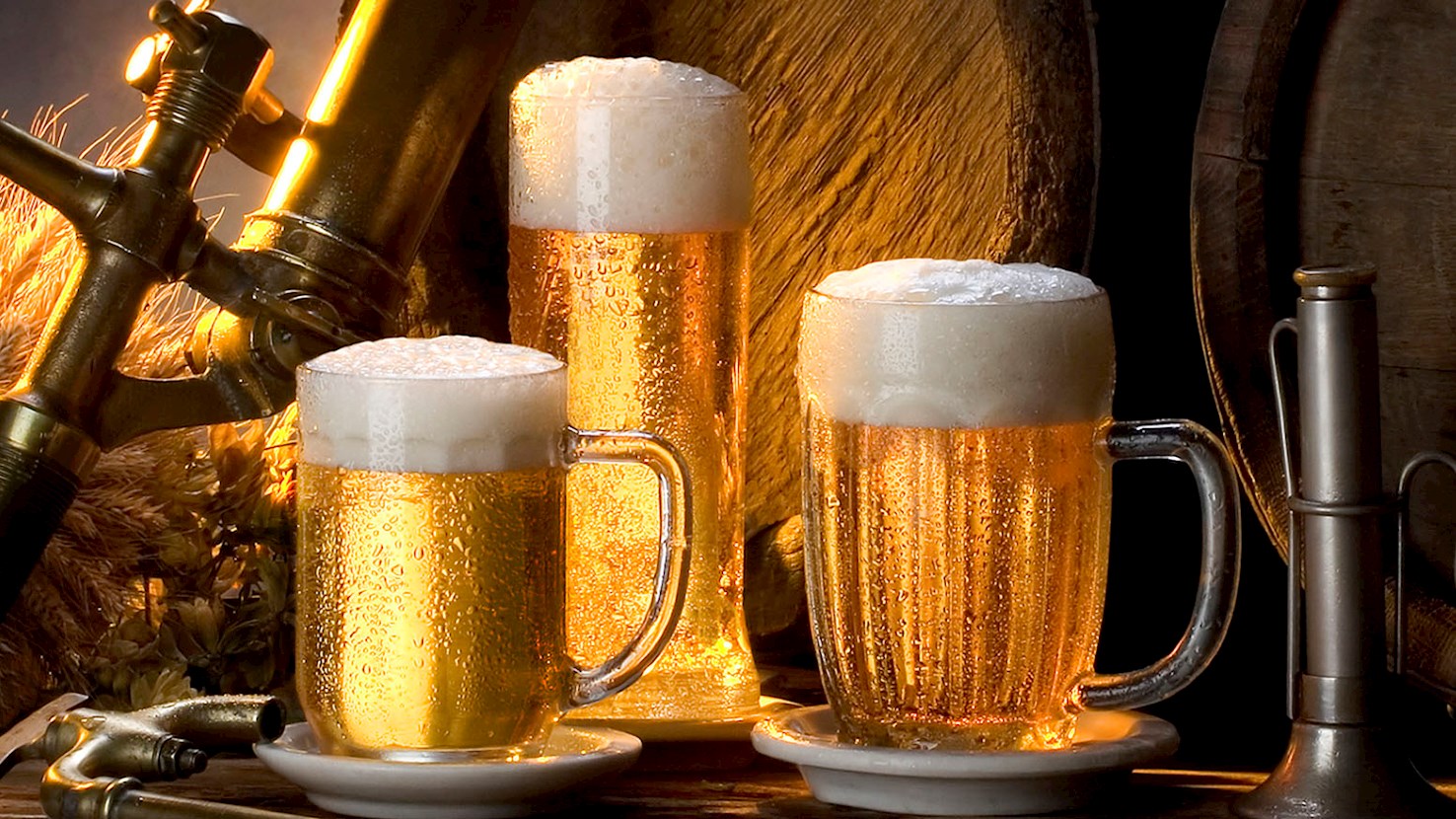
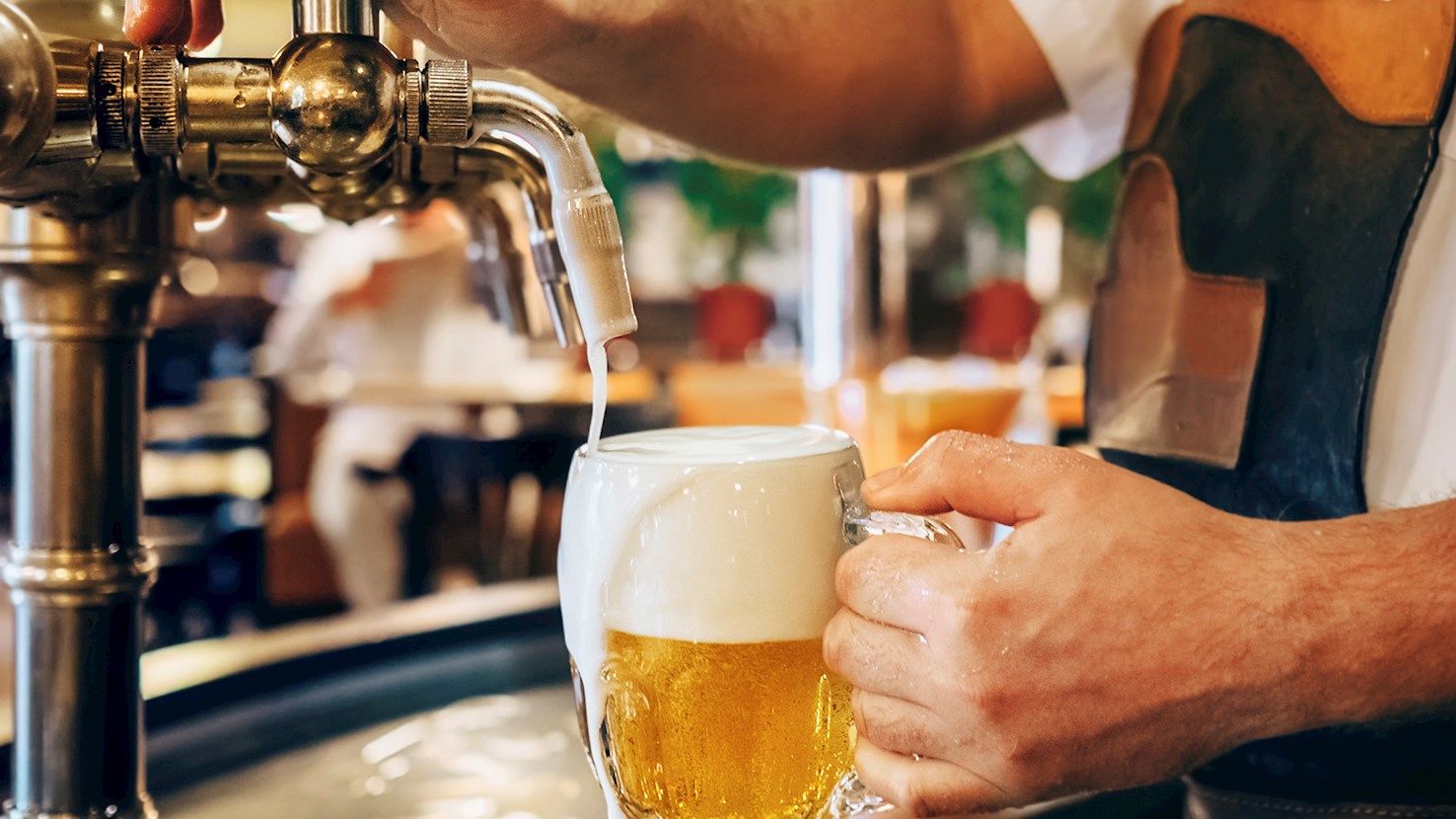
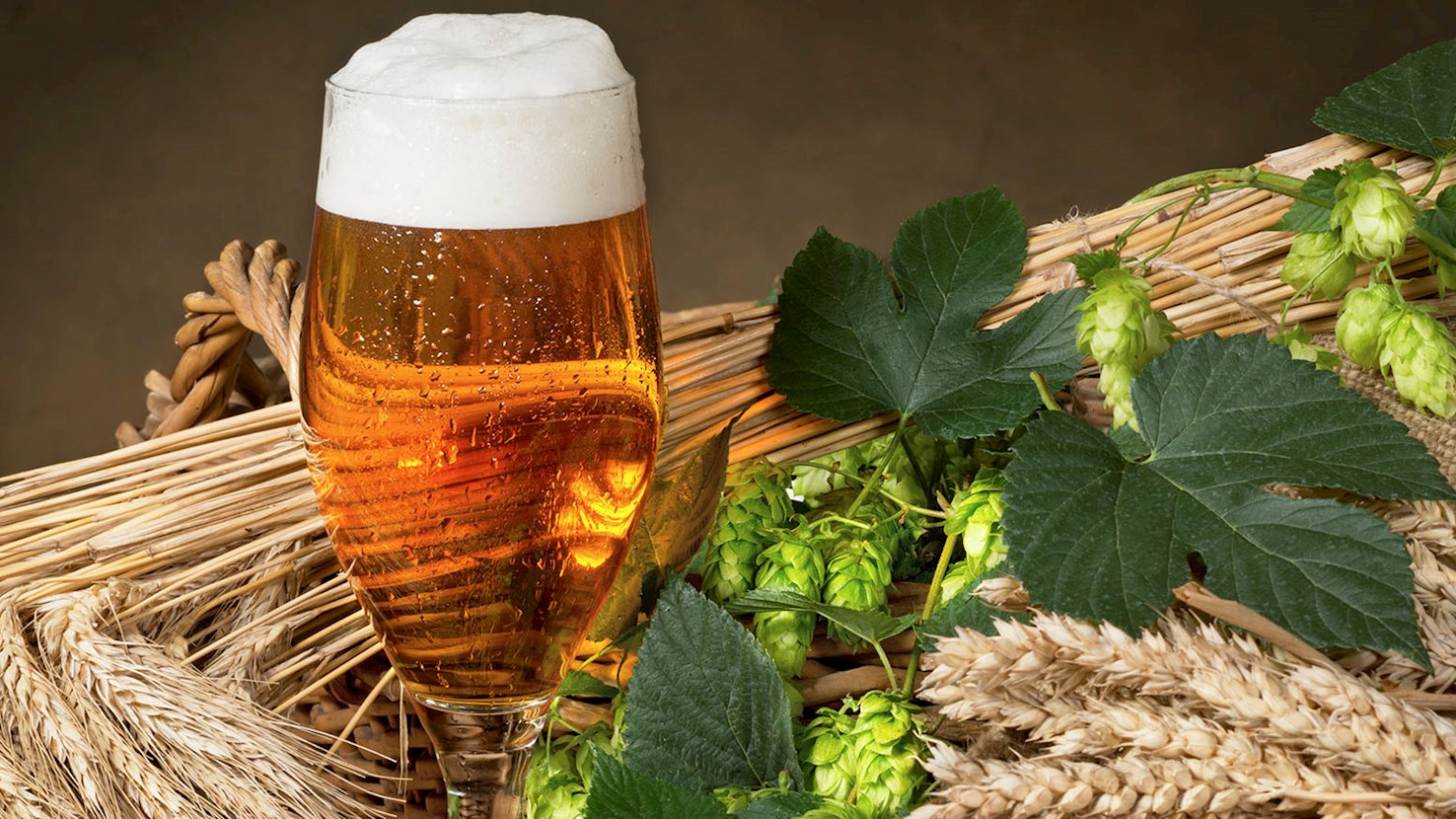
České pivo is a term that refers to a variety of beers produced throughout the whole Czech Republic that have a Protected Geographical Indication (PGI) mark. The mark is used by fourteen breweries in the country for more than 80 brands of beer, which is about 65% of the total domestic market. The first records of brewing beer of excellent quality in the country are connected to the Brevnov Monastery, where the monks produced beer all the way back in 993 AD. The beers are distinguished by the top-quality raw materials used in the process, the traditional methods of brewing, and the local know-how passed on from generation to generation. It is dominated by malt and hops, a bit of pasteurization and yeast and a medium to strong sharpness. The bitterness of the beer stays a bit longer on the palate, stimulating the taste buds for an extended period of time. The protected beers include pale and dark lagers, pale and dark draught beers, and light beers.

02

Černá Hora

4.0 ·

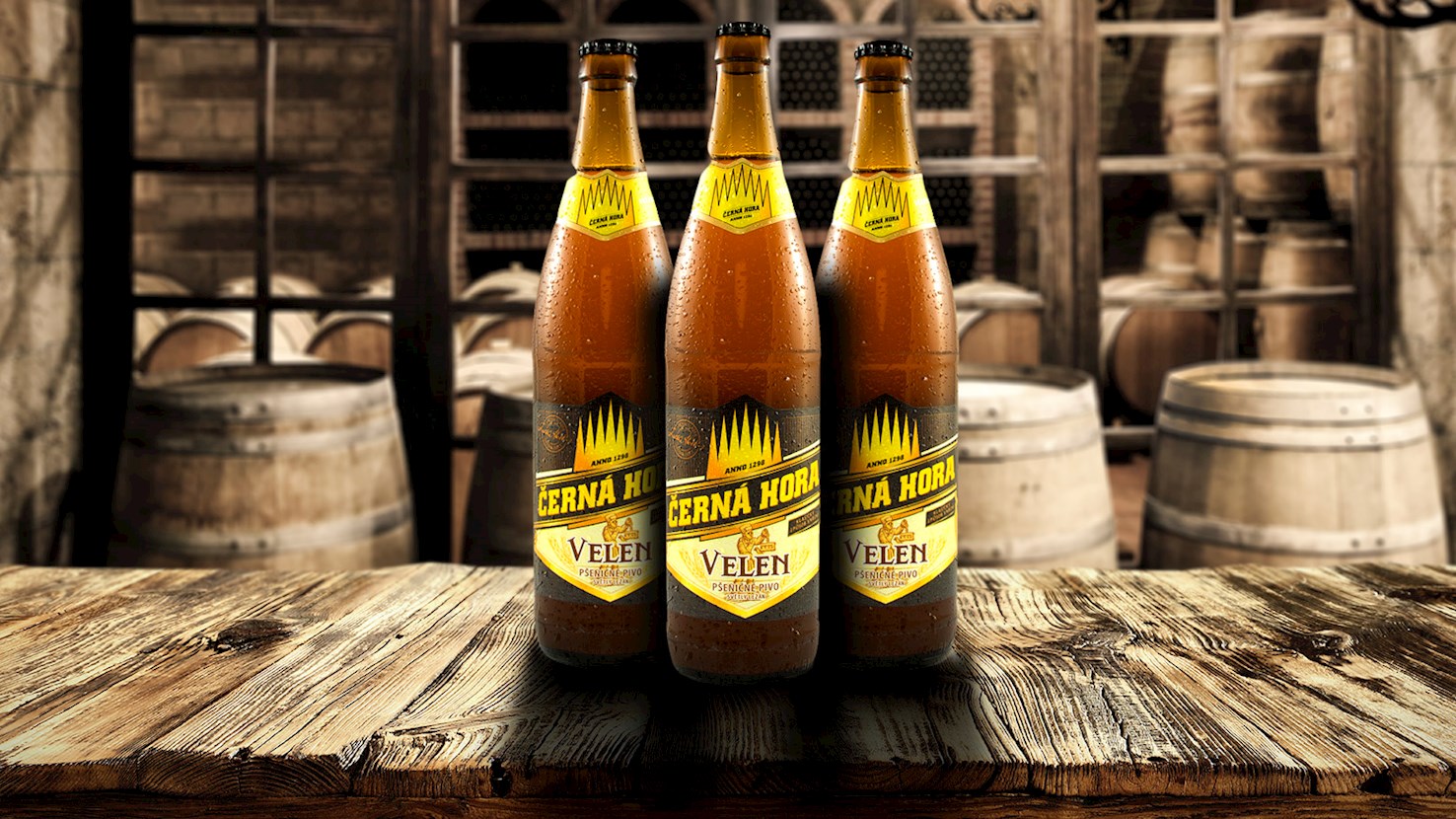
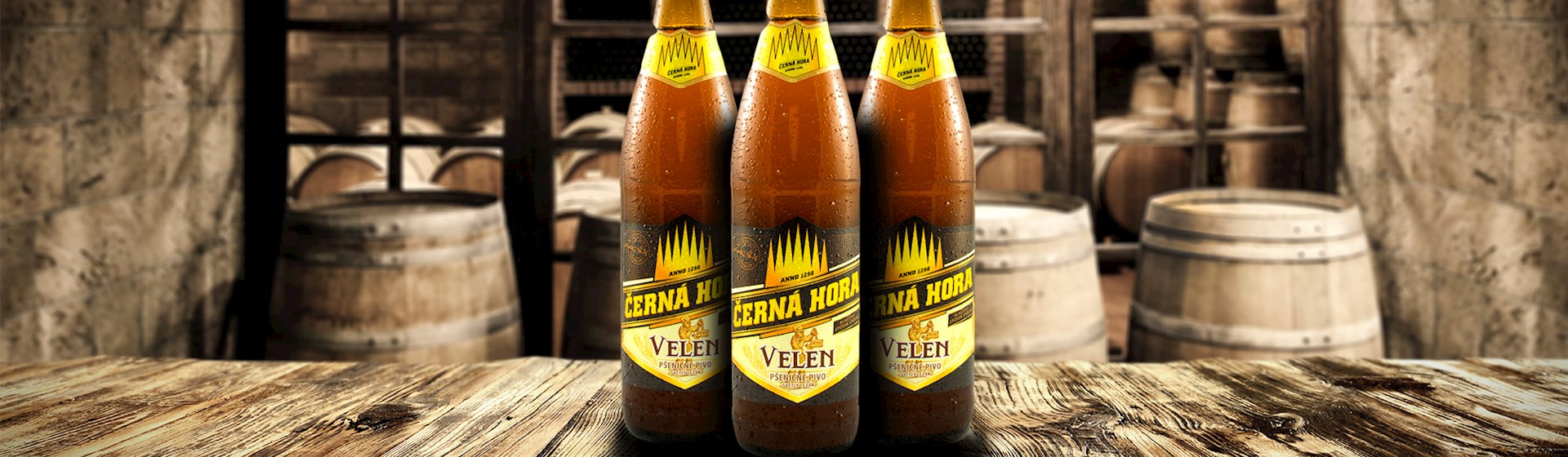
Černá Hora is produced in the namesake municipality and in the oldest brewery in Moravia that dates from 1530. The beer comes in several varieties, which are all produced with traditional techniques and methods that have been present in the area from the 13th century. Two basic varieties include clean and hoppy light beers and moderately bitter dark beers. Specific styles include light lagers, light draught beer, unfiltered draught beer, dark lagers, and semi-dark draught beer. Caramel and coloring malt are used in the process to give the dark beers their typical caramel flavor and a delicate bitterness. All beers are low-fermentation and are recognized for their unique aromas and flavors.

03

Chodské pivo

3.9 ·

Chodské pivo has been produced in the historic Chodsko region (Plzeň) since the 12th century. It is made from locally sourced water with low mineral content, hops, malt, and yeast. Only Žatecký poloraný červeňák, Sládek, and Premiant hop varieties can be used in its production. Due to the two-stage fermentation process, lengthy maturation, and the choice of specific raw materials, Chodské pivo is golden, rich, and malty, while its flavor is slightly bitter and strong. This beer is held in high regard, and it was even supplied to the royal courts of Prague and Bavaria. The beer is bottled and casked with no artificial carbonation, and the entire production must be performed in the designated region. Chodské pivo has won many awards, and apart as an alcoholic beverage, it is also used in wellness tourism.

04

Pilsner

3.9 ·

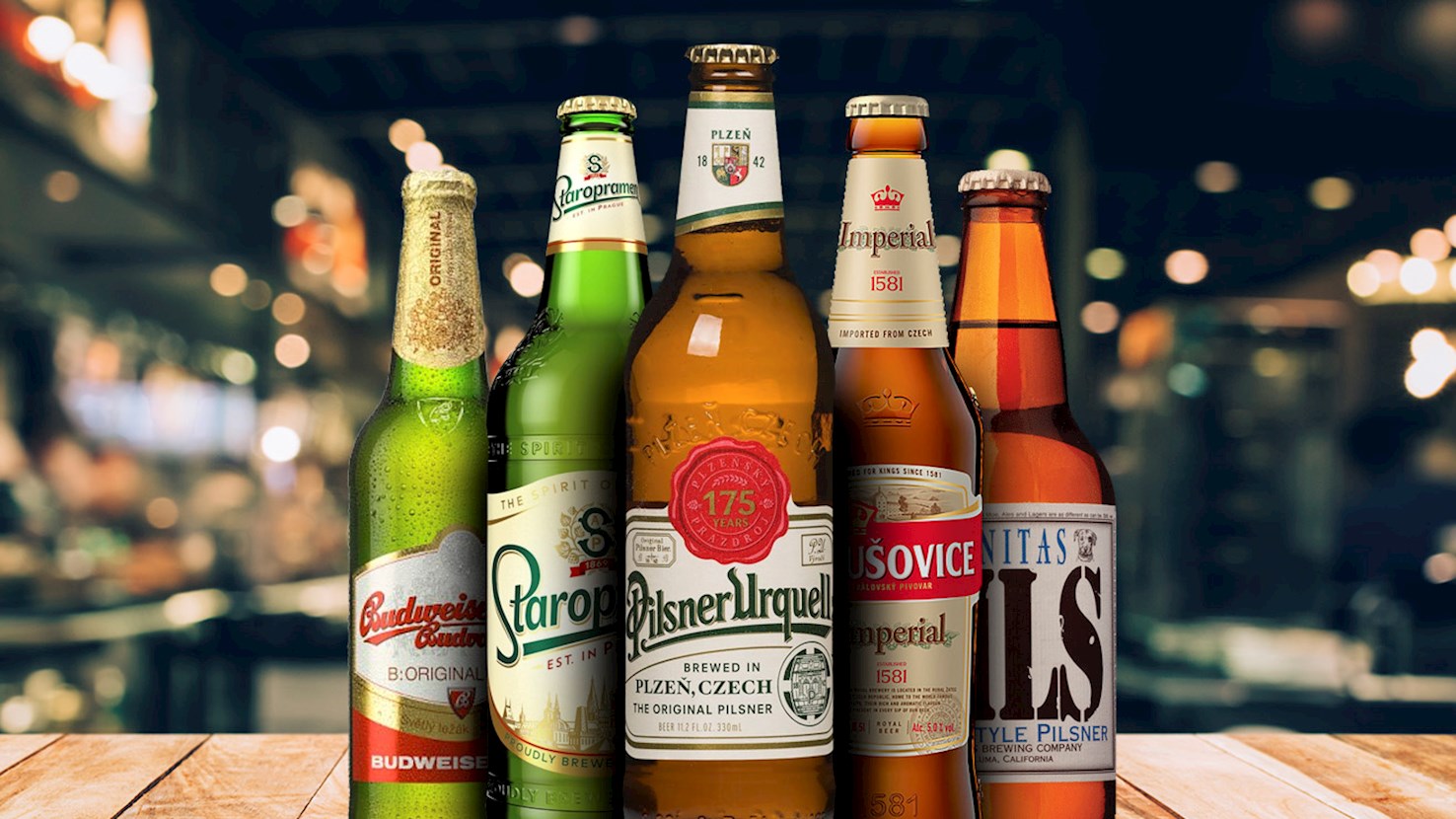
Pilsner is a beer style that originated in Pilsen (Plzeň), a city in western Bohemia. It was first brewed in 1842, making it one of the youngest beer styles to appear in modern brewing. The style originated when the citizens of Pilsen, who grew unhappy with the quality of the beer, decided to build Bürger Brauerei (Citizens’ Brewery), which would later become Pilsner Urquell. They eventually brought a Bavarian brewmaster Josef Groll—who went to create the first pilsner brew. Although the initial idea was to create a Bavarian-style lager, the use of Czech ingredients influenced the emergence of a new style. The original pilsner, which was one of the first versions of a clear, light-colored beer, was made with light malted barley from Moravia and Saaz hops. The style was soon imitated across the world, with varying results. Nowadays, the official classifications divide the style into two main regional categories: Bohemian and German pilsner. Despite slight differences in style and numerous imitations around the world, the best pilsner examples will be crisp and refreshing, with a dominant hop character. In the Czech Republic, only beer from Pilsen is referred to as pilsner, while in Germany, the name that is most commonly used for pilsner brews is pils.

05

Pálava

3.9 ·

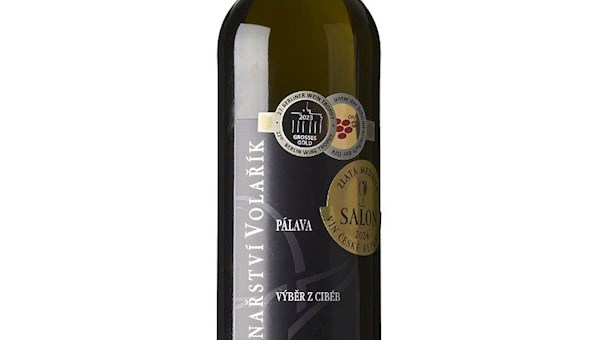
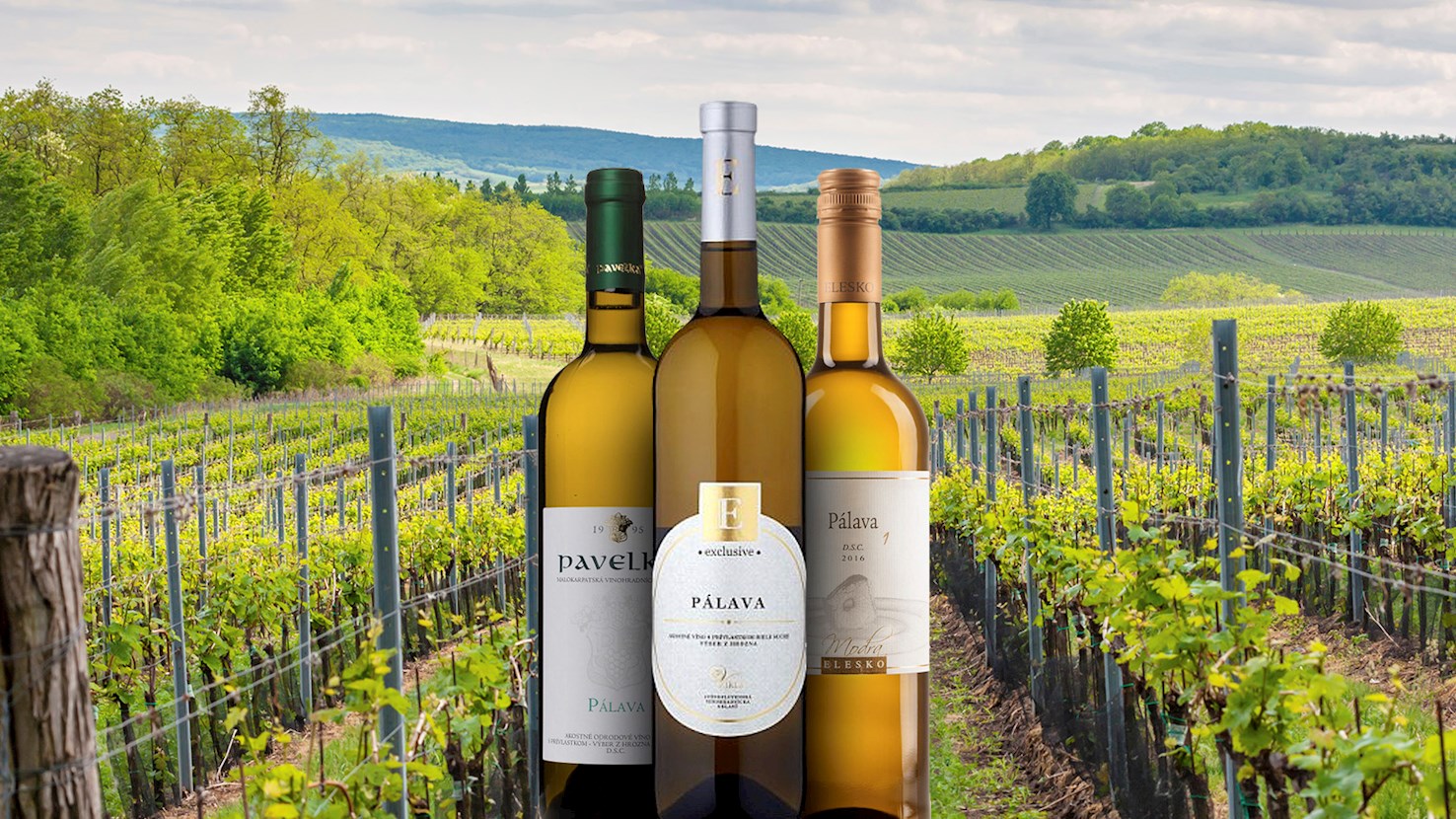
Pálava is a Czech grape variety that was created as a cross between Müller Thurgau and Gewürztraminer (Tramín červený). In 1977, this hybrid was officially recognized as a grape variety. It is mainly cultivated in Moravia, on the foothills of the eponymous mountain, where it was first created. Apart from the Czech Republic, it is only found in neighboring Slovakia. Pálava wines are typically full-bodied and aromatic, and though they are subtly sweet, the best examples are usually well-balanced with acidity and freshness. These golden-yellow wines tend to display aromas of roses, vanilla, and tropical fruit, while their typical characteristic is subtle spiciness reminiscent of pepper and nutmeg. Pálava wines are an excellent match to spicy dishes, white meat, desserts, and cheese, especially smoked, blue, or washed rind varieties.

06

Českobudějovické pivo

3.9 ·

Českobudějovické pivo is a moderately bitter beer produced in the Czech Republic. The water used in the preparation process must come from the underground lake of the České Budějovice Basin, the hops come from the Žatec area, and the malting barley is grown in the Moravia region. It comes as a lightly malty pale beer and as an intense dark version that has dominant roasted aromas. Due to the use of Žatec hops, the beer has a unique and pleasant taste, making it a very popular alcoholic drink in the country. The beer comes in five varieties: pale lager, Kräusened pale lager, pale draught, special beer, non-alcoholic beer, and dark lager. It has been brewed in the city of Ceské Budejovice since the 13th century and is best when paired with local Czech dishes such as sausages, sauerkrauts, and soups.

07

Znojemské pivo

3.7 ·

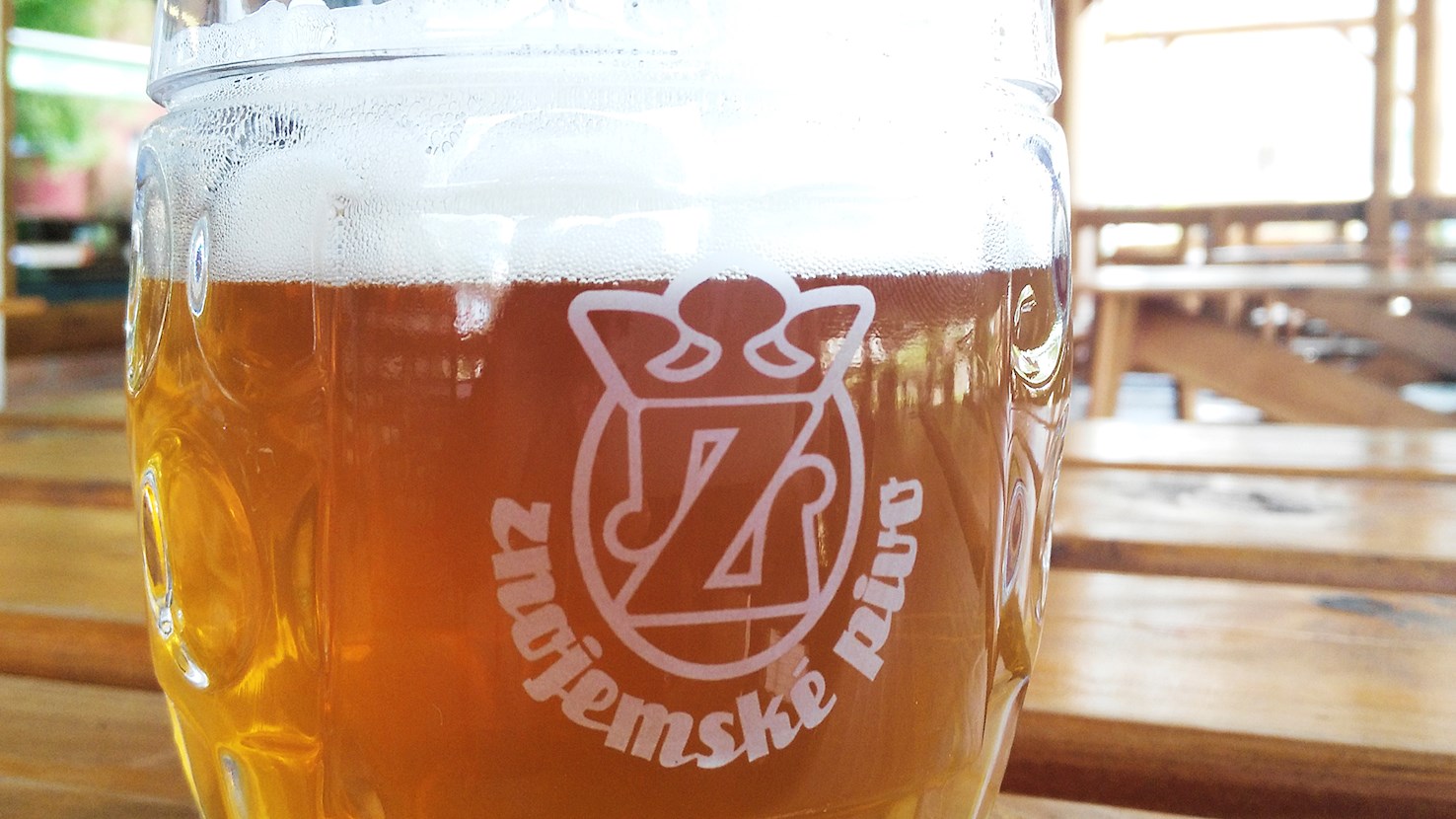
Znojemské pivo is a beer produced in several varieties in the Znojmo area in the Czech Republic. It can be produced as a light or dark draught beer and a lager. Only three ingredients are used in the production process – barley malt, water, and hops. The water is provided by the city's supply system, while the hops are of the Žatecký poloraný červeňák and Magnum Hallertau varieties. The alcohol content varies depending on the style; light draughts range from 3,2 to 4,0%, dark draughts from 3,8 to 4,0%, and lagers from 4,5 to 5,0% ABV. Light draught beers are balanced and hoppy with medium to strong bitterness, while dark draughts are less bitter and have a malty, caramel-like flavor and aromas. The lagers are full-flavored, clean, sharp, and well-balanced. The first written reference of brewing in Znojmo dates from 1278, and the beer is still produced following the centuries-old local brewing tradition.

08

Cabernet Moravia

3.6 ·

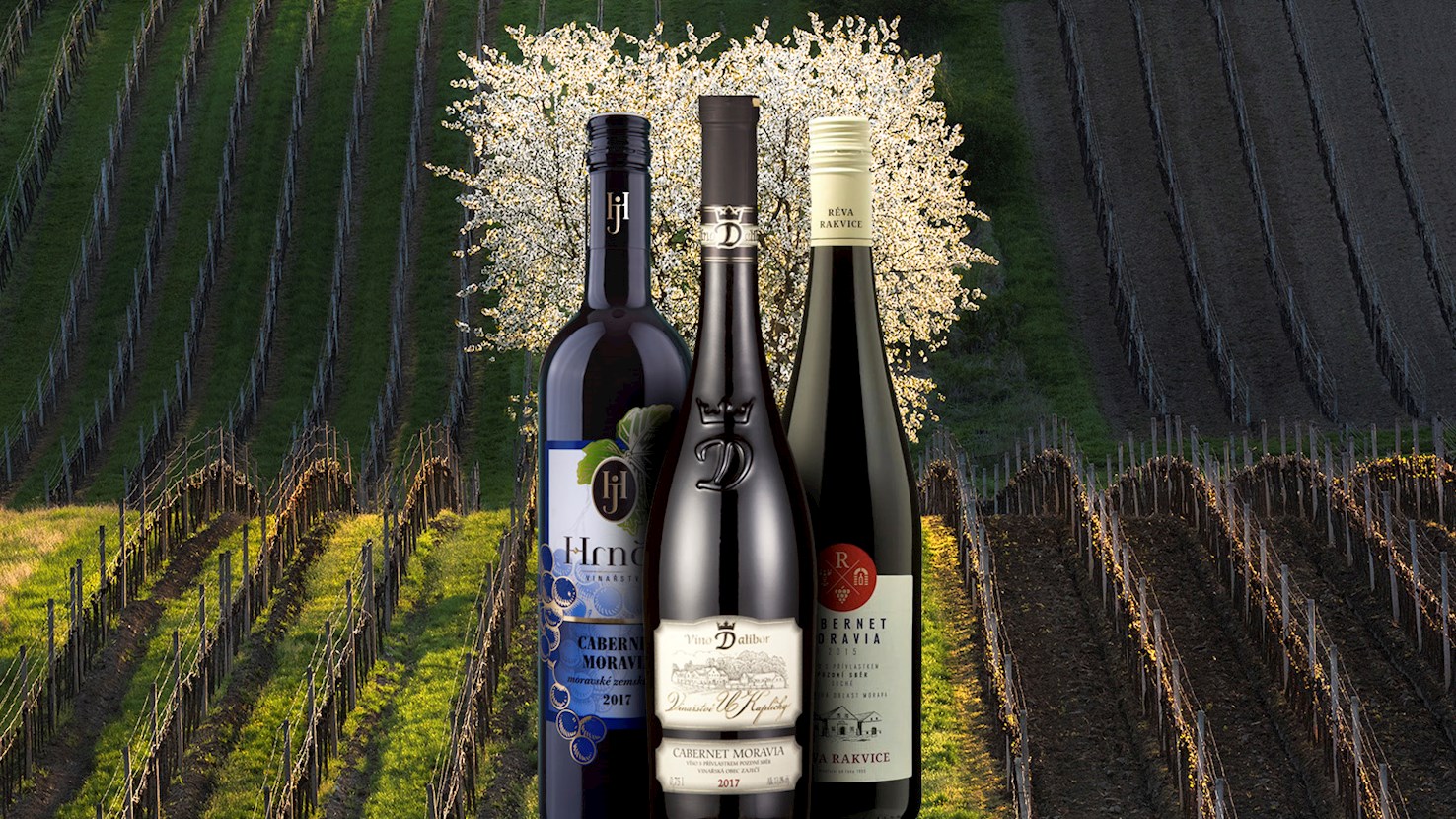
Cabernet Moravia is a hybrid grape from the Czech Republic that was created by crossing Zweigelt (Zweigeltrebe) and Cabernet Franc varieties. The grape was created by Lubomír Glos from Moravská Nová Ves, and although it was first crossed in the 1970s, it was officially registered in 2001. Plantings of Cabernet Moravia are not abundant, but the grape has shown great potential in South Moravia. The best examples made with Cabernet Moravia are usually dark garnet in color, with typical aromas of black currant, cherries, blueberries, and peppery nuances. They can age well while their tannins are typically firm and well-structured. These wines would be a good match to game dishes and red meat. They can also pair well with spicy sauces, smoked meat, and soft or aged cheese.

09

Becherovka

3.5 ·

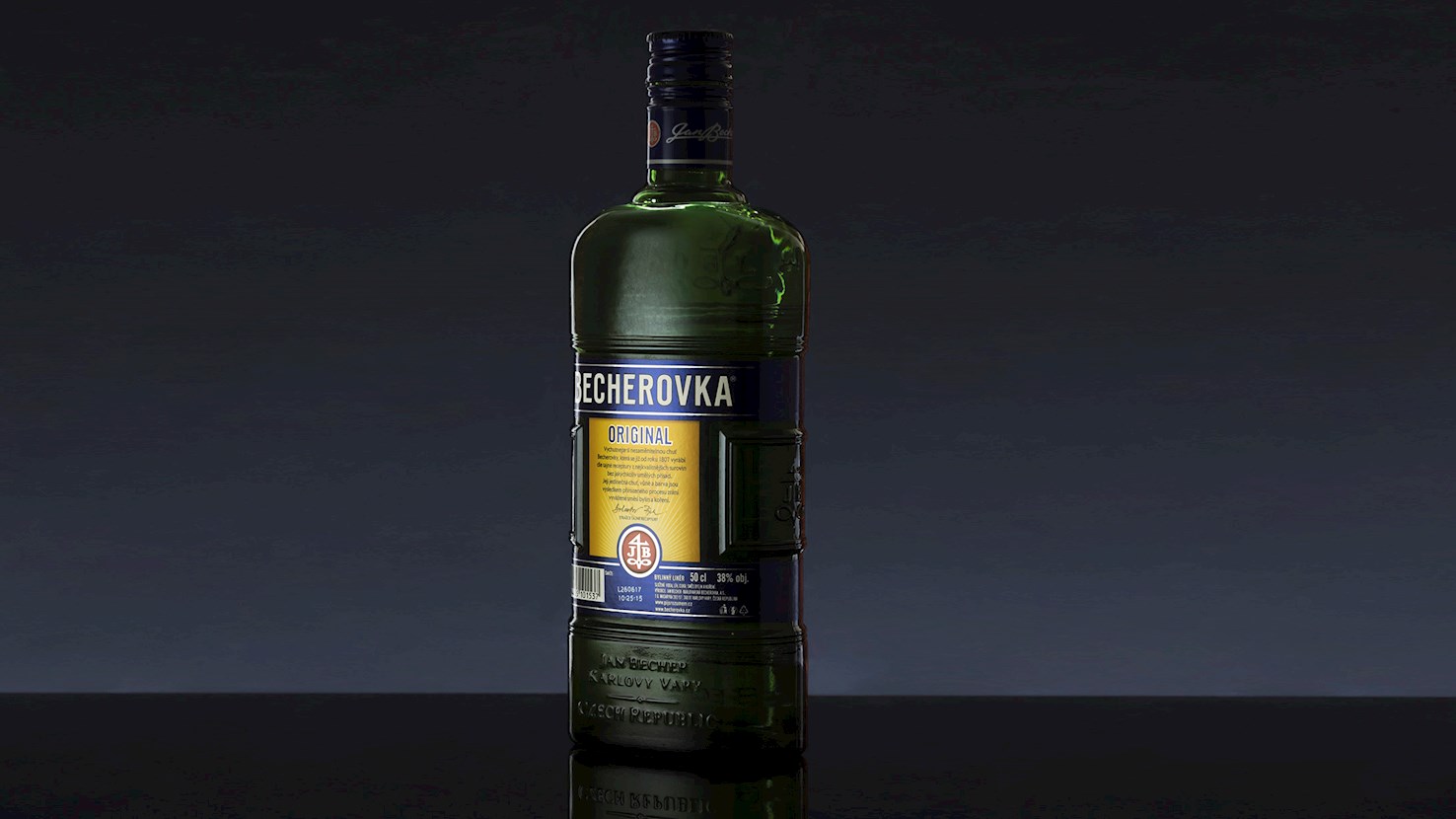
The original Becherovka was created by a British doctor Frobrig. He passed down the recipe to Josef Becher who perfected it and initially put it on the market as a medical remedy in 1807, under the name English Bitter. Despite the political and war turmoil in the 20th century, Becherovka remained a leading Czech product and is still produced according to the original, secret recipe. It is made with a combination 20 different spices and herbs that are macerated in alcohol to create a base which is then cut with water and sugar and left to age in oak casks. Becherovka is traditionally enjoyed neat or over ice, but it can also work well in cocktails, out of which the most popular is Beton—a combination of Becherovka and tonic water that was invented in 1967 for the international EXPO exhibition in Montreal.

10

Chamomilla bohemica

3.5 ·

Chamomilla bohemica is a dried flowerhead of the chamomile plant from the Flos chamomilla vulgaris species, produced in the Bohemia area in the Czech Republic, consisting of Prague, Central and South Bohemian, Plzeň, Karlovy Vary, Ústí nad Labem, Liberec, Hrádec Králové and Pardubice regions. The designated area of production is characterized by loamy and sandy soils and the average annual rainfall of 500-700 mm/m2, providing favourable conditions for growing the chamomile plant of an excellent quality, where it was grown before the 1950s. As there is lots of sunshine in the region, it influences the essential oils and chamazulene content in the plant. It is harvested in a gentle way, and there is even a special machinery developed especially for the harvest of the flowerheads. The product is mostly sold in tea bags, and used in the preparation of herbal teas, consumed hot to take full advantage of the beneficial properties of this unique plant.

Read more
View all
View map
About this ranking

TasteAtlas food rankings are based on the ratings of the TasteAtlas audience, with a series of mechanisms that recognize real users and that ignore bot, nationalist or local patriotic ratings, and give additional value to the ratings of users that the system recognizes as knowledgeable. For the “Top 39 Czech Beverages” list until July 15, 2026, 953 ratings were recorded, of which 809 were recognized by the system as legitimate. TasteAtlas Rankings should not be seen as the final global conclusion about food. Their purpose is to promote excellent local foods, instill pride in traditional dishes, and arouse curiosity about dishes you haven’t tried.

The initial list of top producers was compiled based on available reviews, awards, local recommendations, media and blog coverage, and consumer reviews. The list will be updated with ratings from TasteAtlas local ambassadors and TasteAtlas users.

Similar lists