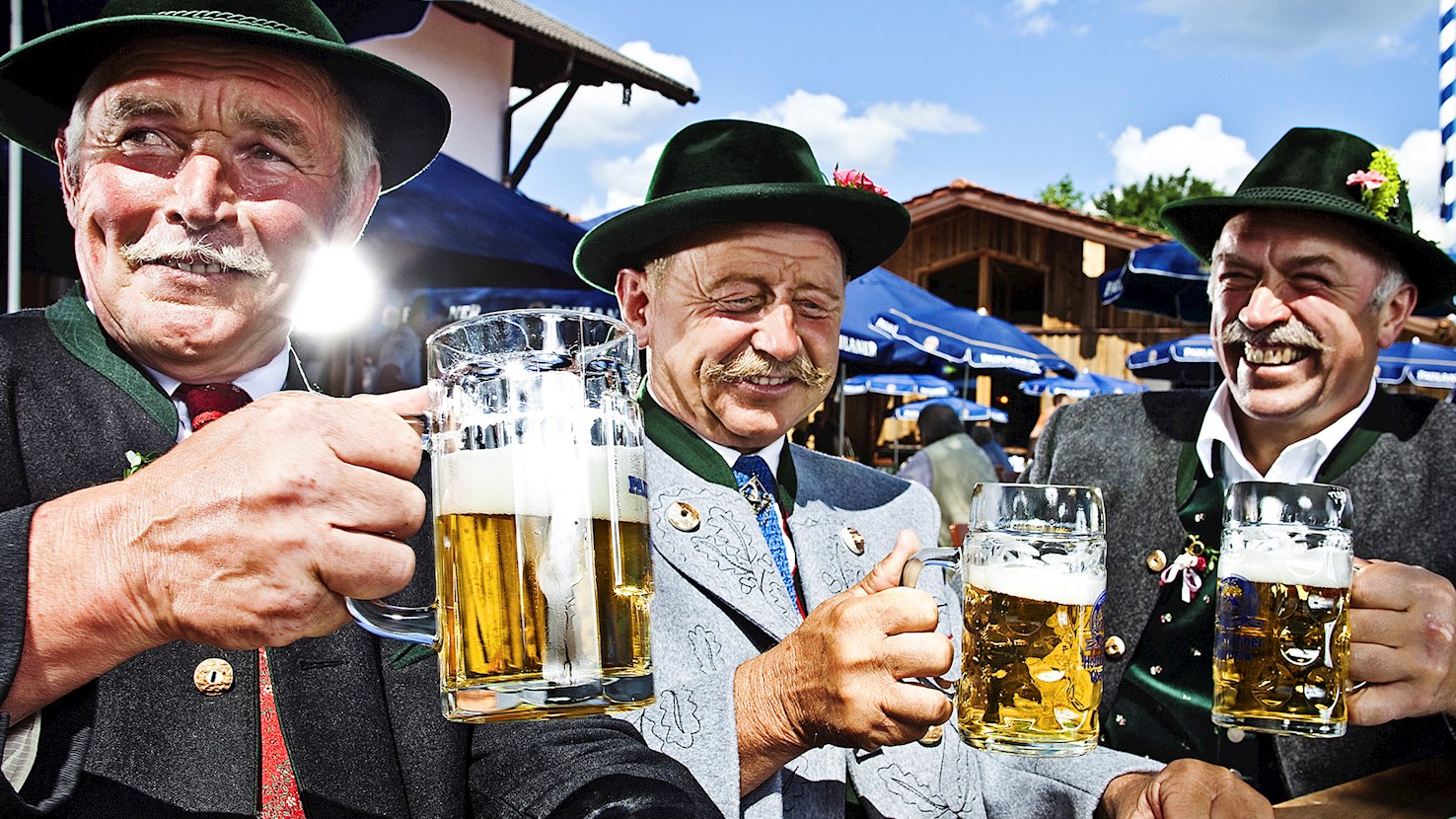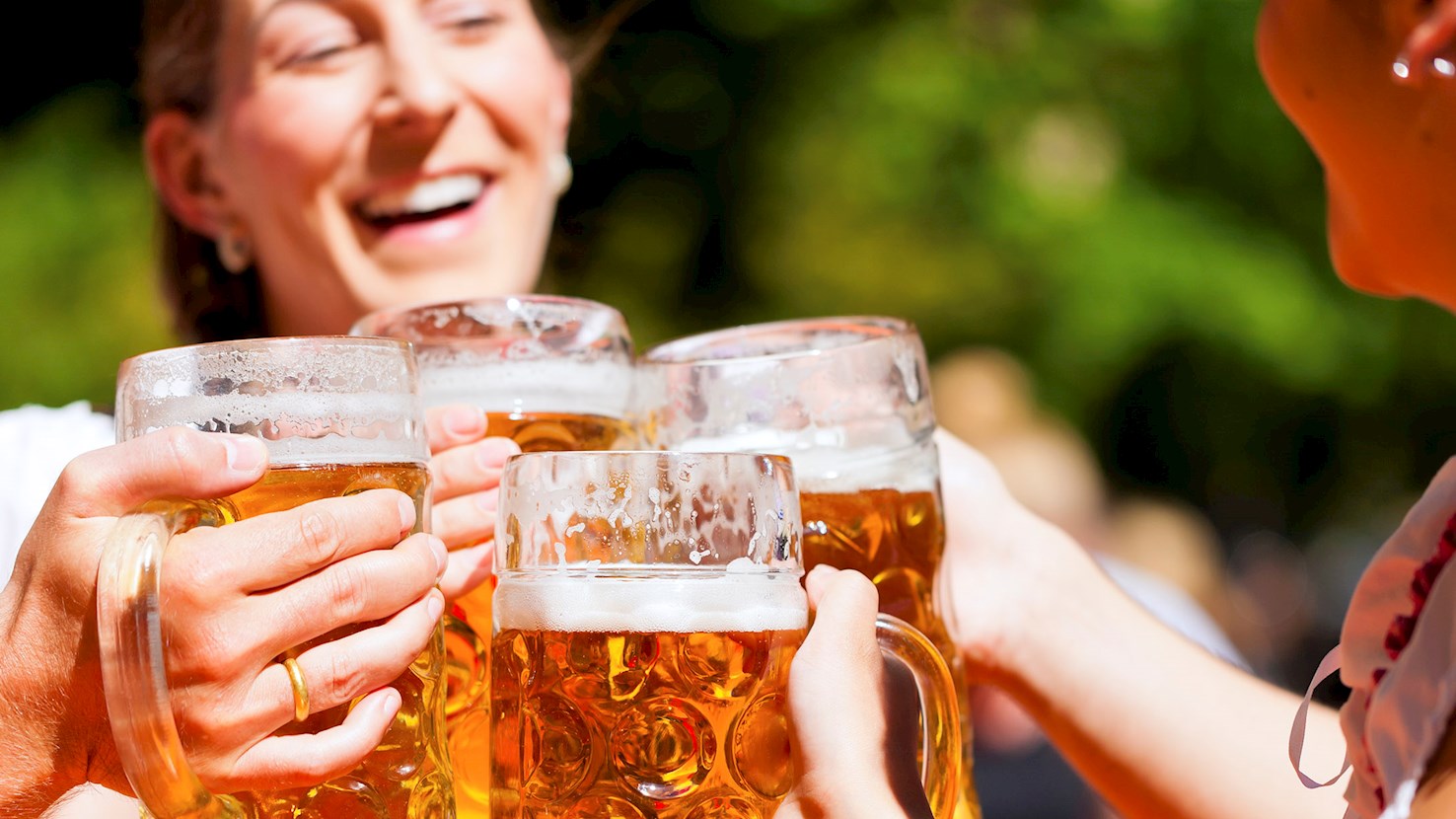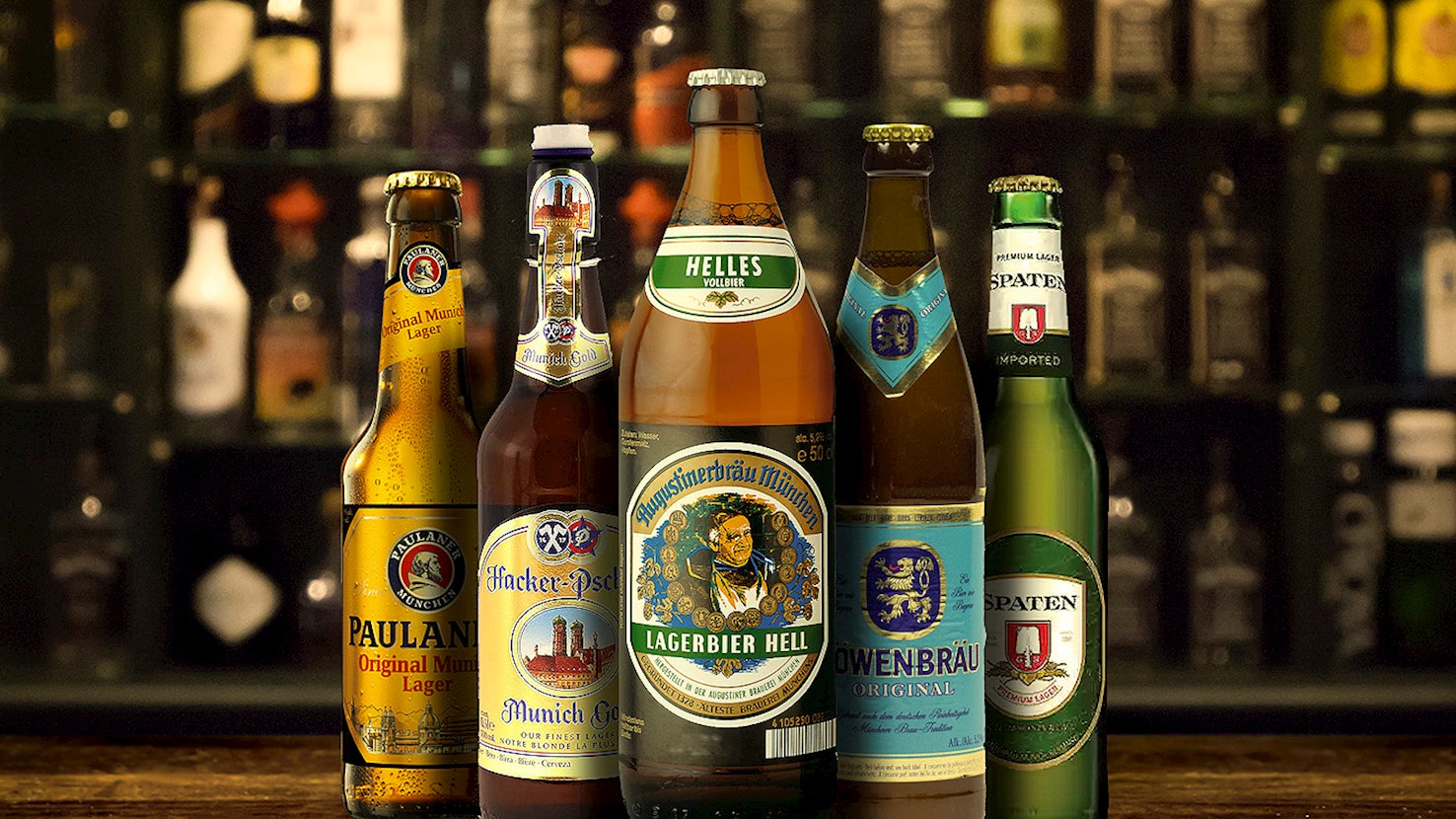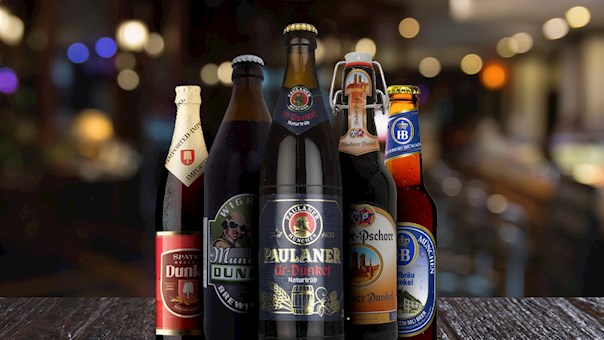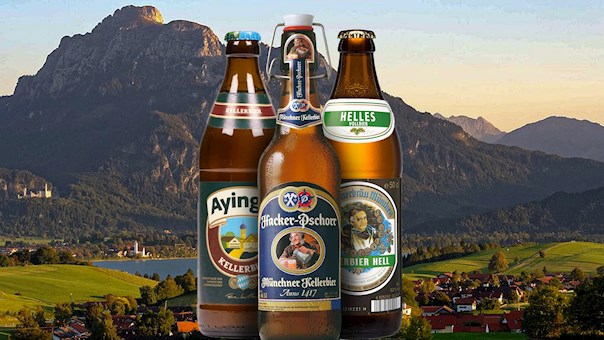
In the 19th century, artisanal breweries were increasingly being replaced by larger industrial breweries, and today there are seven famous large breweries in Munich: Augustiner, Hofbräu, Paulaner, Hacker-Pschorr, Löwenbräu, Spaten, and Franziskaner. Together, these seven breweries produce around 6 million hectoliters of beer per year. Even today, these breweries use no additives, as dictated by the Munich Beer Purity Law of 1487. This not only has to do with tradition, but with long-established high ethical values. Munich beer may only be produced by the breweries of Munich. The brewing oath stipulates that Munich beer is brewed according to an ancient recipe, with pure, natural ingredients like pure water from their own wells, and the best malt and hops. The most popular beer festival in the world, Oktoberfest, celebrates these very beers, and it draws around 7 million international visitors every year.
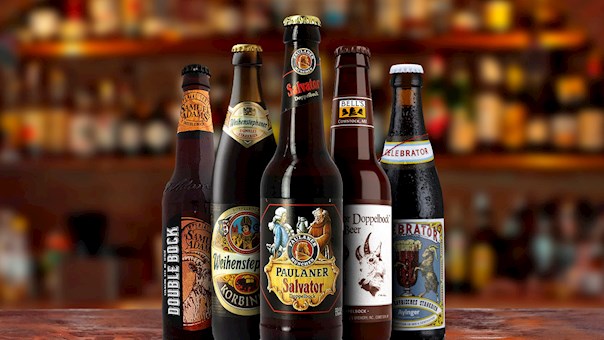
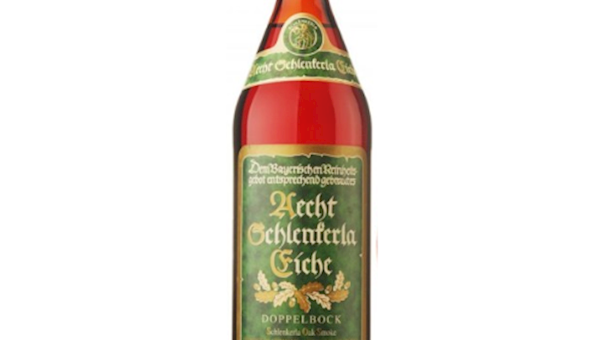
Bavaria has been an important beer-producing region for centuries, and all Bavarian beers are produced under 1516 Bavarian Purity Law. The beers are made with high-quality ingredients, which are mostly locally-sourced, and the quality of the beer and the components is continuously checked by scientific institutes. Today, there are more than 600 breweries in Bavaria – nearly half of all the breweries in Germany, and every year, Bavarian brewers produce more than 20 million hectoliters of beer. The styles that appear in the region and that can be labeled as Bayerisches Bier include: Schankbier, Hell/Lager, Pils, Export, Dunkel, Schwarzbier, Märzen/Festbier, Bock, Doppelbock, Weizenschankbier, Weizenbier, Kristallweizen, Rauchbier, Kellerbier/Zwickelbier, and Eisbier/Icebier.
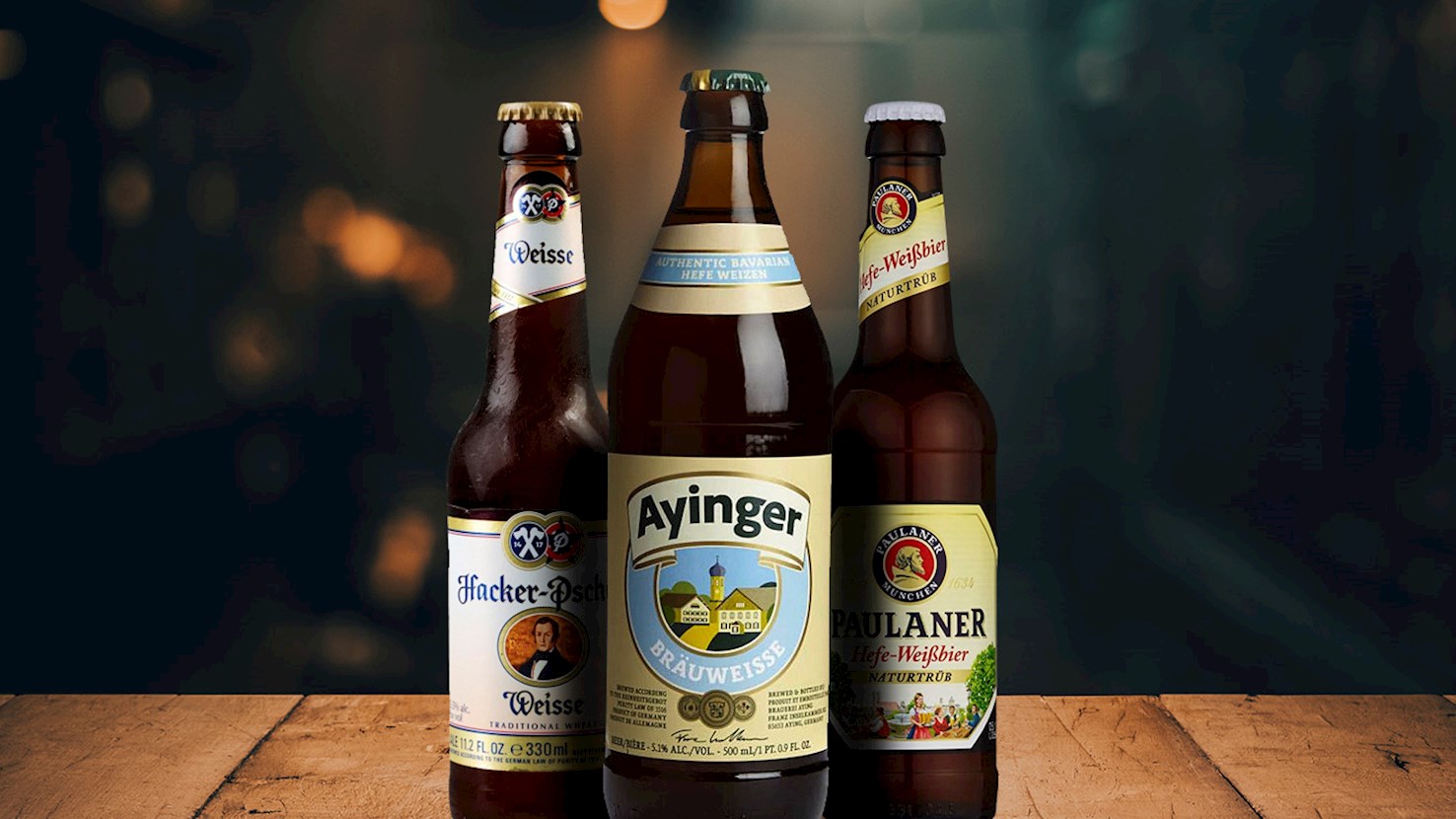
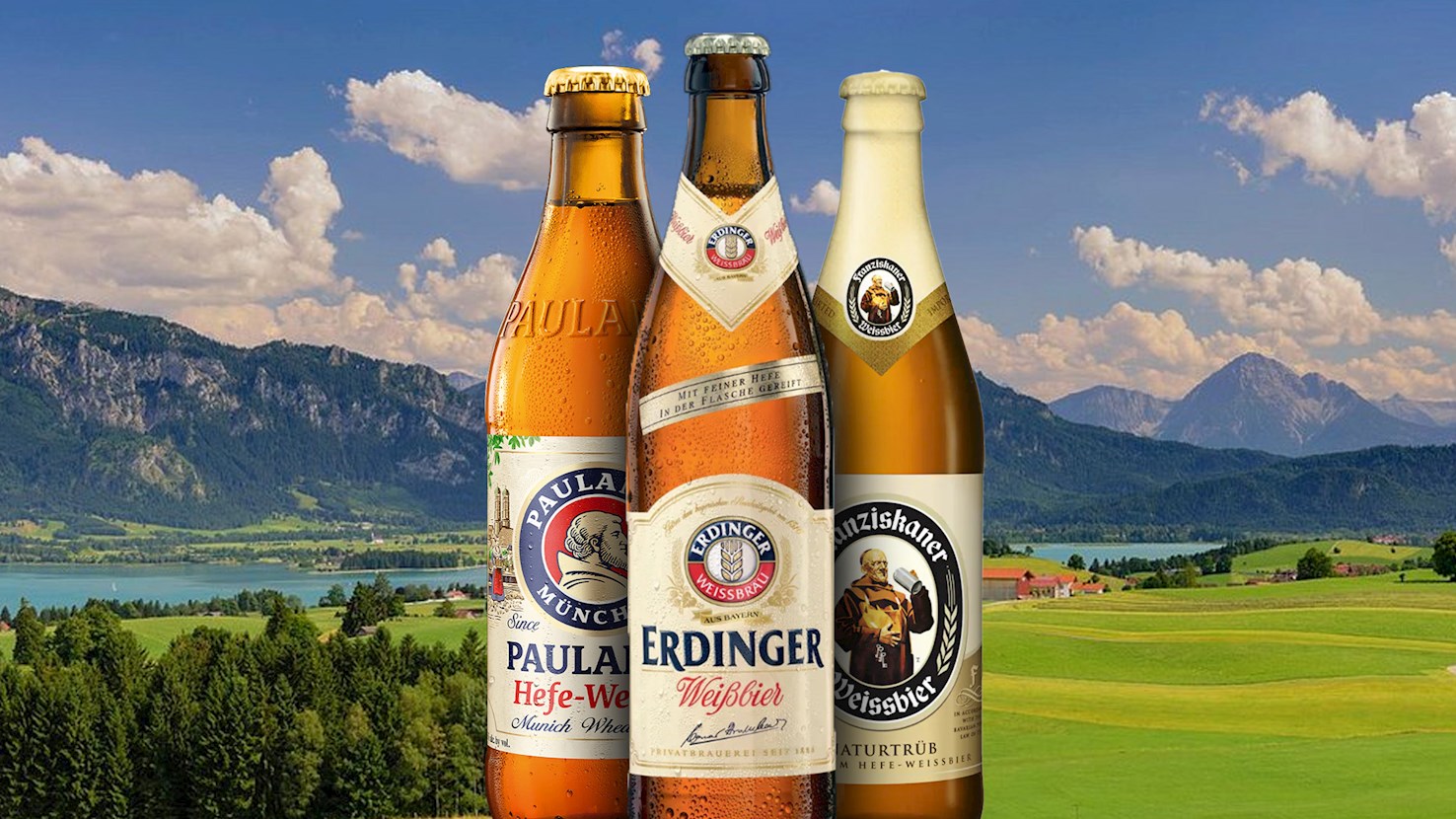
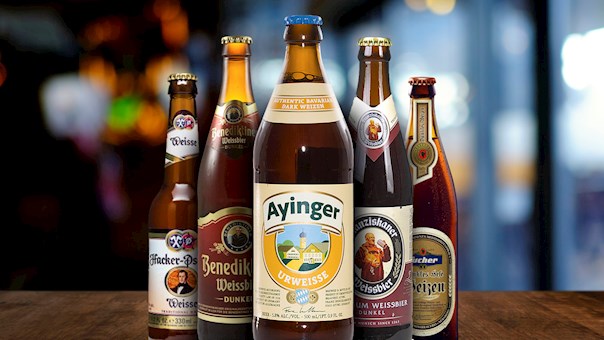
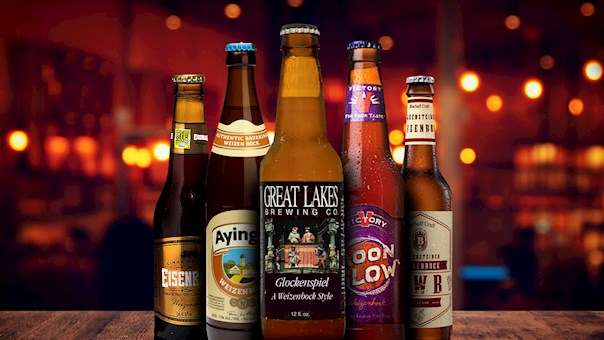
Weissbier is a classic Bavarian wheat ale that is top-fermented and characterized by its mousse-like foam and cloudy appearance—which is a result of a large proportion of wheat and a small amount of barley malt used in its production. German weissbier has to be made with at least 50% malted wheat, but most producers use more than the minimum. These beers are fermented with yeast strains that provide typical clove, banana, smoke, and occasionally even bubble gum aroma. Weissbiers are typically malty and subtly bitter, and though they are traditionally fermented in the bottle, this practice has become rare. Nevertheless, they retain their lightness, creamy texture, and effervescence. Although this beer style is nowadays mostly associated with Bavaria, wheat beers have been produced since antiquity. The European origin is believed to be in the Czech Bohemia, from where it spread to Bavaria. Throughout the centuries, it declined in popularity, but following the 1960s it gained back its former glory and became one of the most sought-after styles in Germany and in the world. These food-friendly beers pair with poultry, sausages, seafood, light dishes, and salads as well as fresh and creamy cheese varieties.
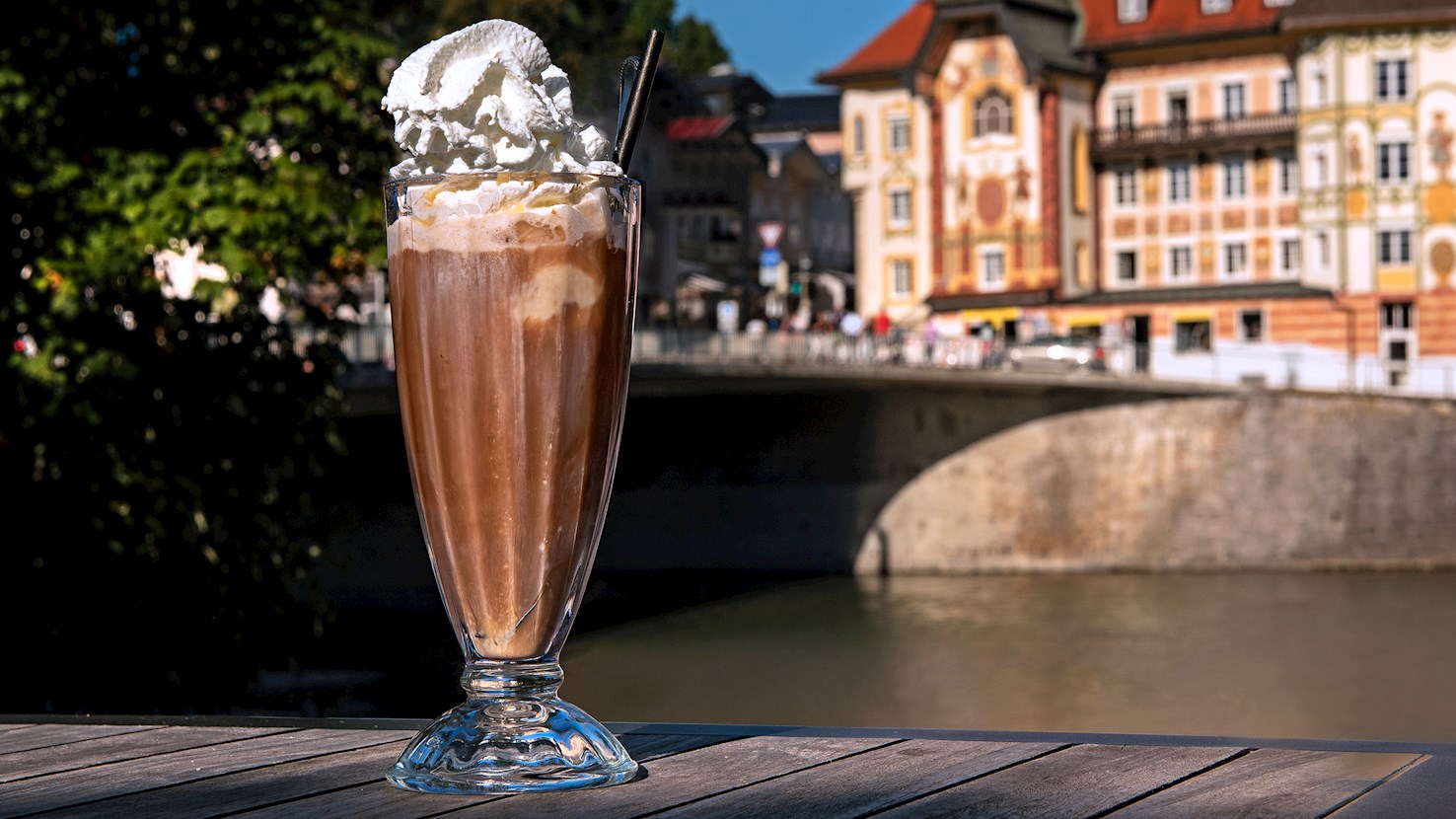
This German-style ice coffee is a combination of chilled brewed coffee and ice cream. It is usually made with an extended espresso and a scoop of vanilla ice cream, and though it is not sweetened, it can incorporate a splash of rum. Eiskaffee is usually served in a tall glass, together with a spoon and a straw. Traditionally, it is topped with unsweetened whipped cream.
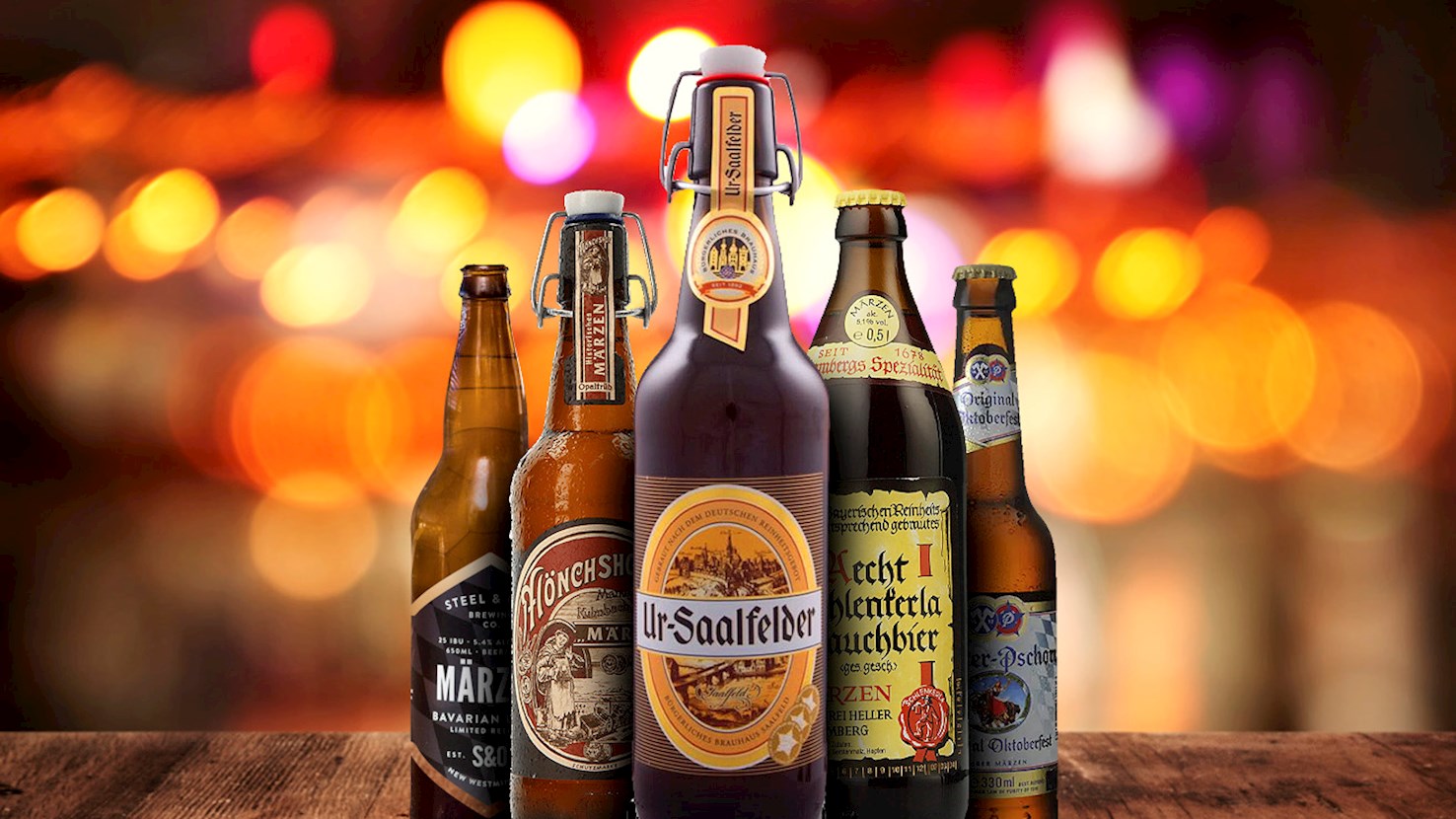
Märzen is a German beer style from Bavaria that is closely connected with Oktoberfestbier and shares some similarities with Vienna lager. This style officially appeared in 1841 when it was brewed by Spaten brewery, but a similar style existed well before that. Märzen is an amber-colored lager that has toasty malt aromas and flavors, dry finish, crisp hop bitterness, and a medium body. Original versions of these beers were somewhat darker, and as the name suggests—Märzen translates as March—they were brewed in March and then left to lager until early fall. These versions were stronger and had more body than modern styles. Since it was available in autumn, it was first served during Oktoberfest. Although Märzen and Oktoberfestbier share many similarities, nowadays only six breweries in Germany—Augustiner, Hacker-Pschorr, Hofbräuhaus, Löwenbräu, Paulaner, and Spaten—are allowed to use the designation Oktoberfestbier and serve their brews at Oktoberfest. Märzen is a food-friendly beer that works especially well with grilled, roasted, or smoked meat.
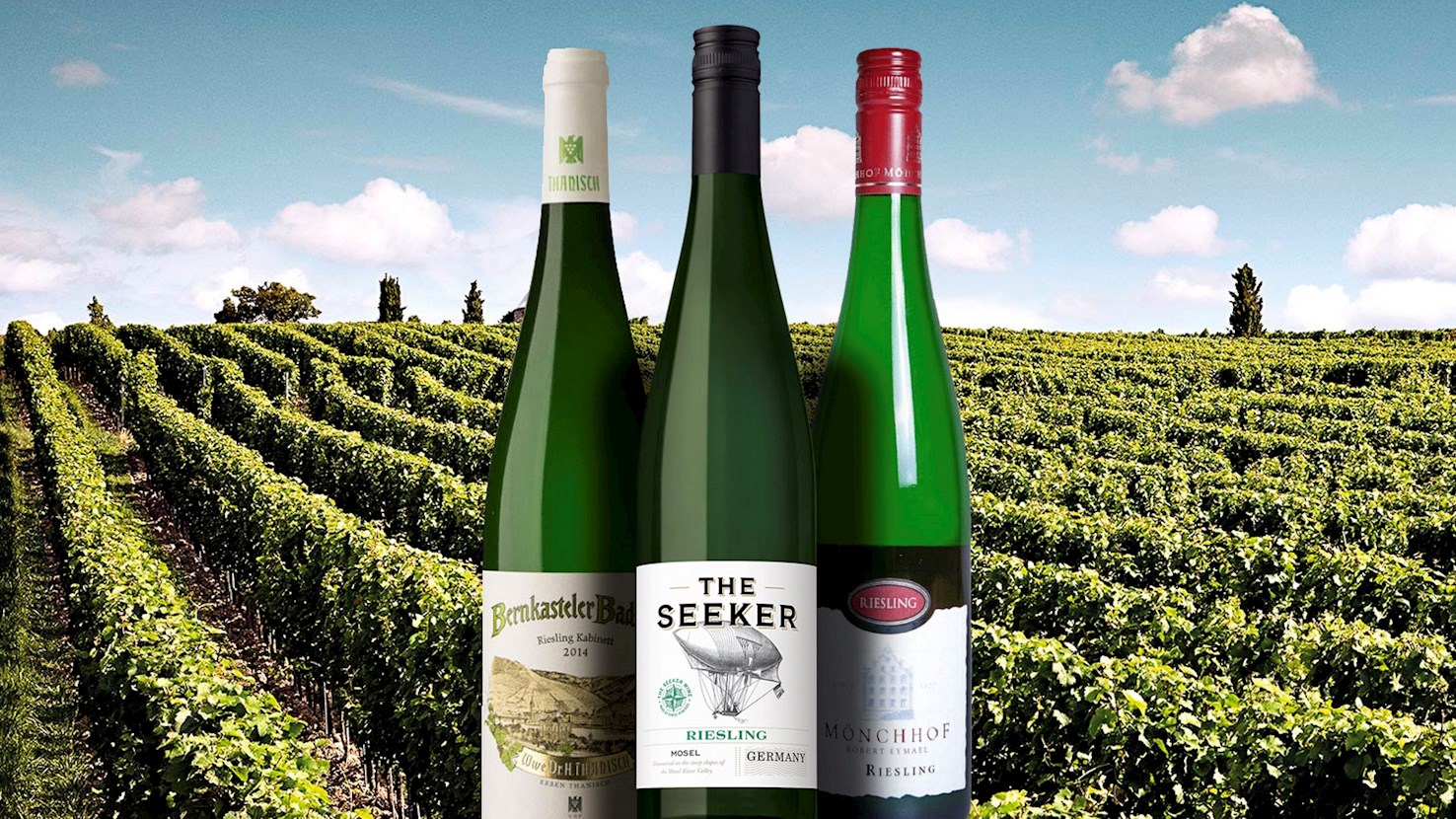
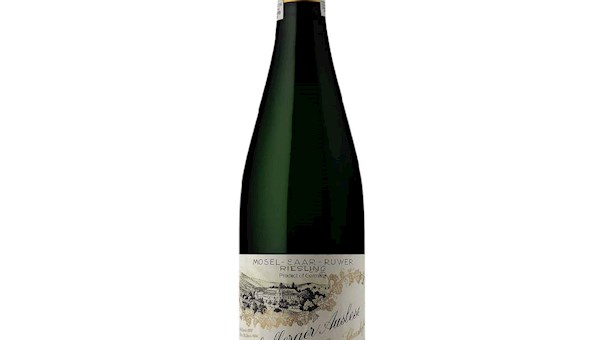
Riesling most likely hails from the Rhine region of Germany, but it has shown great success in other European wine regions, primary Austria and Alsace, as well as the United States and Australia. However, the best expressions of the grape are thought to be in Germany where Riesling remains the most planted grape variety. Always high in natural acidity, Riesling wines are incredibly versatile and may range from dry, medium dry or medium sweet to sweet styles. Their primary aromas include a complex combination of ripe peaches, nectarines, pears, apples, and citrus that are often accompanied by herbal, floral, mineral, and earthy nuances, while a distinctive element found in aged Riesling wines is the smoky aroma of petrol. Because of their versatile styles, German Riesling wines tend to be incredibly food-friendly. While dry styles perfectly match poultry, fish, pork, cream sauces, and especially fried and spicy food, sweeter styles can pair well with blue cheese, foie gras, and fruit-based desserts.
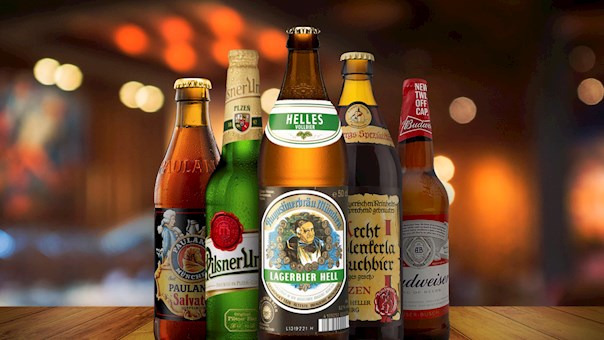
Helles is a German-style lager that first appeared in Munich in 1894. It was a Bavarian answer to light Czech pilsner. Although Bavaria heavily relied on strong and dark lagers, the popularity of crisp and golden pilsner beers influenced Bavarian brewers to start producing a similar style. Traditional Helles is typically more malt-forward and has a firmer body than pilsner and other lager styles, but still remains soft and medium-bodied. It is clean, easy-drinking, refined, fresh, and dry, with light hop bitterness and subtle malt sweetness. Helles-style beers are typically quite refreshing and usually range from 4.8 to 5.2% ABV, but those above 5% are often classified as Bavarian Export. Helles lagers would pair well with light dishes, including salads and seafood, but they can also match spicy and flavor-packed dishes, as well as traditional German fare and mild cheese varieties.
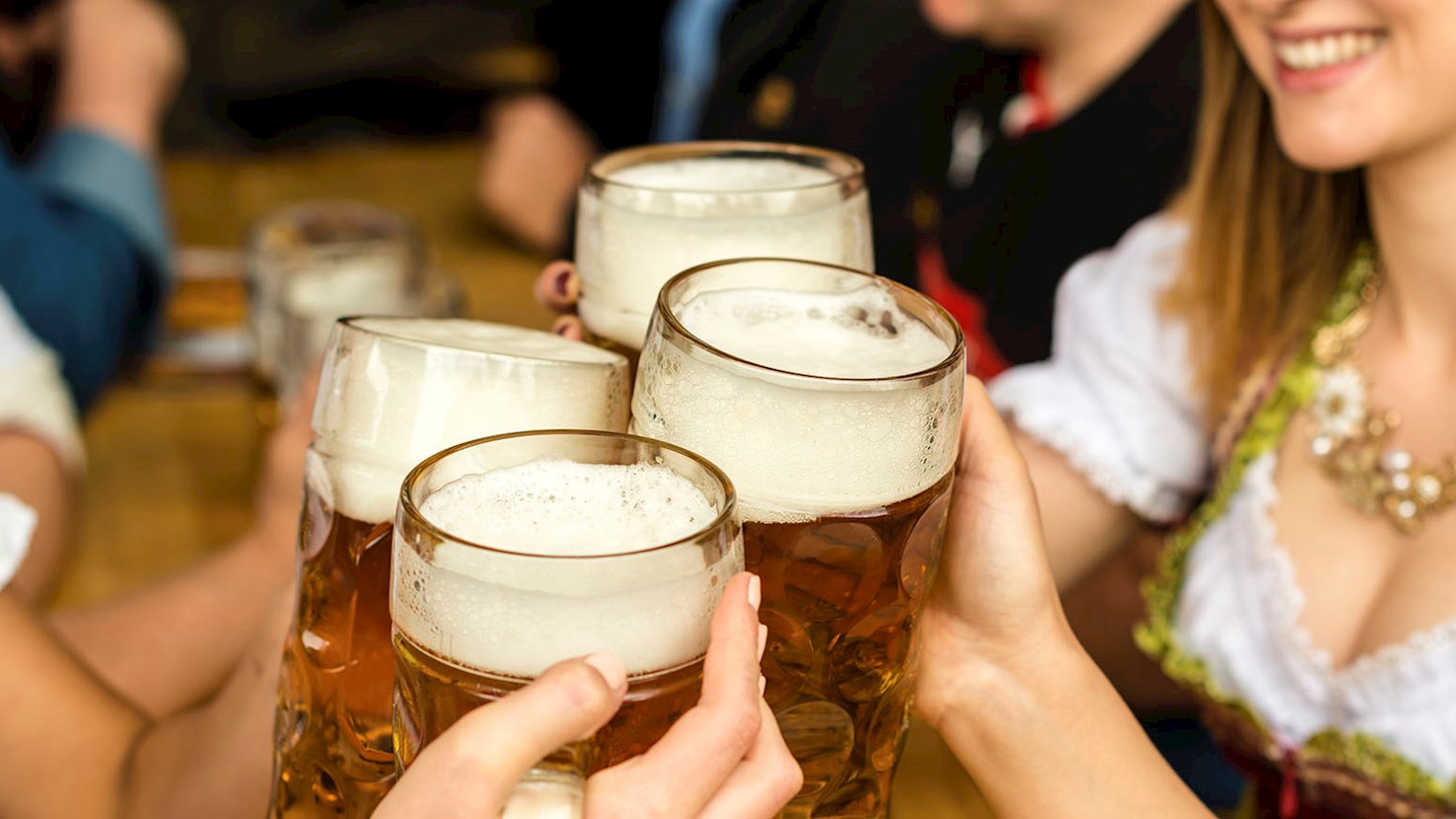
Oktoberfestbier is a protected designation used by six Munich breweries that serve their beer at Oktoberfest—the biggest beer festival in the world. The breweries include Augustiner, Hacker-Pschorr, Hofbräu, Löwenbräu, Paulaner, and Spaten. The beer that is served at the festival and which is labeled as Oktoberfestbier is usually synonymous with Märzen beer style, a smooth and malty lager with a light hop character. Their alcohol content typically varies from 5.5 to 6.2% ABV. Oktoberfest beer has to be produced in Munich, and it must be brewed according to the Bavarian Beer Purity Law, which was first introduced in 1487.
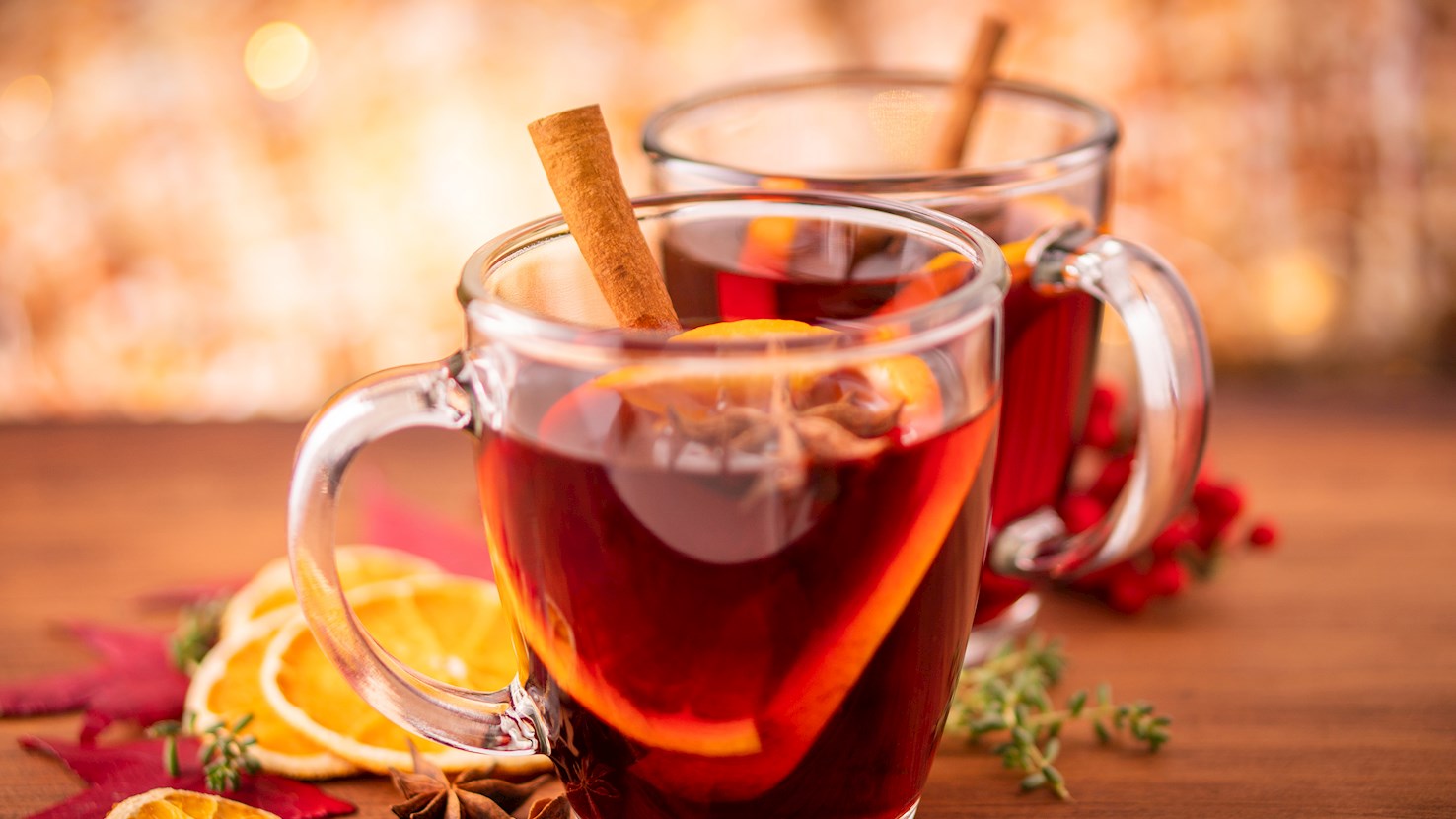
Glühwein is a type of mulled wine enjoyed in Germany, Austria, and Switzerland. It is a staple at Christmas markets and is often enjoyed as an après-ski drink. This German version is a classic, combining red wine, citrus zest, and spices such as anise, cinnamon, and cloves. It is usually sweetened to taste. The ingredients are mixed and heated and should never be boiled. Variations sometimes use white instead of red wine, and some versions come with a liquor shot (mit Schuss). First bottled versions of German mulled wine appeared in Augsburg in the 1950s, and often these pre-sweetened and pre-spiced versions are reheated and served at Glühwein stands. One of the most interesting variations of the drink is called Feuerzangenbowle. It is made with a rum-soaked sugarloaf that is suspended over mulled wine and set on fire. The sugar then melts and slowly drips into the wine.
Hefeweizen is a German wheat beer originating in Bavaria, where it has become one of the region’s most recognized and widely enjoyed styles. The name combines “hefe,” meaning yeast, and “weizen,” meaning wheat, referring to its unfiltered nature and the high proportion of wheat malt in the grain bill. Hefeweizen is brewed with at least 50% malted wheat alongside pale barley malt, resulting in a hazy, pale golden appearance. The defining characteristic is the yeast strain used during fermentation, which produces signature aromas of banana and clove, along with subtle notes of bubblegum and vanilla. The brewing process employs warm fermentation temperatures that encourage the yeast to express these fruity and spicy phenolic compounds. The beer undergoes bottle conditioning, meaning it is packaged with residual yeast and allowed to naturally carbonate. This secondary fermentation develops fine bubbles and a gentle effervescence that lifts the aroma. Hefeweizen typically has moderate alcohol content, around 4.8–5.5%, and a smooth, creamy texture from both wheat proteins and suspended yeast. Hop bitterness is low, leaving the yeast and wheat to define the flavor profile. Hefeweizen is commonly served in tall, curved glasses that accommodate the large, frothy head and showcase its cloudy body. In Bavaria, it is enjoyed year-round, often with pretzels, sausages, or lighter dishes that complement its refreshing qualities. To pour it properly, the bottle is usually swirled at the end to release the last of the yeast into the glass. The taste is lively and slightly tart, with a soft finish that makes it highly drinkable. The style has influenced wheat beer production worldwide, inspiring brewers across Europe and North America to create their own versions, sometimes with creative interpretations of yeast character and malt composition. German purity laws, or Reinheitsgebot, historically shaped how Hefeweizen was brewed, though wheat beers were once exempt from certain rules due to their importance in Bavarian brewing heritage. Modern producers maintain the focus on yeast-driven aromas and the balance between fruitiness and spice. Hefeweizen remains a staple of beer culture, valued for its distinctive profile and the way it showcases the expressive potential of German brewing yeast.
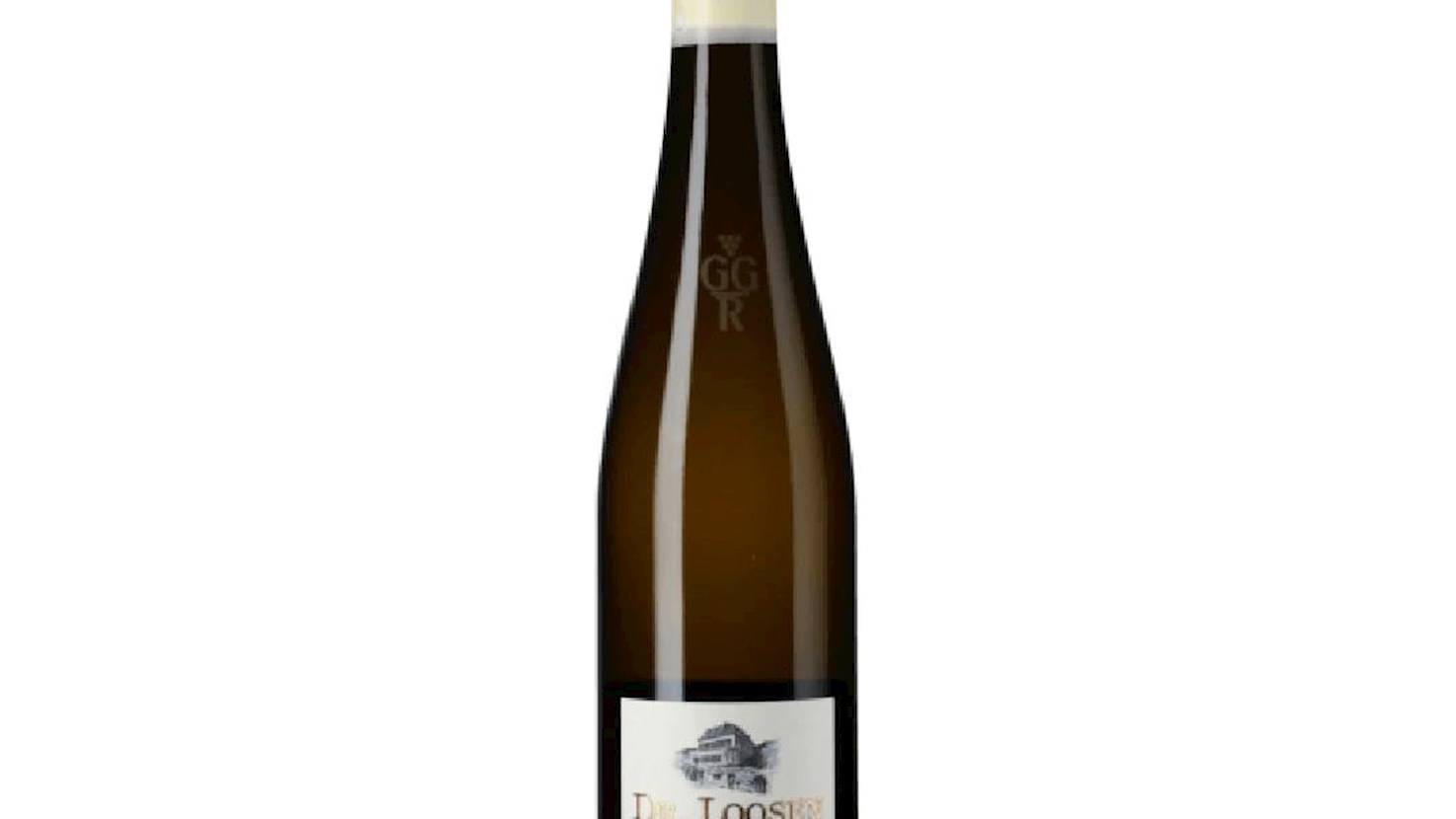
Weingut Dr. Loosen is a family-owned winery located in the Mosel wine region. The estate has been in the Loosen family for over 200 years, specializing in Riesling wines. Under the leadership of Ernst "Erni" Loosen since 1988, the winery has gained international acclaim for producing high-quality Rieslings that reflect the unique characteristics of their vineyards. The estate's vineyards are situated on the steep slopes of the Middle Mosel, featuring various soil types, including red slate, blue slate, and red volcanic conglomerate. Some of the vines are up to 140 years old and ungrafted, contributing to the distinctiveness of their wines. Dr. Loosen produces a full range of Riesling styles, following family traditions: dry wines inspired by the paternal Loosen side and Prädikat wines influenced by the maternal Prüm family branch.
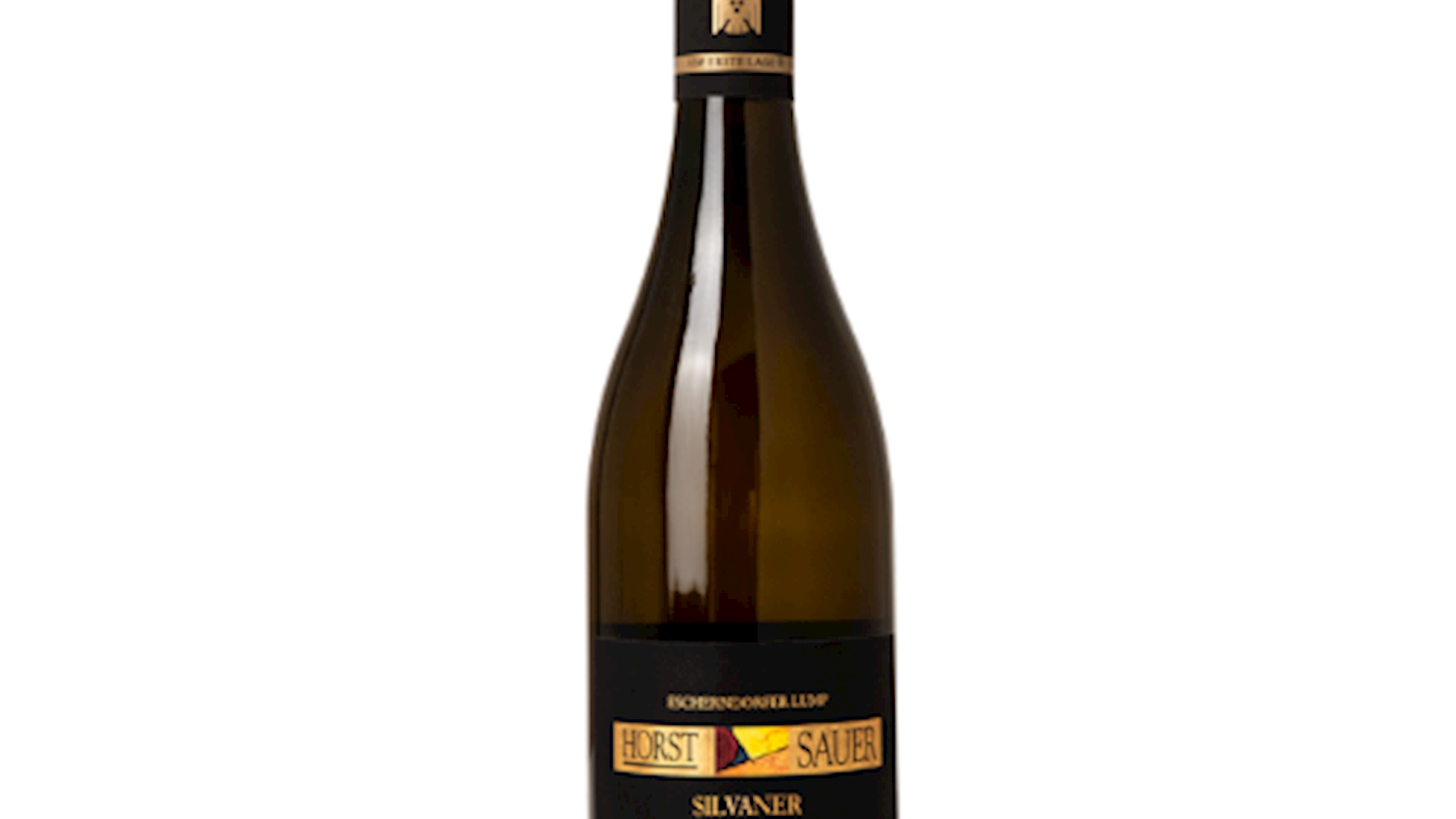
Weingut Horst Sauer is famous in Franken and around the world for its exceptional dry, minerally wines, crafted by Horst Sauer alongside his daughter, Sandra. Horst is particularly devoted to his noble sweet wines, like his sublime, creamy Beerenauslese and Trockenbeerenauslese. Sandra Sauer joined the family business in 2004, bringing energy and momentum to the wine making process, as well as expertise in marketing. In 2006, their winemaking facilities were completely modernized in order to streamline their production. Today, they continue to produce internationally honored wines that are vastly enjoyable to drink.
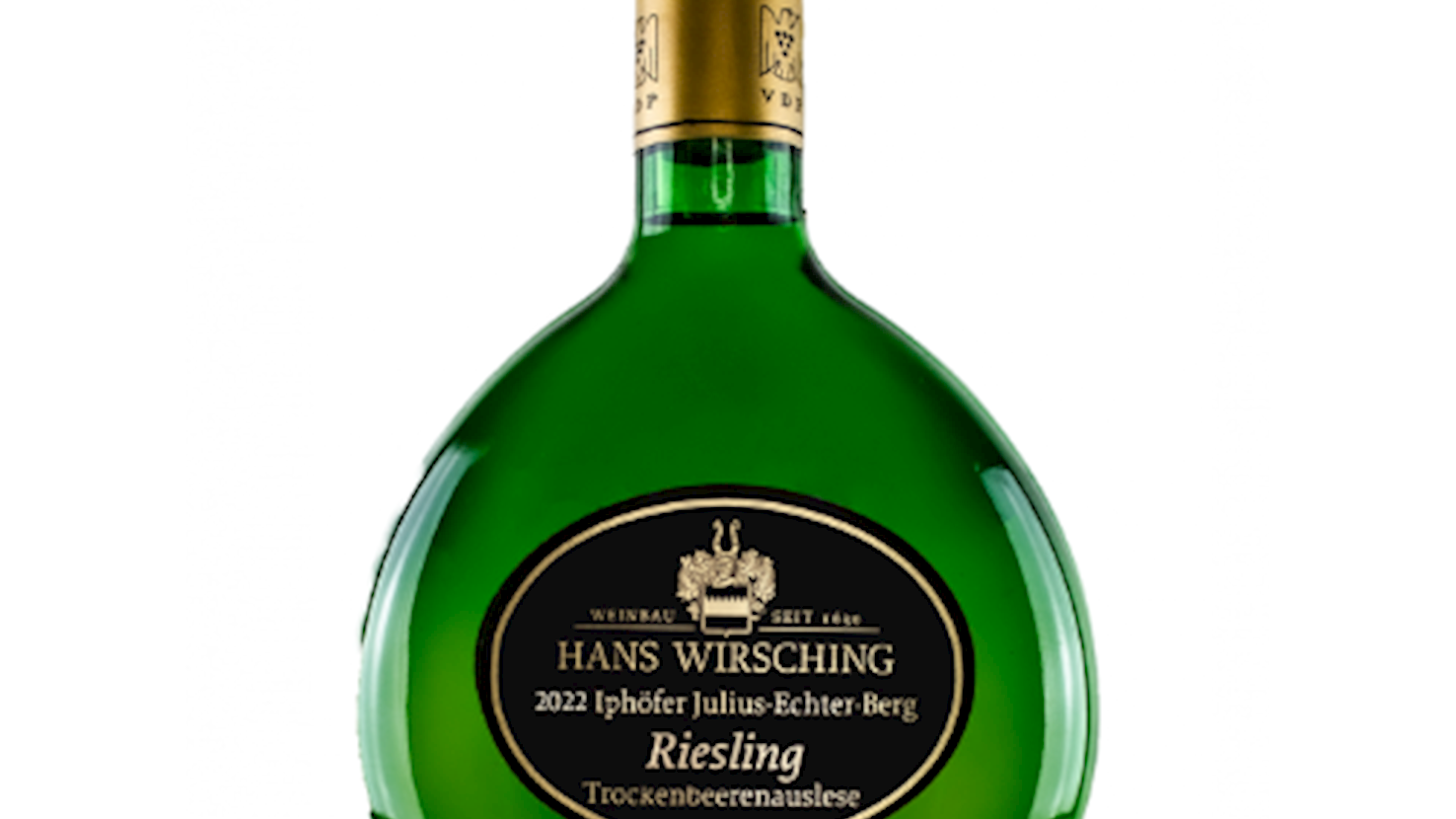
The Hans Wirsching wine estate is one of the most traditional and renowned estates in Franconia. Our family has been growing grapes for several centuries. Currently, Andrea Wirsching manages the estate. On 90 hectares in and around Iphofen, we produce mainly dry white wines – that is our specialty. The most important grape varieties are Silvaner, Riesling, Scheurebe, and white Pinot varieties (Pinot Blanc, Chardonnay, and Pinot Gris).
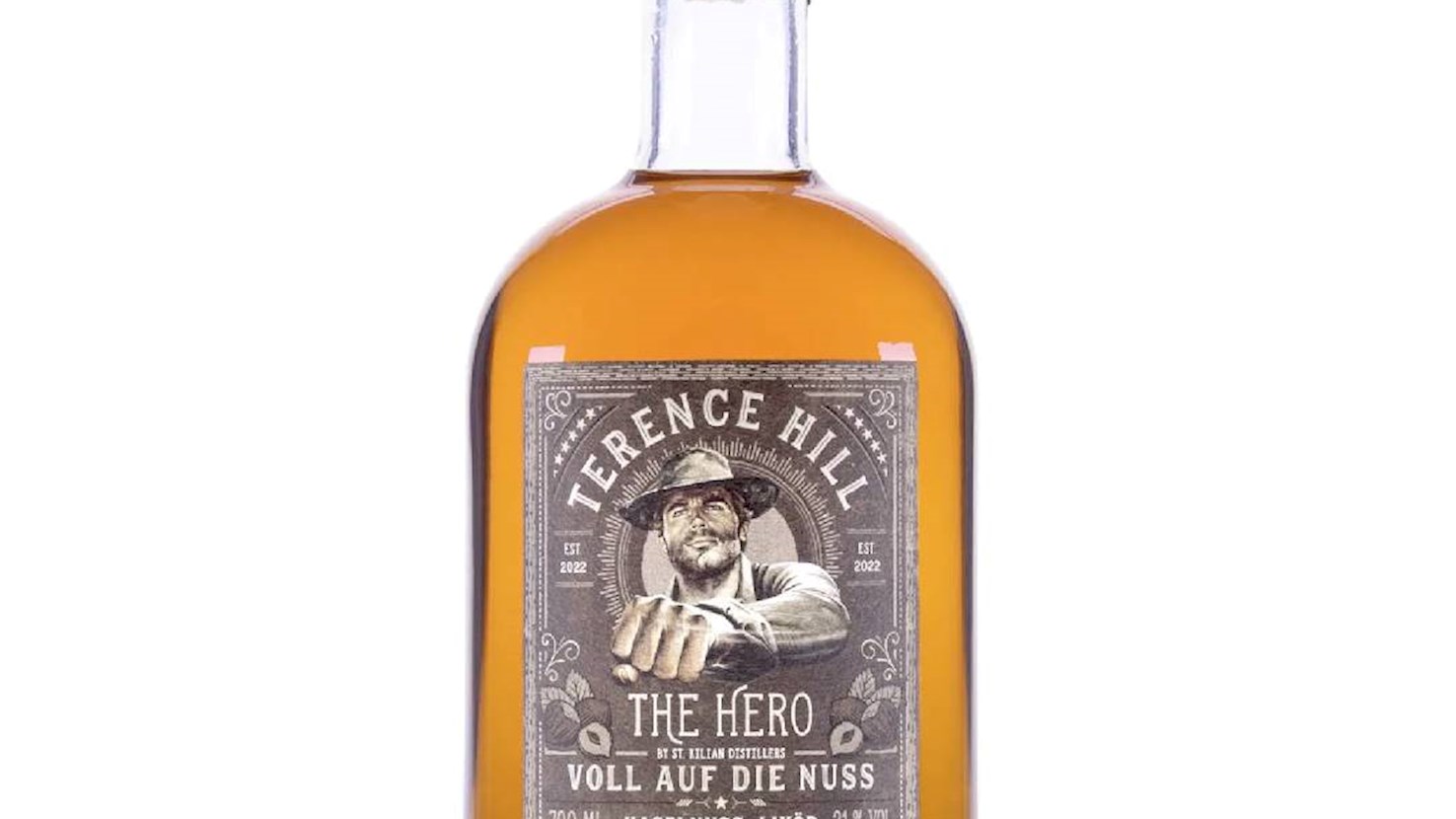
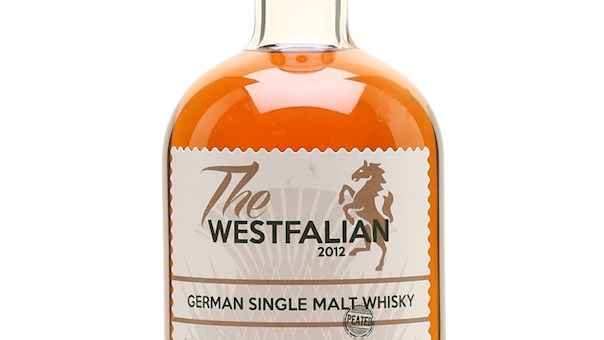
St. Kilian Distillers is a German single malt whisky distillery founded in 2012 in Rüdenau, Bavaria. Located in a former textile factory, the distillery is named after St. Kilian, an Irish-Scottish missionary who worked in Würzburg. St. Kilian Distillers is renowned for its innovation and diverse product range, including special editions created in collaboration with famous personalities and musical bands. Their "White Dog" won the award for the best in the world in 2018.
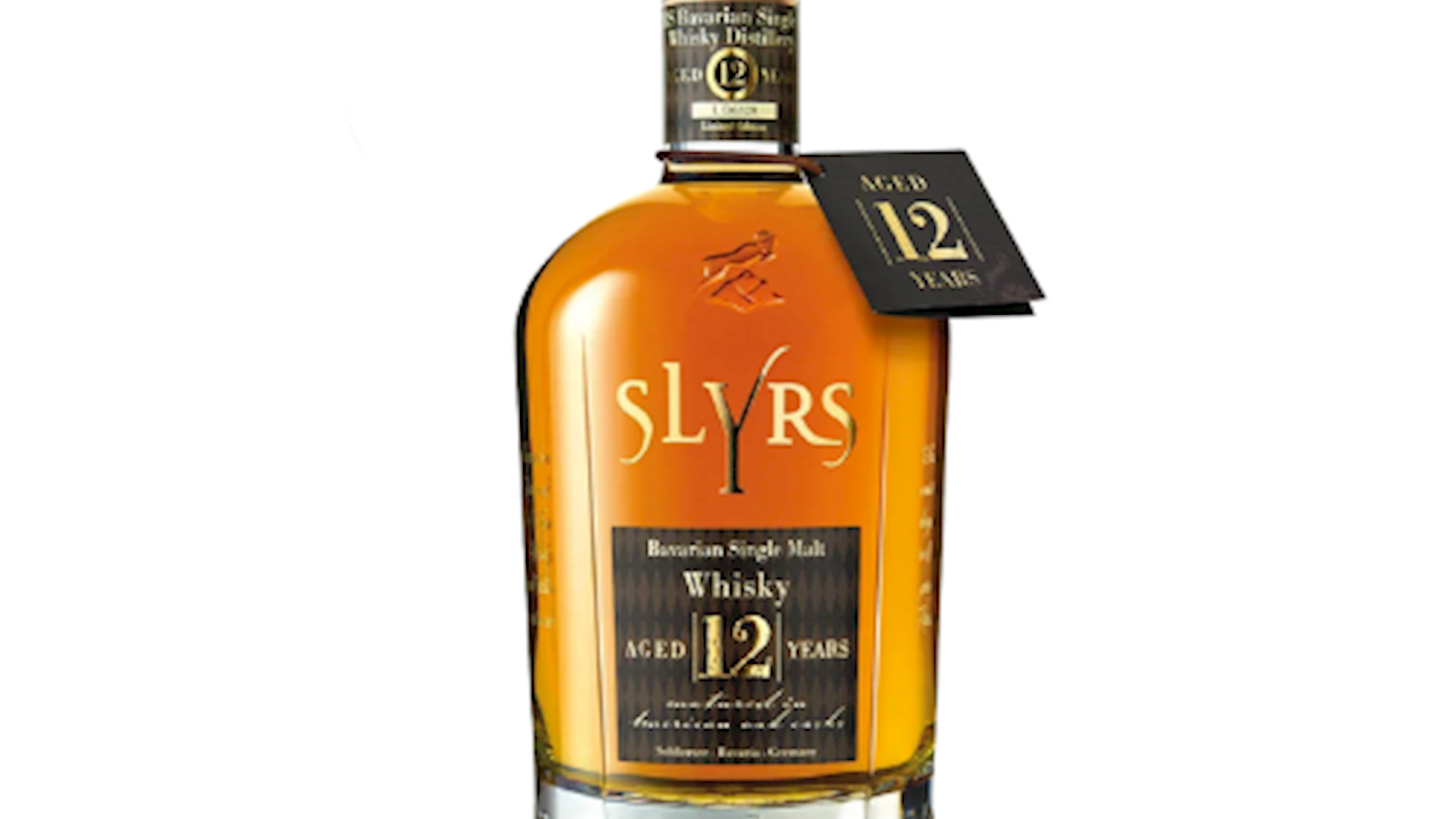
Slyrs Distillery is a pioneering German whisky distillery located in Schliersee, Bavaria, founded in 1999 and widely regarded as a benchmark for Bavarian single malt whisky. Inspired by Scottish whisky-making traditions but firmly rooted in its Alpine environment, Slyrs produces single malt whisky from Bavarian malted barley and pure Alpine spring water. Distillation takes place in traditional copper pot stills, followed by maturation primarily in new American white oak casks, with additional expressions finished in sherry, port, or other specialty barrels. The continental Alpine climate - marked by warm summers and cold winters - accelerates interaction between spirit and wood, resulting in whiskies that are typically rounded, expressive, and gently fruity, with notes of vanilla, malt, spice, and soft oak. Over the years, Slyrs has built a strong reputation both in Germany and internationally, combining regional identity, technical consistency, and a clear house style. The distillery is also positioned as a visitor destination, offering tours and tastings that emphasize transparency and craftsmanship, reinforcing its role as a leading figure in modern German whisky production.
Awards
IWSC- International wine & spirit competition - Spirit Gold
(2019)
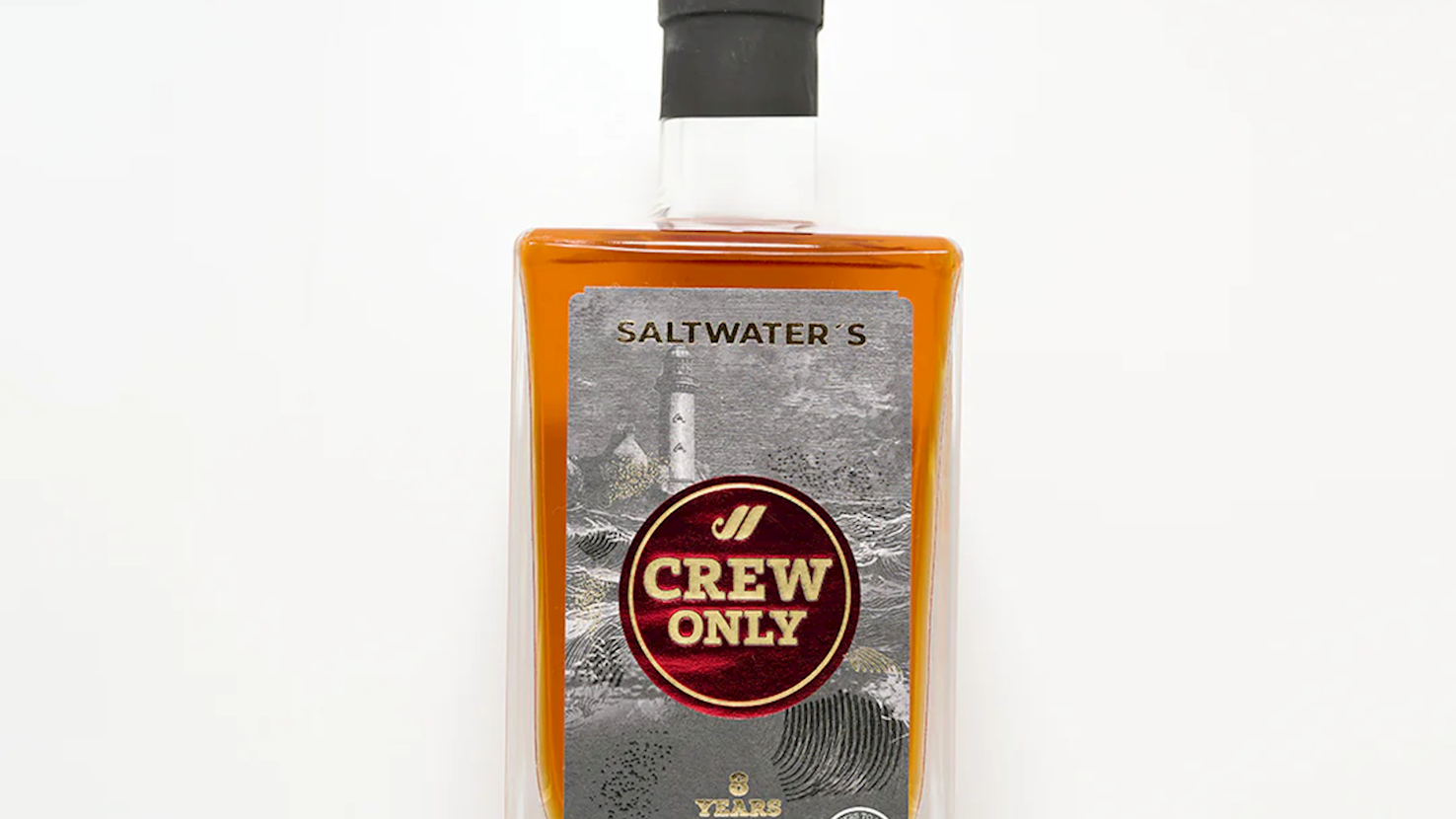
Saltwater’s is inspired by maritime adventures and offers premium gin and rum with a coastal essence. Each product is crafted to embody the adventurous spirit of the sea, often incorporating a hint of sea salt. With botanicals sourced from around the globe, Saltwater’s aims to evoke the flavors of distant travels and the longing for home.
Awards
SFWSC - San Francisco World Spirits Competition - Double Gold
(2024)
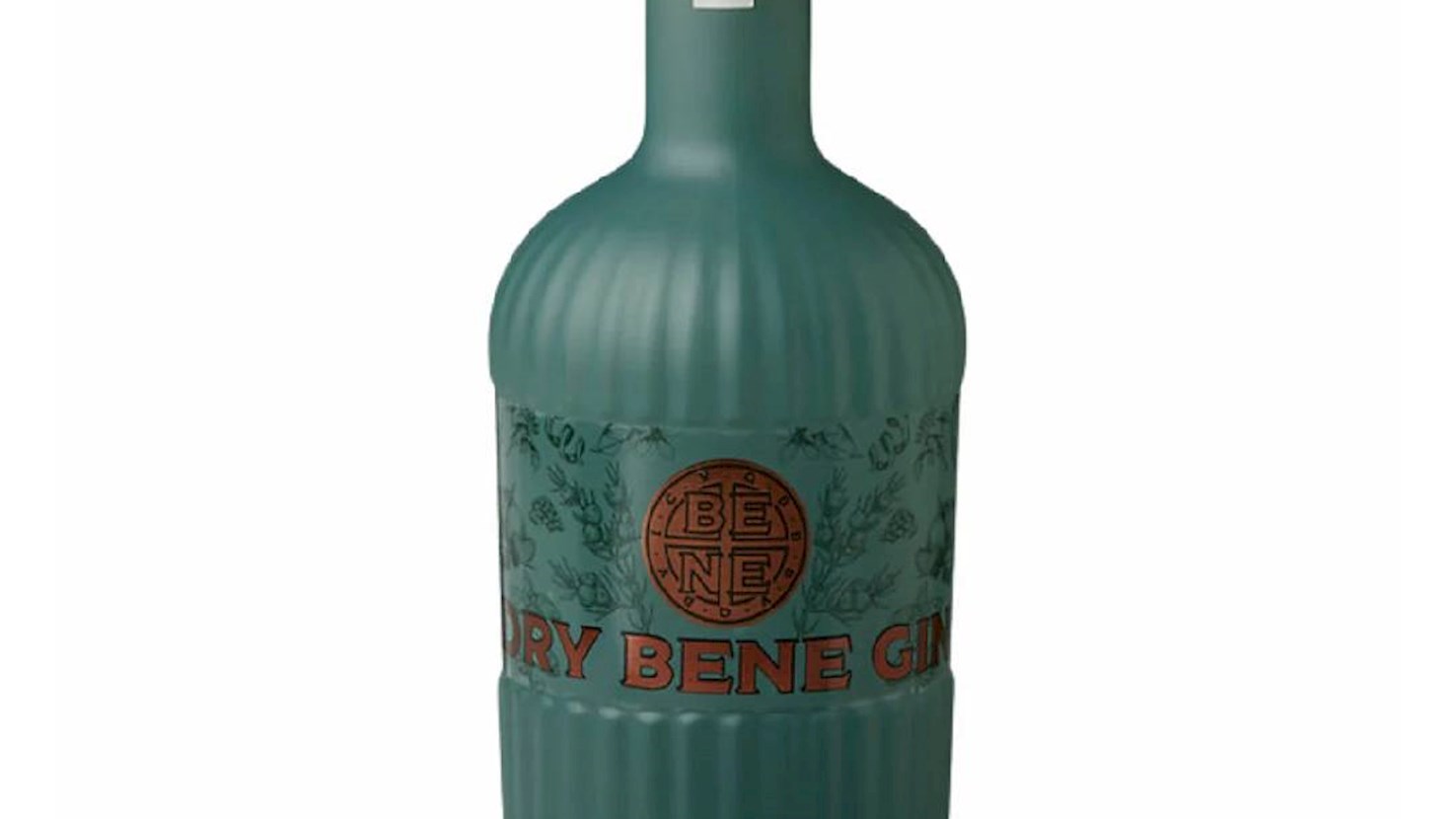
The name "Bene Gin" is inspired by Benedict of Nursia, the founder of the Benedictine Order, whose year of birth, 480 AD, is reflected in the alcohol percentage of this gin. The brand's logo resembles the Benedictine medal, while the copper color, a signature of the brand, pays homage to Saint Benedict as the patron saint of engravers.
Bene Gin is produced by HIS Hamburgische Gesellschaft für Investitionen und Spirituosen mbH, based in Hamburg, Germany. Known for its premium quality and unique character, Bene Gin is crafted using carefully selected botanicals that deliver a harmonious balance of juniper, citrus, and subtle spice notes. The distillery emphasizes sustainability and tradition, reflecting these values in both its production process and branding.
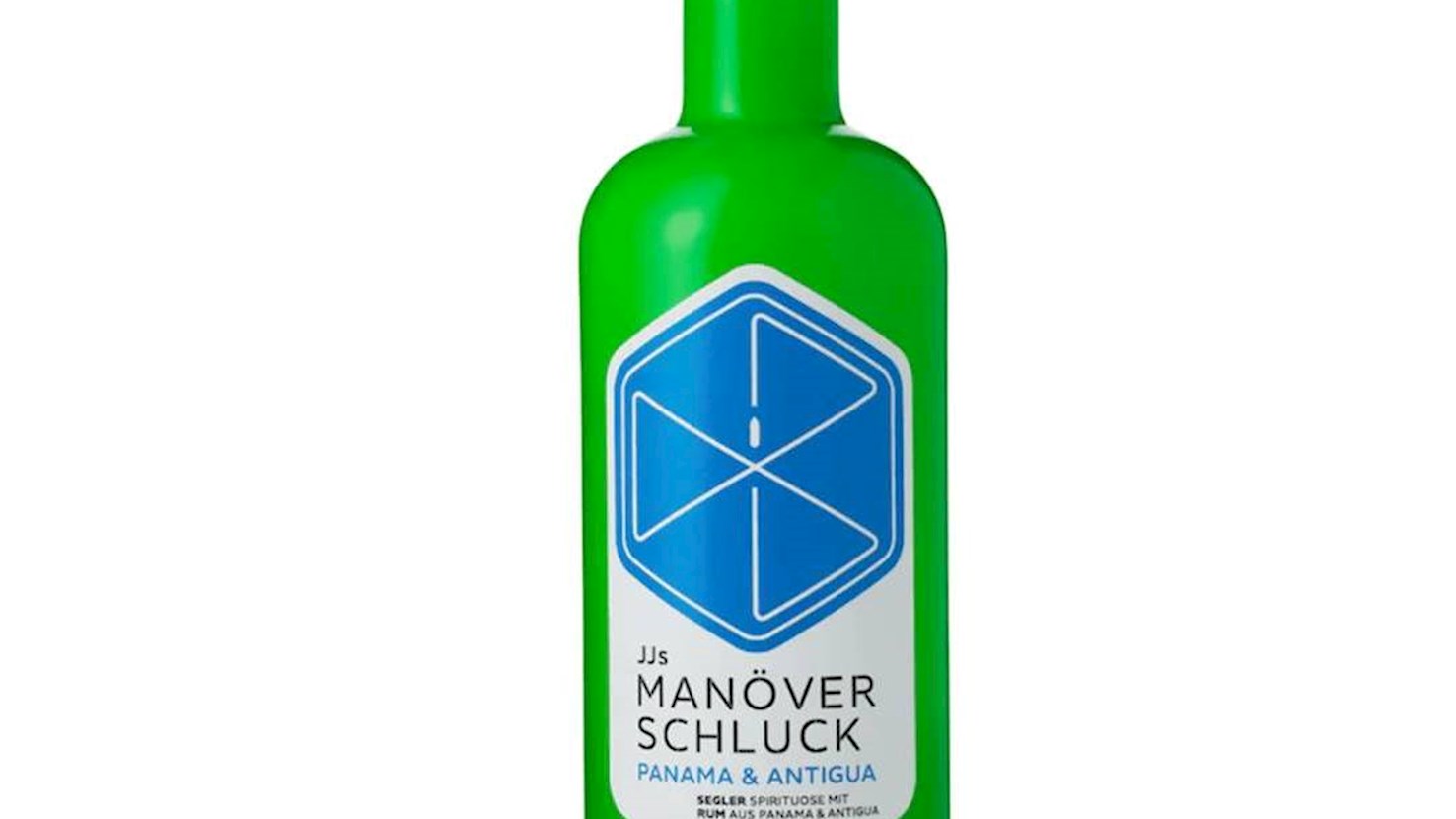
JJ's Manöverschluck is a premium spirit brand from Hamburg, Germany, crafted by sailors for sailors and maritime enthusiasts. The brand offers a range of award-winning spirits, including rums sourced from Jamaica, Panama, Antigua, the Dominican Republic, and Venezuela, as well as Tennessee bourbon and whiskey. Each variant is uniquely flavored: the Jamaica rum is enhanced with sun-ripened tangerines and butterscotch, while the Panama & Antigua blend features Bourbon vanilla and a hint of sea salt. The concept of JJ's Manöverschluck was born during a sailing trip, aiming to create a spirit that captures the essence of maritime adventures. The brand's design reflects nautical themes, with bottle colors reminiscent of buoys and life vests, and a logo symbolizing a sailing maneuver.
Awards
IWSC- International wine & spirit competition - Spirit Gold
(2024)
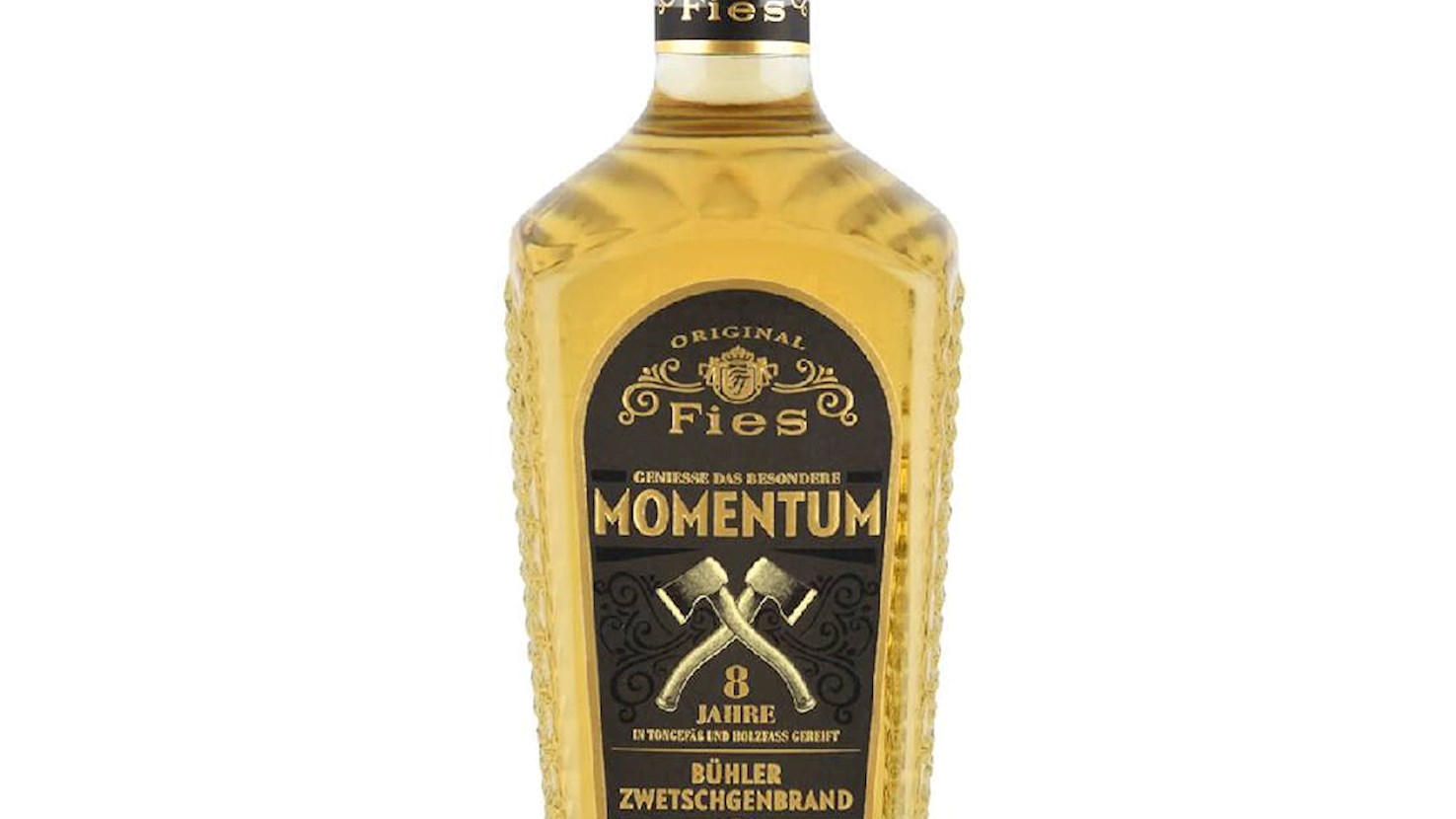
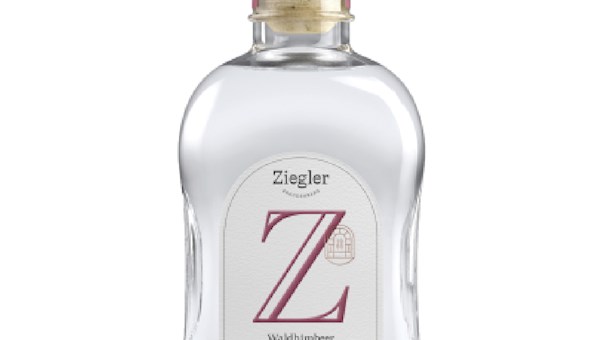
Franz Fies Schwarzwälder Edelobstbrennerei, founded in 1948 by Franz and Elise Fies, is a family-owned distillery located in Oberkirch-Ringelbach, in the heart of the sun-kissed Ortenau region of Germany's Black Forest. The distillery specializes in crafting premium fruit brandies and liqueurs, utilizing traditional methods to transform locally sourced fruits into high-quality spirits. Their product range includes the "Original Fies" line of fruit brandies, the "CHRONUM" series, and the "MOMENTUM" collection, each offering unique flavor profiles that reflect the rich heritage of the Black Forest. Committed to excellence, the distillery is certified according to the International Food Standard (IFS), ensuring that each bottle meets rigorous quality standards. Visitors are welcome to tour the distillery to experience firsthand the meticulous craftsmanship that defines Franz Fies Schwarzwälder Edelobstbrennerei.
TasteAtlas food rankings are based on the ratings of the TasteAtlas audience, with a series of mechanisms that recognize real users and that ignore bot,
nationalist or local patriotic ratings, and give additional value to the ratings of users that the system recognizes as knowledgeable.
For the “Top 100 German Beverages” list until June 04, 2026, 3,989 ratings were recorded, of which 3,564 were recognized by the system as legitimate.
TasteAtlas Rankings should not be seen as the final global conclusion about food. Their purpose is to promote excellent local foods,
instill pride in traditional dishes, and arouse curiosity about dishes you haven’t tried.
The initial list of top producers was compiled based on available reviews, awards, local recommendations, media and blog coverage, and consumer reviews.
The list will be updated with ratings from TasteAtlas local ambassadors and TasteAtlas users.