shutterstock

Top 34 Russian Beverages

Last updated on September 23, 2026

Best Russian Beverages
01

Niva Distillery

5.0 ·
Awards
ISC-International Spirits Challenge - Double Gold (2022)
02

Maxim Brecht's Cider

4.9 ·

Maxim Brecht's Cider is a Russian craft cider producer founded by Maxim Brecht, who has been making cider since 2011 and officially established his cidery in 2016 in the Istra district. His philosophy is based on complete naturalness - using only freshly pressed apple juice without concentrates, added sugar, water, colors, flavors, or pasteurization.

The apples come from orchards where no pesticides are used, preserving the authenticity and purity of the raw material. After specializing at the Cider Academy in England, Maxim planted a collection orchard with 57 European tannic apple varieties in the Tula region, which began producing its first fruits in 2022.

Until then, most of the production relied on Russian dessert varieties, from which different cider styles were created. Their ciders are characterized by pronounced apple aromas, complexity, and a balance between acidity and natural sweetness.

Minimal intervention in the fermentation process allows each bottle to retain its terroir and the individuality of the harvest year. The brand’s vision is to position cider as a worthy alternative to wine and sparkling drinks, with broad gastronomic potential.

Thanks to this approach, Maxim Brecht's Cider has become recognized as one of the pioneers of authentic Russian cider. Today, their products stand out at festivals and in restaurants, attracting audiences who value natural and craft beverages.

Through careful orchard management and ongoing innovation, Maxim Brecht continues to build a reputation as a producer who unites tradition, terroir, and contemporary craft spirit.

Awards
Untappd - 4.1
Untappd - 4.4
03

Andreev Ciderworks

4.9 ·

Andreev Ciderworks is a craft cider producer from Saint Petersburg, founded in 2016 by Oleg Andreev, with its base in the village of Mistolovo in the Leningrad region. The production philosophy is rooted in the use of natural and locally sourced ingredients, primarily apples and pears from northwestern Russia, without concentrates, flavorings, or unnecessary additives.

The ciders are made from freshly pressed juice and fermented with minimal intervention, ensuring an authentic taste that reflects the terroir of the region. Their portfolio includes a wide range of styles - from dry and sparkling varieties such as Rose Extra Brut with added red currant, to semi-dry options like Mirage of St Michel, and dessert ice ciders produced through juice cryo-concentration.

In addition to apple ciders, they also produce perry made from pears, distinguished by refreshing acidity and balanced sweetness. Andreev Ciderworks has built a reputation as a producer that combines tradition with modern approaches, offering consumers a diverse selection of beverages suited both for gastronomic pairings and for pure enjoyment on their own.

Awards
Untappd - 4.1
Untappd - 4.4
04

Fanagoria

4.9 ·
Awards
Decanter World Wine Awards - Platinum (2017)
05

Kuban-Vino

4.9 ·
Awards
IWSC- International wine & spirit competition - Gold (2021)
06

Alcove

4.8 ·

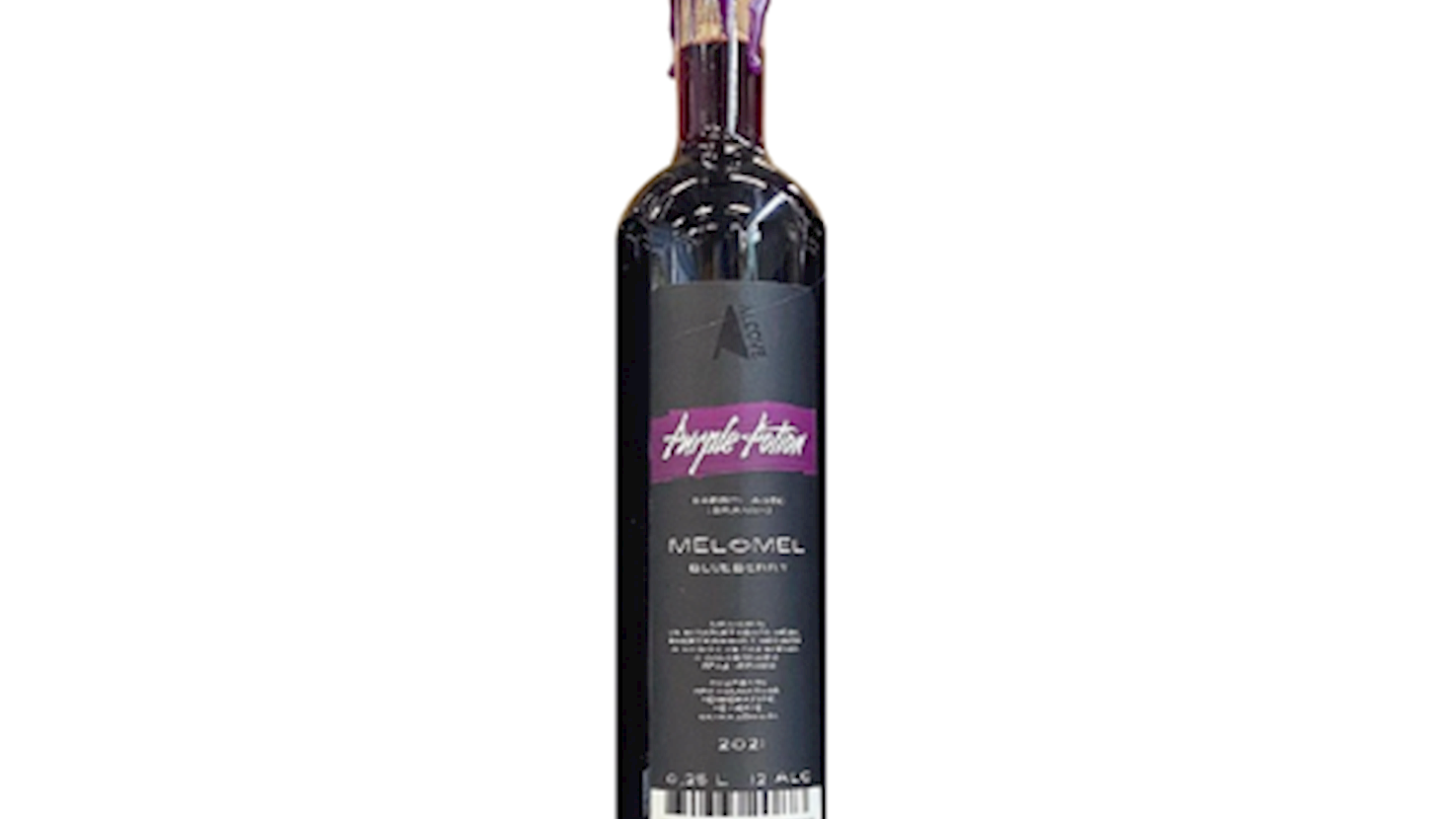
Alcove is a modern mead producer distinguished by its experimental approach and careful selection of ingredients, creating beverages with a complex character. Their philosophy is based on combining local fruit with high-quality honey, shaping the distinctive identity of each batch.

Alcove does not limit itself to traditional styles but explores new flavor combinations, positioning itself among the more innovative meaderies in the region. The absence of large-scale production and a focus on limited releases further emphasize the exclusivity of their products.

This clearly places Alcove among producers who aim to push the boundaries of mead perception and present it as a sophisticated beverage with wine-like potential. Their work demonstrates how blending tradition with modern techniques can result in an authentic and striking outcome.

Awards
Untappd - 4.3
07

Permalko JSC

4.8 ·
Awards
IWSC- International wine & spirit competition - Spirit Gold (2021)
ISC-International Spirits Challenge - Gold trophy (2021)
08

Rusimport

4.8 ·
Awards
ISC-International Spirits Challenge - Gold trophy (2014, 2011)
09

Ladoga Group

4.8 ·
Awards
IWSC- International wine & spirit competition - Spirit Gold (2021)
10

Saranskiy Distillers

4.8 ·
Awards
IWSC- International wine & spirit competition - Spirit Gold (2020)

Best Russian Beverage Types
01

Kvass

3.9 ·

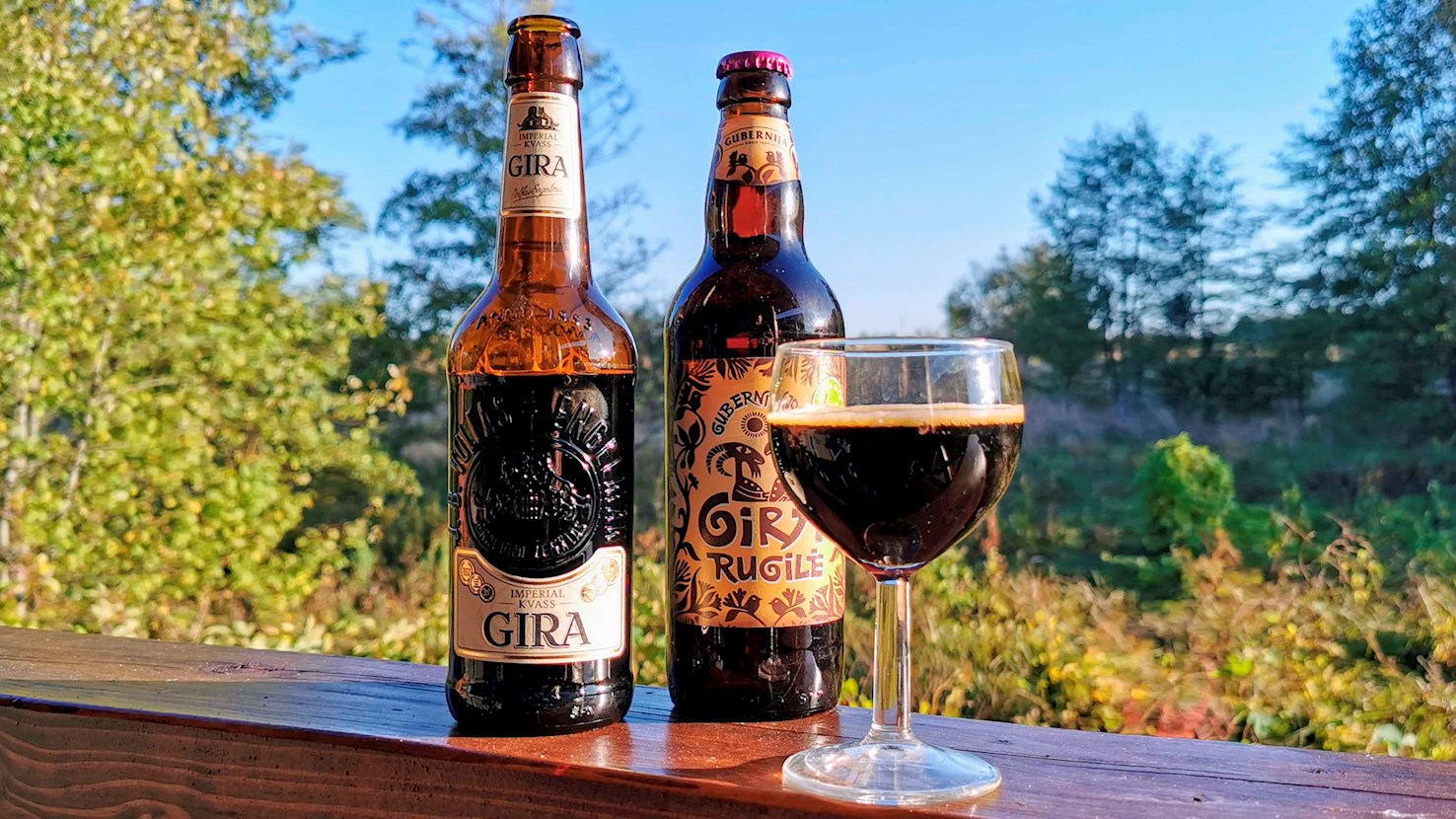
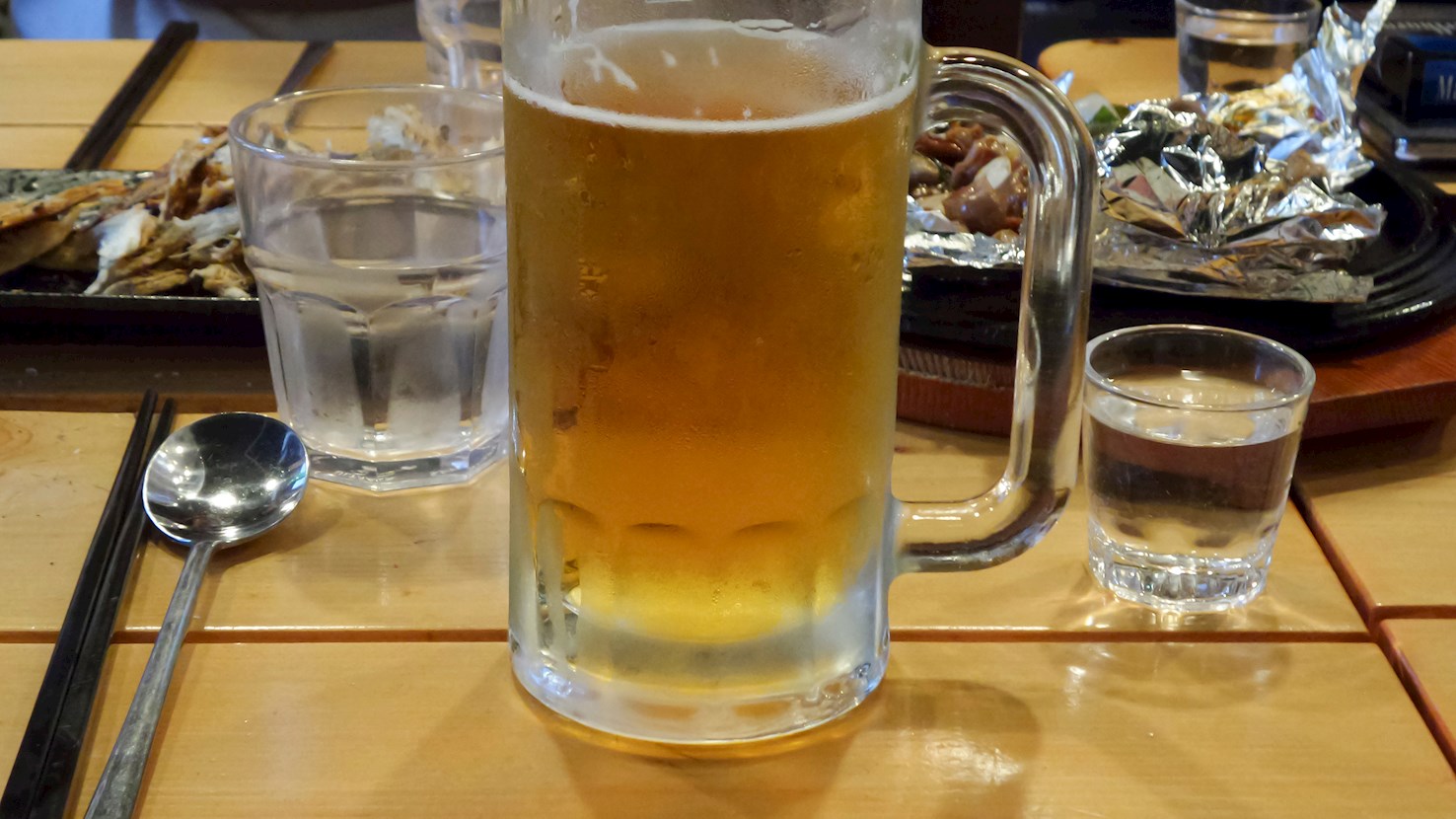
Kvass is an ancient, traditional Russian beverage made from buckwheat meal, wheat, rye, rye bread, or barley, but it can be made from any ingredient that can be fermented. It has a relatively low alcoholic content (from 0,7-2.0 %) as a result of the natural fermentation process, but it is classified as a non-alcoholic beverage in Russia. Some versions, especially commercial brands that are sometimes artificially fermented, do not contain alcohol. The origins of kvass are associated with Kievan Rus', a federation that eventually became an area of three large nations: Russians, Belarus, and Ukrainians. The first written reference of kvass dates back to the 10th century, and it is presumed that by that time, the drink was enjoyed by most Slavic nations in Eastern Europe. The first written mention in English dates back to the 16th century when kvass was at the peak of its popularity. Through history, kvass became popular among all social classes, and during the Cold War, it was commonly enjoyed in Eastern Europe and some Baltic states. Nowadays, kvass is rarely sold by street vendors, and it is mostly available as a bottled drink. Kvass is malty, refreshing, subtly sour, lightly fizzy, and typically amber or golden in color. It is best served chilled when the weather is hot, and it can be additionally flavored with various fruits such as strawberries or raspberries.

02

Sbiten

3.9 ·

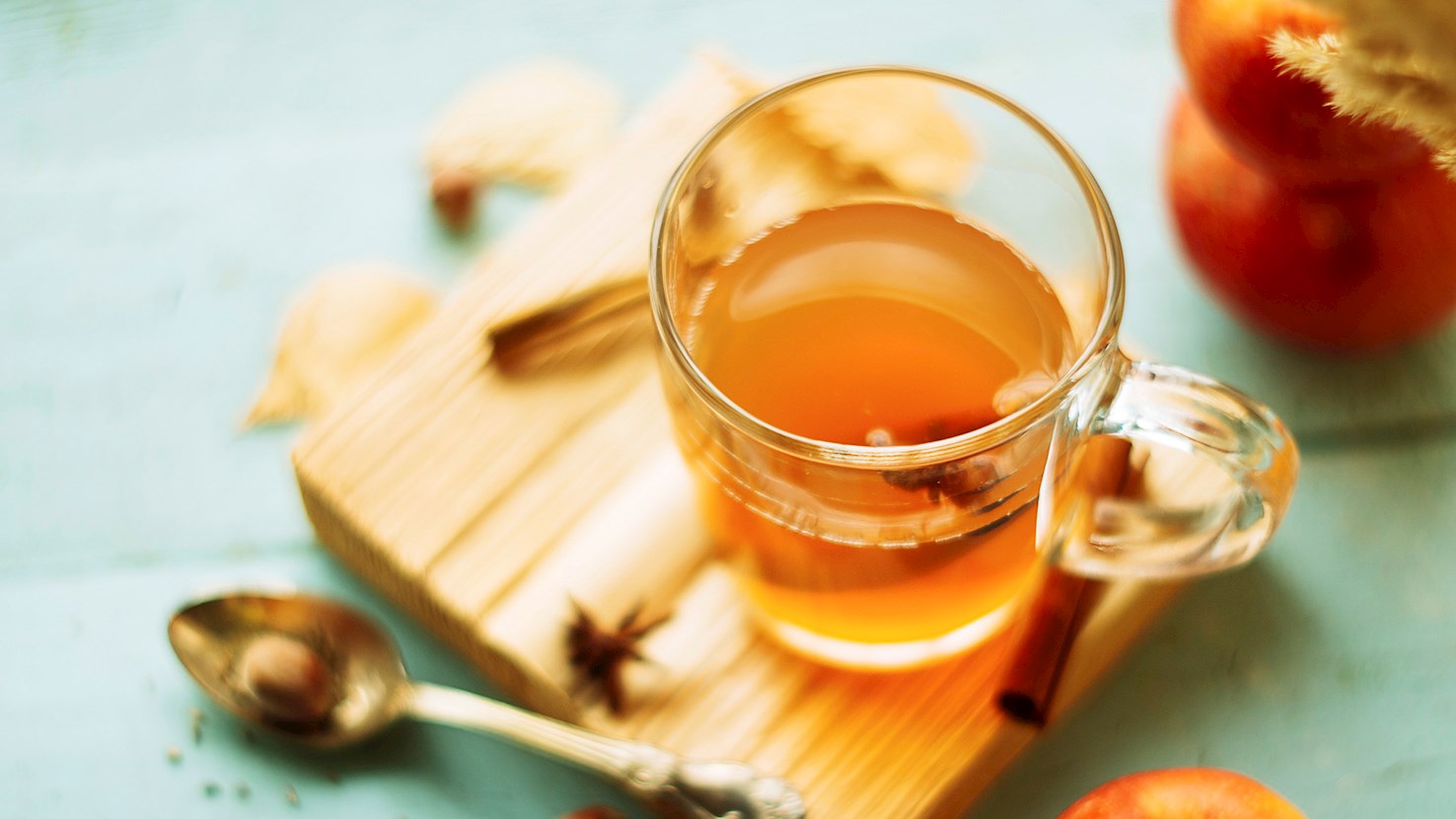
Sbiten is a traditional hot beverage made from honey, water, jam, and various spices. It dates back to the 12th century, when it was made in copper samovars by sbiten makers who sold it on street corners. The name sbiten is derived from the Russian sbit, meaning to beat, referring to the act of pounding spices and herbs in a mortar. This tasty beverage can be made into an alcoholic drink by adding wine, vodka, or brandy into it.

03

Russian Caravan

3.8 ·

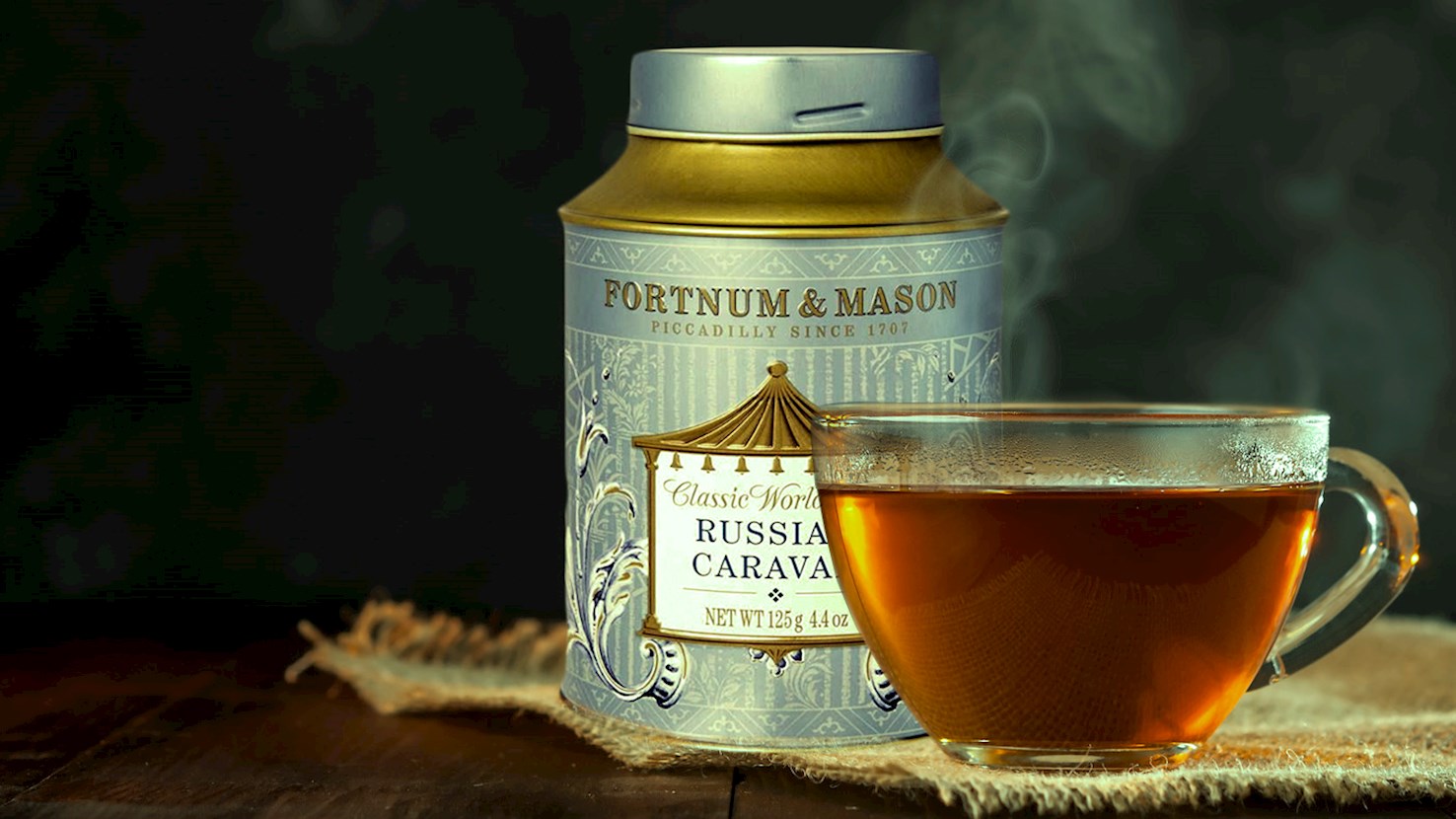
Russian Caravan is a tea blend that is typically made with Chinese oolong and black teas. The blends may vary, but it mostly consists of at least two tea types, while the most common combinations include Keemun black tea, the smoky Lapsang Souchong, and oolong teas. Although the exact selection may vary, Russian Caravan is based on fully or partially oxidized teas, and the final character is typically dark, smoky, spicy, and malty. Traditionally, Chinese black teas were used in the blend, but as there are no set ingredients, the variations may include Indian (Assam) or Taiwanese teas. The intriguing name is linked with the origin of this tea. It is associated with the ancient caravan route used to transport Chinese tea to Tsarist Russia. The route was long, and it went through roughed Siberian terrain. Although there was a shorter route, it was avoided due to the unfavorable climate. The Siberian route was cold and dry, which preserved the quality of the tea. It is said that during these long journeys, the tea would sit next to a fire, and it usually attained subtle smoky notes. As the Russian Caravan blend is an effort to re-create these teas, it traditionally has a smoky note, which is generally acquired with Lapsang Souchong, but it is not mandatory. This tea would pair well with red meat, game, lamb, and lemon-based desserts. They can also work well with BBQ dishes and smoked salmon.

04

Coffee Raf

3.7 ·

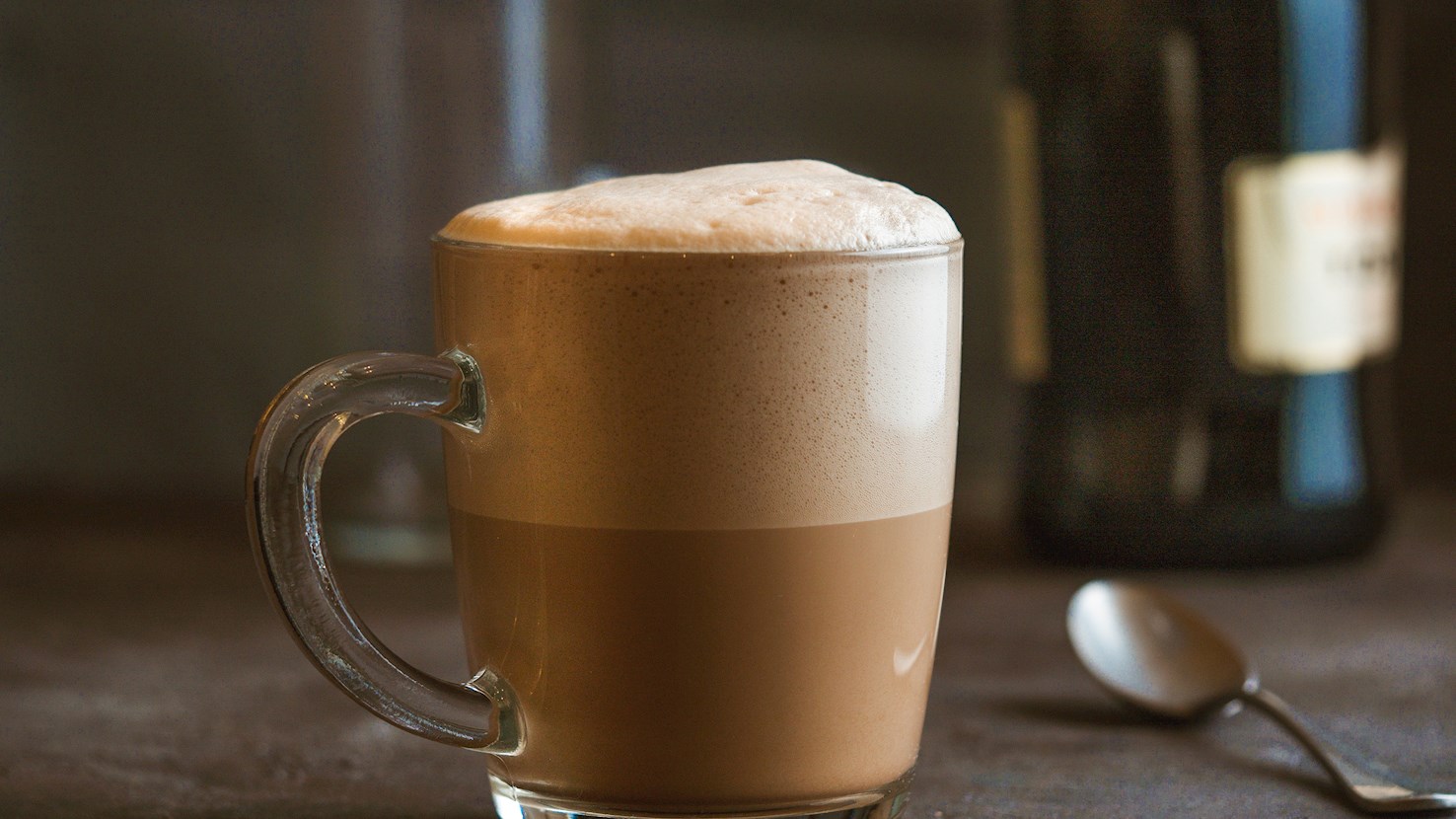
Coffee Raf is a coffee-based beverage that originated in the Coffee Bean shop in Moscow. The drink consists of an espresso shot, cream, and usually a combination of plain and vanilla sugar. Unlike similar coffee varieties, the ingredients in coffee Raf are combined and then steamed together to create a creamy, homogenous drink. Coffee Raf originated sometime in the 1990s, and according to a widespread legend, the drink was created for Rafael Timberbaev, a regular at the Coffee Bean shop who preferred to drink his coffee with milk. After it became popular, the coffee was given its current name. The drink is now available throughout Russia, and many specialty coffee houses later developed their variations that often include various syrups and spices.

05

Vodka

3.4 ·

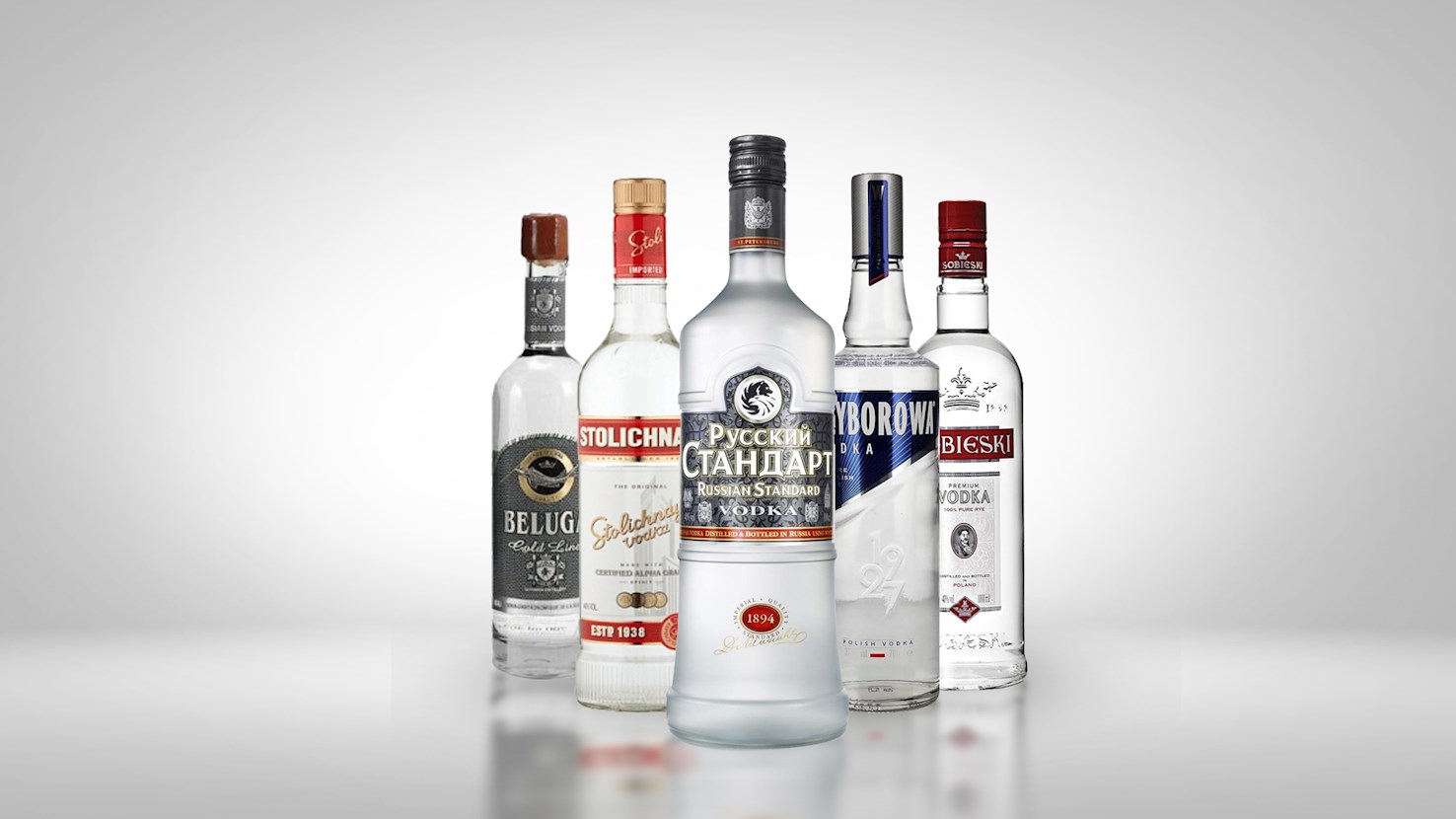
Vodka is a distillate that is mainly produced from fermented grains or potatoes, and even though many purists disagree, fruit or molasses can also be used. The base material can be distilled many times, and each distillation produces stronger and purer vodka varieties. The history of vodka remains unclear, with both Russia and Poland claiming to be the place of origin. According to some written records, the drink has been enjoyed since the 15th century, with many enthusiasts arguing that it appeared earlier, but was not known under its current name. Today it is produced worldwide, and most notable brands include Smirnoff, Belvedere, Żubrówka, Stolichnaya, Russian Standard, Finlandia, Grey Goose, and Absolut. The taste of vodka is primarily reflected in the use of the base material, but it is typically strong, with a long-lasting finish. Though it is a standard element in many classic cocktails such as Vodka martini, Vodka tonic, White Russian, and Cosmopolitan, it is usually enjoyed neat or on the rocks, and should always be well-chilled.

06

Kalmyk Tea

3.1 ·

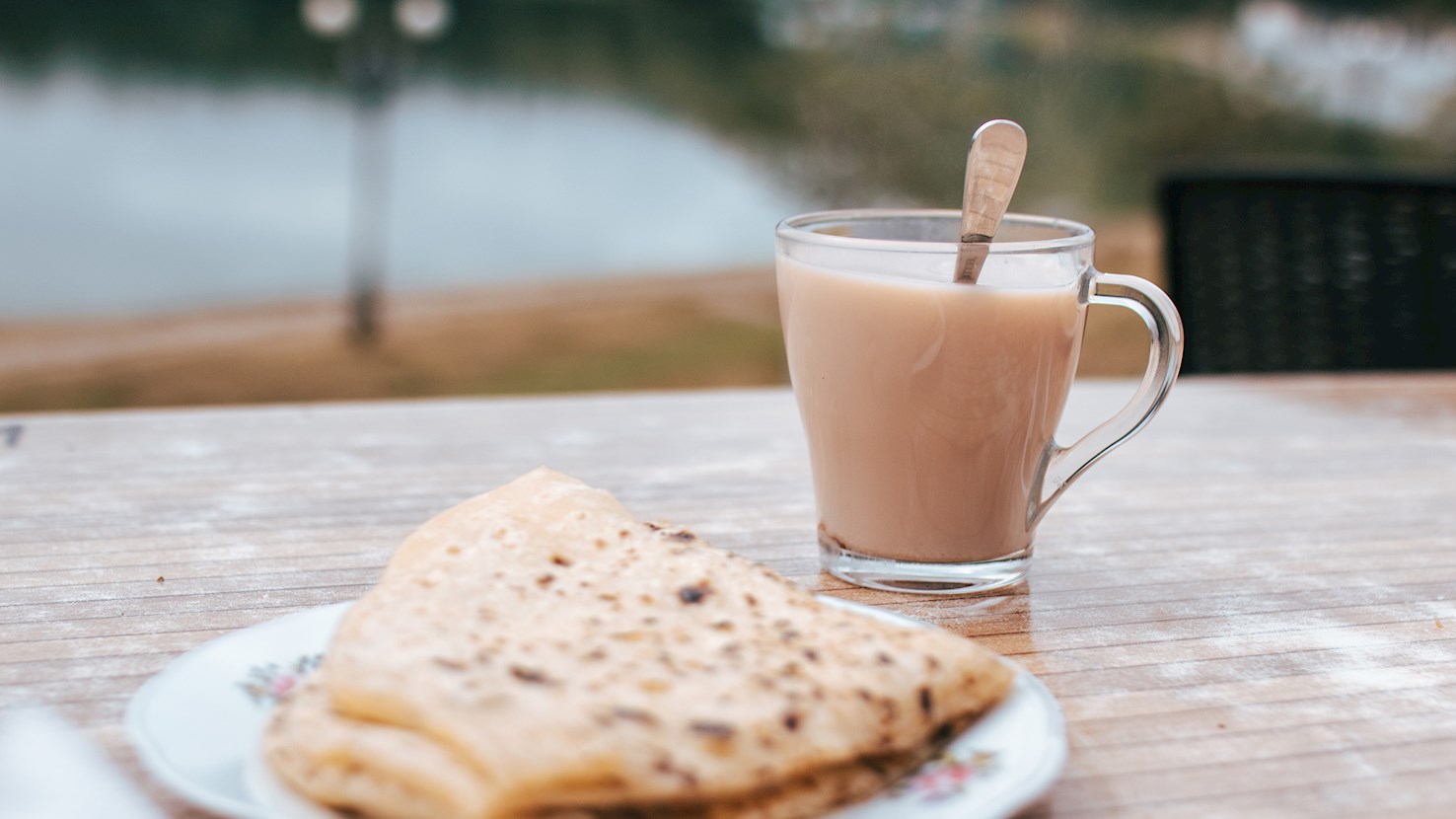
Kalmyk tea or chai is a creamy tea made with pressed green or black tea, usually brewed with butter, milk, and salt. The variations include nutmeg and sometimes other spices such as peppercorns. This tea is mainly made with pressed green tea that includes stems, stalks, and twigs. As the name suggests, Kalmyk tea originated among the Kalmyk, the Mongolian nomadic people in Russia and Kyrgyzstan that make a majority in the Russian region Kalmykia. The tea was most likely initially made with melted butter, salt, and camel milk. It was traditionally enjoyed as a filling and nourishing drink. When paired with bread, it was meant to replace a meal. The tea, and its variations, is still regularly consumed in the region.

07

Samogon

2.5 ·

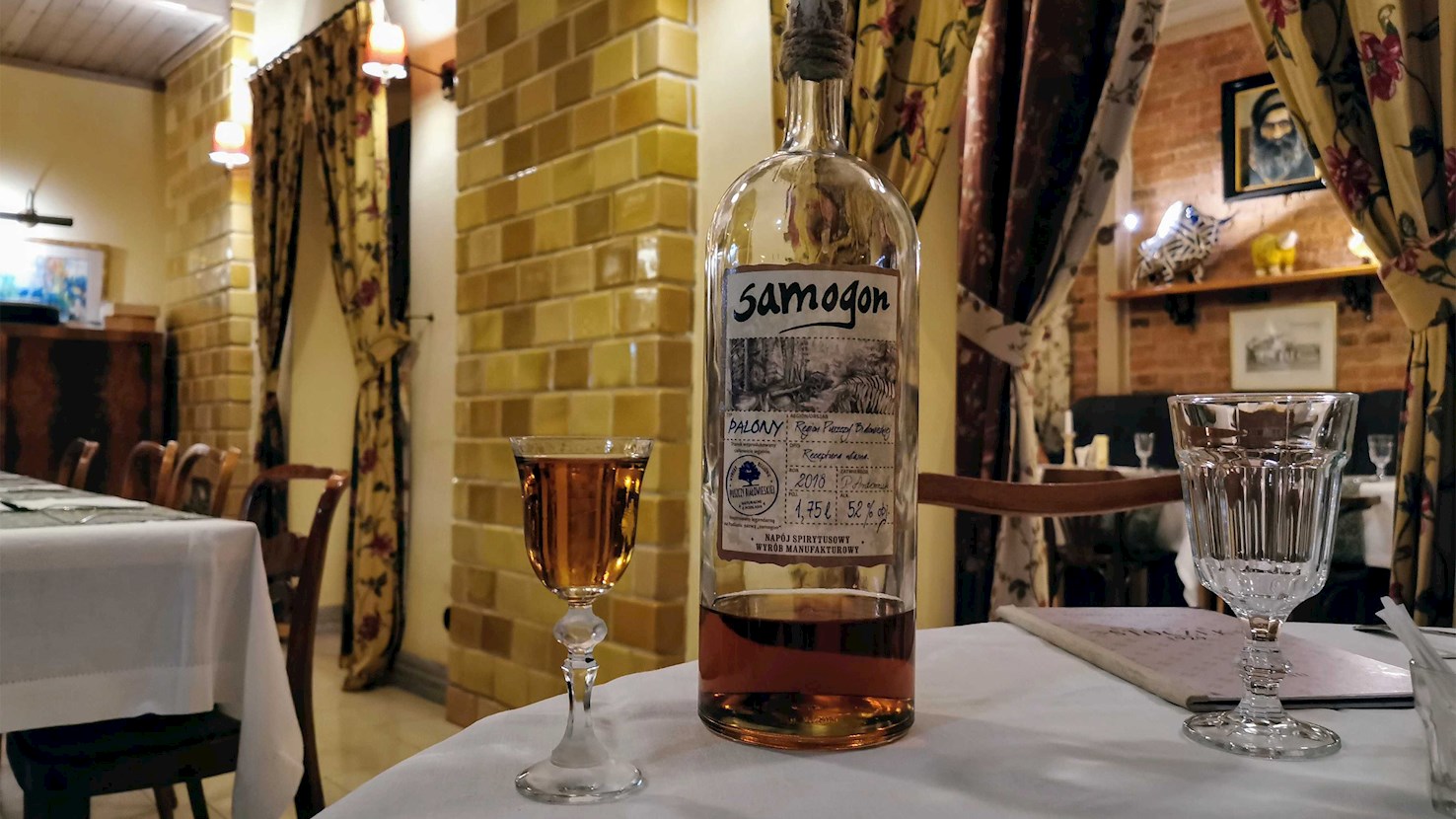
Often dubbed as Russian moonshine, samogon is a potent drink that can be distilled from virtually anything, but the most common base ingredients include grains, corn, beets, sugar, potatoes, bread, or various fruits. The name of this centuries-old drink roughly translates as self-distilled. The exact time when samogon first appeared is not known, but it is suggested that it even might precede the all-time-favorite Russian vodka. Through history, samogon was a drink of choice among lower social classes and in rural areas in Russia. Starting with the reign of Ivan the Terrible, any liquor that was not state-produced was outlawed, and vodka and wine were mainly promoted as suitable options. This practice continued in the Soviet era, but throughout this period, samogon was still produced, mostly in rural areas by the so-called samogonschiki. Following the fall of USSR, the regulations have changed, and from 1997 home distilling has been made legal, but home-distilled beverages cannot be promoted or sold. However, the change of regulations has also influenced the appearance of several brands which make artisanal and commercially produced versions that are sometimes even distilled from grapes, wines, or pomace. The final taste profile of samogon can significantly vary due to the use of different raw materials and the choice of various flavorings. The alcohol content of samogon is usually about 40 percent, but homemade versions can often reach higher numbers.

08

Yorsh

1.5 ·

Yorsh is a popular Russian mixed beverage made with a combination of beer and vodka. The ratio of ingredients may vary depending on personal preferences. After the ingredients have been combined, it is recommended to drink the cocktail quickly, as is the custom in Russia, because Yorsh is traditionally consumed in social settings after a toast. Although vodka does not alter the flavor of beer that much, it greatly increases the alcohol content in the cocktail, so it is quite suitable if one wants to get drunk as fast as possible.

About this Ranking

TasteAtlas food rankings are based on the ratings of the TasteAtlas audience, with a series of mechanisms that recognize real users and that ignore bot, nationalist or local patriotic ratings, and give additional value to the ratings of users that the system recognizes as knowledgeable. For the “Top 34 Russian Beverages” list until September 23, 2026, 938 ratings were recorded, of which 761 were recognized by the system as legitimate.

TasteAtlas Rankings should not be seen as the final global conclusion about food. Their purpose is to promote excellent local foods, instill pride in traditional dishes, and arouse curiosity about dishes you haven’t tried.

The initial list of top producers was compiled based on available reviews, awards, local recommendations, media and blog coverage, and consumer reviews. The list will be updated with ratings from TasteAtlas local ambassadors and TasteAtlas users.

What People Say

Similar Lists