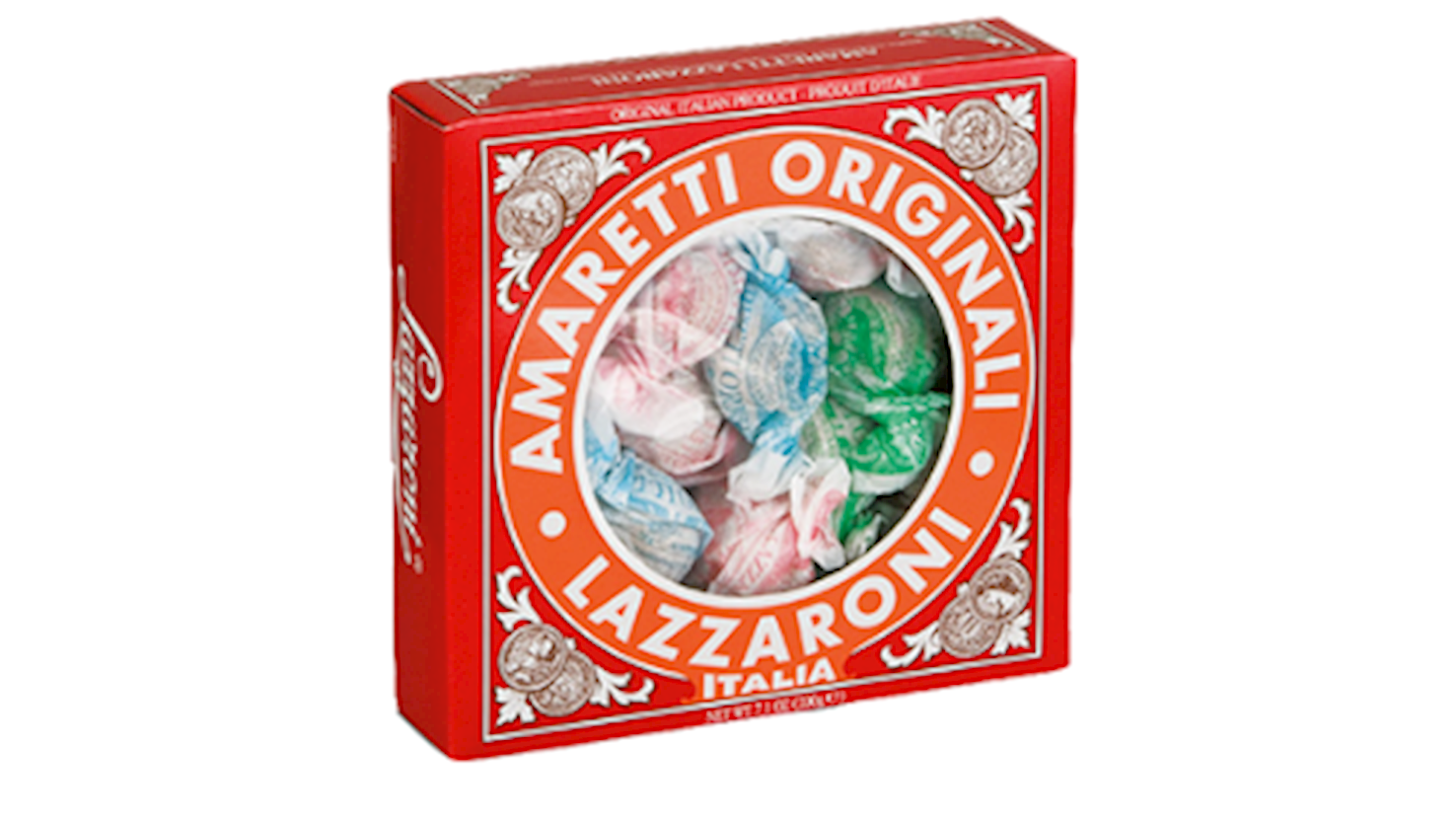
Lazzaroni is a historic Italian biscuit and confectionery producer whose origins date back to the early 18th century in the town of Saronno. The company established its industrial production in 1888, becoming one of the first in Italy to scale biscuit manufacturing while preserving traditional recipes. Its identity is strongly linked to Amaretti di Saronno, almond-based biscuits known for their distinctive balance of sweetness and slight bitterness derived from apricot kernels. Over time, Lazzaroni expanded its range to include various types of biscuits, pastries, and seasonal products, maintaining a focus on simple ingredients and recognizable flavors. The brand has also been notable for its packaging, particularly its decorative tin boxes that combine functionality with a strong visual identity. While production methods have evolved, the company continues to emphasize continuity with its heritage, especially in the use of traditional formulations and baking techniques. Lazzaroni products have long been exported, contributing to their recognition beyond Italy and positioning the brand within the broader European confectionery market. Despite changes in ownership and structure over time, it retains a clear association with Italian baking traditions. Today, it remains a reference point for classic almond-based biscuits and traditional Italian sweets.
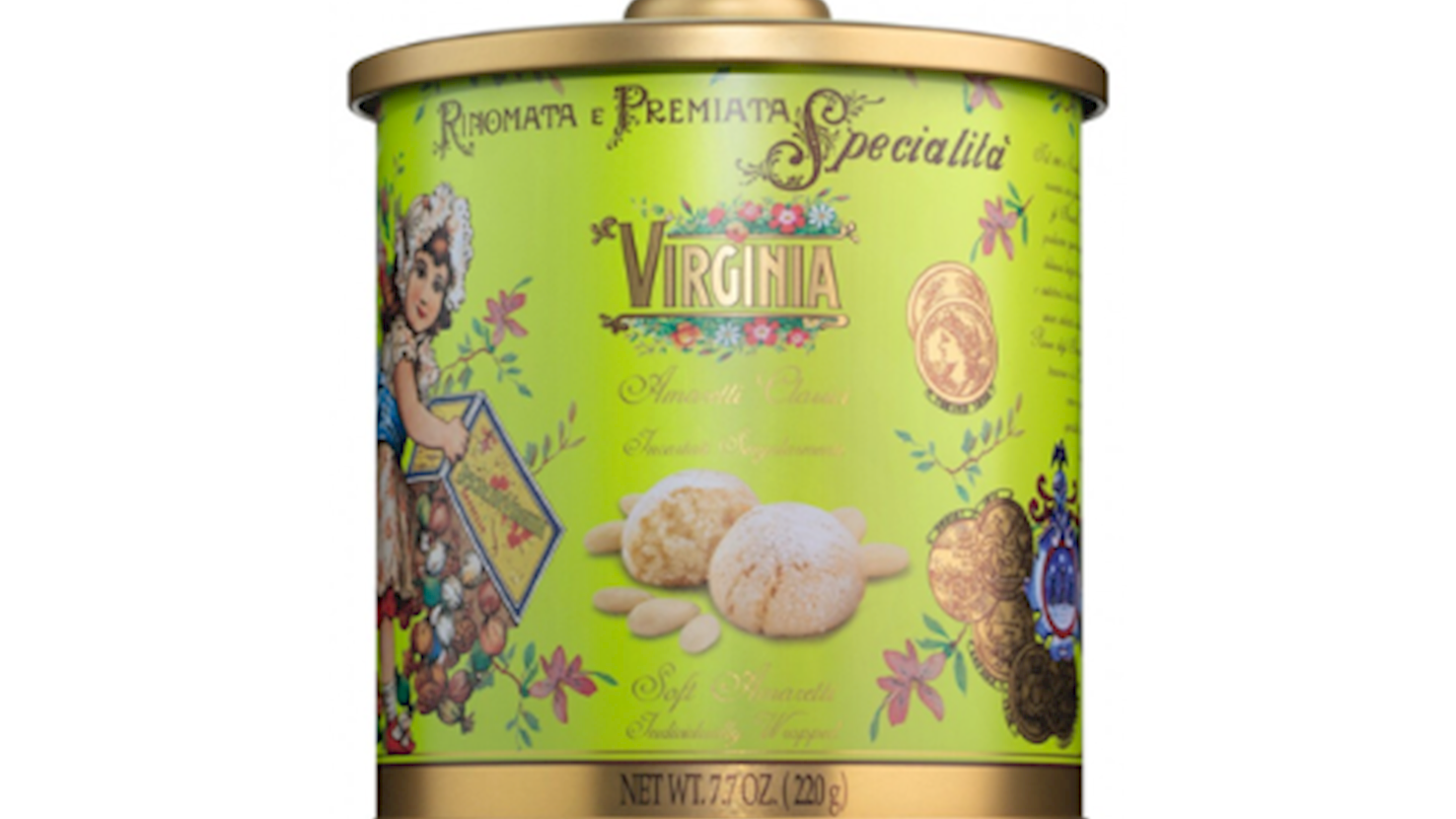
Amaretti Virginia is a historic Italian confectionery brand founded in 1860 in Sassello, Liguria, with a strong specialization in soft amaretti and almond-based sweets. Its core product is defined by a soft, slightly chewy texture and a balanced sweet-bitter profile derived from almonds and apricot kernels. The company developed from a small local bakery into a recognized producer, gaining international visibility through awards at exhibitions in the late 19th and early 20th centuries. Its production remains closely tied to traditional recipes, using simple ingredients such as sugar, egg whites, and almond components, resulting in a texture closer to marzipan than to crisp biscuits. Over time, the assortment has expanded to include products such as truffles, biscuits, and gift assortments, while maintaining amaretti as the central element of the brand. A key aspect of its approach is adapting production processes to preserve the integrity of the original recipe rather than standardizing the product excessively. The brand is export-oriented, with a presence in multiple international markets, reflecting its established reputation. Despite this expansion, it retains a clear connection to its place of origin and to Italian confectionery traditions.
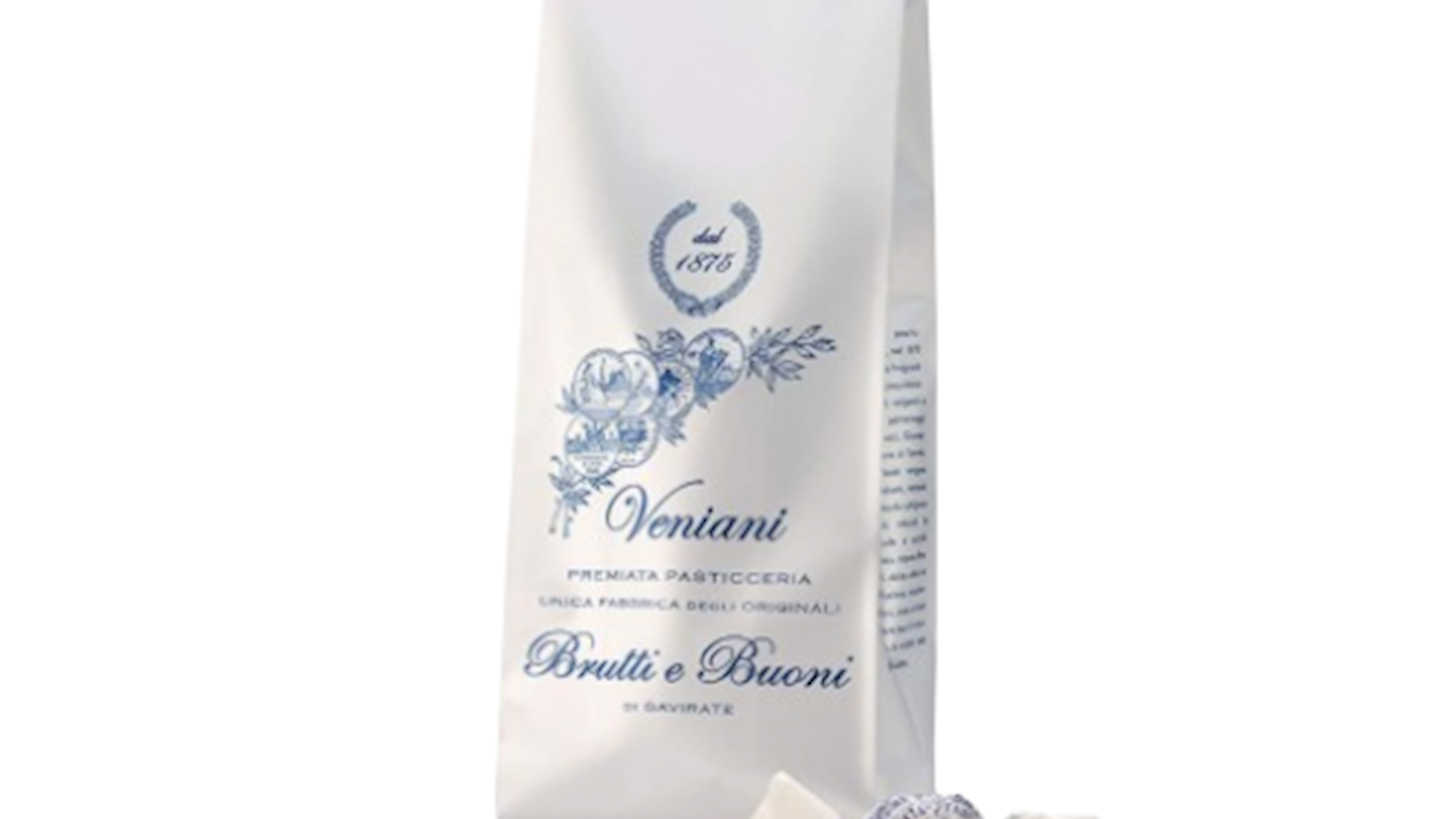
Pasticceria Veniani is a historic Italian pastry producer based in Gavirate, Lombardy, founded in 1875 and closely associated with the origin of the “Brutti e Buoni” biscuits. The company’s identity is strongly centered on this single product, first created in 1878, which remains the core of its production. These biscuits are made from a simple combination of almonds, hazelnuts, sugar, egg whites, and natural vanilla, resulting in a flavor profile defined by roasted nut notes and moderate sweetness. Their irregular shape, reflected in the name meaning “ugly but good”, contrasts with a refined texture that is crisp on the outside and lighter inside. Production follows an artisanal approach, with a continued emphasis on manual preparation and packaging, reinforcing continuity with traditional methods. While the company has introduced variations such as chocolate or flavored versions, these remain secondary to the original formulation. The brand maintains a strong link to its place of origin, where the product is considered a regional specialty. Its approach prioritizes consistency and preservation rather than diversification or large-scale industrial expansion. Overall, it represents a focused, heritage-driven model built around a single, well-defined confectionery product.
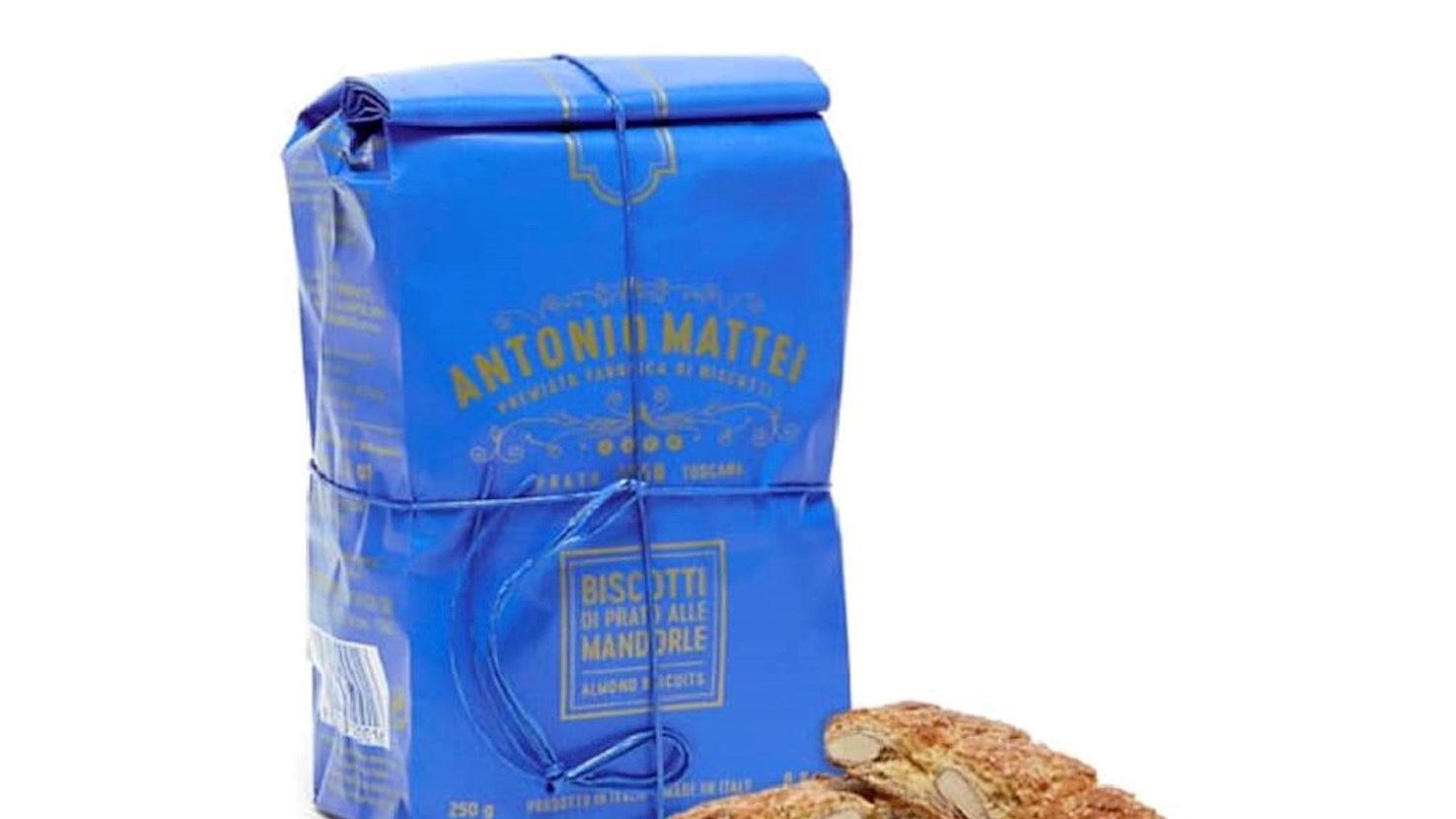
Antonio Mattei is a legendary name in Italian pastry tradition, world-renowned for its original cantuccini—crunchy almond biscuits from Prato, typically enjoyed with a glass of Vin Santo. Since 1858, this family-run company has preserved the authenticity of its recipes and the artisanal methods that define its production. Crafted in the historic workshop in Prato, their biscuits are made using only a few high-quality ingredients, resulting in a simple yet distinctive flavor that has delighted generations. The iconic blue packaging has become a symbol of the brand and a mark of quality recognized across the globe. While the classic almond cantuccini remains their signature product, the range has expanded to include modern variations with hazelnuts, pistachios, and chocolate. Antonio Mattei continues to honor its rich heritage while offering a refined take on Italy’s most beloved traditional sweets.
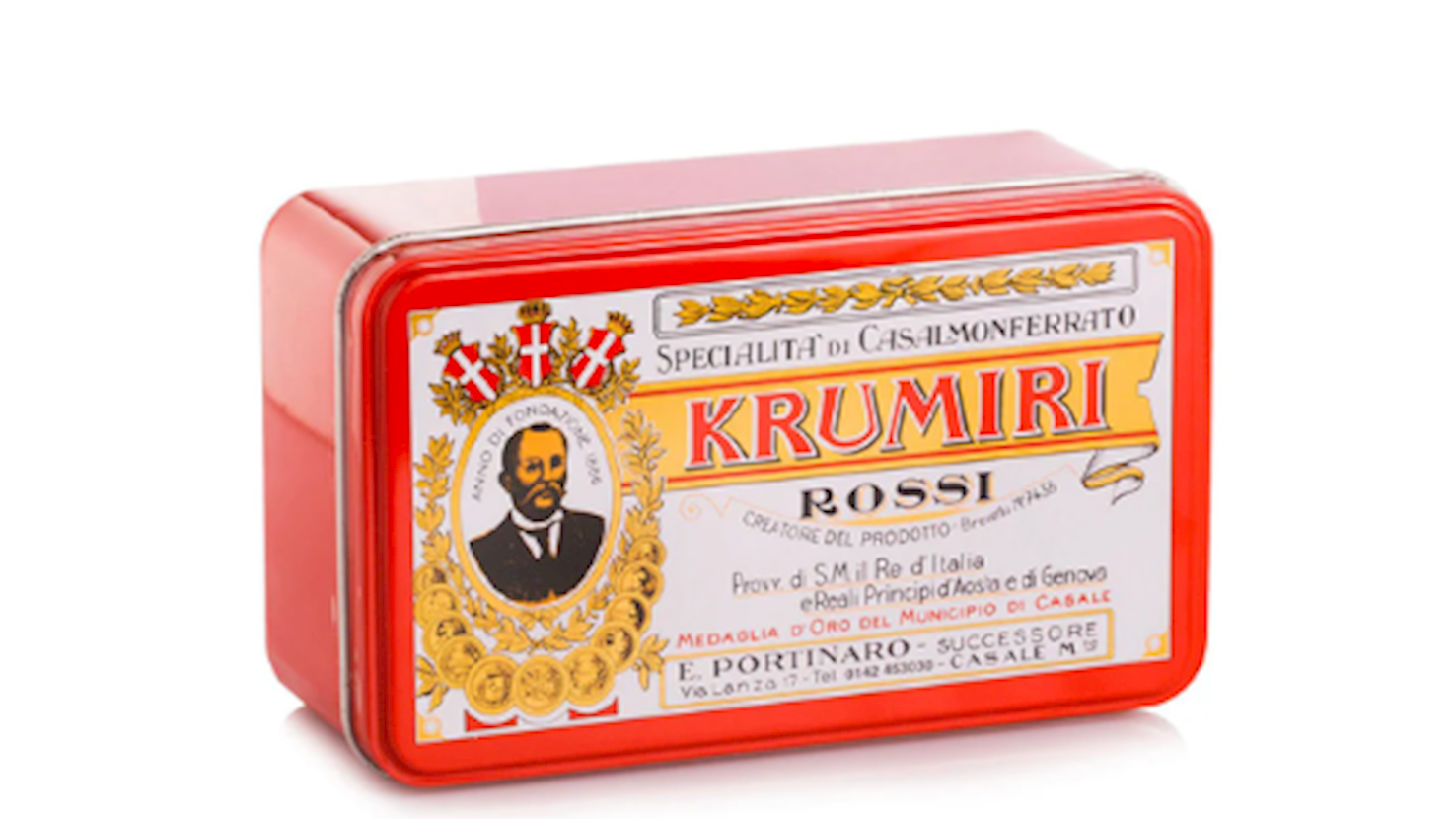
Krumiri Rossi is a historic Italian confectionery brand based in Casale Monferrato, in the Piedmont region, known for producing one of Italy’s most distinctive traditional biscuits. Founded in 1878 by pastry chef Domenico Rossi, the company originated from the creation of krumiri, a butter-based biscuit that quickly became emblematic of the local gastronomic identity. The recipe is intentionally simple - flour, butter, sugar, eggs, and vanilla - but its character lies in the balance between a firm, slightly crumbly texture and a rich, buttery flavor. A defining feature is the biscuit’s curved shape, often linked to the moustache of King Victor Emmanuel II, which contributes to its strong visual identity. From its early years, the brand established itself through authenticity and protection of its product, gaining recognition and defending the originality of the recipe. Despite its growth over time, Krumiri Rossi has maintained a consistent focus on tradition, preserving both the formulation and the production approach. The biscuits are typically consumed with coffee, tea, or dessert wines, reinforcing their role as both an everyday accompaniment and a regional specialty. Today, Krumiri Rossi represents continuity rather than innovation, positioning its product as a direct extension of a late 19th-century recipe that remains largely unchanged.
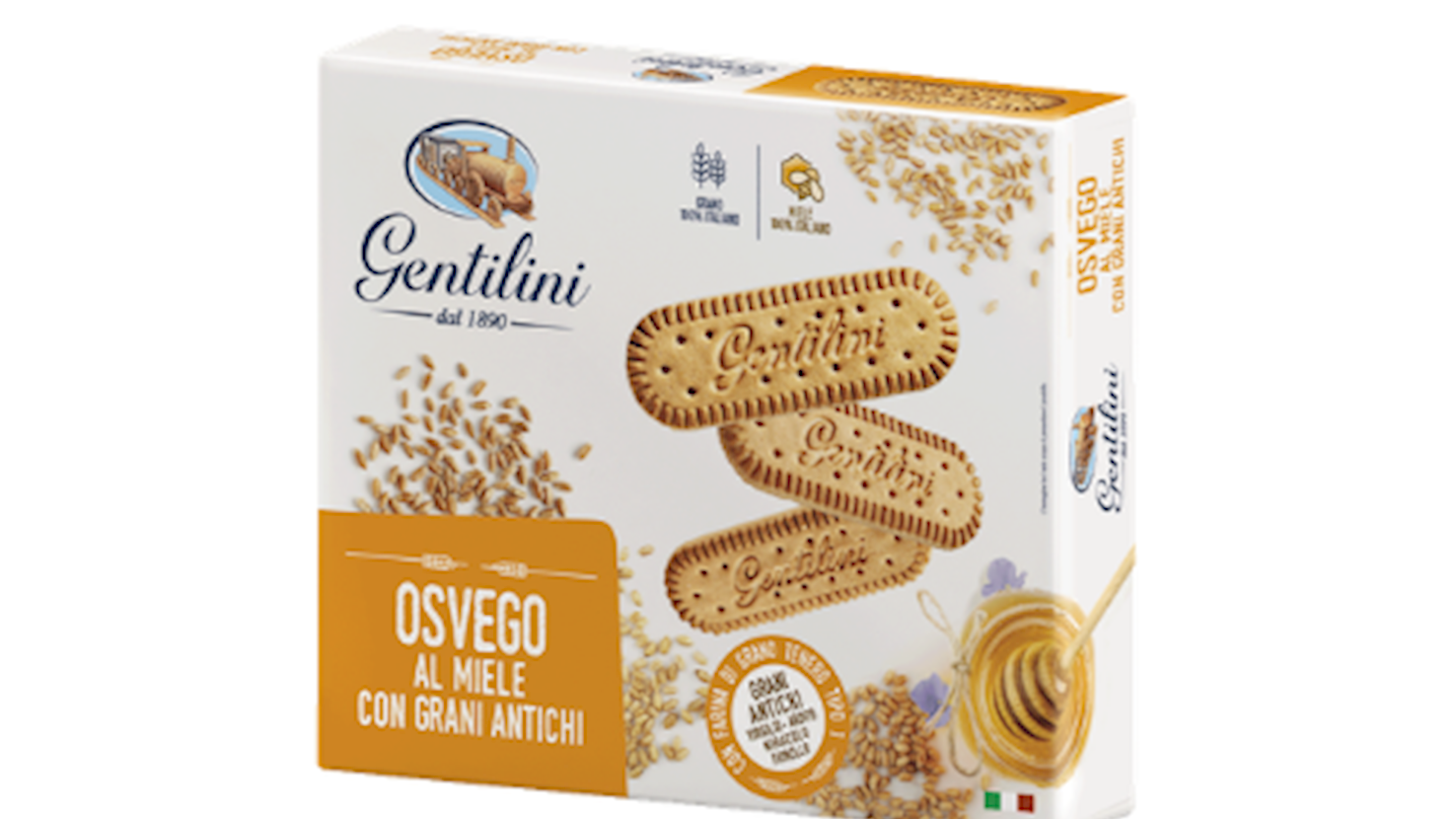
Biscotti Gentilini is an Italian biscuit manufacturer founded in 1890 in Rome, known for its long-standing tradition of producing classic everyday baked goods. The company began as a small bakery and gradually developed into one of the historic names in the Italian biscuit sector, while maintaining continuity in its original recipes. Its range includes breakfast biscuits, dry cookies, wholegrain varieties, and options without added sugar, with a focus on balanced flavor and consistent texture. Iconic products such as the “Osvego” biscuit have become closely associated with the traditional Italian breakfast, typically enjoyed with milk or coffee. The flavor profiles are straightforward and well-defined, highlighting notes of wheat, butter, and mild sweetness without excessive flavoring. Although production is industrial in scale, the brand emphasizes recipe stability and reliable ingredient quality. Gentilini positions itself as a heritage biscuit producer with a strong identity linked to Rome’s culinary history.
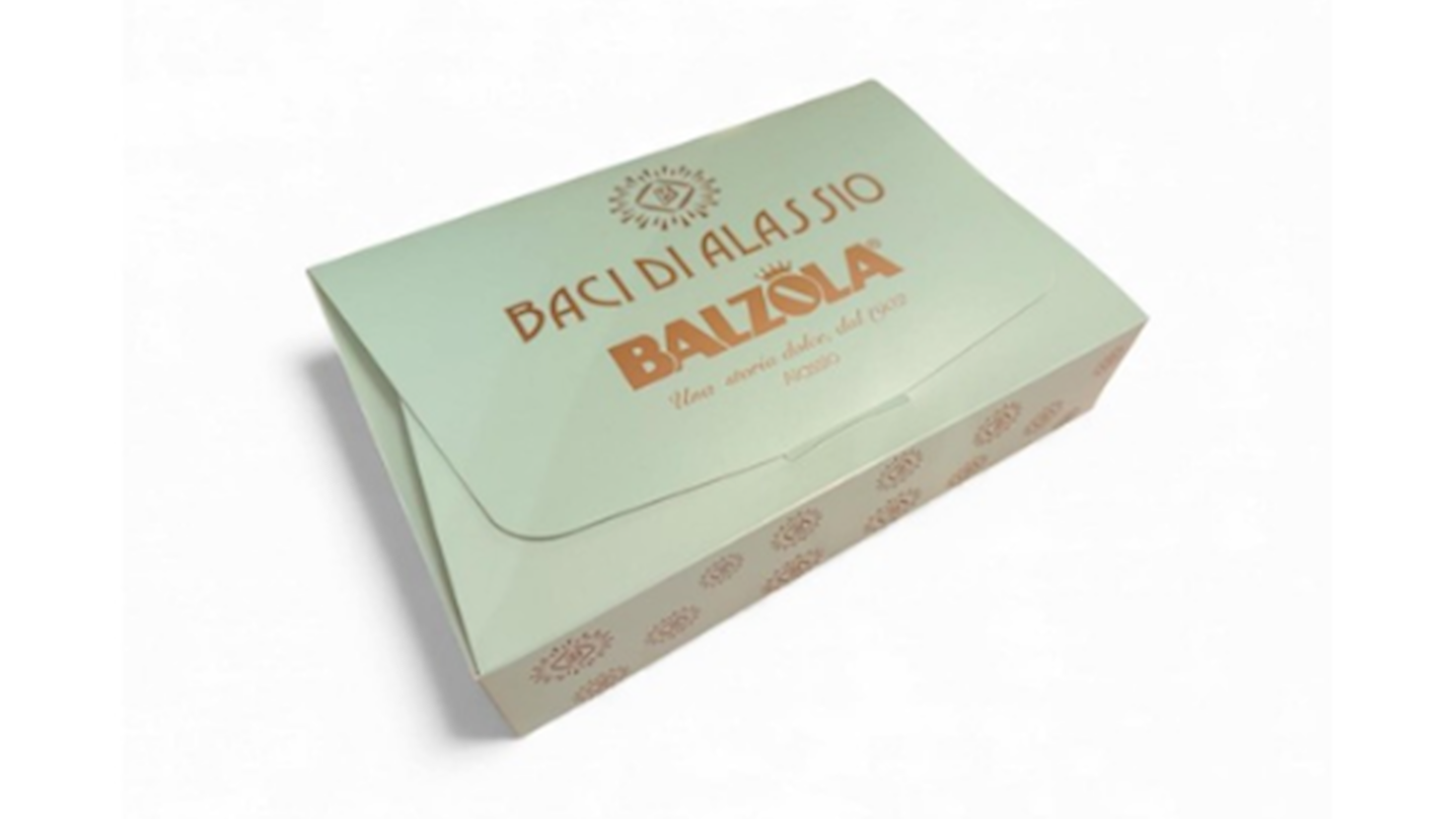
Balzola is a historic Italian pastry brand from Alassio, founded in 1902 by Pasquale Balzola as a café and pastry shop that quickly became a focal point of local social and culinary life. Its development is closely linked to the growth of Alassio as a major tourist destination in the early twentieth century, where the café attracted an international clientele including writers and intellectuals. A defining moment in the brand’s history came with the creation of Baci di Alassio, a confection made from hazelnut and cocoa biscuits filled with chocolate ganache, which became the company’s signature product and a symbol of the city. Over time, Balzola expanded its range to include pralines, biscuits, and other traditional Italian sweets while maintaining a strong connection to its origins. The brand continues to rely on established recipes and artisanal techniques rooted in its heritage. Its identity remains closely associated with the cultural atmosphere of Alassio, where pastry, tourism, and tradition intersect. Today, Balzola stands as an example of how a local specialty can evolve into a recognized brand while preserving its historical and regional character.
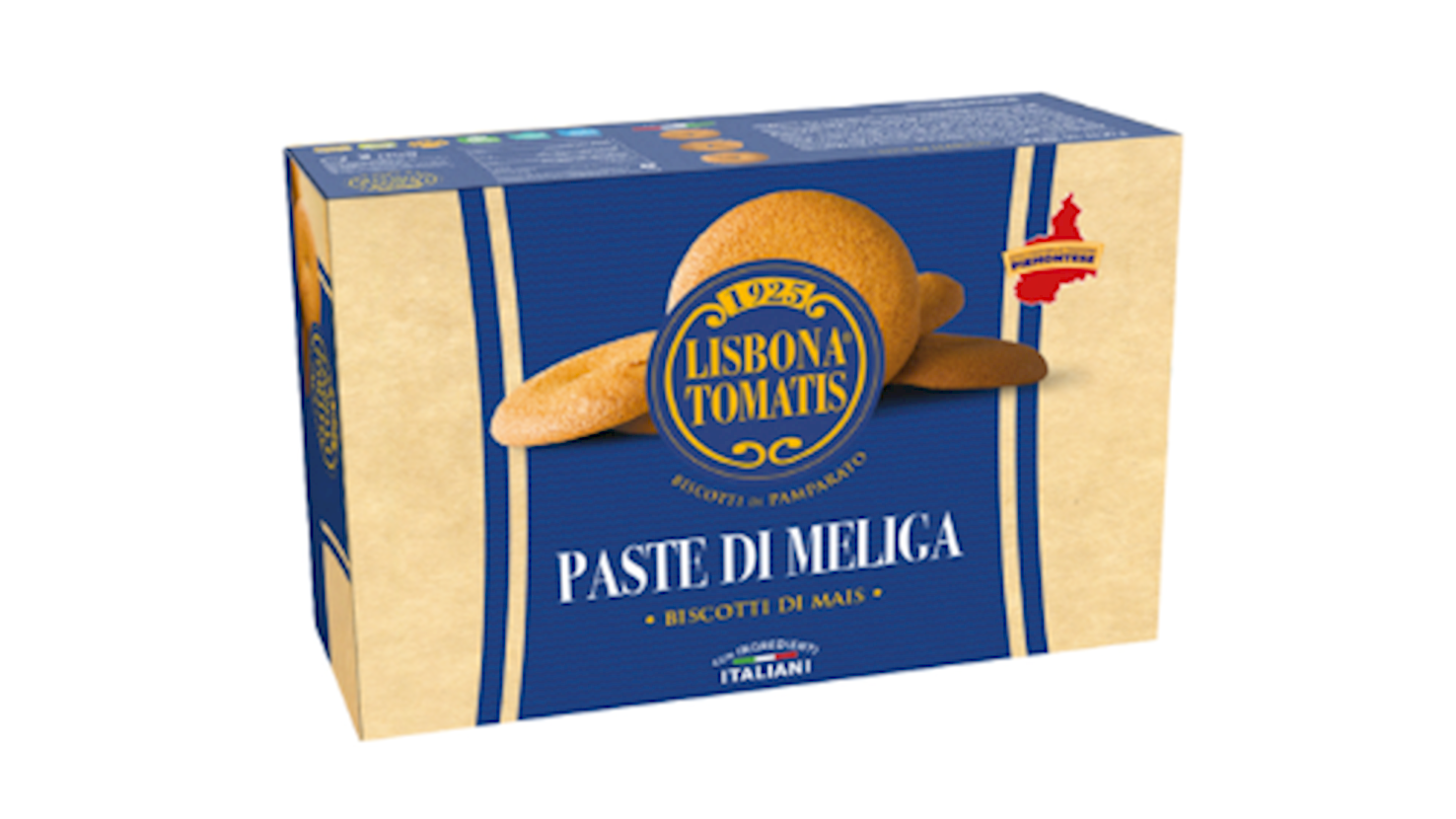
Lisbona Tomatis is a family-run biscuit producer based in Pamparato, in the Piedmont region of Italy, with origins dating back to 1925. The company was founded with the aim of preserving and promoting traditional local recipes, a mission that continues today through a multi-generational approach to production. Its identity is closely tied to paste di meliga, a traditional cornmeal biscuit that emerged in this mountainous area due to the historical scarcity of wheat flour. These biscuits are made using a simple and well-balanced recipe based on Italian corn flour, butter, eggs, milk, and honey, resulting in a crumbly texture and a delicate flavor marked by buttery and mildly sweet notes. Beyond the classic version, the range includes wholegrain, spelt-based, and no-added-sugar variations, reflecting a careful adaptation to contemporary preferences without compromising authenticity. Production remains rooted in artisanal methods, with a strong emphasis on regional ingredients and consistency in quality. Lisbona Tomatis products are typically enjoyed with coffee, tea, or even wine, in line with local consumption habits, and represent a continuation of Piedmont’s culinary heritage through everyday yet culturally significant baked goods.
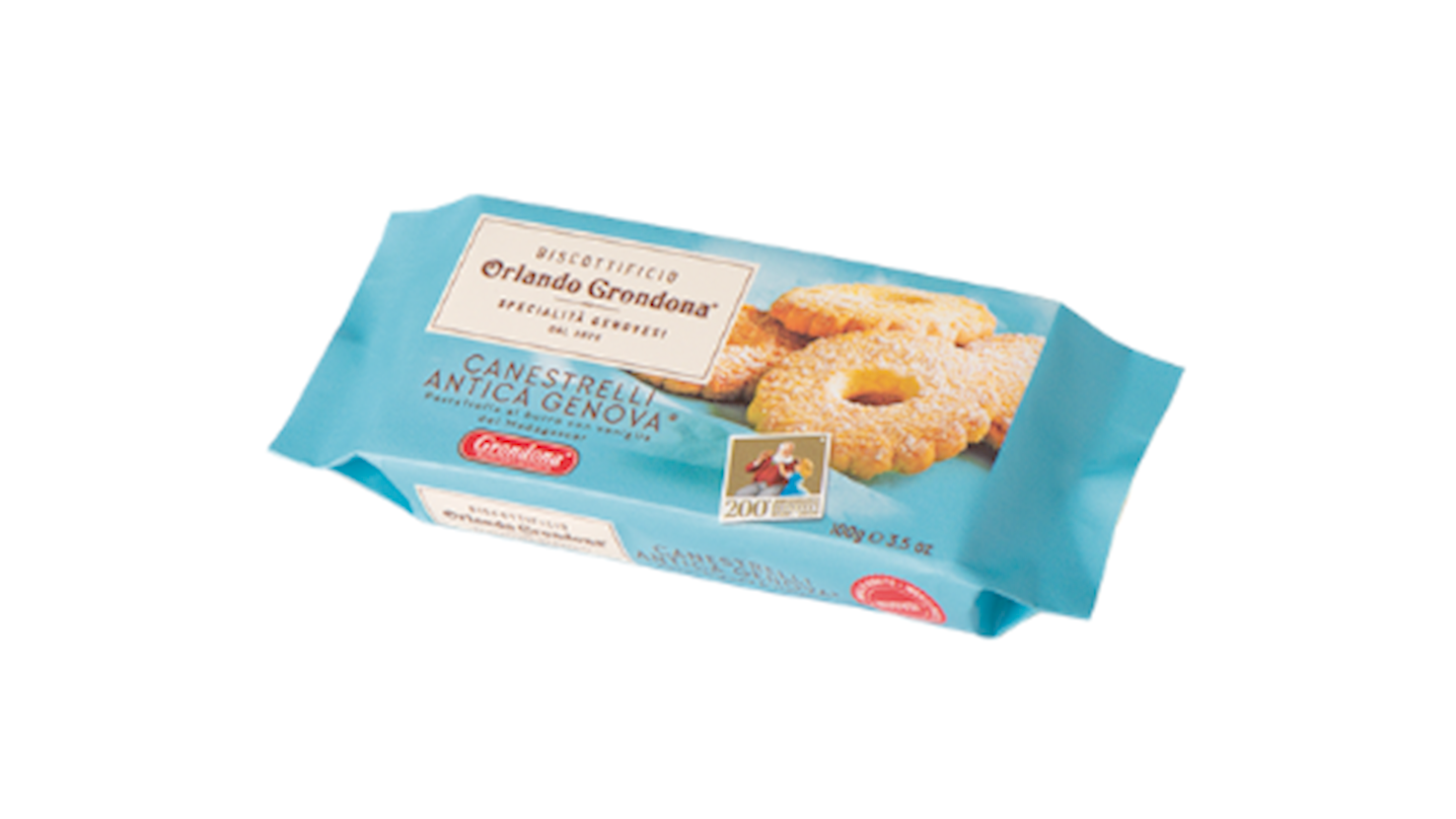
Grondona is a historic Italian bakery brand based in Genoa, with origins dating back to 1820 when Giuseppe Grondona established a small artisanal flour mill and bakery that gradually developed into a specialized producer of biscuits and traditional Ligurian baked goods. Over time, the company shifted its focus from pasta production to biscuits, building its identity on regional recipes and techniques that have been preserved and passed down through generations, often rooted in the founder’s original notes. Today, Grondona remains a family-run business with more than two centuries of continuous activity, emphasizing natural ingredients, sourdough-based processes, and artisanal methods adapted to modern production standards. Its portfolio includes a wide range of products such as traditional biscuits, cakes, pandolce, and seasonal specialties, all closely linked to the culinary heritage of Liguria. Despite its international distribution, the brand maintains a strong connection to its place of origin and a consistent focus on quality and authenticity. It is positioned as a representative example of Italian baking tradition sustained through continuity, technical knowledge, and careful adaptation to contemporary markets.
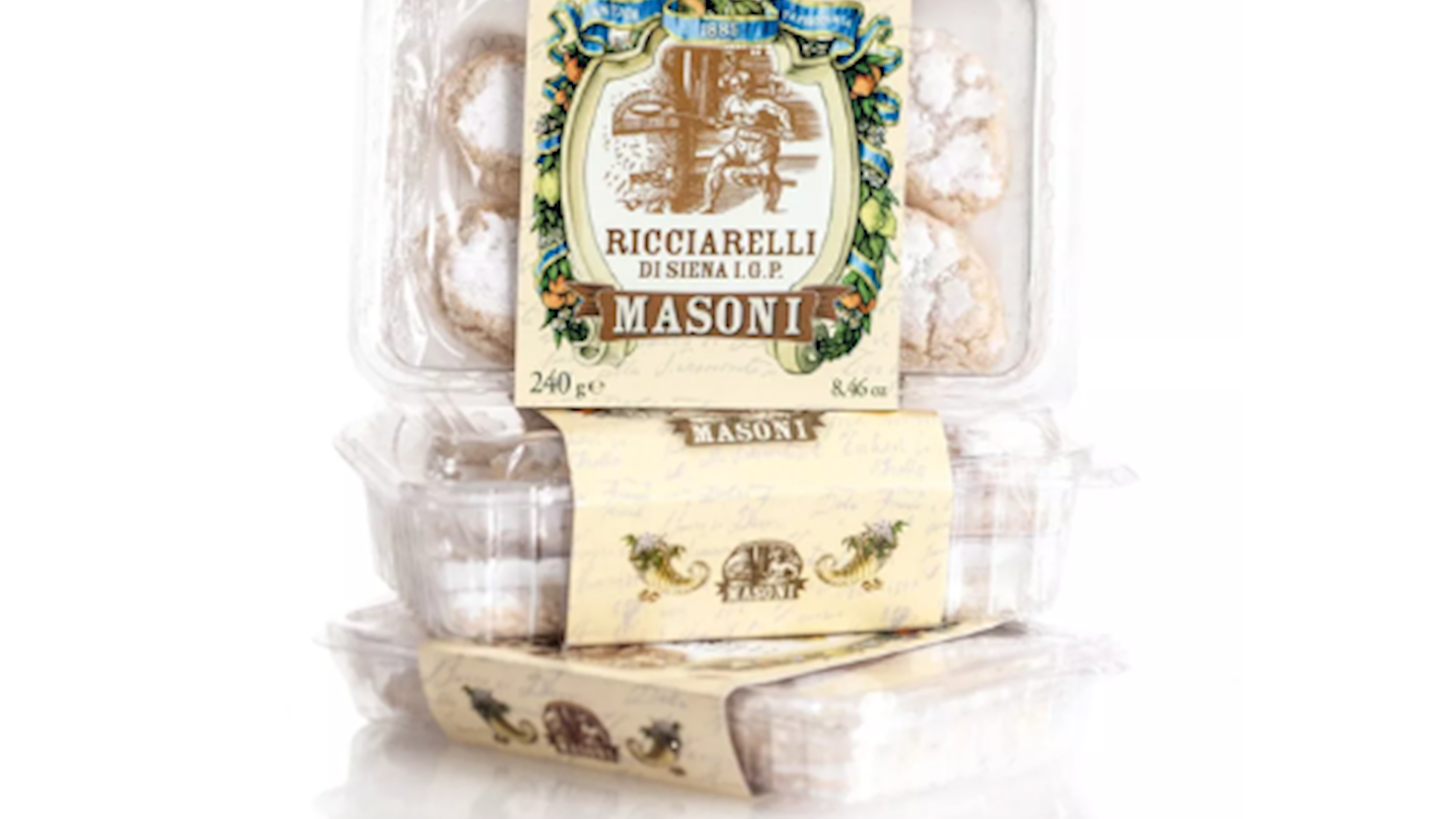
Masoni Pietro is a historic Italian confectionery company based in Colle Val d’Elsa, in the Tuscany region, with origins dating back to 1885 when Ippolito Masoni and his wife Petronilla Razzi established a small bakery and grocery focused on traditional Sienese sweets. Over time, the business developed as a family-run enterprise, expanding production while maintaining a strong connection to local pastry traditions. The company specializes in classic Tuscan products such as Panforte di Siena, Ricciarelli di Siena, and Cantuccini Toscani, all rooted in long-established recipes and regional identity. Its approach is based on simple, high-quality ingredients and controlled production processes, where consistency and authenticity are prioritized over variation. While production has evolved to meet modern standards, the core formulations and techniques remain closely aligned with traditional methods. Masoni Pietro is strongly associated with the confectionery heritage of Siena and the broader Tuscan region, positioning its products as representative examples of Italian dry pastries. Today, the company distributes its assortment both domestically and internationally, maintaining a focus on recognizable flavor profiles and continuity in product quality.
TasteAtlas food rankings are based on the ratings of the TasteAtlas audience, with a series of mechanisms that recognize real users and that ignore bot,
nationalist or local patriotic ratings, and give additional value to the ratings of users that the system recognizes as knowledgeable.
For the “Top 12 Italian Biscuits” list until June 06, 2026, 0 ratings were recorded, of which 0 were recognized by the system as legitimate.
TasteAtlas Rankings should not be seen as the final global conclusion about food. Their purpose is to promote excellent local foods,
instill pride in traditional dishes, and arouse curiosity about dishes you haven’t tried.
The initial list of top producers was compiled based on available reviews, awards, local recommendations, media and blog coverage, and consumer reviews.
The list will be updated with ratings from TasteAtlas local ambassadors and TasteAtlas users.