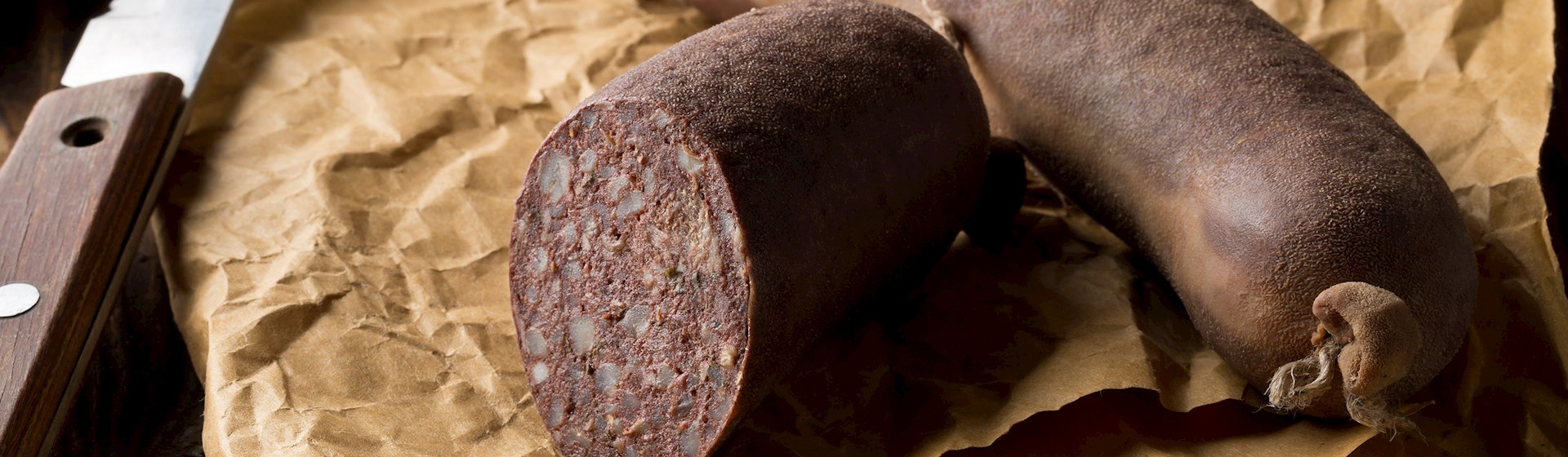
Top 7 German Blood Sausages

Last updated on June 15, 2026

Best German Blood Sausages
01

Blutwurstmanufaktur

4.6 ·
Blutwurstmanufaktur is a renowned artisanal butcher shop established in 1902. Since 1996, it has been run by master butcher Marcus Benser, who was honored in 2004 with the title of “Knight of the Blood Sausage” by the French brotherhood Confrérie des Chevaliers du Goûte-Boudin—an award also bestowed upon the famous chef Paul Bocuse. Blutwurstmanufaktur produces over 60 varieties of homemade sausages, with its signature product being the celebrated Berliner Blutwurst. This blood sausage is freshly made daily from pork blood, lean meat, pork fat, and fresh onions, enhanced with a secret blend of spices including authentic Thuringian marjoram, hand-ground Brazilian pepper, and a hint of cinnamon. The sausage is encased in a natural beef casing. In addition to their blood sausage, the shop also offers other specialties, including dry-cured salamis with fennel seeds. All products are made using meat from local farms with whom the butcher shop maintains long-standing partnerships.
02

Metzgerei Hambel

4.5 ·
Metzgerei Hambel is a family-owned butcher shop with a rich tradition, located in Wachenheim, German. It was founded in 1985 when Klaus Hambel took over the family business from his father Walter, who had previously worked for 30 years as an "Adventsmetzger" — a traveling butcher who made homemade sausages for rural families during the winter. Today, the entire family is involved in running the butcher shop, including Klaus's sister Katja and his wife Silvia, while their son Philipp is already engaged as the future successor. Metzgerei Hambel is renowned for its original "Pfälzer Hausmacher" specialties, prepared from fresh pork sourced from controlled German farms, using natural spices. The butcher shop also includes Hambel’s Restaurant, offering specialties from the butcher’s selection in a cozy atmosphere.

Best German Blood Sausages

01

Thüringer Rotwurst

3.2 ·

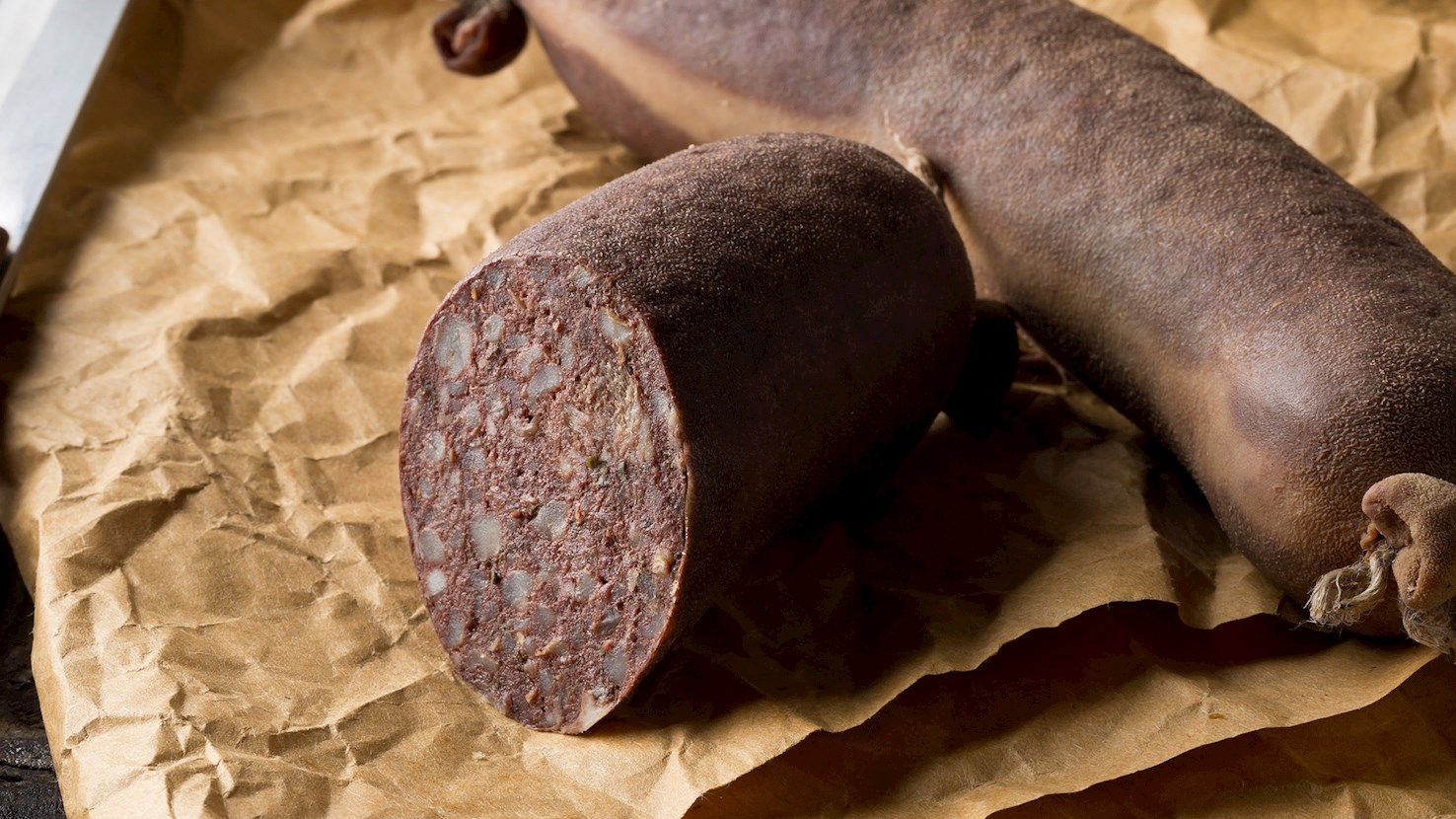
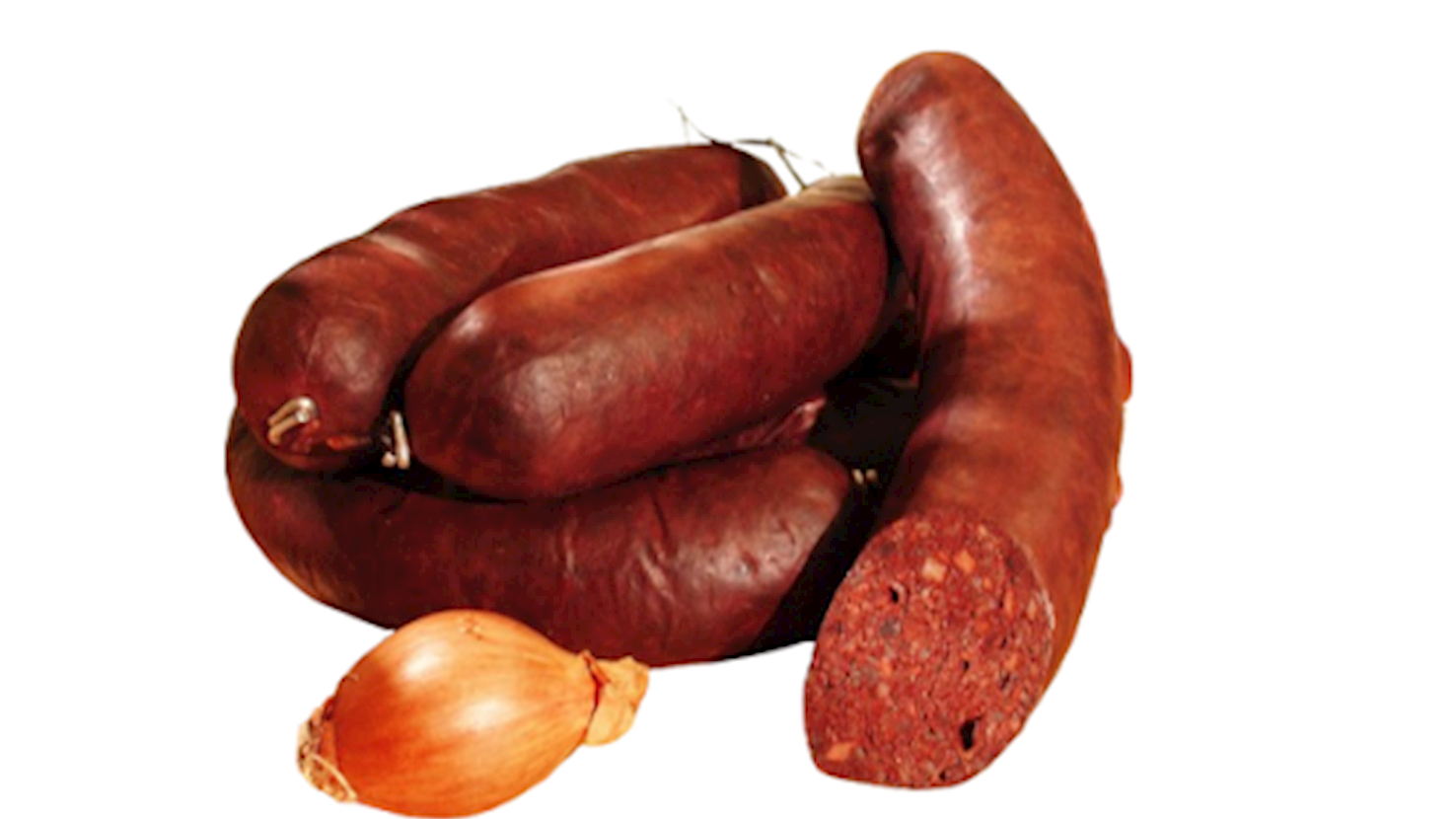
This is a specialty blood sausage made from pork, a small amount of pork liver, and spices and seasonings such as salt, black pepper, marjoram, allspice, cloves, and onions. It can often be found in butcher shops throughout Thuringia, and it has been prepared and consumed for centuries at farm slaughter festivals. Today, it is produced all over Thuringia by several major producers. Thüringer Rotwurst is known in the region as the "queen of black pudding".

02

Blutwurst

2.9 ·

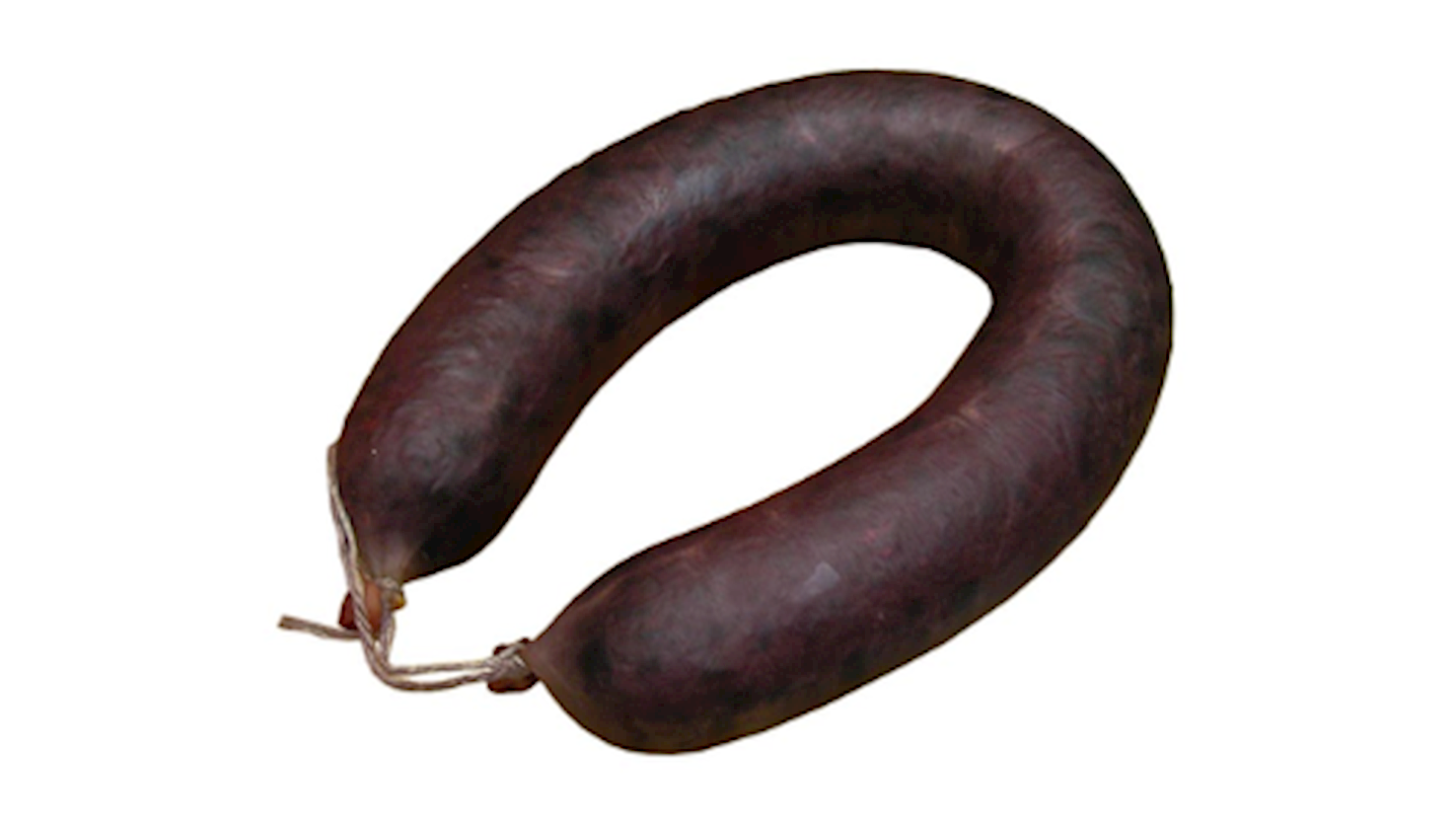
Belonging to the category of cooked sausages, blutwurst is a famous German blood sausage with many regional varieties. It is predominantly made with pork and incorporates animal blood, fat, and meat, next to a wide variety of seasonings such as marjoram, allspice, and thyme. Blutwurst comes in various sizes, and many regional versions include barley, oats, or bread, while some varieties may even consist of diced bacon or innards. Since this blood sausage is typically cooked, it has a firm consistency and is commonly enjoyed as an appetizer alongside other cold cuts. It is usually shortly boiled or fried and served warm, often complemented by mashed potatoes or sauerkraut on the side.

03

Oecher Puttes

n/a ·

Oecher puttes is a Westphalian blood sausage with a spicy flavor. A mixture of pork offal, fat, meat, and blood is spiced with marjoram, nutmeg, thyme, cloves, and pepper before the whole combination is stuffed into casings, smoked, and shaped into rings. The sausage is available both freshly produced and canned. Aachen's butchers prepare this cooked sausage specialty according to a 200-year-old recipe. It's often used as a part of Himmel und Erde, where the sausage is served fried with sides of stewed apples, potatoes, and onions, but it can also be served with mashed potatoes and sauerkraut (Kompes). Oecher Puttes is known even beyond the borders of Aachen, and to protect local sausagemakers against infringement, it has been registered as a protected product with the European Union.

04

Möpkenbrot

n/a ·
Möpkenbrot is a cooked sausage from the Westphalia region, made from pork belly, pork head meat, pork rind, pork blood, grated rye or wheat flour, apples, and raisins. It is first boiled, then sliced, and often pan-fried. The sausage developed in Westphalia as part of local meat processing and slaughterhouse cooking, where cooks combined available pork cuts, blood, and grains into a cooked sausage that could be stored, sliced, and served hot. Preparation begins by mixing the minced pork, bacon, blood, grated flour, apples, and raisins into a homogeneous dough, filling the mixture into casings or shaping it into a loaf, then boiling it until fully cooked and firm, after which it is cooled, sliced, and often pan-fried before serving. Common variations include differences in the amount of apples or raisins, small shifts in seasoning, and slight changes in grain type, while the defining elements of pork, grain, and fruit in a cooked sausage remain the same; the East Westphalian variant called Wöpkenbrot is prepared with coarser grain and served occasionally with other local dishes. Möpkenbrot is eaten hot and served in homes, taverns, and at regional events in Westphalia, most often with side dishes such as boiled potatoes, turnip greens, or other greens, and it is commonly paired with beer or other hearty beverages.
05

Pfälzer blutwurst

n/a ·

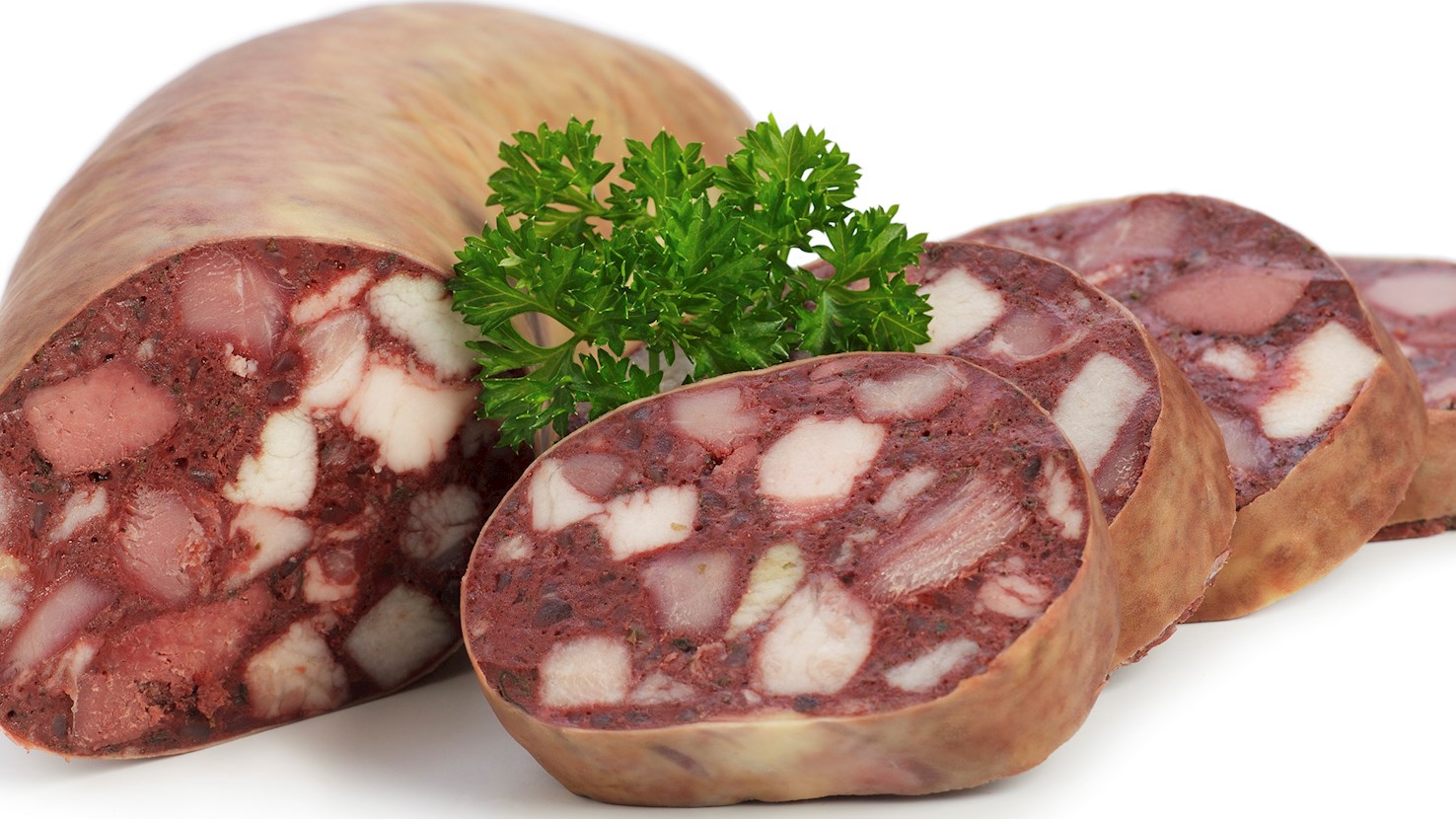
Pfälzer blutwurst is a cooked blood sausage from the Palatinate region with a firm, sliceable texture rather than the spreadable consistency of other blood sausages. It features a dark brown to deep red color and a moist, compact interior studded with visible pieces of pork fat. The flavor is pronounced and savory, with a mineral depth balanced by the natural sweetness of onions and gentle spices. Rooted in the region's rural pork-processing culture, the sausage was developed to utilize the entire animal during home slaughtering, turning highly perishable blood into a durable, filling food suitable for cellar storage. The preparation involves mixing cooked pork meat and fat with strained fresh blood, sautéed onions, salt, and spices. This mixture is stuffed into natural casings and gently simmered until the blood proteins coagulate evenly, ensuring the structure sets without becoming dry. Pfälzer blutwurst is typically eaten cold or lightly warmed, sliced thickly. It is a staple of everyday meals and cold platters, where its richness is best balanced by acidic sides and simple starches such as dark bread, sauerkraut, potatoes, and mustard. While variations exist—some incorporating grains or bread—the defining characteristics remain the same.

06

Beutelwurst

n/a ·

Beutelwurst is a blood sausage from Germany that consists of pork blood mixed with pork fat, pork meat, rye meal or rye groats, and spices such as salt, pepper, allspice, and cloves, filled not into intestine casings but into a linen or paper bag, producing a firm, dense sausage with visible pieces of fat and grain, a deep brown color, and a rich, savory flavor aligned with cooked blood products. The sausage developed within northern German pork-processing practices where slaughterhouse by-products such as blood, fat, and offal were combined with readily available rye meal to make a nutrient-dense food, and where the use of cloth or paper bags instead of natural casings reflected both resourcefulness and local preference for shape and moisture control. Preparation involves cooking cubes of pork fat and lean meat, mixing them with rye meal so the grain absorbs moisture, adding fresh blood to create a moderately firm mixture, and then filling this mixture into linen bags that are tied securely and simmered for several hours until the contents coagulate and set; after cooling, the bags are removed, leaving a compact blood sausage. Common variations include regional differences in spice proportions and the addition of ingredients such as onions or even raisins in the Westphalian variant known as Westfälische Beutelwurst, which may be made with similar techniques but distinct seasoning, while the defining feature remains the absence of intestine casing and the use of a bag to shape and cook the sausage. Beutelwurst is eaten cold or lightly warmed, most often sliced and served with dark rye bread, butter, pickles, or potato salad, and it appears in everyday meals and cold platters where its robust, mineral character pairs naturally with acidic or fresh accompaniments rather than heavy sauces.

07

Filetrotwurst

n/a ·

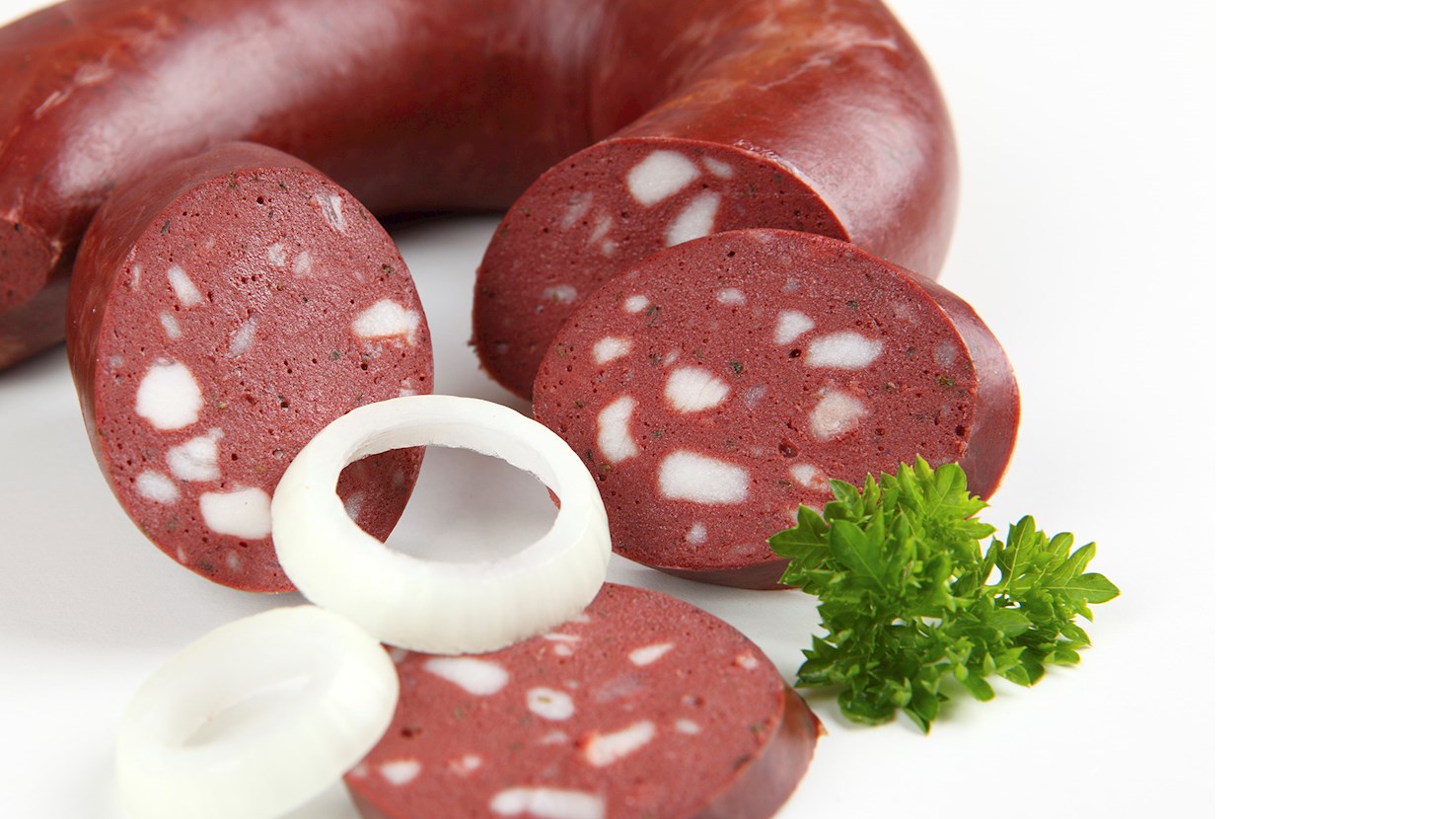
Filetrotwurst is a blood sausage from Germany that is firm and sliceable, made from pork blood combined with finely cut lean pork meat, seasoned with salt and mild spices, and set into a compact, dark red to brown form with a dense texture, restrained iron-rich flavor, and clean cut surface rather than a soft or spreadable body. Production involves collecting fresh pork blood, mixing it with finely chopped lean meat and seasonings, filling the mixture into natural casings, and then cooking or gently curing it to set the blood proteins before further drying or light smoking in some versions, resulting in a stable sausage intended for slicing rather than spreading. Common variations include differences in casing size, spice profile, and whether the sausage is consumed fully cooked or allowed to dry slightly for firmness, while the defining feature remains the combination of blood and lean meat, with minimal fat inclusions. Filetrotwurst is eaten cold, thinly sliced, and served with bread, butter, pickles, or onions, and it appears on cold platters and everyday meals, where its savory, mineral character pairs well with mild accompaniments and simple beverages such as beer rather than strong sauces or elaborate garnishes.

Read more
View all
View map
About this ranking

TasteAtlas food rankings are based on the ratings of the TasteAtlas audience, with a series of mechanisms that recognize real users and that ignore bot, nationalist or local patriotic ratings, and give additional value to the ratings of users that the system recognizes as knowledgeable. For the “Top 7 German Blood Sausages” list until June 15, 2026, 201 ratings were recorded, of which 160 were recognized by the system as legitimate. TasteAtlas Rankings should not be seen as the final global conclusion about food. Their purpose is to promote excellent local foods, instill pride in traditional dishes, and arouse curiosity about dishes you haven’t tried.

The initial list of top producers was compiled based on available reviews, awards, local recommendations, media and blog coverage, and consumer reviews. The list will be updated with ratings from TasteAtlas local ambassadors and TasteAtlas users.

Similar lists