Top 20 French Blue Cheeses

Last updated on July 01, 2026

Best French Blue Cheese Types
01

Saint Agur

4.2 ·

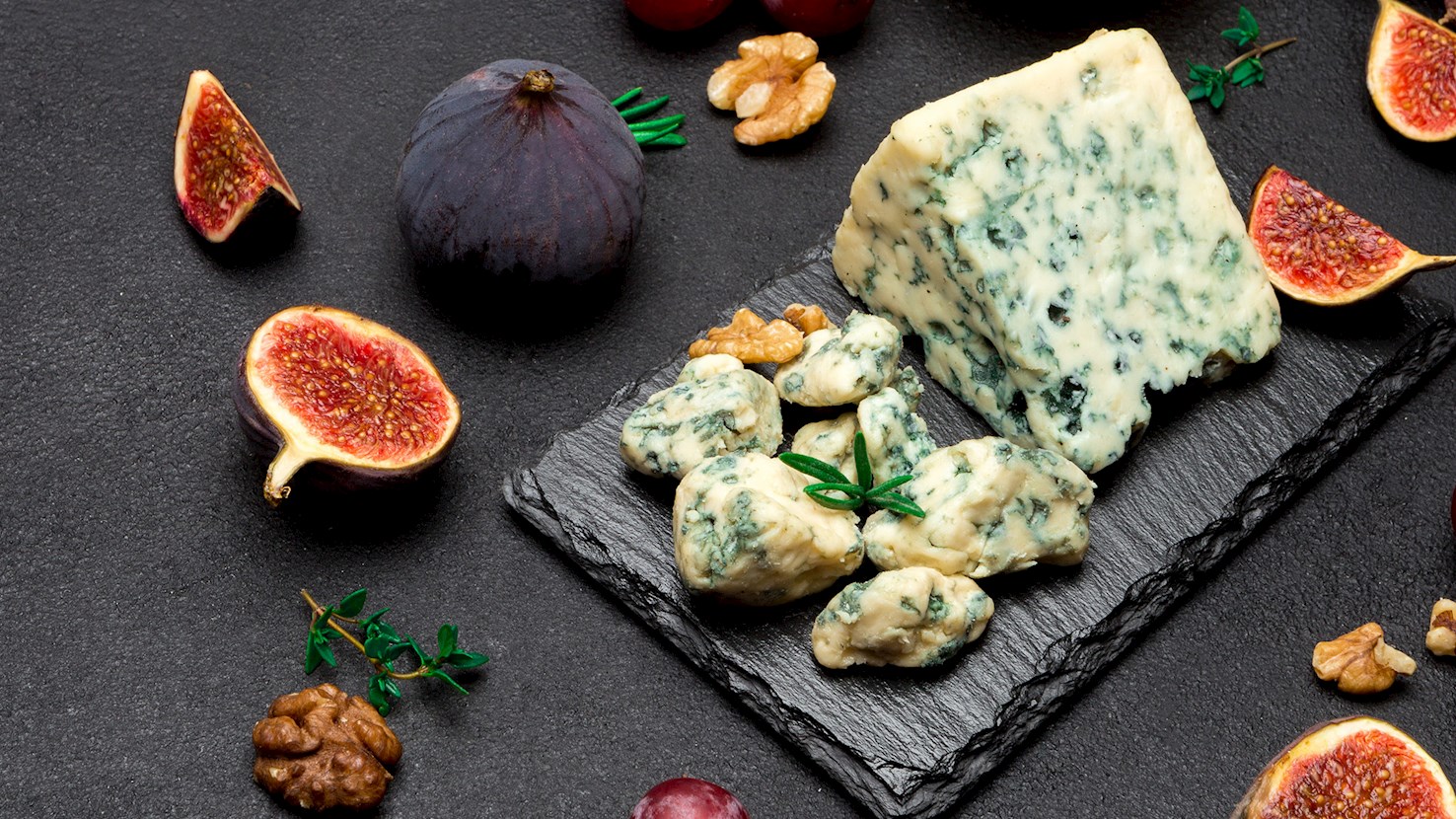
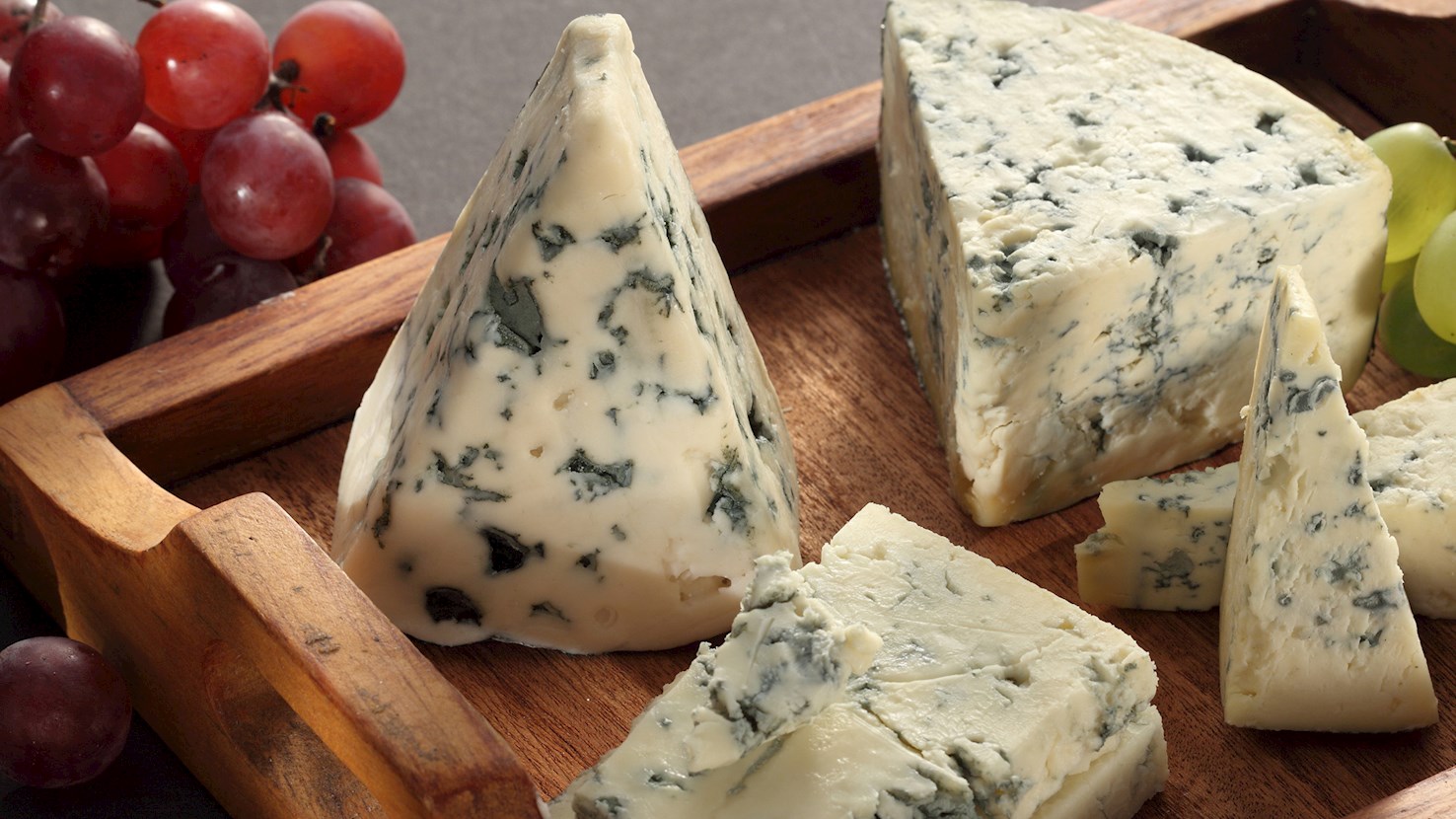
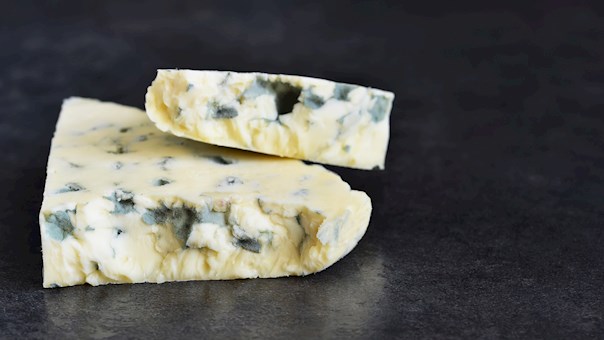
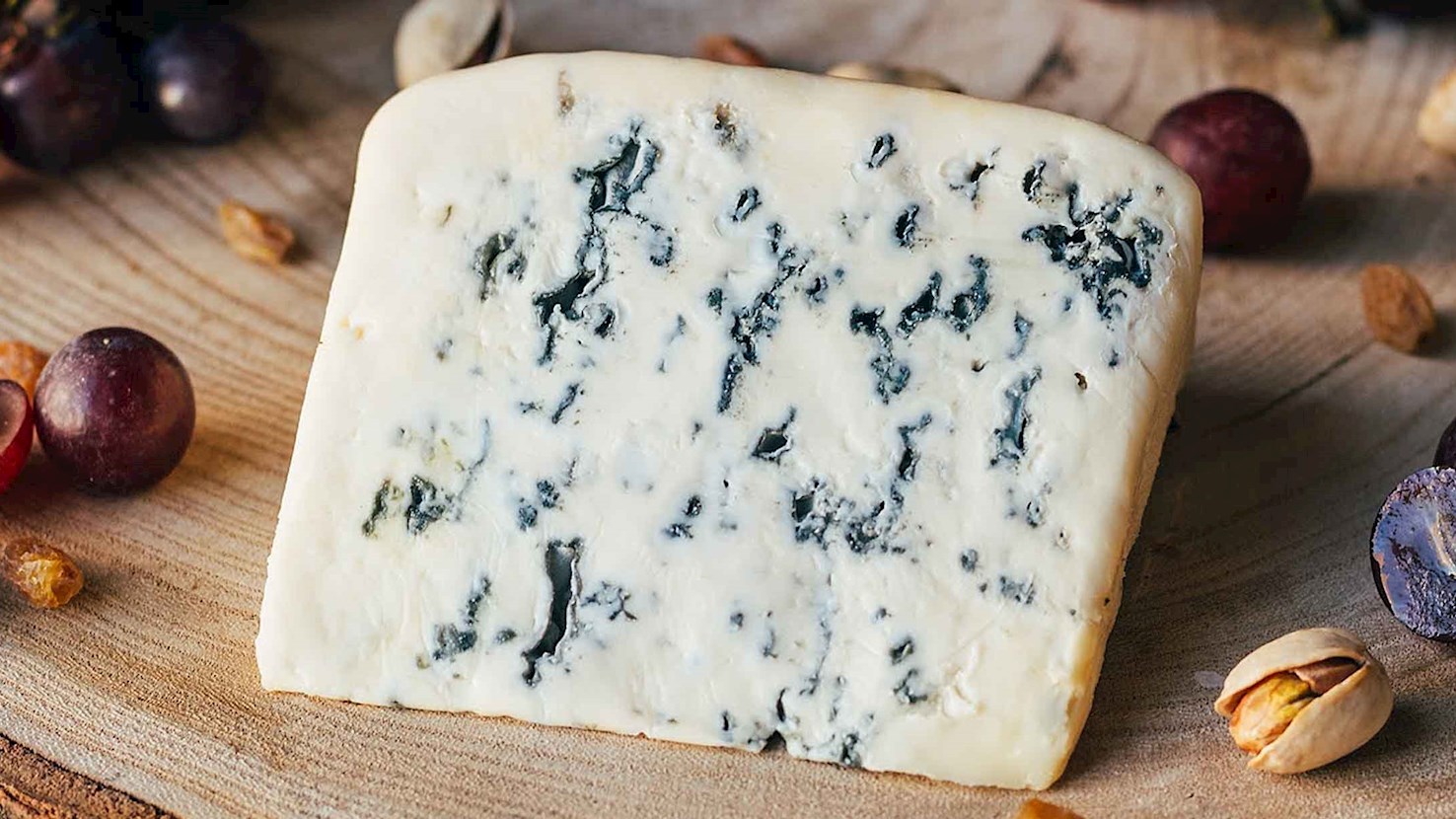
Saint Agur is a French cheese originating from Auvergne, particularly the village of Beauzac. This rindless blue cheese is made with cow's milk, and it is typically left to ripen in cellars for 60 days. The flavors are sharp, spicy, and fruity, while the aroma is intense and milky. The texture of Saint Agur is very creamy and smooth, which is the reason why the cheese melts and spreads extremely well. It comes in an octagonal shape, reminiscent of basalt stones in Auvergne, so its shape acts as a tribute to its origin. Serve Saint Agur with figs, pears, and walnuts, or use it in dips and sauces.

02

Bleu d'Auvergne

4.0 ·

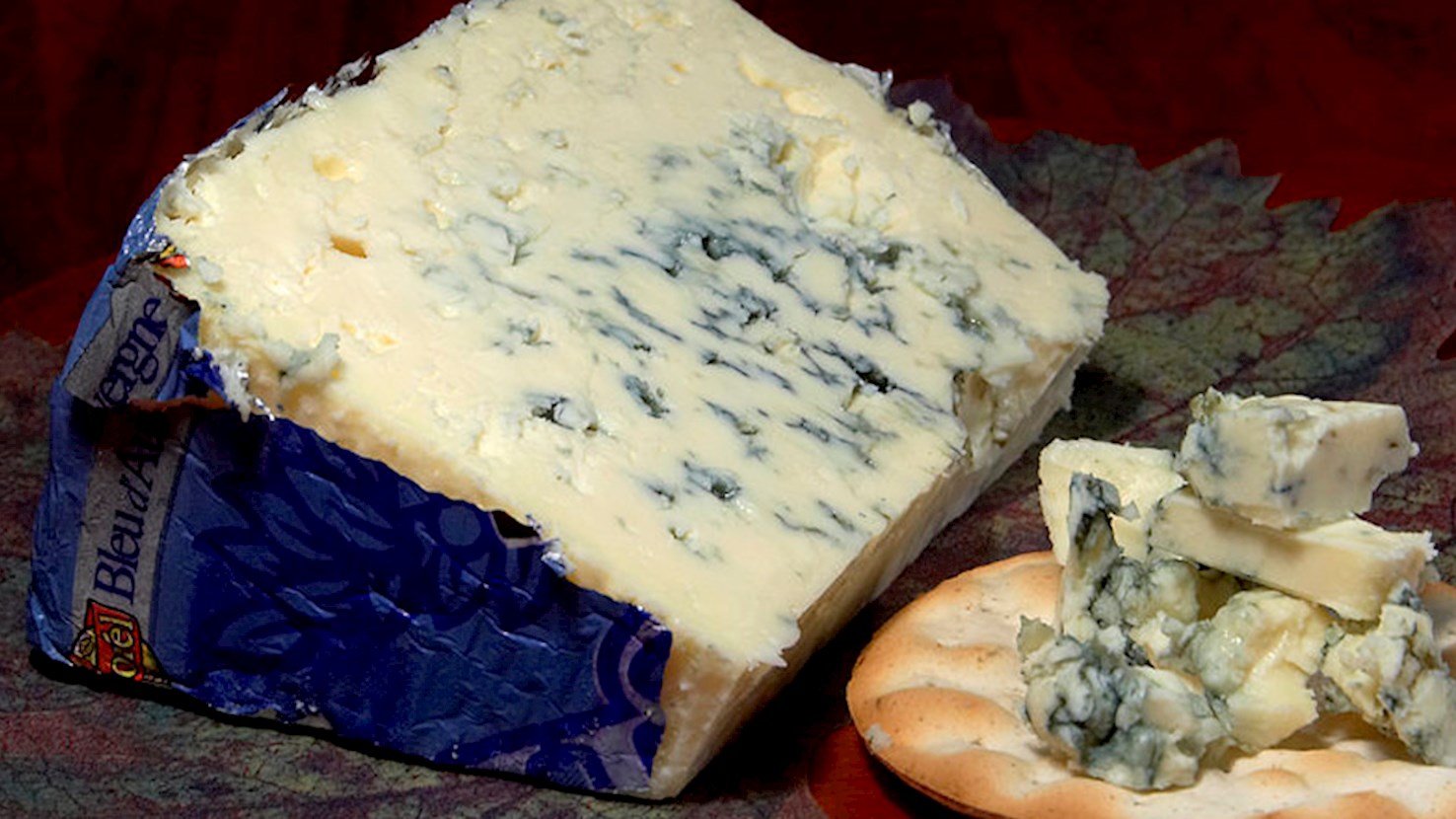
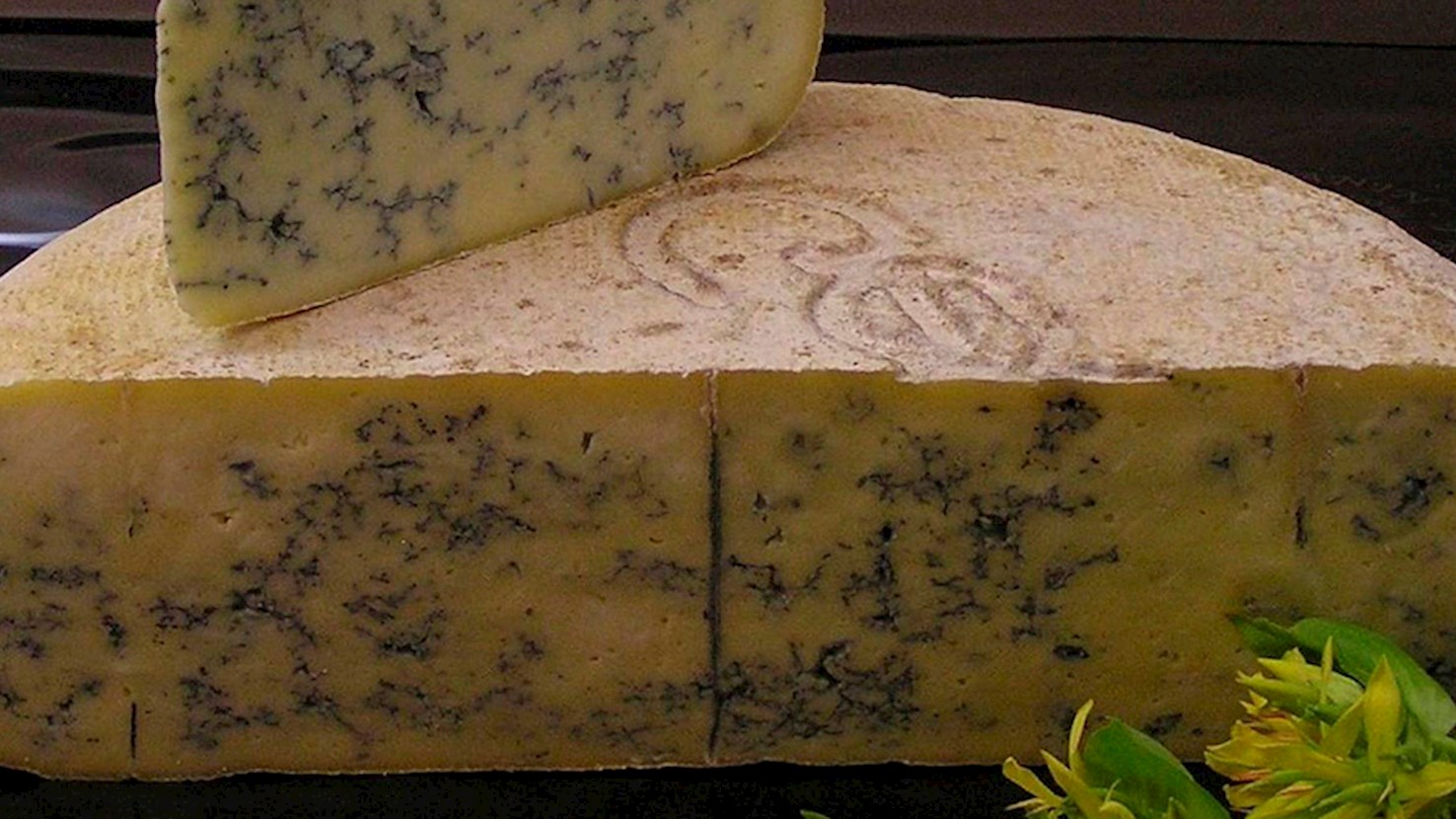
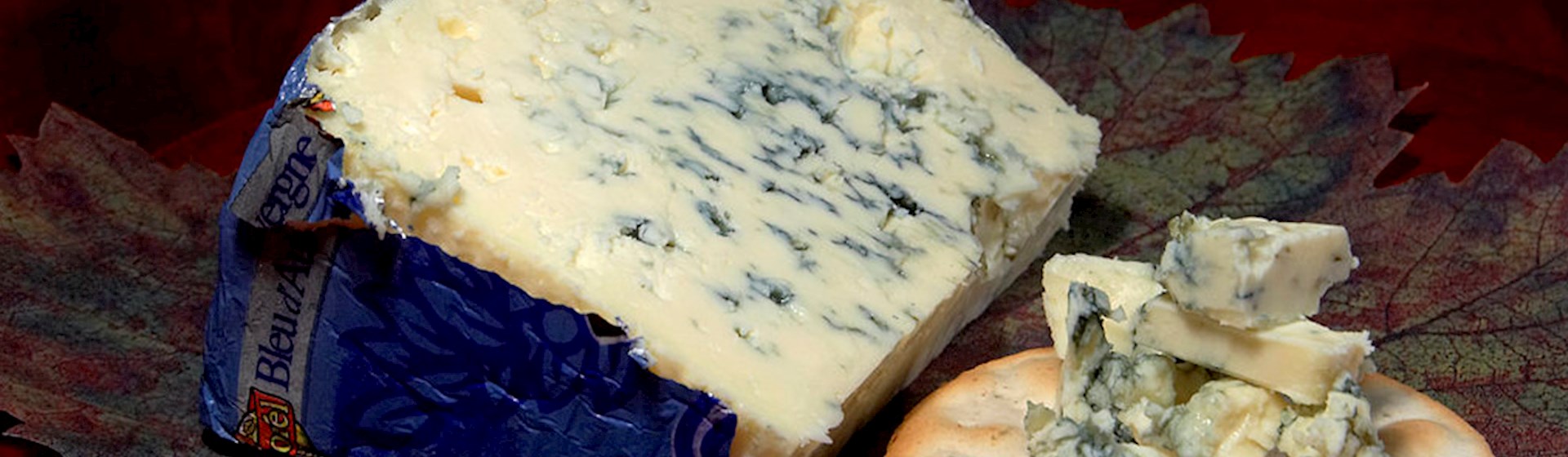
Bleu d'Auvergne is a French blue cheese made from raw cow's milk. It has characteristical veins dispersed throughout its body. The mold that forms in the cheese is a result of the production process - Bleu is pricked with long needles that allow Penicillium glaucum to form in the cheese. The aroma is intense, while the flavors are pastoral, spicy, and salty, reminiscent of grass and wildflowers. The cheese matures for at least 2 weeks and develops its moist and crumbly texture. After that period, it is ready to be sold and consumed. It pairs well with dessert wines that provide a mellow contrast to Bleu's intensity.

03

Fourme d'Ambert

4.0 ·

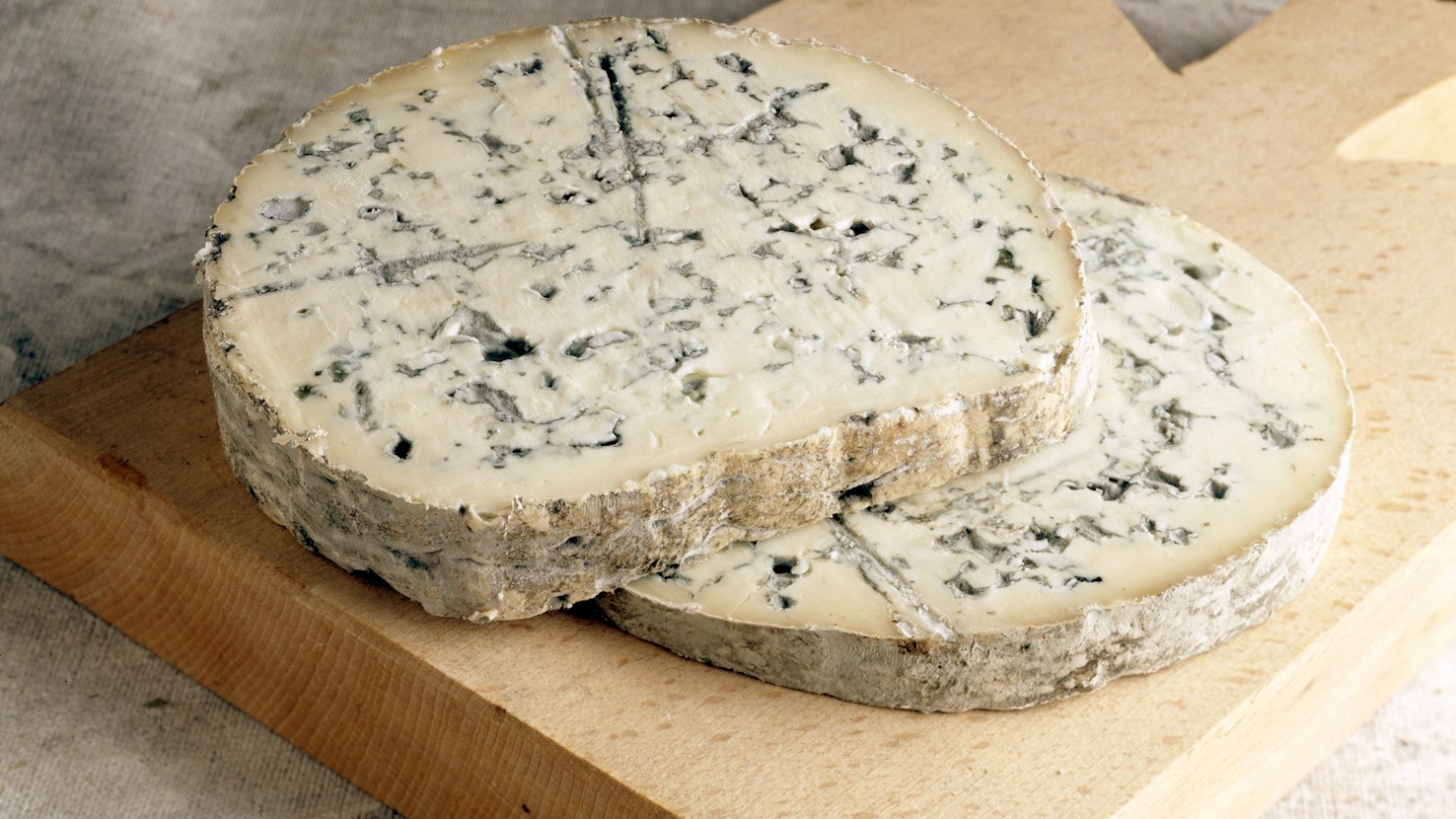
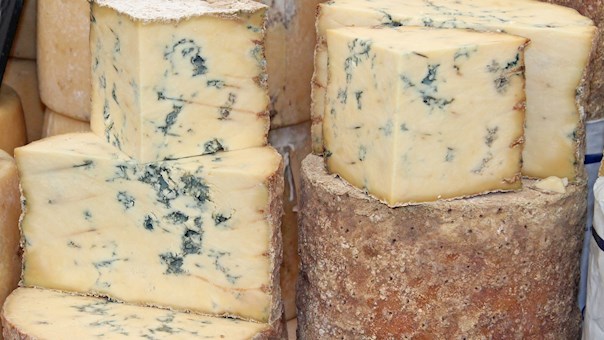
Fourme d'Ambert is an unusually tall, round, blue cheese that is unpressed and uncooked, with a high fat content (50%). It's made from pasteurized or raw cow's milk and it is one of the oldest cheeses in France. On the exterior it has a dry gray moldy rind, while on the interior it is creamy white with green or blue veins dispersed throughout the body. Fourme d'Ambert is matured for up to 28 days in caves in the French regions of Puy-de-Dôme, Cantal, and Loire. During the maturation process, the cheese is injected with sweet white wine. The flavor is delicate and mild with a velvety mouthfeel, with earthy, mushroomy, sweet, and creamy notes. Serve it with port wine and sliced fresh pears, apples, walnuts, and raisins for a nice dessert, or crumble it on salads.

04

Roquefort

3.9 ·

Roquefort is one of the greatest cheeses of France, made from full-fat, unpasteurized sheep's milk. It has blue veins dispersed throughout its body, developed from the spores of Penicillium roqueforti before the cheese is pressed. It is so tasty and loved that it was a favorite of Emperor Charlemagne, and it is locally called the 'cheese of kings and popes'. Roquefort has a moist rind on the exterior, while on the inside it is crumbly in texture and creamy, tangy, intense, complex, sharp, and salty in terms of flavor, with a white paste marbled with blue mold. It must mature for at least 5 months in caves in the south of France. While high in fat and salt content, it is also health-beneficial, as it is proved that it has unique anti-inflammatory properties. Roquefort pairs extremely well with figs, nuts, sweet white and powerful red wines. It is also often used in salads.

05

Bleu des Causses

3.8 ·

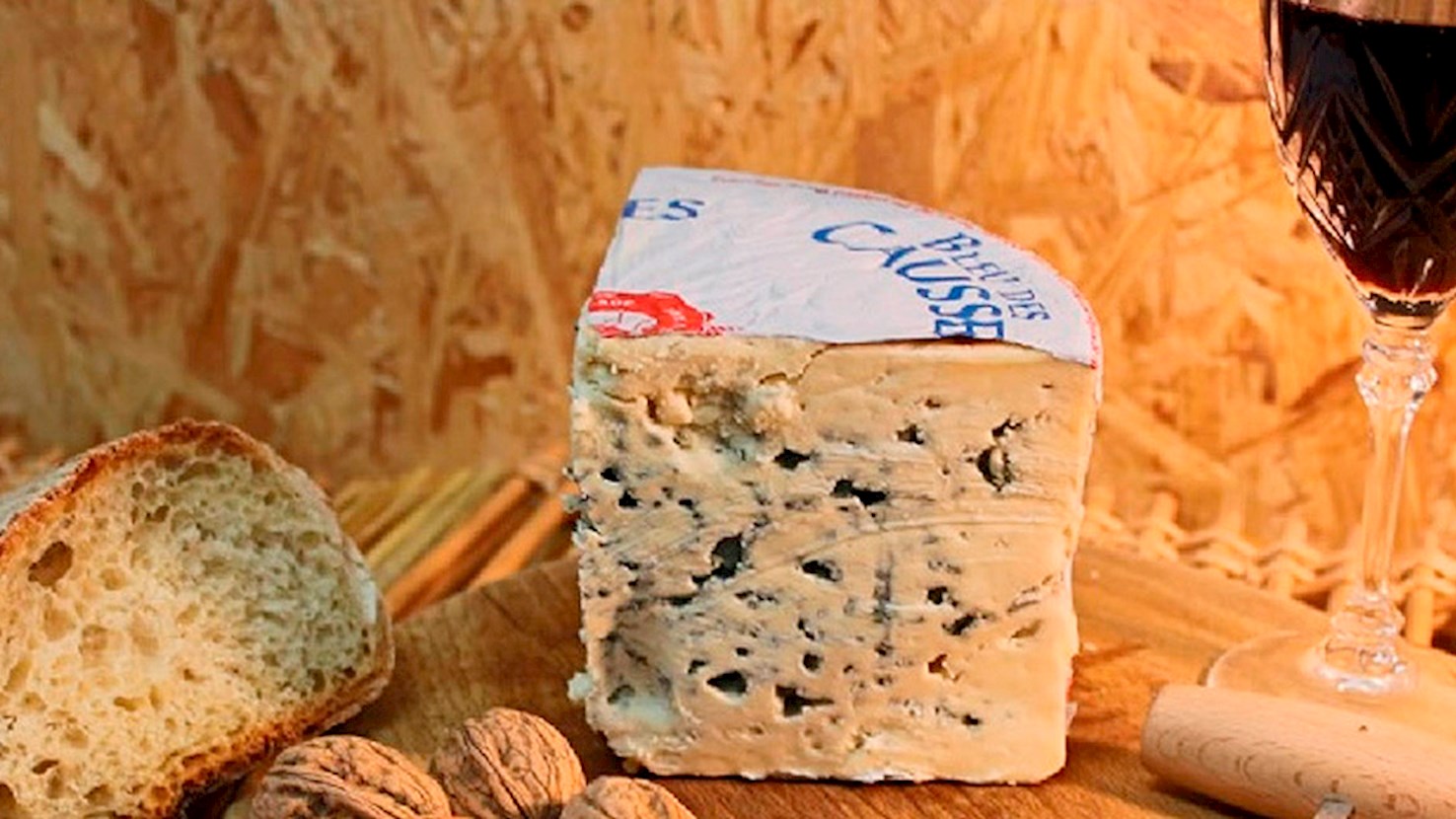
Bleu des Causses is a traditional blue cheese made from unpasteurized cow's milk. The cheese is placed in a cave, which is under the influence of drafts of cold and damp air, providing a unique maturation process that lasts for at least 70 days. Because of the air gusts in the cave, and due to the fact that the cheese is pricked with needles, Penicillium mold forms inside the cheese. Bleu des Causses is neither pressed nor cooked and its flavor is full, intense, salty, and spicy (because of the mold), while the texture is crumbly and creamy. It can be used in sauces, and is best paired with sweet white wines at the end of a meal.

06

Bresse Bleu

3.7 ·

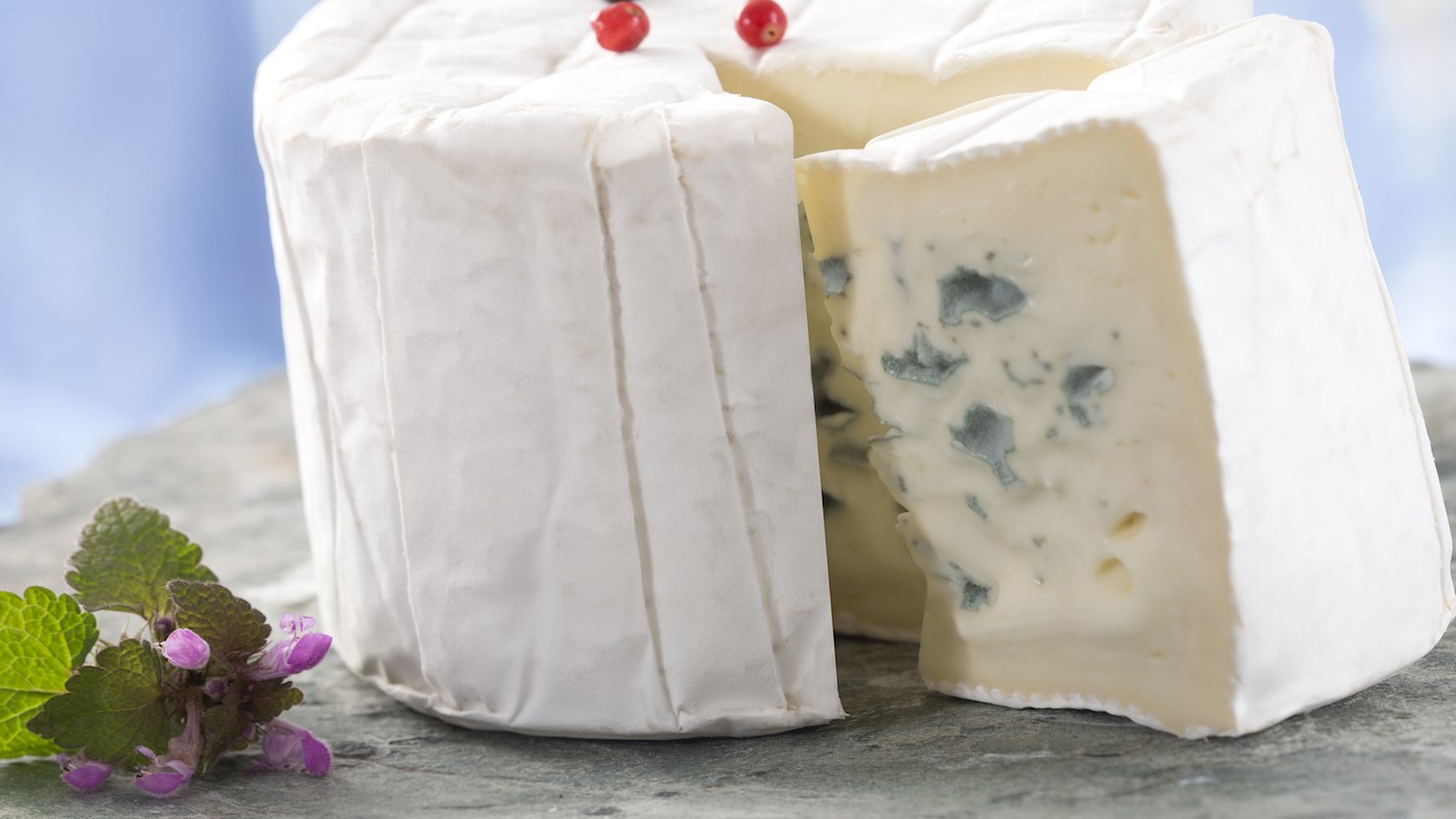
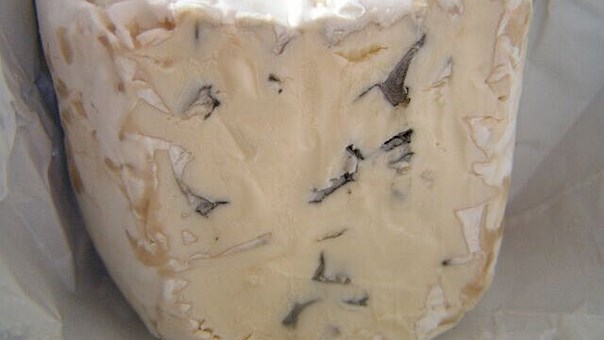
Bresse Bleu is a French cheese made with pasteurized cow's milk. This blue cheese hides a soft and creamy texture underneath its bloomy white rind. The aroma is fresh and mushroomy, while the flavor is buttery and very rich. During the production of Bresse Bleu, Penicillium roqueforti is added to the curds, and after molding, the rounds of cheese are rubbed with Penicillium camemberti. The cheese is then left to mature for 2-4 weeks before consumption. Interestingly, Bresse Bleu is less pungent and less salty than most blue cheeses. Serve it with walnut bread and white grapes.

07

Bleu de chèvre

3.7 ·

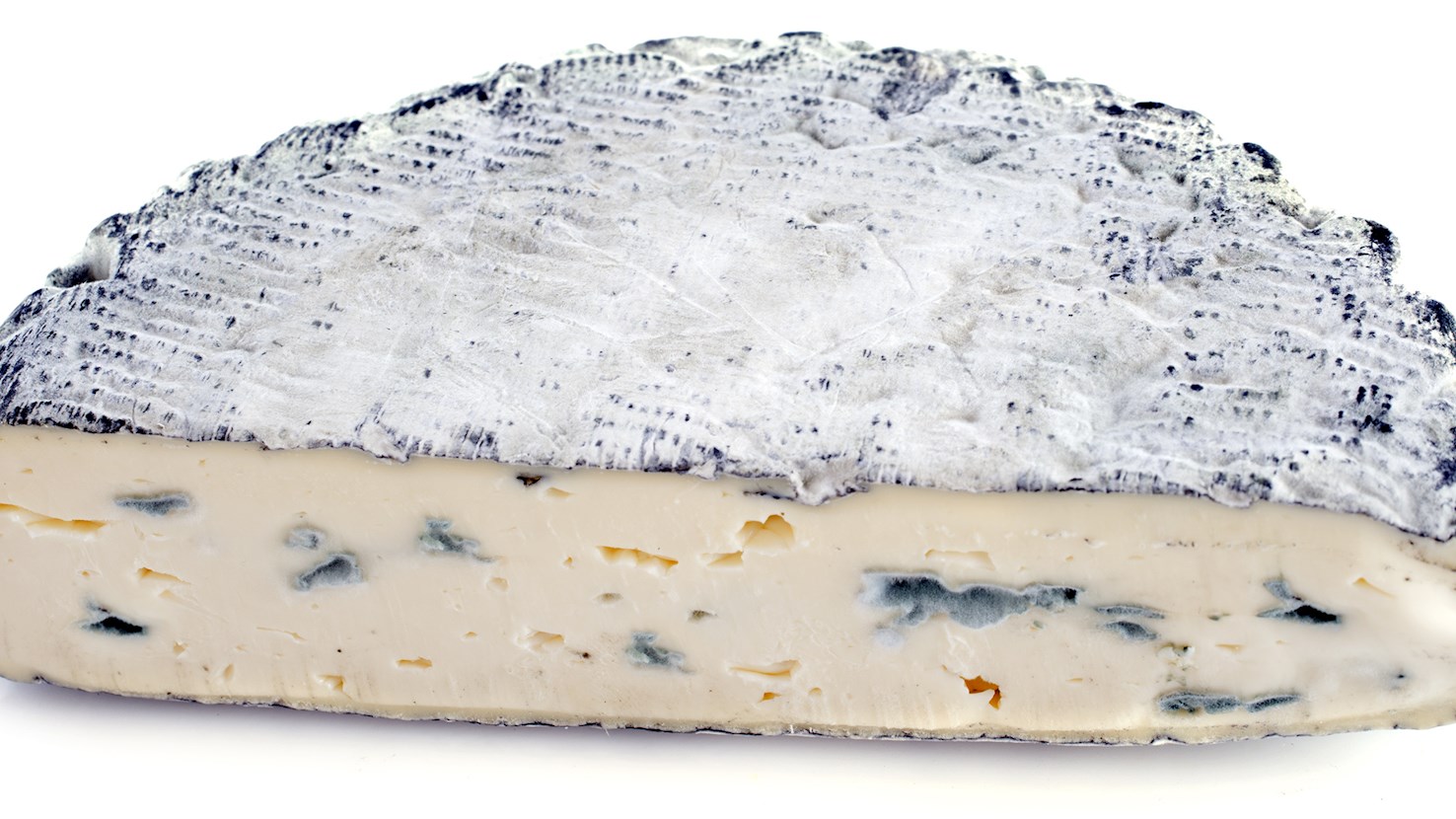
Bleu de chèvre is a traditional cheese hailing from Auvergne. This blue cheese is made from pasteurized or raw goat's milk. The rind is covered with ash, and underneath it the texture is soft and supple, with pockets of blue mold that are distributed throughout the paste. The aromas are subtle, while the flavors are creamy, strong, and salty, with a subtle goaty tang on the finish. It's recommended to pair Bleu de chèvre with a glass of Sauvignon Blanc.

08

Rochebaron

3.5 ·

Rochebaron is a French blue cheese made from cow’s or sheep’s milk. Its texture is soft and creamy, the aroma is strong, while the flavors are mild, mushroomy, and creamy. During the production process, the curd is injected with Penicillium glaucum in order to develop blue veins throughout the body. The cheese then matures for at least 30 days, during which it is regularly dusted with ash. When ready for consumption, it is recommended to pair the cheese with fresh fruits, crusty baguettes, or a glass of earthy Pinot Noir.

09

Bleu de Gex Haut-Jura

3.3 ·

Bleu du Haut-Jura or Bleu de Septmoncel is a blue, uncooked and unpressed cheese made from the unpasteurized milk of two cow breeds. It has pale blue/green moldy veins dispersed throughout its soft, white/ivory colored body with a creamy, crumbly texture. The rind must have the word Gex embossed on it. Its smell is intense and earthy, and it has a characteristically mild, acidic, nutty and buttery taste because it is, after all, one of the mildest French cheeses. Slightly spicy, peppery notes come from the blue veins. It goes well with strong red wines or used in fondues and gratin dishes.

10

Bleu du Vercors-Sassenage

2.4 ·

Bleu du Vercors-Sassenage is a blue cheese made from a mix of warm, raw fresh milk and last evening's cow's milk, with a white moldy rind that may become orange due to yeast and bacteria. It has been produced in the French regions of Drôme and Isére since the 14th century. Its name comes from the baron who authorized the sale of Bleu on his lands. The cheese must go through a maturation process for at least 30 days, when its buttery and creamy texture and sweet, mellow, subtle flavors, uncharacteristic for blue cheeses develop. Bleu du Vercors-Sassenage is excellent paired with sweet dessert wines.

Best French Blue Cheeses
01

Rodolphe Le Meunier

4.9 ·

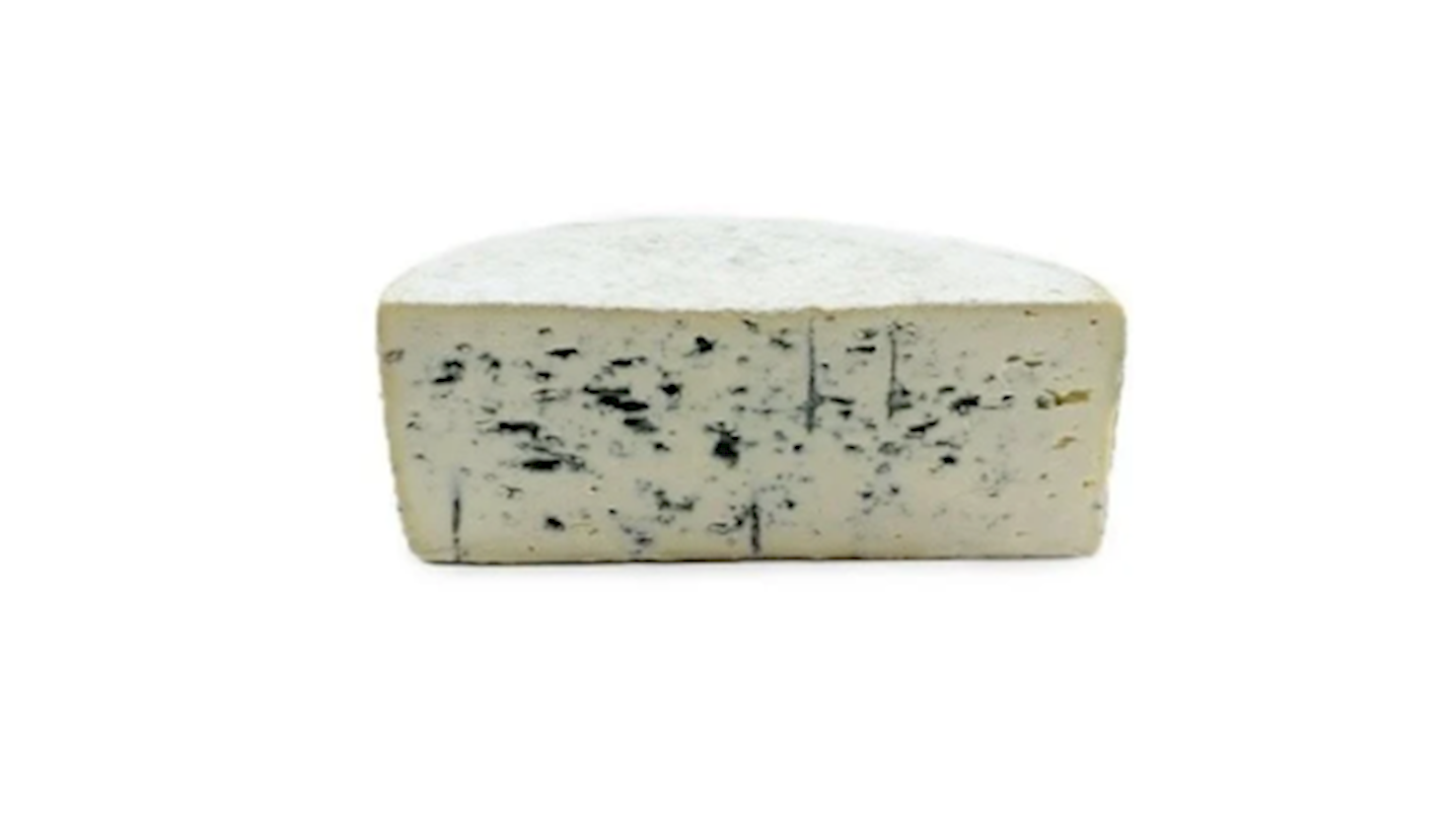
Rodolphe Le Meunier is a cheese producer and affineur based in Tours, France. He comes from a family with a long tradition in the dairy industry, which has influenced his deep knowledge and expertise in cheese production.

Le Meunier has won multiple awards for his work, including the prestigious title of Meilleur Ouvrier de France (MOF) in the cheese category, an honor given to craftsmen who achieve the highest level of skill in their field. His business includes aging and refining cheeses, as well as sourcing from various regions in France to offer a diverse selection.

Awards
World Cheese Awards - Super Gold (2023, 2021)
World Cheese Awards - Gold (2022)
Read more
View all
View map
About this ranking

TasteAtlas food rankings are based on the ratings of the TasteAtlas audience, with a series of mechanisms that recognize real users and that ignore bot, nationalist or local patriotic ratings, and give additional value to the ratings of users that the system recognizes as knowledgeable. For the “Top 20 French Blue Cheeses” list until July 01, 2026, 1,150 ratings were recorded, of which 911 were recognized by the system as legitimate. TasteAtlas Rankings should not be seen as the final global conclusion about food. Their purpose is to promote excellent local foods, instill pride in traditional dishes, and arouse curiosity about dishes you haven’t tried.

The initial list of top producers was compiled based on available reviews, awards, local recommendations, media and blog coverage, and consumer reviews. The list will be updated with ratings from TasteAtlas local ambassadors and TasteAtlas users.

Similar lists