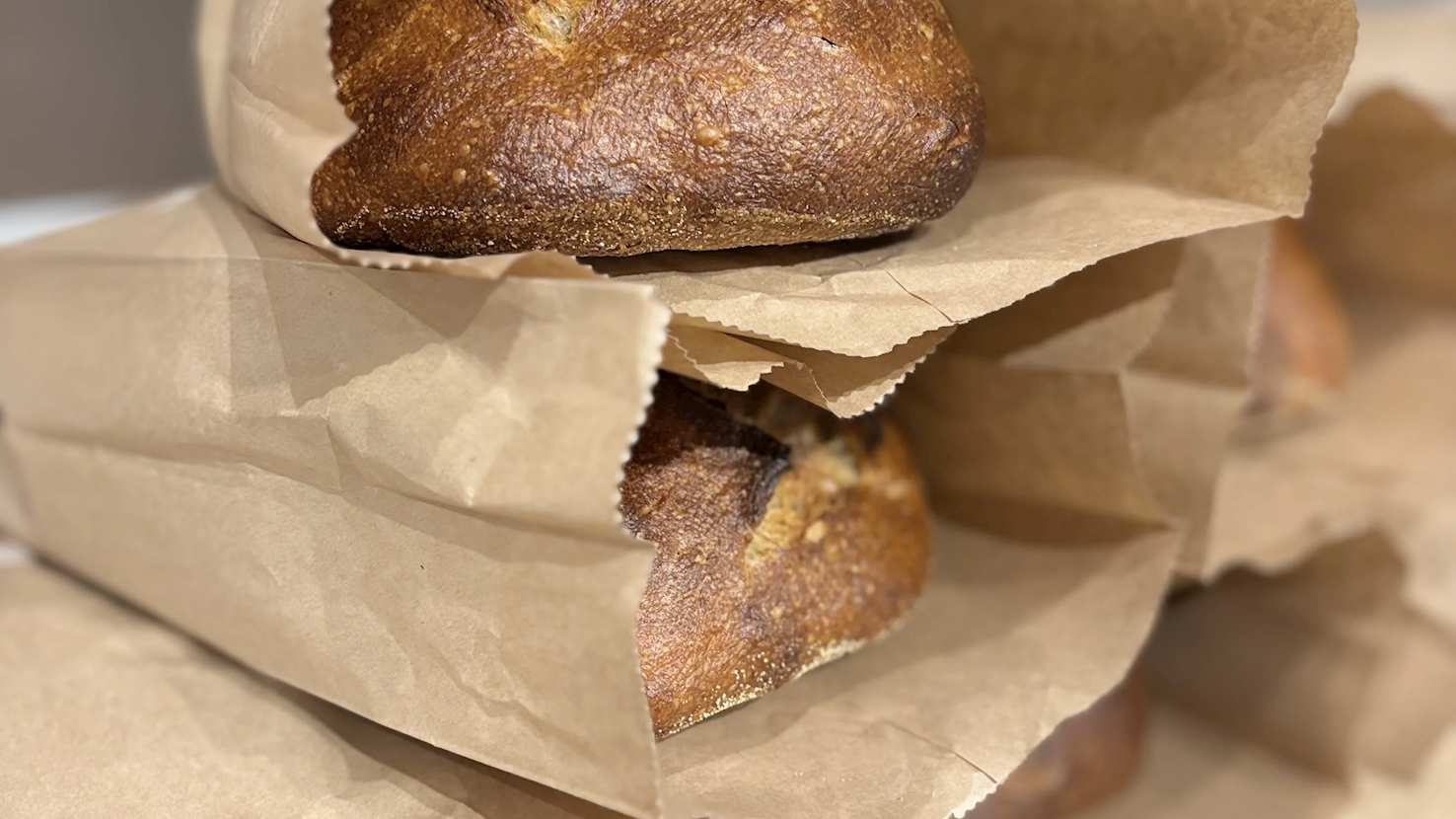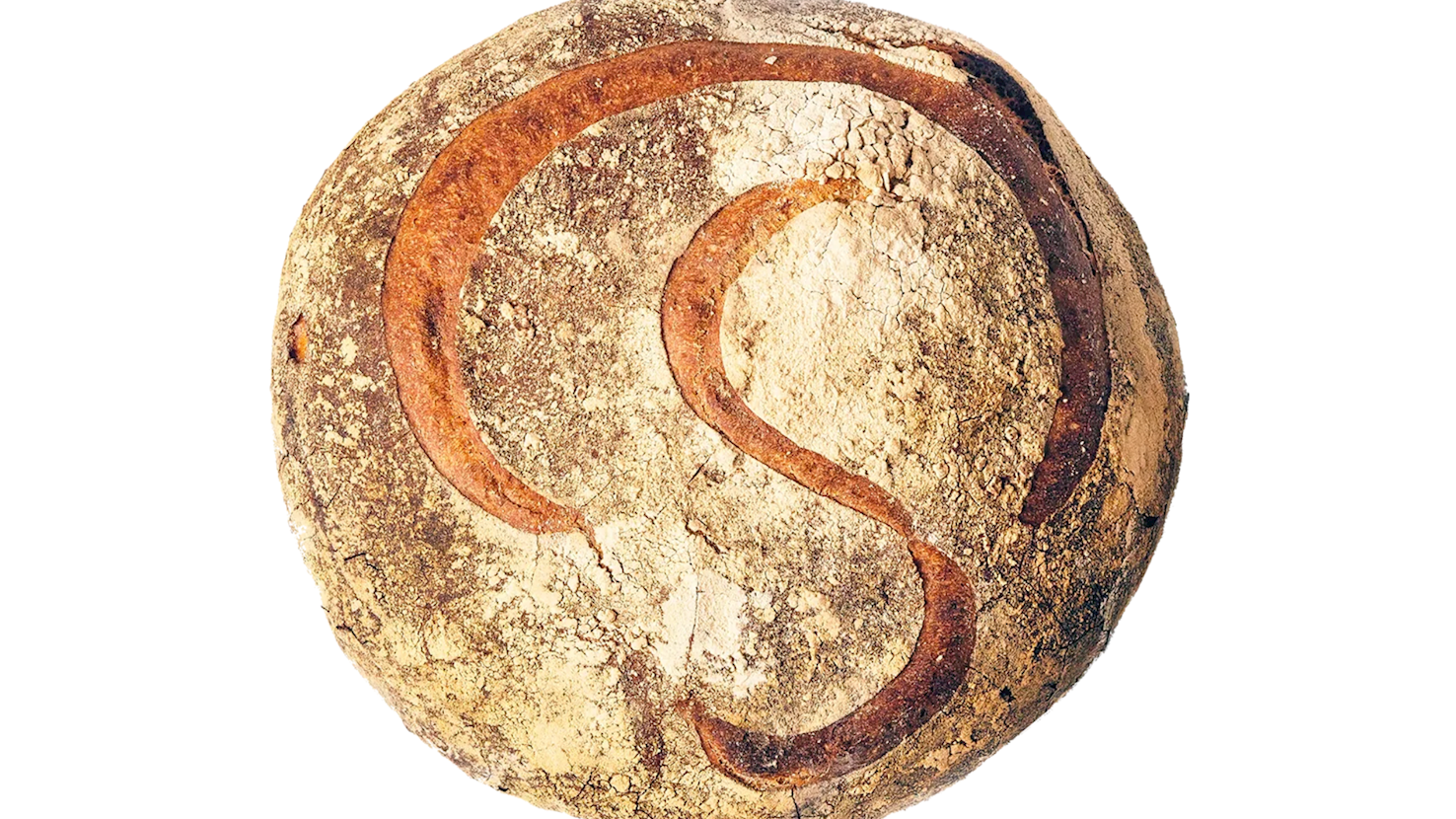
RPM Bakehouse is much more than just a bakery. Their philosophy is based on producing slow-fermented sourdough bread using heirloom grains from Jordan Station, Ontario, achieving an authentic taste and exceptional texture in their products.
Their offerings include crispy, buttery pastries, handcrafted croissants, and a variety of sweet and savory treats that satisfy even the most refined palates.
In addition to their baked specialties, RPM Bakehouse also produces organic jams, homemade granola, pickles, and unique baking mixes that allow home cooks to create delicious breads and pastries in their own kitchens.
What makes this bakery truly special is its selection of locally milled flour, cold-pressed oils, ceramics, and textiles crafted by sustainable producers. Coffee lovers can also enjoy their carefully curated blend, which pairs perfectly with the pastries on offer.
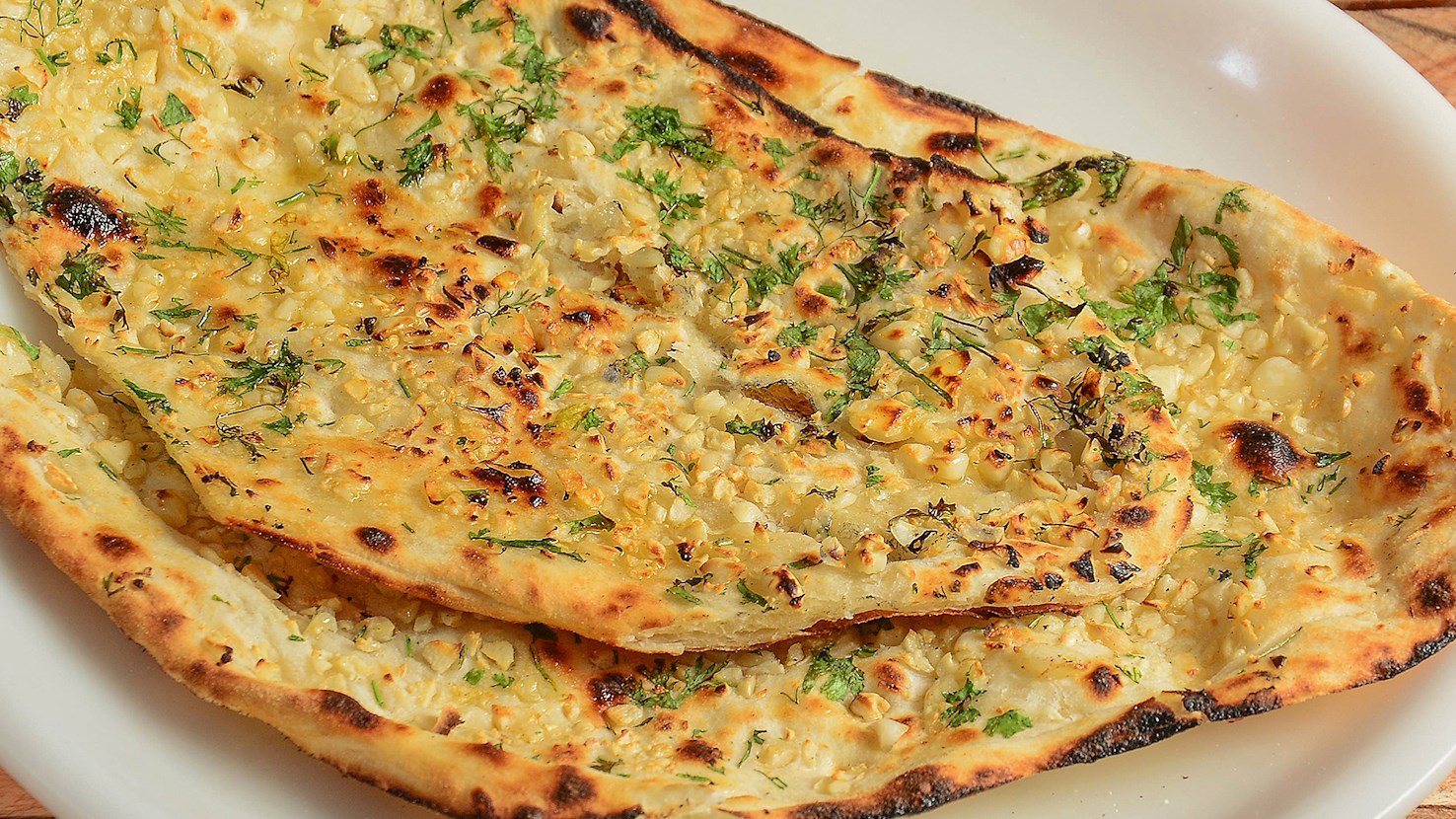
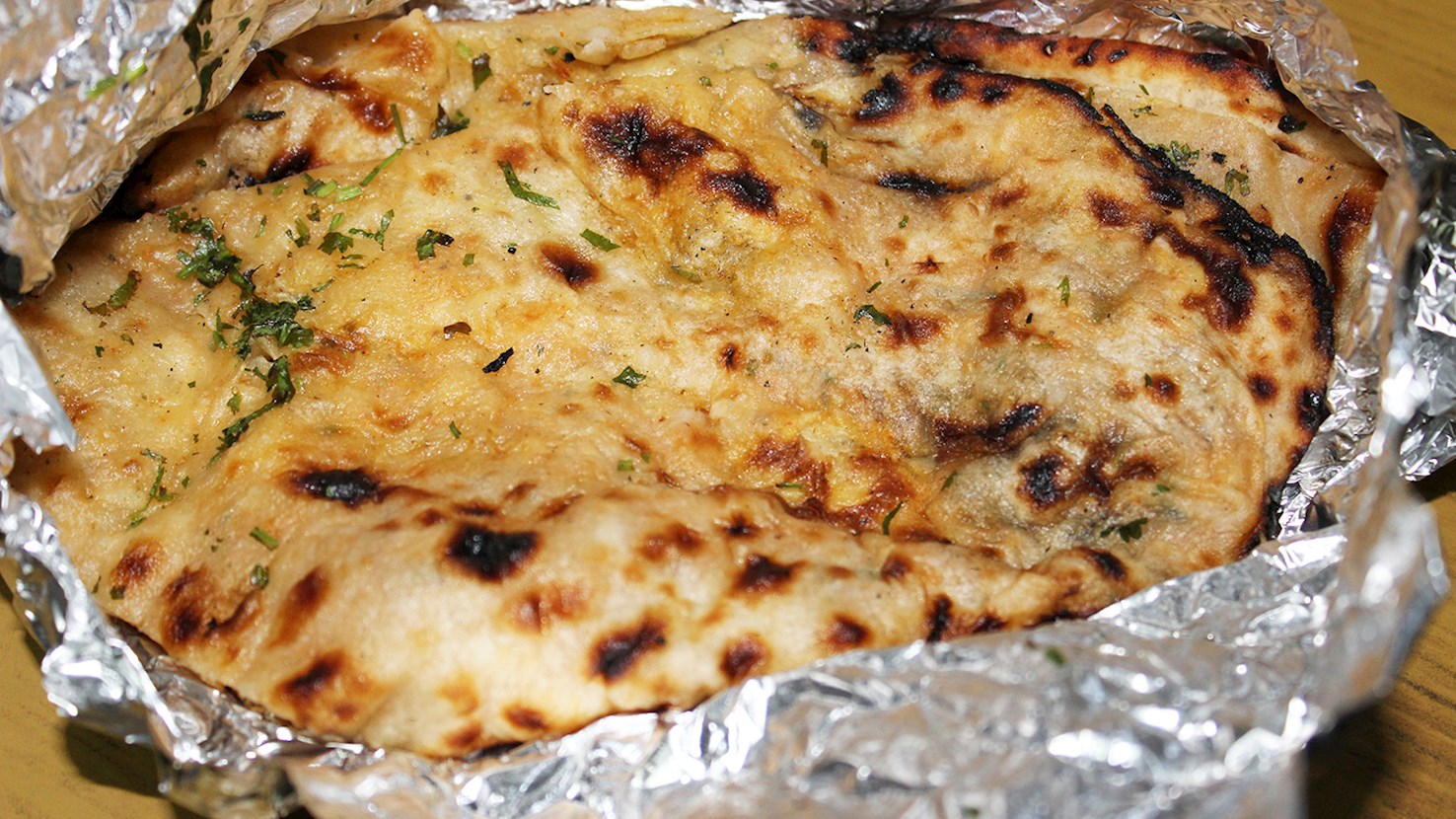
Butter garlic naan is a traditional flatbread and one of the most popular versions of naan. It’s made with flour, baking powder, salt, sugar, and dahi. Once the dough has been baked in a hot tandoor oven, the golden naan is taken out and brushed with butter or ghee, then topped with minced garlic. It’s recommended to serve butter garlic naan with a variety of Indian dishes such as curries, butter chicken, dal makhani, malai kofta, or shahi paneer.
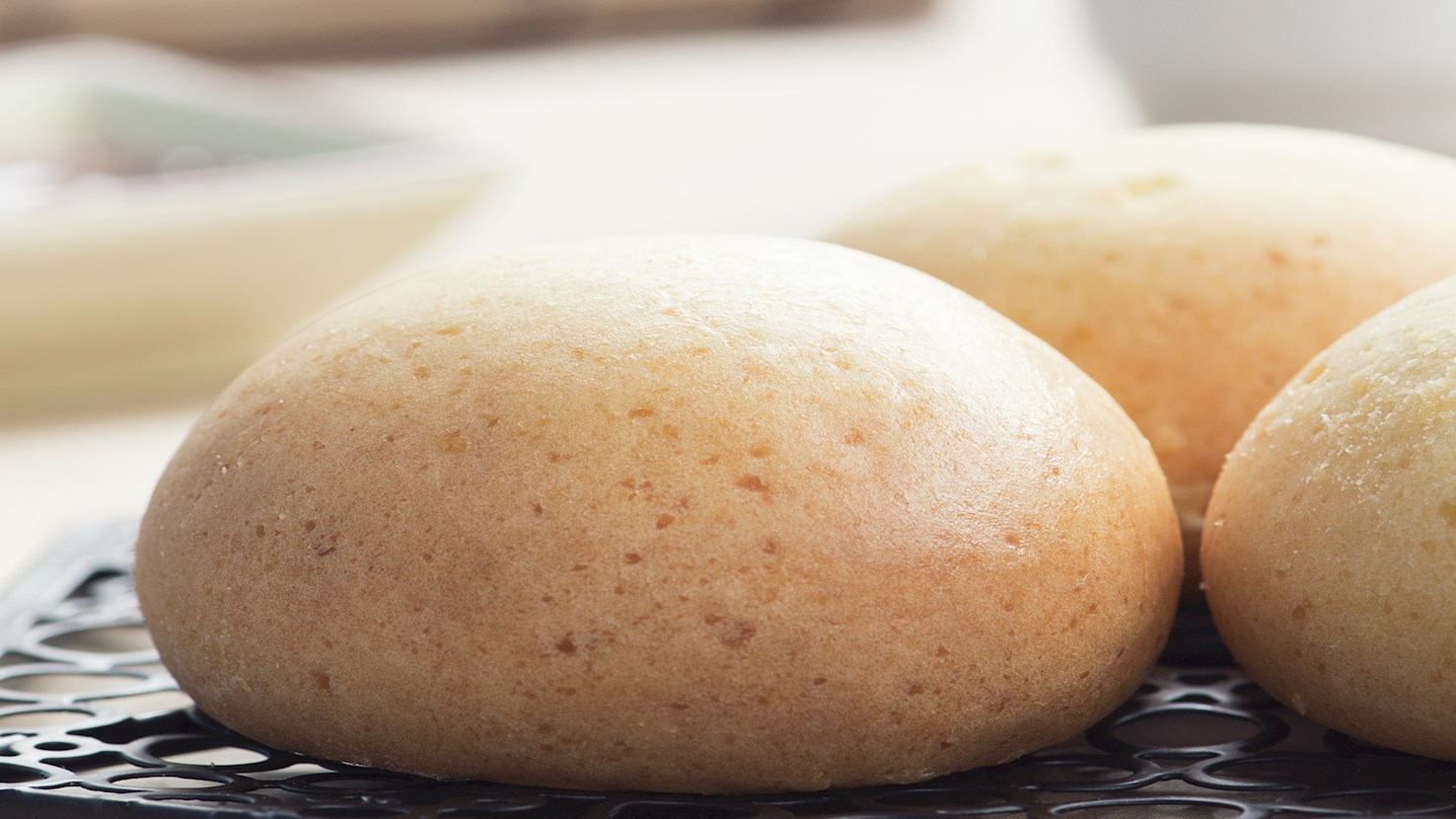
Pan de bono is a traditional bread consisting of cassava starch, cornmeal or corn flour, queso fresco, eggs, and sugar. The bread is shaped into bagels or balls that are slightly larger than golf balls. Pan de bono is similar to other South American cheese breads like pan de queso, difference being added conr flour or cornmeal, and a hint of sweeteness due to the addition of sugar. It is usually served warm with a cup of hot chocolate on the side. Some claim that the name pan de bono was created after an Italian baker in Cali who used to yell pane del buono (good bread), while others say that it is named after a place called Hacienda El Bono, where it was first made.
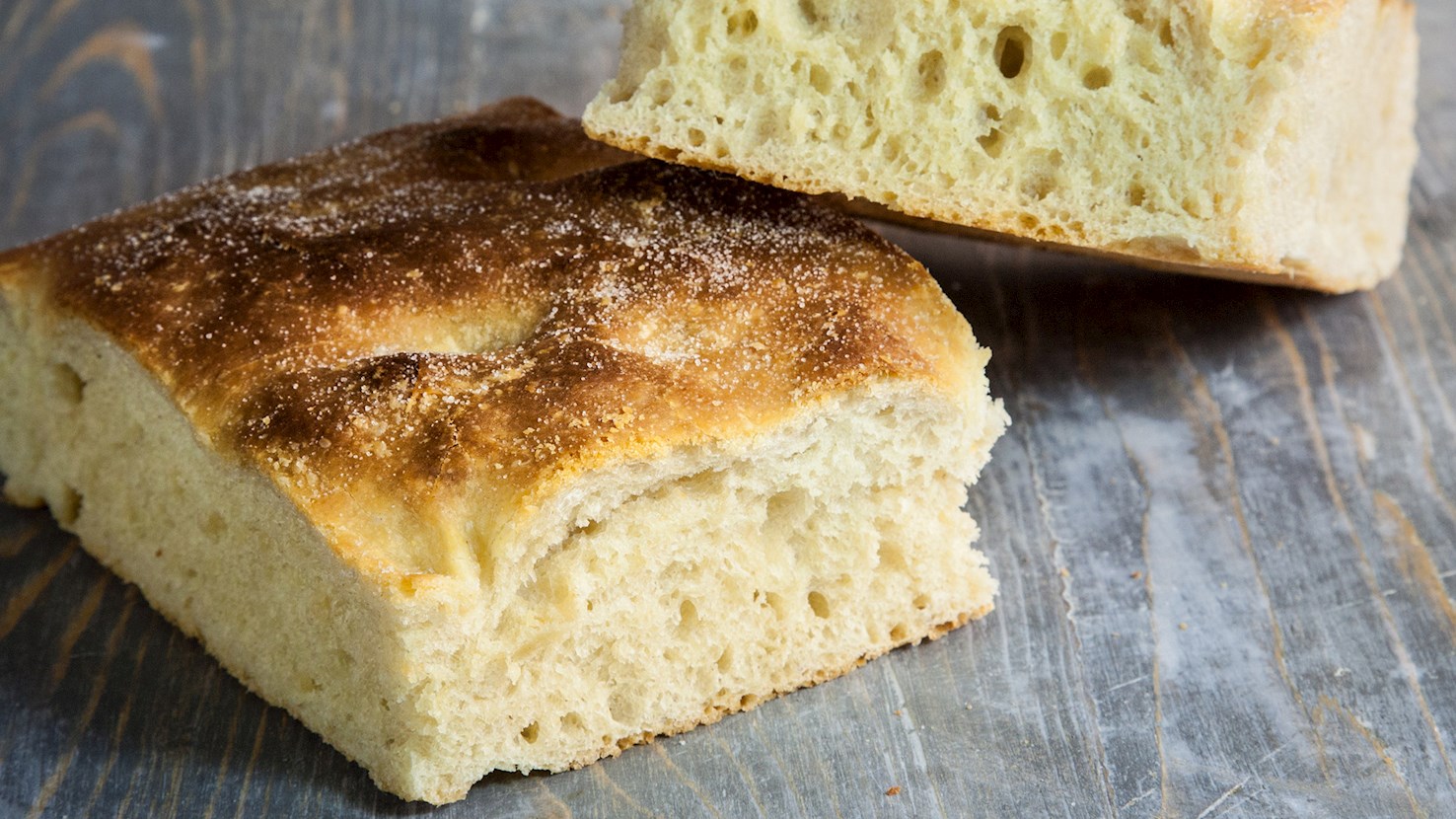
Focaccia alla Genovese is believed to be the original focaccia. Hailing from Genova, this classic focaccia is coated in olive oil and sprinkled with coarse sea salt. Unlike other focaccias, this one is traditionally shaped into a flat rectangle. It consists of flour, yeast, salt, sugar, water, and olive oil. The dough is simply baked in the oven until the focaccia becomes golden brown, crispy, and shiny. The flatbread is locally known as fugassa.
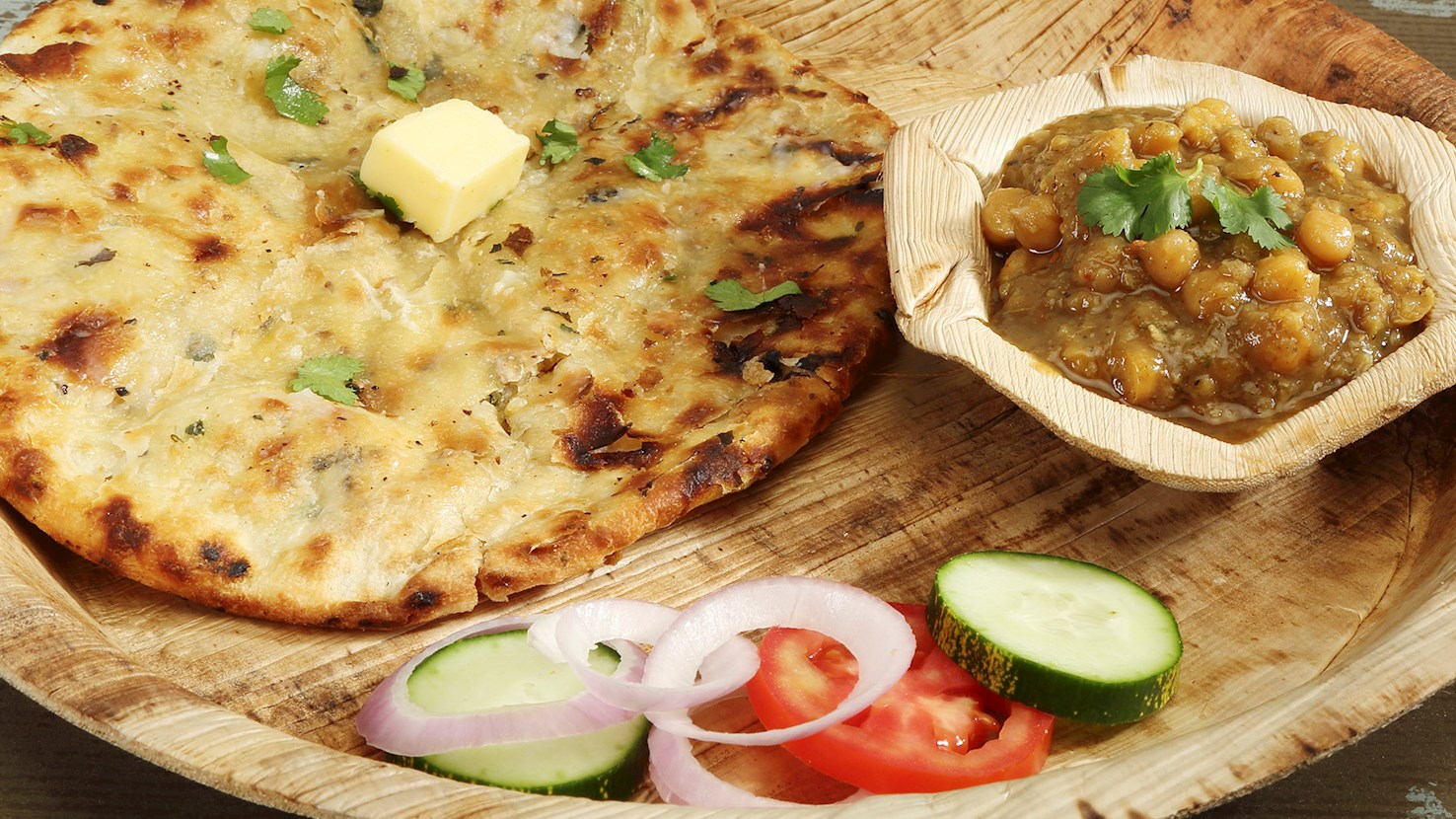
Coming from the North Indian city of Amritsari, Amritsari kulcha is a flatbread stuffed with potatoes, onions, cottage cheese, and spices. The flatbread is commonly garnished with coriander seeds, cilantro, and red chili powder. Thin, crispy, and smeared with ghee butter, it is a staple food in Amritsar, with almost every shop in the city sizzling with the sound of kulchas baked in large tandoor ovens. Not much is known about the history of this flavorful dish, and even the locals say that kulcha is just something they have always eaten, a variation on numerous flatbreads that the country is known for.
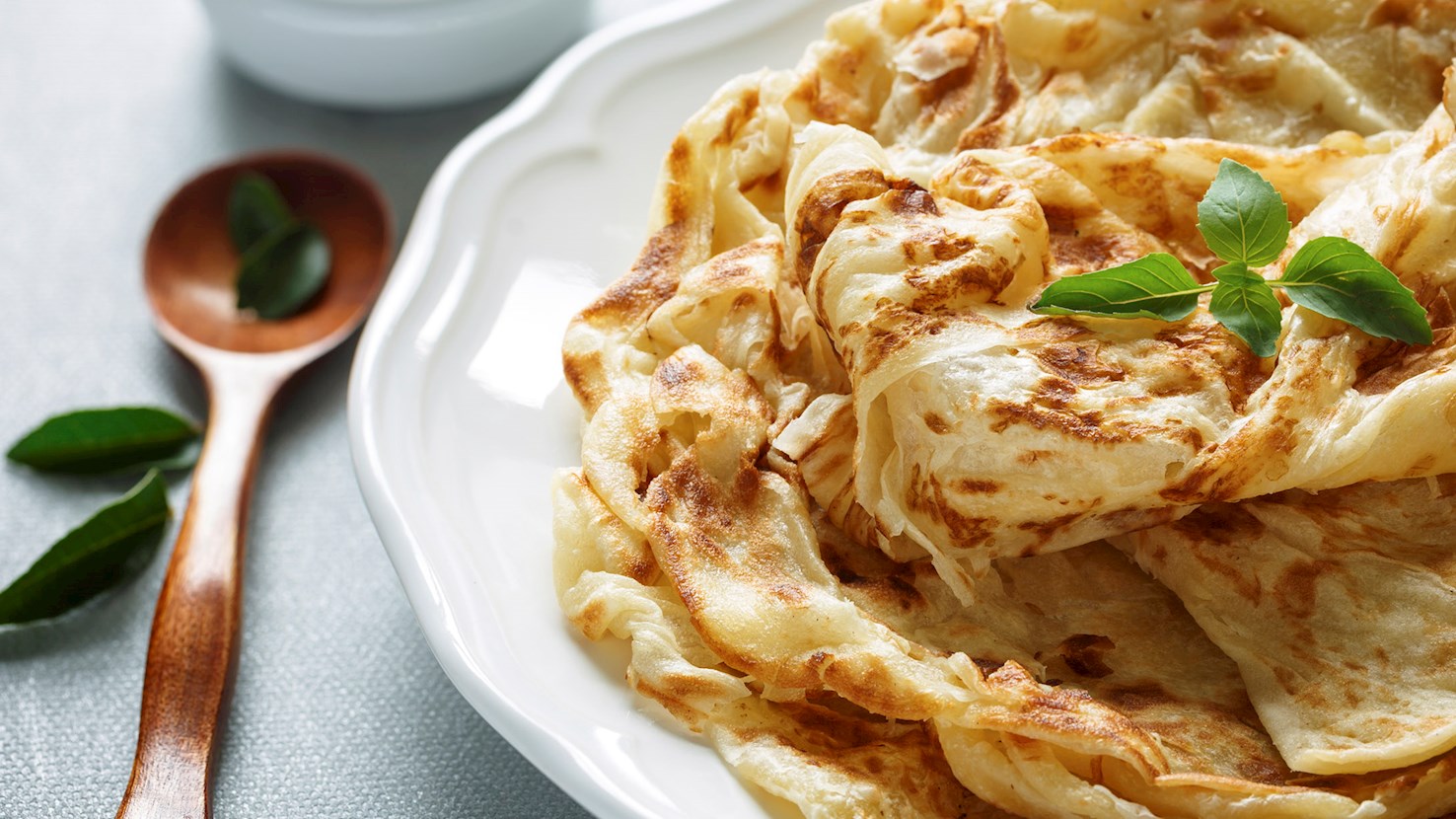
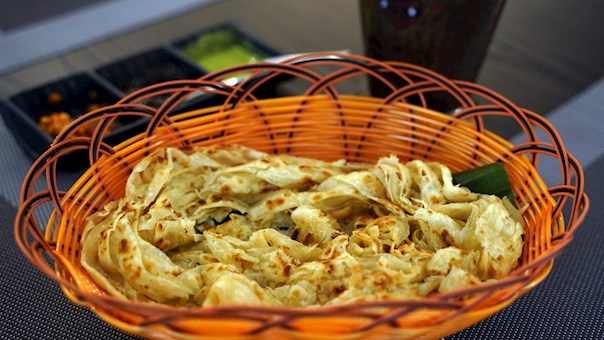
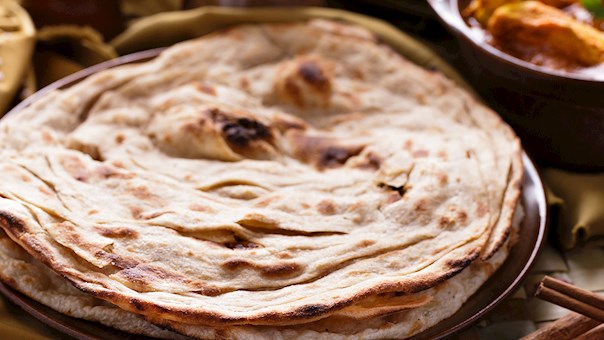
Roti canai is a traditional pan-fried flatbread made with flour, water, eggs, and fat of Indian origin, but mainly associated with Malaysia, and surrounding countries like Indonesia, Brunei, and Thailand. The dough for roti canai is repeatedly folded, so the final product has a layered texture, a soft interior, and a crispy outer layer. The most common fat used in roti canai is ghee, the traditional Indian clarified butter. It is believed that the dish originated in India when the Indian laborers who migrated to Malaysia brought the recipe and the tradition of preparing this crispy pastry to the foreign country. Usually, it is served plain in its traditional round form, as an accompaniment to curries. It can be served on the side or torn into pieces and mixed with the curry. However, roti canai is often served as the star dish, accompanied by different savory and sweet fillings and ingredients. If additional fillings are added, roti canai is usually shaped into rectangles. For example, in Malaysia, one can find various roti canai types, which are differentiated by the type of filling — egg, onion, egg and onion, banana, sardines, margarine and sugar, Maggi instant noodles, cheese, vegetable, and pork filling are some of the many available. However, roti canai doesn't have to have a filling but only a topping, such as fried eggs, curry, beans, lentils, and coffee beans. But martabak, a thick roti filled with meats, eggs, onions, and spices, is probably the best-known type of roti canai. Apart from Malaysia, it can also be found in Saudi Arabia, Yemen, and a few other countries. Other than Malaysia, a very similar type of flatbread can be found in Singapore, where it's called roti prata. This crispy bread is usually sold by street vendors called mamaks.
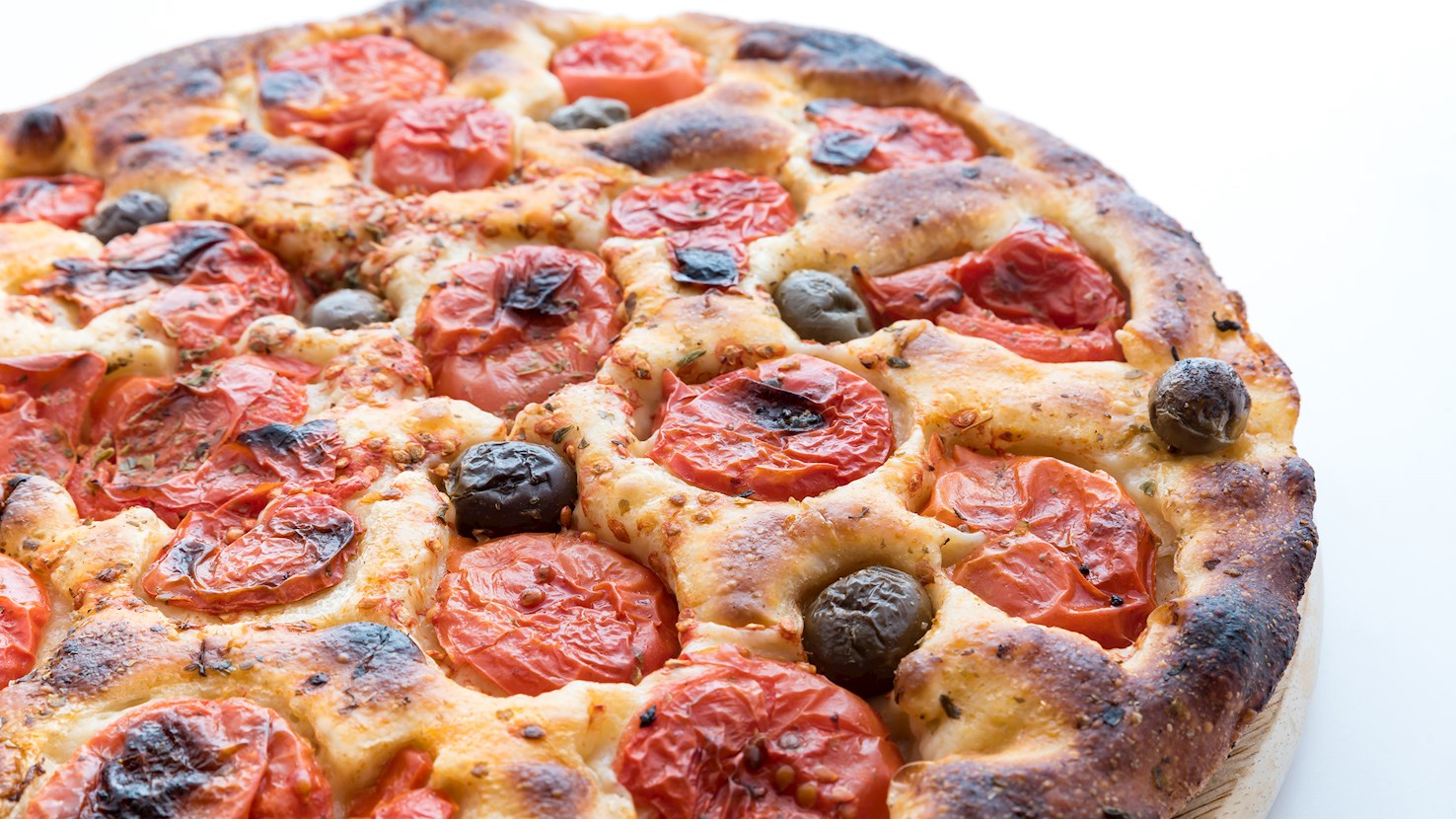
This Apulian delicacy is traditionally prepared with a soft, yeasted dough that combines semolina, wheat flour, and mashed potatoes. It is usually topped with cherry tomatoes and olives, but some varieties occasionally employ other combination of ingredients, such as different vegetables, coarse salt, or rosemary. Always baked in round tins, focaccia is usually doused in olive oil and is best served lukewarm.
Mahjouba is a traditional flatbread that is one of the most popular street food items in the country. These thick and flaky crepe-like flatbreads are made with semolina, then filled with a combination of tomatoes and caramelized onions. Mahjouba is often paired with harissa sauce on the side, but the condiment is completely optional.
Almojábana is a traditional and Puerto Rican bread (although it is also popular in other countries of Latin America) that is very similar to pandebono. Pandebono is usually made with yuca flour and costeño cheese, while almojábanas are made with cuajada white cheese and cornmeal flour. Almojábanas are baked until they develop a spongy texture and a golden brown color of the exterior. This small, round bread is traditionally served warm.
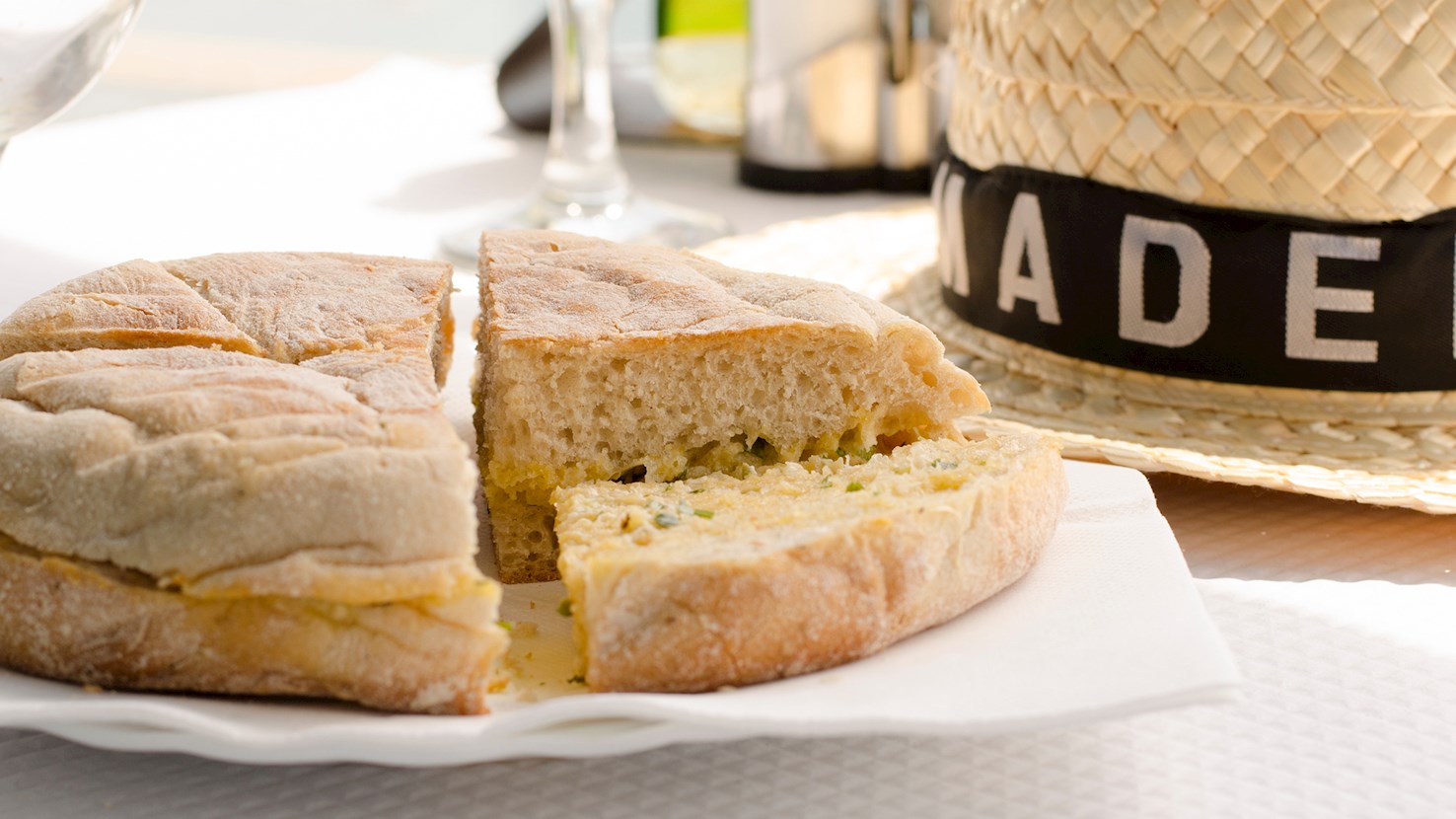
Hailing from Madeira, this rustic, leavened bread is prepared with wheat flour, mashed sweet potatoes, water, and salt. Traditionally baked on large basalt stone slabs, bolo do caco is typically flat and round, though it can vary in size. It is the most common bread variety on Madeira that is usually served as a warm appetizer with garlic butter spread, but it can also be enjoyed as a sandwich or an accompaniment to various traditional Portuguese dishes.
Aloo naan is a traditional flatbread and a version of naan. It’s made with a combination of flour, yeast, salt, sugar, and dahi. The naan is stuffed with a spicy combination of mashed potatoes, chili peppers, coriander, and garam masala, if desired. Once prepared, the golden tandoor-baked naan is brushed with butter or ghee, then served hot. It’s recommended to serve aloo naan with a variety of Indian dishes such as raita, chola, and dal makhani.
Parotta is a traditional Southern Indian flatbread, usually sold as street food. It is also popular in Malaysia and Sri Lanka. It is made with oil or ghee, water, refined wheat flour known as maida (unlike parathas, which are made with regular wheat), and occasionally eggs. The resulting dough is pan-fried and served with various vegetable or meat curries. This flatbread may also be incorporated into various dishes such as kothu parotta that combines shredded parotta with meat, eggs, and a spicy saalna sauce. A common variation of this popular flatbread is atta parotta, which is prepared with whole wheat flour.
Mekitsa is a popular Bulgarian dish that is traditionally served for breakfast. It is a flatbread made with kneaded dough that is then deep-fried in hot oil. The dough usually consists of flour, water, salt, oil, eggs, yogurt, and a leavening agent. The name mekitsa is derived from the Bulgarian root mek, meaning soft, referring to the flatbread's texture. These flatbreads can be dusted with powdered sugar or paired with yogurt, honey, cheese, or various fruit jams.
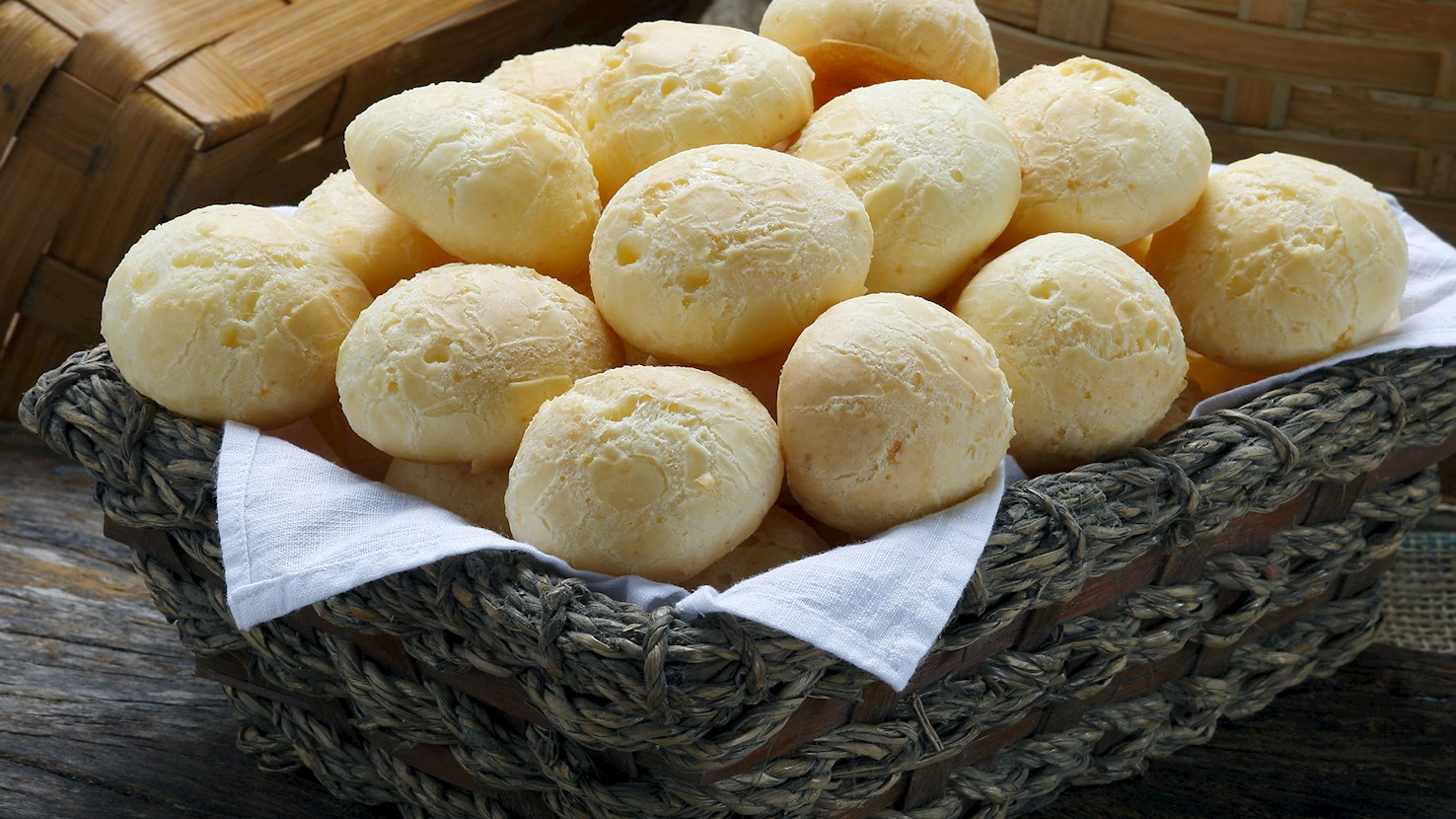
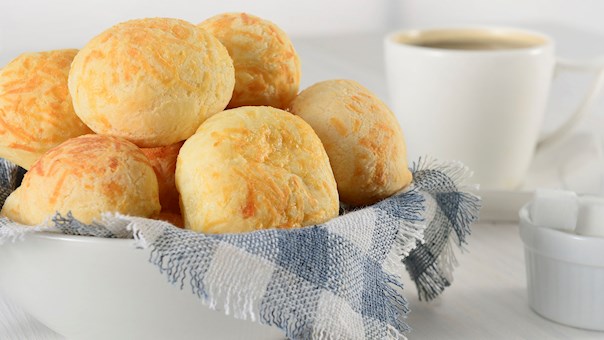
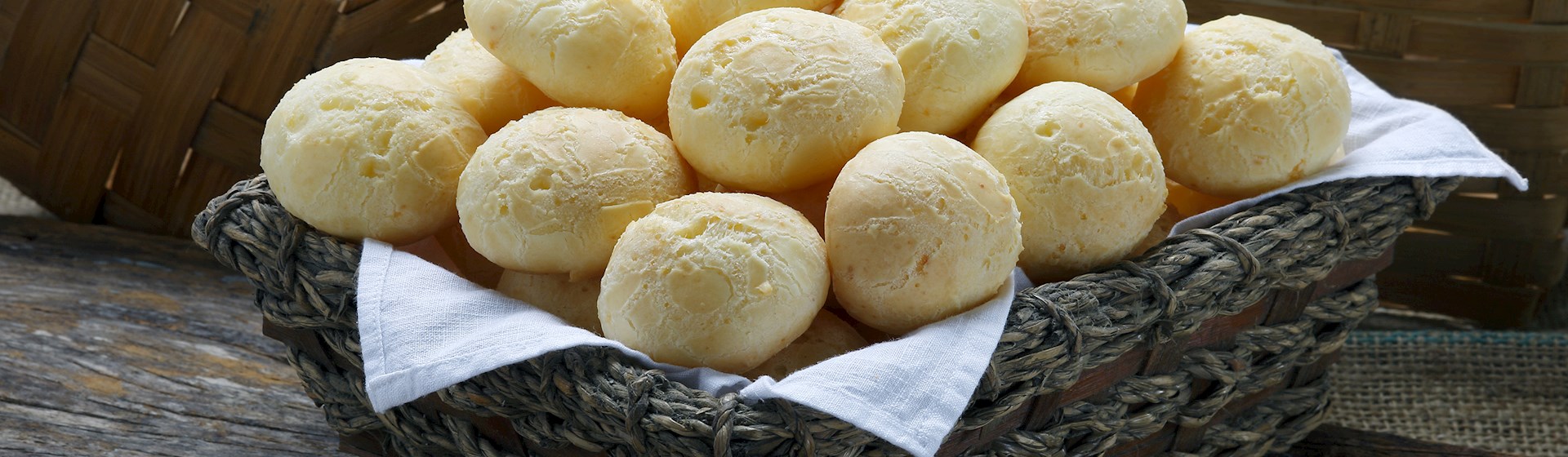
Literally translated to cheese bread, pão de queijo has its origins in the culinary inventions of African slaves, when they started to use the residue of the cassava plant. A fine white powder, or starch, was rolled into balls and baked. At the time, no cheese was added, so it was just baked starch, but at the end of the 19th century, when slavery ended, other foods started to become available to the Afro-Brazilians for the first time. In the state of Minas Gerais, the dairy center of Brazil, cheese and milk started to be added to the starchy balls, and pão de queijo was created. Today, it is a popular Brazilian snack or breakfast food that is also widely consumed in northern Argentina, sold at numerous coffee shops, snack bars, and bakeries.
Roti prata is a Singaporean specialty consisting of a ghee-flavored flatbread that is crispy on the outside and soft on the inside. It is typically served with mutton curry or various fish dishes. There are many prata stalls throughout Singapore, so the texture of roti prata ranges from chewy and flaky to super crispy. The flatbread can also be turned into a dessert by adding ingredients such as chocolate, ice cream, or cheese.
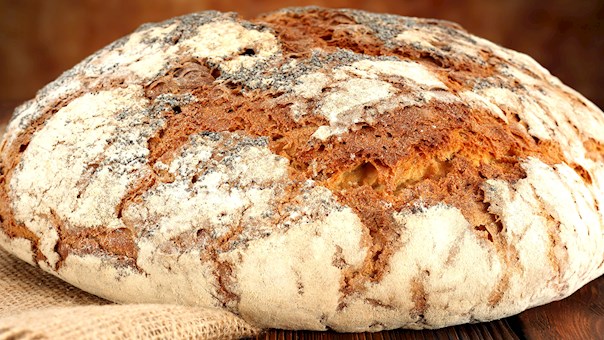
Pão alentejano refers to a traditional Portuguese bread originating from the Alentejo region of Portugal. Recognized for its round shape and distinctive crust, this bread is made with a mix of different types of wheat flour and sometimes incorporates a sourdough starter, which lends it a slightly tangy flavor. Its thick, rustic crust contrasts beautifully with the soft, airy crumb inside. The bread's unique taste and texture make it a perfect accompaniment to Portuguese meals, particularly when paired with cheeses, olives, or the region's famed cured meats.
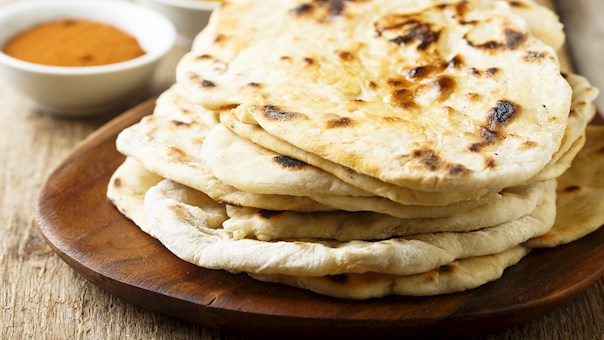
Naan is a unique and popular flatbread with a chewy texture that has its roots in India. The first documented traces of naan are found in the 1300 AD notes of Amir Kushrau, an Indo-Persian poet. Its name comes from the Persian word for bread. Naan was originally made in two versions at the Imperial Court in Delhi - naan-e-tunuk (light bread) and naan-e-tanuri (baked on the stone walls of a tandoor oven). It consists of white flour, yeast, eggs, milk, salt, and sugar, baked in a tandoor oven. Its typical tear-drop shape is achieved by the way the dough droops as it cooks on the tandoor walls. Many Indian villages had a communal tandoor, placed in the middle of the village so that all the locals could bake naan. There are also many varieties of naan, such as kulcha (the flatbread is stuffed with a filling of nuts and raisins, potatoes, or onions) and garlic naan, topped with butter and crushed garlic. Traditionally, naan is served hot from the oven, slightly charred, brushed with ghee - Indian clarified butter, and it is usually consumed as an accompaniment to a variety of dishes.
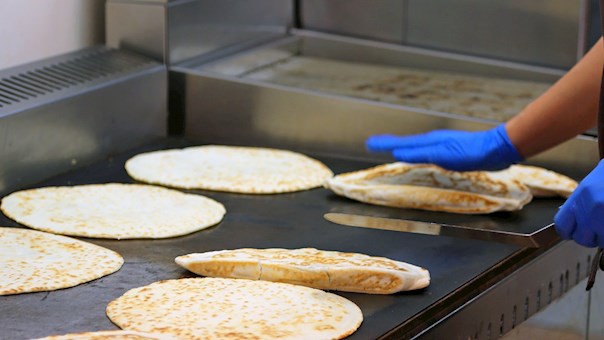
Even though today this griddled Italian flatbread is typically enjoyed as a sandwich (one of the most popular fillings includes prosciutto, creamy soft cheeses like squacquerone, tomatoes, and a handful of peppery wild arugula), Piada or piadina Romagnola was once merely a staple of the poor, often made with maize flour and called la pjida ad furmantoun in Romagnolan dialect. In his poem entitled La Piada, which is sort of an ode to the beloved Romagnolan piadina, a 19th century Italian poet Giovanni Pascoli calls it "the bread of poverty, humanity, and freedom", describing it as "smooth as a leaf and as big as the moon." Since then, the humble, rustic piadina has come a long way and even today takes a special place in the regional cuisine, having been awarded the Protected Geographical Indication status. Le piadine, in plural, can take virtually any ingredients as their filling, and they can be easily found freshly prepared at numerous street kiosks called piadinerie, as it is best to eat a piadina only minutes after it comes off the cast-iron griddle while it's still pliable and warm - the perfect frame for the almost-melting soft cheese and delectable, thinly sliced charcuterie.
Pain de campagne or country bread is a traditional, rustic bread that is prepared throughout France. It can be found in numerous boulangeries. Most versions of pain de campagne are made with a mixture of white, whole wheat, and rye flour, water, salt, and sourdough starter. In the past, people would bake huge loaves of country bread in the communal ovens, feeding their families for days or weeks. In the early 20th century, baguette replaced pain de campagne in terms of popularity, but with the rise of artisan breads in the 1970s, pain de campagne grew in popularity once again.
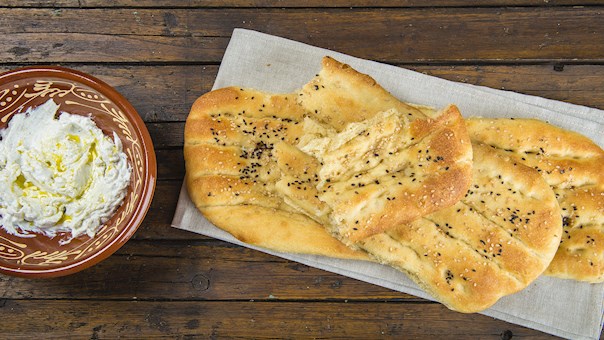
Nan-e barbari is a flatbread known for its thick, airy crumb and golden crust brushed with a special flour paste called roomal. Originating among the Hazara people who settled in Iran, this bread became especially associated with Tehran and other northern cities, where it is commonly baked fresh each morning and sold in bakeries to accompany breakfast or lunch. Its long, oval shape and characteristic ridged surface make it immediately recognizable on bakery shelves. The history of nan-e barbari reflects Iran’s rich baking culture, which includes many regional breads with distinct textures and preparation methods. The word “barbari” was used historically to describe the Hazara ethnic group, who brought their baking techniques to central Iran. Over time, this bread was embraced by the wider population and became one of the most widespread breads in Iranian cities. Recipes and shaping methods were refined in professional bakeries to achieve the signature crust that stays chewy and moist longer than many thinner flatbreads. Preparing nan-e barbari begins with mixing wheat flour, yeast, water, and salt into a smooth dough that is rested until doubled in size. The dough is then divided into portions and gently shaped by hand into long ovals. Before baking, each piece is brushed generously with roomal, a cooked paste of flour and water that keeps the surface soft while it expands and creates a glossy crust. The baker presses rows of deep ridges along the dough with fingers or the edge of the palm. Sometimes sesame or nigella seeds are sprinkled on top for added flavor. Baked on hot stones or a preheated oven floor, the bread emerges with a crisp base and a tender, chewy interior. One aspect of nan-e barbari is how its preparation has been adapted to modern bakeries. While some home cooks still bake it in gas ovens or on baking stones, many people prefer to buy it fresh from specialized bakeries that produce dozens of loaves each morning. These bakeries often have large gas-fired ovens with conveyor belts that simulate the effect of the hot stones once used in brick ovens. Nan-e barbari is usually eaten warm, torn by hand, and served with feta cheese, fresh herbs, walnuts, and sometimes clotted cream or jam for breakfast. In many Iranian households, it appears alongside stews and kebabs as well.
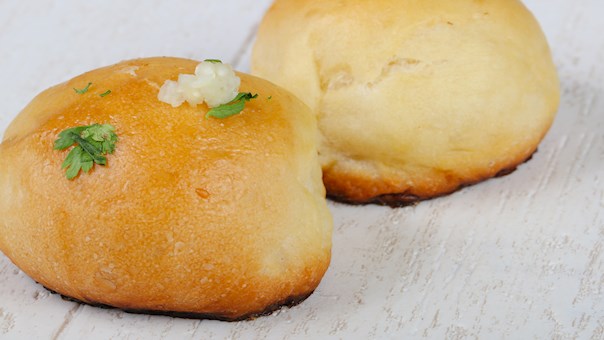
Pampushki are small Ukrainian yeasted buns. They can be prepared in sweet or savory versions. The dough usually consists of milk, flour, eggs, sugar, butter, yeast, oil, and salt, and it is then shaped into small balls. The sweet version is often stuffed with ingredients such as fruit jam, berries, fresh fruit, or cottage cheese, while the savory ones have no filling, but are traditionally flavored with garlic sauce and served alongside borscht.
M'semen is a traditional Maghrebi flatbread made with a combination of flour, semolina, sugar, salt, yeast, warm water, oil, and clarified butter. The dough is kneaded until it becomes smooth, and pieces of it are then flattened and shaped into squares. Once the dough has been folded and shaped, it is cooked on a griddle or fried in a pan until it becomes crispy on the exterior and chewy on the inside. Although m'semen is traditionally consumed on its own as an accompaniment to coffee or tea, it can also be stuffed with various meats and vegetables. In Tunisia, the flatbread is often based on semolina flour and made without yeast.
Somun is a yeast-raised flatbread that's popular all over the Balkans and similar to pide or pitta. It's usually made with a combination of flour, water, salt, and yeast. Once the dough has been prepared, it's traditionally baked on top of old stoves, but nowadays the flatbread is mostly baked in the oven at high temperatures. If properly prepared, the interior should be slightly hollow and puffy. There are many variations on somun, and some cooks top the flatbread with cumin or sesame seeds, while others add oil to the dough. The flatbread is mostly used as a vessel for ćevapi – small minced meat sausages that have a cult following in the Balkans. Somun is slightly softer than its cousin lepinja, and it's also more aromatic, with a greater melt-in-the-mouth properties.
Lepinja is a yeast-raised, spongy flatbread that's popular all over the Balkans and similar to pide or pitta. It's usually made with a combination of flour, water, salt, and yeast. Once the dough has been prepared, it's baked in the oven at high temperatures. The flatbread is mostly used as a vessel for ćevapi – small minced meat sausages that have a cult following in the Balkans. When compared to its cousin, somun, lepinja is slightly tougher and not as aromatic as somun. The somun also has greater melt-in-the-mouth properties than a regular lepinja.
Marraqueta (also known as pan batido and pan francés) is the most popular bread in Chile and Bolivia, a staple food that is often consumed three times a day. It is made with flour, water, salt, and yeast. Two balls of dough are typically pressed together, then nearly split down the middle before the bread is baked in the oven, usually with a pan of water which gives marraqueta its characteristical crust. The crust is so beloved that some people even pull out the crumb (called miga) before consumption. It is believed that marraqueta dates back to the late 19th and early 20th century, when a large number of Europeans immigrated to Chile and Bolivia. Some claim that the bread was first baked by two French brothers called Teran-Marraquett, and that's how this daily staple got its name.
Pan de queso is a cheese bread from Colombia, namely the Paisa region where it is extremely popular. The main ingredients are tapioca flour and grated cheese, but it is the fermented cassava starch that gives these rolls their lightness and volume. They are eaten for breakfast or as a parva—a quick breakfast snack, either plain or filled with cream cheese or jelly.
Probably the most iconic image of France, this long, light, airy bread with its characteristically crispy crust dates back to the 19th century, when wheat and white breads were no longer a privilege of the rich. Baguettes were made even before the invention of their name. The word baguette first entered use in 1920, derived from the Latin root baculum, meaning stick or staff, which became baccheto in Italian. Baguettes were first baked as long, wide loaves of bread, but a 1920 law prevented workers from beginning work before 4AM, making it impossible for bakers to finish baking the bread in time for breakfast. They then gave baguettes their typical long, thin shape in order to speed up the baking process. The bread was baked in steam ovens, which were first brought to Paris by an Austrian named August Zang, whom some French sources credit with the invention of the baguette. Another characteristic of the baguette is its typical flower-petal design on the top of the crust, made by making diagonal slashes with a curved knife on top of the loaves before they are put to bake. Today, baguettes can be found throughout France, and they are available for sale in nearly every boulangerie, as well as baked at home. The texture and flavor of a good baguette can transform any sandwich into a gourmet meal. Baguettes are also flexible – they can be made into bruschettas, turned into croutons or garlic bread, used for mopping up sauces, or simply dipped in olive oil as a snack.
This chewy, oily flatbread is quite versatile, and can be topped with a range of ingredients such as coarse sea salt, olive oil, herbs, tomatoes, or olives. Historians tend to believe it was invented either by the Etruscans or in ancient Greece, although unleavened flatbreads have long been made throughout the Middle East. The name focaccia is derived from the Roman panis focacius, meaning “hearth bread”, referring to the fact that focaccia was traditionally baked in coals in Roman times. The basic recipe spread to France and Spain over time, where the bread is known as fouaisse and hogaza, respectively. Foccacia’s pockmarked appearance results from indentations made in the dough to prevent large bubbles from appearing on its surface during baking. Today, savory versions of focaccia are topped with rosemary, sage, garlic, cheese, and onions, while sweet varieties can be topped with honey, raisins, sugar, and lemon peel, among others.
Golden-brown in color, flaky and layered, paratha is a type of Indian bread that is typically consumed for breakfast. The name comes from a combination of words parat and atta (flour), referring to the cooked, layered dough. It consists of whole wheat flour that is baked in ghee (Indian clarified butter) and comes in round, triangular, square, or heptagonal shapes. Parathas are often stuffed with ingredients such as boiled potatoes, cauliflower, garlic, ginger, chili, paneer, or radish. They are sometimes accompanied by pickles, yogurt, homemade chutneys, or meat and vegetable curries. In Punjab, paratha is traditionally paired with lassi, a popular yogurt-based drink. Although the flatbread originated in Peshawar, Pakistan, it has spread throughout India where it can be found at numerous street stands and roadside eateries. The southern Indian version is called parotta. Another way of eating paratha is to roll it into a pipe and dip it into tea. Versatile, buttery, and aromatic - parathas are irresistible in the morning, and that just may be the key to their popularity.
Paneer naan is a traditional flatbread and a version of naan. The dough is made with a combination of flour, yeast, sugar, salt, and yogurt. Once rolled, it’s usually stuffed with freshly grated paneer cheese (preferably homemade), coriander, masala spices, and cumin. Although plain naan is baked in a tandoor, this stuffed version is typically baked in a tava pan until the dough puffs up and becomes golden brown. Once done, paneer naan is brushed with melted butter or ghee, and it’s then served while still hot. It’s recommended to pair it with various Indian dishes such as curries or dal makhani.
This bagel variety came to Montreal with the wave of Eastern European Jewish immigrants during the early 1900s. There are varying theories about the creator of the first Montreal-style bagel – some claim it was a baker named Isadore Schlafman, while others say it was Hyman Seligman from Dvinsk, who sold them from a horse-drawn carriage. Before baking, these bagels are boiled in kettles of honey water. Unlike New York-style bagels, these contain no salt and are less dense, with a slightly sweeter flavor. They are rolled and cut by hand and have a large hole in the center. Because Montreal bagels are wood-fired, it results in a crispy exterior and a chewy interior of the dough. Traditionally, they are available in two varieties – sesame seed bagels and poppy seed bagels.
The Afghan bolani is a stuffed, pan-fried flatbread made with unleavened dough that is typically filled with a mixture of potato mash and various other ingredients such as spinach, spring onions, pumpkin, or even green or red lentils. In Afghanistan, bolani is not only a popular street snack but it is also often prepared at home and usually served as a side dish. It is traditionally enjoyed warm, accompanied by coriander chutney and a creamy, mint-flavored Afghan yogurt dip called chakkah.
Pan de yuca is a traditional bread consisting of cassava flour, eggs, and cheese. It is usually shaped into small, round balls. The bread is popular throughout Colombia and Ecuador, although there are variations on pan de yuca throughout Latin America. It makes for a delicious warm appetizer or an afternoon snack, preferably paired with a cup of hot chocolate, tea, or coffee.
Bolo lêvedo is a traditional bread originating from the Azores. These sweet muffins are made with a combination of water, flour, sugar, eggs, butter, salt, milk, and yeast. The dough is shaped into small balls that are dusted with flour, then cooked over low heat. As soon as one side turns golden brown, bolo lêvedo is turned over and cooked on the other side. They're best served hot, then slathered with butter or fruit jams. It's recommended to pair them with a cup of coffee on the side.
Koulouri Thessalonikis is a traditional street food staple and their national take on simit—a similar circular bread found in Turkey. In its simplest form, koulouri is made with wheat flour dough that is shaped into a ring before it is coated in sesame seeds and baked. This Greek version is believed to have traveled with Greek refugees from Asia Minor who first settled in Thessaloniki, hence the name. The origin is still disputed between the two countries, but the Greeks have implemented this crunchy and filling snack in their national cuisine. Unlike the Turkish version, koulouri is not braided, and it is only sometimes dipped in molasses. In Greece, modern varieties are often filled with chocolate spreads, tahini, or cheese, while some even appear without sesame seeds. This snack is often enjoyed for breakfast and it can be bought from street vendors or in numerous bakeries across the country.
Kruh ispod peke is a traditional method of preparing bread under the lid (peka). The simple dough is prepared with flour, yeast, salt, and lukewarm water. It should be stickier than most other bread doughs and kneaded with hands. When prepared, the circular dough is left to rest and rise. Meanwhile, someone should make a wood fire until only the embers remain. The embers are then removed, and the dough is placed where the embers used to be. It is covered with the lid, and the lid is topped with hot embers. The bread is baked for 45 minutes to an hour, and true masters of peka know exactly when the bread is done by tapping it and listening to the sounds. Once baked, the bread is covered with a cloth and placed vertically to cool down a bit. It is important to wait for the bread to cool down until it's warm, so don't try eating it while it's piping hot. If it's made well, the bread should have holes throughout its interior and it should remain fresh for a long time without becoming crumbly. It is recommended to consume it warm with pork fat and salt or sugar, depending on personal preferences. Alternatively, dunk pieces of kruh ispod peke into a combination of olive oil and garlic.
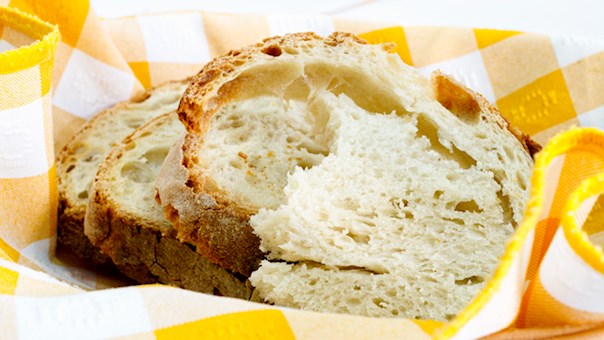
Ever since California's days of gold mining around 1849, sourdough has been an iconic bread and a staple of the Western cuisine. It is the oldest and the most original form of leavened bread, with the oldest recorded use of sourdough dating back to the ancient Egyptians. During the gold rush period, the Boudin family (well-known bakers from France) came to San Francisco and became famous for their unique sourdough bread. It was a hugely popular food, especially for the hungry miners who flocked into the bakery every morning, appreciating the bread for its taste and durability. The Boudin bakery has been using the same starter sourdough culture since 1849, called Mother Dough, and it is still operating today. The sourdough craze spread like wildfire, and today there is a huge number of artisanal bakeries that sell sourdough bread all around the San Francisco Bay Area.
Broa de milho is a Portuguese corn bread consisting of plain flour, cornmeal, yeast, water, milk, sugar, salt, and butter. It is characterized by its fine, moist texture, making it an ideal pair for soups and stews, when it is often used for dipping. The bread is especially popular in Northern Portugal and the Azores. In the past, broa de milho was considered a poor man's food, but today it is enjoyed by all tiers of society.
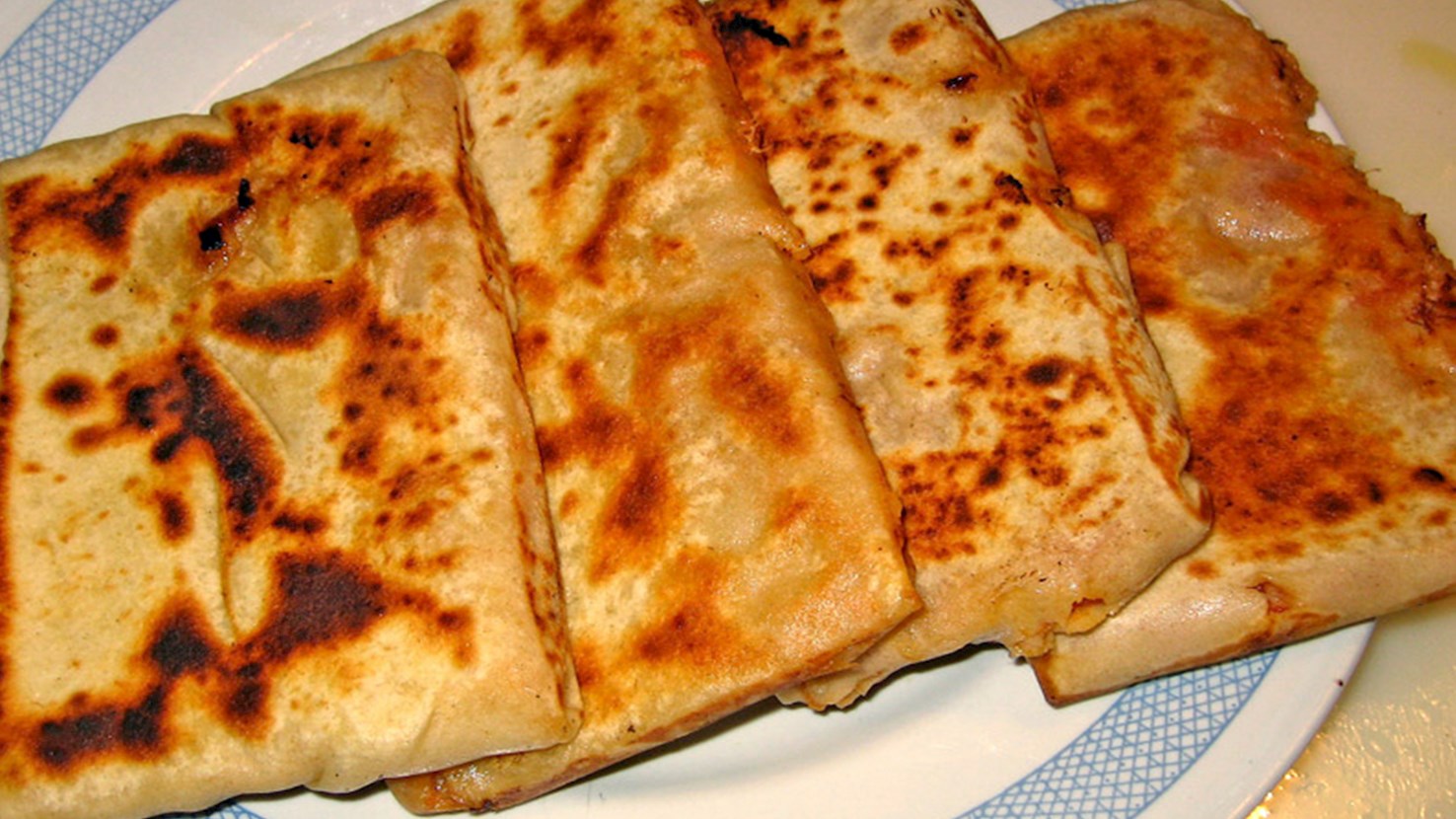
Qutab is one of the most famous dishes in Azerbaijan. Similar in shape to a quesadilla, qutab is made with paper-thin dough, stuffed with a variety of ingredients, folded, and usually baked in saj, a traditional Azerbaijani frying pan. Three of the most common fillings are meat (lamb being the national favorite), a mixture of green vegetables, and squash. Most commonly it is consumed in between meals, as a nutritious snack. Before qutab is served, it is usually cut into smaller triangles and garnished with sumac, parsley, pomegranate seeds, or chopped walnuts. Traditionally, a glass of yogurt is served alongside this Azerbaijani delicacy.
Tiganopsomo is a Greek version of fried bread. It is usually prepared with leavened dough consisting of wheat flour, olive oil, and salt that is rolled into a circle while the center is filled with crumbled feta and herbs such as oregano, rosemary, parsley, mint, or sage. Large disks are then fried in olive oil until golden and crispy. This bread is traditionally served for breakfast, and it is usually sprinkled with sesame seeds or drizzled with honey or balsamic vinegar. Some varieties may come without a filling, and feta can be replaced with mizithra cheese. Translated from Greek, tiganopsomo means fried bread.
Gözleme is a savory stuffed flatbread made from hand-rolled, unleavened dough that is folded around a filling, sealed, and cooked on a hot, convex metal griddle. Its origins are tied to rural and nomadic communities of Anatolia during the early Ottoman period. The name comes from the word göz, meaning “eye,” referring to the dark blistered spots that appear on the dough when it touches the hot iron surface. Historical accounts trace the use of the convex metal griddle, known as a sac, back to the 11th century. This portable cooking surface provided a practical way for migratory tribes to prepare fast, filling food while on the move. Gözleme needs a simple dough made from wheat flour, warm water, and salt. The dough rests briefly, then is divided into small, even portions. Each piece is rolled out with a long, thin wooden rolling pin called an oklava until it becomes a large, paper-thin circle. A thin layer of filling is spread over exactly half of the dough. The empty half is folded over the filling to form a large semicircle, and the edges are pressed firmly to seal the ingredients inside. The stuffed dough is then placed directly on a blistering hot sac or heavy iron skillet. It cooks for only a few minutes on each side, until the exterior puffs slightly and develops its signature dark brown spots. As soon as it comes off the heat, the surface is brushed generously with melted butter or olive oil. This softens the crisp exterior and turns it into a pliable, rich crust. Changing the filling can dramatically alter the flavor. One of the most common versions uses crumbled white cheese mixed with raw spinach leaves and chopped parsley. Another typical filling is strongly spiced minced beef and diced white onions. Earthier variations use boiled, mashed potatoes seasoned with black pepper and red paprika. Sweet versions replace the vegetables and meat entirely with a thick layer of chocolate hazelnut spread or sweetened crushed nuts. Once cooked, the hot gözlemeis transferred straight to a wooden cutting board and quickly sliced into manageable rectangular strips. It is served while still hot, usually stacked high on a ceramic plate. A tall glass of cold salted yogurt drink or a small glass of strong black tea often accompanies it. Originally, gözleme was served for breakfast or as a light afternoon snack, but today it has a status of popular fast food that can be found throughout the country's restaurants, food carts, and cafés.
Pita bread is a type of flatbread believed to have originated in the Middle East around 2500 BCE, making it one of the oldest types of bread in the world. Archaeologists have found evidence of flatbreads made by ancient civilizations across the Middle East and Mediterranean, including the Egyptians and Sumerians. The term "pita" is a Greek word, which means "pie" or "bread". This might suggest that the Greeks adopted this form of bread from their Middle Eastern neighbors. The bread is a staple in many Middle Eastern and Mediterranean cuisines today, including those of Greece, Türkiye, Lebanon, and Syria. The simple process of making pita bread, which involves mixing wheat flour, water, yeast, and salt, then baking it at high temperatures, would have been achievable with the tools and resources available to ancient civilizations. The high heat causes the dough to puff up and create a pocket, which is a distinctive feature of pita bread. This pocket makes pita bread versatile for a variety of dishes, as it can be used to scoop up or hold various fillings. Pita is the perfect choice for steaks, lamb, falafel, kebabs, or chicken, and it is traditionally paired with hummus, tzatziki sauce, or tabouleh.
Scallion pancake is a Chinese unleavened flatbread made from wheat flour which is folded with oil and finely minced scallions. Bell peppers, fennel, and sesame seeds are some of the ingredients that are also often included in this pancake. It is usually served piping hot, cut into pieces or wedges, and served with a soy-based sauce. Although the origins of scallion pancake are still quite murky, most people believe that it originated in Shanghai, due to the fact that scallion pancakes are very similar to the Indian paratha flatbread. Because of its unique flavor and texture, scallion pancake is one of the most popular street food items in China and Taiwan.
Pan Gallego is a traditional crusty bread originating from Galicia. It is characterized by a soft and springy crumb with many air pockets and a hard crust, depending on the variety. In artisan bakeries, it's made with wheat flour or trigo gallego (Galician wheat), a sourdough starter, salt, and large amount of water. The bread needs long rising times – at least 3 hours – and baking times. There are four types of loaves – the bolo or hogaza, a misshapen round loaf with small cracks on the upper part and often with a topknot; the rosca, an irregular and flat ring of bread; the bola or torta, which is round and flat; and the barra, a baguette-type loaf. The bread is aromatic with an intense wheaty flavor and slightly acidic notes. For the best experience, try it with a cheese called La Tetilla.
Native to Egypt, aish baladi is a flatbread made with whole wheat flour. It is traditionally baked in extremely hot ovens and can be found at numerous Egyptian markets. The bread has been produced since the times of ancient Egypt, when it was made with emmer wheat. Nowadays, this bread is a staple at Egyptian tables, from breakfast to dinner, and everyone eats it, whether poor or rich. In fact, it is so important that the word life (aish) is included in its name.
This traditional Bavarian pretzel is shaped to symbolize two arms folded for prayer, and they are available in different versions and sizes, usually topped with a sprinkling with coarse salt. Their crust is thin, dark brown, shiny, and has a cracked surface after baking. The dough, however, is juicy, tender, and light in color. As opposed to Swabian pretzels, Bavarian pretzels are thicker and not sliced lengthwise in the middle. Local differences can be recognized by their various forms. The Bavarian pretzel is a vital part of Bavarian snack culture, and it is especially delicious when buttered or paired with cheese. It is an indispensable accompaniment to Munich white sausage and Bavarian meatloaf.
Folar de Chaves is a traditional stuffed bread. It is made with leavened dough that incorporates a hefty amount of eggs, lard or butter, and olive oil. The fillings may vary, but they usually include cured or smoked pork products such as presunto (ham), sliced sausages, or bacon. The bread is traditionally prepared for Easter, but it is also commonly made for other festivities and various special occasions. As it is evident from the name, it originates from Chaves, but nowadays it is popular throughout the country.
Challah is a type of enriched bread originating from Jewish cuisine, most commonly associated with Ashkenazi communities of Eastern and Central Europe. It is a slightly sweet, egg-based loaf made from wheat flour, water, eggs, sugar, yeast, and oil, characterized by its glossy surface and braided form. The bread is prepared for the Sabbath and Jewish holidays, where it is served as part of ceremonial and family meals. Its name comes from the Hebrew word for a portion of dough that was once set aside as an offering, though the loaf itself has become a central feature of Jewish culinary culture across the world. Challah developed among Jewish communities in Europe who adapted local baking techniques and ingredients to fit dietary laws and religious customs. In regions such as Poland, Ukraine, and Germany, bakers incorporated eggs and oil to create a soft, rich crumb, differing from the denser rye loaves common in local cuisine. The distinctive braid appeared later, symbolizing unity and continuity, and variations in the number of strands or shapes often reflected the specific occasion. With migration and diaspora, challah spread to North America and beyond, where it became an emblem of Jewish home cooking and holiday observance. Preparation begins by combining warm water, yeast, and sugar to activate fermentation, then mixing in flour, eggs, oil, and salt to form a soft, elastic dough. The dough is kneaded thoroughly and left to rise until doubled in volume. It is then divided into strands, which are braided and placed on a baking tray for a second rise. Before baking, the loaf is brushed with egg wash to create its characteristic golden sheen and sometimes sprinkled with poppy or sesame seeds. The bread is baked until the crust turns deep amber while remaining tender inside. When sliced, the crumb is fine and slightly sweet, ideal for both eating plain or accompanying savory dishes. Challah is served at the beginning of Sabbath meals and Jewish holiday dinners, often in pairs to represent abundance. It is typically eaten with wine during the blessing ritual, then served alongside main courses such as roasted meats, fish, or vegetable dishes. Leftover challah is often repurposed into French toast, bread pudding, or sandwiches due to its soft texture and mild sweetness. Its taste pairs well with both sweet and savory spreads, such as honey, jam, or butter, as well as with beverages like tea, coffee, or red wine during festive meals. The bread’s enduring presence in Jewish kitchens is due to its versatility and symbolic significance, combining practical baking techniques with religious and cultural meaning. Its distinctive braided shape, rich flavor, and ceremonial use distinguish it from other loaves, making challah both a staple of weekly observance and a centerpiece of communal and family gatherings.
Ka'ak is Lebanese street bread that is usually consumed as a snack, characterized by its circular appearance with a hollow part near its outer edge. The bread is traditionally sprinkled with sesame seeds on top. It is typically sold from tiny chariots, where numerous stacked ka'aks dangle from the rails. The bread can be filled with zaatar or picon cheese, but some stores that specialize in ka'ak fill it with many different ingredients. Its texture is chewy, while the flavors are intense and aromatic due to the usage of sesame, sumac, and thyme. It is recommended to pair ka'ak with yogurt or more cheese.
This traditional Ligurian dish is a simple, oven-baked flatbread made only with chickpea flour, water, extra virgin olive oil, and salt. Its origins can be traced to Roman times, but according to legend, farinata as we know it today is said to have been invented in August of 1284, when the Republic of Genoa defeated Pisa in the battle of Meloria in the Ligurian Sea. On their way back home, the Genoese ships were hit by a tempest, and some of the olive oil and chickpea flour barrels broke, they were mixed together, then moistened by salty sea water. After the tempest, realizing they didn’t have anything else to eat, the sailors put this mixture to dry in the sun and consumed it. Often flavored with rosemary, farinata di ceci can be eaten plain or enjoyed with creamy stracchino or crescenza cheese and a touch of pesto alla Genovese.
Pupusa is the national dish of El Salvador, a thick, stuffed, skillet-cooked corn tortilla, traditionally served with a side of tomato salsa and coleslaw. Pupusas are almost always handmade, sold at numerous street corners in the country and eaten by hand. A fundamental food of Salvadorian cuisine, the dish also has its day - the second Sunday in November, or National Pupusas Day, stressing the importance of this beloved street food, when pupusa-eating contests take place on the streets of El Salvador. It was created by a tribe of native Salvadorans called the Pipil or Cuzcatlecs, but it wasn't until the 1900s that pupusas became popular in El Salvador, and eventually, in the rest of the world. The corn flour tortillas, which are well cooked when dark spots appear on each side, are usually filled with cheese, fried beans, and chicharrónes, although there are other combinations filled with chicken, pork, or shrimps. Pupusas can often be found at tiny restaurants called pupuserias. After the meal, hot chocolate is the most common accompaniment to this flavourful dish.
Lavash is a traditional flatbread claimed by many food specialists to be Armenian in origin, but it is well-known and prepared throughout Western Asia (most noteably Iran and Türkiye) and the Caucasus (most noteably Azerbaijan). The dough consists of wheat flour, salt, and water leavened only with a sourdough starter. Once the dough has risen, it is shaped into small lumps that are rolled flat and then slapped against the inside of a clay oven called tonir. Depending on the part or region of Armenia, these flatbreads can vary in thickness, size, shape, and the method of kneading. Because the process of making lavash is so labor-intensive, as well as time-consuming, this flatbread is typically prepared in advance. The baked flatbreads are kept in a dry place and sprinkled with water before use to restore their flexibility. Even to this day, lavash is only torn by hand and can be used either as bread, a wrap, or a spoon. The significance of this flatbread in Armenia is reflected in the ceremonial ritual of its preparation, starting with the choice of women who are fit to make this flatbread, to the sacred and obligatory whispering of blessings or reciting of kind words while making the dough, as it is believed the dough has magical powers to make the whispered wishes come true. As it is considered to be a symbol of fertility and prosperity, lavash has great significance in the Armenian wedding ceremonies, and is also used in traditional medicine since it is believed to have healing properties. In 2016, UNESCO recognized lavash making and sharing culture as an Intangible Cultural Heritage of Humanity.
Shotis puri or shoti is a Georgian baton-like bread made with whole wheat flour, salt, water, and yeast. It is traditionally baked until golden brown in a deep, circular oven called a tone. The freshly baked bread is then placed on wooden racks to cool, and it is usually sold wrapped in a sheet of paper. Shotis puri is consumed as an everyday bread, but it is especially popular during festive events such as Easter, Christmas, and birthdays.
Khychin is a traditional filled flatbread originating from the regions of Kabardino-Balkaria and Karachay-Cherkessia. This thin flatbread is made from unleavened dough and it's filled with boiled potatoes, local cheese, or meat with fresh herbs. The dough is usually made with a combination of flour, salt, and kefir or ayran, while the filling can contain soft cheese, potatoes, butter, veal or lamb, garlic, onions, coriander, and mint. Once assembled, khychin is fried in butter until it's slightly browned and crispy. The dish is prepared for all special occasions such as weddings, childbirth, funerals, or visiting guests. It is believed that khychin symbolizes the Sun, wealth, and hospitality.
Bagels are an iconic New York City food: boiled, then baked hand-shaped, round rolls with a hole in the middle. It is a small and dense bread with a malty flavor and a dark, shiny, and crunchy exterior which should snap when bitten into it. Originally, they were brought to the United States by Jewish immigrants from Eastern Europe. There is a theory that bagels were popular in the Jewish community because the dough needs to rest for twelve hours before being baked, so it was convenient for Jews to let it rise during the Sabbath, when work is forbidden. New Yorkers claim that their bagels are the best due to the water's softness, as there are low levels of calcium and magnesium that could toughen the dough when combined with gluten. In the past, bagels were made in four original varieties: plain, poppy, salt or sesame, but nowadays they are made with garlic, onion, cinnamon, and raisins, best enjoyed fresh out of the oven and paired with butter, scallions, lox, and cream cheese.
Aloo paratha is one of the most popular breakfast foods in northern India, a flatbread stuffed with a spicy potato mixture. Its name is derived from aloo, denoting a potato, parat, denoting layers, and atta, denoting flour. The flatbread is made from whole-wheat flour, salt, and ghee, forming flaky, soft, and crispy layers that are golden-brown in color. The filling consists of mashed potatoes, ginger, green chilies, coriander, dried pomegranate seeds, chili powder, and salt. The dish is often topped with Indian homemade butter called makhan and it is traditionally served with chutneys, pickles, onions, and yogurt or tea on the side. Due to its popularity, it spread from Punjab to various parts of the Indian subcontinent, but also to Malaysia, Mauritius, Singapore and the Caribbean.
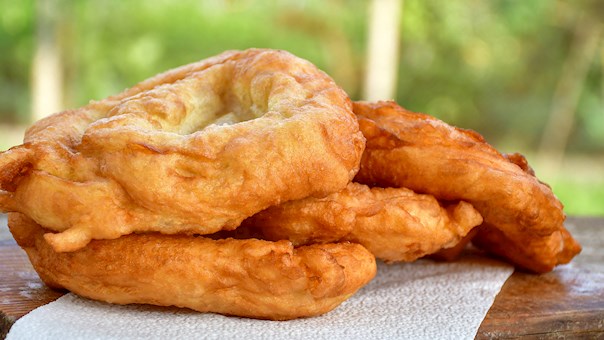
Lángos is a thick, yeast-leavened flatbread that is stretched by hand and deep-fried in hot fat until the exterior forms a crispy, blistered crust while the interior remains soft and airy. Its name originates from the word "láng," meaning "flame," reflecting its earliest form as a simple morning snack baked at the very front of a wood-fired brick oven, alongside glowing embers. Before the 1950s, making this bread was closely tied to the weekly routine of baking large household loaves. Bakers scraped the sticky leftover dough from the sides of large wooden kneading troughs, a practice that earned the scraps the slang term "vakolat," which translates to plaster. These days it can be found throughout Hungary, Austria, Croatia, and Romania. These flattened pieces were baked quickly in the receding heat and consumed fresh with butter, animal fat, or sour cream for breakfast on baking days. As rural households urbanized and domestic bread-making declined rapidly during the mid-20th century, the item shifted from a baked household good into a ubiquitous commercial street food submerged entirely in large vats of boiling oil or pork lard. The dough is made by dissolving active yeast in warm milk with a pinch of sugar to activate it, then thoroughly kneading it with wheat flour, salt, and lukewarm water. After the mixture rests in a warm environment until it doubles in size, individuals coat their hands in oil to effortlessly tear off small portions, stretching them into wide circles with slightly thinner centers before dropping them into the hot frying fat. The heavily favored standard topping involves brushing the hot, blistered surface with crushed raw garlic or garlic water, then heavily blanketing it with thick sour cream and piling on a massive mound of grated yellow cheese. More modern takes include toppings such as chopped fresh dill, pungent sheep's milk cheese, sliced sausages, roasted bell pepper stews, or bits of ham. Entirely different structural variations include potato lángos, which have boiled, mashed tubers mixed into the raw flour mixture to create a denser, heavier bite, and cabbage lángos, which feature braised cabbage incorporated into the batter before frying. Vendors also offer a folded version in which savory meat fillings are encased entirely within the dough, creating a sealed pocket. Older baked variations resembling thick, rustic pizzas still exist under regional names like langalló, kenyérlángos, or töki pompos, heavily topped with bacon and onions, and baked in an oven rather than deep-fried. The freshly fried discs function strictly as immediate, calorie-dense meals, primarily purchased at summer lakeside resorts, outdoor markets, and busy transit hubs, eaten exclusively by hand while standing or walking. Because the fried structure degrades and turns rubbery rapidly as it cools, consuming it steaming hot straight from the oil is absolutely mandatory.
Kayseri yağlaması is a traditional dish from the city of Kayseri in central Anatolia that consists of thin, soft flatbreads layered with a savory filling of minced meat (usually lamb or beef), finely chopped onions, tomatoes, green peppers, and a blend of spices like paprika, black pepper, and cumin. The flatbreads are stacked with the meat mixture spread between each layer, creating a flavorful, lasagna-like dish. Once assembled, the stack is cut into portions and typically served with garlic yogurt and a garnish of parsley. The dish is juicy and aromatic, with the flatbreads soaking up the seasoned meat juices and the cool tang of the yogurt providing a perfect contrast. It's a beloved part of Turkish cuisine, often prepared for family gatherings and special occasions.
This sweet variety of the traditional Malaysian roti employs bananas as the star ingredient. The unleavened roti dough is stretched until thin, and the combination of sliced bananas, eggs, and sugar is then wrapped in the dough. Roti is usually pan-fried until golden, and it comes served cut into bite-sized pieces that are dusted with sugar and drizzled with condensed milk. The dish is a classic street food item that is usually enjoyed as a sweet and filling breakfast or an afternoon snack.
Pane guttiau is a traditional flatbread originating from Sardinia. It's very similar to pane carasau, but guttiau is even thinner. The flatbread looks like thin leaves with long cracks, and it was originally made for shepherds who took it with them to the pastures because it keeps very well – if kept dry, it stays edible for a whole year. The dough is rolled as thinly as possible, and it is then baked until the edges start to rise up. Pane guttiau is often brushed with olive oil and sprinkled with sea salt, then eaten as a snack. It's also commonly served with salami and cheese.
Manakish is a favorite Lebanese breakfast - a round, flat bread that is typically topped with olive oil and zaatar (sesame seeds, thyme, and sumac), then baked in the oven. Other toppings might include cheese, minced lamb, spinach, or fried eggplants. The name of the dish means decorated or stamped, referring to a technique where the dough is pressed using the tips of one's fingers, leaving a decorative pattern in the process. Although it is sometimes affectionately called Lebanese pizza, it is a recent addition to the Lebanese culinary heritage, but it quickly became one of the most popular dishes due to its flavors, low price, and the ease of preparation. Manakish is often associated with being food for the poor, but it is enjoyed by all classes of society. It is recommended to pair it with tomatoes, cucumbers, yogurt cheese, or a cup of hot tea.
Ramazan pidesi is a traditional leavened bread shaped into round, flat forms. It is made with flour, water, milk, yeast, sugar, salt, and either butter or olive oil. Traditionally consumed during the month of Ramazan, the bread is characterized by its top which is decorated with crisscross patterns or dimples made by pressing into the dough with one’s fingers. Before baking, Ramazan pidesi is typically sprinkled with nigella seeds and sesame seeds. Nowadays, it's one of the staples of Turkish gastronomy, eaten throughout the year with various dips or used to mop up the juices of stews and casseroles. It is also an important part of tombik, a traditional Turkish sandwich stuffed with shredded meat.
A simple bun called chipa is the most common food staple in Paraguay. The famous bread is made with cassava flour, lard, and anise. It originates from the Native American people Guarani, indigenous to the Amazon area of Brazil, Argentina, and Paraguay. The origin of chipa dates back to the time when wheat was not present in South America, and cassava was the most commonly used starch in the area. In colonial times, the Jesuit missionaries introduced milk, eggs, and cheese to the indigenous people, which finalized the chipa recipe. The use of cassava starch and lard results in the crunchy exterior of the bun, while the use of anise gives the bread buns an unusual and unique flavor. Although chipas are eaten all year round in Paraguay, they have a significant importance during the Holy Week, so they are often prepared and eaten during the Easter festivities. For the people of Paraguay, chipas represent their daily bread which is eaten together with numerous main meals or as a snack. Traditionally, the buns are prepared at home, but they are also sold by many street vendors, called chiperas, especially along Paraguayan roads.
Juoda duona is a traditional bread consisting of ground rye flour, starter, and water. The dough must be kneaded for a long time before baking, and it is always left to ferment overnight. Once it is baked, juoda duona is consumed for breakfast, lunch, and dinner. Traditionally, bread baking in Lithuania is always done by the eldest woman in the house, and if visitors come over, it is a custom that they stay until the baking process is done.
Roti is a flat and unleavened bread made with wholemeal flour. It is traditionally cooked on an iron griddle called tava, an important vessel in the Indian cuisine. In Indian cuisine, roti is as essential as rice. There are several theories regarding its origin. One says that it was invented in Persia, when it was made with maida and was much thicker than today's rotis. Another theory says that it traveled to India from East Africa, where unleavened bread was a staple and the production of wheat was abundant. The Ayurveda dates it back to India's Vedic period. Regardless of the origin, roti is nowadays popular throughout the world, in countries such as Pakistan, Nepal, Sri Lanka, Maldives, South Africa, and South Asia. Its name stems from the Sanskrit word रोटिका, meaning bread. There are many variations of the basic roti, such as chapati, makki di roti, tandoori roti, and roti canai. It is commonly used as an accompaniment to various dishes, including curries, and on the Caribbean, it is commonly used as a sandwich wrap and consumed as street food.
Yufka is a traditional flatbread consisting of flour, water, salt, and olive oil. The unleavened dough is typically rolled with a rolling pin until it develops a paper-thin consistency. It is believed that yufka is an earlier form of phyllo dough. It can be used in the preparation of numerous Turkish pastries, and it is sturdy enough to hold all of the fillings for a shawarma sandwich. In 2016, UNESCO recognized yufka making and sharing culture as an Intangible Cultural Heritage of Humanity.
Bhatura is a deep-fried, leavened bread with North Indian origins and a light, fluffy texture. Its unique texture is achieved by letting the dough ferment for almost one hour. The dough consists of flour, oil, baking powder, and yogurt. After the bread is fried, it is usually sprinkled with Indian masalas or stuffed with paneer. If it's stuffed with chickpea curry, it becomes another popular dish, known as chole bhatura, found at almost every street corner in North India. Bhatura's versatility is seen in kulcha, which is made with the same dough, but it is baked or cooked on a pan instead of being deep-fried.
Kesra or khobz f'tir is a traditional flatbread that is used as a daily bread. The dough consists of semolina, oil, salt, and water, and typically contains no yeast. Unlike the similar khobz el dar, kesra is not baked, but cooked on a tagine or on the stove. It is recommended to pair kesra with an Algerian chicken and freekeh soup called chorba.
Literally translated to a slipper, as a reference to its shape, ciabatta is an Italian type of white bread made with yeast and wheat flour. It is characterized by numerous air pockets on the interior and a crispy crust. The first ciabatta was made in 1982 by a Veronese miller and baker named Arnaldo Cavallari. The bread was invented as a response to the rising popularity of French baguette, as the bakers were worried that it might endanger their business. Ciabatta is considered an ideal choice for sandwiches because the crumb absorbs liquids very well. Today, many regions in Italy have their own variations of the original recipe, producing ciabattas with olive oil, whole wheat flour, marjoram, and milk.
Turkish simit is a circular bread that's commonly accompanied by either tea or ayran (salted yogurt drink) and consumed for breakfast with fruit preserves or in savory combinations with cheese, pastırma (salt cured beef), and fresh vegetables. It is believed that simit has been baked in Istanbul since the 1500s, while the name hails from the Arabic word samīd, meaning white bread or fine flour. The dough itself is very similar to that of a bagel, except instead of boiling, the proofed dough is shaped and dipped into fruit molasses with water before being baked with a coating of toasted sesame seeds on top. In Türkiye, simits are sold by street vendors who walk around either pushing trolleys or carrying trays piled with these delicious, crunchy crusted bagels on their heads.
Çarşamba pidesi is a Turkish savory pie from Çarşamba district in Samsun, Turkey. Unlike the crispy Bafra pidesi, it is known for its soft texture. This pide is shaped into a long, thin loaf, about 75-80 cm (30-32") in length and 4-5 cm wide (2"), and weighs around 200-220 grams (7 oz). It is made with a dough leavened with sourdough and with a raw filling consisting of minced beef and onions that have been squeezed of its juice, pepper, and salt. After baking in a wood-fired oven, butter is spread on the hot pide to enhance its flavor. The final product is a soft, buttery bread, distinct from the crispy varieties of pide.
Pandesal is a popular bread roll from the Philippines. Its name is derived from the Spanish words "pan de sal," which translates to "bread of salt." However, despite its name, pandesal is characteristically slightly sweet rather than salty. The outside is usually coated in fine breadcrumbs, which give it a unique texture. This bread is a staple at many Filipinos' breakfast tables and is often enjoyed dipped in hot coffee or filled with various fillings like cheese, corned beef, or coconut jam. Over the years, its simple ingredients of flour, yeast, sugar, and salt have provided comfort and sustenance to generations of Filipinos.
Cachapa, chorreada, arepa de choclo, güirila, toquera, tortilla de choclo, and tortilla changa, are all names that describe a Latin American corn dish that can be categorized as either a pancake, tortilla, or flatbread, depending on the country. It can be made only of corn or have additional ingredients like sugar, water, milk, salt, butter, cheese, and oil. They are typically prepared by street vendors and are either fried or griddled (in Nicaragua, they’re cooked between two banana leaves!) and characterized by a sweet-savory flavor. They can be eaten plain with a beverage, wrapped around a filling, or topped like an open-faced sandwich with things like cheese, shredded pork, sour cream, and eggs. They can be eaten any time of day, but typically they're eaten for breakfast, as a snack, or a quick dinner.
Ladenia is a type of soft flatbread that’s topped with tomato slices, onions, and a generous drizzle of Greek olive oil. Hailing from Kimolos, this savory delicacy is considered to be the Greek take on Italian pizza, and it is believed to date back to the time of the Venetian occupation of the island. The dough is typically made with flour, yeast, water, and salt, although some versions also call for the addition of olive oil to the combination. Homemade tomato paste is often used in case there are no fresh tomatoes, while some people tend to enhance the simple tomato-onion topping with the addition of capers and peppers. The flatbread is usually seasoned with sea salt, black pepper, and dried Greek oregano, and once baked, it is typically enjoyed with an extra drizzle of olive oil on top. Ladenia can be made in a round or rectangular shape, and it is typically eaten for breakfast or as a light lunch, although it can also be served as part of a meze dish.
This traditional Portuguese Easter bread consists of flour, eggs, and local Trás-os-Montes olive oil. It is traditionally filled with various pork products such as pork meat, bacon, sausages, ham, or shredded pork shoulder. Folar was first mentioned in print in 1959, and in 2016 it has been awarded the Protected Geographical Indication status by the European Commission. Though it is traditionally associated with Easter, this delicacy is also commonly enjoyed on various special occasions.
Prepared in the same traditional way for hundreds of years, the Sicilian pane a l'antico rustico or simply pane rustico is a type of homemade sourdough bread. The slightly flattened pane rustico is typically baked in a wood-fired oven, and pairs perfectly with many dishes of Sicilian cuisine, particularly soups and stews. Crusty on the outside and wonderfully tender on the inside, it is also great as an accompaniment to cold cuts and cheese. In Sicily, pane rustico is often enjoyed fresh from the oven, generously drizzled with extra virgin olive oil and simply seasoned with salt and coarsely ground black pepper.
Arepa is a highly versatile cornbread made from ground corn dough or precooked corn flour. It is commonly consumed in Venezuela, Colombia, Panama, Puerto Rico, and the Dominican Republic. In Venezuela, arepa is eaten at any time of the day, throughout the whole country, and across all socio-economic groups. The golden disks with a crispy, browned crust are commonly stuffed with a variety of ingredients, and the combinations are seemingly infinite, from beans, cheese, and avocado to shredded beef and onions. For a Venezuelan breakfast, arepas are traditionally paired with a cup of strong coffee and hot dipping chocolate. Since they are not filled with anything for breakfast, they are commonly referred to as the viuda (widow). The name arepa comes from the word erepa, which is the indigenous word for this corn bread, as its origins are believed to be from the indigenous tribes across Venezuela, such as Timoto-Cuicas, Arawak, Carib, and Karina. Today, arepas are usually served at traditional eateries called areperas.
Bazin is a popular Libyan unleavened bread (also considered a dough-based dish) made by boiling barley flour and salt in water and beating it with a stick called magraf until it develops into a dough which is then baked or steamed. The bread is characterized by its hard texture, achieved by the usage of large amounts of salt. It is traditionally shared and consumed using the right hand. Bazin is often served with a tomato-based stew, potatoes, hard-boiled eggs, and mutton.
Lagana is a traditional flatbread that is usually associated with Clean Monday—the first day of Lent. The bread is made with wheat flour, and although it was primarily unleavened and did not include dairy or oil, modern varieties are often prepared with olive oil and yeast. The bread is oval-shaped and flat, and the top is typically pressed with fingers to create small indentations. Optional ingredients often include olives and various herbs, but sesame seeds are the most common topping. The exact origin of this ancient Greek bread is still vague, but its first written reference dates back to 5th century BC when it was mentioned in a poem written by a Greek poet Aristophanes, while the name lagana stems from the ancient Greco-Roman term laganon that denoted a similar thin flatbread.
Tortilla, originally a corn flatbread, is one of the essential bread varieties that has been present in Mexican culture for thousands of years. The first tortilla was created out of the staple ingredient of indigenous cultures, the ubiquitous corn. It was an ingredient used by the ancient Mesoamerican people, who would store the corn kernels and later process them to create masa, which was then formed into balls and hand pressed to create the familiar, round and thin tortilla. This ancient tradition is still present among some native Indian groups, who are excessively trained to perfect the art of making authentic tortillas. The narrative of the tortilla has been inadvertently changed after the arrival of Spanish conquistadors to the area in the 15th century. The conquistadors brought their different culinary traditions, in which wheat played a crucial role, while the authentic corn was regarded as food of the plebeians. However, the tradition of growing and cooking with corn remained popular in rural areas among the indigenous Indians. The emergence of the wheat tortilla is believed to have happened during the colonial time, but what caused its appearance is not quite clear. Some theories claim that it grew out of the European tradition, some that it was an intentional invention of Indians to please the palates of European conquistadors, and some even say that the exiled Spanish Jews created it since they believed corn was not kosher. Regardless of the reason, wheat tortilla has first spread around the area of the Rio Grande River and continued to gain popularity following the agricultural production and advancement. Today, tortillas are not only a Mexican favorite: due to proximity, historical influence, and large Hispanic influx, tortillas have stopped being regarded as an ethnic bread in the United States, and have thoroughly been immersed as a part of the American culinary heritage. Today, tortillas are usually used as a foundation and a wrapper to numerous dishes such as tacos, burritos, enchiladas, and quesadillas. They are also commonly served alongside stews and chilies, where they are often used as an accompaniment and a utensil used to scoop the dish. Whether made with corn or wheat, this ancient Mexican product has gained followers around the world and has become one of the most common bread varieties in the world.
Ficelle is a long and thin French bread that is spongy and tender on the interior, and crispy on the exterior. It is commonly made with white wheat flour, just like the baguette, but it is usually about half the size of a standard baguette that is sold at most French pâtisseries. The word ficelle means string in French, referring to its thinness. The bread is often used in the production of croutons, while it is regularly sliced and accompanied by a spinach dip.
Mbeju is a traditional, starchy Paraguayan flatbread made with either manioc or farina flour. As a result, it is highly nutritious and looks like a pancake with a crumbly texture. Besides flour, mbeju consists of salt, water, oil, and, optionally, crumbled cheese. This starchy treat is usually consumed for breakfast, although some consume it as a quick and easy dinner.
Yaniqueque or yanikeke is a Dominican fried bread with a crispy and crunchy texture. It is made with flour, salt, melted butter, and baking powder. The dough is rolled into thin circles with crimped edges, and it is then fried in hot oil until golden brown. Yaniqueques are typically placed on paper towels in order to let out excess oil. They can be found throughout the country, on numerous streets and beaches. It is believed that this is a variation on the johnny cakes, and the dish was brought to the country in the 1900s by Afro-Caribbean immigrants. Although yaniqueques are usually served with ketchup, they can also be sprinkled with salt, cinnamon, or sugar.
Injera (or tayta) is a spongy Ethiopian and Eritrean flatbread and an integral part of life for the locals. The bread is made from teff, the tiniest grain in the world, also considered a super grain due to its high nutritious properties. Injera is so popular that the people greet each other by asking "Did you eat injera today?", and if the answer is positive, that assures the other person that all is well. This flatbread is served for breakfast, lunch, and dinner, and sharing it when times are rough has kept many Ethiopians and Eritreans alive. Its flavor is tart and quite similar to sourdough bread. The dough is left for three days to ferment and is then shaped into a large, pancake-like disk. It is usually fried in a skillet over a fire, where the spongy texture of the bread develops as the dough hits the hot skillet and air bubbles form on the inside. Once cooled, it is combined with the main course, usually a hearty stew. Injera is eaten without utensils – instead, it is broken into pieces and used to scoop up some more stew from the shared communal platter. Due to the air pockets in the bread, it can absorb a lot of sauce from the stews. Although shared eating might seem strange to some, injera succeeds in bringing people together.
Schiacciata is a traditional variety of bread made in Tuscany and Umbria, consisting of flour, olive oil, yeast, water, and sugar. It is quite similar to focaccia, although it takes much less effort to prepare schiacciata than focaccia. The name schiacciata means pressed, referring to the process of pressing the dough with fingers when it gets placed in baking tins or pans. The texture of this bread is crunchy, yet soft and moist, and it can be topped with anything from tomatoes and cheese to garlic and oregano.
Pan amasado is a small, round, flat loaf of white bread from Chile, traditionally prepared in rural areas in wood-fired clay ovens. It is a staple of most Chilean meals due to its low price. The name pan amasado means kneaded bread, referring to the method of its production. The bread is prepared with lard or shortening, giving it a soft and tender texture. It can usually be bought from roadside vendors on the outskirts of bigger cities or in rural areas.
Taboon is a flatbread from the Levant, especially associated with Palestine, baked in a clay or stone-lined oven that shares the same name and has been used for centuries across rural communities where cereal agriculture and simple earth ovens were common. Its development is tied to households that built dome-shaped ovens from clay, stones, and dried organic material, allowing families to bake bread using sustained heat from embers and hot surfaces rather than metal chambers or modern fuel sources, and the use of smooth stones inside the oven shaped both the baking method and the texture of the bread. The dough is usually made from flour, water, salt, and yeast, mixed into a soft and elastic mass that can tolerate high heat without drying out; it is then left to rise, shaped into rounds, and placed directly on the heated stones or the inner surface of the oven, where it bakes quickly and develops a soft interior with a slightly blistered surface. One notable element is the aroma that comes from the oven itself, as the structure is often built with materials that retain heat and impart a subtle earthy scent to the bread, and the stones inside create uneven surface marks that have become characteristic. It is commonly eaten in Palestinian homes and bakeries and is used for dishes such as musakhan, where it serves as both base and accompaniment, and it is also eaten plain or with olive oil, za’atar, or fresh vegetables; it pairs well with strong tea, yogurt-based drinks, and foods that benefit from a soft but sturdy bread that can absorb juices without falling apart.
Bolillo is a crusty white bread characterized by its short, oval shape, a distinctive deep slash along the top, a crunchy exterior, and a soft, dense crumb. The fundamental recipe requires only four ingredients: wheat flour, water, salt, and yeast, although commercial bakeries often add small amounts of sugar or fat to extend shelf life. Creating the distinct shape involves dividing the fermented dough into small portions, flattening them, and tightly rolling the edges inward to form tapered ends, often resembling an elongated football. A sharp blade is used to slice deeply down the center right before baking, allowing steam to escape and creating the signature split crust, while a light misting of water in the oven ensures the exterior becomes shatteringly crisp. This baking technique dates back to the 1860s, during the French intervention in Mexico, when Emperor Maximilian's court introduced European baking arts and crusty baguettes to the region. The baguette was eventually shortened and adapted to fit within the smaller, wood-fired clay ovens ubiquitous in Mexican bakeries at the time. Similar breads exist across Mexico, such as the telera, which uses the same dough but is shaped into a flatter, softer oval with two shallow, parallel indents on top rather than a single deep slash. Another regional spin is the birote, famously originating in Guadalajara, which employs a sourdough starter and a longer fermentation period, yielding an intensely tangy flavor and a thicker, darker crust specifically engineered to withstand heavy, wet ingredients. Consumption of the bread takes multiple forms in daily Mexican gastronomy, from simply tearing it apart to dip into spicy hot chocolate or café de olla to slicing it horizontally to build robust sandwiches. When sliced completely open, the interior crumb is frequently hollowed out to make room for heavy fillings in iconic dishes such as the torta, where the bread holds layers of refried beans, meats, cheeses, and avocados, or the mollete, which features halved loaves topped with beans and cheese that are baked until melted and blistered.
Originating from the French city of Nice, pissaladière is a baked tart that is similar to a pizza, but thicker. In the past, it was usually baked and sold each morning, but today it is traditionally served as an appetizer or a snack, consisting of a doughy base that is topped with anchovies, olives, caramelized onions, and fresh herbs. The name of the dish comes from the French phrase pèi salat, which translates to salted fish, one of the key ingredients used in the preparation of pissaladière. It is believed that the dish was invented between 1305 and 1377, during the Avignon Papacy. Pissaladière is best paired with a glass of chilled white wine.
Named after the tiger-like exterior of the bread when freshly baked, tijgerbrood is a Dutch bread with a sweet crunch, making it perfect for the preparation of various sandwiches. The tiger spots are developed by covering the dough with a combination of sesame oil, rice flour, sugar, and yeast. The bread is crispy on the outside, but soft and tender on the inside, which is the reason for its popularity in the Netherlands.
Crescentina is a type of puffed bread made with flour, lard, salt, milk and a leavening agent (sometimes with the addition of cracklings). The dough is fried in lard and served hot. Although very delicious on its own, crescentina is usually served with fresh soft cheeses and cold cuts typical for the region, or with jam and chocolate-hazelnut spreads in the sweet version. It is typical for Bologna, but similar dishes can be found throughout the Emilia Romagna region, and the name varies depending on the city: gnocco fritto in Modena, pinzino in Ferrara, torta fritta in Parma, chisulen in Piacenza. The name might vary, but these crunchy little pockets of fried dough remain a local favorite.
Chleb prądnicki is a traditionally made brown bread produced within the administrative boundaries of the city of Krakow in Poland since the 15th century. It is a huge and unique bread - the loaves weigh 4.5 kilos, its crust is very thick and it has a long shelf life, staying fresh for at least seven days. It has a typical flavor and smell of bread made with fermented rye, and just like some cheeses, it develops its unique organoleptic properties after a period of maturation, its full flavor is best appreciated the second day after it has been baked. Even though it is five times more expensive than standardly-made bread, it is highly popular and during the annual Bread Festival, it is often bought four times more than any other day .
Crescentina modenese is a traditional, disk-shaped Italian bread that is crispy on the exterior and soft on the interior. It is traditionally baked in special stones called tigelle (the reason why the flatbread is sometimes called like that), and usually slathered with a spread made from lardo, rosemary, garlic, and Parmigiano-Reggiano cheese. The stones often have a decorative symbol on both sides, which is embossed on the dough as it bakes. It is believed that crescentina modenese was invented by the poor people from the Apennine Mountains near Modena, where farming families would gather around the hearth to bake their evening bread.
Originally derived from the Genovese farinata, socca eventually became the specialty of Nice, France, where it is a street food staple. This traditional flatbread is made with chickpea flour, olive oil, salt, and pepper. Once the batter is prepared, it is transferred to a wide pan or a skillet, which is placed in the oven at very high temperature. The batter is then baked until the socca hardens and begins to slightly burn on the edges. Once baked, socca is sliced into pieces and seasoned with salt, pepper, and a drizzle of olive oil. It can be served as an appetizer with cheese, olives, and a glass of rosé on the side.
Samoon is a type of bread that comes from Iraq and is considered one of the staples of the country’s cuisine. It is distinct for its diamond or oval shape, slightly pointed at both ends, and for its airy yet chewy interior. The crust is usually golden and lightly crisp, making it versatile for both simple meals and elaborate feasts. Over time, samoon has become emblematic of Iraqi bakeries and is now also baked and enjoyed across other Middle Eastern communities. Its roots can be traced back to the Ottoman era when influences from Turkish and Levantine bread-making spread into Mesopotamia. The unique shaping technique and preference for slightly firmer dough gave samoon its characteristic structure, which set it apart from flatter breads like khubz or pita. For decades, Iraqi bakeries perfected the balance of texture and baking temperature, often using stone ovens that imparted both flavor and resilience to the crust. Samoon became associated not only with daily meals but also with the sense of neighborhood life, as bakeries were central gathering points in towns and cities. Preparation involves flour, yeast, water, salt, and sometimes a touch of sugar or oil to enrich the dough. After kneading and rising, the dough is divided into portions, each carefully shaped by hand into the signature elongated diamond. The loaves are baked in very hot ovens, often directly on stones or special trays, which give them both volume and a slightly blistered surface. They are served warm, usually fresh from the oven, as this highlights both the crust and the pillowy inside. It pairs beautifully with grilled meats, kebabs, and stews such as quzi or masgouf, but it is just as often split and filled like a sandwich with falafel, eggs, or cheese. It is also common at breakfast tables, served with spreads like labneh, honey, or jams.
Broa is a rustic bread made from a mixture of cornmeal and either wheat or rye flour, characterized by its dense texture, deeply cracked crust, and slightly sweet, earthy flavor. Tracing its origins back to the rural northern regions of Portugal, such as Minho, as well as the neighboring Spanish region of Galicia, the bread became a vital dietary staple following the introduction of maize to the Iberian Peninsula from the Americas in the 16th century, replacing earlier, coarser versions made from millet or acorn flour. The authentic recipe relies on a simple yet specific ratio of ingredients, typically utilizing two parts finely ground white or yellow cornmeal to one part wheat or rye flour, bound together with water, salt, and natural yeast or a sourdough starter known locally as isco. The preparation is an artisanal process that begins by scalding the cornmeal in boiling water to soften the tough grains and release their starches, a crucial step before incorporating the wheat flour and yeast. Once the dough has been thoroughly kneaded and allowed to ferment and rise, it is portioned and shaped into round loaves by tossing it repeatedly in a specialized wooden or clay bowl called a gamela, which is dusted generously with flour to prevent sticking. The shaped dough is then traditionally baked directly on the stone floor of a scorching wood-fired oven, a harsh thermal shock that rapidly expands the dough and forces the top to split, creating the bread's signature cracked, rustic appearance. While the classic broa de milho (cornbread) remains the national standard, regional and cultural variations exist, including the famous Broa de Avintes from the Porto district—a dark, dense, slowly baked cylinder made primarily from rye flour and corn—as well as the Brazilian broa, which evolved into a smaller, sweeter biscuit often flavored with fennel or anise. In terms of serving style, this robust bread is incredibly versatile and is historically served thickly sliced alongside hearty, traditional dishes such as caldo verde (a pureed potato and collard green soup) or rich stews, where its dense crumb acts as a perfect sponge for soaking up savory broths. It is equally celebrated when served simply, either torn into chunks to accompany roasted meats, grilled sardines, and salted cod (bacalhau), or enjoyed warm with a generous smear of butter, regional cheeses, or a drizzle of high-quality olive oil.
Laccha paratha is a traditional flatbread originating from the northern parts of India. The name of this paratha variety means multi-layered paratha, referring to its flaky and layered texture that goes well with rich and creamy curries and dal dishes. These layers are made by creating pleats from the dough, and it’s then folded like a pinwheel. The flatbread is made with a simple combination of flour, water, salt, and oil or ghee. After it’s been cooked in a tandoor, laccha paratha should be flaky and crispy on the exterior and soft inside.
Rumali roti is a popular Indian flatbread made with white and wheat flour, water, and oil. The dough is baked on a traditional tawa, and since it is extremely thin, it was named handkerchief (rumali) bread. Some say that the bread got its name because it was used instead of a handkerchief after a meal. Rumali roti is typically served as an accompaniment to various curries or with any sort of liquid meal that can be scooped up with the flatbread. It is important to serve the bread slightly moist so that it does not become stiff and unpalatable. Although it has origins in the Mughal cuisine, today it is mainly consumed in North India and Pakistan.
Roosterkoek, literally meaning grill cake, is a traditional bread baked on a grid over the coals. Made with flour, yeast, salt, sugar, oil, and water, these small balls of leavened bread dough are brushed with butter and grilled until slightly charred. Roosterkoek is best enjoyed piping hot, straight off the grill, smeared with more butter. The bread makes an inevitable part of a braai, a South African barbecue, but it's also great as a snack, paired with butter, jam, or cheese.
This simple variation of Malay roti canai is prepared with a cracked or lightly beaten egg that is encased inside the flaky roti dough. Roti telur is traditionally wrapped into rectangular shapes, and just like other types of savory roti snacks, it is typically accompanied by various sides that usually include thick and spicy curries or dahl dishes. The variety with added onions is known as roti telur bawang.
Malawach is a laminated flatbread that originated among Yemenite Jewish communities and is now widely eaten in Israel, where it has become a common household and street-food item. It comes from a culinary context in Yemen where dough-based dishes that relied on layering and frying were common in home kitchens, and Jewish communities preserved specific styles of preparation that later spread as migration increased during the twentieth century. The dough is made from flour, water, salt and fat, mixed into a soft and pliable base that is rolled out thinly, coated generously with oil or margarine, folded or rolled to create layers, and flattened again before cooking; the layering produces a flaky structure that resembles other laminated breads, though the handling method is specific to this dish. Cooking is done on a hot pan or skillet without additional oil, relying on the fat within the layers to create browning and separation, and the result is a soft, slightly crisp flatbread with distinct strata that pull apart easily. A notable aspect is the versatility of its serving style, as malawach is eaten either plain or accompanied by hard-boiled eggs, grated tomatoes, zhug, cheese, honey or sugar, depending on whether it is served as a savory or sweet meal. It is eaten throughout Israel in homes, bakeries and market stalls and remains part of Yemenite Jewish cooking in diaspora communities, pairing well with tea, yogurt drinks, fresh salads or dips that balance its richness.
TasteAtlas food rankings are based on the ratings of the TasteAtlas audience, with a series of mechanisms that recognize real users and that ignore bot,
nationalist or local patriotic ratings, and give additional value to the ratings of users that the system recognizes as knowledgeable.
For the “Top 100 Breads and Flatbreads in the World” list until July 15, 2026, 33,781 ratings were recorded, of which 22,324 were recognized by the system as legitimate.
TasteAtlas Rankings should not be seen as the final global conclusion about food. Their purpose is to promote excellent local foods,
instill pride in traditional dishes, and arouse curiosity about dishes you haven’t tried.
The initial list of top producers was compiled based on available reviews, awards, local recommendations, media and blog coverage, and consumer reviews.
The list will be updated with ratings from TasteAtlas local ambassadors and TasteAtlas users.