youtube (Creative Commons)

Top 5 Local Cheeses
in Alentejo

Last updated on July 22, 2026

Best Cheeses in the World
01

Fernando & Simões - Queijaria Artesanal

5.0 ·

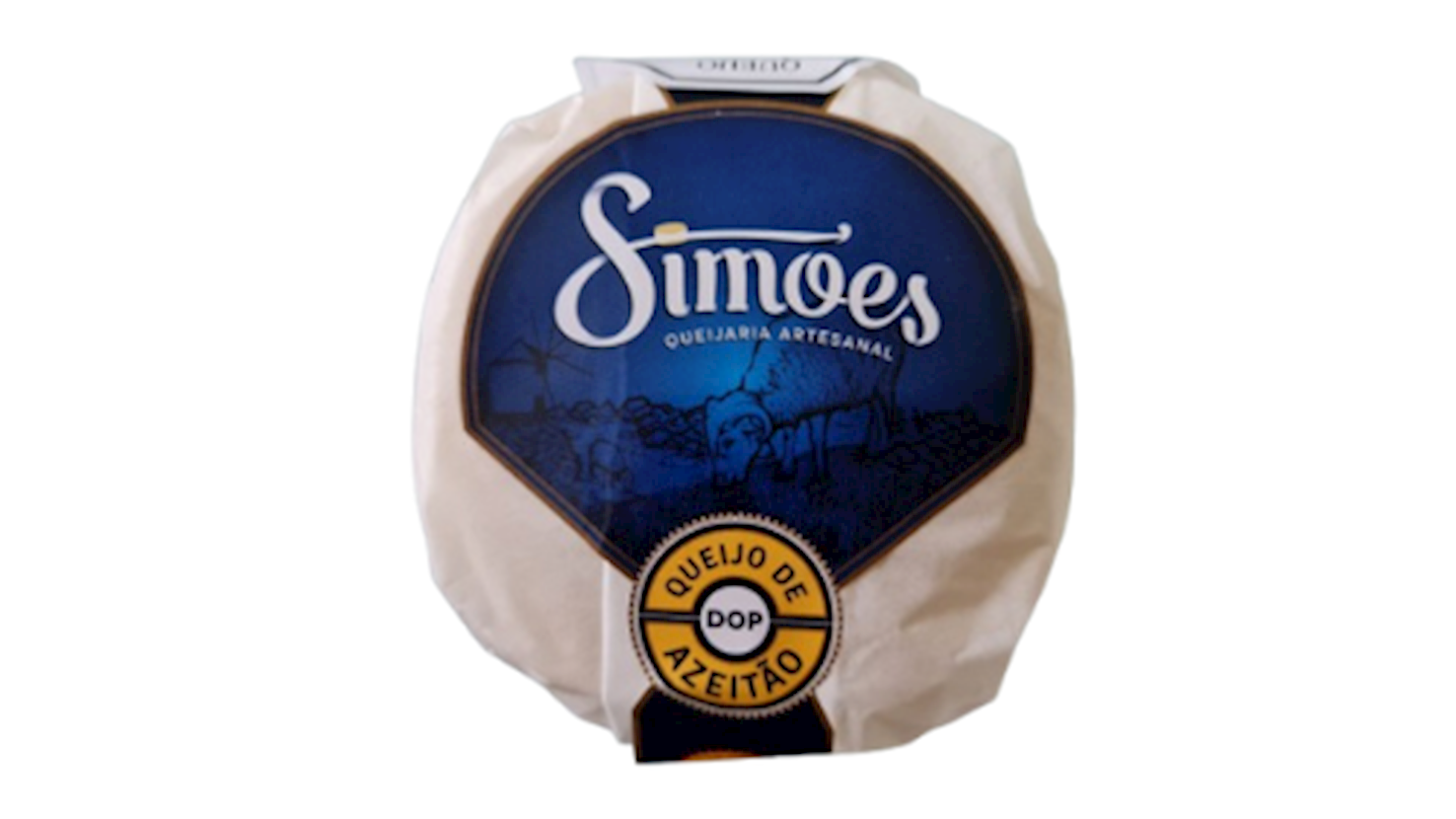
Fernando & Simões - Queijaria Artesanal is a family-run cheesemaker from Quinta do Anjo in the Setúbal region, recognized for its traditional, handcrafted production of Queijo de Azeitão DOP. The cheese is made from raw or partially pasteurized sheep’s milk, using natural vegetable rennet that contributes to its characteristic creaminess and aromatic depth.

It is shaped in small molds and aged for at least ten days in humidity-controlled rooms, where it develops a soft rind and a rich, evolving aroma. During maturation, it acquires pronounced notes of sheep’s milk, herbal nuances and a gentle spiciness that becomes more evident toward the rind.

The texture is soft and almost spoonable near the surface, while the center remains firmer and more compact. Its flavor balances saltiness, milky richness and earthy tones, with a subtle herbal finish typical of this regional style.

The producer is known for strict adherence to traditional methods, resulting in consistent quality and an authentic sensory profile. Fernando & Simões regularly receives awards at international competitions, reinforcing the reputation of its Azeitão as one of Portugal’s most distinctive cheeses and an essential choice in gourmet selections focused on local identity and artisanal craftsmanship.

02

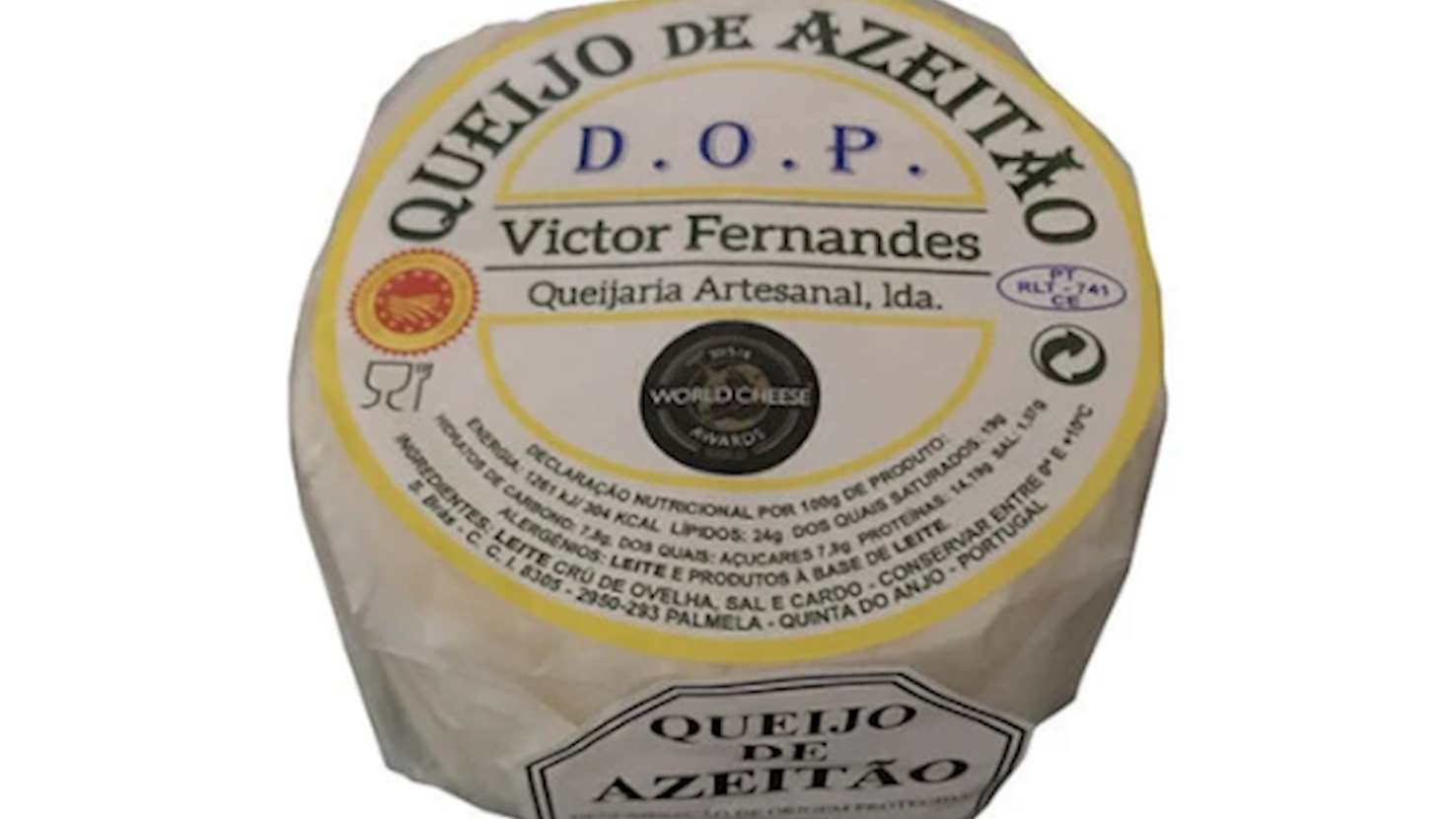
Vitor Fernandes - Queijaria Artesanal

4.9 ·

Queijaria Artesanal Víctor Fernandes is a small family-run cheesemaker from Palmela in the Setúbal region, specializing in traditional Queijo de Azeitão DOP since 1988. Production is based on fresh sheep’s milk sourced from pastures at the foothills of the Serra da Arrábida, where the local flora strongly influences the intensity and aromatic character of the milk.

The cheese is crafted entirely by hand, using natural vegetable rennet and a carefully controlled process of coagulation, molding and maturation. During aging it develops a soft, delicate rind and an exceptionally creamy layer beneath it, while the center remains firm yet supple.

The aromatic profile combines milky and herbal notes, gentle spiciness and subtle earthy nuances that become more pronounced with longer ripening. Víctor Fernandes follows the traditional techniques passed down from the renowned “Migalheiro” of Quinta Velha, which explains the finesse and consistent quality of his cheeses.

The dairy has earned multiple awards at international competitions, and its products are regarded as an authentic expression of the Azeitão terroir.

Awards
Great Taste Awards - 3 Stars (2014)
03

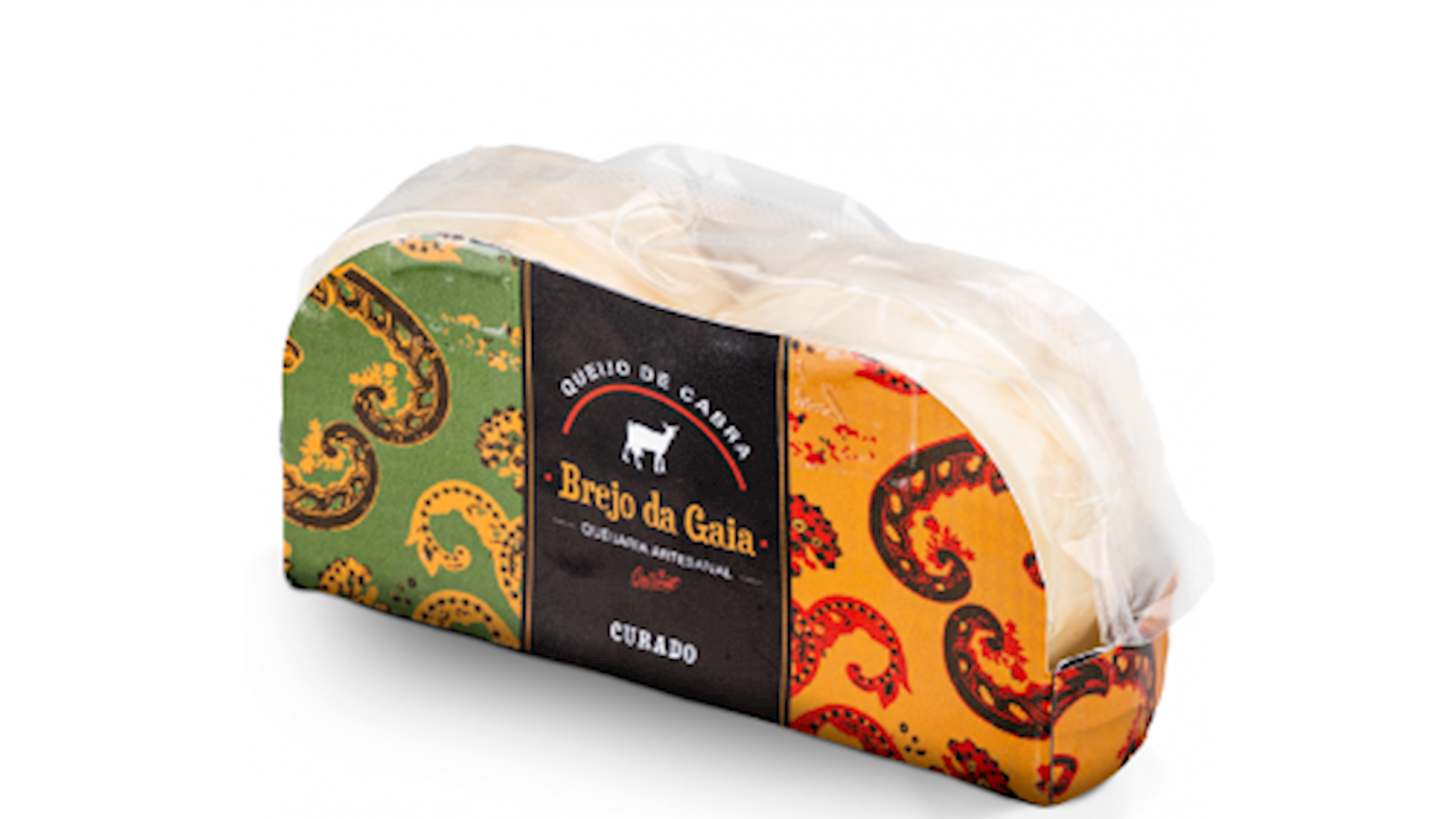
Brejo da Gaia

4.9 ·
Awards
World Cheese Awards - Gold (2024)
04

Queijaria Guilherme

4.4 ·

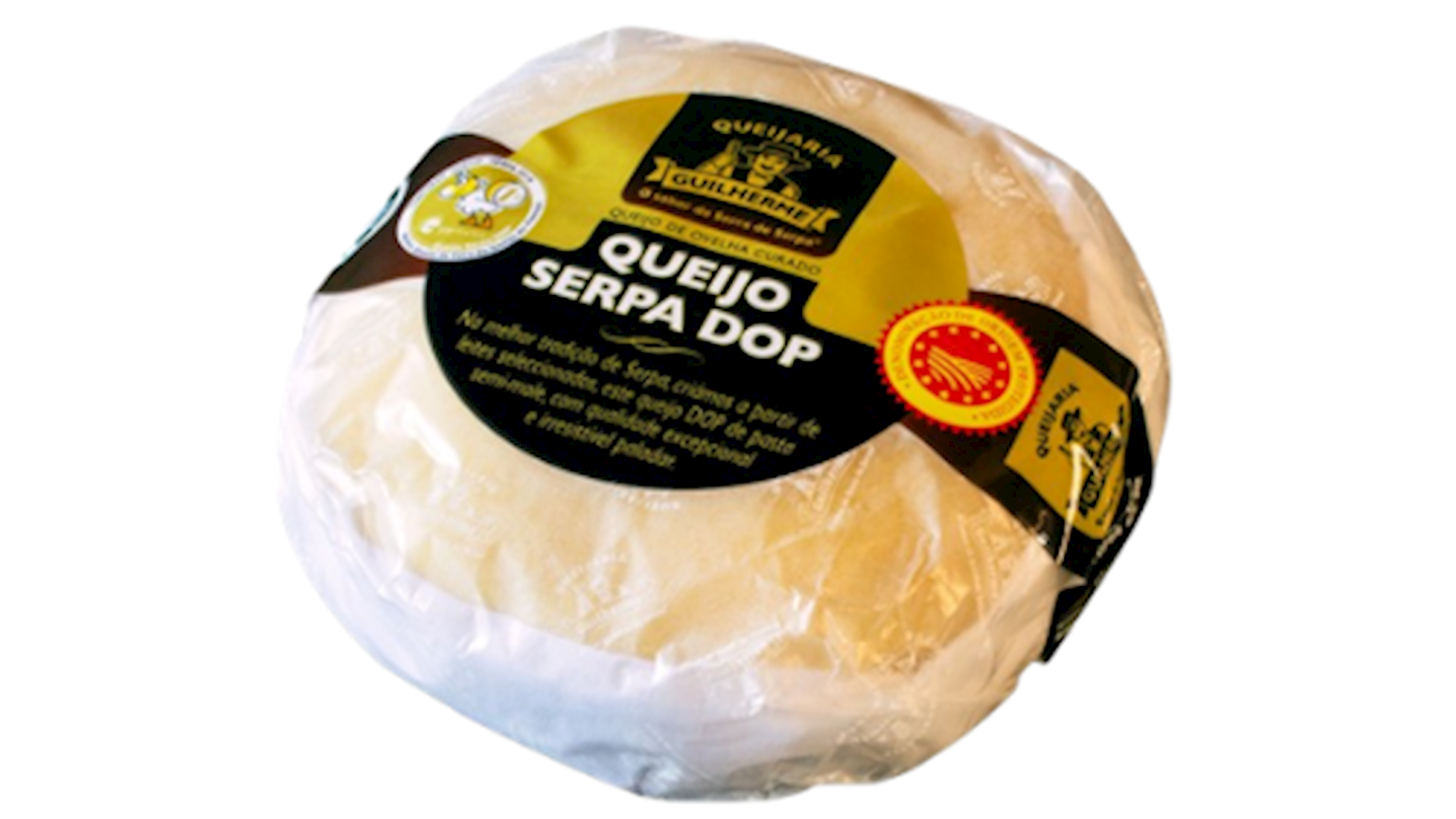
Queijaria Guilherme is a Portuguese cheese producer located near the town of Serpa in the Baixo Alentejo region, an area well known for its long tradition of sheep’s milk cheese production. Founded in 2001, the company continues regional cheesemaking practices while combining them with modern production facilities.

The dairy works primarily with sheep’s and goat’s milk sourced from local farmers, reflecting the pastoral character of the Alentejo landscape. Its production is organized in separate lines for each type of milk, allowing the company to produce a variety of traditional and semi-traditional cheeses.

Among its most notable products is Queijo Serpa DOP, a protected designation of origin cheese made from raw sheep’s milk and traditionally coagulated with thistle flower. The cheeses typically develop a soft to semi-soft texture and rich, slightly tangy flavor characteristic of Alentejo sheep’s milk cheeses.

Through its work, Queijaria Guilherme contributes to preserving regional cheesemaking traditions while supplying both the Portuguese market and international distribution channels.

Awards
World Cheese Awards - Silver (2024)

Best Cheese Types in the World

01

Queijo de Azeitão

4.6 ·

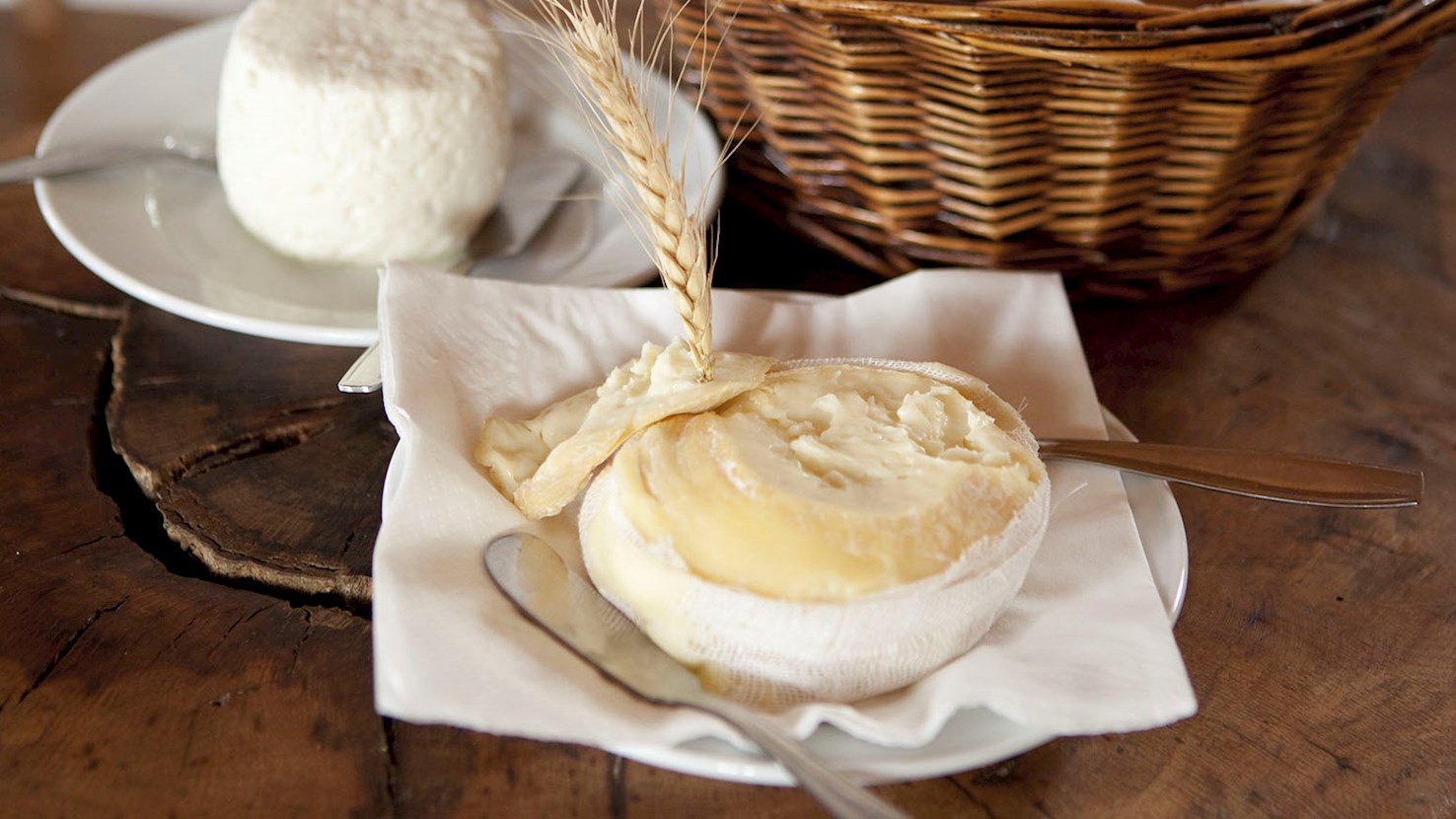
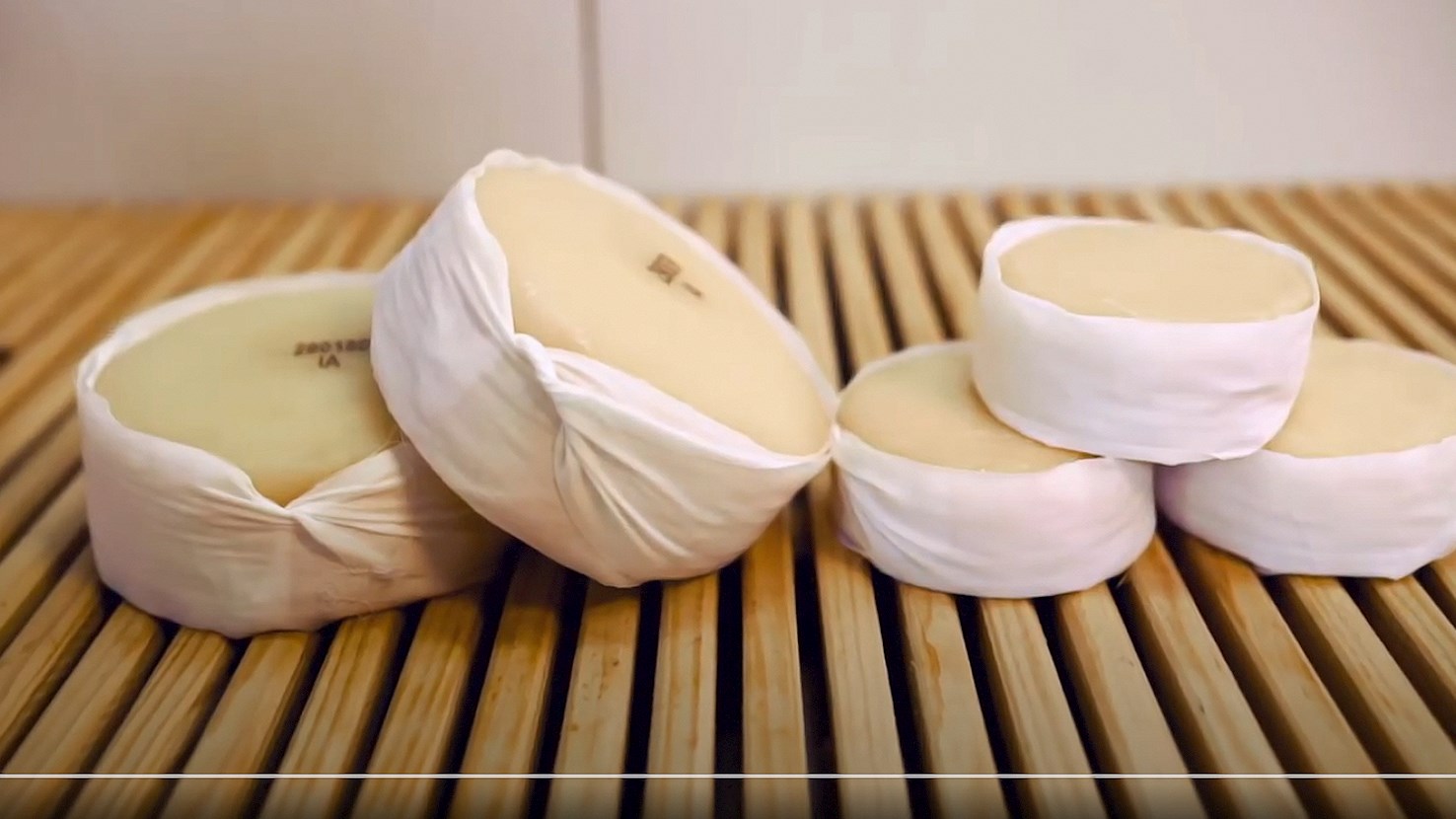
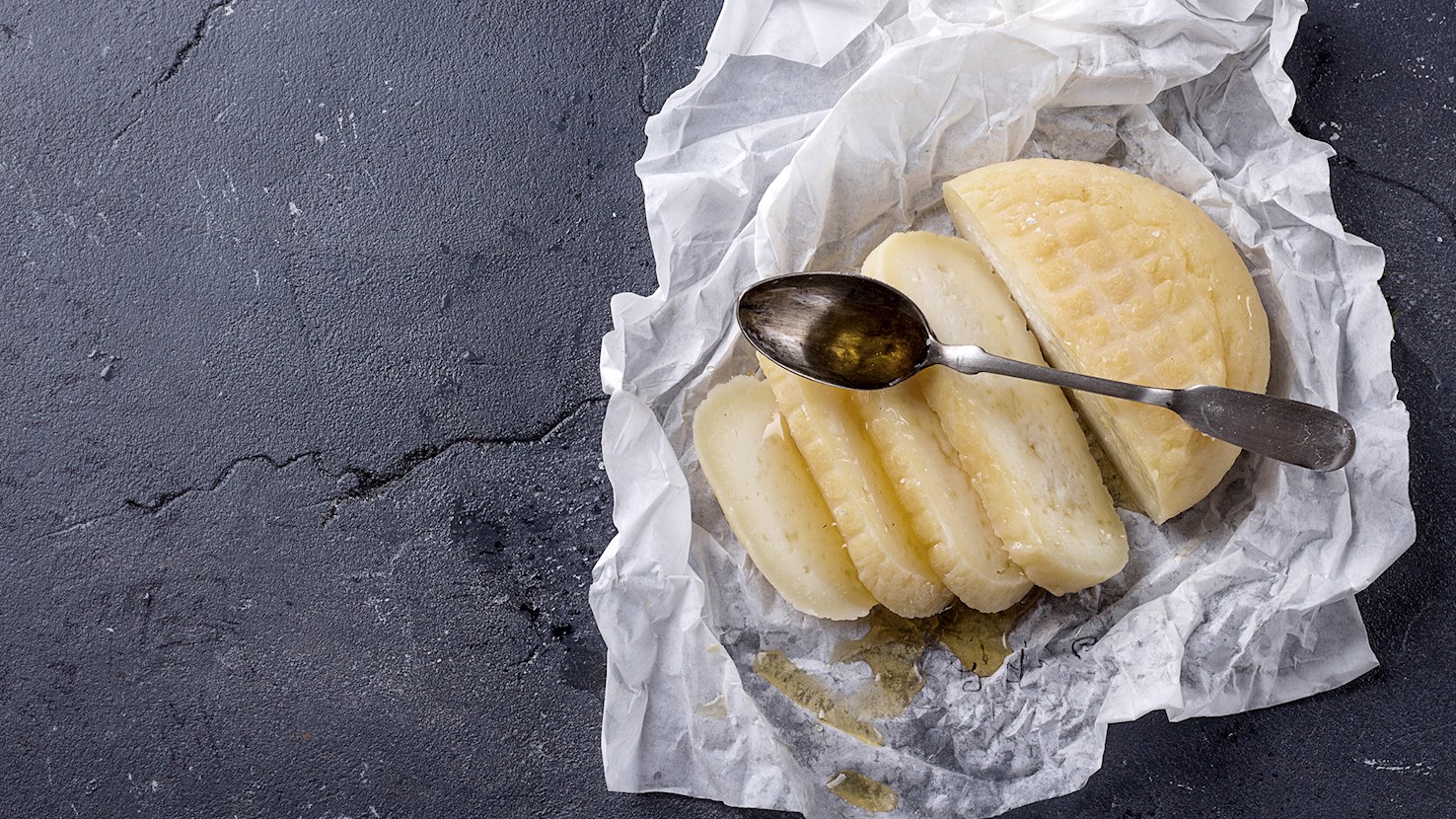
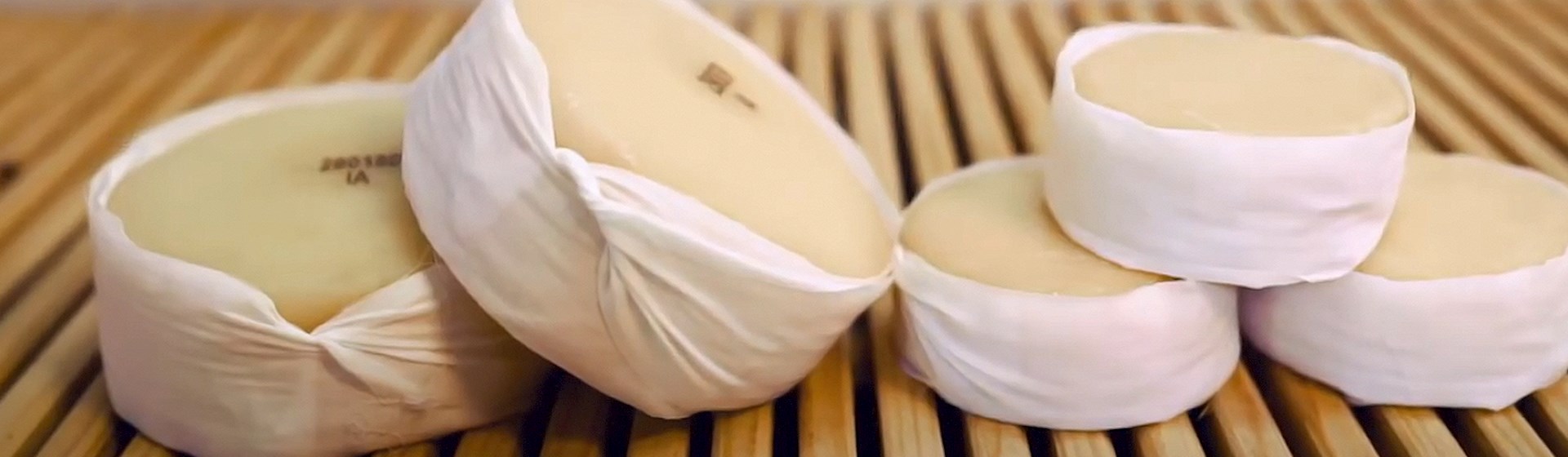
Azeitão is a semi-soft cheese made from unpasteurized sheep milk. The origins of this cheese date back to the 19th century, when Gaspar Henriques de Paiva emigrated to the town of Azeitão. Out of nostalgia for his place of birth, he imported black dairy sheep from his home town to Azeitão and brought cheesemakers from Beira Baixa to make cheeses. De Paiva's Azeitão cheeses quickly became famous throughout Portugal, winning several awards at agricultural fairs. The milk for this cheese is taken from sheep that graze on natural vegetation in the pastures of Azeitão. The sheep are milked manually, and the milk is mixed with the extract of a local variety of thistle to start the curdling process instead of animal rennet, meaning the cheese is 100% vegetarian. Salt is added to the curd, which is then manually worked and wrapped into muslin cloth bundles, called cinchos. The finished cheese is round and flat with a yellowish crust concealing a light-colored interior with a semi-solid consistency. The flavor is both sour and salty with herby undertones. This runny cheese is best served scooped onto a slice of fresh bread, and also makes a delicious dessert when paired with fruit and a semi-dry white wine.

02

Queijo Serpa

4.4 ·

Produced in the district of Beja in eastern Portugal, Serpa is a semi-soft sheep's milk cheese that's similar to Pecorino. Instead of animal rennet, Serpa is curdled using an extract made from a species of thistle that grows in the countryside of Alentejo. The leaves of the plant are dried and soaked in water, and this liquid is added to the heated milk to begin the curdling process. The curd is placed into molds, and the molded cheeses are then gently wrapped in muslin cloth for further ripening. The rind of Serpa is thin and malleable, while the cheese's interior is semi-soft and yellowish-white in color. Serpa is the most famous traditional Alentejano cheese, and its strong flavor is a fundamental part of the region's cultural heritage. It is perfect for any occasion and makes a great appetizer or snack when served with fresh bread and a glass of wine. It's also used in numerous local baked dishes, such as pork ribs with baked ham and Serpa cheese.

03

Queijo de Évora

4.2 ·

This sheep cheese is a part of Alentejo's traditional cheese heritage. Cheese has long been an integral part of the life of the region's peasant families. An important part of the daily diet, especially for the poorer classes, cheese was even used to pay wages. Évora cheese is made from unpasteurized milk from Merino breed sheep that graze freely in the pastures of the region. Raw milk is filtered through cloths and heavily salted, and then it is heated by a wood fire. Once the curd has formed, the cheese is left to mature for a month. Évora cheese has a well-formed, smooth, yellow crust. The aroma and flavor are slightly sour and spicy, and the flavor becomes more pronounced when the cheese is left to age longer. It is traditionally consumed as a snack or appetizer with homemade bread and a glass of wine.

04

Queijo de Nisa

4.1 ·

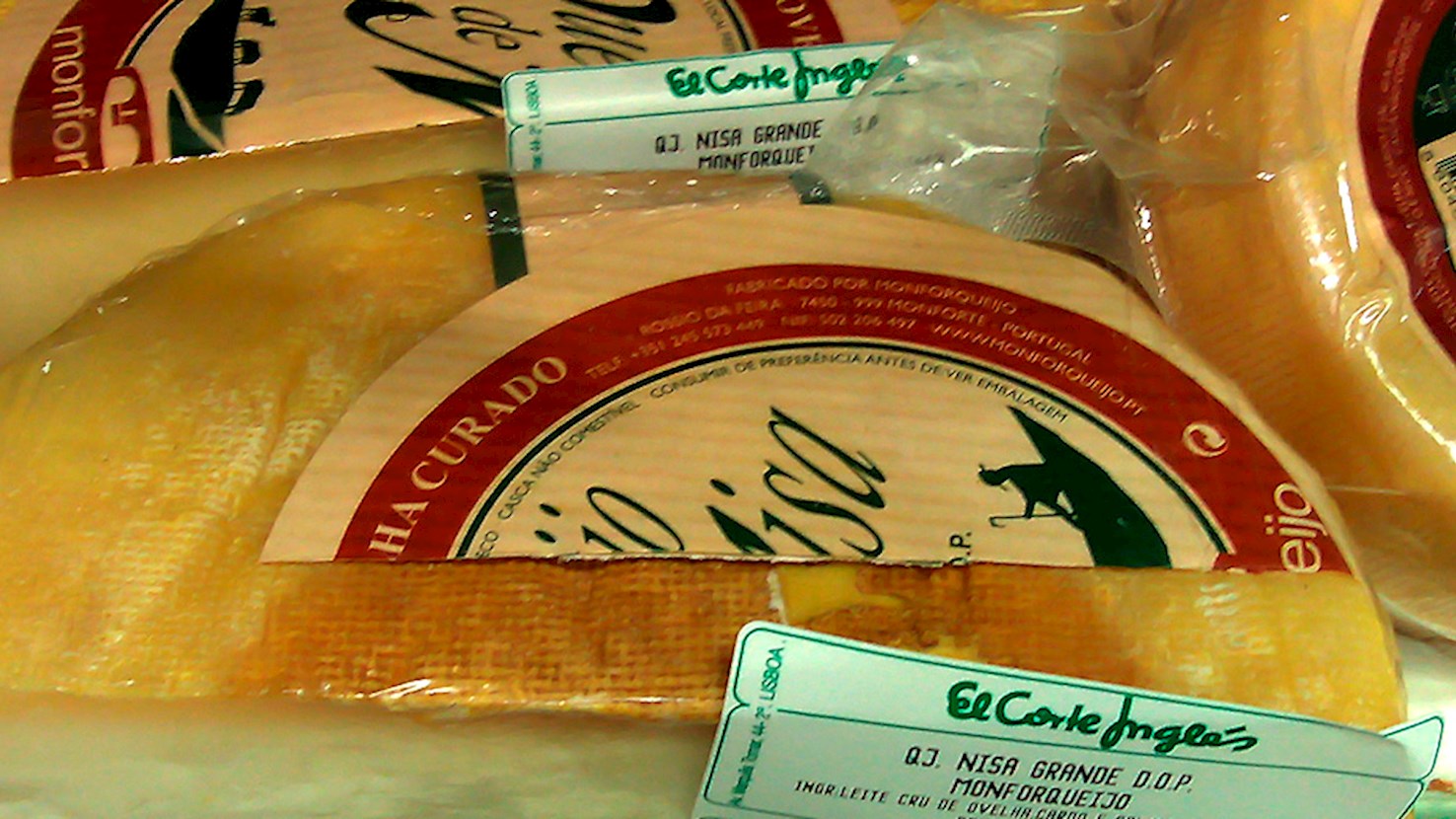
This semi-hard cheese is made from ewes' milk taken from local Merino breed sheep in the region of Portalegre in eastern Portugal. The milk is curdled, salted, and formed into cheeses before being left to ripen for about two months in cold and humid conditions. Nisa cheese is semi-hard and yellowish-white in color, and its flavor is robust with a mildly acidic note. It is best enjoyed with bread and wine, especially if the wine comes from Portalegre. This cheese is traditionally consumed as a snack during the day or as an ingredient in traditional dishes, such as quiche de legumes, a pie made with carrots, zucchini, and cheese. Nisa cheese, the production of which is confined to just a few dozen local family-run dairy farms, was listed as one of the 100 best cheeses in the world by Wine Spectator magazine in 2008.

05

Queijo Mestiço de Tolosa

2.7 ·

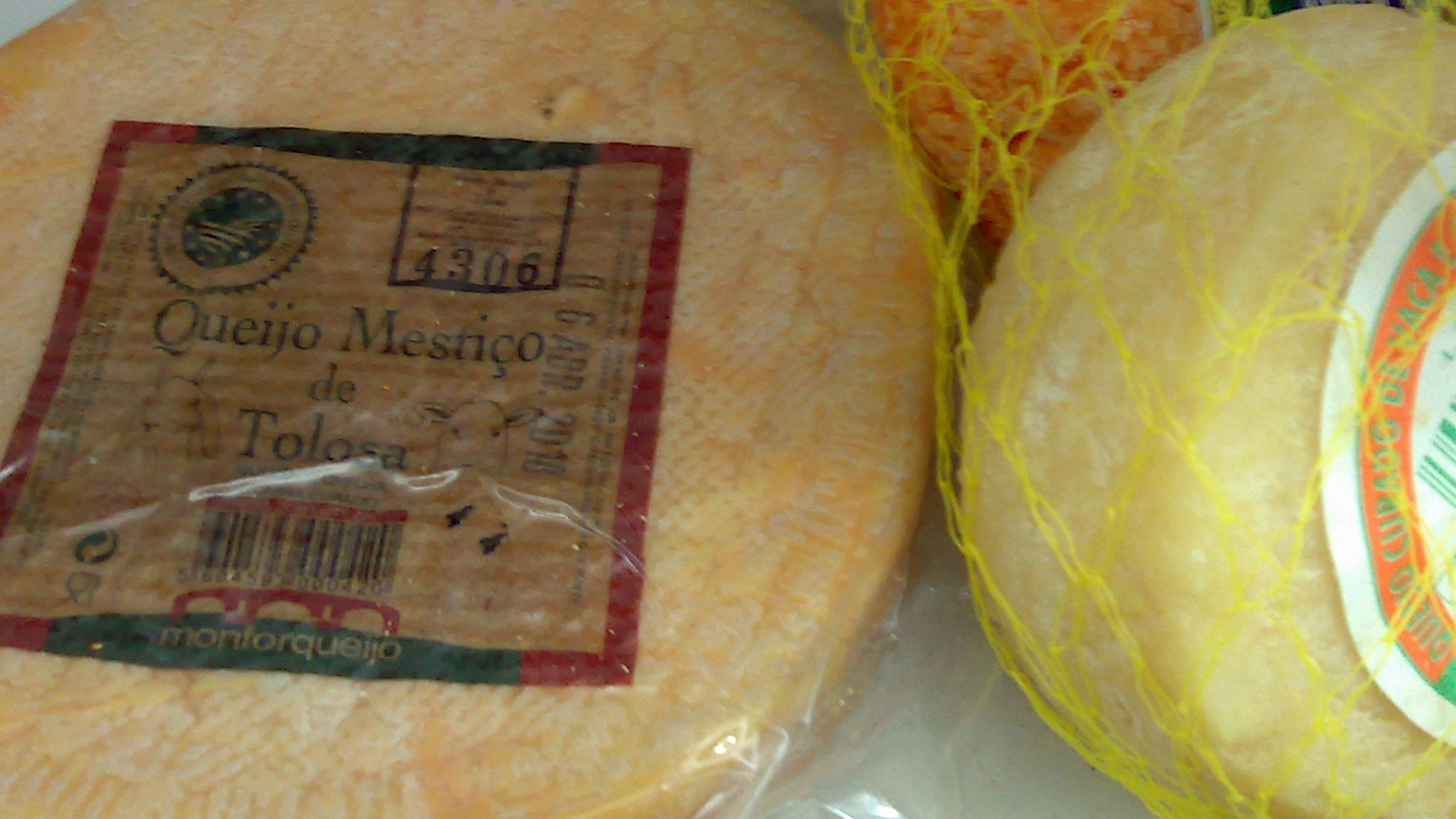
This hard cheese is made from various combinations of sheep and goat milk, usually in the proportions of 20-80% or 40-60%. The milk for this cheese is taken from traditionally-fed sheep and goats raised in the Tolosa region. First, the milk is heated and curdled using animal rennet or plant extract. The curd is then molded into cheeses, which are salted and left to mature for a few weeks, resulting in a cheese with a rough, thin, firm yellow-orange crust and a semi-hard, ivory-colored interior. The flavor is sharp and piquant, and the cheese has a medium to high moisture content. This cheese is usually served as an appetizer or a snack before dinner accompanied by good local wines.

About this ranking

TasteAtlas food rankings are based on the ratings of the TasteAtlas audience, with a series of mechanisms that recognize real users and that ignore bot, nationalist or local patriotic ratings, and give additional value to the ratings of users that the system recognizes as knowledgeable. For the “Top 5 Local Cheeses in Alentejo” list until July 22, 2026, 459 ratings were recorded, of which 273 were recognized by the system as legitimate. TasteAtlas Rankings should not be seen as the final global conclusion about food. Their purpose is to promote excellent local foods, instill pride in traditional dishes, and arouse curiosity about dishes you haven’t tried.

The initial list of top producers was compiled based on available reviews, awards, local recommendations, media and blog coverage, and consumer reviews. The list will be updated with ratings from TasteAtlas local ambassadors and TasteAtlas users.

Similar lists