

Martí Vicente

Top 4 Aostan Cheeses

Last updated on June 10, 2026

Best Aostan Cheeses

01

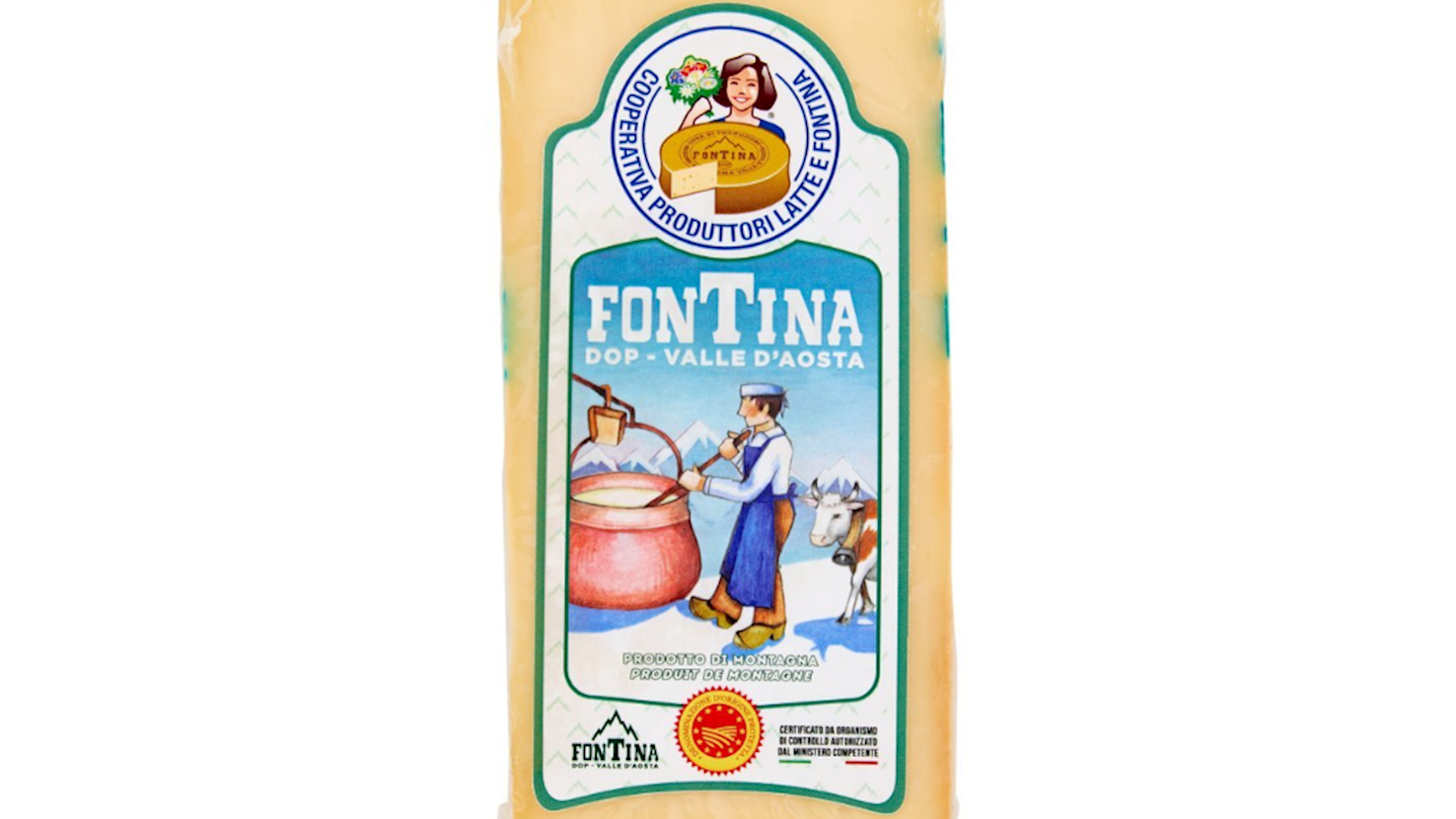
Cooperativa Produttori Latte e Fontina

4.8 ·
Cooperativa Produttori Latte e Fontina was founded in 1957 in the Aosta Valley region of Italy, with the aim of preserving and promoting the traditional production of Fontina DOP cheese. Today, the cooperative brings together around 200 members, including private farms, cooperatives, and alpine dairies, which collectively produce approximately 250,000 wheels of this renowned cheese annually. Fontina DOP is made exclusively from raw, full-fat milk from the native Valdostana cow breed, which is processed within two hours of milking. The aging process lasts a minimum of 80 days in natural caves, where ideal temperature and humidity conditions are maintained. A Visitor Center located in Valpelline is open to the public, offering insight into the history and production process of Fontina cheese.
Awards
World Cheese Awards - Gold (2021)
02

Caseificio Vallet Pietro e Figli

4.6 ·
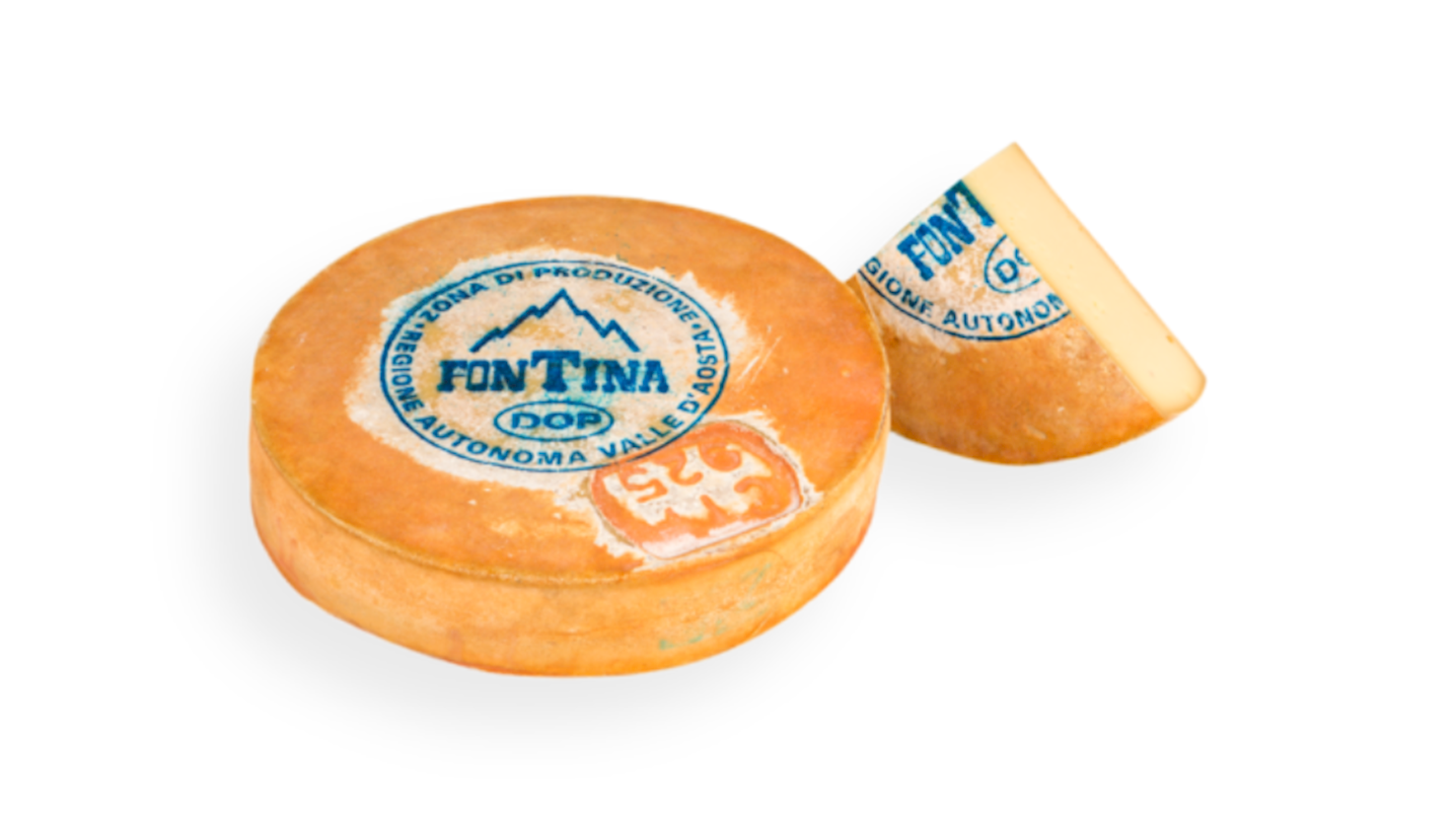
Caseificio Vallet Pietro e Figli is a family-run dairy located in Donnas, in the Aosta Valley region of Italy. The dairy began as a small rural cheesemaking facility and has grown over the years into a modern operation that processes around 2 million liters of milk annually. This volume allows for the production of approximately 25,000 wheels of Fontina DOP cheese each year, making it one of the leading producers of this protected cheese in the region. In addition to Fontina, Caseificio Vallet Pietro e Figli offers a wide range of dairy products. Their cheeses and other specialties are known for their high quality and adherence to traditional production methods, which makes them well-recognized throughout the region. The dairy is open to visitors, who can tour the production facilities and aging rooms, as well as participate in guided tastings of their products.
03

Fromagerie Haut Val d'Ayas

4.3 ·
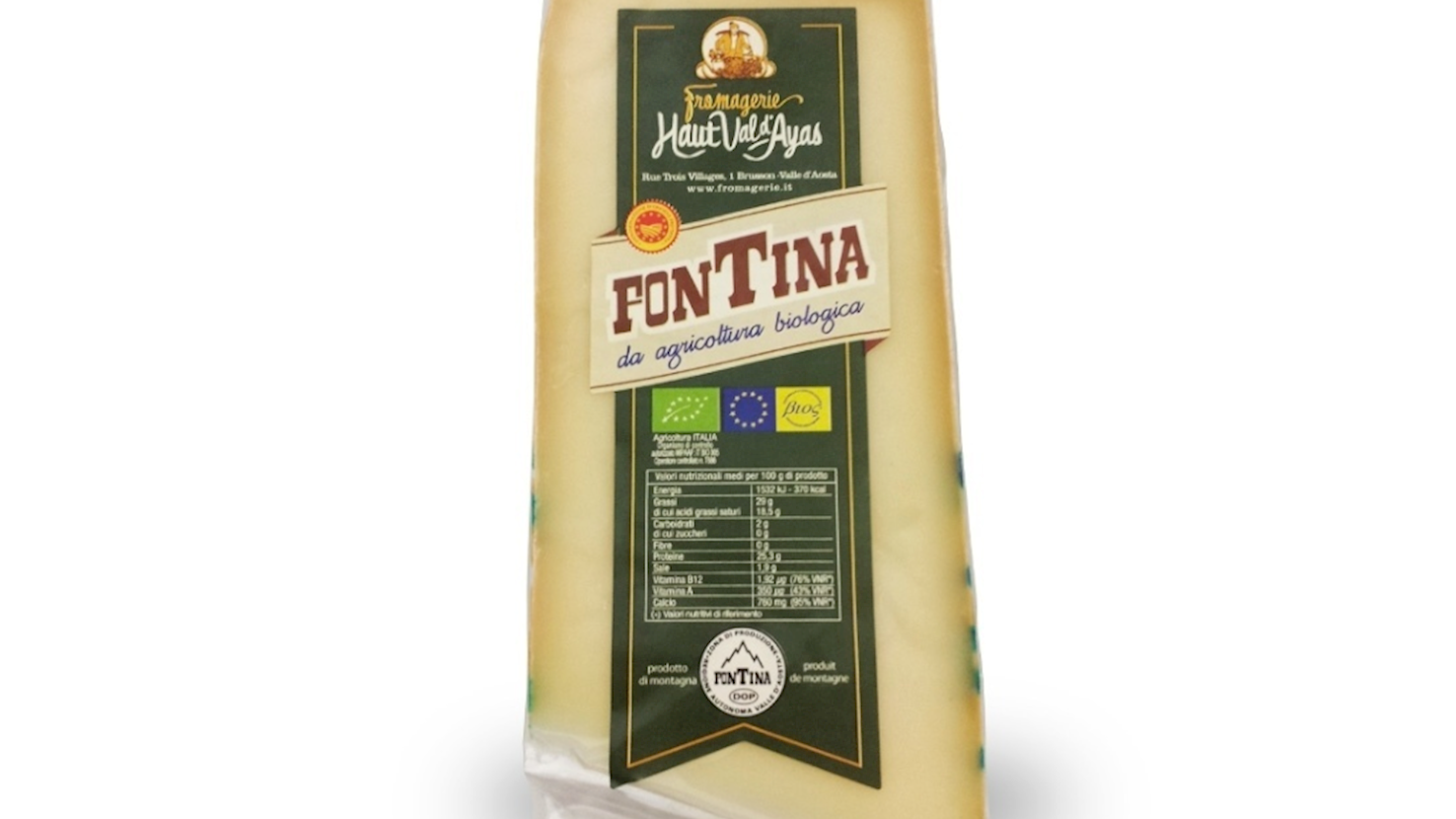
Fromagerie Haut Val d'Ayas is a traditional alpine dairy located in the Brusson, Aosta Valley, Italy. This mountain dairy is renowned for producing authentic alpine cheeses made from the milk of local cows that graze on natural pastures rich in alpine flora. Operated as a cooperative of local farmers, the dairy ensures full traceability and freshness of its ingredients, preserving the region’s deep-rooted cheesemaking traditions. Their product range includes various cheese types, with a special focus on Fontina DOP – one of the region’s most iconic cheeses – as well as semi-hard and hard mountain cheeses characterized by their intense and aromatic flavors, shaped by the unique microclimate and vegetation of the Ayas Valley. Fromagerie Haut Val d'Ayas is committed to sustainable production and artisanal methods, making their cheeses a staple at local markets, fairs, and specialty shops across Italy.

Best Aostan Cheese Types

01

Fontina

4.1 ·

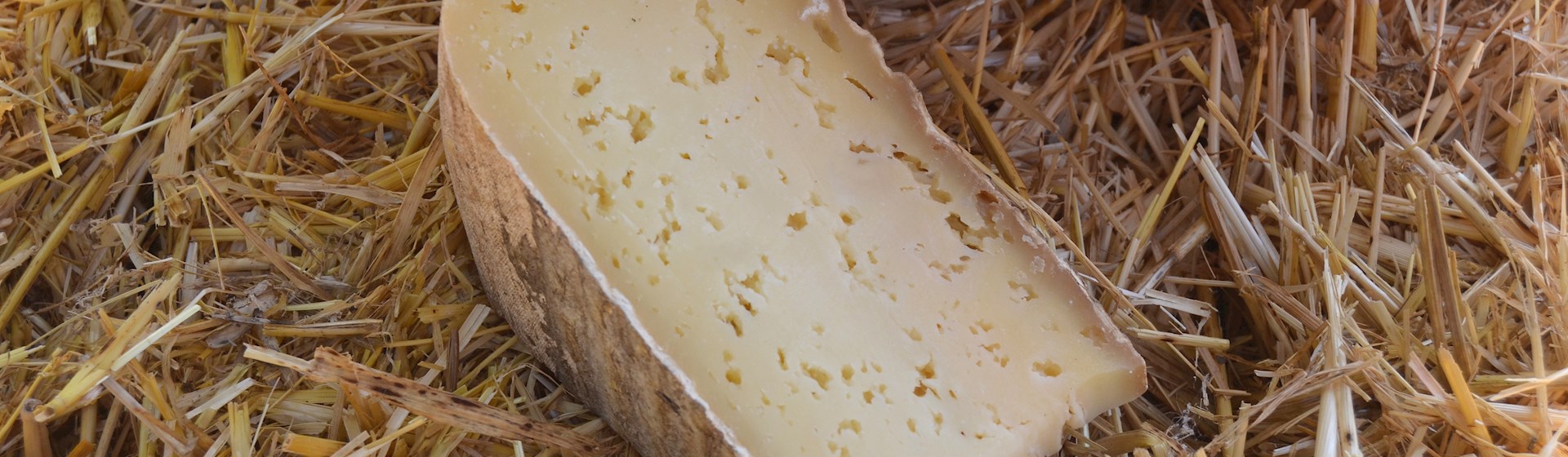
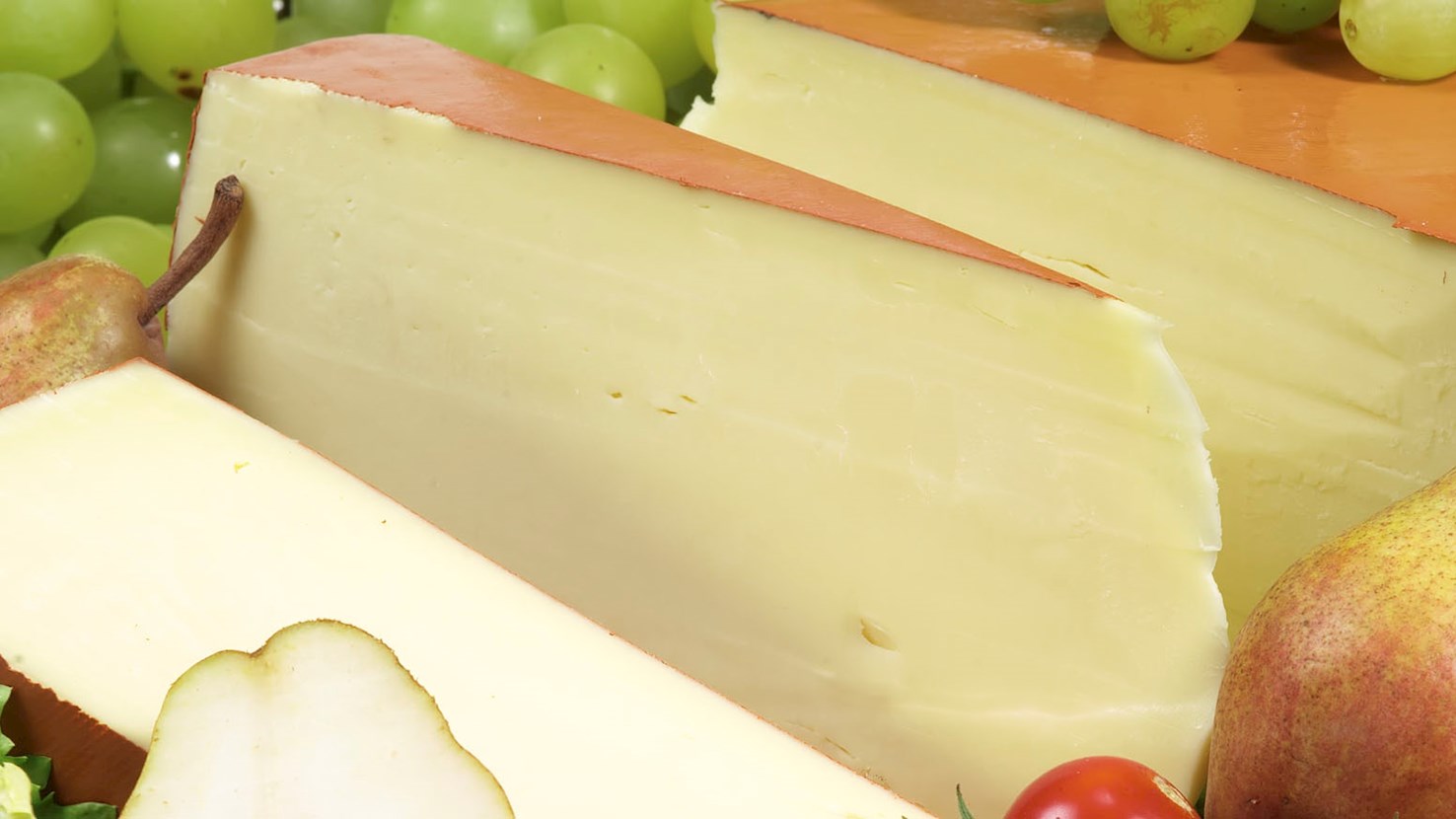
Produced in the Aosta Valley since the 1100s, Fontina is a semi-cooked cheese traditionally made with raw cow's milk of the Valdostana Pezzata Rossa cattle breed. Depending on the length of maturation, the texture of Fontina can vary from semi-soft to firm, while the flavor ranges from mild, sweet, and nutty to robust and quite tangy. This delicious cheese is typically used to make the Valdostana style fondue but it can also be enjoyed in other traditional Aosta Valley dishes such as Valpelline Soup with Lardo d'Arnad or Costolette alla Valdostana, and pairs well with light, fruity wines.

02

Toma Piemontese

4 ·

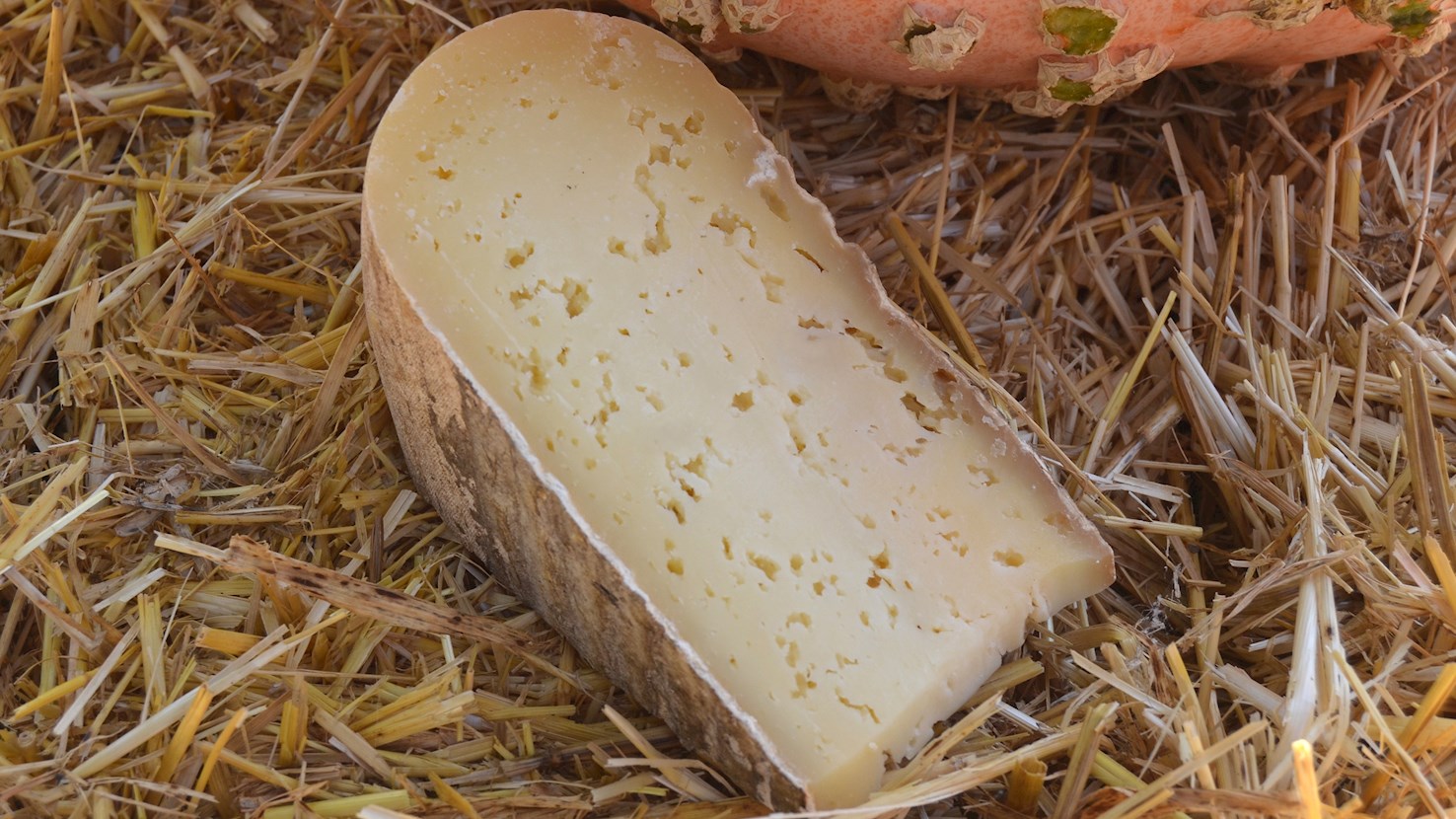
Also known as Toma Italiana, this cooked semi-hard cheese made from cow's milk is produced in the Aosta Valley in the Piedmont region of northwestern Italy, and it is one of the oldest Italian cheese varieties, dating as far back as the Roman Empire. In Italian, the word Toma is attributed to a specific style of cheesemaking, and it means cheese made by the farmer himself. There are two main varieties of Toma cheese produced; the first is produced entirely from whole milk, while the other is made from skimmed milk. Depending on its size, it is matured for a period of 20 to 45 days, or even 60 days for the Toma d'Alpeggio mountain variety. During the ripening phase, the cheeses are sprinkled with salt, washed and frequently turned. Toma Piemontese is a very rich and buttery cheese, with a smooth pale to yellow colored rind, and has many of the characteristics that most mountain cheeses are famous for: a slightly sweet and mild flavor in less matured versions, and a full and nutty flavor as the cheese ages. While the whole-fat variety is mostly used for gnocchi, risotto and pasta sauces, the semi-fat Toma tastes best with jams and honey or baked with potatoes and quiches, and used in fondues. As for wine, aged Toma is wonderfully complemented by Dolcetto, Carema, and Barolo while younger cheese makes a better pairing with light white wines.

Best producers
03

Vallée d'Aoste Fromadzo

n/a ·

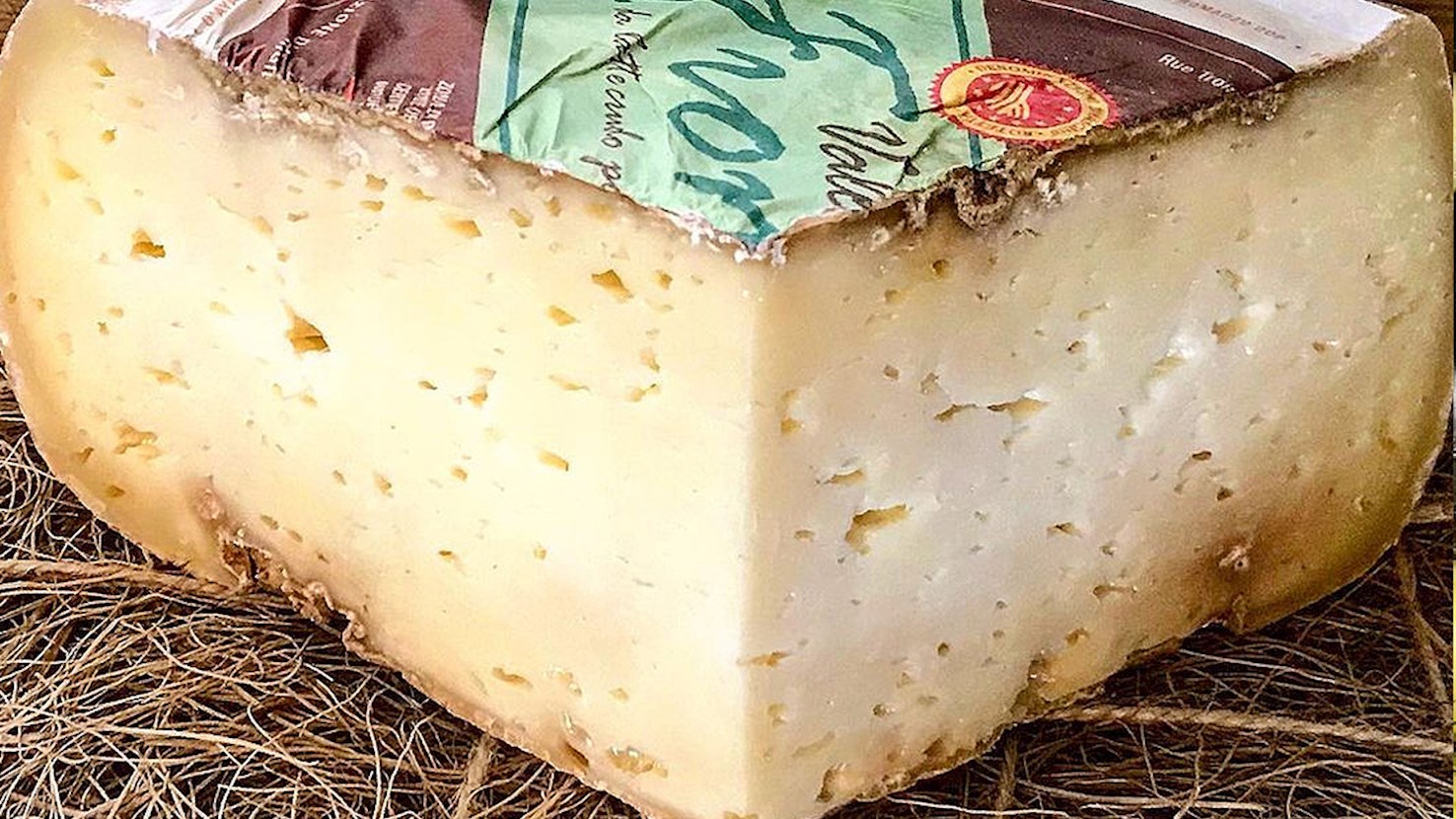
The origins of this cheese date back to the 15th century. Fromadzo is an old word for cheese which comes from Patois, one of the Aosta Valley dialects, where this cow's milk cheese has been traditionally produced. It has a very distinctive flavor; fragrant and medium sweet when fresh, and a bit stronger and spicy hint when matured. The minimum maturation period is 60 days but it can last for up to 10 months. Valle d'Aosta Fromadzo is a semi-fat or low-fat cheese, sometimes produced with the addition of goat's milk, and can also be aromatized with juniper berries, cumin or fennel seeds. It has a pleasant smell of milk, with a unique aroma of herbs and mountain flowers, especially if produced in the summertime.

04

Salignon

n/a ·

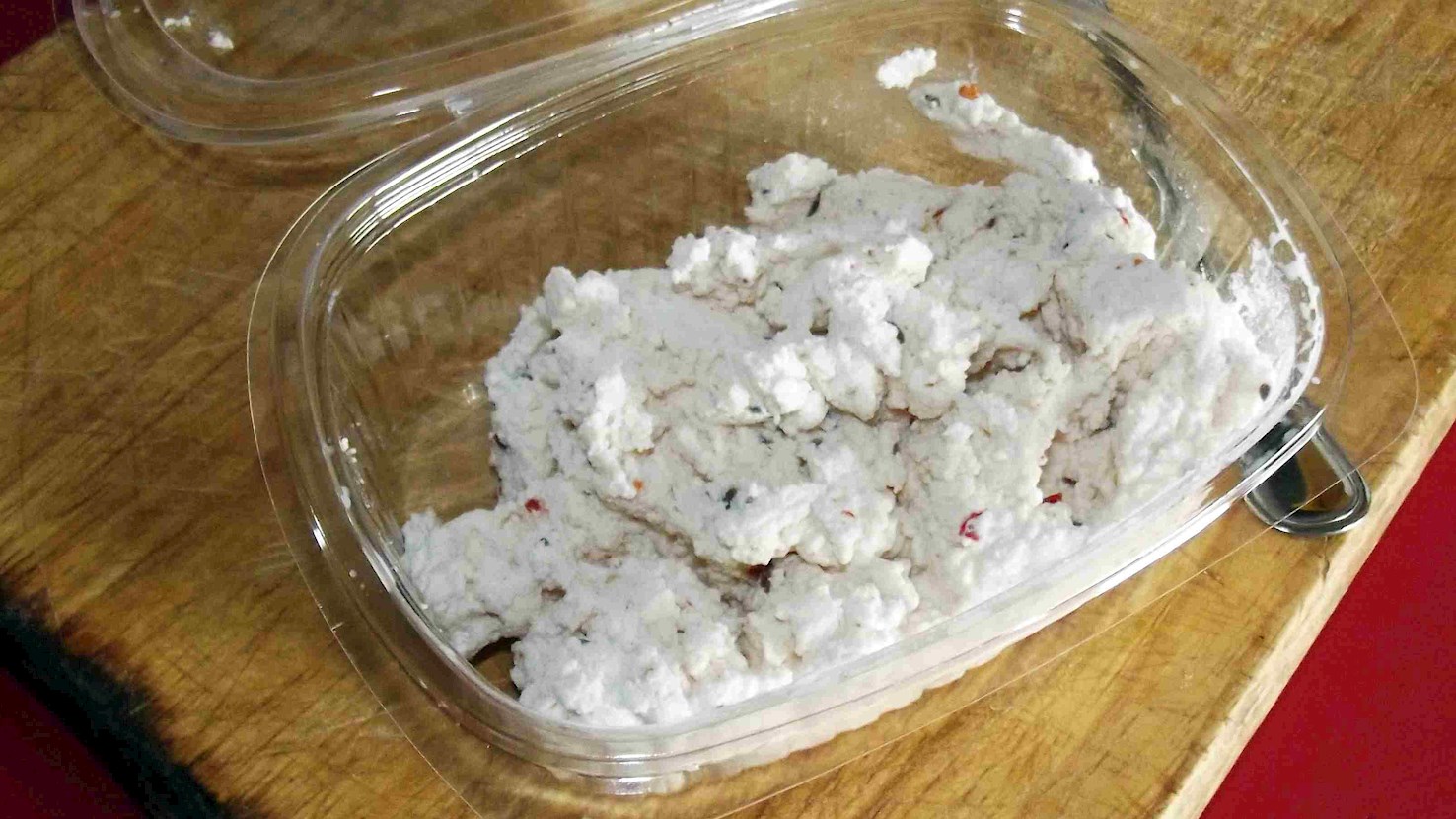
Salignon is a traditional cheese originating from the Valle d'Aosta region. It's essentially a ricotta cheese mixed with salt, pepper, mountain herbs, and chili peppers. The texture is creamy, while the flavors are spicy and hot. The cheese is made from whey that is leftover from making cheeses that were enriched with cream. It matures for a short while near the fireplace, giving the cheese a slightly smoky aroma. Salignon is traditionally served as an appetizer or a topping for an ancient local cornbread called miasse. It's difficult to find this cheese on the market because it's usually made at home by cheese producers. Serve it with polenta and vegetables or use it in sandwiches, if desired.

Read more
View all
View map
About this ranking

TasteAtlas food rankings are based on the ratings of the TasteAtlas audience, with a series of mechanisms that recognize real users and that ignore bot, nationalist or local patriotic ratings, and give additional value to the ratings of users that the system recognizes as knowledgeable. For the “Top 4 Aostan Cheeses” list until June 10, 2026, 284 ratings were recorded, of which 225 were recognized by the system as legitimate. TasteAtlas Rankings should not be seen as the final global conclusion about food. Their purpose is to promote excellent local foods, instill pride in traditional dishes, and arouse curiosity about dishes you haven’t tried.

The initial list of top producers was compiled based on available reviews, awards, local recommendations, media and blog coverage, and consumer reviews. The list will be updated with ratings from TasteAtlas local ambassadors and TasteAtlas users.

Similar lists