Top 15 Local Cheeses
in Eastern Switzerland

Last updated on June 02, 2026

Best Cheeses in the World
01

Chascharia Val Müstair

5 ·
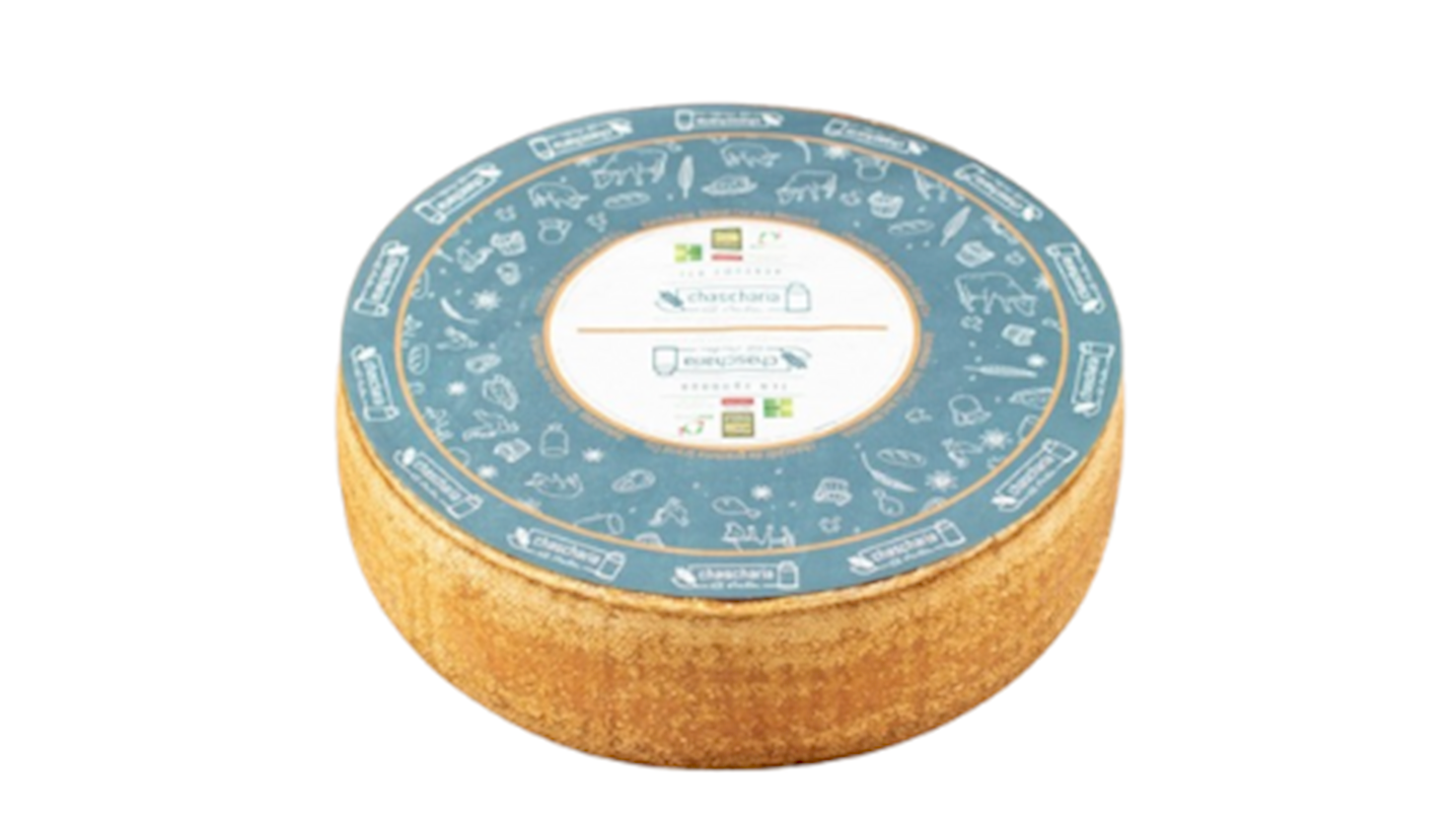
Chascharia Val Müstair is a cooperative cheese dairy located in the Val Müstair valley, in the Swiss canton of Graubünden, near the Italian border. It was founded in 1987 with the aim of uniting local farmers and preserving the region’s alpine cheesemaking tradition. Production is based exclusively on organic hay milk, free from silage, supplied by local farms and certified according to Bio-Suisse standards. The dairy operates as a central element of the Agricultura Val Müstair network and the Biosfera Val Müstair brand, highlighting the close relationship between agriculture, nature, and the local economy. Its range includes semi-hard and hard cheeses, as well as specialties made from both cow’s and goat’s milk, all shaped by seasonality and alpine terroir. Cheesemaking follows traditional alpine techniques supported by modern quality control and careful maturation. Chascharia Val Müstair has received multiple international awards, reflecting the technical precision and distinct character of its cheeses. In addition to production, the dairy serves an educational role, welcoming visitors for tours and tastings and actively contributing to the cultural and gastronomic identity of the Val Müstair region.
Awards
World Cheese Awards - Super Gold (2024)
World Cheese Awards - Gold (2024, 2022, 2021)
02

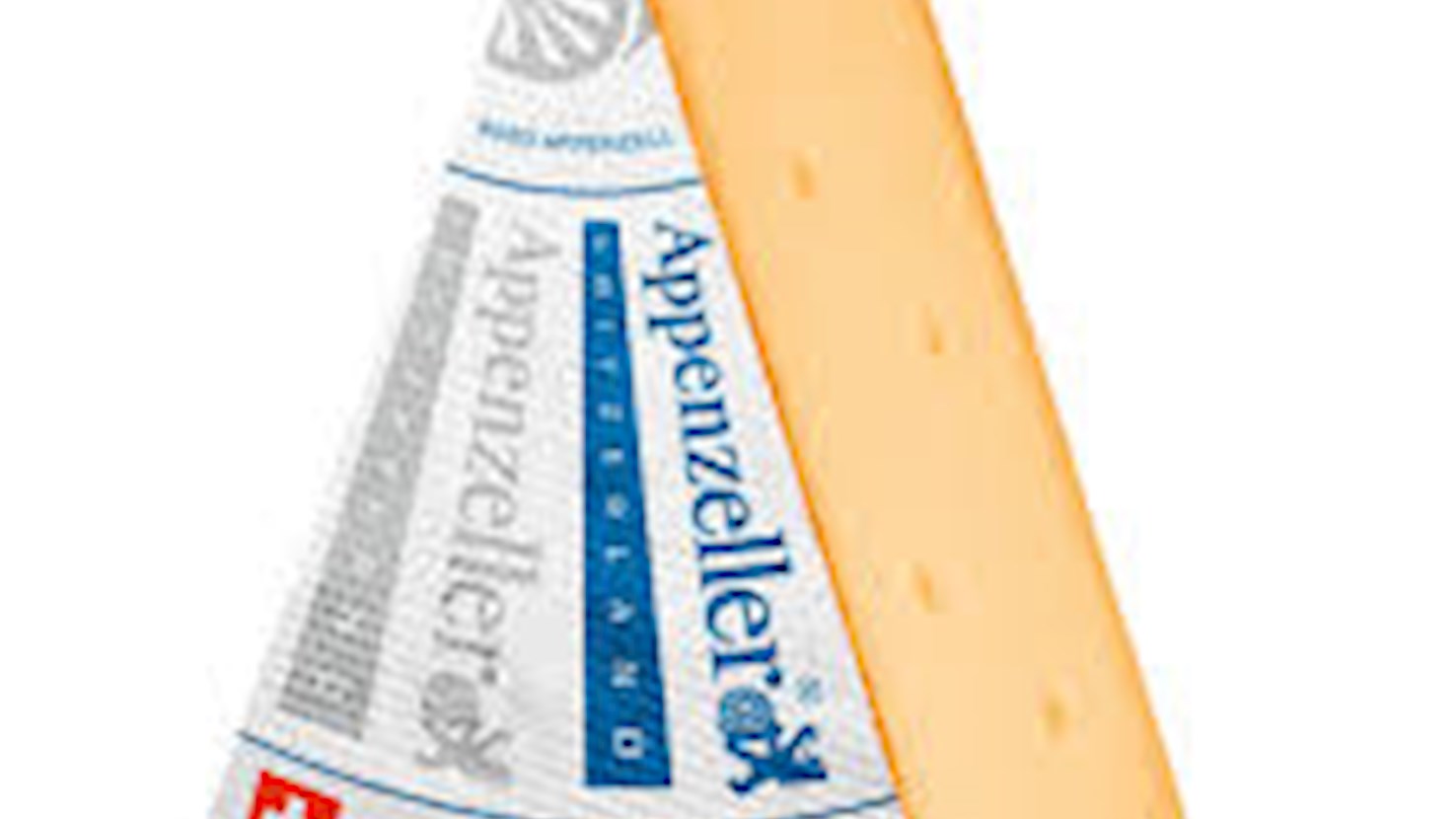
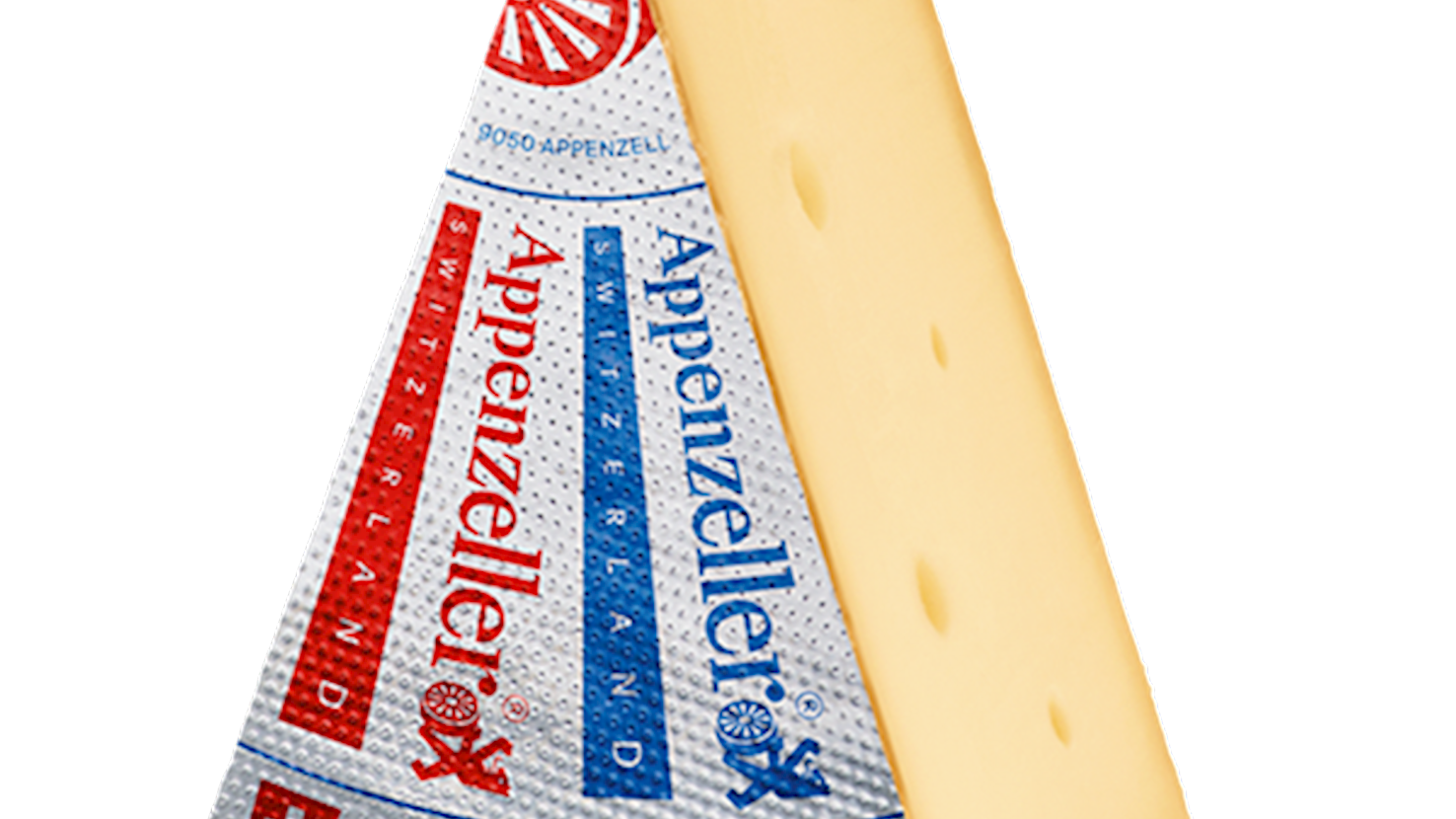
Appenzeller Käse

4.9 ·
Appenzeller Käse is located in Appenzell, Switzerland, and specializes in producing Appenzeller cheese, a traditional Swiss cheese made from cow's milk. The cheese is known for its distinct flavor, which is developed through a unique aging process that involves regularly rubbing the cheese with a herbal brine. This company plays a significant role in maintaining the authenticity and quality standards of Appenzeller cheese under the Appellation d'Origine Protégée (AOP) guidelines, ensuring the cheese is produced using traditional methods and locally sourced ingredients.
Awards
World Championship Cheese Contest - Best of Class (2024, 2020, 2018, 2016, 2014, 2012)
03

Güntensperger Käse

4.9 ·
Güntensperger Käse is a Swiss family-owned cheese dairy based in Bütschwil in the Toggenburg region of the canton of St. Gallen, with a cheese-making tradition that spans more than a century. The company began as a small local dairy and gradually developed into a producer specializing in high-quality artisanal Swiss cheeses. Their cheeses are made using milk sourced from farms in the Toggenburg region and surrounding Alpine areas, where natural pastures and mountain conditions contribute to the rich and aromatic character of the milk. The company combines traditional cheesemaking methods with modern production standards in order to maintain consistent quality and preserve the authentic character of its cheeses. Particular attention is given to the maturation process, during which the cheeses are carefully cared for and regularly monitored in dedicated ageing cellars. Their portfolio includes a variety of semi-hard and hard cheeses, often characterized by complex aromatic profiles and extended ageing. Some of their cheeses are known for pronounced spicy notes, nutty flavors and the crystalline texture that develops during maturation. Although a portion of the production is exported to international markets, the company remains strongly connected to local farmers and the regional origin of the milk. This combination of Alpine terroir, long-standing tradition and a contemporary approach to production has positioned Güntensperger Käse as a recognized producer within modern Swiss cheesemaking.
Awards
World Cheese Awards - Super Gold (2021)
World Cheese Awards - Gold (2025, 2021, 2017)
04

Bodensee Käse

4.9 ·
Bodensee Käse is a Swiss cheese producer located near Lake Constance. The company specializes in the production of high-quality cheese varieties, focusing on using traditional methods and local ingredients. Bodensee Käse sources its milk from regional farms to ensure freshness and quality. The company offers a range of products, including organic cheese options.
Awards
World Cheese Awards - Super Gold (2024)
World Cheese Awards - Gold (2024, 2023)
05

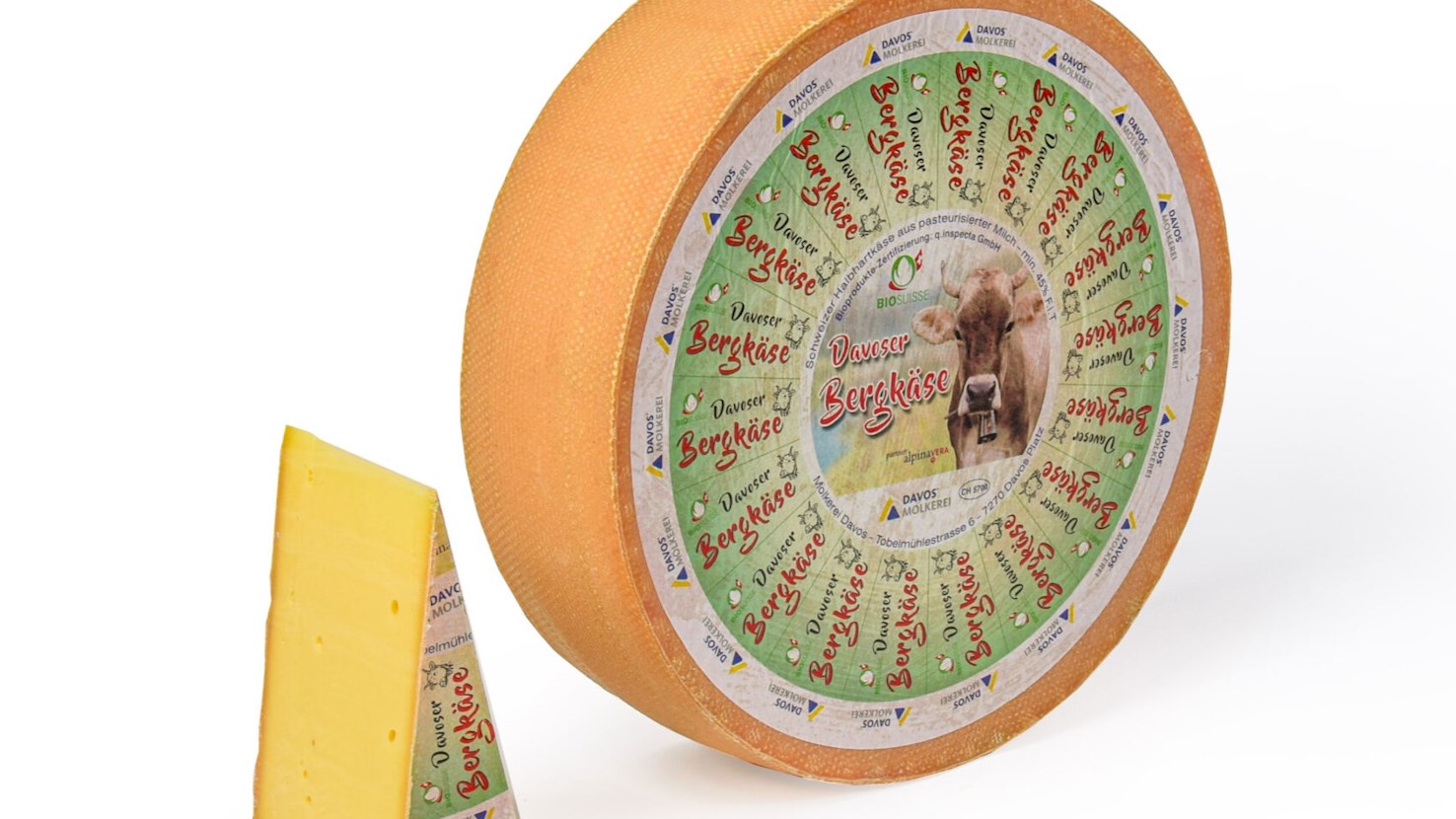
Molkerei Davos

4.9 ·
Molkerei Davos is a dairy company based in Davos, Switzerland, that specializes in the production of cheese and other dairy products. Established to support local agriculture, the company focuses on utilizing milk from regional farms to create its products, emphasizing sustainable practices and the promotion of local economic development.
Awards
World Cheese Awards - Super Gold (2021)
World Cheese Awards - Gold (2024, 2022, 2021)
06

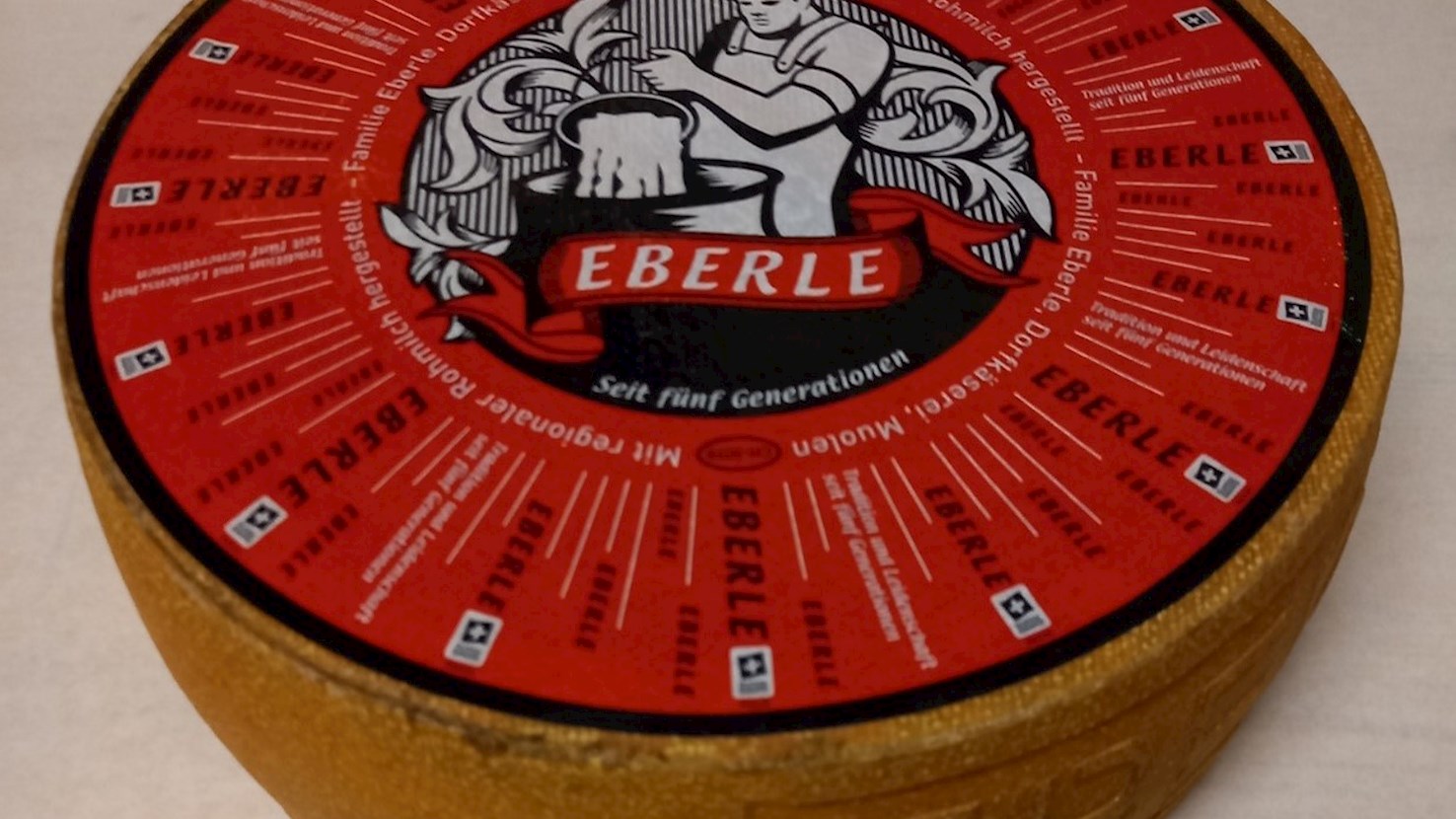
Dorfkäserei Muolen

4.9 ·
Dorfkäserei Muolen is a cheese producer based in Muolen, Switzerland. Specializing in artisanal dairy products, they are known for their adherence to traditional cheese-making methods. The dairy offers a variety of cheeses, which include both raw and pasteurized options made from cow's milk.
Awards
World Cheese Awards - Super Gold (2023)
World Cheese Awards - Gold (2024, 2022)
07

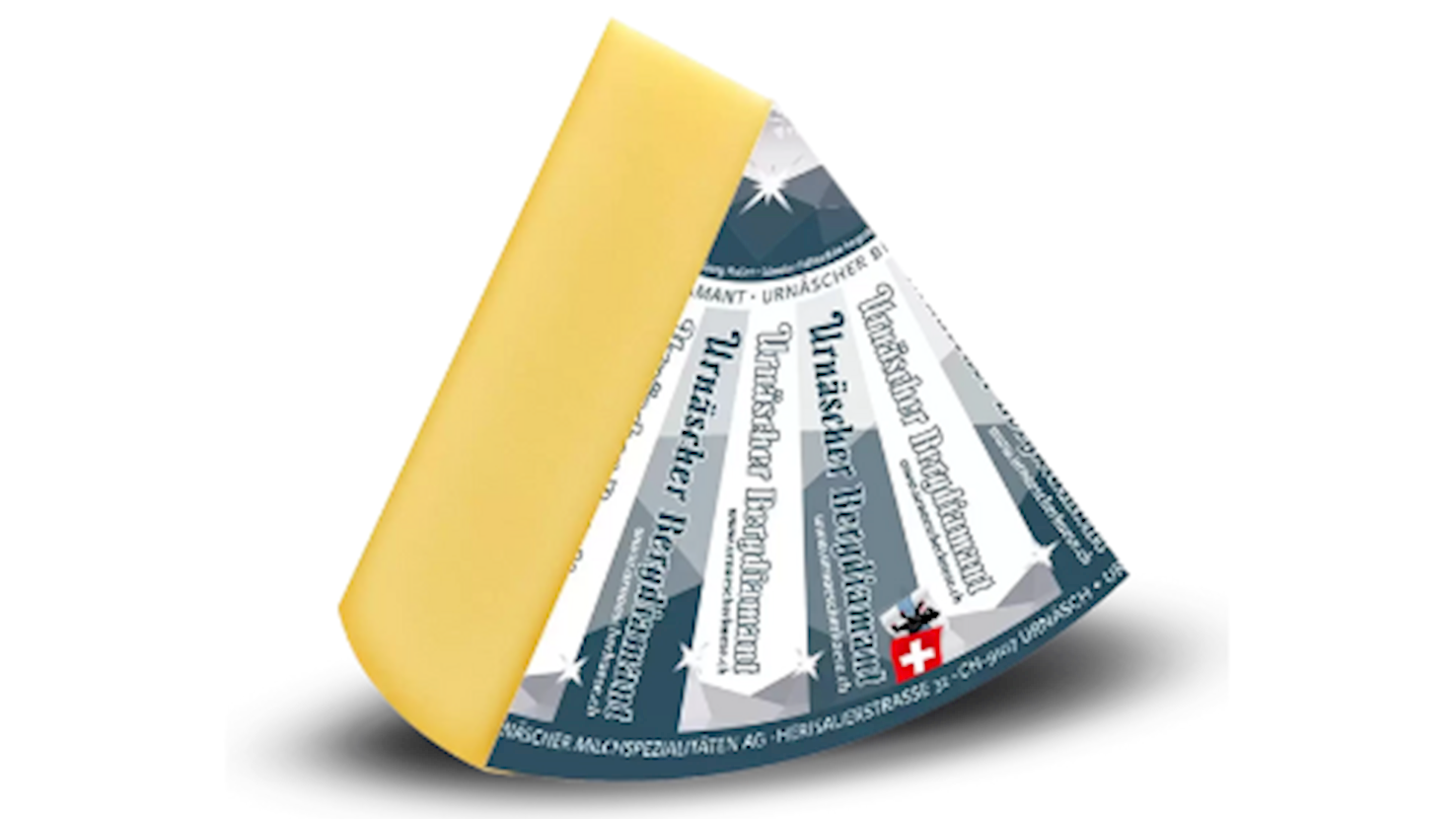
Urnäscher Milchspezialitäten

4.9 ·
Urnäscher Milchspezialitäten is a cheese producer located in Urnäsch, Switzerland. They specialize in producing a variety of dairy products, including traditional Swiss cheeses. The company utilizes milk from local farms to ensure the quality and authenticity of their products.
Awards
World Cheese Awards - Gold (2024, 2023, 2022, 2021)
World Championship Cheese Contest - Best of Class (2016, 2014, 2012)
08

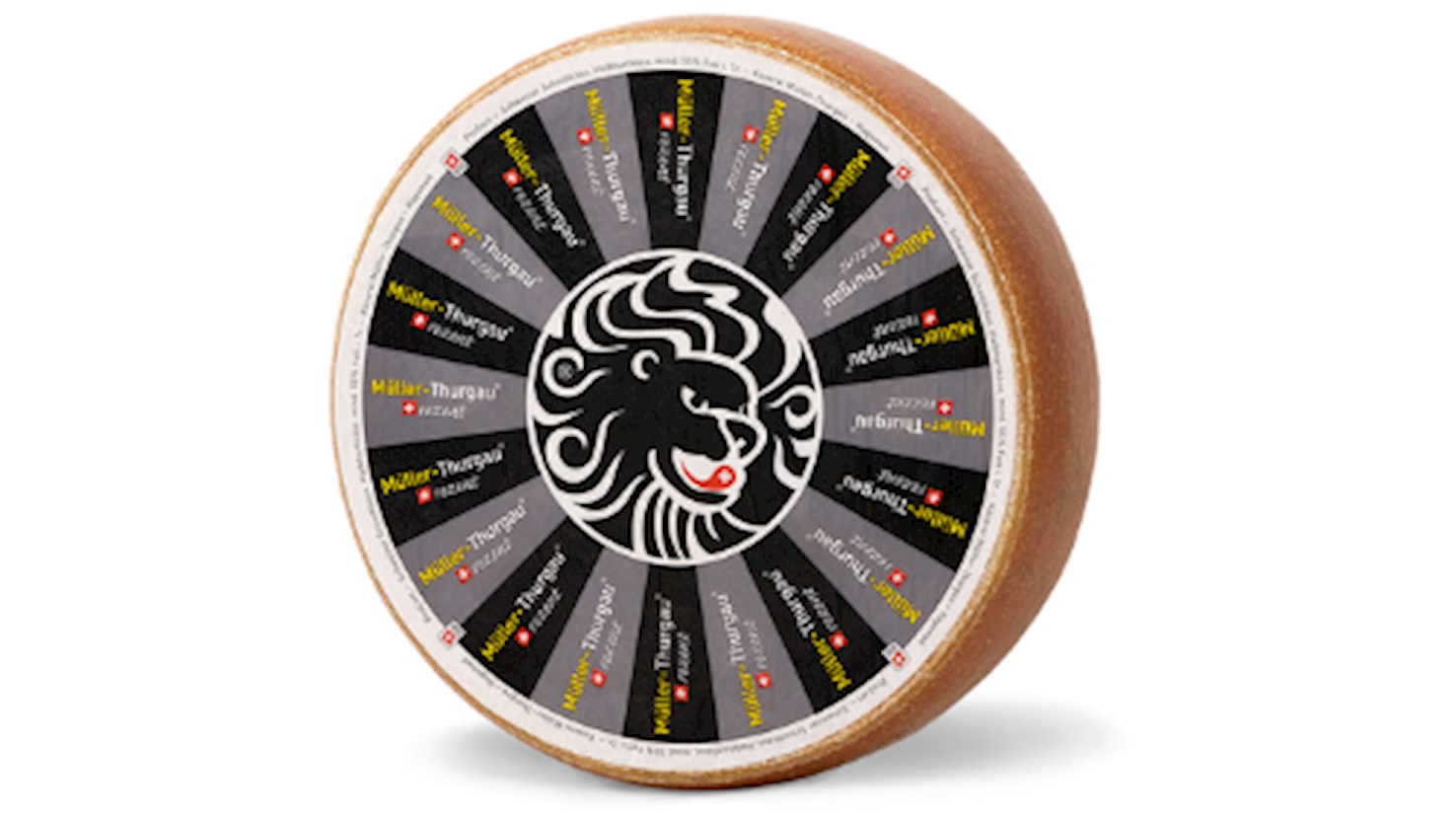
Käserei Müller Thurgau

4.9 ·
Käserei Müller Thurgau operates in Switzerland, specializing in the production of Swiss cheeses using local ingredients. The company utilizes traditional cheese-making techniques that have been passed down through generations. Additionally, Käserei Müller Thurgau places a strong emphasis on sustainability, implementing eco-friendly practices throughout its production processes.
Awards
World Cheese Awards - Super Gold (2023)
World Cheese Awards - Gold (2024)
09

Käserei Studer

4.8 ·
Awards
World Cheese Awards - Super Gold (2024)
10

5104 Käserei Niederbüren Ag

4.8 ·
Käserei Niederbüren AG is a cheese producer located in Niederbüren, Switzerland. It specializes in producing Swiss cheeses, adhering to traditional cheese-making methods. The company plays a role in the local economy by partnering with regional dairy farmers for its milk supply.
Awards
World Championship Cheese Contest - Best of Class (2022)

Best Cheese Types in the World

01

Appenzeller

4.1 ·

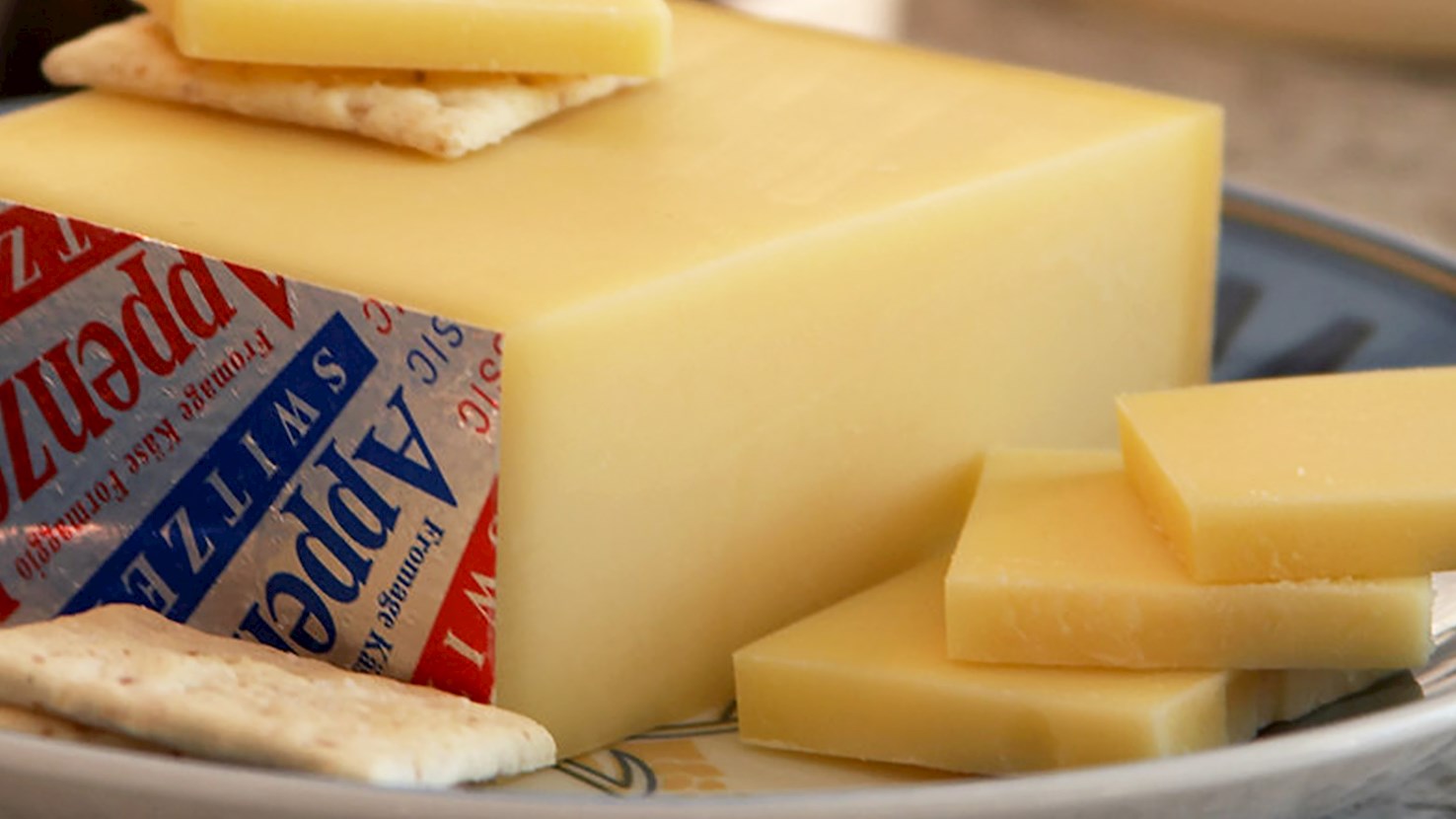
Appenzeller is a Swiss cheese from Appenzell. It's made from raw cow's milk, and while the cheese is maturing, it's regularly washed with a secret herbal brine. After 3 months, it's ready for consumption, and the longer it matures, the spicier it will become. This hard cheese has a firm, open, and smooth texture, while the flavors are tangy, spicy, and fruity. There are three types of Appenzeller: Classic, aged 3 to 4 months, Surchoix, aged 4 to 6 months, and Extra, aged 6 months or longer.

02

Scharfe Maxx

3.4 ·

Scharfe Maxx is a Swiss cheese hailing from Thurgau. The cheese is made from raw cow's milk that's been thermized, and it's left to age for 5-6 months. It has a washed rind that hides a semi-soft texture of the cheese. Although it can be mild at first taste, Scharfe Maxx also has a sharp and nutty finish with hints of barnyard. During the production process, cream is added to the cheese, resulting in a silkiness that balances the savory notes of beef broth and sautéed onions. There are also Maxx Extra, aged to 9 months, and Maxx 365, aged up to a year. In spite of its range of complex flavors, Scharfe Maxx is quite versatile, so it can be paired with mustard, rye bread, pickles, potatoes, berry jams, eggs, sandwiches, and asparagus, among others. The name of the cheese means sharp Maxx or spicy Maxx, referring to its sharp finish.

03

Schabziger

3 ·

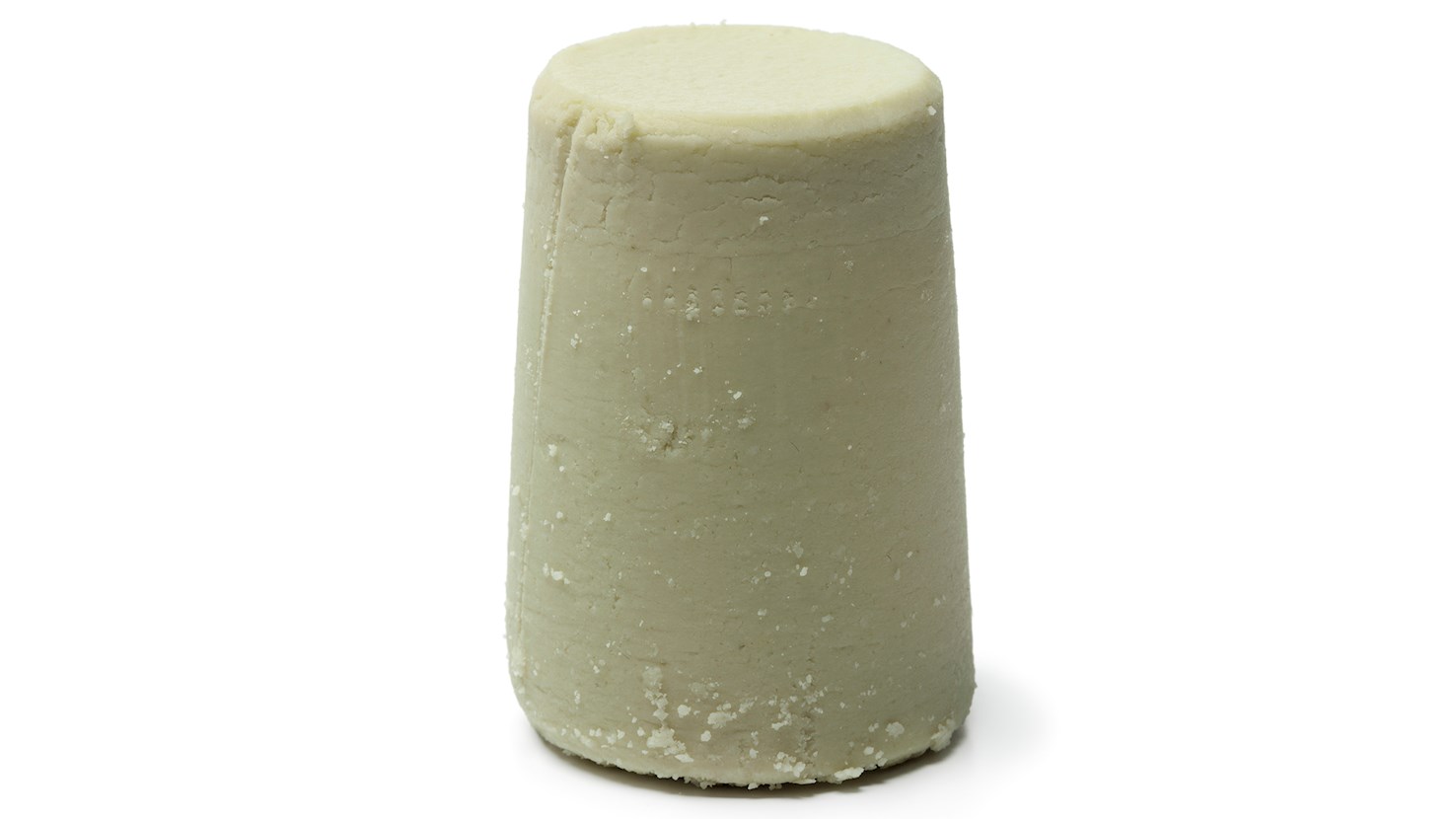
Schabziger is a traditional cheese produced in Glarus. It dates as far back as the 8th century when it was made in a monastery. The cheese is also Switzerland's oldest protected brand – in 1463, there was a council meeting and the locals had decided that the cheese should be stamped with a seal representing its authenticity – and the same seal is still being stamped on Schabziger today. This lime-green, zero-fat cheese is made from cow's milk and the skimmed milk curds are aged for 8 weeks, after which they're ground and combined with ground fenugreek seeds. The cheese is then pressed into a small cone called stockli, which is wrapped in silver foil. The texture is dry and hard, while the flavors are powerful, pungent, and spicy. In the US, it's known as Sap Sago. It is recommended to mix Schabziger with butter, then spread it over bread with onions or chives, but it can also be added to soups, fondues, and baked potatoes. Pair it with Pinot Noir or a glass of cider.

04

Formaggella

n/a ·

Formaggella is a semi-hard, medium-sized cheese produced from goat's milk, cow's milk, or a mixture of both, with a texture that can range from fresh soft to semi-hard, depending on the production method and aging process. The name derives from formaggio (lit. cheese), with the diminutive "-ella" suggesting a traditionally lower status compared to long-aged alpine cheeses. A Swiss-Italian expression about strabismus (cross-eyed people) references "an eye that looks at the board of formaggella," referring to the wooden boards in kitchens where the cheese was stored to dry and kept safe from mice. Formaggella has a cylindrical shape, with a diameter of 10-20 cm, a height of 3-5 cm, and a weight of 400g to 2kg. The paste varies in color from white (if made with more goat’s milk) to straw yellow (if made with more cow’s milk), while the rind is thin, soft, and gray, sometimes covered with molds called mucor, similar to those found on Tomme de Savoie. Its ingredients include goat’s or cow’s milk, direct thermophilic ferment, rennet, sometimes mold, and salt. Historically, formaggella has been produced since at least the 13th century, in the pre- and post-alpine grazing periods (spring and winter). Originally intended for household consumption, it was not as highly regarded as long-matured alpine cheeses. Production begins with thermizing the milk at 65°C for 15 minutes to improve health safety while preserving flavor. The milk is then cooled to 35°C, and thermophilic ferments and sometimes molds are added. After coagulating for 30-40 minutes with rennet, the curd is cut first with a curd cutter (lyre/harp) into thin slices, then further reduced with a spannarola until hazelnut-sized pieces are obtained. Some whey may be removed and replaced with water to reduce acidity, though this practice is rare due to contamination risks. The mixture is heated again to 38°C before being placed in perforated baskets or molds. The cheese is turned multiple times within 24 hours, then brined for 4-6 hours or dry-salted. Aging occurs in cellars at 12-14°C with 70-90% humidity for at least three weeks. Traditionally a domestic product, formaggella was consumed as a side dish, in recipes, or even for breakfast. Today, it is widely available in markets, shops, and restaurants in the Ticino region and is highly sought after in its various fat-content variations (full-fat, semi-fat, lean). Depending on the region, formaggella is known by different names: chiasörin in Leventina, crenga in Val di Blenio, maioca in Biasca, mota or motign in Valmaggia, and fromagela in Verzasca. Some varieties develop a gray moldy rind with fine hairs, known as "cat hair" or "pei da ratt," due to mucor molds. These characteristics highlight formaggella’s deep roots in Swiss alpine dairy traditions. Today, it remains a cherished cheese due to its delicate flavor, artisanal craftsmanship, and versatility in various culinary applications.

05

Bündner bergkäse

n/a ·

Bündner bergkäse (Bündner Mountain Cheese) is a semi-hard, full-fat cheese made from thermized mountain milk. Each wheel weighs around 4.5 kg, with a 27 cm diameter, and has a firm texture with very few holes. Produced year-round in village cheese dairies above 600 meters in altitude, it differs from Bündner Alpkäse, which is made seasonally in high-altitude alpine pastures. The cheese is crafted using thermized milk, briefly heated to 68°C to remove harmful bacteria while preserving part of the milk’s natural flora for flavor. The milk is then curdled with rennet, cut into small curds, and heated to 41-47°C to remove excess moisture. After pressing for 24 hours, the cheese is placed in a salt bath, which enhances flavor and helps form a natural rind. The cheese ages for at least three months in humid cellars, where it is regularly brushed with salted water to encourage the growth of beneficial bacteria, yeasts, and molds, giving it its distinct aroma and reddish-brown rind.

Historically, the 1950s marked the official introduction of Bündner bergkäse, with further refinements in the 1970s, leading to its reputation as one of Switzerland’s most well-known mountain cheeses. Bündner bergkäse is versatile, enjoyed sliced with bread, served with boiled potatoes ("Gschwellti"), used in fondue, or for gratinating dishes. It comes in mild, spicy, and tangy varieties, depending on its aging period, and is also available in half-fat (25% fat) and quarter-fat (15% fat) versions, which are made from pasteurized milk and aged for a shorter time (4-6 weeks).

With 540 tons produced annually by nine village dairies across Graubünden, the cheese is distributed throughout Switzerland, reaching wholesalers, retailers, and the hospitality industry. Among its producers, the Bever alpine dairy, at 1,700 meters above sea level, is recognized as Europe’s highest cheese dairy. Bündner Bergkäse continues to be a cornerstone of Swiss mountain cheesemaking, valued for its rich, natural flavors and deep-rooted alpine tradition.

06

Challerhocker

n/a ·

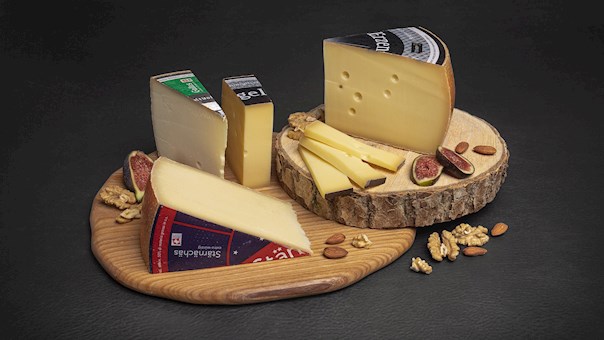
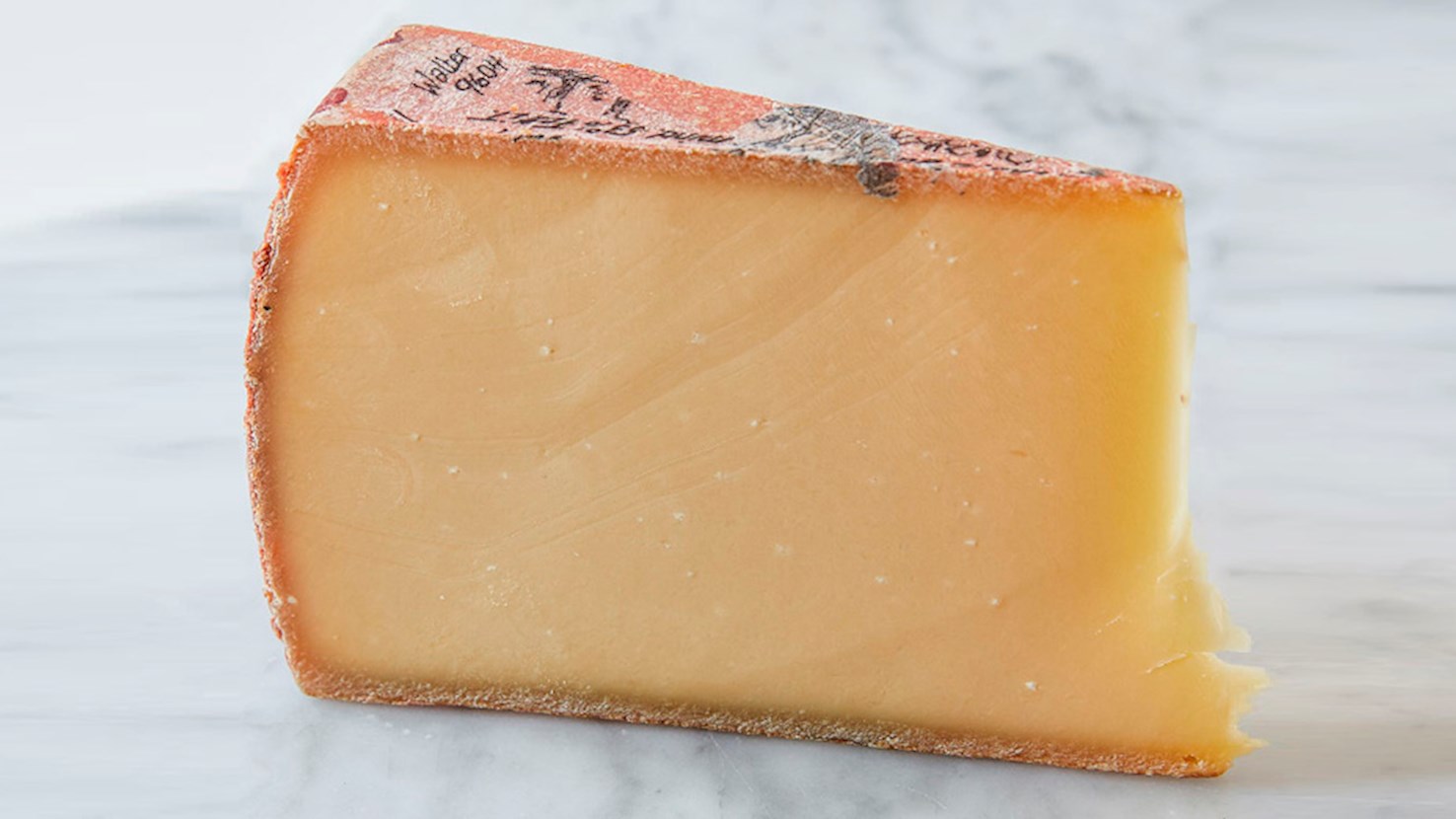
Translating to sitting in the cellar, Challerhocker is a Swiss cheese that's aged for at least 10 months in the region of Saint-Gallen. It was created by Walter Rass, who based the recipe on Appenzeller, but made some changes such as the temperature the curd is cooked at, aging time, and the fat that is left intact, e.g. it's not skimmed off of the milk. The cheese is made from cow's milk, and during the aging period, the rind is regularly washed with brine, which is the reason why it has aromas of roasted peanuts, caramel, and aged meat. Its texture is dense, smooth, and silky, while the flavors are reminiscent of leeks, brown butter, and salted caramel as a finish. Challerhocker doesn't need any overpowering accompaniments, but it's sometimes served on cheese plates with dates, figs, pickles, and caramelized onions. It melts exceptionally well, so feel free to use it in mac & cheese and grilled cheese sandwiches. This cheese is easily recognizable by its label which depicts a slightly creepy boy peeking out behind a brick wall – according to the creator of Challerhocker, it represents a young man who works in the aging room.

07

St. Galler Alpkäse

n/a ·

St. Galler Alpkäse is a full-fat, semi-hard cheese made from raw cow’s milk in the St. Gallen Alps, Switzerland. Weighing between 4 and 7 kg, it has a smooth, golden-brown rind and a firm paste with sparse holes. Available in mild and aged varieties, its flavor ranges from creamy and delicate to bold and spicy, influenced by Alpine herbs grazed by the cows. Produced under the Swiss Mountain and Alpine Ordinance, it is made only from milk sourced and processed in the Alps during the summer months, ensuring authenticity. The cheese is crafted using a mix of evening and morning milk, curdled with calf rennet, gently heated, pressed, salted, and aged in humid cellars, where natural bacteria develop its distinct character. Historically, St. Galler Alpkäse was primarily for self-sufficiency, with limited commercial production until the 20th century. Today, 36 Alpine farms produce around 380 tons annually, mostly in Sarganserland, with some reaching markets in eastern Switzerland and Zurich. Enjoyed with bread, as a dessert cheese with wine, or in Swiss dishes, it is currently a candidate for GUB/AOP certification, preserving its regional heritage and traditional production methods.

08

Marscaplin

n/a ·

Mascarplin, or mascarpel, is a traditional ricotta-like cheese crafted from goat's milk, primarily sourced from breeds such as Camosciata delle Alpi, Grisons Striped, Grigia, and Colomba. These goats graze on meadow grasses and local hay for six to ten months annually. The production process involves heating the goat's milk to temperatures above 90°C (194°F) and adding "maestra," a whey culture from the previous day's production, to induce curdling. Historically, dried and fermented fruits, berries, or roots were used for this purpose. The curds are then drained in perforated cylindrical molds for about eight hours, resulting in small cheeses weighing between 250 and 500 grams (0.5 - 1 lb), measuring approximately 8-10 centimeters (3-4") in height and 10 centimeters (4") in diameter. After dry-salting, the cheeses are left to dry for a day in a cool environment. While mascarplin develops its full flavor potential after aging for at least two to three weeks, it is often sold earlier. Traditionally, families throughout the Bregaglia Valley produce mascarplin at home, even if they own only a few goats. However, commercial production is limited, making it a product primarily consumed locally.

09

Schwägalpkäse

n/a ·

Schwägalpkäse is a full-fat, semi-hard Swiss alpine cheese made from thermized cow’s milk. Each 5 kg wheel has a 28 cm diameter with small holes and comes in mild, spicy, and aged varieties. It follows Swiss alpine cheese regulations, ensuring milk is sourced from freely grazing cows in high-altitude pastures. Cheese production in Appenzell dates back to 1360, but full-fat rennet cheeses became common only in the 15th-16th centuries. Unlike other Swiss regions, Appenzell lacked large-scale cheese exports, and quality concerns in the 20th century led merchants to favor Appenzeller cheese from valley dairies over alpine varieties. To preserve alpine cheesemaking, farmers founded the Schwägalp Alpine Dairy Cooperative in 1997, processing milk from 50+ farms in a centralized modern dairy. The milk is thermized at 68°C, curdled, cut, and heated to 45-47°C, then pressed, salted, and aged. During maturation, salted water brushing forms a natural bacterial rind, enhancing flavor. Schwägalpkäse is enjoyed with bread, potatoes, or in gratins. The cooperative produces 70-80 tons annually, selling 25% locally and distributing the rest via wholesale and village markets, securing its place as a respected Swiss alpine cheese.

10

Schlipfechäs

n/a ·

Schlipfechäs is a mild, rindless fresh cheese traditionally made from raw full-fat or quarter-fat milk and available only in summer, with a pasteurized version sold year-round. Before eating, it is sliced and soaked in saltwater, giving it a smooth, slippery texture. Resembling mozzarella but softer, schlipfechäs has been made for 150-200 years, originally favored by Swiss herdsmen because it was ready within a day. Historically, it prevented young cheese from drying out, replacing long-aged Rässkäse in daily meals. Today, it is often made from full-fat milk, making it softer and richer. The cheese is made by curdling raw milk, cutting and heating the curds to 35°C, then pressing and shaping it into small rounds (mutschli). It is briefly salted but not aged, keeping its fresh taste. Schlipfechäs is eaten with bread, butter, meats, tomatoes, or fruit and often replaces mozzarella in salads. Sold mainly in Appenzeller cheese shops, production is small-scale, with a few producers making around 500 kg annually. It remains a valuable alpine specialty, as it can be sold immediately after production.

About this ranking

TasteAtlas food rankings are based on the ratings of the TasteAtlas audience, with a series of mechanisms that recognize real users and that ignore bot, nationalist or local patriotic ratings, and give additional value to the ratings of users that the system recognizes as knowledgeable. For the “Top 15 Local Cheeses in Eastern Switzerland” list until June 02, 2026, 218 ratings were recorded, of which 178 were recognized by the system as legitimate. TasteAtlas Rankings should not be seen as the final global conclusion about food. Their purpose is to promote excellent local foods, instill pride in traditional dishes, and arouse curiosity about dishes you haven’t tried.

The initial list of top producers was compiled based on available reviews, awards, local recommendations, media and blog coverage, and consumer reviews. The list will be updated with ratings from TasteAtlas local ambassadors and TasteAtlas users.

Similar lists