
shutterstock

Top 10 Slovak Cheeses

Last updated on July 01, 2026

Best Slovak Cheeses

01

Zelený Klátov

4.9 ·

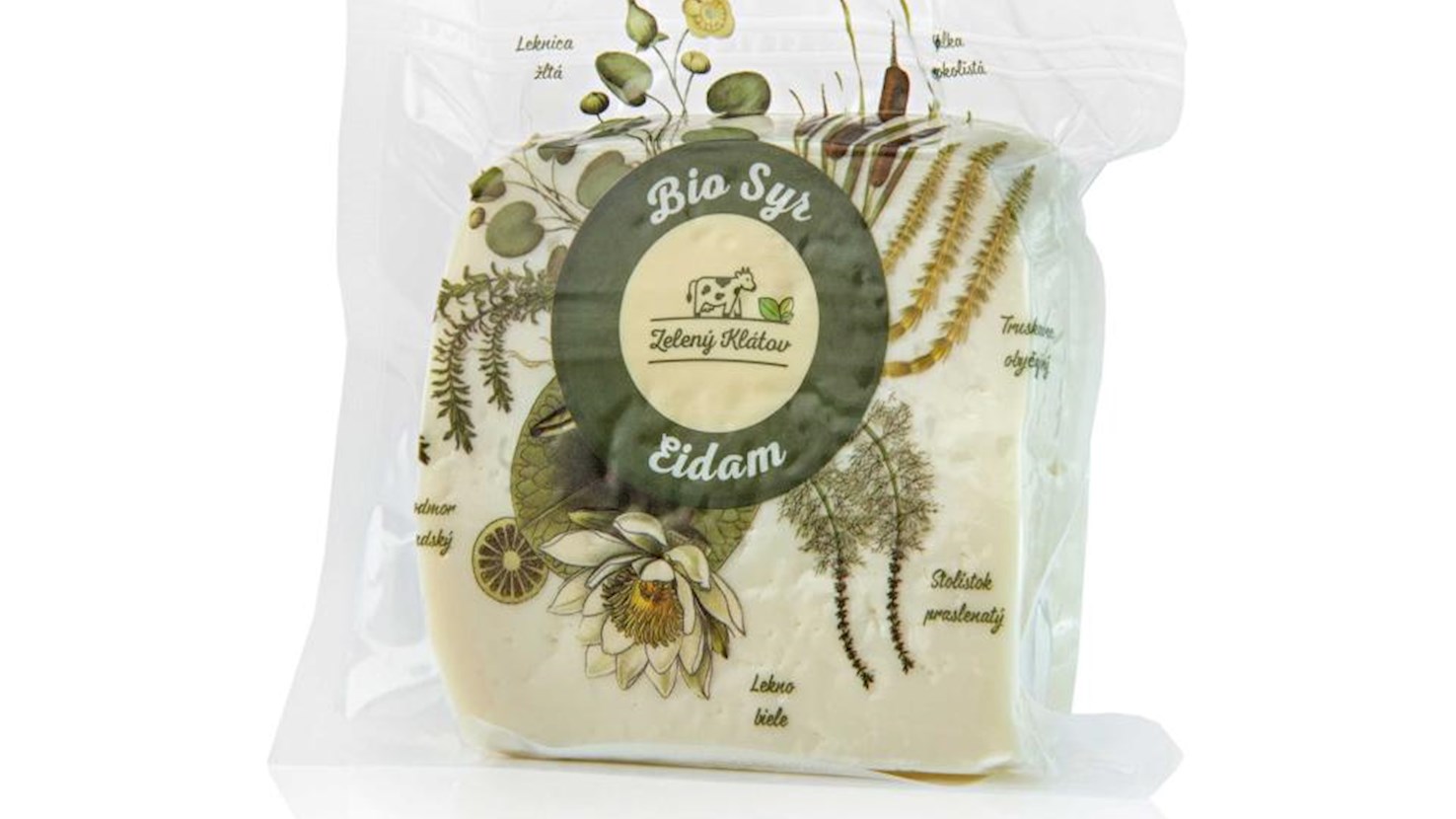
Zelený Klátov is a cheese producer located in Slovakia, known for using traditional methods to create a variety of sheep and cow milk cheeses. They specialize in producing bryndza, a soft sheep milk cheese that is a key component of Slovak national dishes like bryndzové halušky.

The company operates in the region of Klátov, near Košice, focusing on artisanal production techniques that highlight the natural characteristics of the region's dairy products.

Awards
World Cheese Awards - Gold (2023)
Great Taste Awards - 2 Stars (2023)
02

Eniquem Cheese

4.7 ·

Eniquem Cheese is a dairy producer based in Slovakia, specializing in traditional Slovak cheeses. They focus on using high-quality, local ingredients and time-tested methods to produce their cheeses.

The company aims to preserve the authenticity of Slovak cheese-making traditions.

Awards
World Cheese Awards - Gold (2021)
Great Taste Awards - 2 Stars (2024, 2022)

Best Slovak Cheese Types

01

Ovčí Salašnícky Údený Syr

4.4 ·

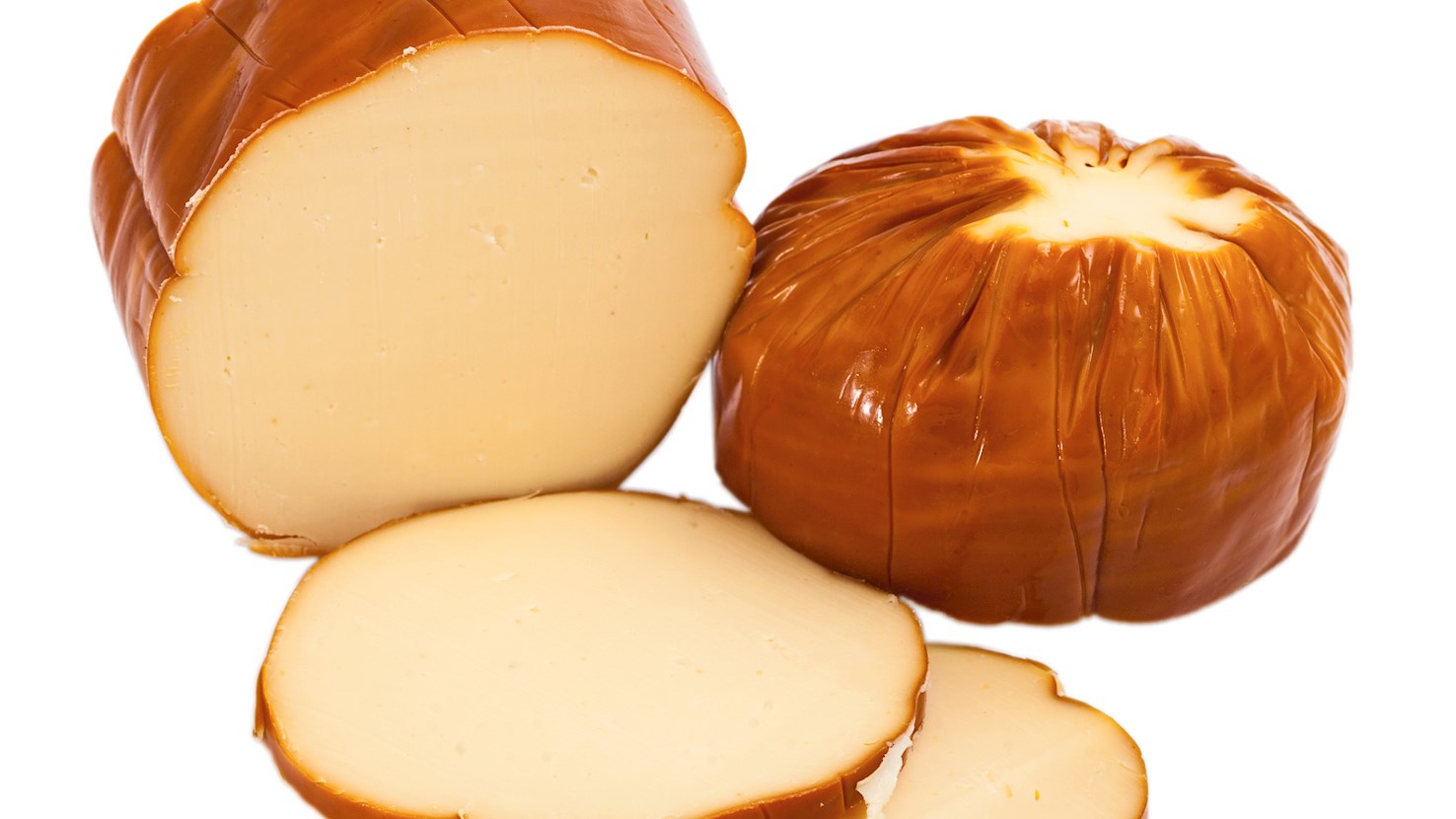
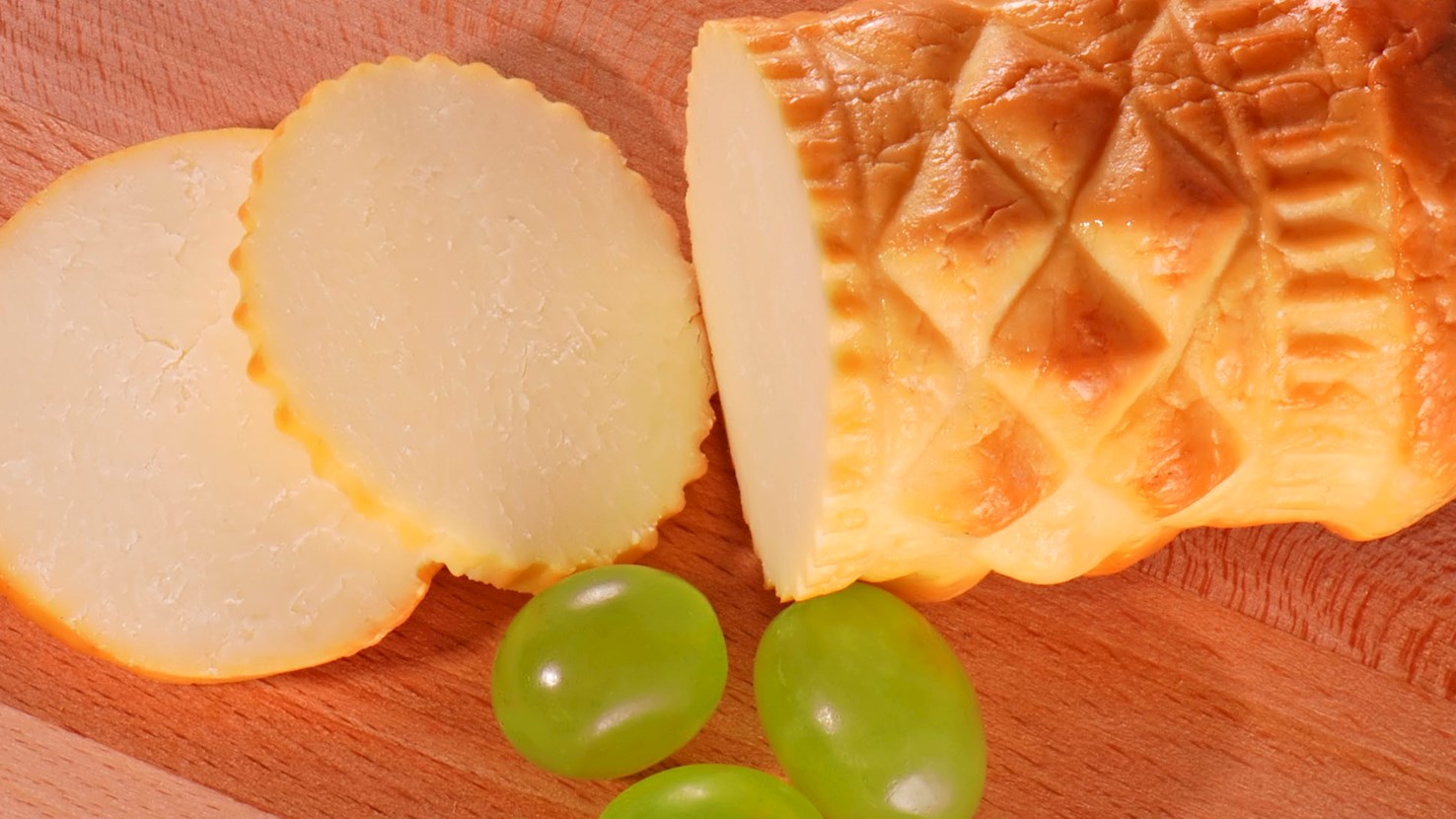
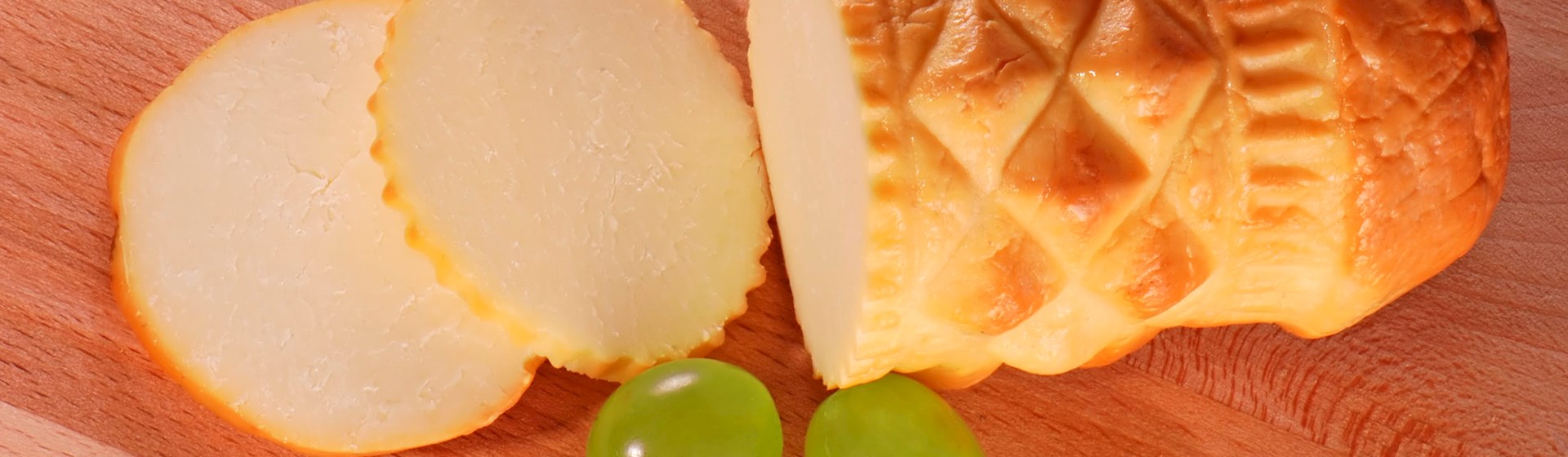
Ovčí salašnícky údený syr is a uniquely shaped, soft cheese, handmade from unpasteurized sheep's milk in a traditional way in mountainous areas and shepherd's huts in the Slovak Republic. The word salašnícky refers to the word salaš - a shepherd's hut where it is produced. The cheese is smoked over hardwood and comes in various shapes - most often as a lump, but it may come shaped like a heart, cockerel or other animals. On the exterior it is firm and dry with a crust and little stains that appear from the smoking process. Its interior is yellow in color with a firm texture that develops small holes when sliced. The flavor is smoky, mild, delicate and slightly acidic. Originally, it was smoked to prolong its shelf life and to be eaten in winter, when cheese was not produced. Pair it with potato dumplings and strong, yeasty beer.

02

Slovenský Oštiepok

4.3 ·

Slovenský oštiepok is a traditional semi-hard cheese made from half-fat sheep's milk, cow's milk or a mixture of both. It can be either steamed or unsteamed, smoked or unsmoked and can be produced in dairies using the industrial way of production, or on sheep farms (salaš) in the mountainous parts of the Slovak Republic, using the traditional methods. It is quite striking to the eye - shaped like a large egg or a pine cone, with a golden brown exterior due to the smoking process and a creamy yellow color on the interior. Its texture is firm and homogeneous, with small cracks developing on the body when sliced. The taste is delicate and savory, slightly salty, sour to piquant, with a typical smoky flavor. Enjoy it on its own, as a snack and pair it with dry white wines or beer.

03

Slovenská Parenica

4.3 ·

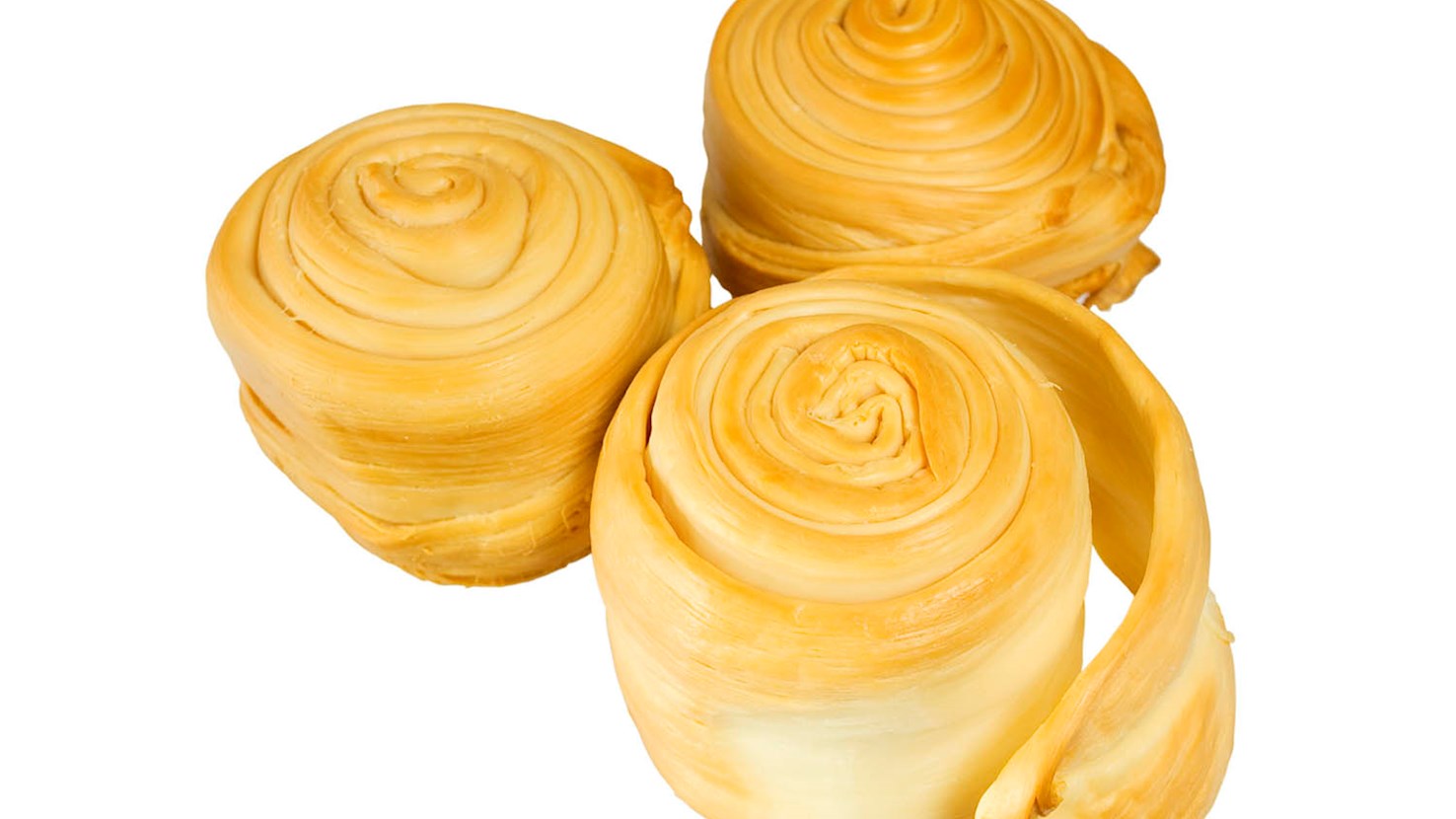
Slovenská parenica is a soft, steamed cheese made from unpasteurized sheep's milk of the Wallachian, Cigaya, East Friesian and improved Wallachian breeds. The cheese can also be made using a mixture of raw sheep's and cow's milk, where the content of sheep's milk must be at least 50%. The parenica is wound in two rolls that are connected in an S-shape or a spiral, steamed and lightly smoked. The rolls are bound with cheese string or chains. Its aroma is smoky with a characteristic smell of sheep's milk, and the taste is delicate, mild and slightly salty. The texture is elastic and supple, with fibers and threads on the interior, and the color is yellow to brown on the exterior, due to being smoked and steamed. It was originally produced around Zvolen and Brezno in the early 19th century, but today it has spread to virtually every part of Slovakia.

04

Oravský Korbáčik

4.1 ·

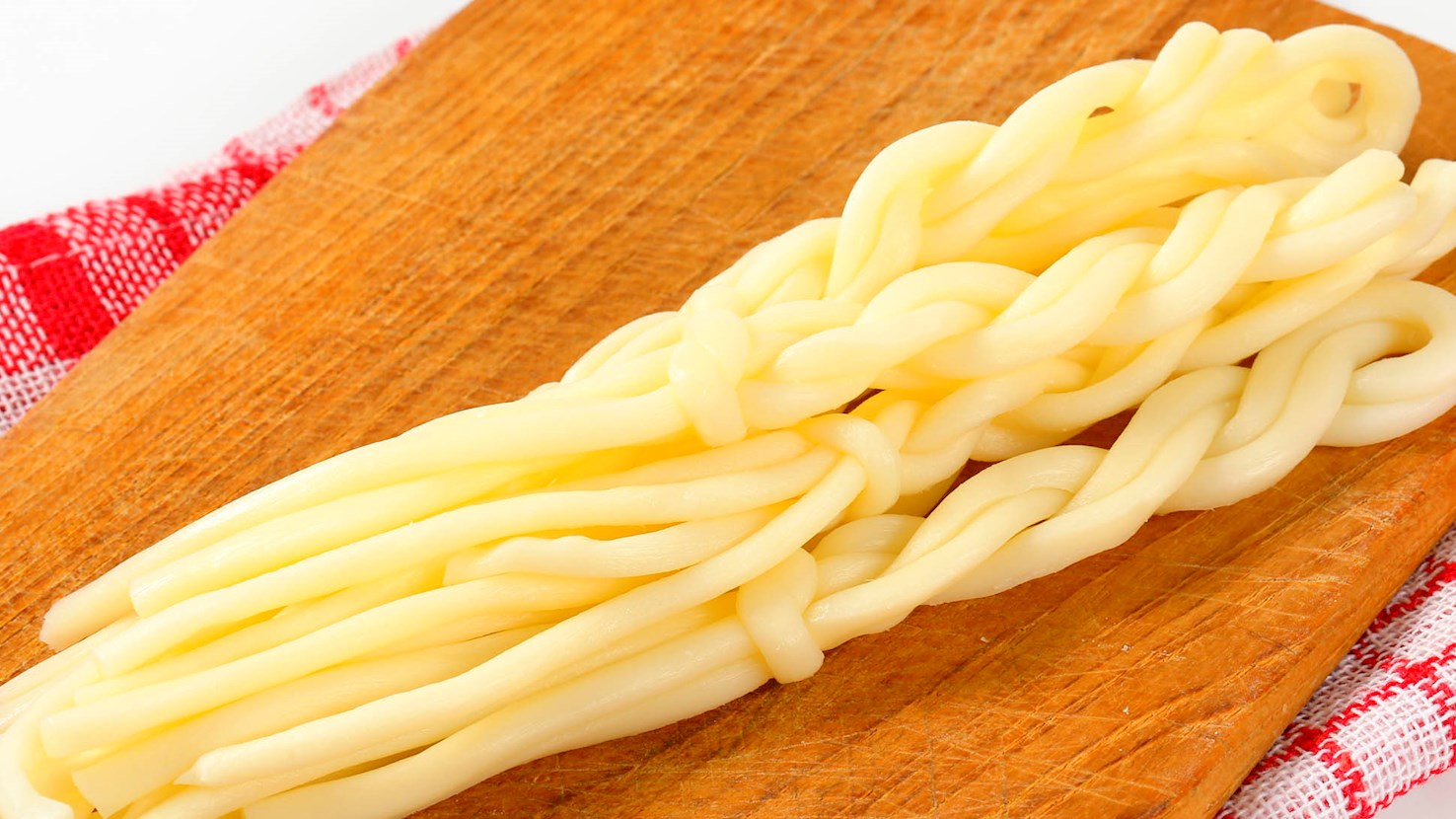
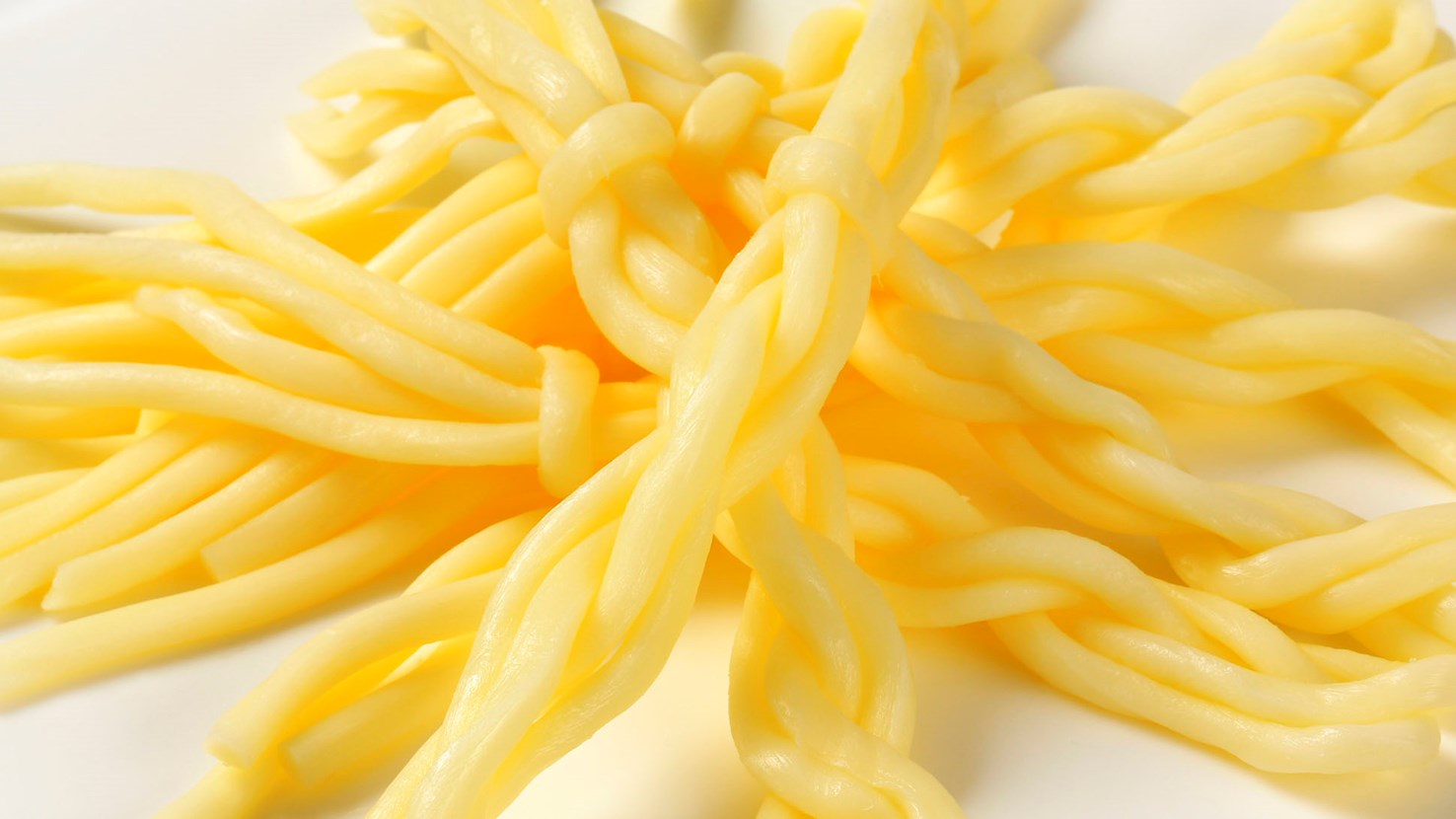
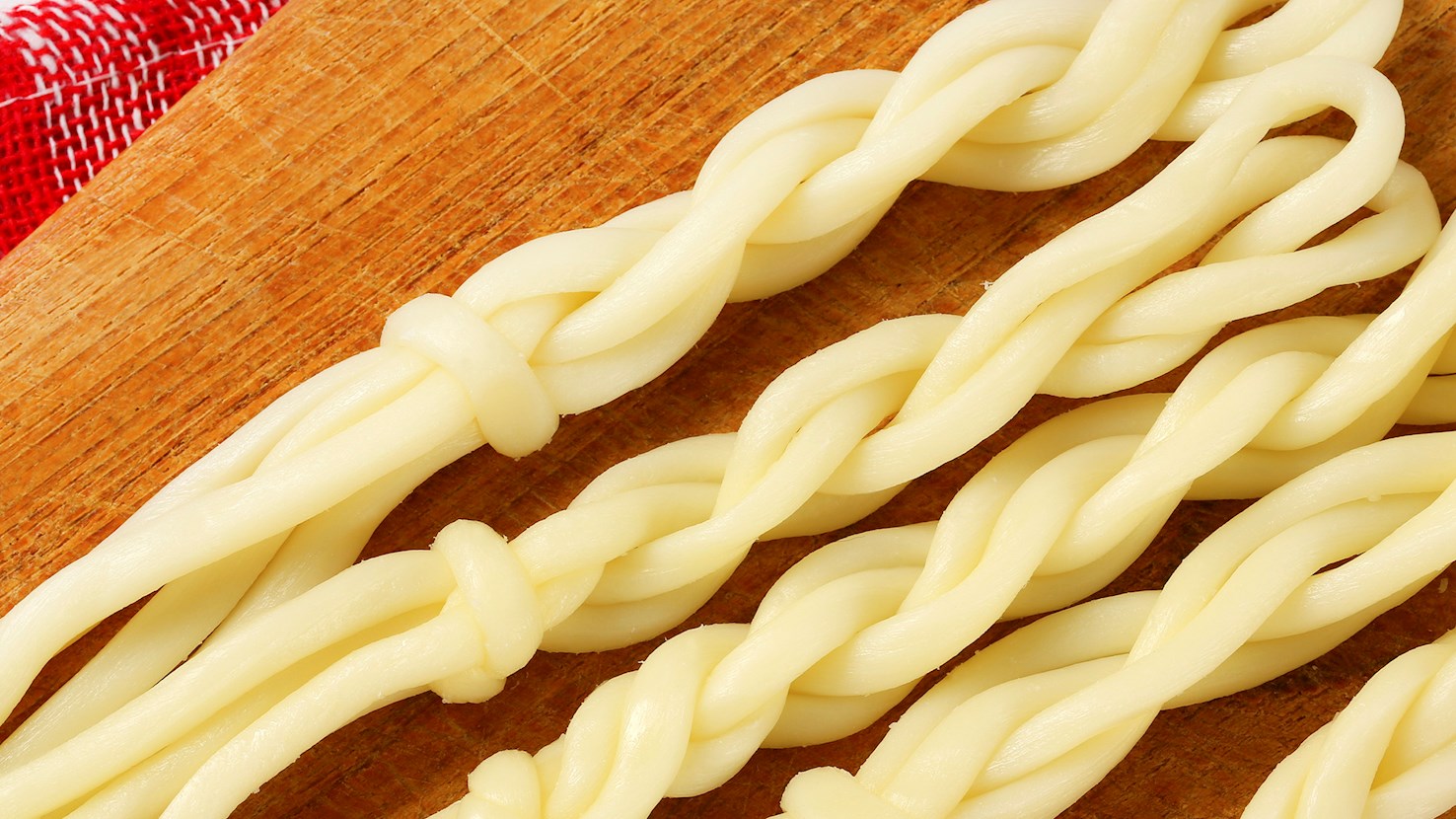
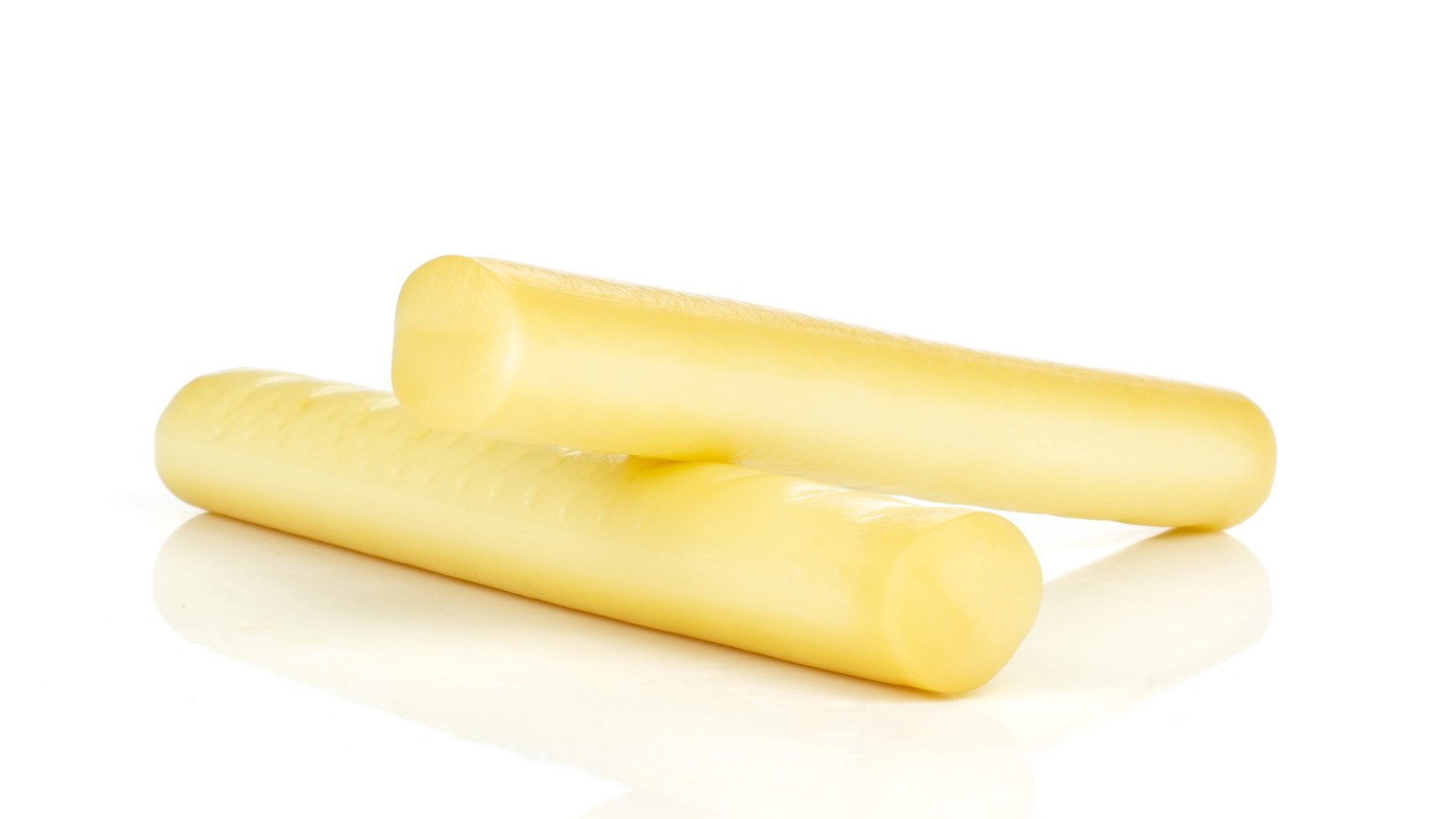
Oravský korbáčik is a steamed string cheese made from cow's milk, very similar to its cousin Zázrivský korbáčik. The cheese is either smoked or unsmoked, visually striking in a unique shape of a little whip (korbáčik in Slovak). It has been made in the Orava region in the Slovak Republic since the second half of the 19th century when it was the only source of income for the local cheese-makers. It is produced almost entirely by hand, steaming the lumps of cheese in hot water and pulling them into strings that are then plaited into whips, a labour-intensive process that requires a skill specific to the women of the region. The texture of Oravský korbáčik is stringy, similar to pasta. The smoked varieties have a smoky scent, yellow color and are saltier than the unsmoked variety of korbáčik that is white and doesn't have a smoky scent. Smoked or not, the taste is delicately milky, savory and acidic. This string cheese is extremely popular to bring as a gift at fairs, weddings, christenings, Christmas and other festive occasions.

05

Slovenská Bryndza

4.1 ·

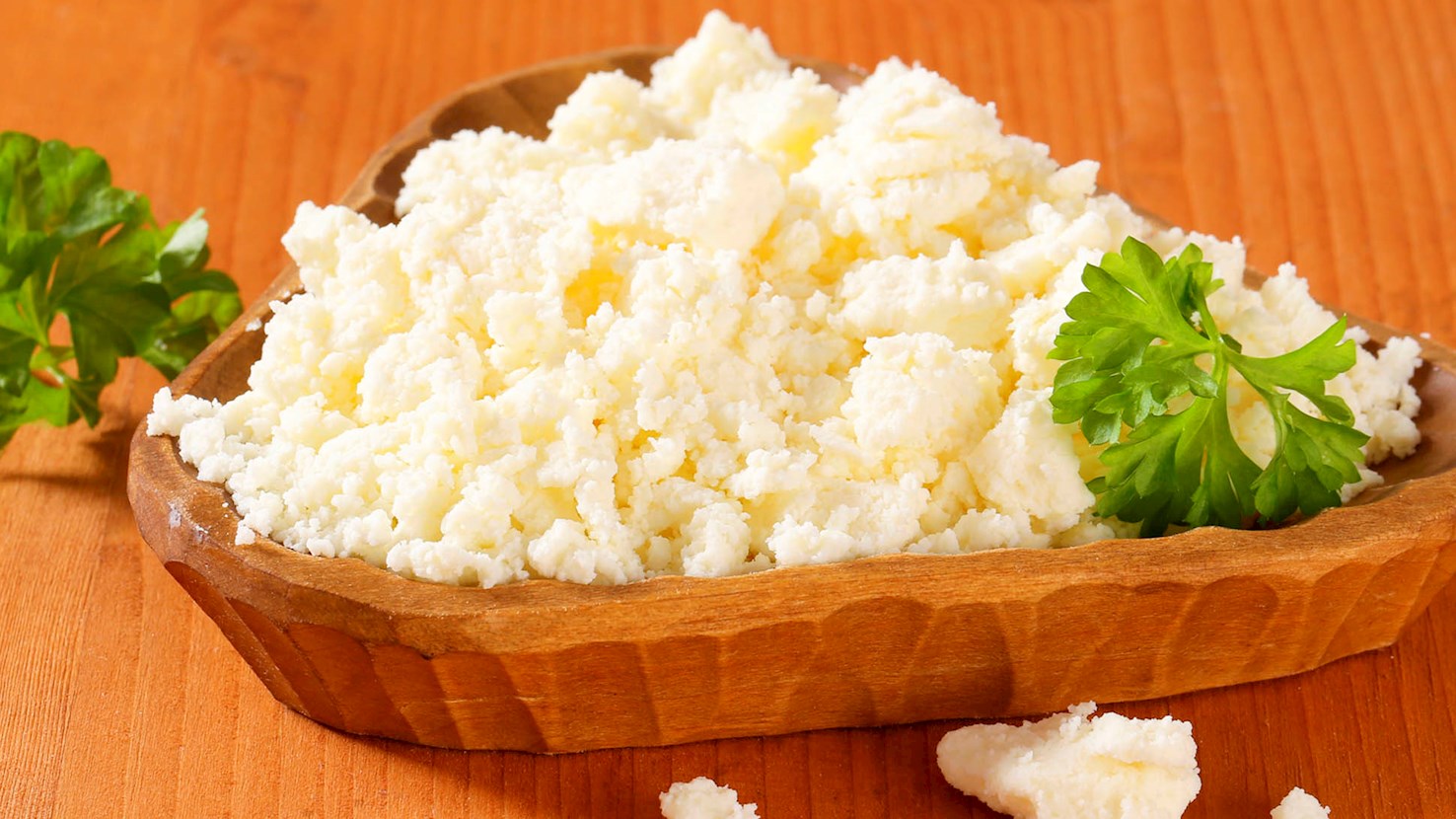
Slovenská bryndza is a soft cheese made from sheep's milk produced in the mountainous regions of the Slovak Republic. The sheep usually graze at lower altitudes, but during the summer, they move to higher altitudes to lengthen the grazing period. Its name, bryndza, comes from the Romanian word for cheese - Wallachian. The cheese is white, slightly moist, made from matured milk, and is easily spreadable in granular form. It has a delicate aroma of sheep's milk and a uniquely sour taste that is slightly salty and spicy. Bryndza is also the main ingredient in Slovak national dishes bryndzové halušky and bryndzové pirohy, giving them a unique aroma and flavor.

06

Zázrivský korbáčik

4.0 ·

Zázrivský korbáčik is a steamed string cheese made from cow's milk. It can be either smoked or unsmoked and it is presented in the unique shape of a little whip (korbáčik in Slovak). The cheese has been made in the Zázrivá area in the Slovak Republic since the second half of the 19th century when it was the only source of income for the local farmers. It is produced almost entirely by hand, steaming the lumped cheese in hot water and pulling it into strings plaited into little whips, a process that requires a skill specific to the women of the region. The texture of the cheese is stringy and the smoked variations have a smoky aroma, yellow color and are saltier than the unsmoked variety of korbáčik that is white. In both varieties, the taste is milky, savoury and slightly acidic. Korbáčik is extremely popular at fairs, weddings, Christmas and Easter.

07

Zázrivské vojky

3.9 ·

Zázrivské vojky is a steamed string cheese product that can be either smoked or unsmoked. It is made from pasteurised or unpasteurized cow's milk in the area around Zázrivá in the Slovak Republic. The thin strings are from 10 to 70 centimeters long and made using the traditional production process of steaming the lumped cheese in hot water and pulling the strings by hand, locally referred to as 'vojky'. In order to remove the water, the strings are hung on poles. The stringy cheese is presented twisted, loose or bound in the middle. The texture of the cheese is stringy, and it is creamy or golden yellow in color, depending on the smoking process. When eaten, the pleasant, milky, slightly acidic flavors develop on the palate. A truly unique Slovak product, it is often consumed and sold on various festive occasions such as weddings or on Christmas and Easter.

08

Ovčí Hrudkový Syr - Salašnícky

3.8 ·

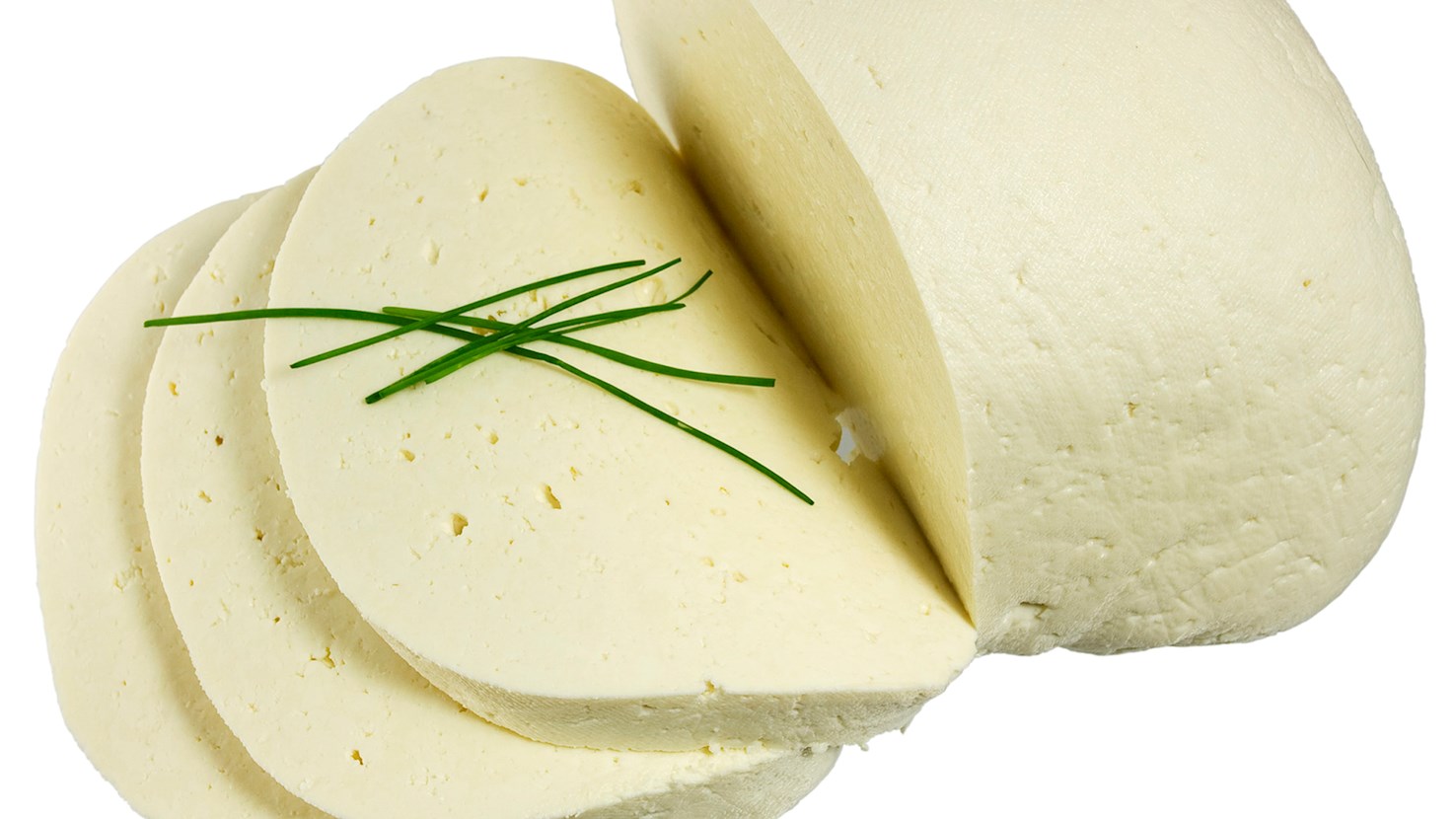
Locally known as Salaš, hence the term Salašnícky, Ovčí hrudkový syr is a farmhouse cheese made from unpasteurized sheep's milk, shaped by hand into a lump that gets its unique taste from the traditional process used during fermentation in shepherd's huts in the Slovak Republic's mountainous regions. It weighs up to 5 kilograms and has a dry surface, with tiny holes and cracks on its interior. It is white to pale yellow in colour and the taste is delicately mild, clean, fresh, slightly acidic, characteristic of sheep's milk products. The texture is quite firm, yet elastic and pliable. Pair it with sliced pears, fresh pastry or sweet wines.

09

Tekovský Salámový Syr

3.5 ·

Tekovský salámový syr is a semi-hard cheese made from pasteurized, full-fat cow's milk in the Tekov region in the Slovak Republic, on the border between the Nitra and Banská Bystrica regions since 1949. The region is in a lowland area, known for wine-growing and cheese-making. It can be either smoked or unsmoked after it has been salted and dried, and it comes in the visually striking shape of a long cylinder, similar to salami. Its texture is soft, elastic and pliable with small holes that appear when the cheese is sliced. Its taste is slightly acidic and salty, aromatic and milky, due to its short maturation period. On the exterior it is white to yellow, or golden yellow in smoked varieties. Tekovský salámový cheese is excellent as an after meal snack or an appetizer paired with deli meats and a glass of wine.

10

Klenovecký Syrec

3.0 ·

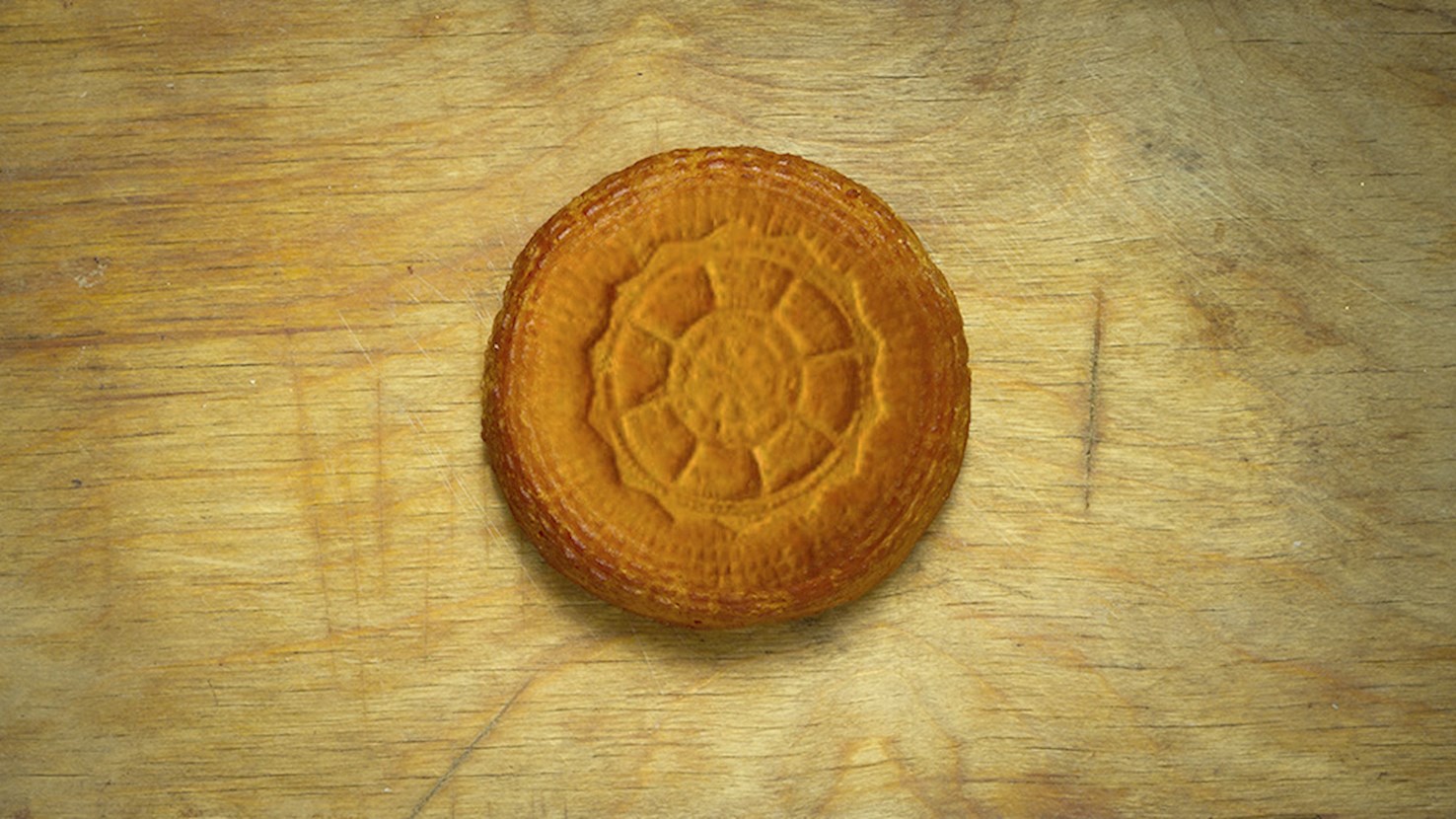
Klenovecký syrec is a semi-hard cheese made from unpasteurized sheep's or cow's high-quality milk, produced in the mountainous Gemer-Malohont region in the Slovak Republic since 1850. The cheese can be either smoked or unsmoked and can be made in shepherd's huts, on a farm or at dairies using the industrial process. On the exterior, particularly on the surface, it has an embossed four-leaf clover for decoration, and its soft rind can be colored green using wood ash. The cheese must weigh between one and four kilograms. On the interior, it is white to pale yellow, with a soft, elastic texture with tiny holes that appear once the cheese is sliced. The flavour is pleasant, slightly acidic and salty, and smoky in smoked varieties. The cheese is so popular in the region today that it is displayed as a delicacy at a well-known regional event in Klenovec called Klenovecká Rontouka.

Read more
View all
View map
About this ranking

TasteAtlas food rankings are based on the ratings of the TasteAtlas audience, with a series of mechanisms that recognize real users and that ignore bot, nationalist or local patriotic ratings, and give additional value to the ratings of users that the system recognizes as knowledgeable. For the “Top 10 Slovak Cheeses” list until July 01, 2026, 657 ratings were recorded, of which 374 were recognized by the system as legitimate. TasteAtlas Rankings should not be seen as the final global conclusion about food. Their purpose is to promote excellent local foods, instill pride in traditional dishes, and arouse curiosity about dishes you haven’t tried.

The initial list of top producers was compiled based on available reviews, awards, local recommendations, media and blog coverage, and consumer reviews. The list will be updated with ratings from TasteAtlas local ambassadors and TasteAtlas users.

Similar lists