shutterstock

Top 15 South American Cheeses

Last updated on June 10, 2026

Best South American Cheeses
01

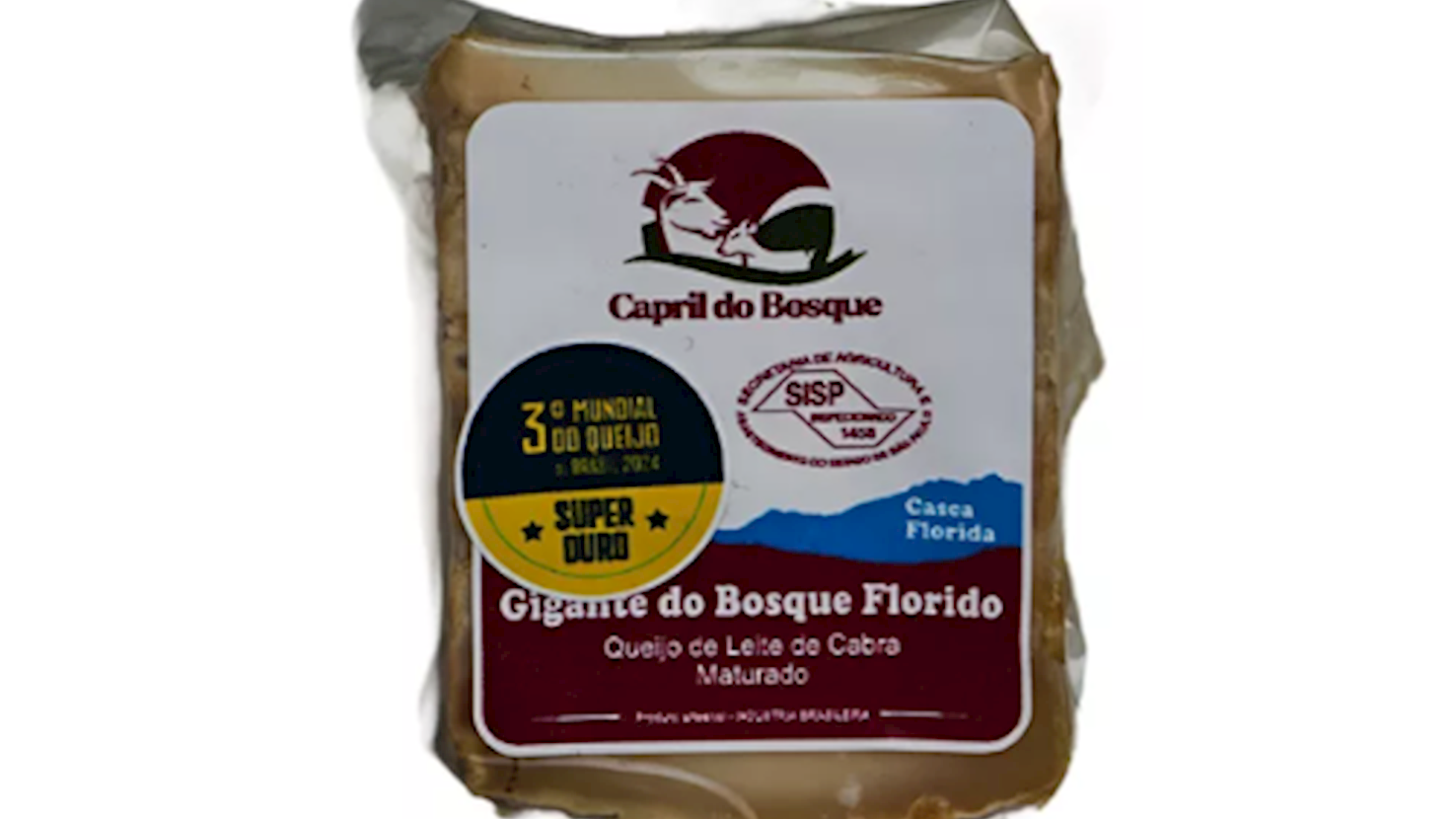
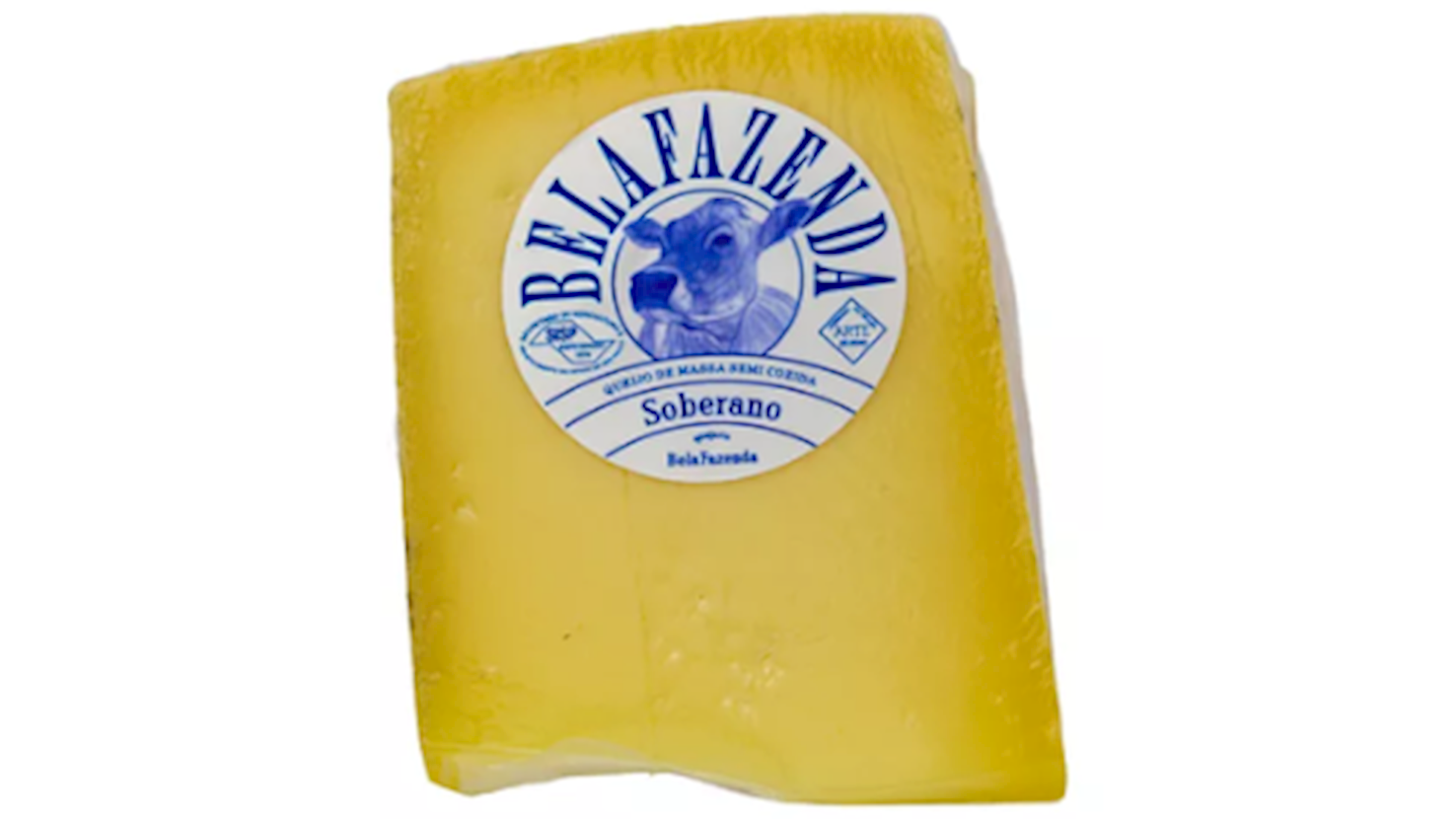
Queijaria Belafazenda

5 ·
Queijaria Belafazenda is an artisanal cheese producer based in Bofete, in the state of São Paulo, Brazil, known for its contemporary approach to handcrafted cheesemaking and strong focus on milk quality as the foundation of every product. Production is carried out in small batches, with carefully controlled aging conditions and a combination of traditional European techniques adapted to local Brazilian conditions. The dairy is especially recognized for its mold-ripened cheeses as well as semi-hard and aged cheeses inspired by cheddar-style traditions, reinterpreted through its own identity. Belafazenda develops original recipes that emphasize balance, texture, and depth of flavor, avoiding industrial shortcuts in favor of precise, hands-on production. Continuous experimentation and refinement play a central role in shaping its portfolio, which has earned attention within Brazil’s growing artisanal cheese scene. The creamery also welcomes visitors for tastings, offering direct insight into its philosophy and production process. Today, Queijaria Belafazenda stands as a strong example of modern Brazilian artisan cheesemaking that combines local origin, technical skill, and creative expression.
Awards
World Cheese Awards - Super Gold (2024)
World Cheese Awards - Gold (2023)
02

Roça da Cidade

5 ·
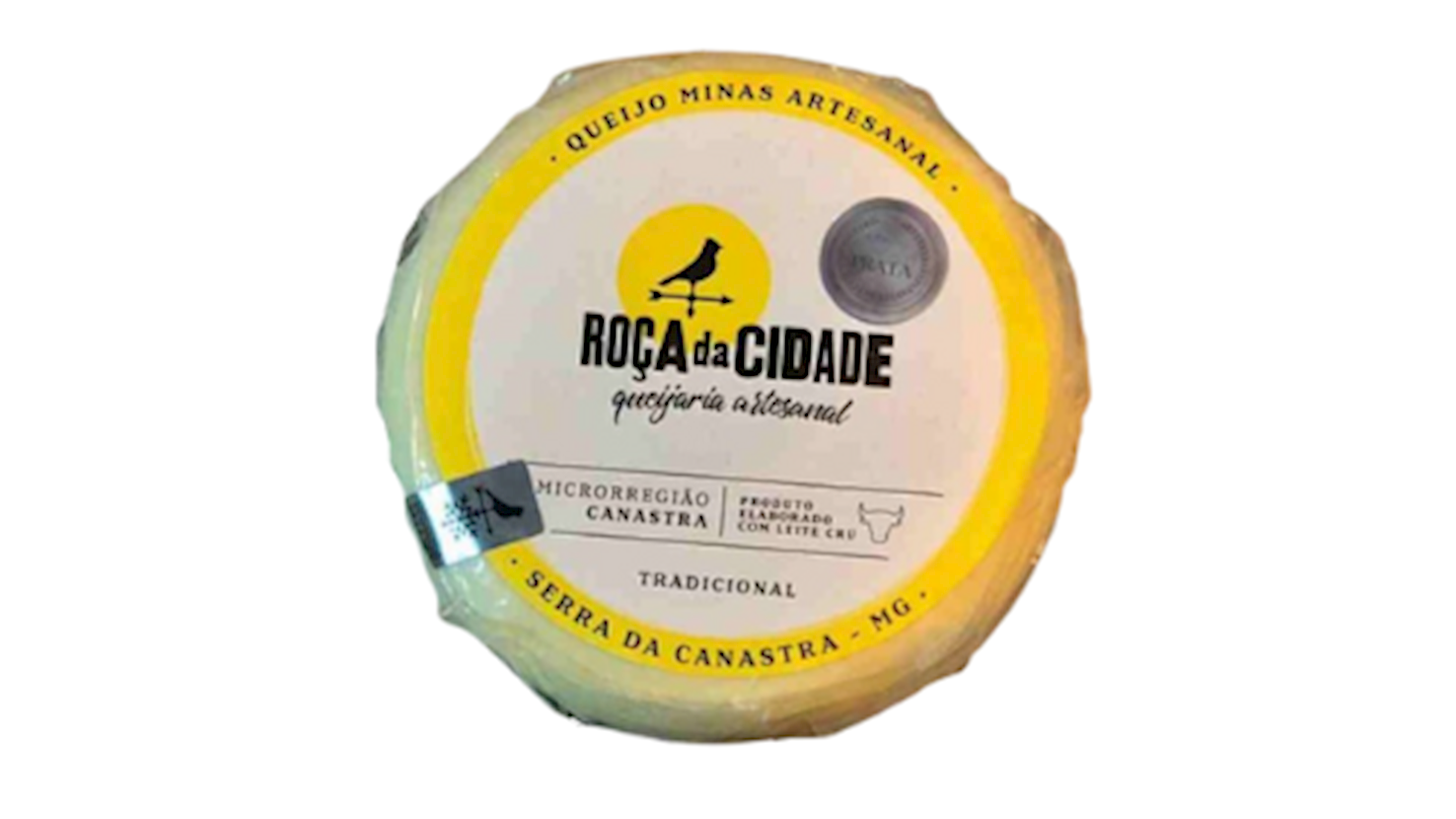
Roça da Cidade is a family-run producer of traditional Queijo Minas Artesanal – Canastra, located in São Roque de Minas, in the heart of the Serra da Canastra region of Minas Gerais, Brazil. Production is based on generations of cheesemaking tradition and uses raw cow’s milk from the farm’s own herd, processed on the same day following the classic method that relies on milk, natural rennet, salt, and pingo, the native starter culture specific to this terroir. The cheeses are hand-shaped and naturally aged, allowing the development of a natural rind and flavor profile shaped by the local microclimate and native microflora. Roça da Cidade combines respect for traditional methods with compliance to modern quality and safety standards, holding Brazil’s Selo Arte certification and recognition linked to the geographical indication of Canastra cheese. Their cheeses are known for a full, milky and slightly tangy character that evolves with aging into more complex, nutty, and earthy notes. Today, Roça da Cidade stands as a representative producer of authentic Canastra cheese, deeply connected to the landscape, culture, and artisanal heritage of the region.
03

Pomerode Alimentos

4.9 ·
Pomerode Alimentos is a food producer located in Pomerode, Brazil, known for its focus on dairy products, including cheese. The company emphasizes the use of traditional German techniques, reflecting the strong German heritage of the region. Pomerode Alimentos operates within the regulatory frameworks of Brazilian food safety and quality standards.
Awards
World Cheese Awards - Super Gold (2023, 2022)
World Cheese Awards - Gold (2023, 2021)
04

Fazenda Atalaia

4.9 ·
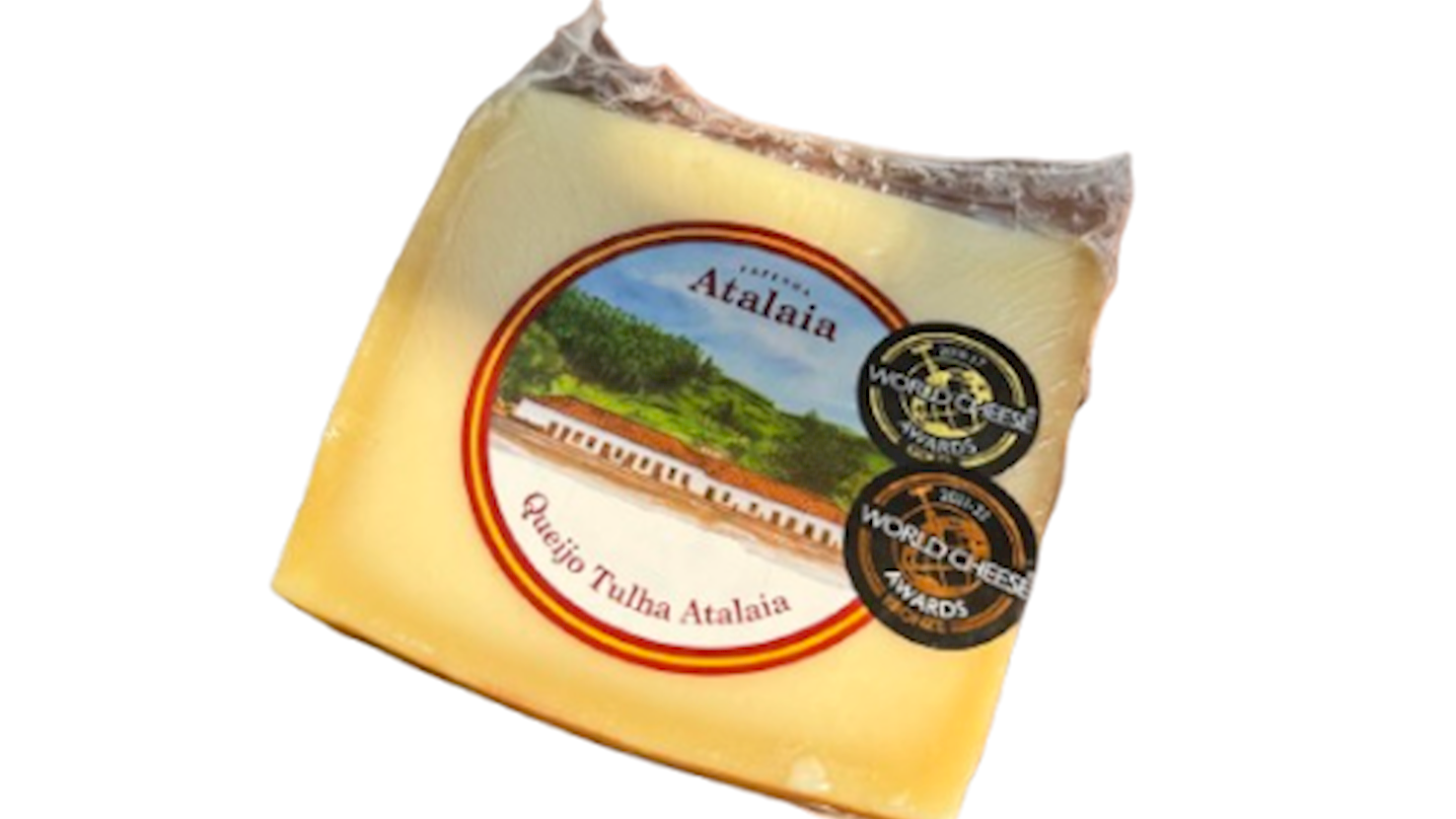
Fazenda Atalaia is a historic estate and artisanal dairy farm located in Amparo, in the state of São Paulo, Brazil, combining agricultural heritage with contemporary cheesemaking. Originally established as a 19th-century coffee plantation, the property has evolved into a reference point for high-quality Brazilian artisan cheeses. The farm is particularly known for Queijo Tulha, a matured cheese that has received international recognition, including awards at global competitions. Production is based on milk sourced directly from the farm, with controlled aging processes that emphasize texture development and aromatic complexity. The cheeses typically present firm structures with nutty, milky, and lightly caramelized notes, depending on maturation time. Fazenda Atalaia integrates terroir, traditional techniques, and modern quality standards to shape its identity. Beyond production, the estate develops gastronomic tourism through guided tastings, visits to aging rooms, and educational experiences focused on cheesemaking. The preserved coffee-era architecture reinforces the historical character of the property. Today, Fazenda Atalaia stands as a benchmark for contemporary Brazilian artisanal cheese, with a clear focus on origin, craftsmanship, and product authenticity.
Awards
World Cheese Awards - Gold (2022)
Prêmio Queijo Brasil - Medalha de Ouro (2017, 2016)
05

Serra Das Antas
4.9 ·
Serra das Antas is a cheese producer located in Brazil, known for its traditional techniques in cheese-making. The company specializes in producing a variety of cheeses, including artisanal and colonial styles. They are situated in the region of Minas Gerais, which is famous for its cheese production. Serra das Antas places an emphasis on quality and the use of local ingredients.
Awards
World Cheese Awards - Super Gold (2022)
World Cheese Awards - Gold (2021)
06

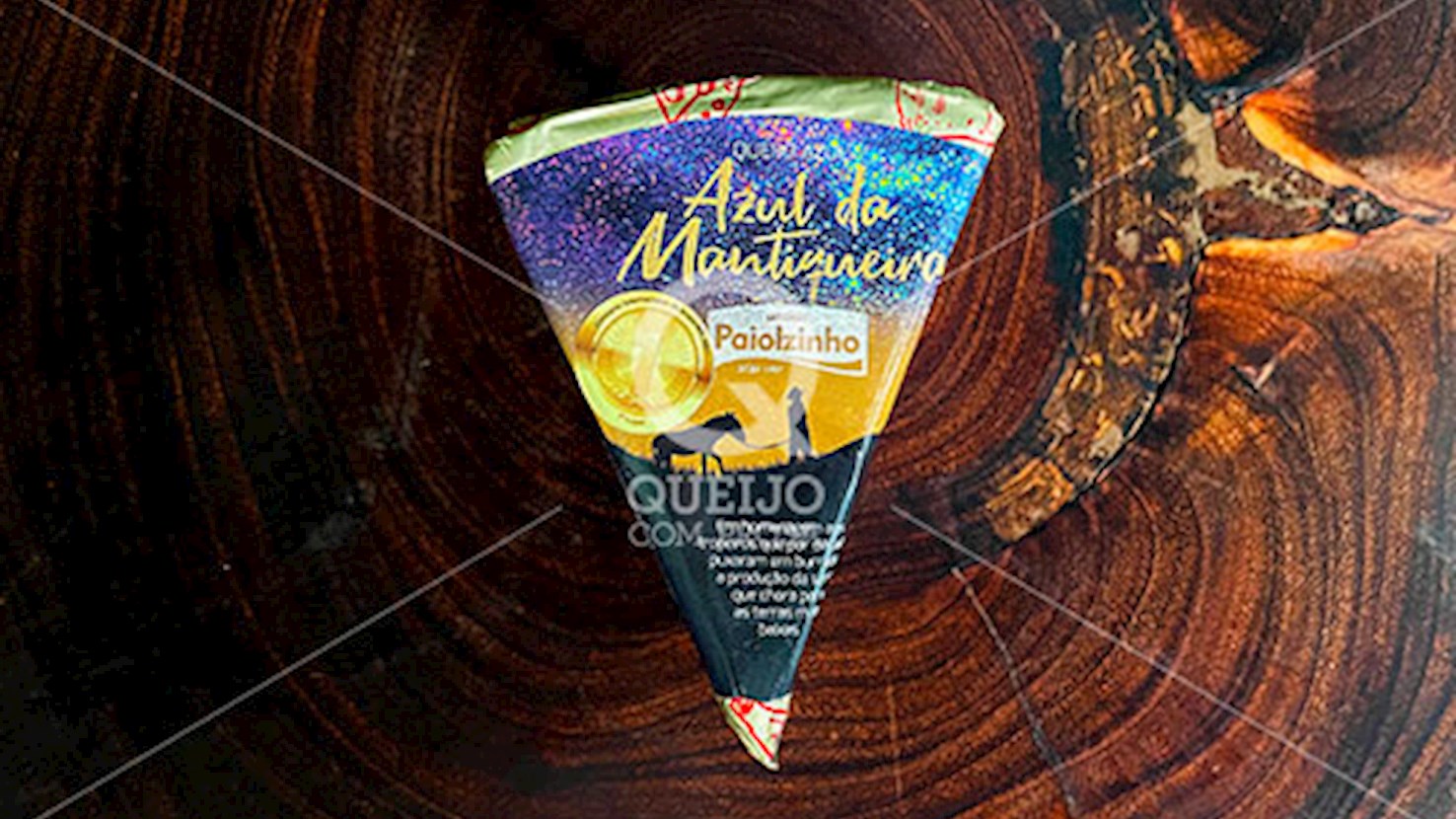
Laticinios Paiolzinho

4.9 ·
Laticinios Paiolzinho is a cheese producer based in Brazil. They are located in the region of Minas Gerais, an area known for its rich dairy tradition. The company specializes in the production of artisanal cheeses, particularly those in the Canastra style. Their products are made using traditional methods, often with milk sourced from local cattle. The company has gained attention for the high quality and authentic taste of their cheeses.
Awards
World Cheese Awards - Gold (2022)
07

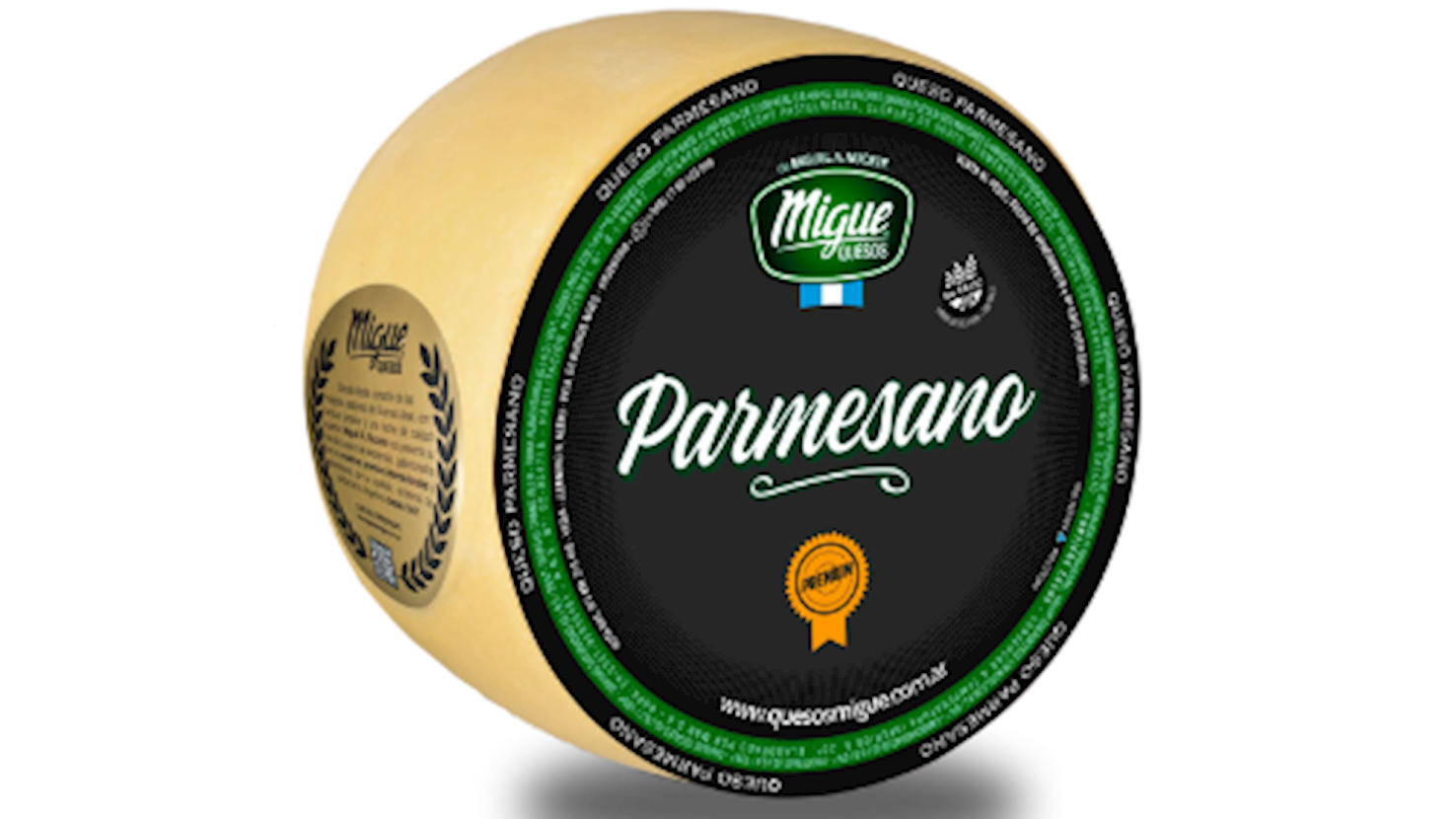
Quesos Migue

4.9 ·
Awards
World Cheese Awards - Gold (2024)
08

Los Senderos

4.9 ·
Awards
World Cheese Awards - Gold (2024)
09

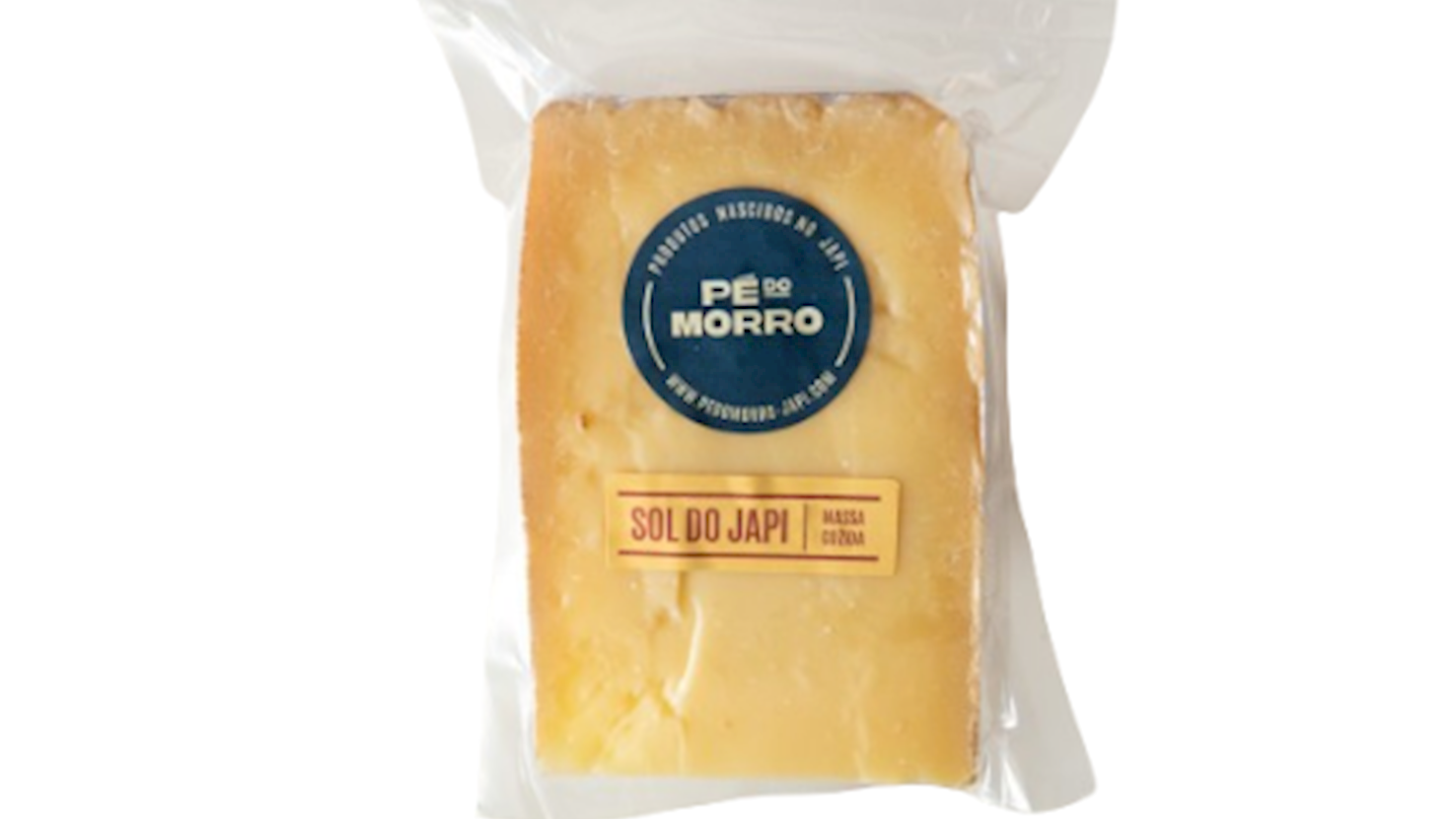
Pé do Morro

4.9 ·
Awards
World Cheese Awards - Gold (2024)

Best South American Cheese Types

01

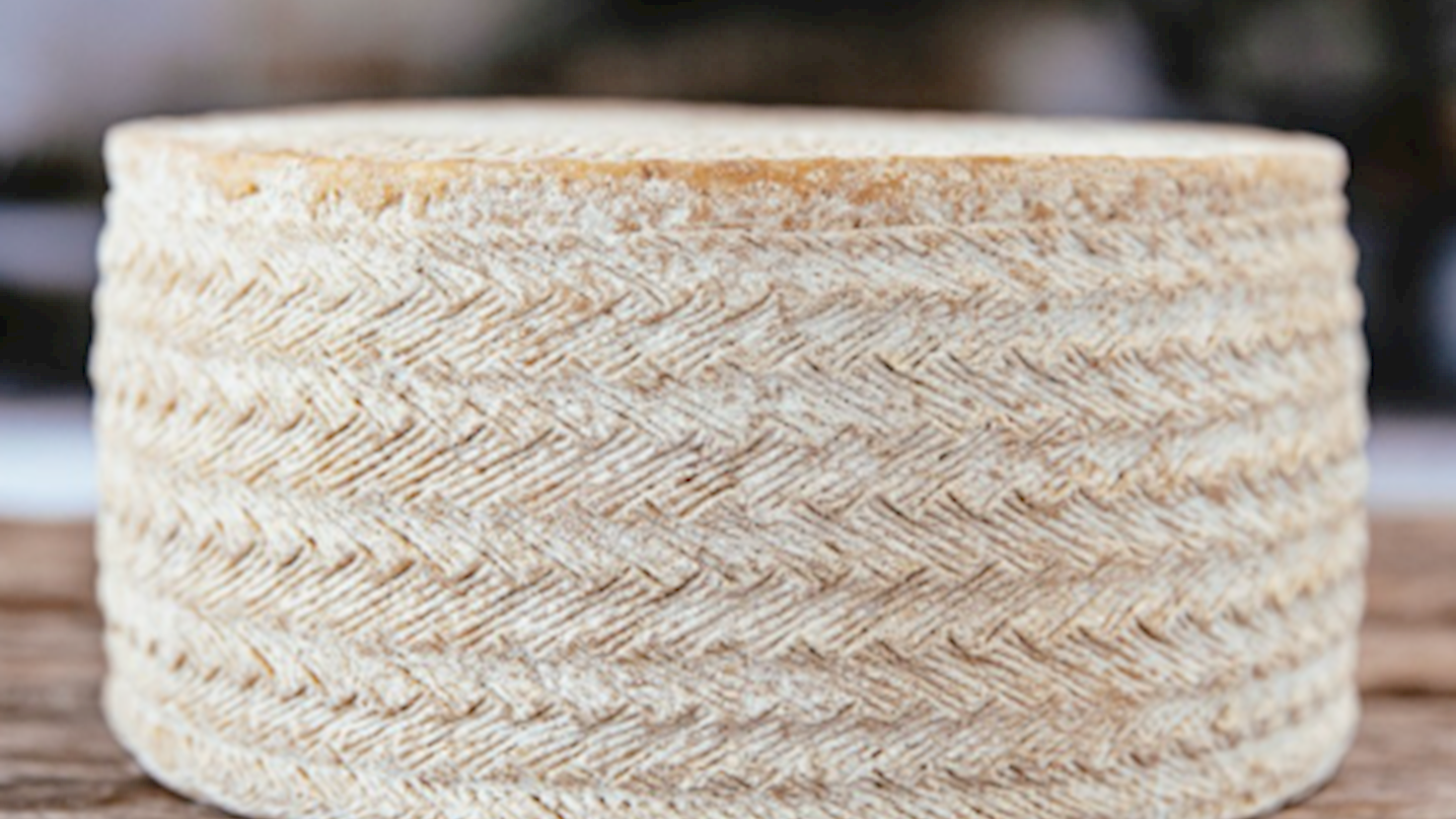
Canastra

4.4 ·

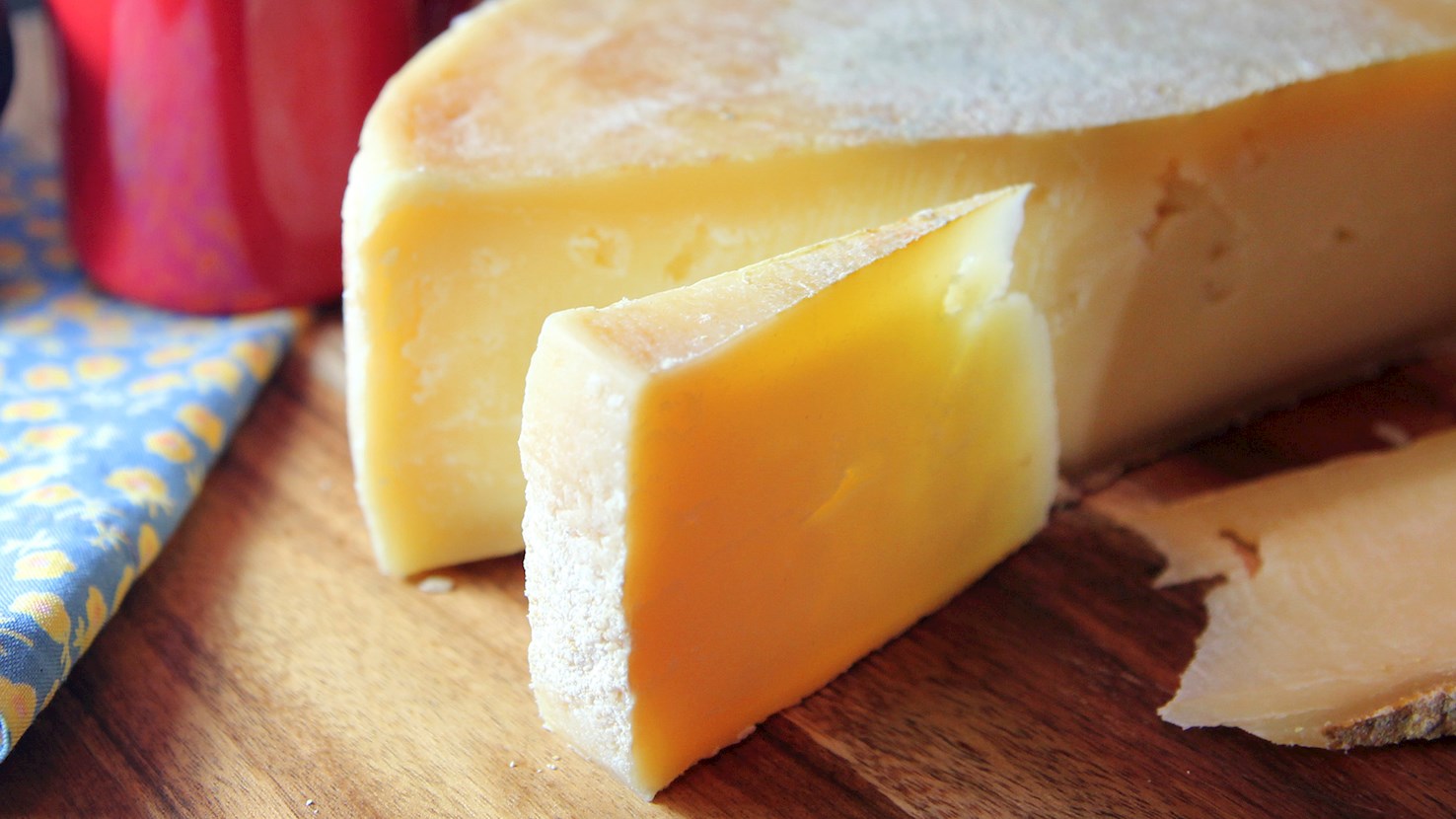
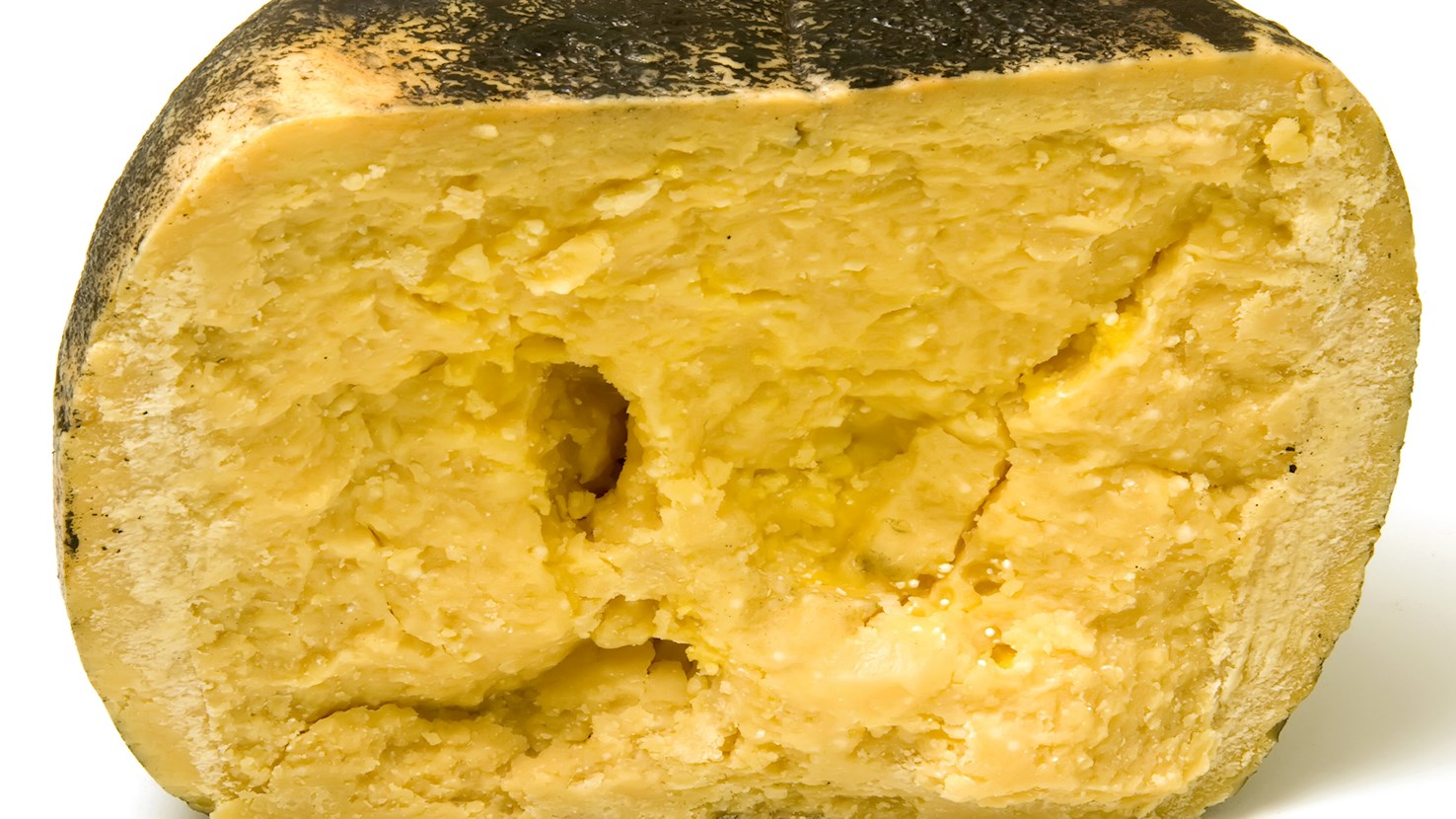
Canastra is a Brazilian cheese made from raw cow’s milk. It originates from the area of Serra da Canastra in the state of Minas Gerais, hence the name. The cylindrical cheese is either semi-hard or slightly softer, and its flavor is mildly acidic and slightly spicy. Traditionally, Canastra matures for 21 days, but some producers leave it to mature even longer, up to 40 days, when its flavor resembles that of Grana Padano. In the past, the cheese was made for special occasions such as visits from royalty and captains. It is recommended to pair it with red wine, dark beer, and guava paste. In 2008, this cheese was proclaimed an intangible cultural heritage of Brazil.

02

Queijo de Coalho

4.3 ·

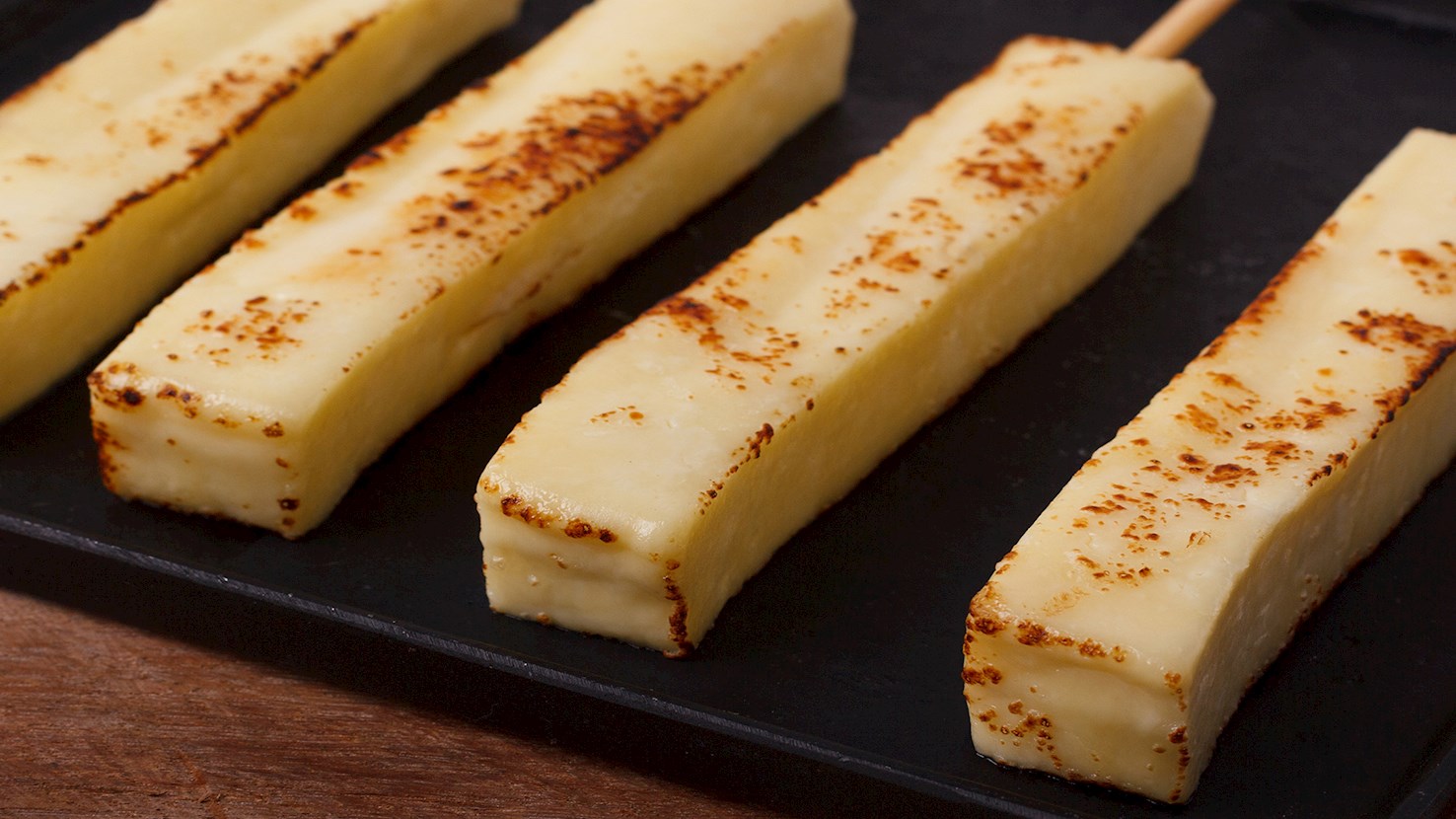
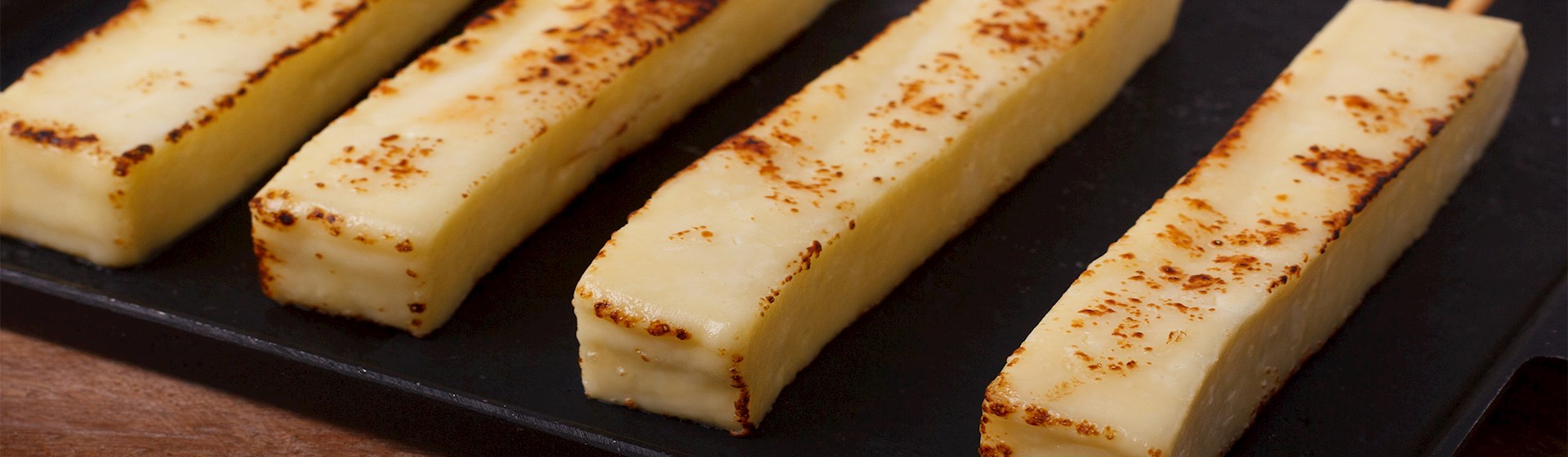
Queijo de coalho is a traditional cow's milk cheese from the northeastern regions of Brazil. The cheese is characterized by its firm, yet elastic texture and a slightly yellow color. Coalho is often sold on sticks for roasting, because it can withstand high temperatures and does not melt easily. Its flavor is salty and acidic, making it an ideal snack on numerous Brazilian beaches, where it is usually grilled and sprinkled with oregano.

03

Queijo Minas

4.2 ·

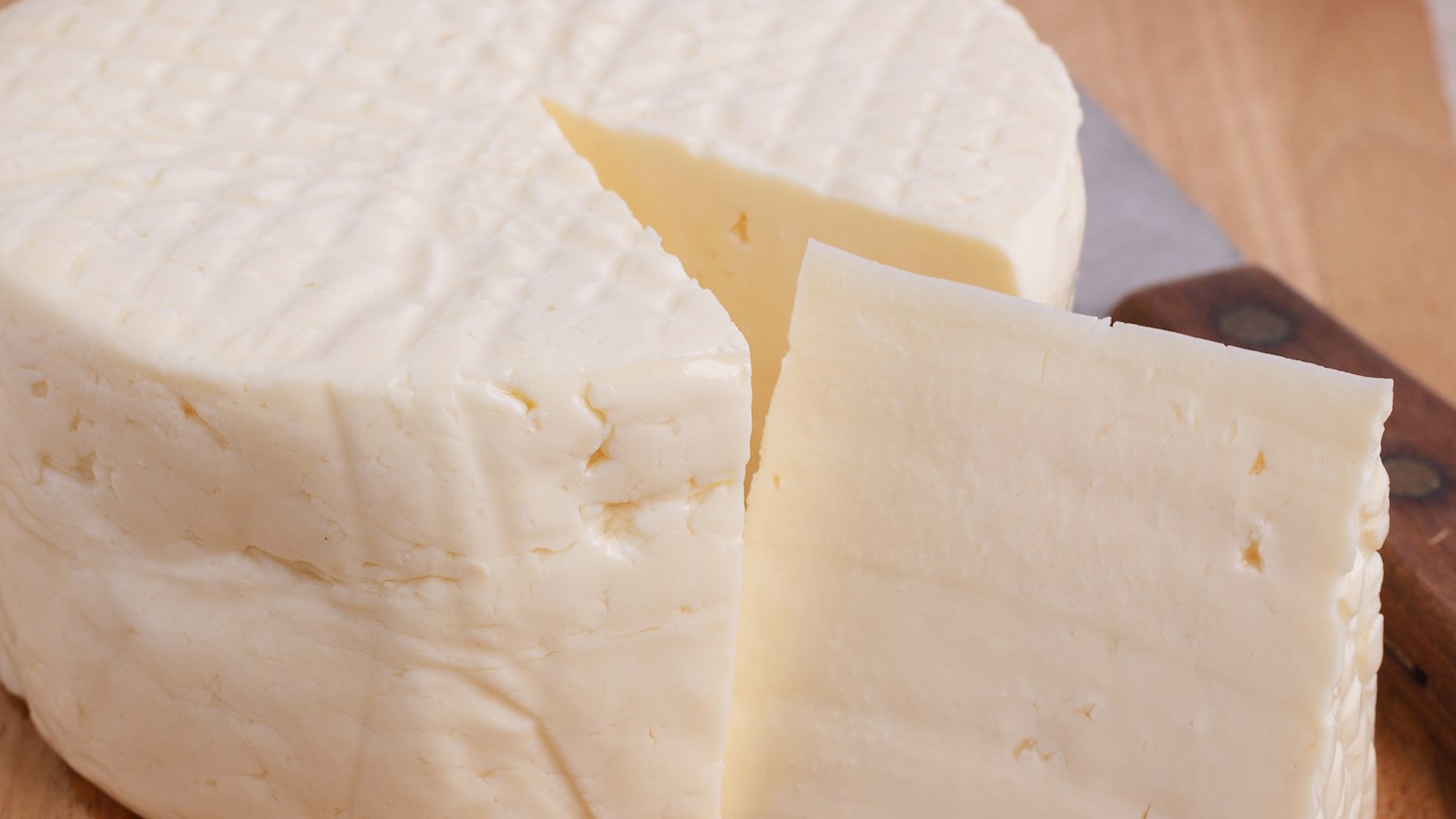
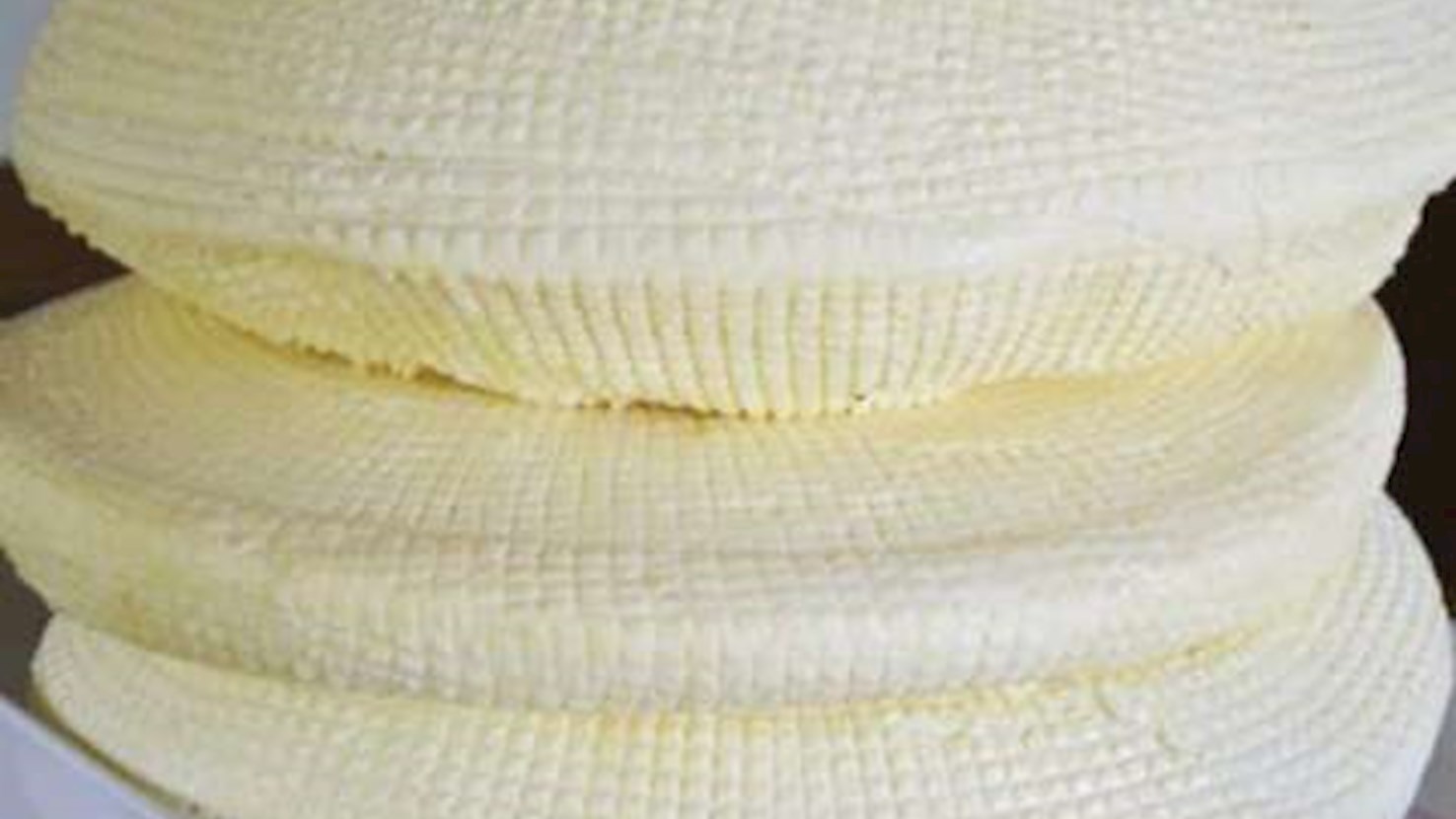
Queijo Minas is a handmade cheese made from raw cow's milk, characterized by its tender, spongy texture and moistness. The flavor of Minas cheese is mild and slightly salty, depending on its ripeness and the region of production. The cheese is often used in the preparation of sandwiches, pancakes, and pastries. It is recommended to pair it with cold cuts, salads, and various vegetables that develop intense flavors after cooking.

04

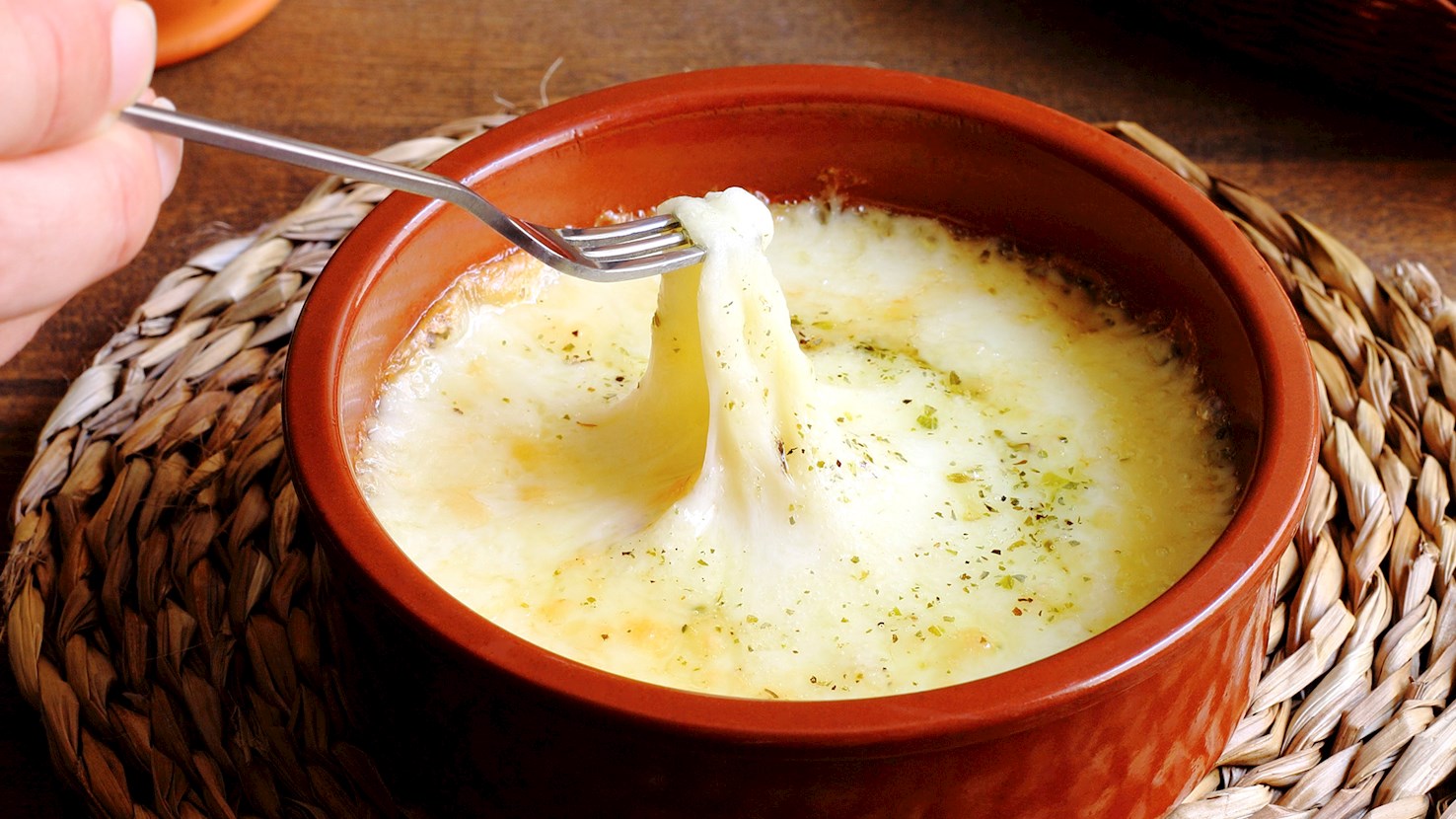
Provoleta

4.1 ·

Provoleta is the Argentinian version of the famous Italian Provolone cheese which is believed to be an invention of Italian immigrants who wanted to blend two national cuisines. It falls into the category of pasta filata, or stretched cheeses, and is usually made with fresh cow. Provoleta is usually shaped into long cylinders and left to mature for at least three months. Mild in flavor and usually-semi hard and springy in texture, it has a distinctive yellow color and is specially designed for grilling. The favorite way to enjoy the cheese in Argentina is to cut it into thick slices, grill, season, and serve as a satisfying appetizer followed by the famous Argentinian asado.

05

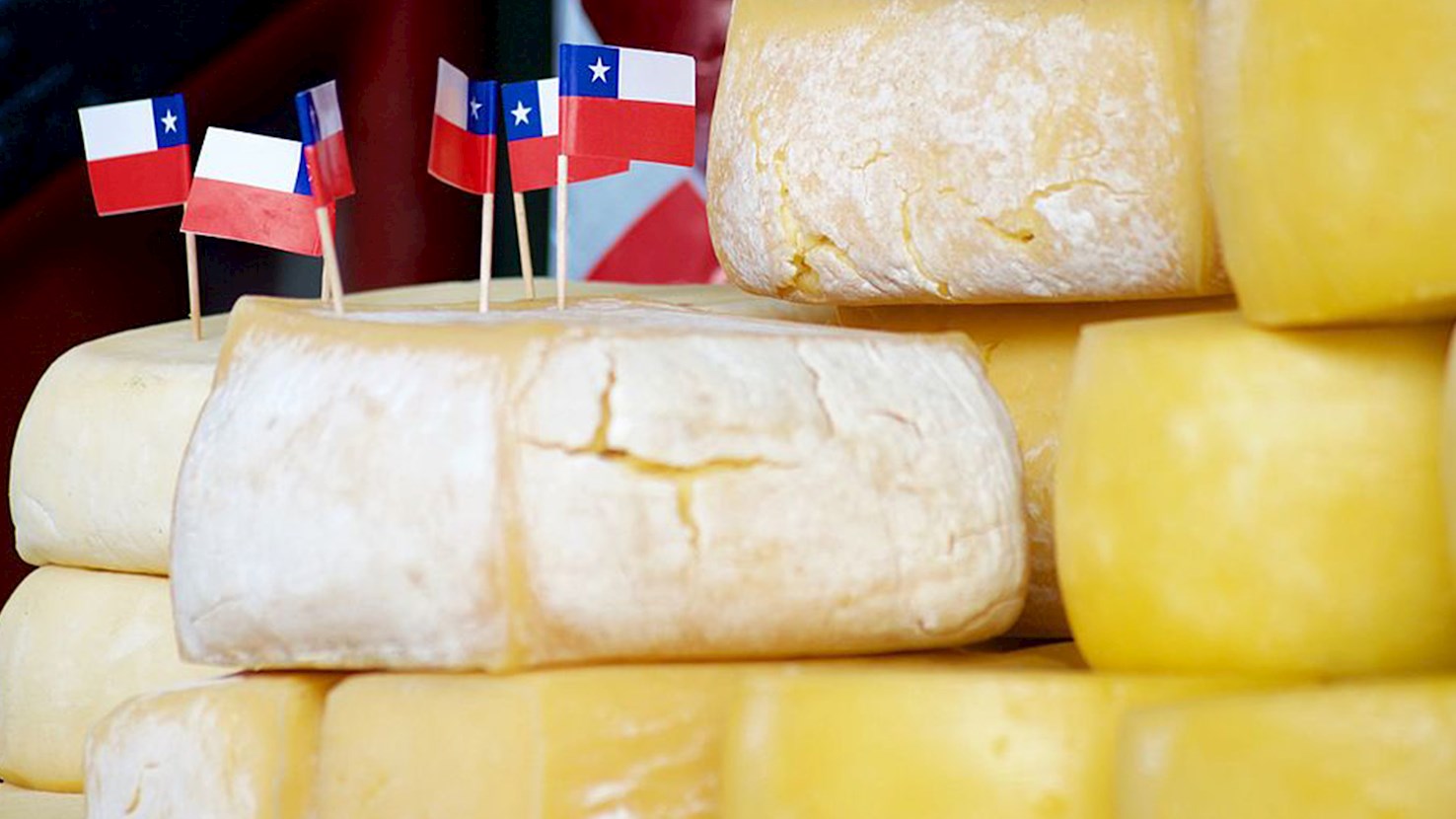
Chanco

3.7 ·

Chanco is a Chilean cheese made from unpasteurized cow's milk. It is characterized by its smooth and firm texture, yellow color, mild flavor, and numerous irregular eyes dispersed throughout its body. The cheese melts well and represents almost a half of total Chilean cheese consumption.

06

Queijo prato

3.7 ·

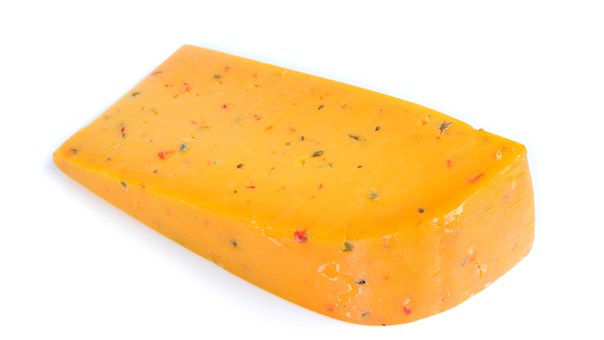
Queijo prato is a traditional cheese hailing from Minas Gerais. This gouda-stye cheese is made from pasteurized cow's milk. It's semi-cooked and pressed, and the texture is soft and open, with many small eyes in the body. The flavors are mild and the salt and lactose content is low. The name queijo prato means plate-shaped, referring to the original shape made by Danish immigrants. This cheese is often compared with Danbo and Pategras.

07

Costeño

3.6 ·

Costeño is a Colombian cheese produced from raw cow's milk. It is typically sold fresh, although there are also some harder varieties of the cheese. Its texture is soft and crumbly, while the flavors range from salty to extremely salty. It can be consumed on its own or paired with rice, yuca, and similar ingredients.

08

Reggianito

3.6 ·

Reggianito is a hard Argentinean cheese produced from pasteurized or unpasteurized cow's milk. Its flavor is salty, while the texture is crumbly and grainy, so it is usually grated. The name comes from the Spanish diminutive for Reggiano since the cheese was smaller than Parmigiano Reggiano, after which it was modeled. Another reason for this name is that Italian immigrants from Reggio Emila created it and because Parmigiano Reggiano was called either Parmigiano or Reggiano. Due to its robust flavors, Reggianito is often used in a variety of pasta dishes and casseroles.

09

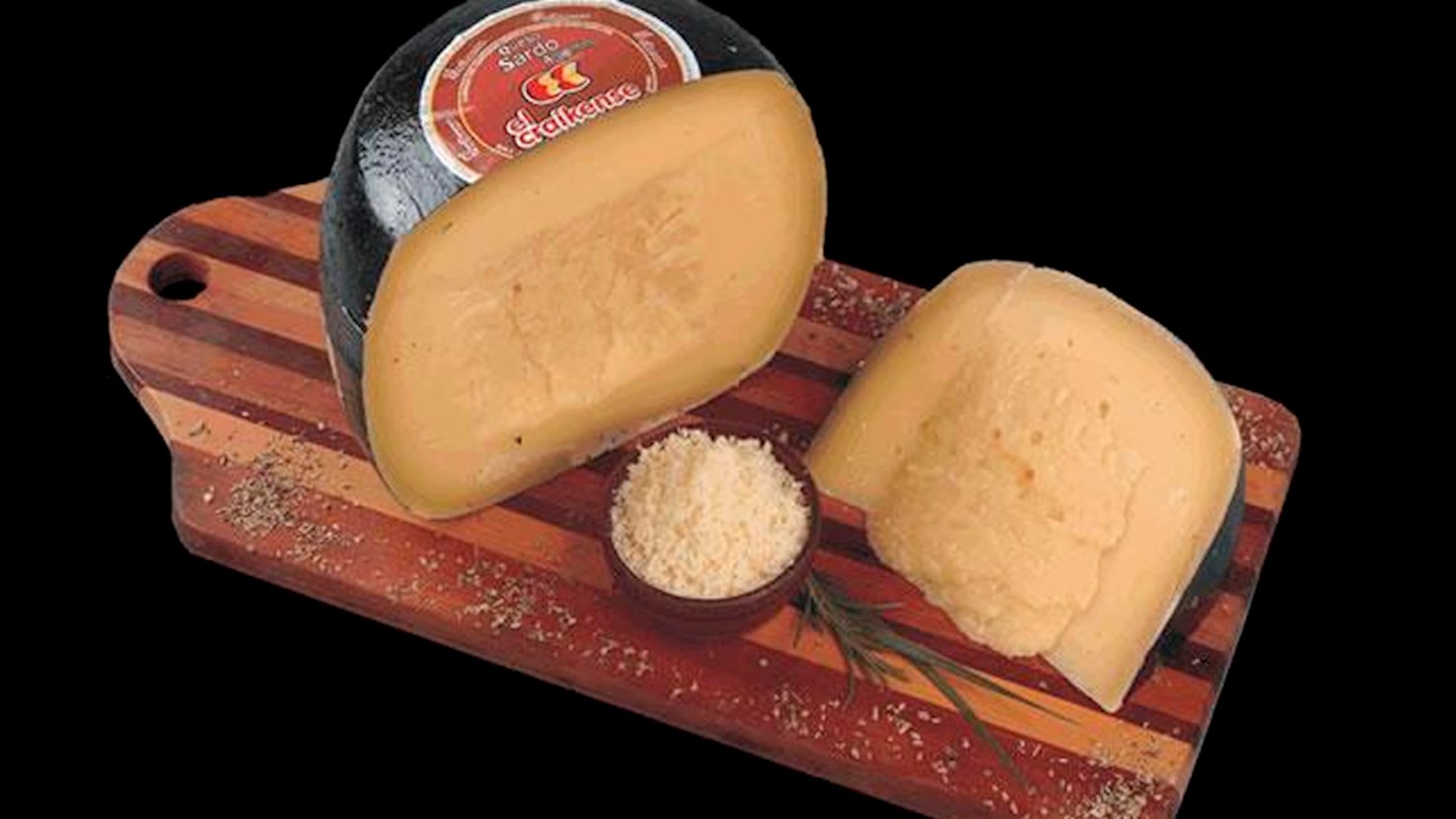
Sardo

3.4 ·

Sardo is an Argentinian cheese produced from pasteurized cow's milk. When sardo is young, its texture is quite smooth, so it can be sliced and consumed on its own. It has a mild and salty flavor, and develops a crumbly, grainy texture as it ages, making it suitable for grating, so it is regularly used in various pasta dishes, casseroles, and soups.

10

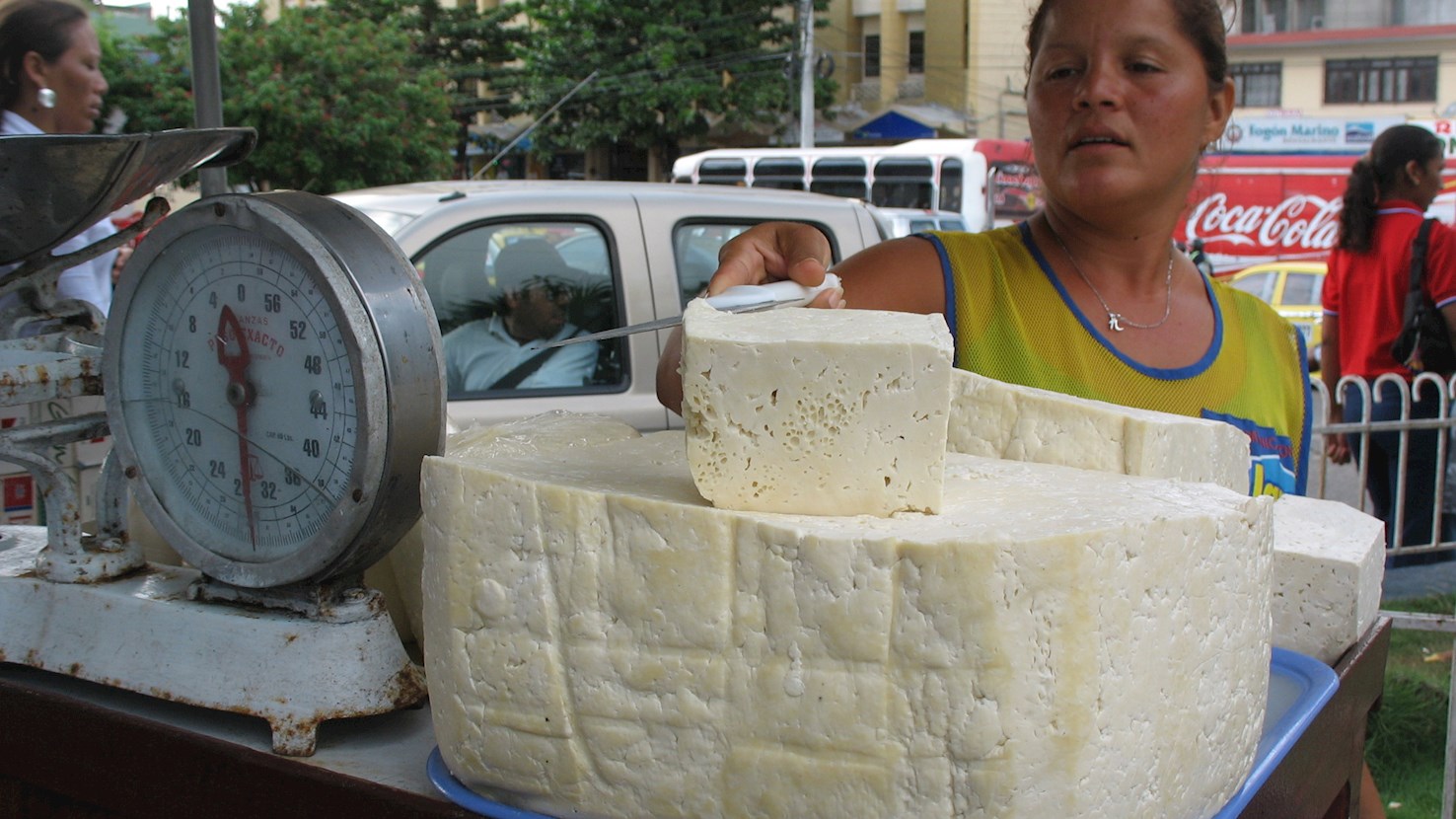
Queso Paraguay

3.2 ·

Queso Paraguay or Paraguayan cheese is a staple of traditional Paraguayan cuisine, used in a number of dishes such as cheese chipa. It is made from cow's milk, has a soft consistency, and its flavor is slightly acidic. The cheese is somewhat bland on its own, but it is great for desserts, so people tend to consume fresh queso Paraguay with molasses or guava jam.

Read more
View all
View map
About this ranking

TasteAtlas food rankings are based on the ratings of the TasteAtlas audience, with a series of mechanisms that recognize real users and that ignore bot, nationalist or local patriotic ratings, and give additional value to the ratings of users that the system recognizes as knowledgeable. For the “Top 15 South American Cheeses” list until June 10, 2026, 1,272 ratings were recorded, of which 716 were recognized by the system as legitimate. TasteAtlas Rankings should not be seen as the final global conclusion about food. Their purpose is to promote excellent local foods, instill pride in traditional dishes, and arouse curiosity about dishes you haven’t tried.

The initial list of top producers was compiled based on available reviews, awards, local recommendations, media and blog coverage, and consumer reviews. The list will be updated with ratings from TasteAtlas local ambassadors and TasteAtlas users.

Similar lists