shutterstock

Top 4 North American Cocoa Beans

Last updated on July 01, 2026

Best North American Cocoa Beans
01

Ki'Xocolatl

4.8 ·

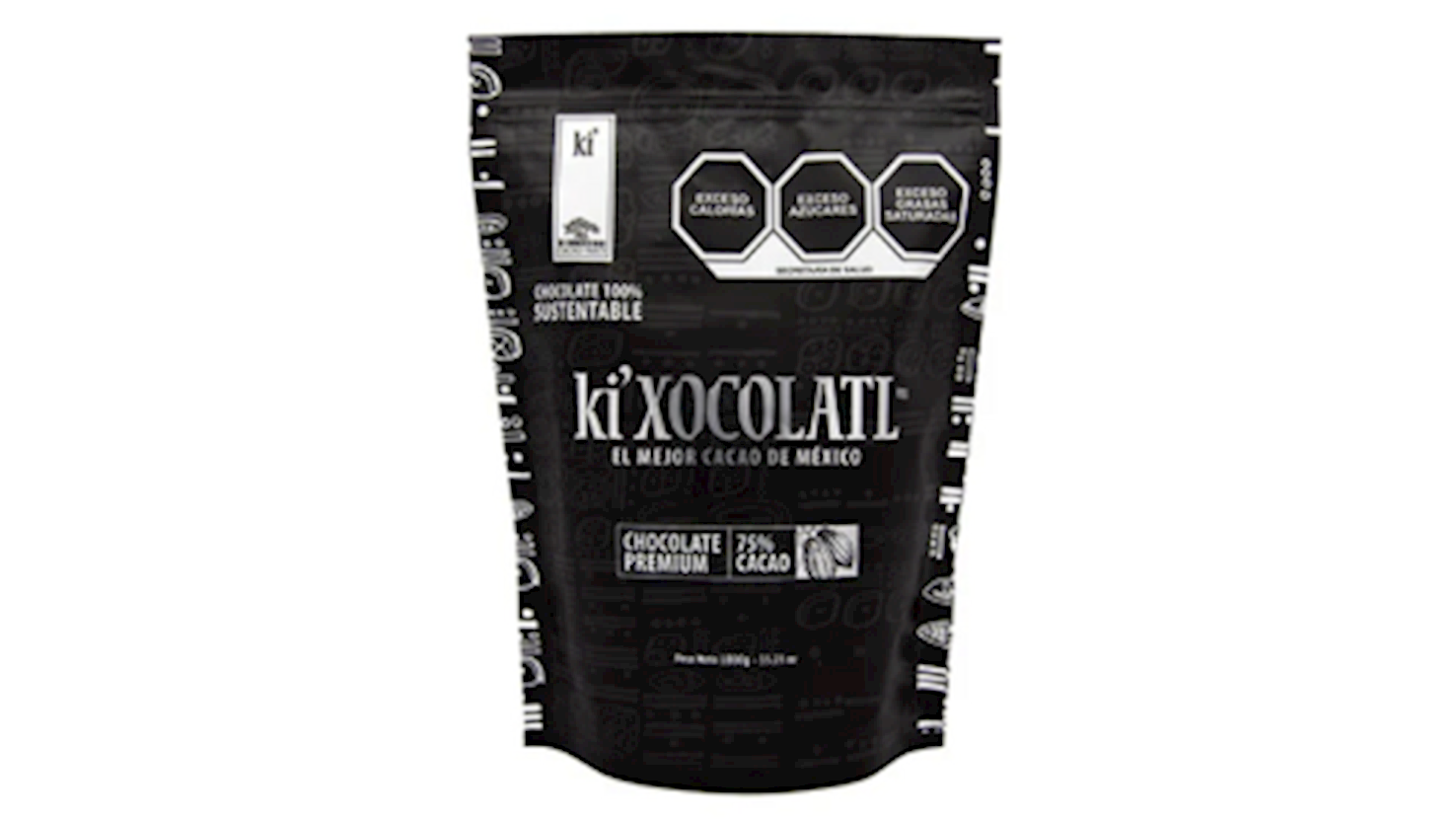
Ki’Xocolatl is an artisan chocolate producer from Mérida that blends Maya cocoa heritage with a contemporary approach to cultivation and processing, relying on high-quality cacao varieties sourced from regions such as Tabasco and Chiapas. The brand is known for its pure dark chocolates with a high cocoa percentage, milk chocolates, and no-sugar options, as well as for using organically grown, sustainably sourced beans through programs like Cacao Trace.

Its portfolio includes cocoa powder, nibs, and professional couverture chocolates for pastry applications, while the mini collections feature flavors such as lime, coffee, and regional spices that reflect the distinct taste profiles of Mexico’s diverse terroirs. Ki’Xocolatl also operates boutique chocolate shops in Mérida and Mexico City, serving as concept spaces dedicated to tasting and promoting cocoa culture.

The brand’s philosophy focuses on preserving authenticity and local heritage while incorporating modern production methods that ensure consistent quality and full traceability from bean to bar.

Best North American Cocoa Beans Types

01

Trinitario

n/a ·

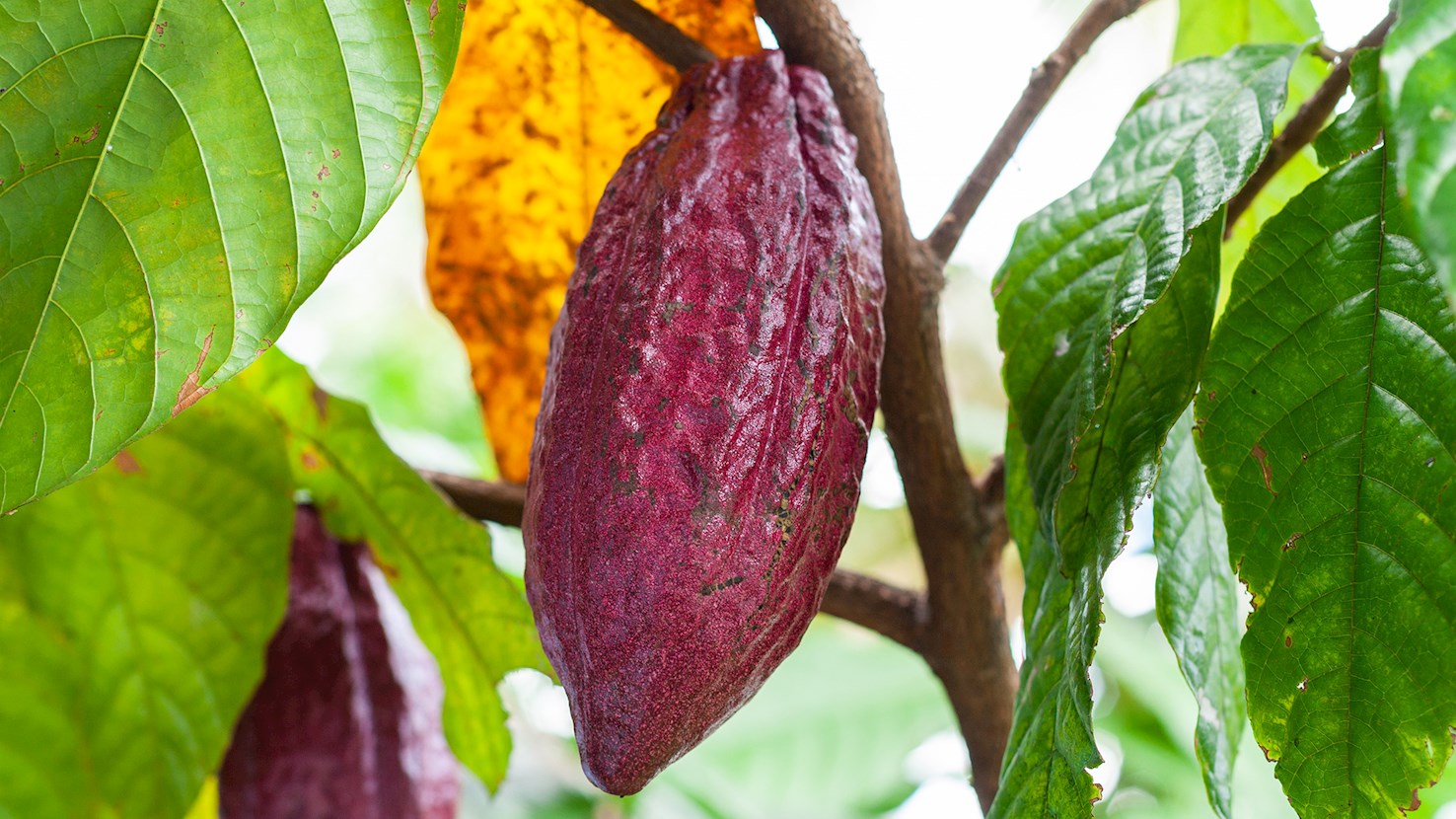
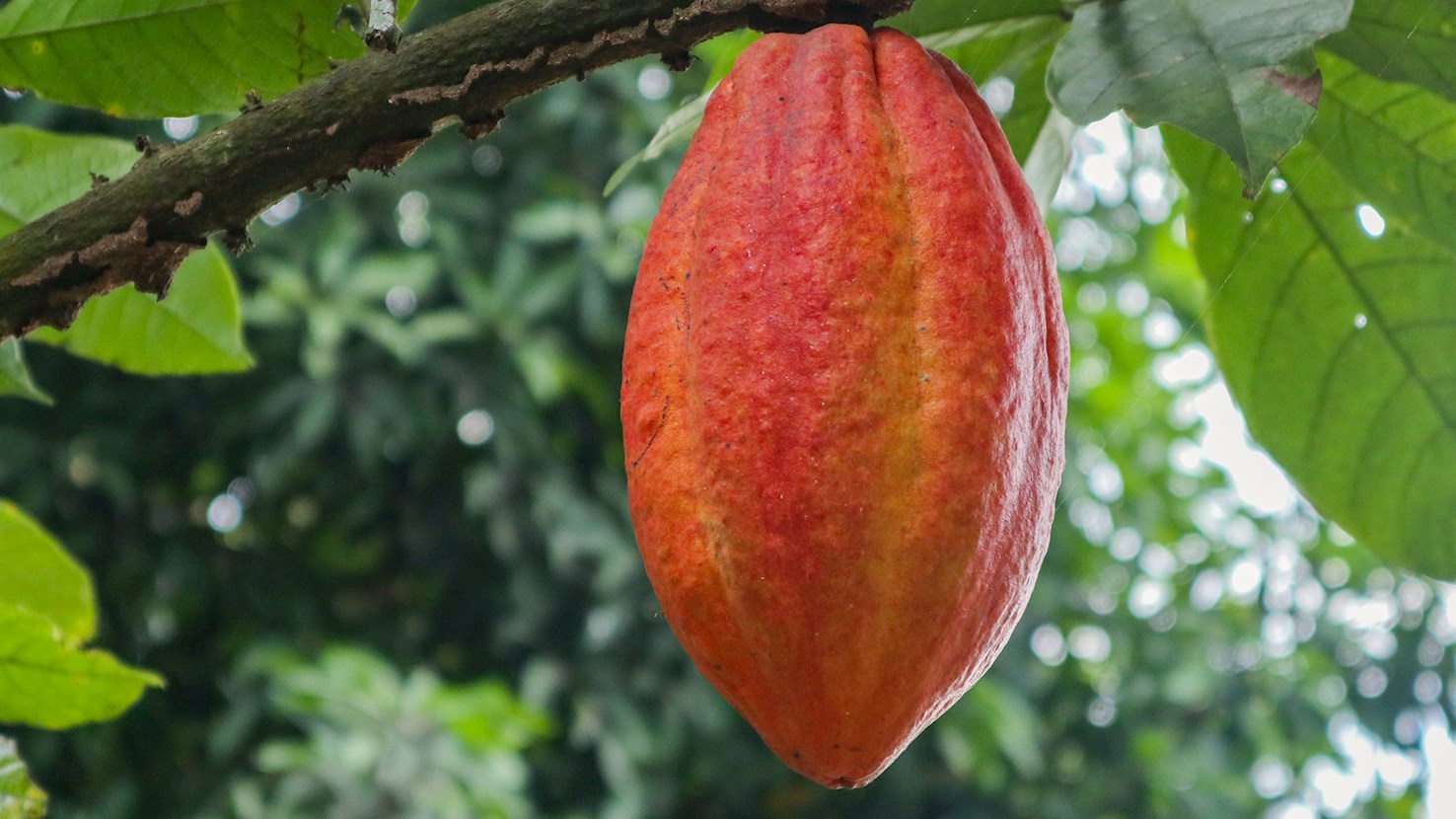
Trinitario cacao is a fine-flavor cacao variety known for its complex taste, vibrant aroma, and balanced strength. It is a natural hybrid between the delicate Criollo and hardy Forastero cacao types. The pod is typically medium to large, often ridged and colorful, with hues ranging from red and orange to green or purple, depending on the strain. Inside, the beans are plump and high in fat, with a mix of light to deep purple tones and occasionally even white beans, depending on the genetic leaning. Trinitario beans are prized for producing chocolate with rich, multi-layered flavor profiles—often featuring fruity acidity, nutty undertones, floral notes, and a long, clean finish. They strike a rare balance between flavor intensity and structural resilience, making them one of the most sought-after cacao types for single-origin and craft chocolate production. Trinitario cacao originated in Trinidad in the 18th century after a disease devastated the island's native Criollo trees. Surviving trees cross-pollinated naturally with imported Forastero cacao, giving rise to this hybrid variety that now flourishes across the Caribbean, Latin America, and Southeast Asia. It represents about 5–10% of global cacao production, and while genetically diverse, its reputation for quality has made it a cornerstone of the fine chocolate world.

02

Criollo

n/a ·

Criollo cacao is the rarest and most prized variety of cacao in the world, known for its delicate flavor, low bitterness, and aromatic complexity.The pods are typically elongated and deeply ridged, ranging in color from pale yellow to crimson, and contain white to pale-pink beans, a signature trait that reflects their low polyphenol (bitterness) content. The flavor of Criollo chocolate is refined and nuanced, often described as smooth, mildly acidic, and layered with floral, citrus, caramel, and dried fruit undertones. Unlike the bolder Forastero or hybrid Trinitario, Criollo offers an almost wine-like tasting experience, with minimal astringency and a long, elegant finish. Often referred to as the "noble cacao," Criollo beans are highly sought after by artisan chocolatiers for producing fine, elegant chocolate with subtle notes of fruit, nuts, flowers, and spice. Criollo cacao is native to Mesoamerica, particularly regions of present-day Mexico, Guatemala, and Venezuela, where it was revered by ancient civilizations like the Maya and Aztecs. Today, it represents less than 1% of global cacao production, as the trees are notoriously fragile, low-yielding, and susceptible to disease. Despite this, Criollo's exceptional quality and deep cultural roots continue to make it the gold standard in fine chocolate, reserved for the most discerning palates and premium single-origin bars.

Best producers
03

Carbet

n/a ·

Carbet cacao is a fine-flavor cacao variety from the Caribbean, primarily grown in Martinique, where it represents a vibrant revival of the island’s historical cacao traditions. The Carbet cacao bean is typically of Trinitario origin, a hybrid of Criollo and Forastero, and is known for its medium to large size, high fat content, and smooth, well-formed nibs. Named after the coastal town of Le Carbet, a region once central to colonial-era cocoa production, this cacao is now at the forefront of artisanal and sustainable chocolate-making in the Caribbean. Grown in agroforestry systems, often under the shade of native trees, the beans benefit from Martinique’s volcanic soil, tropical humidity, and oceanic breezes, all contributing to their exceptional flavor complexity. Farmers, often working in cooperatives like VALCACO, ferment the beans in wooden boxes and dry them under the sun, preserving their aromatic integrity and promoting biodiversity. When expertly processed, Carbet cacao reveals a sophisticated and multilayered profile. The chocolate offers bright, fruit-forward notes—think red berries, passion fruit, and citrus peel—balanced by gentle floral tones, a hint of acidity, and warm, nutty undertones. Its long, clean finish and low bitterness appeal to bean-to-bar chocolate makers seeking origin-driven flavor.

04

Chontalpa

n/a ·

Chontalpa cacao is a cacao variety grown in the fertile lowlands of Tabasco’s Chontalpa region, an area with one of the oldest cacao legacies in the world, dating back over 3,000 years to the ancient Olmec civilization. The Chontalpa cacao pod varies depending on the cultivar—often a mix of Criollo, Trinitario, and local native hybrids. Most pods are elongated and ridged, with colors ranging from green and yellow to red or purple, sometimes with striking variegation. The cacao beans of Chontalpa are medium to large in size, with a good cotyledon-to-shell ratio and high fat content. Depending on the cultivar, the raw beans can range from light to deep purple, with occasional white-bean phenotypes, especially in Criollo-influenced strains. Revered as the cradle of cacao cultivation in Mesoamerica, Chontalpa continues to produce beans prized for their flavor, cultural importance, and connection to ancestral farming methods. The cacao here grows in agroforestry systems, shaded by tall trees like mango, avocado, and coconut, with undergrowth of bananas, pumpkins, and peppers—a method that mirrors the natural forest and promotes biodiversity. Local producers cultivate a mix of Forastero (Calabacillo), Trinitario (Puntudo), and some Criollo, each contributing unique notes to the region’s chocolate. Despite its rich terroir, Chontalpa faces challenges: diseases like moniliasis, economic marginalization, and environmental disasters have taken a toll on productivity. Yet, through support from the Slow Food Presidium, farmers are preserving this heritage cacao with a renewed focus on organic methods, fair trade, and the revival of Mexico’s ancestral chocolate culture.

Read more
View all
View map
About this ranking

TasteAtlas food rankings are based on the ratings of the TasteAtlas audience, with a series of mechanisms that recognize real users and that ignore bot, nationalist or local patriotic ratings, and give additional value to the ratings of users that the system recognizes as knowledgeable. For the “Top 4 North American Cocoa Beans” list until July 01, 2026, 41 ratings were recorded, of which 8 were recognized by the system as legitimate. TasteAtlas Rankings should not be seen as the final global conclusion about food. Their purpose is to promote excellent local foods, instill pride in traditional dishes, and arouse curiosity about dishes you haven’t tried.

The initial list of top producers was compiled based on available reviews, awards, local recommendations, media and blog coverage, and consumer reviews. The list will be updated with ratings from TasteAtlas local ambassadors and TasteAtlas users.

Similar lists