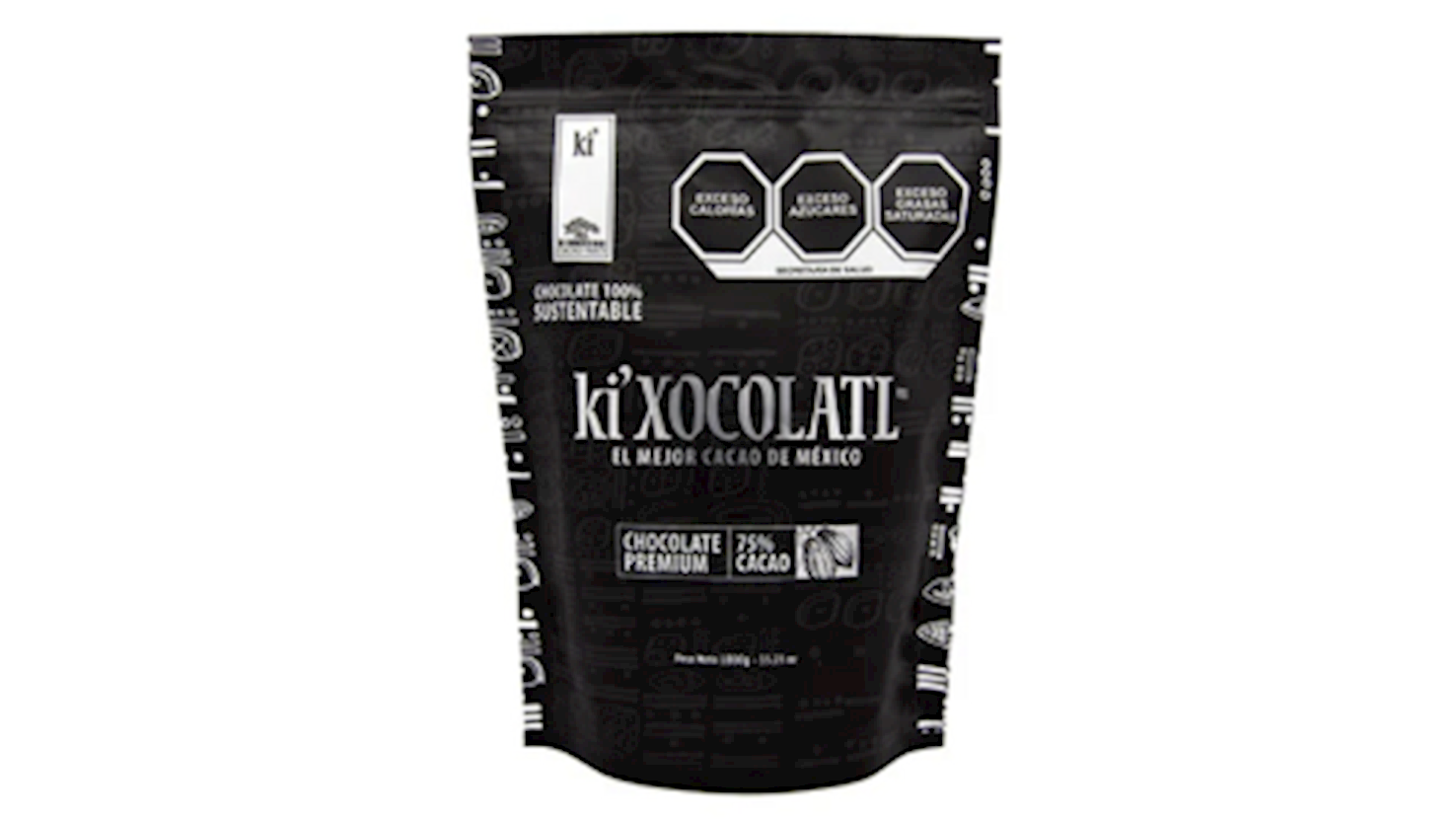
Ki’Xocolatl is an artisan chocolate producer from Mérida that blends Maya cocoa heritage with a contemporary approach to cultivation and processing, relying on high-quality cacao varieties sourced from regions such as Tabasco and Chiapas. The brand is known for its pure dark chocolates with a high cocoa percentage, milk chocolates, and no-sugar options, as well as for using organically grown, sustainably sourced beans through programs like Cacao Trace.
Its portfolio includes cocoa powder, nibs, and professional couverture chocolates for pastry applications, while the mini collections feature flavors such as lime, coffee, and regional spices that reflect the distinct taste profiles of Mexico’s diverse terroirs. Ki’Xocolatl also operates boutique chocolate shops in Mérida and Mexico City, serving as concept spaces dedicated to tasting and promoting cocoa culture.
The brand’s philosophy focuses on preserving authenticity and local heritage while incorporating modern production methods that ensure consistent quality and full traceability from bean to bar.
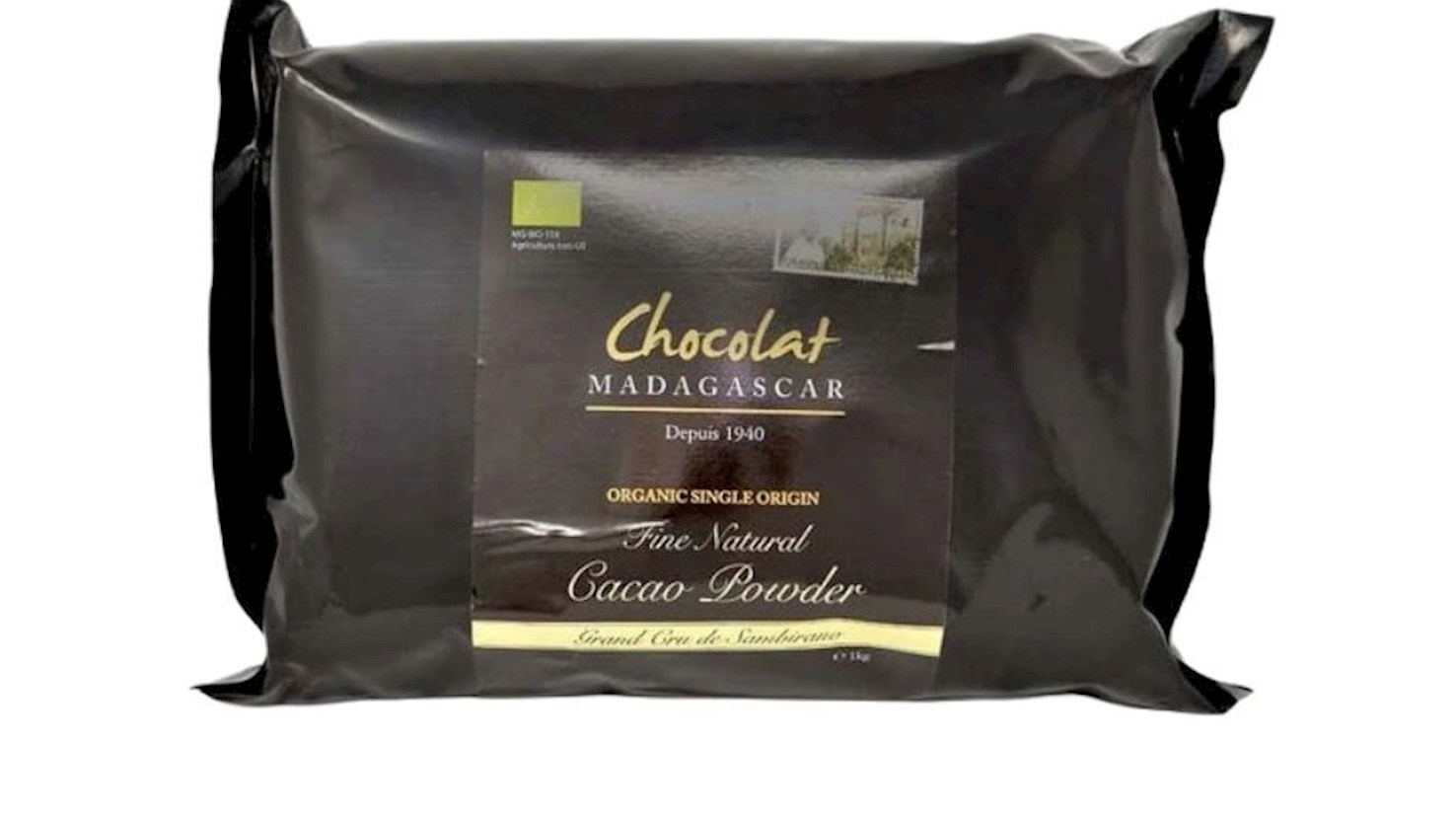
Chocolat Madagascar is a renowned chocolate maker based in Antananarivo, Madagascar, operating under the Chocolaterie Robert factory.
Their production model is unique because they oversee the entire process from seed to chocolate on the island, which not only ensures freshness but also enhances the economic benefits for local communities. Chocolat Madagascar is especially noted for its environmentally sustainable practices, as cocoa cultivation under the rainforest canopy helps promote reforestation and protects native fauna.
The chocolates are produced using fine cocoa beans grown in the Sambirano Valley, a region known for its rich terroir that imparts distinctive fruity flavors to the cocoa.
The company has received multiple international accolades, including the prestigious Golden Bean Award, highlighting its commitment to quality and excellence in craft chocolate making.
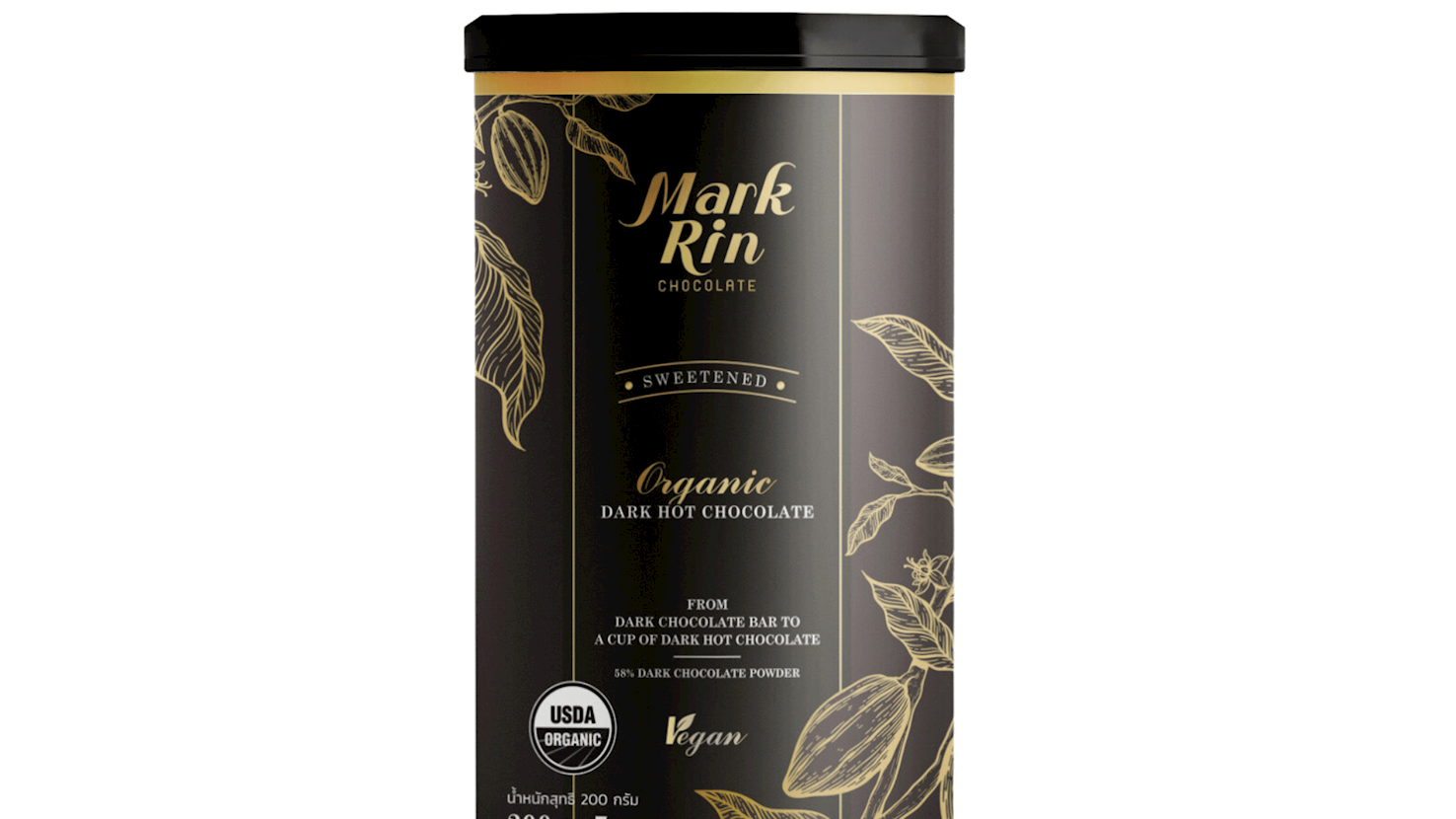
MarkRin Chocolate is a Thai bean-to-bar chocolate producer based in Chiang Mai, founded in 2010 after more than 30 years of cacao research by Associate Professor Dr. Sanh La-ongsri and his family. The company is recognized for managing the entire chocolate-making process, from developing its own cacao varieties and cultivating cocoa to producing premium chocolate products. MarkRin works closely with local farmers to promote sustainable cocoa cultivation and full traceability while offering a range of dark, milk and white chocolates, cocoa powder and other cocoa-based products. As one of the pioneers of Thailand’s modern chocolate industry, the company has contributed significantly to the international recognition of Thai-grown cacao through research, innovation and participation in global trade events.
In the 19th century, Ecuador produced more than 30% of the world’s cacao, and almost all of the trees were of the Nacional variety, but in the 1920s, two serious diseases infected the trees, almost destroying the production in the process, leading to the substitution of many Nacional trees with other disease-resistant hybrids. Nacional cacao is delicate and exceptionally flavorful, similar to the legendary Criollo cacao. Nowadays, it is mainly produced in the remote area of Napo Province, and this isolation is the reason why the last stands of Nacional cacao are still protected in the Quichua tribe villages, located deep in the heart of the Amazonian forest.
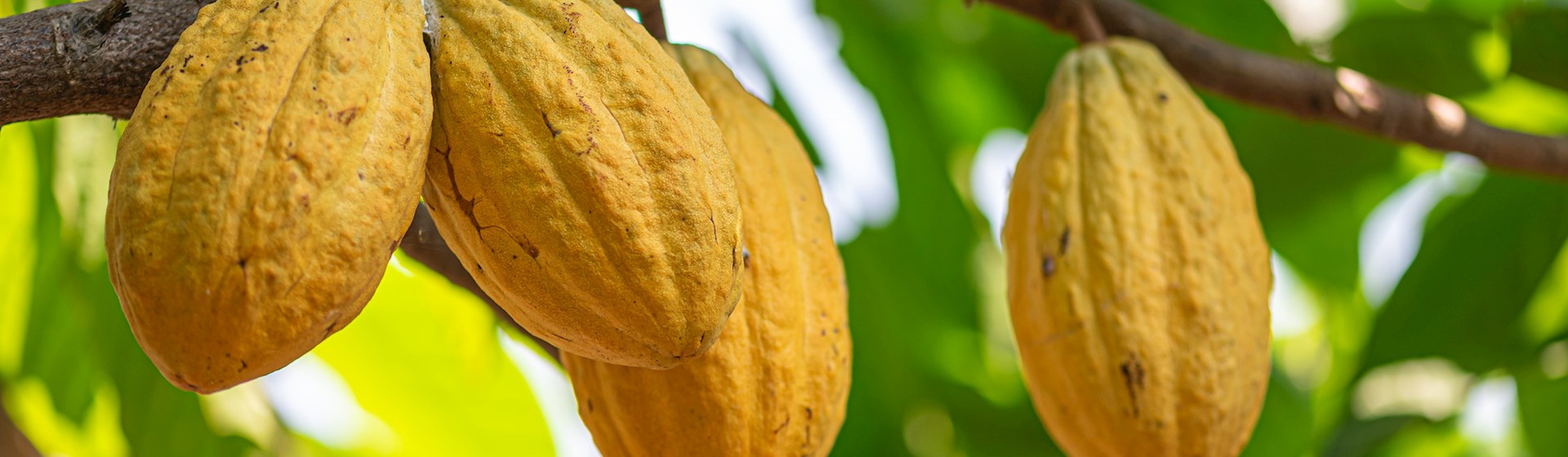
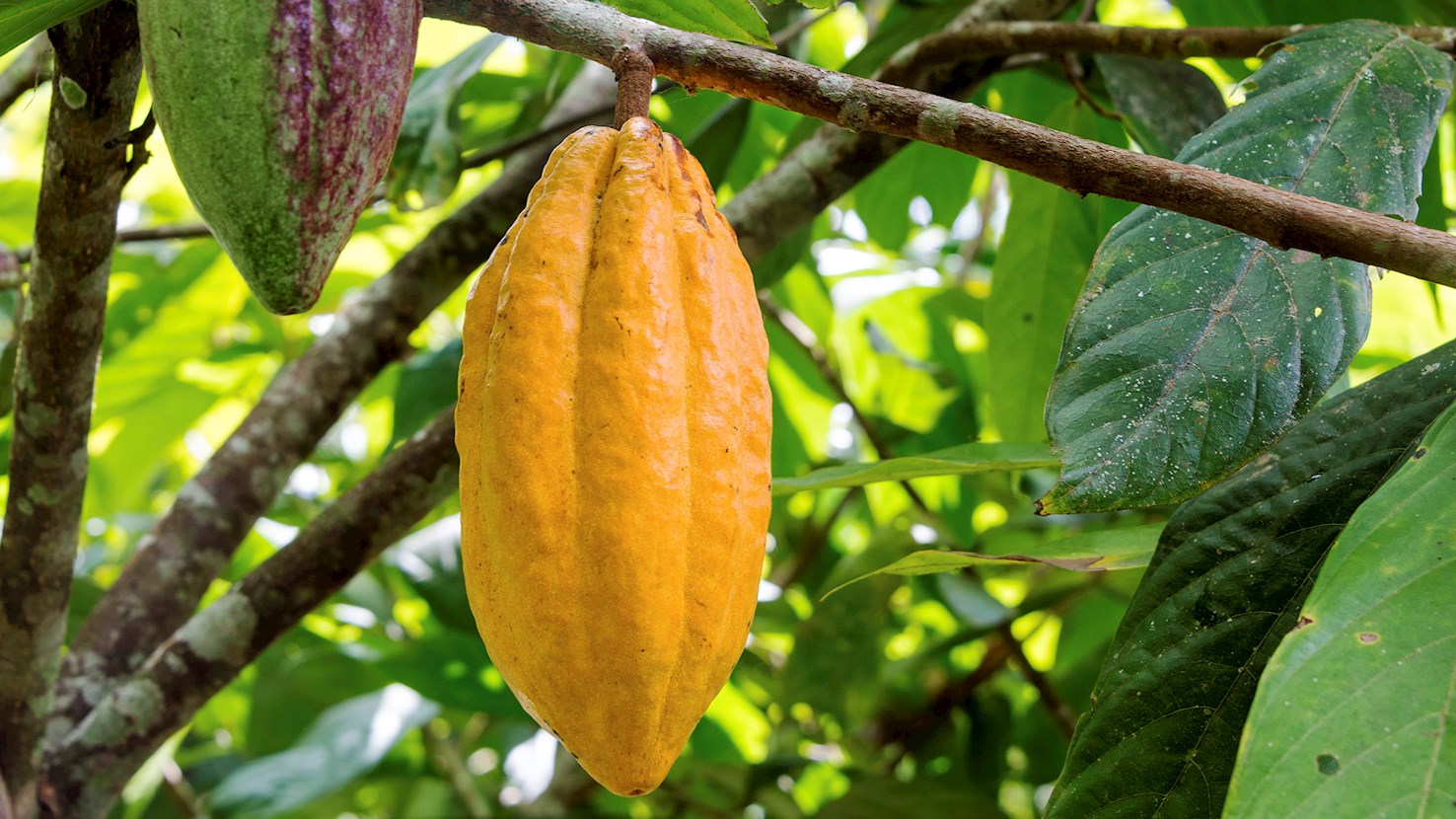
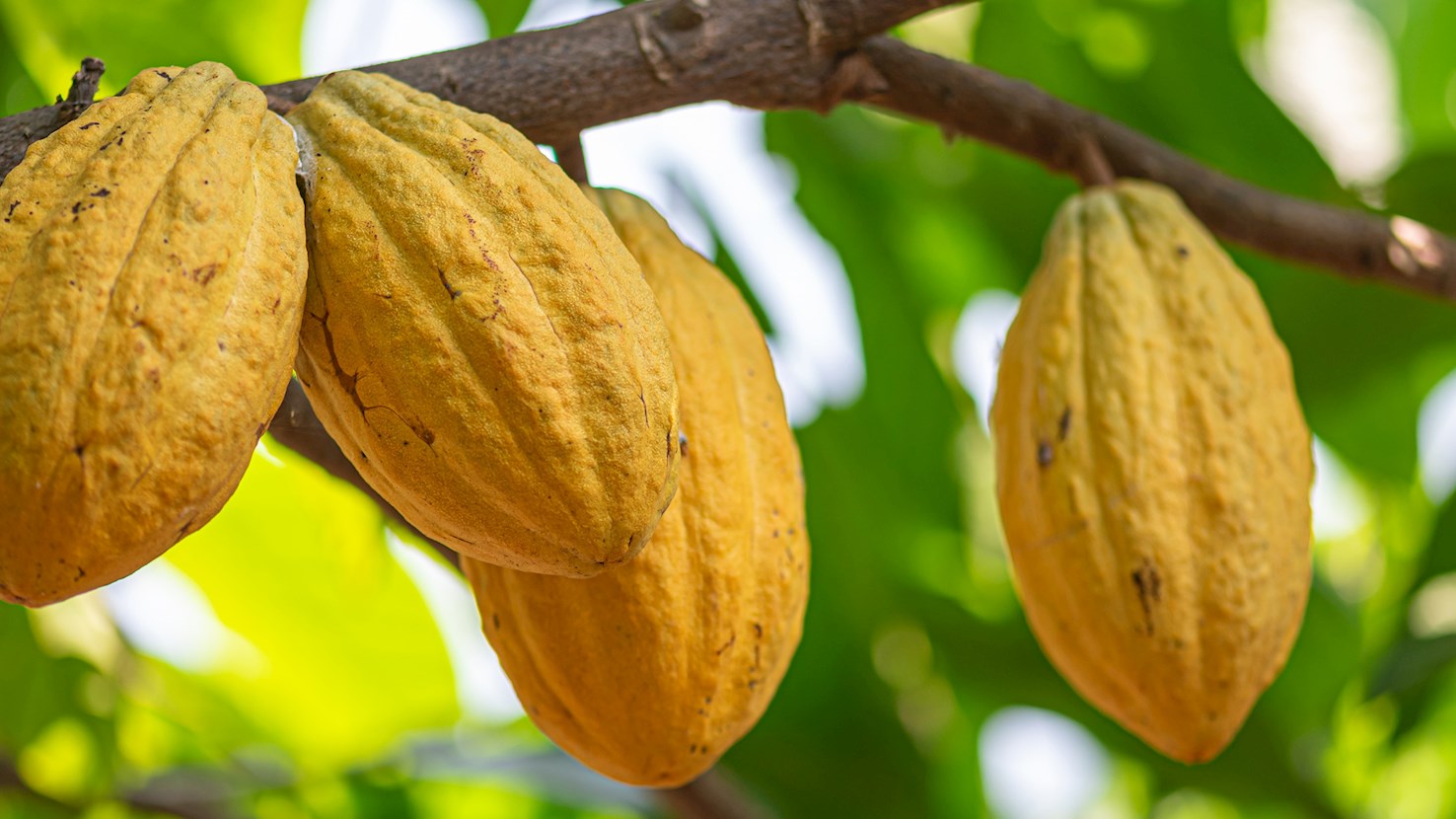
Forastero cocoa is the most widely cultivated and commercially important cacao variety in the world, recognized for its robust, high-yielding trees, thick-walled pods, and purple-toned beans. The pods are typically rounded or melon-shaped, often yellow or green when ripe, and relatively smooth compared to other varieties. Inside, the beans are flat and large, with a bold, classic cocoa taste but little of the floral or fruity complexity found in finer varieties. Known for its strong, earthy flavor, Forastero cocoa forms the backbone of most mass-produced chocolate, offering notes of wood, nuts, and mild bitterness, with moderate acidity and low sweetness. While it lacks the aromatic finesse of Criollo or the complexity of Trinitario, it compensates with resilience, consistency, and productivity. Native to the upper Amazon basin, Forastero is now predominantly grown in West Africa (especially Côte d’Ivoire and Ghana), Brazil, and Southeast Asia. It represents the bulk of global cocoa production and is often used as a base cacao—blended with fine-flavor varieties to create balanced chocolates. One of the best-known sub-varieties of Forastero is Amelonado, originally from Brazil, now widely grown in Ghana, Côte d’Ivoire, and Nigeria. Despite its humble reputation, Forastero is indispensable to the global chocolate industry, valued for its hardiness, high fat content, and processing efficiency.
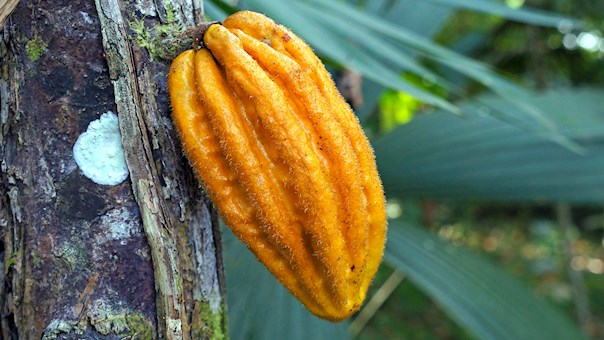
Chontalpa cacao is a cacao variety grown in the fertile lowlands of Tabasco’s Chontalpa region, an area with one of the oldest cacao legacies in the world, dating back over 3,000 years to the ancient Olmec civilization. The Chontalpa cacao pod varies depending on the cultivar—often a mix of Criollo, Trinitario, and local native hybrids. Most pods are elongated and ridged, with colors ranging from green and yellow to red or purple, sometimes with striking variegation. The cacao beans of Chontalpa are medium to large in size, with a good cotyledon-to-shell ratio and high fat content. Depending on the cultivar, the raw beans can range from light to deep purple, with occasional white-bean phenotypes, especially in Criollo-influenced strains. Revered as the cradle of cacao cultivation in Mesoamerica, Chontalpa continues to produce beans prized for their flavor, cultural importance, and connection to ancestral farming methods. The cacao here grows in agroforestry systems, shaded by tall trees like mango, avocado, and coconut, with undergrowth of bananas, pumpkins, and peppers—a method that mirrors the natural forest and promotes biodiversity. Local producers cultivate a mix of Forastero (Calabacillo), Trinitario (Puntudo), and some Criollo, each contributing unique notes to the region’s chocolate. Despite its rich terroir, Chontalpa faces challenges: diseases like moniliasis, economic marginalization, and environmental disasters have taken a toll on productivity. Yet, through support from the Slow Food Presidium, farmers are preserving this heritage cacao with a renewed focus on organic methods, fair trade, and the revival of Mexico’s ancestral chocolate culture.
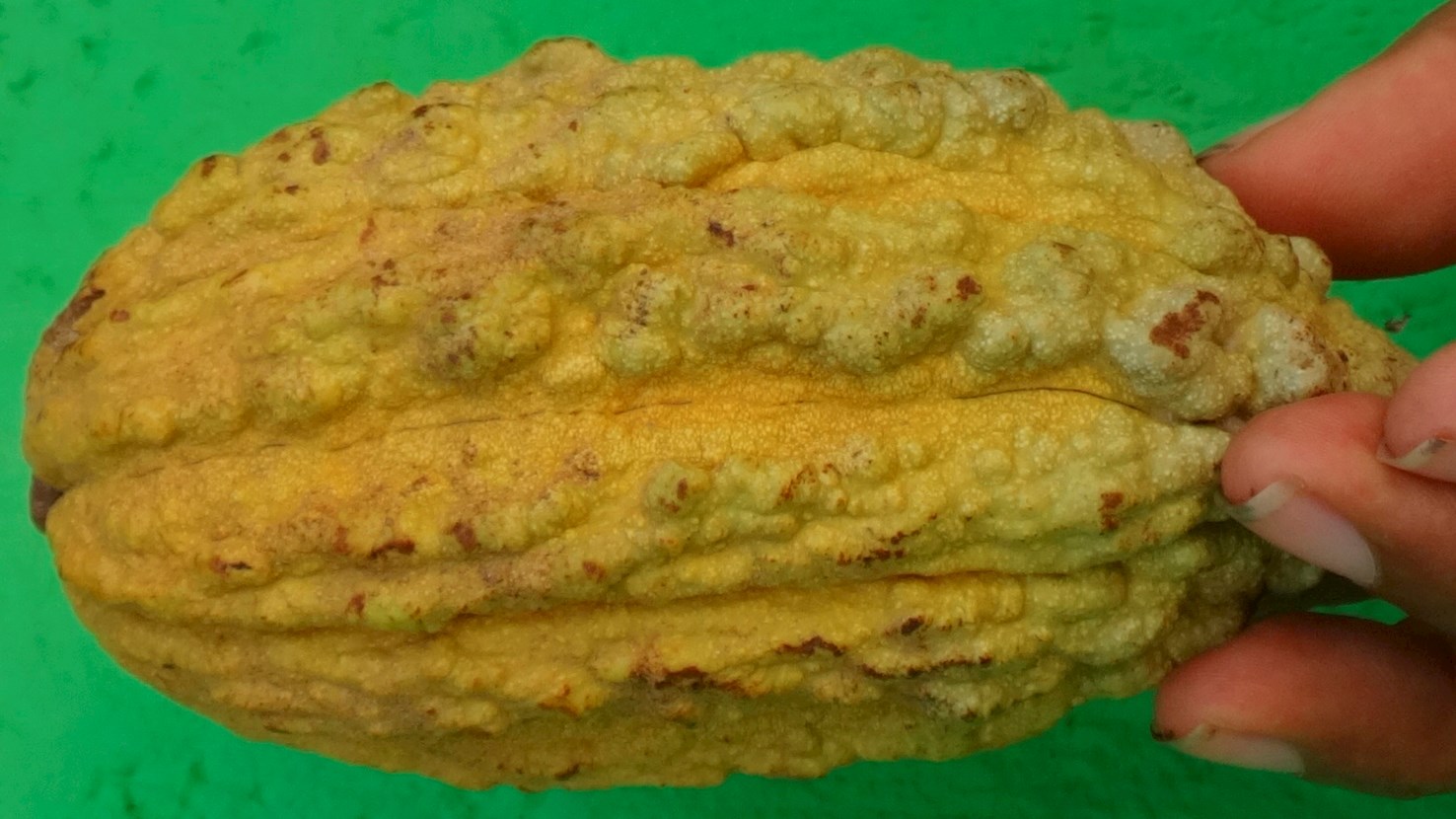
THIS FOOD IS RARE. Produced in the area of Dibulla municipality in the Colombian Guajira department, porcelana cocoa plants bear yellow-green pods with long leaves and thin white seeds with a unique, strong aroma. The plants are an important source of energy for the indigenous population as its ground grains were traditionally consumed by the elderly people in a sacred drink. The earliest records of cocoa cultivation date back to 1895, but wild cocoa has been found in the highlands of these mountains way before that year. Recently, porcelana cocoa has been replaced by hybrid varieties and intercropped with timber, fruit trees, and leguminous plants, which is the reason why the hybrids are sold at unusually low prices.
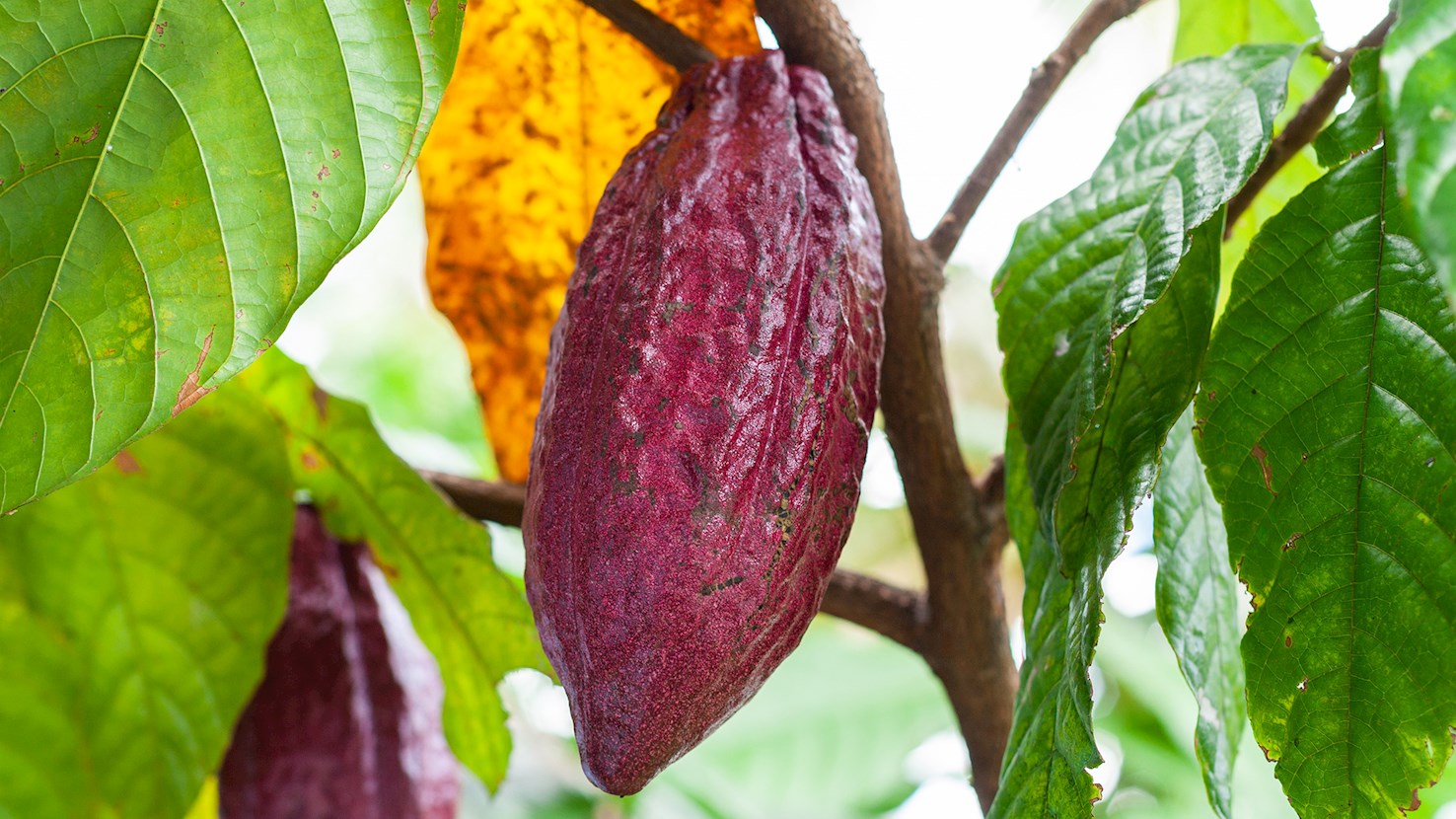
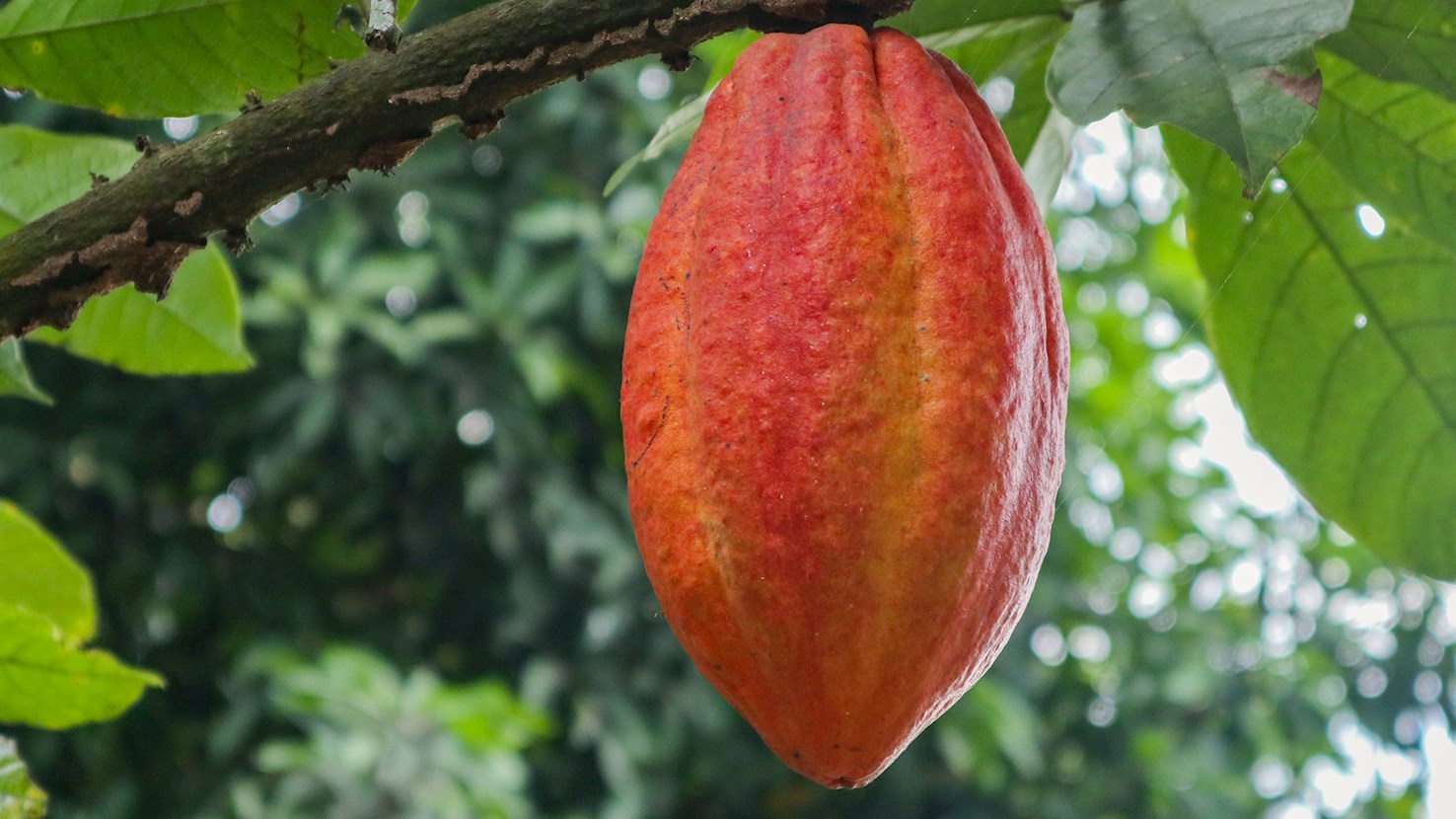
Madagascar cocoa, particularly that grown in the fertile Sambirano Valley in the northwest of the island, is renowned as one of the finest and most aromatic cocoas in the world. The beans have a a colorful, bumpy, and tapered appearance. The outer shell is usually red, orange, or yellow, sometimes streaked with green or purple, and can vary slightly depending on the specific strain or clone. The beans themselves are relatively small to medium in size, and mostly purple to reddish-purple before fermentation—typical of Trinitario types. Often classified as fine-flavor Trinitario—a hybrid of Criollo and Forastero—Madagascar cocoa is celebrated for its bright, complex flavor profile, offering a sensory experience that sets it apart from bulk cocoa varieties. The island’s unique terroir, shaped by volcanic soils, warm temperatures, and coastal humidity, produces beans with vibrant, fruity notes rarely found elsewhere. Tasting Madagascar cocoa is often described as a journey: it typically opens with a burst of red berries—raspberry, cherry, or strawberry—followed by citrus highlights, hints of floral undertones, and a clean, lingering finish. This fruit-forward profile has made it a favorite among craft and bean-to-bar chocolate makers, who prize it for its ability to stand out even in minimalist recipes. The cultivation of cocoa in Madagascar is small-scale and high-quality, largely centered around the Ambanja region of the Sambirano Valley. Farms often operate using sustainable agroforestry methods, growing cacao under the shade of tropical fruit trees and native canopy species. Fermentation and drying are handled with great care, ensuring the beans retain their signature flavor and aromatic intensity. Though Madagascar accounts for a tiny fraction of global cocoa production (only 1%), its reputation far exceeds its size. Chocolatiers and connoisseurs regard it as a benchmark for fruit-driven cocoa, often used in single-origin bars to highlight its unique character. With its vivid acidity, layered aroma, and natural sweetness, Madagascar cocoa is not just an ingredient—it's a reflection of place, craftsmanship, and the untamed elegance of island terroir.
Trinitario cacao is a fine-flavor cacao variety known for its complex taste, vibrant aroma, and balanced strength. It is a natural hybrid between the delicate Criollo and hardy Forastero cacao types. The pod is typically medium to large, often ridged and colorful, with hues ranging from red and orange to green or purple, depending on the strain. Inside, the beans are plump and high in fat, with a mix of light to deep purple tones and occasionally even white beans, depending on the genetic leaning. Trinitario beans are prized for producing chocolate with rich, multi-layered flavor profiles—often featuring fruity acidity, nutty undertones, floral notes, and a long, clean finish. They strike a rare balance between flavor intensity and structural resilience, making them one of the most sought-after cacao types for single-origin and craft chocolate production. Trinitario cacao originated in Trinidad in the 18th century after a disease devastated the island's native Criollo trees. Surviving trees cross-pollinated naturally with imported Forastero cacao, giving rise to this hybrid variety that now flourishes across the Caribbean, Latin America, and Southeast Asia. It represents about 5–10% of global cacao production, and while genetically diverse, its reputation for quality has made it a cornerstone of the fine chocolate world.
Criollo cacao is the rarest and most prized variety of cacao in the world, known for its delicate flavor, low bitterness, and aromatic complexity.The pods are typically elongated and deeply ridged, ranging in color from pale yellow to crimson, and contain white to pale-pink beans, a signature trait that reflects their low polyphenol (bitterness) content. The flavor of Criollo chocolate is refined and nuanced, often described as smooth, mildly acidic, and layered with floral, citrus, caramel, and dried fruit undertones. Unlike the bolder Forastero or hybrid Trinitario, Criollo offers an almost wine-like tasting experience, with minimal astringency and a long, elegant finish. Often referred to as the "noble cacao," Criollo beans are highly sought after by artisan chocolatiers for producing fine, elegant chocolate with subtle notes of fruit, nuts, flowers, and spice. Criollo cacao is native to Mesoamerica, particularly regions of present-day Mexico, Guatemala, and Venezuela, where it was revered by ancient civilizations like the Maya and Aztecs. Today, it represents less than 1% of global cacao production, as the trees are notoriously fragile, low-yielding, and susceptible to disease. Despite this, Criollo's exceptional quality and deep cultural roots continue to make it the gold standard in fine chocolate, reserved for the most discerning palates and premium single-origin bars.
Porcelana cacao is an exceptionally rare and refined variety of Criollo cacao, celebrated for its snow-white beans, smooth, low-bitterness profile, and extraordinary flavor complexity. Often considered the "Rolls-Royce of cacao," Porcelana gets its name from the porcelain-like color of its unfermented beans, which are naturally white due to their low levels of bitter polyphenols. The pods are typically elongated, deeply ridged, and pale green to yellow when ripe, thinner-skinned than most, and contain fewer but highly aromatic seeds. Chocolate made from Porcelana is renowned for its delicate, creamy texture and elegant flavor, often described as floral, nutty, and subtly fruity, with notes of honey, toasted almonds, fresh cream, and light citrus, all without the astringency found in more common cacao types. Its ultra-smooth melt and lingering finish make it a favorite among high-end bean-to-bar chocolate makers, often featured in limited-edition or ultra-premium releases. Porcelana cacao is native to the Andean foothills of Venezuela, particularly the Sur del Lago region near Lake Maracaibo. It descends from ancient Criollo varieties once cultivated by the pre-Columbian peoples and later revered by Spanish colonists. Due to its fragility, low yields, and susceptibility to disease, Porcelana represents only a tiny fraction of global cacao production, making it one of the most exclusive and expensive cocoas in the world—a true symbol of cacao heritage and luxury.
Carbet cacao is a fine-flavor cacao variety from the Caribbean, primarily grown in Martinique, where it represents a vibrant revival of the island’s historical cacao traditions. The Carbet cacao bean is typically of Trinitario origin, a hybrid of Criollo and Forastero, and is known for its medium to large size, high fat content, and smooth, well-formed nibs. Named after the coastal town of Le Carbet, a region once central to colonial-era cocoa production, this cacao is now at the forefront of artisanal and sustainable chocolate-making in the Caribbean. Grown in agroforestry systems, often under the shade of native trees, the beans benefit from Martinique’s volcanic soil, tropical humidity, and oceanic breezes, all contributing to their exceptional flavor complexity. Farmers, often working in cooperatives like VALCACO, ferment the beans in wooden boxes and dry them under the sun, preserving their aromatic integrity and promoting biodiversity. When expertly processed, Carbet cacao reveals a sophisticated and multilayered profile. The chocolate offers bright, fruit-forward notes—think red berries, passion fruit, and citrus peel—balanced by gentle floral tones, a hint of acidity, and warm, nutty undertones. Its long, clean finish and low bitterness appeal to bean-to-bar chocolate makers seeking origin-driven flavor.
Marañón cocoa is an exceptionally rare and prized cacao variety that grows in the remote Marañón Canyon of northern Peru, one of the most isolated and ecologically rich areas of the Andes. It has a small to medium-sized pod, typically rugged and ridged, with hues ranging from yellow to orange as it ripens. On the outside, it may look similar to other cacao pods, but the real surprise lies within. When opened, the pod reveals pulp-covered beans, just like any cacao. But in the case of Marañón cacao, a significant number—sometimes over 40%—are naturally white beans. This is extremely rare. Most cacao beans are purple or deep brown, colored by anthocyanins (natural bitter compounds). The white beans found in Marañón cacao lack these bitter pigments, resulting in a milder, creamier, and more aromatic flavor even before processing. The pulp surrounding the beans is also notable—it’s typically fragrant, sweet-tart, and juicy, with tasting notes reminiscent of lychee, mango, and citrus. This pulp not only contributes to the fermentation process, adding complexity to the beans, but also hints at the inherent fruit-forward character of the chocolate it will become. Revered by chocolate makers around the world, it is best known as the source of the Pure Nacional cacao, a legendary variety once thought extinct and now considered one of the rarest and most genetically unique cocoas on Earth. What makes Marañón cocoa truly extraordinary is its genetic composition. Lab testing confirmed that the Pure Nacional strain found here is a genetic relic, with characteristics of both Criollo and Nacional cacao, making it a one-of-a-kind heirloom cacao. The flavor of Marañón cocoa is incredibly complex and balanced. It’s celebrated for its low bitterness, rich floral and fruity notes, hints of nutty sweetness, and a long, elegant finish. Tasting notes often include orange blossom, toasted nuts, tropical fruits, and mild spice, layered with a buttery texture and gentle acidity. Cultivation and harvesting are done by local smallholder farmers using traditional methods. The steep terrain and isolation of the canyon mean that beans are handpicked, fermented, and sun-dried with exceptional care. This remote origin, along with its limited production and genetic rarity, makes Marañón cocoa one of the most exclusive and sought-after cacaos in the world. Used by top-tier bean-to-bar chocolate makers, Marañón cocoa has earned its place as a symbol of cacao heritage, biodiversity, and rediscovery—a once-lost treasure now reclaimed by both science and tradition, celebrated in some of the finest chocolate bars ever produced.
TasteAtlas food rankings are based on the ratings of the TasteAtlas audience, with a series of mechanisms that recognize real users and that ignore bot,
nationalist or local patriotic ratings, and give additional value to the ratings of users that the system recognizes as knowledgeable.
TasteAtlas Rankings should not be seen as the final global conclusion about food. Their purpose is to promote excellent local foods,
instill pride in traditional dishes, and arouse curiosity about dishes you haven’t tried.
The initial list of top producers was compiled based on available reviews, awards, local recommendations, media and blog coverage, and consumer reviews.
The list will be updated with ratings from TasteAtlas local ambassadors and TasteAtlas users.













What People Say