shutterstock

Top 15 German Cookies

Last updated on July 15, 2026

Best German Cookies

01

Wicklein

4.8 ·

Wicklein is one of the oldest gingerbread producers in Germany, with a heritage dating back to 1615 in Nuremberg, a city historically recognized as the center of Lebkuchen production. Its origins are closely tied to Nuremberg’s role as a major spice trading hub, which shaped recipes rich in honey, nuts, and aromatic spices.

Today, Wicklein remains one of the oldest active Lebkuchen bakeries in the city, with production still based in Nuremberg, preserving both authenticity and geographical identity. The company’s portfolio focuses on traditional Nürnberger Lebkuchen, particularly Elisenlebkuchen known for their high nut content and minimal flour, alongside wafer-based varieties and a range of seasonal and year-round baked goods.

Production relies on long-established recipes passed down through generations, while also incorporating modern adaptations such as organic and vegan options. Over time, Wicklein has evolved through industrial and ownership changes but has maintained its core identity as a traditional producer, now operating within the Lebkuchen-Schmidt group.

A key element of the brand is its “Lebküchnerei” shop in central Nuremberg, which serves both as a retail space and an experiential location where visitors can observe production and taste freshly made products, reflecting a balance between artisanal heritage and contemporary market presence.

02

Lebkuchen-Schmidt

4.7 ·

Lebkuchen-Schmidt is one of the most prominent German producers of traditional gingerbread, based in Nuremberg, a city historically known as the center of this specialty. Founded in 1927, the company developed its business model around mail-order sales, becoming one of the oldest and most successful direct distributors of Lebkuchen worldwide.

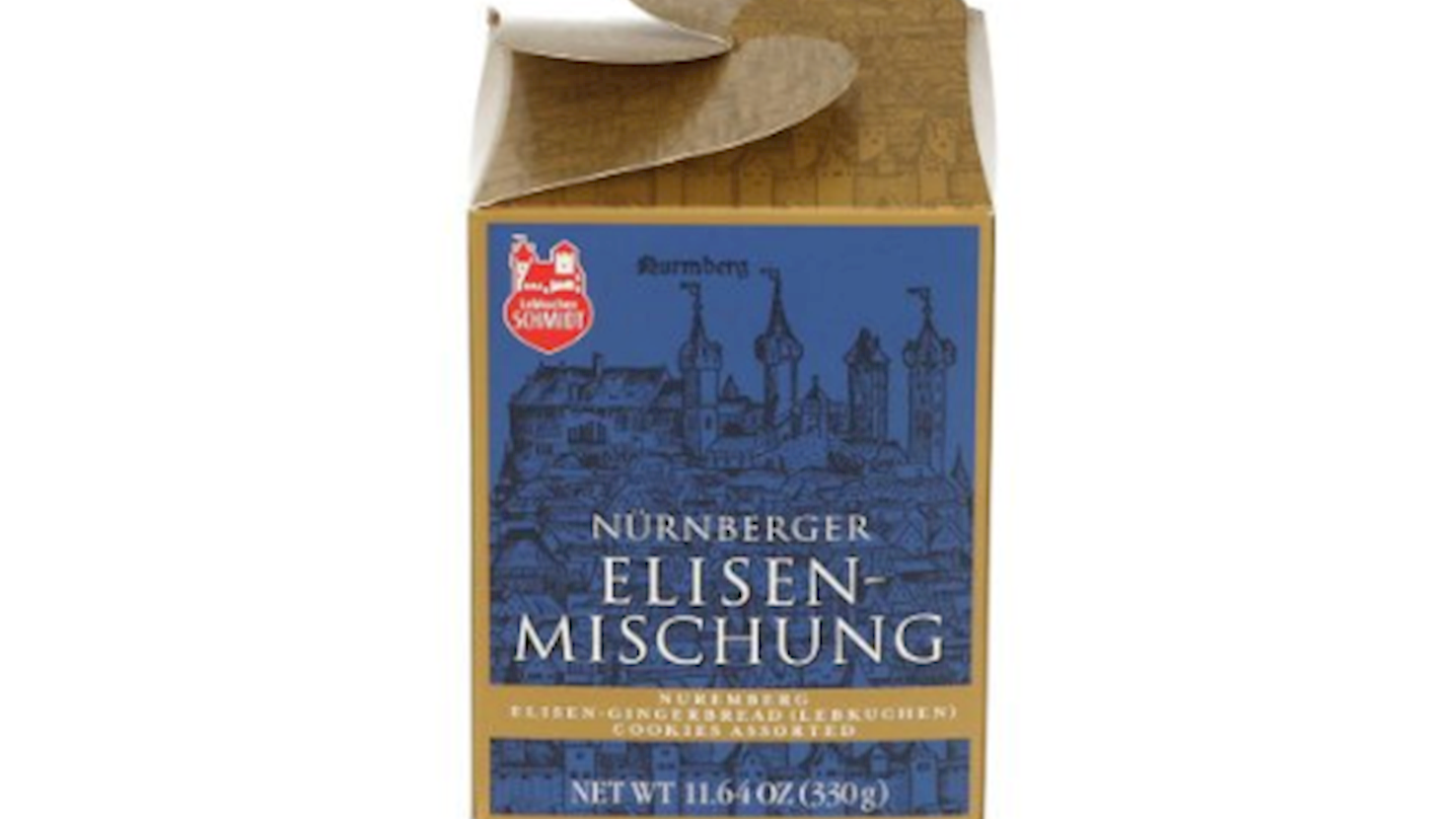
Its production combines established recipes with modern industrial processes, maintaining consistent quality while relying on carefully selected ingredients such as nuts, honey, and aromatic spices. The core assortment includes classic Nürnberger Lebkuchen varieties, particularly Elisen Lebkuchen, which are characterized by a high nut content and minimal flour, alongside a broader range of biscuits, cakes, and confectionery.

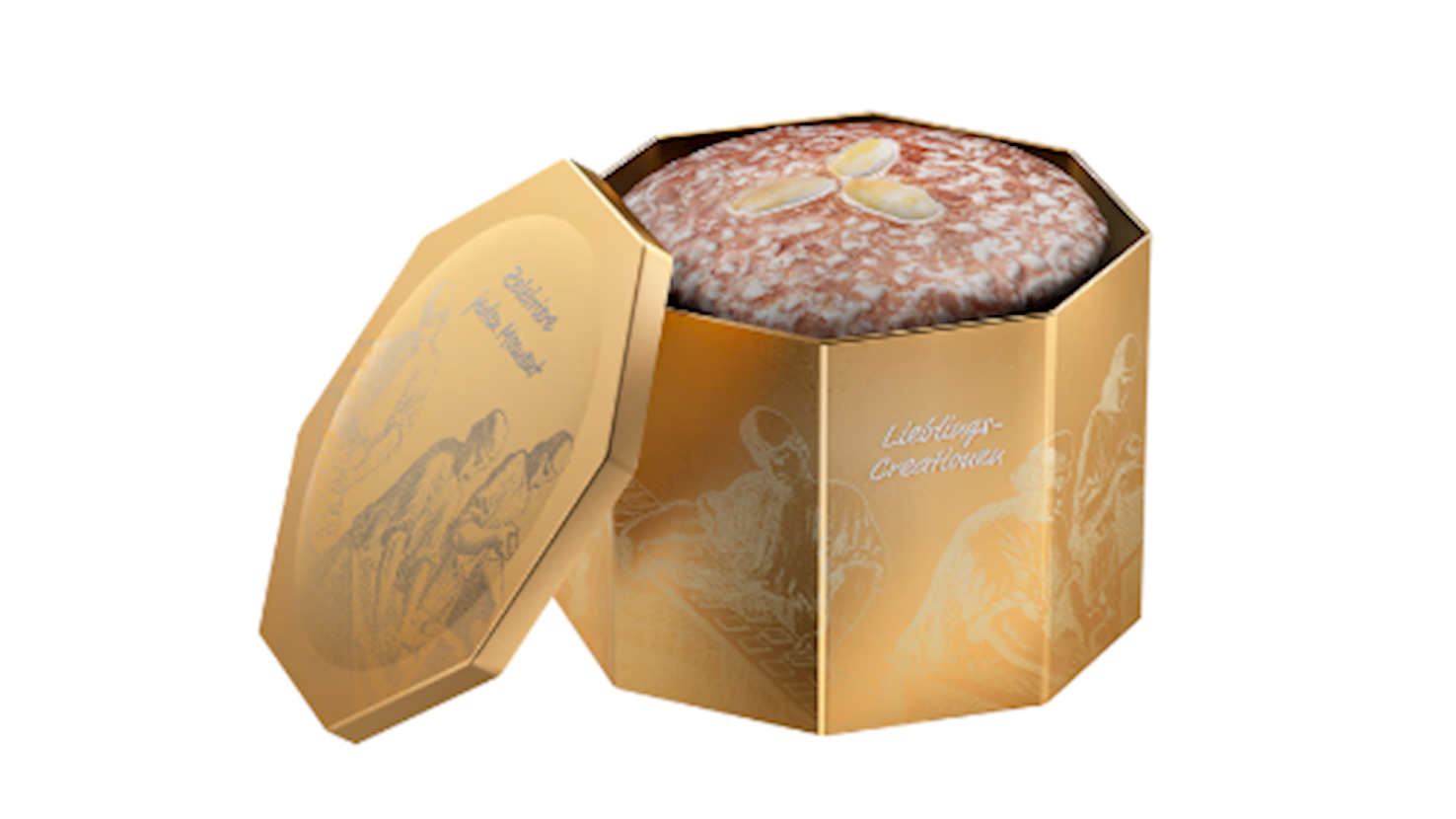
A distinctive feature of the brand is its elaborately designed tins and seasonal gift assortments, closely associated with German Christmas traditions. Although production is largely automated, the company emphasizes strict quality control and expertise developed over decades.

Lebkuchen-Schmidt distributes its products internationally, primarily through catalog and online sales, reinforcing its strong connection to festive consumption while maintaining year-round availability. The brand also operates “Lebkuchenwelt” in Nuremberg, a visitor space that highlights the history, production, and cultural significance of Lebkuchen.

03

Café Bauer

4.7 ·

Café Bauer is the producer behind the original “Echte Wibele”, based in Langenburg in the Baden-Württemberg region of Germany, where this specialty has been continuously made since the 18th century. The company traces its origins to a court recipe created for the princely House of Hohenlohe-Langenburg, and it has preserved both the formulation and the production approach across generations.

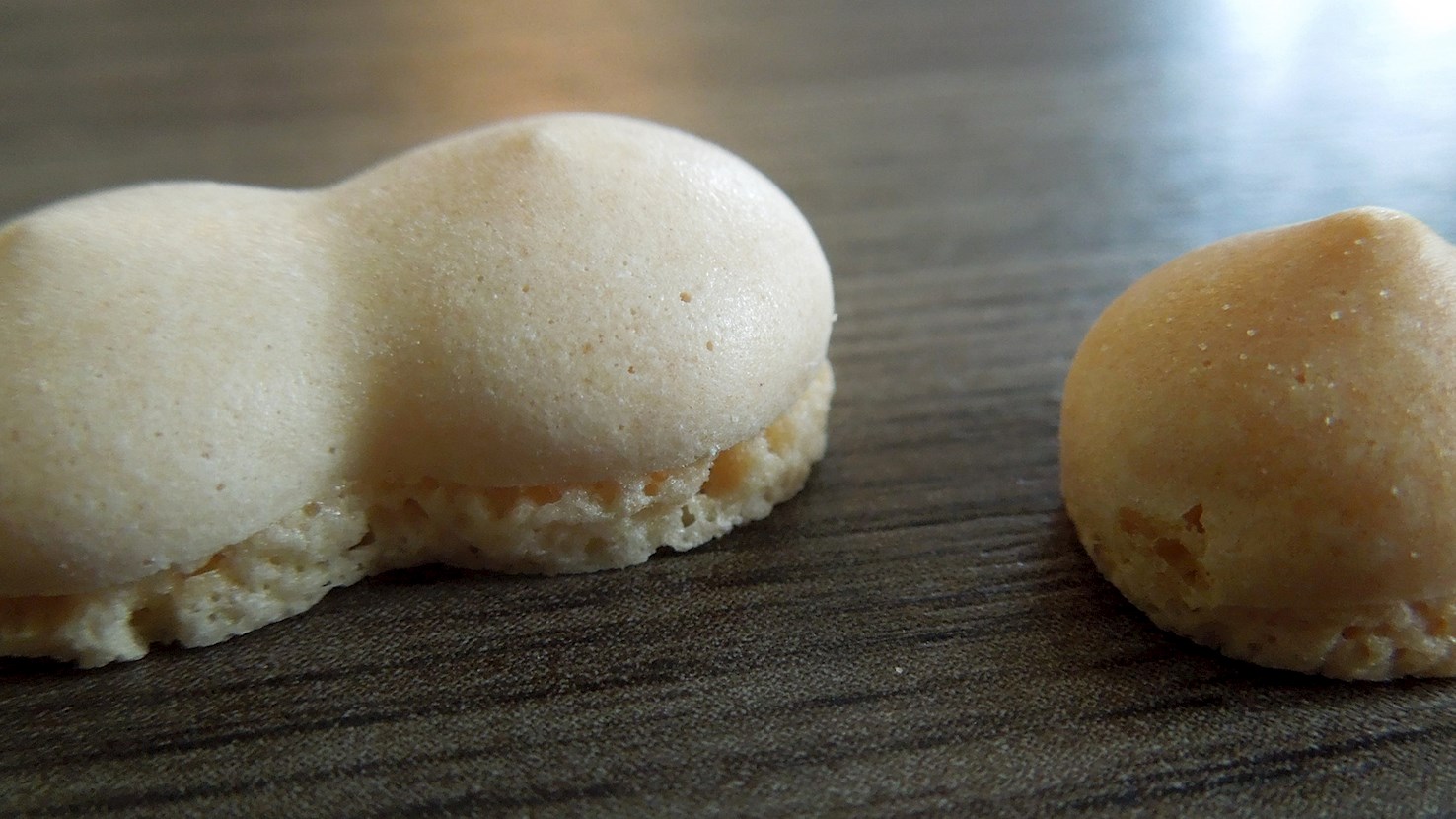
Its focus remains almost entirely on Wibele biscuits, maintaining a high level of specialization and consistency. The recipe is notably simple, based on egg whites, powdered sugar, flour, and vanilla sugar, without added fats, resulting in a light, dry, and airy texture.

The distinctive figure-eight shape is formed by piping the batter, followed by a controlled resting phase before baking, which contributes to structural stability and the final texture. This precise process differentiates the original product from more industrial interpretations found elsewhere.

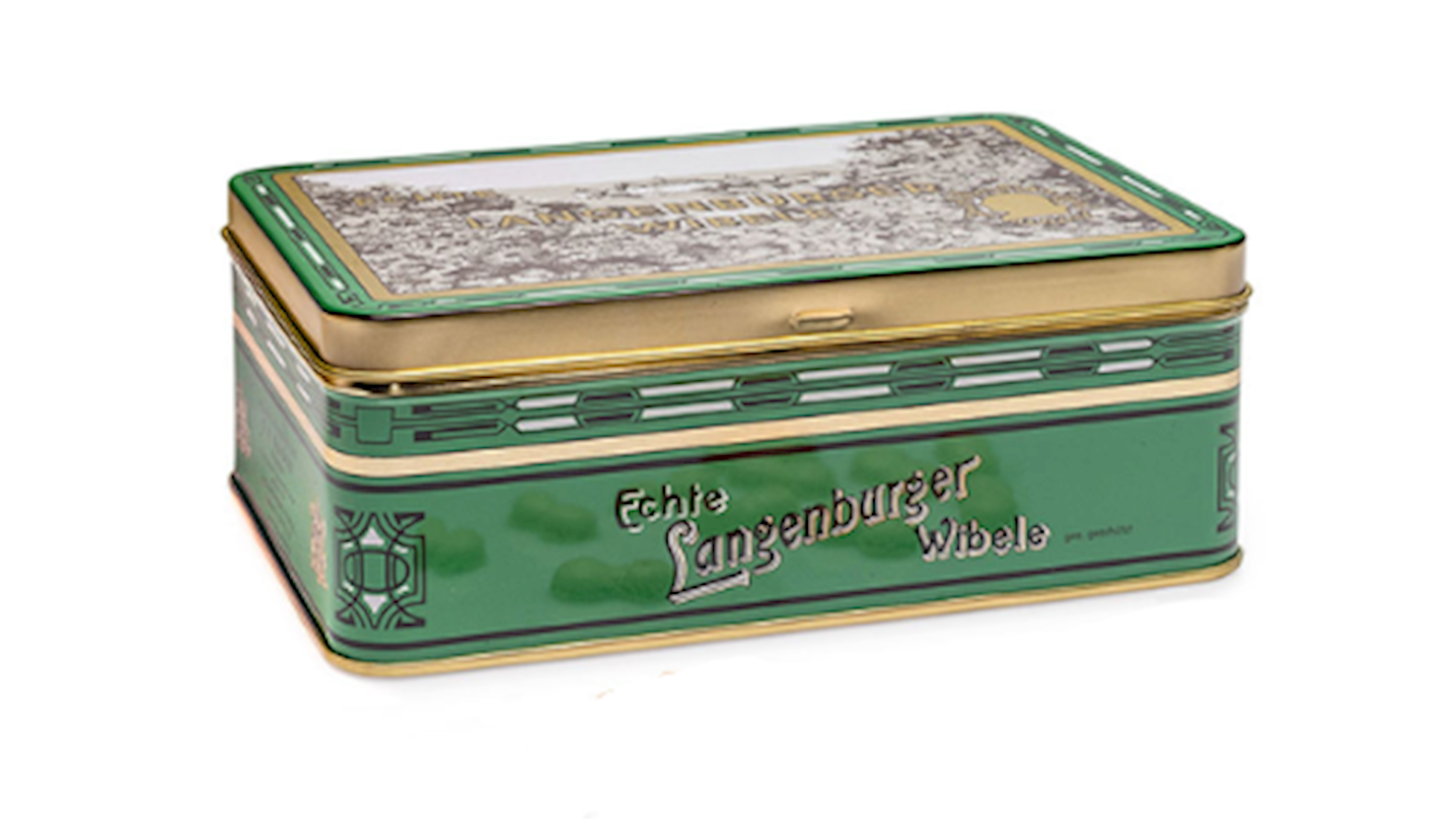
The use of the name “Echte Wibele” signals authenticity and a direct link to its place of origin, positioning the biscuits as a regional specialty rather than a generic product. Typically packaged in tins or cartons, they are consumed as a light accompaniment to coffee or tea and are often associated with traditional gift assortments.

04

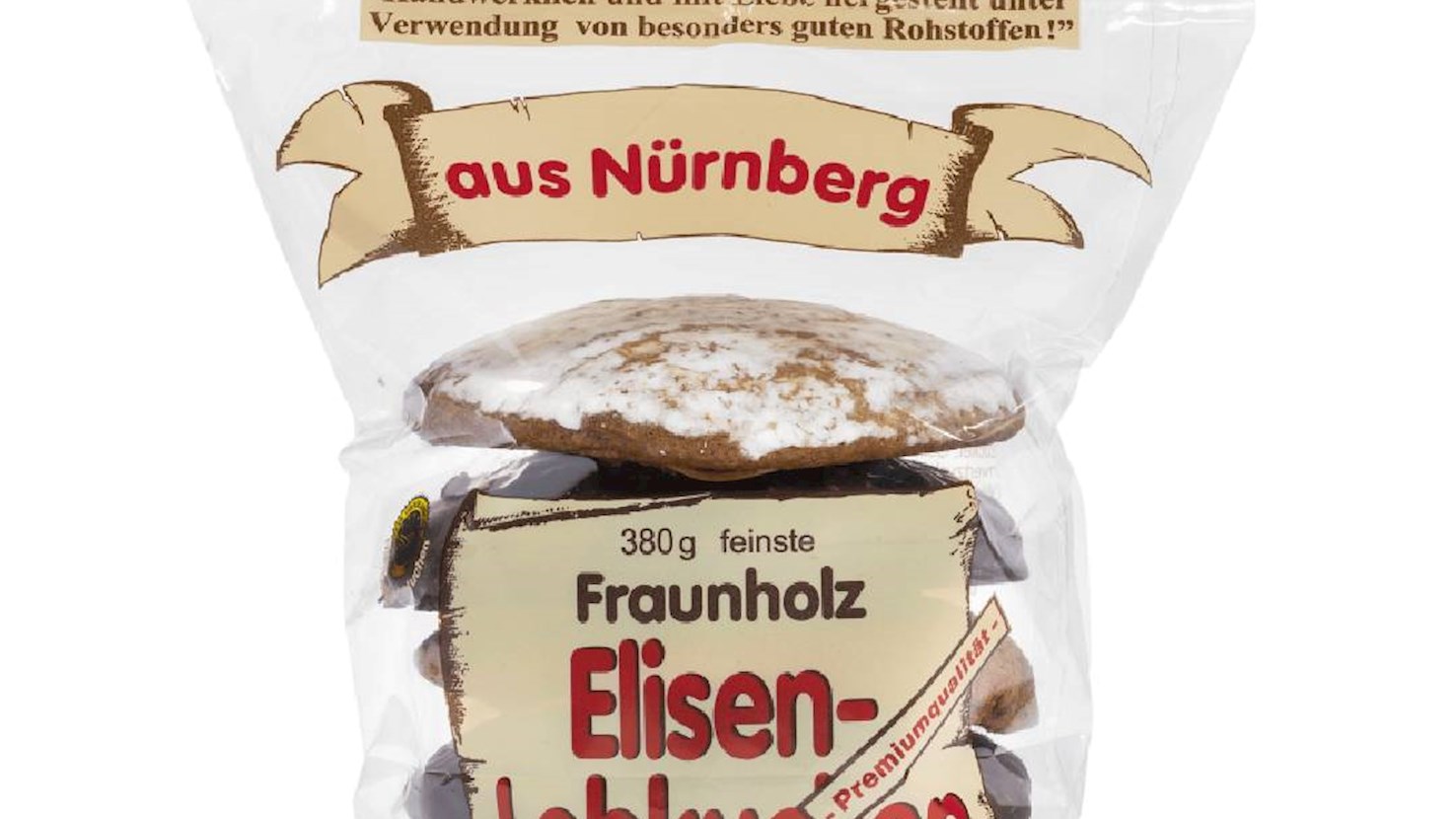
Fraunholz Elisenlebküchnerei

4.3 ·

Fraunholz Elisenlebküchnerei is a traditional family-run manufacturer based in Nuremberg, specializing in authentic Elisenlebkuchen, a distinctive type of German gingerbread closely associated with the region. Their production follows a classic formulation that prioritizes a high proportion of nuts, particularly almonds and hazelnuts, which can make up a significant share of the dough, resulting in a dense, moist texture and a pronounced nutty profile with minimal reliance on flour.

Unlike standard gingerbread, Elisenlebkuchen often contains little to no flour, giving it a softer, richer consistency and a more concentrated flavor. Fraunholz maintains an artisanal approach, with parts of the process still carried out manually and with a strong focus on ingredient quality and traditional methods.

The range includes classic wafers-based Elisenlebkuchen, chocolate-coated versions, and smaller confectionery formats, as well as organic, gluten-free, and vegan variants that reflect modern dietary preferences. Deeply rooted in Nuremberg’s culinary identity, these products are especially associated with the Christmas season, where they function both as a traditional treat and as a representative regional specialty.

05

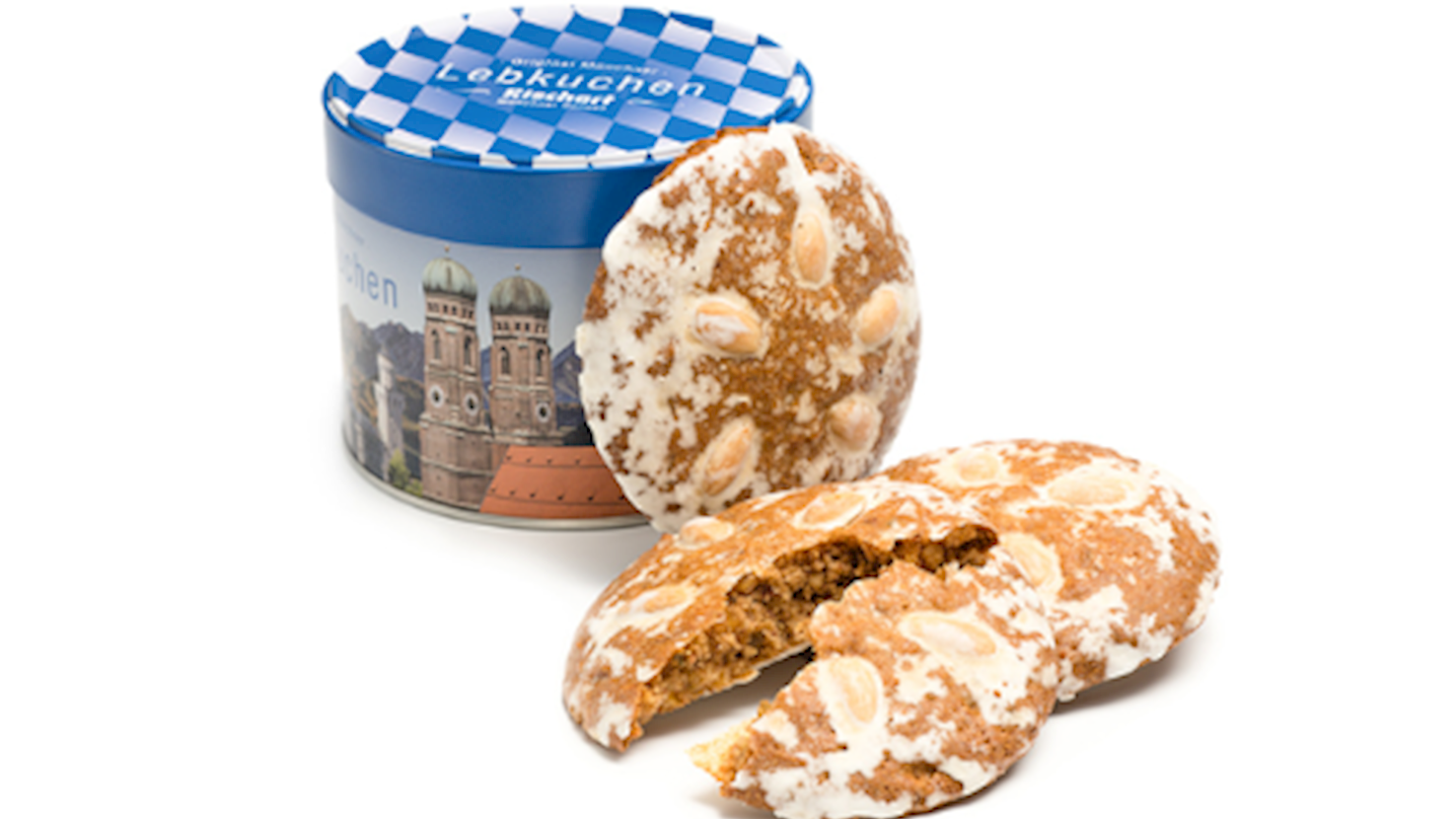
Rischart

4.3 ·

Rischart is a renowned Bavarian bakery and confectionery house based in Munich, founded in 1883 and rooted in more than a century of tradition. The brand is deeply embedded in the city’s everyday food culture and is known for combining classic German baking craftsmanship with a modern, urban approach to dining.

Rischart is particularly recognized for its breads, pastries, cakes, and tortes, produced fresh daily with a strong focus on artisanal precision and carefully selected ingredients. Its portfolio includes both traditional Bavarian and German specialties as well as contemporary desserts and seasonal creations.

In addition to its bakeries, Rischart operates Café & Bistro locations that serve as popular spots for breakfast, coffee breaks, and light meals. Rather than positioning itself as an industrial producer, Rischart functions as a city institution that emphasizes continuity, quality, and a clearly defined sense of place, making it a recognizable part of Munich’s bakery landscape.

Best German Cookies

01

Nürnberger Lebkuchen

3.9 ·

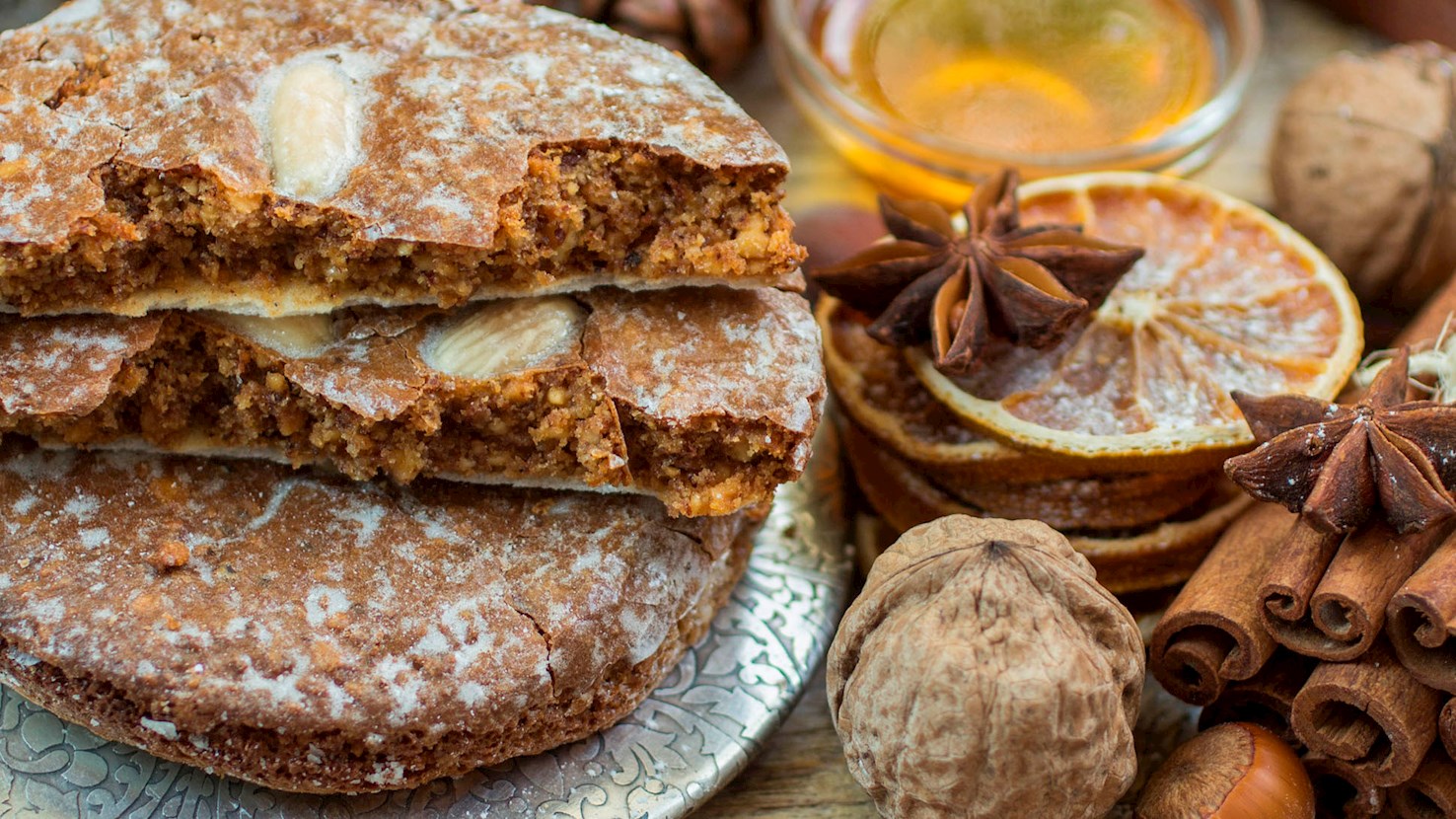
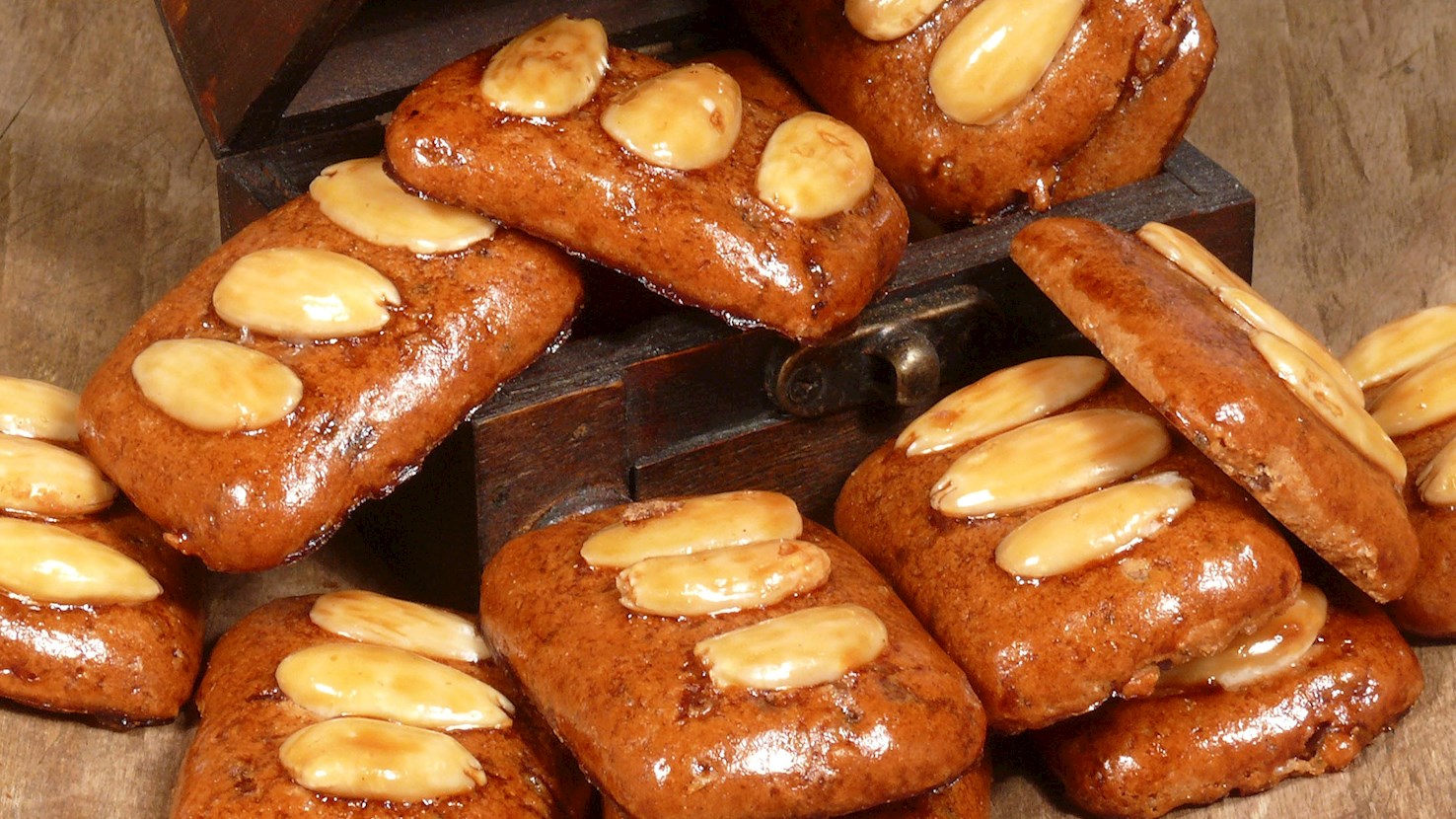
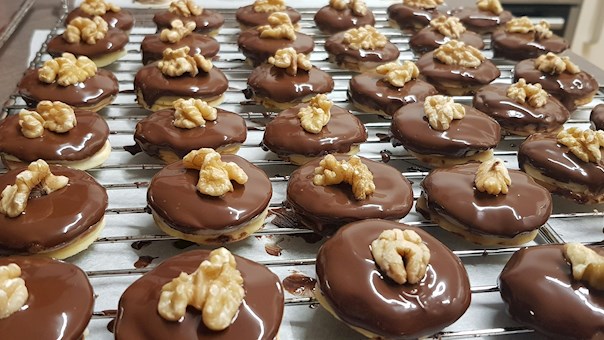
The history of Nuremberg's gingerbread is closely tied to the city's role as a crossroad of several European trade routes, a position that bestowed the city with spices from distant countries. Nürnberger Lebkuchen are typically large, round gingerbread wafers with icing that can either be chocolate-coated (schokoliert) or plain (natural). These gingerbread cookies are often decorated with almonds and candied lemon peel. Nürnberger Lebkuchen are produced by virtually all bakers in Nuremberg. They should contain at least 25% almonds, hazelnuts, or walnuts, and no more than 10% flour or starch, while the manufacturers must produce these cookies exclusively within the city limits of Nuremberg.

02

Zimtsterne

3.8 ·

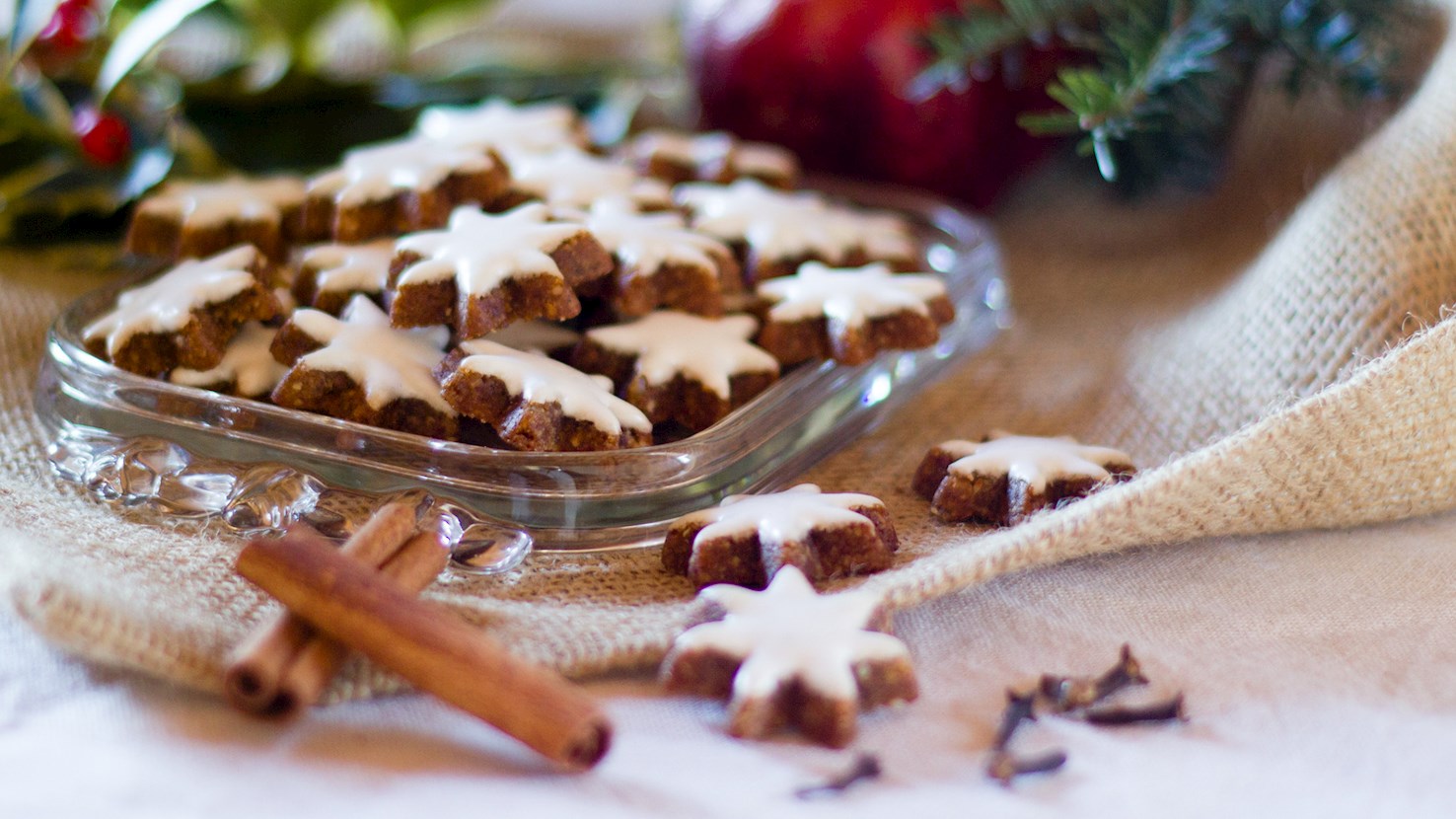
Zimtsterne are crispy star-shaped German and Austrian cookies. They are made with a combination of whipped egg whites that are mixed with sugar, cinnamon, ground nuts—traditionally almonds with the occasional addition of hazelnuts—and vanilla sugar. The dough is rolled and cut into star-shaped cookies. After baking, each cookie is coated with a layer of white frosting that is made from a combination of egg whites and sugar. The name of these cookies translates as cinnamon stars, due to the heavy use of the aromatic spice. Apart from Germany, Zimtsterne are also found in other German-speaking countries, and they are a staple treat during Advent and Christmas. It is not known when and where they originated, but their first written mention dates back to 1538. At the time, cinnamon was a rare and expensive ingredient, and it took approximately two hundred years for these cookies to become an integral recipe in various German cookbooks.

03

Engelsaugen

3.8 ·

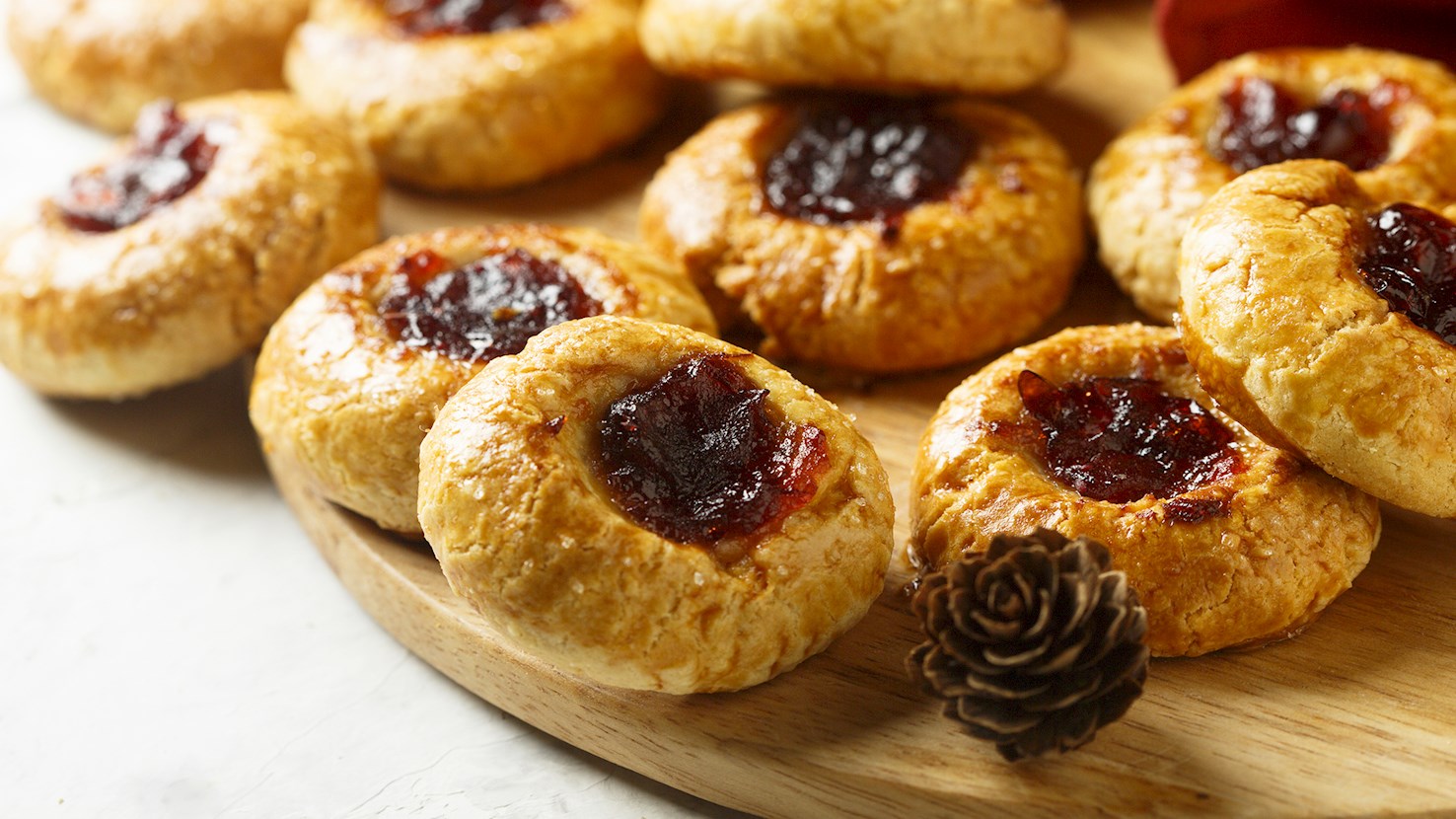
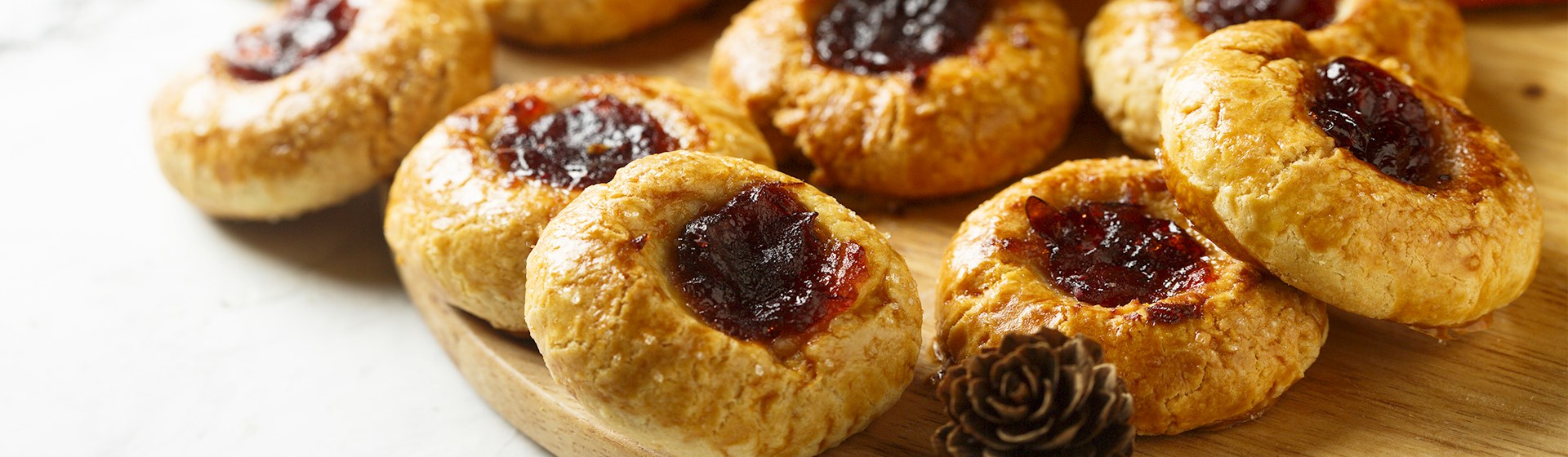
These delicious thumbprint cookies are an absolute must for Christmas in Germany. They are traditionally made with a simple shortcrust base that is filled with red currant jam. Interestingly, in some parts of Germany, engelsaugen (angel eyes) are called husarenkrapfen, which translates as Hussars' donuts.

04

Bethmännchen

3.7 ·

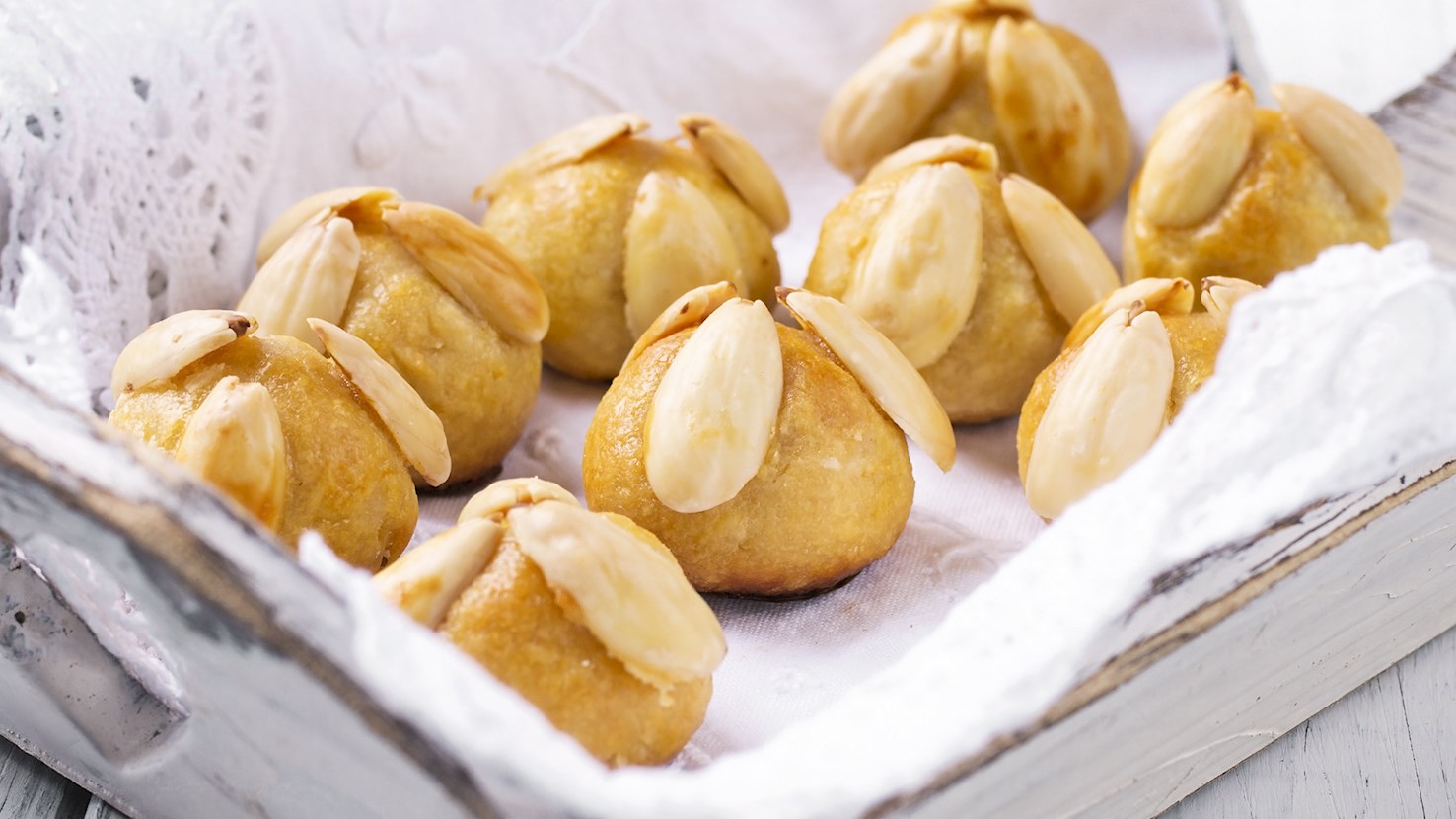
Bethmännchen have been a Christmas staple in Germany for over 200 years. Hailing from Frankfurt, these cookies are made from marzipan dough that is infused with rose water. Before they are glazed and baked, each cookie is decorated with three almond halves. Bethmännchen are closely associated with the once influential Bethmann family. The legend says that the family’s pastry chef, who was inspired by a similar dessert known as Frankfurter Brenten, invented the cookies in 1838 and decorated them to honor Bethmann's four sons. Although disputed, it is said that one of the almonds was subsequently removed after one of the sons passed away. The cookies are now popular across the country, but Bethmännchen are still strongly linked with Frankfurt, and they are usually prepared during the festive Christmas season.

05

Lebkuchen

3.5 ·

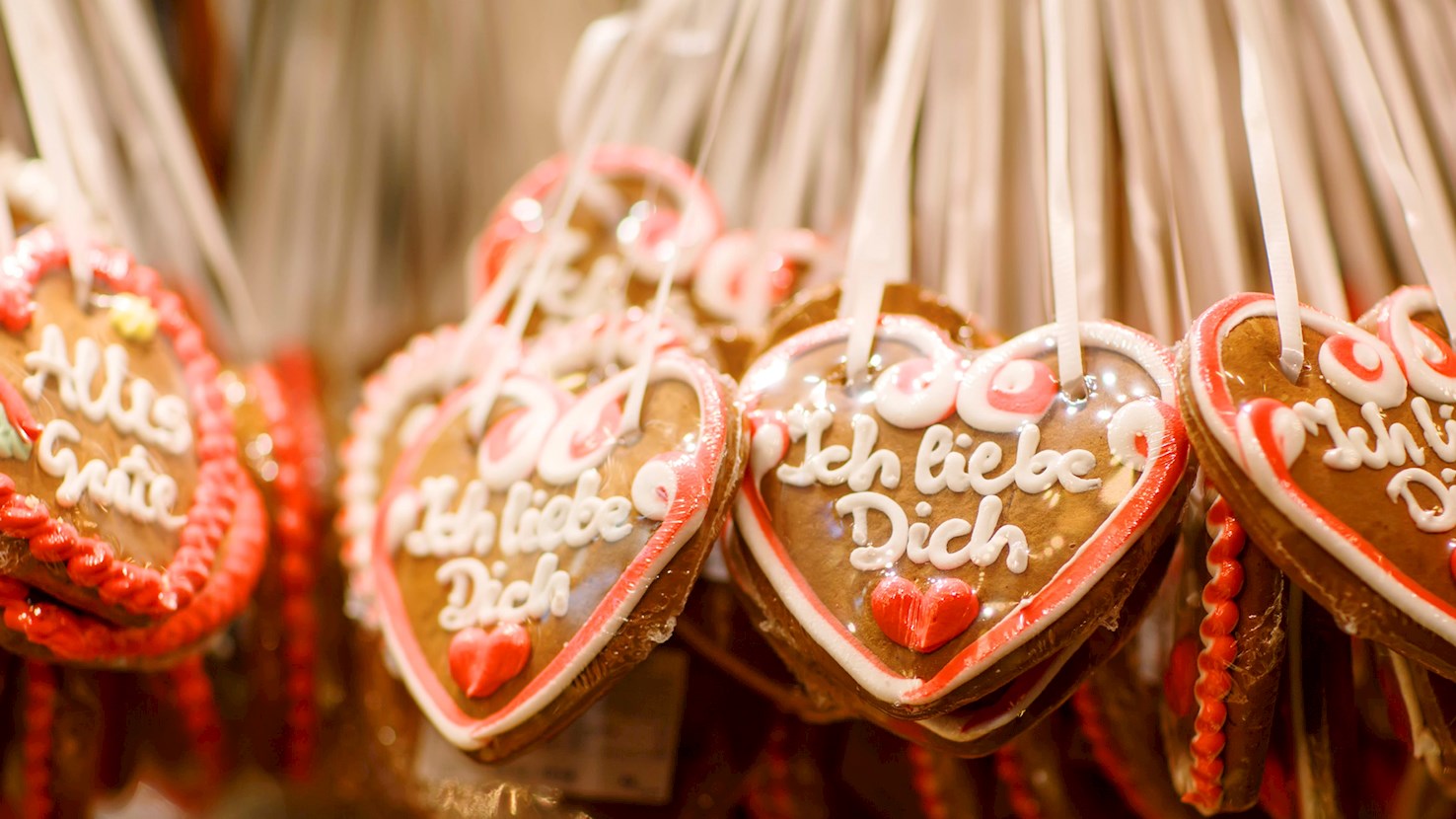
This traditional German treat is mainly associated with Christmas and winter holidays. The term lebkuchen covers a wide variety of different types of honey or ginger-flavored cookies which are traditionally baked on oblaten (thin wafers), and glazed or coated with either dark chocolate or sugar icing. Additional ingredients may include various spices like cloves, aniseed, nutmeg, coriander, and cardamom, with different types of nuts or candied fruit. Best-known varieties of this cookie include the heart-shaped lebkuchenherzen which are often decorated with icing and different inscriptions, the German version of the gingerbread man called honigkuchenpferd (lit. honey cake horse), and hexenhausel (lit. witch’s house), while the most famous is the Nurnberger Elisenlebkuchen. In Germany, the earliest records date back to the year 1296 and the city of Ulm, and the year 1395 and the city of Nurnberg. The area itself was an intersection of many trade routes that supplied it with spices necessary and thus helped to keep the production of lebkuchen alive and thriving. In 1996, the Nurnberger lebkuchen was granted the protected designation of origin (PDO) status which applies to all the lebkuchen produced in the city of Nurnberg.

06

Wibele

3.5 ·

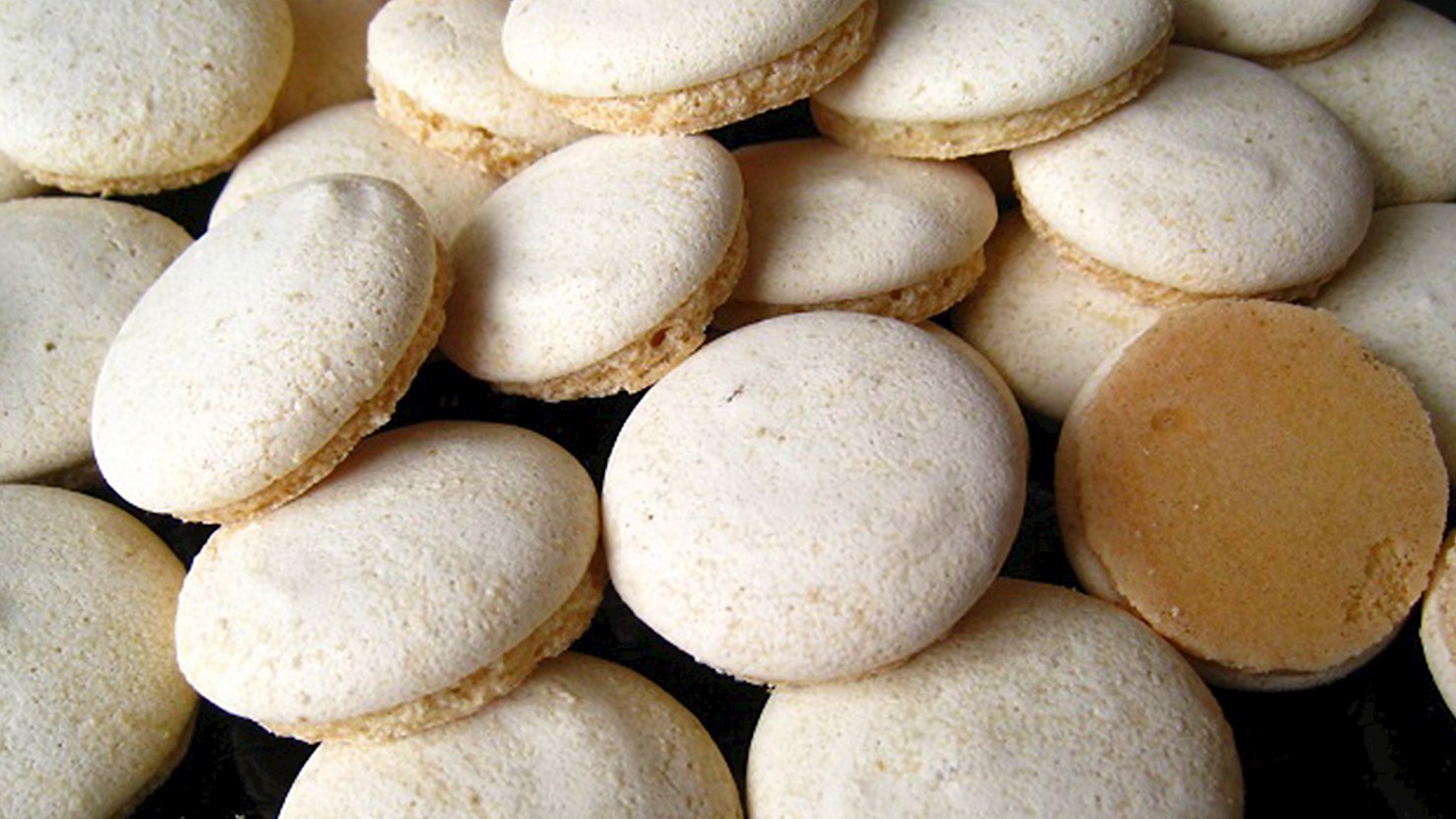
Wibele is a tiny, sweet biscuits made by combining flour, powdered sugar, egg whites, vanilla sugar, and vanilla flavorings. The biscuits or cookies are baked until golden in color and are recognized for their distinctive shape of a figure-eight or a shoe sole. These tiny pastries are believed to date back to 1763, in Langenburg, and they are most commonly attributed to Jakob Christian Carl Wibel, who is thought to have been a court confectioner to the Prince of Hohenlohe-Langenburg and created wibele in the Prince’s honor. These sweet treats are available in bakeries, confectioner’s shops, and delicatessen stores. Wibele are often enjoyed as dessert cookies and are usually accompanied by a glass of hot mulled wine.

07

Pfeffernuss

3.4 ·

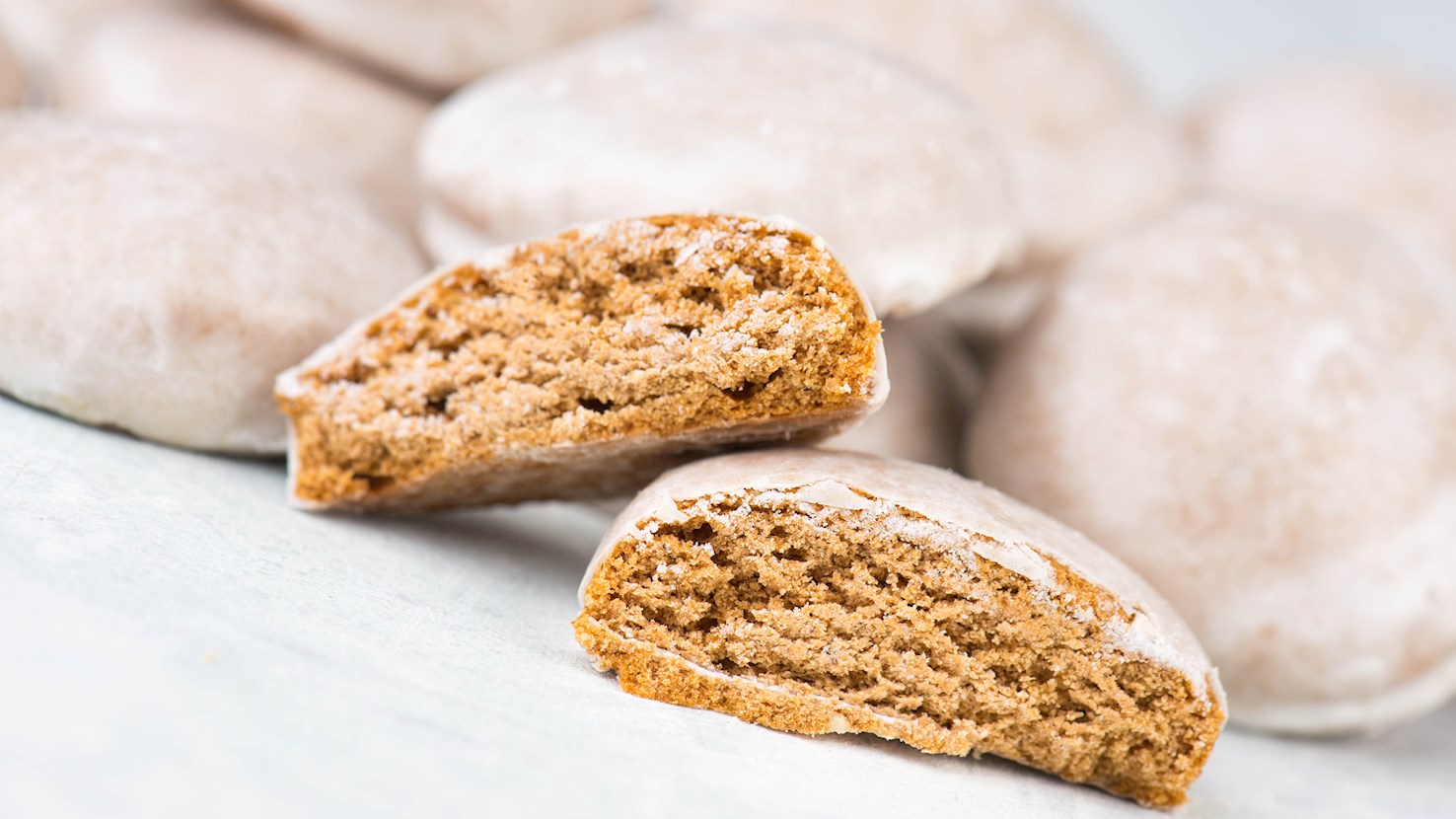
Pfeffernuss is a spiced German Christmas cookie. Although there is no set recipe and the variations appear throughout the country, the dough is usually heavily spiced with several spices. The list typically includes white pepper, which gives the cookie its name, cinnamon, cardamom, anise, cloves, allspice, ground ginger, and nutmeg. Sometimes, they are made with a gingerbread spice blend known as lebkuchengewürz, while some variations also use orange or lemon zest. These cookies are a Christmas staple, mostly prepared and enjoyed throughout the Christmas period. They are typically round and often dusted in sugar or covered in icing glaze. They share many similarities with Danish (pebernødder) and Dutch (pepernoten) pepper cookies.

08

Aachener Printen

3.4 ·

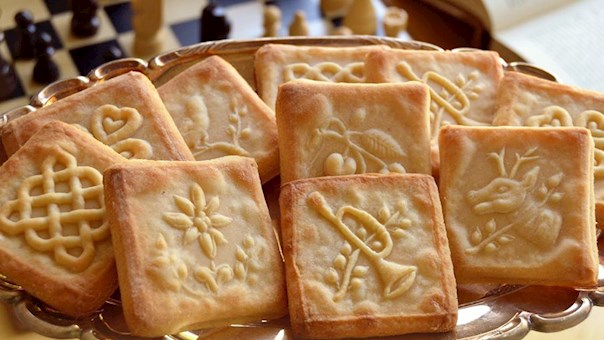
This is a special variety of brown, firm gingerbread that has been baked in Aachen since the 1820s. The term printe refers to the use of carved wooden molds into which the dough is pressed during production. Having been regionally protected, the Aachener Printen may only be produced in Aachen and a few neighboring villages. The dough is made from flour, sugar, and exotic spices such as cinnamon, aniseed, or ginger, which impart a unique flavor to the gingerbread. Freshly baked Printen are always firm, but because many people prefer their pastries tender, they are also offered in a soft version. Experts swear that Printen taste the best if they are left for a few days to develop their full flavor.

09

Anispläzchen

3.1 ·

Anispläzchen are traditional German Christmas cookies. As the name suggests, the cookies are flavored with aniseed, and may optionally incorporate cinnamon. Although other ingredients include only eggs, sugar, and flour, the unique technique in which the batter is left to partially dry before baking gives these cookies a light and crispy top layer while the center remains chewy and moist. The cookies are usually baked and enjoyed for Christmas.

10

Springerle

2.8 ·

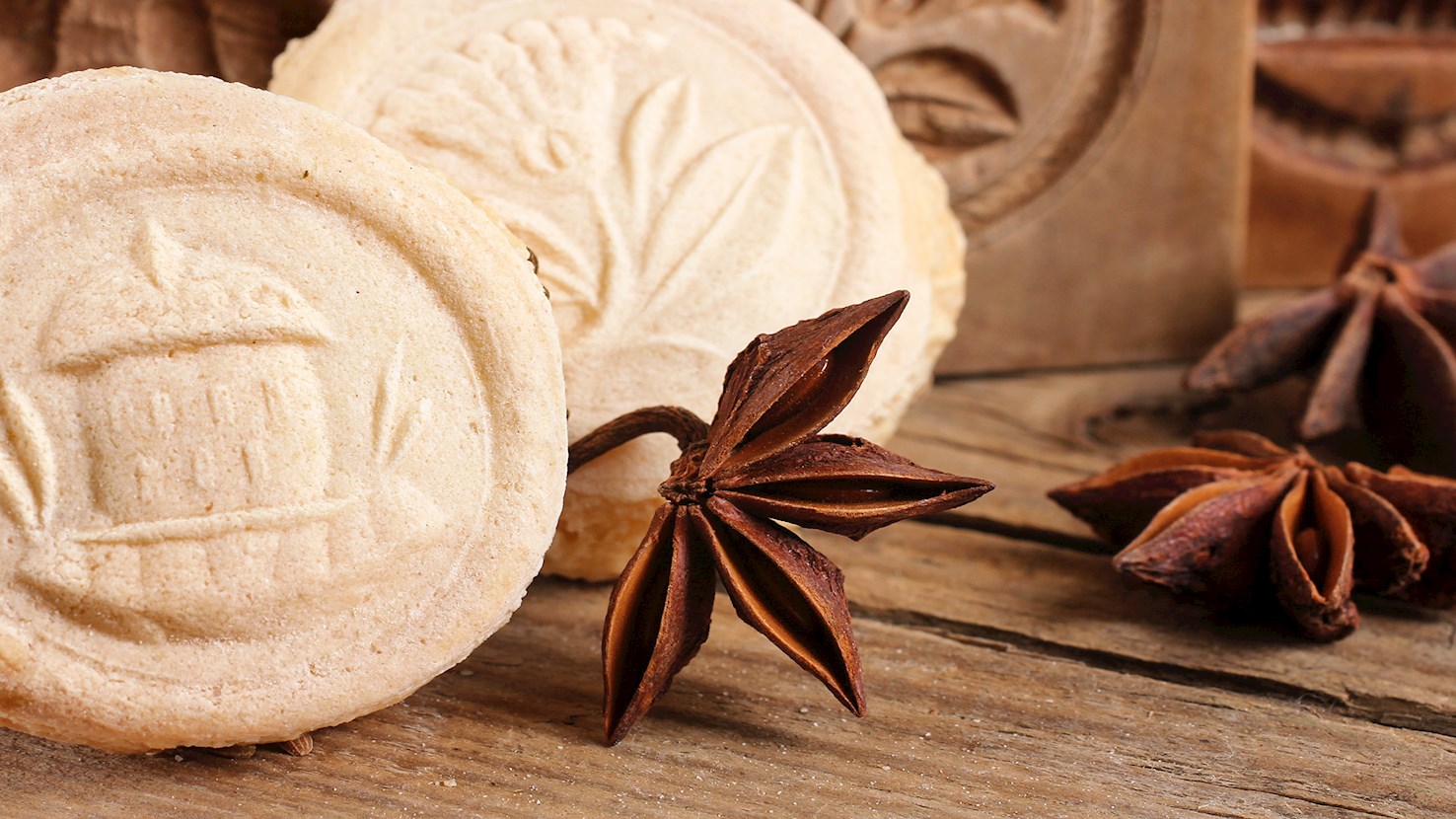
Also known as little jumper or little knight, springerle is an anise-flavored biscuit made from wheat flour, eggs, and powdered sugar. In the past, the dough used to be leavened with hartshorn salt, but modern day recipes typically use baking powder. The designs and images on top are made with flat molds, presses, and boards, or specially crafted wooden rolling pins. The origin of these biscuits can be traced back to southwestern Germany and the 14th century. The oldest mold for springerle comes from Switzerland, and it was also made in the 14th century.

Read more
View all
View map
About this ranking

TasteAtlas food rankings are based on the ratings of the TasteAtlas audience, with a series of mechanisms that recognize real users and that ignore bot, nationalist or local patriotic ratings, and give additional value to the ratings of users that the system recognizes as knowledgeable. For the “Top 15 German Cookies” list until July 15, 2026, 810 ratings were recorded, of which 707 were recognized by the system as legitimate. TasteAtlas Rankings should not be seen as the final global conclusion about food. Their purpose is to promote excellent local foods, instill pride in traditional dishes, and arouse curiosity about dishes you haven’t tried.

The initial list of top producers was compiled based on available reviews, awards, local recommendations, media and blog coverage, and consumer reviews. The list will be updated with ratings from TasteAtlas local ambassadors and TasteAtlas users.

Similar lists