shutterstock

Top 12 European Creams

Last updated on July 08, 2026

Best European Creams
01

Green Pastures

5.0 ·

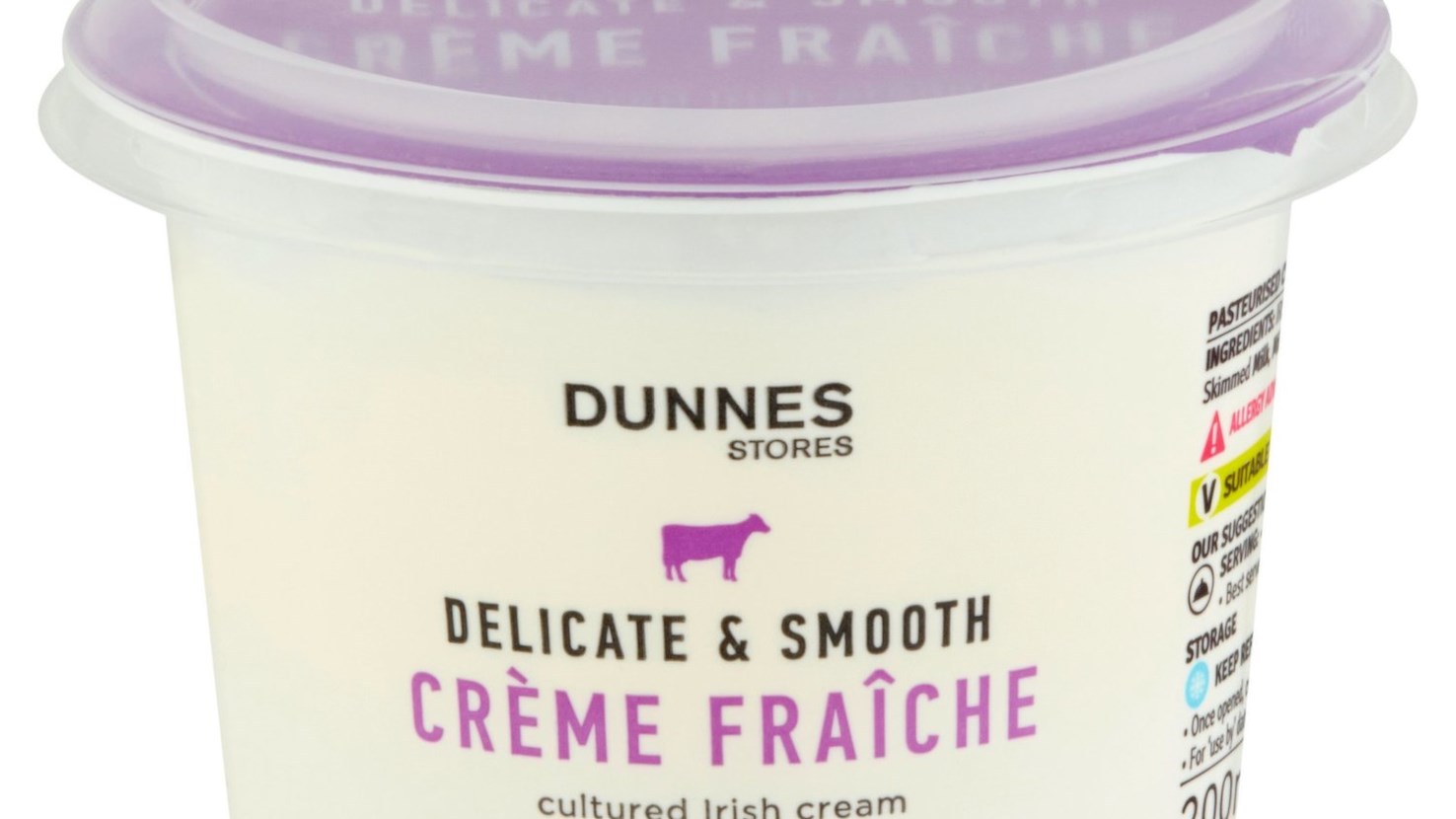
Green Pastures (Donegal) is a family-run dairy business located in County Donegal, Ireland, which specializes in producing a variety of cheese products. Their offerings include soft cheeses tailored for the food service industry as well as retail markets.

The company places an emphasis on using local milk to create their cheeses, highlighting the importance of sustainability and supporting the regional farming community. Green Pastures (Donegal) also plays a role in the local economy by providing employment opportunities in the area.

Awards
Great Taste Awards - 3 Stars (2024, 2022)
World Cheese Awards - Gold (2023)
02

Irish Yogurts Clonakilty

4.8 ·

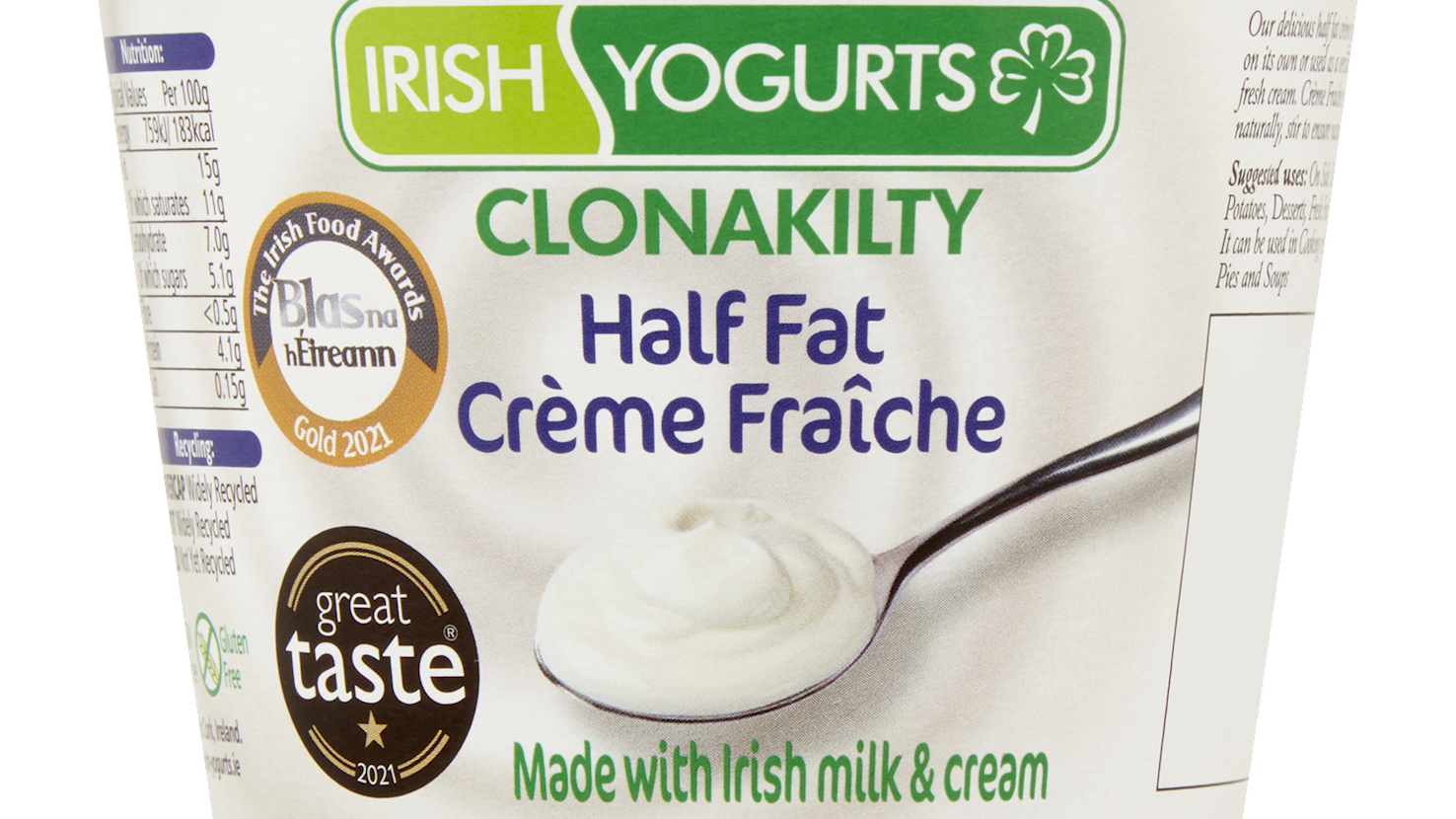
Irish Yogurts Clonakilty is a dairy producer based in Clonakilty, Ireland. The company manufactures a variety of dairy products including stirred and set yogurt, Greek-style yogurt, and crème fraîche.

They source their milk from local Irish farms and emphasize traditional methods in their production processes. Additionally, the company has received recognition for its quality standards and sustainability practices.

Awards
Great Taste Awards - 3 Stars (2023)
Great Taste Awards - 2 Stars (2024)
03

Isigny Sainte-Mère

4.8 ·

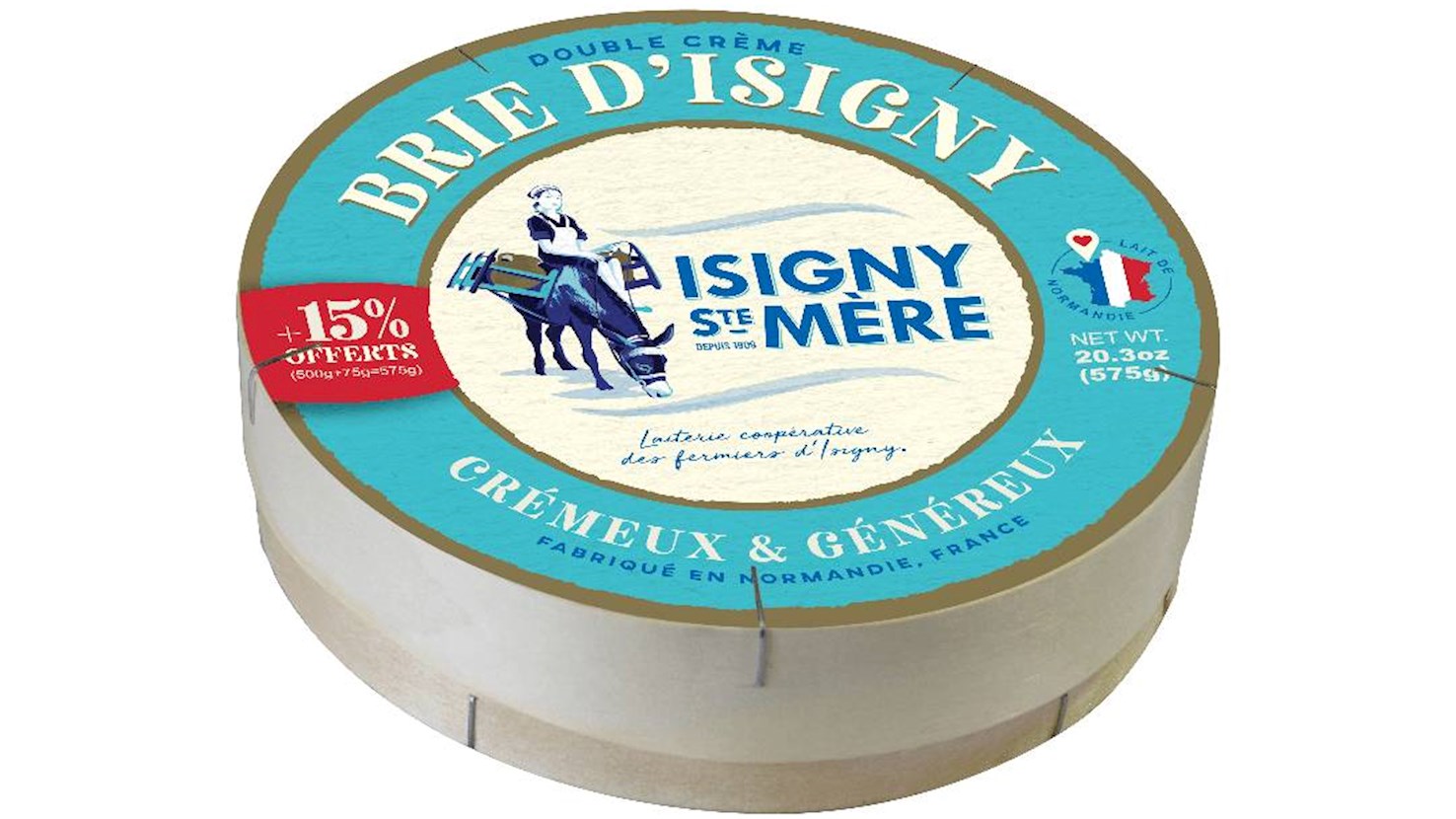
Isigny Sainte-Mère is a renowned dairy cooperative located in the heart of Normandy, France, known for producing premium dairy products with Protected Designation of Origin (PDO) status. The cooperative brings together over 300 local milk producers who, using traditional methods and the highest quality standards, create authentic French delicacies. Isigny Sainte-Mère blends tradition and innovation - their products are made following time-honored recipes, yet processed in modern facilities that meet strict sanitary and environmental regulations.

The cooperative not only preserves Normandy’s rich dairy heritage but also promotes sustainable practices, respect for nature, and animal welfare. Isigny Sainte-Mère enjoys an international reputation and exports its products to more than 50 countries worldwide, all while remaining deeply rooted in its local community.

Awards
Concours International de Lyon - Gold (2025)
Great Taste Awards - 3 Stars (2024)
04

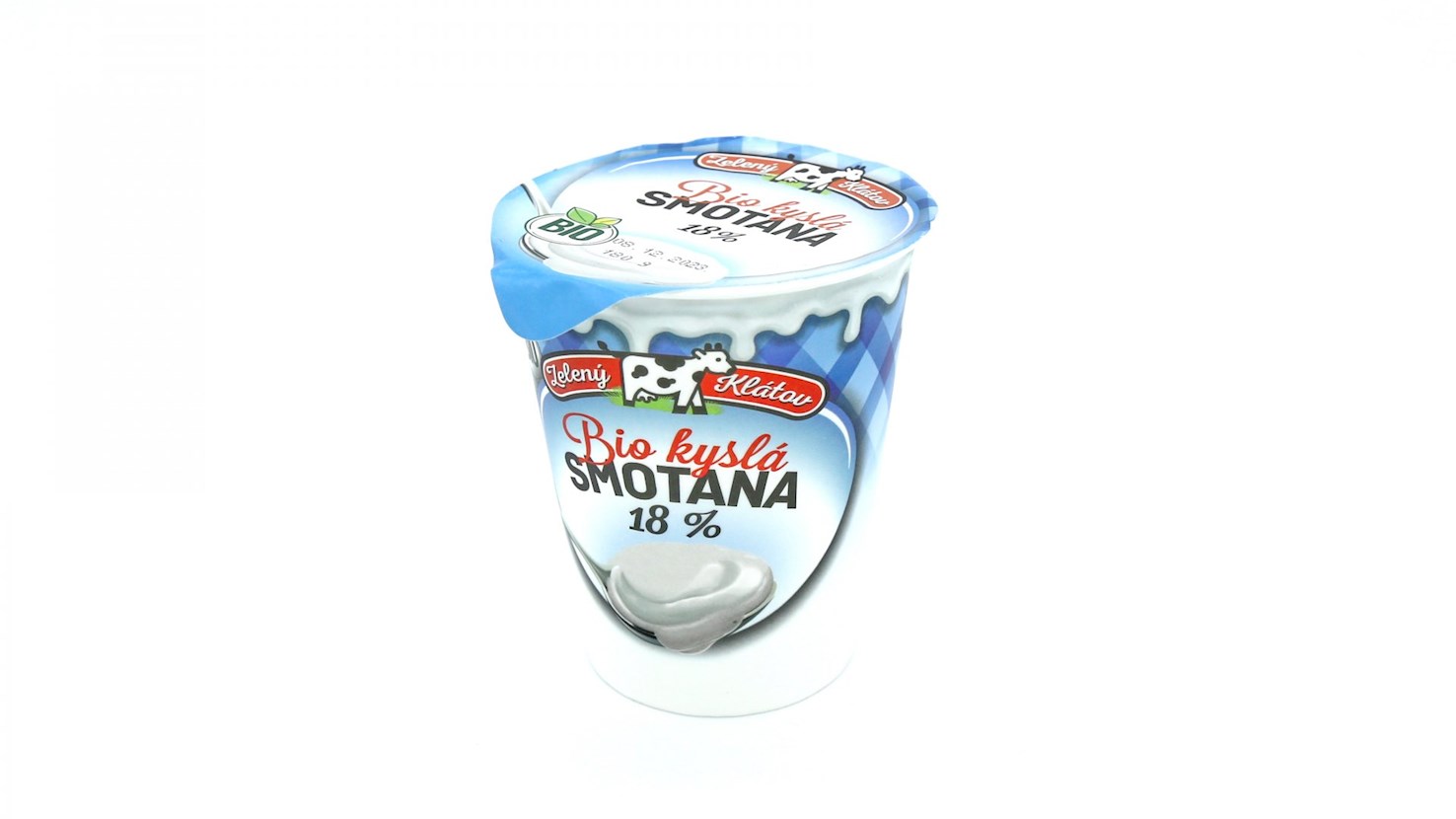
Zelený Klátov

4.7 ·

Zelený Klátov is a cheese producer located in Slovakia, known for using traditional methods to create a variety of sheep and cow milk cheeses. They specialize in producing bryndza, a soft sheep milk cheese that is a key component of Slovak national dishes like bryndzové halušky.

The company operates in the region of Klátov, near Košice, focusing on artisanal production techniques that highlight the natural characteristics of the region's dairy products.

Awards
World Cheese Awards - Gold (2023)
Great Taste Awards - 2 Stars (2023)
05

Laiterie Rians

4.5 ·

Laiterie Rians focuses on traditional methods and sustainable agriculture practices, emphasizing organic production. Rians offers a range of cheeses, including well-known varieties such as Camembert and Brie, as well as unique offerings that highlight regional flavors.

Their products are often characterized by creamy textures and rich flavors, appealing to both local and international markets.

Awards
Concours International de Lyon - Gold (2025)
World Cheese Awards - Gold (2022)
06

Coombe Castle International

4.5 ·

Coombe Castle International specializes in exporting British and Irish dairy products. The company offers a diverse range of cheeses, including traditional Cheddar, Stilton, and innovative blends incorporating fruits and spices.

Coombe Castle serves markets worldwide, adapting British cheese offerings to suit various international tastes and preferences.

Awards
Global Cheese Awards - Best (2019, 2018)
International Cheese & Dairy Awards - Gold (2024)
07

La Ferme de l'Isle

4.5 ·
Awards
Concours International de Lyon - Gold (2025)
08

Bidlea Dairy

4.5 ·
Awards
International Cheese & Dairy Awards - Gold (2024)
09

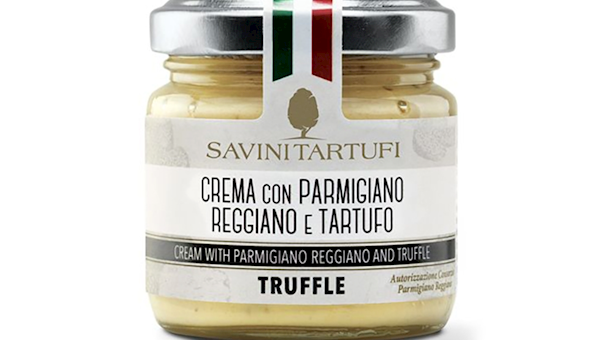
Savini Tartufi

4.5 ·

Savini Tartufi is an Italian truffle company based in Forcoli, near Pisa, in Tuscany. The Savini family has been connected with truffle hunting since 1920 and today represents four generations of experience in the sector.

Its story began with Zelindo Savini, who collected and traded white truffles in the woods around the Villa Saletta estate near Palaia. Over time, the family developed from local truffle hunters into a specialized producer of fresh truffles, preserved truffle products, sauces, condiments, pasta, rice, oils, spreads and gourmet specialties.

The company emphasizes respect for nature, since truffles depend on healthy woodland ecosystems, especially areas with oaks, poplars and hazelnut trees. Savini Tartufi also offers truffle hunting experiences and an academy, connecting its products with the Tuscan landscape and traditional knowledge behind truffle searching.

Its range combines fresh seasonal truffles with more accessible preserved products intended for home cooking, restaurants and gift assortments. Today, Savini Tartufi is presented as a Made in Italy brand rooted in family tradition, artisanal expertise and the truffle culture of the Tuscan countryside.

10

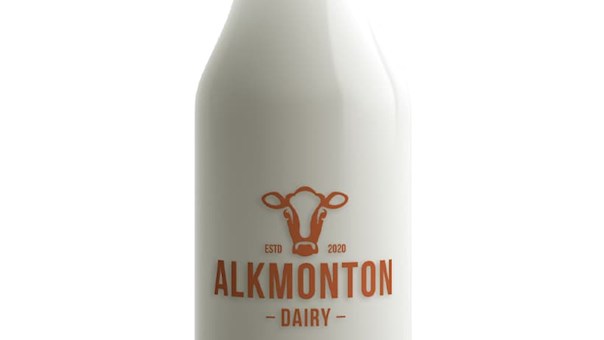
Alkmonton Dairy (pm & L Harris & Son)

4.5 ·

Alkmonton Dairy, operated by PM & L Harris & Son, is a family-owned dairy farm located in Alkmonton, Derbyshire, England. The dairy specializes in producing cream and other dairy products sourced from their own herd of cows.

Their products are known for being locally produced and traditionally made.

Awards
Great Taste Awards - 2 Stars (2021)

Best European Cream Types
01

Devonshire clotted cream

4.3 ·

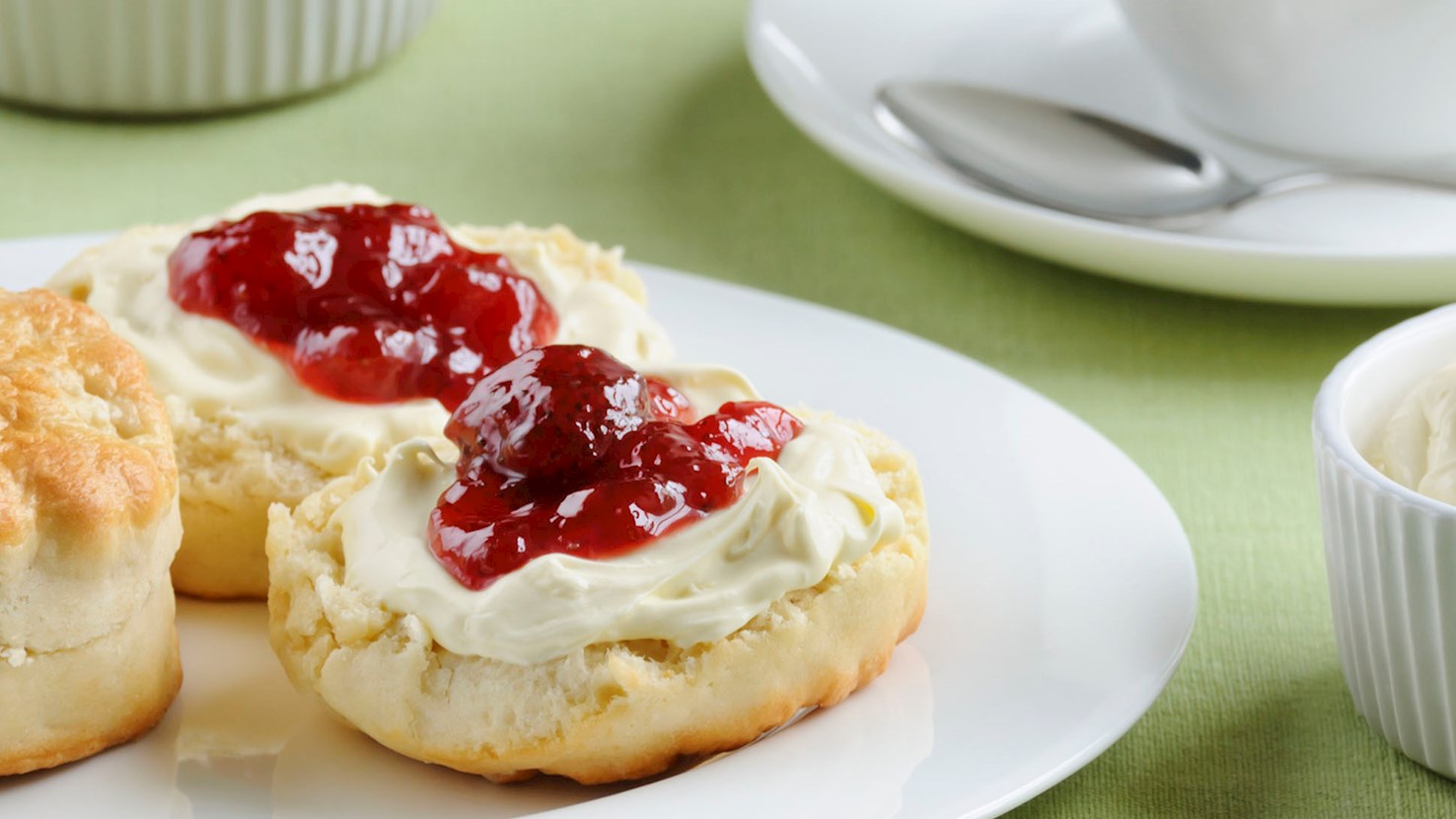
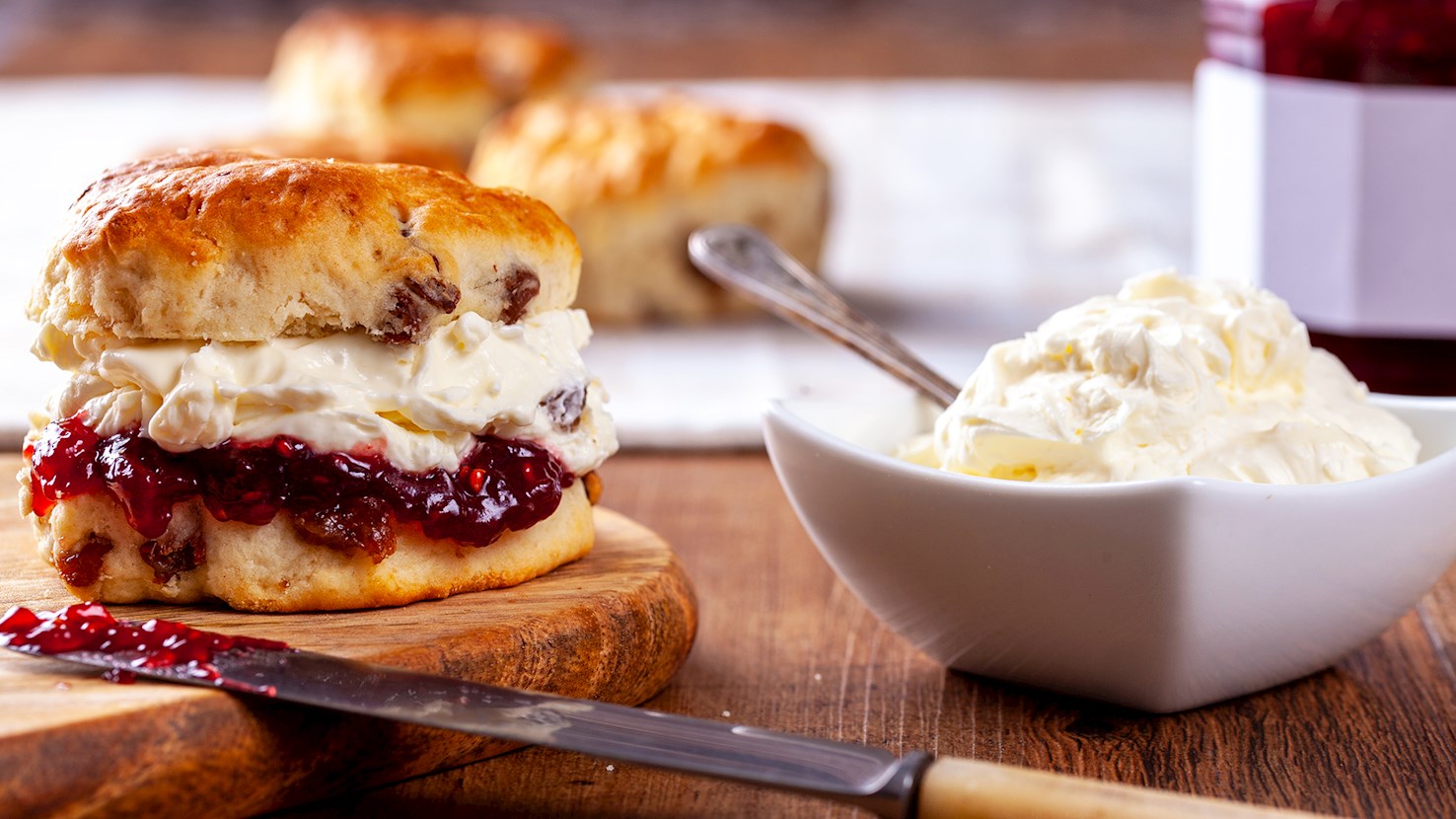
Devonshire clotted cream is a traditional thick cream characterized by its high butterfat content (64%). Clotted cream has been a staple of both Devon and Cornwall for a long time, and it's been a cause for friendly rivalry for as long as anyone can remember. The product is nowadays made with centrifuges, but in the past full-fat raw cow's milk or cream was first heated in shallow pans, and it was then moved to a cool place so that the thin skimmed milk can sink underneath the thick cream. The watery milk was removed, and the rest was layered in pots, creating clotted cream in the process. In Devon, clotted cream is first spread on a scone, followed by jam, and in Cornwall, the scones are first spread with the jam, then clotted cream.

02

Cornish clotted cream

4.1 ·

This unique cream is made from high fat cows' milk from Cornwall that has been heat-treated, providing a nutty flavor and an uneven, thick and thin texture. There is a golden crust on the surface which acts as a protective seal for the cream underneath it. The cream's color varies between creamy white and golden yellow due to the high levels of carotene in the pastures. It is best knows as an accompaniment to scones and strawberry jam, but it can also be used as a topping for desserts or fruit.

03

Crème fraîche

4.0 ·

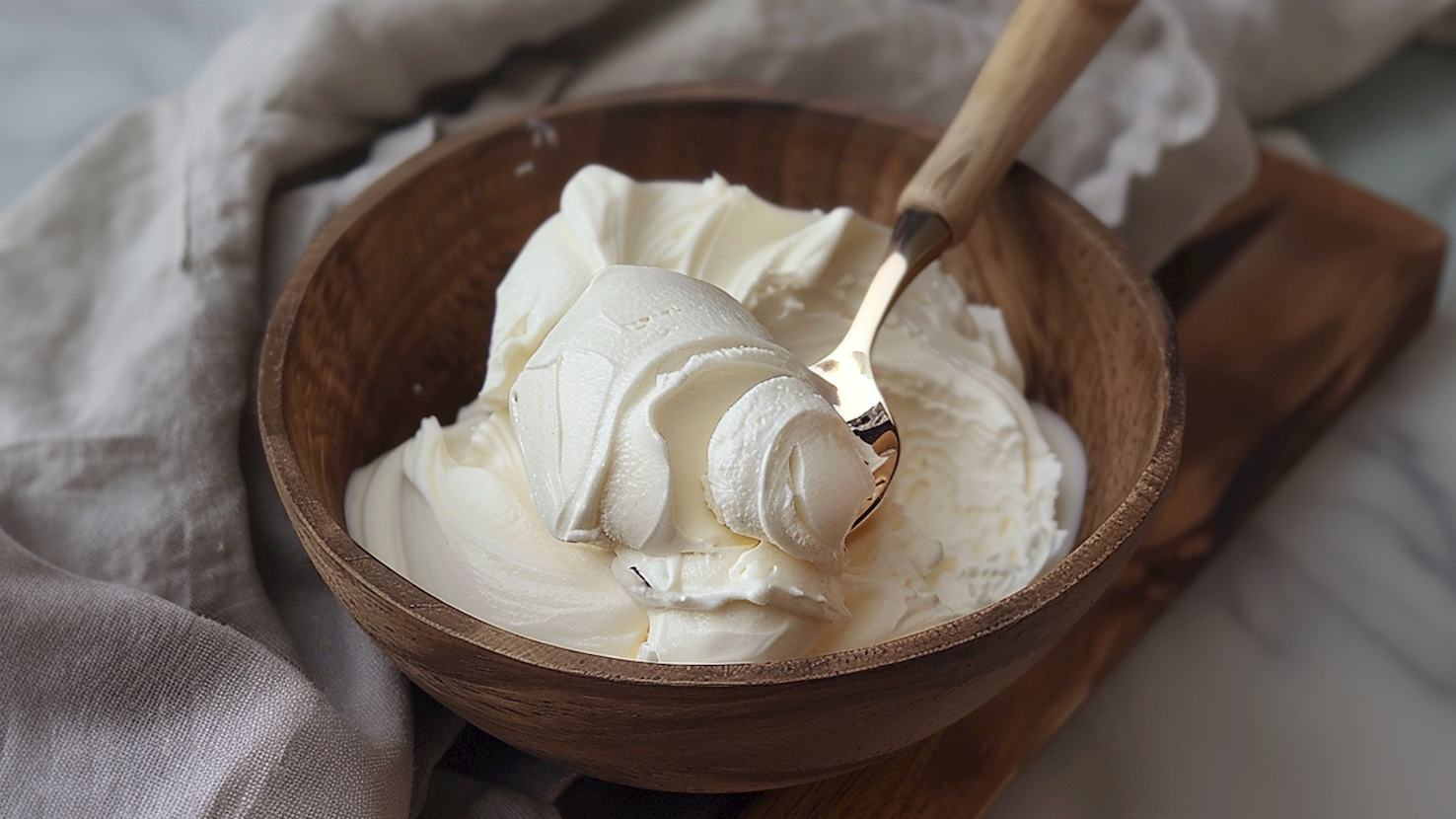
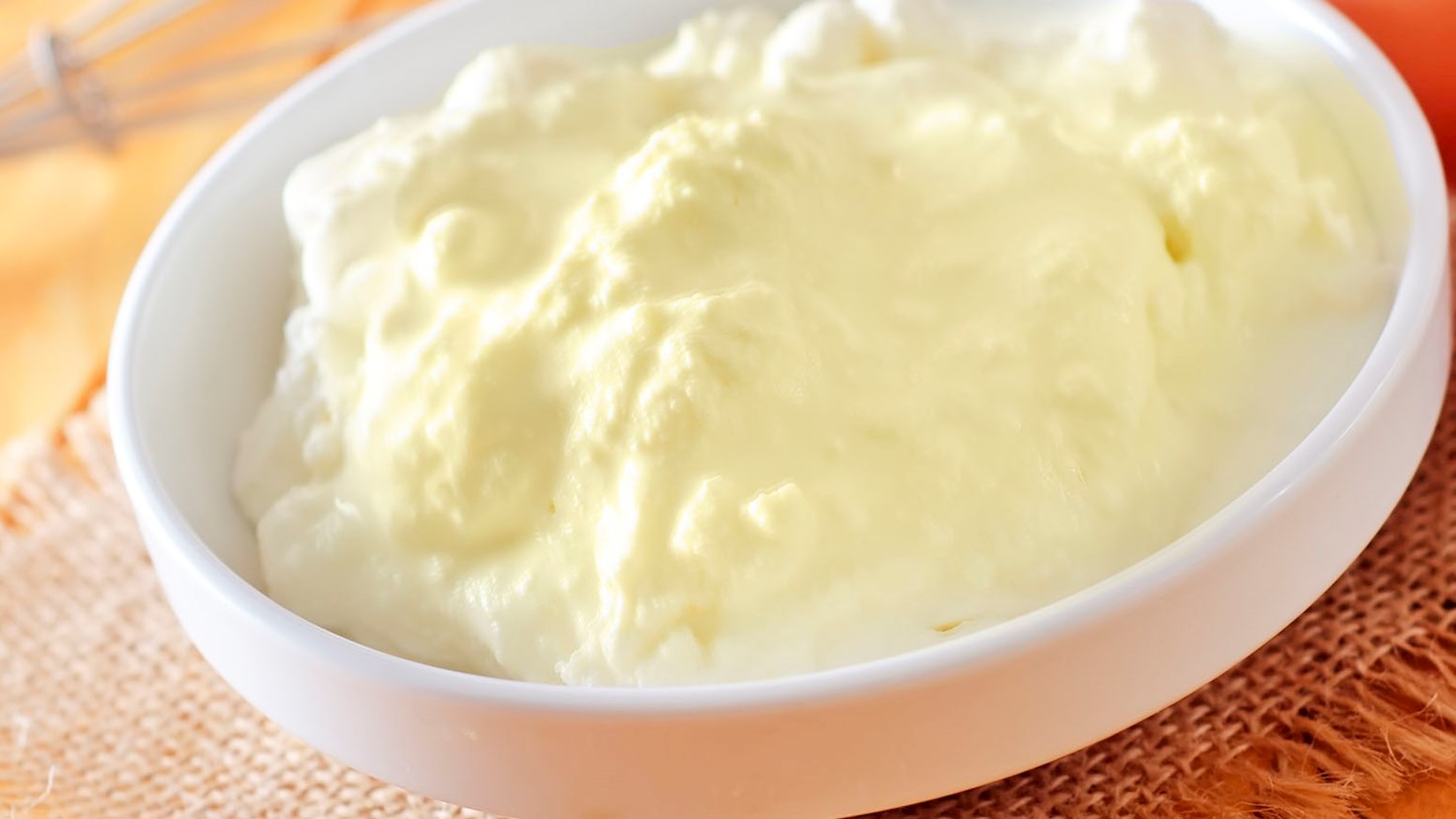
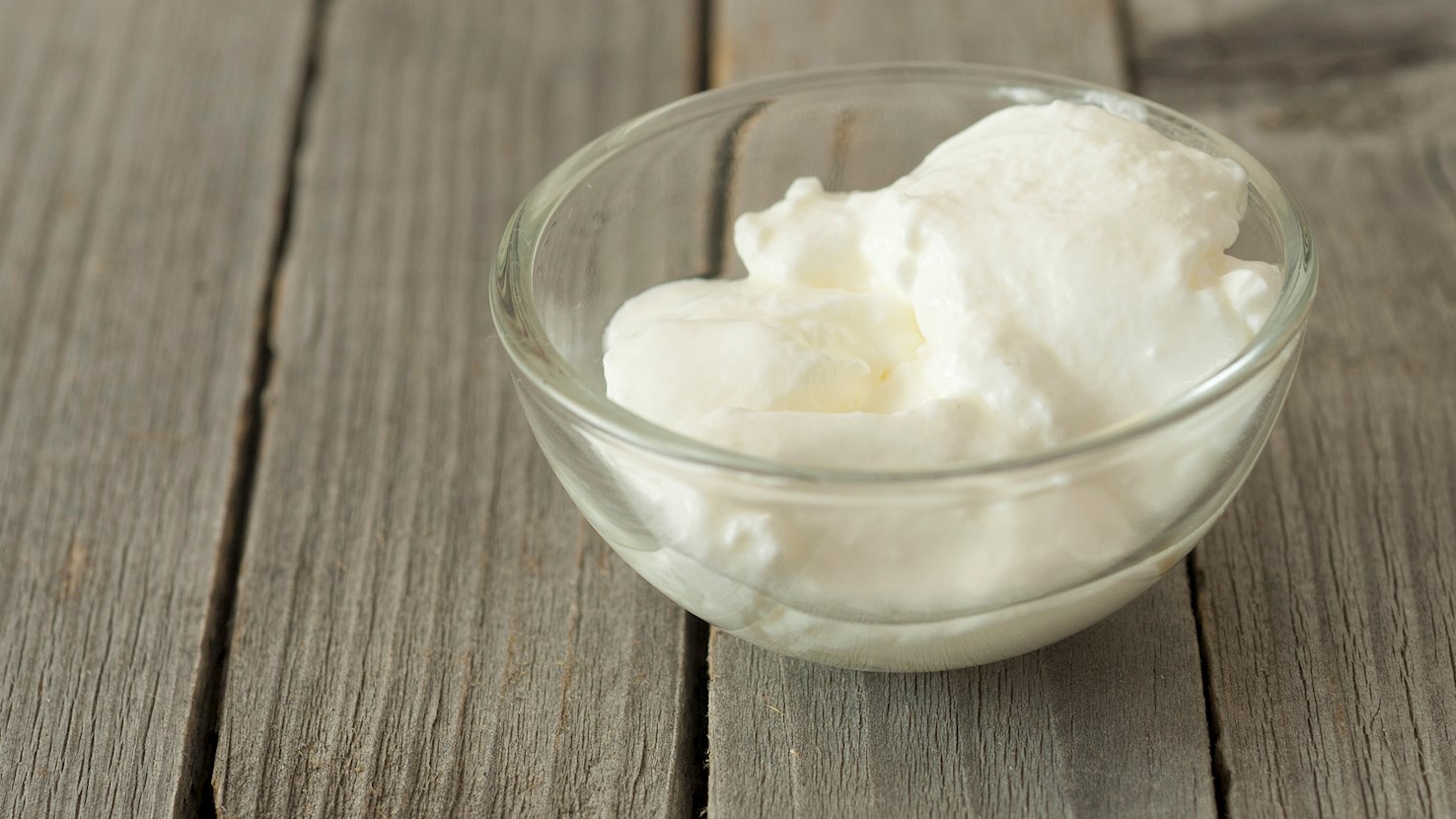
Crème fraîche is a traditional cream with the addition of lactic bacteria starter, thickening the cream in the process and giving it a slightly sharp flavor that's not sour. It originated in the regions of Normandy, Franche-Comté, Alsace, and the northern Loire. This product is usually left to ferment for up to 20 hours, and it's pasteurized. Regarding the fat content, it varies from one product to another, and there is also a liquid version that's barely fermented. Crème fraîche is often used with baked goods, sauces, and soups, but it's also regularly served over fruit and used in the preparation of desserts.

04

Žemaitiškas kastinys

4.0 ·

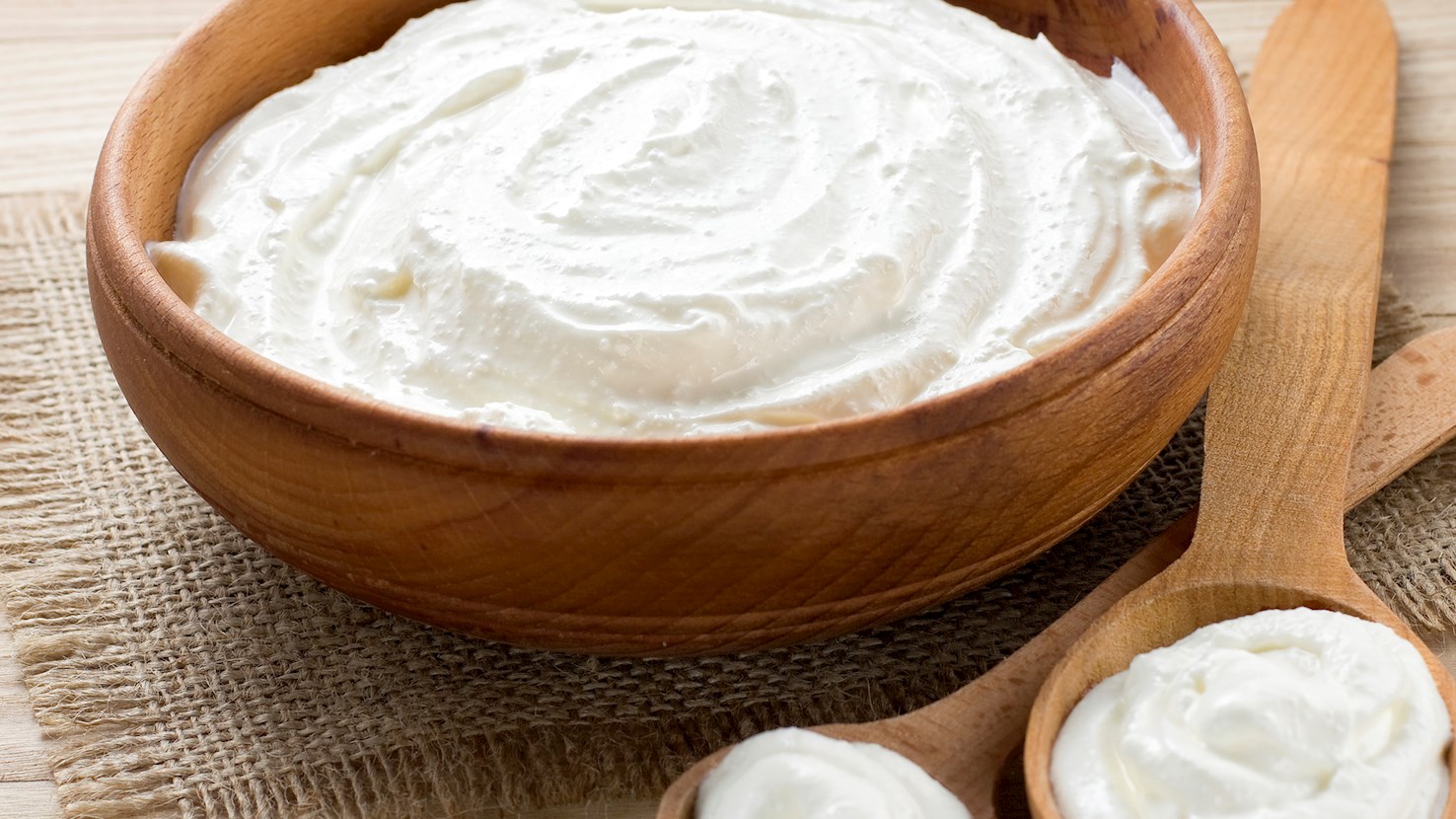
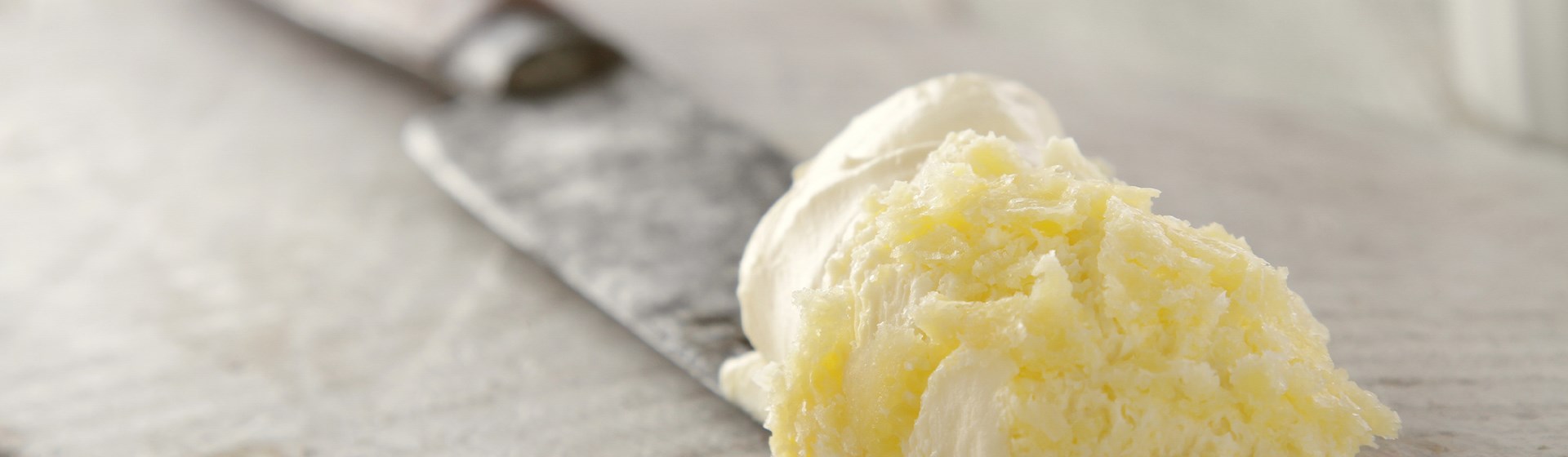
Žemaitiškas kastinys is a traditionally made sour cream product which is produced throughout Lithuania and well known in the Žemaitija region in western Lithuania. Sour cream and butter are heated, stirred with circular hand movements and cooled until the final product develops a thick texture that melts in the mouth. Kastinys is yellow and has a mild, delicate, acidic, slightly salty and sour taste. Additionally, various herbs and spices can be added to the mixture, such as black pepper, caraway, dill, garlic, onion or allspice. It is perfect with a variety of hot dishes like pasta, dumplings and potatoes, and when melted, it becomes a flavorsome, savory sauce.

05

Clotted cream

4.0 ·

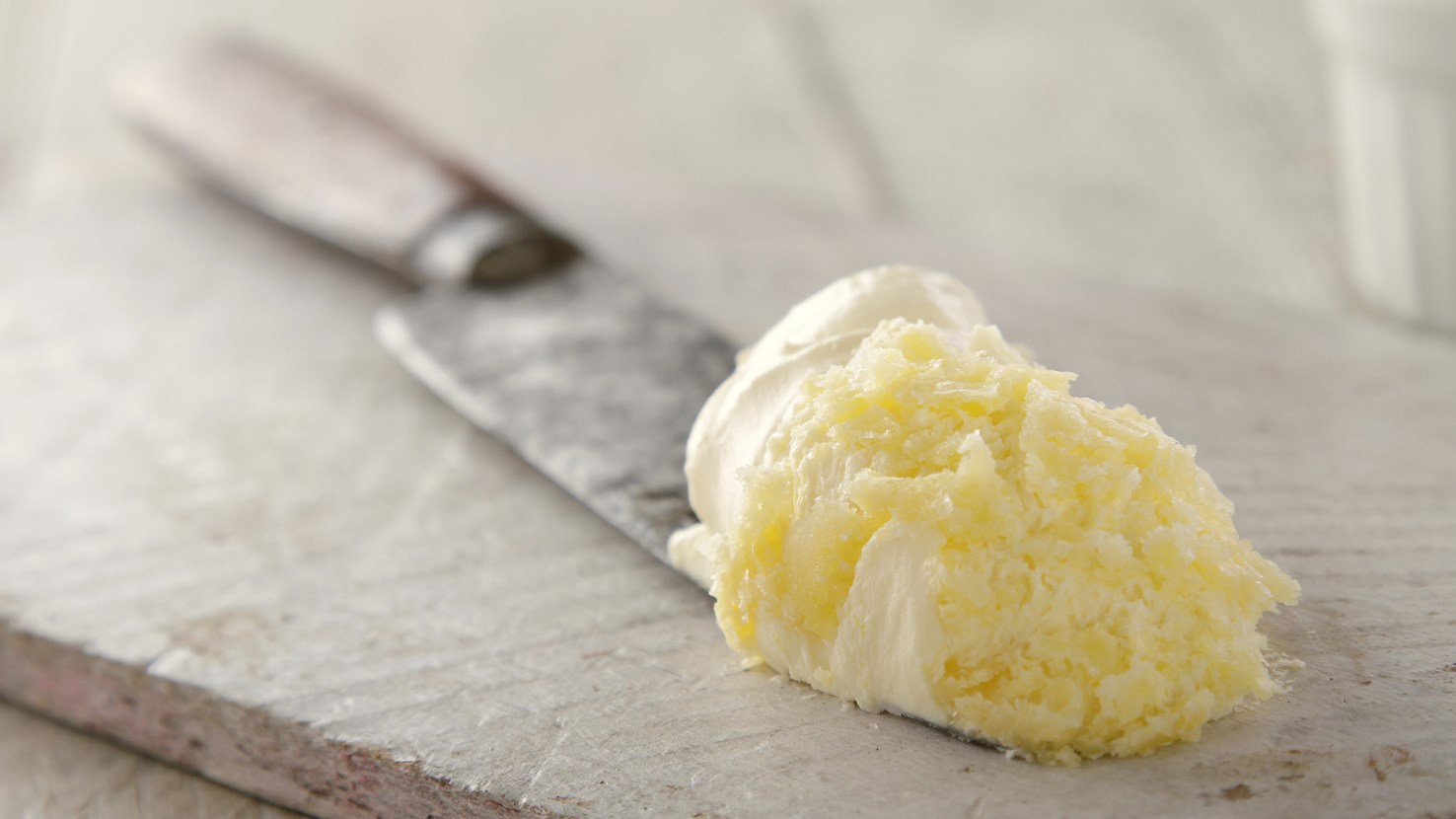
Clotted cream is a traditional thick cream that's characterized by a much higher butterfat content (64%) than in heavy cream (48%). It has been a staple in Cornwall and Devon for a long time, and it's believed that the clotted cream was brought to England 2000 years ago by Phoenician settlers, who made it as a way of preserving buffalo milk. Although the process of making clotted cream is nowadays done with centrifuges, in the past, it was made by heating full-fat raw cow's milk or cream in shallow pans, and once the nutty and buttery crust has formed on top, it was moved to a cool place in order for the thin skimmed milk to quickly sink and make a layer underneath the thick cream. Once fully cooled, it was mixed in wet and cold wooden bowls to remove the watery milk, and the rest was layered in pots. Clotted cream is often used to make biscuits and ice cream or enrich soups and sauces. Depending on where it was produced, it's called Devon clotted cream or Cornish clotted cream, and it's typically sold in jars. In Devon, it's usually spread on a scone, then topped with jam, and in Cornwall, the scones are first spread with jam, then clotted cream.

06

Creme d'Isigny

n/a ·

Isigny Creme Fraiche has rich yellow fat and is made in the Veys Bay area in Manche and Calvados regions in France. The cream is pasteurized after the milk is skimmed, and additives such as coloring agents and antioxidants are strictly forbidden in the production process. Due to the great climactic conditions and lush pastures of the Veys Bay area, Isigny cream has unique organoleptic features. It is also the only French cream with a protected status. The flavor of Creme d'Isigny is full, nutty and rich, and the texture is smooth. It is traditionally sold in glass jars in France, but it can also be sold in plastic containers or bowls. The cream is mostly used in cooking and making velvety sauces, but it is also a great topping for baked goods and fruit.

07

Crème fraîche d'Isigny

n/a ·

Crème fraîche d'Isigny is a high-quality, thick cream from the Isigny-sur-Mer region in Normandy, France. This area is renowned for its rich dairy products due to the lush pastures and temperate climate, which contribute to the superior quality of the milk produced there. Crème fraîche d'Isigny has been granted Protected Designation of Origin (PDO) status, ensuring that it is made in a specific geographic area using traditional methods. This status guarantees the cream's authenticity and quality. It typically has a fat content of around 40%, giving it a rich, velvety texture and a luxurious mouthfeel. The cream is slightly fermented, providing a tangy, nutty flavor that distinguishes it from other types of cream. It is highly versatile in culinary applications, suitable for both sweet and savory dishes, such as sauces, soups, desserts, and as a topping for fruits or pastries. Notably, it does not curdle when heated, making it ideal for cooking.

08

Créme fraîche fluide d'Alsace

n/a ·

Créme fraîche fluide d'Alsace is a liquid, white-colored cream made from pasteurized skimmed milk with no additions whatsoever, produced in the Alsace region in France. Its color is unique because it is much whiter than other creams. The milk is high in fat content, and the fat itself is low in unsaturated fatty acids because of the way the cows are reared in the region. Due to its high quality, créme fraiche is popular in many restaurants led by starred chefs and is used in many regional recipes. It can be used to complement either sweet or savory dishes, and its delicate flavor is that of fresh milk. In cooking, it is used to finish sauces or to make high-quality whipped cream.

09

Créme de Bresse

n/a ·

Créme de Bresse is a fine, smooth cream with a thick or semi-thick texture made in the regions of Ain, Jura and Saône-et-Loire in France. What is unique about the cream is its taste - slightly acidic and buttery with notes of cooked milk, vanilla and sweet biscuits. Because of the strict quality controls, the raw, full-fat milk must be skimmed within of 36 hours of milking. Its unique taste comes from the fact that the cows graze on pastures with the best grass and feed on the locally produced corn. As there are two types of cream, semi-thick is used in slow-cooked dishes such as potato gratins and pastries since it is highly heat-resistant, while the thick one is used as it is, as a topping for fruits or paired with cheese.

Best producers
10

Crème de Gruyère (Gruyère cream)

n/a ·

Crème de Gruyère, is a rich, thick dairy product from the Swiss canton of Fribourg, known for its luxurious texture and high fat content (at least 45%, often reaching 50%). Traditionally, cream naturally rises to the surface of fresh milk and is skimmed off by hand, a method still practiced in mountain pastures. In modern cheese dairies, centrifugal separation extracts the cream mechanically, followed by standardization to adjust fat levels. The cream is then either pasteurized (heated to 75°C for 20-30 seconds) or UHT-treated (135-150°C for 2-6 seconds) to extend shelf life. UHT cream lacks the traditional thickness due to the absence of fat crystallization, often requiring thickeners. Historically, Gruyère’s dairy tradition dates back to at least the 13th century, though records specifically praising its cream emerge in the 19th century. As Gruyère cheese production involved skimming milk, its excess cream became a valuable product. Swiss chef Joseph Favre ranked Alpine cream among Europe's finest, alongside Normandy and Alsace varieties. Over time, the Fribourg dairy economy flourished, leading to widespread cream production, reinforced by genetic improvements in dairy cows for richer milk. Gruyère double cream is deeply rooted in local cuisine, famously paired with meringues, a classic Swiss dessert. It is also served with traditional Bénichon festival pastries such as bricelets, anise bread, croquets, and doughnuts. Historically, herdsmen would leave cream and cheese at a priest’s door as a gesture of gratitude. Today, in Fribourg’s dairies, double cream is the default—when someone asks for cream, they are automatically served the richest variety, reflecting its enduring cultural and economic significance.

Read more
View all
View map
About this ranking

TasteAtlas food rankings are based on the ratings of the TasteAtlas audience, with a series of mechanisms that recognize real users and that ignore bot, nationalist or local patriotic ratings, and give additional value to the ratings of users that the system recognizes as knowledgeable. For the “Top 12 European Creams” list until July 08, 2026, 412 ratings were recorded, of which 357 were recognized by the system as legitimate. TasteAtlas Rankings should not be seen as the final global conclusion about food. Their purpose is to promote excellent local foods, instill pride in traditional dishes, and arouse curiosity about dishes you haven’t tried.

The initial list of top producers was compiled based on available reviews, awards, local recommendations, media and blog coverage, and consumer reviews. The list will be updated with ratings from TasteAtlas local ambassadors and TasteAtlas users.

Similar lists