shutterstock

Top 24 Southeastern European Cured Meats

Last updated on June 03, 2026

Best Southeastern European Cured Meat Types
01

Suho meso

4.4 ·

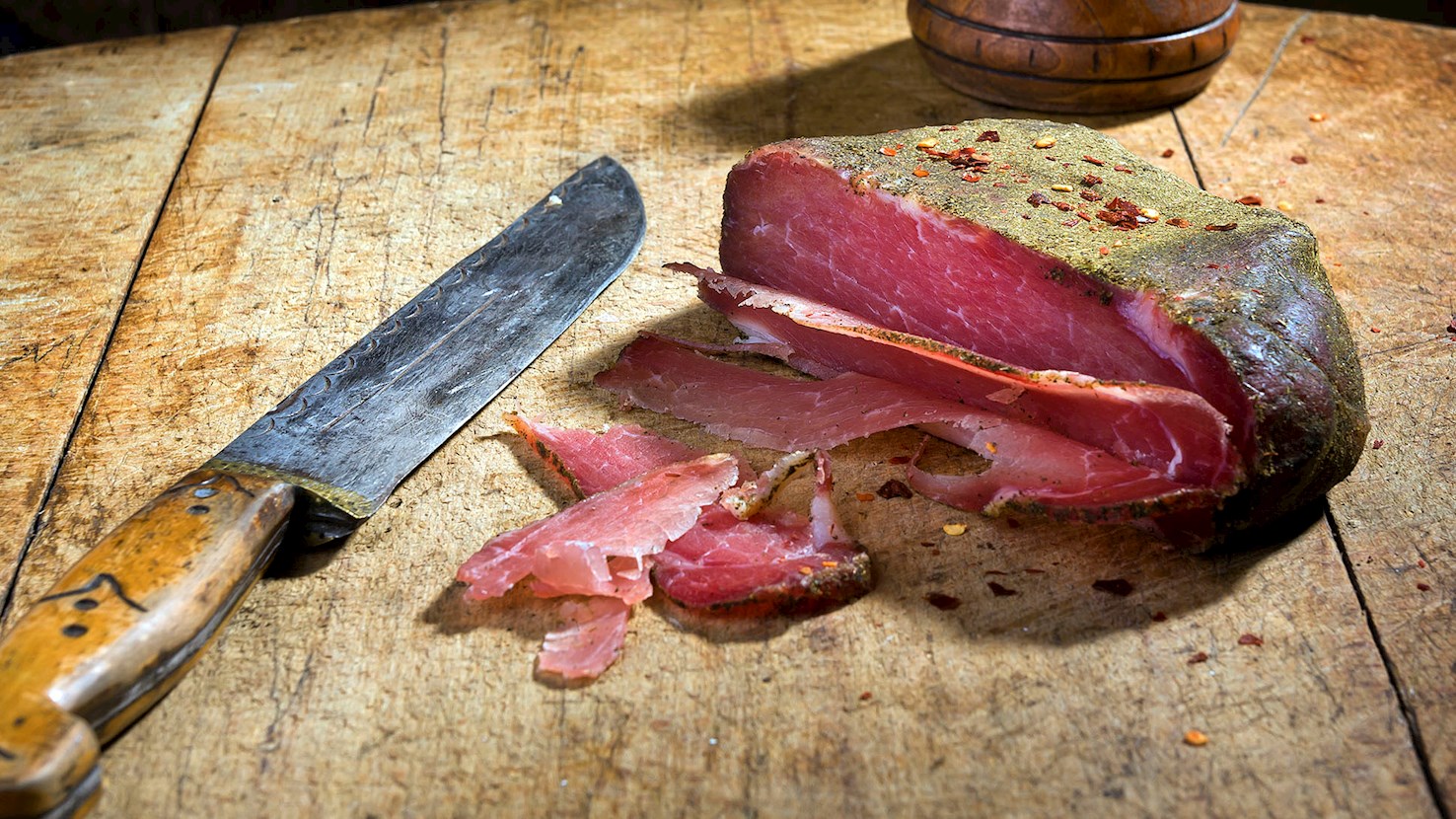
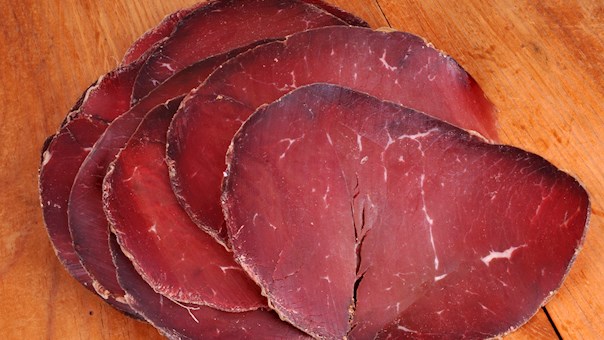
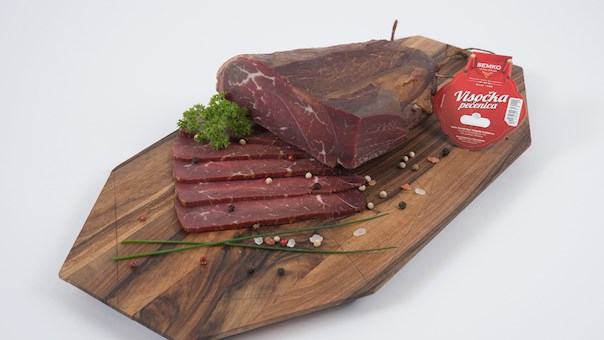
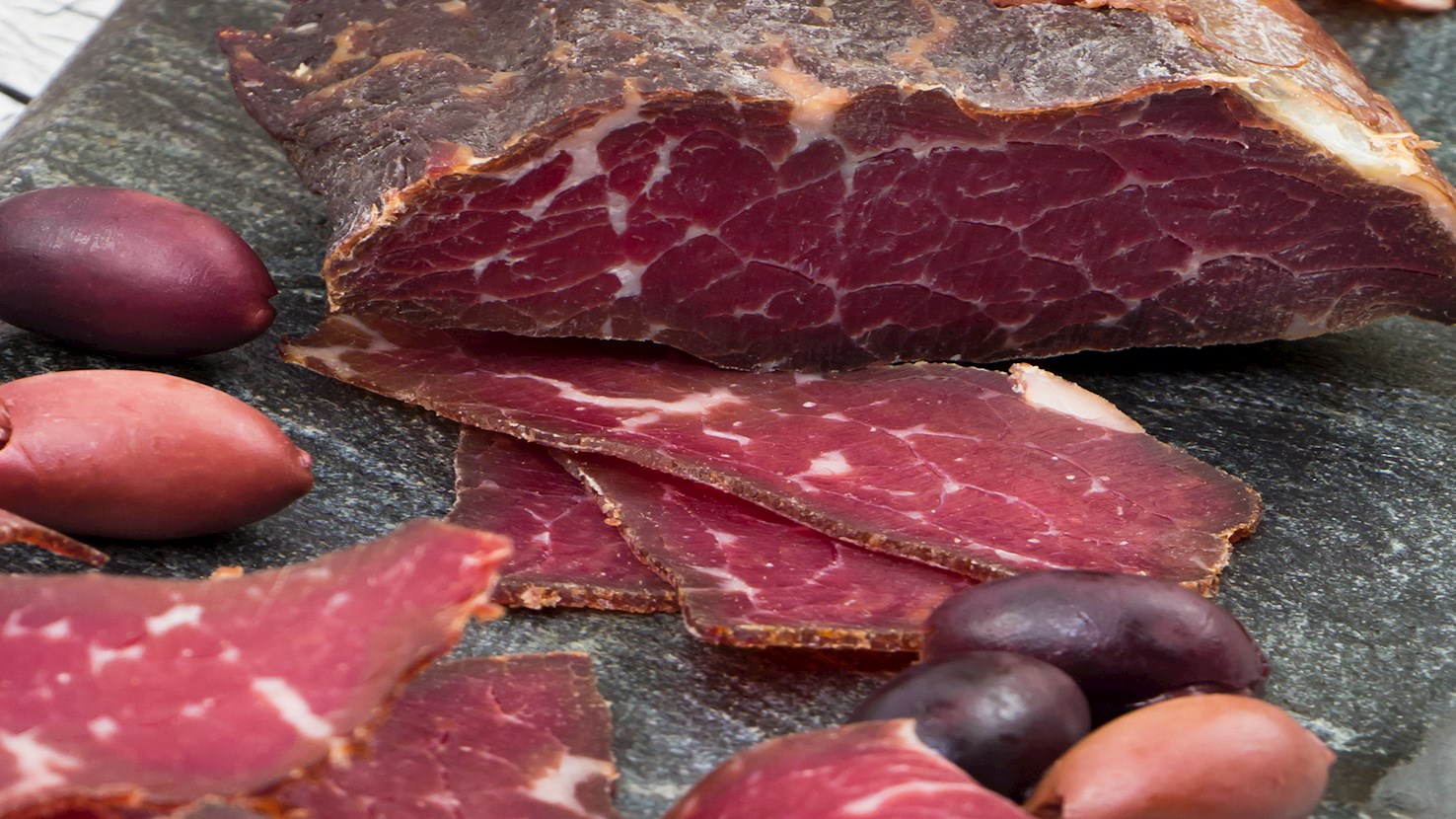
Suho meso is a Bosnian specialty made by salting, drying, and smoking beef over oak fire. The meat should not be too dry, and it takes a special set of skills and knowledge to make the dish properly. Since it takes special expertise to prepare suho meso, the methods are typically passed down from one generation to another. The meat is traditionally seasoned with garlic or pepper. Suho meso is so popular that it is a staple at most Bosnian feasts and celebrations.

02

Babic

4.4 ·

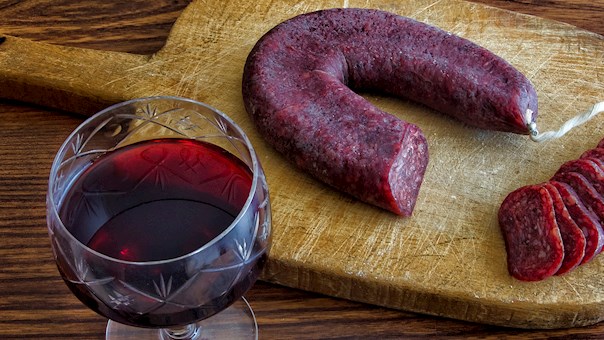
Babic is a traditional salami, a raw-dried sausage hailing from Buzău County. Although some versions contain mutton, this salami is typically made with a mixture of pork and beef that is seasoned with salt, sweet paprika, and hot paprika, then stuffed into thin beef casings, pressed, smoked, and dried during the cold winter months. With a spiciness that ranges from mild to intense, depending on the amount of hot paprika used in the preparation, this traditional salami is usually consumed as an appetizer, and it is typically washed down with Romanian plum brandy, red wine, or cold beer. Babic can also be used in various Romanian dishes such as vegetable soups, omelets, pilafs, or stews. The salami is believed to have Serbian origins, and it was supposedly introduced to Romania by Serbian settlers in the region, which is why this meat product is often dubbed Serbian babic or babic sârbesc.

03

Njeguška pršuta

4.4 ·

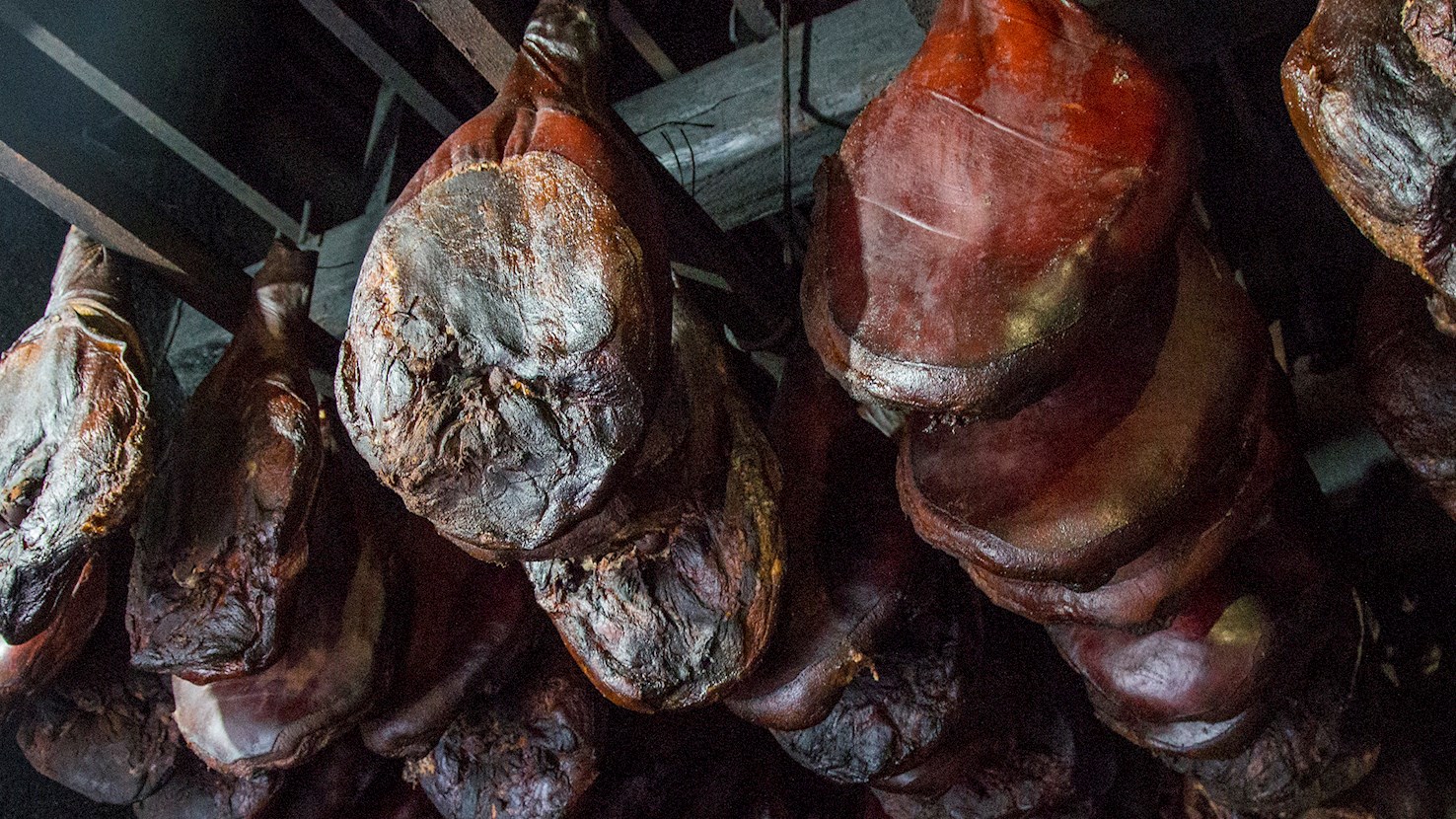
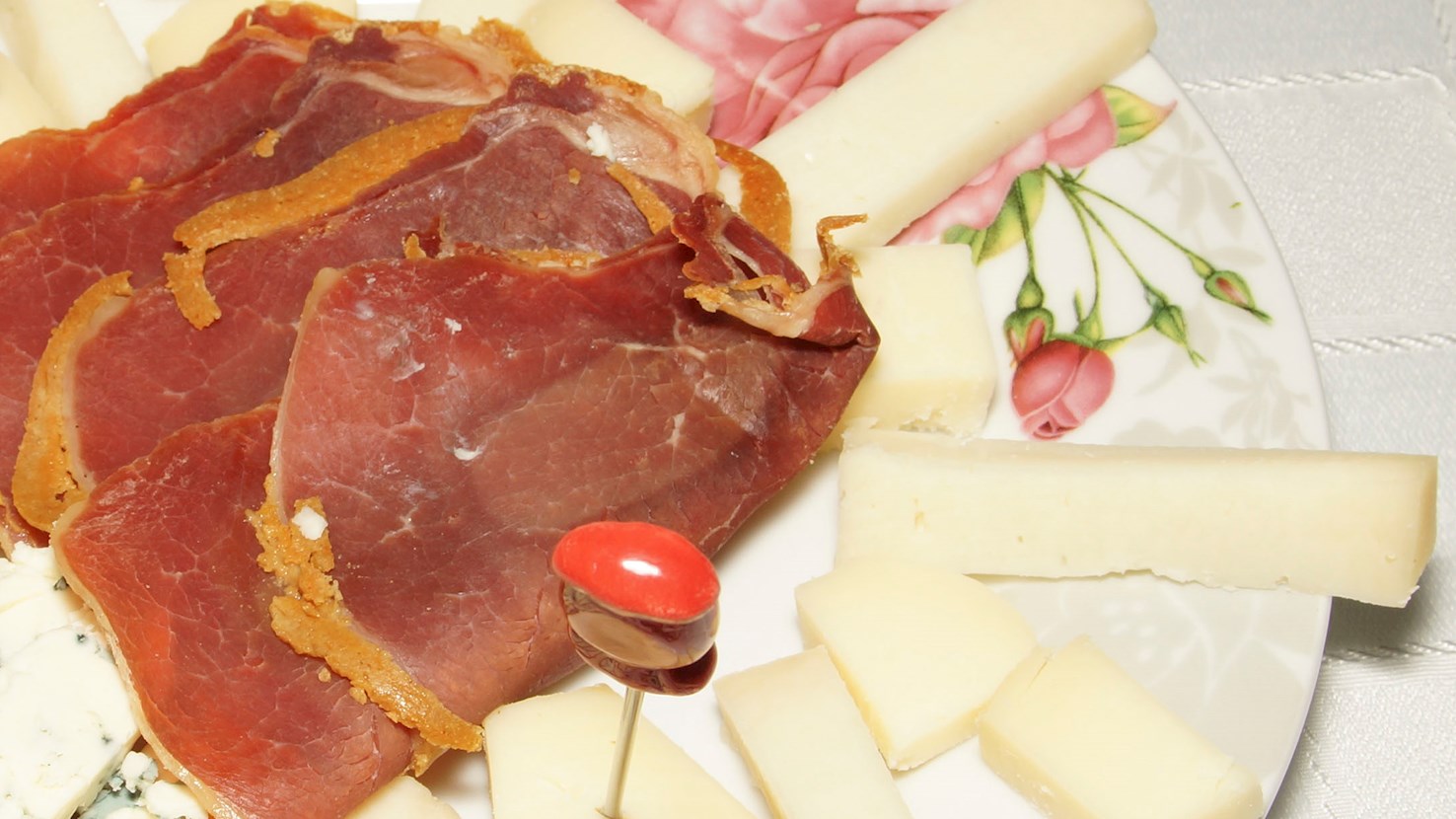
Njeguška pršuta is a prosciutto variety originating from the area of Njeguši in Montenegro, hence the name. Pork ham is traditionally salted with sea salt, pressed in order to remove excess liquid, then smoked and dried in the cool mountain air, after which it is left to mature, so the whole process typically takes about a year. The meat is smoked over beech wood, imparting a unique flavor and aroma to this delicacy. When fully matured, this meat product is thinly sliced and can be paired with anything from cheese and bread to salads and pasta dishes.

04

Salam de Sibiu

4.3 ·

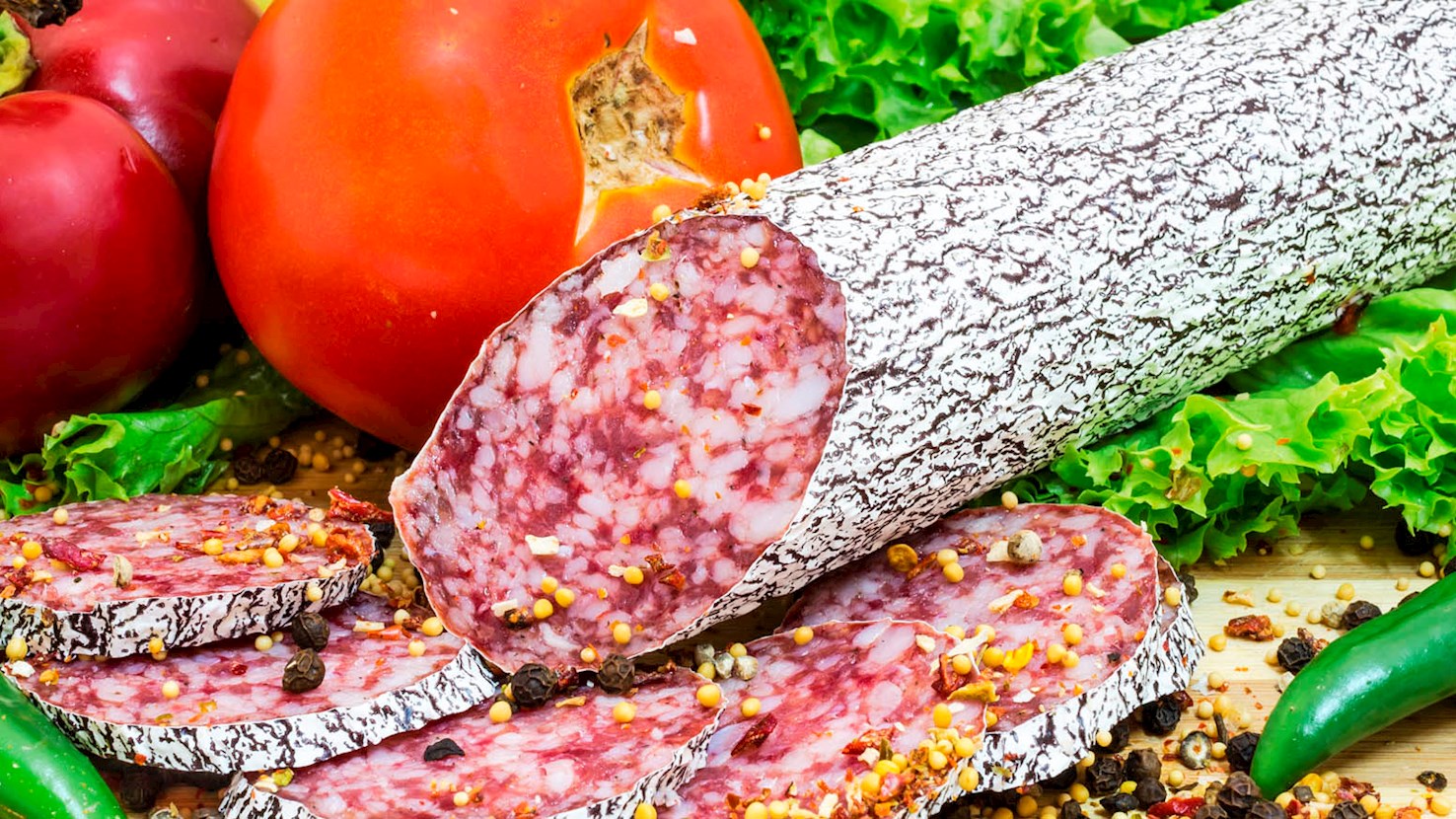
Salam de Sibiu is a dry-cured Romanian pork salami with Protected Geographical Indication (PGI) status, officially recognized by the European Union. It is produced following a strictly regulated specification, which defines both the ingredients and the production process. Contrary to assumptions suggested by its name, Salam de Sibiu is not exclusively associated with the city or county of Sibiu. The current PGI designation, granted in 2016, defines the authorized production area as including the Romanian administrative regions of Bacău, Brașov, Călărași, Covasna, Ilfov, Prahova, Sibiu, and the city of Bucharest. The recipe for Salam de Sibiu requires a precise selection of premium pork cuts, including fillet and haunch, combined with coarsely ground pork fat. The mixture is seasoned with a specific blend of salt, black pepper, garlic, and allspice, without the use of artificial additives or preservatives. After the meat mixture is prepared, it is stuffed into natural casings and placed in controlled conditions for fermentation and drying. According to the PGI specification, the product must undergo a minimum maturation period of 70 days, during which it develops its characteristic firm texture, compact sliceability, and balanced flavor. A natural layer of noble mold forms on the casing during this process, contributing to the product’s preservation and aroma. Visually, Salam de Sibiu is recognized by its white, mold-covered exterior and dense, finely marbled interior, with a reddish-pink color in cross-section. The flavor is defined by the quality of the raw materials and the extended drying period, which produces a mildly spicy, slightly sweet, and aromatic profile with no excessive saltiness. It is typically consumed sliced thinly, served on charcuterie boards, in sandwiches, or as part of festive meals.

05

Petrovački kulen

4.2 ·

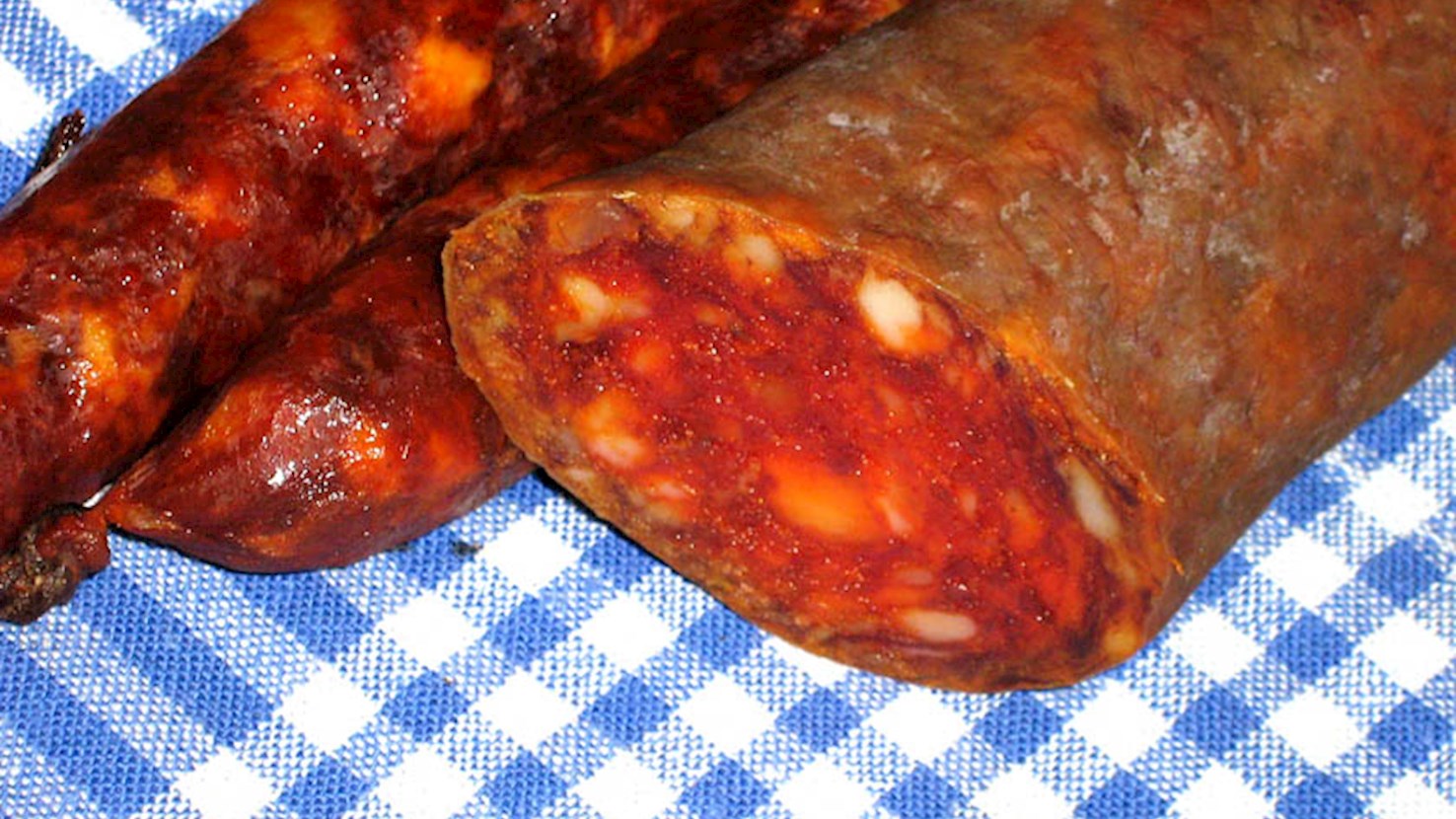
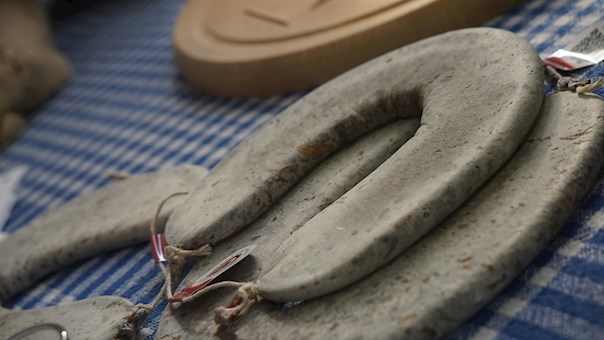
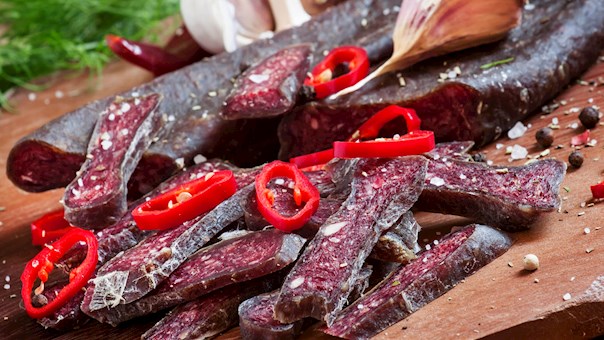
Petrovački kulen is a traditional sausage originating from Bački Petrovac, hence the name. The sausage is made from pork, and the only additions include hot paprika and salt. However, some producers still use garlic and cumin in the production process. A whole pig is commonly used to produce Petrovački kulen, usually with a ratio of 80% meat to 20% back fat. This meat product has a strong Slovakian culinary influence because they moved to Petrovac in the late 18th century. It's recommended to serve this spicy sausage sliced and paired with homemade bread and local cheese.

06

Pastarma Govezhda

4.1 ·

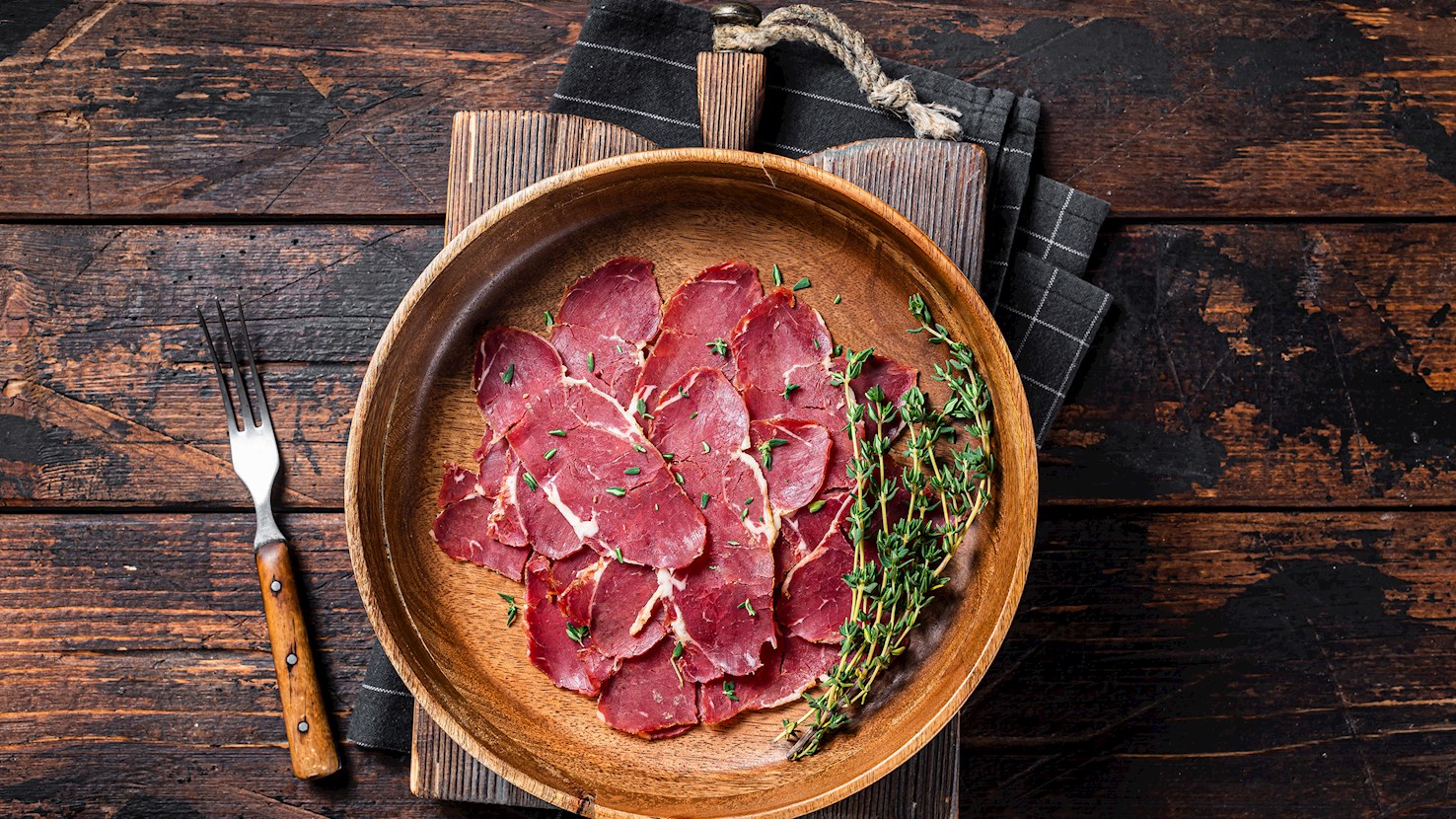
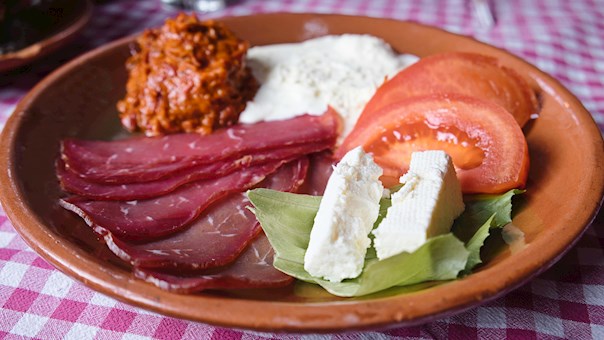
Pastarma govezhda is dried raw meat that has been produced in Bulgaria since the 19th century. The word pastarma is of Turkish origin and means pressed and salted dried meat. Despite production becoming industrialized, the traditional recipe remained unchanged. Therefore, only fresh beef is to be used and salted. It is strictly forbidden to add any other spices or foreign extracts that would alter pastarma’s original flavor. The most important part of the procedure is drying in air-conditioned chambers where the temperature and humidity are constantly monitored in order to create favorable conditions for the development of the specific micrococci and lactobacilli that give pastarma its distinctive flavor. During this phase, pastarma is pressed in wooden-panel presses to develop a dense texture. Due to pressing, it has a smooth surface and an oblong, flattened shape. With the pleasant, clean flavor of mature beef, pastarma is often served sliced and enjoyed as a cold appetizer.

07

File Elena

4.1 ·

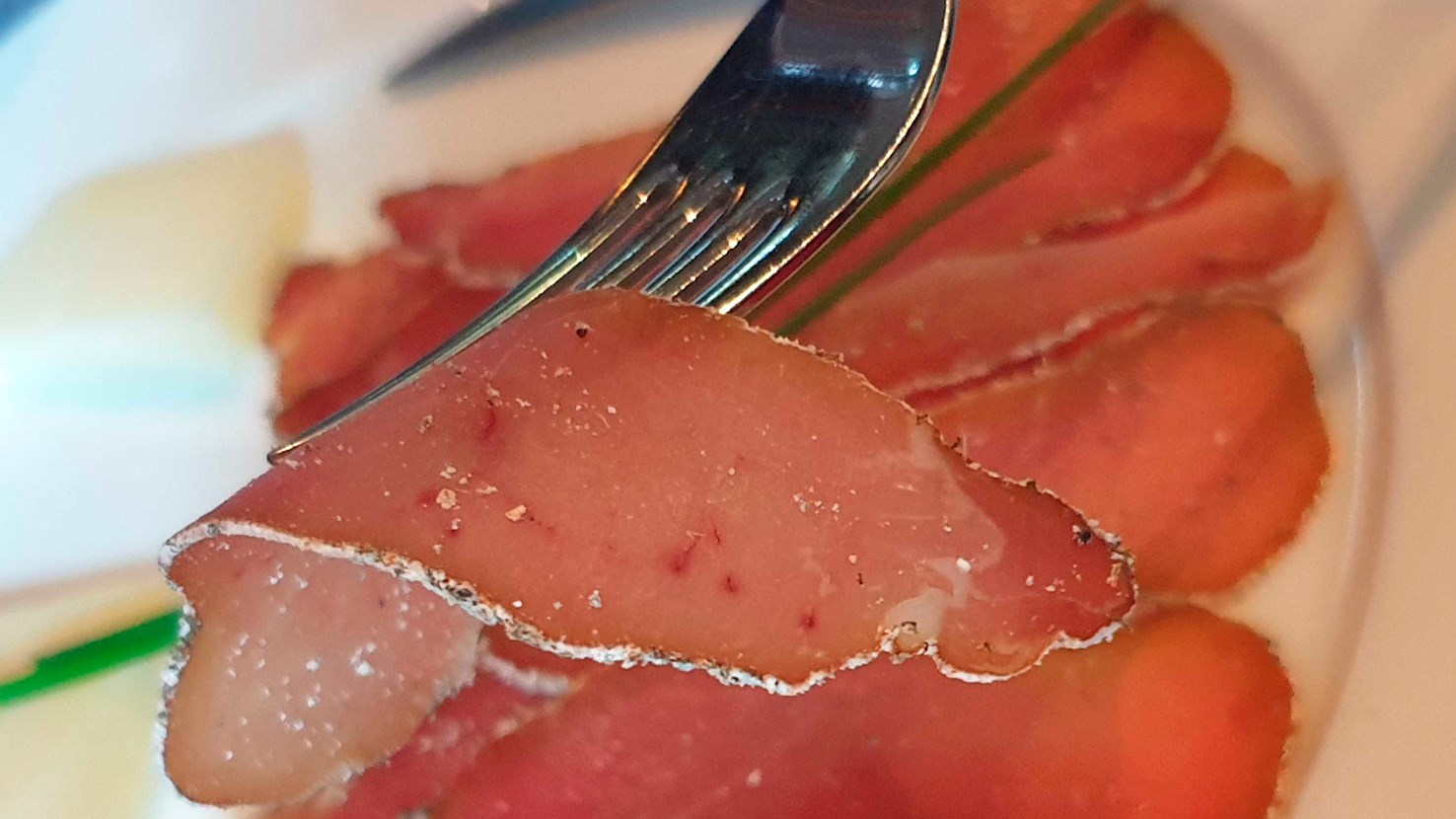
File Elena is a dried raw meat product made from chilled or frozen pork tenderloin. The name refers to the city of Elena in northern Bulgaria. When the country was a part of the Ottoman Empire, it was almost impossible to sell pork products for religious reasons. The first record of a product similar to Elena being made from pork dates back to the 1850s. The fillets, locally called ribitsa, are salted and dried in a controlled environment suitable for natural microflora to develop and provide the meat with its typical aroma. The fillets are repeatedly pressed in wooden presses giving the file Elena its flattened appearance. After the final pressing, the fillets are rolled in a mixture of ground black pepper and crumbled savory. This particular method of applying the mixture allows the essential oils in the spices to be preserved and absorbed in meat. Consequently, the final product is salty, yet aromatic and succulent. File Elena has won multiple awards at fairs and exhibitions in Bulgaria and Europe, including the 2010 and 2013 IFFA international exhibitions in Germany. Traditionally, File Elena is served as an appetizer with a glass of wine or beer on the side.

08

Kayserovan vrat Trakiya

4.1 ·

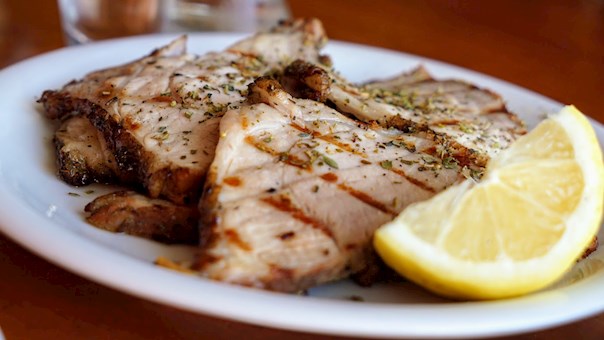
Kayserovan vrat Trakiya is raw cured meat that's been produced in Bulgaria for more than 30 years from carefully selected fresh pork collar. This delicacy obtains its flattened shape during the drying and curing phase, when the meat is repeatedly pressed. Its distinctive, well-defined brownish-red crust comes from coating the meat with the Kaiser mixture (kayserova smes) prepared from natural herbs such as red peppers, fenugreek, garlic, twine or hemp yarn, and white wine. The slices of Kayserovan vrat Trakiya are vividly red, marbled with a thin layer of salmon-pink fat. The aromas of the spices used in the Kaiser mixture transfer to the meat and make every bite special. Kayserovan vrat Trakiya is usually served with local cheeses and fresh vegetables.

09

Sremski kulen

4 ·

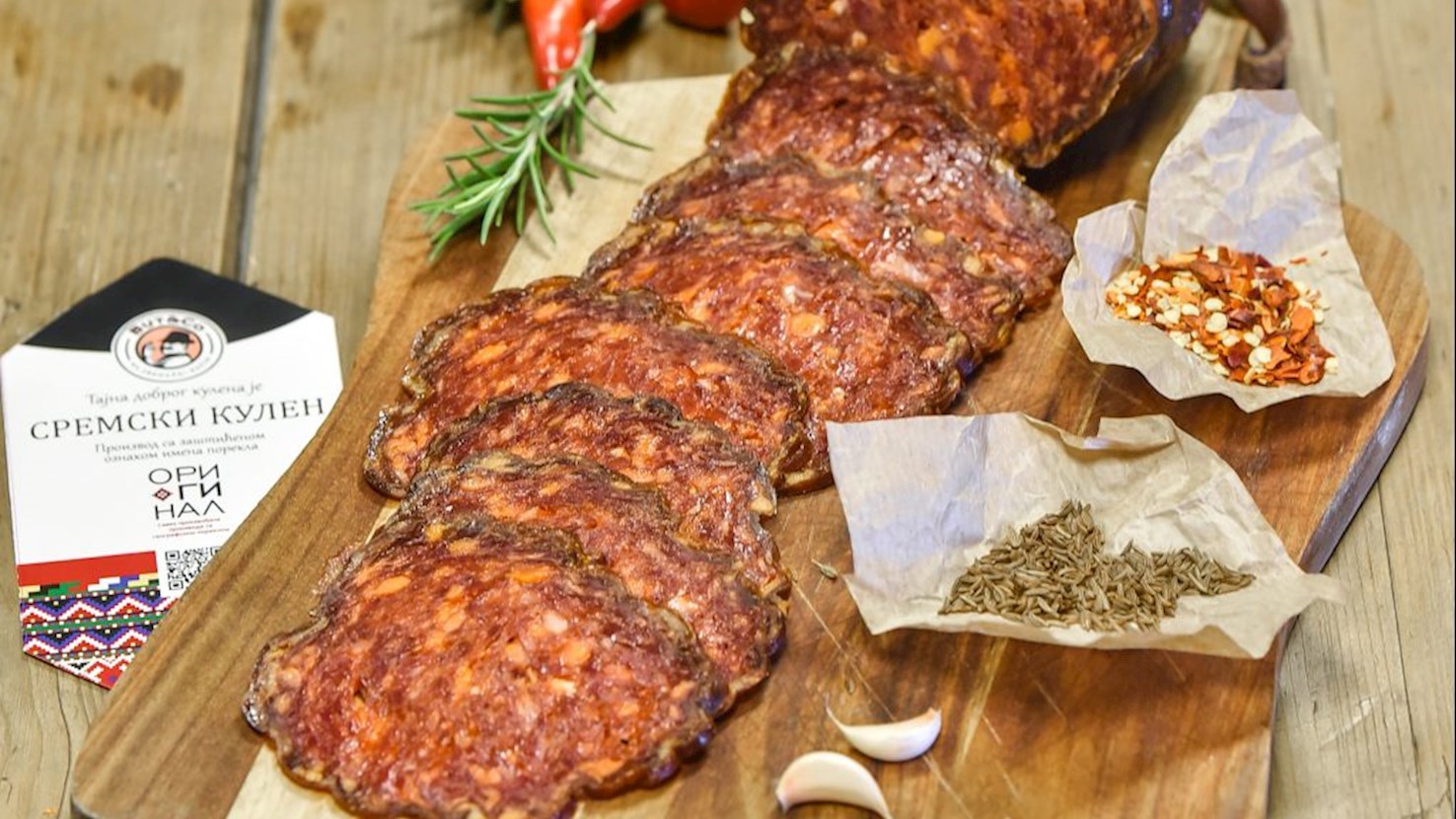
Sremski kulen is a traditional type of kulen sausage originating from the Srem area. This meat product is made from pork, salt, and red hot paprika powder. The mixture is stuffed into natural pork casings and it's then smoked and dried for a few months before consumption. Once sliced, the cross-section should have a mosaic-like appearance and mustn't fall apart. The aromas are smoky and pleasant, while the flavor is pleasantly spicy and not too salty. It's recommended to serve it sliced with slices of bread and wine on the side.

10

Pastrami

4 ·

Pastramă (internationally better known as pastrami) is a traditional Romanian cured meat, usually made from goose, beef, lamb, pork, chicken, or turkey. It was created as a form of preservation in which the raw meat is brined, dried, seasoned with herbs and spices, smoked, and finally steamed. Pastramă was introduced to the United States in the second half of the 19th century, with the wave of Romanian Jews who emigrated to the East Coast of the US, mostly to New York City. There, the word pastramă changed to the more American-sounding pastrami. It is believed to be an imitation of the word salami, which was widely known and beloved among the locals. But the wording was not the only thing that adapted. Since the beef plate was a lot cheaper than the more traditional goose meat, Romanian Jews started to make pastrami with it and then used it to make sandwiches. That was the origin of pastrami on rye, one of the most iconic New York dishes. Today, the pastrami is made from different cuts of beef (although New Yorkers still mainly use the beef plate) and mostly sold in Jewish delis', piled high onto rye bread or bagels, and topped with mustard and pickles.

Best Southeastern European Cured Meats
01

Moldovan Carmangerie

4.7 ·
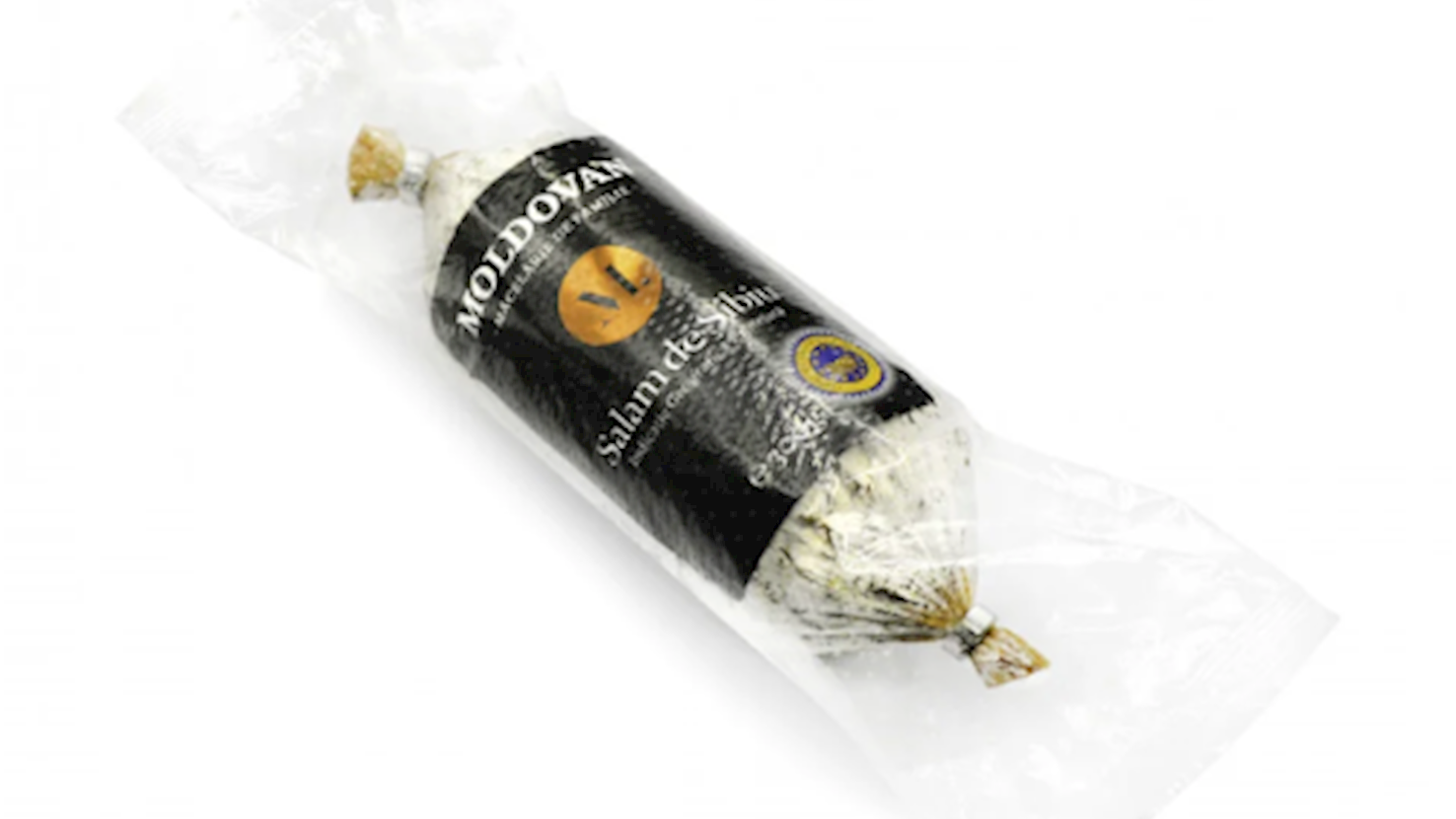
Carmangeria Moldovan is a renowned Romanian butcher and producer of cured meat products. Founded in 1994, the company has grown into one of the leading regional producers and retail chains specializing in meat delicacies. Carmangeria Moldovan stands out for its commitment to the quality of its products, using only meat from local producers and traditional processing methods. The company also owns a livestock farm, which allows it to have control over the entire production process, from breeding to the final product. In addition to excelling in the production of cured meat products such as sausages, salamis, and hams, Carmangeria Moldovan places a strong emphasis on innovation, offering a variety of products such as fresh meat, dairy products, and ready-to-eat meals that fully reflect the authentic Romanian taste and tradition. The dedication to quality and excellence, combined with respect for tradition and natural production processes, makes Carmangeria Moldovan a household name in the Romanian meat industry.
02

Njeguška Pršuta - Gazdinstvo Martinović

4.7 ·
Njeguška Pršuta - Gazdinstvo Martinović from the village of Bajice near Cetinje produces traditional Njeguši prosciutto and Njeguši cheese, relying on methods that have been passed down through generations in this region. The pork legs for the pršuta are cured exclusively with sea salt, then pressed and smoked over cold beechwood smoke, after which the meat matures for about a year in the mountain air beneath Lovćen. This process creates its distinctive aroma and firm yet juicy texture. Alongside pršuta, the household is also known for Njeguški sir, made from cow’s milk, lightly salted, and aged under controlled conditions to develop a semi-firm texture, gentle buttery notes, and subtle hints of maturation. The cheese is traditionally served with the pršuta, as their flavors complement each other naturally and form the foundation of the Njeguška culinary tradition. Martinović offers their products in various formats, including vacuum-sealed packaging, ensuring freshness and wider availability of this renowned Montenegrin delicacy duo.
03

Vavourakis Farm

4.6 ·
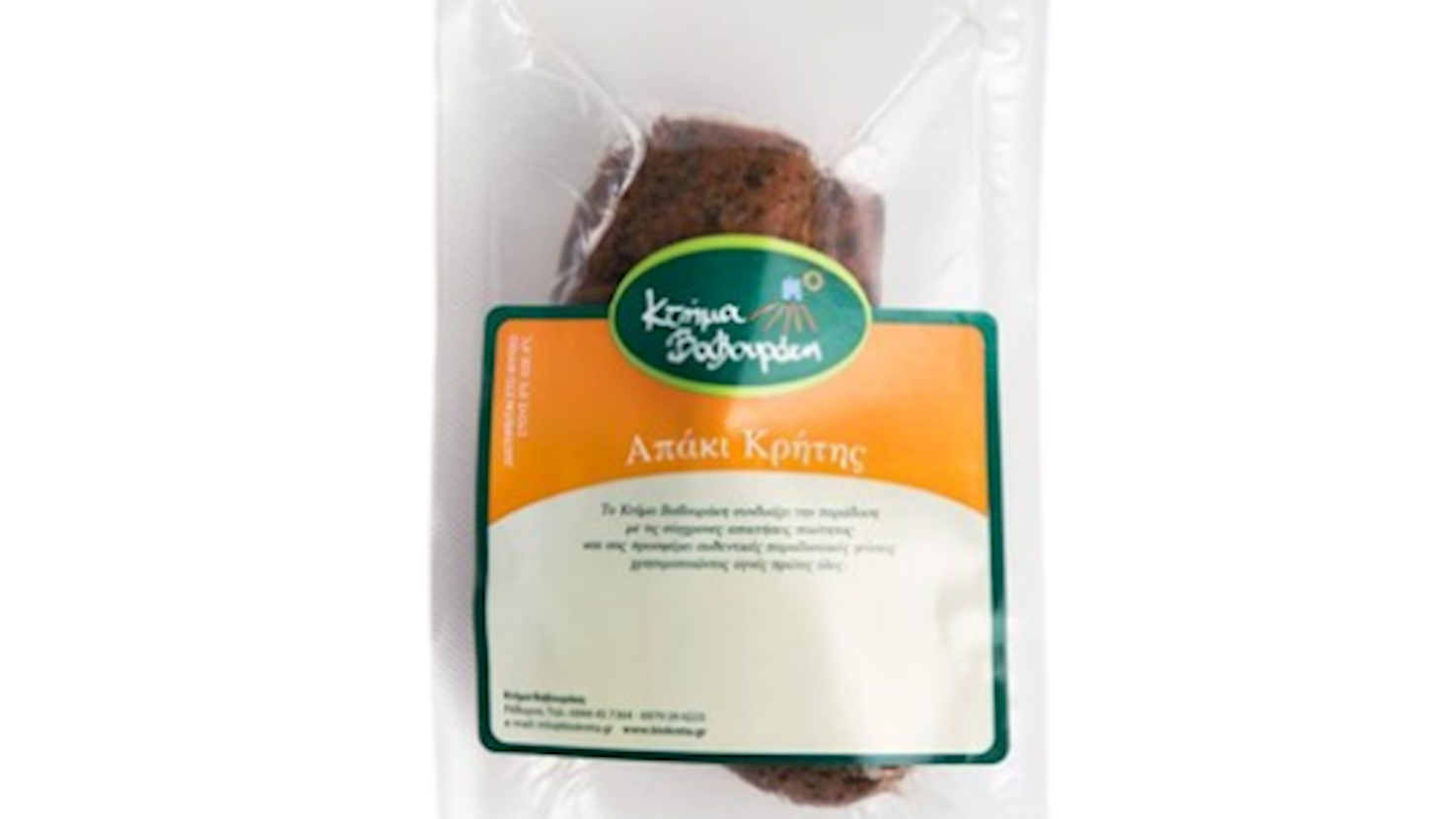
Vavourakis Farm, also known as Vavourakis Estate, is a family-run organic farm based on the island of Crete, specializing in pork and traditional cured meat products marketed under the Biokreta brand. Founded in 1995 by Michalis Vavourakis in the region of Rethymno, the farm was developed with a clear focus on sustainable agriculture and animal welfare. Located in a mountainous and relatively isolated area, it provides natural conditions for free-range pig farming, where animals are raised without hormones or routine antibiotics and are fed exclusively with certified organic feed, fruits, vegetables, and wild herbs. This approach reflects a combination of modern organic farming standards and long-standing Cretan rural practices. The production is centered on traditional local specialties such as sausages, cured meats, and especially apaki, a smoked pork delicacy deeply rooted in the island’s culinary heritage. All products come from the farm’s own livestock and are processed without artificial preservatives or chemical additives, ensuring a clean and traceable production chain. What defines Vavourakis Farm is its balance between tradition and controlled quality, where inherited recipes are preserved while meeting contemporary food safety and certification standards. The estate’s philosophy is built on sustainability, respect for the natural environment, and the preservation of local gastronomic identity. Today, it stands as a recognized example of how small-scale farming on Crete can evolve into a structured organic production model without losing its authentic character.
04

Kassaki Charcuterie

4.2 ·
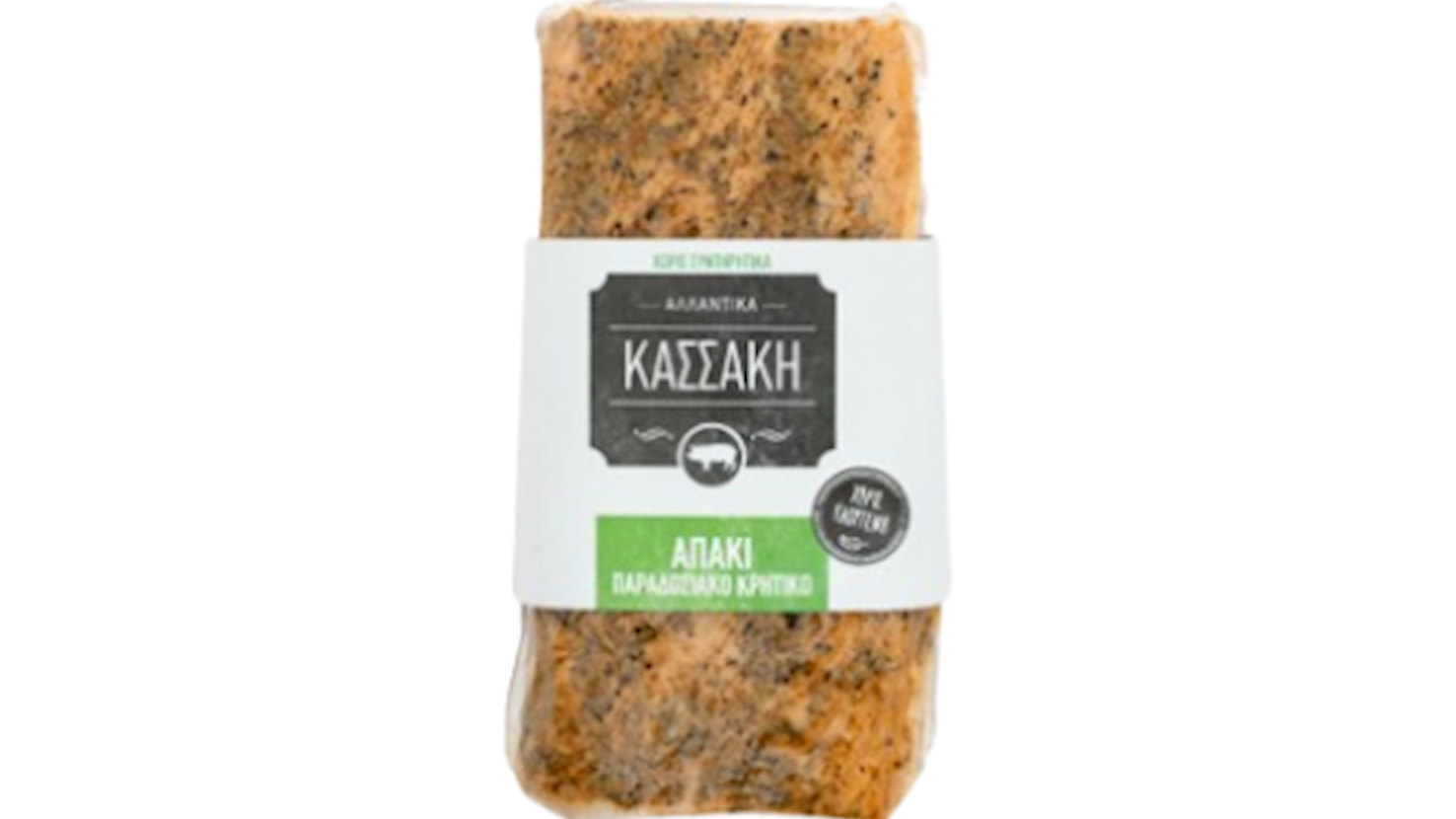
Kassaki Charcuterie is a family-run charcuterie producer based on the island of Crete, specializing in traditional cured meat products rooted in local culinary heritage. Established in 1999 and building on family practices that date back to the early 20th century, the company focuses on preserving authentic Cretan recipes while adapting them to modern production standards. Its facilities are located in the village of Galatas, Heraklion, where the entire process from raw material selection to curing and smoking is carried out under controlled conditions. The product range centers on classic regional specialties such as sausages, apaki, and other cured pork products, all made using natural methods without unnecessary additives. Kassaki emphasizes the use of traditional smoking techniques and local herbs, which contribute to the distinctive aromatic profile of its products. The recipes are based on inherited family knowledge, refined with contemporary technology to ensure consistency and food safety. In addition to production, the company also develops a visitor experience that allows guests to explore the process and taste the products in their place of origin. This integration of production and experience positions Kassaki Charcuterie as both a food producer and a representative of Cretan gastronomic identity.
05

La Pravalia lu' Gabioti

4.2 ·
In the heart of Romania, where the tradition of preparing exquisite meat delicacies has been cherished for centuries, lies La Pravalia lu' Gabioti – a place where lovers of authentic flavors can find the true specialties of Plescoi. This producer takes pride in offering genuine, handcrafted products, made according to old recipes passed down through generations. Each product bears the mark of authenticity, as the processes of drying, smoking, and seasoning are carried out in the traditional way, without compromising on quality. If you want to experience the true flavors of Plescoi, La Pravalia lu' Gabioti is the destination that will captivate you with its rich assortment and dedication to tradition.
06

Tyrokomia Naxou Emm.V. Koufopoulos

4.2 ·
Awards
Great Taste Awards - 2 Stars (2024)
Read more
View all
View map
About this ranking

TasteAtlas food rankings are based on the ratings of the TasteAtlas audience, with a series of mechanisms that recognize real users and that ignore bot, nationalist or local patriotic ratings, and give additional value to the ratings of users that the system recognizes as knowledgeable. For the “Top 24 Southeastern European Cured Meats” list until June 03, 2026, 1,780 ratings were recorded, of which 692 were recognized by the system as legitimate. TasteAtlas Rankings should not be seen as the final global conclusion about food. Their purpose is to promote excellent local foods, instill pride in traditional dishes, and arouse curiosity about dishes you haven’t tried.

The initial list of top producers was compiled based on available reviews, awards, local recommendations, media and blog coverage, and consumer reviews. The list will be updated with ratings from TasteAtlas local ambassadors and TasteAtlas users.

Similar lists