

shutterstock

Top 5 Western German Cured Meats

Last updated on June 03, 2026

Best Western German Cured Meats

01

Landfleischerei Neumeier

5 ·
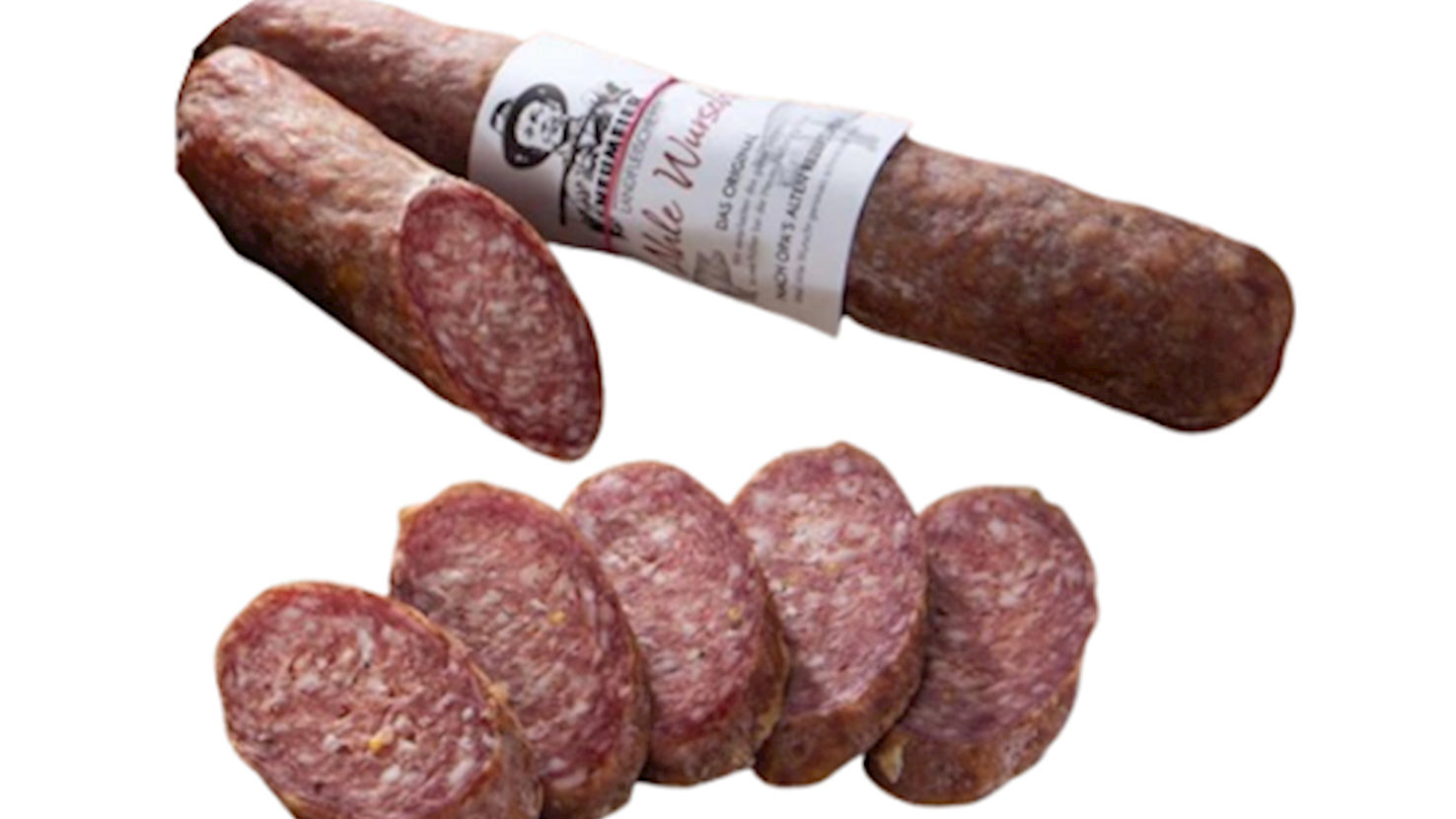
Landfleischerei Neumeier is a traditional family butcher shop located in Walburg, a district of Hessisch Lichtenau, in the northern German region of Hessen. With over nine decades of experience and dedication, this butcher shop has become a symbol of quality and trust when it comes to producing meat and charcuterie products in this part of Germany. The Neumeier family bases their work on craftsmanship, a deep respect for the raw materials, and a strong connection to local farmers. At the heart of their operation is handmade production, where fresh meat from local animals is used, without unnecessary additives, and with the use of natural spices. Special attention is given to the processing method – the meat is processed while still warm, preserving its authentic aroma and tenderness. All products are certified, with full traceability of the raw materials, which further underscores their commitment to quality and transparency. One of the most well-known and highly regarded products of this butcher shop is Ahle Wurscht – a classic dry sausage specific to the northern Hessen region. This sausage is made according to an old recipe, dried and aged for months, giving it a characteristic firm texture and rich, full flavor. Ahle Wurscht is produced in various versions – from pure beef, mixed with pork, or with special seasoning blends – but always with the same care and respect for tradition. Today, Landfleischerei Neumeier combines family values, craftsmanship, and modern logistics, offering their customers not only exceptional products but also a taste experience that has lasted for generations.
02

Gref-Völsings

4.7 ·
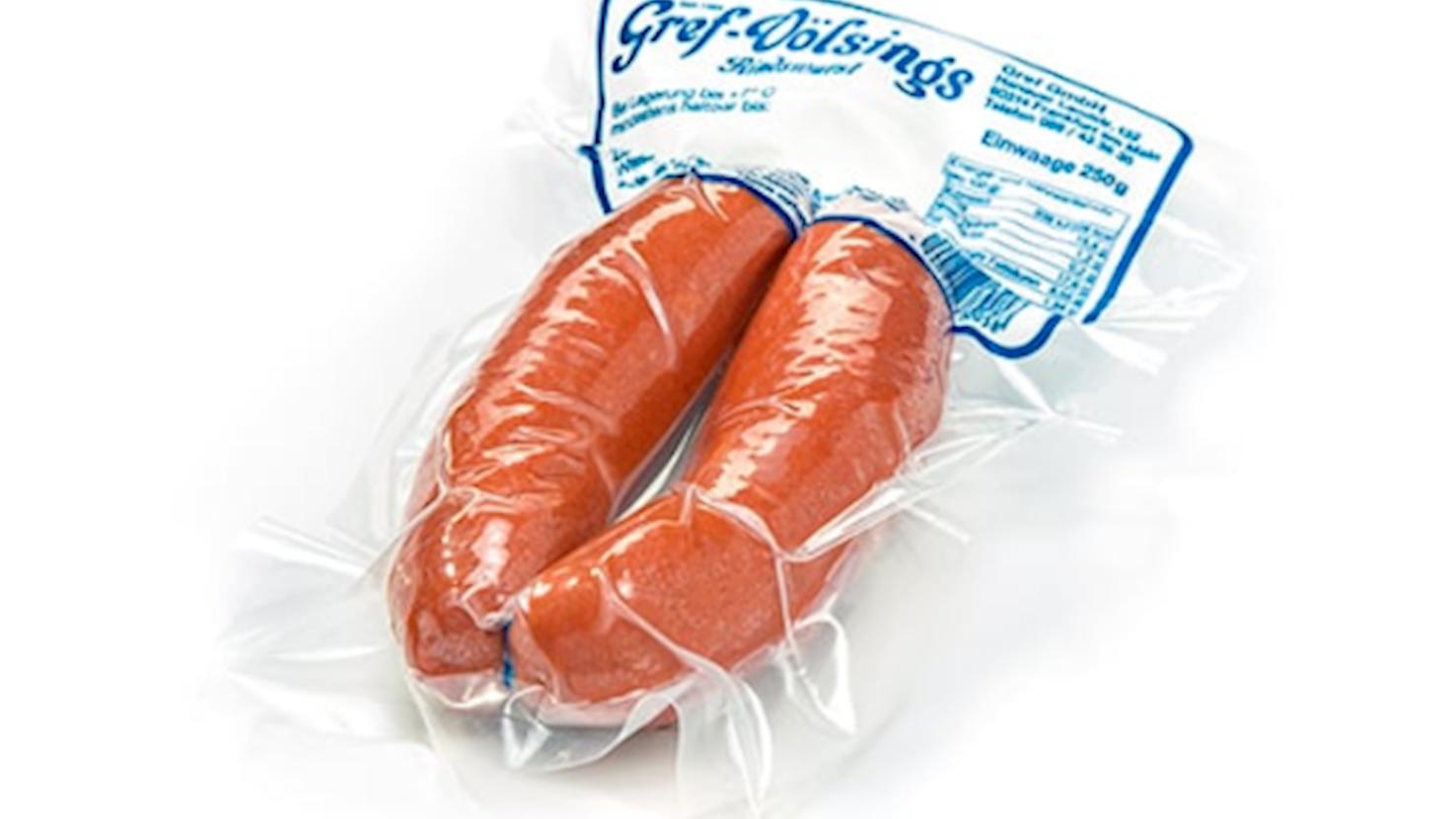
Gref-Völsings is a renowned butcher and producer of traditional German meat products based in Frankfurt, Germany. The company was founded in 1894 and has since become a symbol of high-quality meat products, with a focus on Rindswurst (beef sausage) as well as other types of sausages and cured meats. Gref-Völsings is a company with a rich history, having dedicated over 125 years to preserving and enhancing traditional production methods. Their products are made using only fresh meat and natural spices, and the company takes pride in the fact that their recipes have been passed down through generations. Their products are deeply rooted in German culinary tradition, with an emphasis on quality and authenticity. They are sold at their shop as well as in specialized stores and restaurants.
03

Metzgerei Hambel

4.5 ·
Metzgerei Hambel is a family-owned butcher shop with a rich tradition, located in Wachenheim, German. It was founded in 1985 when Klaus Hambel took over the family business from his father Walter, who had previously worked for 30 years as an "Adventsmetzger" — a traveling butcher who made homemade sausages for rural families during the winter. Today, the entire family is involved in running the butcher shop, including Klaus's sister Katja and his wife Silvia, while their son Philipp is already engaged as the future successor. Metzgerei Hambel is renowned for its original "Pfälzer Hausmacher" specialties, prepared from fresh pork sourced from controlled German farms, using natural spices. The butcher shop also includes Hambel’s Restaurant, offering specialties from the butcher’s selection in a cozy atmosphere.
04

Metzgerei Schwitzgebel

4.3 ·
Metzgerei Schwitzgebel is a butcher shop located in Homburg, in the German Saarland region. They specialize in high-quality meat products, including beef, pork, chicken, and veal. They also offer game meat, all produced in-house. The meat they sell comes from the Bliesgau biosphere, in collaboration with local farmers, ensuring quality and sustainability. Metzgerei Schwitzgebel prides itself on tradition and careful selection of ingredients for its products. They are known for the freshness of their products, which are replenished daily. Many customers choose them due to their reputation and attention to detail. All products are prepared at their shop, maintaining full control over quality. Metzgerei Schwitzgebel is a favorite spot for meat lovers in the region.
05

Metzgerei Klaus Ullrich

4.2 ·
Metzgerei Klaus Ullrich is a well-established butcher shop located in Niedernhausen, Germany, known for its high-quality meats and traditional craftsmanship. The business has been family-run for several years, with Klaus Ullrich leading the charge in providing top-tier products. The shop takes pride in offering a diverse range of meats, sausages, and deli products, all made with the finest ingredients and according to classic recipes. What sets this butcher shop apart is its commitment to quality and the use of traditional butchery techniques passed down through generations. Each product is carefully prepared and packaged to ensure optimal freshness and flavor. Metzgerei Ullrich sources its meats from local, trusted suppliers, supporting regional farming and promoting sustainable practices.

Best Western German Cured Meat Types
01

Nordhessische Ahle Wurscht

4 ·

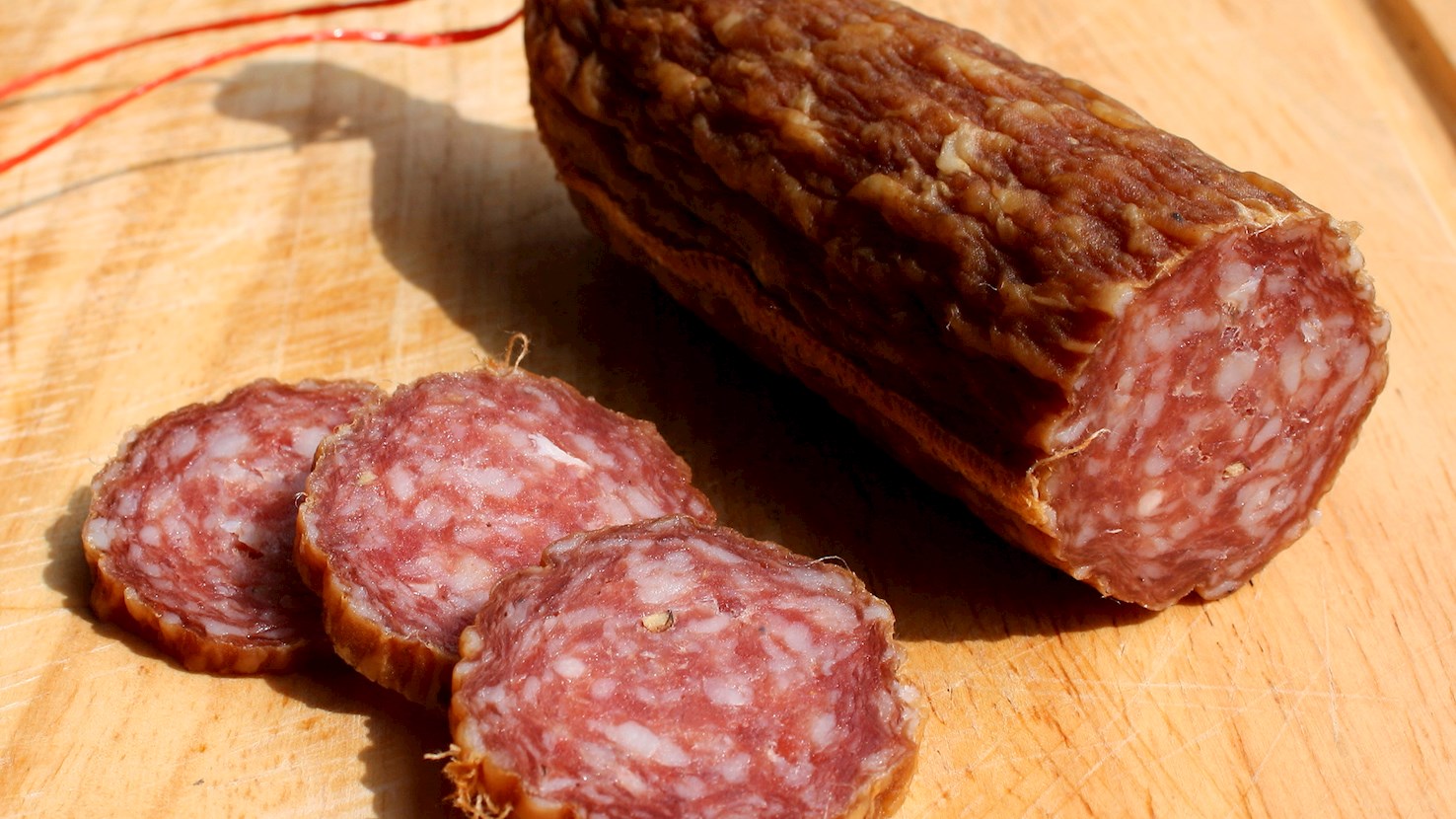
Nordhessische Ahle Wurscht is a slowly-matured raw pork sausage, made with minced pork, salt, saltpeter, and freshly ground spices. Almost every manufacturer has his own secret blend of spices, so no two Nordhessische Ahle Wurscht sausages will ever taste exactly the same - the meat, the combination of spices, the climate, and the stage of maturity all create the final flavor. Nordhessische Ahle Wurscht is a very important element of North Hessian gastronomic culture, and it is best enjoyed sliced and served with a slice of bread.

02

Westfälischer Knochenschinken

3.7 ·

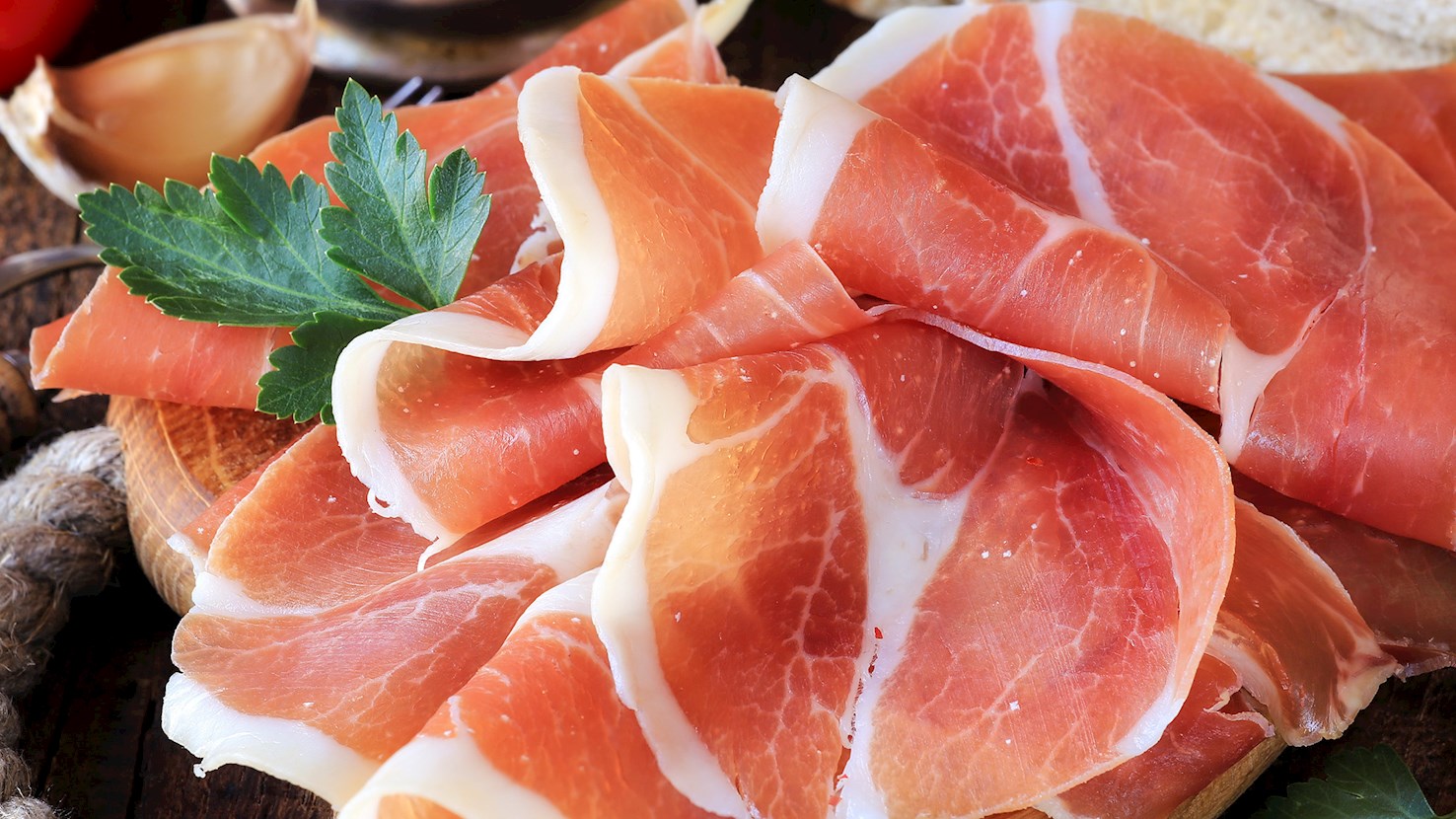
The pork used to make this ham originates from the region of Westphalia, which is known for its traditional pig farming. The recipe is guarded as a trade secret, and every step in the production process is carried out entirely by hand. The process begins by rubbing salt of a special consistency with added herbs or spices into the ham and bone, which is then left to cure and dry in aging rooms for an extended period of time. To produce the smoked version, the hams are left in a smoking chamber over a beech and juniper wood fire. This process may take time, but it results in a characteristic dark red meat, golden-yellow rind, and a particularly mild and nutty flavor. To enjoy this delicacy, slice it thinly and serve it as an appetizer with pretzels and cheese.

03

Flönz

3.4 ·

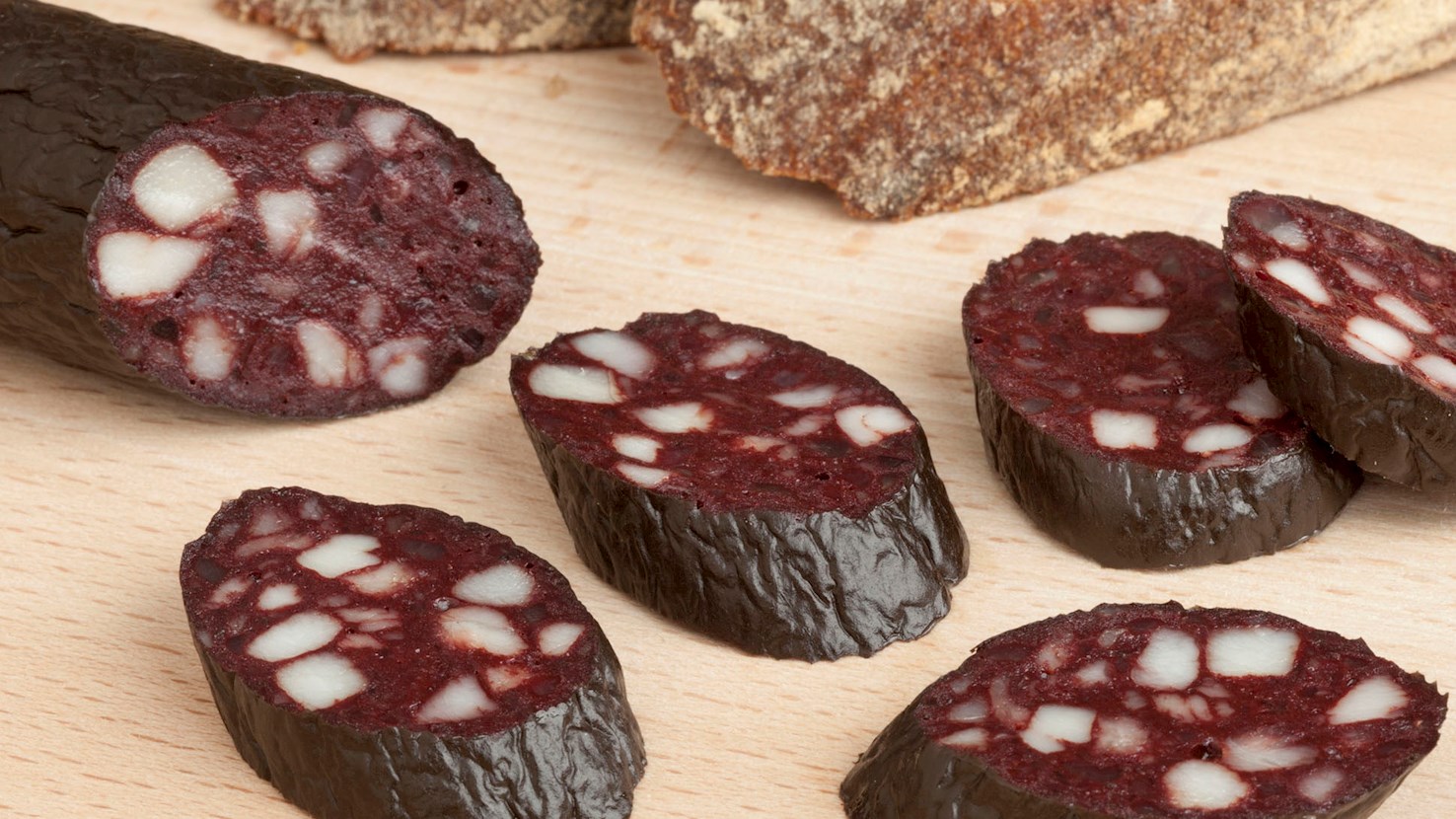
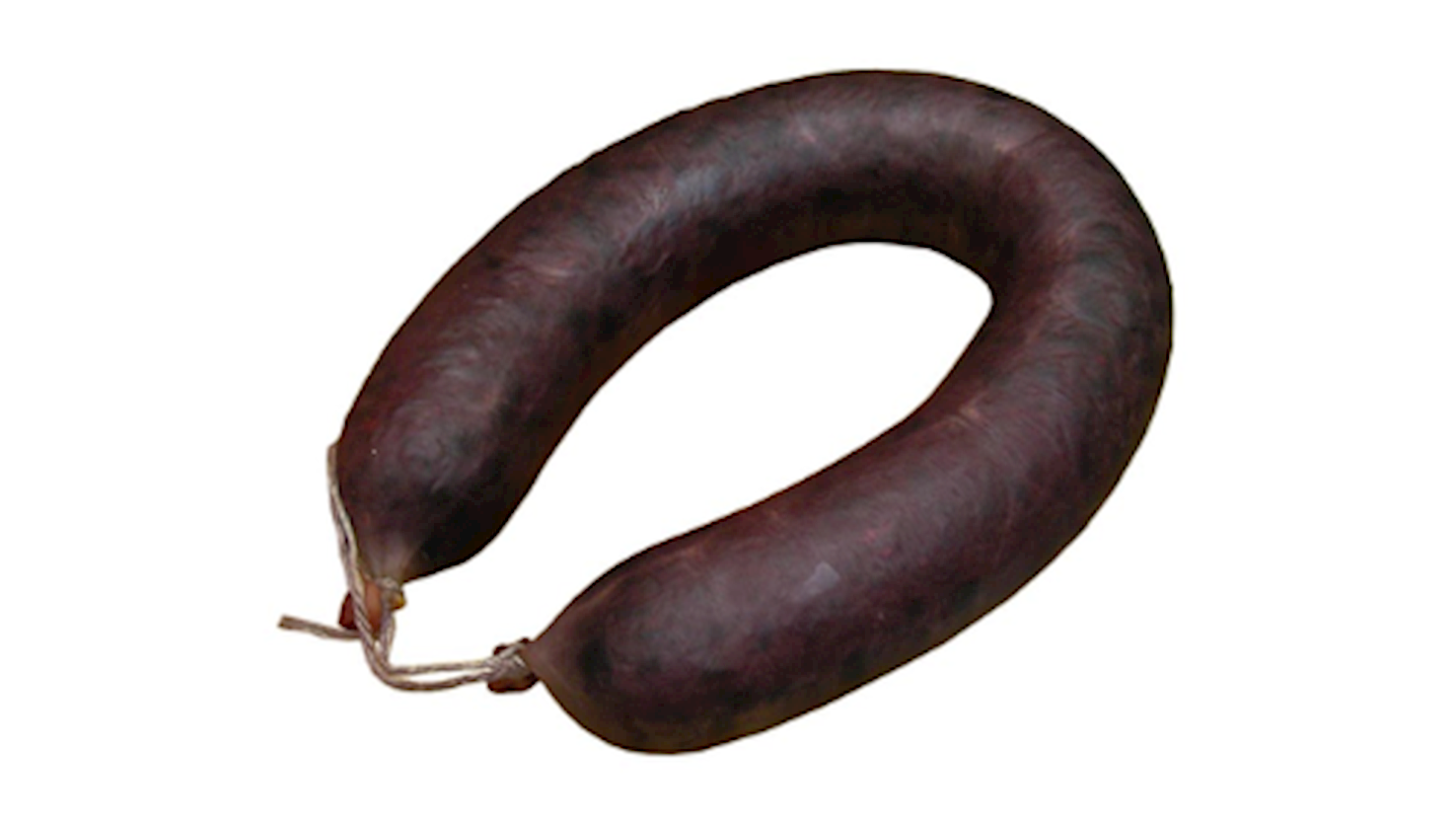
This delicate smoked blood sausage from the Rhineland region consists of lean meat and small pieces of fat. Flönz has been popular in Cologne for a hundred years, and it is the least expensive local sausage. It is a firm blood sausage made from various parts of the pig, including the rinds, head, and blood combined with salt and spices. The use of spice extracts and flavorings is prohibited. The visible fat consists of pieces measuring between 5 and 10 mm. Flönz is an ingredient in various kölsche specialties like Himmel und Eerde, while flönz served with buns and onion rings is affectionately known as Kölsche caviar.

04

Ahle Wurst

n/a ·

Ahle wurst is a pork sausage from northern Hesse that is made from coarsely ground pork, salt, pepper, and garlic, without curing agents, smoke, or added sugars. The sausage developed in northern Hesse as part of household pig slaughtering practices where meat preservation relied on salting, drying, and time, and it became closely tied to winter production cycles and farm-based food supply systems. Preparation begins with selecting well-marbled pork, which is coarsely ground and mixed thoroughly with salt and spices, then stuffed into natural casings, shaped into long sausages, and hung to dry and mature slowly in cool, well-ventilated rooms for several months, during which moisture loss, enzymatic activity, and surface flora transform the meat into a shelf-stable product. Common variations include differences in grind size, spice balance, casing thickness, and maturation length, leading to softer young sausages and very hard aged forms, while the defining elements of pork, salt, pepper, and long air drying remain constant. The sausage is eaten cold and is served sliced thin in homes, taverns, and at regional gatherings, most often accompanied by bread, pickles, mustard, or farmhouse cheese, and it is commonly paired with beer, apple wine, or dry white wine.

05

Westfaelischer schinken

n/a ·

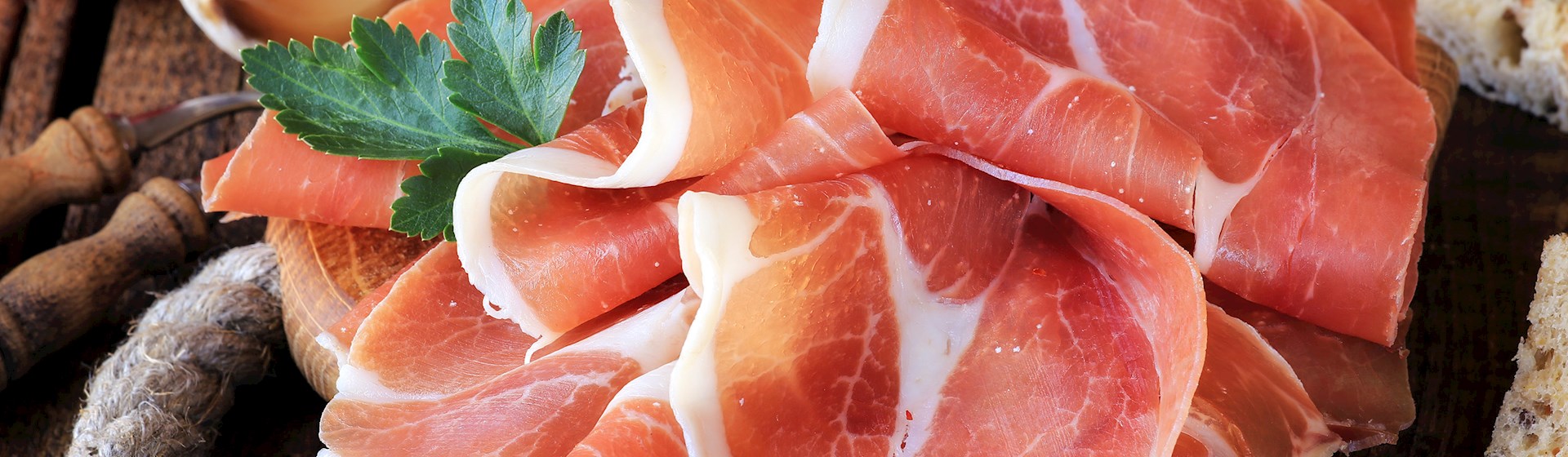
Westfälischer schinken is a celebrated dry-cured ham from Germany, produced from the hind leg of the pig and defined by a deep red color, distinct white marbling, and a dense, sliceable texture. Its creation is rooted in traditional preservation methods that rely on time rather than heat: the raw meat is first heavily cured with salt to draw out moisture, then slowly cold-smoked over beechwood and juniper branches. This specific smoking technique infuses the ham with a gentle, aromatic savoriness without cooking the meat. Following the smoke, the ham is air-dried for several months, allowing the flavor to concentrate and the texture to firm up. Because of its intense, salty-smoky profile, Westfälischer schinken is best served in paper-thin slices, traditionally accompanied by dark pumpernickel bread or wrapped around fresh white asparagus.

Read more
View all
View map
About this ranking

TasteAtlas food rankings are based on the ratings of the TasteAtlas audience, with a series of mechanisms that recognize real users and that ignore bot, nationalist or local patriotic ratings, and give additional value to the ratings of users that the system recognizes as knowledgeable. For the “Top 5 Western German Cured Meats” list until June 03, 2026, 71 ratings were recorded, of which 55 were recognized by the system as legitimate. TasteAtlas Rankings should not be seen as the final global conclusion about food. Their purpose is to promote excellent local foods, instill pride in traditional dishes, and arouse curiosity about dishes you haven’t tried.

The initial list of top producers was compiled based on available reviews, awards, local recommendations, media and blog coverage, and consumer reviews. The list will be updated with ratings from TasteAtlas local ambassadors and TasteAtlas users.

Similar lists