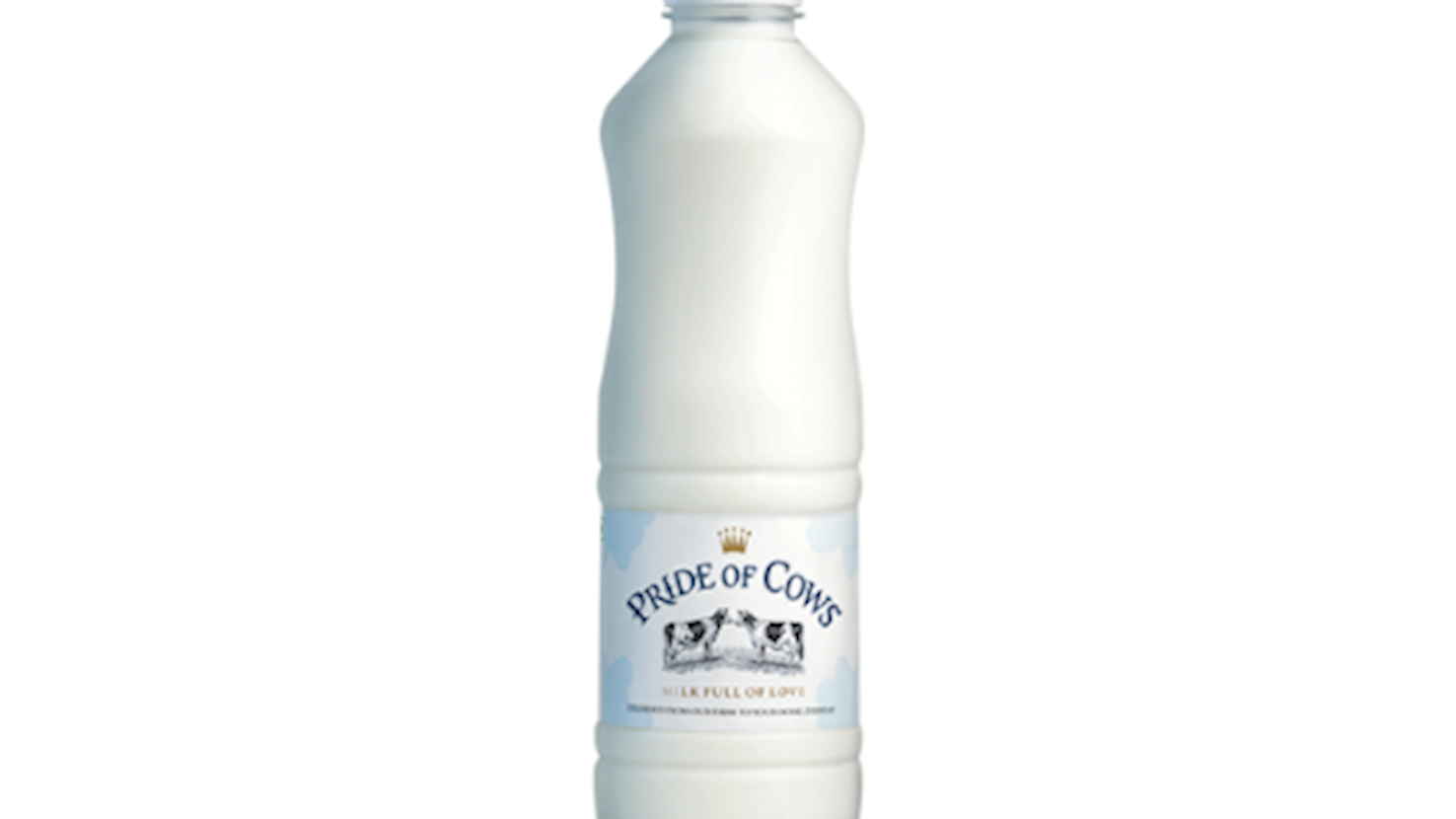
Pride of Cows is a premium Indian dairy brand built on the concept of single-origin milk sourced exclusively from their farm in Manchar, near Pune. The entire production process is closely controlled - from cow nutrition and animal care to milking, processing, packaging and direct home delivery - ensuring freshness, purity and consistent quality. Their milk and dairy products are known for their rich, creamy texture and clean, natural flavour, supported by high hygiene standards and modern farm management practices. The range includes milk, yogurt, paneer, ghee and other specialty dairy items, all produced without intermediaries and under strictly monitored conditions. Pride of Cows positions itself as a brand for consumers who value reliable, nutritionally rich and premium-quality dairy products with clear origin and a true “farm-to-home” experience.
Sarda Farms is a family-run dairy from Nashik built on a fully controlled, closed-loop system in which every step - from animal care to final delivery - takes place within the farm itself. Located in the foothills of Igatpuri, in the village of Shenit, the farm raises Holstein Friesian cows in spacious, climate-controlled barns, with carefully managed feed and filtered drinking water. Milking is carried out in automated, hygienic parlours, after which the milk is immediately chilled, processed and packed without exposure to external contamination. It is then delivered through a strict cold-chain system to preserve its natural freshness and stable texture. Sarda Farms emphasizes the complete absence of hormones and antibiotics, and milk from unwell cows is never mixed with the main batch. The result is milk with a clear origin, clean flavour and balanced nutritional profile - a product designed for consumers who value transparency, high standards of hygiene and milk that faithfully reflects the conditions of the farm where it was produced.
Himalayan Cheese is a small artisanal creamery based in Kashmir that produces handcrafted cheeses made from fresh, high-altitude farm milk and traditional aging techniques. Their range includes both young, mild cheeses and more mature versions of Gouda and Cheddar, known for their fuller, layered flavour profiles. Production relies on natural ingredients and manual processes, without industrial additives, allowing each cheese to preserve the purity of the milk and the distinctive terroir of the Himalayan region. The cold climate, clean mountain pastures and slow maturation contribute to the firm texture and aromatic complexity of their cheeses. By blending European cheesemaking traditions - particularly Dutch-style Gouda - with local Himalayan character, Himalayan Cheese offers authentic, natural products tailored to consumers seeking high-quality, small-batch, artisan cheeses.
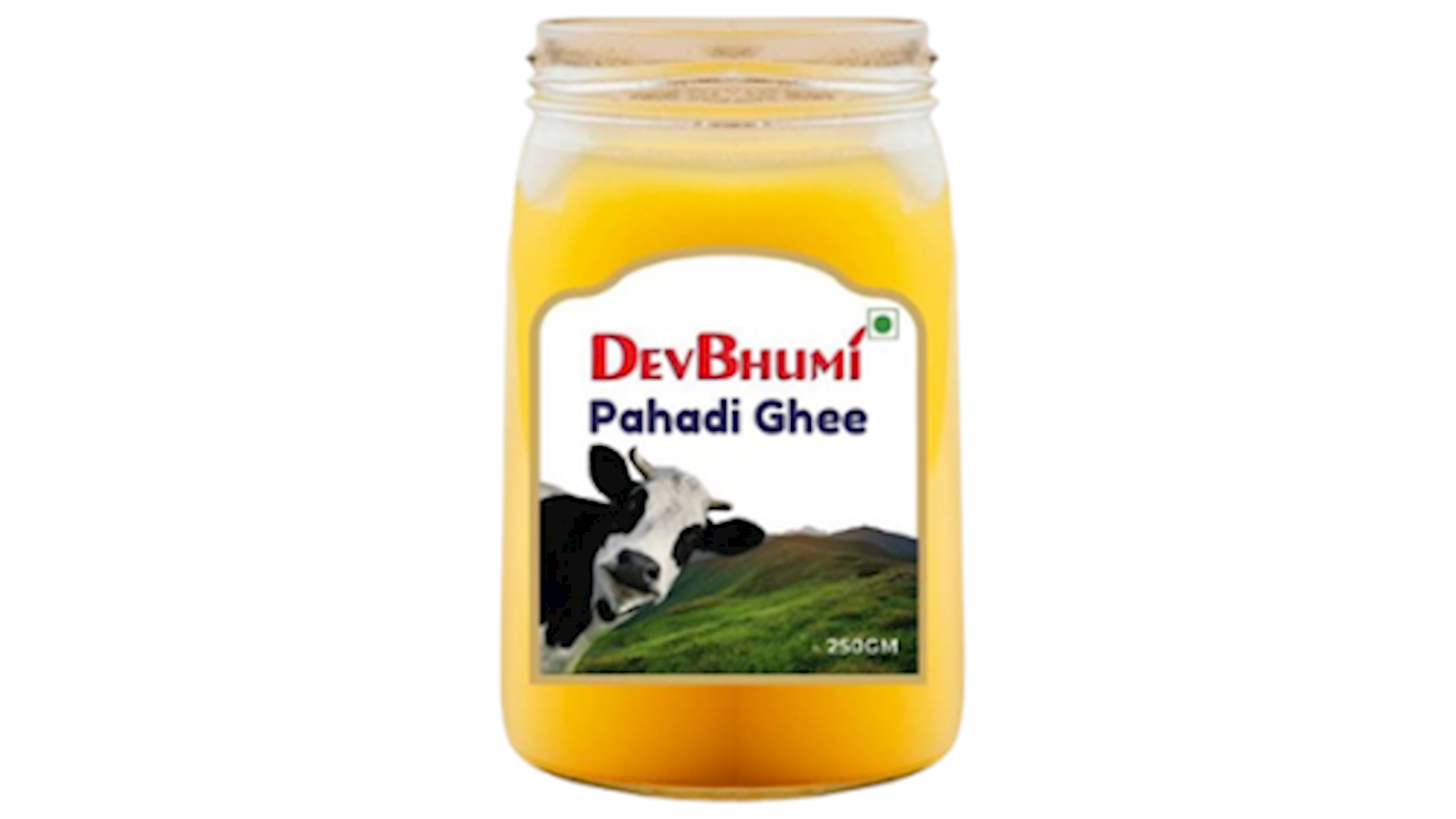
Devbhumi is a producer organization from the Indian state of Uttarakhand that brings together local beekeepers and small farmers to market natural, minimally processed products characteristic of the Himalayan region. Their range includes high-purity honey, traditional spices, ghee and herbal products, with a strong emphasis on preserving authentic origin and traditional production methods. Devbhumi operates as a farmer-producer collective, meaning the producers themselves are the owners, ensuring fair pricing, transparency and direct support for the local rural economy. Thanks to the mountain terroir and diverse Himalayan flora, their honeys and spices carry distinctive aromatic profiles and natural purity, free from additives or industrial processing. Devbhumi represents a sustainable model that combines traditional practices, social responsibility and high-quality products for consumers seeking authentic, natural and organically produced items.
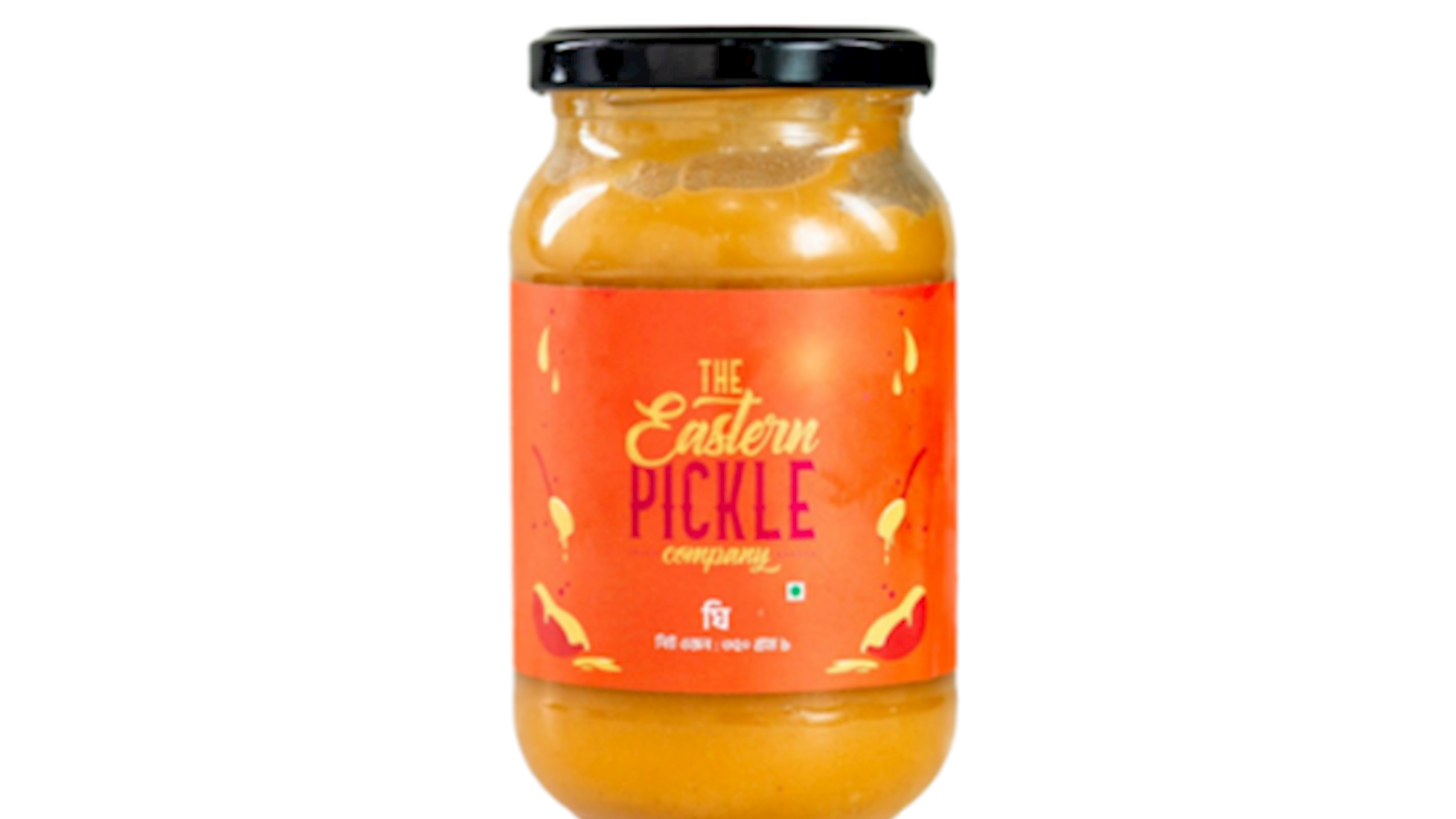
Eastern Pickle Company is a Bangladeshi producer specializing in handcrafted pickles, dipping sauces, spice blends, and ghee, with a strong focus on authentic home-style recipes and clean ingredients. The company follows a fully natural production approach, avoiding artificial colors, preservatives, and additives, so each product derives its color, aroma, and texture solely from carefully selected local raw materials. Its assortment includes a wide range of traditional and contemporary pickles - from classic vegetable and fruit varieties to more exotic combinations featuring local citrus and chili - alongside modern dipping sauces that cater to current culinary trends. The spice blends are made in small batches to preserve freshness and the distinctive fragrance of South Asian cooking. The brand’s philosophy blends tradition with a contemporary artisan approach, reflected in its motto “handmade with heart”.
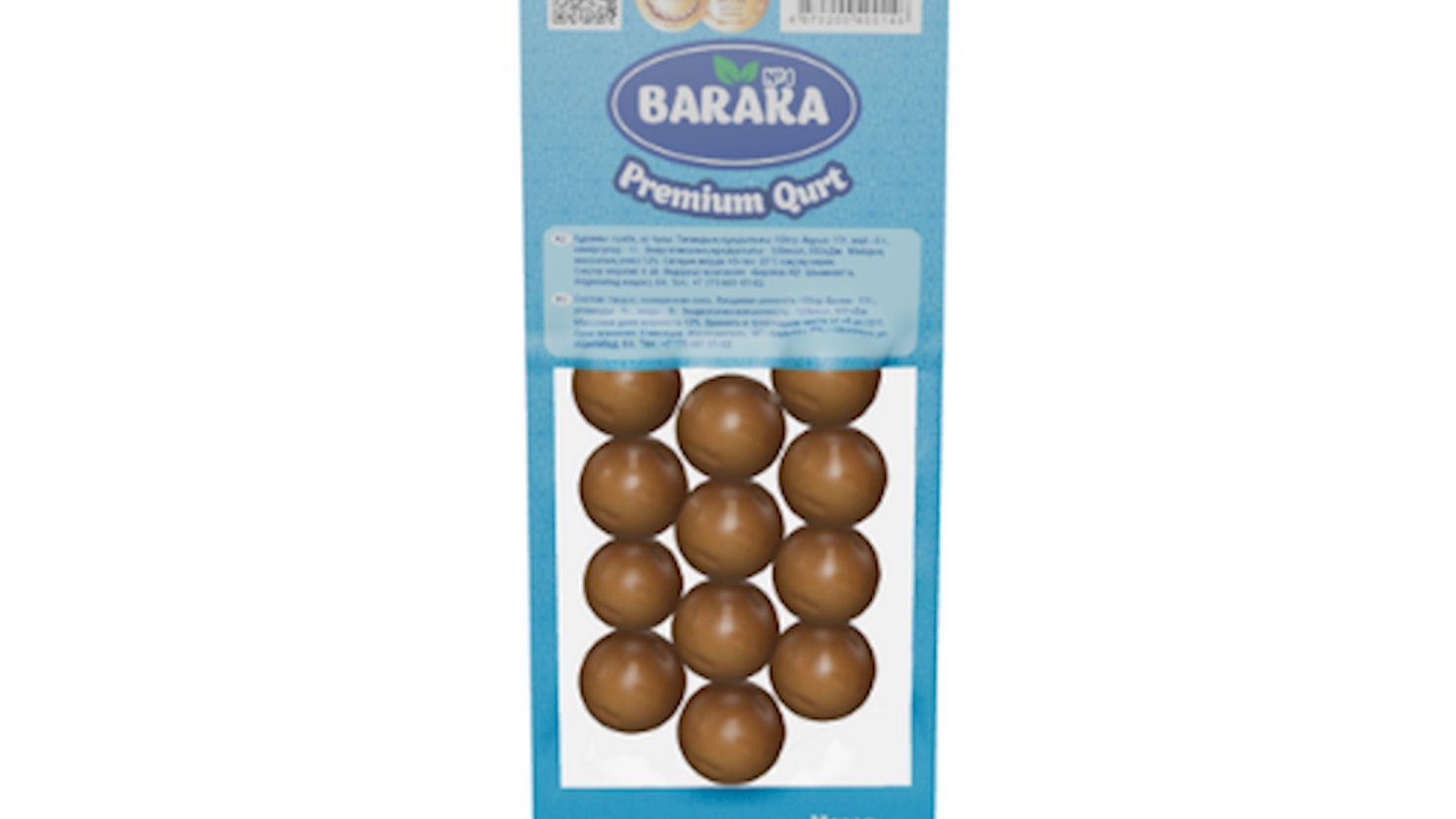
Baraka N1 is a Kazakh food company based in Shymkent, specializing in the production of traditional “qurt”, a dried dairy product characteristic of Central Asian culinary heritage. Their range includes several qurt lines - from standard to premium varieties that differ in drying level, granulation, and purity of the dairy base. In addition to qurt, the company offers a broad assortment of snacks such as seeds, nuts, dried fruits, as well as popcorn and caramel candy lines. Their focus is on using natural ingredients, with packaging designed for an extended shelf life and wider market distribution. The combination of a traditional product and a modern snack portfolio makes Baraka N1 a recognizable producer that bridges local heritage with contemporary consumer trends.
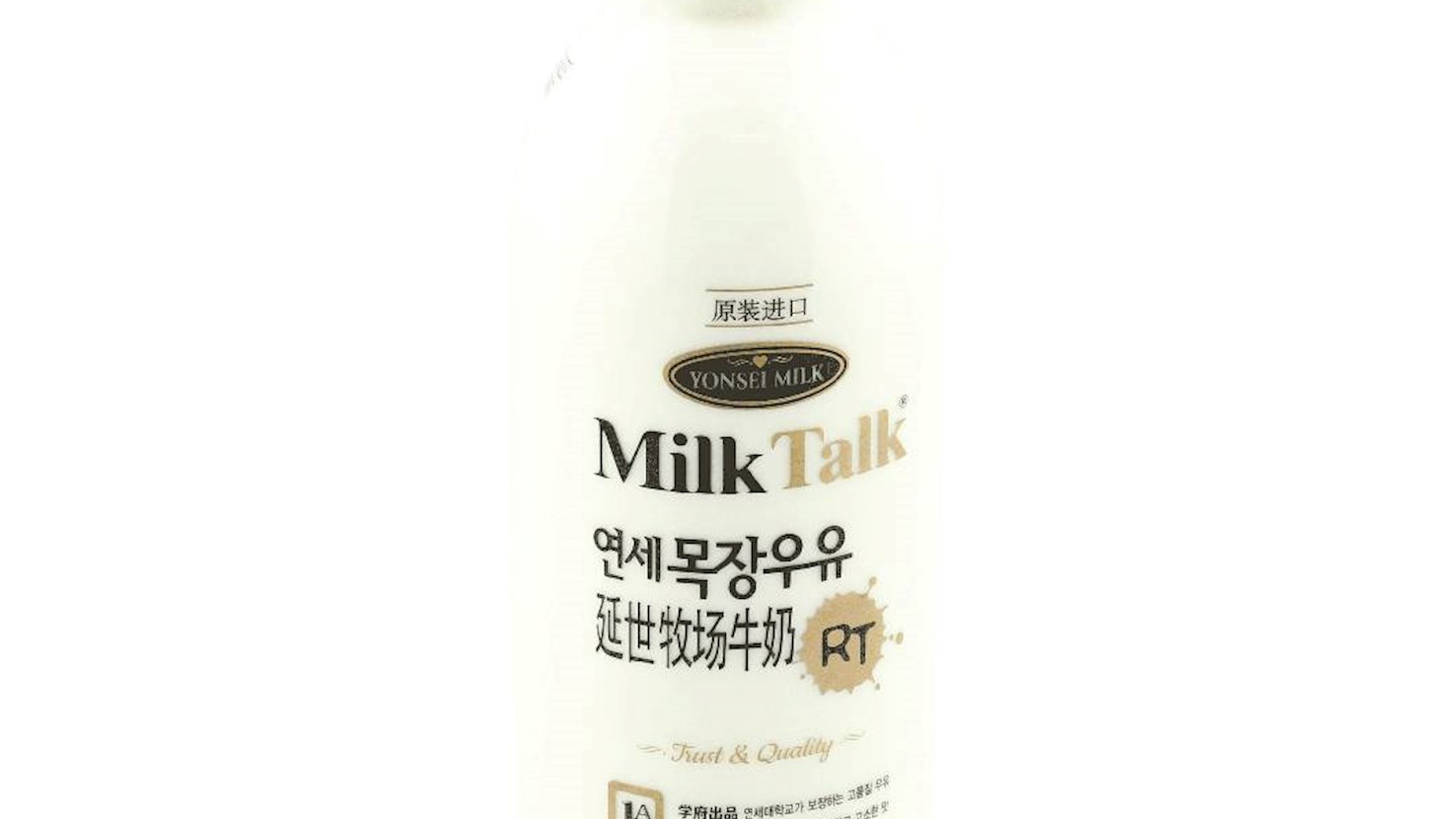
Yonsei University Dairy is one of the oldest and most prestigious dairy producers in South Korea, with a tradition dating back to 1962. As part of Yonsei University, the company was established with the goal of providing high-quality dairy products, ensuring strict control over raw materials and production processes. The uniqueness of this producer lies in its ownership of its own farms, guaranteeing freshness, natural taste, and top-tier product safety. Thanks to innovative production methods and research in food technology, Yonsei University Dairy continuously enhances the quality of its products and expands its product range.
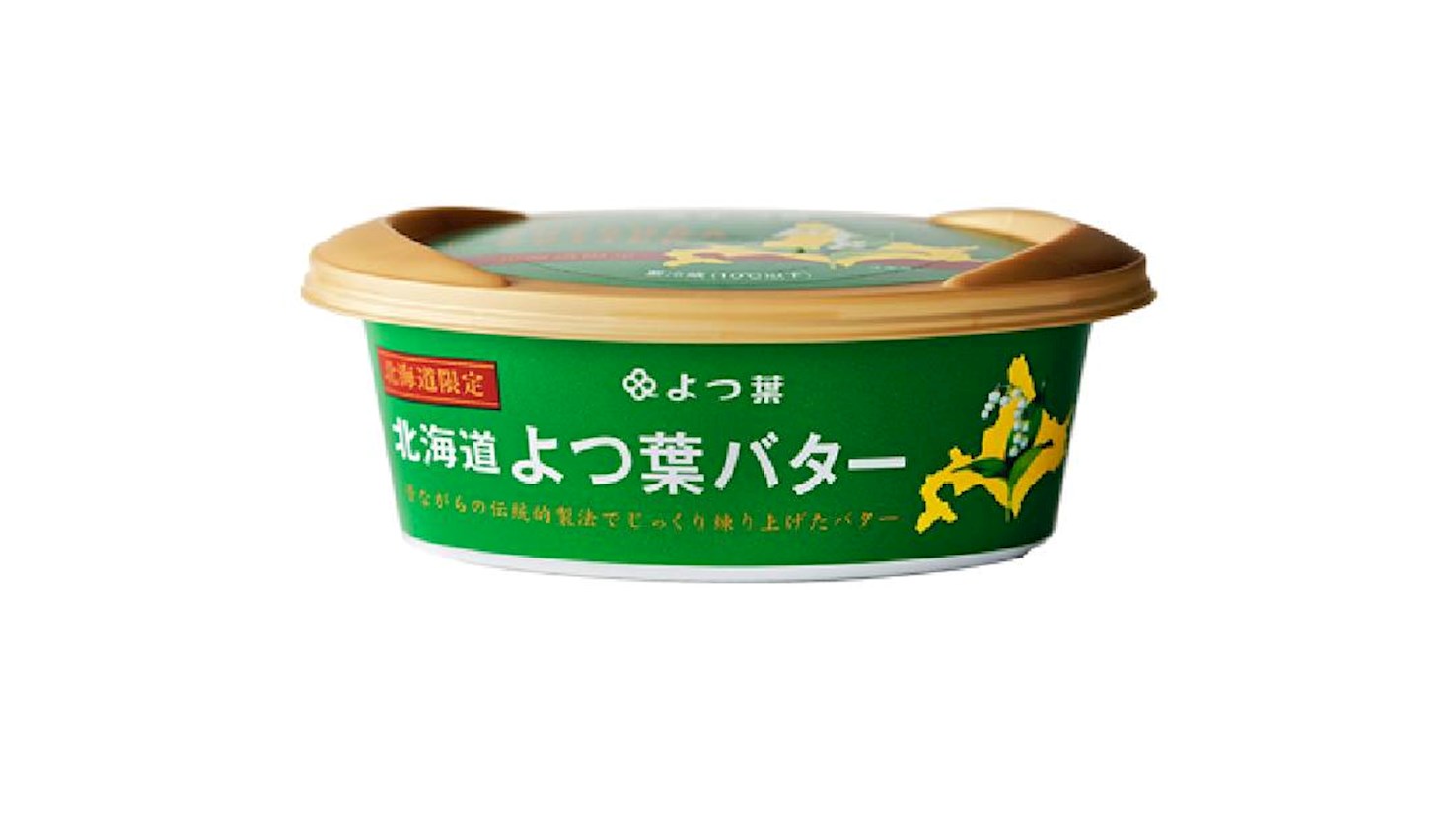
Yotsuba is a Japanese dairy company founded in 1967 by farmers from Hokkaido. The company specializes in the production and sale of milk and dairy products, using high-quality raw milk produced in Hokkaido's rich natural environment. Yotsuba is committed to delivering fresh and natural products directly to consumers, ensuring safety and high quality through strict controls throughout the entire production process. Their product range includes milk, yogurt, cheese, butter, and powdered milk, all made from 100% raw milk sourced from Hokkaido. The company also operates a research center and multiple factories across Japan, including its main factory in Tokachi. Headquartered in Sapporo, Yotsuba continues to contribute to consumers' daily lives by providing delicious and safe dairy products.
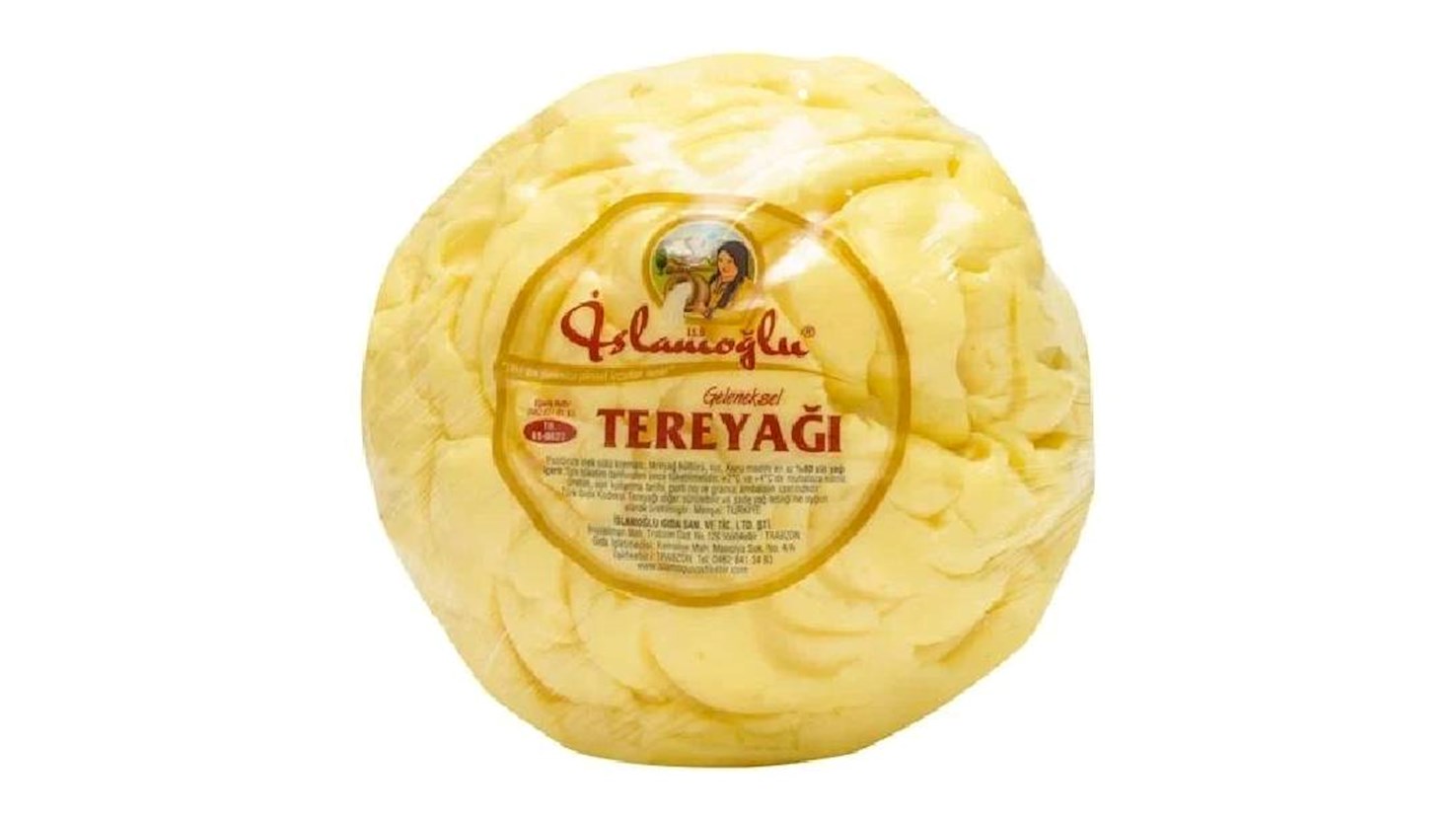
İslamoğlu Gıda is a family-owned company established in the 1960s in Vakfıkebir, Trabzon, Turkey. Initially operating in wholesale and retail sectors, the company transitioned in the 1990s to focus on dairy products under the name İslamoğlu Gıda Sanayi Ticaret Şirketi. They specialize in traditional Turkish dairy items, notably Vakfıkebir Tereyağı (butter), and have expanded their offerings to include olives and other regional products.
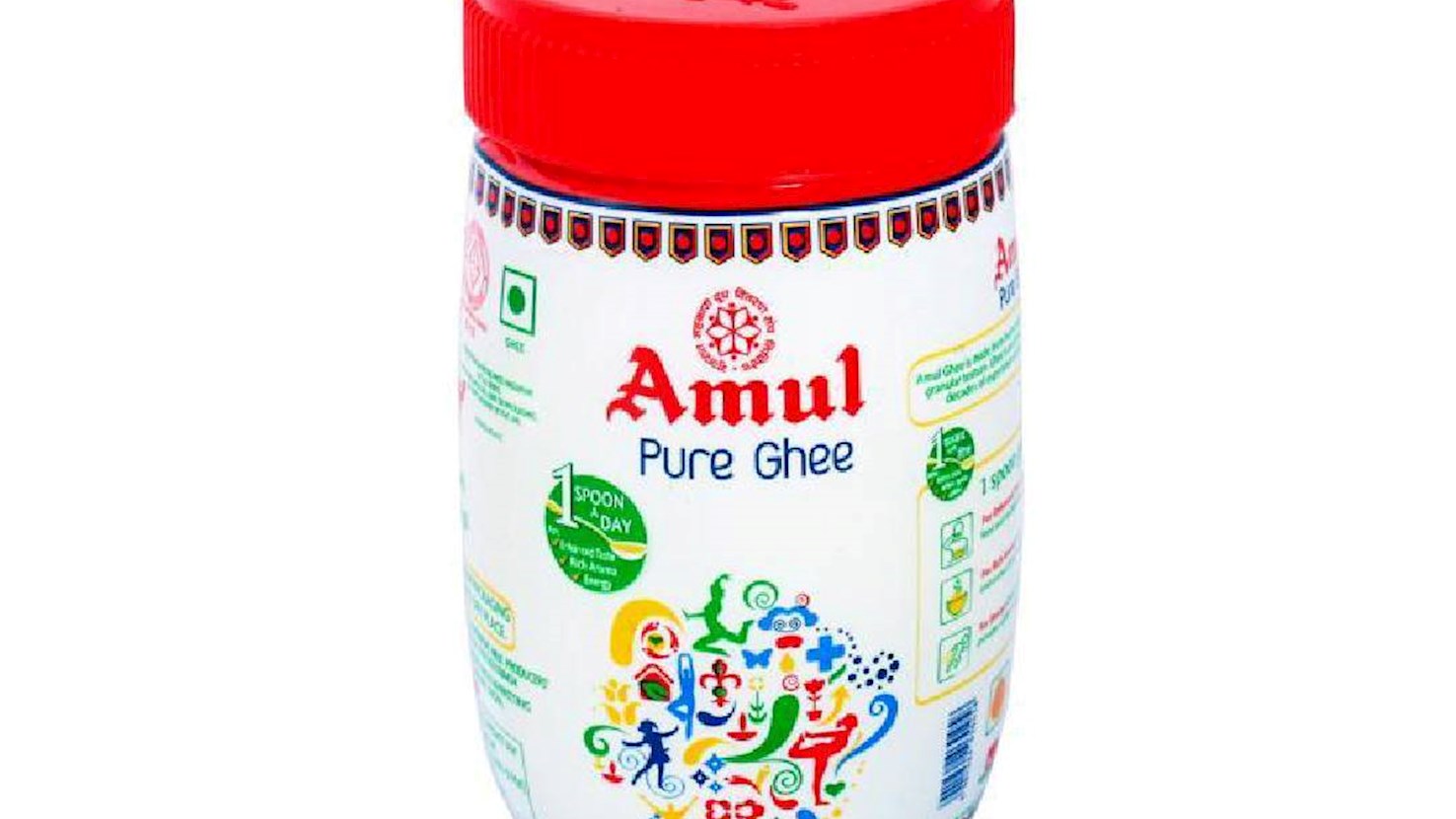
Amul is a leading Indian and globally recognized dairy producer, synonymous with premium quality, rich tradition, and innovation in the dairy industry. As India’s largest dairy cooperative, Amul unites millions of farmers and sources the finest fresh milk to create a diverse range of products, including milk, butter, cheese, yogurt, ghee, ice cream, and other dairy specialties. Its commitment to quality and authentic taste ensures that every product retains its natural freshness and nutritional value. By combining traditional production methods with modern technology, Amul has become one of the most trusted brands for households, the foodservice sector, and the food industry worldwide. With a strong focus on sustainability, community support, and advancements in dairy farming, Amul continues to set the benchmark for excellence, delivering not just products but a promise of freshness, taste, and nutritional goodness in every bite.
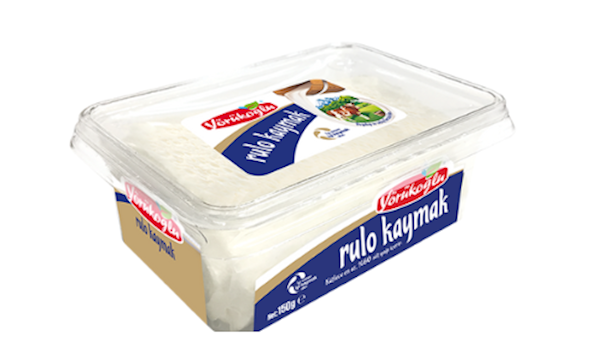
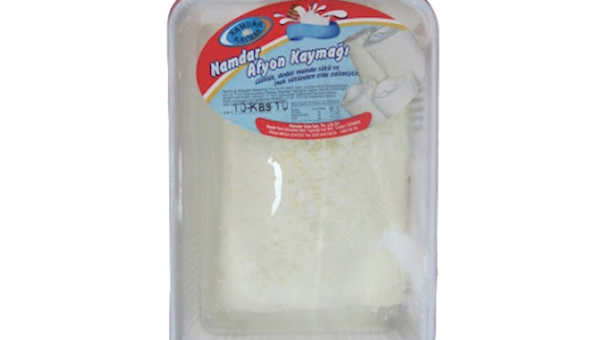
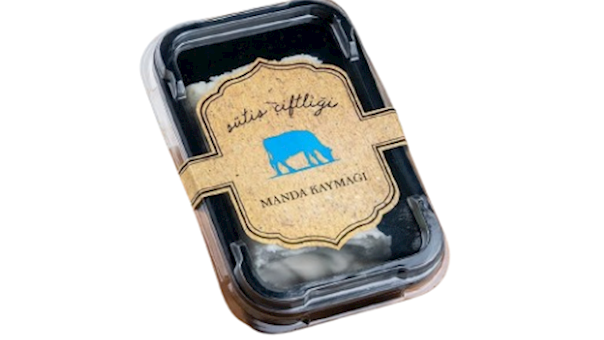
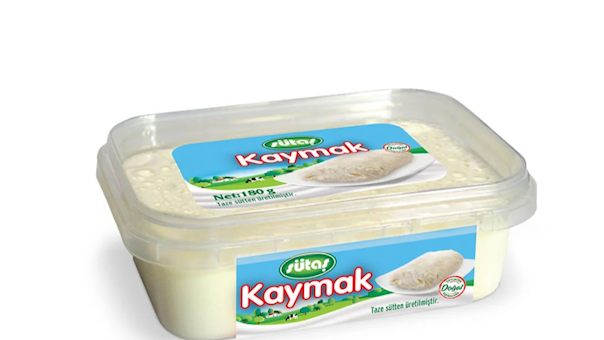
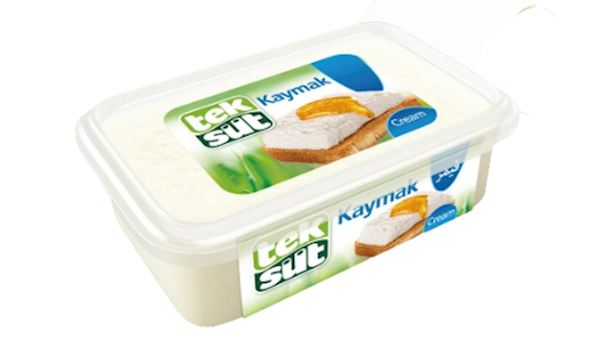
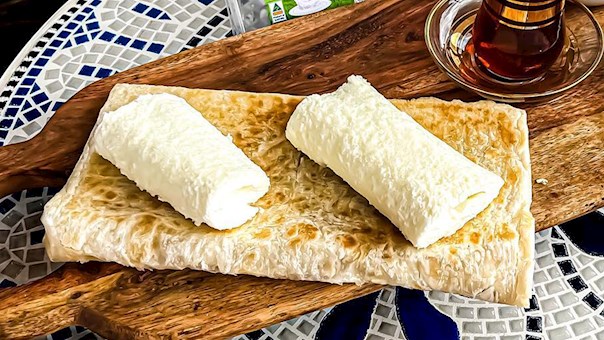
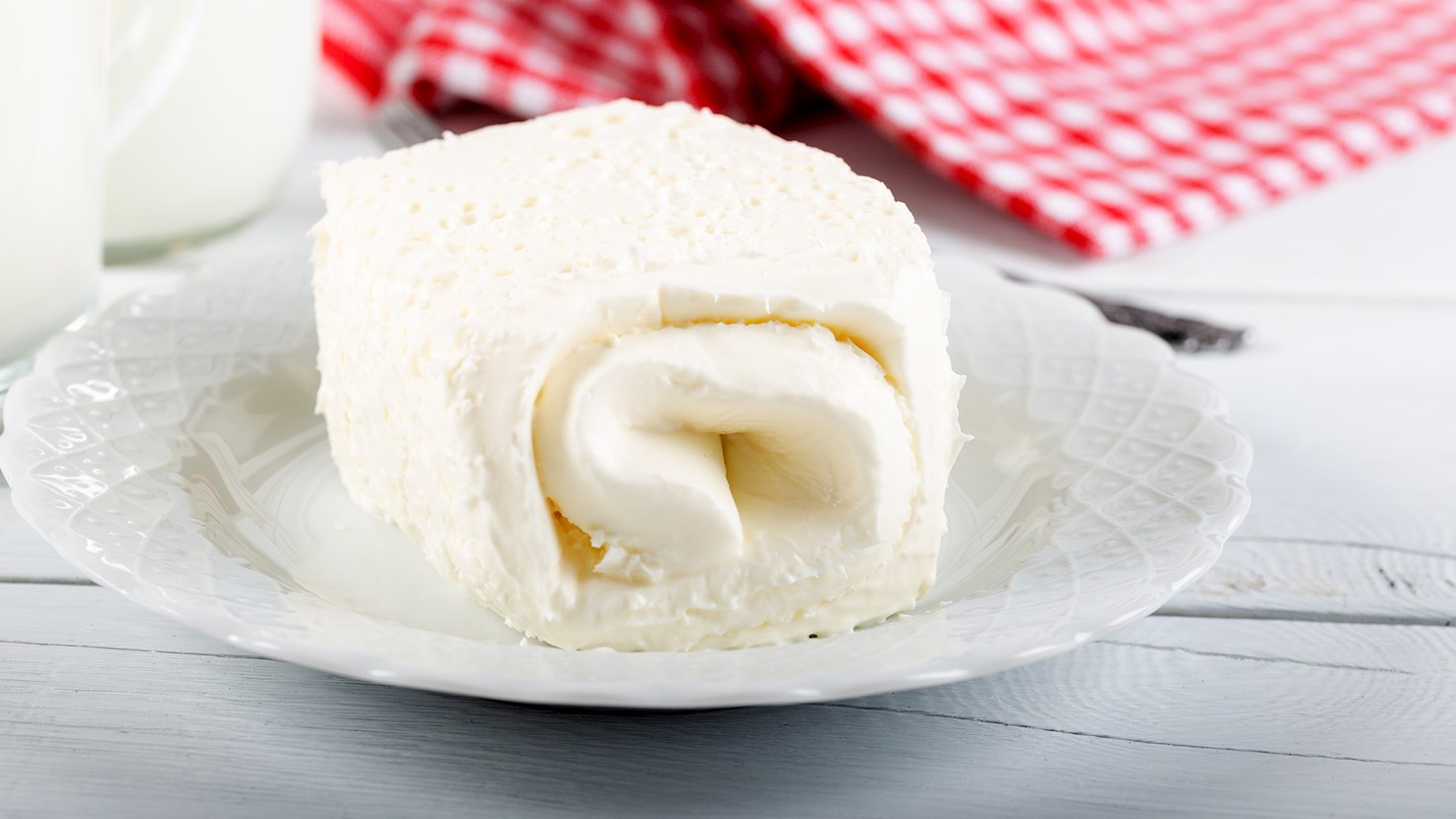
This traditional Turkish dairy product is thought to have origins among the Turkic people of Central Asia. A bit later, it has spread across the Middle East, the Balkans, and certain parts of Asia. The making of kaymak involves boiling, simmering, and skimming of fresh milk before the resulting cream is allowed to chill and develop into a thick, smooth, and velvety dairy delicacy. Kaymak purists believe that true kaymak is prepared with water buffalo's milk, which is thicker and higher in milk fat than the milk of other animals, although cow's, goat's, and sheep's milk are also traditionally used. Comparable to clotted cream, this dairy product is characterized by a rich and slightly tangy flavor and a high content of milk fat. Called kajmak in the Balkans or eishta in Arabic, kaymak is typically enjoyed for breakfast or as an accompaniment to a variety of hot beverages or desserts such as ayva tatlisi, künefe, and ekmek kadayifi. One of the most common ways to enjoy this dairy specialty is as a part of bal kaymak, a sweet delicacy and a breakfast staple in Türkiye, consisting of kaymak and honey, often sprinkled with ground nuts such as pistachios, walnuts, or almonds. In the Balkans, versions of kaymak are usually enjoyed alongside meat specialties such as ćevapi or pljeskavica.
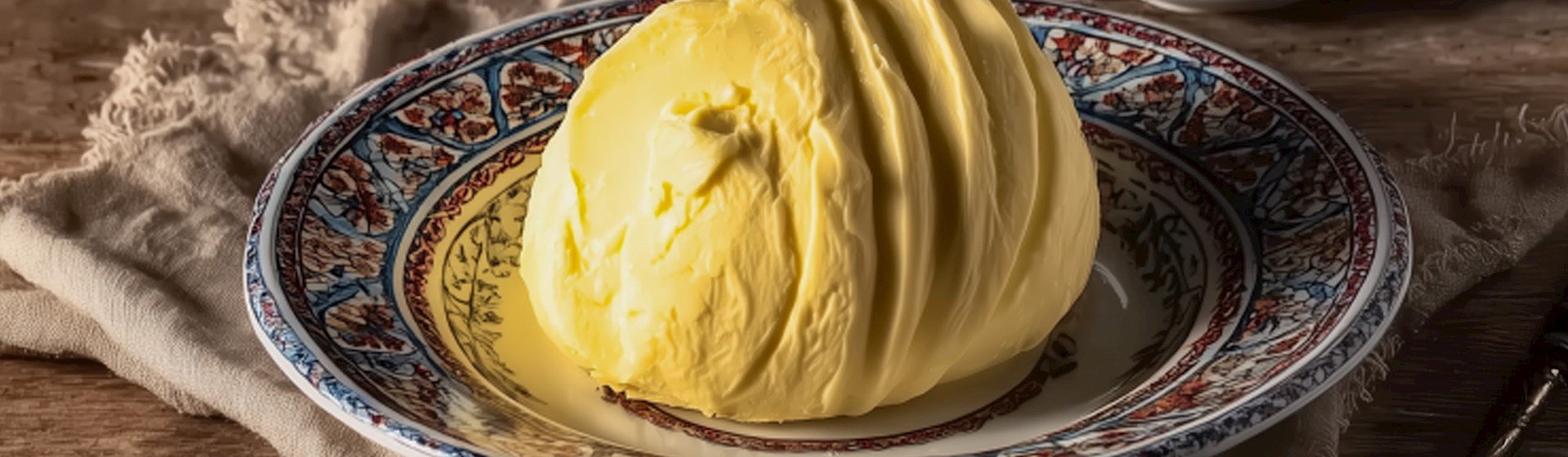
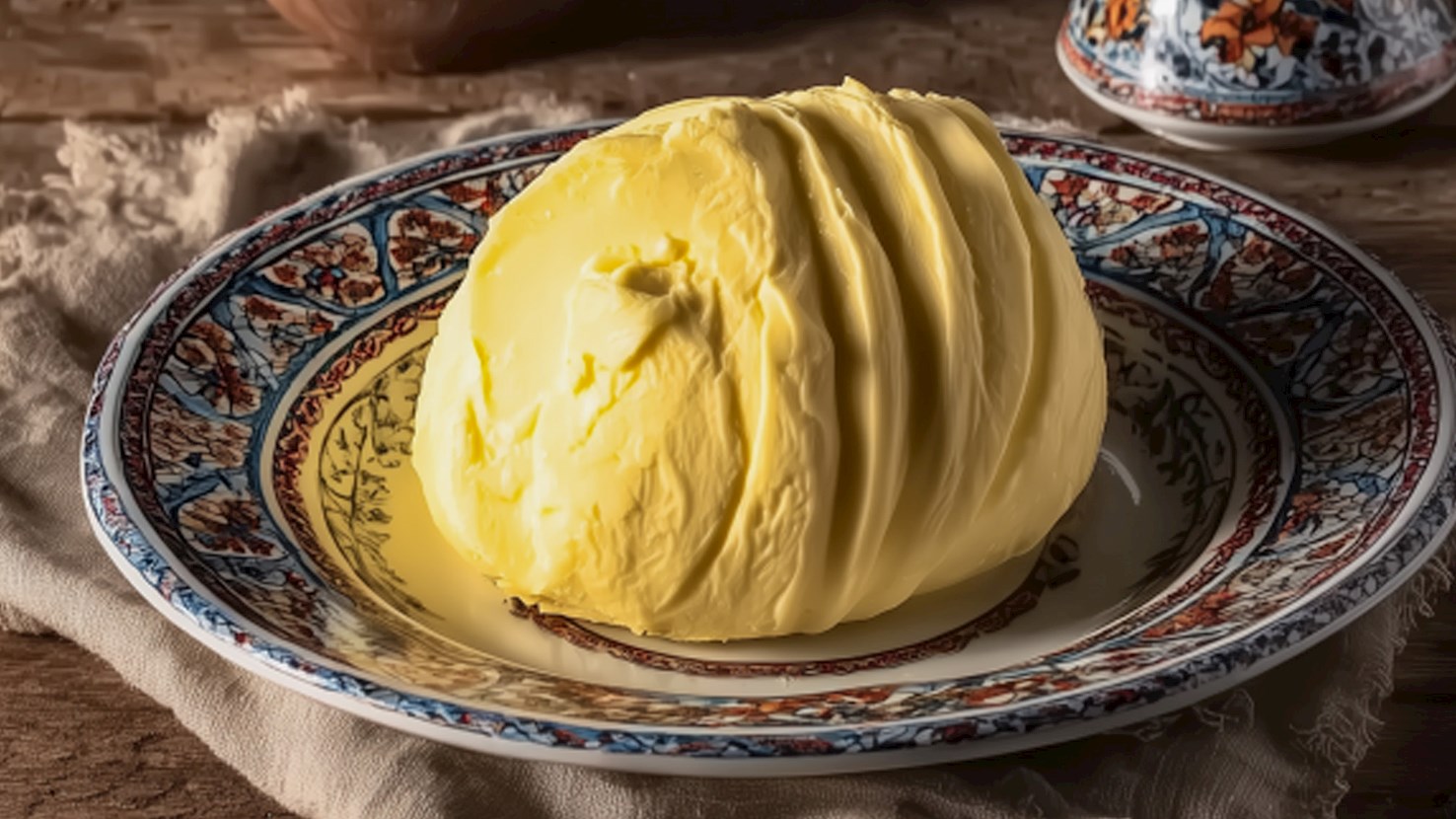
This butter originates from Turkey, specifically the Yakcukur area in the province of Trabzon. It's made with a combination of pasteurized cow's milk cream and butter cultures. Once prepared, the butter is washed with ice-cold water, then stirred with a large wooden spoon for a long time until the butter is shaped. It's traditionally decorated with a few incisions on top, usually made with a spoon. This butter with a unique flavor, color, and aroma is produced using only traditional methods. It's mostly consumed as a breakfast item.
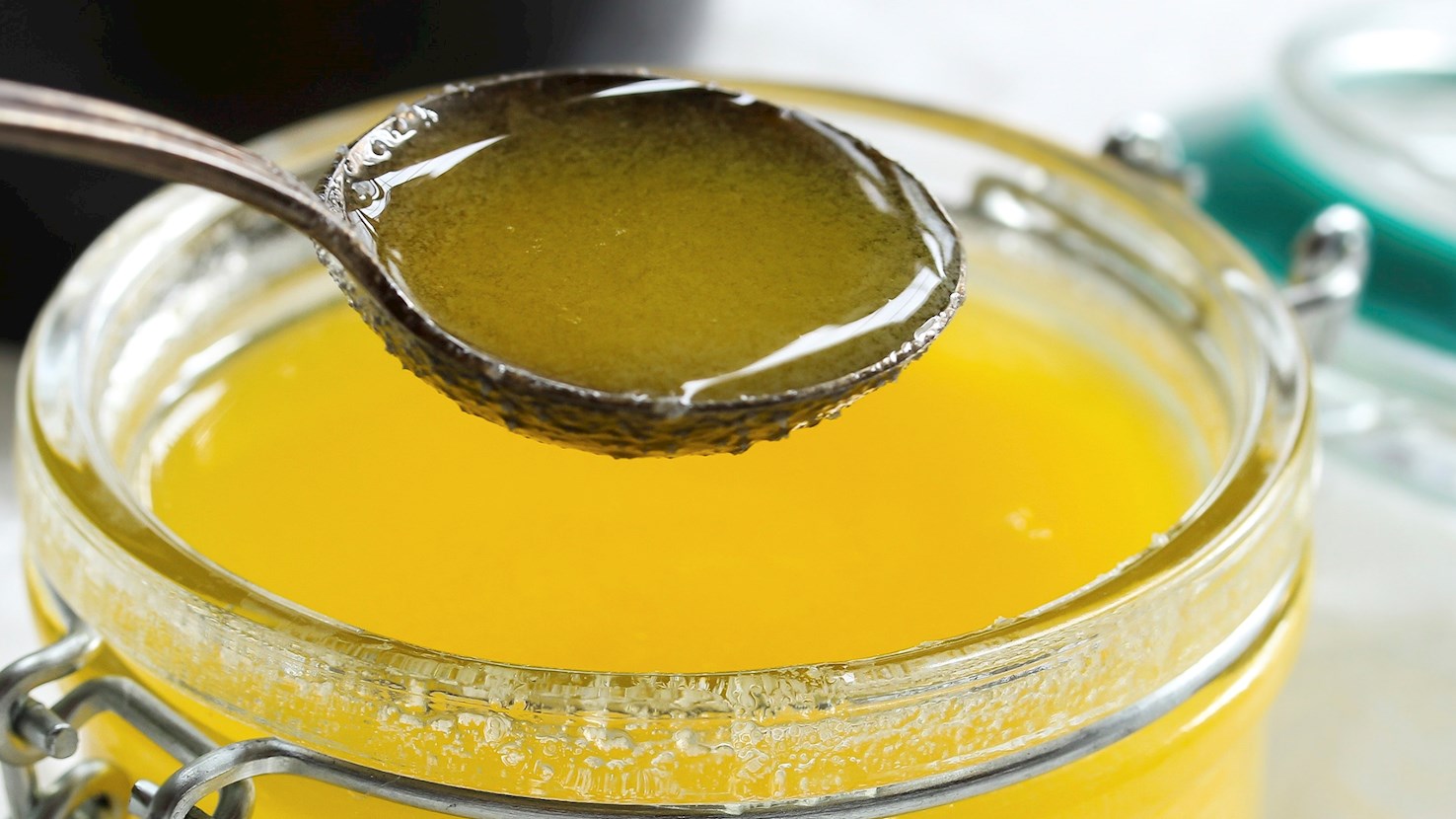
Ghee is a type of clarified butter that is considered a superfood by many people. It is cooked for a long time so that nearly all of the milk and moisture is removed. In India, due to the hot climate, butter has to be stabilized for storage and use, so people decided to clarify it. Although it was initially made in the northeast of India, ghee first started to gain popularity in southern India. Ghee is also extremely healthy, since it is full of vitamins A and E, fights inflammation, and is low in lactose and casein. It is also considered a sacred fat, and ritual candles are sometimes made of ghee. At some Hindu weddings, men have an eating contest where they eat as much of it as possible as part of a fertility ritual. With its nutty flavor and numerous health benefits, ghee is guaranteed to remain a staple of Indian culinary world.
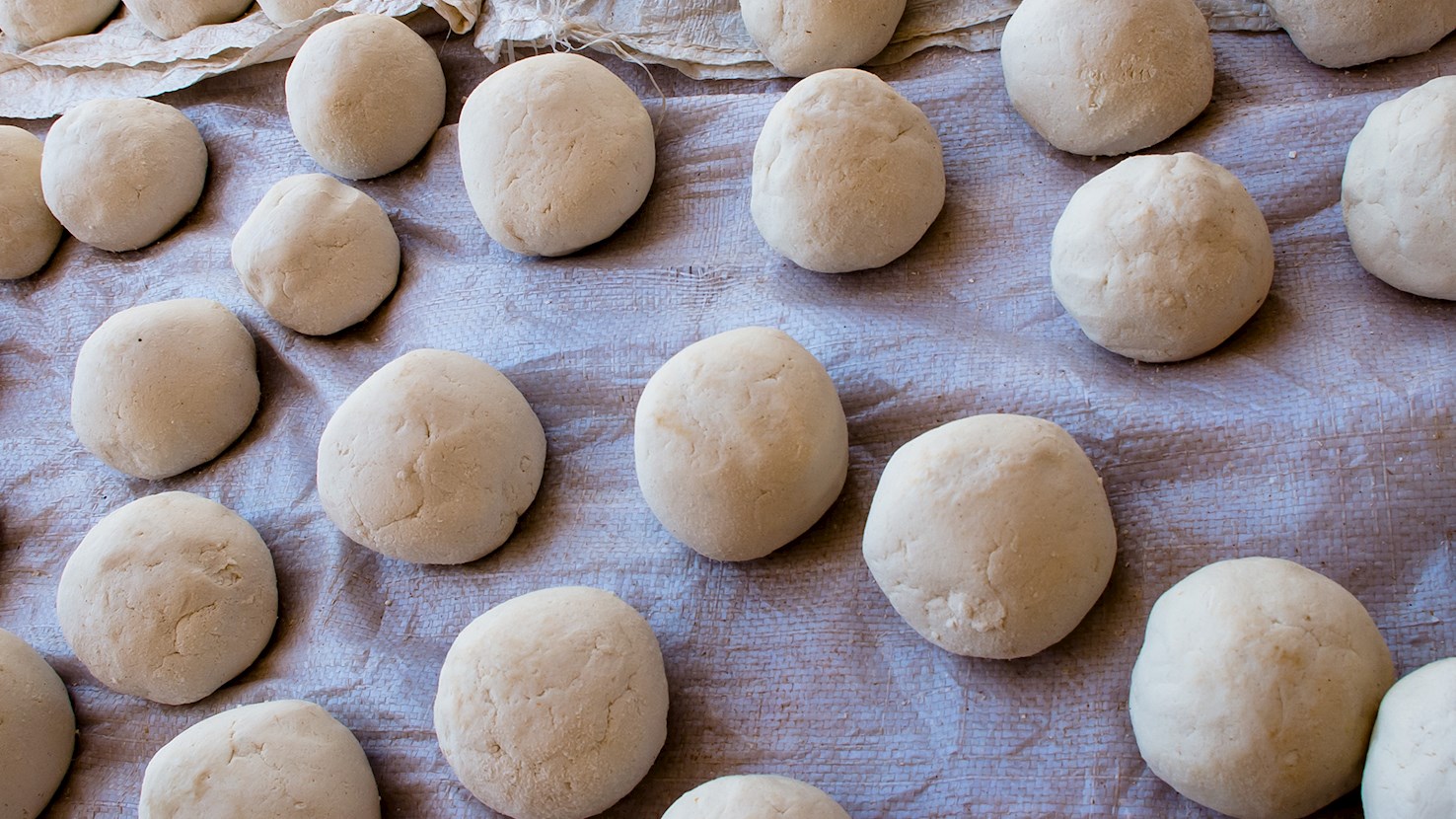
Jameed is a dried fermented dairy product made primarily from sheep’s or goat’s milk and produced in the Levant, most closely associated with Jordan and also found in parts of Palestine and Syria, where it appears as hard, stone-like balls or discs designed for long-term storage. Its development is linked to pastoral societies in semi-arid environments, where herding economies required reliable methods to preserve surplus milk beyond the short window of freshness, and fermented yogurt was progressively strained, salted, shaped, and dried to create a durable product that could withstand heat, transport, and extended storage without refrigeration, gradually becoming embedded in regional food systems as both a preserved ingredient and a defining flavor base. Preparation begins with yogurt made from sheep’s or goat’s milk that is churned to remove butterfat, further strained to reduce moisture, mixed with salt, and shaped before being air-dried until completely hardened, and when used for cooking, jameed is soaked in water, softened, and blended into a smooth liquid that forms a concentrated, tangy sauce. It is most commonly heated gently to prevent curdling and used as the primary cooking medium for meats, where its acidity and salt content season the dish while its protein structure provides body without additional thickeners. A defining characteristic of jameed is its extreme dehydration, which distinguishes it from other fermented dairy products and allows it to function as both a preserved food and a flavoring agent rather than a direct dairy accompaniment. Jameed is eaten mainly as part of cooked dishes rather than on its own, most notably in meals centered around lamb and rice, and it is consumed in homes and communal settings across the Levant, paired naturally with starchy foods such as rice and bread, while beverages like water, lightly salted yogurt drinks, or unsweetened tea are served alongside to balance its intensity and salinity.
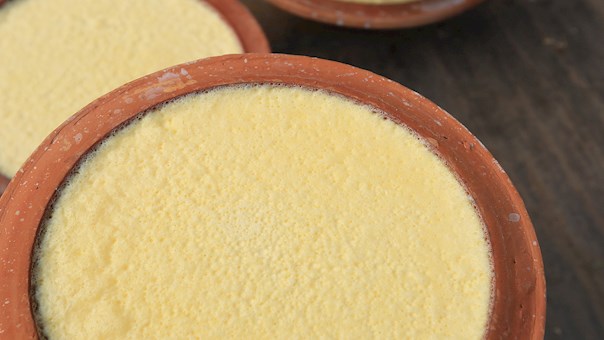
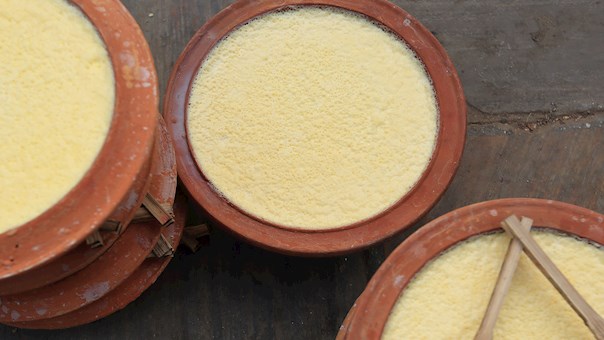
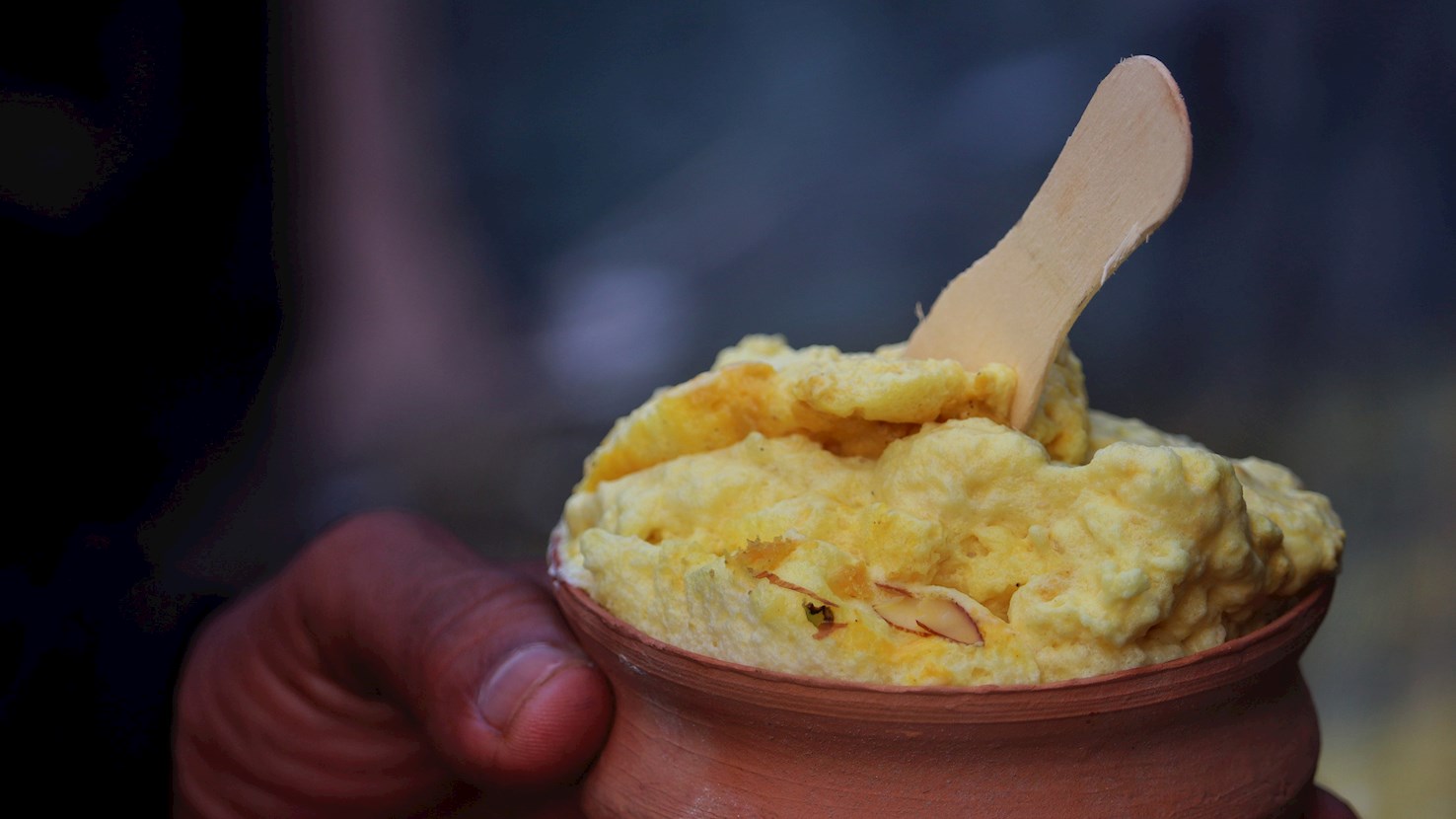
The thick, mild malai is a homemade dairy product made with heated milk which is refrigerated until a thick layer of fat is created on top. Yellow in color, malai is usually skimmed off by hands, stored in containers, and the procedure is repeated until all fat and proteins have been separated from the milk. Even though it is a time-consuming process, malai is commonly prepared in many Indian households, and usually used as an ingredient in creamy sauces, curries, and traditional desserts.
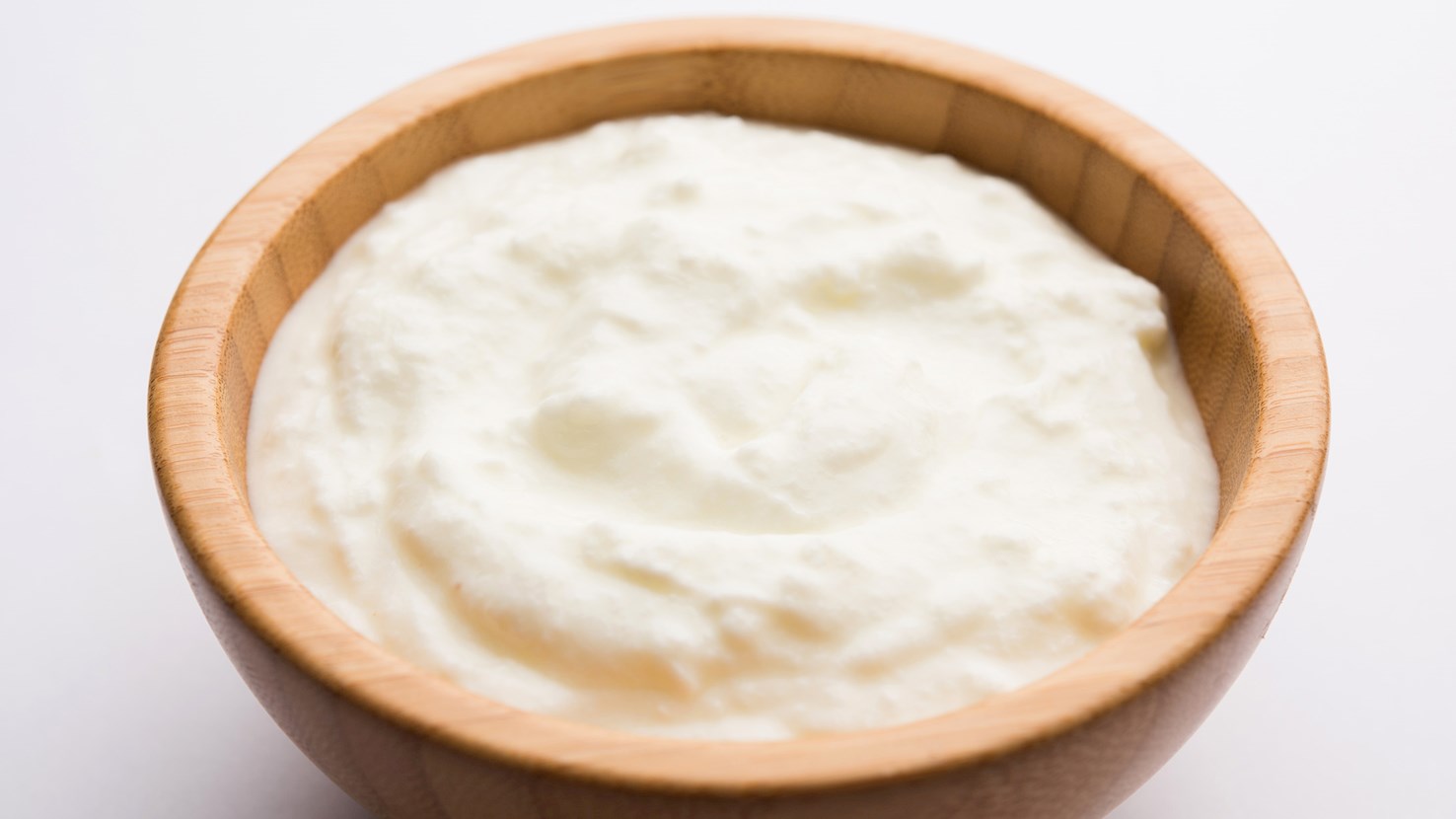
Indian dahi, also known as curd in the Indian context, is a traditional fermented dairy product similar to yogurt but distinct in its preparation and taste. It is made by introducing a bacterial culture to lukewarm milk, which then ferments the milk sugars (lactose) into lactic acid. This process thickens the milk and gives it a tangy flavor. Dahi is an essential part of Indian cuisine and is consumed in various forms across the country. It can be eaten plain, used as a base for raitas (a yogurt-based condiment), blended into smoothies (lassi), used in marinations for meat and vegetables, or incorporated into desserts. Its preparation and the specific cultures used can vary regionally, leading to subtle differences in flavor and consistency compared to commercial yogurt. Dahi is valued not only for its taste but also for its digestive benefits and cooling effect on the body, making it a staple in Indian diets.
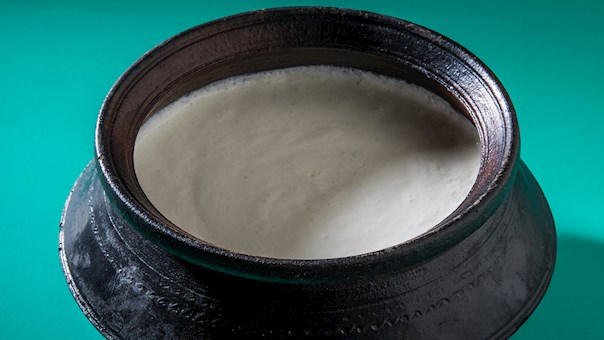
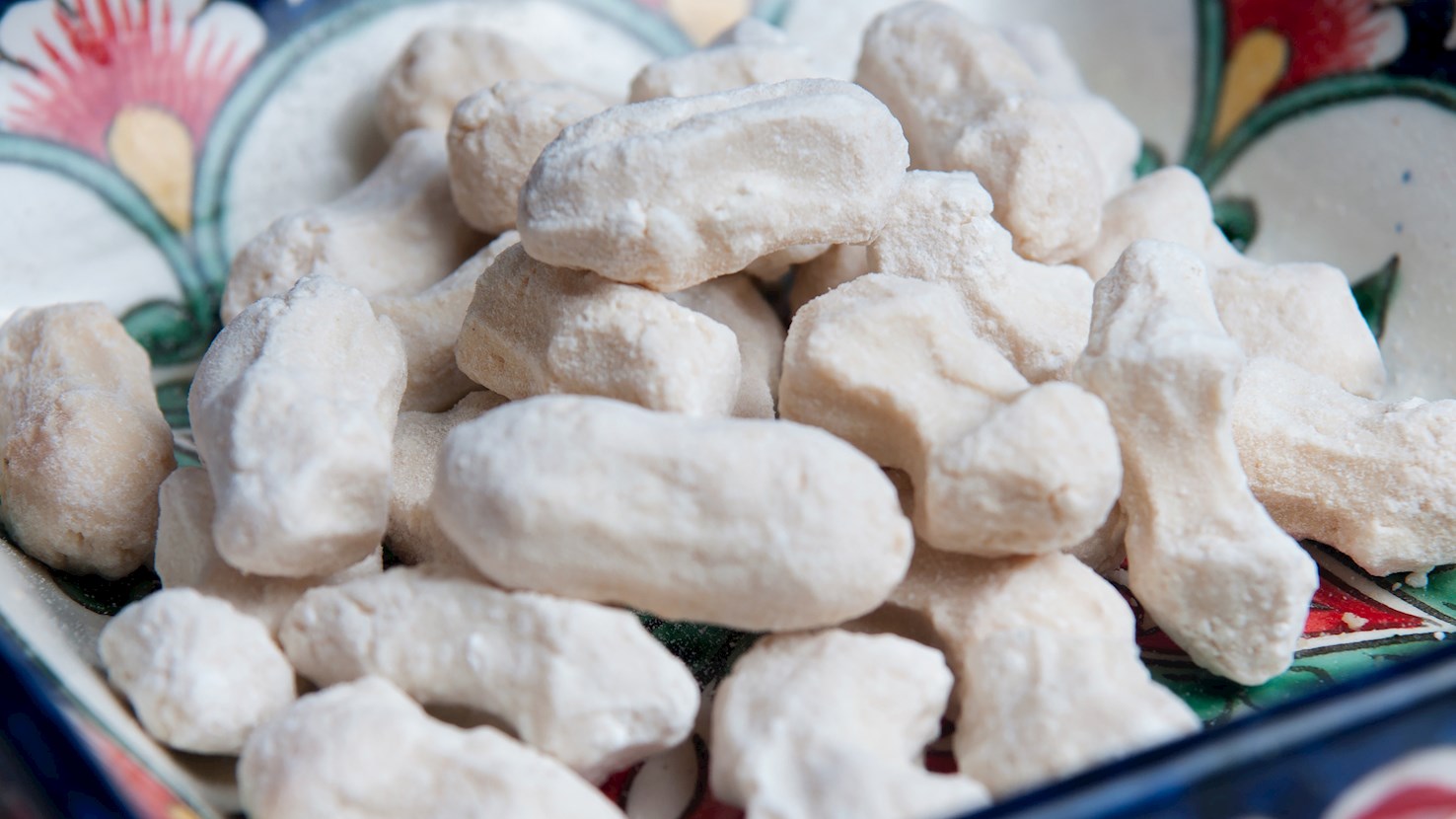
Kashk is a fermented dairy product used across Iran and parts of the Caucasus and Central Asia, known for its tangy, savory character and creamy consistency when reconstituted. In Iranian cooking, it serves as both an ingredient and a garnish, lending richness and depth to stews, soups, and vegetable dishes. The word kashk is Persian, and its preparation is part of a broader tradition of preserving milk in regions where refrigeration was historically limited. References to kashk stretch back many centuries, with early Persian texts describing it as a way to extend the shelf life of yogurt or buttermilk. Nomadic herders in Iran and neighboring lands relied on kashk as a portable, nutrient-dense food that could be stored for months in dried form. Over time, it evolved from a simple sustenance to an essential culinary component in dishes like ash reshteh and kashk-e bademjan. The preparation begins by straining yogurt, whey, or buttermilk to remove excess liquid, concentrating the solids into a thick paste. This mixture is then lightly salted and fermented to develop its distinct sour flavor. Once properly thickened, it can be dried into small balls or thin sheets and kept for later use. To prepare it for cooking, the dried kashk is soaked in warm water and blended until smooth, forming a creamy sauce that can be spooned into food or drizzled on top. Fresh kashk is also produced commercially and sold in jars with a consistency similar to sour cream. It is often heated gently and mixed into hearty stews such as khoresh kadoo, or combined with fried onions, garlic, and mint to finish dishes like ash-e jo. In kashk-e bademjan, it balances the richness of fried eggplant and adds a slight tang that complements the dish’s spices. Some cooks prefer to sprinkle crushed dried kashk over breads or flatbreads before baking to impart a savory edge. Today, kashk remains a staple in Iranian kitchens and is commonly found in grocery shops and bazaars in both dried and liquid forms. It is also used in Caucasus, Central Asia, and Kurdish regions under various local names.
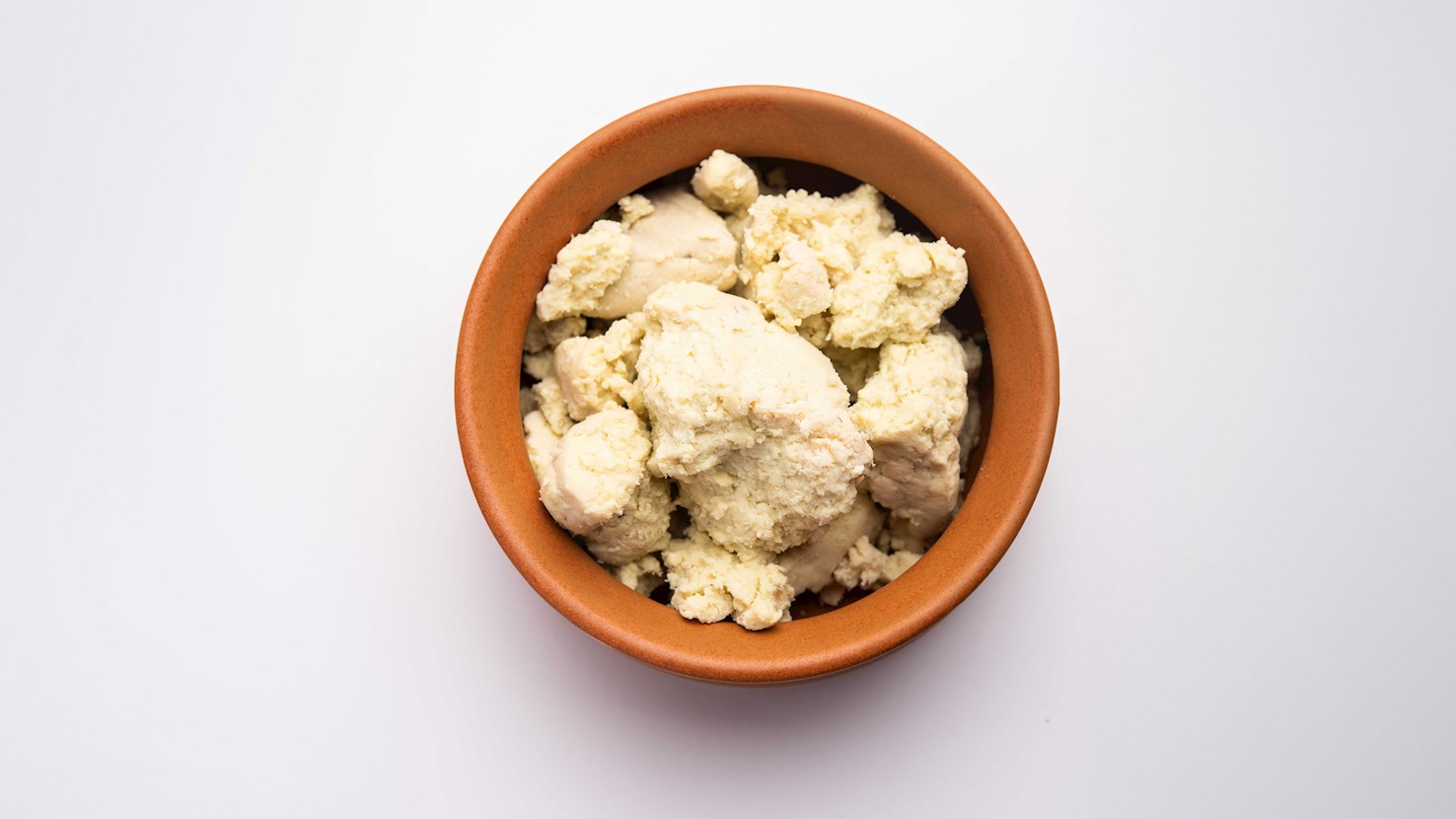
Mawa, also known as khoya, is a dairy product widely used in Indian and South Asian cuisine. It's made by simmering full-fat milk in a wide, shallow pan for an extended period, allowing the liquid to evaporate. The milk is continuously stirred to prevent sticking and burning until it reduces to a thick, dough-like consistency. The resulting product is rich and dense, with a texture that falls somewhere between ricotta cheese and a soft fudge. Mawa has a milky, slightly sweet taste, and it's an essential base for many Indian sweets and desserts, such as gulab jamun, peda, and burfi. Mawa can also be found in different types, varying in consistency and moisture content, such as hard mawa, soft mawa, and granulated mawa. The type used depends on the specific recipe and the desired texture of the final dish.
Calpis butter is a product of the Japanese company Calpis, which is primarily known for its eponymous fermented milk beverage (internationally known as Calpico). Calpis butter is made from the fermented milk used in their signature drink, and this gives it a unique and mildly tangy flavor. The fermentation process helps break down the proteins and fats in the milk, and this results in a butter that is rich and creamy, with a slightly different flavor profile than traditional butter. It has a subtle sweetness and a hint of the fermented taste that is characteristic of Calpis' beverage products. Calpis butter is typically used in Japan as a spread or for cooking, just like regular butter. It can add a special touch to pastries, sauces, or other dishes where butter is used. As a product from a well-known Japanese brand, it might be available outside of Japan in specialty stores or markets that carry Asian products.
Safed makhan refers to white butter, a traditional type of butter made from fresh cream or yogurt, typically without any added salt. It is a staple in Indian cuisine, especially in rural areas, and has a rich, creamy texture and mild flavor. Safed makhan is prepared by collecting fresh cream (malai) from milk over several days or by churning yogurt. The cream or yogurt is then churned vigorously, either by hand, with a wooden churner (mathani), or with a modern blender, to separate the butterfat from the buttermilk. The butter is then washed with cold water to remove any remaining buttermilk, which helps improve its shelf life. The resulting butter is soft, white, and unsalted, making it ideal for various culinary uses. In Ayurveda, white butter is considered nourishing and is often used in medicinal preparations or eaten as an energy booster. Unlike store-bought butter, safed makhan is fresh, unprocessed, and free from preservatives. It is used as a spread on parathas, rotis, or bread, added to traditional dishes like dal makhani, saag, or curries for a rich, creamy flavor, and as an accompaniment to snacks or desserts. Sometimes, it is consumed on its own with a sprinkle of sugar or honey for a simple treat.
TasteAtlas food rankings are based on the ratings of the TasteAtlas audience, with a series of mechanisms that recognize real users and that ignore bot,
nationalist or local patriotic ratings, and give additional value to the ratings of users that the system recognizes as knowledgeable.
For the “Top 18 Asian Dairy Products” list until June 10, 2026, 732 ratings were recorded, of which 398 were recognized by the system as legitimate.
TasteAtlas Rankings should not be seen as the final global conclusion about food. Their purpose is to promote excellent local foods,
instill pride in traditional dishes, and arouse curiosity about dishes you haven’t tried.
The initial list of top producers was compiled based on available reviews, awards, local recommendations, media and blog coverage, and consumer reviews.
The list will be updated with ratings from TasteAtlas local ambassadors and TasteAtlas users.