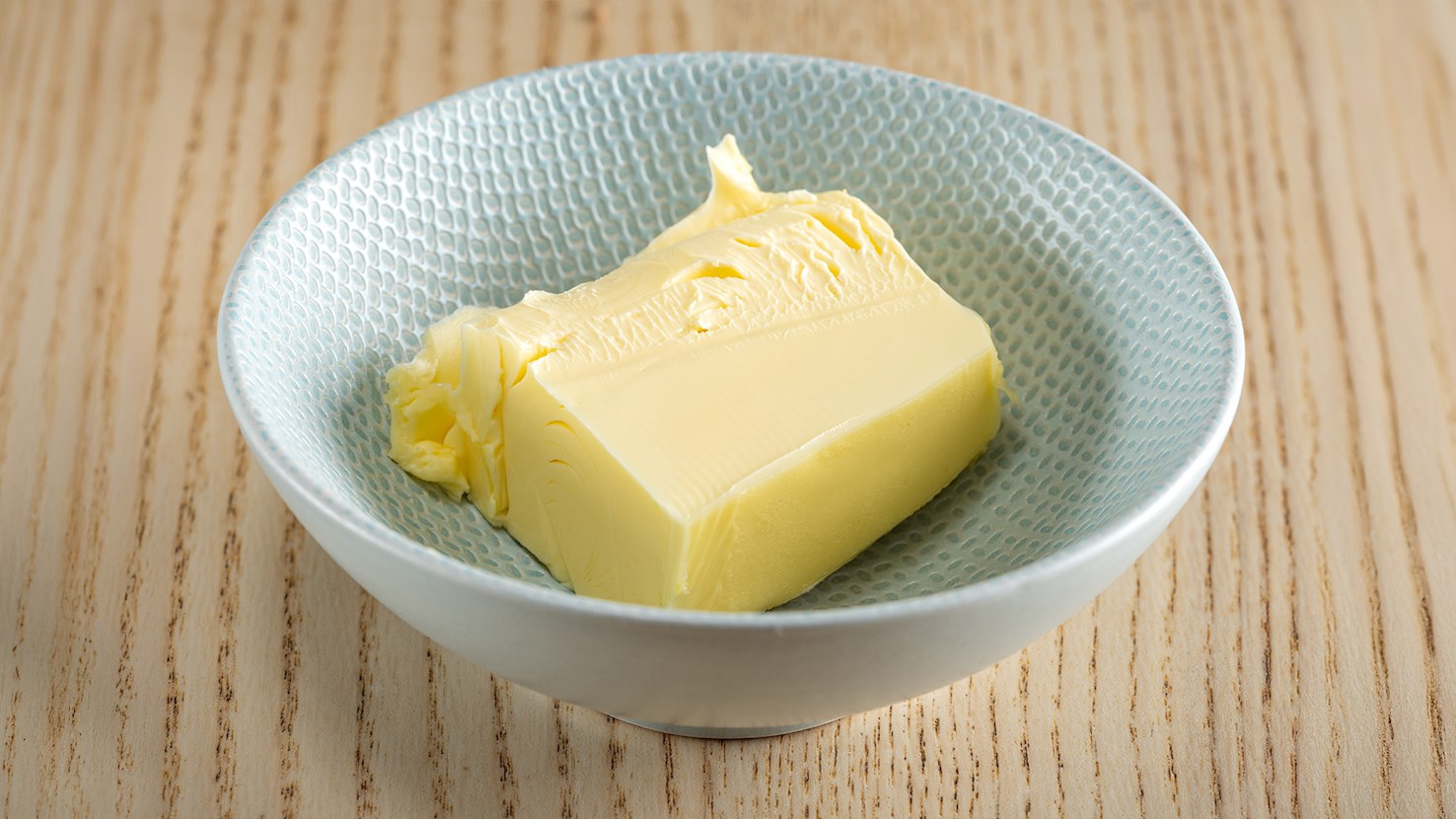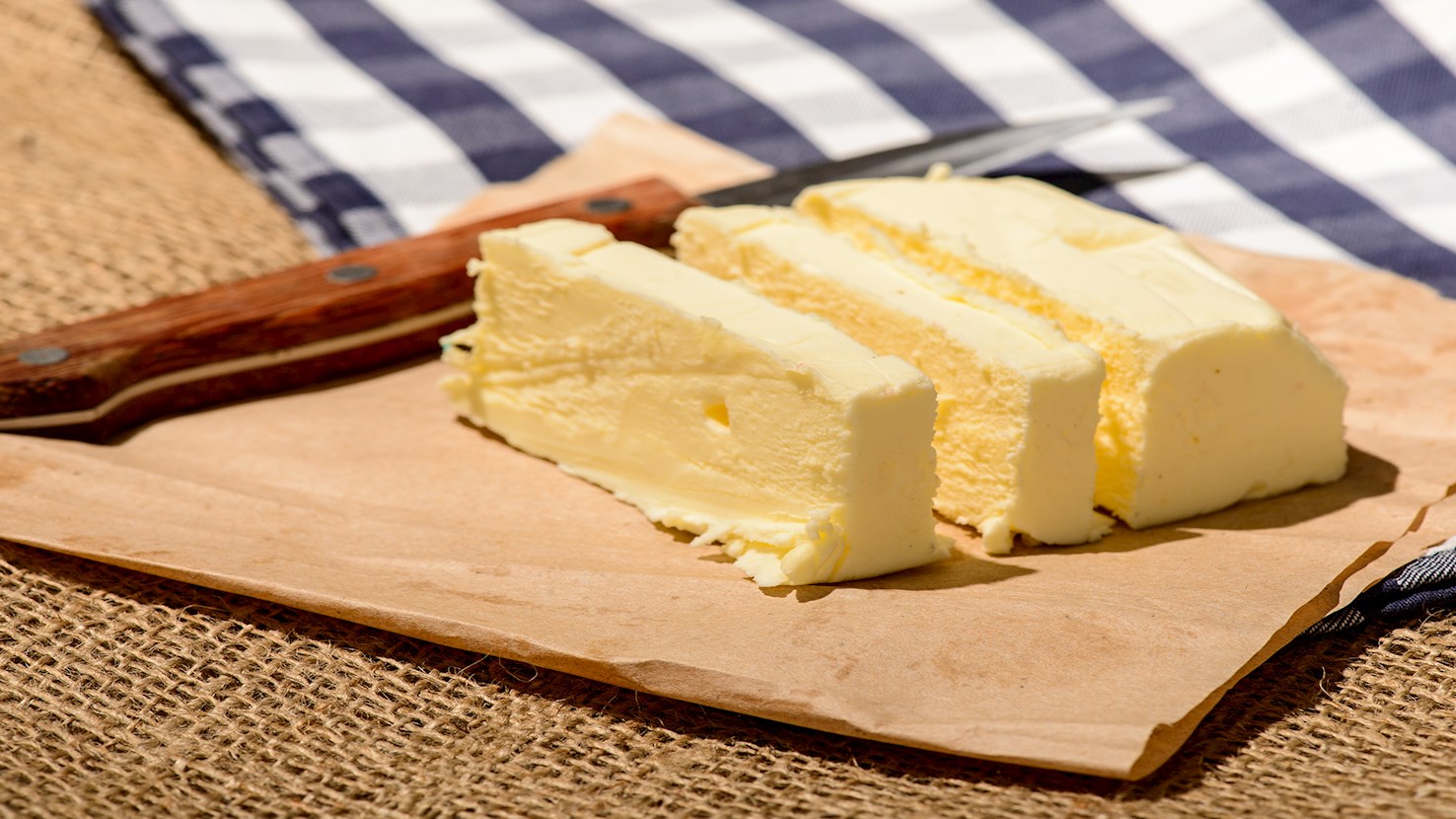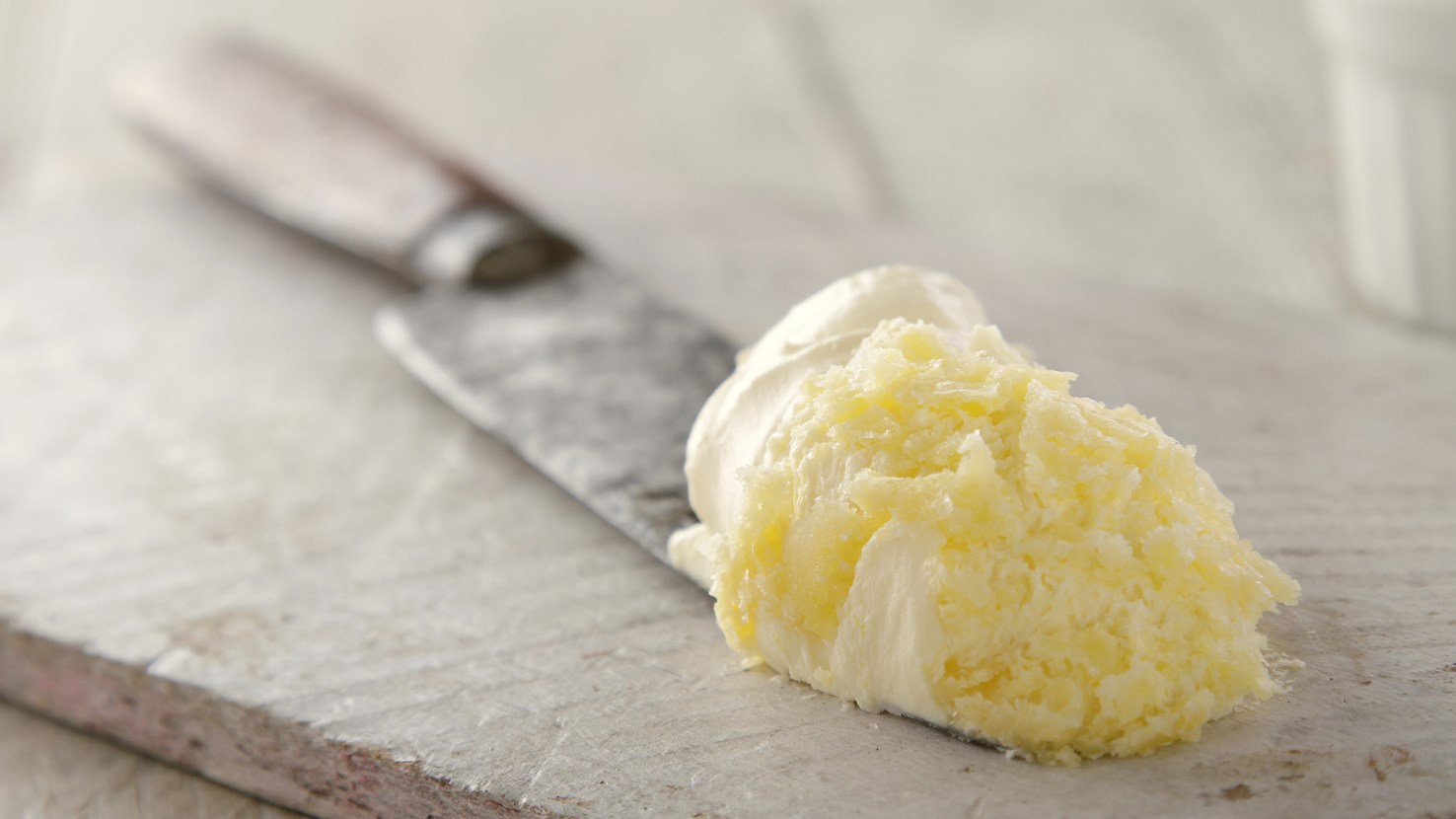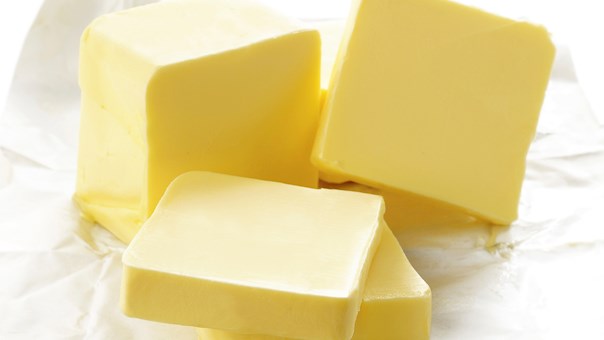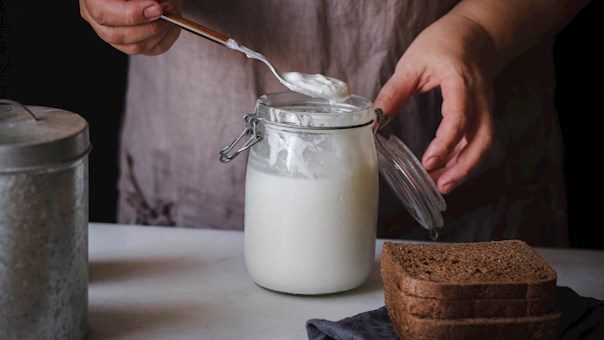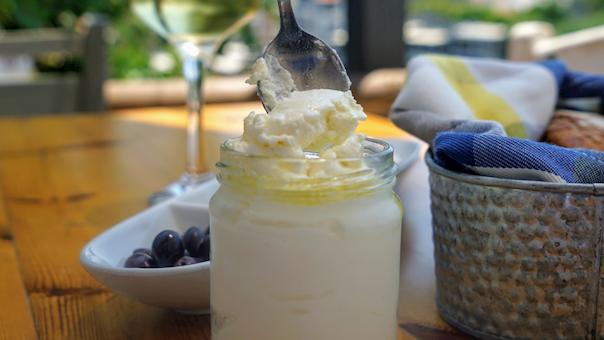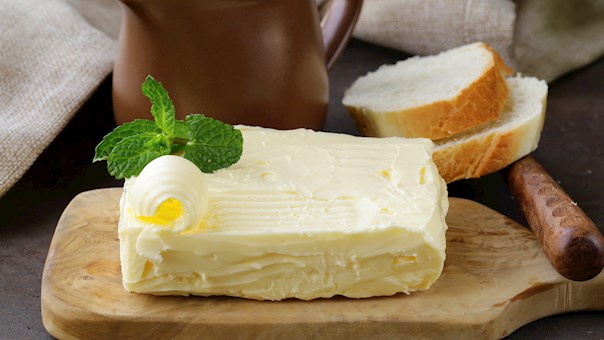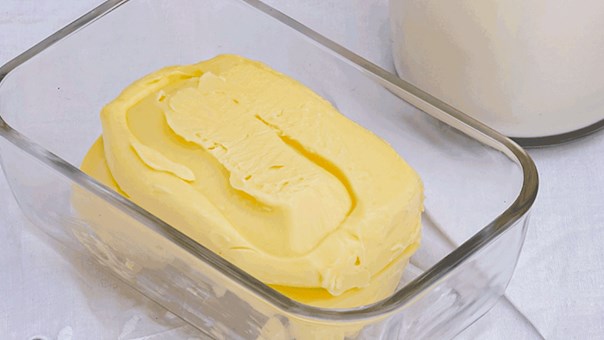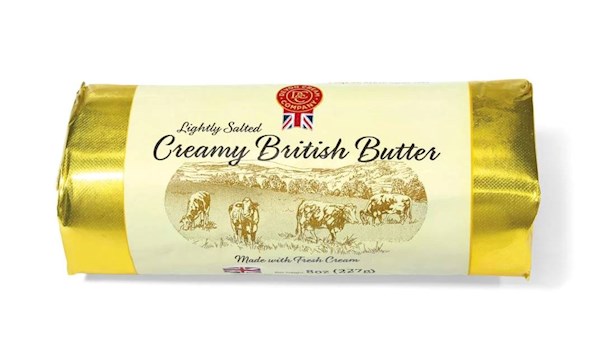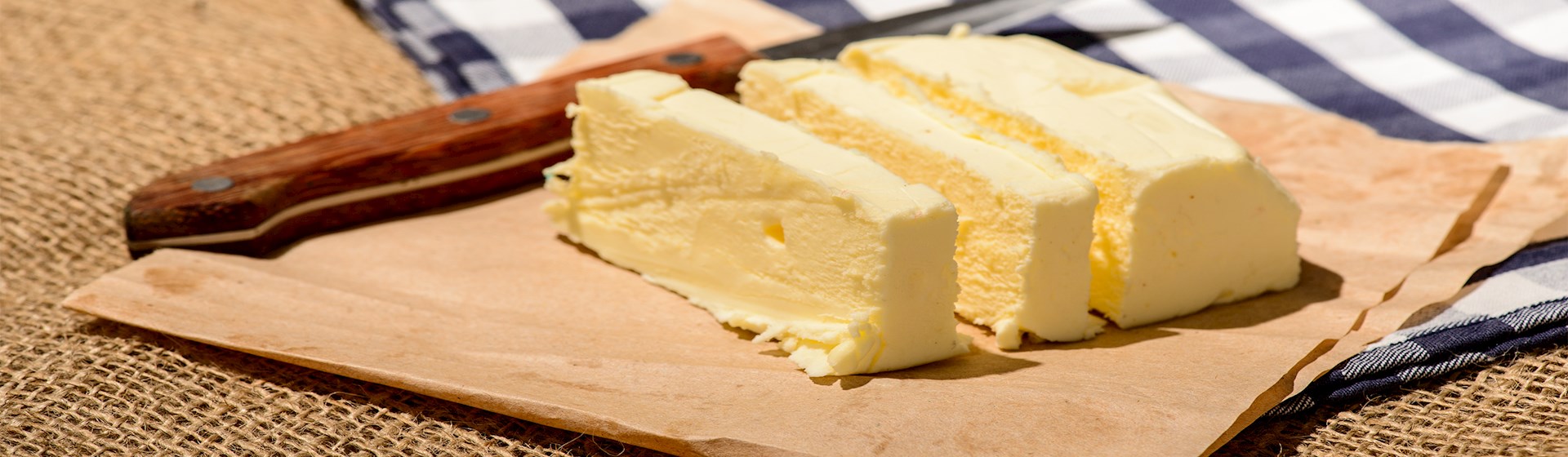
Irish butter is a rich, golden dairy product made from the milk of cows that graze on Ireland’s lush, grass-fed pastures, and it has become one of the country’s most recognized foods both locally and abroad. Its reputation is built not only on its flavor and texture but also on the environment from which it comes, where abundant rainfall and mild temperatures allow cattle to graze outdoors for much of the year. This creates a butter with higher levels of natural carotene, giving it a distinctive deep yellow color and a flavor often described as creamy and full. The making of butter in Ireland goes back thousands of years, with references found in archaeological discoveries where bogs preserved wooden churns containing remnants of early butter. In rural communities, butter production was once a household activity, with families churning cream to supply their own kitchens and local markets. By the nineteenth century, cooperatives and creameries began to shape the modern industry, and brands like Kerrygold later carried Irish butter onto the global stage, establishing it as a product associated with quality and authenticity. To prepare butter, fresh cream is churned until the fat solids separate from the buttermilk. The resulting mass is washed and worked to the desired consistency, with salt sometimes added for preservation and flavor. Irish butter is typically made with cream from grass-fed cows, which influences its nutrient profile and lends it a distinctive taste compared to butter from more industrialized dairy systems. It can be used in cooking, baking, or simply spread on bread, where its depth of flavor stands out without need for embellishment. One detail that sets Irish butter apart is its high butterfat content, often around 82 percent, which is slightly higher than many standard butters. This gives it a particularly smooth texture that melts evenly, making it favored by both home cooks and professional chefs. Today it is eaten daily in Irish households, appearing on tables at breakfast with soda bread, spread on scones, or melted over vegetables and potatoes. Internationally, it is prized in baking, as its fat content improves pastry texture and flavor. Pairings are diverse, but it is especially at home with freshly baked bread, seafood like grilled lobster or prawns, and in sauces where its richness enhances both flavor and mouthfeel.
Beurre d'Isigny is a butter made from pasteurized milk and cream in the Veys Bay and surrounding valleys in France. No additional colorings, creams or substances can be added to the product. The butter is golden yellow in color due to the high amounts of carotenoids in it. The Veys Bay and the surrounding area are made of chalky, clay soil near the sea and have top quality pastures where the grass is very rich in iodine and beta-carotene. The soil and pastures give the milk a unique taste, color and high mineral salt content, all of which can be seen and tasted in the final product - d'Isigny Butter. It tastes sweet, creamy, slightly like hazelnuts and contains lots of vitamin A. When sold, it can be packaged in shapes of blocks and rolls or placed in baskets.
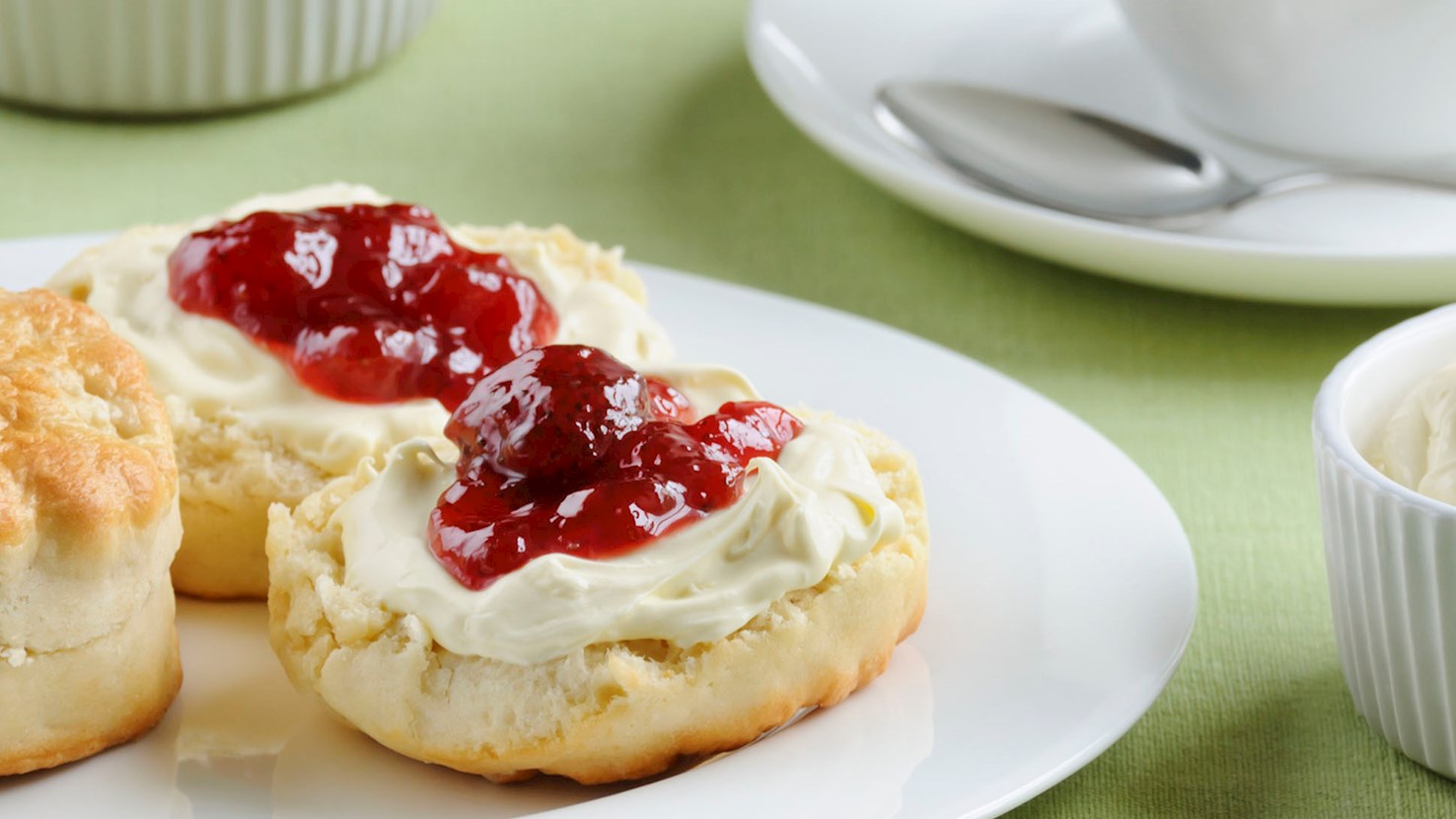
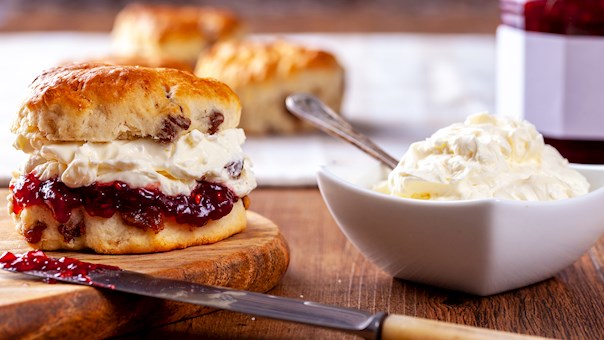
Devonshire clotted cream is a traditional thick cream characterized by its high butterfat content (64%). Clotted cream has been a staple of both Devon and Cornwall for a long time, and it's been a cause for friendly rivalry for as long as anyone can remember. The product is nowadays made with centrifuges, but in the past full-fat raw cow's milk or cream was first heated in shallow pans, and it was then moved to a cool place so that the thin skimmed milk can sink underneath the thick cream. The watery milk was removed, and the rest was layered in pots, creating clotted cream in the process. In Devon, clotted cream is first spread on a scone, followed by jam, and in Cornwall, the scones are first spread with the jam, then clotted cream.
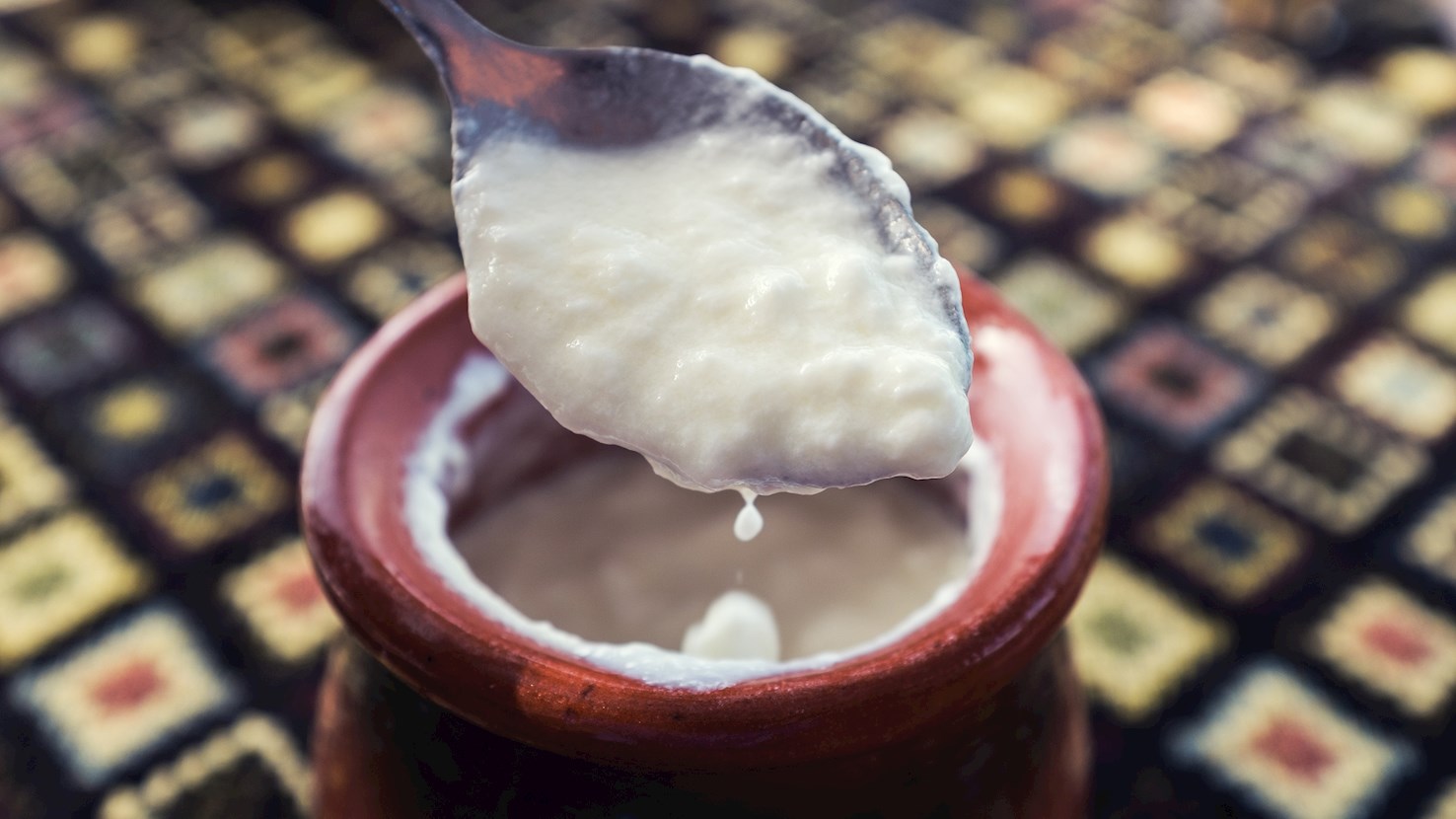
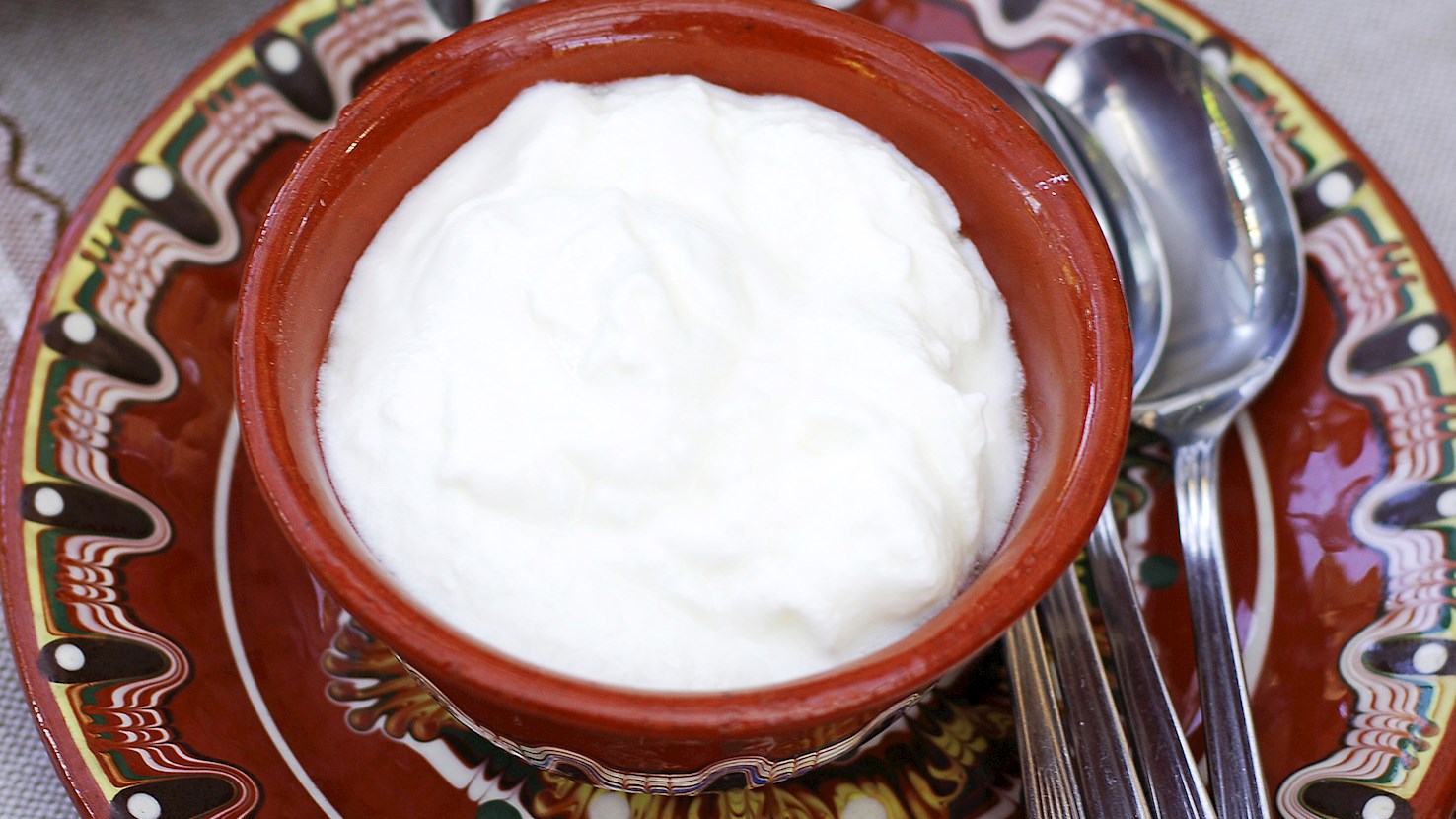
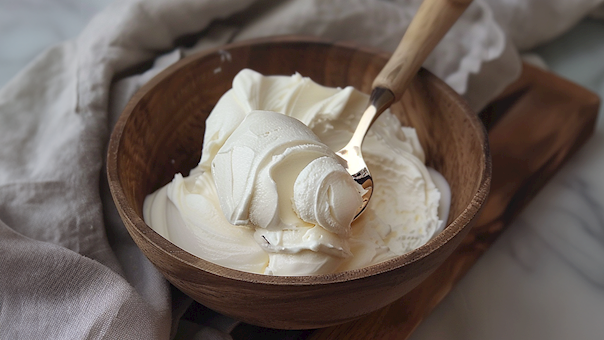
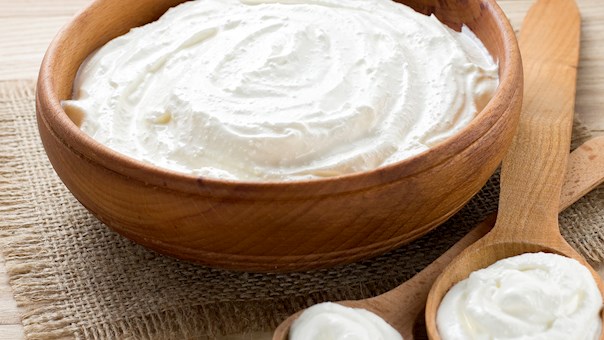
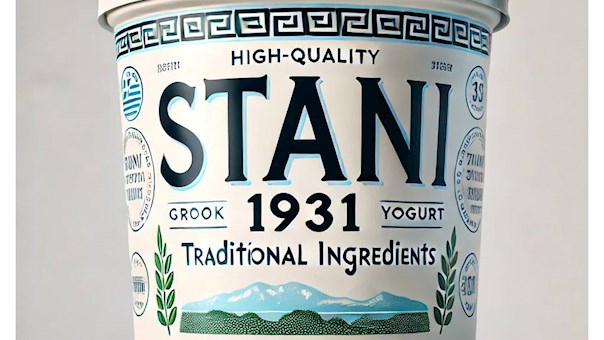
Greek yogurt is a type of strained yogurt that is denser and more creamy than regular yogurt. It is made from cultured and fermented milk that is strained, usually through fine mesh strainers or cloth bags, until the whey is separated from the solids and the yogurt reaches its desired consistency and texture. The result is a white, creamy, soft, and smooth yogurt with a clean, slightly tart flavor. It is easily spreadable and incorporated into various dishes. Strained yogurts are known under different names, and they are common in numerous Balkan and Middle Eastern countries. Regional varieties may slightly vary in production and general characteristics. Greek yogurt is often lauded for its nutritional benefits. It has higher protein content, less sugar, carbs, and lower lactose content, making it a more suitable option for those who are lactose intolerant.
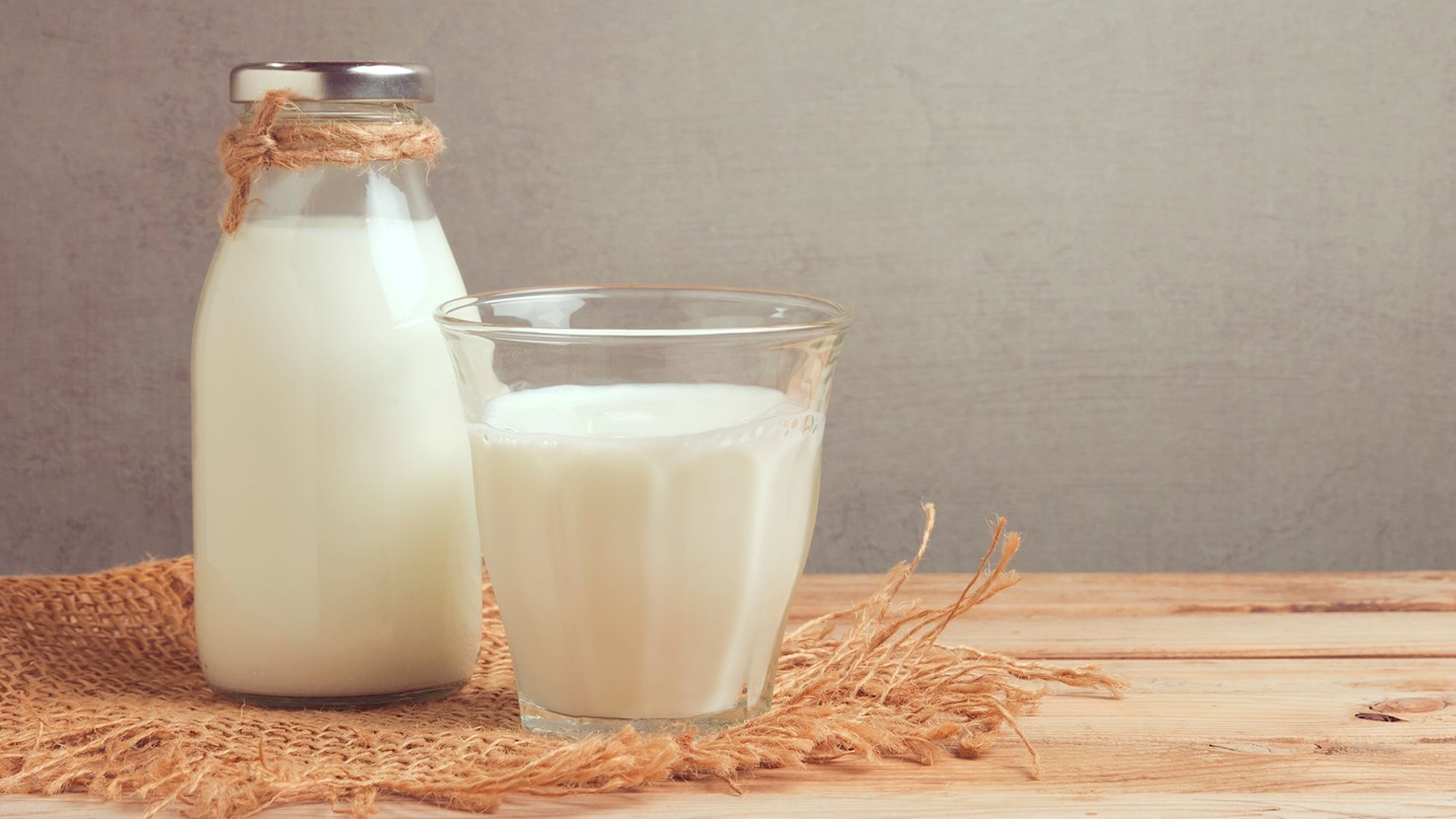
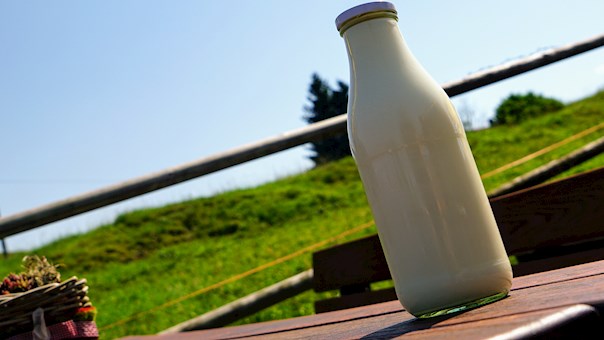
Leche certificada de Granja is the certified farmhouse milk produced across Spain according to a strict set of rules and guidelines ensuring the best quality and characteristic properties. This milk is produced on small farms by pure-bred cows. To preserve its natural characteristics, this milk is minimally processed and is only pasteurized and immediately packaged on the farm. Leche certificada de Granja can also be sold raw because of the high hygienic standards that are kept on certified farms. Such milk has a higher nutritional value and more flavor than the milk produced conventionally.
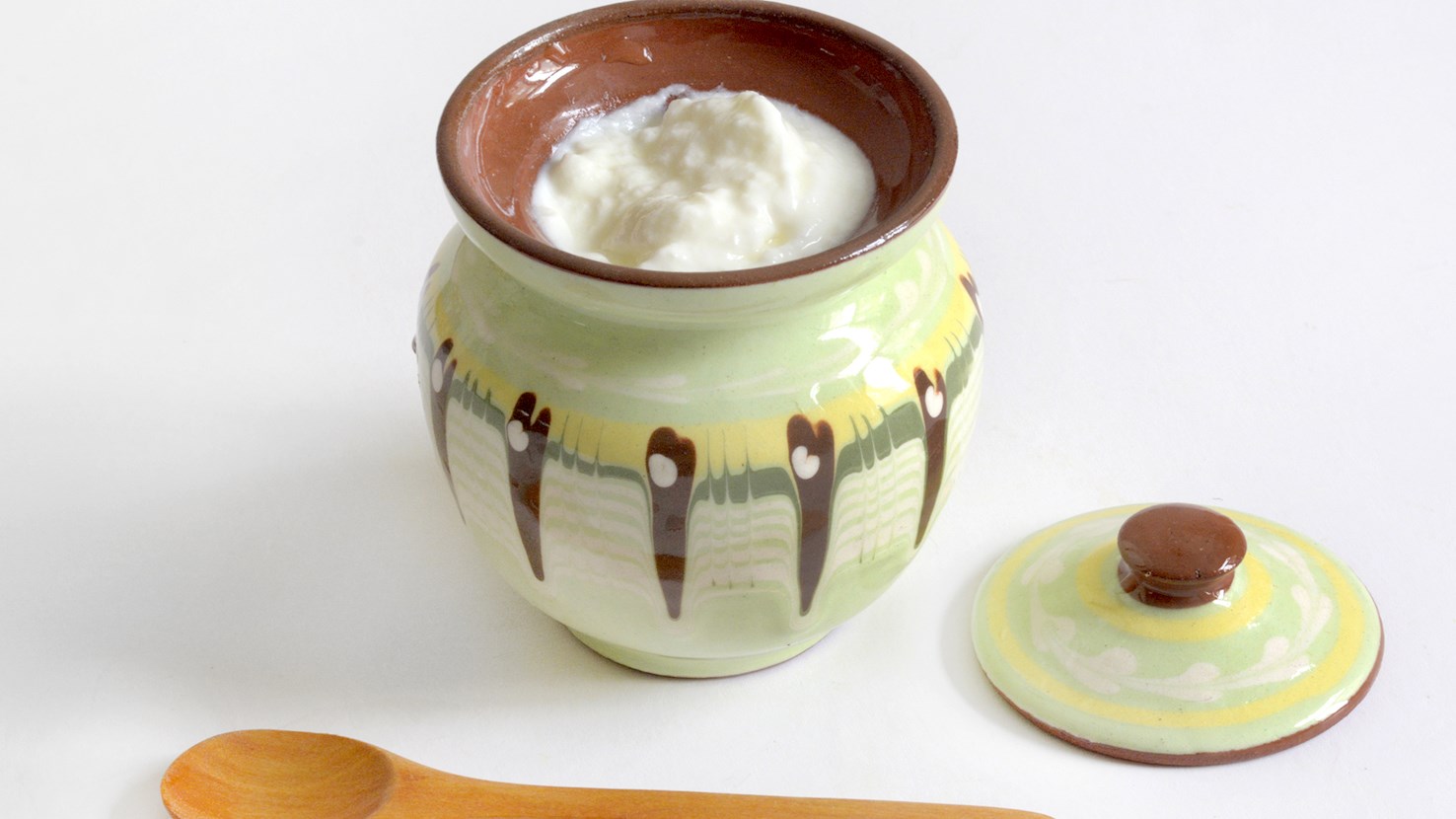
Bulgarsko kiselo mlyako is a sour milk product from Bulgaria, known for its firm texture and clean, tangy flavor, and it is recognized within the country as a key component of everyday dairy consumption. It developed as a fermented milk made by local communities using the microbial conditions found in the Balkan region, where the symbiosis of Lactobacillus delbrueckii subsp. bulgaricus and Streptococcus thermophilus became stable through repeated household production and gradually defined the identity of the yogurt. Its preparation relies on heating fresh cow, sheep, or buffalo milk, cooling it to a moderate temperature, and inoculating it with a small amount of an existing batch that contains the two bacteria in the proper balance; the mixture is then kept warm for several hours until it thickens naturally. The defining element is the specific bacterial pairing, which produces the characteristic acidity and firmness and distinguishes it from yogurts made elsewhere, and this feature has been studied scientifically for more than a century. It is eaten at breakfast, as part of cold meals, or alongside savory dishes, and it is frequently paired with honey, fruit, banitsa, or light breads, while beverages such as mineral water, herbal teas, and mild fruit juices are common companions that do not mask its flavor.
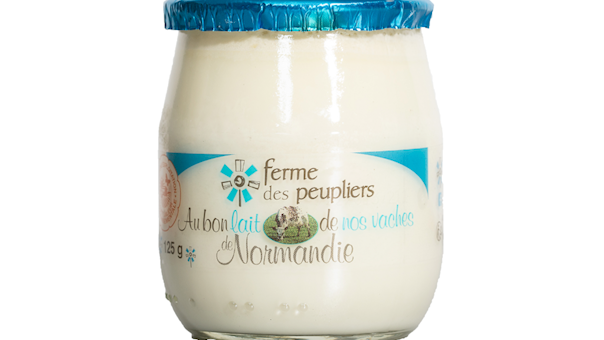
Often referred to as one of the oldest fermented ingredients in the world, yogurt is produced by bacterial fermentation of milk. This versatile ingredient can vary in texture and consistency, depending on the origin, choice of milk, and techniques involved in its production, but its flavor is usually subtly tangy. The widely accepted belief is that yogurt was discovered by accident when fresh milk was transported in animal skins. The enzymes present in the skin enabled milk to ferment and curdle, creating yogurt. It is estimated that its discovery dates back to 6000 BC, and though the word stems from Turkish, it was probably invented simultaneously in different places, mainly in the Middle East, Central Asia, and the Balkans. Although it was commonly enjoyed in its native regions, at the beginning of the 20th century, it was Bulgaria that placed it on the wider international market when a prominent Bulgarian scientist Stamen Grigorov isolated the bacterium that caused the milk to curdle, naming it Lactobacillus bulgaricus. His discovery enabled factory and mass production, which led to an easier distribution that was also accompanied by the popular idea which cited yogurt as the key element that ensured longevity and good health among the Bulgarians. Nowadays, yogurt is produced throughout the world, and all its varieties and regional variations, including those with various additions, are now available virtually everywhere in the world. Yogurt is enjoyed as a drink, a condiment, or an accompaniment to various dishes.
This unique cream is made from high fat cows' milk from Cornwall that has been heat-treated, providing a nutty flavor and an uneven, thick and thin texture. There is a golden crust on the surface which acts as a protective seal for the cream underneath it. The cream's color varies between creamy white and golden yellow due to the high levels of carotene in the pastures. It is best knows as an accompaniment to scones and strawberry jam, but it can also be used as a topping for desserts or fruit.
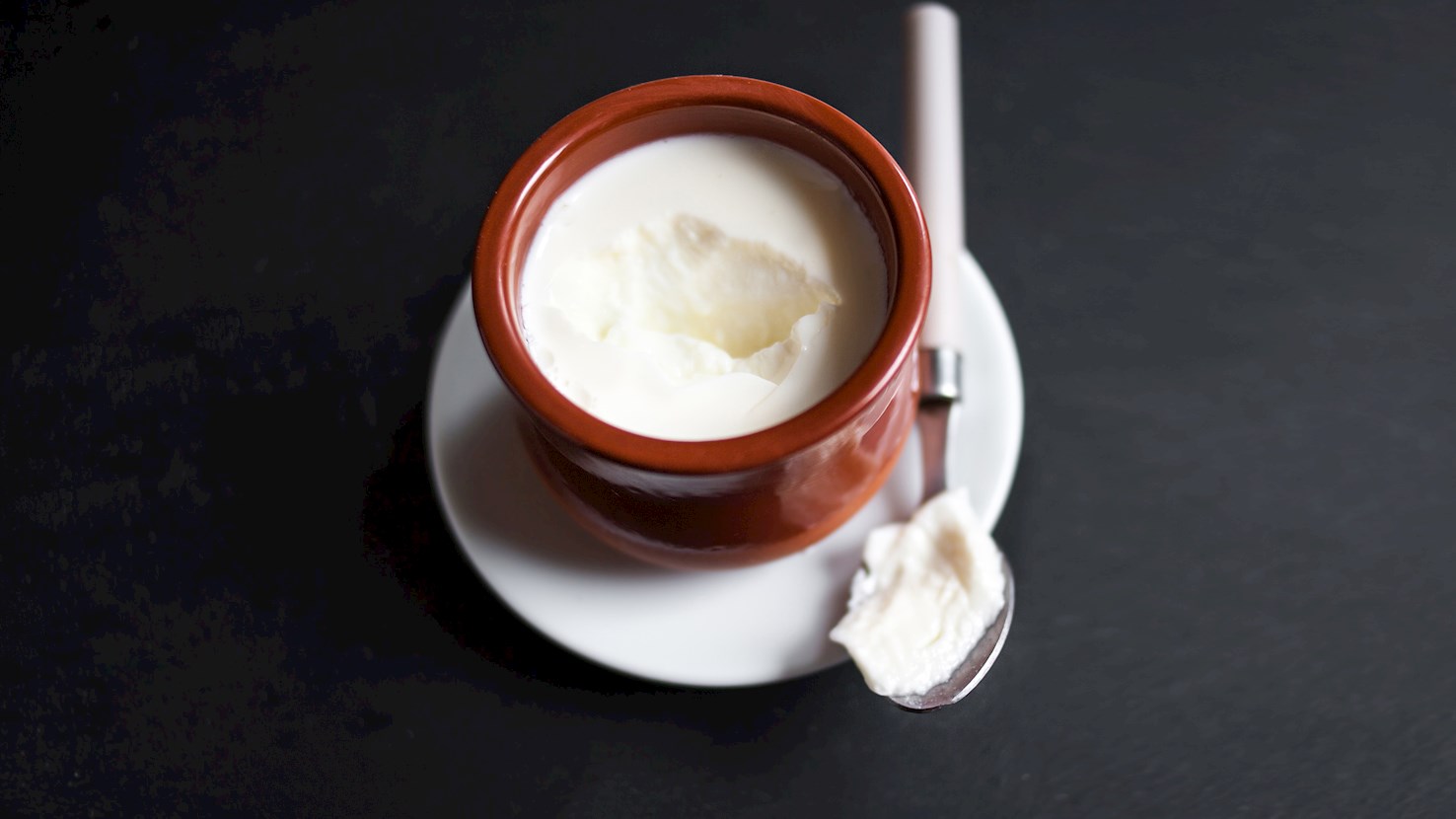
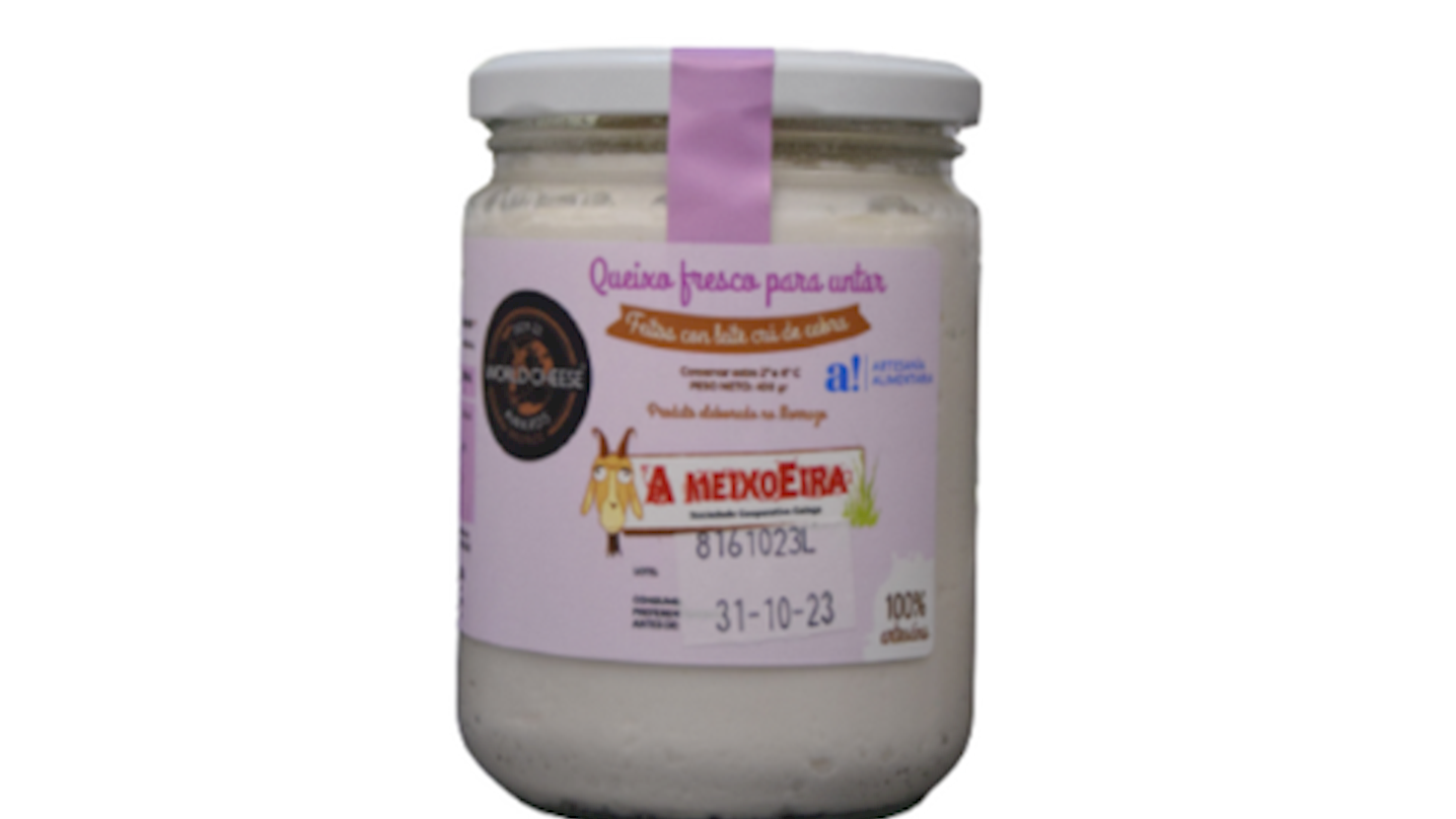
This Spanish dairy product is a type of fresh cheese that is typical of the northern regions of Spain and is traditionally made with sheep’s milk. Its name, cuajada, means curdled in Spanish, and it refers to the method of preparation, which involves mixing heated fresh milk with rennet or vinegar before allowing the mixture to curdle and the solids to separate from the whey. Although the cheese is typically prepared with sheep’s milk, cow’s milk, or other types of milk or even a mixture of different types of milk may also be used for its preparation. The final product is usually stored in terracotta or wooden containers, and it is distinguished by a smooth and creamy texture and a pleasant, tangy flavor. Known as mamia in Basque, the cheese preparation may sometimes involve thrusting a red-hot poker directly into the milk, thus lending a characteristic burnt flavor to the cheese. In Spain, cuajada is commonly enjoyed as a creamy dessert, usually sweetened with honey or sugar and flavored with the addition of nuts (usually walnuts or pine nuts) or fresh fruit. It may also be served drizzled with sugar syrup or topped with a galleta maria (a type of biscuit), and it is often eaten with cereals or toast for breakfast.
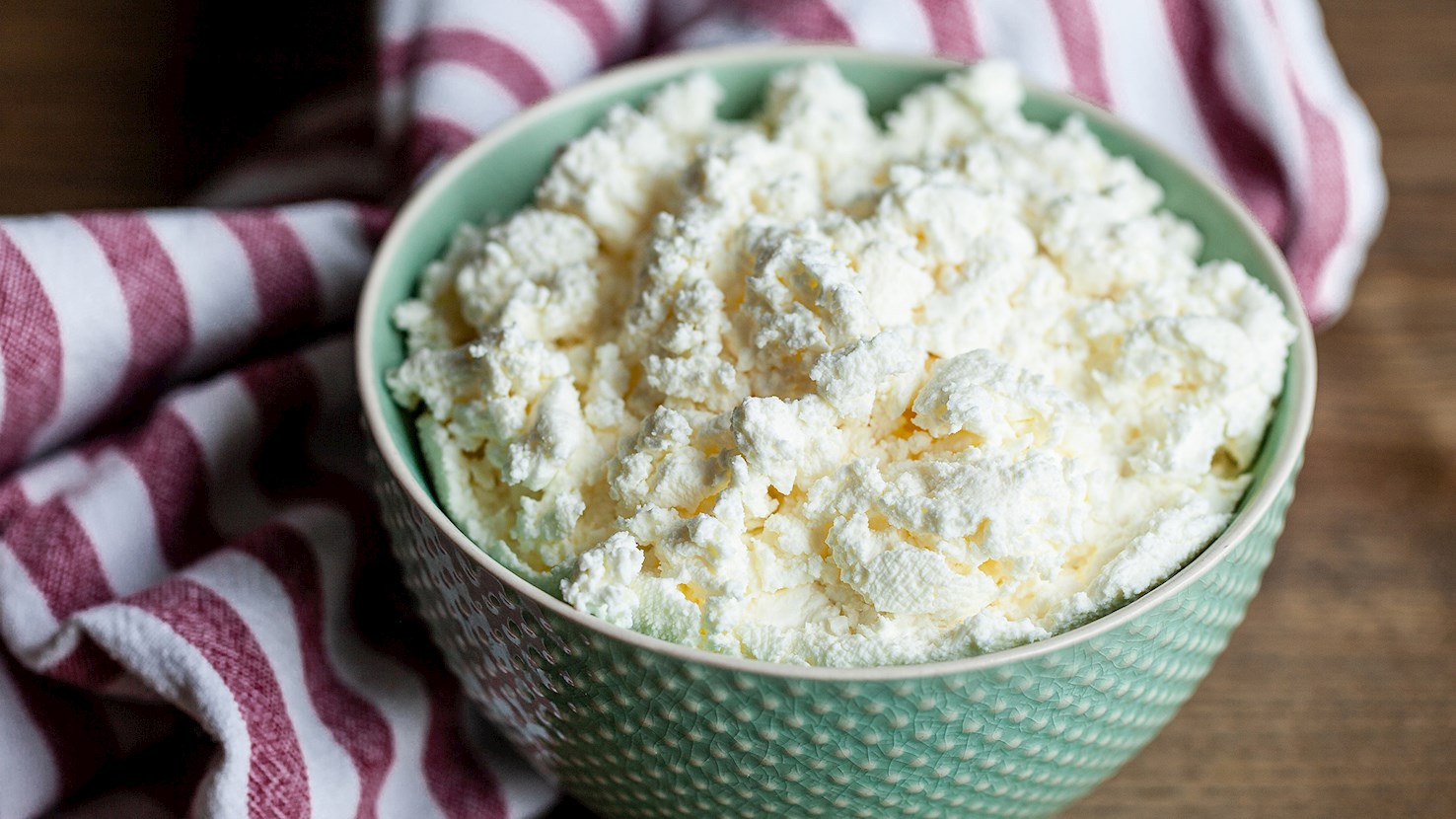
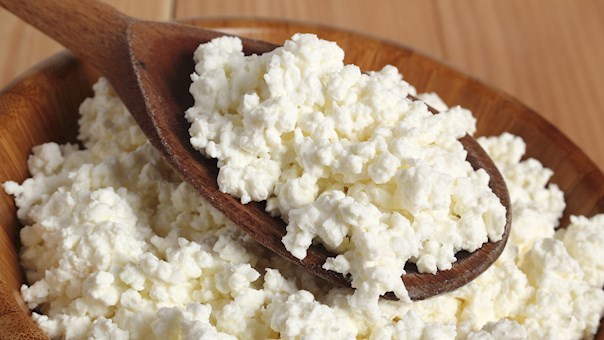
Tvorog is a traditional white fermented milk product in Eastern, Northern, and Central Europe. It's crafted by fermenting milk and then removing the whey, yielding a thick, creamy consistency similar to cottage cheese but with a notably tangier taste. This dairy product is often classified based on its fat content into categories such as fat-free, low-fat, classic, and fatty. Moreover, the methods of producing tvorog are distinguished into simple, soft, and grained types, with grained tvorog typically being a low-fat variant known for its textured consistency. In the former USSR, it is traditionally enjoyed fresh or sweetened, whereas in other Eastern and Central European countries, it may be consumed fresh or with a slight saltiness. The traditional method of making tvorog involves fermenting milk and letting it naturally curdle before the liquid whey is extracted through free-hanging bags, resulting in a firm and dense texture. Nutritionally, tvorog is highly regarded for its rich protein content, vital minerals such as calcium and phosphorus, and a good supply of vitamins, including vitamin A and various B vitamins. It's particularly low in lactose, which makes it a favorable option for those with lactose sensitivities.
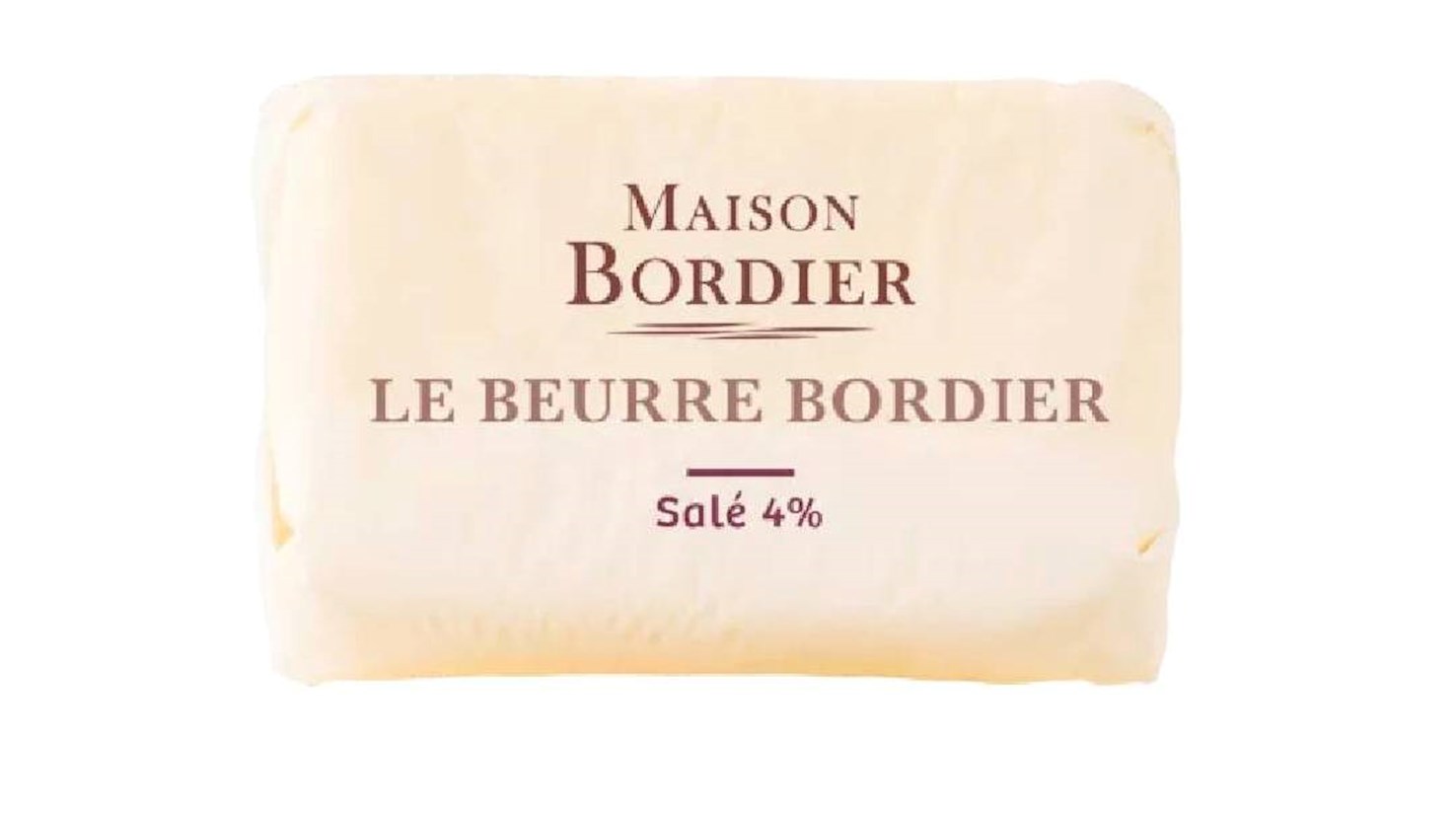
Maison Bordier is a French company specializing in artisanal butter production and cheese aging, founded in 1985 by Jean-Yves Bordier. Based in Saint-Malo, the company is known for its traditional butter-making methods, including hand-kneading on wooden boards, resulting in a smooth texture and rich flavor. In addition to classic butter, Maison Bordier offers various flavored varieties, such as butter with seaweed, lemon and olive oil, and Roscoff onion. Their products are highly valued by top chefs and gourmet enthusiasts worldwide. Beyond butter, the company is also involved in the aging of select cheeses, emphasizing high-quality raw ingredients and respect for traditional techniques. Maison Bordier also operates several stores and restaurants in France, where customers can enjoy their products and learn more about the production process.
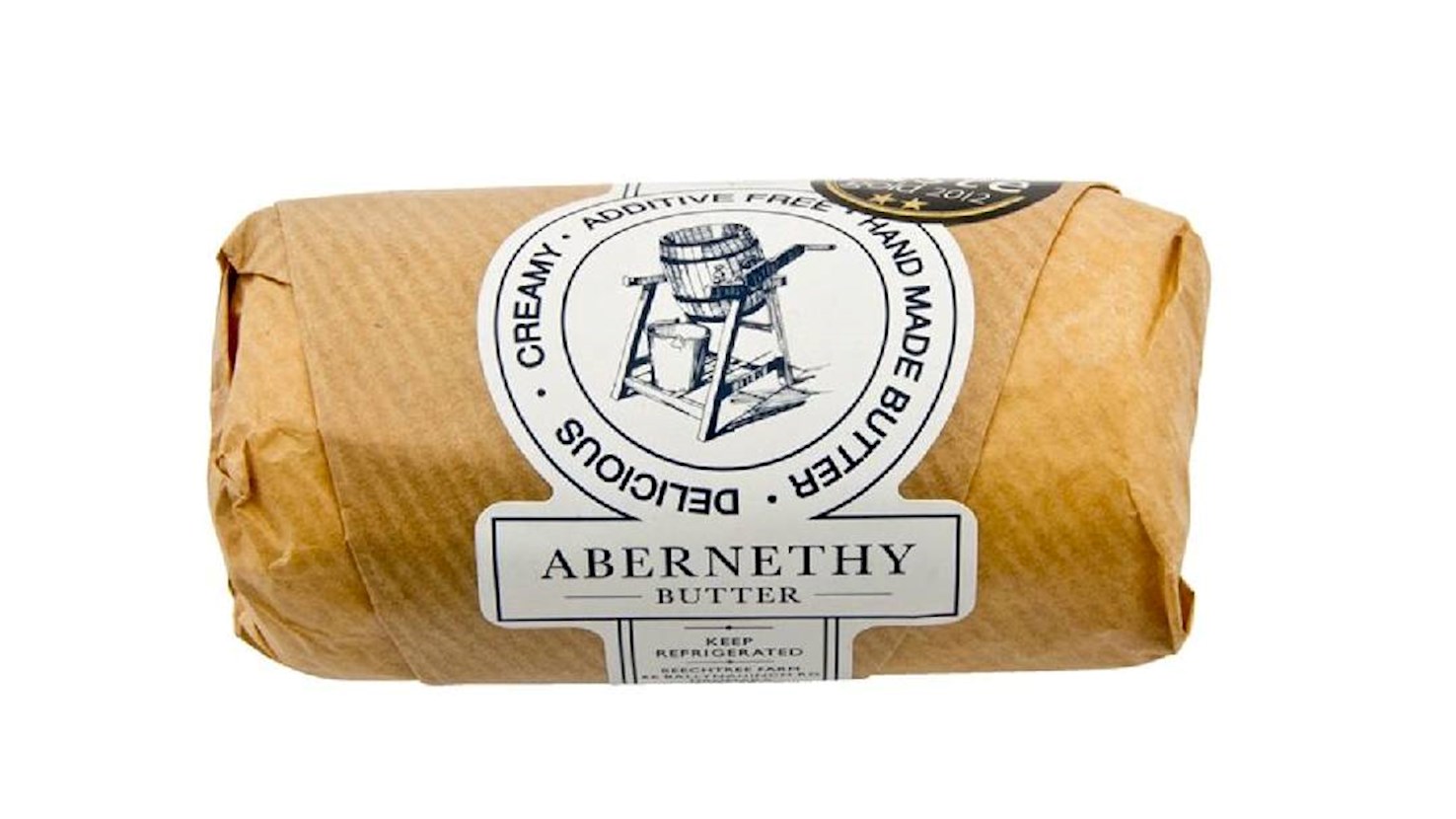
Abernethy Butter is a family-run artisanal dairy. It was founded by husband-and-wife team Will and Allison Abernethy, who transformed their passion for traditional butter-making into a successful business. Their butter is handcrafted using traditional methods from fresh cream sourced from a local farmer, whose cows graze on the lush green fields of the Lagan Valley.
The production process involves slow churning in small batches, which gives the butter its characteristic color and rich flavor. After churning, the butter is hand-washed to remove any remaining buttermilk, lightly salted, and shaped using traditional wooden paddles.
In addition to their classic salted and unsalted butter, Abernethy Butter offers specialty varieties, including black truffle butter, butter with dulse seaweed and Irish sea salt, black garlic butter, and a seasonal Christmas butter infused with dates, rum, and spices.
Thanks to their commitment to quality and dedication to preserving traditional techniques, Abernethy Butter has become a symbol of exceptional handcrafted butter, highly regarded among gastronomy enthusiasts and professional chefs alike.
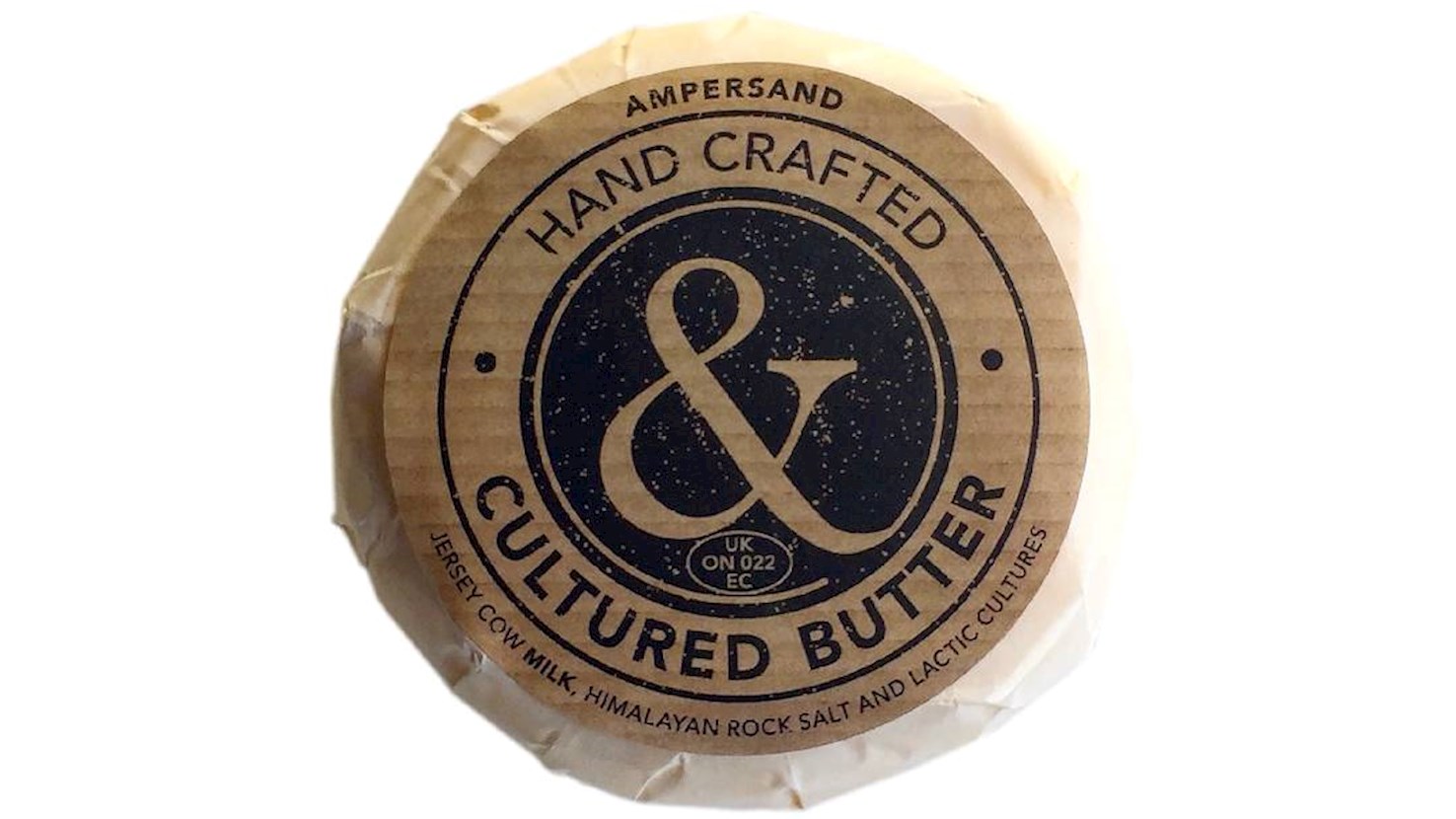
Ampersand Dairy is a British dairy specializing in the production of handcrafted cultured butter and buttermilk. It was founded by Grant Harrington, an experienced chef with international expertise, with the goal of creating the world's most flavorful butter by using traditional and refined techniques combined with the highest quality ingredients. Their butter is made from the milk of Jersey, Holstein, and Guernsey cows, which are raised in England. The process includes the addition of healthy bacterial cultures and mineral-rich Himalayan pink salt, resulting in butter with a rich and creamy flavor.
In addition to butter production, Ampersand Dairy is dedicated to continuous improvement and experimentation with its products, ensuring they remain at the forefront of artisanal dairy production in the United Kingdom.
Le Ponclet is an esteemed artisanal dairy producer located in Locmélar, Brittany, France. Founded by David Akpamagbo, the farm is renowned for its exceptional raw milk butter, Beurre le Ponclet, which has garnered acclaim from top chefs and fine dining establishments worldwide.
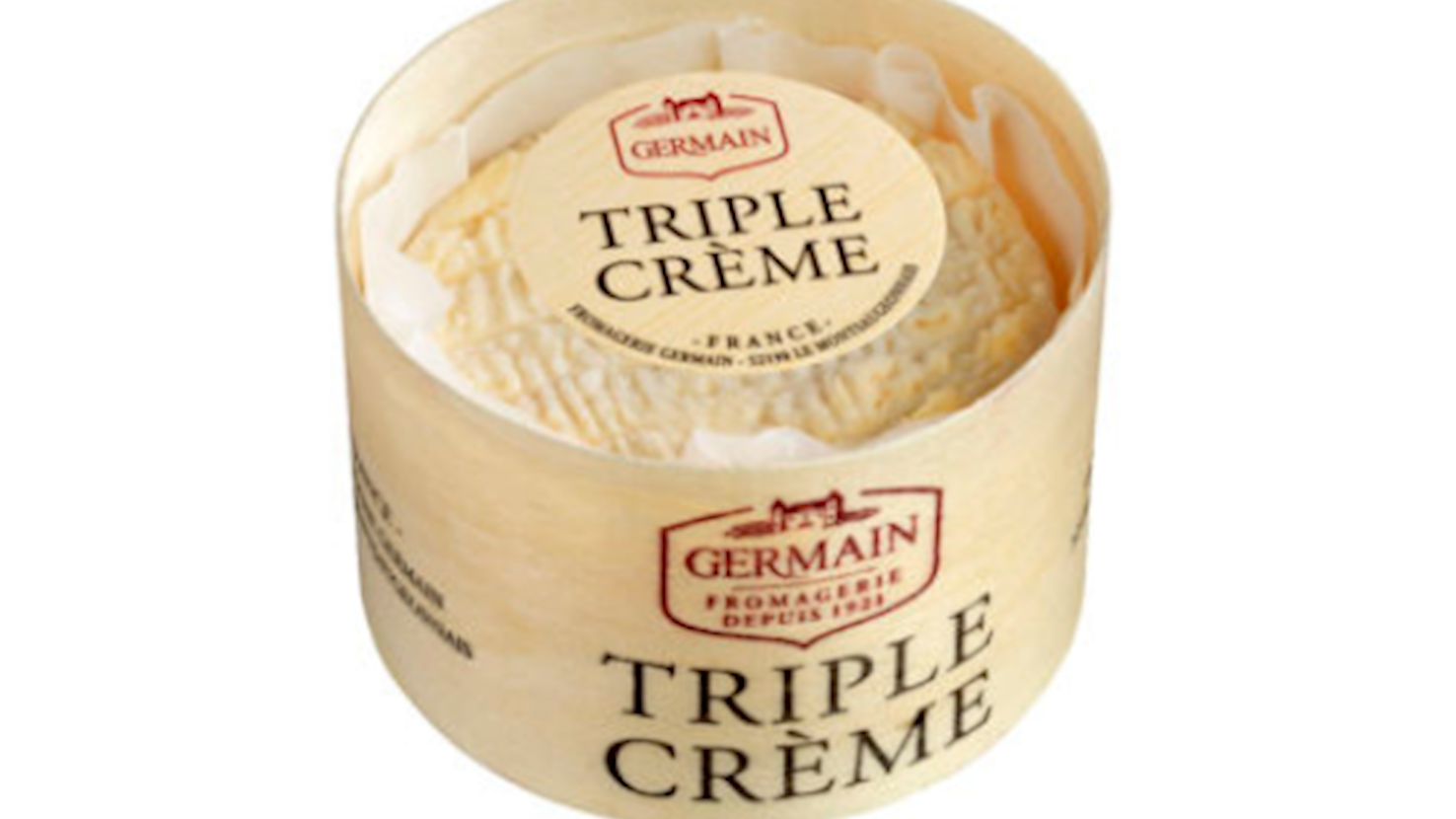
Fromagerie Germain is a renowned French creamery with a rich tradition dating back to 1921, when Henri Germain established the dairy in Chalancey, in eastern France. Over more than a century, this family-owned company has become synonymous with premium cheeses bearing Protected Designation of Origin (PDO) labels. Their cheeses are crafted from carefully selected milk, adhering to traditional methods of aging and processing. For instance, Époisses AOP is known for its creamy texture and intense flavor, while Langres AOP features a distinctive hollow top traditionally filled with Champagne or Marc de Bourgogne before serving. Despite modernization, Fromagerie Germain remains true to its roots, collaborating with local farmers and using milk from rare cow breeds to ensure the authenticity and quality of its products.
Awards
Culture Cheese Magazine Best Cheeses issue - Best
(2023)
World Cheese Awards - Super Gold
(2023, 2022, 2021)
Green Pastures (Donegal) is a family-run dairy business located in County Donegal, Ireland, which specializes in producing a variety of cheese products. Their offerings include soft cheeses tailored for the food service industry as well as retail markets. The company places an emphasis on using local milk to create their cheeses, highlighting the importance of sustainability and supporting the regional farming community. Green Pastures (Donegal) also plays a role in the local economy by providing employment opportunities in the area.
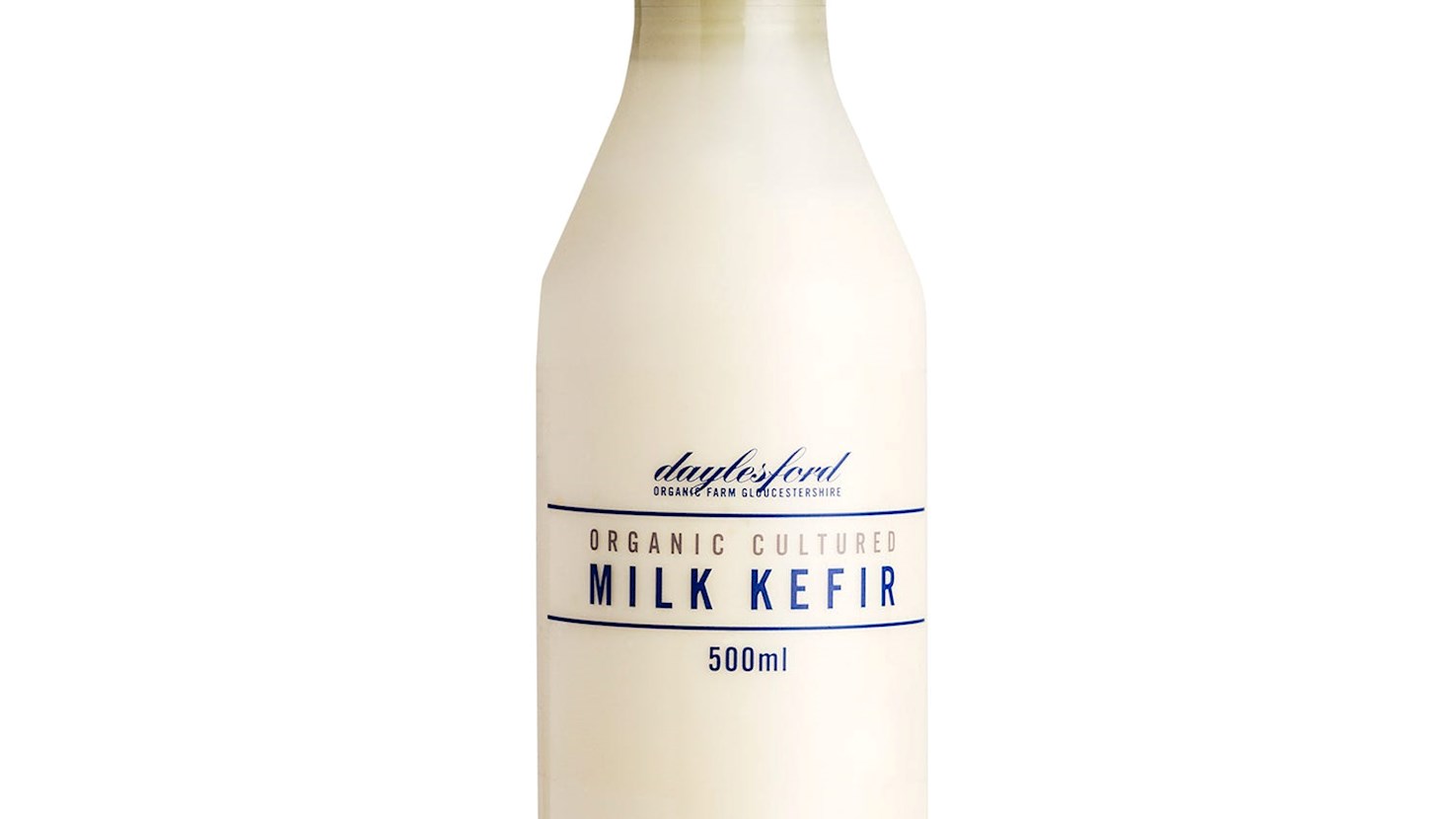
Daylesford Organic Farm is located in Gloucestershire, England, and specializes in producing organic, artisan cheeses, as well as a wide range of other organic products such as milk, bread, and meat. The farm employs sustainable farming methods and is dedicated to animal welfare.
In addition, Daylesford Organic Farm produces a variety of cheeses made from the milk of its cows and goats, ensuring the quality and authenticity of each product. It is a symbol of British organic and artisan tradition, renowned for the high quality of its products, its ecological approach, and its care for animals and the environment.
Awards
International Cheese Awards - Gold
(2025, 2024, 2023, 2022)
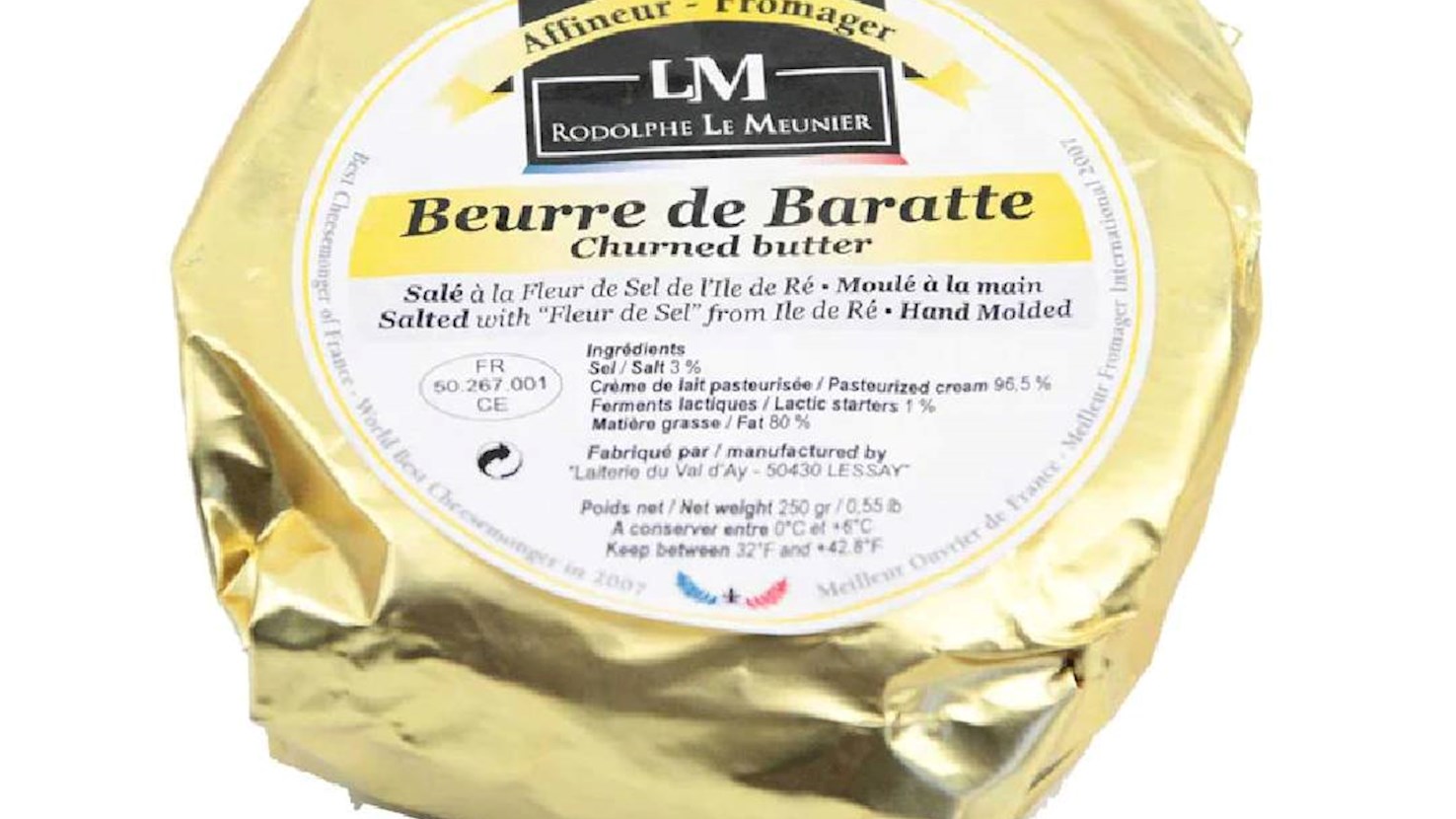
Rodolphe Le Meunier is a cheese producer and affineur based in Tours, France. He comes from a family with a long tradition in the dairy industry, which has influenced his deep knowledge and expertise in cheese production. Le Meunier has won multiple awards for his work, including the prestigious title of Meilleur Ouvrier de France (MOF) in the cheese category, an honor given to craftsmen who achieve the highest level of skill in their field. His business includes aging and refining cheeses, as well as sourcing from various regions in France to offer a diverse selection.
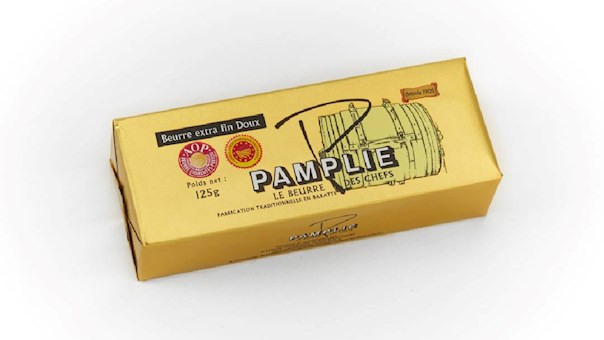
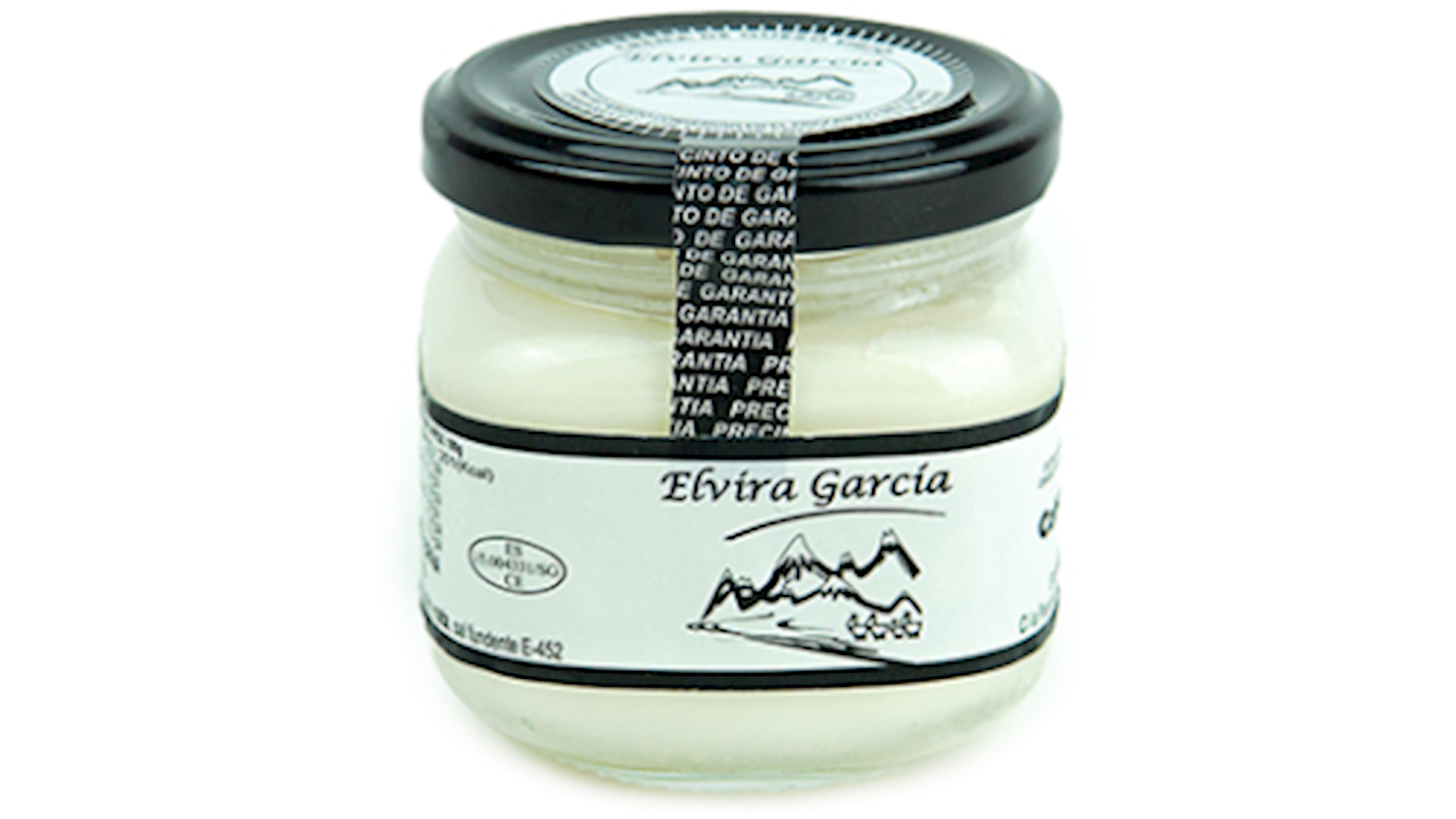
Quesos Elvira García is a cheese producer based in Zamora, Spain, specializing in the production of organic sheep cheese. The company emphasizes traditional methods combined with environmental sustainability, utilizing milk from local sheep herds.
TasteAtlas food rankings are based on the ratings of the TasteAtlas audience, with a series of mechanisms that recognize real users and that ignore bot,
nationalist or local patriotic ratings, and give additional value to the ratings of users that the system recognizes as knowledgeable.
For the “Top 100 European Dairy Products” list until June 10, 2026, 2,584 ratings were recorded, of which 1,862 were recognized by the system as legitimate.
TasteAtlas Rankings should not be seen as the final global conclusion about food. Their purpose is to promote excellent local foods,
instill pride in traditional dishes, and arouse curiosity about dishes you haven’t tried.
The initial list of top producers was compiled based on available reviews, awards, local recommendations, media and blog coverage, and consumer reviews.
The list will be updated with ratings from TasteAtlas local ambassadors and TasteAtlas users.