shutterstock

Top 10 African Dates

Last updated on September 30, 2026

Best African Dates

01

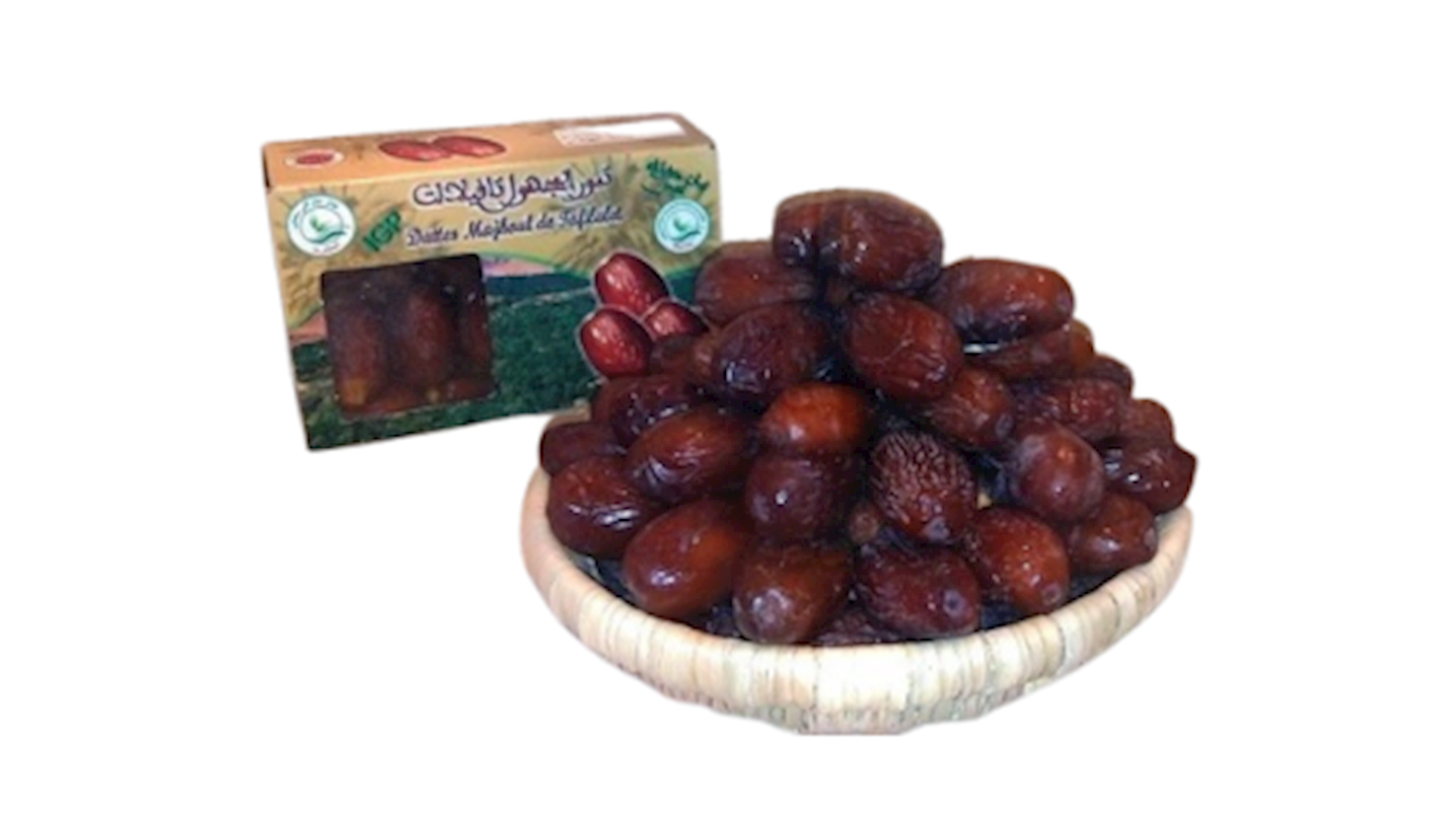
Les Délices Majhoul

4.7 ·

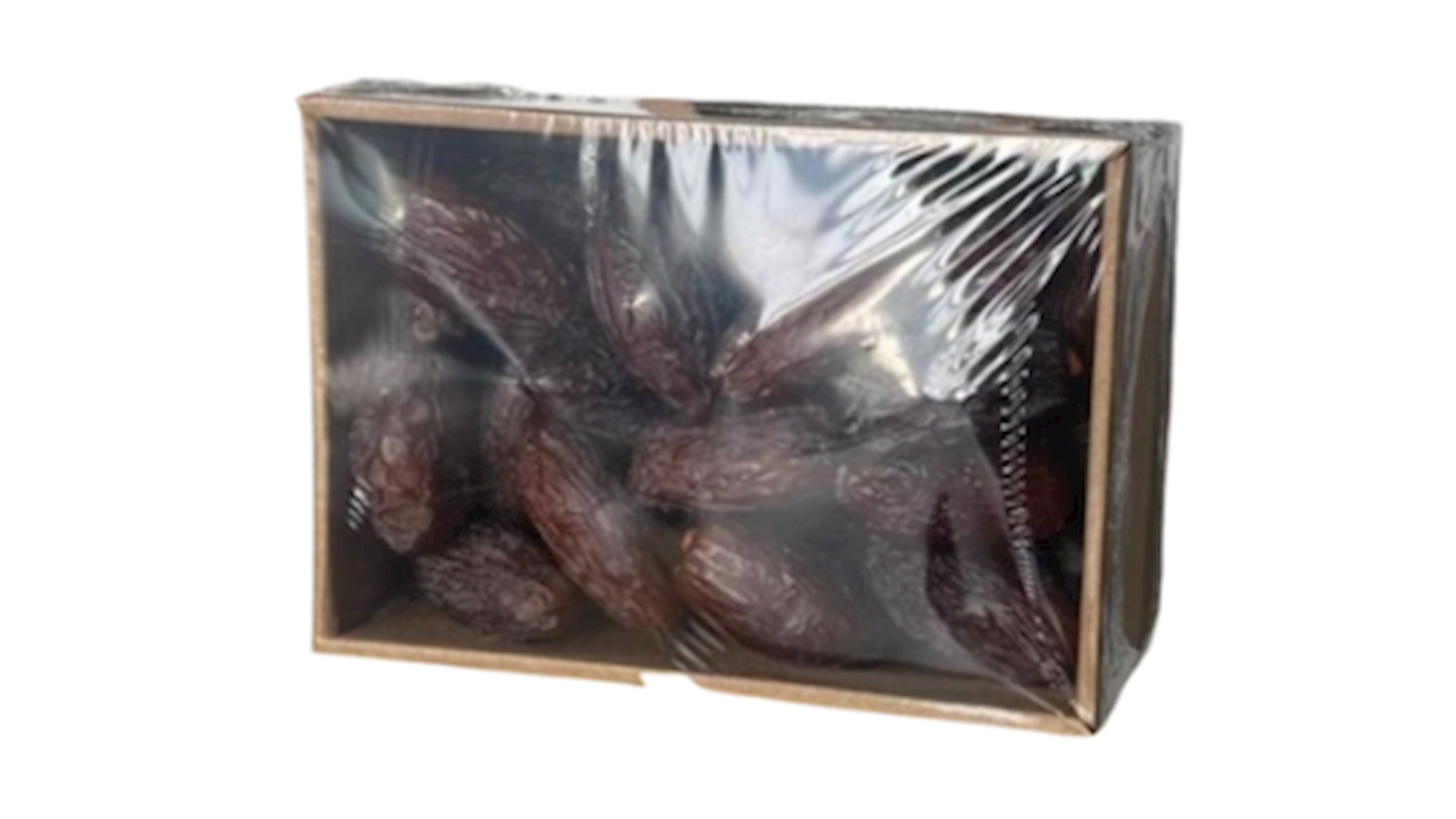
Les Délices Majhoul is a Moroccan family-owned brand specializing in the cultivation and export of organic Majhoul (Medjool) dates, grown in the renowned Tafilalet region, the cradle of date palm cultivation in Morocco. The company operates a 200-hectare plantation in the Boudenib area, home to more than 22,000 organic date palms, combining traditional expertise with modern agricultural technology.

Les Délices Majhoul dates are known for their rich flavor with notes of honey, caramel, and dried fruit, as well as their soft, juicy texture that distinguishes them in the premium organic market. The company blends family heritage, innovation, and social responsibility, offering its employees safe working conditions and social benefits.

Its production process involves minimal processing and careful packaging to preserve the natural aroma and nutritional value of the fruit. Thanks to its combination of organic farming, exceptional quality, and sustainable business practices, Les Délices Majhoul has become a symbol of modern, responsible, and luxurious date production.

02

Nouri Dattes

4.6 ·

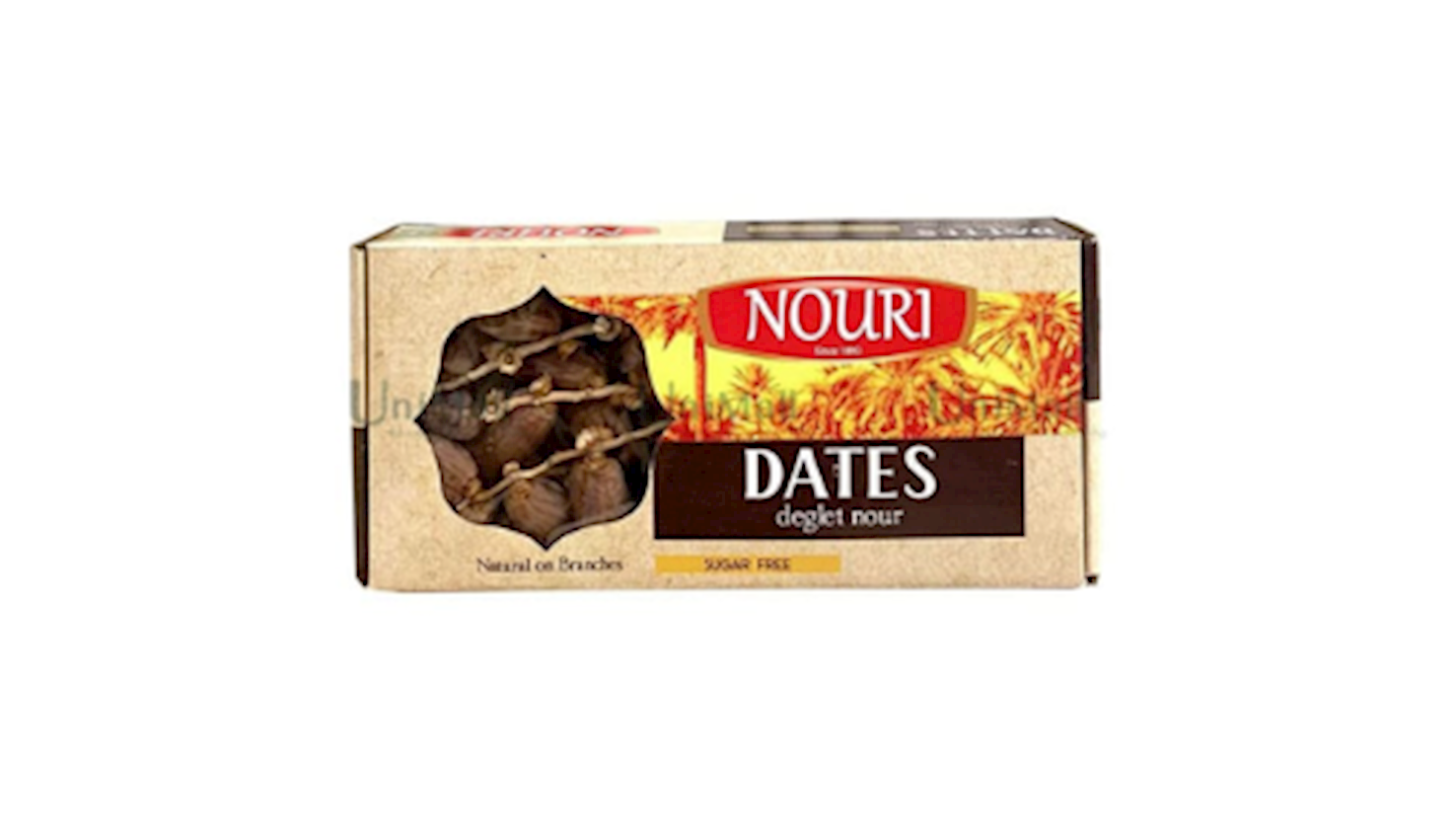
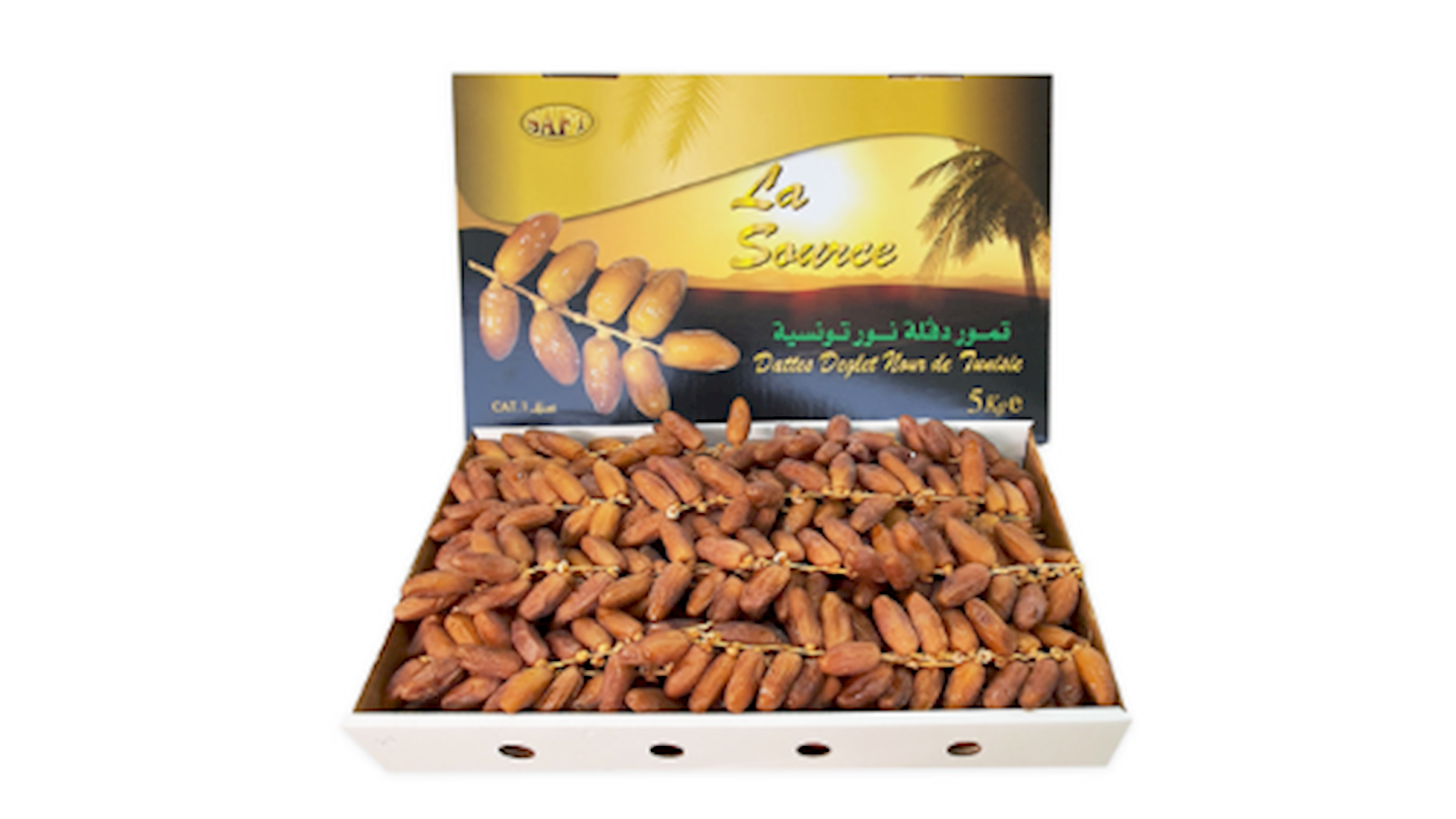
Nouri Dattes is a family-owned Tunisian company with a heritage spanning more than a century, founded in 1892 and specializing in the cultivation, processing, and export of Deglet Nour dates. The company is based in southern Tunisia, in oasis regions known for their ideal climate for date palm cultivation.

The Nouri family owns its own plantations, ensuring full control over every stage of production - from harvesting and sorting to packaging and global distribution. The Deglet Nour variety forms the core of their portfolio, symbolizing the harmony between tradition, quality, and distinctive flavor.

The fruits are light golden to amber in color, semi-translucent, and visually elegant, offering a rich yet balanced taste that blends honey and caramel notes. Nouri Dattes dates are celebrated for their delicate yet firm texture, natural sweetness, and refined aroma that distinguishes them among North African varieties.

In addition to Deglet Nour, the company occasionally offers other Tunisian varieties intended for industrial and culinary use. Its packaging design highlights the elegance and authenticity of Tunisian origin, appealing to premium and gift markets. Today, Nouri Dattes stands as a symbol of genuine Tunisian quality, heritage, and export excellence, holding a prestigious position among the world’s leading date producers.

03

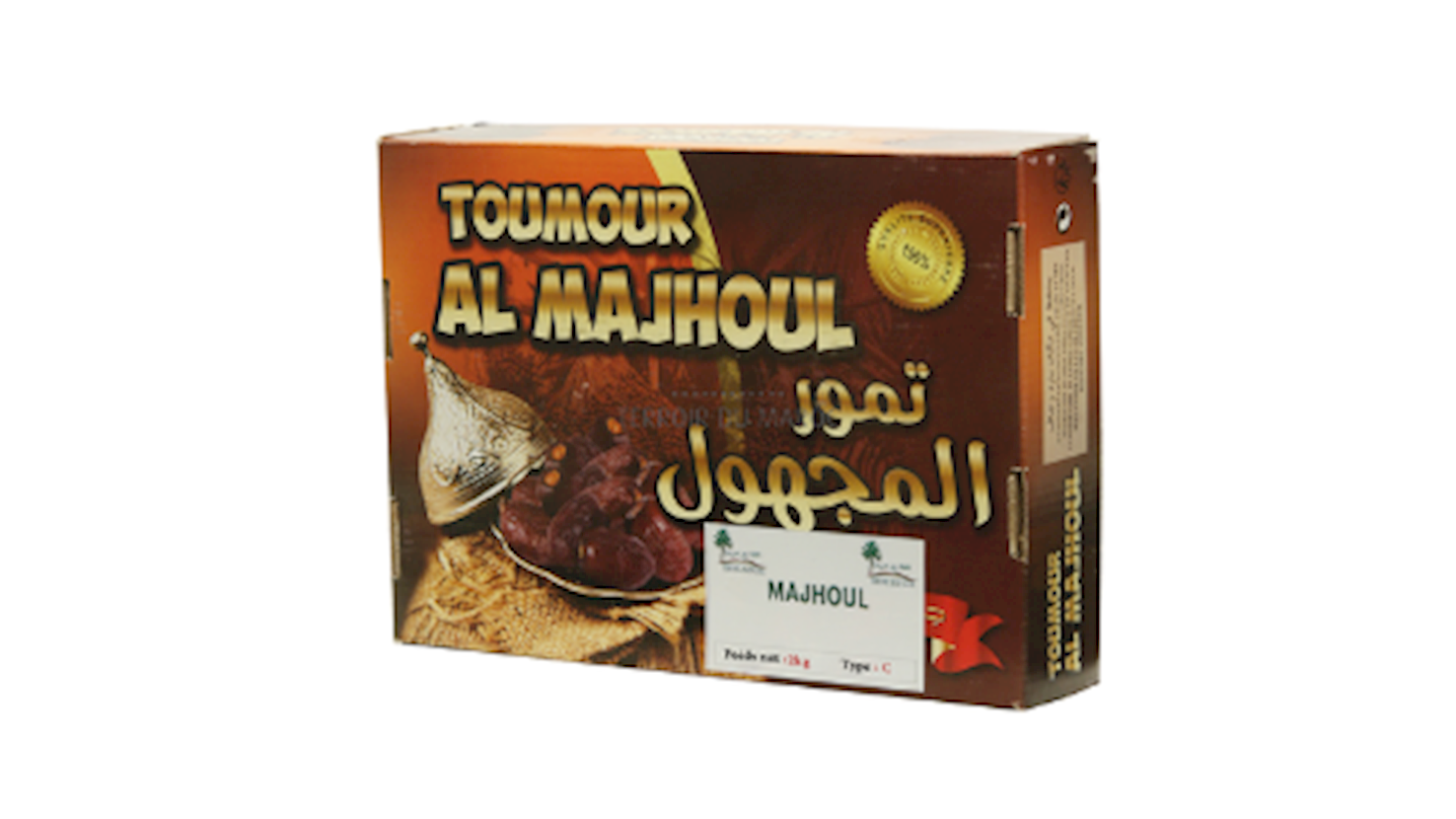
Dar Tomoor

4.6 ·

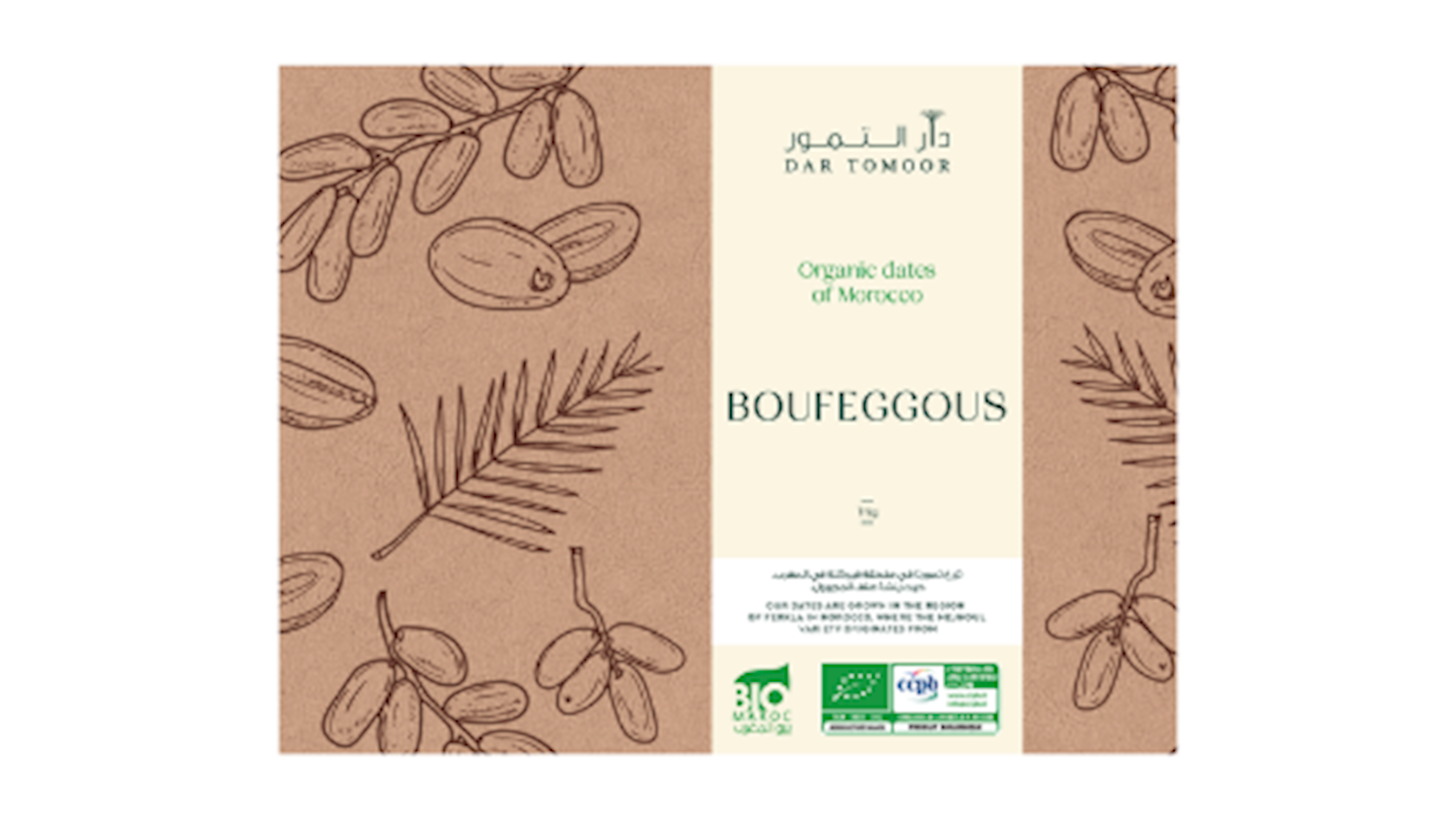
Dar Tomoor is a family-owned Moroccan company specializing in the cultivation, processing, and export of 100% organic dates. The company is located near the city of Errachidia, in the Tafilalet region - considered the cradle of date palm cultivation in Morocco.

The dates are hand-picked, carefully selected, and packaged without additional processing, preserving their natural sweetness, texture, and nutritional value. The fruits are large, with a dark golden to amber hue, thin skin, and a soft, juicy interior.

Their flavor combines notes of caramel, honey, and dried fruit, while the texture offers a perfect balance between tenderness and firmness. In addition to direct sales, Dar Tomoor dates are exported to markets across Europe, North America, and the Middle East.

The brand promotes family values, authenticity, and transparency, highlighting the story of generations dedicated to date palm cultivation. Its mission is to offer a product that combines exceptional quality with respect for nature.

Dar Tomoor has become a symbol of the modern Moroccan approach to date production - a fusion of tradition, sustainability, and luxury in a single product.

04

Neptus Dattes

4.5 ·

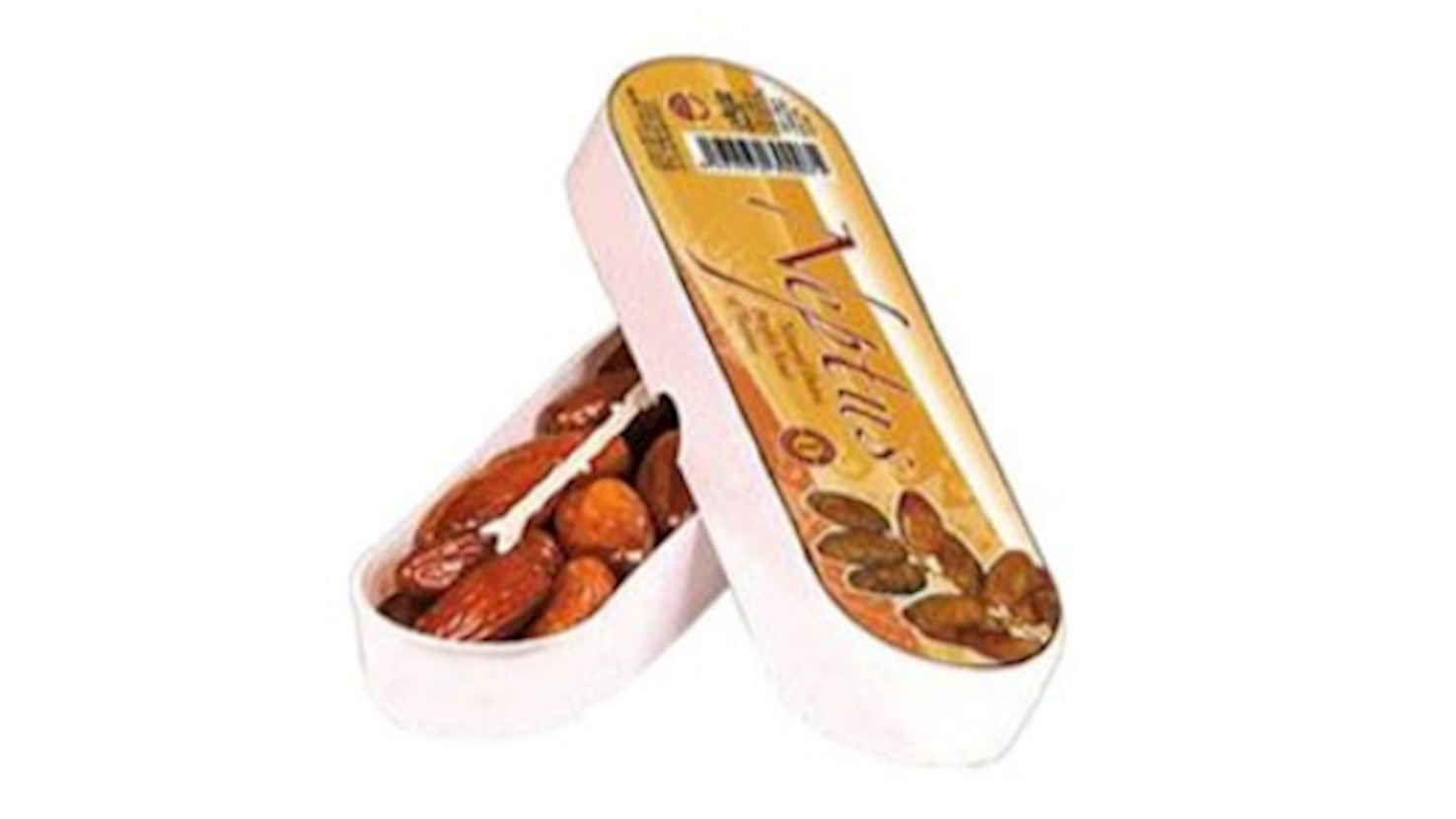
Neptus Dattes is a Tunisian producer and exporter of premium dates, founded in 2007, with its headquarters in Tunis and a production facility located in the oasis region of Nefta, in the southwest of the country. The company was established by the Belaifa family, which has been cultivating dates for over two centuries, combining deep-rooted tradition with modern processing technology for the Deglet Nour variety.

This variety forms the core of their production and export activity. The dates are grown in the optimal climatic conditions of the Tozeur and Nefta regions, where the combination of dry desert air and fertile soil produces fruits of exceptional texture, color, and flavor.

The company offers several formats - dates on branches, loose dates, and hand-selected premium packages - suitable for direct consumption or industrial use. Its products are exported across multiple continents, and the company collaborates with numerous distributors and food industry brands.

Neptus Dattes successfully merges respect for tradition with innovation, positioning Deglet Nour as a true luxury product. The brand’s visual identity reflects purity, authenticity, and its origin from the heart of the Tunisian desert.

Today, Neptus Dattes stands as a symbol of heritage, quality, and reliability in Tunisia’s date production and export sector.

05

Societé Agricole et Froid Trading

4.3 ·

Societé Agricole et Froid Trading is a Tunisian company founded in 2000, specializing in the cultivation, processing, and export of Deglet Nour dates. The company also operates cold storage facilities with a total capacity of 10,000 tons, allowing the fruit to be preserved for long periods under optimal conditions.

Its flagship product, Deglet Nour, is Tunisia’s most renowned date variety, known for its translucent flesh, balanced sweetness, and exceptional aroma. Through a combination of modern technology and meticulous hand selection, the brand blends traditional expertise with advanced processing methods.

The company exports its products to Europe, North America, the Middle East, and Asia. It emphasizes a sustainable approach to production, responsible resource management, and support for local communities in the Naâssen region.

The visual identity of the brand reflects simplicity, elegance, and a clear Tunisian origin. Societé Agricole et Froid Trading positions itself as a reliable partner in the global date supply chain, offering products that embody authenticity, stability, and premium quality.

06

Haddoud Salim

4.3 ·

Haddoud Salim is an Algerian producer, processor, and exporter of dates based in Tolga, in the Biskra Province, a region widely recognized as the heart of Deglet Nour date production - a variety considered among the finest in the world. Founded in 1990, the company has built a strong reputation as a reliable producer that combines traditional expertise with modern technology in date processing.

Its production process includes careful selection, cleaning, polishing, and packaging, carried out under the highest standards of hygiene and quality control. The company’s annual capacity exceeds 4,000 tons of dates, exported to more than 20 countries worldwide.

Its product range includes whole dates, pitted dates, naturally dried fruits, and specialized lines tailored for the confectionery industry. The company operates its own laboratory system to monitor physical and microbiological parameters, ensuring consistent quality.

Thanks to its dedication to excellence and authentic origin, Haddoud Salim’s Deglet Nour dates have earned recognition on the international gourmet scene, making the company one of Algeria’s leading exporters of premium dates.

07

Coopérative Arsat Nakhil Erfoud

4.2 ·

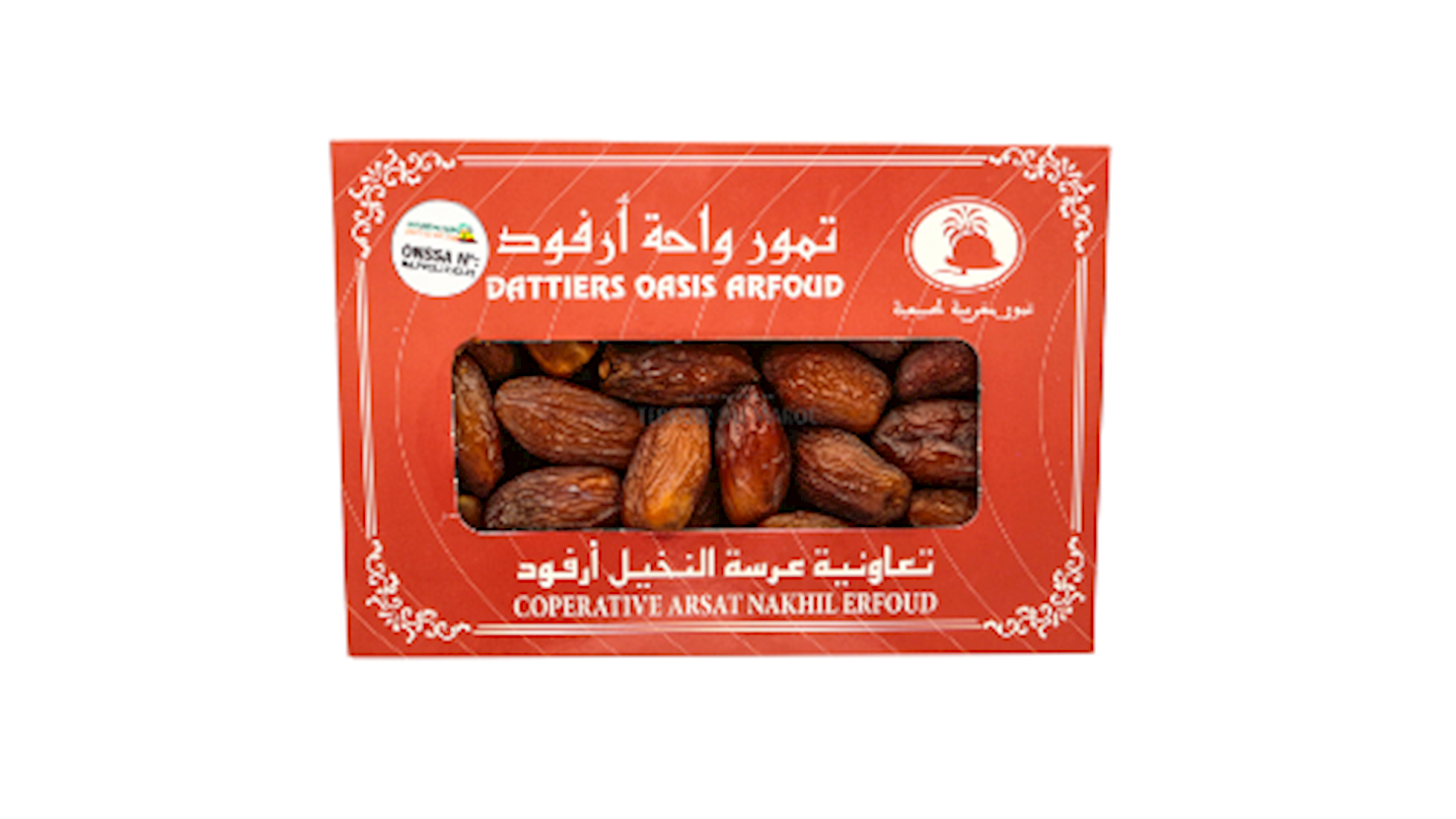
Coopérative Arsat Nakhil Erfoud is an agricultural cooperative founded in 2010 in the Erfoud region of southeastern Morocco, an area renowned for its oases and long-standing tradition of date cultivation. The cooperative is based in Ksar Oulad Zahra, in the municipality of Ar Sabah, Errachidia Province, within the Ziz Valley - one of the country’s most important areas for date production.

It brings together local producers with the goal of improving the quality, processing, and marketing of Moroccan dates on both domestic and international markets. Their work encompasses cultivation, hand harvesting, selection, cleaning, and packaging, ensuring high quality and the preservation of the fruit’s authentic characteristics.

The dates they produce come from oases with rich, sandy soil and a high mineral content, which give the fruit its distinctive aroma and texture. Coopérative Arsat Nakhil Erfoud strives to preserve traditional farming methods while incorporating modern standards of quality and packaging, enabling competitiveness in today’s markets.

The cooperative stands as a symbol of solidarity, tradition, and a forward-looking vision for the modern development of Morocco’s date sector.

08

Coopérative Jnan Erfoud

4.2 ·

Coopérative Jnan Erfoud is a local agricultural cooperative from the Erfoud region in southeastern Morocco, founded with the goal of improving the production, processing, and marketing of dates from the oasis areas of the Ziz Valley. The cooperative brings together small and medium-sized producers engaged in the cultivation of various date varieties, most notably the Majhoul - a variety highly regarded for its size, aroma, and premium quality.

Its activities include hand harvesting, sorting, cleaning, and packaging of dates in accordance with both local and international quality standards. Through its operations, Jnan Erfoud promotes sustainable farming practices and supports local farmers, particularly women and young people involved in the date value chain.

Their products are distinguished by natural sweetness, rich texture, and origin from fertile oases. Coopérative Jnan Erfoud aims to combine tradition with modern agricultural techniques, creating an authentic product that embodies the quality and identity of the Moroccan desert.

09

Cooperative Agricole des Dattes Errachidia Maroc

4.1 ·

Cooperative Agricole des Dattes Errachidia Maroc is an agricultural cooperative based in the city of Errachidia, in the heart of the Drâa-Tafilalet region in southeastern Morocco - an area recognized as one of the country’s most important centers for date cultivation. Founded with the goal of uniting local producers and enhancing the competitiveness of their products, the cooperative focuses on the cultivation, processing, and marketing of dates with authentic origins from the oases of the Ziz Valley.

Its members come from communities that have cultivated date palms for generations, combining traditional farming methods with modern irrigation systems. The sandy, mineral-rich soil, together with the arid climate and year-round sunshine, gives the dates from this region their distinctive aroma and texture.

The cooperative contributes to preserving the traditional lifestyle of oasis communities and strengthens the local economy through employment and collective marketing. Through its work, the cooperative promotes Moroccan terroir and date-growing culture, reinforcing the status of the Ziz Valley as the cradle of some of the finest dates in the world.

10

Difat Ziz

4.1 ·

Difat Ziz is an organization founded in the city of Erfoud, in southeastern Morocco, with the aim of uniting local cooperatives and date producers from the Ziz Valley - one of the country’s most renowned areas for date palm cultivation. Difat Ziz operates as a collective model that connects more than thirty agricultural cooperatives to strengthen competitiveness and promote the sustainable development of the date sector.

Their main product is the Majhoul (Medjool) variety, cultivated in oasis regions known for their sandy, mineral-rich soils and abundant sunshine throughout the year. The organization oversees all stages of production - from cultivation and harvesting to processing, storage, packaging, and distribution.

Hand-picking and careful selection ensure high quality and consistency across batches, while modern drying and refrigeration systems extend shelf life and preserve the fruit’s natural flavor. Through transparency, collaboration, and adherence to ecological principles, Difat Ziz sets the standard in Morocco’s date industry and reinforces the Tafilalet region’s reputation as the source of some of the finest dates in the world.

Best African Dates Types
01

Deglet Nour

4.2 ·

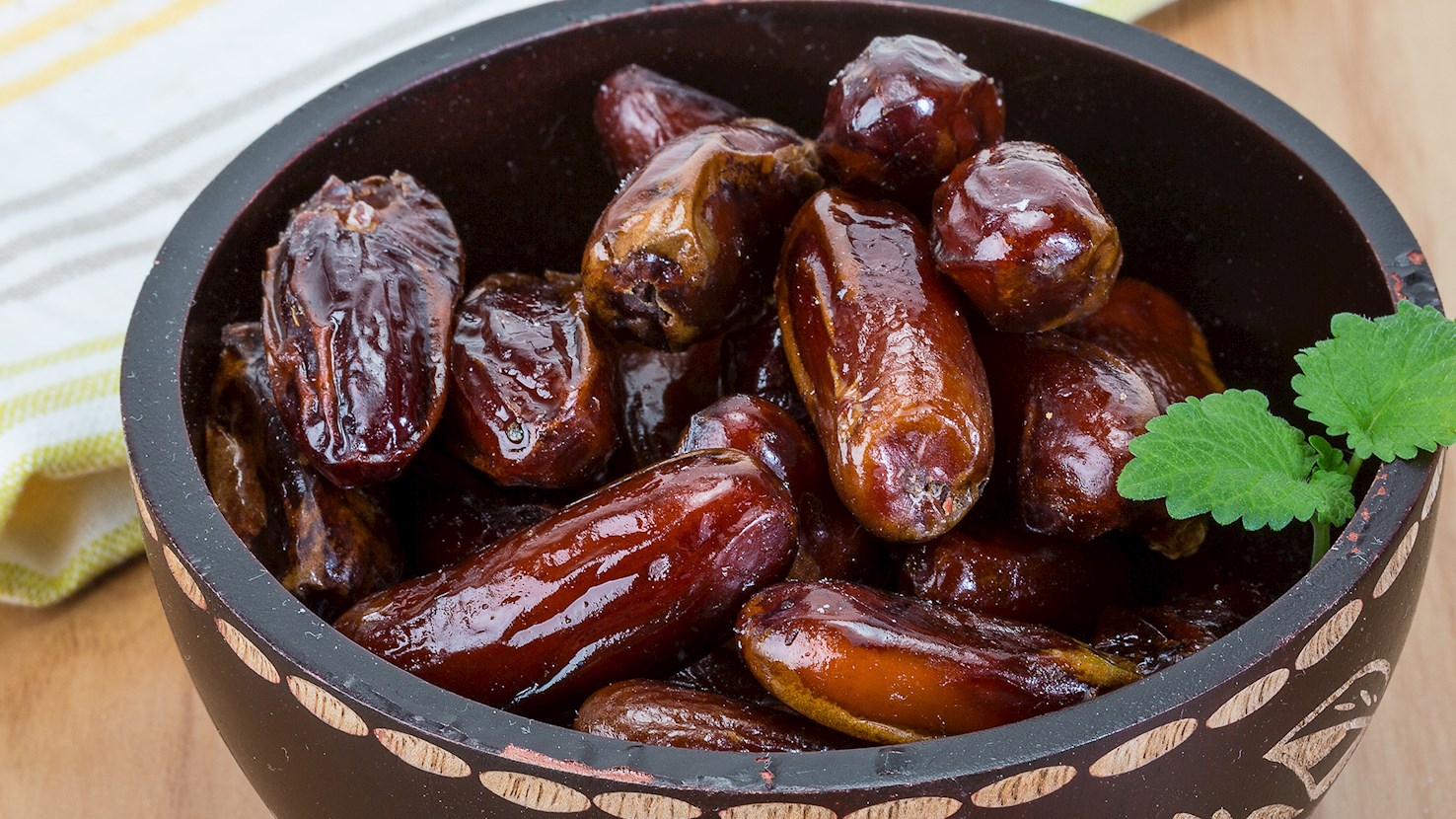
Native to Algeria, deglet nour is one of the most common date varieties consumed in the entire North African region. They are small in size, amber in color, and characterized by the nearly translucent meat and a sweet, nutty, and caramel-like flavor. Except in North Africa, they are cultivated in Israel and the United States, where they had been exported at the beginning of the 20th century. Even though they can be eaten plain as a sweet snack accompanied by tea or coffee, deglet nour are often incorporated in many traditional North African salads, pastries, and cookies.

02

Tamr Siwī (Siwa Oasis dates)

4.2 ·

For 3,000 years, the farmers of Siwa Oasis in the Western Egyptian desert have been taking advantage of water in the desert in order to grow chewy Siwa Oasis dates. Three of the most important varieties are Siwi, Azzawi, and Frehi, but there are three more varieties which are produced in small quantities and are at risk of extinction – Ghazaal, Takdat, and Amnzou. The producers sell both fresh and dried dates. After the initial 10 years, each plant produces about 50 kilograms of these chewy treats per year. The maturation period of each type varies – Amnzou bears fruit in September, Azzawi and Siwi at the beginning of October, Ghazaal at the end of October, and Takdat between December and January. The producers harvest the dates manually by climbing the tree trunks with a belt. Dates are used in a variety of local dishes such as tarfant (bread, dates, and olive oil), tagilla (olive oil, flour, dates, and water), and elhuji (dates, olive oil, and eggs). During the month of Ramadan, dates are consumed in the evening to break the fast.

03

Tamr al-majhoul (Medjool dates)

4.1 ·

Medjool dates are one of the most popular date varieties in the world, first cultivated in the Moroccan oasis Talifalt, and nowadays grown primarily in the Middle East (Israel being the main producer and exporter) and Northern Africa. They are larger and sweeter than other varieties and are often dubbed the "king of dates" due to their superior taste and versatility. The flavor can be described as caramel-like, the texture is chewy, and they are chock-full of fiber, potassium, and antioxidants. Medjool dates can be eaten on their own (fresh or dried) but can also be a part of various regional recipes, from porridges and desserts to stews, tagines, and pilafs.

04

Tamr al-thoory (Thoory dates)

3.5 ·

Thoory dates are a type of Algerian dates that are firm, dry, and chewy, with a pasty-like texture which is why they got the nickname "bread dates". Given that these dates are very dry and have a hard outside, they keep for a long time and are a convenient snack for outdoor activities, and are often used in baking. In addition, thoory dates have a nutty taste and are also known as bull's dates.

05

Tamr boufeggous (Boufeggous dates)

n/a ·

Boufeggous dates are a soft, semi-moist variety cultivated mainly in the oases of the Tafilalet and Draa valleys in southeastern Morocco, particularly around Erfoud, Zagora, and Tinghir. The variety is one of Morocco’s principal date cultivars, appreciated for its balance of sweetness, tenderness, and shelf stability. The fruit is medium-sized, cylindrical, and amber to reddish-brown when fully ripe, with thin, glossy skin and dense flesh that becomes slightly sticky as it matures. The Boufeggous palm grows well in the hot, dry climate of Morocco’s Saharan fringes, relying on deep irrigation channels and ancient oasis systems that maintain soil humidity during the long summer season. The date’s development as a staple of Moroccan palm groves dates back several centuries, when it was planted alongside other cultivars such as Majhoul and Bouskri to diversify harvest cycles and ensure stable yields. Farmers still favor Boufeggous palms for their resilience to heat and relatively high productivity. Harvest typically takes place from mid-September to late October, when the fruit passes from the rutab to the tamr stage and reaches full coloration and softness. After collection, the dates are sorted by size and quality, then air-dried or sun-dried briefly to reduce excess moisture before being packed for market. Some producers store them in low-temperature rooms to maintain their texture for export. Boufeggous dates are eaten without processing, though they may be pitted and stuffed with nuts or shaped into date paste for confectionery use. They have a flavor that is rich but not overly sugary, with a mild caramel note and soft fibers that give a smooth mouthfeel. The dates are consumed throughout Morocco, where they appear at markets year-round and especially during the harvest festivals of the Draa and Tafilalet regions. They are eaten as a snack, served to guests with mint tea, or used in couscous and tagine recipes that combine sweet and savory flavors. Their natural sweetness pairs well with roasted almonds, walnuts, or goat cheese, and they are often enjoyed with milk or yogurt drinks that balance their caramel richness.

06

Tamr al-ʿalīq (Allig dates)

n/a ·

Allig dates are a semi-dry variety cultivated mainly in the southern oases of Tunisia, particularly in the regions of Kebili and Tozeur, where the arid desert climate and long, hot growing season provide ideal conditions for palm cultivation. The fruit is small to medium in size, elongated, and dark brown to almost black when fully ripe, with a smooth skin that adheres closely to its dense, chewy flesh. It belongs to the same group of semi-dry Tunisian cultivars as Deglet Nour and Kenta but is distinguished by its richer color and deeper flavor. The Allig palm has been established for generations in the Djerid oasis belt, where irrigation systems known as foggaras and deep artesian wells sustain large date plantations. The variety developed as part of Tunisia’s commercial date industry, which supplies both domestic and export markets across North Africa, Europe, and the Middle East. Harvesting usually takes place from late October to early November, when the fruit has matured on the tree and entered the tamr stage, allowing it to dry naturally without losing shape. Farmers collect the ripe bunches manually, sort the dates, and lay them out in the sun for a brief drying period to reduce moisture content and concentrate sugars. The fruit is then cleaned and graded by size and color before being packed in bulk or retail boxes. Allig dates are not processed with syrup or coatings, preserving their natural surface sheen and fibrous structure. Their taste is moderately sweet with a faint caramel tone, less sugary than Deglet Nour but more pronounced than Kenta. They store well at room temperature and tolerate transport without refrigeration, making them suitable for trade and long-term consumption. A characteristic feature of Allig dates is their balanced texture, combining firmness with a slight stickiness that allows them to be eaten easily or used in cooking. They are commonly consumed as a snack or served with nuts, black tea, or mint tea. In Tunisian households, they are eaten at breakfast, offered to guests, or used in pastries and energy mixes. Their moderate sweetness also makes them a good pairing with yogurt or soft cheeses, where the dense fruit contrasts with lighter textures.

About this Ranking

TasteAtlas food rankings are based on the ratings of the TasteAtlas audience, with a series of mechanisms that recognize real users and that ignore bot, nationalist or local patriotic ratings, and give additional value to the ratings of users that the system recognizes as knowledgeable.

TasteAtlas Rankings should not be seen as the final global conclusion about food. Their purpose is to promote excellent local foods, instill pride in traditional dishes, and arouse curiosity about dishes you haven’t tried.

The initial list of top producers was compiled based on available reviews, awards, local recommendations, media and blog coverage, and consumer reviews. The list will be updated with ratings from TasteAtlas local ambassadors and TasteAtlas users.

What People Say

Similar Lists