shutterstock

Top 32 Tuscan Desserts

Last updated on May 15, 2026

Best Tuscan Desserts
01

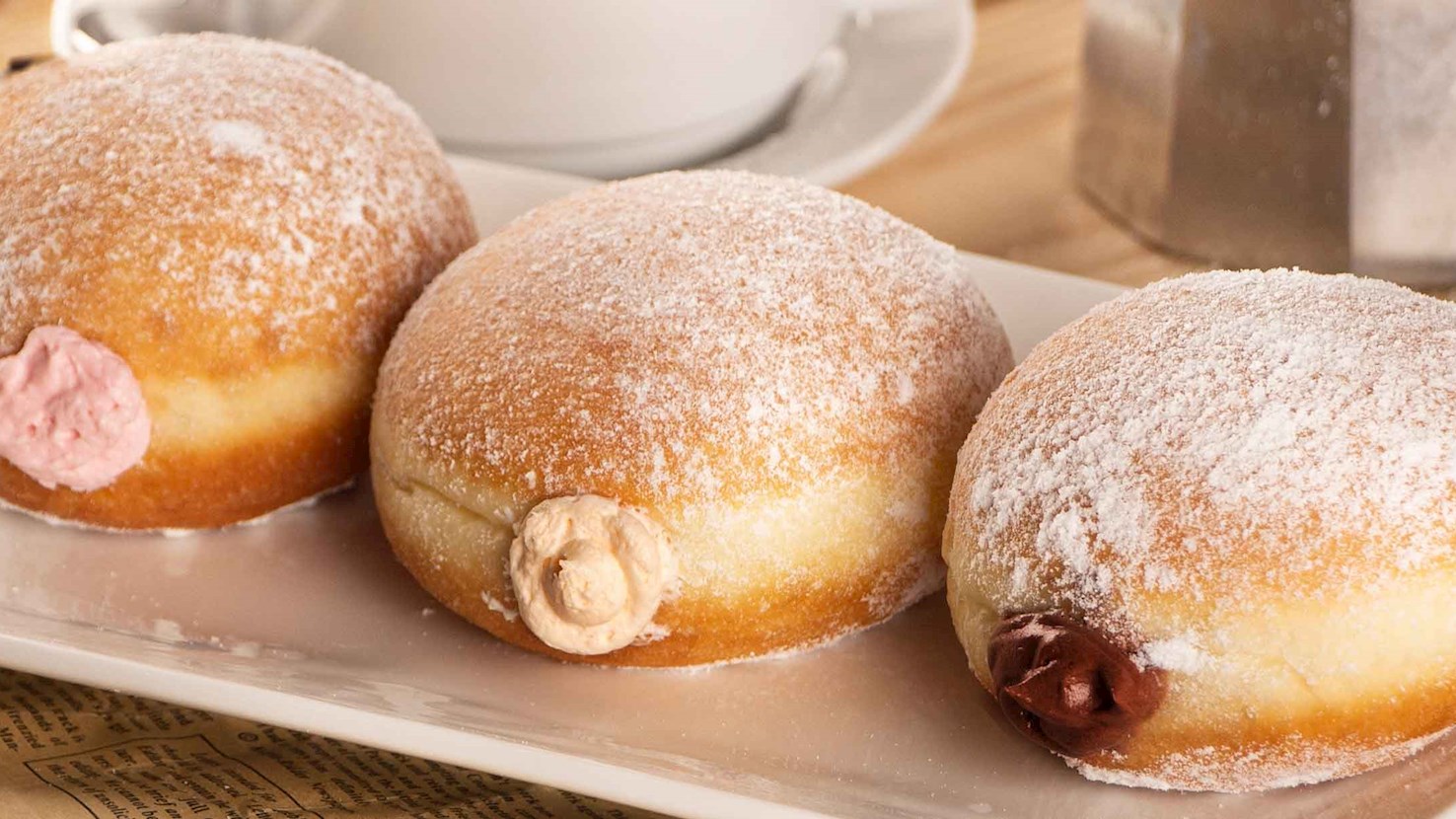
Bomboloni

4.2 ·

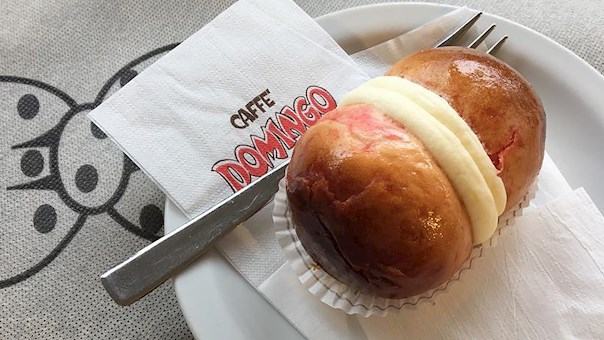
Italian deep-fried doughnuts known as bomboloni are one of the traditional sweets of the Carnival season, but nowadays they can be prepared throughout the year. Even though bomboloni are said to be of Tuscan origin, they are commonly sold as a snack in numerous pasticcerias, bakeries, and coffee shops throughout the country. However, in Tuscany and further to the north of Italy, bomboloni are simply sugar-coated, while in Lazio these delectable treats take on a more decadent appearance, as biting into their sugary crust reveals a silky cream on the inside. The so-called bombolone Laziale is typically filled with either classic custard cream called crema pasticcera, or sometimes even chocolate cream. Pillow-soft, airy, and amazingly light, the delicious bomboloni are best enjoyed while they're still warm, regardless of the preferred variety.

02

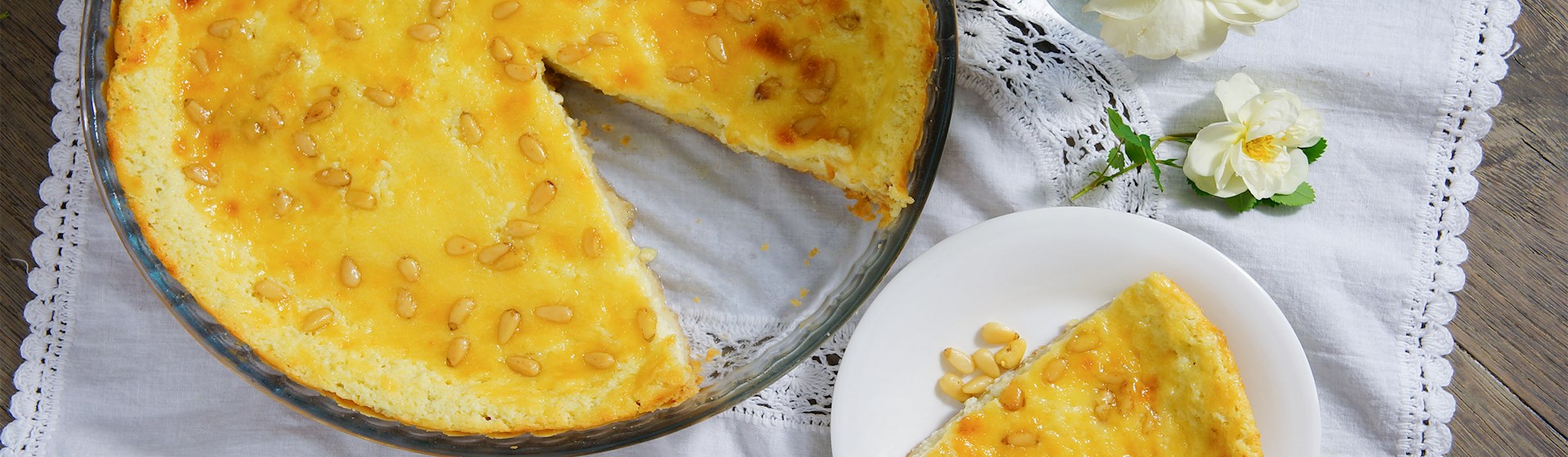
Torta della nonna

3.9 ·

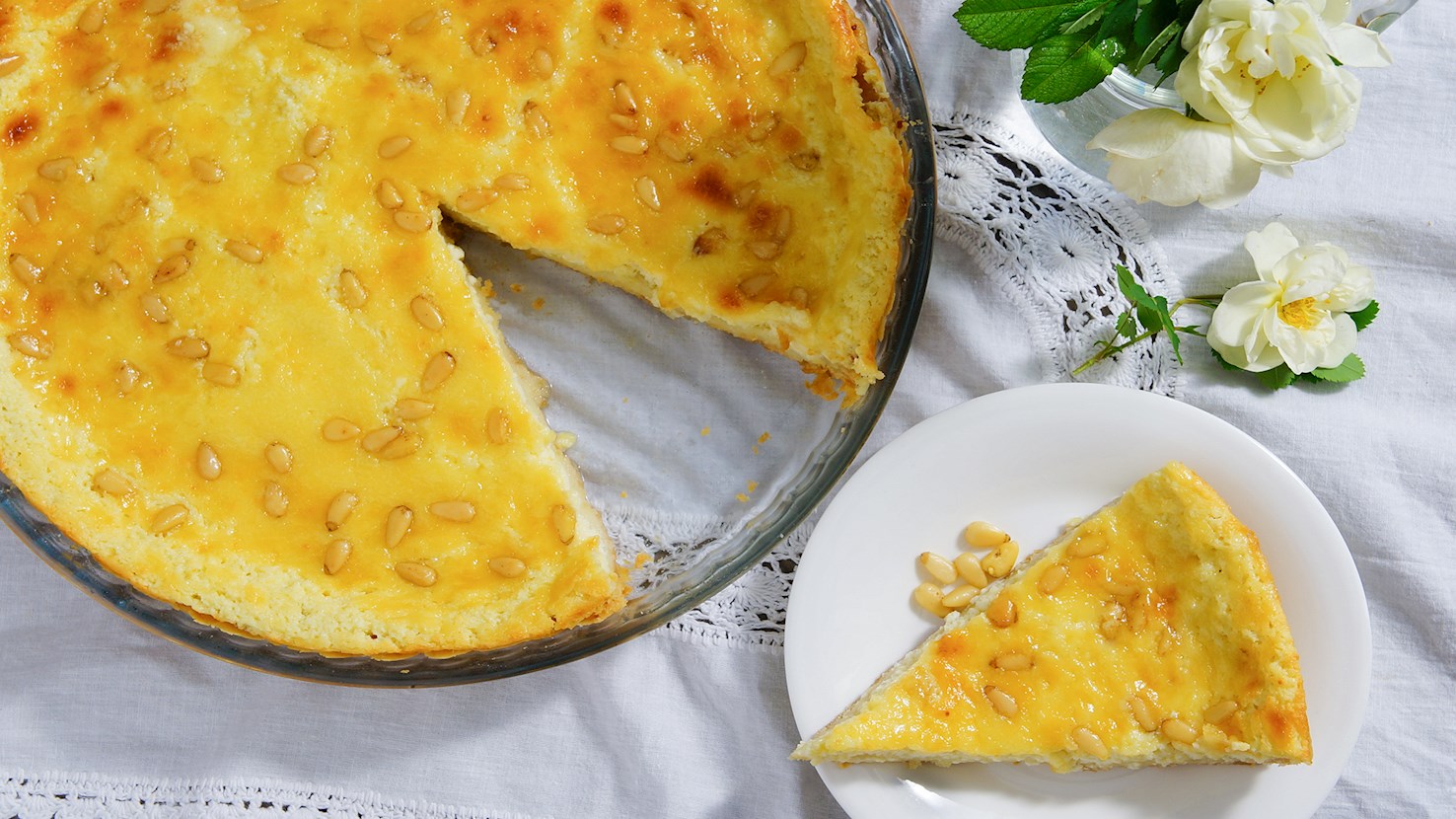
Grandma's cake—as translated in English—is actually a soft pastry pie filled with a rich, delicate custard cream, topped with toasted pine nuts, and lastly dusted with powdered sugar. This delicious cream pie is considered to be a traditional Tuscan dessert, although it is equally popular across the country and supposedly everyone's nonna makes a slightly different version: while some flavor the cream with vanilla and lemon zest, others use ricotta cheese for the filling.

Best restaurants
03

Ricciarelli di Siena

3.7 ·

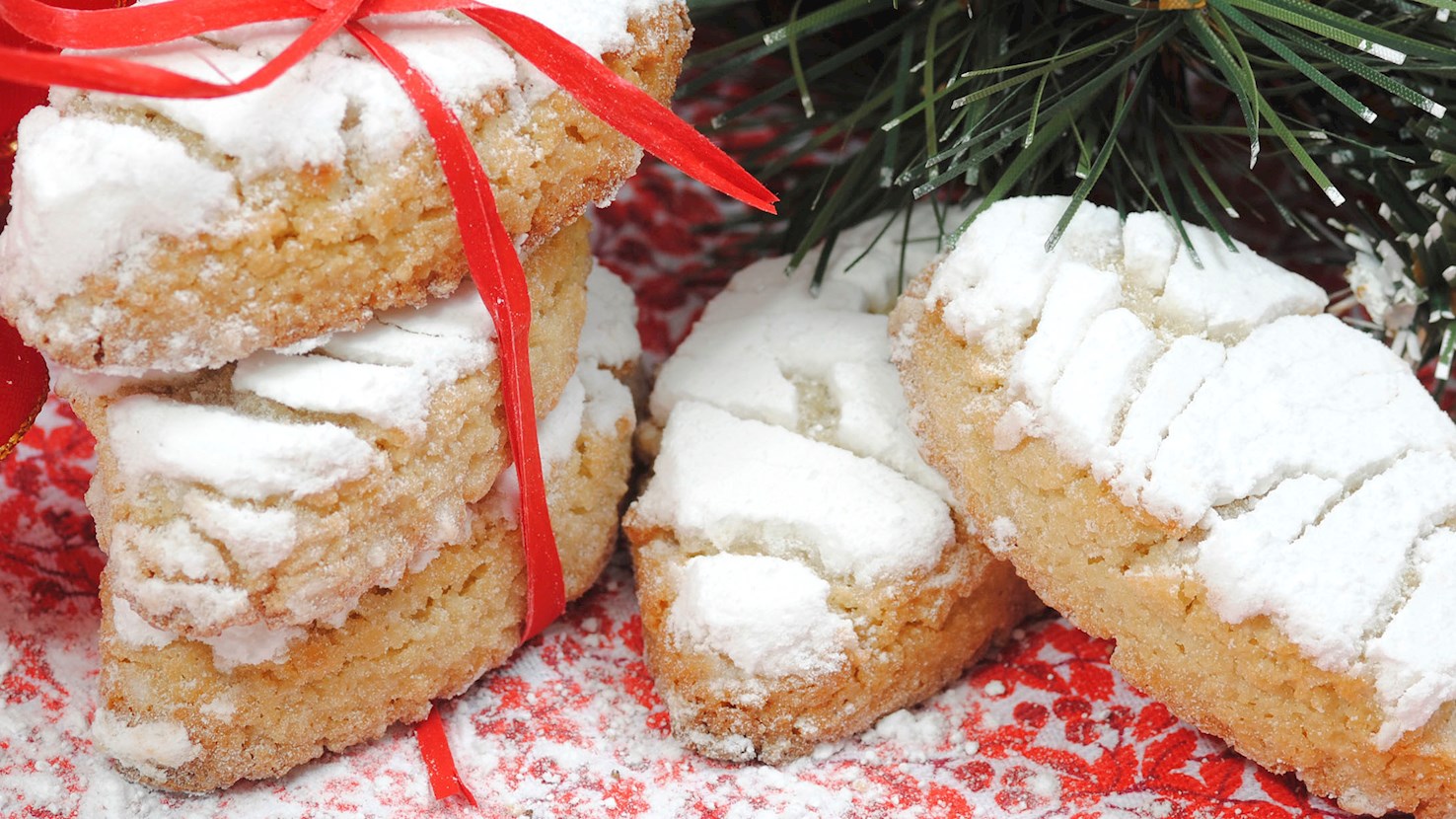
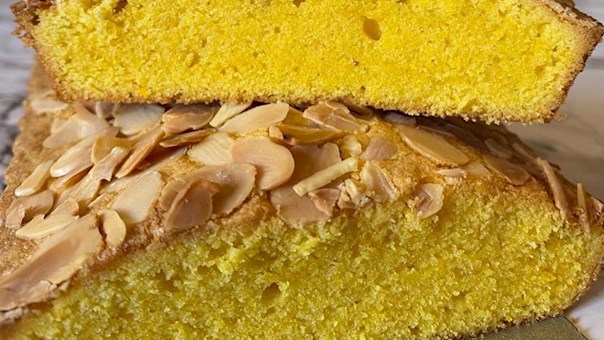
A typical dessert of Sienese cuisine, ricciarelli di Siena are soft almond biscuits whose origins date back to the 14th century. According to a popular legend, they were named after a Sienese nobleman Ricciardetto Della Gherardesca, who brought similar lozenge-shaped Arab sweets to Siena upon his return from the Crusades. Back then, these cookies were also known as marzapanetti alla Senese or morzelletti, and they were reserved for the lavish banquets and feasts of Tuscan royalty, since almond paste or marzipan was a precious and expensive ingredient sold only in Renaissance apothecaries along with the most exotic spices of the time. Today, the aromatic ricciarelli are made with both sweet and bitter almonds, sugar, and egg whites; they are often flavored with candied orange peel and dusted with icing sugar. In Tuscany, they are a traditional Christmas treat, typically enjoyed with dessert wines such as Moscadello di Montalcino or Vin Santo.

04

Cantuccini Toscani

3.7 ·

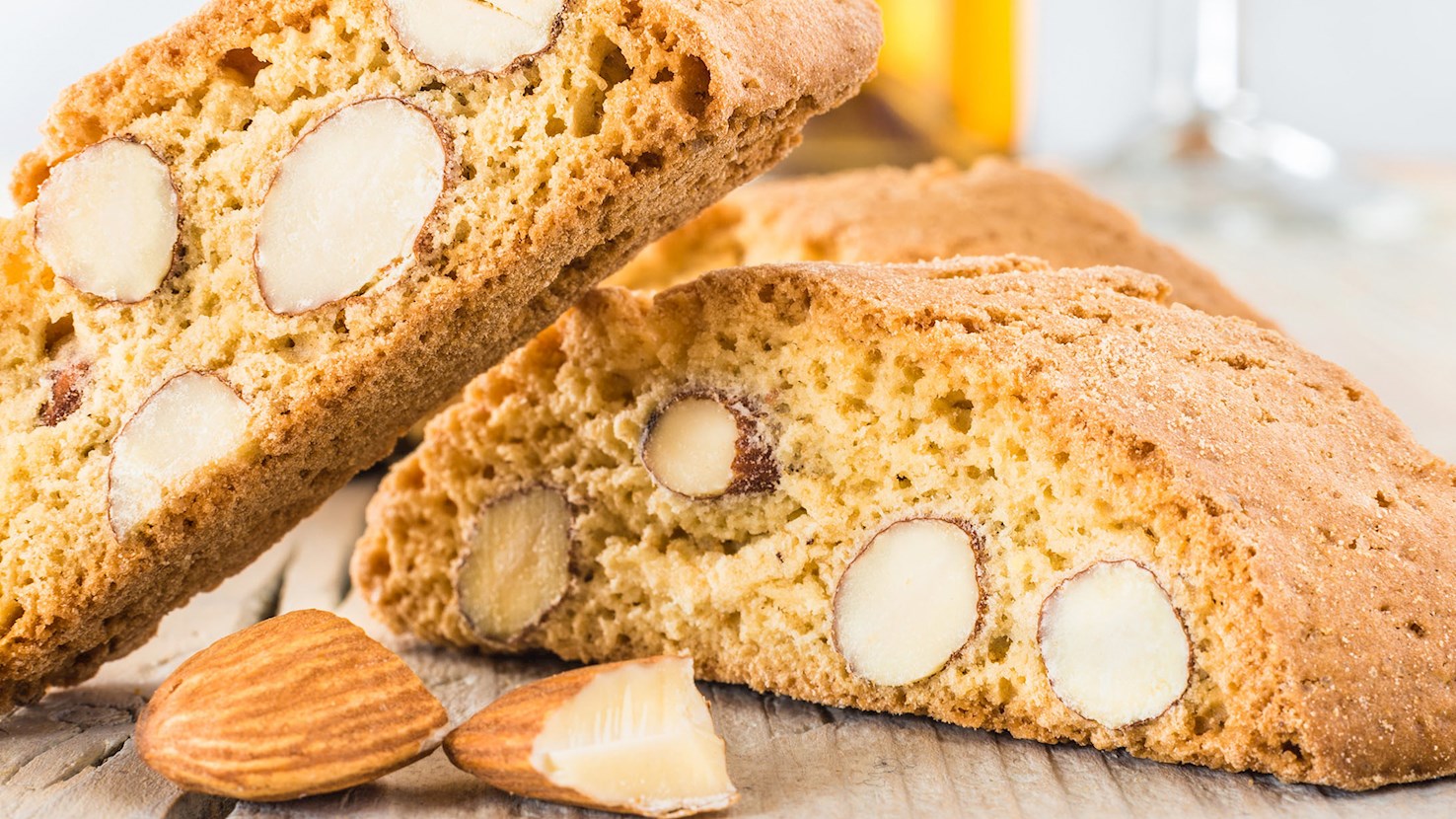
These hard almond biscuits visually resemble tiny slices of bread, or cantellus in Latin, which is how they gained the name cantuccini, though they are also known as biscotti, meaning twice-baked. Cantuccini supposedly originated in the Tuscan city of Prato in the 16th century, and they were even served at the Medici court. However, according to some historical records, they did not contain any almonds, being similar to the already famed biscuits from Pisa and Genova. Almonds were added to the recipe towards the end of the 19th century, after which Tuscan bakers started using butter and leavening agents to give the cantuccini a longer shelf life and make them suitable for export. Cantuccini are an excellent after-meal snack, and they are typically accompanied by a glass of Vin Santo, a popular Italian dessert wine, though they are also often enjoyed for breakfast, dipped in milk, coffee, or tea.

05

Panforte di Siena

3.4 ·

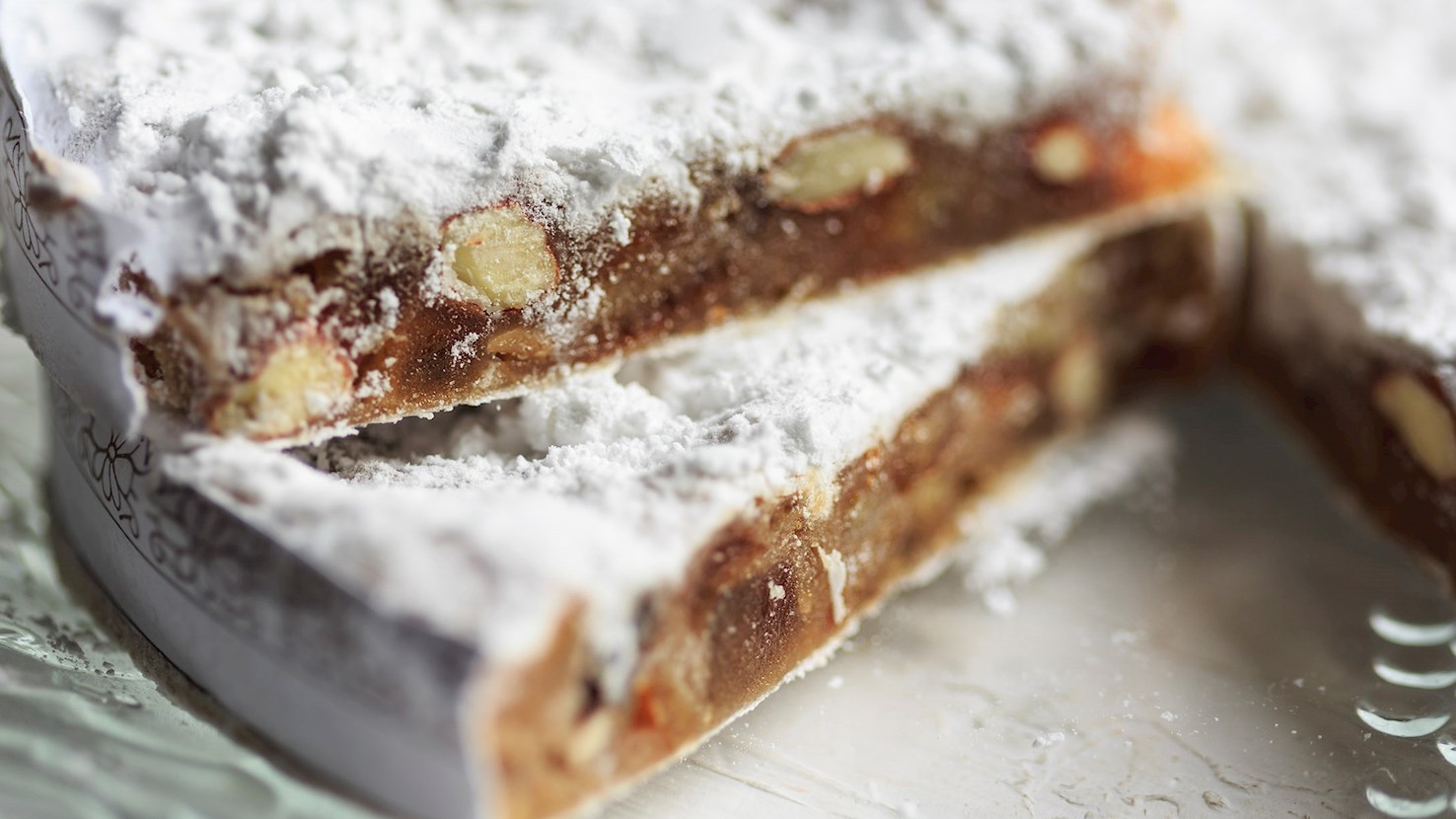
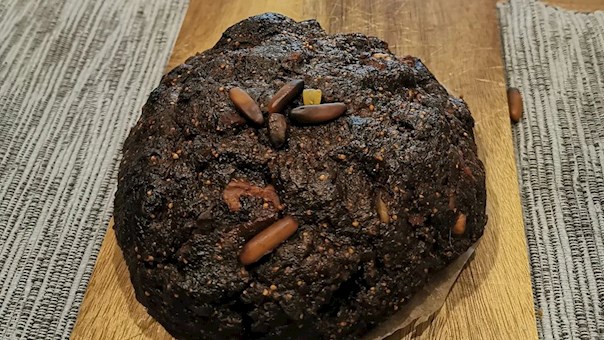
Panforte di Siena is a traditional dessert also known as Siena cake. The modern panforte variety is made with nuts, dried fruit, and a generous amount of spices such as cardamom, cinnamon, nutmeg, and cloves. All of the ingredients are combined with a sugary syrup, usually made with butter, sugar, and honey, and the cake is generously dusted with powdered sugar. This mixture of ingredients forms an unusual and dense cake with a firm structure and an interesting flavor combination. Believed to have originated in the 13th century in Siena, a city in central Tuscany, it has become an indispensable part of traditional Italian confectionery production. The dessert is famous for its historical role during the battle of Montaperti when it was a common staple among Sienese soldiers. However, the original panforte, which was initially only made by nuns, was dusted with a coating of white pepper, which gave the cake a more unusual flavor. This tradition had been changed in the 19th century when the British Queen came to visit Siena, and the recipe was slightly altered to soften the flavors. Today, panforte can be found in numerous bakeries throughout Siena. It is also a common staple during the Christmas festivities, and it is recommended to pair it with a cup of strong coffee or a glass of flavorful dessert wine.

06

Castagnaccio

3.3 ·

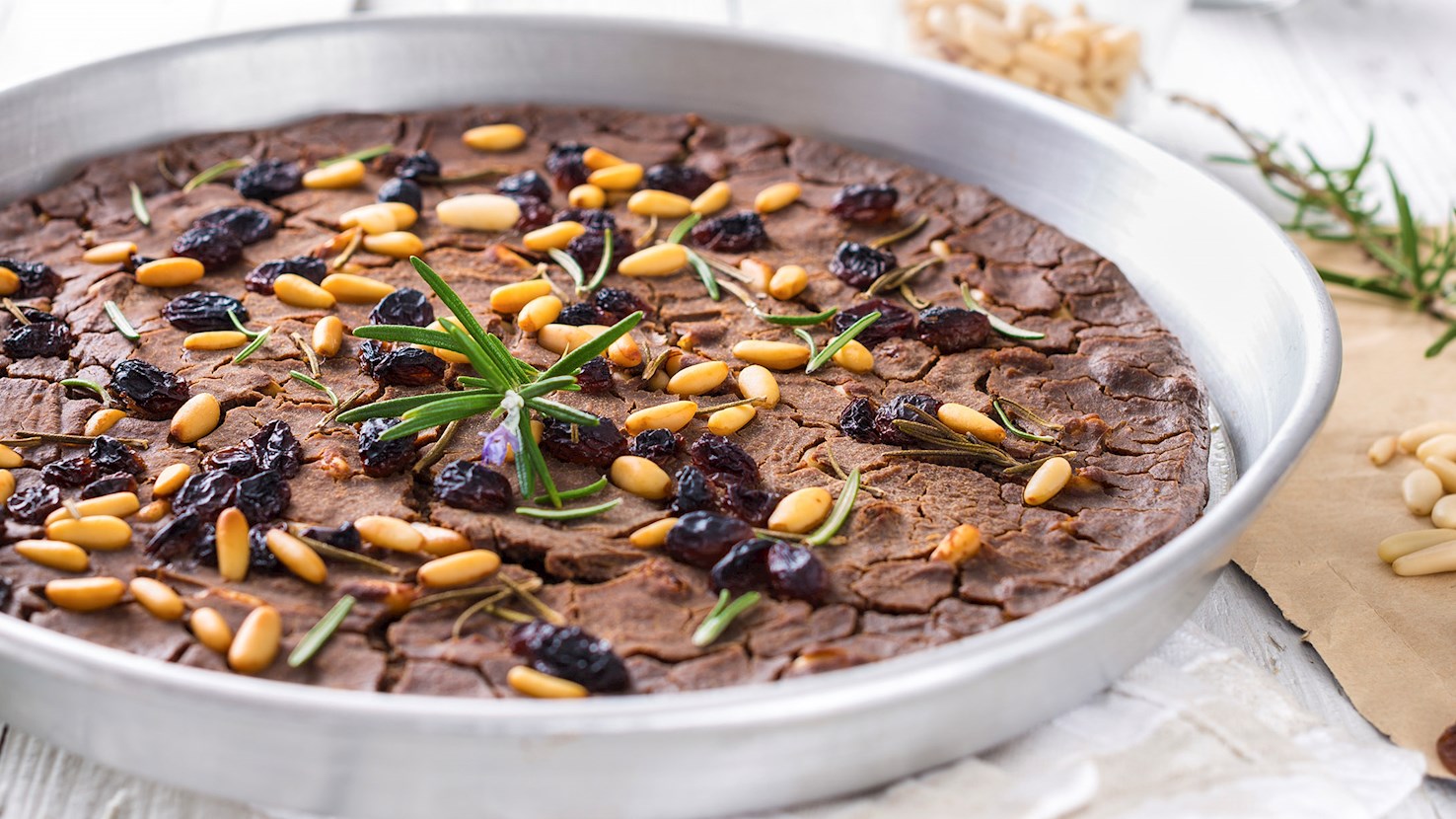
This traditional Italian chestnut cake is prepared with chestnut flour, olive oil, rosemary, raisins, and (occasionally) pine nuts. The recipe does not call for any other type of flour or sugar, making this cake a gluten-free and sugar-free delicacy. Some varieties may use other dried fruits, but the traditional version only includes raisins. All the ingredients used in castagnaccio create a dense, not overly sweet cake with a crunchy exterior and chewy interior. Originally, the cake was created as a poor man's dessert and was prepared seasonally, most commonly in winter months, when chestnuts are at their peak. Castagnaccio has been present in Italian culinary history since Roman times, with Tuscany believed to be the place of its origin. The cake is best when made with local ingredients, and it is typically paired with Italian dessert wines.

07

Cavallucci

3.2 ·

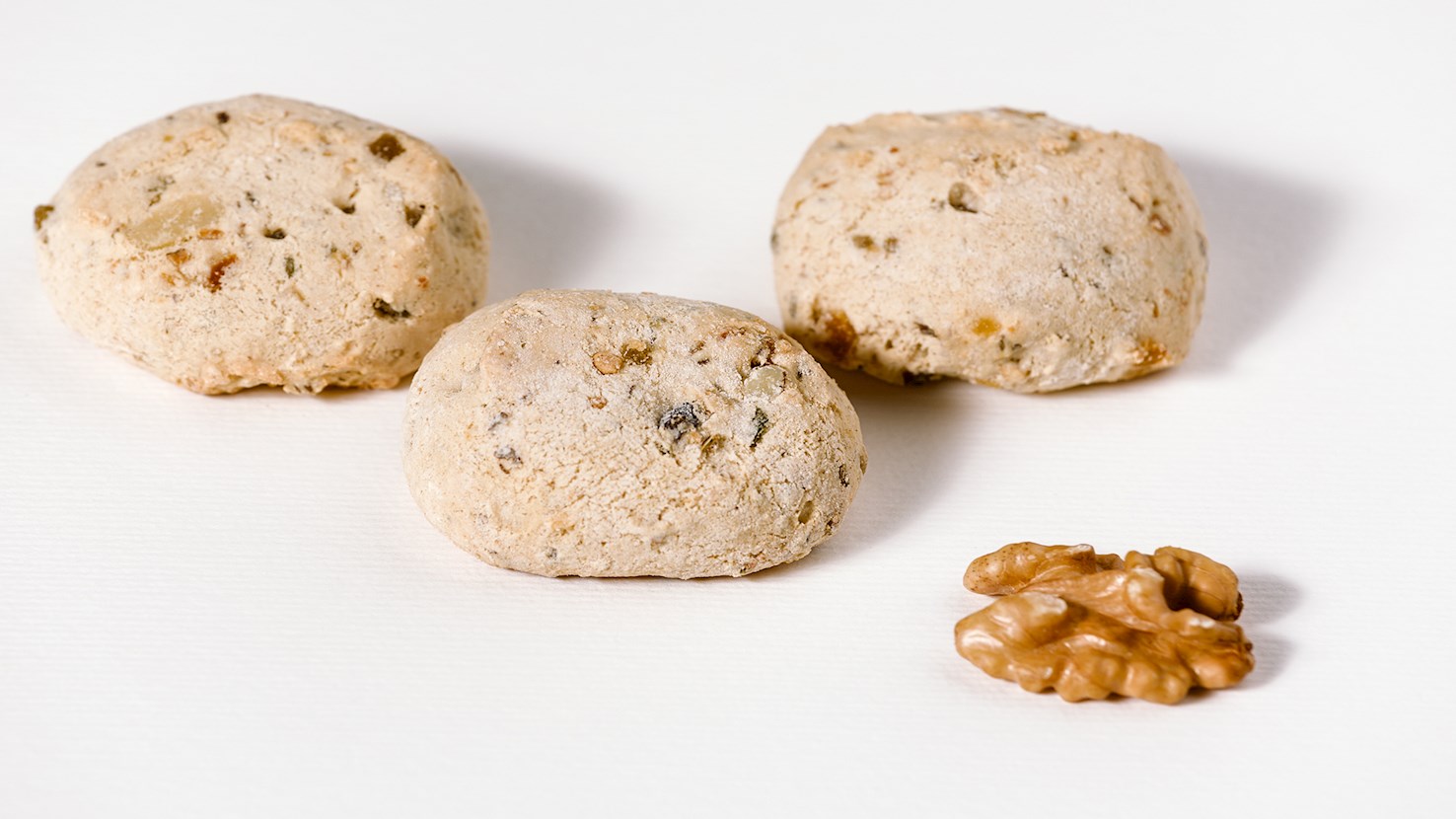
These traditional Italian Christmas cookies were originally invented in Siena. They have a soft texture and consist of flour, nuts, candied fruit, and various spices. Originally, cavallucci were prepared without nuts or candied fruit – only flour, sugar, honey, and anise seeds were used. The name is believed to be a derivation of the word cavallo, meaning horse – this is either a reference to their shape, which is reminiscent to a horse hoof, or because they were imprinted with a tiny horse on top in the past.

08

Zuccotto

3.2 ·

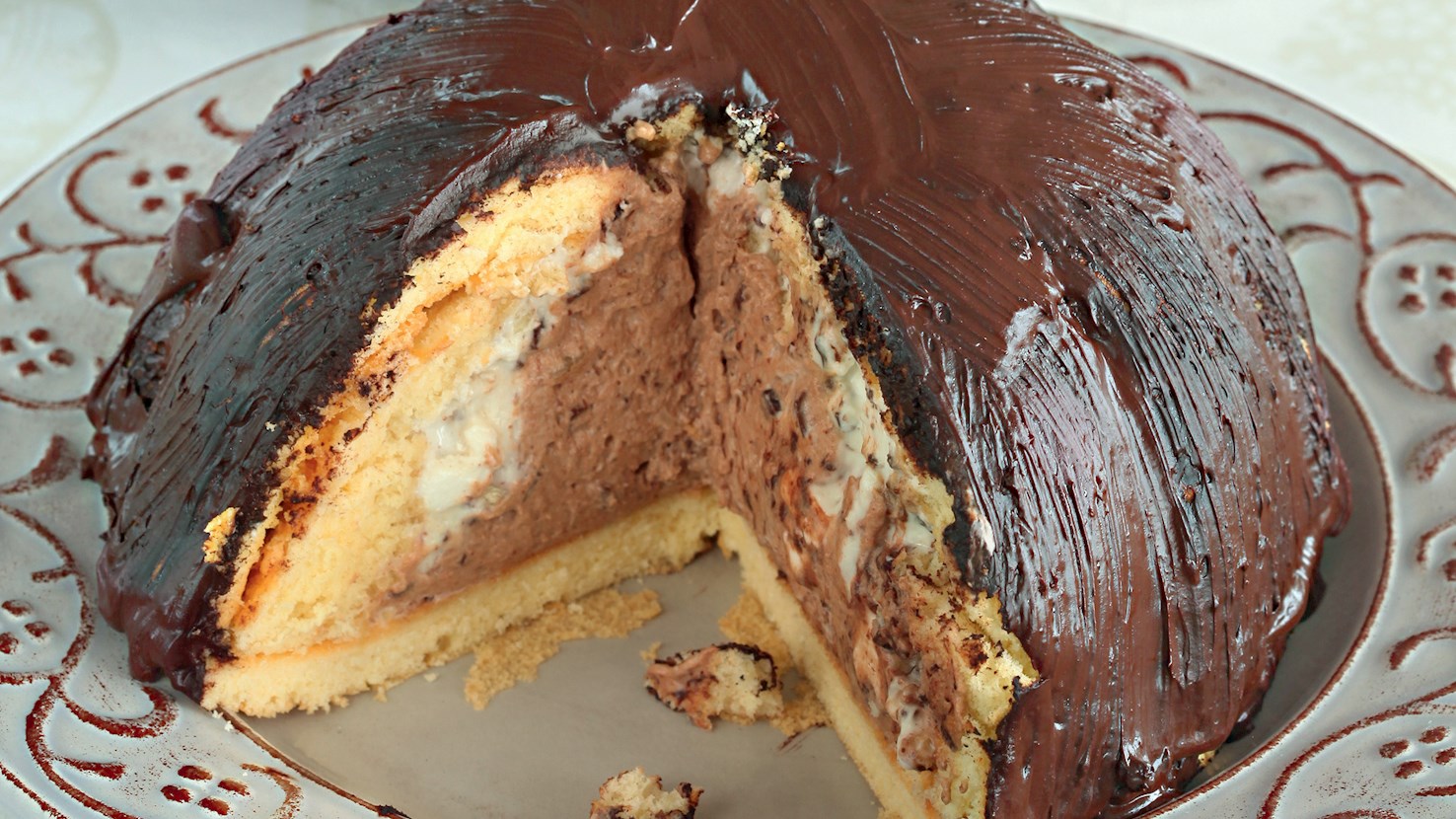
Zuccotto is a famous Italian dessert believed to have originated in Florence. It is assembled by lining up softened ladyfingers or a sponge cake around the mold to create the frame of the cake, while the center is filled with a delicious, creamy filling. Finally, the cake is turned upside down before serving. It is believed that the unusual appearance of this dessert was designed to resemble the famous dome of the Florence Cathedral. The recipe is an ancient Italian creation, dating back to the 16th century, and it is believed that the famous Bernardo Buountalenti, the man who invented gelato, actually created the first zuccotto. The original zuccotto filling was prepared with chocolate syrup that was layered between the mixture of dried fruits and nuts. However, the original zuccotto was reinvented in the 20th century, and it was adapted to fit the current confectionery trends. Today, zuccotto fillings are usually made with ice cream, whipped cream, or ricotta. The mixtures are highly variable and can include numerous flavors such as almond, vanilla, or citrus, and can be modified with the addition of nuts, fruits, brandy, or chocolate chips.

09

Buontalenti

3.1 ·

Buontalenti is a gelato flavor named after a 16th century Florence architect Bernardo Buontalenti, who is often credited as an inventor of gelato. This flavor is made with a combination of milk, sugar, cream, and eggs, as well as some additional secret ingredients. It was modeled on Buontalenti’s version that he allegedly created for the inauguration of Grand Duke Cosimo I de Medici in 1559. His version also included dessert wine, and it was flavored with bergamot, lemons, and oranges. It is said that Buontalenti was also the first to think of an efficient way of storing ice cream. In 1979, there was an initiative to honor Buontalenti by recreating his version of gelato. The competition was won by Gelateria Badiani. They eventually included the flavor on their menu and went to trademark the name. The flavor is still available at their gelateria.

Best restaurants
10

Schiacciata con l'uva

2.8 ·

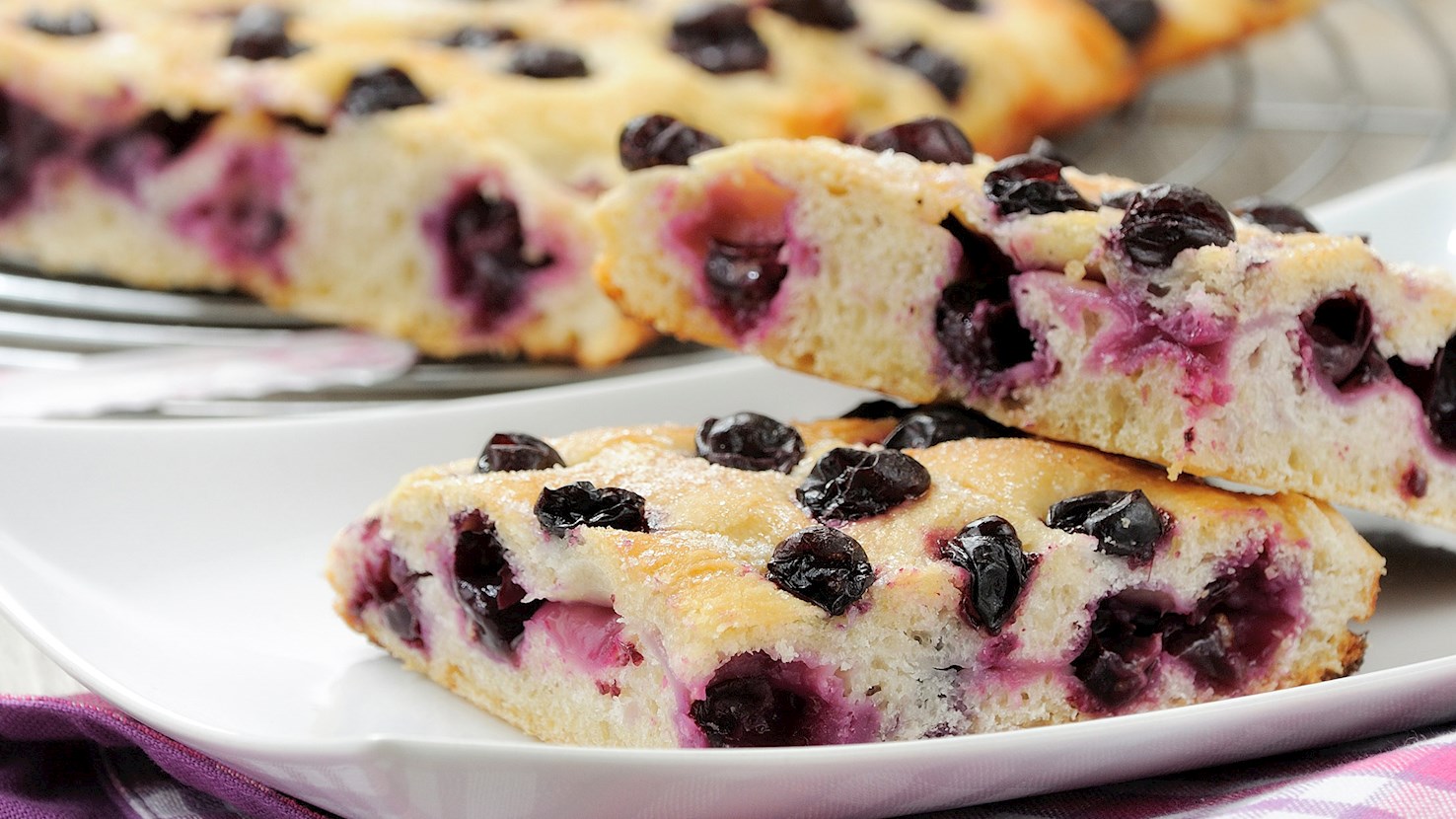
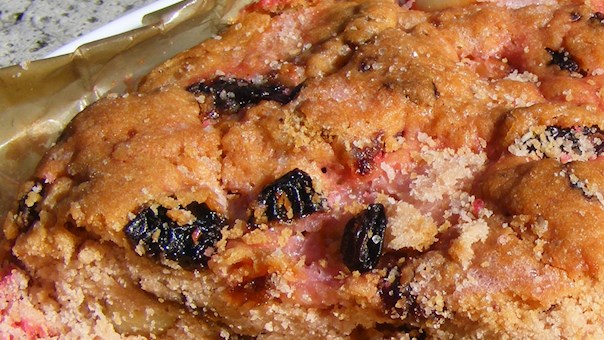
Traditionally prepared in fall to celebrate the Tuscan grape harvest, schiacciata con l'uva is considered a typical Florentine dessert or snack, even though it is often said to be of ancient Etruscan origin. It is a type of sweet, double-layered, focaccia-style flatbread studded with fresh grapes, typically of the fragrant Isabella variety. Known in Italy as uva fragola (lit. strawberry grapes), these aromatic red grapes are prized especially for their sweetness, which wonderfully complements the olive oil scented bread. This Tuscan treat can only be found in September and October, and once the harvest is over, it takes a whole year for the flavorful schiacciata con l'uva to appear again in local bakeries, when it can be enjoyed freshly baked not only for breakfast but at any other time of the day.

Best Tuscan Desserts

01

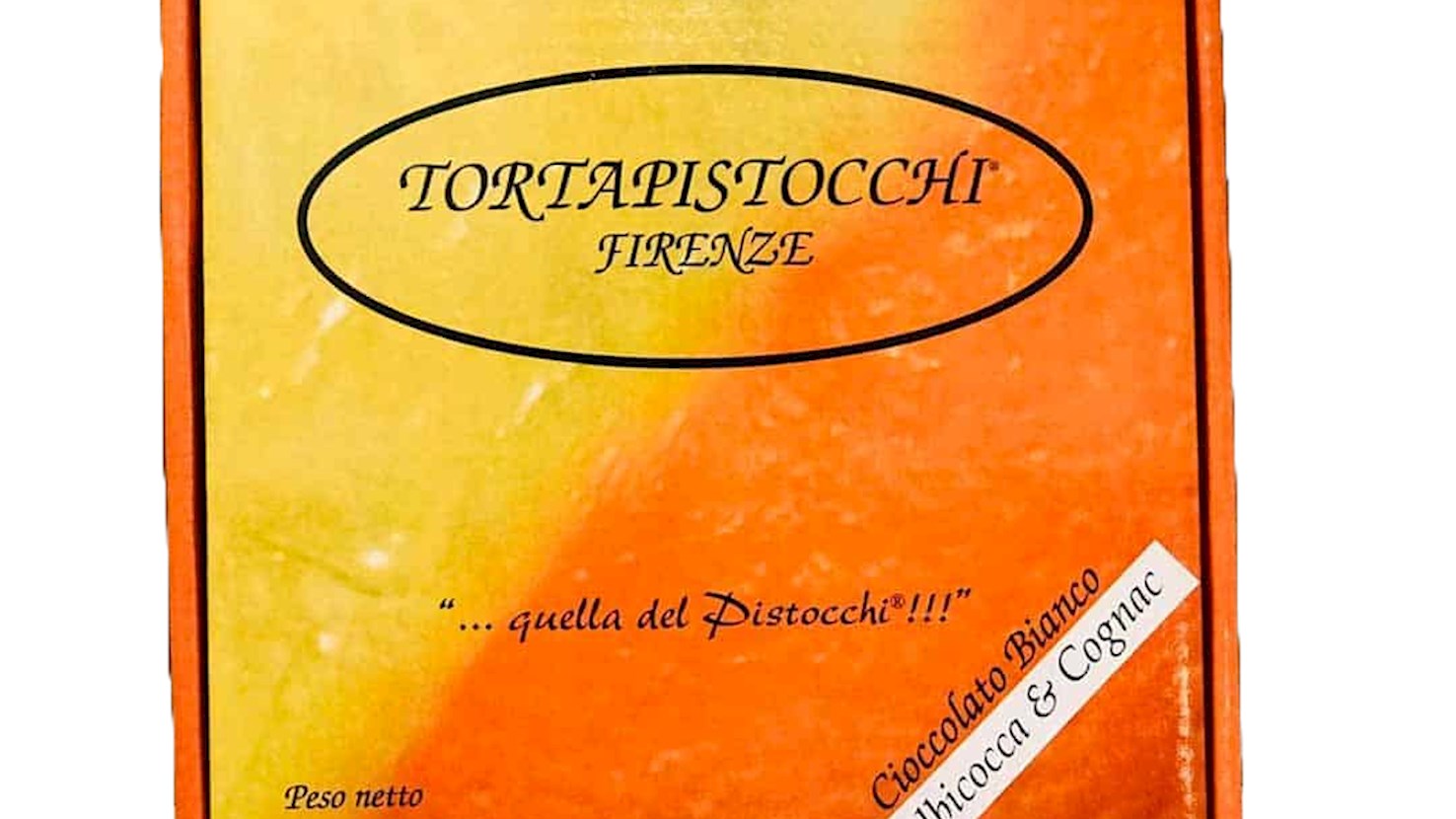
Torta Pistocchi Firenze

4.9 ·
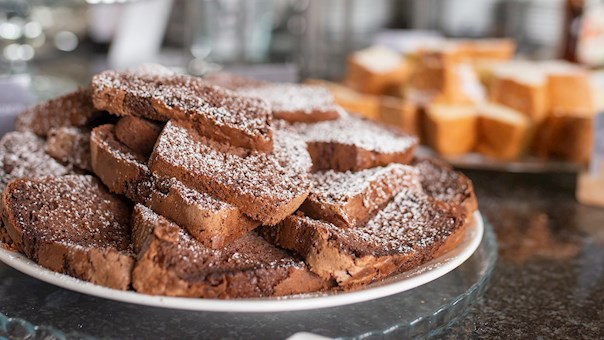
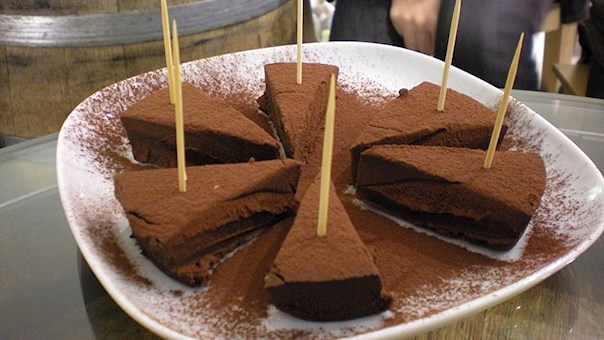
Torta Pistocchi Firenze, based in Florence, Italy, started as a small cake shop in 1990. The company is known for its rich, artisan chocolate cakes, which are made using high-quality, simple ingredients without adding flour, butter, or eggs. One of their signature products is a dense, flourless chocolate cake made from a blend of dark chocolates. Torta Pistocchi has won several awards for its innovative approach to chocolate cake making.
Awards
International Chocolate Awards - Gold (2019, 2018, 2017, 2016)
International Chocolate Awards - Silver (2019, 2018, 2017, 2016, 2015)
02

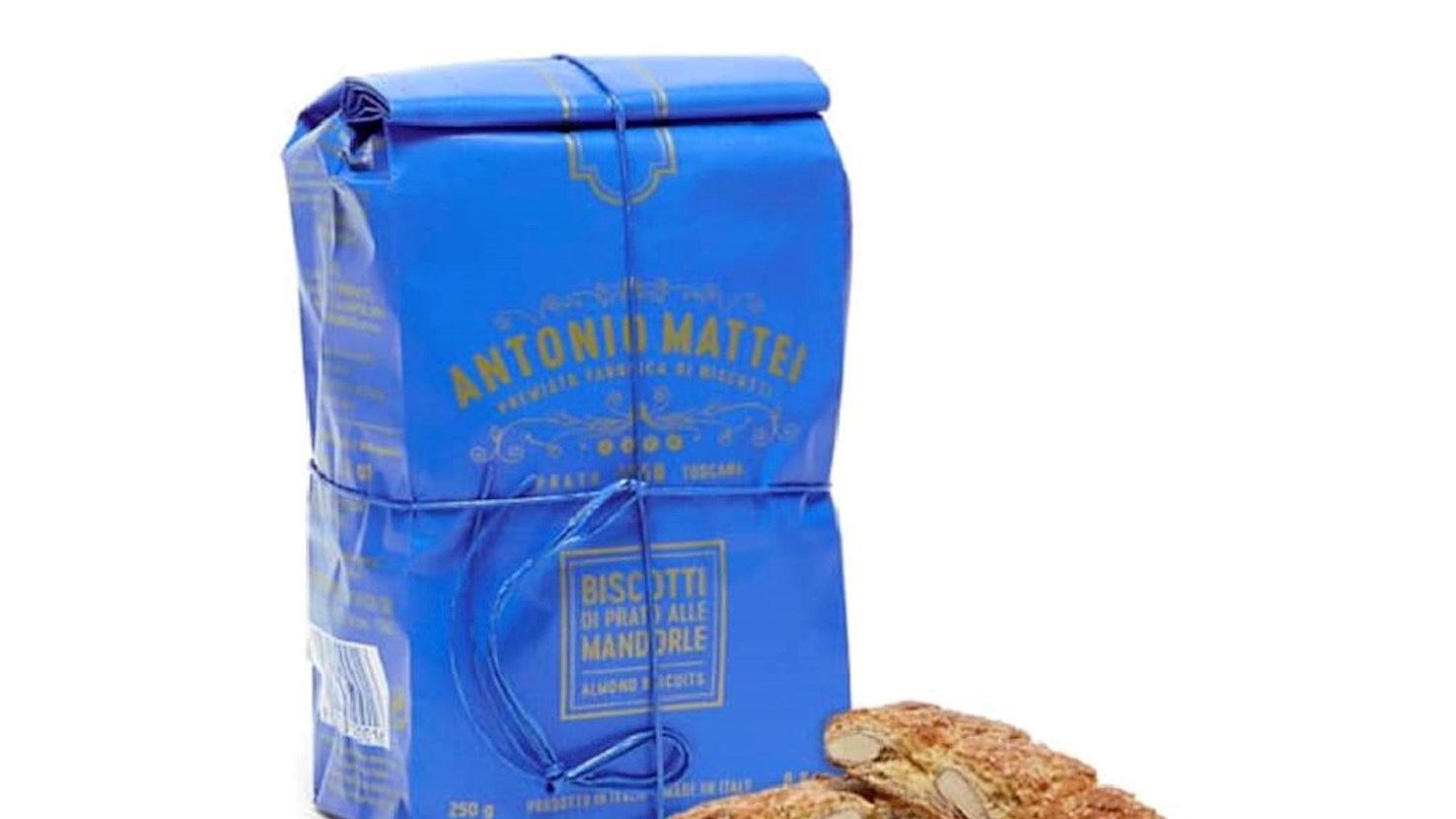
Antonio Mattei

4.7 ·
Antonio Mattei is a legendary name in Italian pastry tradition, world-renowned for its original cantuccini—crunchy almond biscuits from Prato, typically enjoyed with a glass of Vin Santo. Since 1858, this family-run company has preserved the authenticity of its recipes and the artisanal methods that define its production. Crafted in the historic workshop in Prato, their biscuits are made using only a few high-quality ingredients, resulting in a simple yet distinctive flavor that has delighted generations. The iconic blue packaging has become a symbol of the brand and a mark of quality recognized across the globe. While the classic almond cantuccini remains their signature product, the range has expanded to include modern variations with hazelnuts, pistachios, and chocolate. Antonio Mattei continues to honor its rich heritage while offering a refined take on Italy’s most beloved traditional sweets.
03

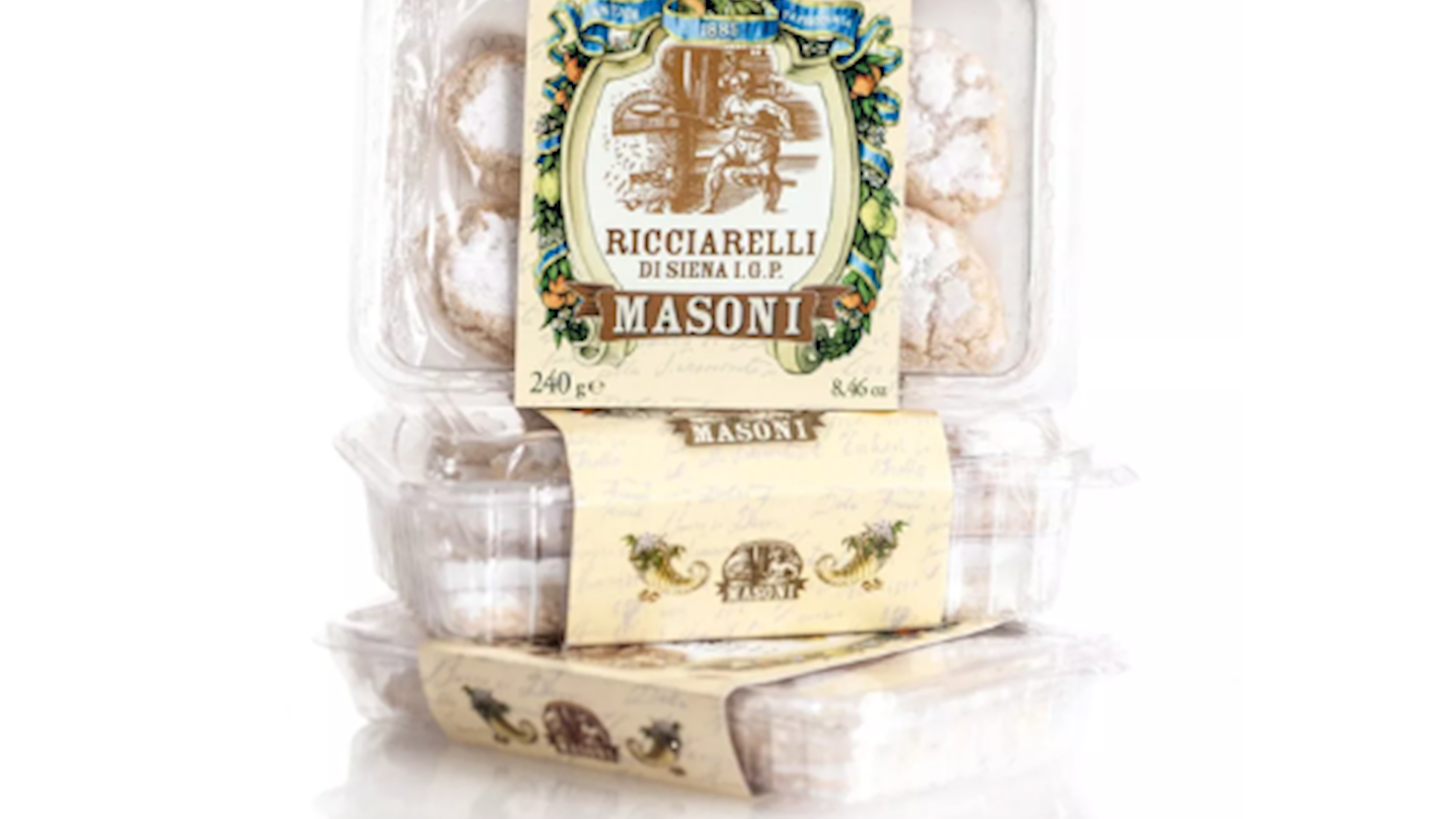
Masoni Pietro

4.5 ·
Masoni Pietro is a historic Italian confectionery company based in Colle Val d’Elsa, in the Tuscany region, with origins dating back to 1885 when Ippolito Masoni and his wife Petronilla Razzi established a small bakery and grocery focused on traditional Sienese sweets. Over time, the business developed as a family-run enterprise, expanding production while maintaining a strong connection to local pastry traditions. The company specializes in classic Tuscan products such as Panforte di Siena, Ricciarelli di Siena, and Cantuccini Toscani, all rooted in long-established recipes and regional identity. Its approach is based on simple, high-quality ingredients and controlled production processes, where consistency and authenticity are prioritized over variation. While production has evolved to meet modern standards, the core formulations and techniques remain closely aligned with traditional methods. Masoni Pietro is strongly associated with the confectionery heritage of Siena and the broader Tuscan region, positioning its products as representative examples of Italian dry pastries. Today, the company distributes its assortment both domestically and internationally, maintaining a focus on recognizable flavor profiles and continuity in product quality.
Read more
View all
View map
About this ranking

TasteAtlas food rankings are based on the ratings of the TasteAtlas audience, with a series of mechanisms that recognize real users and that ignore bot, nationalist or local patriotic ratings, and give additional value to the ratings of users that the system recognizes as knowledgeable. For the “Top 32 Tuscan Desserts” list until May 15, 2026, 734 ratings were recorded, of which 550 were recognized by the system as legitimate. TasteAtlas Rankings should not be seen as the final global conclusion about food. Their purpose is to promote excellent local foods, instill pride in traditional dishes, and arouse curiosity about dishes you haven’t tried.

The initial list of top producers was compiled based on available reviews, awards, local recommendations, media and blog coverage, and consumer reviews. The list will be updated with ratings from TasteAtlas local ambassadors and TasteAtlas users.

Similar lists