shutterstock

Top 15 Traditional Foods
in Ardèche

Last updated on June 02, 2026

Best Ardèche food products
01
Chocolate

Valrhona

5 ·
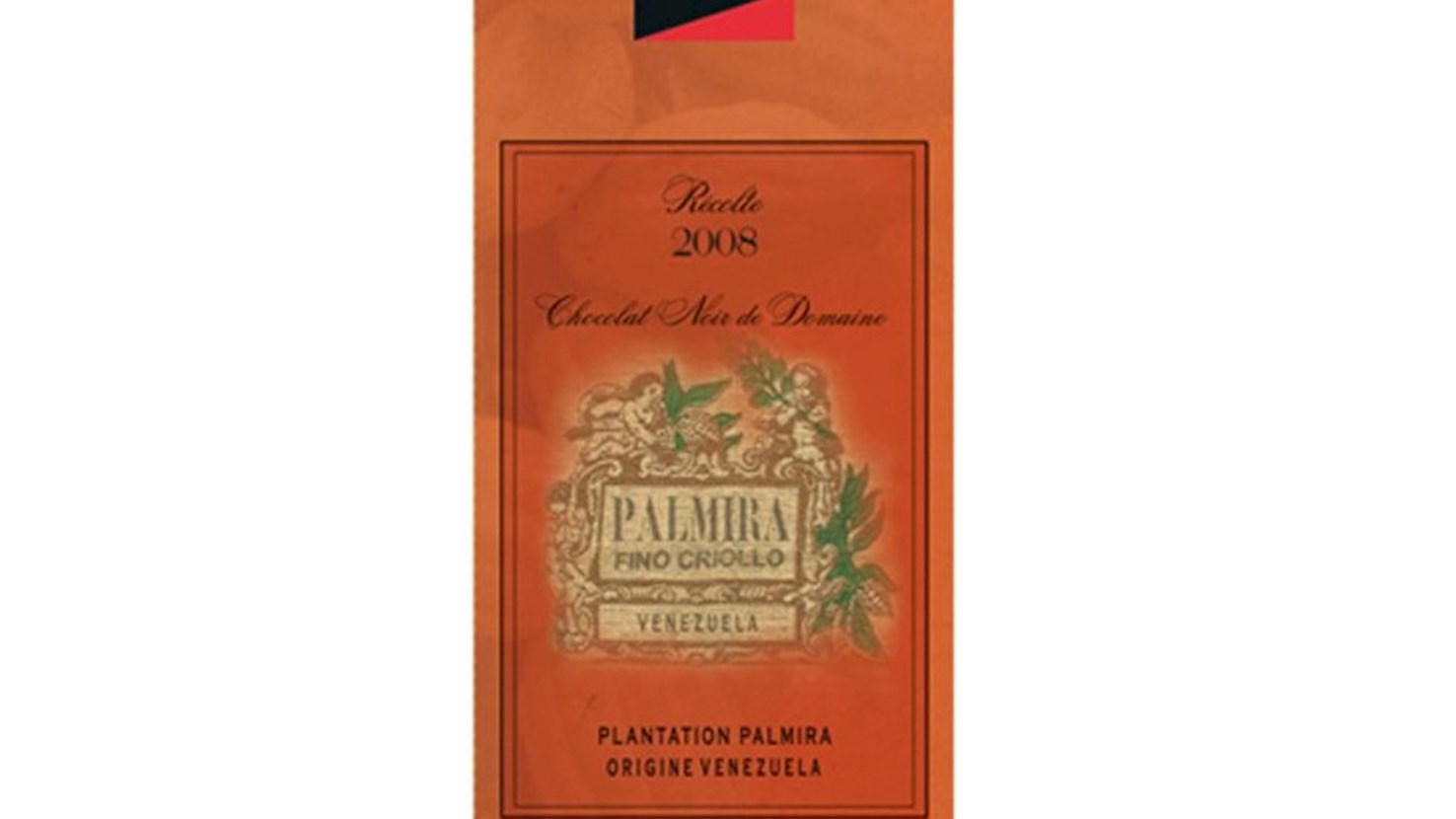
Valrhona is a renowned French chocolate manufacturer celebrated for its commitment to excellence, innovation, and sustainability. As a pioneer in the chocolate industry, Valrhona has introduced unique flavors, such as Guanaja 70%, the first dark chocolate with a high cocoa content, and Dulcey, an innovative blond chocolate that added a new dimension to the chocolate world.​ The company stands out with its "bean-to-bar" philosophy, carefully selecting cocoa beans from various parts of the world to create chocolates that reflect authentic aromas and characteristics of their origin. This dedication to quality and transparency enables Valrhona to offer products that meet the highest standards in the industry.
Awards
Academy of Chocolate - Gold (2011, 2009, 2008, 2006)
Academy of Chocolate - Silver (2011, 2008, 2006, 2005)
02
Wine

Domaine Jean-Louis Chave

5 ·
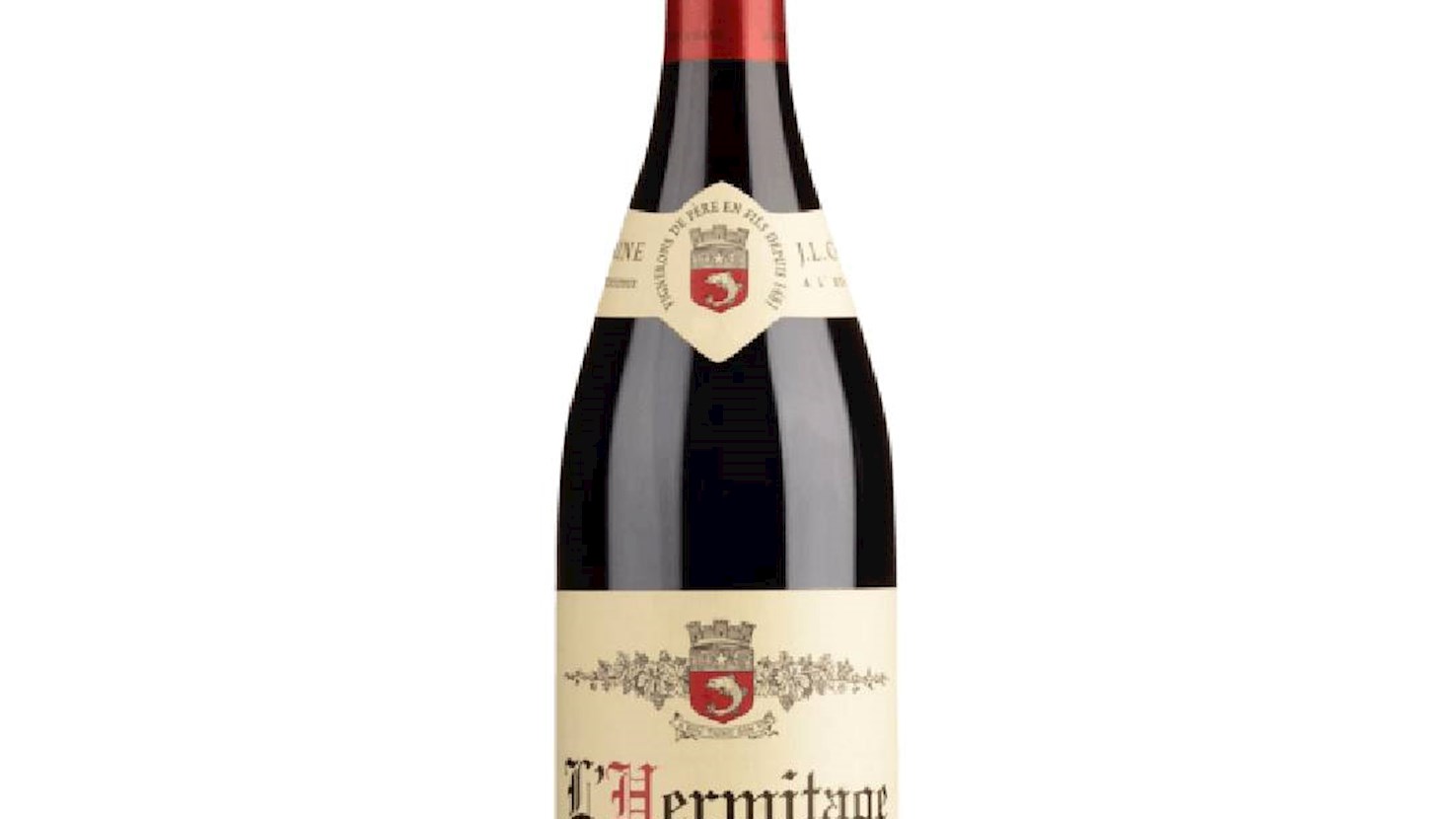
Domaine Jean-Louis Chave is a prestigious wine producer located in the village of Mauves, in the Saint-Joseph region, across the Rhône River from Hermitage - the source of their most renowned wines. The Chave family has been cultivating vines since 1481. Today, Jean-Louis Chave leads the estate, which encompasses 14.5 hectares in Hermitage, making them one of the largest landowners in the appellation. Their wines, including both red and white Hermitage, are crafted primarily from Syrah, Marsanne, and Roussanne grape varieties. These wines rank among the most esteemed in the Rhône Valley, consistently achieving high prices and exceptional ratings. The Chave family is renowned for their commitment to traditional winemaking techniques. They practice organic farming, prioritize low yields, harvest grapes at full ripeness, minimize the use of new oak, and avoid filtration, focusing on minimal intervention. Their goal is to produce wines that authentically express the noble terroir of Northern Rhône.
Awards
James Suckling - 99 points (2024)
Wine Spectator - 95 (2022)
03
Wine

M. Chapoutier

4.9 ·
Maison M. Chapoutier is a prestigious winery with a long-standing tradition, founded in 1808 in the heart of the Rhône Valley. Under the visionary leadership of Michel Chapoutier, who took the helm in 1990, the estate has become synonymous with innovation and the authentic expression of terroir. Michel introduced biodynamic viticulture as a core philosophy, cultivating vineyards in harmony with the natural rhythms of the earth, sun, moon, and seasons. Renowned for its unique approach, the winery has included Braille on all its labels since the mid-1990s, symbolizing inclusivity and respect for all wine lovers. Today, Maison M. Chapoutier extends beyond the celebrated appellations of the Northern Rhône to vineyards in Australia, Portugal, Spain, Alsace, Provence, and Roussillon, always remaining true to its biodynamic principles. A fusion of tradition, passion, and an unwavering pursuit of excellence has made M. Chapoutier one of the most respected names in the world of wine, with its creations earning top accolades and the admiration of connoisseurs worldwide.
Awards
Decanter World Wine Awards - Platinum (2021)
Falstaff - 100
04
Olive Oil

La Magnanerie

4.9 ·
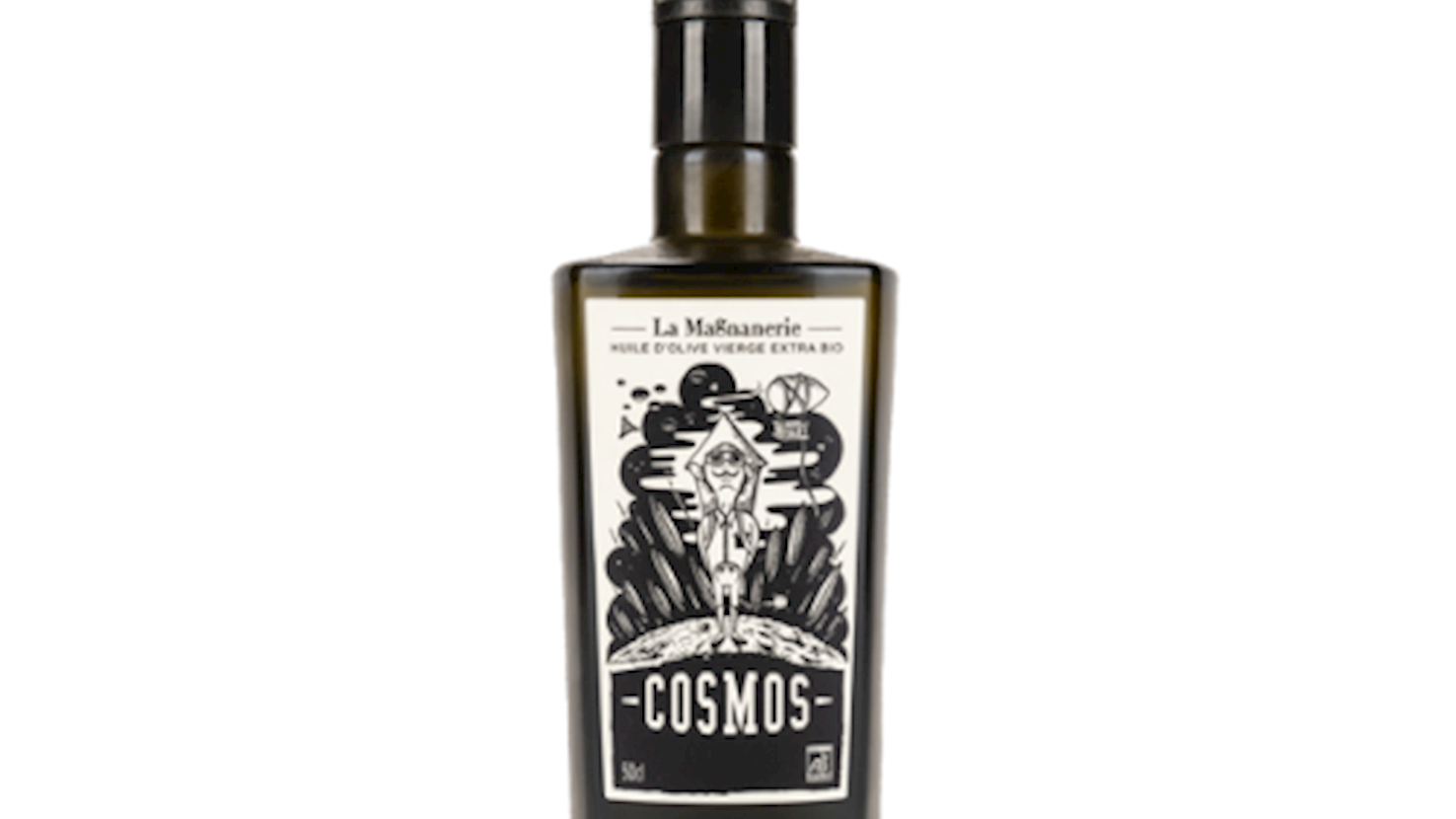
La Magnanerie is a family estate in the Ardèche region of France, renowned for producing high-quality organic extra virgin olive oils. Under the guidance of Eric Martin, the fourth generation of the family, the 27-hectare estate with approximately 9,000 olive trees transitioned to full organic production in 2008. The grove combines local French varieties such as Aglandau and Bouteillan with Mediterranean cultivars like Frantoio and Moraiolo, allowing for diverse flavor expressions and styles. Since 2017, the estate has also operated its own mill, enabling complete control of the process from olive to oil. Their oils are distinguished by pronounced “green fruitiness” with fresh, herbaceous, and aromatic notes, while the Ardèche terroir - nestled between the Mediterranean and the Cévennes - adds unique minerality and complexity. Domaine La Magnanerie thus represents a harmonious blend of tradition, innovation, and a deep commitment to sustainable, high-quality production.
Awards
Flos Olei - The Best (2023, 2022)
05
Wine

Cave de Tain

4.9 ·
Awards
IWSC- International wine & spirit competition - Gold (2022)
06
Wine

Domaine Auguste Clape

4.8 ·
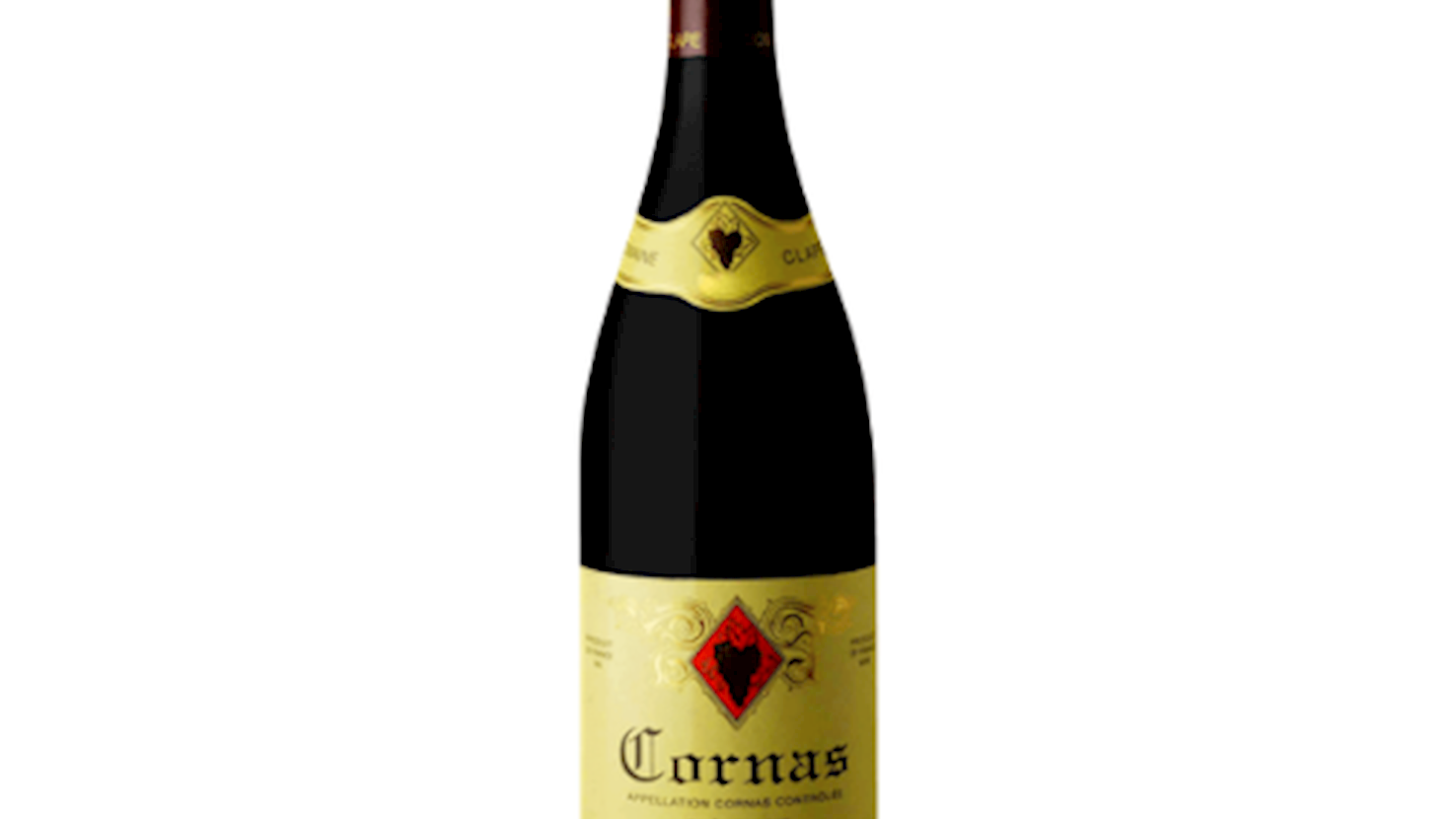
Domaine Auguste Clape is a family-run winery based in the Cornas appellation in the Northern Rhône, widely regarded as one of the most authentic expressions of Syrah in France. Its modern history began in 1949 when Auguste Clape started bottling wines under his own name, becoming one of the pioneers who helped establish the reputation of Cornas. The vineyards are located on steep granite slopes and are worked entirely by hand, which directly contributes to the concentration and quality of the fruit. The winemaking approach remains strictly traditional, with whole-cluster fermentation and aging in large, old oak casks, without the influence of new wood. The wines are structured and powerful, often requiring time to fully open, but rewarding with complex notes of dark fruit, spice, leather, and pronounced minerality. In addition to Cornas reds, the domaine also produces white wines from Marsanne in the Saint-Péray appellation. Today, the estate is run by Pierre and Olivier Clape, who continue the family philosophy without modern intervention. Production remains limited but highly consistent, reinforcing its strong reputation among wine enthusiasts and collectors. Domaine Clape is frequently considered a benchmark for traditional Northern Rhône Syrah. Its wines are particularly valued for their aging potential and their ability to clearly reflect terroir. This consistency and authenticity firmly position the domaine among the most respected producers in Cornas.
Awards
Falstaff - 99
Vivino - 4.3
07
Meat Product

Salaisons Teyssier

4.8 ·
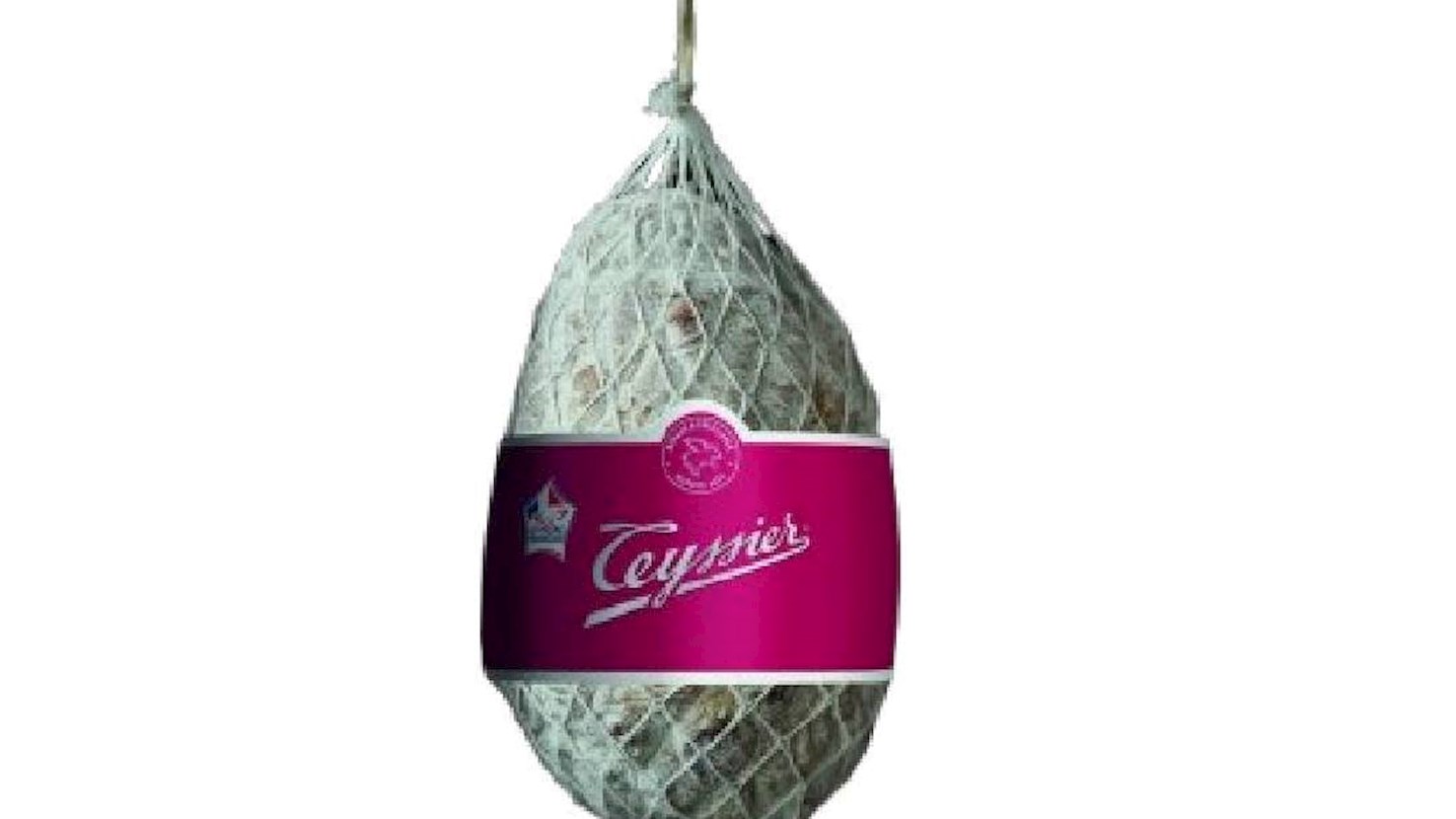
Teyssier is synonymous with tradition, quality, and craftsmanship in the production of premium cured meats. Founded in 1871 in Saint-Agrève, the company is located in the heart of the Monts d'Ardèche Regional Natural Park, at an altitude of 1,136 meters, making it one of the highest-altitude cured meat producers in France. This unique location provides ideal climatic conditions for the natural curing of meat, resulting in its distinctive flavor and exceptional quality. All products are made from carefully selected French-sourced meat, with strict quality control and adherence to sustainable production principles. Teyssier products are available at top butchers, delicatessens, and catering services across France and Europe, allowing true gourmets to experience the perfect fusion of tradition, nature, and exceptional taste. With over 150 years of expertise, Teyssier continues to delight cured meat enthusiasts with its unique delicacies, seamlessly blending past and future in every bite.
08
Wine

Domaine Marc Sorrel

4.8 ·
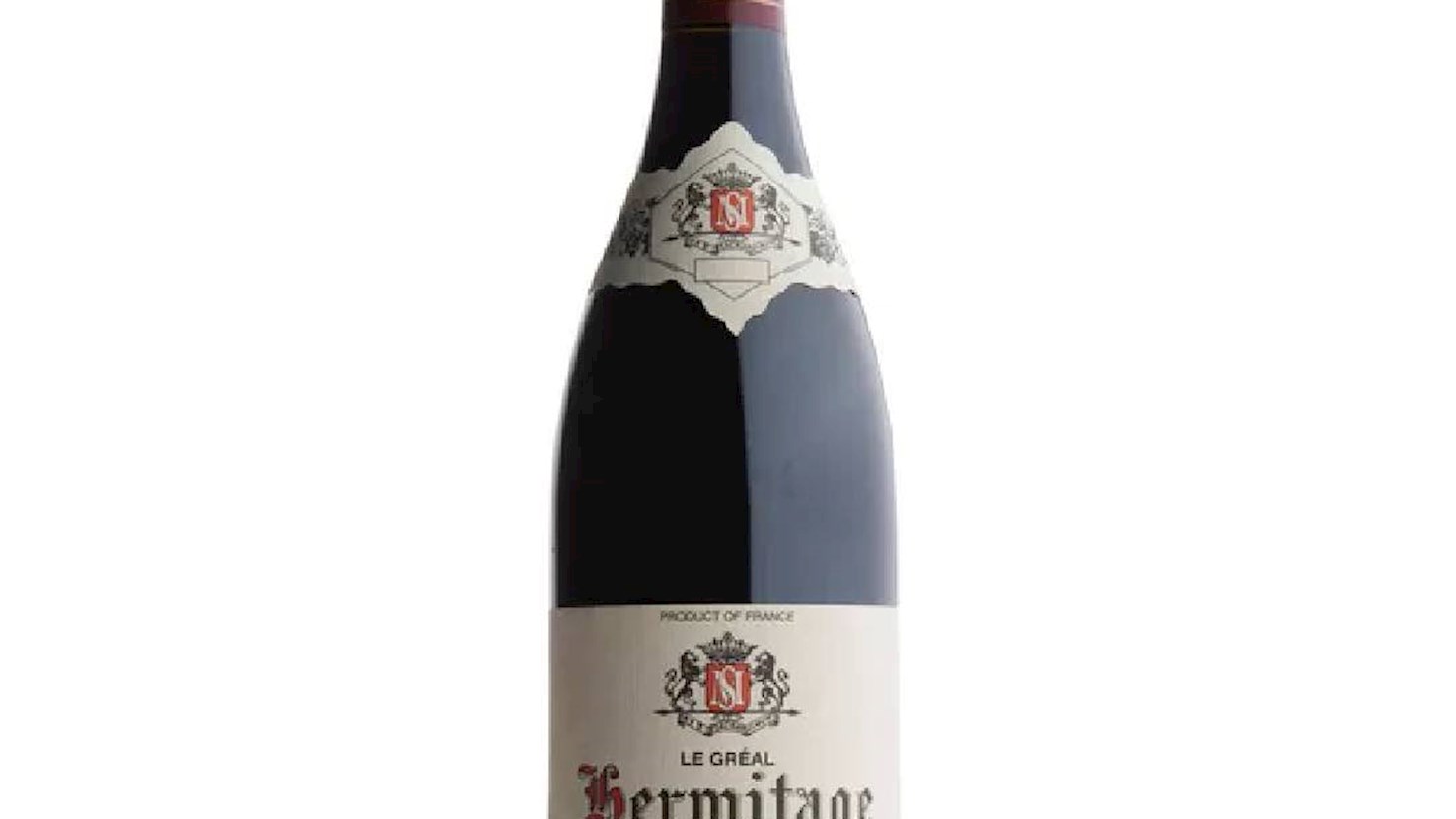
Domaine Marc Sorrel is a distinguished winery located in Tain-l'Hermitage, within the northern Rhône Valley of France. Established in 1928 by Félix Sorrel, the estate has been under the stewardship of the Sorrel family for generations. In 1984, Marc Sorrel took over the domaine, cultivating some of the most prestigious plots on the Hermitage hillside, including Le Méal and Les Rocoules. Since 2019, Marc's son, Guillaume Sorrel, has been at the helm, continuing the family's legacy of producing exceptional wines. The estate's portfolio includes notable cuvées such as "Le Gréal," a red Hermitage crafted from select old-vine parcels, and "Les Rocoules," a powerful and refined white Hermitage. These wines are highly regarded for their purity, balance, and aging potential, reflecting the unique characteristics of their respective terroirs.
Awards
James Suckling - 99 points (2024)
09
Wine

Maison Delas Frères

4.8 ·
Awards
Decanter World Wine Awards - Platinum (2022, 2018)
Vivino - 4.4
10
Meat Product

Guèze Ardèche

4.7 ·
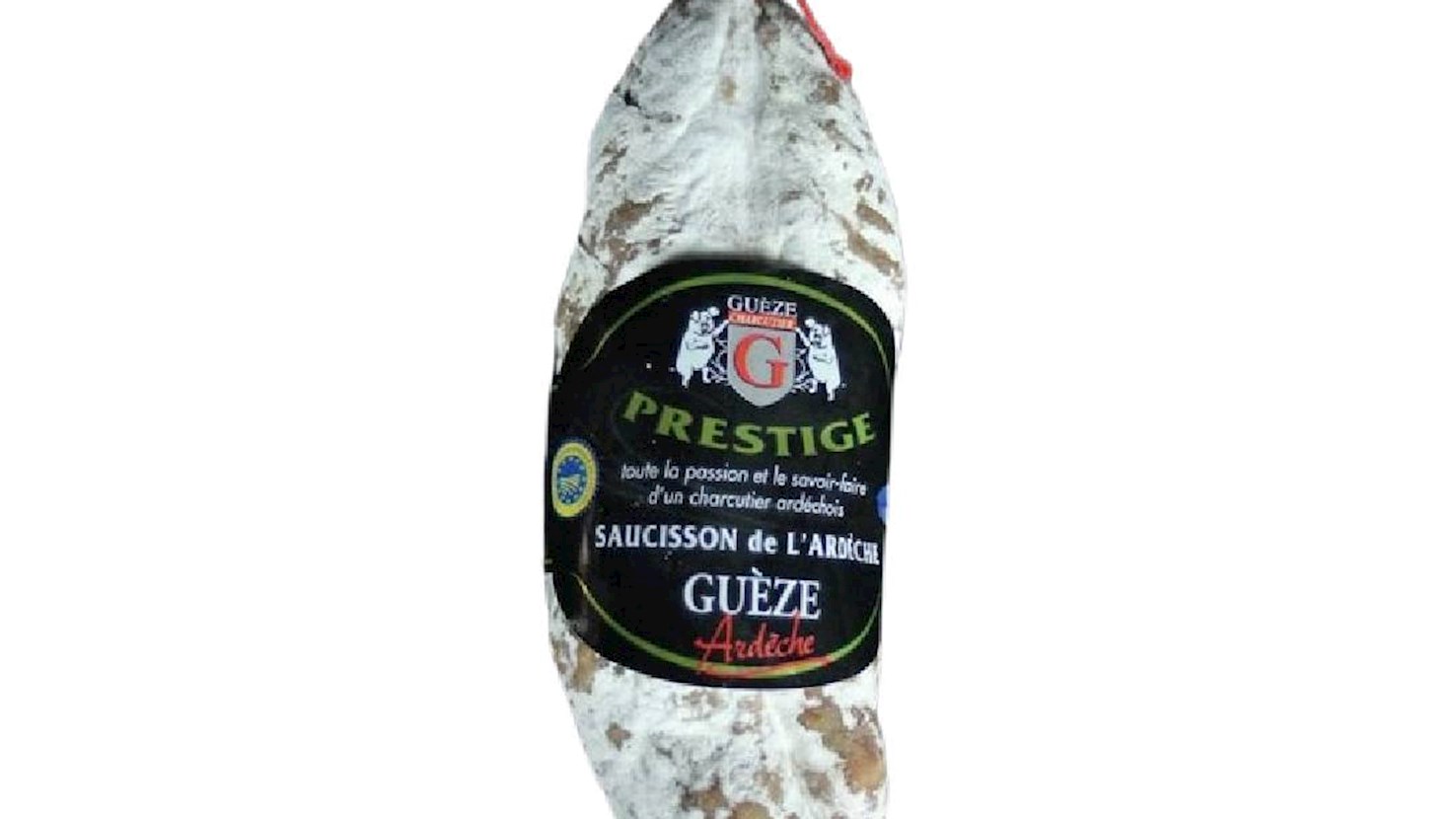
In the heart of the beautiful Ardèche region, on the slopes of the Monts d'Ardèche natural park, lies Salaisons Guèze, a family-run butchery with a rich tradition and deep respect for the craft. Their story began three generations ago when Julien, the grandfather of the current owners, started his butchery career by participating in traditional rural pig slaughters, known as TUA. Over the years, the Guèze family has continued to refine their expertise, combining authentic methods with a modern approach, making them a symbol of premium cured meat products in the region. Each product is crafted with special care and dedication, using only the highest quality ingredients, ensuring an authentic taste and a top-tier gastronomic experience.

Best Ardèche foods

01
Cheese

Picodon

4.2 ·

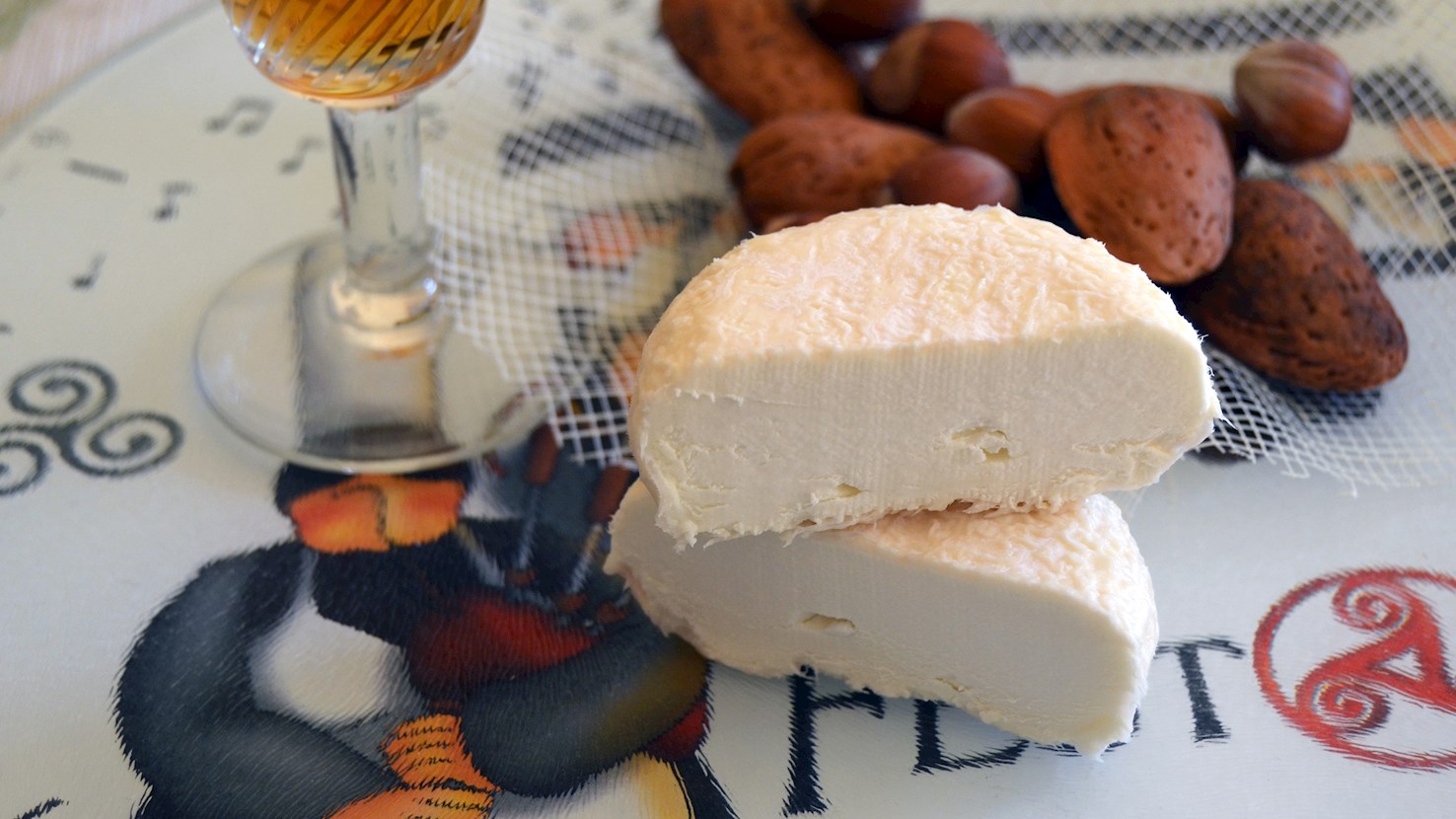
Picodon is a small, round cheese made from goat's milk, with a minimum weight of 60 grams, produced in the Ardéche and Drôme regions in France. Its rind is thin, with yellow or white mold speckled with blue on the exterior. The maturation period is at least 14 days. On the inside, it is white or yellow, with a fine texture that becomes crumbly if it is matured for a longer period of time. Its flavor is fresh and clean, with a balance of salty and acidic notes, but it gets concentrated and sharp if it is matured longer, when the cheese loses half of its mass by drying out. Picodon is best eaten after a meal, paired with red or dry white wines, garlic and shallots.

02
Sausage

Saucisson de l'Ardèche

3.8 ·

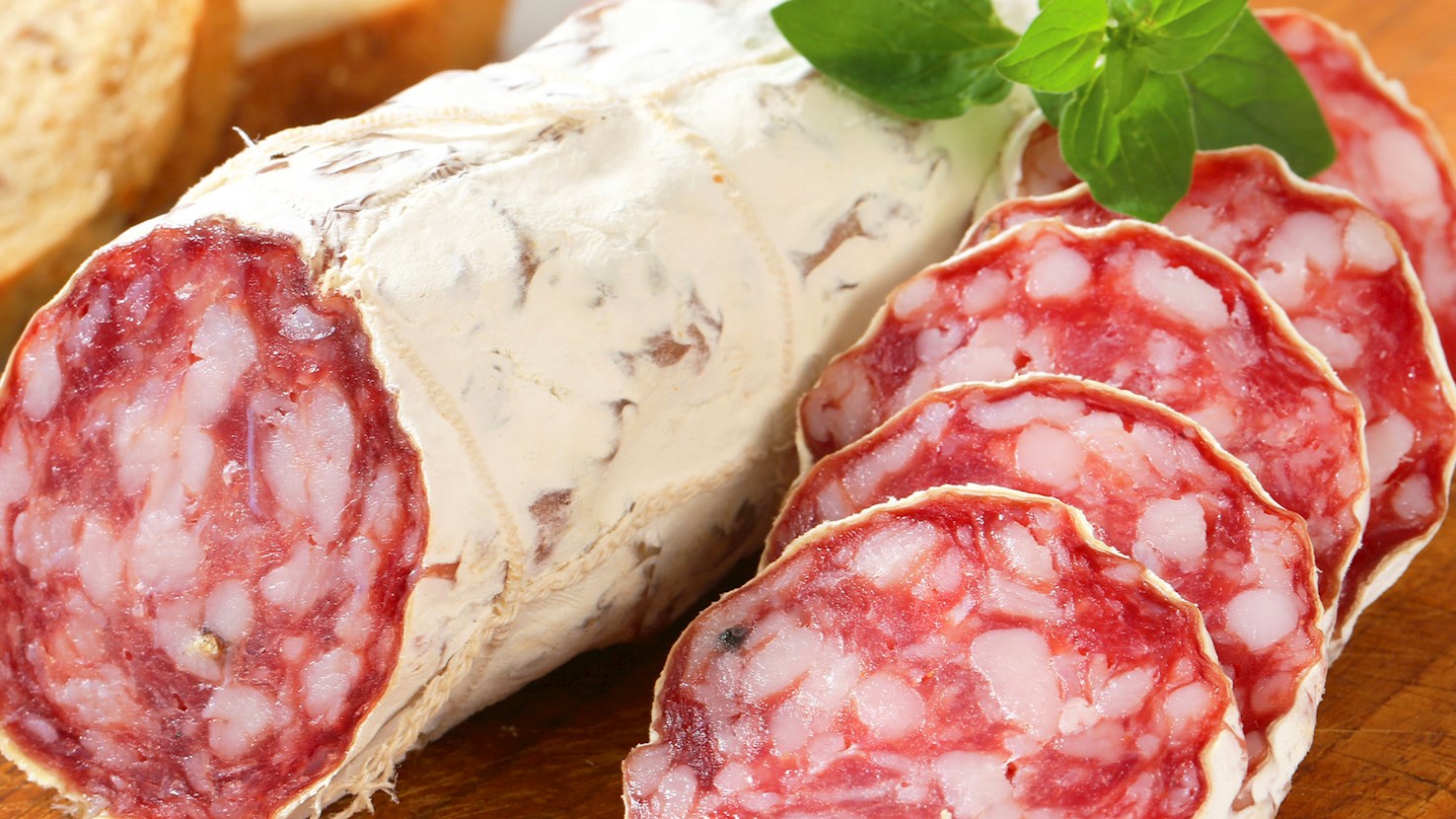
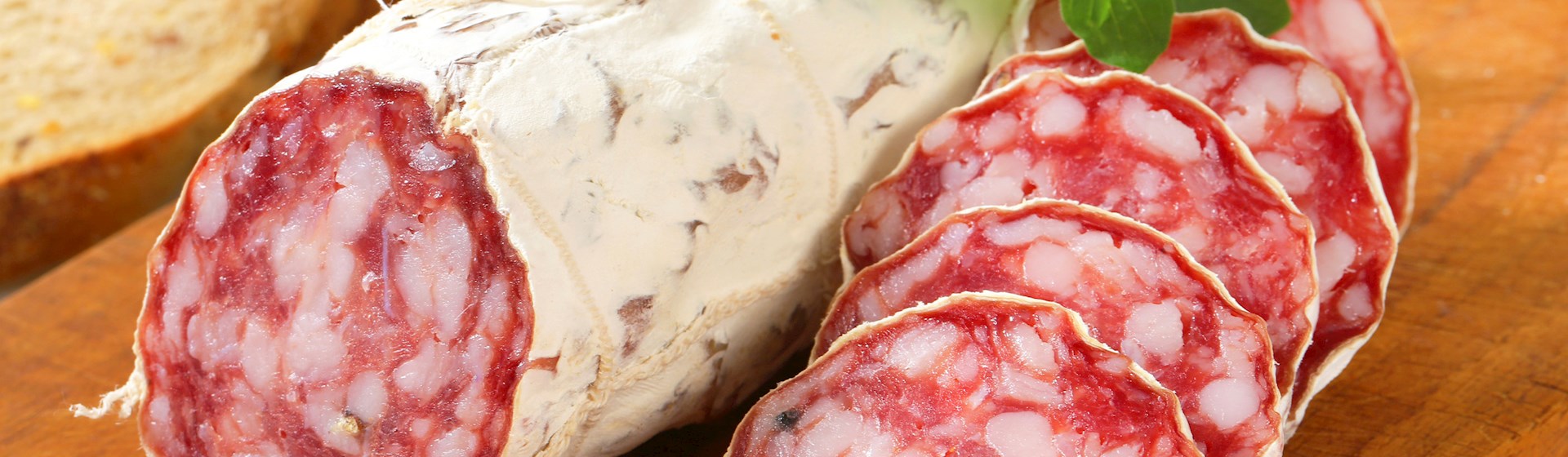
Saucisson de l'Ardéche is a sausage made from pork meat and fat, produced in the Ardéche region in south-east France. According to the traditional recipe, a mixture of matured and fresh meat are minced, heat-treated, dried, and placed in natural pork intestines. Depending on the part of the intestines that the meat is placed into, different varieties of sausages are produced and aptly named, varying in shape, weight, and diameter. There are six varieties - Saucisse séche, Petit Chaudin, Chaudin, Gros Chaudin, Rosette, and Jésus, with Gros Chaudin being the largest one, weighing over 2 kilograms. When sliced, the sausages are dark red, salty, spicy, meaty, and acidic in flavor, with a delicate and pleasant texture that melts in the mouth. Enjoy it in salads, sandwiches, or served with hard cheeses.

03
Potato Dish

Crique ardéchoise

n/a ·

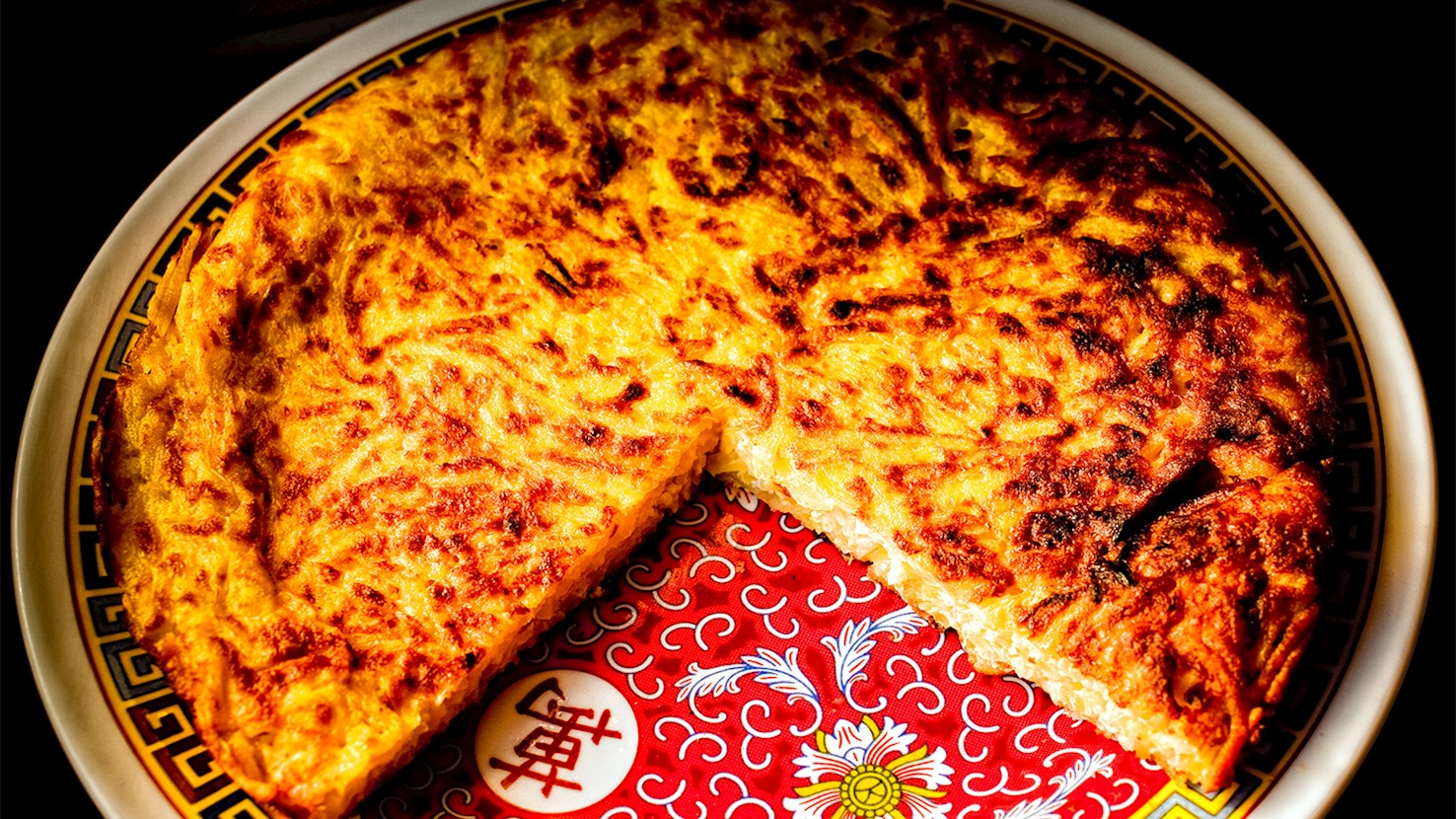
Crique ardéchoise is a traditional dish originating from the Ardeche region. This large potato pancake is made with a combination of potatoes, eggs, garlic, parsley, oil, butter, Picodon goat’s cheese, if desired, and seasonings. The potatoes are cut into julienne and mixed with garlic, eggs, and parsley. The mixture is then divided in two, spread out evenly in a pan, cooked until brown on both sides, and the halves of cheese, if used, are then sandwiched between the two potato pancakes, while some are placed on top. When cooked and pressed, the cheese on the inside and on the top will melt. Prior to serving, the crique should be cut into large slices.

04
Dry-cured Ham

Jambon de l'Ardéche

3 ·

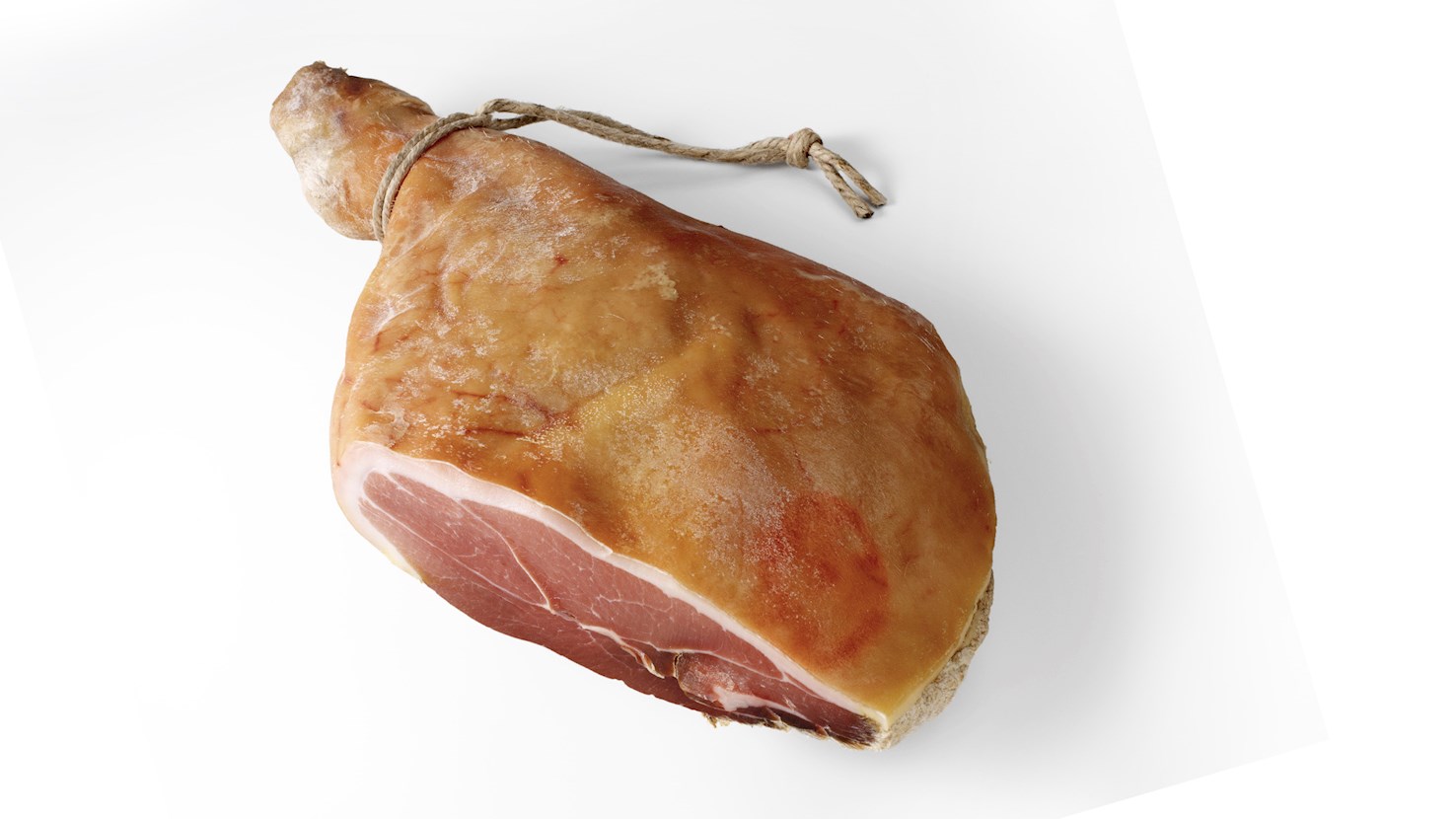
Jambon de l'Ardéche is a dry-cured ham made from the hind leg of a pig, produced in the mountainous Rhône-Alpes region in France, with favorable cold air and temperature conditions. It holds a minimum weight of 8,5 kilograms when still fresh, and is left to mature for at least seven months. It is hand-rubbed with salt, pepper and various spices. The ham is also coated with a blend of lard, spices and chestnut flour. The older the ham, the more intense its flavor becomes, and the meat becomes firmer. It can optionally be lightly smoked with chestnut wood. The texture is supple and pleasant while the taste is strong and meaty, with hints of chestnuts, hazelnuts and a unique, rich aroma. Enjoy it thinly sliced, which is when you'll be able to see its dark red color and light marbling with creamy, white fat.

05
Stew

Bombine

n/a ·
Bombine is a rustic stew from Ardèche made with potatoes, carrots, onions, and pork or beef, cooked slowly until the vegetables and meat become tender and infused with the flavors of herbs and olive oil. The name likely comes from the Occitan word bombo, meaning to mix or blend, referring to the way all ingredients are cooked together in one pot. Making bombine begins by cutting potatoes and carrots into even pieces and finely slicing onions. Lard or olive oil is heated in a heavy pot, and pieces of pork—often shoulder, bacon, or sausages—are browned to develop flavor. The vegetables are then added along with garlic, thyme, bay leaf, salt, and pepper. Some versions include a small amount of white wine or water to create a moist environment for slow cooking, but the liquid remains minimal so that the mixture stews rather than boils. The pot is covered and left to cook gently over low heat, sometimes for several hours, until the potatoes soften and begin to break down, forming a thick, cohesive texture that binds the dish. The surface often forms a light golden crust where it touches the pot, a sign of proper slow cooking and caramelization. In its most familiar form, bombine is a blend of vegetables and pork, but the recipe varies widely depending on local ingredients. In some areas of Ardèche, it is made without meat and cooked entirely in olive oil, reflecting periods of fasting or economic frugality. Other cooks include pieces of lamb or even wild boar, giving the dish a deeper flavor. A few recipes feature chestnuts or turnips, both common crops in the region. Bombine is eaten hot, often served directly from the pot with bread to absorb the juices. It is a meal suited to family gatherings or village feasts, where its generous quantity and comforting flavor are appreciated, and pairs well with robust red wines from the Rhône Valley.
06
Cookie

Macaron de Joyeuse

n/a ·

Macaron de Joyeuse is a cookie from the town of Joyeuse in Ardèche. Its origins date back to 1581, when macaroons made from almonds and hazelnuts were created for the wedding festivities of the Duke of Joyeuse, after which local confectioners began making similar pastries that gradually became part of the town’s identity. Production continued for centuries, and in 1867 pastry chef André Maurice Pellier perfected the recipe when he introduced a new oven that altered the baking process and established the final form of the macaron as it is known today. The method he defined remains the foundation of the version still produced in Joyeuse. Preparation involves a mixture of finely ground almonds and hazelnuts blended with sugar and egg whites, shaped into small domes and baked slowly at low heat to develop a crisp, lightly golden exterior and a tender, chewy center. Once cooled, the macaroons are boxed and can keep for several months without losing flavor or texture. Modern variations may add chocolate coating, praline, or citrus zest, but the authentic recipe relies only on the nut mixture, egg whites, and sugar. A distinctive feature of macaron de Joyeuse is the balance between almond and hazelnut and its dry, friable consistency rather than the soft or creamy texture of other types of macarons. The confection remains made by hand by the Charaix house in Joyeuse, which continues the artisanal process defined in the nineteenth century. It is eaten at room temperature as a dessert or sweet accompaniment to coffee or tea and pairs harmoniously with sweet white wines such as Muscat, nut-based liqueurs, or mild milk chocolate whose richness enhances the nutty aroma of the macaron.

07
Dessert

Lou pisadou

n/a ·

Lou pisadou is a chestnut-based galette from France, created in the Ardèche region. It was developed in 1994 by the Syndicat des Pâtissiers-Confiseurs-Glaciers de l’Ardèche in collaboration with the local company Sabaton to highlight the region’s chestnut heritage, a cornerstone of Ardèche’s gastronomy. The name comes from the Occitan word pisar, meaning “to beat” or “to crush,” referring to the ancestral process of cracking chestnuts with a pointed club known as a pisado. The pastry combines several layers: a crisp shortcrust base, a frangipane infused with rum, a smooth layer of crème de marrons, and pieces of whole candied chestnuts, all topped with an almond dacquoise that is baked to a light golden finish. After baking, the surface may be lightly glazed for sheen and flavor. The recipe is officially protected as a marque collective under the “Goûtez l’Ardèche” label, guaranteeing the use of local ingredients and adherence to precise composition and production standards. Its formula and preparation method are kept secret and transmitted only through specific training organized by the pâtissiers’ syndicate, ensuring authenticity and quality. Only certified bakers and pastry makers who have completed this training are authorized to produce and sell lou pisadou under the name. Variations may include small adjustments such as the addition of chocolate, use of chestnut flour in the crust, or adaptation into individual tartlets, but all must respect the core components defined by the label. Lou Pisadou is served at room temperature or slightly warmed, often as a celebratory dessert or with coffee after a meal. It pairs harmoniously with a sweet or sparkling white wine from Ardèche, or a chestnut liqueur that enhances its nutty depth and the delicate richness of the crème de marrons.

08
Cake

Ardéchois à la crème de marrons

n/a ·

Ardéchois à la crème de marrons is a chestnut cake from Ardèche in France. It developed in the heart of the region’s chestnut-growing culture, where chestnuts were long considered the “bread tree” of rural households and later became the foundation of confectionery and pastry making. As the production of crème de marrons expanded through local processing houses, home cooks began incorporating it into simple cakes that showcased the ingredient’s smooth texture and caramelized sweetness. The preparation involves combining crème de marrons with eggs, sugar, butter, and a small amount of flour, along with a leavening agent, to create a smooth batter which is then flavored with rum. Once blended, the mixture is baked until firm but tender, then cooled and often served plain or lightly dusted with sugar. Some cooks replace part of the wheat flour with chestnut flour for a deeper color and more pronounced chestnut note, while others add small pieces of candied chestnut or streaks of melted chocolate. The cake’s consistency remains dense yet soft, carrying the natural sweetness of the chestnuts without the need for additional decoration or filling. Ardéchois à la crème de marrons holds a place among local specialties that celebrate the chestnut harvest, often prepared during autumn and winter when the chestnut flavor is most appreciated. It is eaten at room temperature as a dessert, with coffee or tea, or served with a spoonful of cream or a scoop of ice cream. The dessert pairs well with a dry or lightly sweet white wine from Ardèche, or with a delicate sparkling wine whose freshness contrasts the richness of the chestnut.

09
Soup

Cousina

n/a ·

Cousina is a chestnut-based soup from Ardèche in France. Originating in rural communities where chestnuts formed a central part of the diet, it reflects the long-standing castaniculture of the region that sustained families through the colder months when few other staples were available. The recipe was created to make use of the abundant chestnut harvests and to provide a nourishing meal when meat or dairy were limited. Its preparation begins with fresh or dried chestnuts, preferably from the Châtaigne d’Ardèche AOP variety, which are peeled, blanched, and simmered in a poultry or light meat broth with celery leaves, salt, pepper, and a small amount of grated nutmeg. When the chestnuts are tender, part of them is puréed to thicken the soup while the rest remain whole, and cream or milk is added to create a smooth, velvety texture. The mixture is then simmered gently until the flavors combine and the consistency becomes rich and slightly silky. Some cooks enrich the broth with onions or leeks, while others replace part of the stock with milk for a milder taste. Dried chestnuts, known locally as châtaignons, may be used outside the harvest season after soaking, and a few variations include subtle touches such as diced apple or a hint of cinnamon. Cousina stands out for its simplicity and focus on the chestnut’s natural sweetness balanced by the light savor of broth and cream. It is eaten hot, served in bowls as a starter or main course, often accompanied by rustic country bread or local charcuterie, and pairs well with a dry white or light rosé wine from Ardèche whose freshness complements the soup’s gentle flavor and creamy consistency.

10
Cheese

Caillé doux de Saint-Félicien

n/a ·

Caillé doux de Saint-Félicien is a goat’s-milk cheese from France, produced in the northern part of the Ardèche department around the village of Saint-Félicien. Its roots lie in mountain dairy farms where goats were milked daily and cheese makers developed a rapid-coagulation method called caillé doux to process warm milk immediately after milking, aiming to produce a soft, mild curd rather than the firmer goat cheeses common in other areas. In its production whole raw goat’s milk is used, immediately processed without reheating, rennet and small amounts of mesophilic or thermophilic starter cultures are added to coagulate under warm conditions; once the curd forms (in about two to three hours) it is roughly cut to speed whey drainage, molded and drained for three to five hours with one or more turnings, then unmolded, salted on both faces, dried for two to four days and aged for approximately two weeks in a room at around 8-15 °C with about 80% humidity until the flat disc (typically 8-10 cm / 4 inches in diameter, 1.5-2 cm / 0.5 inches high, weighing about 90-110 g / 3-4 oz) develops a thin cream-colored rind sometimes flecked with white or bluish moulds and the interior becomes a smooth, creamy, ivory-white paste with a mild, slightly nutty taste and very low acid bite. Common variants include cheeses made at slightly higher altitude or with small additions of local herbs which subtly shift the flavour profile, also some producers choose to age a little longer than the standard two weeks to deepen aroma and soften paste further. A unique characteristic of Caillé doux de Saint-Félicien is its method of immediate warm-milk processing (no delay, no reheating) which limits acidification and gives it its “doux” (sweet) quality, distinguishing it from most goat cheeses in the region. It is eaten at room temperature as part of a cheese plate or as a delicate finish to a meal, commonly paired with crusty country bread, fresh figs or raw vegetables and works well with a crisp dry white wine from the Rhône-Alps area or a light rosé that complements its creamy texture and gentle goat-milk flavour.

About this ranking

TasteAtlas food rankings are based on the ratings of the TasteAtlas audience, with a series of mechanisms that recognize real users and that ignore bot, nationalist or local patriotic ratings, and give additional value to the ratings of users that the system recognizes as knowledgeable. For the “Top 15 Traditional Foods in Ardèche” list until June 02, 2026, 4 ratings were recorded, of which 4 were recognized by the system as legitimate. TasteAtlas Rankings should not be seen as the final global conclusion about food. Their purpose is to promote excellent local foods, instill pride in traditional dishes, and arouse curiosity about dishes you haven’t tried.

The initial list of top producers was compiled based on available reviews, awards, local recommendations, media and blog coverage, and consumer reviews. The list will be updated with ratings from TasteAtlas local ambassadors and TasteAtlas users.

Similar lists