shutterstock

Top 15 Traditional Foods
in Bouches-du-Rhône

Last updated on June 10, 2026

Best Bouches-du-Rhône food products
01
Olive Oil

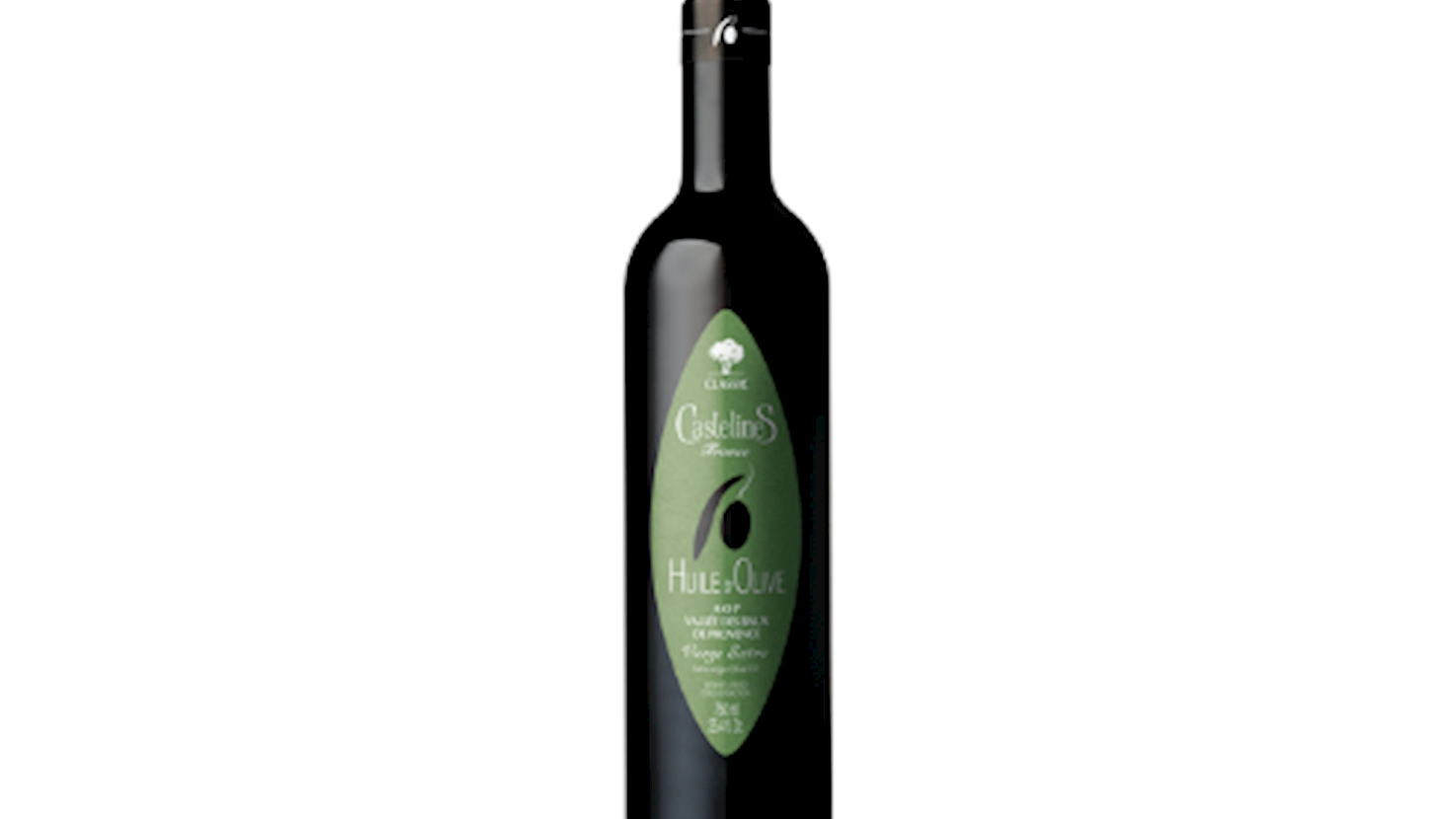
Moulin Castelas

5 ·
Moulin Castelas is a traditional olive oil producer from southern France, specifically from the Provence region, known for its exceptional conditions for olive cultivation. The family behind this brand has been nurturing the art of producing extra virgin olive oil for generations, combining traditional methods with modern processing techniques to preserve the richness of flavor and aroma of their olives. This producer is known for careful selection and handpicking of olives, which enables the production of high-quality oil with pronounced fruity and mildly spicy notes. Moulin Castelas often emphasizes the importance of sustainability and respect for nature, reflected in their ecological approach to olive growing and oil production. The oil from Moulin Castelas has a wide range of uses in gastronomy; it is ideal for seasoning salads, roasted dishes, and fine spreads, and is also appreciated as an ingredient to be enjoyed in its pure form, carrying the spirit and tradition of the Mediterranean region.
Awards
Concours Général Agricole de Paris - Médaille d'Or (2019, 2016)
NYIOOC - Gold (2019, 2018)
02
Spirit

SAS MAISON DE LA VODKA

4.8 ·
Awards
ISC-International Spirits Challenge - Gold trophy (2014)
03
Olive Oil

Estoublon

4.7 ·
Estoublon is a premium extra virgin olive oil brand produced by the renowned Château d'Estoublon, located in the Provence region of France. Château d'Estoublon is a historic estate with over 500 years of tradition, known for its careful olive cultivation and production of the highest quality oils. Under the Estoublon brand, Château d'Estoublon offers a wide range of olive oils, including single-varietal oils and carefully crafted blends, produced with strict quality control and sustainable agricultural practices. This oil carries the mark of authenticity and tradition of southern France and regularly wins international awards for its exceptional quality. The producer is known for exceptional attention to quality and a sustainable approach to olive growing. Olives are hand-harvested from November to mid-December, and cold pressing is carried out within 24 hours of harvest to preserve freshness and the richness of flavor.
Awards
ATHENA IOOC - Gold (2024, 2022, 2021)
London IOOC - Gold (2023, 2022, 2021)
04
Dessert

Maison Brémond 1830

4.7 ·

Maison Brémond 1830 is a historic Provençal delicatessen house founded in 1830 in Aix-en-Provence, where the Brémond family originally established a confectionery and gourmet grocery on the iconic Cours Mirabeau. Over time, the brand evolved from a traditional confectioner into a refined gourmet food house specializing in high-quality Mediterranean and Provençal products, including extra virgin olive oils, balsamic vinegars, truffle specialties, spreads, preserves, seasonings, confectionery, and regional delicacies. The company places strong emphasis on artisanal craftsmanship, product origin, and collaboration with carefully selected producers who reflect the culinary heritage of southern France. In 2015, Maison Brémond 1830 entered a new chapter under the leadership of Olivier Baussan, founder of L’Occitane en Provence, who reinforced the brand’s focus on sustainability, biodiversity, and preservation of local agricultural traditions. Its philosophy combines gastronomy with environmental responsibility, supporting agroforestry initiatives, biodiversity conservation, and regional farming communities. Maison Brémond 1830 presents itself not simply as a gourmet retailer, but as a curator of Provençal lifestyle and Mediterranean culinary culture. Today, the brand operates boutiques in France and selected international markets, bringing authentic southern French flavors to a global audience while maintaining its heritage-driven identity.

05
Spirit

Maison Solignac

4.7 ·
Awards
IWSC- International wine & spirit competition - Spirit Gold Outstanding (2024)
06
Dessert

Confiserie Lilamand

4.6 ·

Confiserie Lilamand is a French family-owned confectionery company based in Saint-Rémy-de-Provence, founded in 1866. The brand is best known for its candied fruits, calissons, and other traditional Provençal sweets. Established by Marius Lilamand, the company has passed its expertise down through five generations of the same family. Production is rooted in artisanal methods and the meticulous candying process that requires time, precision, and extensive experience. Lilamand is particularly dedicated to preserving the Provençal tradition of candied fruit, a craft with deep historical roots in southern France. Its portfolio includes candied fruits, calissons, fruit preserves, syrups, fruit pastes, honey, and a variety of gourmet confectionery products. In 2009, the company expanded its production facilities, and since 2016 it has also been developing its own almond cultivation to support the production of calissons. Today, Confiserie Lilamand is recognized as one of Provence’s distinguished confectionery houses, combining family heritage, high-quality ingredients, and traditional French craftsmanship.

07
Olive Oil

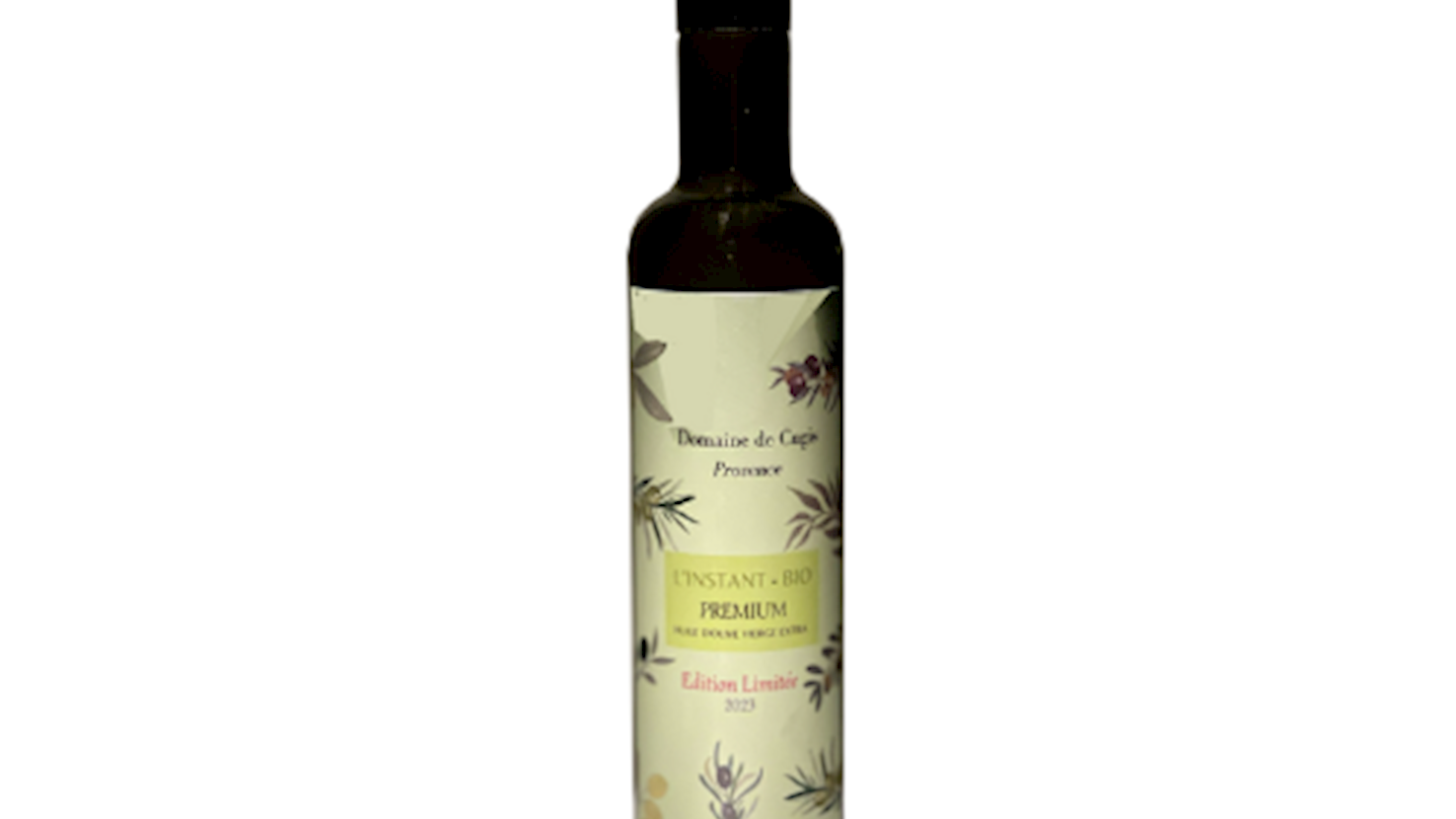
Domaine de Cugis

4.6 ·
Domaine de Cugis is a family estate located in Cuges-les-Pins, in the heart of Provence, dedicated for generations to olive growing and the preservation of the local terroir. The estate covers several hectares of olive groves, where traditional Provençal varieties such as Aglandau, Salonenque, and Grossane are cultivated. The entire production is based on organic principles - without the use of pesticides or chemicals, with full respect for the natural cycle. Harvesting is carried out by hand at the optimal stage of ripeness, and the olives are cold-pressed the very same day. Domaine de Cugis stands out not only for the quality of its products but also for its commitment to sustainability and the preservation of tradition. Their olive oil symbolizes the union of Provence’s natural heritage with modern standards of quality.
Awards
London IOOC - Gold (2022)
Terraolivo IOOC - Grand Prestige Gold (2022)
08
Wine

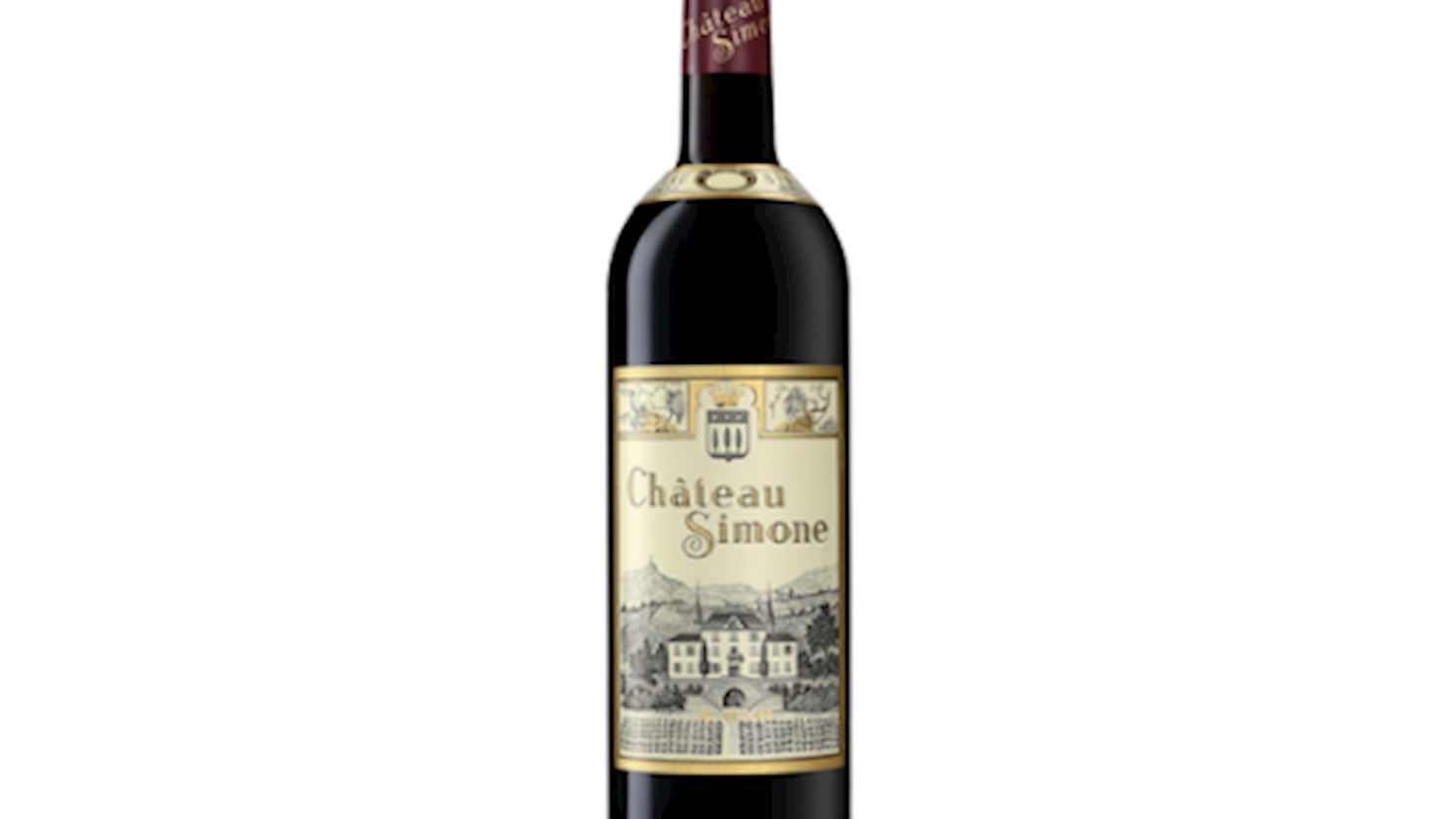
Château Simone

4.6 ·
Château Simone is a historic estate in the Palette AOC, located on the wooded slopes near Aix-en-Provence, where limestone-rich soils, forest shelter and moderate elevation create a uniquely expressive terroir. The vineyards sit around 200 meters above sea level, surrounded by dense woodland that tempers summer heat and allows for slow, balanced ripening. The Rougier family has owned the estate since 1830, and its wines today reflect generations of careful stewardship and a commitment to preserving the region’s traditional style. The vineyard plantings center on classic Provençal varieties such as Grenache, Mourvèdre and Cinsault, alongside distinctive white grapes like Clairette and Ugni Blanc that contribute aromatic nuance and texture. Yields are intentionally low, and each parcel is farmed with minimal intervention and strong attention to soil vitality. The ancient cellars, partly carved into the rock in the 16th century, provide ideal conditions for slow, controlled maturation. Château Simone’s red wines are known for their depth, structure and remarkable aging potential, offering layers of fruit, earth and spice. The white wines, unusually complex for Provence, combine mineral drive with notes of stone fruit, herbs and subtle oxidative accents. The rosé stands apart from the region’s typical light styles by offering more body, seriousness and gastronomic versatility. Across all colors, the wines share a signature of elegance, tension and strong terroir identity. As a result, Château Simone has become a reference point for authentic, long-lived Provençal wines that honor tradition rather than follow trends, showcasing the Palette appellation at its most distinctive.
Awards
Vivino - 4.2
09
Cheese

La Fromagerie des Alpilles

4.5 ·
Awards
Concours International de Lyon - Gold (2025)
10
Beer

Brasserie la Baroude

4.5 ·
Awards
Concours International de Lyon - Gold (2024)

Best Bouches-du-Rhône foods
01
Seafood Soup

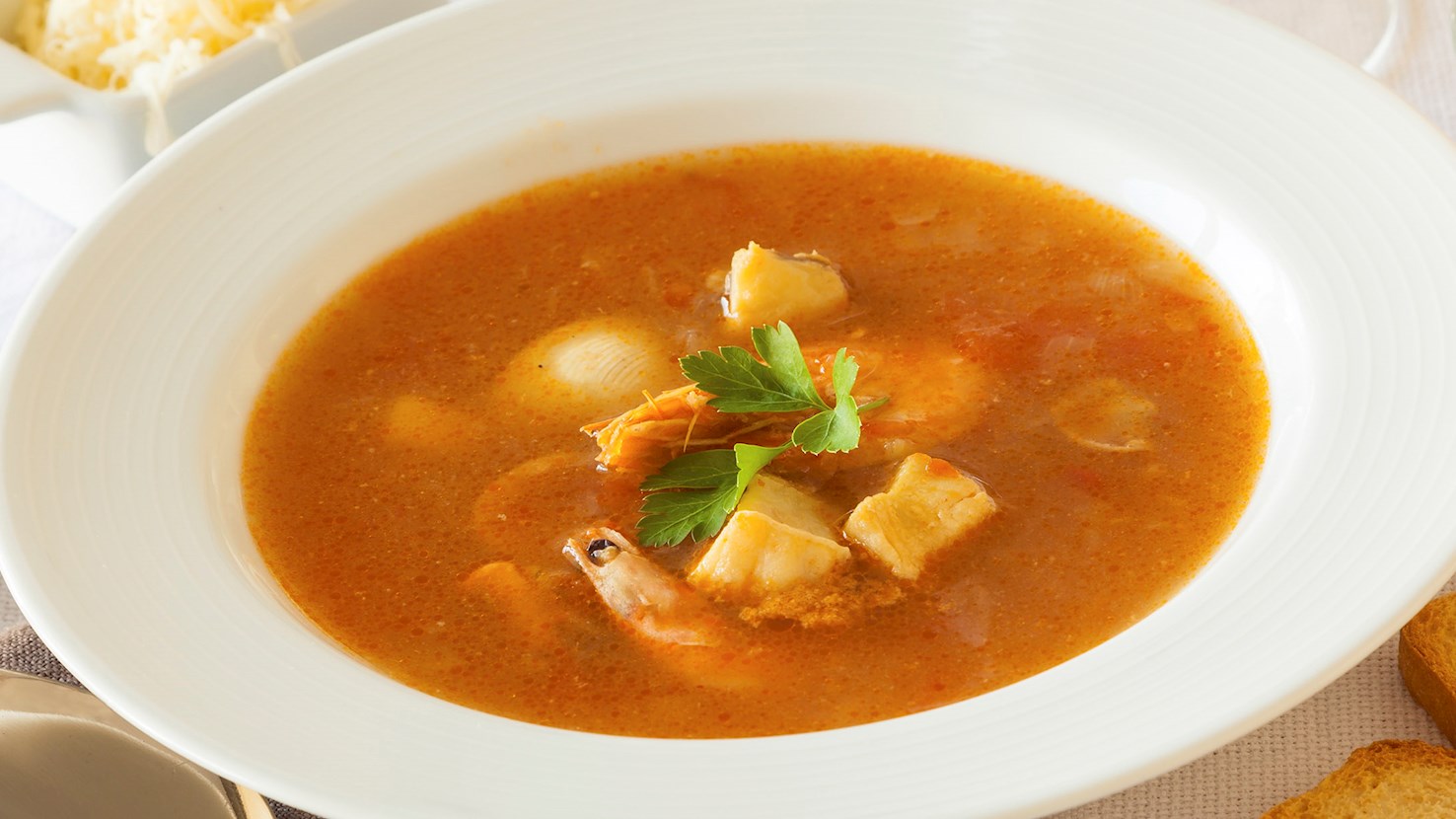
Bouillabaisse

3.9 ·

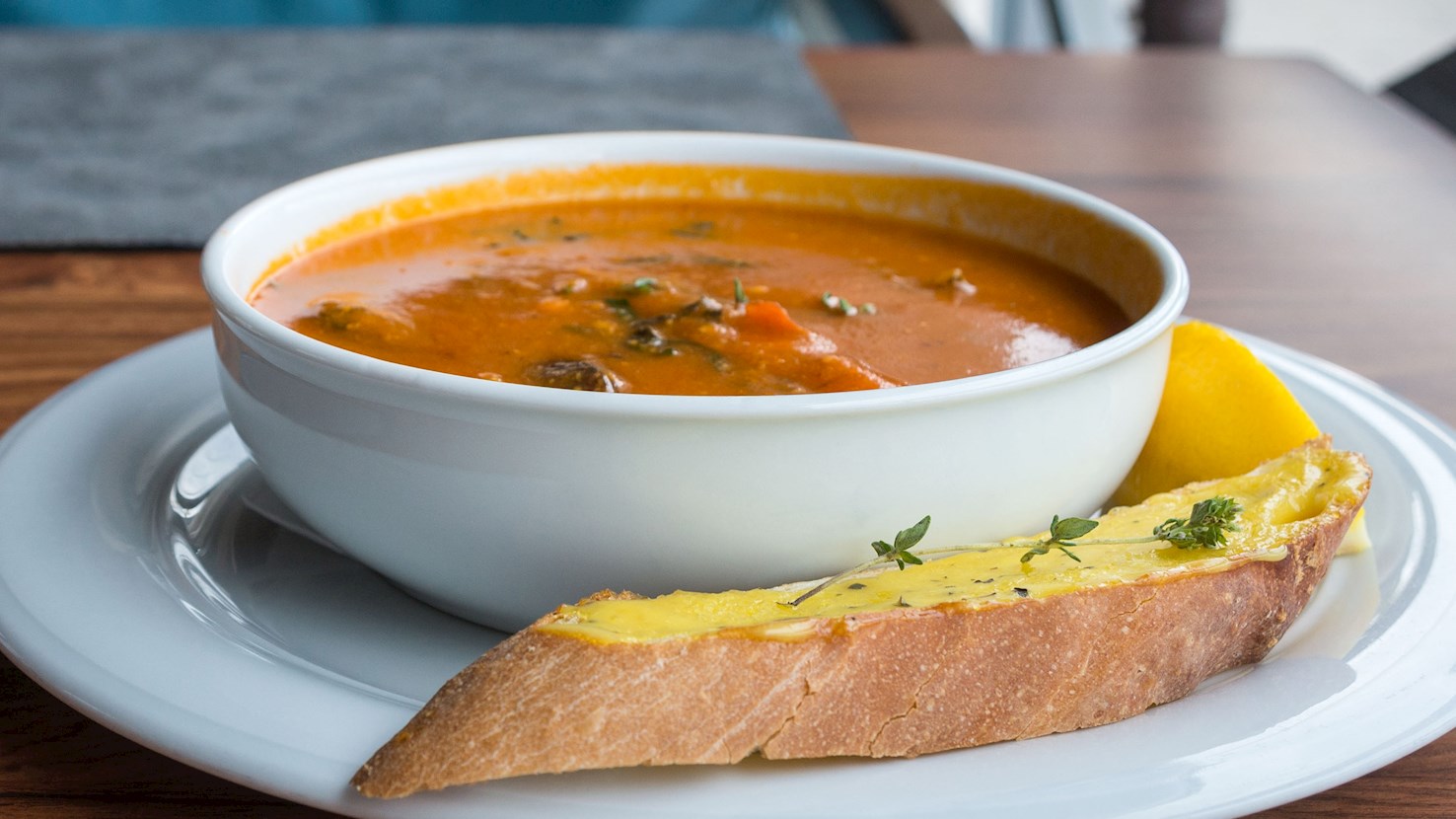
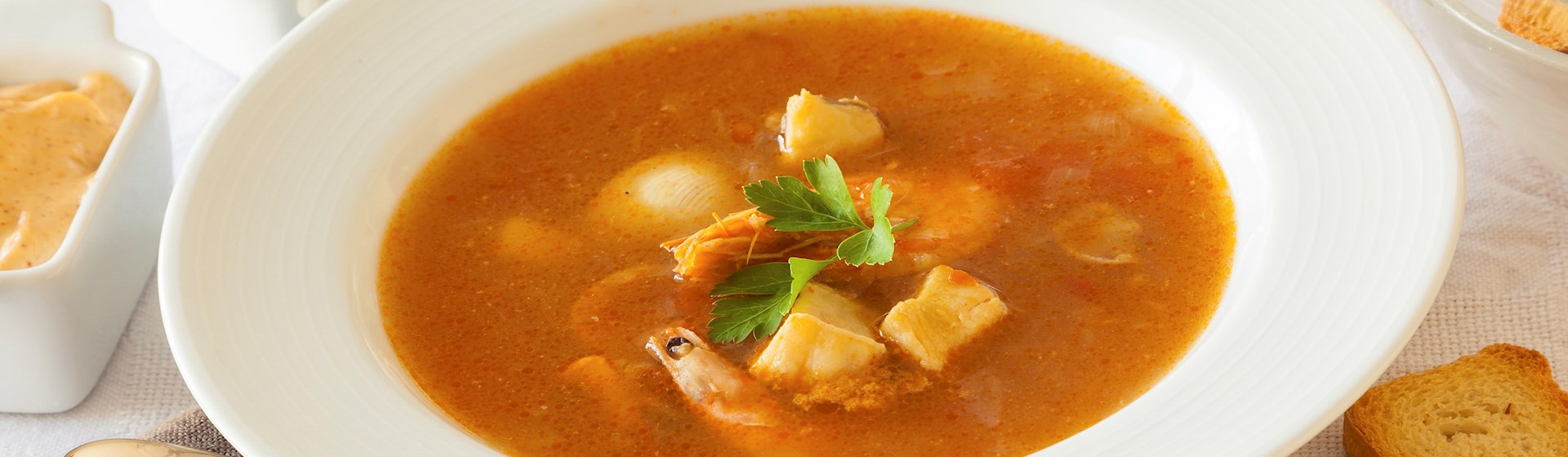
This traditional Provençal fish soup (and stew) originated in the 18th century when it was first concocted by Marseillaise fishermen, who would prepare it using the leftovers from their daily catch, making the best of what they had in their nets. Over time, bouillabaisse evolved into one of the most luxurious seafood dishes in the world: it is found in every upscale restaurant in the lively seaport city of Marseille where it can cost up to €200 for a meal for two. Anything below €50 is considered an ordinary fish soup—a good rule of thumb for those who want to taste the real thing. What gives bouillabaisse both its unique flavor and its high price is the red scorpionfish—known in French as rascasse or scorpion de mer—a type of venomous rockfish found only in the Mediterranean. Other ingredients may include several varieties of whitefish, mussels, crabs, squid, and sometimes even lobster or eel. Another thing that makes Marseille's signature dish so distinctive is its vibrant orange color, as well as the flavors and aromas arising from a selection of Provençal herbs and spices, especially saffron, fennel, and orange zest. Delicately infused with white wine and anise liqueur, bouillabaisse is traditionally served in two courses: the thick, rich soup is enjoyed with rouille sauce and garlic-rubbed croutons or toasted bread, while the fish and shellfish are served separately.

02
Fish Soup

Soupe de poisson à la rouille

3.8 ·

Originally a poor man’s dish, soupe de poisson à la rouille is a classic French soup and a close cousin of the famous bouillabaisse. The soup is usually prepared with white fish that is cooked in a flavorful broth that mostly incorporates tomatoes, olive oil, garlic, saffron, and various herbs. The soup is then strained and served with rouille, a classic Provençal sauce that usually incorporates bread, garlic, spices, egg yolks, and olive oil while some versions can also include monkfish liver, tomatoes, or potatoes. Soupe de poisson originated in the Provençal region, most probably in Marseille, and it can be found all along the French Mediterranean coast. It is often enjoyed as an appetizer, typically served hot and topped with crunchy croutons and Gruyère cheese.

Best restaurants
03
Dessert

Calisson

3.6 ·

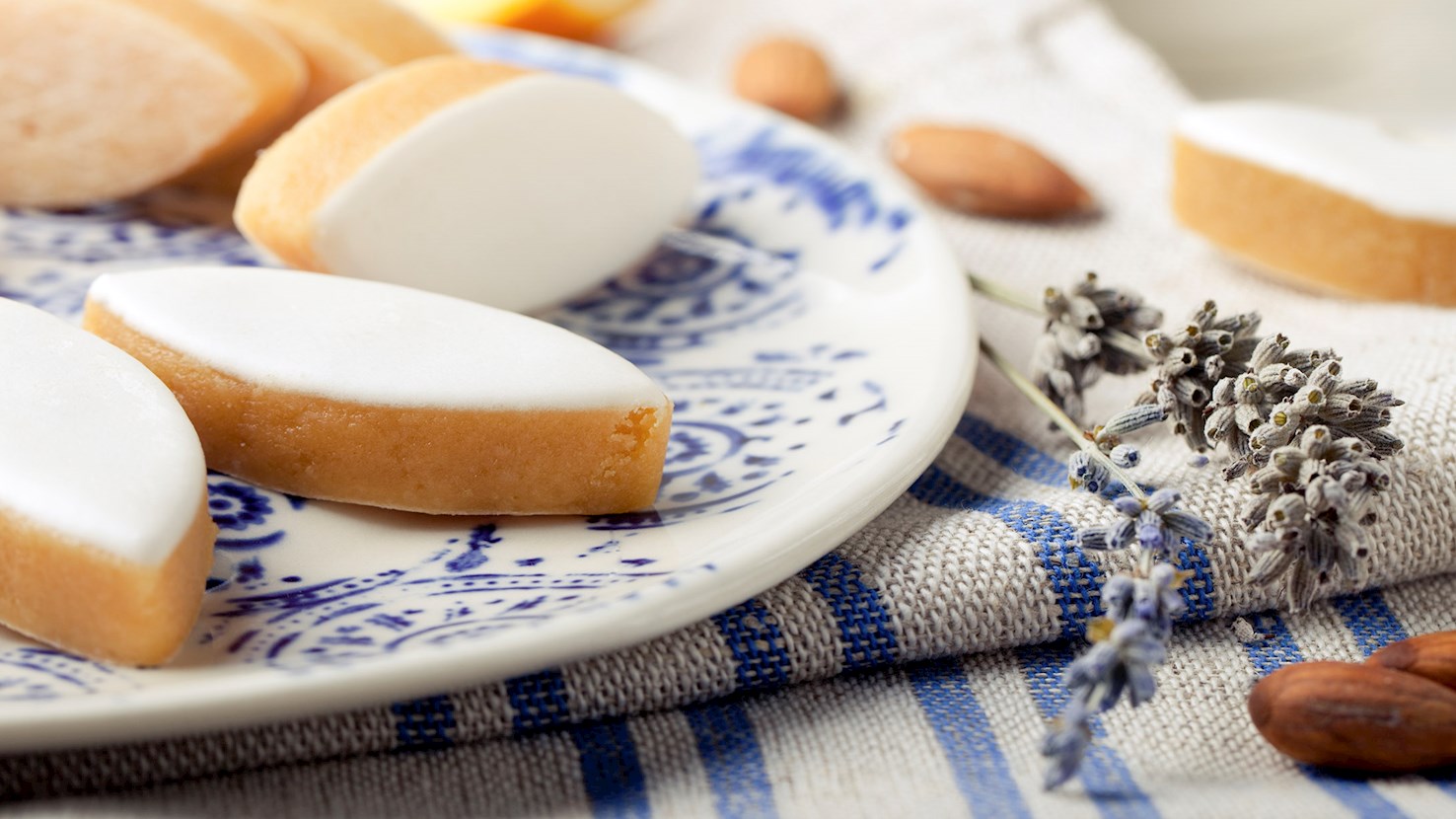
A specialty of Aix-en-Provence, calissons are diamond-shaped sweets made with almonds and candied melons, covered in icing. The tradition of combining almonds and candied fruits dates all the way back to Greek and Roman times, while some texts from the 12th-century mention Italian monks who made cakes from almonds. As almonds became important in the city of Aix-en-Provence, they were combined with Cavaillon melon to make the famous calissons. There is also an interesting tale about their invention, taking place at the wedding feast of King René of Anjou in 1454. During the festivities, the bride was in a bad mood, so the head chef looked for a way to cheer her up. He created a sweet treat out of almonds and candied fruit and got the bride's smile, while the rest of us got the delicious calissons.

04
Cookie

Navettes

3 ·

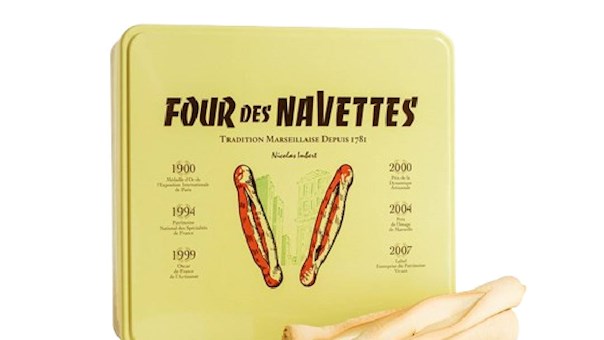
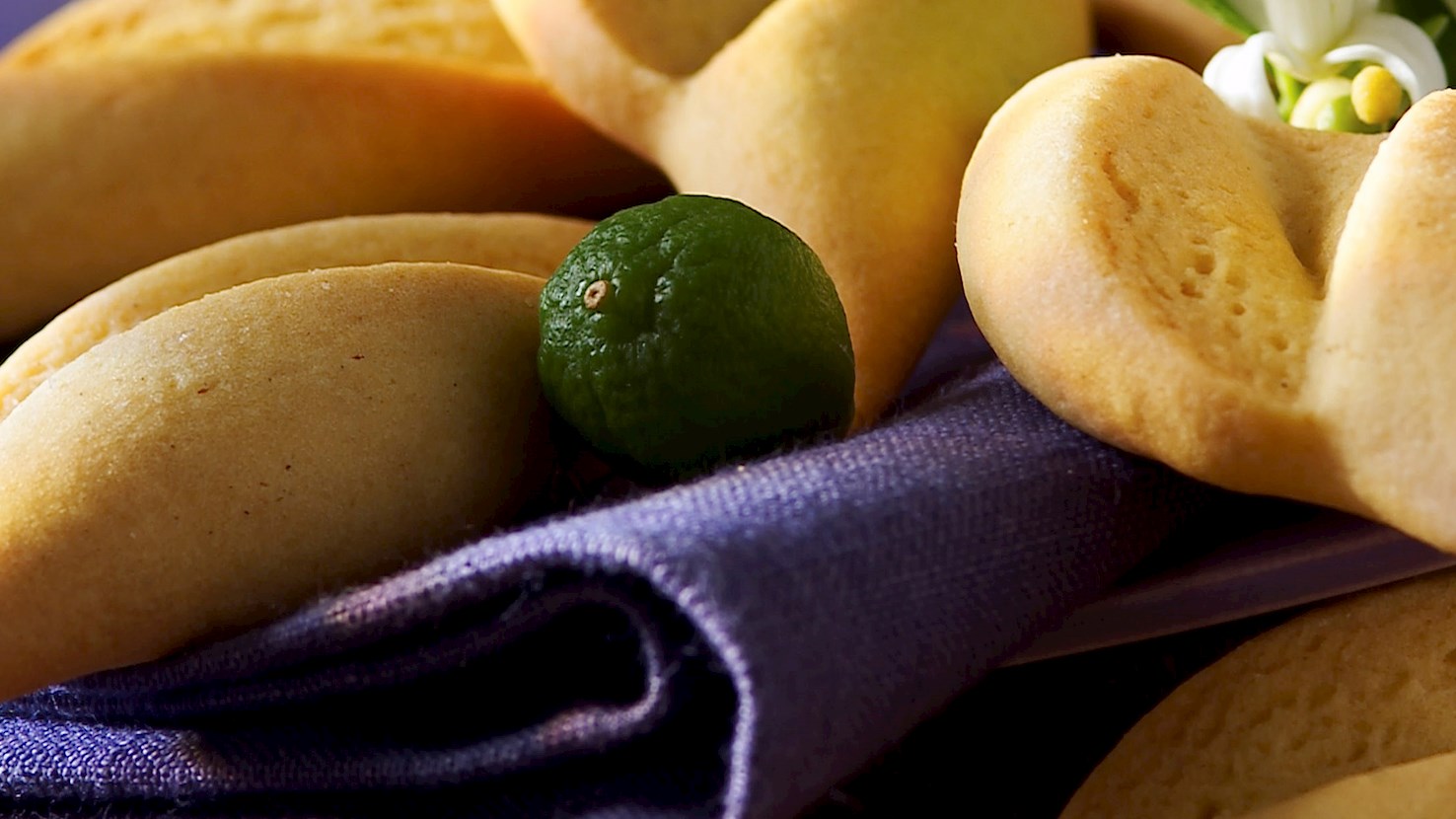
Navettes are French cookies from Marseilles that are shaped like a boat or a shuttle. Their characteristical shape is said to commemorate Mary Magdalene and Saint Martha and their voyage to Marseilles by boat, about 2000 years ago. The cookies are flavored with orange-flower water and are traditionally consumed on February 2nd, known as Candlemas Day, although they can be bought all year round in the Four Des Navettes bakery in the center of Marseilles. The bakery hasn't stopped producing these cookies since 1781. Although orange-flavored navettes are the most popular choice, there are also varieties with cinnamon, chocolate, vanilla, and lavender.

Best restaurants
05
Offal Dish

Pieds paquets

2.8 ·

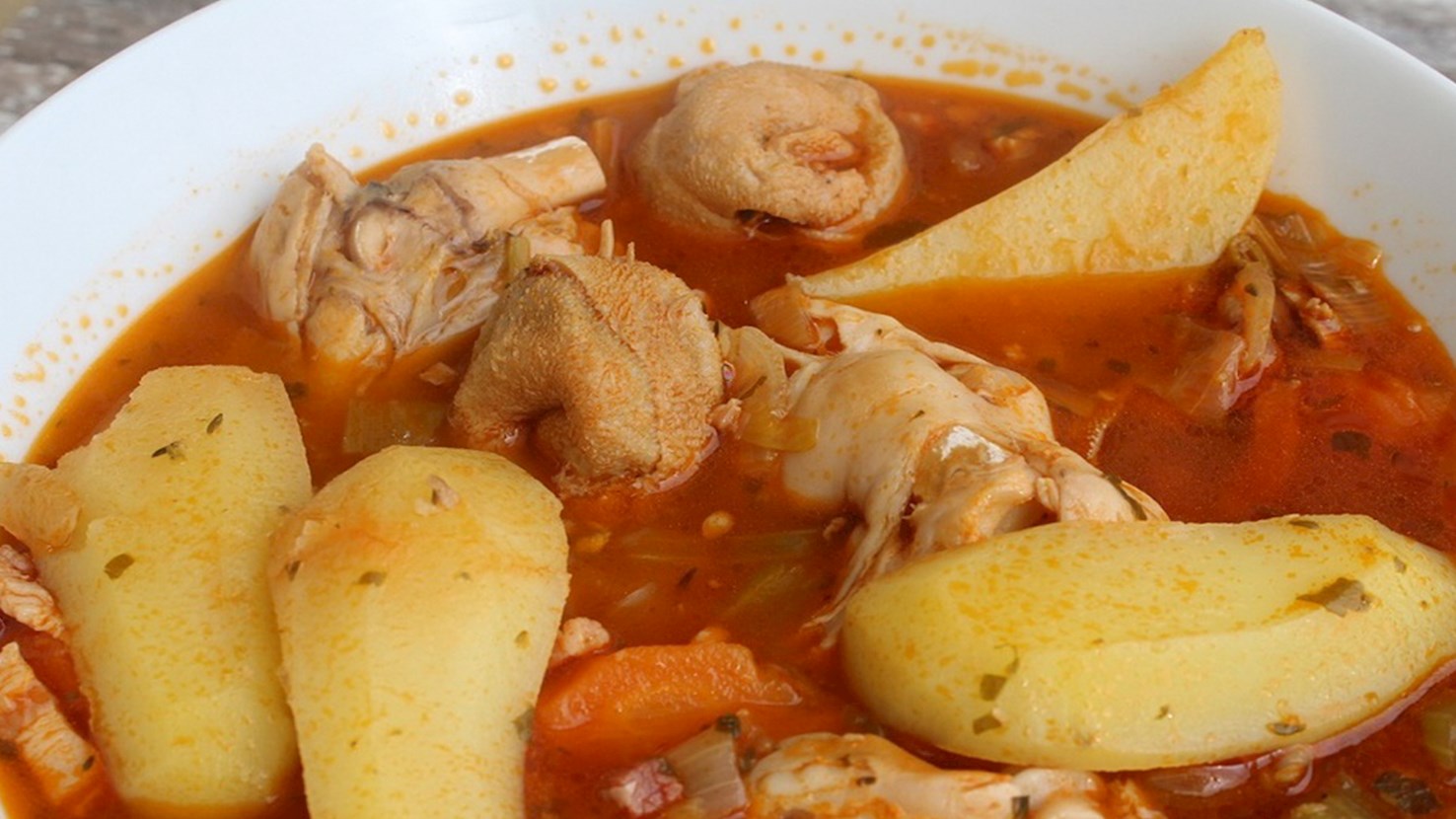
Pieds paquets, meaning feet and packets of tripe, is one of the finest and most unique dishes of Provençal cuisine. The dish is a specialty of Marseille and Sisteron, consisting of stewed lamb's feet and tripe that are filled with carrots, garlic, onions, salt pork, and herbs. Slowly simmered, the meat becomes so tender that it almost melts in the mouth. Originally, pieds paquets was invented out of poverty, in times when meat was scarce and every part of the animal had to be used. Today, chefs from Sisteron suggest that the dish should be prepared a day in advance, and it is recommended to cook it for at least seven hours.

06
Beef Dish

Gardiane de boeuf

n/a ·

Gardiane de boeuf is a traditional dish originating from Camargue. The dish is made with a combination of Camargue beef, garlic, onions, red wine, bay leaves, thyme, dried orange skin, vinegar, salt, and pepper. The meat is cut into cubes, and it's then marinated in a combination of chopped onions, red wine, vinegar, thyme, bay leaves, and orange skin. On the next day, the marinade is strained, and the meat is browned in olive oil, then placed in an earthenware casserole dish which is deglazed with the strained marinade. The ingredients from the marinade are added to the dish with a chopped garlic clove. The dish is simmered for a few hours until the vegetables become mushy, and the sauce is thickened with grated dry bread. Gardiane is served hot, ideally with Camargue rice on the side. In the past, the dish was prepared with bull meat and it was a staple of local farmers.

07
Saltwater Fish Dish

Aïoli garni

n/a ·

Aïoli garni is a traditional French salt cod and vegetable dish that centers entirely around a potent garlic and olive oil sauce. Deeply embedded in the culinary heritage of Marseille and the wider Provence region, this communal meal showcases local garden produce alongside preserved seafood. Making the aïoli sauce requires crushing raw garlic cloves and salt in a heavy mortar, then vigorously whisking in high-quality olive oil—and frequently an egg yolk for stability—until a thick, glossy paste forms. Preparing the fish and the vegetables requires a gentle touch and careful timing. The preserved fish must sit in cold water for several days to draw out the heavy brine before it undergoes a light simmering. Meanwhile, a vibrant assortment of seasonal vegetables, such as waxy potatoes, carrots, green beans, cauliflower florets, artichokes, sweet beets, and mild onions, is individually boiled or steamed. Every piece of produce is kept whole or cut into large chunks to preserve its natural texture and inherent sweetness. Presenting this feast involves arranging the hot, unadorned elements on a large serving board rather than mixing them into a single pot. Diners then coat the individual bites generously with the pungent garlic paste. Elaborate iterations of this meal often incorporate extra proteins to create a more substantial spread. Hard-boiled eggs, classic Provençal escargots, or an array of shellfish, such as mussels, whelks, and baby octopus, frequently appear on the table. Whenever the occasion demands a truly spectacular centerpiece, such as a Christmas Eve dinner, a festive gathering, or a historically meatless Friday, the spread transforms into a lavish feast known as grand aïoli. This ultimate version supplements the foundational seafood and vegetables with tender cuts of boiled beef or chicken salvaged from a hearty pot-au-feu broth. Despite the flexibility of ingredients across households, the essential trio of simply prepared vegetables, revitalized cod, and potent garlic sauce remains a beloved constant across Occitan, Catalan, and Mediterranean foodways. Pouring a crisp, acidic white or rosé vintage from a nearby Provençal vineyard provides the ideal beverage pairing, as the wine perfectly cuts through the rich olive oil while complementing the briny fish and earthy produce.

08
Stew

Fricot des barques

n/a ·
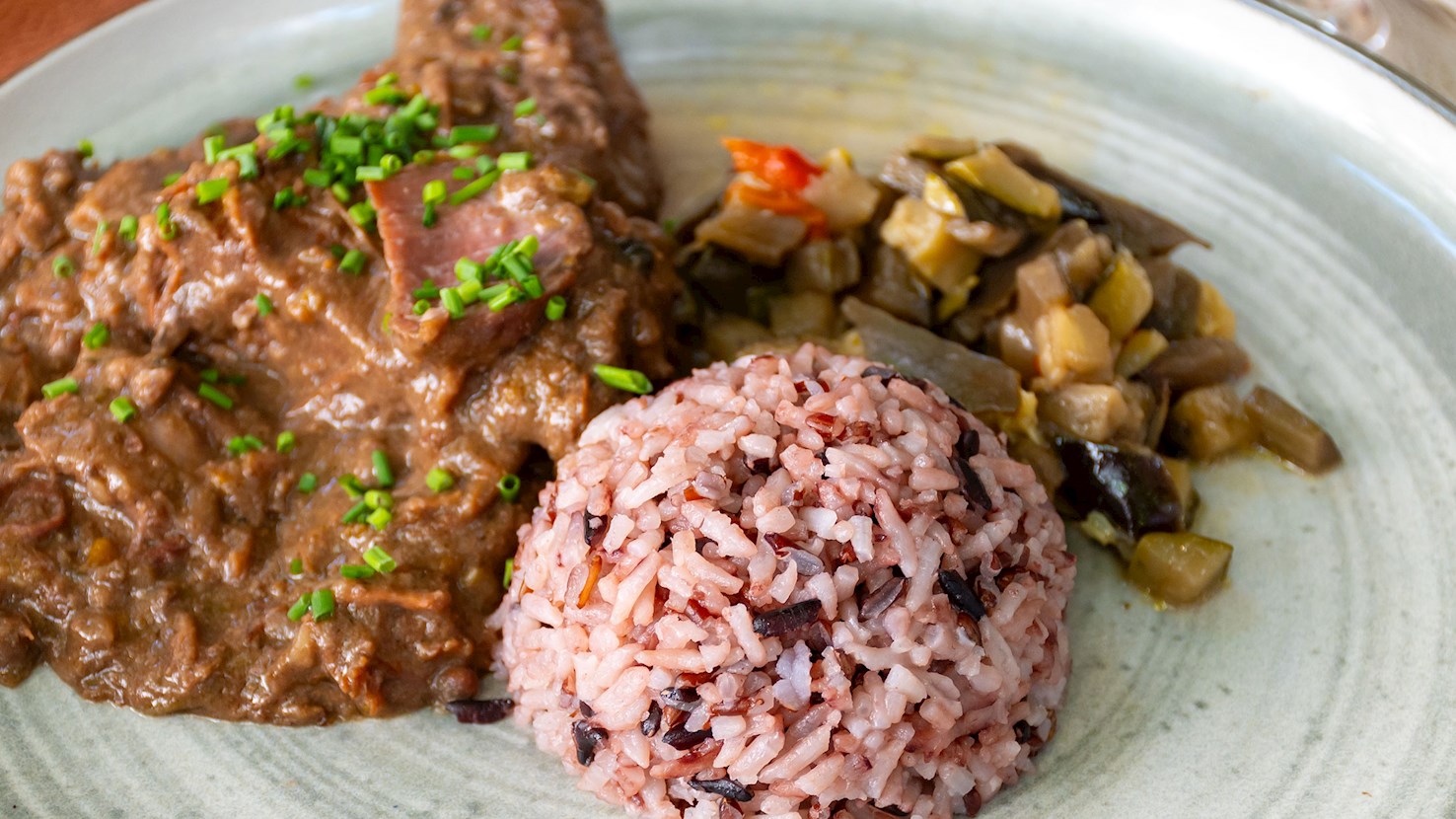
Fricot des barques is a robust beef stew deeply intertwined with the nautical history of Arles and the surrounding Rhône-Camargue waterways. Riverboat workers navigating these southern French channels required hearty, sustaining meals that could simmer unattended on their vessels. Readily available staples like onions, preserved fish, and tough cuts of meat are perfectly suited to this demand for unhurried, gentle cooking. Constructing this mariner’s staple requires a specific, alternating technique rather than simply dumping everything into a single pot. Thinly shaved beef and finely sliced onions are carefully stacked in repeating tiers inside a heavy-bottomed Dutch oven, resting on a generous foundation of rich olive oil. Crushed garlic cloves, fragrant sprigs of thyme, bay leaves, and intensely savory anchovy fillets are tucked in before the heavy lid is firmly sealed. Leaving the stew over a very low flame for several hours allows the sharp onions to melt into a sweet, thick gravy while the meat becomes exceptionally tender. Culinary historians often compare this meal to broufade, another regional specialty, though this particular boatman's recipe notably omits pungent capers to achieve a much smoother, milder flavor profile. Customizing the pot is entirely acceptable, with some families incorporating sliced carrots, tomatoes, or root vegetables directly into the layers. Splashing a small measure of sharp vinegar or red wine over the meat before covering the pot is another popular way to introduce a touch of acidic brightness to the dark gravy. Steaming bowls of this rich feast traditionally anchor Sunday dinners and large family celebrations. Diners typically soak up the deeply savory, oil-laced sauce using heaps of fluffy white rice, boiled potatoes, or thick wedges of crusty country bread, while a glass of a structured, full-bodied Côtes-du-Rhône red wine provides the ultimate pairing, as its bold tannins beautifully cleanse the palate.
09
Sausage

Saucisson d’Arles

n/a ·
Saucisson d’Arles is a dry-cured sausage from France, originating in the city of Arles. First created in 1655 by a butcher named Godart, who developed a recipe combining pork and beef with pork fat, salt, and various spices, the sausage was being exported beyond the region by the late 17th century. The ingredients for the sausage are equal parts lean pork and pork fat (and, in some historical versions, lean beef or even donkey meat). These are finely chopped, seasoned with sea salt, whole black peppercorns, and sometimes red wine, stuffed into natural beef casings, tied, and allowed to cure and air-dry for several weeks until firm and deep red-purple in colour. Different recipes replace pork with beef, use varying spice blends (some include nutmeg, garlic, or Provençal herbs), and vary drying time, which affects texture and flavor intensity—some producers dry for a minimum of six weeks, while others carry the process further for a denser result. Saucisson d’Arles is often served thinly sliced as an hors d’œuvre or picnic appetiser, paired with crusty country bread, cornichons, and a glass of regional red wine or rosé (such as wines from Provence or the Rhône valley), and is also enjoyed with a pastis or lightly chilled white wine when served at aperitif time in Provençal settings.
About this ranking

TasteAtlas food rankings are based on the ratings of the TasteAtlas audience, with a series of mechanisms that recognize real users and that ignore bot, nationalist or local patriotic ratings, and give additional value to the ratings of users that the system recognizes as knowledgeable. For the “Top 15 Traditional Foods in Bouches-du-Rhône” list until June 10, 2026, 356 ratings were recorded, of which 289 were recognized by the system as legitimate. TasteAtlas Rankings should not be seen as the final global conclusion about food. Their purpose is to promote excellent local foods, instill pride in traditional dishes, and arouse curiosity about dishes you haven’t tried.

The initial list of top producers was compiled based on available reviews, awards, local recommendations, media and blog coverage, and consumer reviews. The list will be updated with ratings from TasteAtlas local ambassadors and TasteAtlas users.

Similar lists