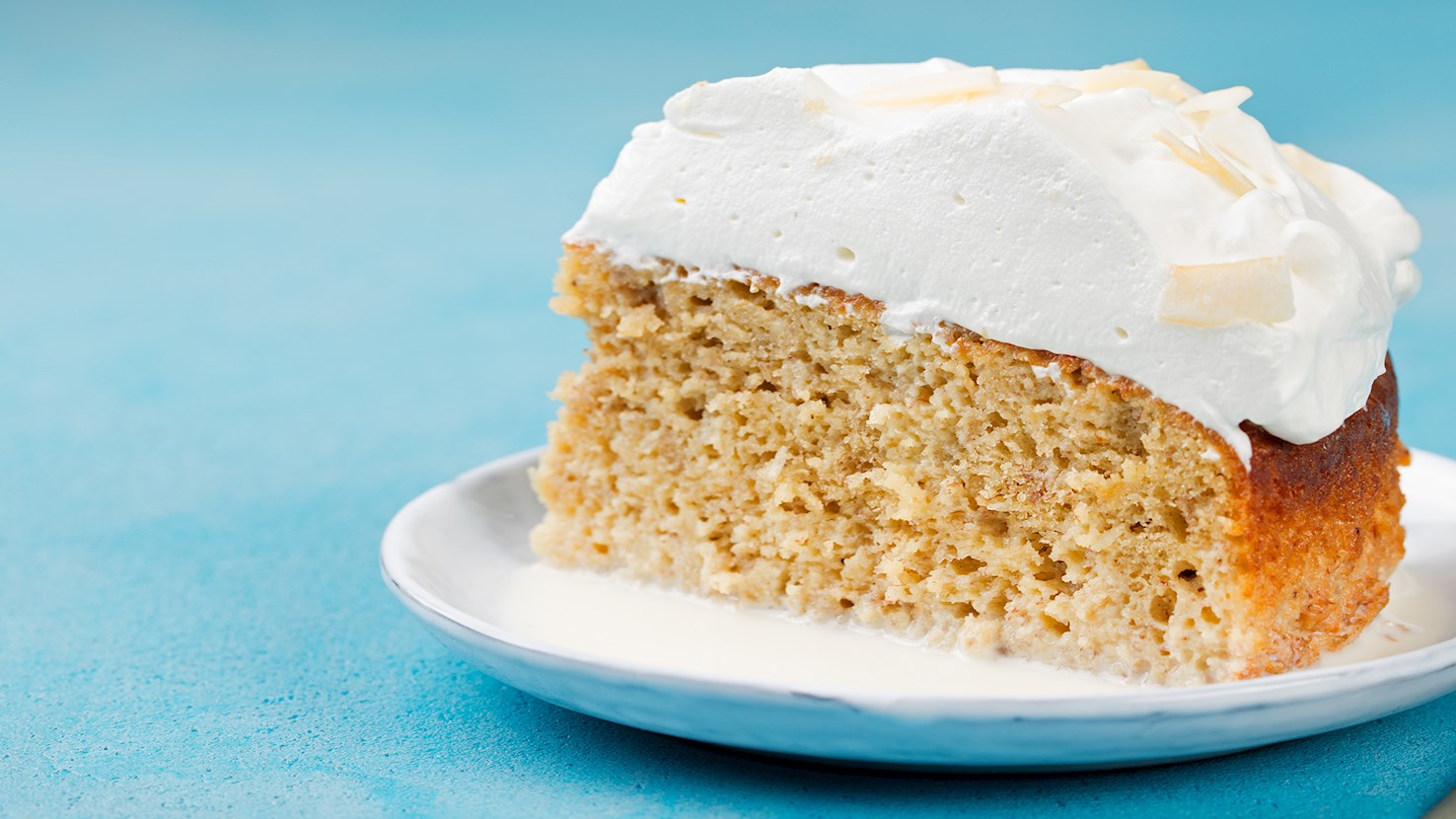
Tres leches cake is a dense, highly saturated sponge cake soaked in a specific mixture of three distinct dairy components consisting of evaporated milk, sweetened condensed milk, and heavy cream or whole milk, which is then topped with whipped cream and distributed widely throughout Latin America, with Mexico, Nicaragua, and coastal regions of the Caribbean basin serving as its primary cultural and commercial hubs. The widespread formulation of this dessert proliferated during the mid-twentieth century following the commercial mass-marketing of shelf-stable canned milk products by transnational food corporations such as Nestlé, who printed structured soaking recipes directly onto the labels of evaporated and condensed milk cans across Central and South America to stimulate consumer demand for manufactured dairy commodities, effectively modifying older European wine-soaked sponge configurations, like British trifles and Italian tiramisu, to suit regional supply chains. Preparation requires baking a light, aerated sponge cake containing a high volume of whipped egg whites and minimal fat, which produces an open, resilient crumb structure that prevents the matrix from collapsing when saturated. Once the cake cools completely, the entire upper surface is punctured repeatedly with a fork or skewer to create vertical fluid pathways, and a thoroughly blended mixture of equal parts evaporated milk, sweetened condensed milk, and heavy cream is poured slowly over the top until the liquid is fully absorbed into the cellular cavities of the baked crumb. Tres leches cake is served chilled directly from the refrigeration unit to stabilize the saturated dairy matrix, sliced into square portions, and standardly garnished with a dusting of ground cinnamon or a single fresh berry to introduce a mild aromatic contrast to the high concentration of sugar. It is eaten globally within pan-Latino restaurants, local bakeries, and domestic households, acting as a centerpiece dessert during birthdays, weddings, Mother's Day celebrations, and quinceañeras across Mexico, Central America, and Latino communities within the United States. For food and beverage pairings, the high sugar concentration and intense dairy fats of the soaked sponge demand bitter, acidic, or highly roasted flavor compounds to strip the palate between bites, meaning it is eaten alongside fresh acidic fruits like mango, passion fruit, or kiwi, and paired with unsweetened hot black coffee, bold espresso, dark roasted chicory teas, or small pours of aged dark rum.
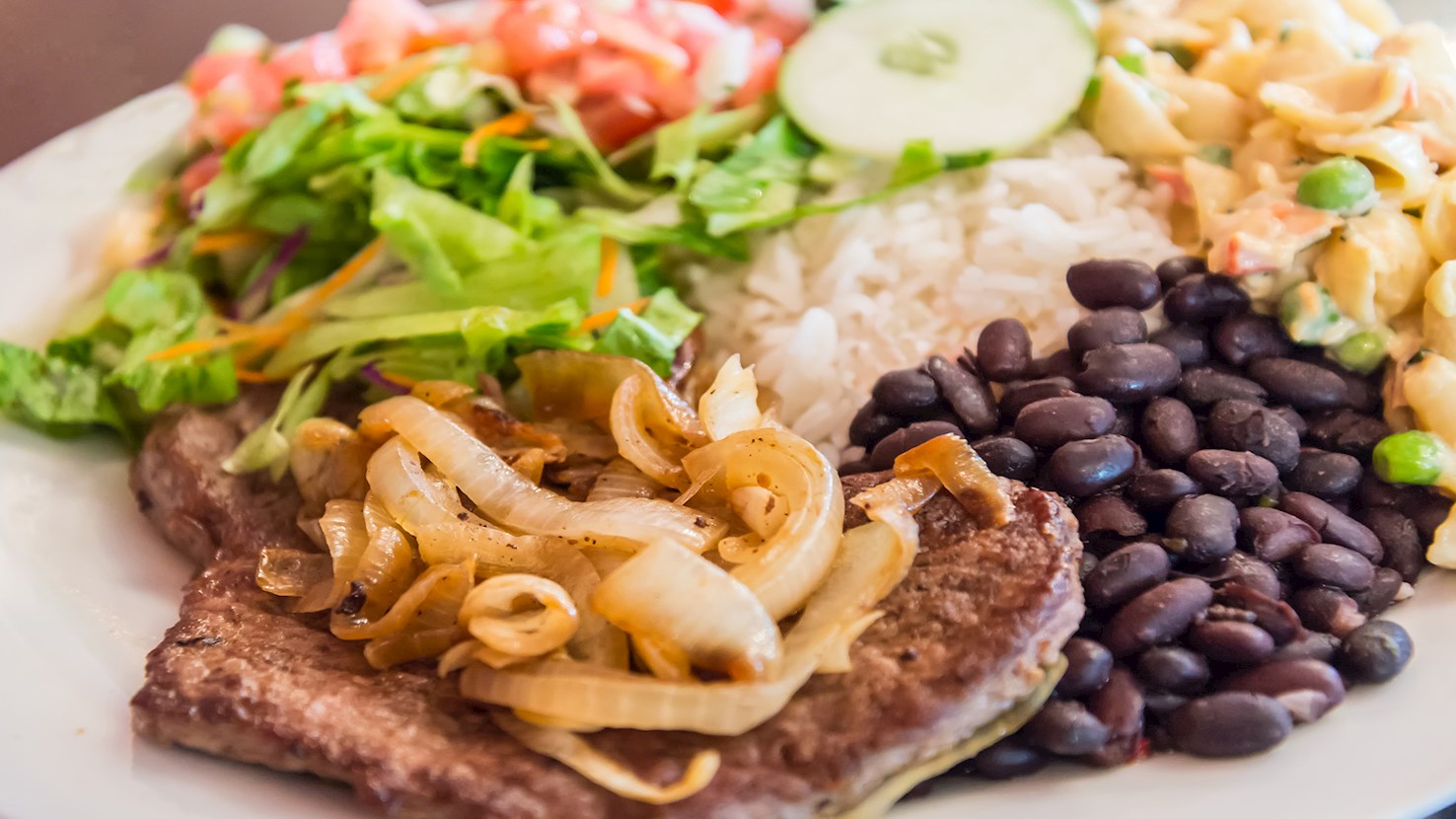
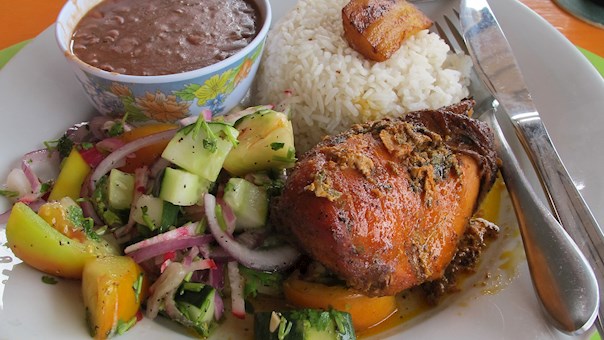
Casado is the most popular dish in Costa Rica, consisting of white rice, beans, meat such as pork, chicken, or beef, and a salad such as iceberg or coleslaw. Additional side dishes may include avocado slices, French fries, cheese tortillas, fried plantains, and potato-based stews. The name casados translates to married, and it is clearly visible on the plate as all of the ingredients provide a nice balance of protein and carbohydrates, making it a nutritionally valuable dish as well as a tasty one. According to a popular legend, the dish was usually eaten by newlyweds, and as the two would not know the other one's preferences in food, a variety of ingredients would be served on one plate in order to find out the favorites of each newlywed. Today, whichever traditional restaurant (called sodas) you visit, it will most likely be on their menu.
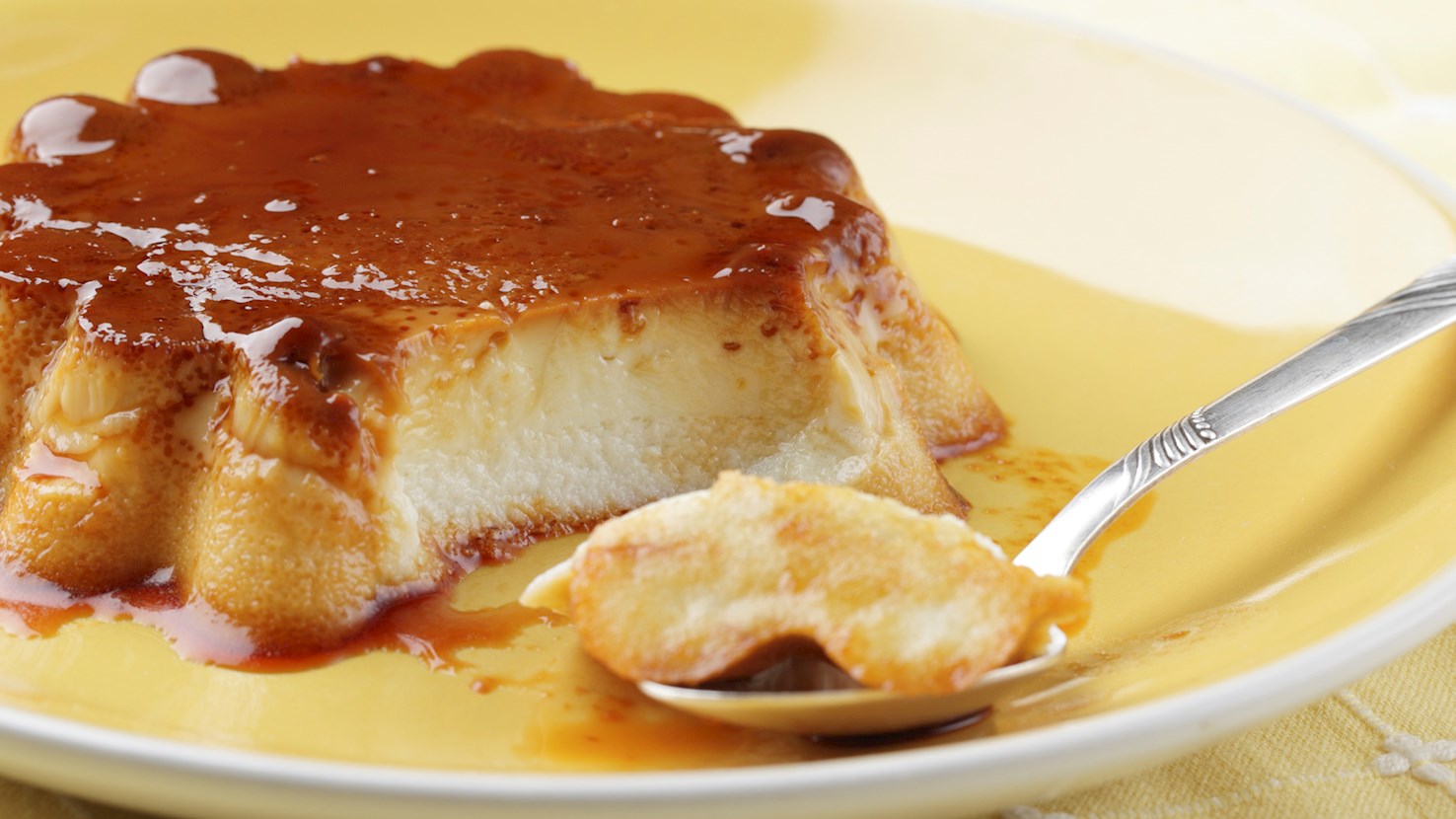
Flan de coco or coconut flan is a delicate dessert that is popular in Colombia, Costa Rica, and parts of the Caribbean. It is typically made with eggs, coconut milk, condensed milk, cream, vanilla extract, and flaked coconut. The dessert is usually baked in small ramekins with caramel on the inside, so when flan de coco is inverted, it has a nice caramel layer on top and on the sides. Before serving, the dessert is often topped with flaked coconut.
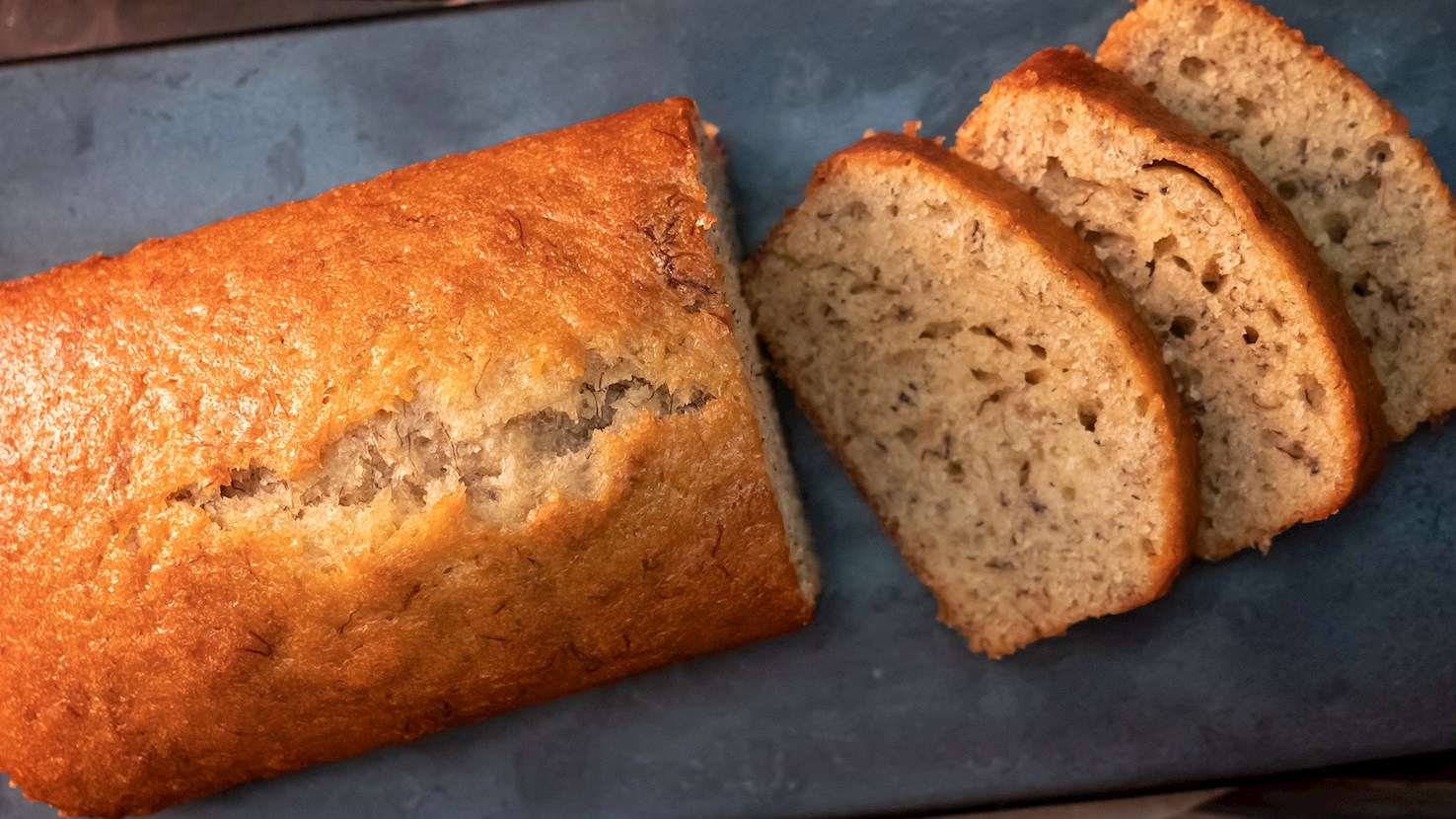
A simple dessert typical of Guatemalan cuisine, pastel de banano is a homemade banana sponge cake. With a mild banana flavor and a subtle sweetness, the cake is typically made with a combination of bananas (both mashed and sliced), flour, eggs, butter, baking soda, sugar, and salt. The mixture is often enhanced with the addition of vanilla essence, although banana essence, chocolate, or even chopped nuts may also be used. Slices of the baked banana cake are usually eaten for dessert or as a sweet snack at any time of the day, and they’re commonly served dusted with icing sugar. Pastel de banano also goes well with yogurt-flavored ice cream.
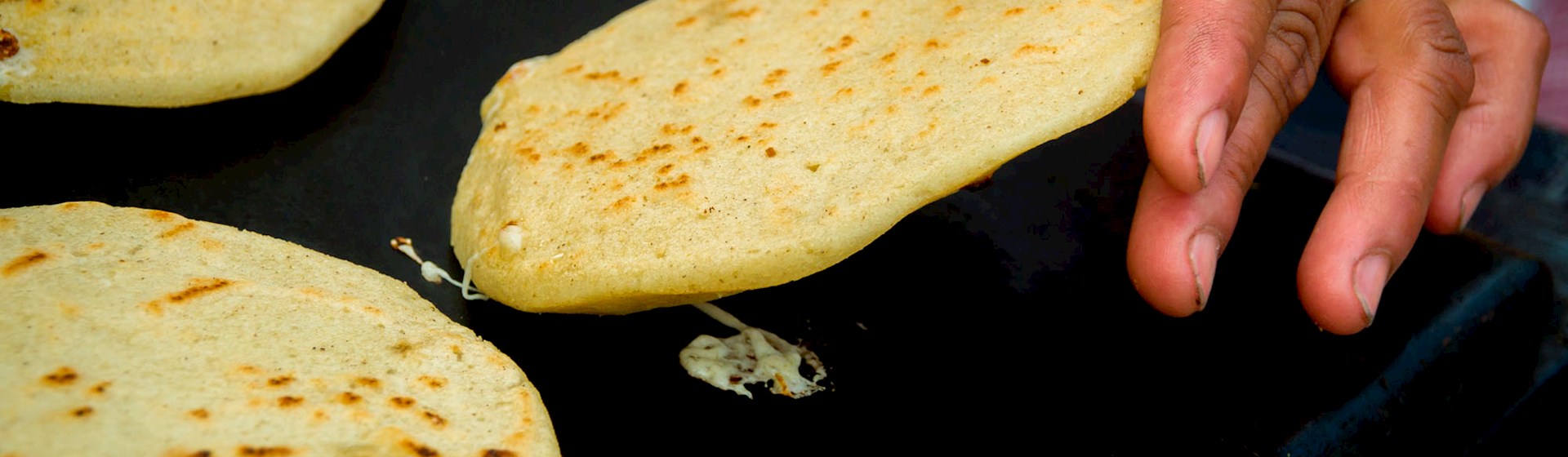
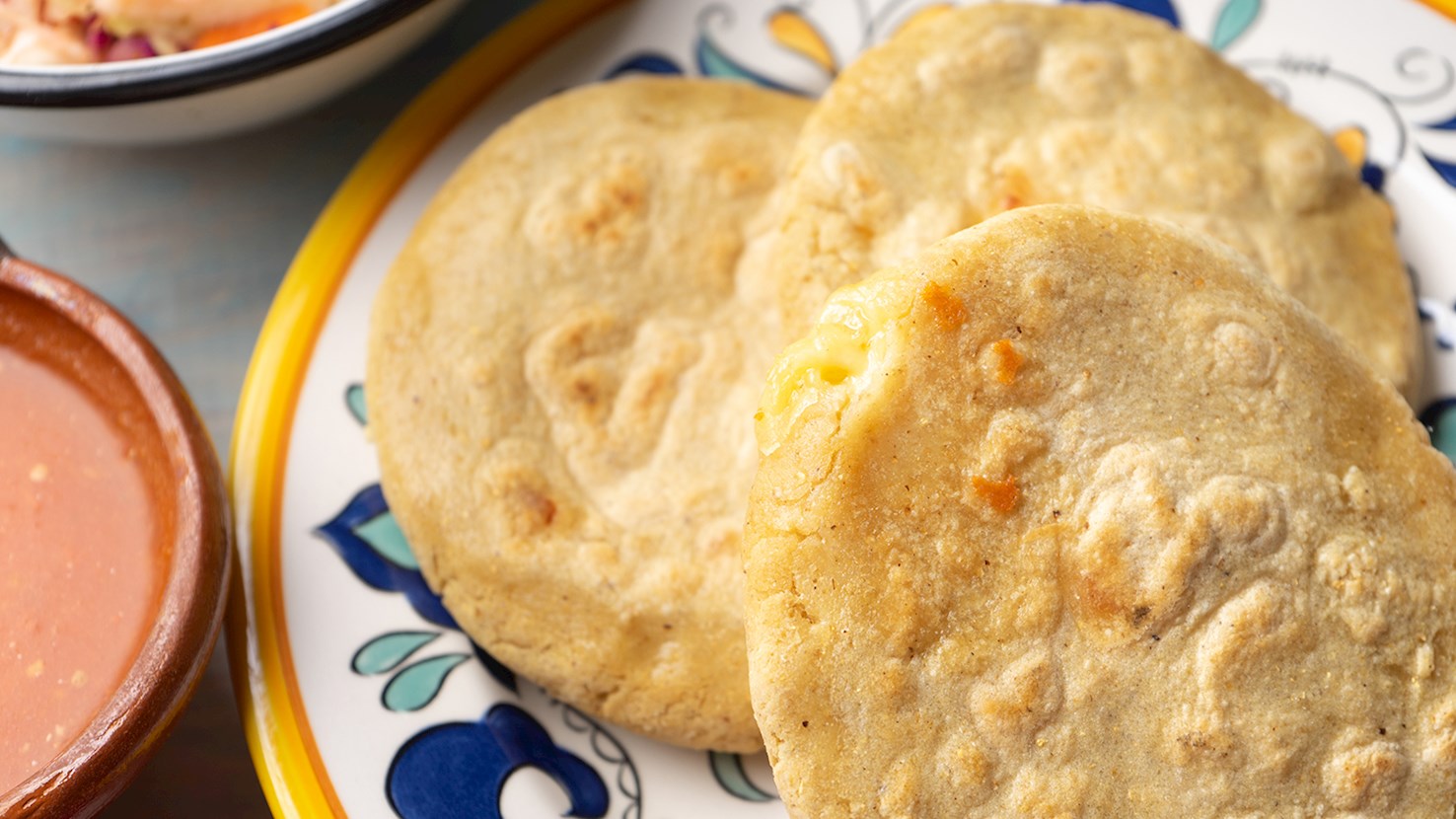
Pupusa de queso con loroco is a variety of Salvadoran cheese pupusa, a thick corn tortilla that oozes with a mixture of gooey cheese and finely chopped loroco flower buds. The most traditional type of cheese used for the filling is quesillo, a kind of semi-soft white cheese, but other types of cheese may also be used. Some of the most commonly used optional cheese varieties include queso fresco, mozzarella, farmer’s cheese, or Monterey Jack. The other key ingredient to the filling is loroco, the edible green buds of Fernaldia pandurata, a flowering vine that thrives throughout Central America. Loroco flower buds may be used fresh, frozen, or pickled, and they impart a unique aroma and flavor to the pupusas. Once stuffed, the corn tortillas are usually cooked in a skillet or griddle until they’re golden brown with dark spots on both sides. Like other types of pupusas, these cheese pupusas are traditionally accompanied by tomato salsa (salsa roja), pickled cabbage slaw (curtido), and chili sauce on the side. In El Salvador, pupusas are usually enjoyed for breakfast or dinner, although they are also a popular street snack.
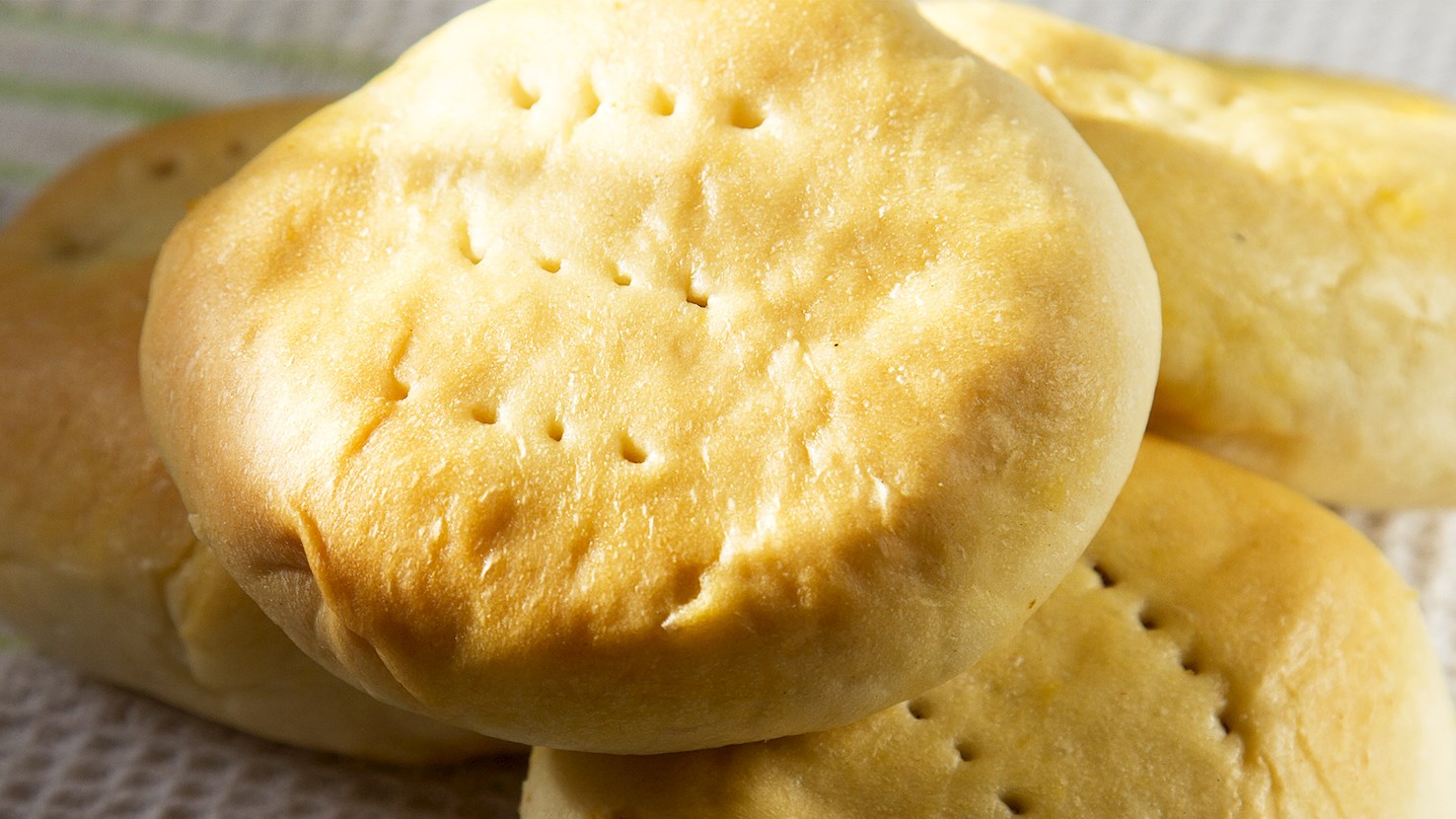
Pan de coco is a sweet bread roll filled with desiccated coconut and sugar. Its name can be translated to coconut bread, and it is a very popular snack bread throughout Honduras and the Philippines. The Honduran version uses coconut milk in the preparation of the dough and is usually served with stews, its density making it ideal for soaking up the juices, while the Filipino version is commonly served as a dessert, preferably accompanied by a cup of tea. Although the origins of this flavorful treat are quite murky, it is believed that the recipe was taken from Central America to Southeast Asia by Spanish settlers in the 17th century.
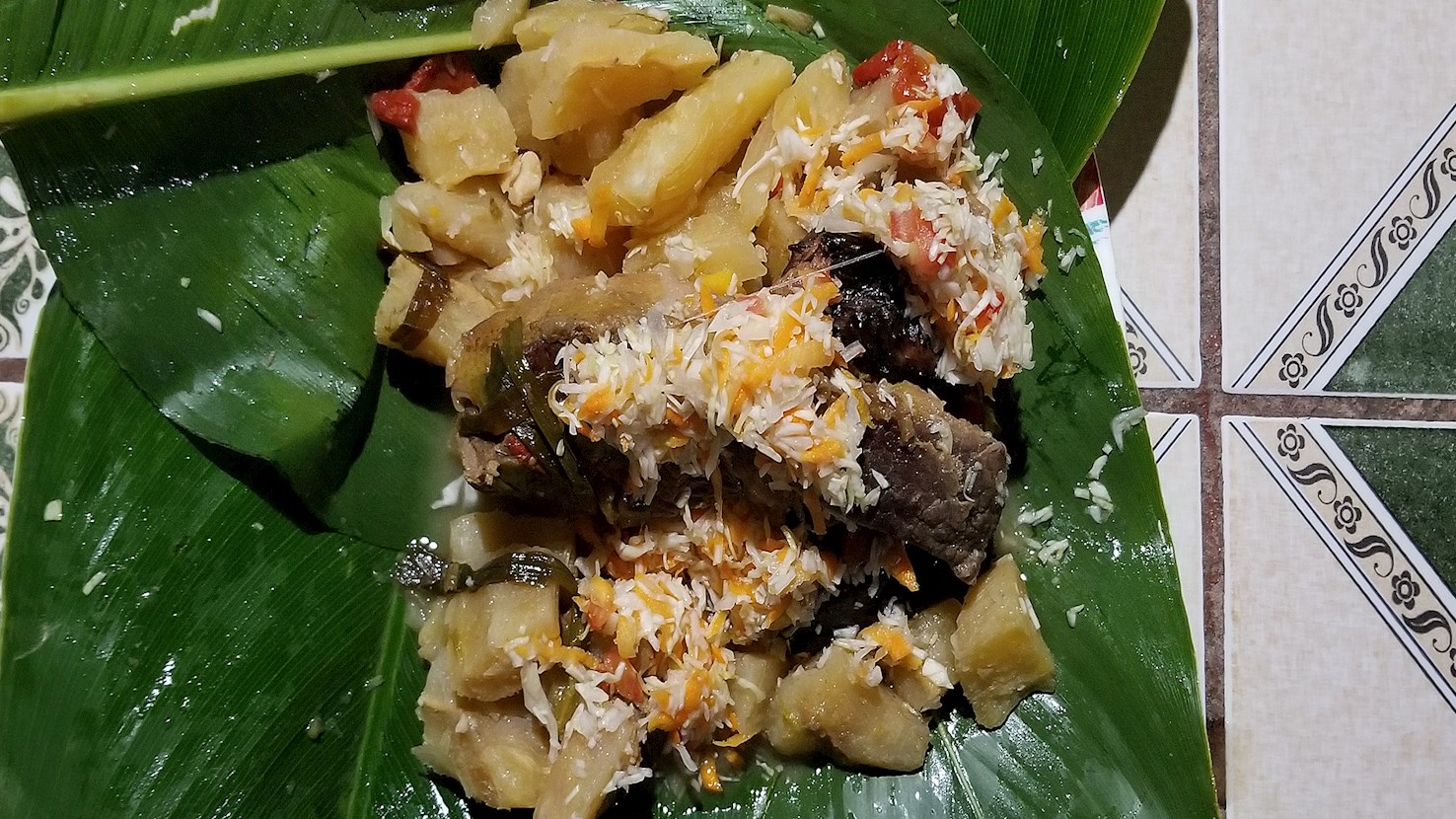
Vaho or baho is one of the most popular Nicaraguan dishes and a great hangover cure. It is made by wrapping a combination of beef, yuca, and plantains in banana leaves, then steaming the concoction. The word vaho means steam or mist, referring to the method of preparation. Onions and peppers are sometimes added to vaho in order to enhance the flavor and texture. This dish is traditionally prepared on weekends and consumed on Sunday afternoon, when it's typically accompanied by curtido (cabbage relish).
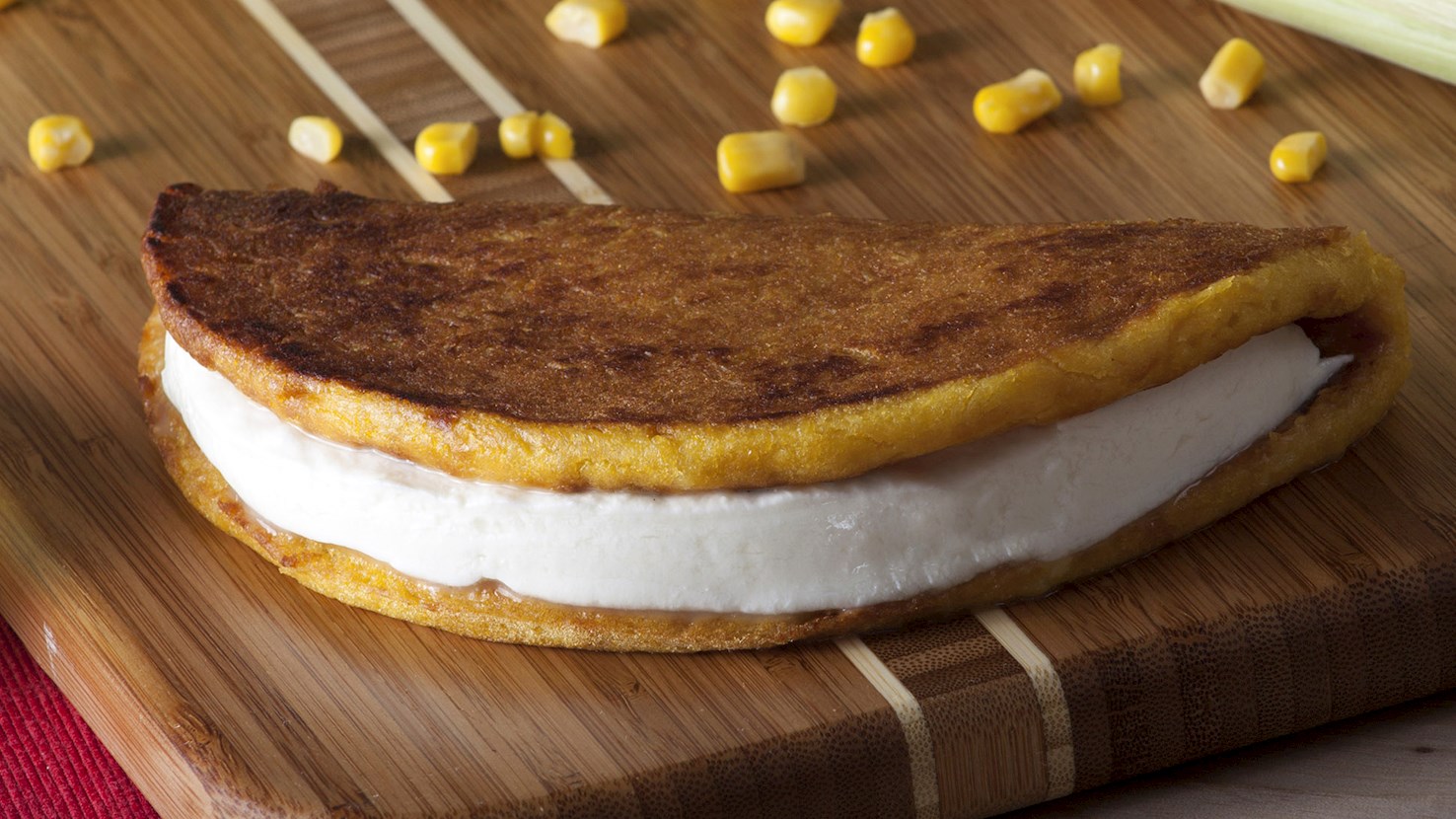
Cachapa, chorreada, arepa de choclo, güirila, toquera, tortilla de choclo, and tortilla changa, are all names that describe a Latin American corn dish that can be categorized as either a pancake, tortilla, or flatbread, depending on the country. It can be made only of corn or have additional ingredients like sugar, water, milk, salt, butter, cheese, and oil. They are typically prepared by street vendors and are either fried or griddled (in Nicaragua, they’re cooked between two banana leaves!) and characterized by a sweet-savory flavor. They can be eaten plain with a beverage, wrapped around a filling, or topped like an open-faced sandwich with things like cheese, shredded pork, sour cream, and eggs. They can be eaten any time of day, but typically they're eaten for breakfast, as a snack, or a quick dinner.
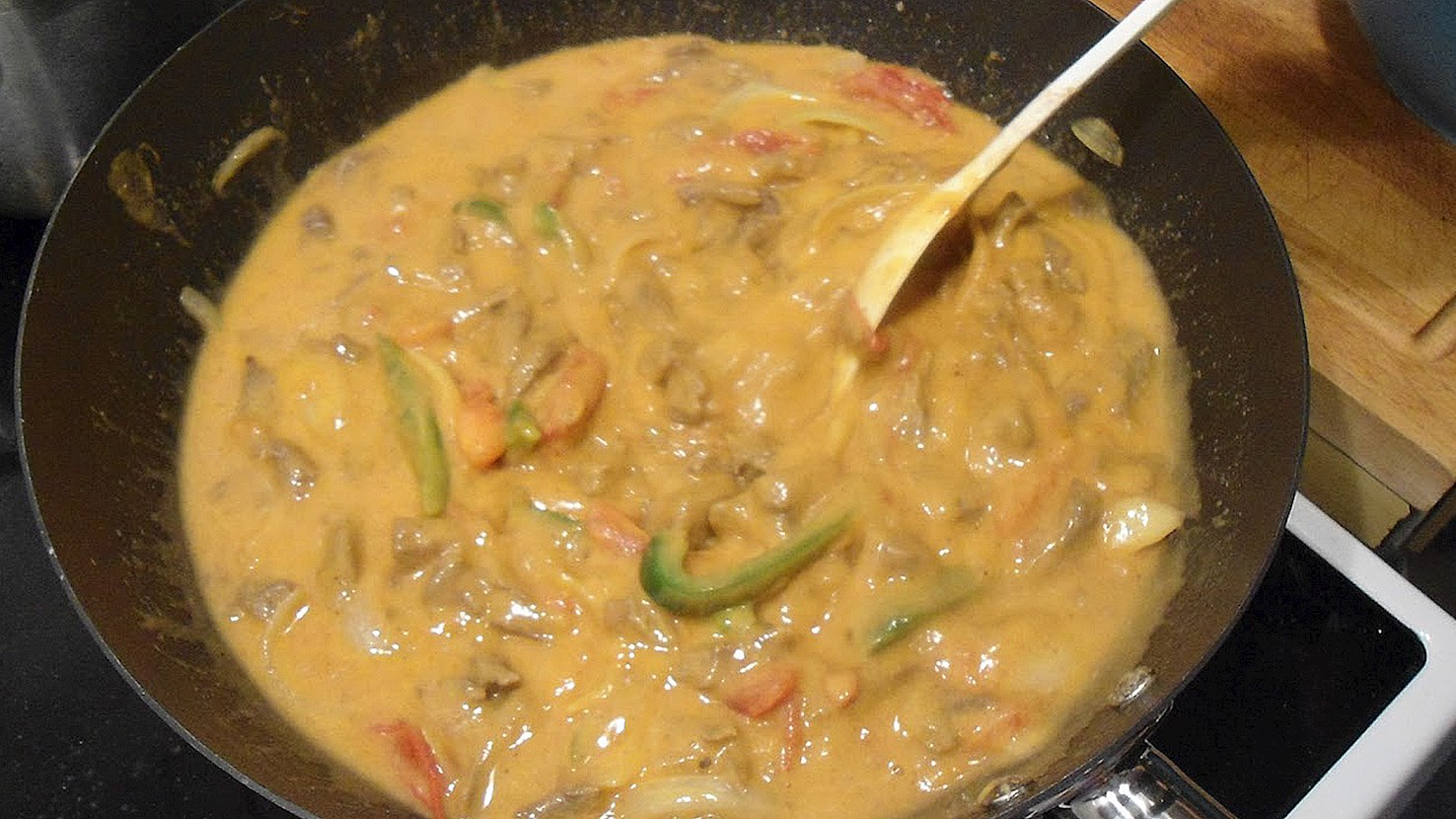
Indio viejo is a thick stew made from shredded beef, corn masa, tomatoes, sweet peppers, onions, and garlic, with sour orange and fresh hierbabuena giving it its characteristic flavor. Achiote is often added for color, giving the dish its warm orange-red appearance. The dish reflects both Indigenous and later colonial influences in Nicaraguan cooking. Maize had been central to the region's food culture for centuries before the Spanish conquest, while cattle and several ingredients now used in indio viejo arrived after European contact. The modern dish combines this older maize tradition with shredded meat, vegetables, and seasonings that became part of Nicaraguan cooking over time. Beef is the most common meat today. A relatively tough cut is simmered with onion, garlic, sweet pepper, and salt until tender, then removed from the broth and shredded into fine strands. The cooking liquid is kept because it forms the base of the stew. Fresh corn masa is loosened with some of the reserved beef broth until it becomes a smooth, pourable mixture. In some parts of Nicaragua, people soften and crumble stale tortillas into the broth instead of using fresh masa. Both methods produce the thick, almost porridge-like consistency that distinguishes indio viejo from a conventional meat stew. Onion, garlic, tomatoes, and chiltoma, the Nicaraguan sweet pepper, are cooked in oil or lard until softened. The shredded beef is added, followed by the diluted corn masa and enough broth to keep the mixture moist. Achiote is commonly stirred in for its earthy flavor and orange-red color. The stew is then cooked slowly, with frequent stirring, until the corn thickens and everything comes together into a dense, creamy mixture. Fresh hierbabuena is one of the dish’s most recognizable seasonings. It is added during cooking or toward the end so its fresh, aromatic flavor remains noticeable. Sour orange juice is usually added near the end as well, bringing acidity that balances the richness of the beef, lard, and corn. Some recipes also include black pepper, cumin, cilantro, or other local herbs, and the exact seasoning varies considerably between households and regions. The finished indio viejo should be thick enough to hold its shape on the plate while remaining moist and spoonable. The beef is distributed throughout the corn mixture rather than sitting in separate pieces, giving every spoonful a combination of meat, maize, vegetables, herbs, and sour orange. Tortillas are one of the most characteristic accompaniments. Rice, ripe plantain, green banana, cheese, cuajada or crema may also be served with it, depending on the region and the occasion. It is particularly associated with family gatherings, patron-saint festivals, and other communal celebrations, where it can be prepared in large quantities. Regional versions appear under related names. In parts of Carazo, similar preparations are known as masa de cazuela, while marol, found particularly in northern Nicaragua, is closely related but has its own local variations. These dishes belong to a broader Nicaraguan tradition of substantial maize-based stews and porridges. The name indio viejo literally means “old Indian.” A popular Nicaraguan story says Spaniards encountered Indigenous people eating from a pot and asked what they were cooking. One local supposedly replied that they were eating an old Indian, discouraging the visitors from trying the food. The story has several versions and belongs to the folklore surrounding the dish rather than to securely documented history.
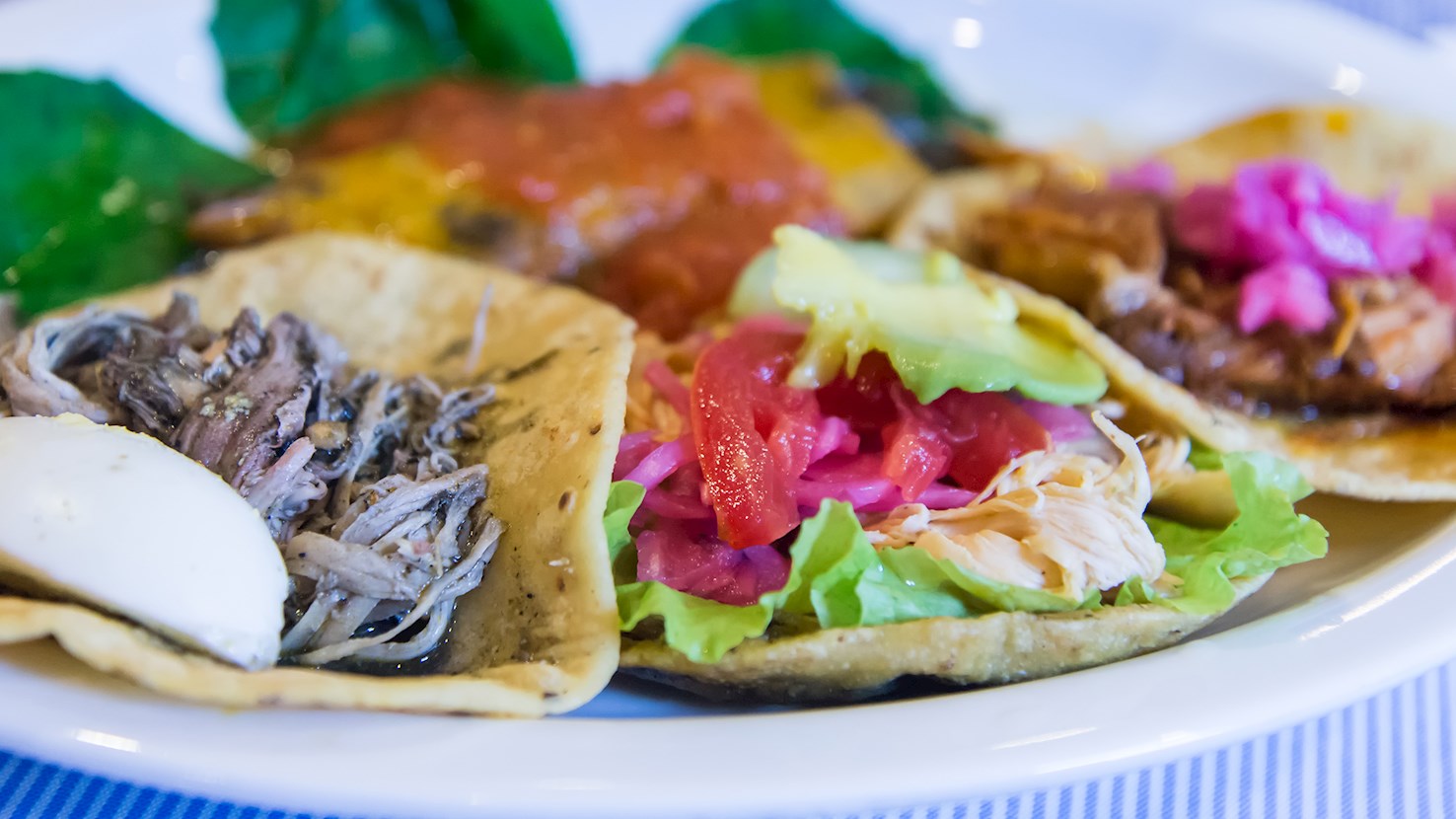
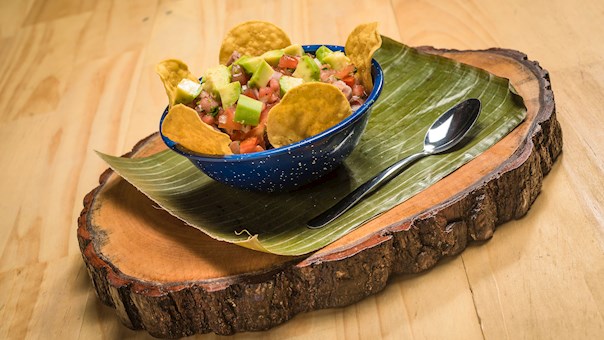
Salbute is a deep-fried tortilla dish with Mayan influences, originating from the Yucatán peninsula. These tortillas are typically topped with chicken, turkey, lime juice, tomatoes, lettuce, avocados, and red onions. They are also a staple food in Belize. Salbutes are traditionally prepared and consumed in the evening, when groups of friends and families go outside to have a bite. The tortillas are often served at panucherias – fast food joints which also sell tostadas and panuchos.
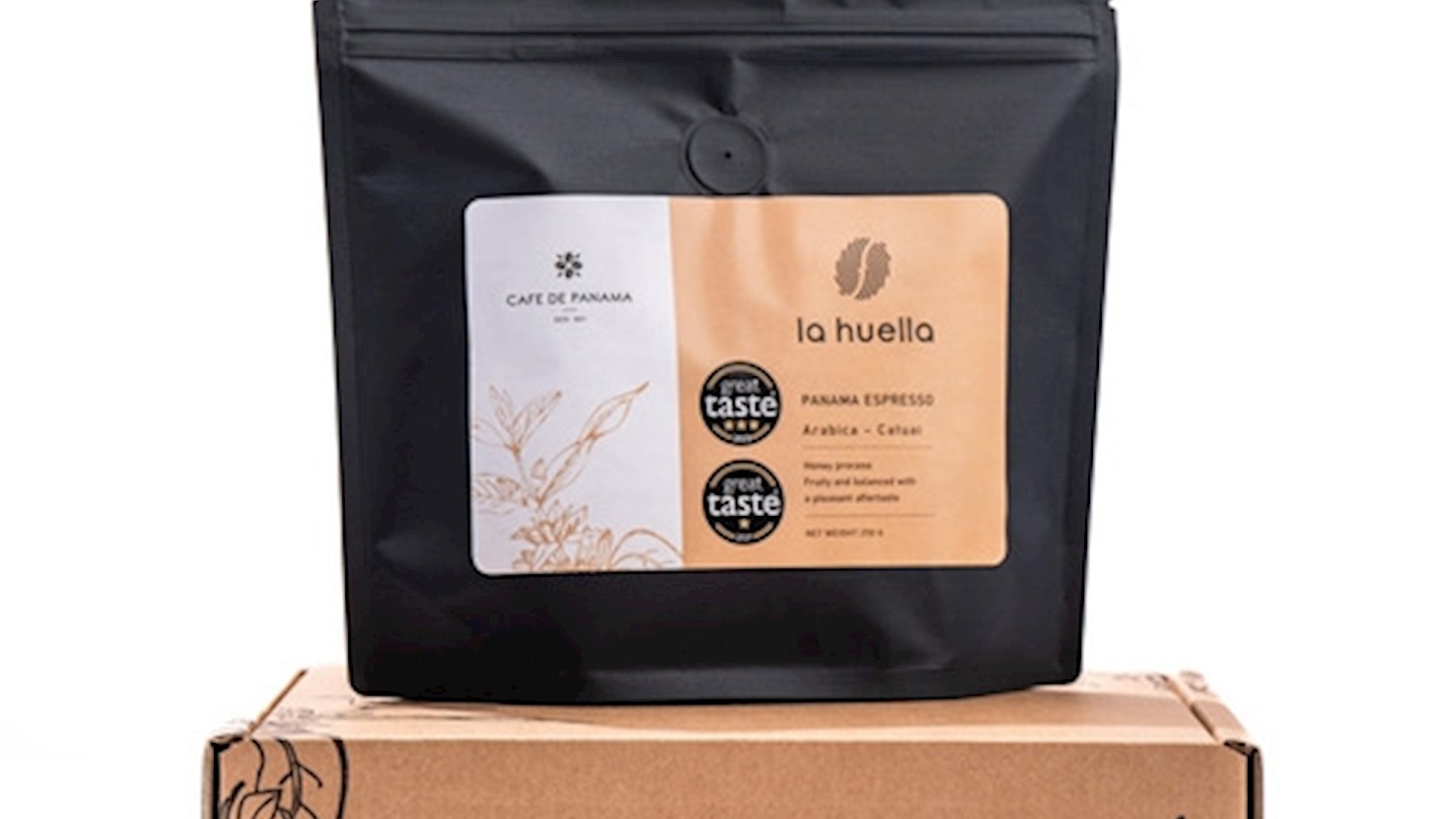
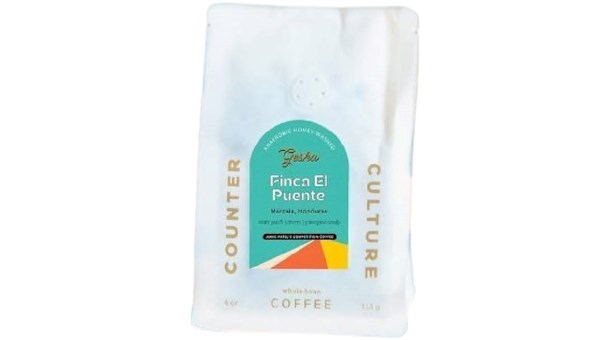
Cafe de Panama S. De RL is a coffee producer based in Panama.
They specialize in high-quality coffee sourced from the region's rich and fertile highlands. Their production includes various premium coffee beans, including the prestigious Geisha variety.
The company emphasizes sustainable farming practices and works closely with local farmers to ensure both quality and fair trade.
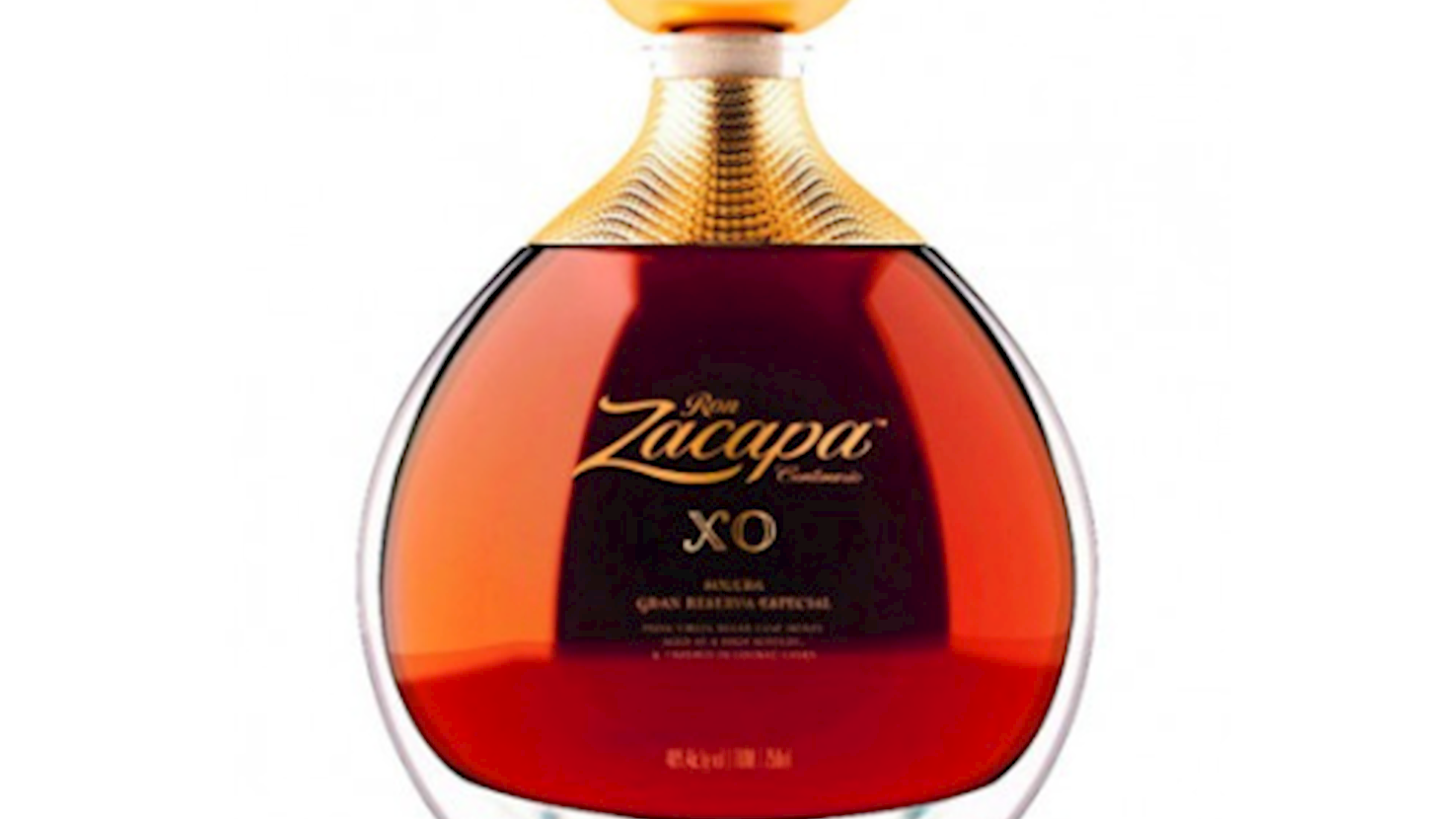
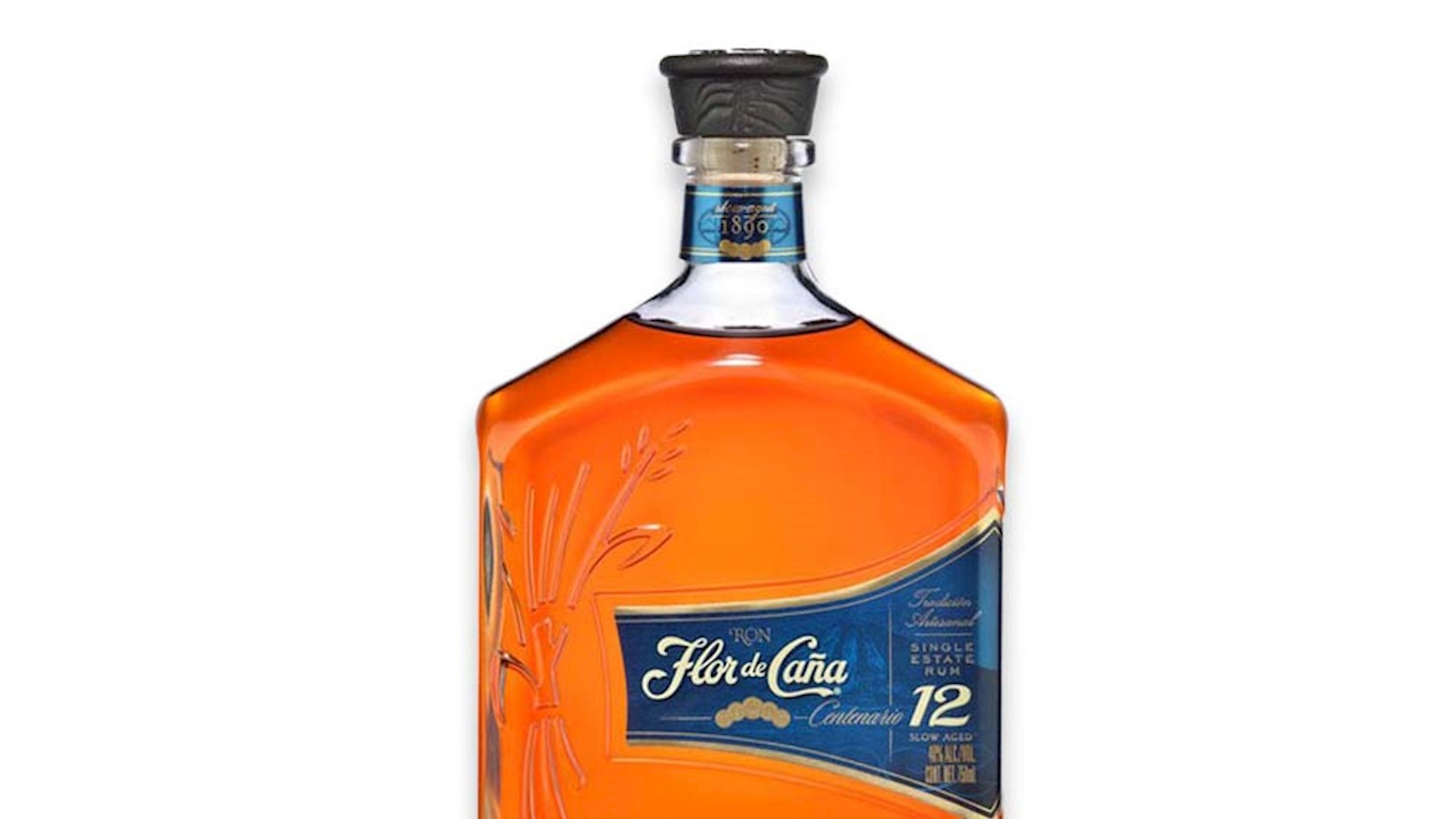
Ron Zacapa Centenario is a premium rum produced in Guatemala by Rum Creation and Products, a subsidiary of Industrias Licoreras de Guatemala, and distributed and marketed by Diageo. Zacapa Centenario was created in 1976 to celebrate the hundredth anniversary of the foundation of Zacapa, a town in eastern Guatemala.
It was the result of the blending, stabilization and maturing processes of long-aged rums by doctor and chemist named Alejandro Burgaleta. Ron Zacapa is distinctive in that it is aged in a facility at an altitude with natural coolness which avoids evaporation resulting in an unusually smooth product.
Awards
SFWSC - San Francisco World Spirits Competition - Double Gold
(2024)
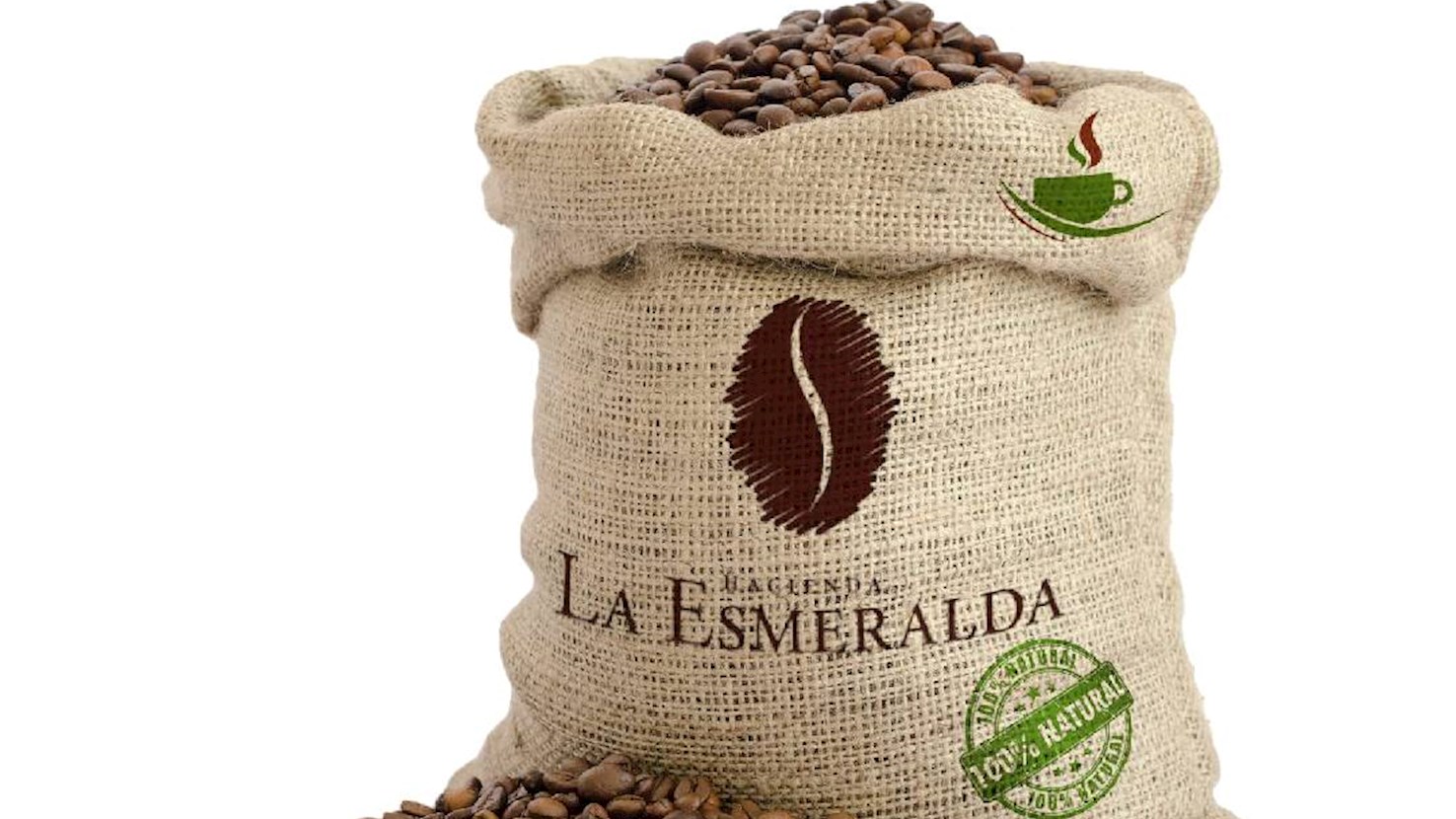
Hacienda La Esmeralda is synonymous with premium coffee and is one of the most esteemed specialty coffee producers in the world. Nestled in the beautiful Boquete region of Panama, this family-owned estate boasts a tradition spanning more than half a century.
The Peterson family acquired the estate in 1967, dedicating themselves to cultivating coffee with unparalleled quality and character.
Their breakthrough moment came in 2004 when they discovered the exceptional properties of the Geisha coffee variety, renowned for its extraordinary aroma and complex flavor profile.
Today, Hacienda La Esmeralda produces exclusive micro-lots of Geisha coffee, such as Esmeralda Auction, Esmeralda Special, and Esmeralda Private Collection, available only through auctions and select sales channels. Each batch of their coffee is the result of meticulously controlled cultivation, careful hand-picking, and innovative processing methods, ensuring an unforgettable taste and experience in every cup.
Hacienda La Esmeralda is more than just a coffee producer – it is a story of dedication, tradition, and the pursuit of perfection.
Their mission is clear: to craft coffee that pushes boundaries and inspires coffee lovers around the world.
Awards
Best Of Panama Competition - 1st Place
(2019, 2010)
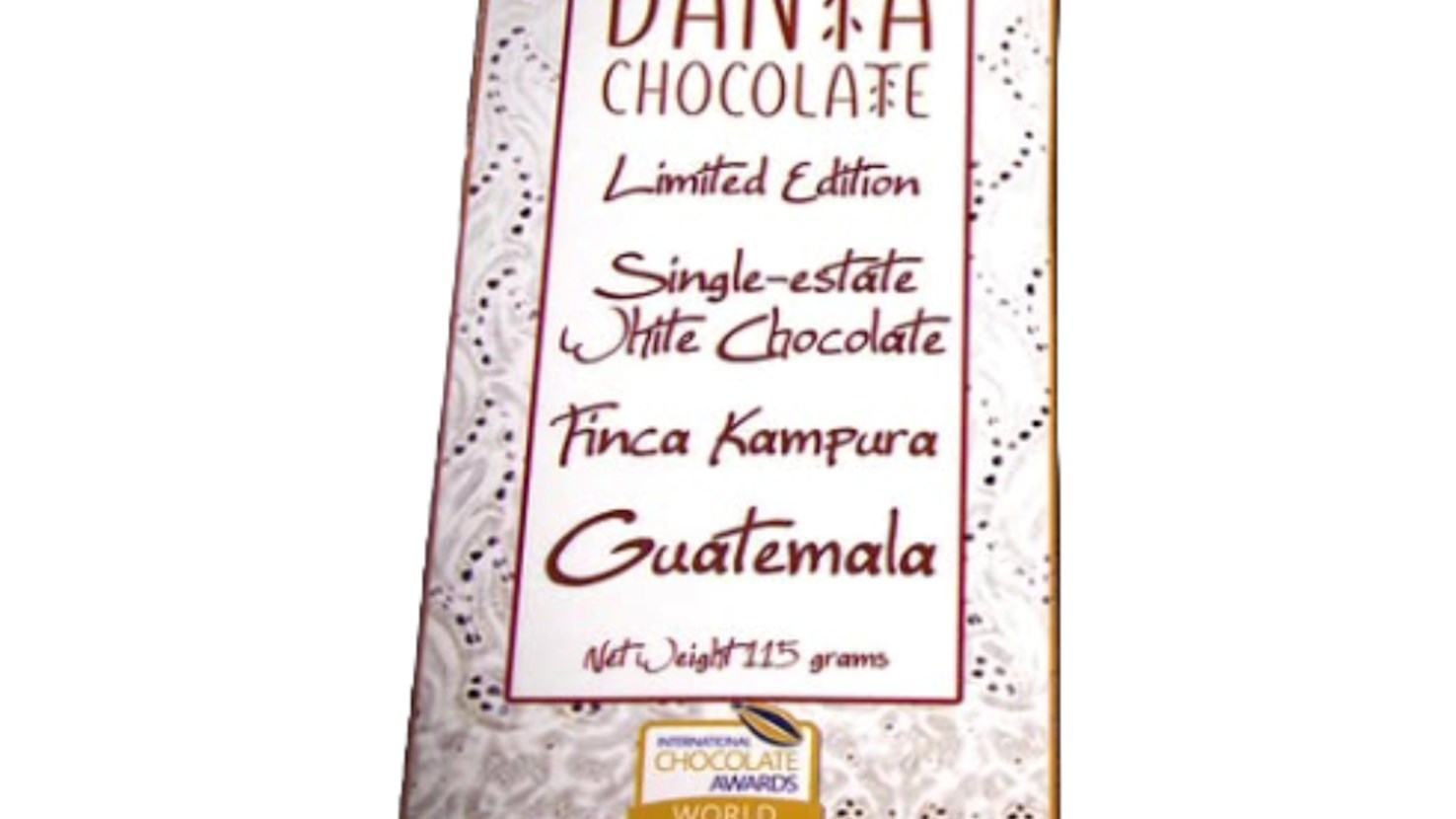
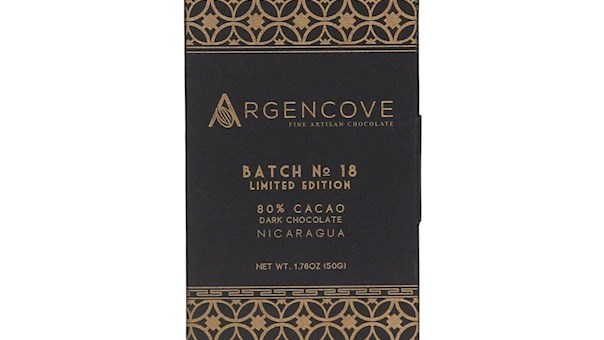
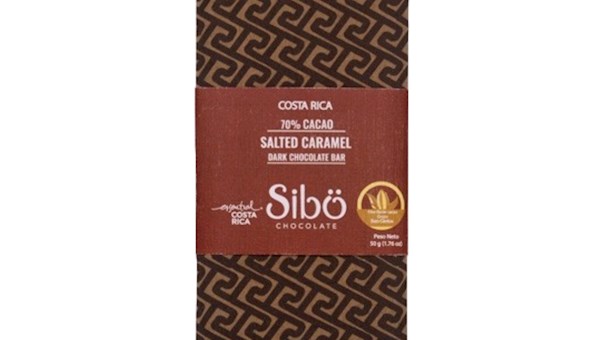
Danta Chocolate focuses on producing single-origin chocolates, emphasizing the unique flavors of the cocoa beans sourced from specific regions. The company utilizes traditional techniques blended with modern practices to enhance the intrinsic qualities of the beans.
Danta Chocolate is also committed to sustainability, ensuring fair trade practices and eco-friendly production methods.
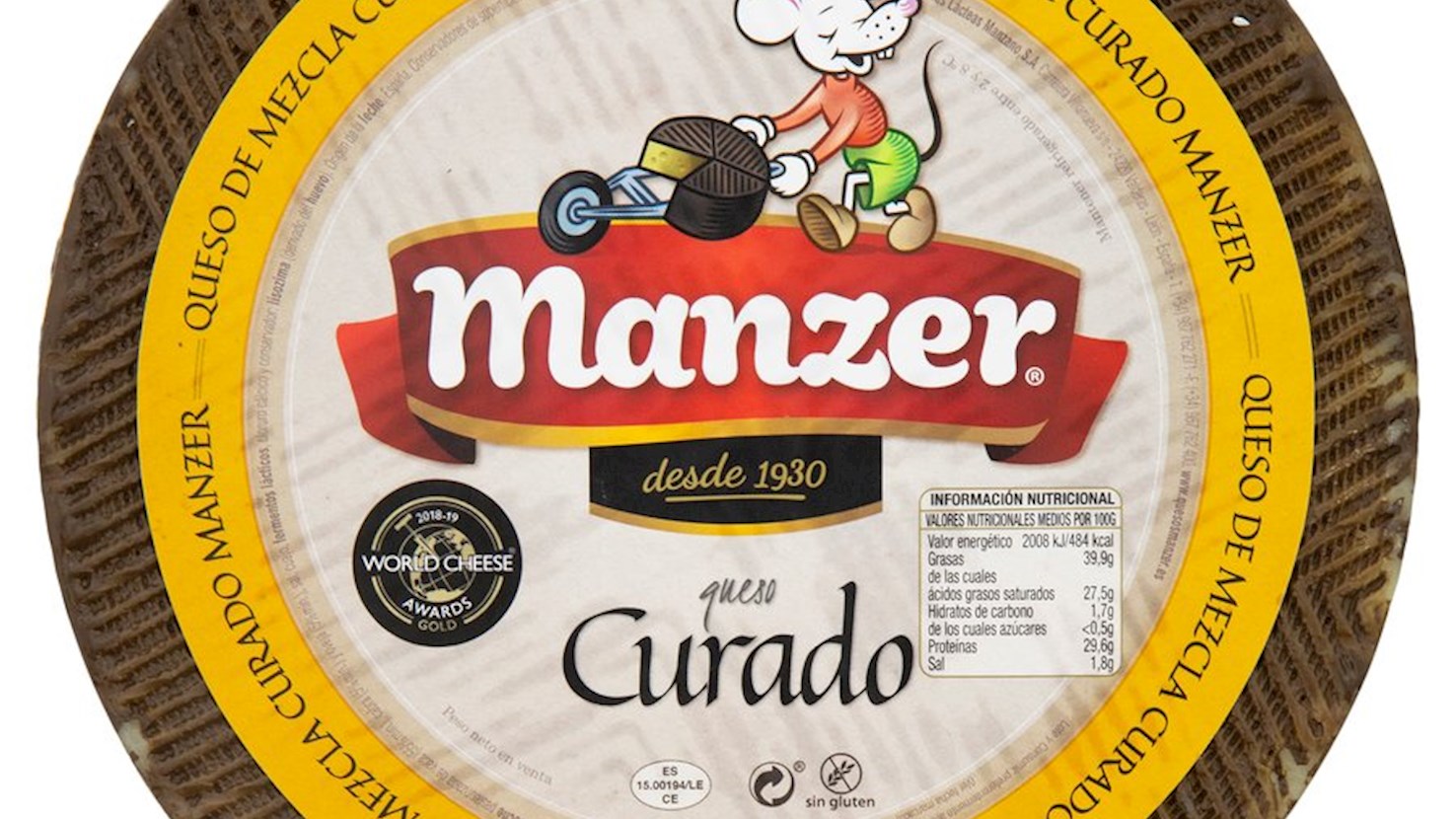
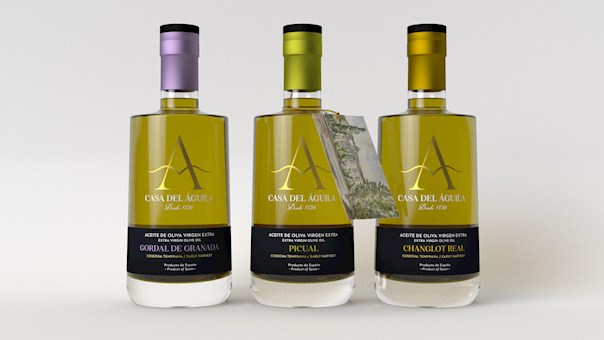
Industrias Lácteas Manzano S.A. is a cheese producer based in Spain, specializing in the production of various cheese types adhering to traditional Spanish cheese-making methods. The company focuses on both national and international markets, offering products that reflect the regional dairy tastes and textures of Spain.
Industrias Lácteas Manzano S.A. incorporates modern technology in its production processes to ensure product quality and safety.
Ninety Plus Coffee is an innovative producer of specialty coffee, known for its commitment to quality, environmental sustainability, and pioneering processing methods. The company was founded in 2006 by Joseph Brodsky with a vision to redefine industry standards through experimentation with fermentation, terroirs, and cultivation methods.
Ninety Plus Coffee began its journey in Ethiopia, the birthplace of coffee, where new approaches to coffee cultivation and processing were developed.
Shortly after, the company expanded its plantations to Panama, recognizing the exceptional conditions for growing premium Arabica coffee. Its two leading farms, Gesha Estates and Barú Estates, are situated on rich volcanic soil and surrounded by biodiversity that enables organic coffee growth in the shade of natural forests.
Their Gesha variety is particularly significant, recognized as one of the best coffees in the world.
Coffees from the Ninety Plus collection have won awards at prestigious competitions and have been used to claim several world championships in coffee preparation. Their cultivation method does not rely on conventional plantation systems but instead follows a holistic approach that encourages the regeneration of natural ecosystems.
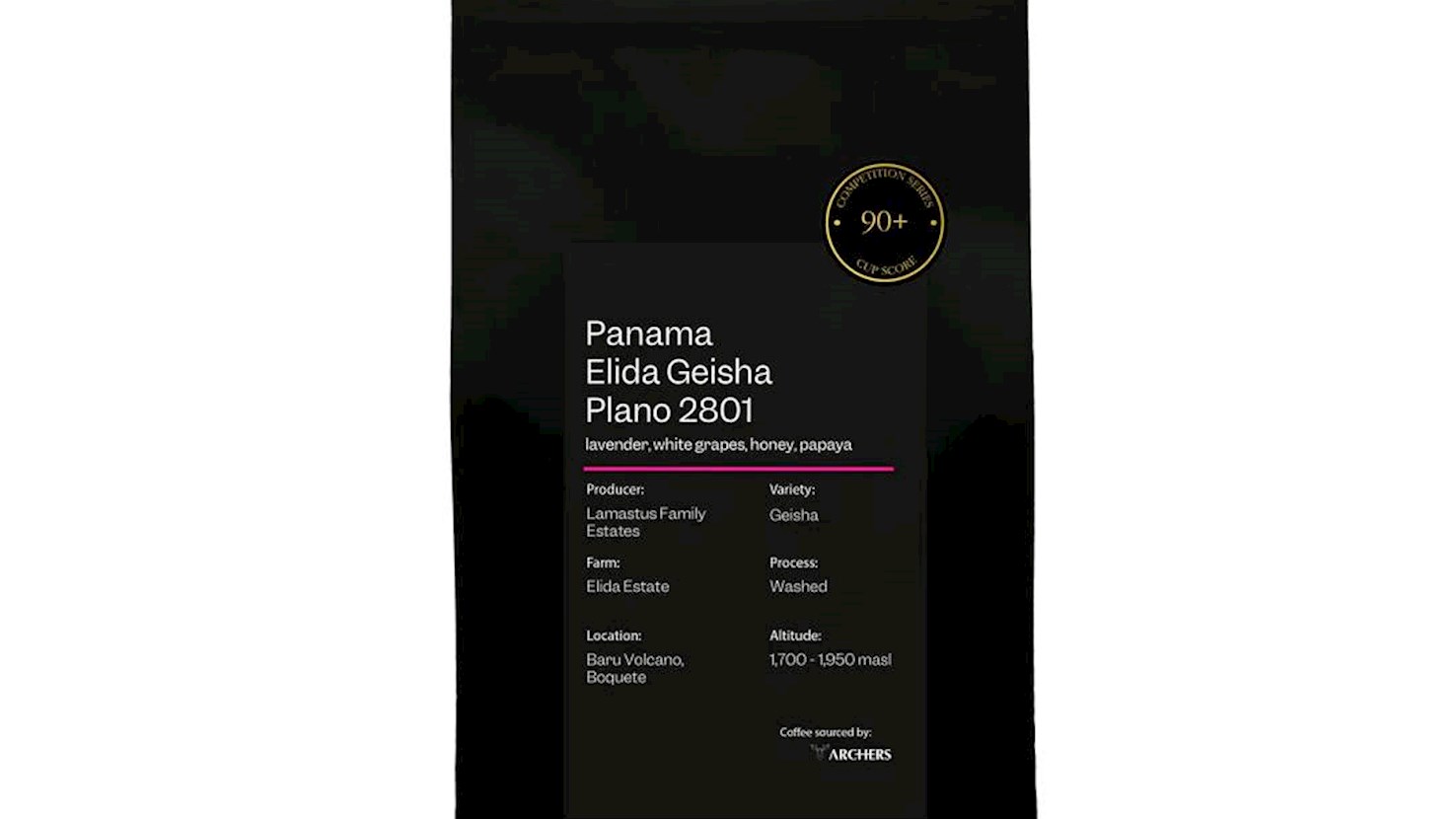
Lamastus Family Estates is a prestigious name in the world of premium coffee, with a cultivation tradition spanning over a century. The Lamastus family has been producing coffee since 1918, when Robert Lamastus founded the first plantation in the Boquete region, in the heart of Panama.
Today, this family tradition lives on through three exceptional estates: Elida Estate, El Burro Estate, and Luito Geisha Estate, located at altitudes ranging from 1,700 to 2,500 meters.
The unique location of these plantations, rich volcanic soil, and microclimatic conditions contribute to the development of coffee with exceptional complexity of flavor and aromatic profile. Among the varieties we cultivate, the Geisha variety stands out, having won numerous prestigious awards, including multiple titles at the Best of Panama competition.
We take pride in blending tradition with innovation.
Coffee from our estates reaches the most discerning connoisseurs worldwide, and our dedicated research into fermentation and drying processes allows us to continually raise the bar for quality.
TasteAtlas food rankings are based on the ratings of the TasteAtlas audience, with a series of mechanisms that recognize real users and that ignore bot,
nationalist or local patriotic ratings, and give additional value to the ratings of users that the system recognizes as knowledgeable.
For the “Top 100 Central American Foods” list until October 21, 2026, 3,704 ratings were recorded, of which 1,878 were recognized by the system as legitimate.
TasteAtlas Rankings should not be seen as the final global conclusion about food. Their purpose is to promote excellent local foods,
instill pride in traditional dishes, and arouse curiosity about dishes you haven’t tried.
The initial list of top producers was compiled based on available reviews, awards, local recommendations, media and blog coverage, and consumer reviews.
The list will be updated with ratings from TasteAtlas local ambassadors and TasteAtlas users.











What People Say