shutterstock

Top 100 Central European Foods
Last updated on June 10, 2026

Best Central European foods

01
Side Dish

Zagorski mlinci

4.6 ·

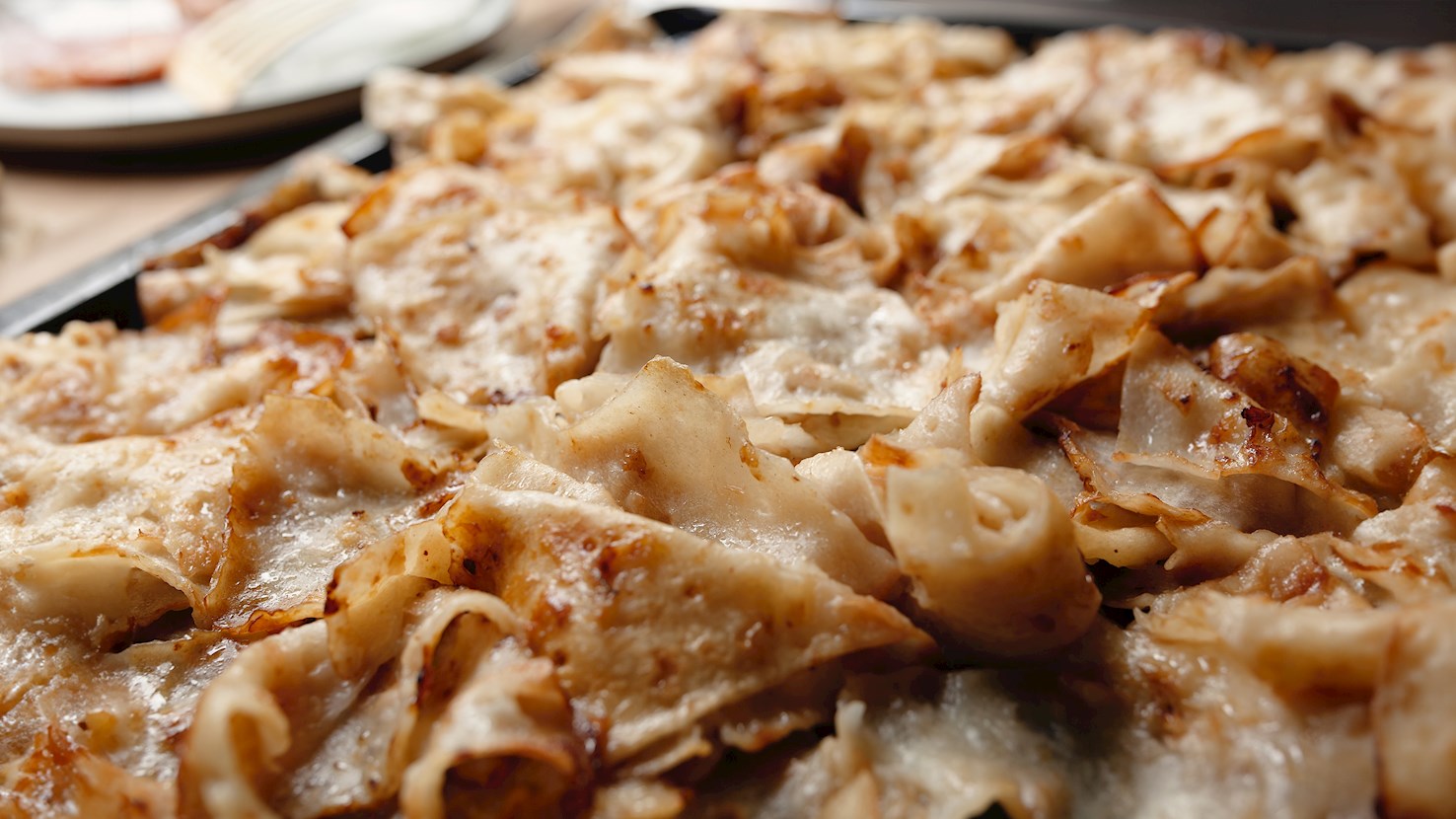
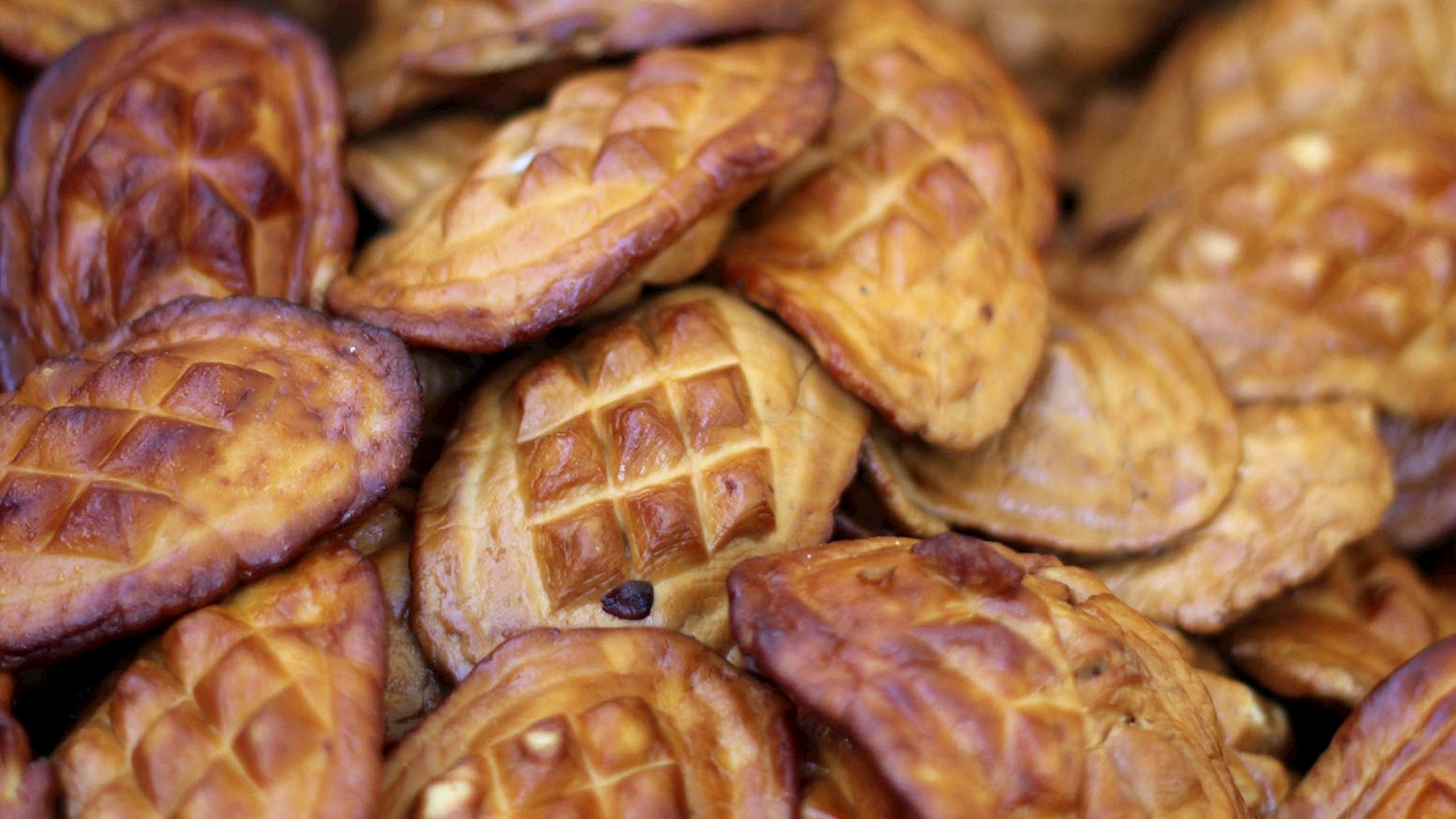
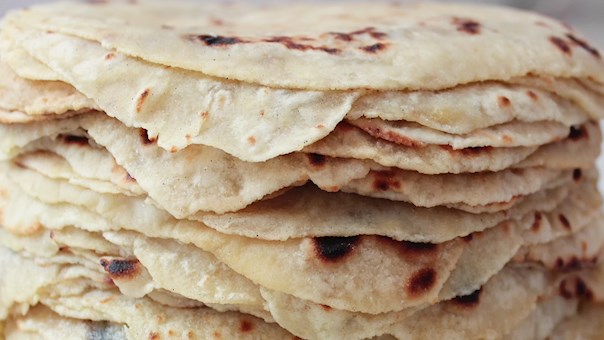
This traditional Croatian cross between pasta and flatbread is made with wheat flour (type 550) and water, with the occasional addition of lard and eggs (in which case it does not meet the standards necessary for its PGI status). To make mlinci, the dough is rolled by hand into thin sheets (not thicker than 2,5 mm) which are then baked twice and dried until crispy. All the pieces must be shaped into squares. Before serving, they are torn into smaller pieces, submerged in water or broth, drained, and finally doused in meat drippings. Mlinci are typically enjoyed alongside stuffed roast turkey—a traditional Croatian Christmas lunch—but they also pair well with other roasted meat dishes.

Best restaurants
02
Sausage

Slavonski kulen

4.5 ·

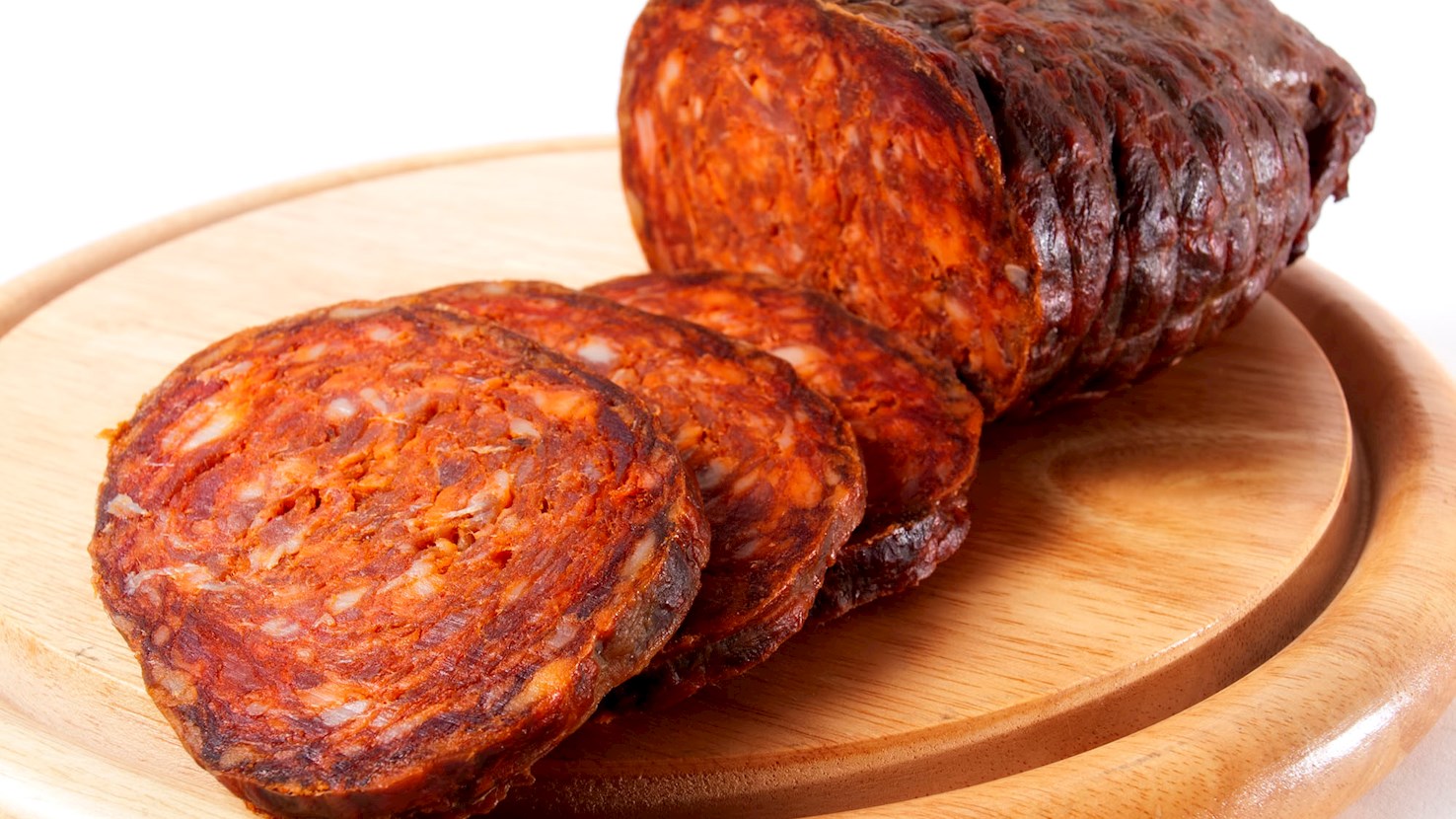
Slavonski kulen is the best-known delicacy of eastern Croatian cuisine. It is a cured sausage made from prime cuts of pork combined with carefully selected spices including red paprika and garlic. Kulen has a strong smoky flavor with the aromas of paprika and pepper. Slavonian type of kulen must be produced using the meat of pigs that have been raised in Slavonia. Only the premium cuts of pork are used in the making of this sausage and every step of the production process is kept separated from that of all other sausages. Kulen matures for several months during which it is smoked and dried. Historically, only one kulen was produced per slaughtered pig, which made it extremely rare, and the delicacy used to be served only on special occasions.

Best producers
03
Sausage

Csabai kolbász

4.4 ·

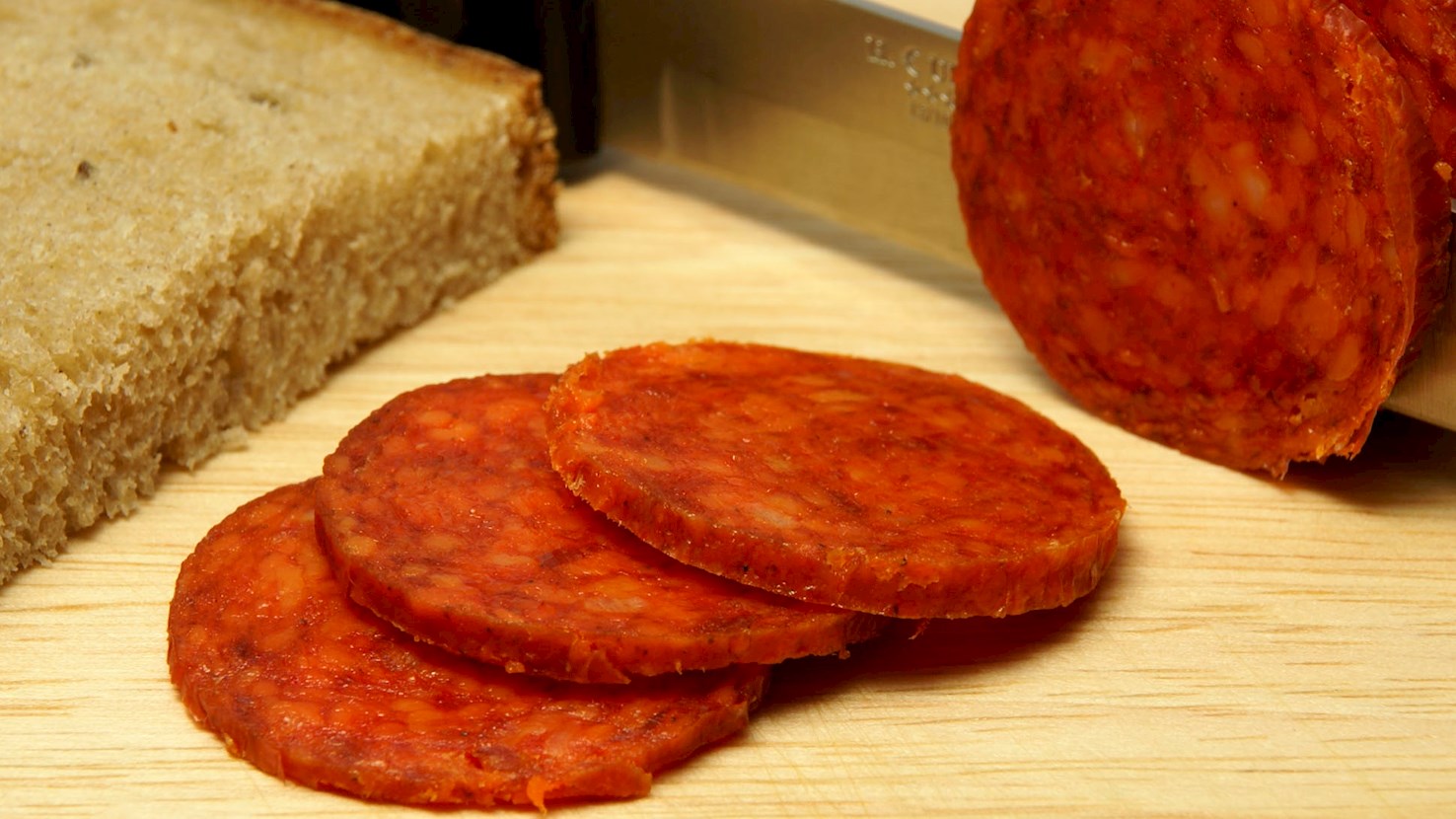
Csabai kolbász or Csabai vastagkolbász is a cylindrical sausage made with pork from pigs that have been fattened to a minimum weight of 135 kg. What makes this sausage unique is the manual boning method during the production, where all of the sinews are removed, thus ensuring the best quality of the meat. The pork meat and fat are minced, then combined with paprika, garlic, caraway, and salt and filled into casings, after which the sausage is smoked, cured, and dried. It slices easily and has a hot, smoky and spicy flavor (due to the paprika and the smoke treatment). It can be sold whole or sliced and vacuum-packed. According to tradition, it is eaten with bread, green peppers, and tomatoes.

04
Cheese

Redykołka

4.4 ·

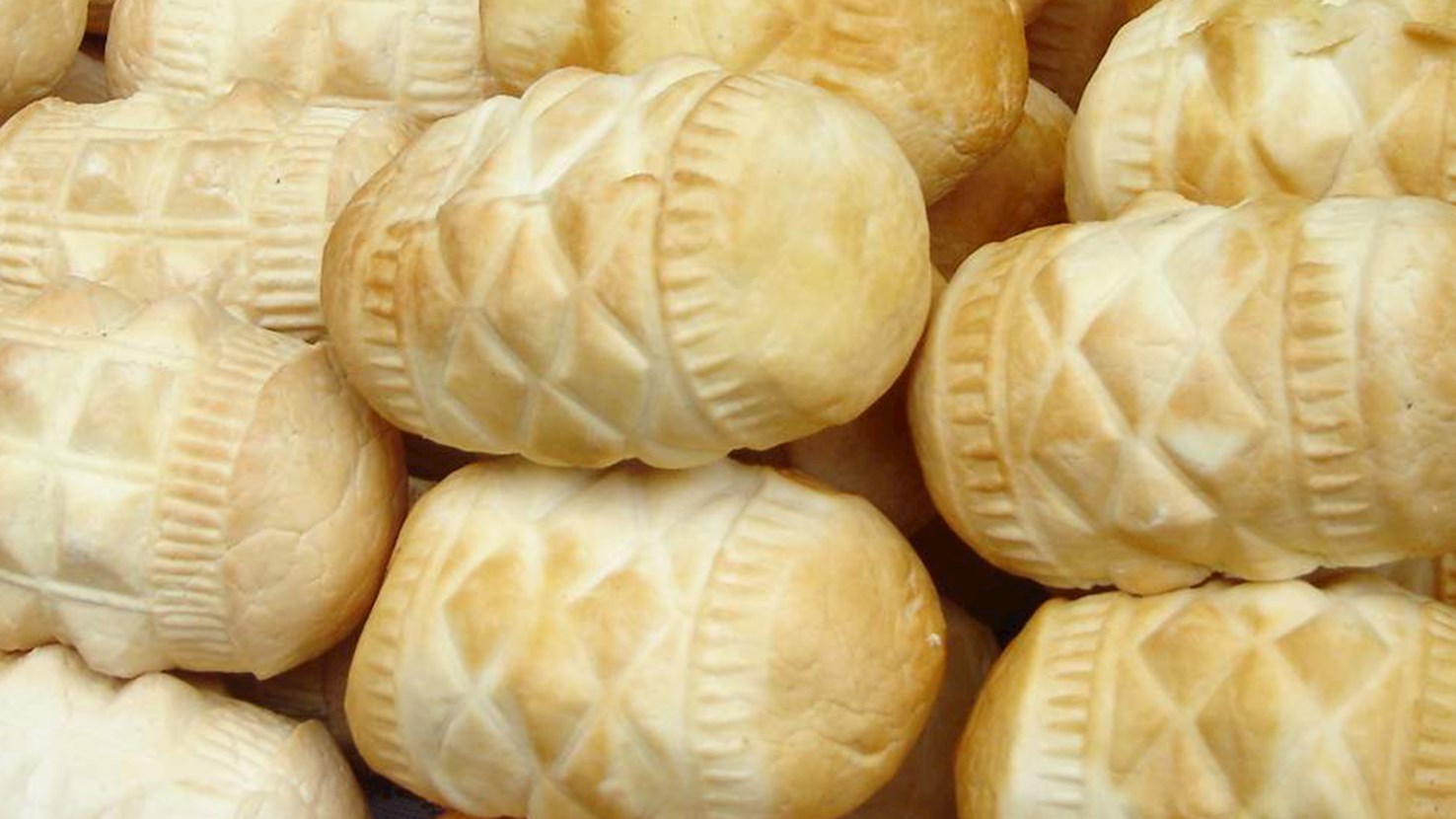
Redykołka is a small, semi-hard cheese made from half-fat sheep's milk in the Podhale region in Poland. The name derives from the Polish word redyk, meaning a ceremony where sheep are taken to mountain pastures, kept there grazing and brought back down from the mountains. The cheese is made in unusual shapes of small animals, birds, hearts or spindles. It must not exceed the maximum weight of 300 grams, the smallest one being redykolka in the shape of a spindle and weighing from 30 to 60 grams. It is made from the leftovers in the process of making the famous Polish Oscypek cheese and is regularly confused with it. In the past, Redykolka was often used as a gift from shepherds to children or guests and it was always given in even numbers. The cheese is smooth and white on the interior while it is straw-colored on the exterior due to having been smoked. Its taste is slightly salty, smoky and spicy.

05
Cheese

Gołka

4.4 ·

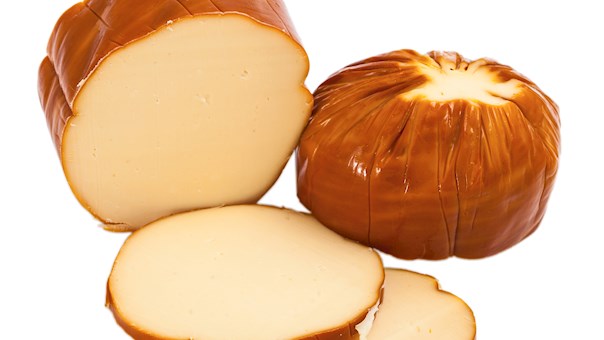
Traditionally associated with the region of Silesia, gołka is a smoked Polish cheese that is exclusively made with cow’s milk. It is characterized by its light yellow color, and before it is smoked, it is placed in carved wooden molds that form its typical cylindrical shape and provide a decorative pattern on the rind. With its delicate taste, smoky flavor, and soft texture, gołka is best paired with fruit preserves and bread.

06
Dumplings

Käseknödel

4.4 ·

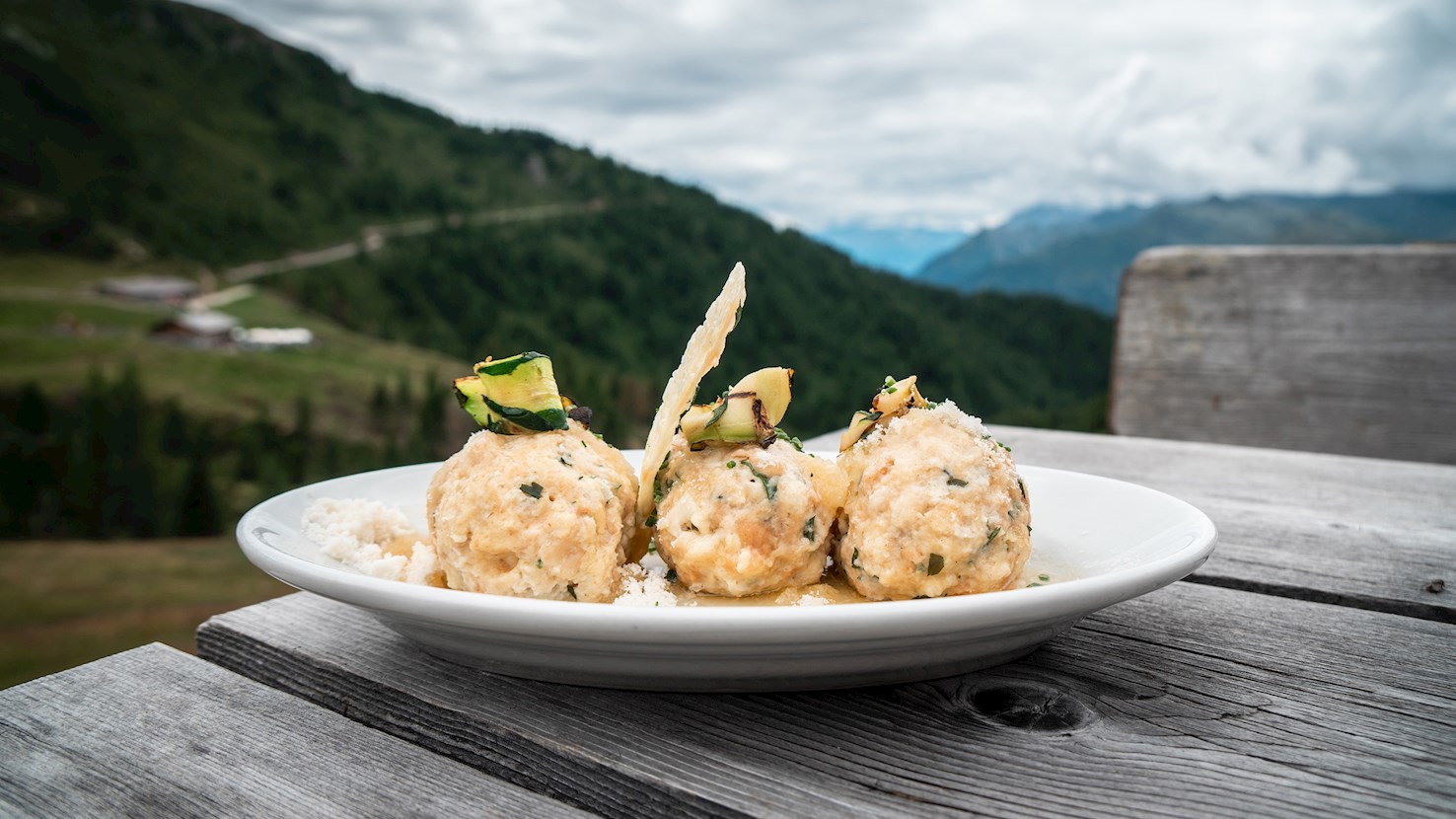
Käseknödel is a traditional dumpling enriched with cheese originating from Tyrol and South Tyrol. These cheese dumplings are typically served as a side dish that shows an inventive way of using leftover stale bread. The stale bread is mixed with cheese, eggs, butter, milk, onions, parsley, salt, and pepper. Käseknödeln are usually boiled in water or fried in butter on both sides until golden brown and then served in a broth or with various salads and stews.

07
Snack

Bundás kenyér

4.4 ·

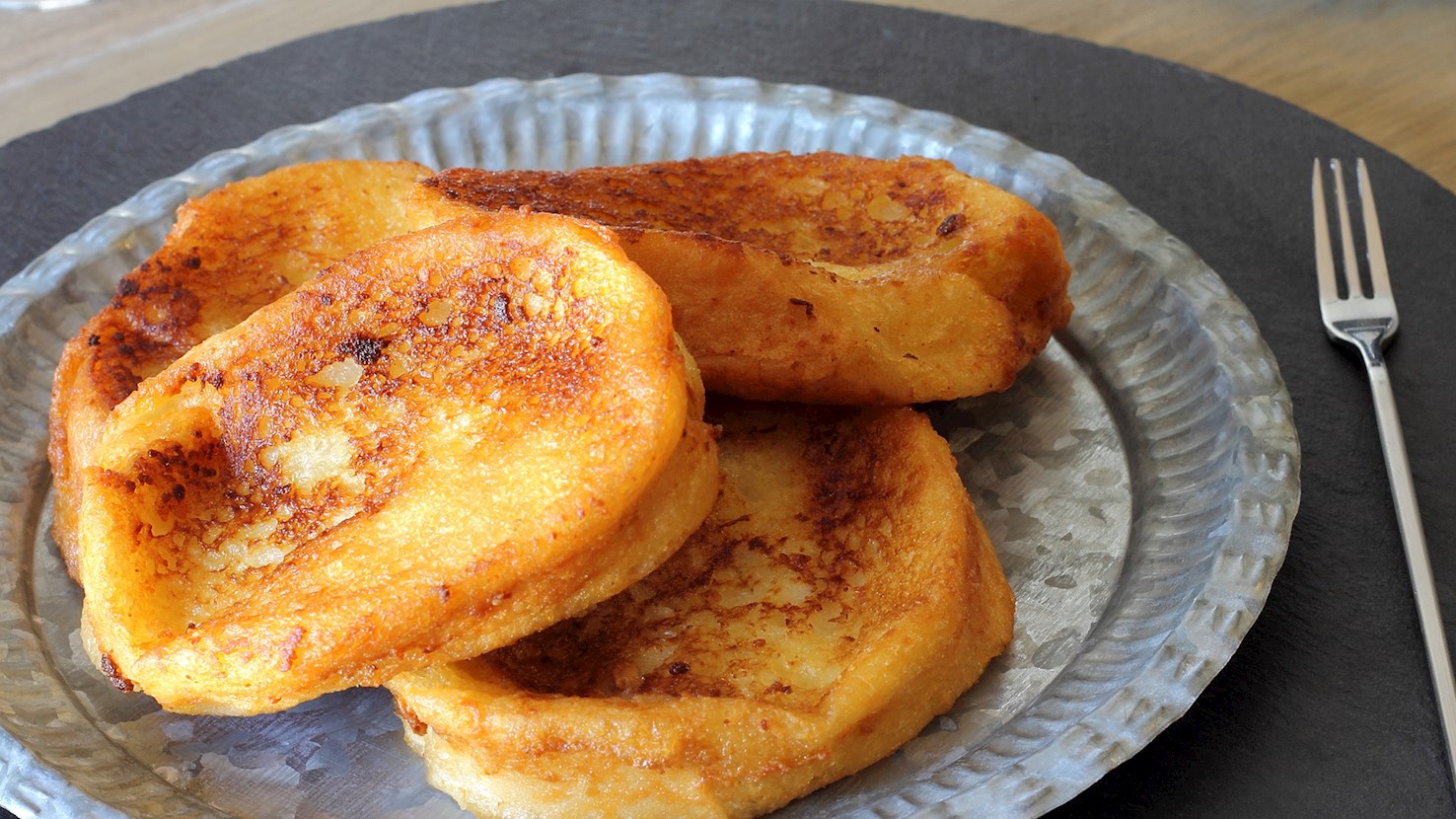
This traditional Hungarian dish is a savory version of the popular French toast. It can be prepared with various types of sliced bread that are coated in lightly beaten eggs, then shortly pan-fried until crispy. The dish is typically enjoyed as breakfast or a light evening snack and is often accompanied by creamy condiments such as mayonnaise and sour cream.

08
Salami

Szegedi szalámi

4.4 ·

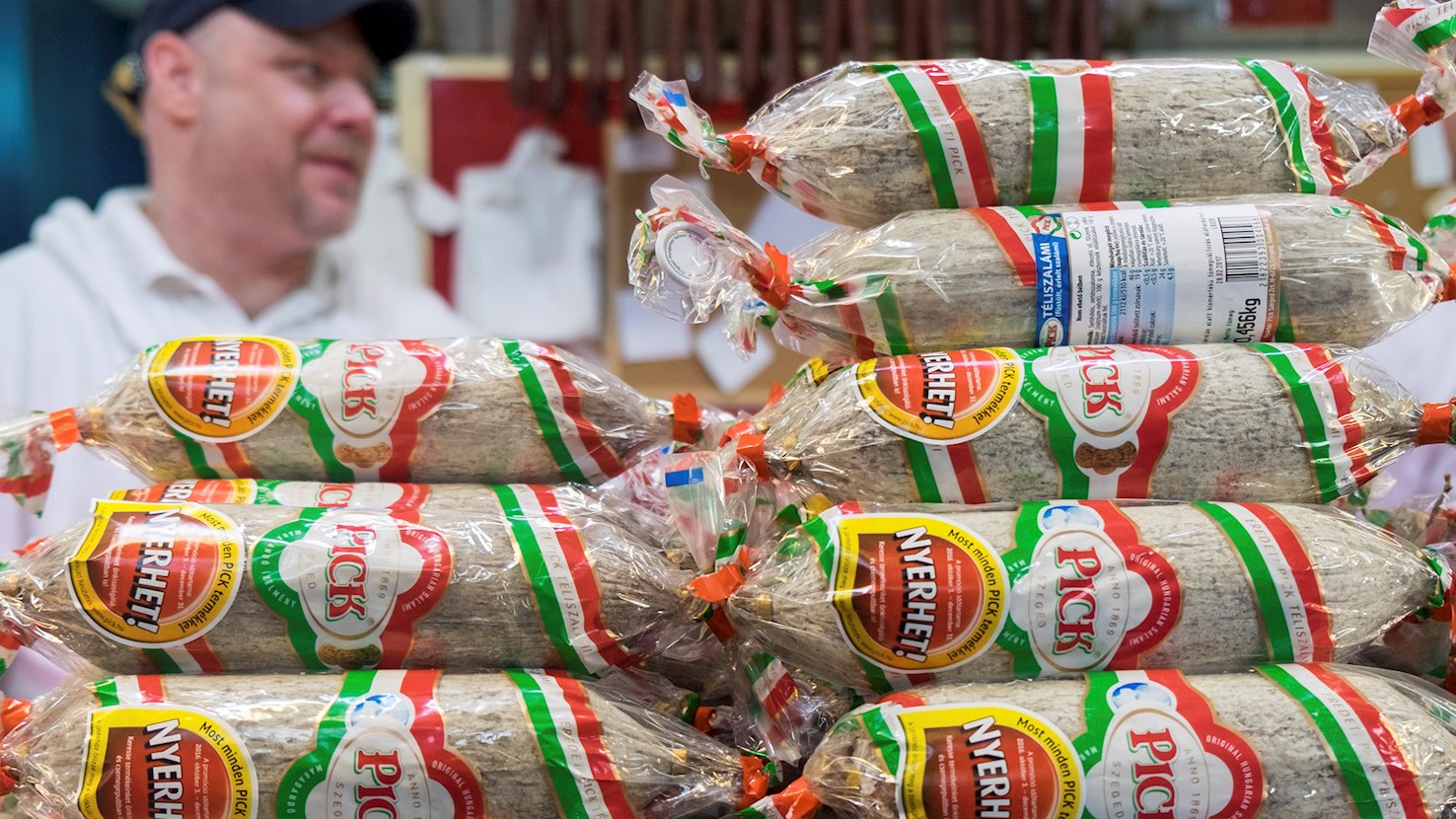
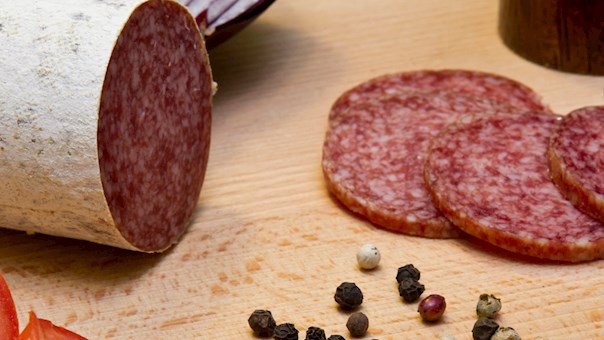
Szegedi szalámi is a slowly smoked, cylindrical sausage made from pork. The salami is rounded at one end and slim at the end from which it was hung, and is covered by noble mold on the exterior. It slices easily and comes in different varieties depending on the length: normal (54cm), midi (36cm), tourist (19cm) and mini (16cm). Szegedi salami must be made with pork older than one year that was raised and slaughtered in the Bács-Kiskun, Csongrád, Békés, Hajdú-Bihar, and Baranya counties in Hungary. Additionally, salt and a mixture of seasonings is added to the salami, which matures for at least 90 days before it is ready to be consumed. The specific climate conditions near the Tisza river, the slow production process, and the existence of mold-flora in the region give this salami its unique visual appearance and a distinctive flavor. It is recommended to finely slice the salami and serve it on its own or with bread and cheese.

09
Dumplings

Pierogi Ruskie

4.4 ·

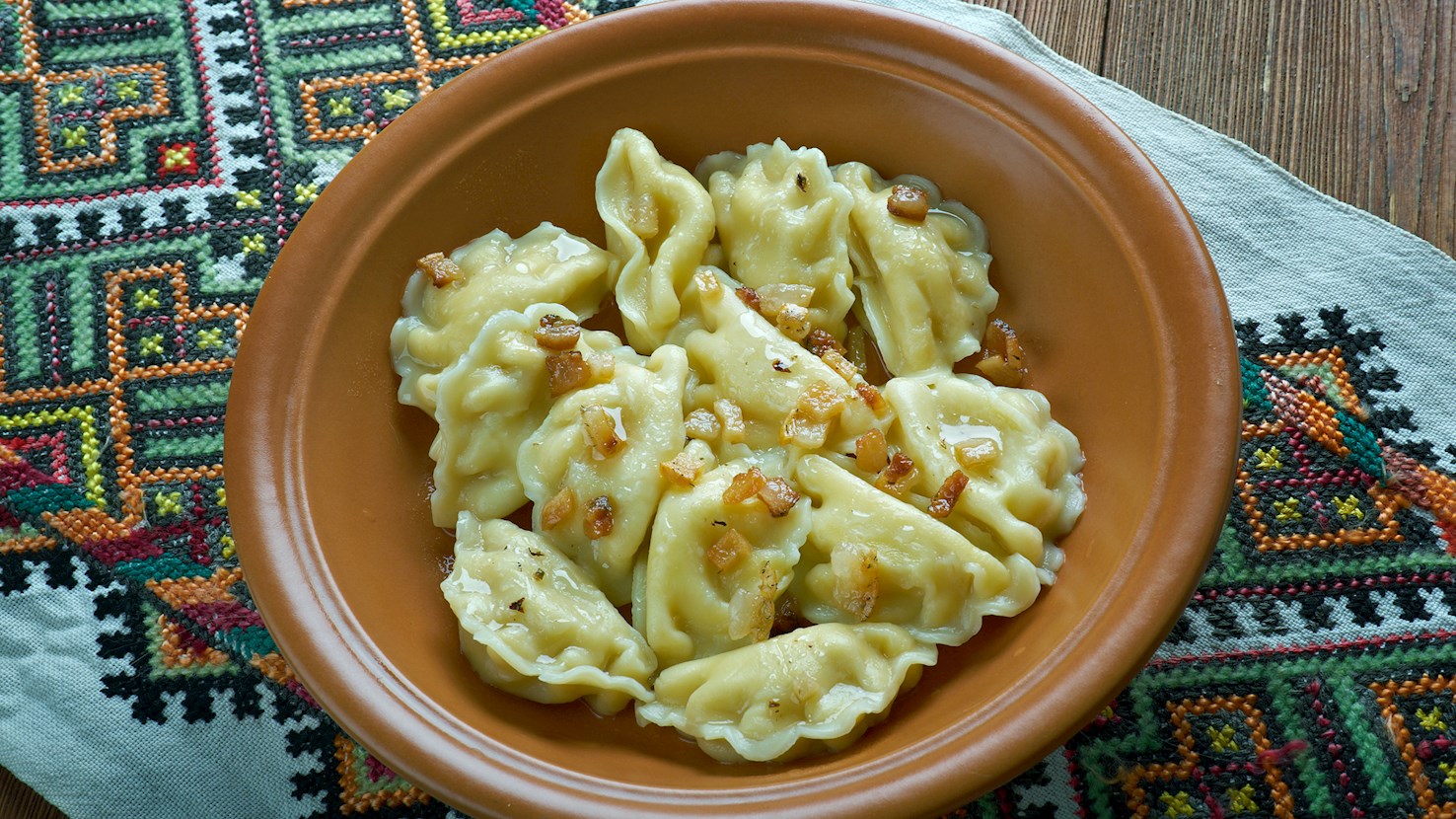
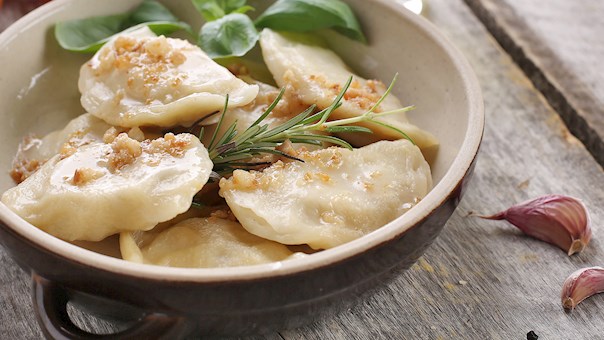
Originating from the historical region of Red Ruthenia, these soft, crescent-shaped dumplings are filled with a combination of potatoes and cheese, which is occasionally modified with various seasonings or fried onions. Pierogi ruskie are usually boiled and shortly fried until they develop a crispy texture. The dumplings are often served sprinkled with cracklings, crispy fried onions, or bacon, and can be enjoyed as a hearty appetizer or as a main course. In Ukraine, the pierogis are called varenyky, and they are so popular that there is even a monument celebrating varenyky in the city of Cherkasy. The sweet, fruit-filled version of varenyky is typically served with sugar and sour cream.

10
Sausage

Kiełbasa myśliwska Staropolska

4.4 ·

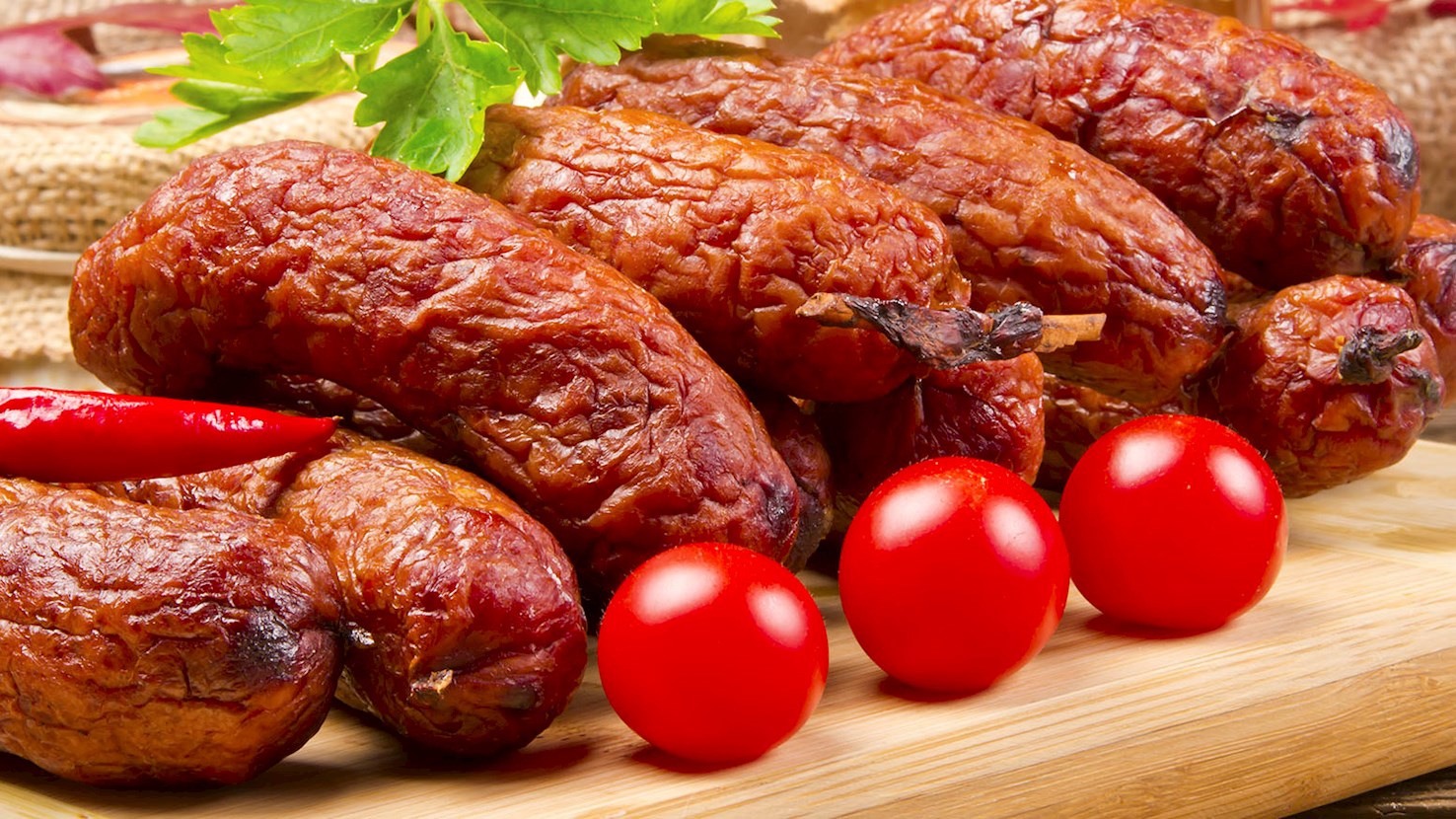
Kiełbasa myśliwska is a traditional smoked and dried sausage made from pork. It got its name from the Polish word for hunter (myśliwy), so it is also known as hunter's sausage. Due to the fact that it is a semi-dry, short sausage with low moisture content (making it resistant to spoilage), it made an ideal snack for hunters on their trips. It has a dark brown exterior and wrinkly skin, with the appearance and shape of a curved sickle. The sausage has a unique flavor of tender, cured, baked and smoked pork meat, flavored with a blend of selected spices including juniper, pepper, sugar, and garlic. The meat is so tender and succulent due to the tenderisation process that's achieved with a mix of vinegar, water, and oil. Because of the long drying process, the sausages have an exceptionally long shelf-life and are mostly enjoyed on travels, outings, and picnics.

Best Central European food products

01
Beer

Brasserie Cantillon

5 ·
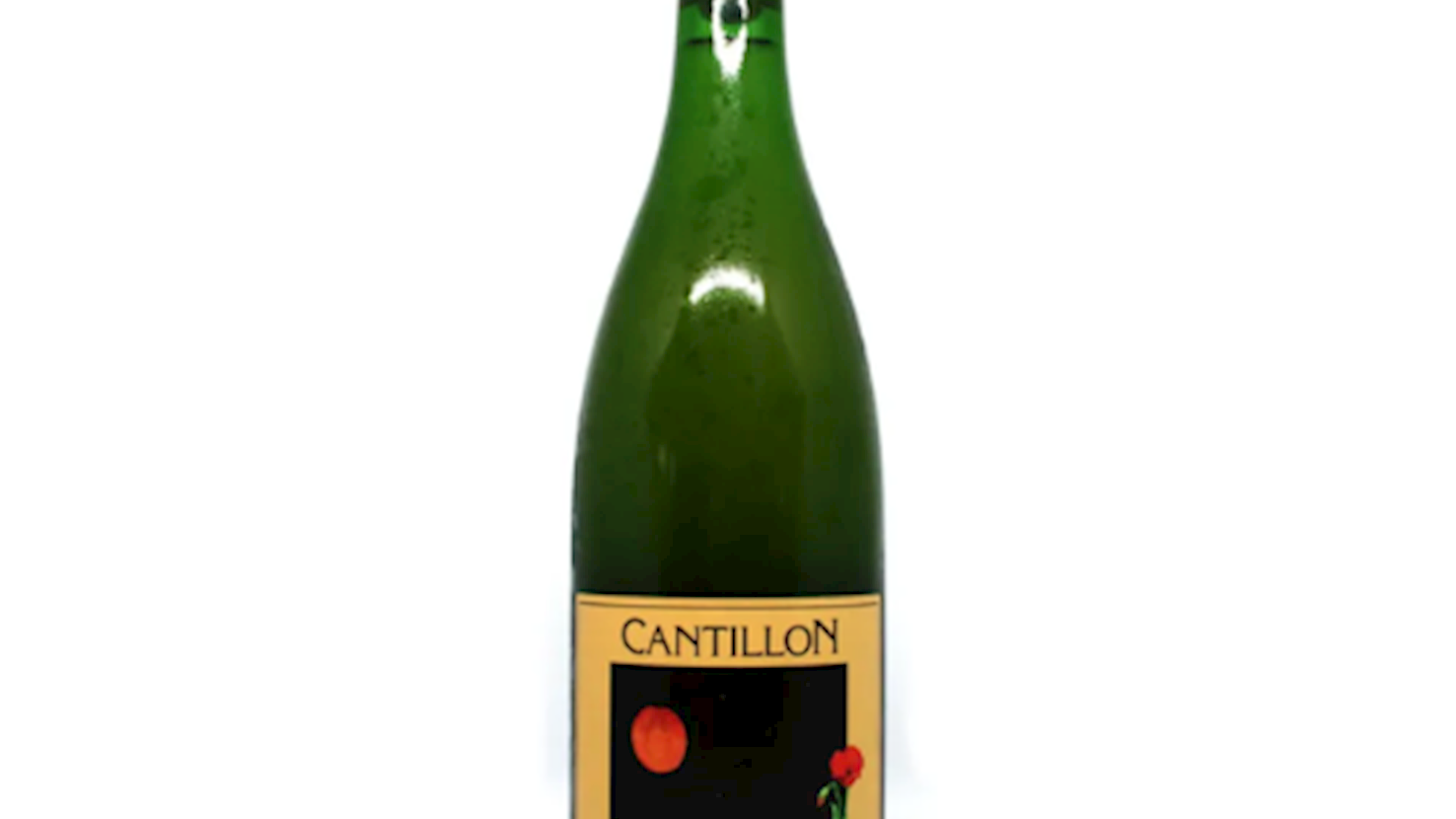
Brasserie Cantillon is a small, family-owned brewery founded in 1900 in Brussels, and today it stands as the only active brewery in the region that still produces lambic using traditional methods. This unique beer undergoes spontaneous fermentation, relying on wild yeasts and bacteria naturally present in the air. The brewing base consists of two-thirds malted barley and one-third unmalted wheat, and after boiling, the wort is cooled in large, open vessels known as “coolships”. It then matures in oak or chestnut barrels of varying ages before being blended and refermented in the bottle. Within the brewery is the Brussels Gueuze Museum, opened in 1978, offering visitors insight into the history and fermentation processes of this distinctive style. Cantillon is regarded as one of the most respected and authentic producers of Belgian sour beers, earning recognition among connoisseurs and as a cultural icon of brewing heritage. Production continues using traditional equipment: centuries-old barrels, wooden kettles, and open fermenters - all preserved in their original, functional form. The brewery’s atmosphere, marked by age and history, evokes a near-museum-like setting that reflects continuity and deep respect for a craft passed down through generations.
Awards
Untappd - 4.7
Beer Advocate - 100 World-Class
02
Beer

Brouwerij 3 Fonteinen

5 ·
Brouwerij 3 Fonteinen is one of the most respected and authentic Belgian breweries specializing in the production of lambic and geuze beers, located in Beersel, just outside Brussels. It was founded in 1883, originally as a tavern named after the “three fountains”, which later became the name of the brewery itself. Over the decades, it evolved from a simple pub into a guardian of traditional Belgian brewing craftsmanship rooted in spontaneous fermentation. The production process remains faithful to centuries-old methods: after boiling, the wort is cooled in a large open vessel called a "coolship", where it is exposed to the natural microflora of the environment, allowing for spontaneous fermentation without the use of cultured yeast. The beer then matures in large oak barrels and is carefully blended - often from different vintages - based not on strict recipes but on the experience, knowledge, and intuition of the master blenders. Brouwerij 3 Fonteinen does not filter or pasteurize its beers, keeping them alive and allowing them to evolve in the bottle. Today, Brouwerij 3 Fonteinen stands as one of the world’s most esteemed producers of geuze and lambic, preserving tradition while continuously exploring new frontiers of flavor through innovation in fermentation, blending, and aging.
Awards
Beer Advocate - 100 World-Class
Beer Advocate - 95 World-Class
03
Olive Oil

Chiavalon

5 ·
Chiavalon is a renowned Croatian producer of premium extra virgin olive oil based in Istria, a region famous for its long tradition of olive growing and high-quality olive oils. The Chiavalon family has been nurturing olive groves around the town of Vodnjan for generations, combining traditional methods with the latest processing technologies. Their dedication to quality and preserving the natural characteristics of the fruit results in products recognized on the international stage. Chiavalon’s extra virgin olive oils are distinguished by intense fruity aromas, balanced bitterness, and spiciness, giving them a complex and elegant flavor. The most commonly used varieties include Istarska bjelica, Leccino, and Pendolino, and each bottle is carefully controlled to meet strict quality and authenticity standards. With numerous prestigious awards and recognitions at global competitions, Chiavalon has become synonymous with top-quality Croatian olive oil, valued by both experts and olive oil enthusiasts worldwide. Their commitment to tradition, innovation, and sustainable development makes Chiavalon one of the most prominent brands in the olive oil industry.
Awards
EVO IOOC - Gold Medal (2022, 2019, 2018, 2017)
Olive Japan - Gold (2019, 2018, 2017, 2016)
04
Wine

Weingut Dr. Loosen

5 ·
Weingut Dr. Loosen is a family-owned winery located in the Mosel wine region. The estate has been in the Loosen family for over 200 years, specializing in Riesling wines. Under the leadership of Ernst "Erni" Loosen since 1988, the winery has gained international acclaim for producing high-quality Rieslings that reflect the unique characteristics of their vineyards. The estate's vineyards are situated on the steep slopes of the Middle Mosel, featuring various soil types, including red slate, blue slate, and red volcanic conglomerate. Some of the vines are up to 140 years old and ungrafted, contributing to the distinctiveness of their wines. Dr. Loosen produces a full range of Riesling styles, following family traditions: dry wines inspired by the paternal Loosen side and Prädikat wines influenced by the maternal Prüm family branch.
Awards
James Suckling - 97 points (2023)
Decanter World Wine Awards - Best in Show (2024)
05
Chocolate Confectionery

Läderach

5 ·
Läderach is a Swiss premium chocolate manufacturer founded in 1962 in Glarus, renowned for combining artisanal tradition, innovation, and exceptional freshness. Its business philosophy is based on complete control of the entire process - from the selection of cocoa beans to the final production in its own facilities in Switzerland. The brand’s signature line, FrischSchoggi, features handcrafted chocolate with a delicate, breakable texture and rich flavor, sold in large slabs and cut to the customer’s preference. Läderach uses only Swiss milk from the Thurgau region, natural ingredients, and carefully selected cocoa varieties, free from artificial additives and palm oil. The brand is also famous for its handcrafted pralines and truffles, where each piece reflects meticulous craftsmanship and attention to detail. The combination of Swiss precision, creativity, and deep respect for raw materials has made Läderach a synonym for authentic, fresh chocolate.
06
Chocolate Confectionery

La Carambole Patisserie

5 ·
La Carambole Patisserie, also known as Carambole Chocolate, is an artisanal chocolatier and patisserie based in Amsterdam, blending artistry, innovation, and exceptional chocolate craftsmanship. Founded by chocolatier Rita, the brand is renowned for her experimental approach and distinctive aesthetic style. In their atelier located at Veemarkt 192, all pralines, bars, and desserts are handcrafted in small batches, ensuring complete control over quality. The brand is recognized for its visually striking creations that combine color, texture, and layered flavors, often evoking the impression that each praline is a small edible sculpture. Ingredients are sourced from some of the most respected bean-to-bar producers such as Krak, Kakao Bolaget, and The Chocolate Tree, while fillings are made from natural components - fruits, nuts, spices, and botanical extracts - with no artificial additives. Every piece of chocolate reflects a carefully considered balance between the intensity of cacao and the delicacy of creams or caramels. The brand embraces a philosophy of creative freedom and pure passion for flavor, which shines through in every product crafted in their workshop.
Awards
Academy of Chocolate - Gold (2023, 2021, 2020)
Academy of Chocolate - Golden BonBon (2021)
07
Chocolate Confectionery

Confiserie Sprüngli

5 ·
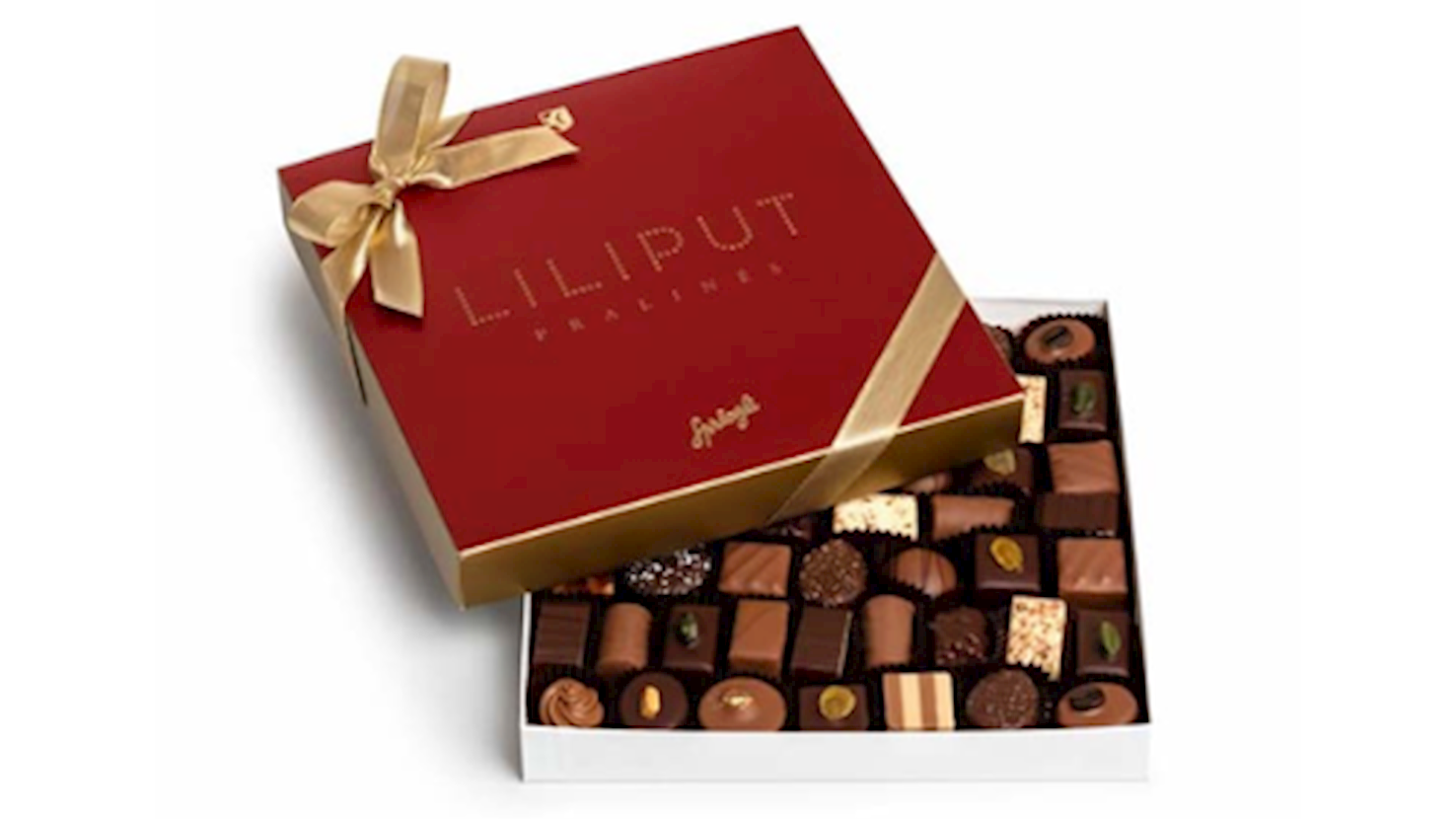
Confiserie Sprüngli is a family-owned confectionery from Zurich, founded in 1836 by David Sprüngli, and is today regarded as one of the symbols of Swiss confectionery tradition. Originally a small workshop in the old town, it evolved into a prestigious establishment known for its handcrafted chocolates, pralines, and pastries. Their assortment includes handmade pralines, truffles, chocolate bars, cakes, and pastries, all produced in Zurich using carefully selected ingredients. The production process combines traditional craftsmanship with modern standards of hygiene and aesthetics, emphasizing freshness and artisanal quality. Their shops and cafés are an integral part of Zurich’s local identity and serve as popular gathering places. Confiserie Sprüngli remains a family-run company, now managed by the sixth generation of descendants, with more than 35 boutiques across Switzerland and abroad. The brand is known for its unwavering commitment to quality and authenticity, as well as for its consistency in style and taste that transcends passing trends. In their work, the Swiss approach to precision, simplicity, and craftsmanship is clearly evident. Sprüngli does not aim for mass production but preserves a model rooted in handmade excellence and the long-standing expertise of its chocolatiers.
08
Cheese

Fromage d’Alpage

5 ·
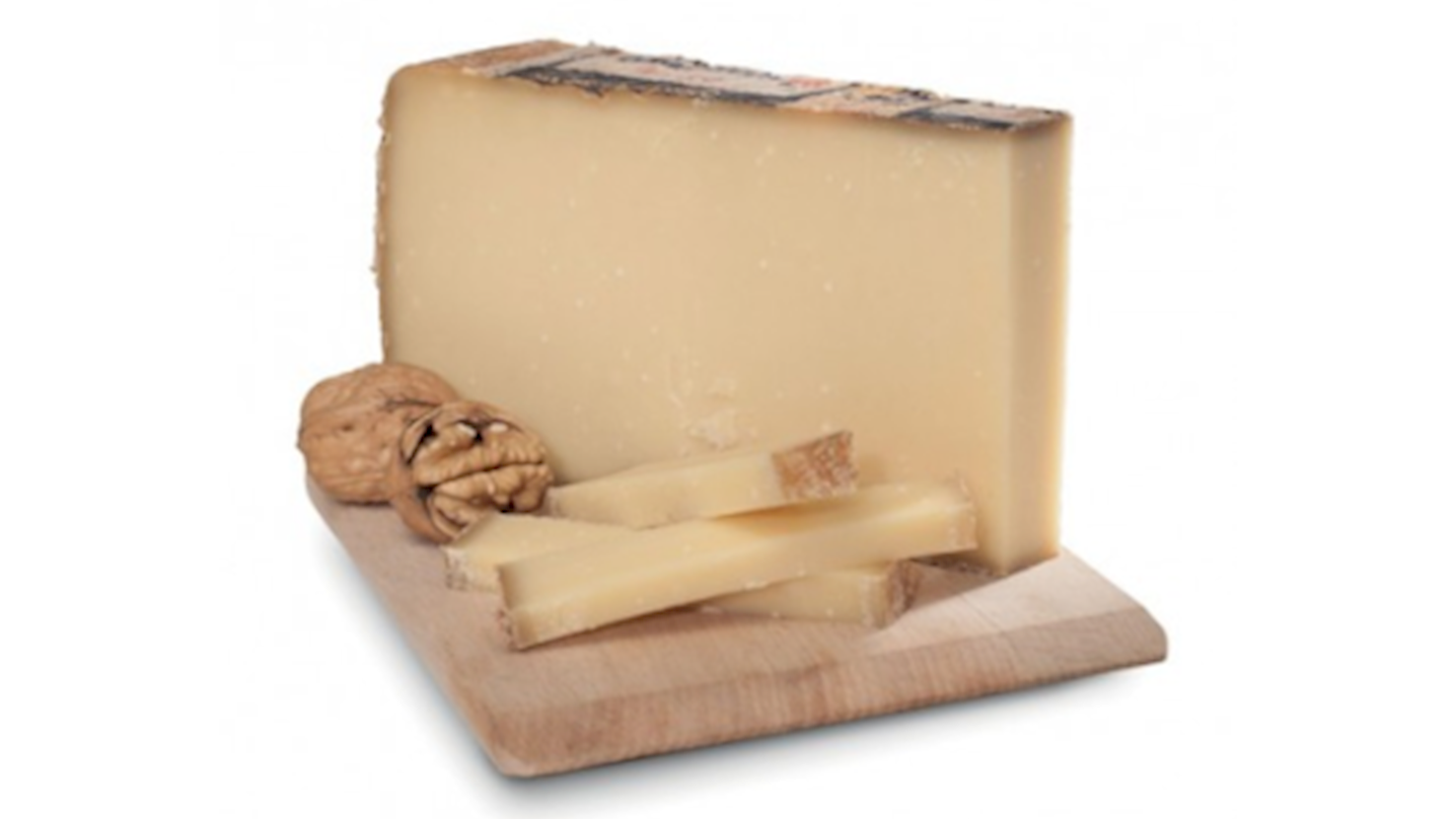
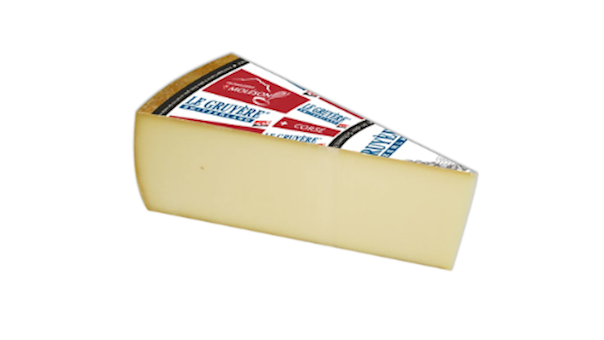
Fromage d’Alpage is an organization based in the canton of Fribourg, Switzerland, that brings together alpine producers involved in the traditional production of mountain cheeses such as Gruyère d’Alpage AOP and Vacherin Fribourgeois AOP. The group represents farmers and cheesemakers who produce cheese during the summer grazing season on high-altitude alpine pastures, where cows feed on diverse mountain herbs and grasses that influence the character of the milk. These cheeses are made directly on alpine farms in small mountain chalets, often using traditional copper vats and time-honored cheesemaking techniques passed down through generations. In this context, the organization plays an active role in the production system by coordinating alpine milk production, cheesemaking practices, and the preservation of traditional methods specific to mountain pastures. The cheeses are typically produced only during the summer months, when the animals graze freely in alpine environments, resulting in products known for their complex aroma and strong expression of terroir. Fromage d’Alpage also supports producers through collective promotion, quality standards, and the marketing of alpine cheeses, helping maintain the economic viability of small mountain farms. In addition, it contributes to the preservation of alpine landscapes and pastoral traditions by promoting sustainable mountain agriculture. Through this cooperative model, the organization connects small-scale producers with wider markets while safeguarding the authenticity and identity of traditional Swiss alpine cheeses.
Awards
World Cheese Awards - Super Gold (2022)
World Cheese Awards - Gold (2022)
09
Wine

Weingut Horst Sauer

5 ·
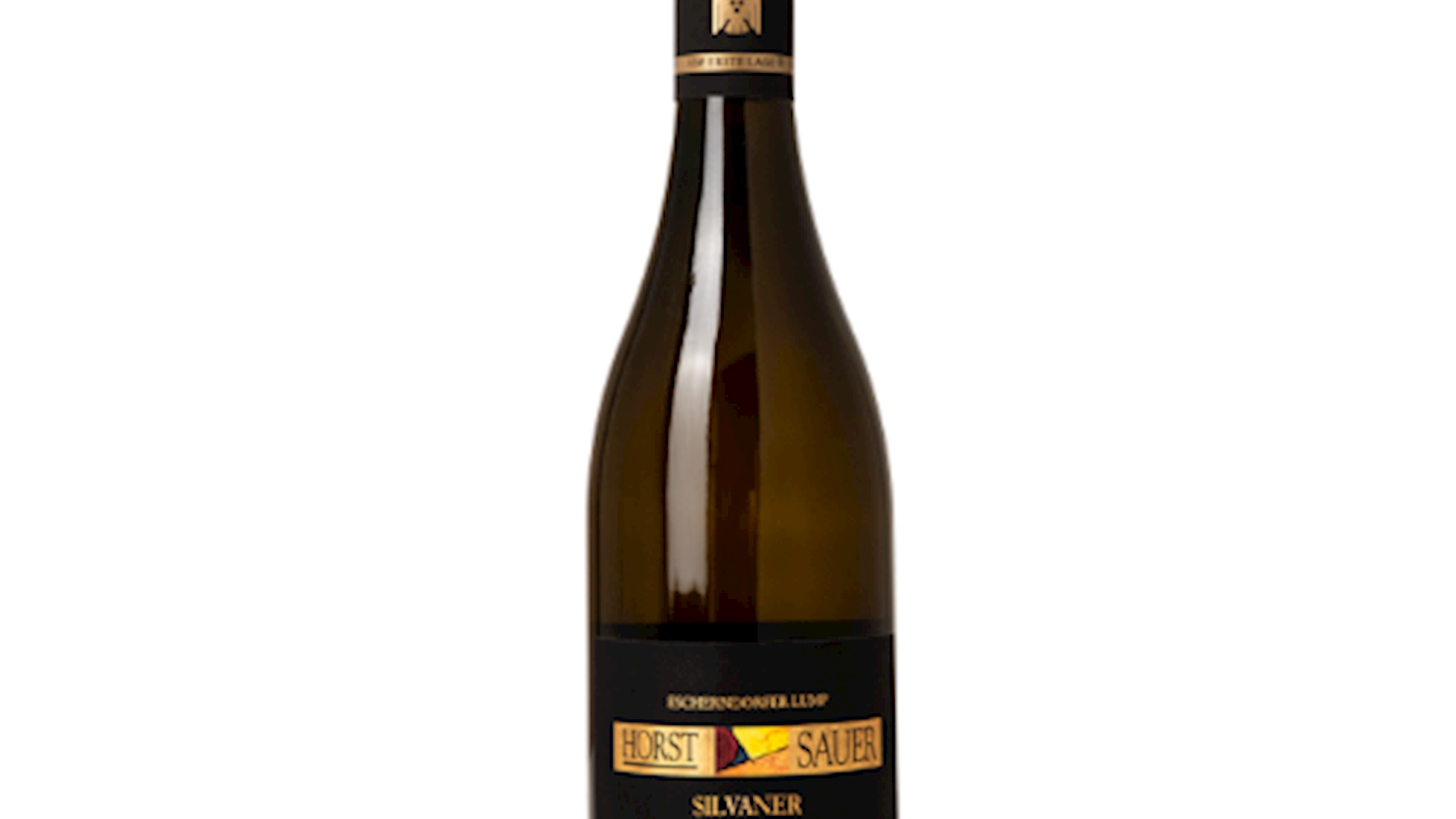
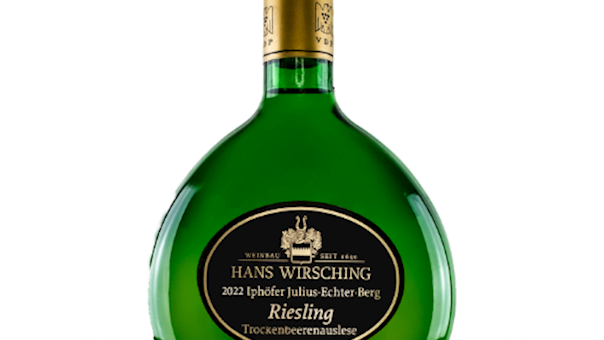
Weingut Horst Sauer is famous in Franken and around the world for its exceptional dry, minerally wines, crafted by Horst Sauer alongside his daughter, Sandra. Horst is particularly devoted to his noble sweet wines, like his sublime, creamy Beerenauslese and Trockenbeerenauslese. Sandra Sauer joined the family business in 2004, bringing energy and momentum to the wine making process, as well as expertise in marketing. In 2006, their winemaking facilities were completely modernized in order to streamline their production. Today, they continue to produce internationally honored wines that are vastly enjoyable to drink.
Awards
Falstaff - 100
Falstaff - 99
10
Olive Oil

Mate Olive Oil

5 ·
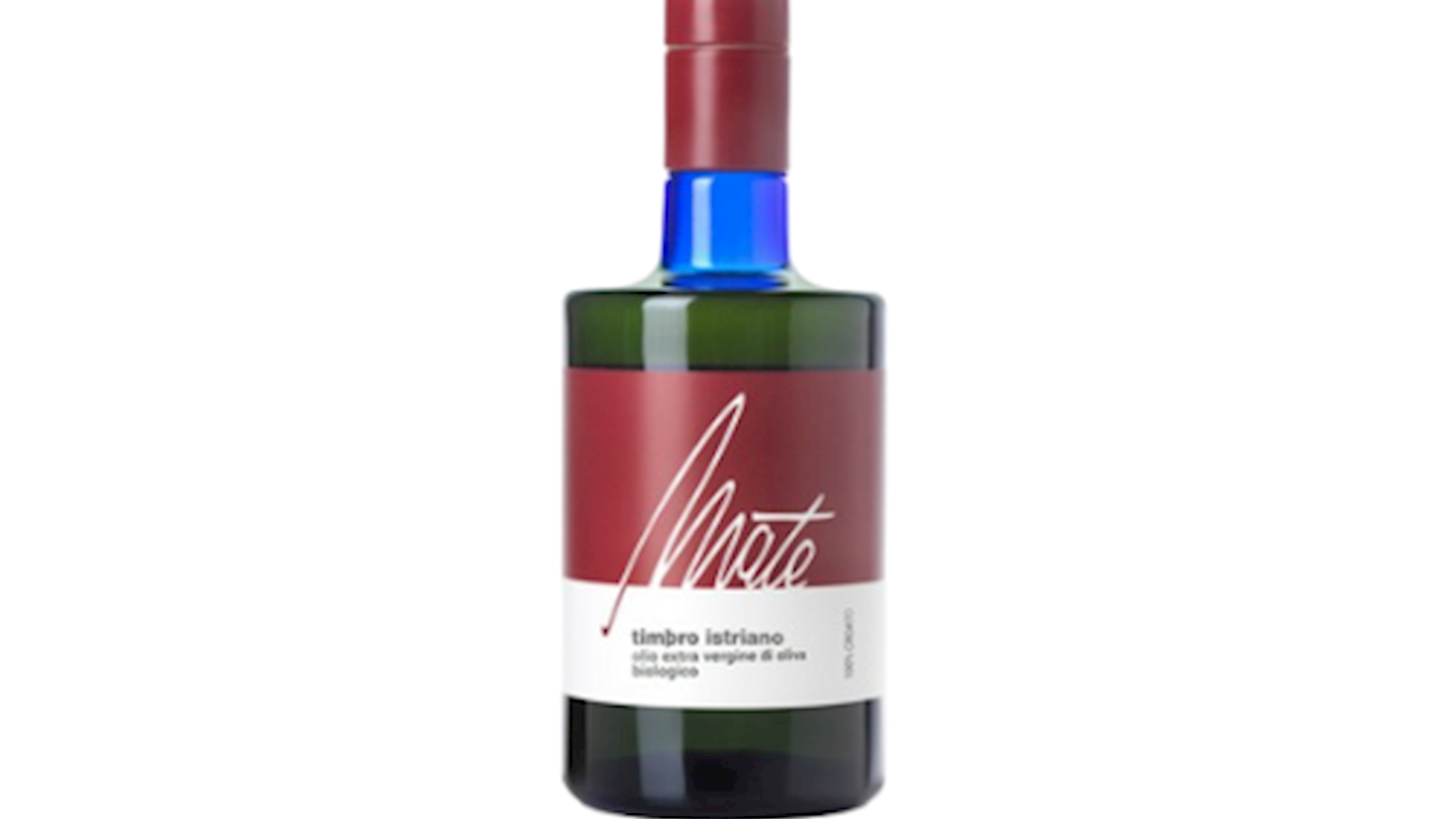
Mate Olive Oil is a family-run olive mill founded in 1994 in Zambratija, near Umag. The founder, Mate Vekić, planted his first olive trees and started the mill at the age of 75. Today, his daughter Aleksandra has taken over the management, integrating modern processing and bottling techniques while preserving the traditional approach to production. They own about 27,500 olive trees spread over 69 hectares and produce several single-varietal and blended oils, including Bianca Bellezza, Timbro Istriano, Viola Tonda, and the Trasparenza Marina blend, all from organic production. Alongside a strong commitment to tradition, Mate stands out for its ecological approach — olives are handpicked and processed quickly after harvesting in a modern mill, and the oils are certified as organic extra virgin.
Awards
Flos Olei - Hall of Fame (2024)
Flos Olei - The Best (2023, 2021)
Read more
View all
View map
About this ranking

TasteAtlas food rankings are based on the ratings of the TasteAtlas audience, with a series of mechanisms that recognize real users and that ignore bot, nationalist or local patriotic ratings, and give additional value to the ratings of users that the system recognizes as knowledgeable. For the “Top 100 Central European Foods” list until June 10, 2026, 85,665 ratings were recorded, of which 67,823 were recognized by the system as legitimate. TasteAtlas Rankings should not be seen as the final global conclusion about food. Their purpose is to promote excellent local foods, instill pride in traditional dishes, and arouse curiosity about dishes you haven’t tried.

The initial list of top producers was compiled based on available reviews, awards, local recommendations, media and blog coverage, and consumer reviews. The list will be updated with ratings from TasteAtlas local ambassadors and TasteAtlas users.

Similar lists