shutterstock

Top 43 Chubu Foods

Last updated on June 07, 2026

Best Chubu food products

01
Tea / Infusion

Arahataen Tea Farm

5 ·
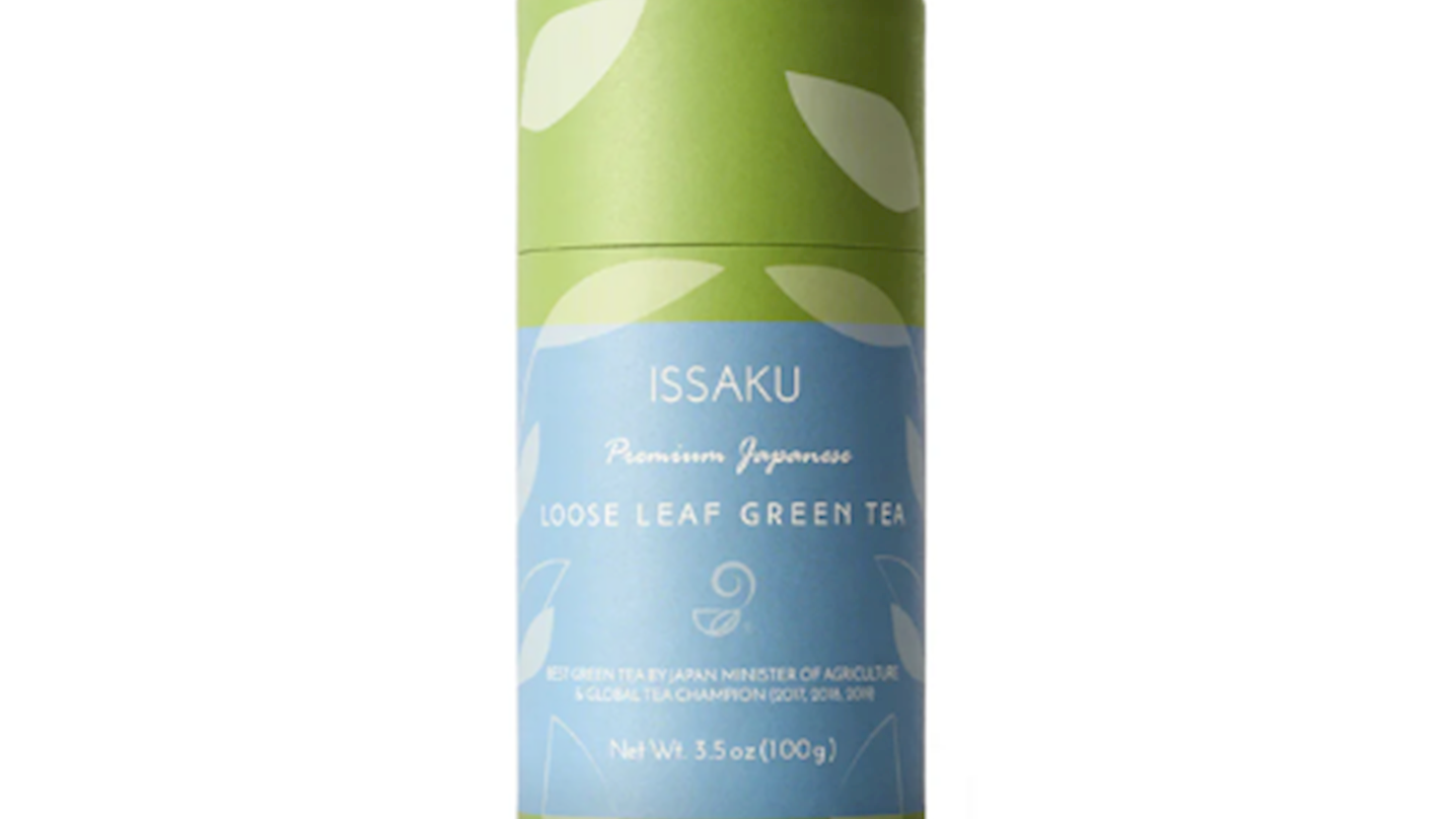
Arahataen Tea Farm is a traditional Japanese tea farm located in Shizuoka Prefecture, Japan. Established in 1874, the company is one of the most renowned producers of Japanese green tea. Arahataen takes pride in producing high-quality teas, using a tradition that has been passed down through generations. The company is also dedicated to sustainable and eco-friendly production methods. Arahataen is famous for using the Chagusaba technique, a traditional method of tea cultivation that involves planting grass along the tea fields to create a natural ecosystem. This method not only contributes to biodiversity conservation but also enhances the quality and flavor of the tea. The company offers a wide range of teas, including well-known varieties like Sencha, Gyokuro, and Matcha, all of which undergo rigorous quality standards and careful processing. In addition to tea production, Arahataen is dedicated to preserving tradition and educating people about Japanese tea culture. They offer tours and tastings at their farms and support sustainability initiatives.
Awards
Global Tea Championship - Winner (2019, 2018, 2017)
02
Condiment

Kakukyu Hatcho Miso

5 ·
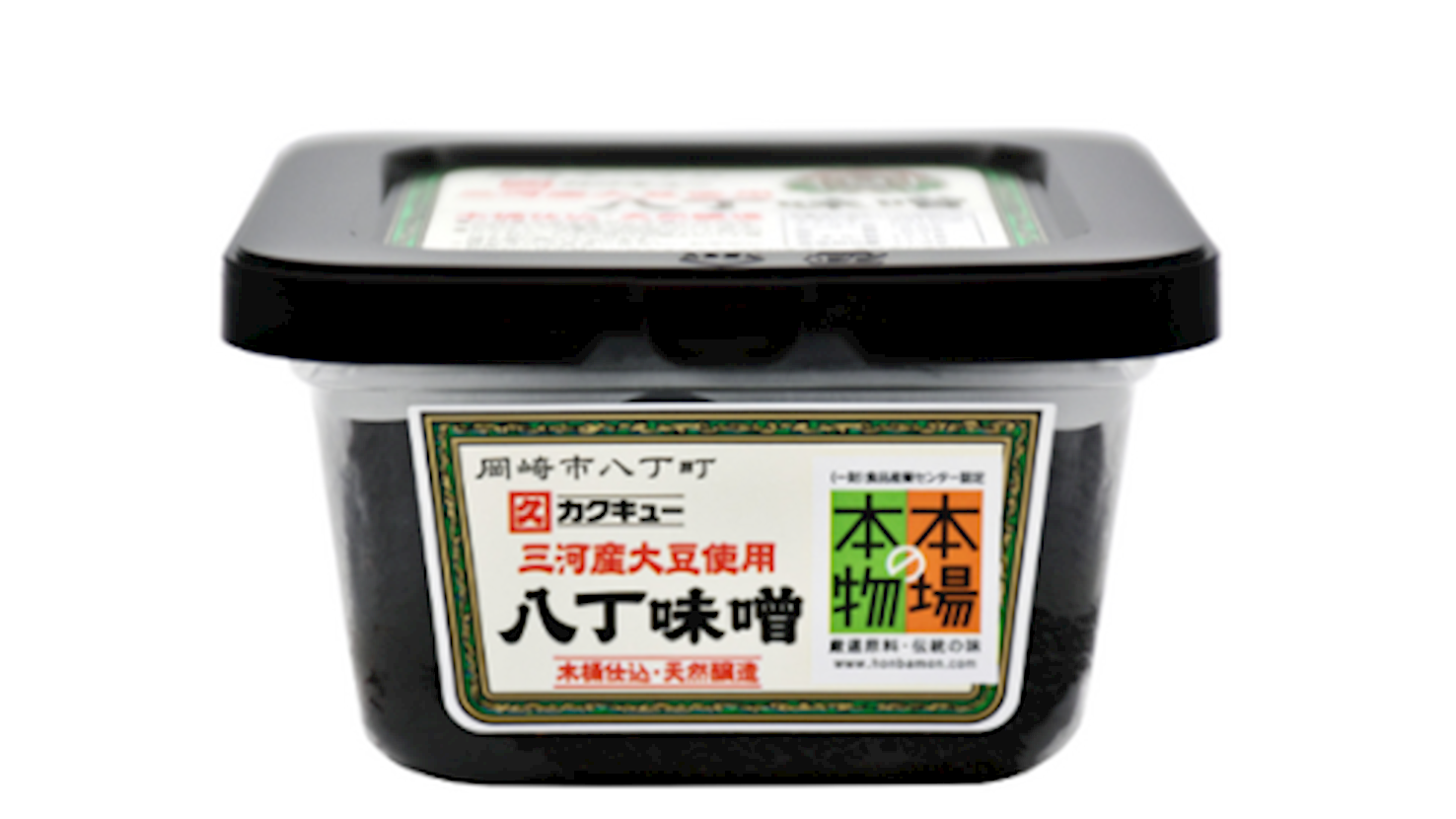
Kakukyu has been producing Hatcho miso since 1645 and is today one of the last remaining guardians of this traditional method. This miso paste is made exclusively from soybeans and salt, without the addition of rice or barley, making it unique among other types of miso. The fermentation process lasts for at least two years in large wooden barrels, with heavy river stones placed on top of the miso to naturally develop its complex flavors and preserve its authentic texture. The result is a dense, dark reddish-brown paste with an intense umami flavor, complemented by subtle notes of acidity and mild bitterness. Due to its depth and richness, Kakukyu Hatcho Miso is used in many traditional dishes from the Nagoya region - such as miso soup, dote-ni, miso udon, or miso katsudon - and is increasingly found in modern fusion recipes, even in desserts like chocolate creams. Kakukyu masterfully combines centuries-old tradition with contemporary quality standards, making it a recognized and respected brand among lovers of authentic Japanese cuisine around the world.
03
Spirit

Alembic Dry Gin

5 ·
Awards
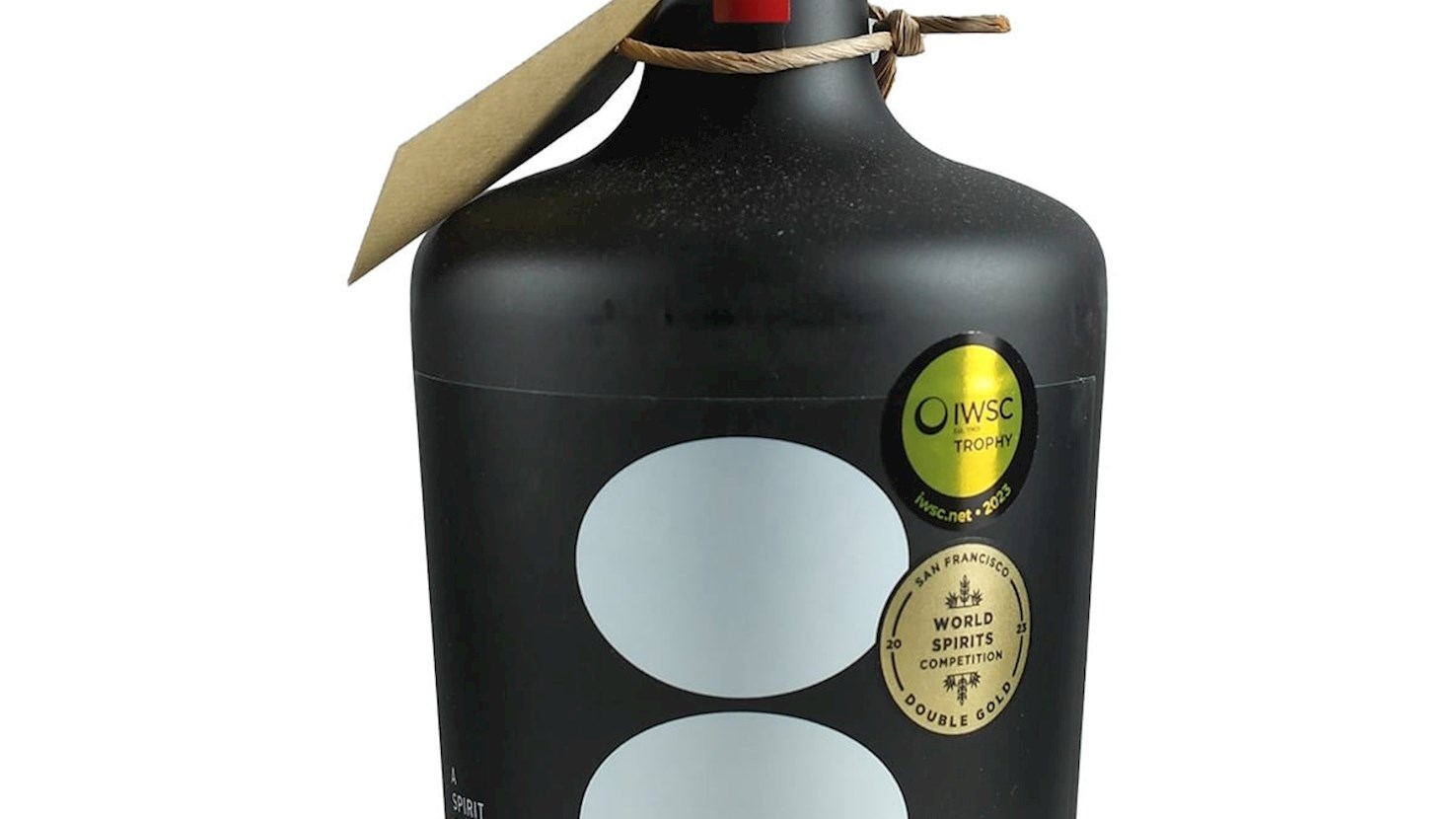
SFWSC - San Francisco World Spirits Competition - Double Gold (2023)
04
Spirit

Alembic Inc.

5 ·
Awards
IWSC- International wine & spirit competition - Spirit Gold (2024)
IWSC- International wine & spirit competition - Spirit Gold Outstanding (2023)
05
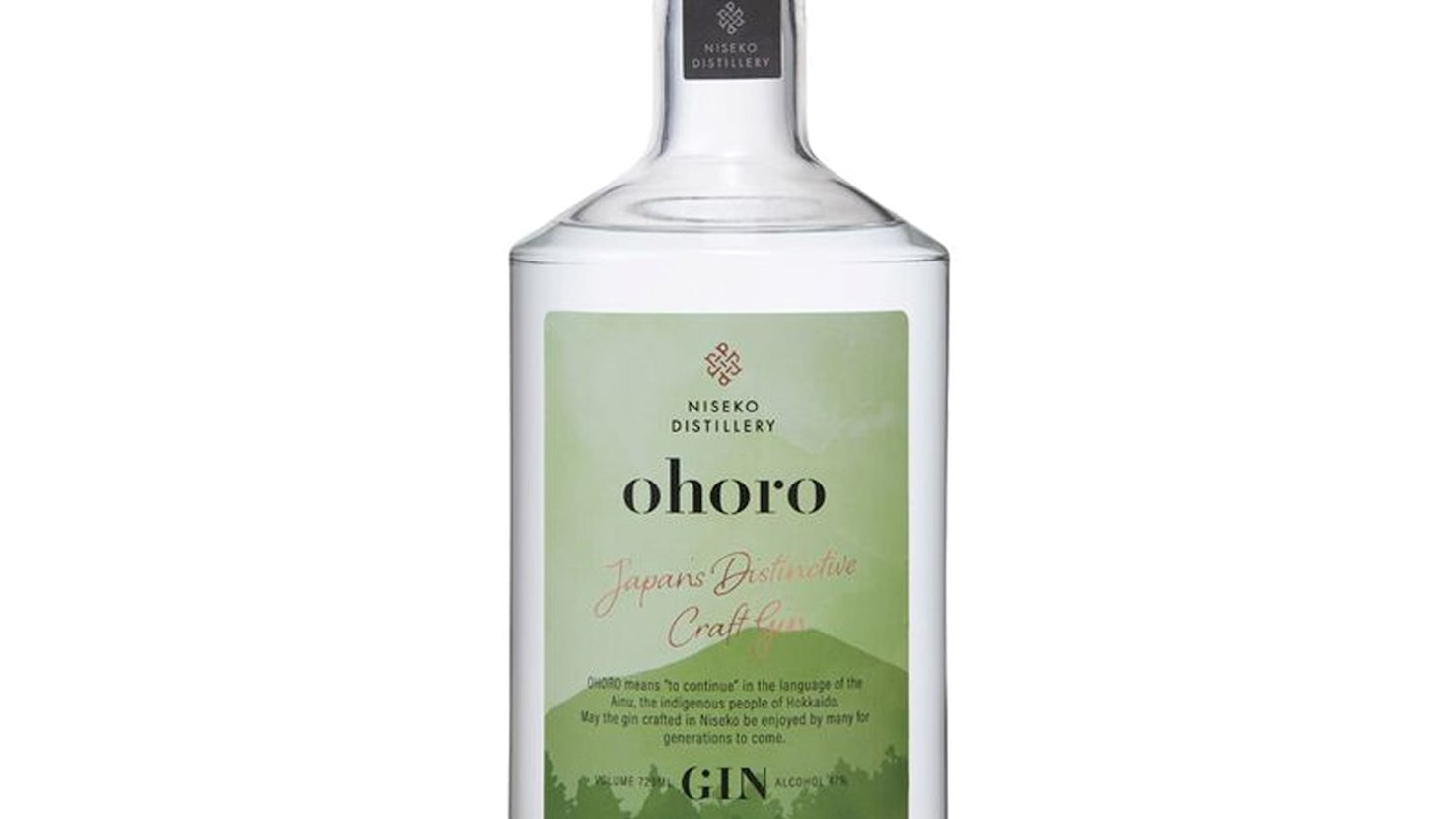
Spirit

Hakkaisan

5 ·
Awards
SFWSC - San Francisco World Spirits Competition - Double Gold (2024)
06
Spirit

Nozawa Onsen Distillery

5 ·
Awards
SFWSC - San Francisco World Spirits Competition - Double Gold (2024)
IWSC- International wine & spirit competition - Spirit Gold (2024)
07
Seafood

Yui Canning

4.9 ·
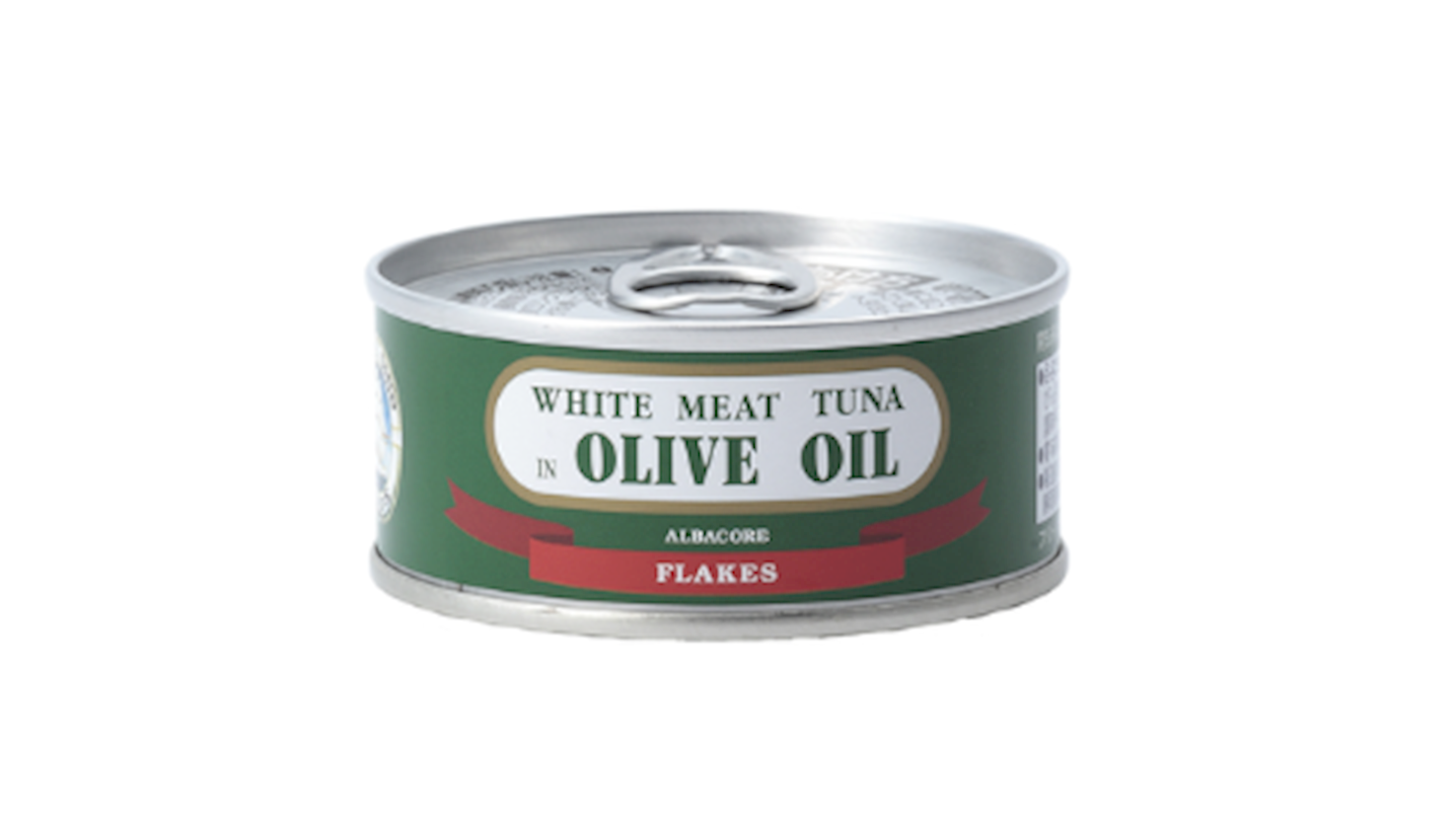
Yui Canning is a Japanese producer of canned seafood based in the port settlement of Yui, within Shimizu Ward in Shizuoka City, a region known for its long tradition of fish processing. The company operates under the brand White Ship and specializes in premium canned tuna made from binchō maguro (albacore), a variety known for its light-colored meat and mild fat content. The fish is selected seasonally, during the summer period when the texture is most stable and best suited for canning. The meat is not shredded; instead, it is cut into larger fillets to preserve visible fiber structure and maintain firmness. Olive oil is used in production because it does not overpower the taste of the fish, but rather complements and enhances its natural aroma. For certain products, the tuna matures in the can for up to six months before release, allowing the flavor to stabilize and develop a more rounded profile. Yui Canning focuses on quality over mass production, enabling tight control over every stage of processing. The company also operates a factory shop where visitors can purchase their products directly. In gastronomy, their tuna is used not only for home cooking but also in restaurants that value premium ingredients. The factory’s location near fishing ports allows the fish to be processed quickly after landing. Thanks to the combination of high-quality raw materials, artisanal production, and a strong sense of terroir, Yui Canning has positioned itself as one of the most distinguished canned tuna producers on the Japanese market.
08
Rice

Yuki Tsubaki

4.9 ·
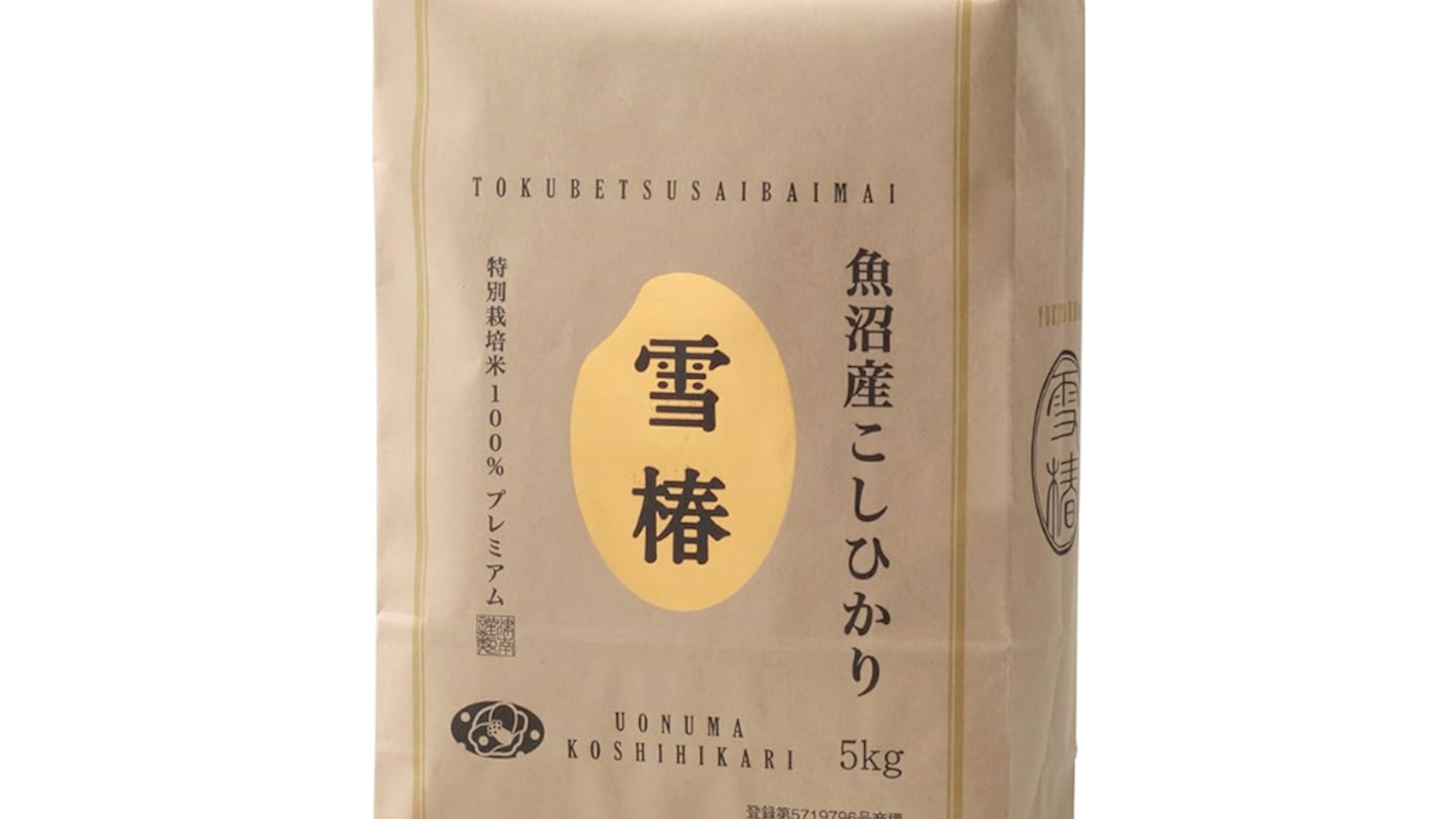
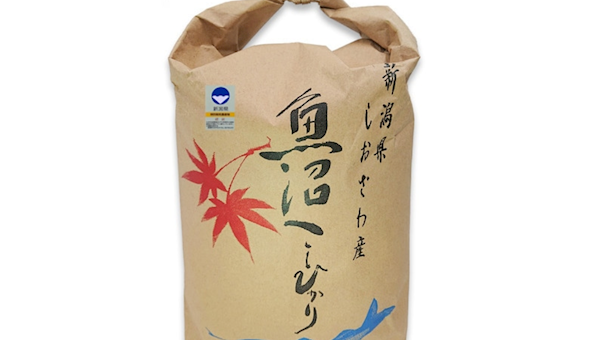
Yuki Tsubaki is a luxury Japanese rice brand that represents the pinnacle of quality in the Koshihikari variety, Japan’s most renowned rice. The brand was born out of a desire to produce the finest rice in Japan, cultivated in the mountainous region of Uonuma, located in Niigata Prefecture, an area known for its superior agroecological conditions. Its production requires significantly more labor, time, and cost compared to standard rice, in order to achieve impeccable texture, luster, and flavor. The grains are glossy, tender, delicately sweet, and ideal for sushi, onigiri, and refined Japanese cuisine. Behind the brand stands a company that employs advanced processing methods and strict quality control to ensure a unique culinary experience. The polishing process takes three times longer than usual, resulting in an exceptionally smooth and shiny finish. Every stage - from grain selection to packaging - is carried out under rigorously controlled conditions. Due to its exceptional rarity, Yuki Tsubaki rice accounts for less than 0.003% of the total Koshihikari rice production in Japan. Its exclusivity has made it a favorite among top chefs and luxury restaurants around the world.
09
Cheese

Atelier de Fromage

4.8 ·
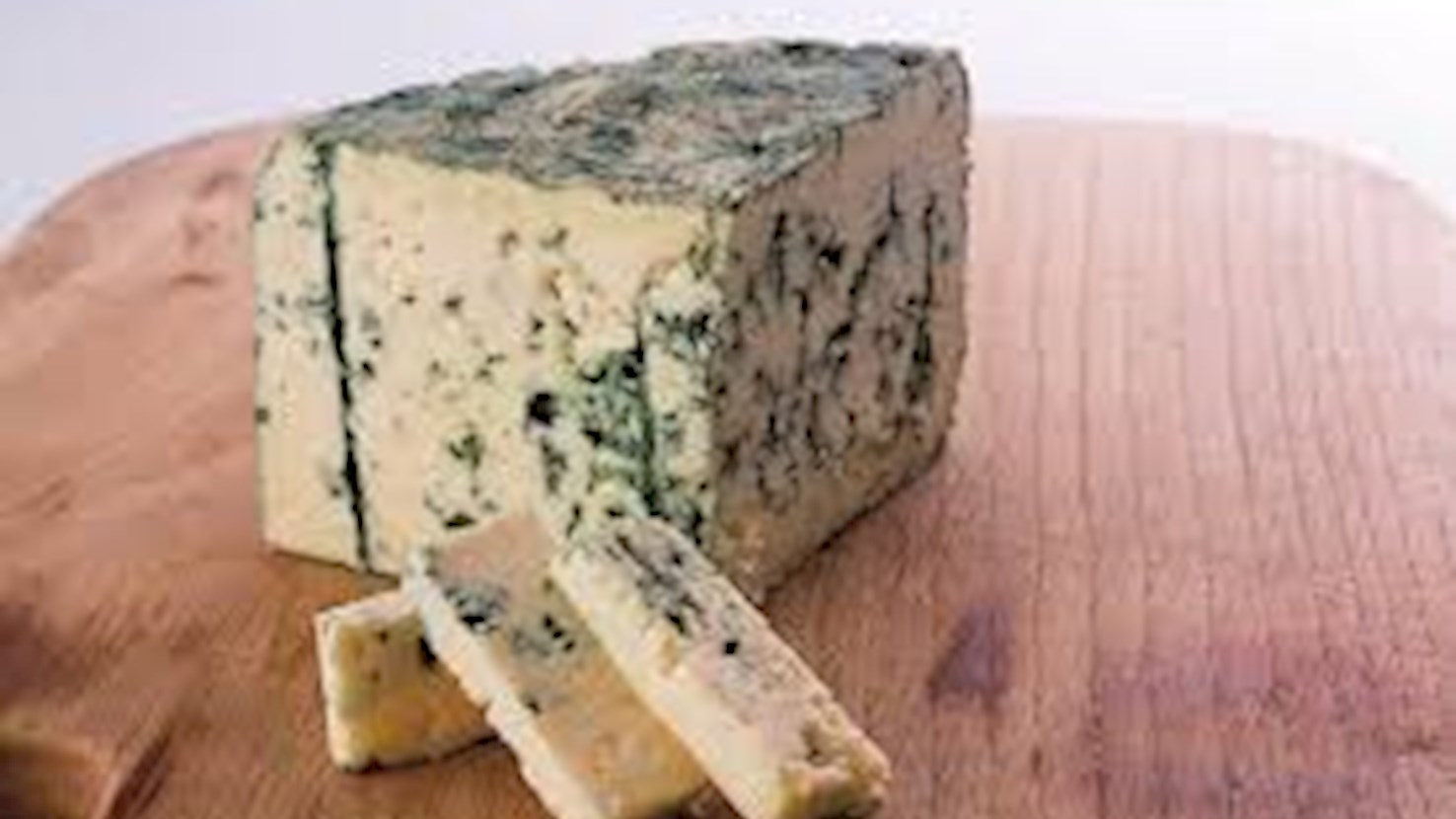
Atelier de Fromage Co., Ltd. is a cheese producer located in Nagano, Japan. The company is known for its artisanal approach to cheese-making, utilizing traditional techniques and local ingredients. They offer a range of cheese varieties, including both hard and soft cheeses, catering to diverse tastes. The company also operates a shop and cafe, where visitors can purchase their cheeses and enjoy dishes made with their products.
Awards
World Cheese Awards - Super Gold (2021)
10
Condiment

Maruya Hatcho Miso

4.8 ·
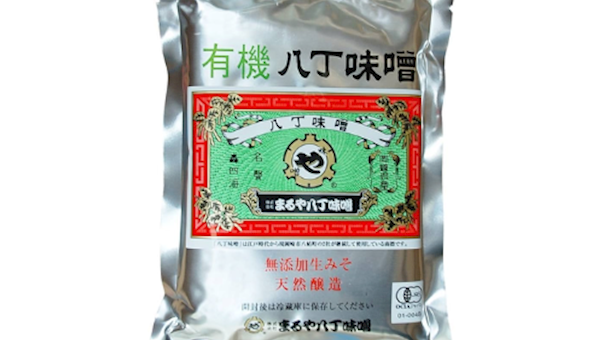
Maruya Hatcho Miso is one of the oldest and most respected miso producers in Japan, with a tradition that dates back to 1337. The company was founded near Okazaki Castle, in an area known as Hatcho-machi, which also gave its name to their signature product. They specialize in Hatcho miso, an authentic Japanese paste made exclusively from soybeans, natural sea salt, and water - without any rice or barley. The fermentation process takes place in large wooden barrels, weighted down with stones weighing up to three tons, and lasts for over two years. This traditional method results in a dark-colored paste with low moisture content and a deep, complex flavor, while the salt content is lower compared to many rice-based misos. Hatcho miso is used in rich stews, soups, marinades, and sauces, and is especially valued in classic Japanese cuisine. Its bold character and layered flavor profile make it a favorite among connoisseurs and lovers of authentic fermented foods.

Best Chubu foods

01
Dumplings

Hamamatsu gyoza

4.5 ·

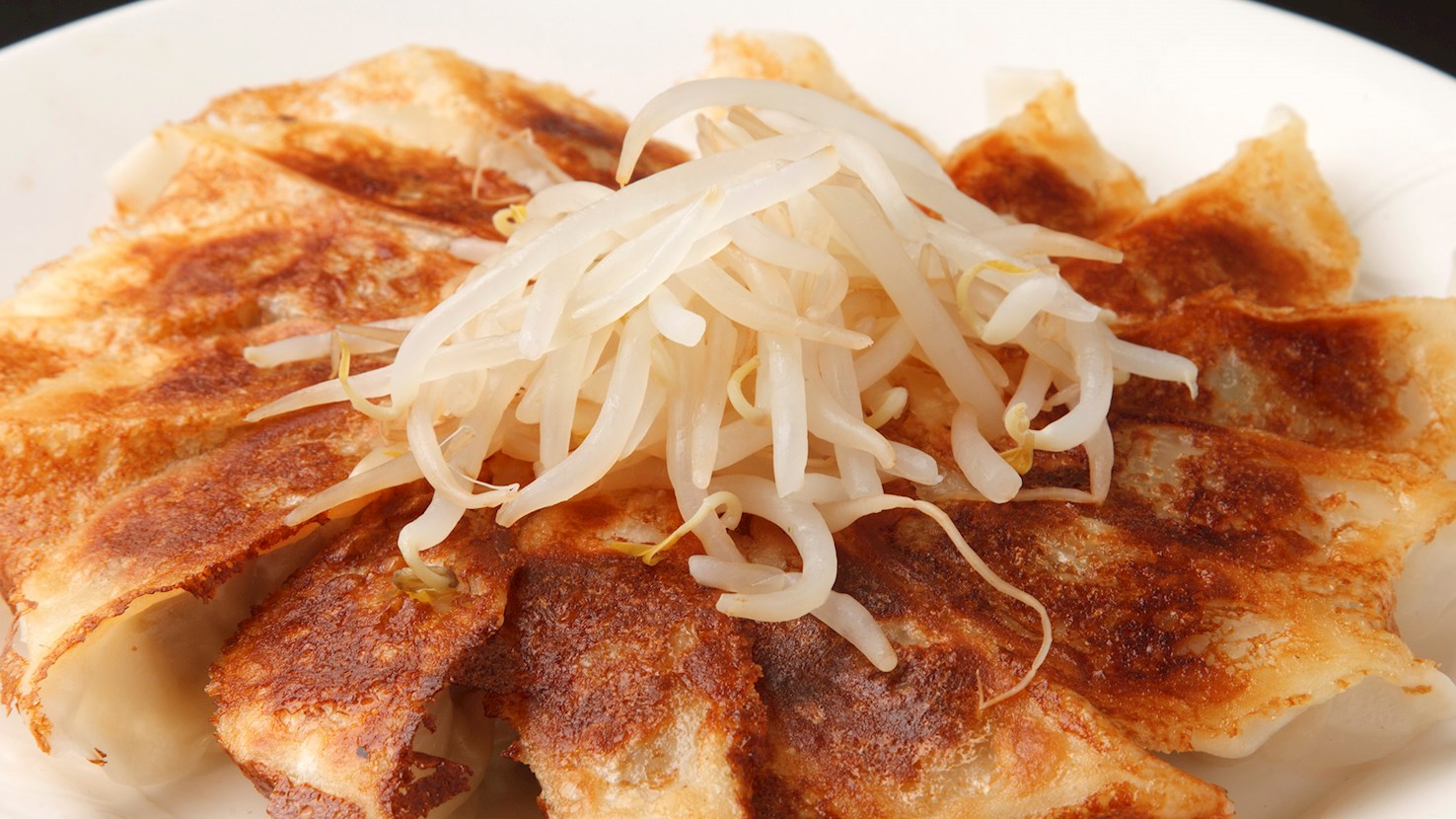
Hamamatsu is a popular variety of Japanese gyoza filled with cabbage, onions, pork, and selected seasonings. It is characterized by a unique frying style in which cooks arrange gyoza in a circular pattern (hanetsuke, a technique in which a crispy bottom connects all the gyozas) so that they can fry as many snacks as possible at the same time. It is very popular to pair Hamamatsu gyoza with a topping of bean sprouts.

Best restaurants
02
Shrimp/Prawn Dish

Ebi furai

4.2 ·

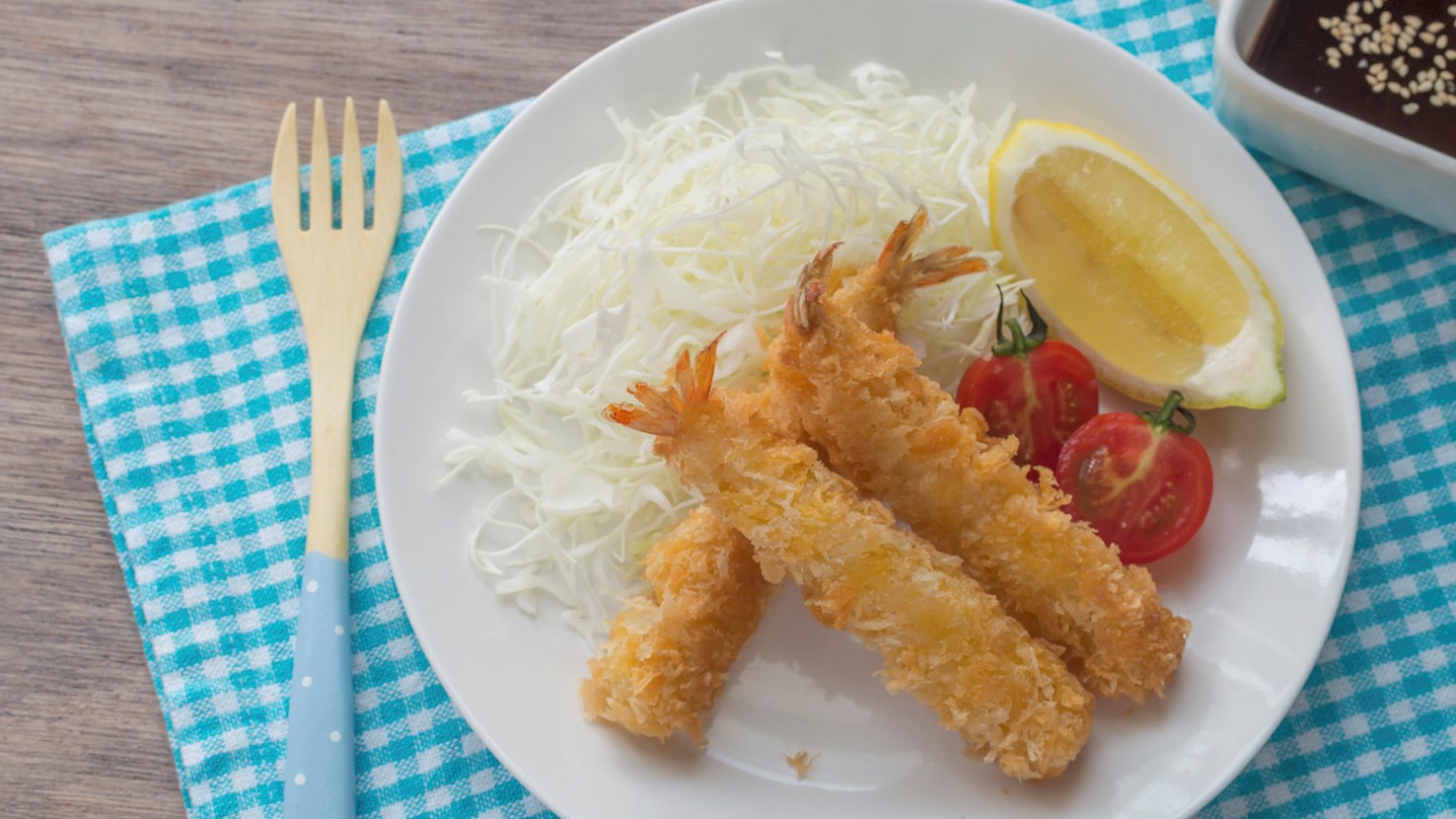
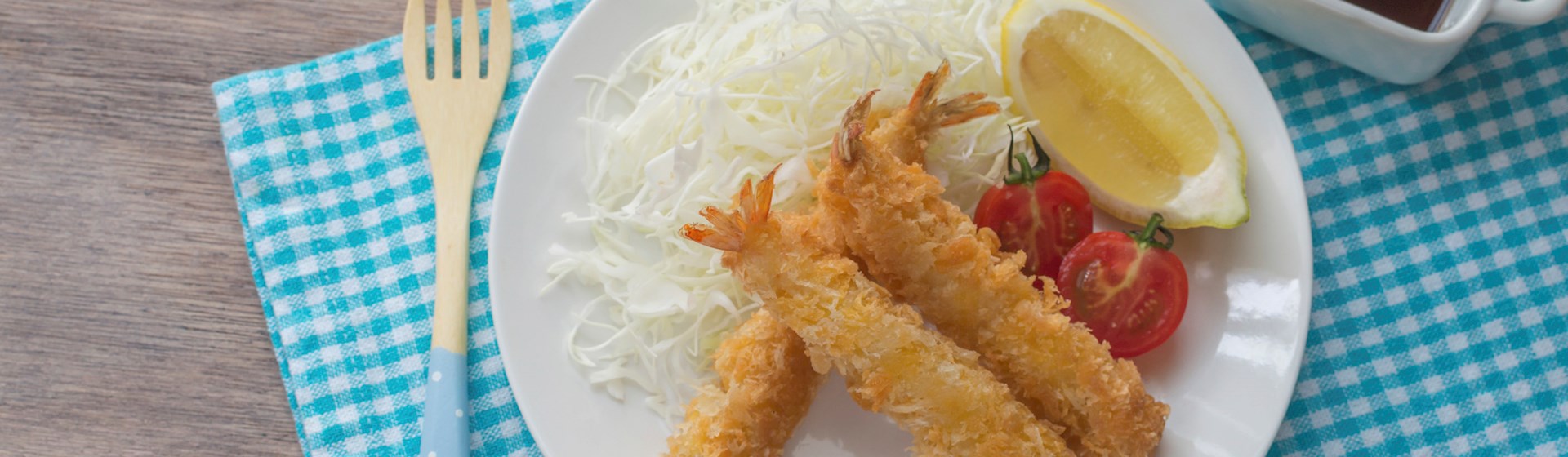
These large prawns are typically dipped in egg wash, coated in panko breadcrumbs, then deep-fried. They are one of the most popular yōshoku dishes; western-inspired Japanese meals which originated during the Meiji Restoration between the 1860s and the early 1900s. Ebi furai falls into the kawari-age category of breaded, deep-fried foods, and it is also regarded as a meibutsu, which is a Japanese term for famous foods associated with particular regions, as these fried prawns are one of Nagoya's signature dishes. Traditionally, kuruma ebi or Japanese tiger shrimps were used for preparing ebi furai, but due to a decline in their cultivation, Nagoyans have started using black tiger shrimps or even the Japanese spiny lobster called ise ebi, which can measure up to a whopping 30 centimeters in length. Ebi furai is usually served with shredded cabbage, garnished with a lemon wedge, and enjoyed with either tartar, hoisin, or Worcestershire sauce. It is either ordered à la carte or served in a bento box, a single-portion takeout meal common in Japanese cuisine, and some places even offer these delicious shrimp fritters as ebi-sando (shrimp sandwich) and ebi-dog (shrimp hot dog), while the most impressive variety is the so-called maki ebi furai: deep-fried prawns rolled and sliced in the style of maki sushi. The dish can easily be found not only in Nagoya, but all over the country, in virtually any seafood-orientated izakaya gastropub and every restaurant that sells yōshoku foods.

03
Eel Dish

Hitsumabushi

4 ·

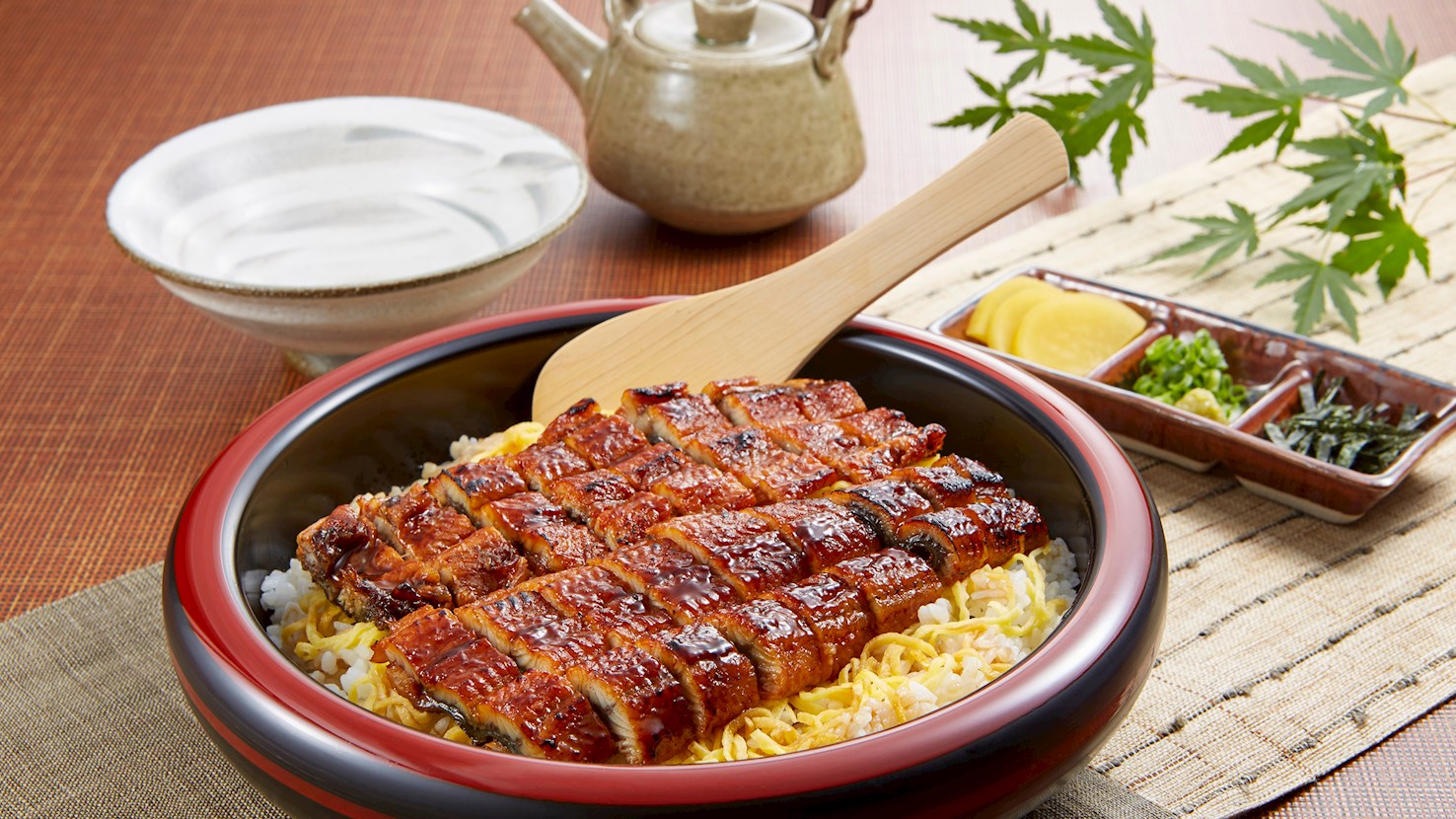
Hitsumabushi is a traditional dish originating from Nagoya. Although it's similar to unadon regarding most of the ingredients, histumabushi consists of sliced grilled eel that's served on top of steamed rice, but it's accompanied by assorted condiments and garnishes. The dish is also served in a very specific way – everything is divided into four portions. The first portion is eaten as it is, the second is accompanied by condiments such as nori seaweed, chopped green onions, and wasabi. The third portion is the same as the second, with the addition of dashi broth or green tea (eaten like a soup), and the last portion is eaten however you like. It is believed that histumabushi dates back to the end of Meiji Era, when waitresses served chopped grilled eel on rice into individual bowls.

04
Rice Dish

Inarizushi

4 ·

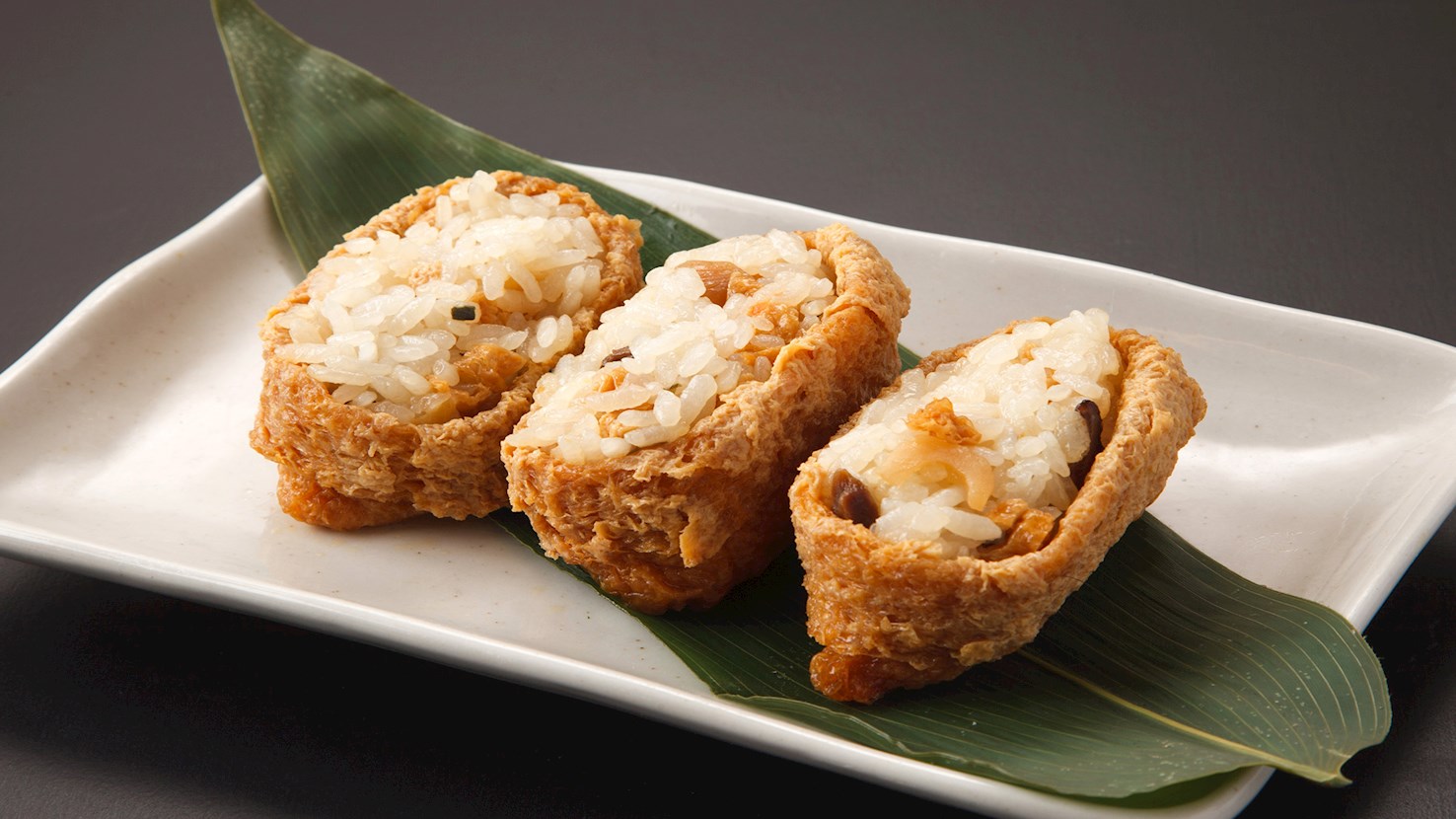
Inarizushi is a unique sushi variety which consists of chewy tofu pockets filled with fragrant sushi rice. Aburaage, the tofu skins which have been fried to form hollow products are used as containers which hold the rice together. Mild in flavor, they are usually boiled in a fragrant mixture of dashi, mirin, and soy sauce, which allows them to soak in all the subtle flavors. The filling inside the tofu pockets usually employs plain sushi rice, which can be elevated with many different ingredients such as carrots, shiitake mushrooms, roasted sesame seeds, or pieces of nori, but it never employs raw fish, the common element found in other sushi varieties. The rice is placed in the center of tofu pockets, and it is usually completely enclosed. In more decorative forms, the rice is only partially covered to showcase the delicious filling. It is believed that inarizushi was originally prepared in the 19th century, and its invention is usually associated with Toyokawa, where it was primarily sold as a snack in front of many shrines. Because of its convenience and the complex sweet, salty, and sour flavors, inarizushi is extremely popular in Japan. It is often sold as a takeaway meal or a quick supermarket snack.

05
Noodle Dish

Hōtō

3.9 ·

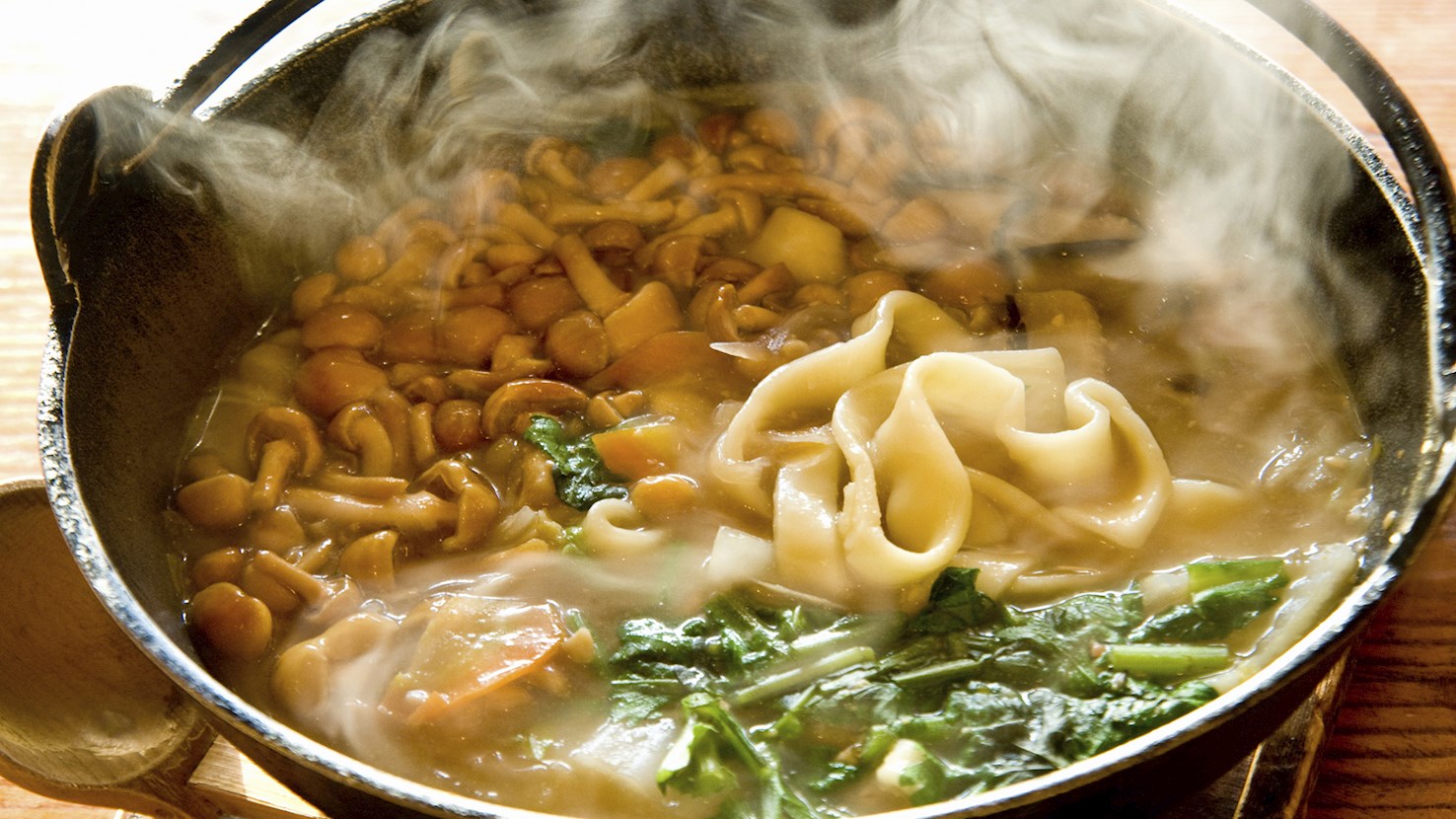
Usually regarded as a variety of the popular udon, hōtō is a comforting Japanese dish which consists of flat noodles cooked in a flavorful miso broth alongside various seasonal vegetables such as squash, potatoes, taro roots, or carrots. It initially appeared in the Yamanashi region in the wake of WWII, at a time when rice crops were traded for silk, which was more profitable, and the locals began to cultivate wheat instead. Soon after, they started producing wheat noodles and created hōtō, an invention that is today regarded as the signature dish of the entire region.

Best restaurants
06
Cheese

Mori no

n/a ·

Mori no is a Japanese cheese produced in the city of Matsumoto in Nagano Prefecture. The cheese is made from the milk of brown Swiss cows that graze the mountain pastures, resulting in darker color and richer flavor of the cheese. Its washed rind is pungent, sticky, and mandarin-orange in color, dusted with blue-grey mold. This cheese ages for 3 to 8 weeks, and it's reminiscent of Epoisses, a masterpiece of the French region of Burgundy. Its texture is supple and open, with numerous small eyes. The aromas and flavors are robust and reminiscent of forest leaves, which is unsurprising as mori means forest, so this is quite literally a cheese of the forest. Pair it with rice wine or medium to full-bodied red wines.

07
Noodle Dish

Hegi soba

n/a ·

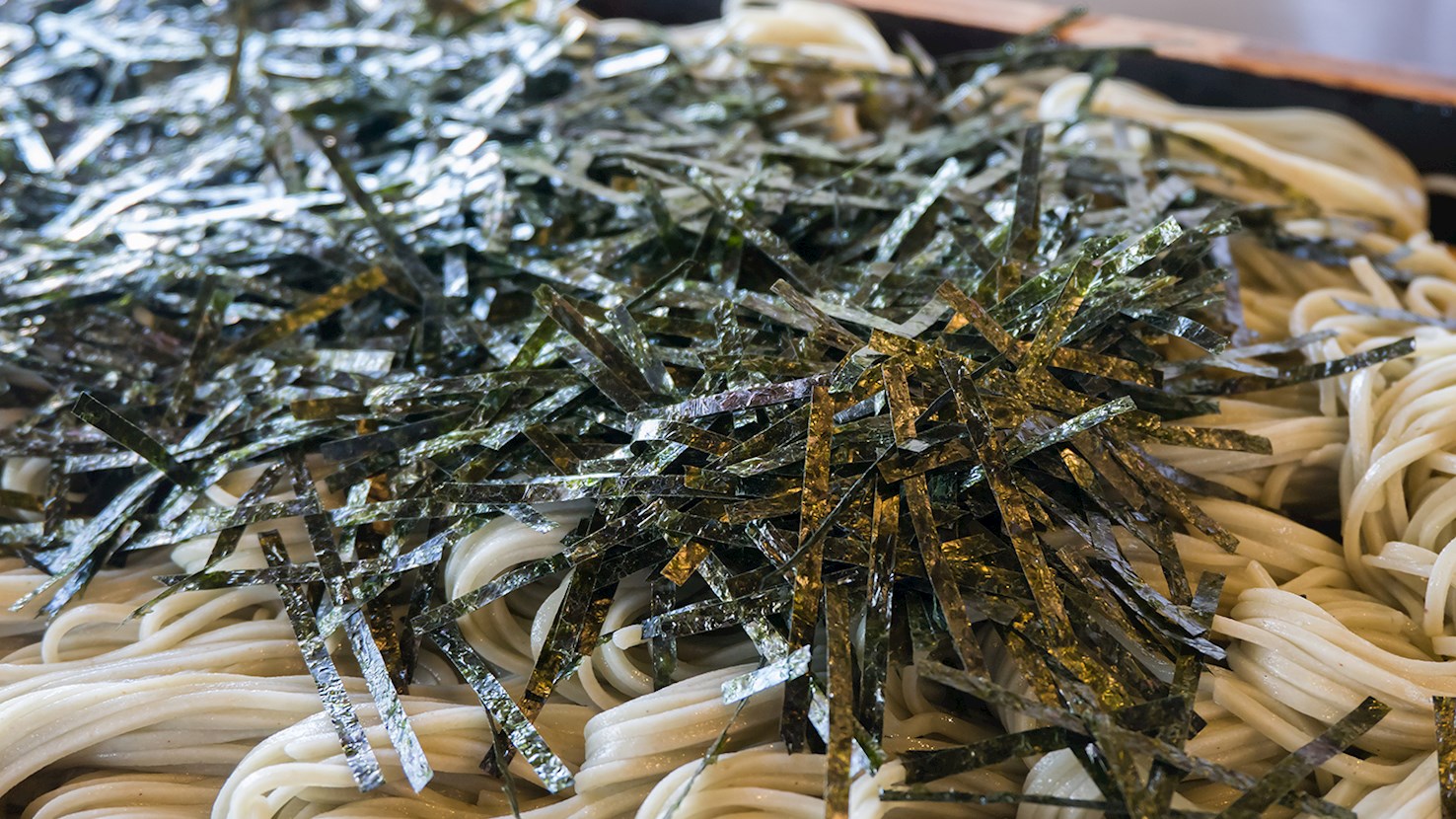
Hegi soba is a traditional noodle dish belonging to the group of soba dishes and originating from the Uonuma area of Niigata Prefecture. It consists of buckwheat soba noodles and funori seaweed. The noodles are boiled, mixed with the seaweed, wound into bite-sized portions, and layered on a traditional wooden tray called hegi, hence the name of the dish itself. When served, these noodles are usually accompanied by mentsuyu dipping sauce, hot Chinese mustard (a replacement for wasabi, which is not grown in the area), sliced scallions, and ground sesame seeds. The mustard is spread on one part of hegi soba noodles, while the other part is dipped in the mentsuyu sauce and topped with scallions and ground sesame seeds. It's recommended that the mustard and the mentsuyu sauce don't mix on the noodles.

08
Noodle Dish

Miso nikomi udon

3.6 ·

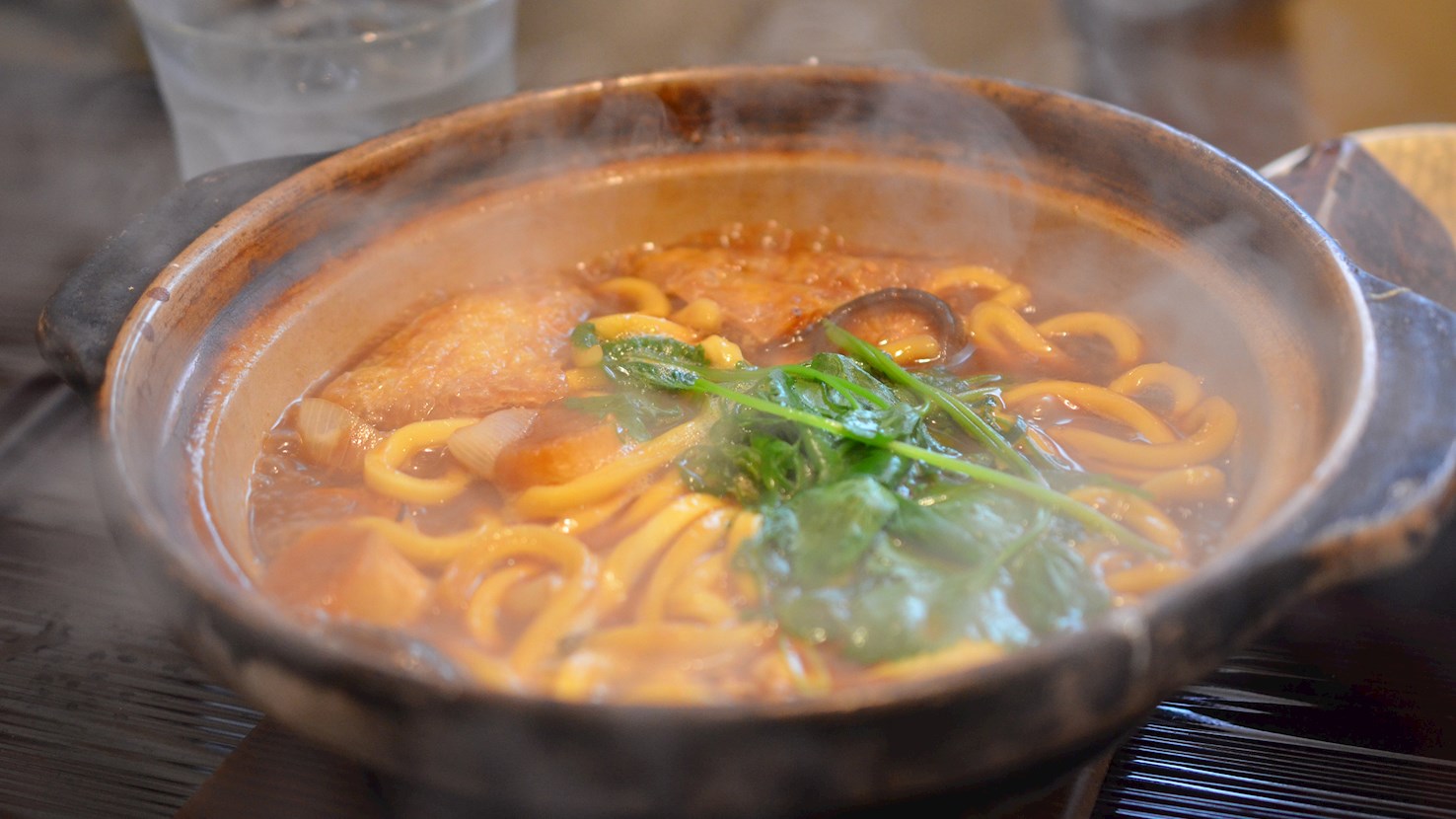
Miso nikomi udon is a Japanese dish prepared with udon noodles as the main ingredient. It originates from the Nagoya region. Other ingredients in miso nikomi udon include chicken, fish cakes, a miso-flavored dashi broth, shiitake mushrooms, eggs, long green onions, and aburaage or deep-fried tofu. Once prepared, this noodle soup is typically served in Japanese earthenware pots called donabe. It's especially popular during cold days because it's deeply savory and warming.

09
Dessert

Habutae mochi

n/a ·

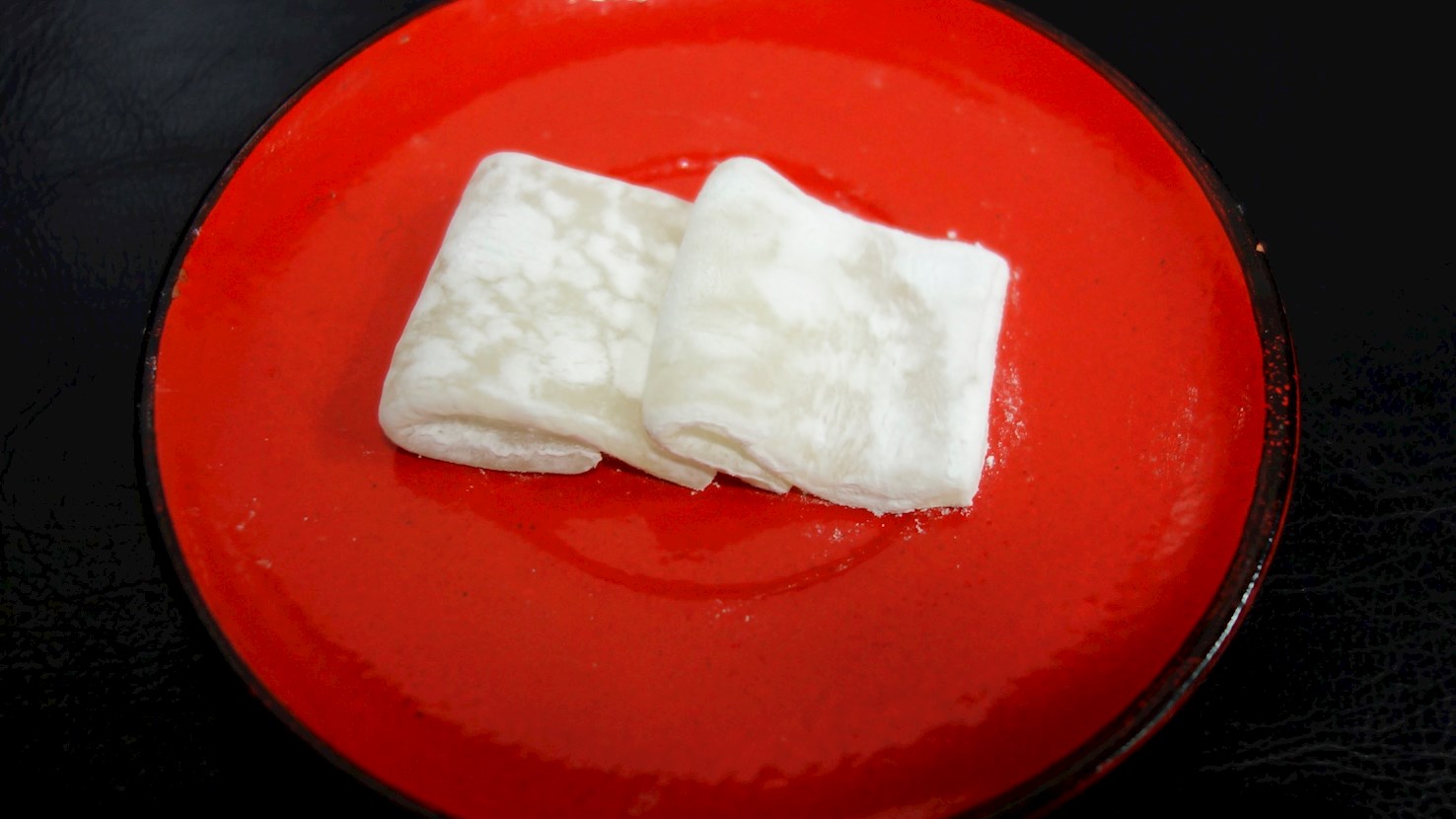
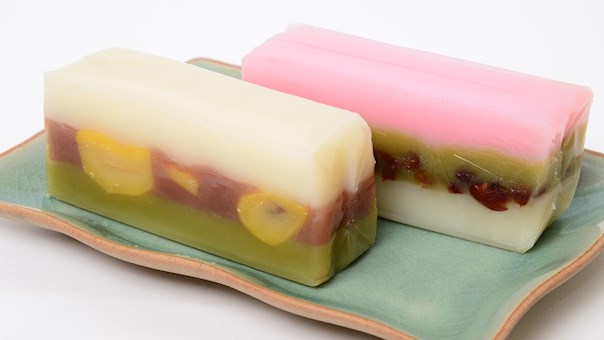
Habutae mochi is a traditional confectionary from Fukui – Japanese prefecture famous for its silk production. This mochi variety consists of steamed rice cake flour that is combined with sugar and syrup into a silky-smooth dough, which is then cut into thin, rectangular sheets. The cakes are almost translucent and apart from the standard white version they can be flavored or wrapped around adzuki bean paste or fruit. This popular dessert is also one of the most common regional souvenirs.

10
Noodle Dish

Kishimen

n/a ·

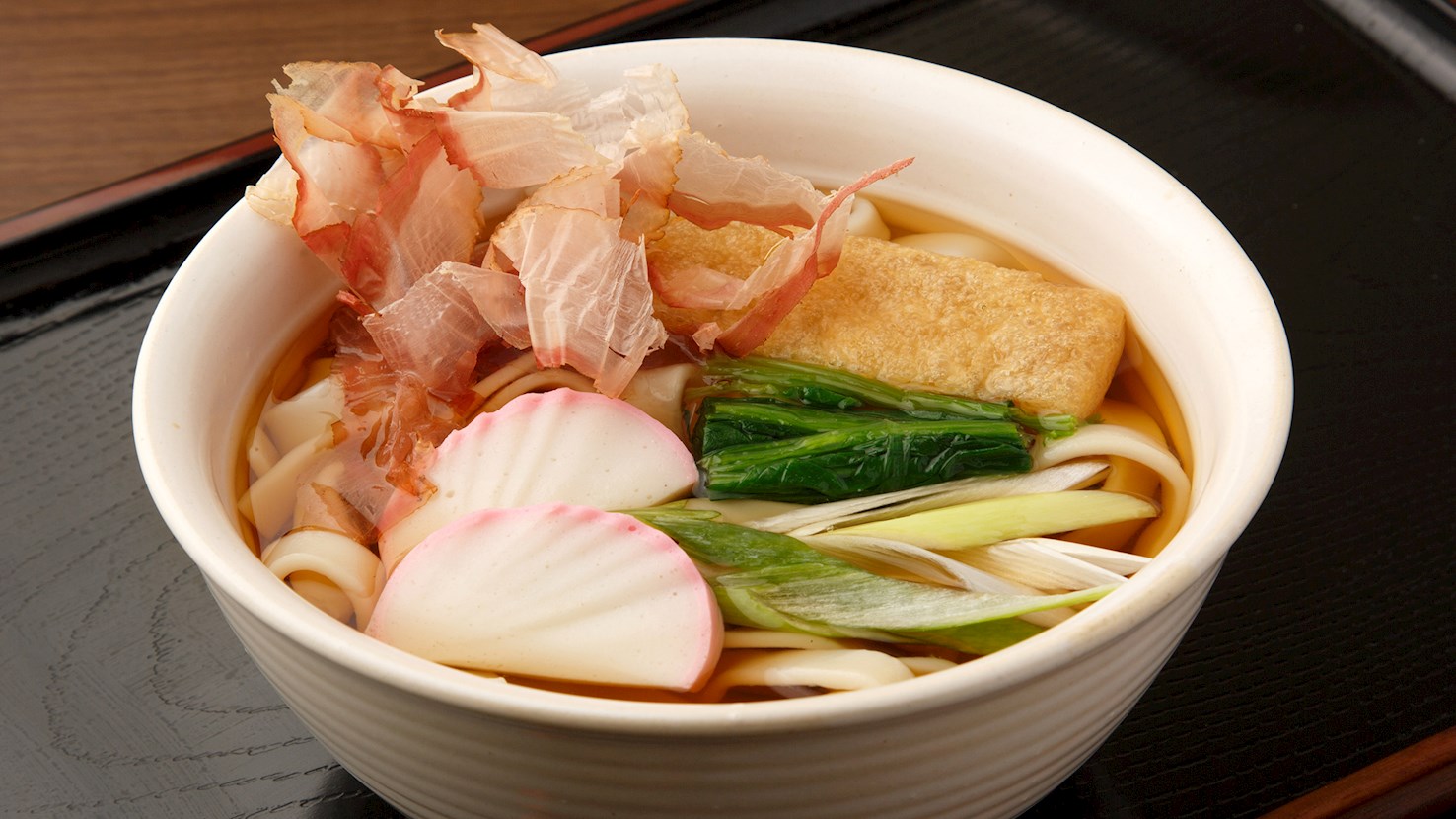
Kishimen is the name for a type of Japanese flat noodles with rough and crinkled edges. It is most commonly found in the Nagoya area. These long, soft, and thick noodles are usually served in a white (salt) or red (soy sauce) broth, sometimes with a bit of sweet sake added for extra flavor. The dish usually includes ingredients such as deep-fried bean curd, steamed fish paste, and spinach, while bonito flakes are typically sprinkled on top before serving. In Japan, many people enjoy kishimen at crowded platforms while waiting for their train to arrive.

Read more
View all
View map
About this ranking

TasteAtlas food rankings are based on the ratings of the TasteAtlas audience, with a series of mechanisms that recognize real users and that ignore bot, nationalist or local patriotic ratings, and give additional value to the ratings of users that the system recognizes as knowledgeable. For the “Top 43 Chubu Foods” list until June 07, 2026, 517 ratings were recorded, of which 436 were recognized by the system as legitimate. TasteAtlas Rankings should not be seen as the final global conclusion about food. Their purpose is to promote excellent local foods, instill pride in traditional dishes, and arouse curiosity about dishes you haven’t tried.

The initial list of top producers was compiled based on available reviews, awards, local recommendations, media and blog coverage, and consumer reviews. The list will be updated with ratings from TasteAtlas local ambassadors and TasteAtlas users.

Similar lists