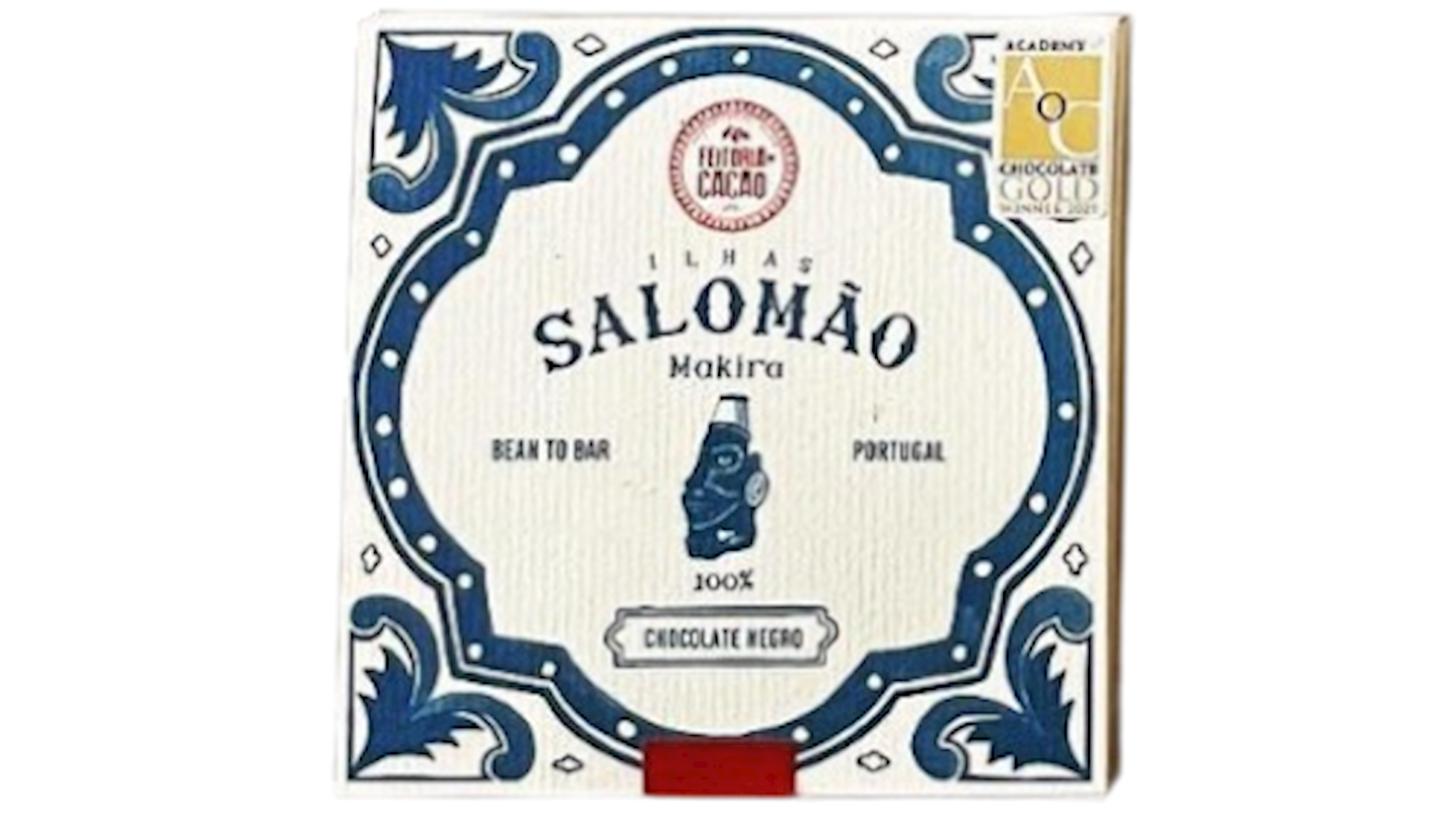
Feitoria do Cacao is a Portuguese chocolate maker known for its authentic bean-to-bar approach that covers every stage of production - from selecting raw cacao beans to handcrafting and packaging each bar. The brand was founded by Tomoko Suga and Sue Tavares, inspired by their experiences on cacao plantations in São Tomé and Príncipe, where they witnessed both the challenges and the beauty of cacao cultivation.
Their mission is to express the pure connection between the land of origin, the producers, and the consumers through chocolate. Feitoria do Cacao uses only high-quality, hand-selected beans sourced from different countries - such as Peru, Nicaragua, the Dominican Republic, and Madagascar - giving each chocolate a unique sensory fingerprint that reflects its terroir.
Production takes place in small batches, without emulsifiers or artificial additives, to preserve the natural aromas and texture of cacao. Their dark, milk, and white chocolates are distinguished by an exceptional balance of flavor, often enhanced with local ingredients like sea salt, coffee, or traditional Portuguese notes.
The brand’s studio is open to visitors for tastings and workshops, offering an immersive experience where guests can feel the aroma, texture, and flavor of freshly made chocolate. Today, Feitoria do Cacao represents a new generation of Portuguese artisan chocolatiers - those who unite art, science, and ethics into a perfectly balanced chocolate form.
Awards
Academy of Chocolate - Gold
(2021)
Academy of Chocolate - Silver
(2023, 2022, 2021, 2020, 2019, 2017)
Luis Pato is one of Portugal’s most renowned winemakers and a key figure in the Bairrada region, known for his bold and innovative approach to the indigenous grape variety Baga. His family has been involved in viticulture since the 18th century at the Quinta do Ribeirinho estate, but it was Luis - a chemical engineer by education - who took over the winery in the 1980s and began transforming Bairrada into a modern wine region.
He was a pioneer in introducing rigorous grape selection, full destemming, and the use of small French barrique barrels at a time when the region mainly produced mass-market, oxidative wines. Through experimentation, he proved that Baga, despite being a demanding grape with firm tannins, can produce elegant and long-lived wines of high quality.
Pato developed the concept of “precision harvesting” in which grapes from the same vineyard are harvested in different stages of ripeness - first for sparkling wines, then for fresh red wines, and finally for complex, age-worthy reds. Today, Luis Pato is regarded as “the father of modern Bairrada” and his vision has set a standard followed by many younger winemakers in the region.
The winery is open for visits and tastings, contributing to Bairrada’s positioning as a destination for those seeking authentic wine experiences.
Quinta das Bágeiras is a family winery located in the village of Fogueira, in Portugal’s Bairrada wine region. The modern development of the estate began in 1989 when winemaker Mário Sérgio Alves Nuno started producing and bottling wines under his own label from the family vineyards.
The vineyards are spread across several plots in northern Bairrada and are planted mainly with indigenous grape varieties typical of the region. The winery places particular emphasis on the Baga grape, which produces structured and long-lived red wines characteristic of Bairrada.
Traditional winemaking methods are used, including hand harvesting, spontaneous fermentation, and minimal intervention in the cellar. Fermentation often takes place in stone or concrete lagares, helping preserve the authentic expression of the grapes and terroir.
In addition to red wines, the winery also produces white wines from varieties such as Bical and Maria Gomes, as well as sparkling wines made using the traditional method. The style of the wines highlights freshness, structure, and mineral character typical of the Bairrada region.
Quinta das Bágeiras is today regarded as one of the most important traditional producers in this part of Portugal.
Filipa Pato & William Wouters is a family winery project located in Portugal’s Bairrada wine region. The estate is run by winemaker Filipa Pato together with her husband William Wouters, who brings experience from the world of gastronomy and sommelier work.
Filipa Pato comes from a well-known winemaking family and is the daughter of Luís Pato, one of the most influential producers in Bairrada. She launched her own wine project in the early 2000s with the aim of revitalizing old vineyards and highlighting the potential of the region’s native grape varieties.
The vineyards are spread across several plots in Bairrada and are planted with varieties such as Baga, Bical, Arinto, and Cercial. Vineyard management follows organic and biodynamic principles, while winemaking involves minimal intervention.
The philosophy of the winery focuses on producing authentic wines that reflect the character of the terroir without excessive technological manipulation. Wines from Filipa Pato & William Wouters often display elegance, freshness, and a distinct mineral profile typical of the Bairrada region.
Today the project is regarded as one of the most notable contemporary expressions of wines from this part of Portugal.
Sidónio de Sousa is a family-owned winery located in Sangalhos in Portugal’s Bairrada wine region, an area well known for structured red wines made from the Baga grape and for the production of traditional sparkling wines. The winery was founded in the early 20th century by Sidónio de Sousa, and the estate remains under family ownership today, continuing its long-standing winemaking tradition.
The vineyards are planted on the clay-limestone soils typical of Bairrada, a terroir particularly suited to the Baga variety, giving the wines firm structure and strong aging potential. The winery focuses primarily on indigenous Portuguese grape varieties, with Baga playing the central role in red wines, while varieties such as Bical and Maria Gomes are used for white wines and sparkling wines.
Winemaking follows a relatively traditional approach, often involving extended maceration and careful aging to preserve the authentic character of the region. The red wines typically show notes of dark berries, earthy nuances, and spices, supported by vibrant acidity and firm tannins.
In addition to still wines, the winery also produces traditional method sparkling wines that reflect Bairrada’s long history of sparkling wine production. Today, Sidónio de Sousa is regarded as one of the producers dedicated to preserving the classic style of Bairrada wines and the identity of the Baga grape.
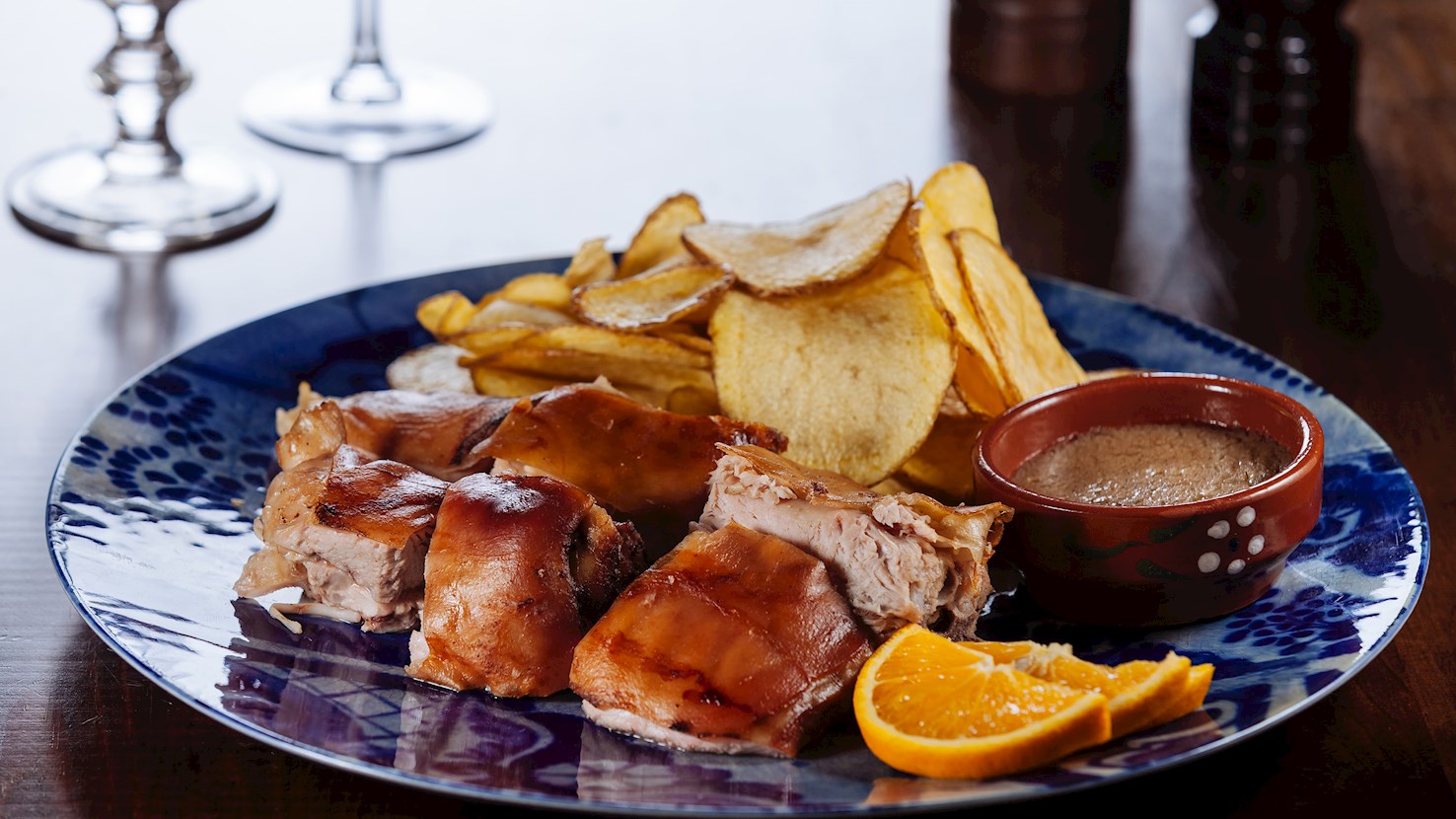
Leitão da Bairrada is a whole suckling pig seasoned with garlic, salt, pepper, and lard, roasted on a spit inside a wood-fired brick oven, and cut into small pieces for serving. It has glossy, golden-brown skin that breaks into crisp pieces over tender, juicy meat, with a pronounced garlic-and-pepper flavor. Also called leitão assado à Bairrada, it is made with a young pig still nursing, typically about four to six weeks old. The seasonings are pounded into a paste and spread generously inside the cleaned carcass; some preparations also rub the outside with the paste or add parsley and bay leaf. Both black and white pepper appear in established recipes. The pig is threaded lengthwise onto a long spit, called a vara or espeto, and the openings in its belly and neck are sewn shut to keep the seasoning in during roasting. Locally, the brick oven is used for broa, a cornmeal bread, and is heated with vine prunings or eucalyptus bark. The embers are pushed to the sides, leaving space for the pig, which the cook turns repeatedly to brown the skin evenly. Roasting generally takes about one and a half to two hours. During this time, the pig may be drawn briefly out of the oven into cooler air, literally “giving the pig a cold.” The Confraria Gastronómica do Leitão da Bairrada, a regional culinary association, describes combining these withdrawals with sprinklings of white wine to produce firm, crisp skin. Near the end of roasting, the seasoned fat and juices collected in the belly are drained off; this peppery liquid can accompany the carved meat. The roast is cut with carving shears and arranged on a platter with the skin facing upward, with portions drawn from the neck, ribs, and legs. It is served hot or warm, although some diners prefer it cold. Mealhada, in Portugal’s Bairrada region, became an important center of the restaurant trade associated with the dish, particularly along the EN1 highway. In 1941, Álvaro Pedro began selling suckling pig sandwiches to passing drivers from his grocery store and tavern. He opened the larger Pedro dos Leitões in 1949, the first restaurant in the world to sell Bairrada-style roast suckling pig. These businesses helped establish roast pig as a roadside restaurant meal, alongside its use at weddings, baptisms, fairs, and local festivals. A restaurant serving commonly includes batatas fritas, often thin fried potato rounds, orange slices, and a lettuce and onion salad. Small potatoes boiled with the skins on are another typical accompaniment. Bairrada espumante, the region’s sparkling wine, is a customary drink with the roast. The animal’s blood and organs also have a separate use in cabidela de leitão, a dish of chopped heart, lungs, and liver cooked with blood, onion, red wine, and some of the roast’s seasoned drippings; it can be cooked in a pan beneath the roasting pig to catch the liquid as it falls. Pieces of roast pork tucked into pão da Mealhada, the local bread roll with four points, are sold as sandes de leitão at restaurant counters and for takeout.
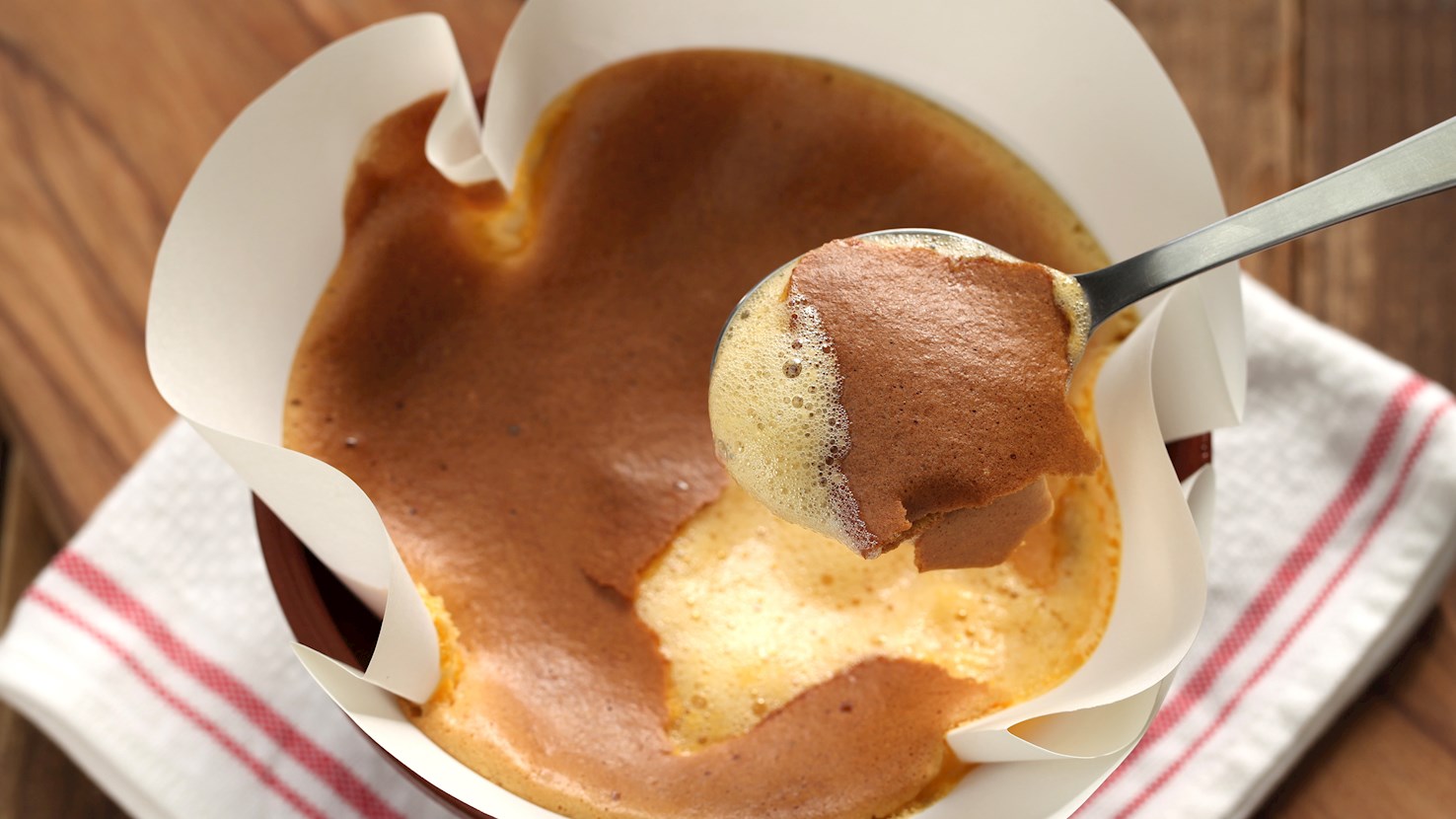
Pão de Ló de Ovar may be the most famous Portuguese cake, dating back to the 18th century when it was made in convents by nuns. The earliest written evidence about this sponge cake dates back to 1781, in a book called Irmandade dos Passos, where it is said that pão de Ló de Ovar was a sweet offered to the priests who took the wooden framework to carry the statues in the Holy Week procession. This creamy sponge cake is traditionally made from eggs, sugar, and flour, and today, it is often seen at most food fairs in Portugal. The cake is popular throughout the country, not just in the municipality of Ovar, where it is traditionally produced.
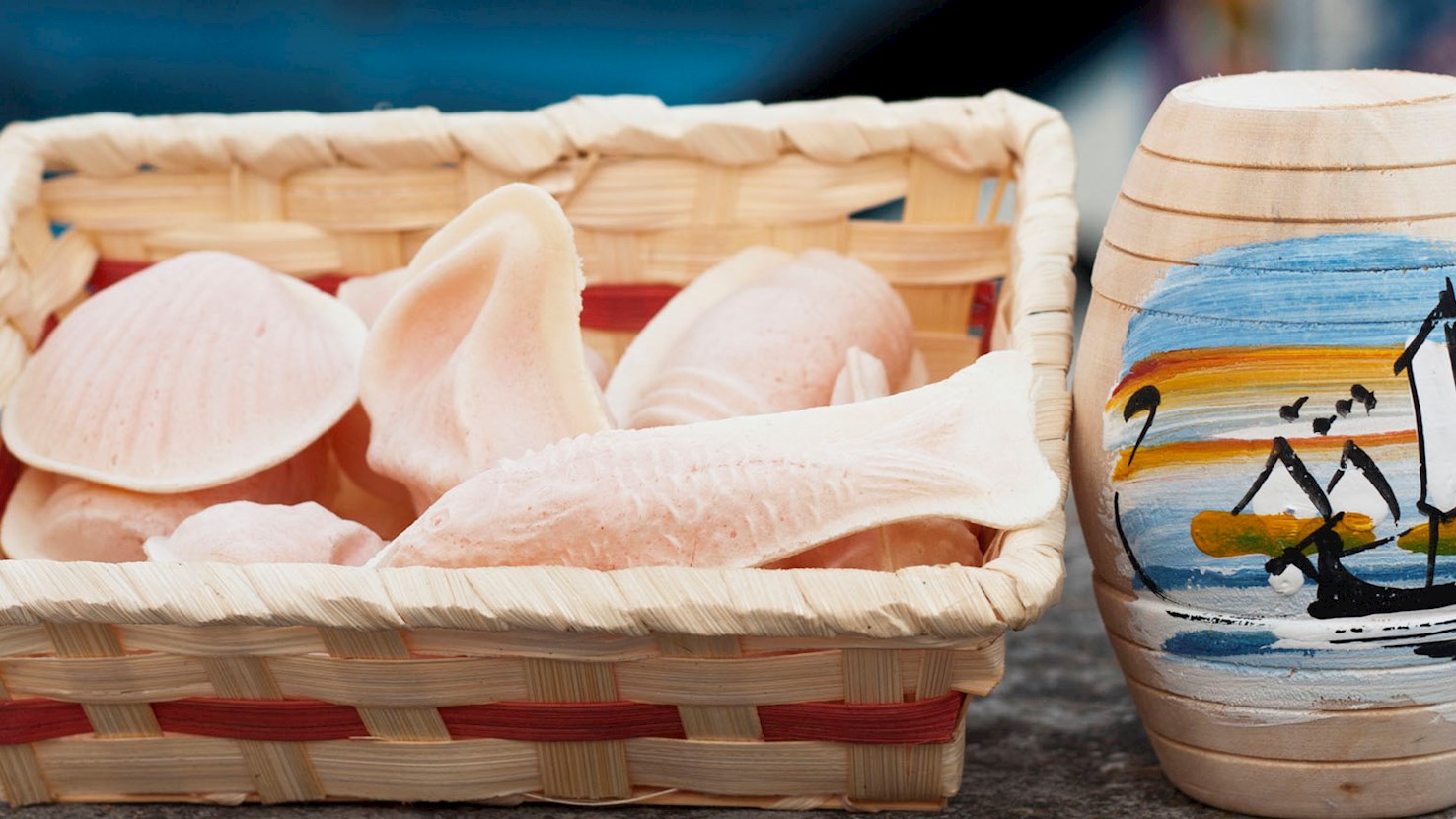
Hailing from Aveiro, these delectable sweets consist of a paper-thin wafer that is filled with a creamy mixture of egg yolks and sugar. Ovos moles, which translates to soft eggs, belong to a wide group of Portuguese desserts that were originally prepared by nuns. This dessert is usually associated with Mosteiro de Jesus in Aveiro. It is believed that when the convents were closed, the recipe stayed with the nuns, and by the mid-19th century, there were already many reputable establishments which sold ovos moles. The wafers are typically shaped into maritime symbols such as shells, fish, or barrels, which are all associated with the picturesque city of Aveiro. Along with being one of the most popular Portuguese edible souvenirs, ovos moles were the first Portuguese convent treat that was granted a protected status by the European Commission.
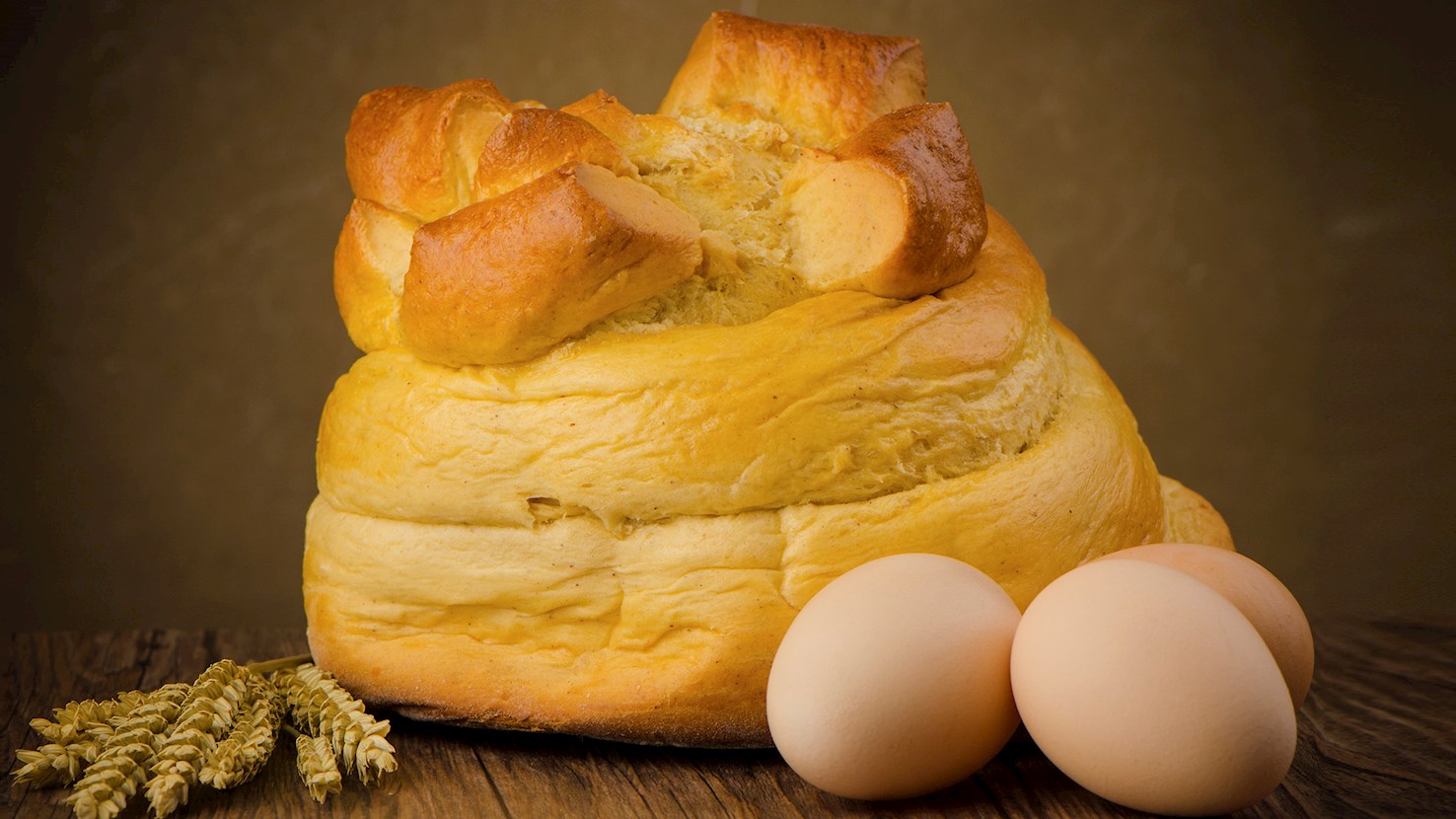
This baked delicacy from Feira is a type of sweet bread that is traditionally made for the Feast Day of San Sebastian and the Feast of Fogaceiras, one of the most emblematic religious festivals of northern Portugal, which is held every year in January in Santa Maria da Feira. Its shape represents the tower of a castle with four pinnacles, and it is baked daily in various bakeries in the region. It is made from wheat flour, eggs, sugar, butter, yeast, cinnamon, lemon juice, and lemon peel. The texture is somewhat denser than bread, while the flavor is delicately sweet and unique.
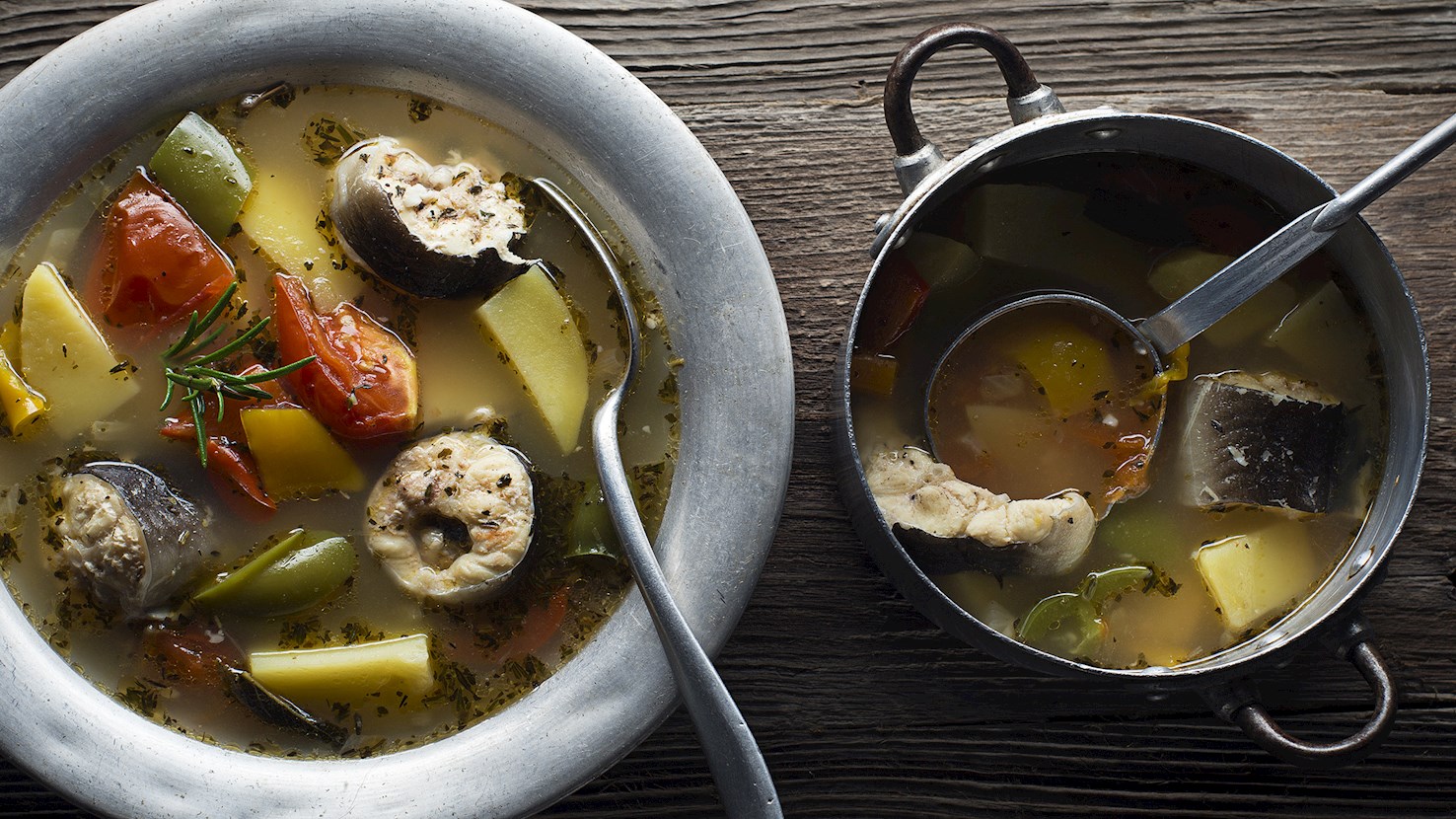
Originating from Aveiro, famous for its eels, caldeirada de enguias is a flavorful Portuguese eel stew that is typically seasoned with saffron and accompanied by onions, potatoes, and bell peppers. The stew should be cooked on medium heat without any stirring until the potatoes are fully cooked. It is recommended to pair caldeirada de enguias with crisp white wines from the Bairrada region.
Tripas de Aveiro is a traditional sweet from Aveiro, Portugal, resembling a crepe created in the 1970s. The dough is folded like intestines, which inspired its name ("tripa" means intestines in Portuguese), but it is much tastier than it sounds. The batter, made from eggs, flour, milk, sugar, and butter, is cooked like a crepe and can be filled with various ingredients, from traditional chocolate to regional ovos moles. It's a popular street food, available in many kiosks around Aveiro and often topped with cinnamon.
TasteAtlas food rankings are based on the ratings of the TasteAtlas audience, with a series of mechanisms that recognize real users and that ignore bot,
nationalist or local patriotic ratings, and give additional value to the ratings of users that the system recognizes as knowledgeable.
TasteAtlas Rankings should not be seen as the final global conclusion about food. Their purpose is to promote excellent local foods,
instill pride in traditional dishes, and arouse curiosity about dishes you haven’t tried.
The initial list of top producers was compiled based on available reviews, awards, local recommendations, media and blog coverage, and consumer reviews.
The list will be updated with ratings from TasteAtlas local ambassadors and TasteAtlas users.










What People Say